


Likes
Comments
Share


@GrowLcks
Follow
* milieu de la 2eme semaine de stretch :
Nous entrons dans la phase de bourgeonnement.
•augmentation Azote
•augmentation du P.K
•dernier Pincement
Fin du stretch :
-Diminution de l'Azote
-Augmentation du PK
J'utilise pour la première fois les Enzymes (Metrop) & Uptake (Cyco) en complément de la gamme Metrop.
Jai hate de voir les resultats, mais pour le moment, les plants sont sain et vigoureux


Likes
5
Share


@Chris42081
Follow
Both growing under and in exactly the same conditions and substrates and nutes. Ones so much larger both are topped.
Likes
3
Share

@Hren_Morjovii
Follow
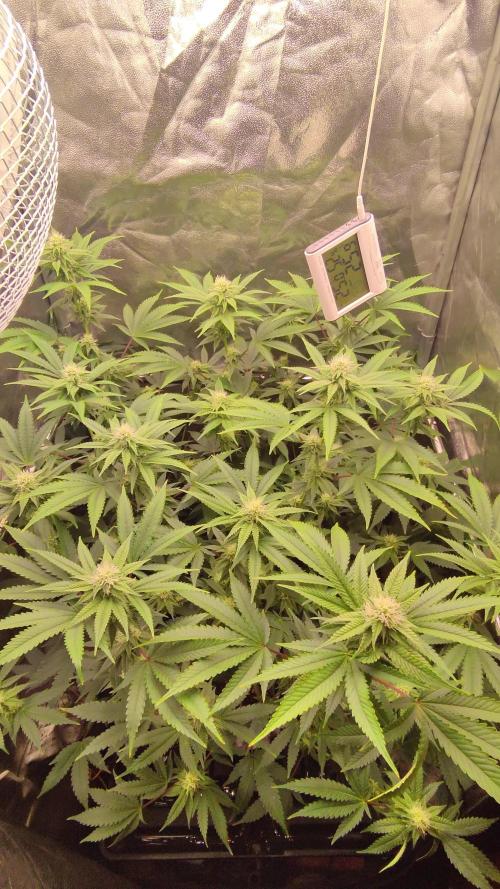
Шишки каменные, очень твердые.
Клон, один раз пролил дельта 9, 6 млл. Решил долить овердрайв который стоит уже больше года без дела, хватит примерно на неделю.
Растиха немного подгорела из-за редких поливов. Сегодня поставлю таймер, будет 3 полива в сутки вместо одного.
Likes
26
Share


@DreamIT
Follow
Sponsored by:
🏡GANJA FARMER SEEDS🏡-💡VIPARSPECTRA💡-💐GREEN BUZZ LIQUIDS💐-🛠️WEDRYER🛠️
29/9 it was a tough month for me but I'm back in charge. We are almost at the end of the cycle and the flowers begin to be large and the pistils begin to color.
__________________________________________
Personal advertising (contains affiliate links)
__________________________________________
🦄 Huge collection of exquisite genetics since 2009! Anonymous shipping!
✅https: //bit.ly/Ganjafarmer
__________________________________________
Did you know that Green Buzz Liquids fertilizers are 100% vegan? A complete line of products ready to give the best to each of your plants! Visit the site and see my journals to see how they work 🦄
🤯 And with the code "dreami t" you will immediately receive a 15% discount on your purchases
✅https: //bit.ly/GreenBuzzLiquidsPro
__________________________________________
👀 Are you looking for a good lamp to start with? 👀
🌞Viparspectra has something more than the others, take a look at their site.
⏩ Use "GDVIP" for an extra discount or "DREAMIT3" for an extra 5 %% discount
👀 Search for it on Amazon
✅Amazon USA: https://amzn.to/30xSTVq
✅Amazon Canada: https://amzn.to/38udUVe
✅Viparspectra UE: bit.ly/ViparspectraUE
✅Viparspectra USA: bit.ly/ViparspectraUS
______________________________________________
🌈 Tired of blowing on your weed hoping it dries quickly? Check out the Wedryer website! You will find a well-made accessory that will help your weed dry in just 8-10 days without the annoying risk of finding mold or other annoyances! (no affiliate links)
✅https: //bit.ly/Wedryer_
______________________________________________
📷🥇Follow the best photos on Instagram 🥇📷
https://www.instagram.com/dreamit420/
Backup
https://www.instagram.com/dreamit4200/
🔻🔻Leave a comment with your opinion if you pass by here🔻🔻
🤟🦄💚 Thank you and good growth 💚🦄🤟

Likes
6
Share


@valiotoro
Follow
Easy trim✂️
Harvest in 2 times first the top buds then the lower!
No popcorn 🍿
The smell is delicious cookie & lemon 🍋 🍪
The buds are extremely dense 🤩
See you in 2025 for the smoke report
Take care 💜
Baxter loves you🕺🏽

Likes
12
Share


@CanadianFillmore
Follow
Week 4 begins for Amnesia lemon haze! Lots of nice bud sites developing, and hopefully the stretch is done for this girl. Removed some larger leaves and yellowing ones. Overall the plant looks great. I also increased feeding to 5 liters.
Thanks for looking 👽🔥🌳
Likes
3
Share


@Akisan
Follow
It seems like the stems have stopped growing and it’s in full flowering phase.

Likes
2
Share


@SmokedSmoke
Follow
Everything is doing good visuals and smells are gonna be insane if it stays goin at this rate


Likes
4
Share


@eYo4Terpz
Follow
Stretch ist jetzt im vollem gange
Bei der Jehova auch schon beinahe zusende
Die Acid Snow ist jetzt dabei.
Die Pflanzen sehen alle aus als wären sie getoppt worden. Wurde aber keine!!!!

Likes
16
Share


@Le_Duc_Du_Bud
Follow
Salut amis cultivateurs 🍁
Aujourd'hui on débute une nouvelle semaine de floraison ☀️☀️
Ah je suis contente elle a tellement bien changé depuis le départ magnifique couleur et magnifique odeur 🍁🍁
J'ai hâte de voir les quelque semaines restantes ✌️✌️


Likes
2
Share


Likes
43
Share


@DaSofaSurfer
Follow
yo ppl out there growing this strain:
First of all congratulations !! This is something truly special !! I just fall deeper and deeper in love with this cultivar.
so to anyone growing this two notes, right quick:
- you can feed this one real heavy !!
I been red lining her with nutes. close to maxing out all the way thru. I think there were only two waterings with just sugar water. she responds very well to heavy nutes.
- also veg her out longer than you would. She don't stretch much.
I have the mom and two clones going but mom is three weeks ahead. I'll be posting some buds soon from her actually.
Anyway Greenhouse seeds co. describes it as creamy smell, a dark chocolate and coffee smell. Maybe I got a pheno but I don't get that. I get toffee and lemon flower, kinda like twizzlers and sprite but somebody frothing up cream in the coffee machine. but no coffee. Mom is 3 weeks ahead and she smells the same.
soon as I pull up smell welcomes me home. type of smell that just pulls you in and you just want to follow.
the buds are so dense !! I wouldn't want to be the story bastard to take of of these buds to the dome after falling of the empire state. The golf balls would take somebody out. some of the hardest nugs I've grown for sure. TIGHT !!
this is something very special




Likes
59
Share


@JeyGanesha
Follow
Gente,sono arrivato alla 6 settimana di fioritura,per fortuna sto riuscendo a debellare sto cazzo di ragnetto rosso...e tutti i fiorellini maschi che stavano spuntando...al momento sembra che non stiano più facendo sviluppare,ne nannars ne fiori completi di Maschio......il che è buonissimo 😋...spero riuscire a portare a termine bene la mia terapia, altrimenti mi ritroverò (ma di molto nellaCACCONA...MERDA!!!)..MA no! sono positivo e quasi sicuro che sarà buonissima 😋

Processing
Likes
15
Share


@eldruida_lamota
Follow
Esa familia, otra cosecha más, no tan contento esta vez la variedad en si está buena pero su cultivo es algo complicado y no está estabilizada la genética, los días de floración son más de 55 días como dice el banco,más de 3 meses de floración con estos ejemplares...
Pero mereció la pena esperar el colocón es bastante fuerte, para mi que , sativa dominante a mi parecer, 24% de thc , cruzada entre cookies x OG Kush , muy productora en general. Así esto es todo , pronto más trabajos, buenos humos familia.

Likes
5
Share

@CalGonJim
Follow
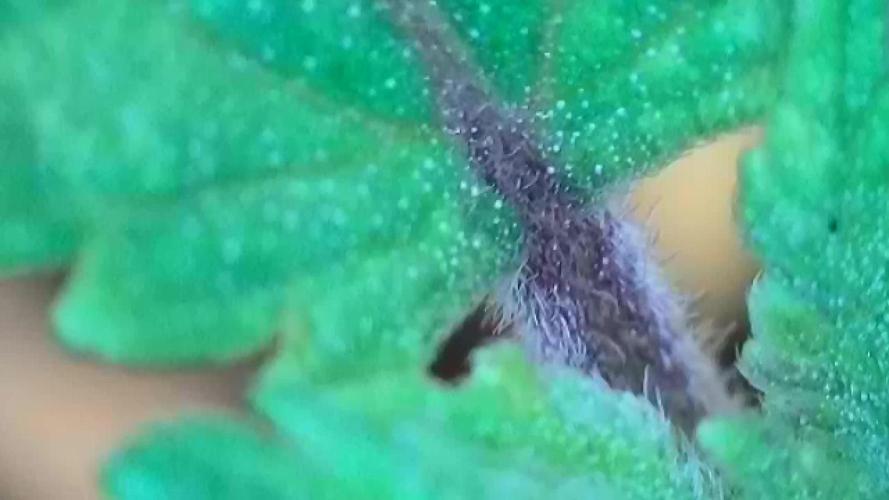
9/15 12AM MONDAY!!! THEY ARE ALL DOING GREAT!!! VERY HEAVY AMINOS YESTERDAY, NO DAMAGE.
9/15 11:24PM. In plant cells, glutathione S-transferases (GSTs) act as transporters, facilitating the movement of anthocyanins from the endoplasmic reticulum (ER) to the vacuole for storage, though their exact mechanism is still being studied. The synthesis of glutathione (GSH) itself occurs in the cytosol of mammalian cells through two ATP-requiring enzymatic steps, while anthocyanins are synthesized via a separate phenylpropanoid pathway
9/15 11:42PM glutathione metabolism glutathione S-transferases plantsThinkingKicking off 5 searchesLooking at 71 sitesPutting it all together In plants, glutathione S-transferases (GSTs) are a diverse family of enzymes integral to glutathione (GSH) metabolism, primarily functioning in detoxification and stress response. The core of this process involves GSTs catalyzing the conjugation of the tripeptide GSH with various toxic compounds, or xenobiotics, making them less harmful and easier to sequester or transport. Glutathione (GSH) metabolism in plants GSH metabolism is a tightly regulated process that maintains cellular redox balance and protects against stress. Biosynthesis: GSH is synthesized in two adenosine triphosphate (ATP)-dependent steps:(gamma )-Glutamylcysteine synthetase (GSH1) joins L-glutamate and L-cysteine to form (gamma )-glutamylcysteine. In Arabidopsis, this enzyme is located exclusively in the chloroplasts.Glutathione synthetase (GSH2) adds glycine to (gamma )-glutamylcysteine to produce GSH. This enzyme is found in both the cytosol and the chloroplasts.Oxidation and reduction: GSH exists in two forms: a reduced monomer (GSH) and an oxidized disulfide dimer (GSSG).Oxidation: In the process of scavenging reactive oxygen species (ROS), GSH is oxidized to GSSG.Reduction: Glutathione reductase (GR) uses NADPH to reduce GSSG back into active GSH, which is essential for maintaining a high GSH-to-GSSG ratio inside the cell.Degradation: Glutathione can be degraded in the cytosol, apoplast, and vacuoles by (gamma )-glutamyltransferases (GGTs) and other peptidases, allowing for recycling of its amino acid components.Transport and compartmentalization: While synthesis occurs in the chloroplasts and cytosol, transporters move GSH and its conjugates throughout the cell, including to the mitochondria, peroxisomes, and vacuoles. Functions of glutathione S-transferases (GSTs) GSTs are a large, ancient gene family with diverse roles that extend beyond detoxification. The primary functions involving GSH are: Detoxification of xenobiotics and heavy metals: GSTs catalyze the conjugation of the thiol group of GSH to a wide range of electrophilic and hydrophobic substrates, including herbicides, pesticides, and heavy metals. The resulting GSH-conjugates are then recognized by ATP-binding cassette (ABC) transporters and sequestered in the vacuole, reducing their cellular toxicity.Protection from oxidative stress: Stress conditions like drought, salinity, and high light increase levels of ROS, which cause lipid peroxidation. 🚨Some GST isoforms have glutathione peroxidase (GPOX) activity, using GSH to reduce toxic lipid hydroperoxides to less damaging alcohols, thereby protecting cell membranes.Defense against pathogens: During pathogen attacks, GST activity increases to detoxify microbial toxins and secondary defense-related compounds. This helps to bolster the plant's resistance response.Metabolism of endogenous compounds: GSTs play roles beyond immediate stress response by participating in the normal metabolic processes of plants. Examples include:Hormone transport: Some GSTs act as binding proteins (ligandins) that transport plant hormones like auxins within the cell.Metabolite transport: Specific GSTs facilitate the transport of important compounds like flavonoids and anthocyanin pigments into the vacuole.Tyrosine degradation: The zeta GST class (GSTZ) catalyzes a critical step in the breakdown of the amino acid tyrosine.Redox signaling: By influencing the GSH/GSSG ratio and interacting with plant hormones, GSTs can regulate cellular signaling pathways that control growth and stress response. 🚨GSTs and plant stress response The expression of many GST genes is highly inducible by various environmental and endogenous cues, making them key players in a plant's ability to adapt to adverse conditions. Abiotic stress: Drought, salinity, heavy metals, and extreme temperatures all trigger increased GST expression, which helps plants manage resulting oxidative damage. Overexpression of specific GST genes has been shown to enhance stress tolerance in transgenic plants.Herbicide resistance: The ability of crops and weeds to detoxify herbicides through GST-catalyzed conjugation is a well-studied example of GSTs in stress adaptation. Herbicide safeners, chemical agents that protect crops from herbicide injury, work by boosting the activity of these GST enzymes.Developmental processes: Studies have linked the expression of certain GST genes to specific stages of plant development, such as fruit ripening, root and stem development, and flower formation. ""
9/16 12:32am
AI Overview
In plants, phenylalanine is the precursor for anthocyanin synthesis, a process that involves a multistep pathway in which glutathione (GSH) plays a critical role in the transport of the final pigment to the cell vacuole.
Phenylalanine initiates anthocyanin synthesis
The biosynthesis of anthocyanins begins with the amino acid phenylalanine, which is produced via the shikimate pathway. The conversion process, known as the phenylpropanoid pathway, involves a series of enzymatic reactions:
1. Phenylalanine ammonia-lyase (PAL): This enzyme catalyzes the first committed step of the pathway, converting L-phenylalanine into trans-cinnamic acid.
2. Downstream enzymatic reactions: A series of additional enzymes, such as chalcone synthase and chalcone isomerase, convert the intermediate compounds into unstable anthocyanidins.
3. Glycosylation: Glycosyltransferase enzymes stabilize the anthocyanidins by adding sugar molecules, creating the final, stable anthocyanin pigments.
4.
Glutathione is crucial for anthocyanin transport
After synthesis, glutathione is essential for transporting anthocyanins for storage.
* Glutathione S-transferases (GSTs): These enzymes bind to the newly formed anthocyanins in the cytoplasm. This binding is a key step that facilitates the transport of the anthocyanin-GST complex across the tonoplast (the vacuolar membrane) and into the vacuole.
* Vacuolar storage: Once inside the vacuole, the anthocyanins accumulate and provide color to plant parts, such as flowers, fruits, and leaves.
* Catalytic role: Recent research has also found that certain GSTs have a catalytic role in anthocyanin synthesis. They can catalyze a dehydration step to form specific anthocyanidins, significantly boosting production in engineered systems.
*
The process in summary
The synthesis and accumulation of anthocyanins involve a coordinated process of multiple steps:
1. Production from phenylalanine: The amino acid phenylalanine enters the phenylpropanoid pathway, where enzymes convert it into the basic flavonoid structures.
2. Formation of anthocyanidins: Further enzymatic modifications produce the colored but unstable anthocyanidins.
3. Stabilization and transport with glutathione: These anthocyanidins are stabilized by glycosylation and then bound by GSTs (which use glutathione). This binding enables their transport into the vacuole for storage and visible pigmentation.
9/15 12:46AM https://pmc.ncbi.nlm.nih.gov/articles/PMC7238016/
9/16 1:30AM BKO is looking great!!!
Conclusion
The “butter frosting” resin on Cookie Apple F1, healthy yellow-green fusiform, and Blueberry KO’s pigmented cotyledons show your anthocyanin-glutathione-phenylalanine strategy is working—phenylalanine drives synthesis, glutathione ensures transport. Tweak amino acids to 100–150 mg/L to reduce tip burn.
9/16 3:34am
9/16 4:31AM Anthocyanin glutathione synthesis phenylalanine proline tmg powder relating current project:
* Phenylalanine is a precursor: Phenylalanine is an amino acid and the starting point for the phenylpropanoid pathway in plants.
* Anthocyanin synthesis: This pathway creates various secondary metabolites, including the flavonoid pigments known as anthocyanins, which give plants their red, purple, and blue colors.
* Pathway activation: Multiple enzymes, such as phenylalanine ammonia-lyase (PAL), catalyze the conversion of phenylalanine into the building blocks for anthocyanin.
*
Anthocyanin and glutathione synthesis
* Glutathione S-transferase (GST): This enzyme is crucial for synthesizing anthocyanins in plants. It transports anthocyanins into the cell's vacuole for storage.
* Glutathione (GSH) production: Anthocyanins can promote glutathione synthesis in certain cells. For instance, the anthocyanin cyanidin-3-O-β-glucoside (C3G) has been shown to increase the expression of glutamate-cysteine ligase (Gclc), a key enzyme in GSH synthesis.
* Antioxidant effect: By upregulating GSH production, anthocyanins contribute to the antioxidant defense system, protecting cells from oxidative stress.
*
Proline and glutathione synthesis
* Shared precursor: In some organisms, the synthesis pathways for proline and glutathione share a precursor molecule called γ-glutamyl phosphate.
* Alternative pathway: Research on bacteria and yeast has revealed an alternative, trace pathway where γ-glutamyl phosphate from the proline synthesis pathway can be diverted to produce the glutathione precursor γ-glutamylcysteine.
* Oxidative stress response: Studies in mouse oocytes show that supplementing with proline upregulates genes related to glutathione synthesis (Gclc and Gclm), increases glutathione levels, and reduces oxidative stress.
*
TMG powder, methylation, and homocysteine
* Methyl donor: Trimethylglycine (TMG), or betaine, is a potent methyl donor, meaning it provides methyl groups needed for various biochemical processes in the body, including the methylation cycle.
* Homocysteine regulation: One of TMG's primary functions is to convert the amino acid homocysteine into methionine. This helps regulate homocysteine levels, which is important for cardiovascular health.
* TMG and proline interaction: In plants and some organisms, TMG and proline act as compatible solutes or osmoprotectants, helping cells stabilize against osmotic stress like drought or salinity. However, in human biology, TMG mainly functions through methylation, while proline is involved in different metabolic and antioxidant roles.
*
How they all relate
The listed components are connected through several overlapping metabolic and regulatory pathways:
* Anthocyanin synthesis starts with phenylalanine.
* Anthocyanins can promote glutathione synthesis via upregulation of key enzymes like Gclc.
* Glutathione synthesis can be influenced by the proline synthesis pathway, as they share an intermediate in some contexts.
* TMG powder supports the methylation cycle, which helps regulate homocysteine levels. While TMG and proline serve similar protective roles in some organisms, their primary human metabolic functions differ, with TMG focusing on methylation and proline having distinct roles in antioxidant response and metabolism
9/17 217am Die Hard Christmas Grow
9/18, 11:34 AM. I ordered some square saucers that were cartoonishly too small but they fit inside the AC infinity germination kit and they fit with the Bud Cups perfectly really nice so it’s not a total loss.
9/18 11:45AM mix. Foliar Spray, the rest of the mix ec 0.46
Mixed up Aminos first and separate and use 16 oz for foliar spray. Then mixed up:
Root: 1 mL/L Connoisseur A & B GROW,
.2 mL/L CaliMagic,
.2 mL/L Purpinator.
Setria Glutathione: 150 mg/L(Brand: Emerald 250mg capsule.)
TMG: 150 mg/L = (Brand Nutricost)
Phenylalanine: 150 mg/L (Brand Nutricost)
Proline: 150 mg/L (Brand Nutricost).
9/18 228PM AI Overview
Glutathione influences plant colors by regulating the accumulation of pigmented compounds, primarily anthocyanins. The tripeptide accomplishes this through its role in transporting pigments within plant cells and in protecting against environmental stresses like UV radiation that can cause oxidative damage.
Transporting pigments into plant cell vacuoles
Glutathione works with a class of enzymes called Glutathione S-transferases (GSTs) to transport pigments like anthocyanins into the vacuole for storage.
Anthocyanin transport: In plants with pigmented tissues, such as purple grapes or red flowers, glutathione-conjugated pigments are transported by GSTs across the tonoplast membrane into the vacuole. This process is crucial for the stable accumulation of pigments.
Genetic manipulation: Research shows that manipulating specific GST genes can alter a plant's pigmentation. For instance, silencing a particular GST gene in purple grape hyacinths caused their petal color to shift to a lighter shade of purple. Similarly, defective GST genes in carnations resulted in pale-colored flowers.
Protecting against UV light and stress
Glutathione helps regulate plant pigmentation in response to environmental factors, especially UV-B radiation.
Activating flavonoid production: When plants are exposed to UV light, a surge in glutathione triggers the expression of genes involved in producing flavonoids. Flavonoids, including anthocyanins, can act as protective sunscreens for the plant, and their increased synthesis and accumulation can alter visible coloration.
Balancing oxidative stress: Intense UV-B radiation increases reactive oxygen species (ROS) in plants, which can cause oxidative damage. Glutathione is a master antioxidant that helps detoxify these ROS, preventing cellular damage that can affect a plant's pigment-producing mechanisms.
Indirectly influencing plant colors
By regulating cellular redox status and interacting with other molecules, glutathione also affects pigment expression in more indirect ways.
The xanthophyll cycle: As part of a plant's antioxidant system, glutathione helps maintain the reduced state of other protective antioxidants like tocopherol and zeaxanthin. Zeaxanthin is a carotenoid pigment involved in the xanthophyll cycle, which helps dissipate excess light energy.
Redox signaling: The balance between reduced glutathione (GSH) and oxidized glutathione (GSSG) is a key cellular signal for stress response. A shift in this ratio during environmental stress can influence the production of secondary metabolites like pigments, allowing the plant to adapt. "
9/19 1:41AM AI Overview
The key difference is that anthocyanins are the sugar-containing form (glycosides) of pigments, while anthocyanidins are the sugar-free form (aglycones). Anthocyanidins are the foundational molecules, and when a sugar molecule attaches to them, they become anthocyanins, which are more stable and water-soluble, making them the forms found naturally in plants, such as berries and purple vegetables.
Anthocyanidin (Aglycone)
Structure: The basic, sugar-free molecule of the anthocyanin structure.
Location: Not found freely in nature but is the core component that is then glycosylated.
Properties: Color changes with pH, being visible in acidic conditions but colorless in basic conditions.
Examples: Cyanidin, delphinidin, pelargonidin, peonidin, petunidin, and malvidin.
Anthocyanin (Glycoside)
Structure: Consists of an anthocyanidin linked to one or more sugar molecules.
Location: Found in the vacuoles of plant cells.
Properties: Water-soluble and are the pigments responsible for the red, purple, and blue colors in plants.
Function: The sugar attached provides stability, allowing for accumulation in plants and providing antioxidant properties.
Examples: Cyanidin-3-glucoside and other derivatives like acylated anthocyanins. "
9/19 2:43AM I also saw a good mans immediate accent into Heaven, that perspective matters too. no less angry about it though.
9/19 10AM Heavy Amino spray 250mg each in 1L of Setria Glutathione and Phenylalanine
9/19 10:10PM The sons and daughters of americas real terror organization carried out the last horror show, and the one before that and before that. It's not a foreign country, it's always the anti white anti human black sheets and badges that did this.
9/19 10:43PM AI Overview
Phenylalanine and glutathione contribute to plant colors through different biochemical pathways
. Phenylalanine is a precursor for the pigments themselves, primarily anthocyanins, while glutathione is involved in the transport and stabilization of these pigments within the plant cell.
Phenylalanine: The pigment precursor
The source of aromatic compounds: Phenylalanine is an aromatic amino acid and the starting compound for the phenylpropanoid pathway in plants. This pathway produces a vast number of secondary metabolites, including anthocyanins, which give many plants their red, purple, and blue colors.
Color enhancement: Research has shown that increasing the amount of available phenylalanine can lead to more intense red coloration in some fruits, such as mangoes and apples.
Pathway stimulation: Phenylalanine ammonia-lyase (PAL) is a key enzyme in this pathway that converts phenylalanine into precursors for anthocyanin biosynthesis. An increase in phenylalanine levels stimulates this entire process.
Glutathione: The pigment transporter
Anthocyanin transport: After anthocyanin pigments are synthesized in the cell's cytoplasm, they must be transported into the central vacuole for storage. Glutathione S-transferases (GSTs) are a family of enzymes that facilitate this process.
Color intensity: A functional GST is essential for proper anthocyanin accumulation. Mutations in GST genes can result in a significant decrease in color intensity, as seen in the pale or white flowers of certain gentian mutants.
Mechanism of action: The GST binds to the anthocyanin pigment and moves it from the cytoplasm into the vacuole. If the GST is defective, the pigment cannot be transported correctly, leading to a loss of coloration.
Summary of interactions
The roles of phenylalanine and glutathione are distinct but cooperative in producing plant colors:
Phenylalanine provides the essential building blocks for creating the colored compounds (anthocyanins).
Glutathione, with the help of GSTs, ensures these colored compounds are correctly moved to their storage location (the vacuole).
This cooperative system explains why mutations or deficiencies in either process can lead to reduced or altered coloration in plants."
9/19 10:51PM AI Overview.
Trimethylglycine (TMG) supports the production of glutathione, a vital antioxidant
. However, there is no evidence to suggest a direct relationship between these supplements, the amino acid phenylalanine, and the colors of plants. The concepts are linked indirectly via complex biological processes.
Trimethylglycine (TMG) and glutathione
TMG and glutathione are connected through the body's methylation cycle.
TMG as a methyl donor: TMG plays a critical role in the methylation process by donating a methyl group, which helps convert the harmful amino acid homocysteine back into methionine.
Support for glutathione production: This methylation cycle, which is supported by TMG, is essential for producing glutathione. Glutathione is a powerful antioxidant that protects against cellular damage and is crucial for detoxification.
Supplementation considerations: TMG supplements are sometimes taken alongside other supplements to support health, though consultation with a healthcare provider is recommended.
Phenylalanine and the methylation cycle
Phenylalanine is an essential amino acid, but its role is distinct from the TMG-glutathione process.
Essential nutrient: Phenylalanine is a key nutrient for cellular metabolism.
Potential interactions: A separate medical study on experimental hyperphenylalaninemia (abnormally high phenylalanine levels) in chicks observed a decrease in other amino acids in the brain, including those involved in the glutathione pathway. This demonstrates how excessive levels of one amino acid can potentially influence others, though this does not represent a typical interaction.
Plant colors
The connection between the supplements and plant colors is purely conceptual, as the colors are determined by completely different biological processes.
Anthocyanins: The colors of many plants, including red, purple, and blue flowers, come from pigments called anthocyanins.
Glutathione in plants: While plants contain glutathione as an antioxidant to combat stress, it influences color by regulating the transport and accumulation of anthocyanin pigments, not by being a pigment itself.
TMG and phenylalanine in plants: Plants contain TMG, which functions as an osmoprotectant (protecting against osmotic stress). They also contain phenylalanine, but these substances do not directly determine the plant's visible color."
9/19 11:21PM. !!!!!! this was pointless and im dumber for having read it. !!! Light intensity and spectrum affect metabolism of glutathione and amino acids at transcriptional level: https://pmc.ncbi.nlm.nih.gov/articles/PMC6938384/
9/20 11:08 AM the seedlings and the four autos are doing just great. The amino spray with phenylene and glutathione really had nice effects no burning nice solid growth even seedlings from basil lavender various lettuce all are perfect.🚨🚨🚨👍👍👍👍👍
9/21 2AM I AM BECOME ANTHOCYANID!!! ITS WORKING AND ON A SEEDLING I SEE THE GELATO COLLORS IN BLUEBERRY KO AND THE LEAF SHAPE OF BUBBLES BLUEBERRY,!!!


Processing
Likes
18
Share


@Samson420
Follow
The first week of Flower is just about in the books. A big week from the girls perspective, but relatively quiet from this growers point of view.
On Sun., 5/16 The lights went out @ 8pm to kick off the first week of Flower.
On Monday evening around 7pm they got 1 gallon each of the new nutrient mix Bloom A & B and I decided to raise the light up to 36". I wanted to give the ladies a reason to grow again...(I think they came thru.)
No water or nutes on Tues.
Wed., 5/19 they got another gallon each of nutes, but run-off was more than I expected, so I knew they were getting skipped Thurs.
On Fri., 5/21 I lifted the pots again before watering to make a final decision and I was surprised that they were still kind of heavy. Well yes and no. It rained a lot this week and humidity was a b!tch to maintain. I had to buy a new dehumidifier to try and even things out because the small one that I can fit inside my tent just wasn't cutting it, even with the portable air conditioner. There were 3 days were I wasn't able to get the humidity lower that 80% before I was able to get the dehumidifier. I think they girls were stressed and didn't drink as much as they would have...anyway on Fri., 5/21 I gave them 1/3 gallon each of water, no nutes. I figured they'd drink that up and they'd be ready for big water today (Sat., 6/22) but they still felt like there was some weight in there towards the bottom 1/3, so nothing more till tomorrow. I pushed the stakes down a little bit for some LST but that's it.
Again, I think it was the humidity this week that kept them from drinking. Today was really the first day all week it hasn't rained at least a little. I have the dehumidifier and the portable A/C off at the moment (after 9pm) and it's about 75 F. and 48% Hum. in the tent.
Sad to say, no little balls that I can notice growing yet...but the girls did get a little growth spurt. Comparing the pics/measurements from last week to today, well, here are the numbers. I think I'm being realistically conservative. You can look at the pics and decide for yourself if where I'm measuring to is the right place.
Triple Cheese last week: 15.5' this week: 18.5"
White Widow last week: 14" this week: 16.5"
Critical Kush last week: 16" this week: 20.5"
So it looks like the ladies on the ends have taken over the Widow in the middle by a significant margin now.
I think that covers everything this week. More to come next week.

Likes
25
Share
@squalino
Follow
TRAINWRECK AUTOSEEDS
THC-HUNTER VS SQUALINO
❤️❤️❤️❤️❤️❤️❤️❤️❤️❤️❤️❤️❤️❤️❤️❤️❤️❤️
⚠️Informations importantes ::
Le duel en direct est temporairement annulé suite à des petits problèmes chez THC-HUNTER. Pas d'inquiétude, nous comparons nos plantes respectives à la fin de sa session ! N'hésitez pas à lui apporter votre soutien sur son profil.
https://growdiaries.com/grower/THcHunteR23
❤️️❤️️❤️️❤️️❤️️❤️️❤️️❤️️❤️️❤️️❤️️❤️️❤️️❤️️❤️️❤️️ ️️❤️️❤️️❤️️❤️️❤️️❤️️❤️️❤️️❤️️❤️️❤️️❤️️❤️️❤️️
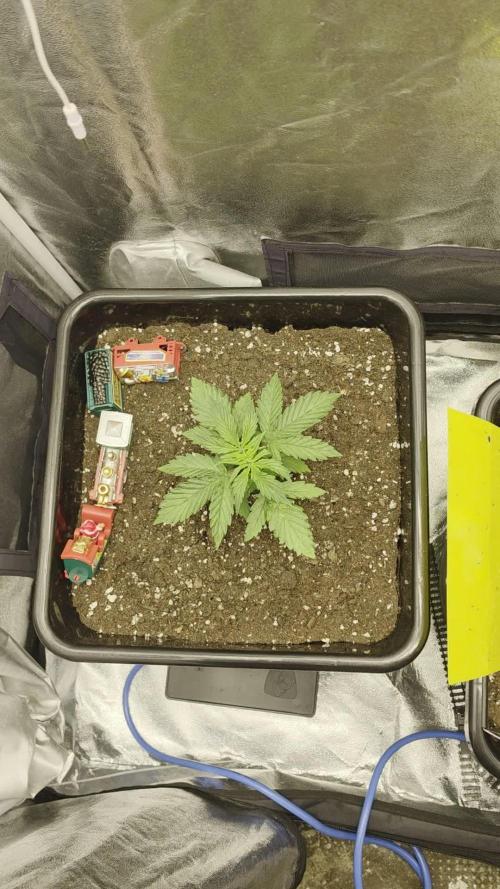
Mise à jour de croissance
Variété : Trainwreck Auto
Date de germination : 10/09
Âge de la plante : 16 jours (Semaine 3)
Taille actuelle : 12 cm (+7 cm depuis la semaine dernière)
❤️❤️❤️❤️❤️❤️❤️❤️❤️❤️❤️❤️❤️❤️❤️❤️❤️❤️❤️❤️❤️❤️❤️❤️❤️❤️❤️❤️❤️❤️❤️❤️❤️❤️❤️❤️
Arrosage & Nutriments
Jour 8 : Rien donné
Jour 9 : Rien donné
Jour 10 : Rien donné
Jour 11 : Rien donné
Jour 12 : Rien donné
Jour 13 : Rien donné
Jour 14 : Rien donné
Jour 15 : Rien donné
Jour 16 : Rien donné
❤️️❤️️❤️️❤️️❤️️❤️️❤️️❤️️❤️️❤️️❤️️❤️️❤️️❤️️❤️️ ️️❤️️❤️️❤️️❤️️❤️️❤️️❤️️❤️️❤️️❤️️❤️️❤️️❤️️❤️️❤️️❤️️
Description
La plante se développe à une vitesse impressionnante ! En prenant 7 cm cette semaine, la structure reste magnifique avec un feuillage très dense, sain et d'un vert éclatant. Les étages se multiplient bien, les pales de feuilles sont grandes et vigoureuses, et le tronc central s'épaissit fortement. Les départs secondaires commencent déjà à pointer le bout de leur nez. Une croissance très régulière et une plante en pleine forme !
❤️️❤️️❤️️❤️️❤️️❤️️❤️️❤️️❤️️❤️️❤️️❤️️❤️️❤️️❤️️❤️️ ️️❤️️❤️️❤️️❤️️❤️️❤️️❤️️❤️️❤️️❤️️❤️️❤️️❤️️❤️️❤️️❤️️
Un grand merci à AutoSeeds pour leurs magnifiques graines. Vous pouvez les retrouver directement dans leur catalogue sur leur boutique : https://www.autoseeds.com/shop/seeds/
❤️️❤️️❤️️❤️️❤️️❤️️❤️️❤️️❤️️❤️️❤️️❤️️❤️️❤️️❤️️ ️️❤️️❤️️❤️️❤️️❤️️❤️️❤️️❤️️❤️️❤️️❤️️❤️️❤️️❤️️❤️️❤️️
Merci à tous les lecteurs pour votre suivi ! Passez faire un tour sur le profil de THC-HUNTER pour suivre la suite de son aventure : https://growdiaries.com/grower/THcHunteR23
