


Likes
Comments
Share


@ohighoan
Follow
Absolutely satisfied with the germination rate 6/6. Had a few helmet heads that will hopefully resolve themselves. Excited for this run!

Likes
26
Share


@420DeepGrow
Follow
Gracias al equipo de FastBuds y XpertNutrients sin ellos esto no sería posible.
💐🍁 Gorilla Punch (Auto):
Niveles fulminantes de THC. Testado en laboratorio con un 25,695 % en cannabinoides.
Perfil rico en terpenos. Los complejos y sabrosos terpenos de esta variedad son codiciados tanto por los extractores como por los fabricantes de hachís.
Rendimientos impresionantes. Los cultivadores pueden esperar hasta 550 g/m² de flores deliciosas y aromáticas, rebosantes de THC y otros jugosos cannabinoides.
Prueba de excelencia. Dos premios al primer puesto en menos de dos años dejan claro que esta cepa es una auténtica campeona.
🌻🚀 Consigue aqui tus semillas:
https://2fast4buds.com/es/seeds/gorilla-punch-auto
⛽ XpertNutrients: es una empresa especializada en la producción y comercialización de fertilizantes líquidos 🍶y sustratos🐛, que garantizan los mejores resultados y cosechas de la más alta calidad. A través de una cuidadosa selección de materias primas y un proceso de producción avanzado, sus productos son sinónimo de resultados confiables.
🛒 Consigue aqui tus fertilizantes:
https://xpertnutrients.com/es/sobre-nosotros/#:~:text=Xpert%20Nutrients%20es%20una%20empresa,de%20la%20m%C3%A1s%20alta%20calidad.
📆 Semana 9:
Gran semana, la planta parece que ha terminado de crecer y centra toda su energía en desarrollar los futuros cogollos, los erizos 🦔 son apreciables.
@xpertnutrients está haciendo un buen trabajo, ella consume algo de sus recursos lentamente como a mi me gusta .
Vienen lluvias 😡

Likes
2
Share


@BigGGrows
Follow
This week has yielded positive results from the FIM And LST. I topped the internodal new branching that grew from the FIM job as well this week and the 2 extra tops are growing in response on each branching. She is now under a 4 bulb vivosun T5 6500K fixture and is responding very well to the light changes. Her stems are begging to give off terpines when rubbed. She smells of tart sweet lemons and diesel fuel haha. I am very happy about this grow and am expecting preflower to begin soon.

Processing
Likes
5
Share


@AgroCultiveta
Follow
Son fotos y videos de múltiples cultivos debido a que nunca e realizado un seguimiento como tal, espero realizar uno ahora!
Nutrientes Utilizados en general Trybac y Trypack biobizz.
Las criticas siempre serán bien recibidas!😋
Espero les guste el contenido!


Likes
2
Share

@CWolcott1991
Follow
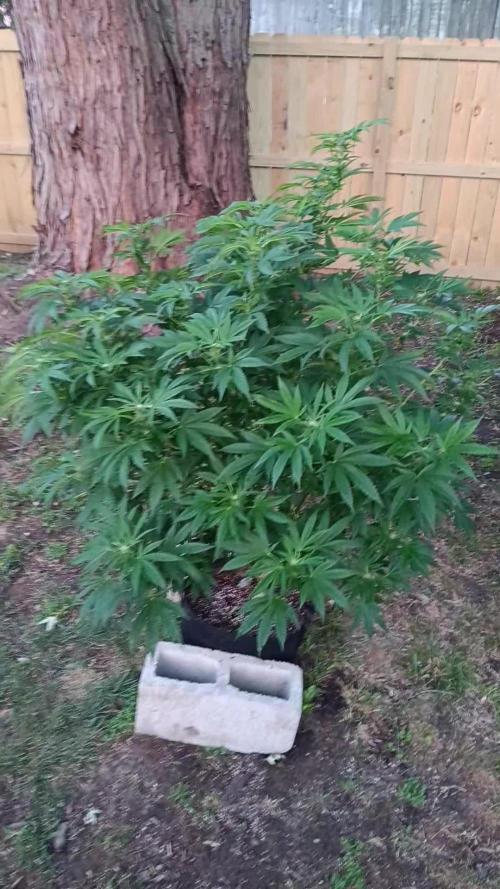
08/31 Day 29 start of week 5 of flower. Both seem tk be doing really well no signs of light stress or anything. Should start packing on weight now. Fed small pot 1310ppm didn't measure runoff
09/01 watered big pot runoff 338ppm. Watered small pit runoff off 395
09/02 fed em both 1700ppm
09/03 both got watered
09/05 fed both 1810ppm
09/06 watered small pot. Watered big pot
Likes
229
Share


@Crashoverite
Follow
Hi everyone 😁
I would like to thank you all fellow growers and breeders for such a great support on this journey. Thank you Grow Diaries and Green House Seeds. Without you all this wouldn't be possible. Love you all
First ever recorded diary so don't know where to even start 😅
I am returning to growing after many many years of break. This is my first ever experience with autoflowers, scrog, lst, led and such tiny grow space.
Choice of strain - Big Bang Auto from Green House Seeds. I have run so many strains from this seed bank in the past and I was always happy with the final outcome. Was looking for indica dominant strain, fast flowering cycle and very important heavy yields on small spaces. Again thank you GHSC in very happy of choosing this strain.
Little bit about my cabinet.
External dimensions:
64 x 50 x 114 cm (W x D x H)
Growing area:
55 x 47 cm cm (0.26 m2)
Panel based on SAMSUNG LM301B diodes
Spectrum:
Samsung LM301B – 5000 x72
Samsung LM301B – 3000k x136
Samsung LM301B – 660nm x9
Samsung LM301B – IR 760nm x1
Regulation in the range of 20W - 110W - Meanwell XLG 100-H-AB
PPF 300 umol/s
PPFD 890 mol/m2/s @30c
Total of 6 adjustable fans, 4 exhaust fans 4 modes - silent/drying, vegetation, flowering, full power
Active carbon mass in the filter 2kg
Absolutely love my grow cabinet. Thinking of next build already.
My grow
3 beautiful ladies - Nuna, Luna and Sweet Mary Jane.
This was a pleasure experience growing autos for the first time. All 3 ladies on the end developed perfectly.
Nuna, left corner lady- tall and beautiful. She had some problems to switch to flowering and was even considering removing her but very happy that I was patient enough and turned great.
Luna, right corner lady - have to say she is the queen. She has the most heavy buds from all, the most. colorful. Her wet weight was 420g, can't say how much of dry but guessing approx. 100g
Sweet Mary Jane, front seat lady. I think she was the most pleasant to grow of her location but due to no other spare space for drying I belive that I have harvested her at least a week to early. If keep longer I belive she could be the most yielder from all 3.
Thank you all for all the support, help, comments, likes, messeges.
Love you all 💚💚💚
Will update this diary in some time and when puff perfectly cured 😎
Peace and love ✌️💚

Likes
10
Share

@TrickzGrowz
Follow
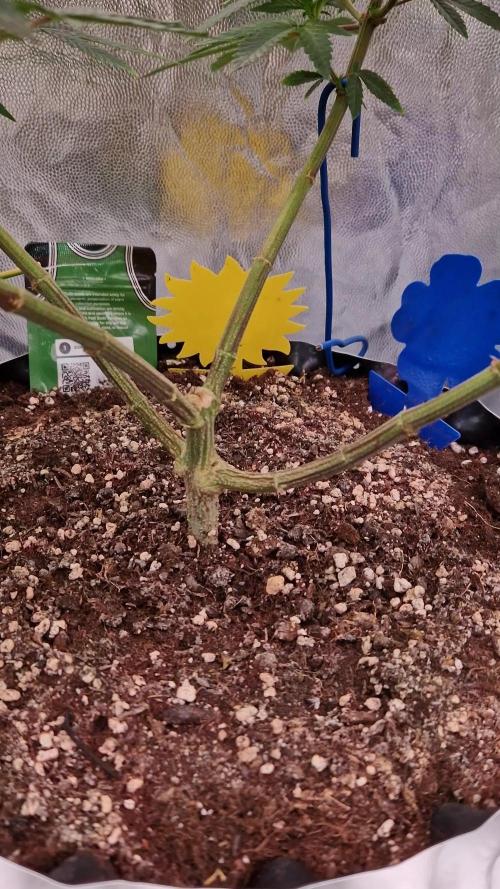
Der eine Trieb der durch das Training angerissen ist, hat sich bereits super erholt. Die Wurzeln sind bereits unten am Untertopf angekommen.
Gelbtafeln und Blautafeln angebracht.
Likes
10
Share


@Eldorado_ed
Follow
Quick week … ladies coming on fine no issues just maybe bigger tent next #happy flowering ✌️🏻

Likes
51
Share


@Hempface86
Follow
All right guys so we're just over a month of flower and she's starting to stack as of now I would say officially... I think we're going to see a lot of growth in the next two weeks to 3 weeks.. WEEDSEEDSEXPRESS thank you for the opportunity to showcase your genetics and just how strong they truly are because as I said in the video and as I've said this whole time this girl has taken a beating like none before... She had the disadvantage of starting life and old dirt that had salt base nutrients with plenty of residual left in the medium.. I planted two plants the other one did not survive.. not only did she pull through in the early stages but once she got past the hump of the situation I put her in she has been growing great ever since and as you can see I have done massive training to her I've topped her a whole bunch of times been tying her down because I wanted to see just how resilient the plant is.. it's amazing that the plants will to live is stronger than most humans.. with that being said next week we should see a good amount of growth and I am extremely excited for this one as it is strawberry cough.. thank you again to everybody at WEEDSEEDSEXPRESS.. until next week happy growing everybody ✌️😎
https://weedseedsexpress.com/us

Likes
16
Share

@GoldenWeedGrower
Follow
📅 02/06/26
🗓️ D092 (B8 / D1)
🌡️ 1.4
💨 1100
💧 1L
🥗 -
⚗️ 1.7
🔬 5.8
🛠️ -
📋 -
📅 03/06/26
🗓️ D093 (B8 / D2)
🌡️ 1.4
💨 1100
💧 18L
🥗 -
⚗️ 0.4
🔬 6.4
🛠️ Flush for 3 days until last two weeks of ripening
📋 First buds are forming on Bruce Banner
📅 04/06/26
🗓️ D094 (B8 / D3)
🌡️ 1.4
💨 1100
💧 18L
🥗 -
⚗️ 0.2
🔬 6.4
🛠️ Second day of flush, EC is under 0.2
📋 -
📅 05/06/26
🗓️ D095 (B8 / D4)
🌡️ 1.4
💨 1100
💧 18L
🥗 -
⚗️ 1.8
🔬 6.4
🛠️ Last day of flush, from now on I 'll keep a stable EC around 1.3-1.5
📋 I see some foxtailing on BB. maybe, I need to correct something.
📅 06/06/26
🗓️ D096 (B8 / D5)
🌡️ 1.4
💨 1100
💧 18L
🥗 Bloom A-B, Calmag, Overdrive
⚗️ 1.4
🔬 5.7
🛠️ Setting up all to automate next 2 weeks as I'm leaving for a 2 weeks trip
📋 2 weeks away without media and comments from now on
=============================================================
Legend:
📅 DATE
🗓️ DAY (StageWeek / Day)
🌡️ VPD
💨 CO2
💧 WATER ADDED
🥗 FOOD ADDED
⚗️ EC
🔬PH (adjustements)
🛠️ ACTIONS
📋 NOTES
📅🗓️🌡️💨💧🥗⚗️🔬🛠️📋

Likes
12
Share


@GREENPHOENIX6262
Follow
* Week 6 Flower Mimosa (1 -2) - 10/8*
Both Mimosa's are near harvest about a week left, Lotus CarboFlush will begin this week.
Mimosa (1) - 38 Inches - Mimosa (2) - 28 Inches.
Trichomes have set in - Pulled off trellis net this week
* Pre-Harvest set-up - 10/15*
Both plants have been cut down and are drying out accordingly (Day -1)
Dry time will be 9-14 days - Dry temps are 60% Humidity - 62 degrees F.
Likes
2
Share


Likes
1
Share


@TheWeedPimp
Follow
All my early picturs was deleted on the phone. So only have pictures for today. Havest today. Just a micro plant. But a little is better than nothing
Likes
9
Share


@Mr_nugs_lover_David
Follow
I'm so sad just because I cannot get a lot of jars full of this wonderful haze man! Damn I love her aroma to pieces her terps are just awesome suuper sweet but you still can feel the sativa haze smell,but it's got a lot of berry and fruity smell tho,thank god I have this wonderful strain in Photoperiod version and I'll be able to grow her,definitely love this strain,I'll add her to my Photoperiod abd automatics list,AWESOME STRAIN! can't wait to smoke this,100% organic pure and clean free of any chemical sh%t thank you guys hope you like my work 💚✌️🌱💛❤️


Likes
6
Share


@NewbieLearner
Follow
Been slack with the updates as we are busy buidling a new greenhouse. will make sure I take nice individual photos for harvest though.

Likes
36
Share


@MadeInGermany
Follow
Hey everyone ☺️.
This week it has developed really well and has finally taken on color again :-) 👍.
The additional nutrients as described last week have taken off. 1 liter per pot is poured twice this week 🤗.
In about 2 weeks it goes over to the flowering tent 👍.
Otherwise there is not much to report this week.
I wish you lots of fun with the update, stay healthy and let it grow 🍀😊
You can buy this Strain at :
https://sweetseeds.es/de/sweet-skunk-f1-fast-version/
Type:
Sweet Skunk F1 Fast Version
☝️🏼
Genetics:
Sweet Skunk Auto (SWS34)
X
Early Skunk
👍
Vega lamp:
2 x Todogrow Led
Quantum Board 100 W
💡
Bloom Lamp :
2 x Todogrow Led
Cxb 3590 COB 3500 K 205W
💡💡☝️🏼
Soil :
Canna Coco Professional +
☝️🏼
Fertilizer:
Green House Powder Feeding
☝️🏼🌱
Water:
Osmosis water mixed with normal water (24 hours stale that the chlorine evaporates) to 0.2 EC. Add Cal / Mag to 0.4 Ec Ph with Organic Ph - to 5.5 - 5.8 .

Likes
6
Share


@rvabudman
Follow
Santa has been working hard so he can give out lots of smelly xmas presents. He has also been working on taking better pics of the buds.
Ps. My tent is in my closet in my office (I have been WFH for 2 years). Nothing better on a stressful day than opening up the tent and staring into the green, my type of therapy. Has helped me get through my last semester of gradschool while also working full time.

Likes
45
Share


@masterofsmeagol
Follow
9/3 Shook the plants off this morning and took a few pics and did a video. Let's see if it uploads. Plants are doing good. Toasted toffy is due for another plant doctor application tonight. It seems like I'm losing lots of leaves. Looking back on my other diaries I guess it's normal. BUT I could've had pest/pathogen problems then. I'm over thinking it. Toasted toffy only needs a few more weeks. It will definitely outvrun the disease. The nugs are super dense too. The plant in the 50 is loosing leaves faster than I'd like. It is also one of the furthest along. The big leaves that turn yellow look like it's a calcium/magnesium issue. The stalk and branches are all bright green and healthy looking. So are the flowers. It could be something below the soil. I couldve been overwatering but last time I waited until it drooped. It will be fine though. I'm happy with my results so far. Not my best or biggest year but I'm going to put in the work and Mae these plants produce the best quality cannabis that im able too. Also I think plant doctor may kill insects. K bicarb with dawn does too. I've found a few dead bugs like flies and pillars. Pillars actually seem to be gone. Not many moths either. Unless I see them I'm not going to treat them for it. This is that magical time where you get to watch the plant produce those beautiful flowers. Despite some small problems I'm very grateful for what I have. I've worked hard for it.
9/4 Watered everything but the sherb pie which was still heavy with leaves yellowing. It's tied for the furthest behind in flower with the seed in the 10. I treated the toasted toffy with 1/4 gallon (4tsp/gallon) of plant doctor. I avoided flowers as much as possible and tried to just get a few leaves. I used the rest on the soil. I just wanted it to absorb a little faster. That's why I sprayed the foliage. It's not 4 days it's 14 days when tje plant doctor just leaves behind a bunch of potassium and phosphorus after it's done its job. Can't be used in a 14 day interval with copper and I think that's what treats septoria best. I dontvknow if I can use that in flower. Doesn't really matter. Things are looking good. Plant Doctor and the K bicarb seem to be doing there job effectively as long as i stick to the application times. I made a short video but didn't upload. I'll try again but I may have some medical emergencies that need to be dealt with. If not I should defoliate and tie down some event horizon branches. I thought about treating the other event horizon as well. I'm not positive it has septoria but it wouldn't hurt anything to be practice. It AT LEAST has a couple suspucuous spots. I smelled a skunk as soon as I got out of my car. It can't get in my grow but I might put out traps to catch it. We'll see how it goes. Video seems to be uploading. It's at 31% so I'll wait for it. I think I've got like four or five weeks on my toasted toffy and one event horizon and the one in the 50 that I THINK is red runtz. That's good that I'll have different plants to harvest at different times. It's seeds from here on out though. It was hard to find info on some of the strains I'm growing but they all have ONE thing in common. They are EXOTIC and they are at least MODERATELY DIFFICULT to grow. AT LEAST lol. Last year I picked the right seefs and strains and it greatly helped. Still, if these are difficult strains to grow, then I'm doing a good job.
EDIT: I WAS STONED BUT IM PRETTY SURE I TREATED THE PLANT IN THE 50 WITH PLANT DOCTOR. DIDNT SPRAY BUDS. TRIED TO GET THE LEAVES THEN USED THE REST ON THE SOIL. I REMEMBER BECAUSE A STREAM ACCIDENTLY HIT A COUPLE LEAVES ON THE HUGE PLANT IN THE 10.
9/5 Sherb Pie was light and drooping. It's not to far in flower and still seemed moist yesterday with a little bit of weight. I watered it a gallon. I defoliated a little but I need to go through that plant. I have a bunch of plants that need a little work. The 50 gal seed is losing lots of leaves. I must not be feeding it enough, overwatering or maybe theres some sort of lock out. The plant looks nice and healthy. Leaves just turn yellow and die. Looked like a calcium or magnesium deficiency but i saw a septoria spot. I wouldn't think I've over feed or locked out using the small amounts of nutes I've used. It will be time to feed again soon. It's in the middle of flowering and still has leaves. I'm hoping things work out. I just have an anxiety disorder and worry too much. I'm GOING To have a great harve! I just need to keep moving forward and putting in the work.
9/6 What a fucking shitty morning. I did research on how to keep skunks out of your garden. Because I smelled it and the neighbors shot a few. Dad put traps out and it caught one. It wasn't a no spray trap so I approached it with him. Both had tarps. I kept telling him to throw it while I was distracting it bur he got a cramp and only got it over half. The half away from my garden. It's pretty far and down in a field but still. We had talked all morning about how to release it. I offered to drive their dog to take it for a walk so his alcoholic girlfriend wouldn't spiteful put the dog on its run. It wouldn't be sprayed but I made it out like it would ruin my plants. Picked dad up and got him to the bathroom. In that 30 seconds the stupid bitch grabbed the dog and brought it outside despite me YELLING "Can't you wait 5 minutes!? We've been dealing with this all morning. I heard fuck you in my head and she did it anyway. Dog ran at the skunk barking and it sprayed. Not a lot but I was fucking pissed. She's a full blown alcoholic and doesn't like me around early or the fact that my old man's 80 and house is mine. Anyway I got back and there was NO SKUNK SMELL. AT ALL! I WATERED EVERYTHING BUT SHERB PIE AND FED EVERYTHING BUT SHERB PIE. ILL FEED AND WATER THAT TOMORROW. WATERED A GALLON WITH A QUART OF FEED. Researched my strains found out they were all "difficult" to grow. One year ago to the Day I cut my first tenth planet. I got a couple close to a few weeks but the others will be later. If I can pull this off though I'll have some crazy quality! Grateful for what I have that's for sure! I doubled beastie bloom this time. We'll see how it goes.nothings uploading. I did some vids a pictures but I'll have to upload today.
9/7 I think it rained last night. I forgot to water and feed the sherb pie but I'll do it when I get back. I shook off the plants the best I could. I need to get the leaf blower out now and put it to use. Buds are swelling like crazy. GMOs are very tight flowers. Same with the event horizon. Rock hard nugs. With the gmo's I'm not worried. The were monster cropped so they have enough leaves even if some do die off. The toasted toffy only has like four weeks left. Same with the event horizon. The plant in the ten is the furthest behind but it's extremely healthy. I removed some leaves from the bottom and large fan leaves. The plant in the 50 I hope finishes before it loses all its leaves. I treated it with plant doctor and SOME people strip their plants but I don't. I'm grateful for what I've got. Won't be the biggest harvest but WHEN I make it to the finish line I will have some incredibly potent strains. I'm proud of myself to even get these to finish seeingvthe level of difficulty on cultivation. I'm trying to upload some stuff. We'll see.
9/8 Apparently it rained pretty hard last night. Took forever to go through and shake everything off and defoliate what needs it. Sherb pie is praying to the sky and almost totally purple. It's flowering so much more in the last couple days. Everything has. Even the one in the ten is stacking up! I defoliated most of what needed it and I was soaked. I noticed a branch on the middle gmo that was getting heavy and starting to break away from the trunk. It wad wobbly but I don't think there was a break un the Cambrian. I made a sling with rope (couldn't find zip ties) and I pulled it tight amd secured that branch to the tomato cage. GMO buds are hard as rocks. Everything is in overdrive. They liked that beastie bloom. I have cha ching but nothings ready for that yet I don't think. We'll the event horizon and toasted toffy might be I'll have to check. It's been beautiful today but not too hot. Lots of wind which is good. I'll upgrade supports as needed. Flowers are progressing at an amazing rate. Weather is supposed to be great the next few days. I'll keep this updated.
9/9 Had to shake the plants off. WATERED EVERYTHING BUT THE SHERB PIE WHICH WAS REALLY HEAVY. It's also lost a lot of leaves and the majority of leaves have turned purple. Toasted toffy and event horizon and red runts are pretty far into flower. I tried to take some pictures. Even the ten is blowing up! That looks like I'm going to switch to cha ching when flower gets further. Trichs are developing nicely on the ones further in flower. This year it's going to be quality over quantity. All these strains are ranked HARD to grow but have insane cannabinoid profiles and high THC %'s. So if I can keep it together for another month I'll be golden. Looking forward to it. This is the fun part. It's also the anxiety provoking part. I've learned a lot just since joining grow diaries.