







Likes
48
Share


@Mz876
Follow
Topped her more than a week ago and added some LST clips . She’s growing well. No signs of flowering yet .

Likes
14
Share


@MasterKush714
Follow
👹06/07/2025 Week 16 LFG!¡!👹
She's starting to come into preflower really nicely I'm surprised it took so long to stretch weeks ago I'm honestly surprised and hopeful for what's in store for the next month or so lol stay up guys I'll update as the days and weeks go on thanks again for stopping by lfg!!!

Likes
2
Share

@420DeepGrow
Follow
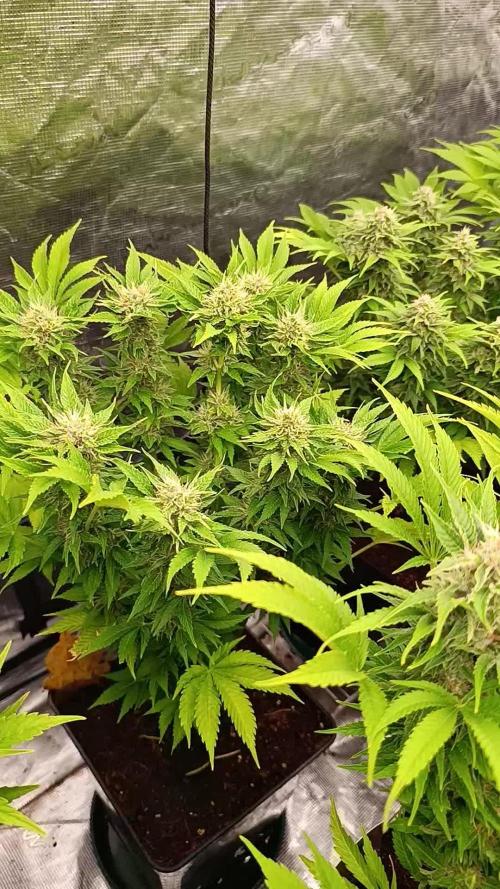
📆 Semana 7
El cultivo entra en la fase final de engorde, con el coco estable y una absorción eficiente. La planta centra su energía en la densidad y maduración de las flores.
Los cogollos siguen compactando y la capa de resina aumenta, cubriendo cada vez más las puntas y hojas cercanas.
El cultivo se mantiene estable, con buen color y aromas cada vez más intensos.
Seguimos creciendo fuerte 💪!

Likes
49
Share


@deFharo
Follow
Hola cultivadores de marihuana ✋👨🌾🌲, bienvenidos a la semana de corte, a las quince semanas de vida, esta cepa auto floreciente, colorida y con dominancia índica, ha pasado a mejor vida en mis mallas de secado.
- He cultivado esta cepa con dedicación y esmero, en una maceta air-pot de 6l, con ataduras en las ramas y tallo, en una mezcla de sustratos ligeros con minerales, sustrato activado con microbiología autóctona recogida en los bosques vírgenes de mi región.
-La he alimentado con macro y micro nutrientes solubles creados con fermentados anaeróbicos e hidrolizados propios, creados en casa, con microbiología, elementos orgánicos y minerales.
-Le he dado mucha y buena luz, 10h de luz interior, más otras 10 horas de luz exterior y cuatro de obscuridad, siempre ha llevado sombrero (mulch), con mucha materia seca que ha dado de comer a la microbiología y ha mantenido niveles de humedad altos en superficie, lo que ha facilitado la vida microbiana y la creación y mantenimiento de las raíces adventicias desde el primer centímetro de sustrato.... 💧🌞👨🌾
Definitivamente no tengo suerte con las chicas de color... o no las entiendo? 🤷♂️ He cultivado varias cepas coloridas y todas me han regalado momentos bellísimos, pero luego al envejecer, pierden mucha y rápidamente su antigua belleza, como también el caso de esta cepa, y yo me quedo insatisfecho.
Este cultivo ha cumplido, pero por poco, el tiempo de cosecha está dentro de lo que el productor anuncia, pero la planta no desarrolló colas como yo esperaba, acusó carencias tempranas, que no se corrigieron a pesar de mis esfuerzos, los brotes florales demasiado esponjosos y con demasiada hoja entreverada, aunque la gran presencia de tricomas es evidente en todas las colas... esperaré al humo a ver que pasa. De momento secando durante una semana y después esperé al menos otra para dar una valoración más acertada del humo.
Hasta la cosecha...
SALUDOS A TODOS, GRACIAS POR LEER!! 🖐️👨🌾🌞💧
================================= 🙄☮️👇🙏👌🤛👍👉👉👉❤️💜❤️👈👈👈🤜👌🙏👇☮️🤩🖐️🏻 =================================


Likes
3
Share

@GvidoLapas
Follow
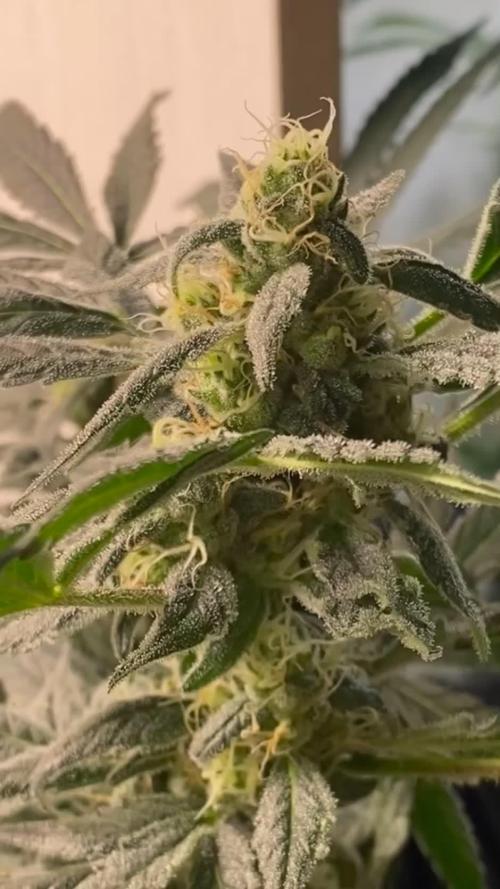
Everything is fine, dear. We plan to become beautiful flowers. Need to wait another month.

Likes
11
Share


@Mr_nugs_lover_David
Follow
She's looking very healthy and happy and strong, she has developed perfectly during this last 3 weeks since she was planted and I cannot wait to transplant this lady and start giving her the bushy discreet shape that I need! Let's get to work! 💚❤️💛


Likes
17
Share


@TheCannaProphet
Follow
-----------------------------------------------------
~SWEET SEEDS JACK 47 STRAIN DESCRIPTION~
-----------------------------------------------------
A 3rd generation Autoflowering strain, this hybrid is the result of a cross between an Autoflowering Jack Herer from the Sweet Seeds®️ R&D Department and our elite clone of AK 47.
Probably the most potent Autoflowering strain available in the market. This is a very productive Autoflowering plant with abundant, compact and very resinous buds. The aromas and tastes of this strain are sweet, fresh, lemony and with hints of incense.
Variety: Sweet Seeds Jack 47 Auto #SWS31
Indica: 20%
Sativa: 76.9%
Ruderalis: 3.1%
THC: 18-21%
CBD: 1.1%
Indoor Yield: 450-600 g/m²
Outdoor Yield: 50-200 g/plant
Harvest Indoor / Outdoor: 9 weeks from germination
Height: 50-120 cm
Effects: Creativity, Psychoactive, Stimulating
Taste: Citrus, Lemon, Incense, Cool, Sweet
________________________________________________________________________________________________________________________________________________________________________________________________________________________________________________________________________________________________________________________________________________________________________________________________________________________________________________________
THE SETUP:
~Planted into Jiffy Peat Pellets that were hydrated with de-chlorinated water with SuperThrive added then ph'd to 6.0 @ 80℉
~Grown 100% organic in 10g fabric pots with Mother Earth 70/30 Coco/Perlite medium amended with 2tbs/g of Down To Earth 4-4-4 / 2 cups/g of Earthworm Castings / 1tbs/g of Dr. Earth Flower Girl 3-9-4, 1tbs/g of Dr. Earth Bat Guano, 3/4 cup of Down To Earth Azomite and 1 tsp/g Down To Earth Fish Bone Meal.
~24hr light cycle during Germination / 19/5 light cycle for Vegetation and 12/12 for Flower
~Straight water ph'd @ 6.2-6.8 when needed and weekly Compost Tea's.
________________________________________________________________________________________________________________________________________________________________________________________________________________________________________________________________________________________________________________________________________________________________________________________________________________________________________________________
WEEKLY UPDATES:
7/26- Here we go into her fourth week and man oh man is she looking F I N E ! 😍 She's got great color and abundant new growth and I'm tucking shade leaves to get good light penetration through her canopy. This girl's shaping up to be one epic autoflower with the size, growth and overall health & vigor to back it up!
I have both UnitFarm LED's fired up now (560w at the wall total) and have them hung @ 30" above canopy and she appears to be loving it! 😍💚
I went ahead and top dressed her today with 2 tbsp/g of Dr. Earth Premium Gold 4-4-4 and Dr. Earth Flower Girl 3-9-4 in a 40/60 ratio respectively. I'll also add 2 tbsp each of Down to Earth Bat Guano and Bio-Fish, topping it all off with 1 cup of worm castings, after which I'll water it in with straight de-chlorinated water ph'd to 6.2-6.5 @ 74℉.
7/28- Her growth and excellent health continue. She has great color and some really tight node spacing. I'm guessing that she's not going to be the tallest girl but, from past experience, there's no doubt she'll look phenomenal when all is said and done....We'll have to wait and see!
I'm watering her from the bottom, pouring her water into her drip tray under her 4g pot, allowing her to draw the water up into the medium. I like this method for a couple of reasons... First, it keeps shit simple and second, it keeps the top 1/2" of medium dry which just about eliminates any worries of Fungus Gnats (I can't stand those little bastardo's).
She recieved 0.5g of de-chlorinated water with 5ml/g of Botanicare CalMag+ added then ph'd to 6.2 @ 74℉ which I then poured into her drip pan. Within 5 minutes the 0.5 was all absorbed...perfect!
7/30- This JACK47XL from Sweet Seeds is on a roll! She's got abundant growth, albeit not the tallest plant, great color and is looking like she's starting to stretch out now. Curious to see how long she goes before starting to flower as that will determine how big she actually gets.
She's getting watered every other day now with 0.5g of straight de-chlorinated water ph'd to 6.2 @ 72℉. I'm alternating the way I water, between pouring it into her drip pan and letting her draw it up into her pot, and from the top with the goal being to keep her medium moist but not wet. This will provide the ideal environment for all the beneficial mycorrhiza and bacteria which are feeding her!
8/1- Well Week Five is in the rear view mirror and it looks like my girl may be starting to flower!
Her color remains fantastic along with her health! I'm continuing to water her daily with 0.5g of de-chlorinated water that is ph'd to 6.3-6.5 @ 74℉
I'm also looking her over throughout the day, tucking shade leaves out of the way of flower sites to ensure that they get plenty of light. I have refrained from removing any shade leaves or topping her to avoid causing any undue stress to her. The only training she's recieved is some LST which continues as well.
Today I went ahead and gave her some Compost Tea that I began brewing 72hrs. ago to give the microbial colony a 'Happy Hour' on the house!
~Thanks for stopping in! Things should be getting a lot more interesting in the coming weeks...Stay lifted and be Blessed! 😎🙏~

Likes
17
Share


@CanadianFillmore
Follow
Week 7 begins for Mandarin dreams and Divine storm. These ladies are looking happy and healthy, bulking up, putting on weight and glistening with frost.
This grow and grow light is sponsored by Mars-Hydro, thank you Kaoritracy for hooking me up with the TSW2000.
Thanks for stopping by growfessors, tune in next week for another episode of growfessor theatre! 👽🌳💚




Likes
12
Share


@SmylinPupil
Follow
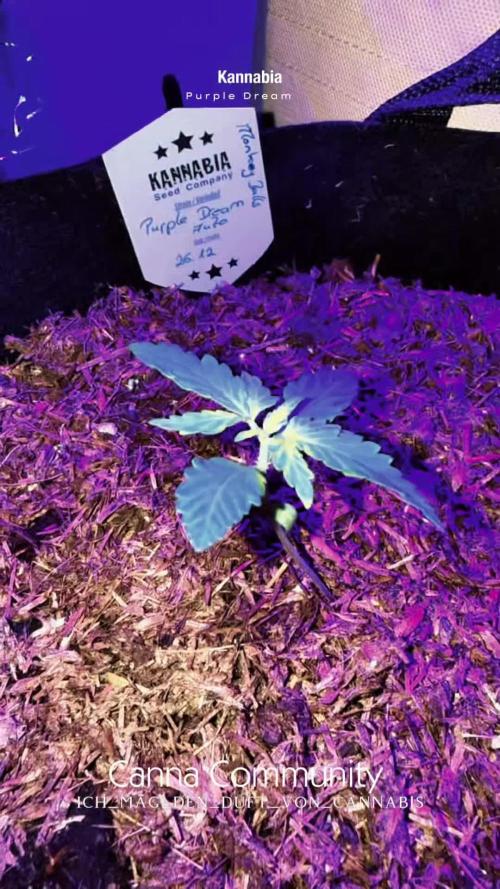
There isn’t a ton to report this week other than the two behind my garage are on their stretch, and the one in the garden is bulking up. It has been raining a lot here, I gave all two big dosages of cal/mag and tiger bloom. I figured most of the nutrients were washing through the soil. I haven’t noticed any nute burns, so I’ll likely keep feeding them once a week. I did some bud backbuilding on my garden plant about a week ago, because the other two didn’t look as developed, i snipped the tip of the buds on the other two about two days ago. I think overall I should have a pretty good yield this summer, I wish I had a bit more purple buds, but hey🤷♂️ Purple kush none the less. I’m signing out for the week, thanks for tuning in.
Cheers.

Likes
4
Share


@birdmountain
Follow
Es war Zeit für die Ernte, im Urlaub hatte sich an der Pflanze im Folientunnel Schimmel an der Hauptcola gebildet und auch etwas an der Pflanze auf der Terrasse. Es hatte in dieser Woche sehr viel geregnet. die Pflanze wurde geschnitten und zum Trocknen aufgehängt.

Likes
38
Share


@Hellhazard
Follow
Day42 of flowering Girl #1 seems to have tighter buds and is still smaller, but looks like she will finish later (although she popped first by a few days)
Girl#2 is much heavier and has sucked the green from her lowest fan leaves even though she is fed well. She also smells soooo good, over ripe cantaloupe/melons.
I am really happy with these plants, which I did not top and let colas grow. I am thinking of removing the cola fan leaves to let light blast the other tops.
Day 45, Removed almost all fan leaves to expose as much bud as possible to lighting. Scent is very strong and sweet. Very resinous leaf
Likes
7
Share

@GERGrowDesigns
Follow
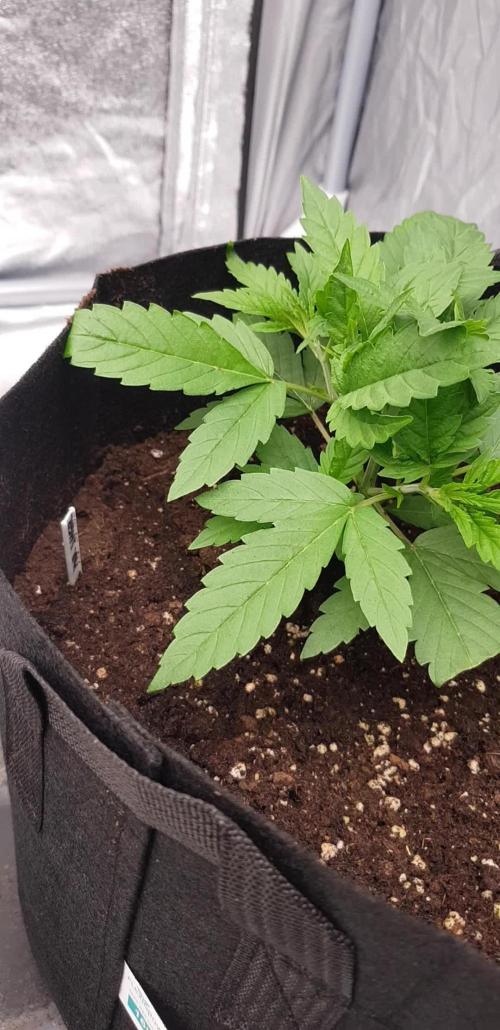
Welcome to Veg Week 4 of Fast Buds Papaya Sherbet
I'm excited to share my grow journey with you from my
FastBuds Project . It's going to be an incredible ride, full of learning, growing, and connecting with fellow growers from all around the world!
For this Project , I’ve chosen the Feminized Photo strain Papaya Sherbet :
Here’s what I’m working with:
• 🌱 Tent: 120x60x80
• 🧑🌾 Breeder Company: Fast buds
• 💧 Humidity Range: 60
• ⏳ Flowering Time: 58 Days
• Strain Info: 30%THC
• 🌡️ Temperature: 26
• 🍵 Pot Size: 0.5l
• Nutrient Brand: Narcos
• ⚡ Lights : 600W x 2
A huge thank you to Fast Buds for allowing me to try my Best with this amazing collection from Automatic and Photo Strains they managed to Sponsore . Big thanks for supporting the grower community worldwide! Your genetics and passion speak for themselves!
I would truly appreciate every bit of feedback, help, questions, or discussions – and of course, your likes and interactions mean the world to me as I try to stand out in this exciting competition!
Let’s grow together – and don’t forget to stop by again to see the latest updates!
Happy growing!
Stay lifted and stay curious!
Peace & Buds!
Likes
7
Share

@Bunterbiber
Follow
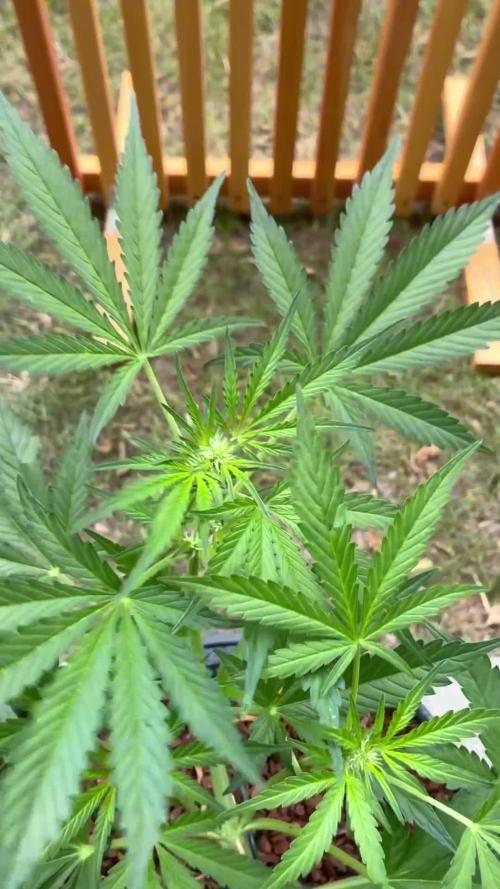
Welcome to Week 5! The weather took a bit of a turn this week. The sun decided to hide behind the clouds a lot more, we had our fair share of rain, and the nights got noticeably chillier, dropping down to a minimum of around 10°C. Despite the less-than-ideal outdoor conditions, the ladies pushed through and continued to develop remarkably well.
I’ve kept up with the LST (Low Stress Training), specifically focusing on keeping all the main tops at an even height so we get a nice, uniform canopy. Watering has stayed consistent and easy—just giving her a drink of tap water + CalMag about twice a week.
Appearance & Flowering:
She has really stretched out horizontally and become quite wide! She is more bushy right now, and those signature dark leaves are just a treat to look at. But the most exciting news of the week: she is officially starting to transition into the flowering stage! The first pre-flowers are showing, and she seems totally unfazed by the colder nights.
Don't forget to check out how the Purple Haze Auto is handling the chill and her own transition to bloom over on my profile!

Likes
4
Share


@Growedbypepper
Follow
Meseta planta se ve péqueña aún debido al proceso que llevamos del esquejé que la ha retardado un poco pero ya se empieza a notar un desarrolló más rápido podría tener un par de semanas más de vegetación y de ahí podría pasarla a floración hasta ahora todo muy bien ninguna Plaga vista y un manejo de plagas por jabón potásico para insectos durante esta semana solo una aplicación y para fungicidas un poco de fungical también solo una aplicación con un día por medio de distancia en tiempo 1 cm por litro


Processing
Likes
4
Share


@Hangonfarm
Follow
Week 3 of flowering has started! More defoliation and loolipoping is going on and is passing the surface of the SOG... buds keep fattening, although this light is very poor I think inhave mentioned that before!!
Likes
76
Share


@Deranged420
Follow
Day 15 - She is still wanting light but gonna leave it at 11" cause she is taking off like a rocket. Sorry for the crappy pic.
Day 16 - She is growing, little worried the stem is not going to hold her up for long she is growing so fast, kinda worried there. Gave a bit of silica/calmag (maybe 1 oz at the ratio in my diary) then about 4oz of water..
Day 17 - She is blowing up! Hard to see in pics but she is getting bigger! I was worried the purple light is what threw my DFL into flower if that was closest to that LED . I tried to quarantine her 600w more purple Light off of my DLF....
Day 18 - Still looking good, gave about 2 oz of calmag/silicia solution and spritzed with water
Day 19 - Was a little dry so watered and spritzed leaves with water. Growth underneath is picking up. She is still growing so I am happy. Trying to keep Air temp up above 75F
Day 20 - It is getting thicker and bigger. Not growing much taller but getting bushier it seems. Spritzed leaves with water.
Day 21 - Undergrowth seems to be growing, not getting much taller but is getting a bit thicker... Spritzed leaves with water.
