Likes
Comments
Share
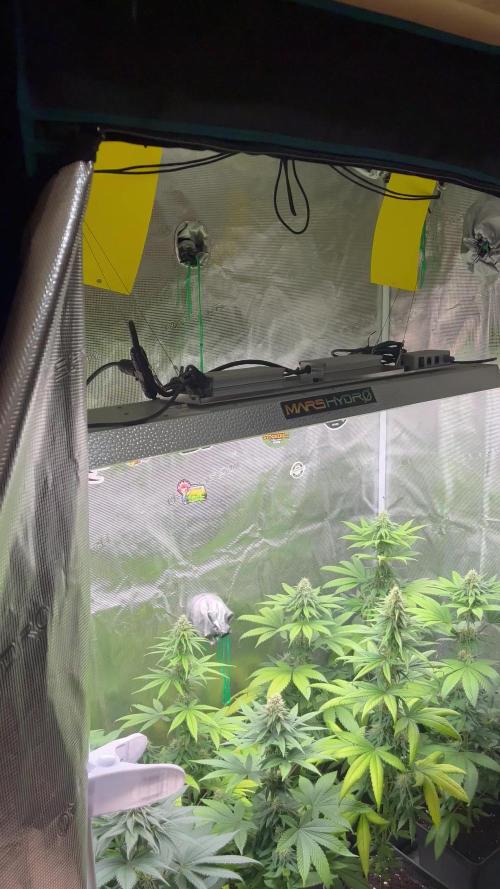
CannaFuel CBD+ sind unsere bisher höchsten CBD-Samen mit einem hohen CBD-Gehalt von 28 % und einem niedrigen THC-Gehalt von 0,5 %. Da diese Samen fast THC-frei sind, können sie in vielen Ländern legal angebaut werden, die den Anbau von Cannabis mit niedrigem THC-Gehalt zulassen. Außerdem taucht das Cannabinoid, über das CBG in aller Munde ist, in Original Sensible Seeds auf. Die Analyse zeigt, dass CannaFuel CBD-Samen einen CBG-Gehalt von 0,37 % produzieren, der im Allgemeinen nach dem Aushärtungsprozess ansteigt. CannaFuel CBD+ sind vollständig feminisierte Cannabissamen und haben eine Indica-Sativa-Linie, daher wachsen die Pflanzen zu einer mittleren Höhe heran, die sich wiederum für den einfachen Anbau im Innenbereich eignen, mit dem zusätzlichen Vorteil einer kurzen Blütezeit von nur 55 60 Tagen. Auch die Produktion lohnt sich mit Erträgen von über 550 m2. Diese therapeutischen Samen mit hohem CBD- und niedrigem THC-Gehalt können auch im Freien angebaut werden und entwickeln starke und robuste Pflanzen, die ihre Knospen gegen Ende des Monats September / Anfang Oktober ernten. CannaFuel CBD+ zaubert einen tief erdigen Duft mit der Dominanz des Myrcen-Terpens, das würzig-pfeffrige Caryophyllen und das nach Pinien duftende Pinen sind ebenfalls sehr präsent mit Zitrusnoten, die sich aus Limonen entwickeln. Dieses starke Terpenprofil liefert auch eine Reihe von therapeutischen Werten, einschließlich entzündungshemmender und stressabbauender Vorteile. CBG (Cannabigerol) kann sich nach der Ernte und nach dem Aushärtungsprozess weiterentwickeln, was diese Sorte zu einer idealen Sorte für Extraktionen und Öl macht. Vom Anfänger bis zum erfahrenen Züchter sind CannaFuel CBD+-Samen die perfekte Wahl für diejenigen, die ein medizinisches Interesse an der Heilkraft von medizinischem Marihuana haben, mit dem zusätzlichen Vorteil eines minimalen THC-Gehalts, diese Samen werden nicht die übliche psychoaktive Wirkung hervorrufen, die normalerweise mit Unkrautsamen verbunden ist und sein kann legal in Ländern angebaut, die Samen mit niedrigem THC-Gehalt zulassen. Cannabinoid-Analyse: 28 % CBD, 0,5 % THC (28 % CBDA; 0,5 % THC) – 0,37 CBG Alle schriftlichen und visuellen Materialien sind nur für Informations- und Bildungszwecke bestimmt. Die ursprüngliche CannaFuel CBD+-Sorte von Sensible Seeds besteht zu 40 % aus Indica und zu 60 % aus Sativa Um die Samen der CannaFuel CBD+-Sorte von Original Sensible Seeds richtig zu lagern, wird empfohlen, die Samen in einem kühlen, trockenen und dunklen, luftdichten Behälter aufzubewahren, der sowohl mit dem Namen der Sorte als auch mit dem Lagerdatum angemessen gekennzeichnet ist, um die Identifizierung und genetische Konservierung der Samen zu erleichtern. Wenn es legal ist, die CannaFuel CBD+-Sorte von Original Sensible Seeds an meinem Standort zu keimen, was ist die beste Technik? Es gibt viele Methoden, um CannaFuel CBD+-Sortensamen zu keimen, wenn die Gesetze in Ihrem Land die Keimung von Cannabissamen zulassen. Die Papierhandtuchmethode ist eine gängige Technik zum Keimen von CannaFuel CBD+-Samen. Eine weitere beliebte und bevorzugte Methode ist das Einpflanzen der Samen direkt in feuchtes Substrat. Damit beide Keimmethoden erfolgreich sind, ist es wichtig, dass die Samen feucht und warm bleiben, aber nicht austrocknen. Wenn Sie die Papiertuchmethode verwenden, vergraben Sie die Samen der CannaFuel CBD+-Sorte, sobald sie gekeimt haben, vorsichtig im Wachstumsmedium. Diese Woche ok ich mich entschieden, ein großes Zelt Mars Hydro 120•120 zu installieren, für eins und eine Lampe mit großer Reichweite FC E4800. Ich habe die Klimaanlage eingerichtet, jetzt liegt die Temperatur bei etwa 24, ich habe zwei Lüfter installiert, um den Secret Jardin Monkey Fan 20w zu blasen, ich wollte sie schon lange kaufen. Die Heizung funktioniert auch! Hoffe es wird bald wärmer 😅
Likes
1
Share
Likes
98
Share
I guess I first have to extend a big thank you to James and the folks at RQS. The genetics of their “Northern Light” did not disappoint and this was a no fuss grow across all categories. This will be the only time you hear me refer to Northern Lights in the singular. It’s kinda like calling a “pickerel” a “walleye” - you just don’t do that up here😉. She took well to training, showed no signs of lockout or deficiency, and we were at the top limits of botanicare’s recommended feeding schedule the whole time. I’d call this typical NL - the scent wasn’t overly powerful, she grew somewhat squat and while I’m actually very surprised at the final weigh (thought it would be much less), the whole grow was typical of the strain in my experience. Possibly her biggest limiting factor was simply space constraints. The photos pretty obviously demonstrate that she got really crowded out by the neighbouring kush and I wouldn’t be surprised at all if she’d have done a little better with some more room. That said, what isn’t “typical” are the effects. RQS touts this as a cup winner and I can see why. Had the opportunity to sample a little and WHOA! She Hits with a lasting, cerebral and euphoric effect that starts as a light, happy high. Not a crippling or dulling effect at all. Just everything you’d expect from a well rounded strain in general. Perfect. I almost wanna describe it as a classic sativa but I’ve been smoking nothing but a pure indica for so many months now that anything different is gonna feel that way 😂. Thank Christ for some new stash diversity: 1:! Many, many thanks to all those who cared to comment, suggest or converse on this one. It’s been a pleasure hearing from everyone and I did what I could to keep ‘er interesting : 1:. Next up will be a couple autos on RDWC before the summer outdoor season (and a significant indoor upgrade) is upon us. That said, I still might be outta touch for a little while due to “life developments”. All the best with that quality smoke folks😉: 1:😜! Seeya on the flip side.👊😎0
Likes
57
Share
@Todzilla
Follow
4 Purple Push Pops PPP (grew 2023 outside). Clones from my clone guy 1000w LED, 4G Autopots,, coco/perlite 65/35, Jacks RO + dry koolblom and humic acid , RO water, AC pro Controller and T8, 5x5 GG Tent with extension Garage grow SoCal Another hot week in the garage averaging 88°. The girls are starting to get fat and enter the ripening stage. Purples are strong. I got purple trichomes!! We’re running just under 1000ppm with no issues. We switched nutes and reservoir funk is gone. This weeks accomplishments: Switch from GH to Jacks RO Install separate reservoirs for black cherry gelato and purple push pops Clean all autopots and reservoir lines. Install separate lines for black cherry gelato This weeks issues: Spider mites. Found them in the outside grow and found a few leaves with them inside. Big time nightmare. Primarily on the gelatos inside. Doing manual scouting and removal every day. Long term issues It’s hot. High 80s low 90s all week. So the same - Cooling and VPD targets during heat waves Preventing the spread of mites and mold issues during high humidity conditions Managing girlfriend expectations through harvest. I hope you all are having as much fun as I am. Best of luck gromies. Check out my black cherry gelato grow and compare side by side with my indoor grow- same clone batch. This should be a great comparison of indoor versus outdoor grows on the same schedule, same nutes and same clone batch 👍
Likes
44
Share
@rudiak
Follow
Hey everyone :) Another fabulous week in the tent from the girls, they are really developing, and still shooting up in height, who knew! Think they have actually stopped now havent seen any vertical growth in last 48 hours except for side colas, girl blue is now a staggering 44"...WTF?! We have got the hangers pulled all they way up if there is anymore growth then I will have to hook the light directly to the rail to gain a couple of inches, but I think we're safe now! The girls have loved the scrog net shooting up in all directions, the canopy is a little uneven mainly because I put the net in so late and was just intended for support now I can't bend the stems in the slightest to try and pull them down a bit. Over the last week have been defoliating quite a bit on 3 of the girls, and left the one back right untouched so have something to compare to, its really hard which method is better at this stage as the virgin girl is about a week ahead due to no stress! Mainly been defoliating as the tent so packed just to ensure air flowing around and through the plants still! As the girls have gotten so big decided to up the lighting to ensure they flower as much as possible as it would be a shame to have this much success and not enough power for the plants to fully develop, we are now running the 600w bulb on overboost at 660w. Swapped on day 38. The girls have shown a slight bit of heat stress and canoeing leaves, think the heat now under control, but I am not to worried at this stage as my main focus is producing great buds. Up to about 3L per girl per feed now and the flores strength has been dropped to 3.2ml this week. Slowly staggering the flores out now for the rest of the grow before the final flush weeks to ensure as little nutrient taste as possible. I think the light tips to the leaves is a phospherous or nitrogen deficeincy with the rate the girls are flowering, generally happy though and not to concerned. A number of the burnt spots and leaves especially on the plant back right was from earlier issues in the grow but she's not been defoliated at all so all her war wounds are on show! Let me know your thoughts and comments on this week guys and happy toking! :)
Likes
1
Share
@Bluemels
Follow
Tag 35: Bisher steckt die Triple G das runterbiegen gut weg.Die Pflanze ist sehr stark. Tag 39: Beginn Scrog.
Likes
17
Share
Sep 21: fall is here with 12 h of darkness and hopefully she picks up the flowering pace while the weather and sunlight are still okay. Sep 27: this sativa pheno is progressing but it is a bit too slow for this area. If I had forced it with 12 h darkness in mid-July it would have worked, but instead I just phyto-forced with a 730 nm far red light starting about Aug 1. The red light is enough for the indica type plants to finish in time here, but it doesn’t seem to be enough for the sativas. Whatevs, I have more than enough and this will all be going for hash anyway. Sativas can be grown here but they need to be forced by light deprivation in July and not just phyto-forced starting in August. Sep 29: two week forecast is suddenly much better so she’s still got a chance to finish properly. Fingers crossed. It hit 0 C here last night and daytime high of only 8-9C so we’re mostly done for the season.
Likes
422
Share
Hi everyone 😁 Welcome back on another week update. If you interested to see the full week update. Please revisit this journal as will be posting daily updates. Thank you for such a great support 😊 me and my🍌💜👊 girls loving you all 💚💚💚 So far everything is going great. Girls are healthy and happy. This week I will be increasing nutrients, continue with leaves tucking and perhaps will install scrog net by the end of the week. Wishing you all a wonderful week ✨🍀✨ 06/11 day 29 Watered 500ml each pot and sprayed with water and fish mix solution. 08/11 day 31 Girls started growing faster. Good few cm in to all of the directions in one night. Watered again with 500ml each pot as belive that they need just a bit more time for the first runoff experience. 11/11 day 34 It was a Spa day for the 🍌💜👊 girls. Full package; 1st - removed 7-10 fan leaves from each girl. 2nd - LST on few longer branches 3rd - shower with fish mix and water solution. 4rd - Watering 500ml for Athena and approx 300ml for Xena. 12/11 What a great and a bit busy week with my girls. Perfect response on yesterday selective defoliation and stretching. No signs of any stress. Girls are strong 🍌💜👊💪 So far I am very pleased how this grow going 😁 Thank you all for such a amazing support 😊💜 Peace and love brothers and sisters ✌️💚
Likes
5
Share
She's actually not using as much water as I'm used to with other plants. I went a good week without watering her, and she didn't show any signs of needing more. So, after almost 10 days, I fertilized her again.
Likes
Comments
Share
Englischversion below Deutsch: Tag 49 Veg: Alle Pflanzen haben das Ziel erreicht - den Rand des Topfes. Eine starke Entlaubung und Entfernung der kleineren Triebe stand an. Dadurch soll verhindert werden, dass die Pflanzen viel Energie in die Biomasse stecken, die später ohnehin beschnitten wird. Ein Pulse-Zero und ein Bodenfeuchtigkeitsmesser ergänzen nun das Setup. Im angesicht der kommenden Blüte wird der VPD in Richtung 1-1,2 gepusht ( hauptsächlich durch ein geringeren RLF%). Sobald sich die Ladies vom Stress erholt haben, wird die Blüte eingeleitet - im Streach wird dann wahrscheinlich das SCROG-Netz eingespannt. -------------------------------------------------------------------------------------------------------------------------------------------- Day 49 – Vegetative Phase: All plants have reached the target — the edge of the pot. A heavy defoliation and removal of smaller shoots were carried out. This is intended to prevent the plants from investing excessive energy into biomass that would later be pruned anyway. A Pulse Zero and a soil moisture sensor have now been added to the setup. In preparation for the upcoming flowering phase, VPD is being increased toward a range of 1.0–1.2, primarily by lowering relative humidity. Once the plants have recovered from the stress, flowering will be initiated. During the stretch phase, a SCROG net will likely be installed.
Likes
65
Share
Flowering day 80 since clock change to 12/12 H . Hey guys :-) the dr Blooms and blooms and there is still no end in sight 😂. I'm curious how long it will take this time, but the wait is always worth it 👍. She was watered 3 times with 1.2 l each (nutrients see table above) Otherwise everything was cleaned. Stay healthy 💚🙏🏻 👇🏼👇🏼👇🏼👇🏼👇🏼👇🏼👇🏼👇🏼👇🏼👇🏼👇🏼👇🏼 You can buy this Nutrients at : https://greenbuzzliquids.com/en/shop/ With the discount code: Made_in_Germany you get a discount of 15% on all products from an order value of 100 euros. 👇🏼👇🏼👇🏼👇🏼👇🏼👇🏼👇🏼👇🏼👇🏼👇🏼👇🏼👇🏼 You can buy this strain at : https://www.barneysfarm.com/dr-grinspoon-5 Water 💧 💧💧 Osmosis water mixed with normal water (24 hours stale that the chlorine evaporates) to 0.2 EC. Add Cal / Mag to 0.4 Ec Ph with Organic Ph - to 5.8 - 6.5 MadeInGermany
Likes
5
Share
@CalGonJim
Follow
9/15 12AM MONDAY!!! THEY ARE ALL DOING GREAT!!! VERY HEAVY AMINOS YESTERDAY, NO DAMAGE. 9/15 11:24PM. In plant cells, glutathione S-transferases (GSTs) act as transporters, facilitating the movement of anthocyanins from the endoplasmic reticulum (ER) to the vacuole for storage, though their exact mechanism is still being studied. The synthesis of glutathione (GSH) itself occurs in the cytosol of mammalian cells through two ATP-requiring enzymatic steps, while anthocyanins are synthesized via a separate phenylpropanoid pathway 9/15 11:42PM glutathione metabolism glutathione S-transferases plantsThinkingKicking off 5 searchesLooking at 71 sitesPutting it all together In plants, glutathione S-transferases (GSTs) are a diverse family of enzymes integral to glutathione (GSH) metabolism, primarily functioning in detoxification and stress response. The core of this process involves GSTs catalyzing the conjugation of the tripeptide GSH with various toxic compounds, or xenobiotics, making them less harmful and easier to sequester or transport. Glutathione (GSH) metabolism in plants GSH metabolism is a tightly regulated process that maintains cellular redox balance and protects against stress. Biosynthesis: GSH is synthesized in two adenosine triphosphate (ATP)-dependent steps:(gamma )-Glutamylcysteine synthetase (GSH1) joins L-glutamate and L-cysteine to form (gamma )-glutamylcysteine. In Arabidopsis, this enzyme is located exclusively in the chloroplasts.Glutathione synthetase (GSH2) adds glycine to (gamma )-glutamylcysteine to produce GSH. This enzyme is found in both the cytosol and the chloroplasts.Oxidation and reduction: GSH exists in two forms: a reduced monomer (GSH) and an oxidized disulfide dimer (GSSG).Oxidation: In the process of scavenging reactive oxygen species (ROS), GSH is oxidized to GSSG.Reduction: Glutathione reductase (GR) uses NADPH to reduce GSSG back into active GSH, which is essential for maintaining a high GSH-to-GSSG ratio inside the cell.Degradation: Glutathione can be degraded in the cytosol, apoplast, and vacuoles by (gamma )-glutamyltransferases (GGTs) and other peptidases, allowing for recycling of its amino acid components.Transport and compartmentalization: While synthesis occurs in the chloroplasts and cytosol, transporters move GSH and its conjugates throughout the cell, including to the mitochondria, peroxisomes, and vacuoles. Functions of glutathione S-transferases (GSTs) GSTs are a large, ancient gene family with diverse roles that extend beyond detoxification. The primary functions involving GSH are: Detoxification of xenobiotics and heavy metals: GSTs catalyze the conjugation of the thiol group of GSH to a wide range of electrophilic and hydrophobic substrates, including herbicides, pesticides, and heavy metals. The resulting GSH-conjugates are then recognized by ATP-binding cassette (ABC) transporters and sequestered in the vacuole, reducing their cellular toxicity.Protection from oxidative stress: Stress conditions like drought, salinity, and high light increase levels of ROS, which cause lipid peroxidation. 🚨Some GST isoforms have glutathione peroxidase (GPOX) activity, using GSH to reduce toxic lipid hydroperoxides to less damaging alcohols, thereby protecting cell membranes.Defense against pathogens: During pathogen attacks, GST activity increases to detoxify microbial toxins and secondary defense-related compounds. This helps to bolster the plant's resistance response.Metabolism of endogenous compounds: GSTs play roles beyond immediate stress response by participating in the normal metabolic processes of plants. Examples include:Hormone transport: Some GSTs act as binding proteins (ligandins) that transport plant hormones like auxins within the cell.Metabolite transport: Specific GSTs facilitate the transport of important compounds like flavonoids and anthocyanin pigments into the vacuole.Tyrosine degradation: The zeta GST class (GSTZ) catalyzes a critical step in the breakdown of the amino acid tyrosine.Redox signaling: By influencing the GSH/GSSG ratio and interacting with plant hormones, GSTs can regulate cellular signaling pathways that control growth and stress response. 🚨GSTs and plant stress response The expression of many GST genes is highly inducible by various environmental and endogenous cues, making them key players in a plant's ability to adapt to adverse conditions. Abiotic stress: Drought, salinity, heavy metals, and extreme temperatures all trigger increased GST expression, which helps plants manage resulting oxidative damage. Overexpression of specific GST genes has been shown to enhance stress tolerance in transgenic plants.Herbicide resistance: The ability of crops and weeds to detoxify herbicides through GST-catalyzed conjugation is a well-studied example of GSTs in stress adaptation. Herbicide safeners, chemical agents that protect crops from herbicide injury, work by boosting the activity of these GST enzymes.Developmental processes: Studies have linked the expression of certain GST genes to specific stages of plant development, such as fruit ripening, root and stem development, and flower formation. "" 9/16 12:32am AI Overview In plants, phenylalanine is the precursor for anthocyanin synthesis, a process that involves a multistep pathway in which glutathione (GSH) plays a critical role in the transport of the final pigment to the cell vacuole. Phenylalanine initiates anthocyanin synthesis The biosynthesis of anthocyanins begins with the amino acid phenylalanine, which is produced via the shikimate pathway. The conversion process, known as the phenylpropanoid pathway, involves a series of enzymatic reactions: 1. Phenylalanine ammonia-lyase (PAL): This enzyme catalyzes the first committed step of the pathway, converting L-phenylalanine into trans-cinnamic acid. 2. Downstream enzymatic reactions: A series of additional enzymes, such as chalcone synthase and chalcone isomerase, convert the intermediate compounds into unstable anthocyanidins. 3. Glycosylation: Glycosyltransferase enzymes stabilize the anthocyanidins by adding sugar molecules, creating the final, stable anthocyanin pigments. 4. Glutathione is crucial for anthocyanin transport After synthesis, glutathione is essential for transporting anthocyanins for storage. * Glutathione S-transferases (GSTs): These enzymes bind to the newly formed anthocyanins in the cytoplasm. This binding is a key step that facilitates the transport of the anthocyanin-GST complex across the tonoplast (the vacuolar membrane) and into the vacuole. * Vacuolar storage: Once inside the vacuole, the anthocyanins accumulate and provide color to plant parts, such as flowers, fruits, and leaves. * Catalytic role: Recent research has also found that certain GSTs have a catalytic role in anthocyanin synthesis. They can catalyze a dehydration step to form specific anthocyanidins, significantly boosting production in engineered systems. * The process in summary The synthesis and accumulation of anthocyanins involve a coordinated process of multiple steps: 1. Production from phenylalanine: The amino acid phenylalanine enters the phenylpropanoid pathway, where enzymes convert it into the basic flavonoid structures. 2. Formation of anthocyanidins: Further enzymatic modifications produce the colored but unstable anthocyanidins. 3. Stabilization and transport with glutathione: These anthocyanidins are stabilized by glycosylation and then bound by GSTs (which use glutathione). This binding enables their transport into the vacuole for storage and visible pigmentation. 9/15 12:46AM https://pmc.ncbi.nlm.nih.gov/articles/PMC7238016/ 9/16 1:30AM BKO is looking great!!! Conclusion The “butter frosting” resin on Cookie Apple F1, healthy yellow-green fusiform, and Blueberry KO’s pigmented cotyledons show your anthocyanin-glutathione-phenylalanine strategy is working—phenylalanine drives synthesis, glutathione ensures transport. Tweak amino acids to 100–150 mg/L to reduce tip burn. 9/16 3:34am 9/16 4:31AM Anthocyanin glutathione synthesis phenylalanine proline tmg powder relating current project: * Phenylalanine is a precursor: Phenylalanine is an amino acid and the starting point for the phenylpropanoid pathway in plants. * Anthocyanin synthesis: This pathway creates various secondary metabolites, including the flavonoid pigments known as anthocyanins, which give plants their red, purple, and blue colors. * Pathway activation: Multiple enzymes, such as phenylalanine ammonia-lyase (PAL), catalyze the conversion of phenylalanine into the building blocks for anthocyanin. * Anthocyanin and glutathione synthesis * Glutathione S-transferase (GST): This enzyme is crucial for synthesizing anthocyanins in plants. It transports anthocyanins into the cell's vacuole for storage. * Glutathione (GSH) production: Anthocyanins can promote glutathione synthesis in certain cells. For instance, the anthocyanin cyanidin-3-O-β-glucoside (C3G) has been shown to increase the expression of glutamate-cysteine ligase (Gclc), a key enzyme in GSH synthesis. * Antioxidant effect: By upregulating GSH production, anthocyanins contribute to the antioxidant defense system, protecting cells from oxidative stress. * Proline and glutathione synthesis * Shared precursor: In some organisms, the synthesis pathways for proline and glutathione share a precursor molecule called γ-glutamyl phosphate. * Alternative pathway: Research on bacteria and yeast has revealed an alternative, trace pathway where γ-glutamyl phosphate from the proline synthesis pathway can be diverted to produce the glutathione precursor γ-glutamylcysteine. * Oxidative stress response: Studies in mouse oocytes show that supplementing with proline upregulates genes related to glutathione synthesis (Gclc and Gclm), increases glutathione levels, and reduces oxidative stress. * TMG powder, methylation, and homocysteine * Methyl donor: Trimethylglycine (TMG), or betaine, is a potent methyl donor, meaning it provides methyl groups needed for various biochemical processes in the body, including the methylation cycle. * Homocysteine regulation: One of TMG's primary functions is to convert the amino acid homocysteine into methionine. This helps regulate homocysteine levels, which is important for cardiovascular health. * TMG and proline interaction: In plants and some organisms, TMG and proline act as compatible solutes or osmoprotectants, helping cells stabilize against osmotic stress like drought or salinity. However, in human biology, TMG mainly functions through methylation, while proline is involved in different metabolic and antioxidant roles. * How they all relate The listed components are connected through several overlapping metabolic and regulatory pathways: * Anthocyanin synthesis starts with phenylalanine. * Anthocyanins can promote glutathione synthesis via upregulation of key enzymes like Gclc. * Glutathione synthesis can be influenced by the proline synthesis pathway, as they share an intermediate in some contexts. * TMG powder supports the methylation cycle, which helps regulate homocysteine levels. While TMG and proline serve similar protective roles in some organisms, their primary human metabolic functions differ, with TMG focusing on methylation and proline having distinct roles in antioxidant response and metabolism 9/17 217am Die Hard Christmas Grow 9/18, 11:34 AM. I ordered some square saucers that were cartoonishly too small but they fit inside the AC infinity germination kit and they fit with the Bud Cups perfectly really nice so it’s not a total loss. 9/18 11:45AM mix. Foliar Spray, the rest of the mix ec 0.46 Mixed up Aminos first and separate and use 16 oz for foliar spray. Then mixed up: Root: 1 mL/L Connoisseur A & B GROW, .2 mL/L CaliMagic, .2 mL/L Purpinator. Setria Glutathione: 150 mg/L(Brand: Emerald 250mg capsule.) TMG: 150 mg/L = (Brand Nutricost) Phenylalanine: 150 mg/L (Brand Nutricost) Proline: 150 mg/L (Brand Nutricost). 9/18 228PM AI Overview Glutathione influences plant colors by regulating the accumulation of pigmented compounds, primarily anthocyanins. The tripeptide accomplishes this through its role in transporting pigments within plant cells and in protecting against environmental stresses like UV radiation that can cause oxidative damage. Transporting pigments into plant cell vacuoles Glutathione works with a class of enzymes called Glutathione S-transferases (GSTs) to transport pigments like anthocyanins into the vacuole for storage. Anthocyanin transport: In plants with pigmented tissues, such as purple grapes or red flowers, glutathione-conjugated pigments are transported by GSTs across the tonoplast membrane into the vacuole. This process is crucial for the stable accumulation of pigments. Genetic manipulation: Research shows that manipulating specific GST genes can alter a plant's pigmentation. For instance, silencing a particular GST gene in purple grape hyacinths caused their petal color to shift to a lighter shade of purple. Similarly, defective GST genes in carnations resulted in pale-colored flowers. Protecting against UV light and stress Glutathione helps regulate plant pigmentation in response to environmental factors, especially UV-B radiation. Activating flavonoid production: When plants are exposed to UV light, a surge in glutathione triggers the expression of genes involved in producing flavonoids. Flavonoids, including anthocyanins, can act as protective sunscreens for the plant, and their increased synthesis and accumulation can alter visible coloration. Balancing oxidative stress: Intense UV-B radiation increases reactive oxygen species (ROS) in plants, which can cause oxidative damage. Glutathione is a master antioxidant that helps detoxify these ROS, preventing cellular damage that can affect a plant's pigment-producing mechanisms. Indirectly influencing plant colors By regulating cellular redox status and interacting with other molecules, glutathione also affects pigment expression in more indirect ways. The xanthophyll cycle: As part of a plant's antioxidant system, glutathione helps maintain the reduced state of other protective antioxidants like tocopherol and zeaxanthin. Zeaxanthin is a carotenoid pigment involved in the xanthophyll cycle, which helps dissipate excess light energy. Redox signaling: The balance between reduced glutathione (GSH) and oxidized glutathione (GSSG) is a key cellular signal for stress response. A shift in this ratio during environmental stress can influence the production of secondary metabolites like pigments, allowing the plant to adapt. " 9/19 1:41AM AI Overview The key difference is that anthocyanins are the sugar-containing form (glycosides) of pigments, while anthocyanidins are the sugar-free form (aglycones). Anthocyanidins are the foundational molecules, and when a sugar molecule attaches to them, they become anthocyanins, which are more stable and water-soluble, making them the forms found naturally in plants, such as berries and purple vegetables. Anthocyanidin (Aglycone) Structure: The basic, sugar-free molecule of the anthocyanin structure. Location: Not found freely in nature but is the core component that is then glycosylated. Properties: Color changes with pH, being visible in acidic conditions but colorless in basic conditions. Examples: Cyanidin, delphinidin, pelargonidin, peonidin, petunidin, and malvidin. Anthocyanin (Glycoside) Structure: Consists of an anthocyanidin linked to one or more sugar molecules. Location: Found in the vacuoles of plant cells. Properties: Water-soluble and are the pigments responsible for the red, purple, and blue colors in plants. Function: The sugar attached provides stability, allowing for accumulation in plants and providing antioxidant properties. Examples: Cyanidin-3-glucoside and other derivatives like acylated anthocyanins. " 9/19 2:43AM I also saw a good mans immediate accent into Heaven, that perspective matters too. no less angry about it though. 9/19 10AM Heavy Amino spray 250mg each in 1L of Setria Glutathione and Phenylalanine 9/19 10:10PM The sons and daughters of americas real terror organization carried out the last horror show, and the one before that and before that. It's not a foreign country, it's always the anti white anti human black sheets and badges that did this. 9/19 10:43PM AI Overview Phenylalanine and glutathione contribute to plant colors through different biochemical pathways . Phenylalanine is a precursor for the pigments themselves, primarily anthocyanins, while glutathione is involved in the transport and stabilization of these pigments within the plant cell. Phenylalanine: The pigment precursor The source of aromatic compounds: Phenylalanine is an aromatic amino acid and the starting compound for the phenylpropanoid pathway in plants. This pathway produces a vast number of secondary metabolites, including anthocyanins, which give many plants their red, purple, and blue colors. Color enhancement: Research has shown that increasing the amount of available phenylalanine can lead to more intense red coloration in some fruits, such as mangoes and apples. Pathway stimulation: Phenylalanine ammonia-lyase (PAL) is a key enzyme in this pathway that converts phenylalanine into precursors for anthocyanin biosynthesis. An increase in phenylalanine levels stimulates this entire process. Glutathione: The pigment transporter Anthocyanin transport: After anthocyanin pigments are synthesized in the cell's cytoplasm, they must be transported into the central vacuole for storage. Glutathione S-transferases (GSTs) are a family of enzymes that facilitate this process. Color intensity: A functional GST is essential for proper anthocyanin accumulation. Mutations in GST genes can result in a significant decrease in color intensity, as seen in the pale or white flowers of certain gentian mutants. Mechanism of action: The GST binds to the anthocyanin pigment and moves it from the cytoplasm into the vacuole. If the GST is defective, the pigment cannot be transported correctly, leading to a loss of coloration. Summary of interactions The roles of phenylalanine and glutathione are distinct but cooperative in producing plant colors: Phenylalanine provides the essential building blocks for creating the colored compounds (anthocyanins). Glutathione, with the help of GSTs, ensures these colored compounds are correctly moved to their storage location (the vacuole). This cooperative system explains why mutations or deficiencies in either process can lead to reduced or altered coloration in plants." 9/19 10:51PM AI Overview. Trimethylglycine (TMG) supports the production of glutathione, a vital antioxidant . However, there is no evidence to suggest a direct relationship between these supplements, the amino acid phenylalanine, and the colors of plants. The concepts are linked indirectly via complex biological processes. Trimethylglycine (TMG) and glutathione TMG and glutathione are connected through the body's methylation cycle. TMG as a methyl donor: TMG plays a critical role in the methylation process by donating a methyl group, which helps convert the harmful amino acid homocysteine back into methionine. Support for glutathione production: This methylation cycle, which is supported by TMG, is essential for producing glutathione. Glutathione is a powerful antioxidant that protects against cellular damage and is crucial for detoxification. Supplementation considerations: TMG supplements are sometimes taken alongside other supplements to support health, though consultation with a healthcare provider is recommended. Phenylalanine and the methylation cycle Phenylalanine is an essential amino acid, but its role is distinct from the TMG-glutathione process. Essential nutrient: Phenylalanine is a key nutrient for cellular metabolism. Potential interactions: A separate medical study on experimental hyperphenylalaninemia (abnormally high phenylalanine levels) in chicks observed a decrease in other amino acids in the brain, including those involved in the glutathione pathway. This demonstrates how excessive levels of one amino acid can potentially influence others, though this does not represent a typical interaction. Plant colors The connection between the supplements and plant colors is purely conceptual, as the colors are determined by completely different biological processes. Anthocyanins: The colors of many plants, including red, purple, and blue flowers, come from pigments called anthocyanins. Glutathione in plants: While plants contain glutathione as an antioxidant to combat stress, it influences color by regulating the transport and accumulation of anthocyanin pigments, not by being a pigment itself. TMG and phenylalanine in plants: Plants contain TMG, which functions as an osmoprotectant (protecting against osmotic stress). They also contain phenylalanine, but these substances do not directly determine the plant's visible color." 9/19 11:21PM. !!!!!! this was pointless and im dumber for having read it. !!! Light intensity and spectrum affect metabolism of glutathione and amino acids at transcriptional level: https://pmc.ncbi.nlm.nih.gov/articles/PMC6938384/ 9/20 11:08 AM the seedlings and the four autos are doing just great. The amino spray with phenylene and glutathione really had nice effects no burning nice solid growth even seedlings from basil lavender various lettuce all are perfect.🚨🚨🚨👍👍👍👍👍 9/21 2AM I AM BECOME ANTHOCYANID!!! ITS WORKING AND ON A SEEDLING I SEE THE GELATO COLLORS IN BLUEBERRY KO AND THE LEAF SHAPE OF BUBBLES BLUEBERRY,!!!
Likes
17
Share
Hi liebe Community and Welcome Back! 🌿💚 Willkommen zur vierten vergangenen Blütewoche! Hier im Weedefix Grow, erreichen wir aktuell eine höhe von 139cm. Und eine Breite von 62cm. Die Pflanze hat einen moderaten Stretch hingelegt, welcher jetzt abklingt. Beide Pflanzen sind jetzt tatsächlich gleich hoch. Es zeichnet sich ein durchgängis schönes und gesundes Wachstum ab. Allmählich entwickeln sich immer mehr Trichome rund um die Blütenansätze und auch schon sichtbar auf den Leafs. Das Icing zieht sich bei diesem Pheno etwas stärker durch, dafür ist die Blütenstruktur etwas kleiner. Durch dass Super Cropping ist die Pflanze sehr Stabil.. Auf jeden Fall Hilft die Technik der Pflanze, später die schweren Buds (hoffentlich) besser zu tragen, ohne dass Sich die Triebe zu arg runterbiegen oder sogar abknicken. Diese Woche wurden nochmal wie angegeben 5ml Wachstum pro l Wasser zugegeben und damit gegossen. Außerdem habe ich nochmal 3 Düngetabletten in die Erde gedrückt und zusätzlich von Mack noch 5g Trichoderma pro Liter Grießwasser hinzugefügt. Die Umgebungsgegebenheiten sind aktuell gut: ————— 🌞 Temp: 27 🌚 Temp: 18°C bis 19°C 💨 RH: 56% VPD: 1,00kPa 💡ppfd: 630 mpm ————— Viele Grüße 👋
Likes
18
Share
Was a good week, no issues just good ol' bud growth. Sitting back and watching the buds grow is by far my favorite past time hahaha. On Day 31F/94S gave the girls their top dressing of Power Bloom while watering at lights on. Day 33 pulled maybe 6-8 fan leaves off #2 and #3, was getting a bit thick where they meet and good bud sites were being covered. So ya was a pretty smooth week, watering 16L (4L each) every 3 days and they're still happy. Came home from work mid week and went down to basement was slapped by a strong weed smell, guess it was time to replace the carbon filter, oops! Reversed the flanges on it and it helped a lot but still smelling. This filter has got a hard 8 months of use in, might still be fine for when plants not SO smelly but not in last third of flower. Fan is running harder now too, max 8 of 10 when lights out day after watering. Glad everything is automated, so much easier than first indoor grow with manual controls. Hope this week goes well 🤞
Likes
30
Share
16/03/26 - 22/03/26: not much to do right now other than filling up the tanks and observing the trichomes. See pictures :) The two blueberries are close to harvest, Chicken n' Wafflez and Vanilla Créme Pie still have a couple weeks ahead of them. Thanks for checking in and see you next week!
Processing
Likes
22
Share
Not going to go into much detail on the individual plants this week since there is nothing exciting to report. Only note this week is something we all pretty much know already. Organics and hydroponics dont play well together! I was using gringo Rasta calmag and it clogged all my feed lines. I ordered some calimagic so this wont be an issue anymore. Everyone is growing well and stretching quite a bit. I started them on some maxibloom. I will increase it as I lower the maxigro over the next couple weeks. Pretty boring right now, but stick around a few weeks and that might change.