The Grow Awards 2026 🏆
Likes
Comments
Share
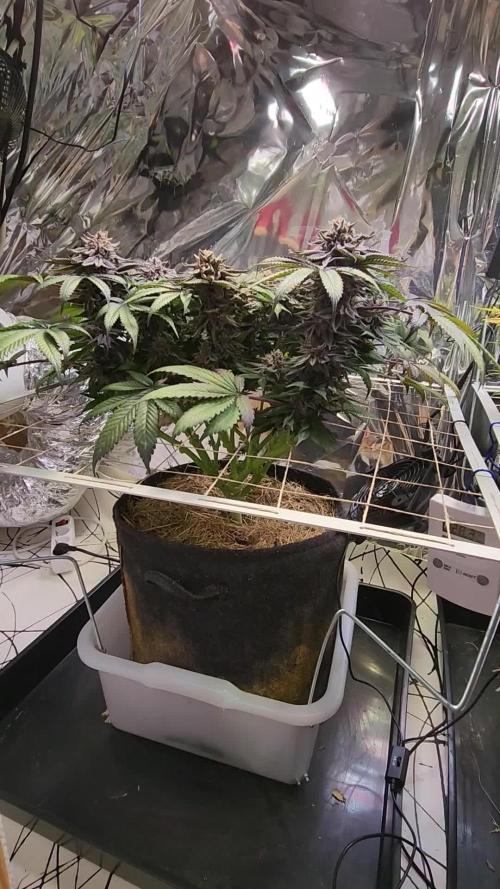
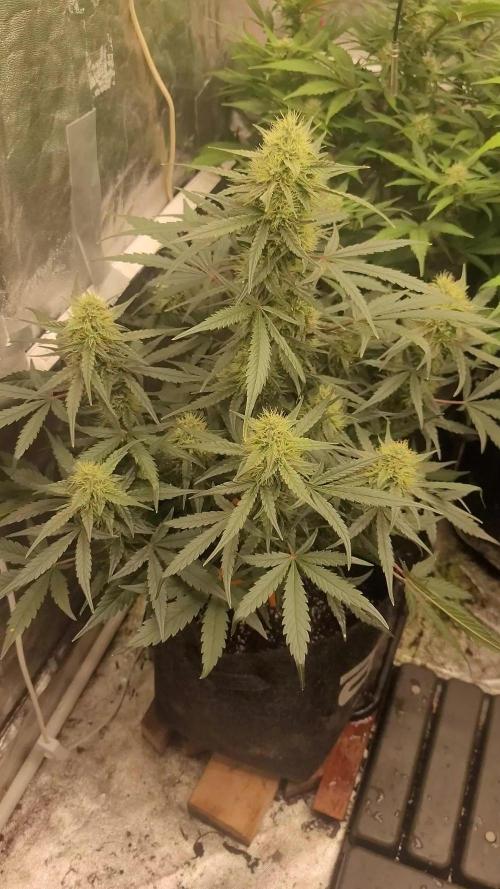
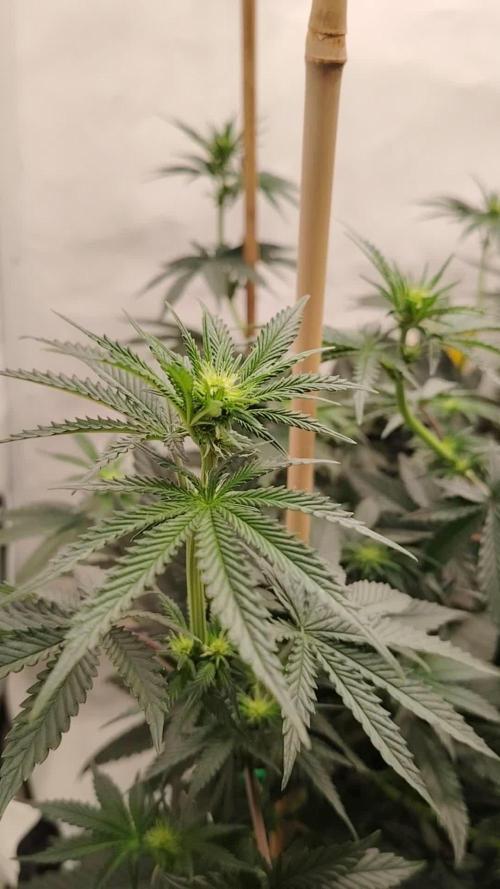
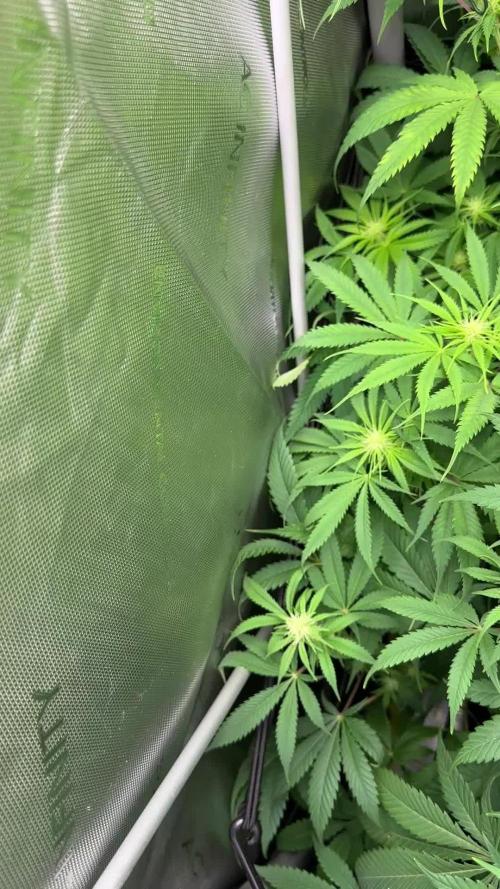
Settimana meravigliosa, caldo estivo arrivato! Crescono tutte in maniera impeccabile e molte sono di tipo XXL ! Resinose e appiccicose e molto profumate ormai si riempiono di infiorescenze dure e spettacolari! Resistono e sembrano soddisfare ogni esigenza. Molto abbondanti e facili da gestire non manca molto alla fine! Complimenti ai creatori di queste varietà! Sono felice! Un abbraccio a tutti!

Likes
8
Share
I'm very happy to present you a strain that gives me chills just mentioning the name Tical. Zamnesia gave me this incredible surprise, a gift, and it brought me immense joy because I've known Tical since it was the title track on Method Man's album, the leader of Wu-Tang Clan - Shaolin - New York City, of course. I have all the records and could rap many songs from memory despite my poor American English. If you're a hip-hop fan, you know what it means, you know who they were, and you know how I feel right now. That said, Method put the name on some serious weed, they tell me, so let's try it: For now, I've put two that will be worked with different techniques—I think one with repeated toppings and one with a main lining—and then I'll put some to rise straight in a few days so they don't vegetate too much. Among the genetics, we have Zamnesia Apple Fritter, which absolutely drives me crazy (I love the apple flavors), and 24K Gold Fangs by TIcal, which is obviously new to us. All Tical strains, EUROPEAN EXCLUSIVES ON ZAMNESIA: https://www.zamnesia.io/it/35-semi-cannabis/745-tical The last thing I said worries me. Many plants have been overtaking my grow tent lately, so between fimming and the right amount of vegging, this time I have to keep them aligned, especially since I have a new in-line light that doesn't allow me to keep many plants staggered. You'll have to ask the reason for all this mega metabolism that makes us grow into very large plants at ---- www.plagron.com We planted in Bio LightMix soil and use 100% organic fertilizer. For now, we're only using: 1 ml/l Power Roots and 1 ml/l Pure Zym. The girls were born well; the youngest received a 24-hour timelapse video. Welcome to the world, girls! Good luck! OUR NECTAR DRIP TICAL X ZAMNESIA https://www.zamnesia.io/it/14243-zamnesia-seeds-x-tical-nectar-drip.html Zamnesia x Tical Description: Nectar Drip is a unique cannabis hybrid created in collaboration between Zamnesia Seeds and TICAL. These flowers are pure power, with a THC content of up to 26% and effects that stimulate the mind and stabilize the body. But if you want to try them, you'll have to hurry: only 750 packs are available! Considering one of the parent strains is Apple Fritter, you can be sure that Nectar Drip has inherited an explosion of fruity aromas and flavors. Notes of skunk are also detectable, making the profile rich and intriguing. When you smoke this beauty, you'll feel relaxed, with a pleasant cerebral buzz accompanying the experience. It's definitely a great evening smoke, perfect for when you want to take a moment to yourself. You know, you can find so much more at Zamnesia. I invite you to read and delve into the expertly detailed guides, illustrated with photos by me and @dogdoctorofficial. The rest is all the best nature has to offer... truly. www.zamnesia.com
Likes
17
Share
@rockbo47
Follow
SUMMARY: Nothing interesting this week...she's receiving 3.5-3.7L of late bloom nutes per day providing roughly 20-30% runoff each feed. She's still skinny and I'm thinking this one is going to be a low yielder all things considered. I do think that I was late introducing bloom nutes and this has hurt my final yield. DAY 79 ----------- Friday 12th March 18:00 I fed Jesus 3.2L of late bloom nutes which produced 620ml runoff (19%). [26°C/48%] DAY 80 ----------- Saturday 13th March 19:00 I fed Jesus 3.5L of late bloom nutes which produced 580ml runoff (16%). [26°C/48%] DAY 81 ----------- Sunday 14th March 11:00 I made 15L of late bloom nutes with rainwater and molasses. 5L at 5.8, 5L at 6.0, and 5L at 6.2. Sunday 14th March 18:30 I fed Jesus 3.7L of late bloom nutes which produced 840ml runoff (23%). [26°C/48%] DAY 82 ----------- Monday 15th March 11:00 I made 5L of late bloom nutes with rainwater and molasses at a pH of 6.3. Monday 15th March 18:00 I fed Jesus 3.7L of late bloom nutes which produced 960ml runoff (26%). [26°C/51%] DAY 83 ----------- Tuesday 16th March 18:00 I fed Jesus 3.5L of late bloom nutes which produced 1L runoff (28%). [26°C/51%] DAY 84 ----------- Wednesday 17th March 18:00 I made 15L of late bloom nutes with molasses and rainwater. 5L at 5.6, 5L at 5.8, and 5L at 6.0. I fed Jesus 3L of late bloom nutes which produced 420ml runoff (14%). [26°C/50%] DAY 85 ----------- Thursday 18th March 18:00 I fed Jesus 3.5L of late bloom nutes which produced 980ml runoff (28%). [26°C/50%]
Likes
37
Share
Right then 7 weeks of flower complete. I'll dive right in to the juicy bits as this week has been predominantly about deciding weather to chop or keep one of my girls going. In the end I chose to do both! As the photos and videos show the plant wasn't recovering so I checked the trichomes and it was actually pretty ripe. A few Amber's on the upper buds. Lowers still undeveloped so I decided to take the biggest and leave the smallest for another week or while ever the plant is healthy. I estimate I've taken around 7oz once dry. Depending how they swell up I'm hoping for a further 5oz of solid bag worthy nugs. Looking nice and frosty, smell is that typical sweet haze with some sour diesel/fruit kick in there. You can see how the photos progress my hands getting covered in resin. Got to give my other 3 some love as they are getting healthier and fatter. I'm thinking another week on one of them and 2 on the others. I'll more than likely stagger the harvest like tonight if it proves worth while. I will update mid week.
Likes
21
Share
@AutoCrazy
Follow
Well week one of flower has come and gone. I am pretty happy with the progress so far but I am a little concerned that I may have flipped a little too early. Oh well, this is my first DWC run so there will undoubtably be a learning curve. The plant looks super healthy at this point. The cooler internals are: 6.0 pH 270ppm on the 500 ppm scale. 0.5 EC 66F water temp Onward 😎🍻🌱
Likes
15
Share
Great week. Plants going fast now. Buds starting, strong smell. Plants have a great structure. So far so good. Looking forward to try the different flavors. Great genetics and light , thanks everyone
Likes
35
Share
@Hologram
Follow
Goodmorning, becouse we are having a lil'heat wave lately.. gonna do updates early in morning.. now its still a bit chill..😎 Beelzebub is doing great, she is s abit bushy.. i should have topped her.. do not even know why i did not.. Anywayzz, gonna defo her a bit 2day so she has more air 😳 ..and then gonna crash on couch again with some THC oil 👊 Happy growing 4 all✊ **KISS! growingtechnique: keepItSimple, Stupid! ***Making THC oil: https://growdiaries.com/diaries/179107-grow-journal-by-hologram
Processing
Likes
27
Share
@Dunk_Junk
Follow
She's grown 18cm this week! Entered flowering too. Looking lovely!!! Very cute. A mini weed plant 😂 😍
Likes
8
Share
@LACREME
Follow
Agora na fase de engorda estou regando duas vezes ao dia, uma vez 4 horas após as luzes acenderem e outra 4 horas antes das luzes apagarem. ppm beirando 1700 e pH em 5.8
Likes
47
Share
All content on this diary is for inspirational and educational purposes only. The ideas shared are not a substitute for professional advice. This diary/account is not officially affiliated with Alan Watts or his estate. All materials are used under the principles of fair use. I honor the legacy of Alan Watts by sharing his wisdom respectfully and with the intention of inspiring awareness and self-understanding. 2nd net is up. Early bud formations are promising. holding up to the extremes pretty well, some leaves taking minor damage, but overall, she is holding up, gave her 1 night at 50F see how she would react, stressful. Not advised as it messes with her metabolism, but I want to see if it triggers any anthocyanin response. Love to see her purp up but no signs yet. Remember, For every molecule of glucose produced during photosynthesis, a plant needs to split six molecules of water. This process provides the hydrogen needed for synthesizing glucose and other organic compounds, while oxygen is released as a byproduct. Homework. If Rubisco activity is impaired and it cannot properly function or regenerate its substrate, the plant's leaves are likely to turn a pale green or lime green, a condition known as chlorosis. Essentially, Rubisco activity is highly regulated and susceptible to various environmental and metabolic factors that can cause it to become inhibited, leading to an apparent failure in RuBP regeneration due to a lack of consumption. Rubisco regeneration is intrinsically linked to nitrogen supply because Rubisco is a major sink for nitrogen in plants, typically accounting for 15% to over 25% of total leaf nitrogen. The regeneration phase itself consumes nitrogen through the synthesis of the Rubisco enzyme and associated proteins (like Rubisco activase), and overall nitrogen status heavily influences the efficiency of RuBP regeneration. RuBisCO is a very large enzyme that constitutes a significant proportion (up to 50%) of leaf soluble protein and requires large investments in nitrogen. Insufficient nitrogen supply limits the plant's ability to produce adequate amounts of RuBisCO, thereby limiting the overall capacity for photosynthesis and carbon fixation. Maintaining the optimal, slightly alkaline pH is crucial for the proper function and regeneration of Rubisco. Deviations in either direction (too high or too low) disrupt the enzyme's structure, activation state, and interaction with its substrates, leading to decreased activity and impaired RuBP regeneration. (Lime/yellowing) Structural Component: Nitrogen is an essential building block for all proteins, and the sheer abundance of the Rubisco protein makes it the single largest storage of nitrogen in the leaf. Synthesis and Activity: Adequate nitrogen supply is crucial for the synthesis and maintenance of sufficient Rubisco enzyme and Rubisco activase (Rca), the regulatory protein responsible for maintaining Rubisco's active state. Nitrogen deficiency leads to a decrease in the content and activity of both Rubisco and Rca, which in turn limits the maximum carboxylation rate, Vmax, and the rate of RuBP regeneration Jmax, thus reducing overall photosynthetic capacity. Nitrogen Storage and Remobilization: Rubisco can act as a temporary nitrogen storage protein, which is degraded to remobilize nitrogen to other growing parts of the plant, especially under conditions of nitrogen deficiency or senescence. Nitrogen Use Efficiency (NUE): The allocation of nitrogen to Rubisco is a key determinant of a plant's photosynthetic nitrogen use efficiency (PNUE). In high-nitrogen conditions, plants may accumulate a surplus of Rubisco, which may not be fully activated, leading to a lower PNUE. Optimizing the amount and activity of Rubisco relative to nitrogen availability is a target for improving crop NUE. Photorespiration and Nitrogen Metabolism: Nitrogen metabolism is also linked to the photorespiration pathway (which competes with carboxylation at the Rubisco active site), particularly in the reassimilation of ammonia released during the process. To increase RuBisCO regeneration, which refers to the process of forming the CO2 acceptor molecule Ribulose-1,5-bisphosphate (RuBP) during photosynthesis, the primary methods involve optimizing the levels and activity of Rubisco activase (Rca) and enhancing the performance of other Calvin-Benson-Bassham (CBB) cycle enzymes. Biochemical and Environmental Approaches: Optimize Rubisco Activase (Rca) activity: Rca is a crucial chaperone protein that removes inhibitory sugar phosphates, such as CA1P (2-carboxy-D-arabinitol 1-phosphate), from the Rubisco active site, thus maintaining its catalytic competence. •Ensure optimal light conditions: Rca is light-activated via the chloroplast's redox status. Adequate light intensity ensures Rca can effectively maintain Rubisco in its active, carbamylated state. •Maintain optimal temperature: Rca is highly temperature-sensitive and can become unstable at moderately high temperatures (e.g., above 35°C/95F° in many C3 plants), which decreases its ability to activate Rubisco. Maintaining temperatures within the optimal range for a specific plant species is important. •Optimize Mg2+ concentration: Mg2+ is a key cofactor for both Rubisco carbamylation and Rca activity. In the light, Mg2+ concentration in the chloroplast stroma increases, promoting activation. •Manage ATP/ADP ratio: Rca activity depends on ATP hydrolysis and is inhibited by ADP. Conditions that maintain a high ATP/ADP ratio in the chloroplast stroma favor Rca activity. Enhance Calvin-Benson-Bassham (CBB) cycle enzyme activity: The overall rate of RuBP regeneration can be limited by other enzymes in the cycle. •Increase SBPase activity: Sedoheptulose-1,7-bisphosphatase (SBPase) is a key regulatory enzyme in the regeneration pathway, and increasing its activity can enhance RuBP regeneration and overall photosynthesis. •Optimize other enzymes: Overexpression of other CBB cycle enzymes such as fructose-1,6-bisphosphate aldolase (FBA) and triose phosphate isomerase (TPI) can also help to balance the metabolic flux and improve RuBP regeneration capacity. Magnesium ions, Mg2+, are specifically required for Rubisco activation because the cation plays a critical structural and chemical role in forming the active site: A specific lysine residue in the active site must be carbamylated by a CO2 molecule to activate the enzyme. The resulting negatively charged carbamyl group then facilitates the binding of the positively charged Mg2+ion. While other divalent metal ions like Mn2+ can bind to Rubisco, they alter the enzyme's substrate specificity and lead to dramatically lower activity or a higher rate of the non-productive oxygenation reaction compared to Mg2+, making them biologically unfavorable in the context of efficient carbon fixation. The concentration of Mg2+ in the chloroplast stroma naturally increases in the light due to ion potential balancing during ATP synthesis, providing a physiological mechanism to ensure the enzyme is activated when photosynthesis is possible. At the center of the porphyrin ring, nestled within its nitrogen atoms, is a Magnesium ion (Mg2+). This magnesium ion is crucial for the function of chlorophyll, and without it, the pigment cannot effectively capture and transfer light energy. Mg acts as a cofactor: Mg2+ binds to Rubisco after an activator CO2 molecule, forming a catalytically competent complex (Enzyme-CO2-Mg2+). High light + CO2) increases demand: Under high light (60 DLI is a very high intensity, potentially saturating) and high CO2, the plant's capacity for photosynthesis is high, and thus the demand for activated Rubisco and the necessary Mg2+ cofactor increases. Mg deficiency becomes limiting: If Mg2+ is deficient under these conditions, the higher levels of Rubisco and Rubisco activase produced cannot be fully activated, leading to lower photosynthetic rates and potential photo-oxidative damage. Optimal range: Studies show that adequate Mg2+ application can enhance Rubisco activation and stabilize net photosynthetic rates under stress conditions, but the required concentration is specific to the experimental setup. Monitoring is key: The most effective approach in a controlled environment is to monitor the plant's physiological responses e.g., leaf Mg2+ concentration, photosynthetic rate, Rubisco activation state, and adjust the nutrient solution/fertilizer to maintain adequate levels, rather than supplementing a fixed "extra" amount. In practice, this means ensuring that Mg2+ is not a limiting factor in the plant's standard nutrient solution when pushing the limits with high light and CO2. Applying Mg2+ through foliar spray is beneficial to Rubisco regeneration, particularly in alleviating the negative effects of magnesium (Mg) deficiency and high-temperature stress (HTS). While Mg can be leached from soil, within the plant it is considered a mobile nutrient, particularly in the phloem. Foliar-applied Mg is quickly absorbed by the leaves and can be translocate to other plant parts, including new growth and sink organs. Foliar application of: NATURES VERY OWN MgSO4 @ 15.0g L-1 in a spray bottle. For those high-intensity workouts when 1 meal a day is just not enough! Foliar sprays are often recommended as a rapid rescue measure for existing deficiencies or as a supplement during critical growth stages, when demand for Mg is high. Application in the early morning or late evening can improve absorption and prevent leaf burn. The plant was getting a little limey yellow in the centre. Shortly thereafter, she was back in business, green mostly regenerated. The starting point [of creativity] is curiosity: pondering why the default exists in the first place. We’re driven to question defaults when we experience vuja de, the opposite of déjà vu. Déjà vu occurs when we encounter something new, but it feels as if we’ve seen it before. Vuja de is the reverse—we face something familiar, but we see it with a fresh perspective that enables us to gain new insights into old problems. Confidence is evidence... nothing more. You are confident because you have driven 10,000 times, you are confident because you have spoken 10,000 times. People think confidence is a feeling, but it's not. If you want more confidence, then you need to create evidence, take more shots, collect more data, build more experiences, take more risks; fail, confidence doesn't come first; it is the reward you get for doing the work. no one else wants to do.
Processing
Likes
7
Share
@Yukagrls
Follow
She is growing healthy and strong. I turned her around a little bit, because they start moving around and I read that is good for them. I hope the pictures can show how fast she is growing. :)
Likes
89
Share
@BioBuds
Follow
This is the sister diary of the Runtz showdown, in which we pit two great performing strains created by two highly acclaimed and respected breeders, in a duel to the death. This diary features the RUNTZ XL AUTO strain by SweetSeeds. In the meantime, all seeds have germinated and seemed to have a level start. Also here we loaded the grow with our magical intentions as we sowed on Imbolc, the celebration day of the Goddess of spring: Bridget. We cant wait to see where this will lead us. Both strains will have the exact same conditions, lighting, care and nutrition. The Lights Also here we use our trusty Mars Hydro SP-3000, where we are trying to get over 600 grams (2x gram per watt) we succeeded almost on the previous grow, where we got to 1.5 grams per watt. We are starting in the regulars when these strains have only 4 to 5 weeks left to go, to double up on the 18hr light schedule. The Soil Our trusty organic super soil recipe which I will include in the images The Genetics SweetSeeds Runtz XL Variety: SWS88 Indica: 47,1% Sativa: 52,5% Ruderalis: 0,4% THC: 17-25% CBD: 0,5% Indoor Yield: 400-550 g/m² Outdoor Yield: 50-175 g/plant Indoor/Outdoor Harvest: 8 weeks from germination Height: 60-120 cm Effects: Relaxing, Stimulating, Creativity Taste: Sweet, Fruity Thank you for following us again and all the support on our previous grows! We love you! Hug Biobuds and Sunshine.
Likes
32
Share
An Tag 50 sieht die Tropicana Cookies schon fast "erntereif" aus. Sie bekommt noch locker eine bis zwei Wochen, aber nach 50 Tagen vom Samen bis in diesen Zustand zu kommen ist für mich beeindruckend. Das ist wirklich schnell 💪 Die anderen beiden trödeln so vor sich hin, die eine blass, die andere klein, aber sie machen ihren Job. Vielleicht lässt die Tropicana die anderen beiden aufgrund ihrer Geschwindigkeit auch einfach nur etwas langsam aussehen. Wenn die also noch abliefern, hätte ich nichts dagegen 😅 An Tag 53 sieht alles soweit gut aus. Die Tropicana Cookies scheint schon langsam ihrem Ende entgegen zu gehen. Verdammt schnell würde ich sagen. Ich gebe ihr aber noch ein paar Tage, auch wenn ich den Platz den anderen beiden gönnen würde und später auch werde. Die Mimosa hat sich eingegrooved und man hat endlich das Gefühl Fortschritt zu sehen. Sie bekommt überall schöne, weiße Igel. Die MAC#1 ist scheinbar ein wenig lichtempfindlich. Ich hab versuchsweise den EC bis 4,0 hochgedrückt, aber sie bekommt die Farbe nicht zurück, solange ich ihr über 700 µmol/s/m² an Licht gebe. Gestern hab ich das Licht ein wenig reduziert und ich habe das Gefühl, dass sie wieder mehr Druck in den Blättern aufbaut. Leider bekam die Mimosa dadurch nur noch 580 µmol/s/m², also habe ich die vordere Lampe seitlich gehangen. So konnte ich genug Licht rein bekommen, da der seitliche Unterschied zur Tropicana Cookies bei Weitem nicht so groß ist, wie der Höhenunterschied.
Likes
3
Share
@xipo86
Follow
day 42 of Flower... gettin bigger and smellier by the day. pistils starting to go amber.. i say 2 weeks for gorilla girl f1 and Mental Rainbow to be ready.
Likes
5
Share
Welcome to Flower Week 3-4 of Divine Seeds Auto White Widow I'm excited to share my grow journey with you all as part of the Divine Seeds Autoflowering Competition 2025. It's going to be an incredible ride, full of learning, growing, and connecting with fellow growers from all around the world! For this competition, I’ve chosen the Feminized Automatic strain: Auto White Widow Here’s what I’m working with: • 🌱 Tent: 120x60x80 • 🧑‍🌾 Breeder Company: Divine Seeds • 💧 Humidity Range: 50 • ⏳ Flowering Time: 58 Days • Strain Info: 20%THC • 🌡️ Temperature: 26 • 🍵 Pot Size: 0.5l • Nutrient Brand: Narcos • ⚡ Lights : 200W x 2 A huge thank you to Divine Seeds for allowing me to be a part of this amazing competition and Sponsoring the Strains. Big thanks for supporting the grower community worldwide! Your genetics and passion speak for themselves! I would truly appreciate every bit of feedback, help, questions, or discussions – and of course, your likes and interactions mean the world to me as I try to stand out in this exciting competition! Let’s grow together – and don’t forget to stop by again to see the latest updates! Happy growing! Stay lifted and stay curious! Peace & Buds!
Likes
21
Share
Day 56: nutrients like plan Last feeding Pictures are taken on day 56 --------------------------------------------- Nothing to say, she is growing good👍 Happy growing 🕷️🌱
Likes
39
Share
4/15/25 Things are progressing nicely. Some plants dont seem to be doing too much but 3 of them or so that are really standing out. Im curious if some of these are going to be longer flowering time than anticipated with the very obvious sativa dominant plants.