


Likes
Comments
Share


@grow_nerd420
Follow
Week 7 of Flower
All Breedbros Genetics 🔥💪
Check My Instagram profile for more!🔥💪✌️
Check Breedbros Instagram profile!🔥💪✌️💚
Thanks for Watching 🔥💪💚💚💚✌️

Likes
20
Share


@GangbudsGenesgdl
Follow
04/01/21. inicio de semana
07/01/21. hoy decidi apartarla un poco de las otras por que me mostro una flor macho😎
10/01/21. sigue apartada de las demas por mostrar flores macho pero lo dejare por que tiene buena genetica


Likes
4
Share


@BalconyBoy
Follow
29.07.24 plant from left to right "Auto" Daquiri Lime 1, Zombie Kush, Cheese, Gelato#45, Lost Coast OG, "Auto" Daquiri Lime 2
at this point I contaced Dutch Passion to do a little Karen and get free Auto Seeds for next season to see if they behave like Autos. The plan for 2024 was to have some autos for a mid season harvest and then more room for the regular plants on the balcony. Unfortunately all three Daiquiri Lime turned out like Photos. The third one in my friends garden (in the ground) also finished end Oktober.


Likes
14
Share


@Bigbombbudz
Follow
Another week closer....
I know I said it before but these girls have been a pleasure to grow...they are 23 days into budding and pushing out like crazy blowing up and stacking up..going to be some full girls.
Nothing to really say everything is dialed in perfect, this week it was very hot out so my room got a little hotter... but no big deal the girls really didn't mind...
Until next week.... smoke a fatty, help out your fellow grower...

Likes
39
Share


@Hazecat_420
Follow
Se realizó una defoliación en la parte más baja y en las 2 hojas más grandes de la parte superior para que pudiera entrar de mejor manera la luz a los brotes más pequeños. Se aplicó Voodo Juice para las raíces y Top Bloom para la floración, ya todas tomaron de buena manera el cambio del fotoperiodo. Seguimos 👽 ...
Likes
1
Share


@Bwright_315
Follow
Wow what a difference a week makes. The one I topic thriving a d growing with no issues.
The one that was last week losing all it fan leave seem to be making a great recovery and looking better the ever

Likes
8
Share


@zombikush81
Follow
hello to all I share with pleasure this fantastic variety, excellent structure, grows very vigorous. as regards lengthening in the first weeks not more than 50% of its size. this week I will make the last thinning. thanks to all the friends who follow me. make it grow
Likes
27
Share


@Ganjagrandaddy
Follow
Day 56 Flowering: Hi growmies. I hope we are all well and still sane during this madness.
Here we are at the harvest window for the Glueberry now and she is certainly up for it now. Her buds are stinky and sticky with the right amount of ripened pistils to cover around 60-70% of her structure. The next few days I will be using the microscope to keep watch on the trichromes for their sweet spot over the next few days.
Shebhas been an easy grow but I wish I had stripped her lower scrub out early on in flower now. She didnt look recovered enough to strip out at the time but her leaf and scrub are filling the pots interiors so I need to keep on the air flow checking to avoid any budrot issues.
Mimosa Lemon is everywhere!! She has been such a productive plant from the beginning. Her bud structures are very , very loose and I am dreading the dry and trim that will be awkward as to what to take off. while there are a lot of flowers , they are so loosely structured that it is very deceptive on appearances. Her Limonene is honking from her now and I can see her Lemon tag being so appropriate. The potency is becoming obvious by smell alone and her tacky feel at the slightest touch is a great sign too. I did quite a brutal defol and strip out very early in flower but she still threw so many mains out . This is one of the most productive flowering plants I have grown to date . I don't expect the yield to show this in totals but for bud growth and vigour , she has no rival so far. Another week for her at least but seeing the new pistils kicking out , it could be possibly 2 more.
Let's see what the next few days bring for them.
be safe and sane folks.
Likes
21
Share


@CanadianFillmore
Follow
Tonight on growfessor theatre, 4x4 edition, 4 ladies get fed and defoliated!
Green Crack, LSD and Mandarin dreams are in the home stretch, this is their last feeding before flushing. Do-si-dos will get another feeding next week and flush a week later.
Thanks for stopping by growfessors, tune in next time for another episode of growfessor theatre! 👽🌳💚


Likes
34
Share

@squalino
Follow
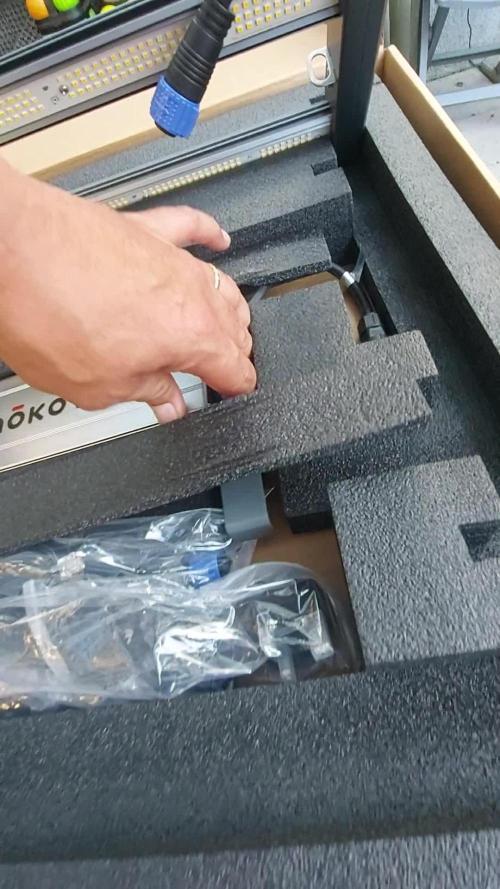
UN GRAND MERCI À @Nokotech POUR SES 2 MAGNIFIQUES LAMPES .ET LES PRIX OFFERTS POUR LES CONCOURS SONT MAGNIFIQUES.
JE VOUS REMERCIE ENCORE JE TACHERAIS D'EN FAIRE BONNE USAGE ❤️❤️❤️❤️❤️❤️❤️
je l'ai reçu hier mais avec dora et Babouch j'ai été pris de 6h à 1h .désolé de ne pas vous avoir remercier plus tôt.
ENCORE UN GRAND MERCI ET JE VOUS SOUHAITE UNE BELLE RÉUSSITE

Likes
3
Share

@LST420
Follow
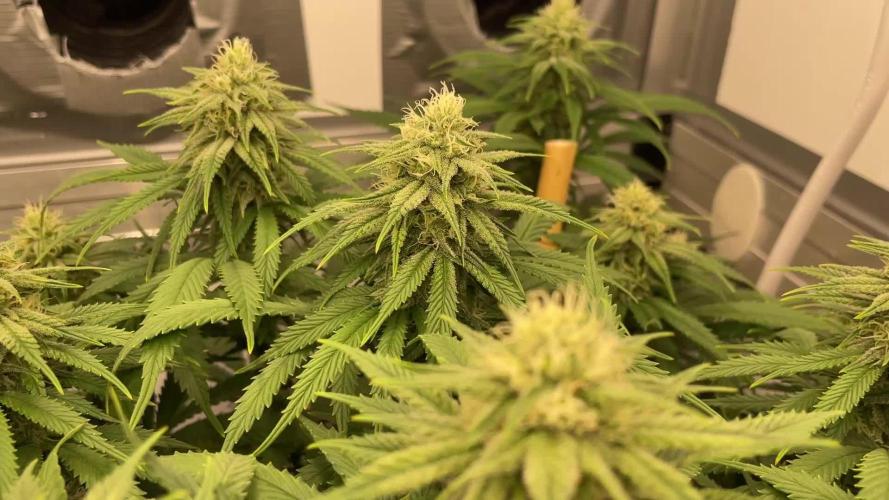
Week 12 The buds are slowly fattening up. Dutch Passion issued a warning on their website that certain strains like this one can cause them to produce male flowers when exposed to too much stress. So I only do careful rounds of minimum defoliation in order to hopefully prevent this from happening.
Likes
2
Share


@Ryno1990
Follow
My smallest photo in the back hanging out is Strawberry Banana from canuk seeds she has been moving rite along in flower growing some nice size buds do far she has deffinetly picked up some pace in the growing department can't wait to sew her in a couple weeks
Likes
9
Share


@Kushizlez
Follow
Black Garlic #1
Yield: 53.6
Smell: 8/10 - gassy, piney, earthy, skunky
Bag appeal: 7/10 - slightly leafy/stemy
Crystal coverage: 7.5/10 - very impressed
Ash: 8/10 - thick, uniform white ash
Fire holding: 7.510 - stays lit for 45+ sec
Smoke: 7.5/10 - taste is good until the end
High: 7/10 - sativa dom
Comment: looks nice, smells nice, tastes nice, burns great but quite leafy.
52.5/70 = 75% 👍🔥
Black Garlic #2
Yield: 42.3
Smell: 7/10 - woody, earthy, tea
Bag appeal: 6.5/10 - slightly leafy/stemy
Crystal coverage: 7/10 - impressed
Ash: 6/10 - flaky, mostly white/grey
Fire holding: 4/10 - stays lit for 10-30 seconds
Smoke: 6/10 - taste is decent, needs curing
High: 8/10 - sativa dom
Comment: looks nice, smells nice, tastes nice, burns like shit.
44.5/70 = 63% 👎🗑️

Likes
27
Share


@Dankophrenic
Follow
This week buds are super dense and getting frosty by the day. Starting to wish I made the best use of space as some of the lower canopy not recieving as much light. A little difficult to reach all plants. Arimq is very strong and citusy , pungent & fruity.
Likes
19
Share


@Chi_K24
Follow
Alright folks! We are running on aprox Day30 into the grow! The tallest plant almost stands up 18+ inches! Shes growing good, I do have one plant that is being all funny and its showing me excessive signs of nutes. Added Calmag feeding @ 3mL/Gal and watered each plant about 2L each. Pots were dryish, been 8 days since the last watering. (i think its a bit too long for airpots, but plants seem to be ok) This week just adjusted some of the LST ties so the plant can stretch a bit. Also did a very light defoliation (removing dead leaves) and allot of tucking. I replaced the Vivosun Osc Fan due to a reddit post i saw of one being burnt to a crisp, replaced them with the HoneyWell turbo force fans. So far so good. Also moved one of the main fans to the side of the tent trying to setup a cross draft air circ.
I have also noticed that the plant is now in pre-flowering and some very nice aromas coming from the plant. (green/Citrus/Sweet) notes. It quite pleasant to be in the tent! :)

Likes
1
Share


@CannabisCultivate
Follow
Just about to go into bloom, we’ll cleanup the lower part of this girl today and hit them up with some Mills Nutrients Bloom, Hygrozyme and HyShield.

Likes
3
Share


@Cultiv8or
Follow
Brought them inside this week and borrowed a Dehumidifyer. I’ve been able to get RH , 45-55 now and the resin production has already started increasing
Likes
9
Share


@Cultivators_Dream
Follow
Day 44: Starting to see some preflower signs and man guys this girl is stunning.. Everything is growing perfect 👌 😌. Leaves and color are beautiful and she takes feedings like a beast. I'm really impressed so far 👏.
It is almost 19 inches tall now and I'm thinking shes got another foot to go lol. Will keep everyone posted and thanks to everyone that checks out and likes my grows please comment with your input as I always like constructive criticism.
Likes
38
Share


@Chucky324
Follow
Hello This is the end of week 5 and the beginning of week 6 of flowering.
Went to post on Tues. but found no pictures in any of my diaries. WTF...
1/2 way there. Still got 5 weeks to go, I'm planning to harvest around Aug 15 unless I get some pests or mold.
The inside plants seem to have gotten a little yellow. I'll give some extra nitrogen next watering.
Ok. Short Comment. Have Fun.
Chuck.
Some how the nutrients got messed up. I look at it later.???
