Likes
Comments
Share


@JolliGrowz27
Follow
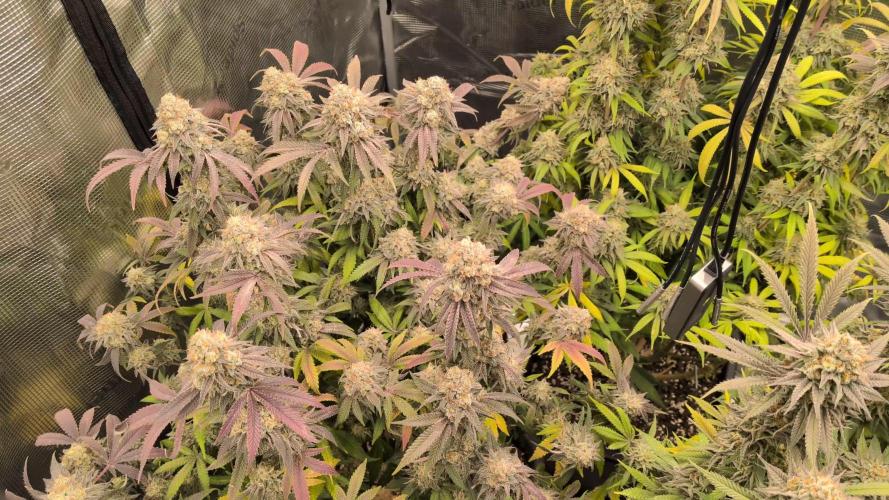
Great growth in veg, great yield for an auto flower. Smokes great with a blueberry exhale and old school Kush inhale. Racy start and chill finish on effects. Great for an evening of Netflix.

Processing
Likes
17
Share


@Easygrower
Follow
Hello growers day 28 with the crystal candy and the red poison what can I say these girls have taken off in 28 days the red poison the tallest out the 4 is at 78cm and the crystal candy the tallest out the 4 is 65cm these sweetseeds genetic are banging iv grow a lot of autos and theses are by far the biggest iv got some really nice red/purple colour on the red poisons all the girls are doing very well no bad things to report if you’re looking to grow autos go to sweet seeds you won’t be disappointed big up @sweetseeds until next week be safe and happy growing ✌️

Likes
13
Share


@GanjaFarmar
Follow
Day 50 from seed and these BCN criticals have a lovely citrus smell. When i open the tent, its the first thing i smell.
Theyre all healthy and running. Lights are still on 20/4. Bit of redish/amber hairs showing up. When i loom at other pictures its just the genes of the genetic. I Cant wait to harvest this!
Ive started adding more biobizz as it states on the chart. And then i water with normal tap water every 2 days!
I will post an update for week 8 next week!
One love!

Likes
2
Share


@KeemBboomin
Follow
This was the week I decided to take a look at my trichomes with about 2-3 weeks left why not see what’s in store for me. And what I saw was some pretty milky stuff with surprisingly some amber to me that just means I’m going to get some good thc levels I’m shooting for at least 22-25% thc wish me luck we are almost there final stretch
Likes
8
Share


@PajaritoUY
Follow
Nicole kush ya es conocida dentro de mi carpa y en todo el mundo. una planta muy vigorosa, su aroma dulce y cítrico deleita incluso a los que no entienden el cannabis. Su sabor denso y refrescante queda grabado en la mente del experimentador. Una hermosa y transformadora planta con flores. Tendré esta joya en mi jardín en otras ocasiones.

Likes
14
Share


@little_Boncannasai
Follow
🌱 Fenyas und Alinas kleines großes Reiseabenteuer 🌱
Mit einer aufregenden Geschichte sind wir wieder zurück. 😊
18 Tage jung und so hyper aufgeregt.
Nach dem letzten Mal, ist erstmal nicht so viel passiert. Unser sportliches Gymnastikprogramm ist etwas gestiegen im Anspruch. Alina stretcht sich etwas mehr seitlich, während ich, Fenya mich leicht verbiege. Hier und da, zeigen wir, dass unser Bedarf an Nährstoffen etwas in die Höhe gegangen ist aber unsere Wasserspenderin hat gleich reagiert.
Das belohnen wir natürlich mit einem enormen Wachstum.
Auch haben wir uns fleißig vorbereitet, auf unsere Freiheit. Das viereckige Licht über uns, ging plötzlich für ein paar Stunden aus. Die Nächte brachen in unseren Rhythmus ein. Alina und ich erzählten uns gegenseitig gruselige Monstergeschichten.
Weiter ist bis heute nichts passiert. Und dann plötzlich ging die Tür von unserem Zimmer auf und anstatt unserer Routinebegrüßung und der fast täglichen Dusche, wurden wir davongetragen!! 😱
Zugegeben war das kurz etwas beängstigend. Wir dachten schon entführt worden zu sein.
Aber jetzt stehen wir hier. An einem Ort, der so ganz anders ist. Die Luft ist freier, der Wind viel kräftiger. Das Licht so extrem hell. Es brauchte einen Augenblick, bis wir wieder richtig sehen konnten. Leicht zitternd, noch von dem Schreck, stand sie wieder liebevoll lächelnd vor uns. Unsere Wasserspenderin.
Endlich hat es begonnen, unser Abenteuer in der Wildnis. Ich träumte verloren von all den Geschichten, dass ich fast gar nicht bemerkte, dass mir auf einmal der Kopf fehlte.
Also, im wahrsten Sinne des Wortes! Plötzlich war der einfach weg!
Und bevor ich los schreien konnte, beruhigte mich unsere Wasserspenderin. Das sei nicht so schlimm und eigentlich wäre der Kopf gar nicht weg, hörte ich ihre liebevolle Stimme.
Ich hab versucht mit meinen neuen wachsenden Köpfen um mich zu schauen. Und tatsächlich, zu meinen Füßen, fand ich meinen alten Kopf. Da steckt er nun in der Erde, versorgt mit Zimt Pulver und einem Schnaps zur Wurzelbildung. (Hesi - Wurzelkomplex)
Das ist gewagt, aber machbar. Und unser Abenteuer wäre langweilig, wenn wir nicht ausgefallene Dinge ausprobieren würden. 🤷
Fleißig drücken wir jetzt "Baby Fenya" die Blättchen und hoffen, dass sie groß und stark wird.
Auf jeden Fall werden wir euch davon erzählen, beim nächsten Growreport.
Liebste Grüße
Fenya und Alina 🌱

Likes
10
Share


@yaron
Follow
Hi guys!its getting kind of boring but again a rainy day.They need sunlight bad,the coming days the sun will shine so we will see what happens.
Cheers!
Finally we have sunshine!The smallest one,a gg,just will not grow i dont know whats wrong with her and she is already in flower.
The rest is doing fine i think.
Cheers!

Likes
43
Share


@TheBulldozerSicily
Follow
Continuiamo solo con overdrive per un altra settimana continuando a controllare sempre i tricomi, aspettando che diventino lattiginosi per cambiare soluzione e far girare l'impianto gli ultimi 7 - 10 gg con solo acqua osmotica a ph 6 per il flush prima di raccolt
Likes
18
Share


@DogDoctorOfficial
Follow
Hey fellow green thumbs! 🌿💚 It’s harvest time for our Auto Fat Pete’s Cookies from Super Sativa Seed Club! After an exciting journey, we’re thrilled to share the details of this unique plant’s final stage. Let’s dive into the harvest report!
🌟 Harvest Details:
Day 75: Harvest Day
• Harvest Date: Day 75
• Harvest Method: Our Auto Fat Pete’s Cookies was harvested yesterday. While the flowers turned out less dense than expected, the amazing smell has us super curious about the final product. 🌿🌸
• Preparation: Before hanging, we meticulously cleaned the plant, removing all leaves without trichomes to ensure a smooth drying process and to enhance the quality of the final product. 🌿✂️
Current Drying Process:
• Method: The entire plant is now hanging upside down to dry. This method helps maintain moisture levels within the buds, allowing for a slower and more even drying process. 🌿🔄
• Environment:
• Temperature: 18-22°C (65-72°F)
• Humidity: 50-60%
Maintaining these conditions is crucial for achieving a perfect dry and preserving the plant’s aromatic and flavorful profile. 🌡️💧
🌟 Plant and Bud Characteristics:
Auto Fat Pete’s Cookies:
• Bud Structure: The buds are not as dense as we’d hoped, but they are still sticky and resinous, showcasing a beautiful array of green hues with hints of purple and orange pistils.
• Aroma: The aroma is incredibly strong and delightful, filling the grow room with a sweet, cookie-like scent that hints at the strain’s name. 🌿🍪
• Trichomes: A generous layer of trichomes covers the buds, promising a flavorful and aromatic final product. 🌿✨
🌟 Care Tips:
• Drying Process: Patience is key. Allowing the plant to dry slowly will enhance the final quality, preserving both flavor and potency. Ensure good airflow around the hanging plant to prevent mold and mildew. 🌬️💧
• Trimming: Once the drying process is complete (typically 10-14 days), it will be time to trim the buds. This is where we’ll shape the final product and get it ready for curing. ✂️🌿
• Curing: After trimming, curing the buds in jars for at least 2-4 weeks will further enhance the flavor and smoothness. This final step is essential for achieving the best possible smoking experience. 🍁
🌟 Genetics Spotlight:
Auto Fat Pete’s Cookies:
• Characteristics: Known for its sweet and cookie-like aroma, this strain has shown remarkable aromatic qualities throughout the grow. Despite the less dense flowers, the strong scent and generous trichome coverage promise a high-quality final product.
• Harvest Expectations: Sweet, aromatic buds with a rich flavor profile. The slower drying process will ensure the best possible preservation of cannabinoids and terpenes.
🌍🌿 Fun Fact:
Did you know? 🌿✨ The aroma of a cannabis plant can be a strong indicator of its final flavor profile. Strains like Auto Fat Pete’s Cookies, with their unique and strong scents, often translate these aromas into delicious, flavorful buds.
For a detailed grow guide and to see this strain in action, head over to my YouTube channel! 🎥✨ I share tips, tricks, and in-depth reviews to help you get the best results from your grow. This week’s harvest has been particularly intriguing, and I’ll be explaining the reasons behind the less dense flowers in detail.
👉 Join me on YouTube Link in my profile 👈
🌟 Conclusion:
Harvesting Auto Fat Pete’s Cookies at Day 75 has been an interesting and rewarding experience. While the buds are not as dense as we hoped, the strong aroma and generous trichome coverage give us high hopes for the final product. With the plant now drying, we’re eagerly awaiting the final outcome.
Stay tuned for updates on the drying, trimming, and curing process, and get ready for a sweet and aromatic harvest!
Happy growing, and see you next time! 🌿💚✨
#SuperSativaSeedClub #HarvestReport #FatPetesCookies #PlantMagic #GardeningJoy #NatureLovers #PlantPower #InspireGrow #YouTubeJourney
Germination method 🌱 @thecannakan
Genetics @supersativaseedclub_official
Nutrition
@aptusholland 🌿
@aptus_world 🌎
@aptus_es 🌍
@aptusbrasil 🌱
@aptus_thailand 🌿
@aptus_portugal 🌳
@aptususa_official 🍀
@aptusplanttechnz 🌺
@aptusplanttechaus 🍃
Ambient controls🎮
@trolmaster.eu @trolmaster.eu.support @trolmaster.support @trolmaster.agro
Soil @promix_growers_eur @promix_cannabis
LED - @lumatekeu
Watering- @autopot_usa @autopot_global
Love and attention- @dogdoctorofficial
As always thank you all for stopping by, for the love and for it all , this journey of mine wold just not be the same without you guys, the love and support is very much appreciated and i fell honored and so joyful with you all in my life 🙏
With true love comes happiness 💚🙏 Always believe in your self and always do things expecting nothing and with an open heart , be a giver and the universe will give back to you in ways you could not even imagine so 💚
More info and complete updates from all my adventures can be found ⬆️link in the profile description ⬆️
Friendly reminder all you see here is pure research and for educational purposes only
💚Growers Love To you All 💚
Discount Codes :
@thecannakan DOGDOCTOR 15% off
@theneutralizer PORKIT7-DOGDOCTROSO 17% off
@kannabiaglobal DOGDOCTOR 30% off
@seedsmangenetics DOGDOCTOR 10%off
@terpyz.mutant.genetics DOCTOR 15% off

Likes
181
Share


@GODSGIFT_2005_JM
Follow
🍼Greenhouse Feeding BioGrow & Bio Bloom
🌱GARDEN OF GREEN SEEDS
⛺️MARSHYDRO
The ⛺️ has a small door 🚪 on the sides which is useful for mid section groom room work. 🤩
☀️ by VIPARSPECTRA (models: P2000 & XS 2000)

Likes
27
Share


@adam_pawloski87
Follow
Over all was an amazing grow, super sticky dense nugs with smell of berries, highly recommended for everyone!!
Likes
97
Share


@SlowpokeFuegobud
Follow
I'm happy. I wish the weed would last forever. 🍊
Thank you, @DutchPassion_Official for the opportunity, I'm definitely a fan from now on! ❤️

Likes
Comments
Share

@Wenz004
Follow
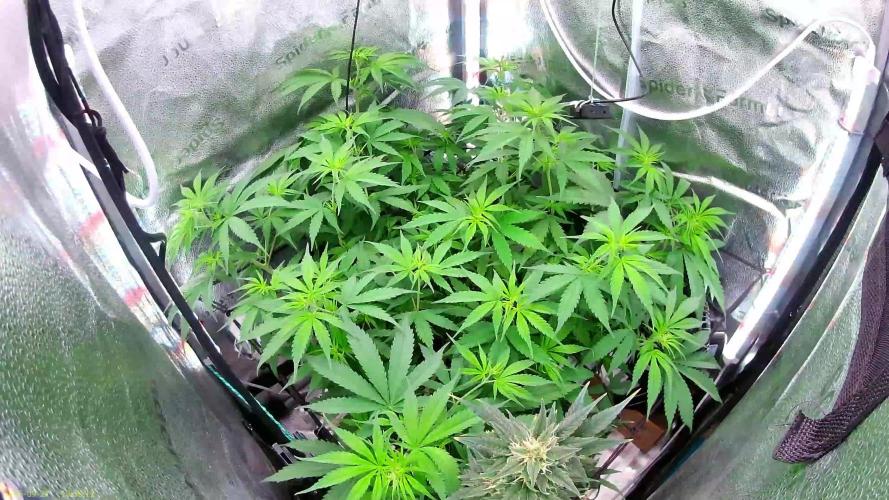
Stretch hört langsam auf - leider bissl zu spät obersten Buds werden zu nah an der Haupt-led (klebt bereits an der Decke mit Gurten) sein - das ist mist.
RH war diese Woche mist - konnte es einfach nicht runterbekommen (trotz starker Bechneidung) und somit keine hohe VPD fahren.
Durst und Transpiration waren enorm.
Weiter gehts mit Sativa Langabenteuer


Likes
3
Share


@GorkedOut
Follow
My favorite strain I've grown from Divine Seeds thus far.
I chopped the plant on day 97 from seed .
She produced 67 grams (2.39 ounces) of very dense nugs.
The smell is incredibly pungent. She is SUPER sticky.
Currently in grove bags curing. I'll update on the terps and such once I do a smoke report in a few weeks.

Likes
59
Share

@JaramnieJazz
Follow
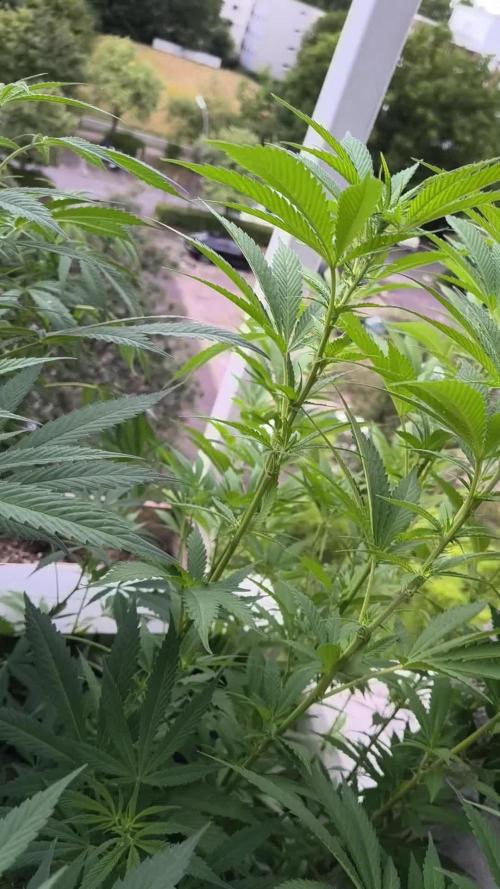
22.07.26 Noch nicht viel zu sehen
23.07.26 Ja so langsam sieht man heftige vorblüten
27.07.26 Alle Pflanzen sind in voller Blüte 😊 und es sieht vielversprechend aus wenn das Wetter mitspielt wird das die Ernte des Jahres und meine Nachbarn werden sich noch Jahre das Maul zerreißen 😘 hab noch ein bisschen sugar royal dazu gegeben nächste Woche kommt noch Green Sensation dazu
28.07.26 Letzter Tag der 2 Blüte Woche sieht gut aus so langsam erkennt man wo die Blüten sein werden


Likes
27
Share


@Ezzjaybruh
Follow
TRUFFLE TREATS DOWN day 53 flower
Absolutely stunning plant with beautiful colors of green flowers just cakes in trichs with purple sugar leaves.
I have her going outdoor as well at about week 4-5 of flower. Will add some pics in but today she got the chop!
Medic grow smart 8 KILLED IT
Check out MEDICGROW website
https://medicgrow.com/
Really excited to see what it can do I’m flower. Love the Bloom button which increases red spectrum when wanted/needed…
Currently running at 40%
Official Website:
https://medicgrow.com/
Facebook:
https://www.facebook.com/medicgrowled
Twitter:
https://twitter.com/medicgrow
Instagram:
https://www.instagram.com/medicgrow420/
YouTube:
https://www.youtube.com/channel/UCNmiY4F9z94u-8eGj7R1CSQ
Growdiaries:
https://growdiaries.com/grower/medicgrowled
https://growdiaries.com/grow-lights/medic-grow

Likes
5
Share


@Zeaiache
Follow
El inicio es sencillo, la 10th planet se come los nutrientes más rápidos que el resto del ciclo, la Purple majik por el contrario, se tarda un poco más en secar el sustrato pero su desarrollo es rápido.

Likes
9
Share


@Pot_Portraits
Follow
Grandaddy Purple is also ready for flower, shape came along perfect thanks to the defoliation of fan leaves, now the lowers caught up and we are ready to produce some nice flowers.
Super healthy plant, excited to see what she will produce !

Likes
22
Share


@Spliffi
Follow
Week 1👍🤙👍🌱
The fear of non germination!! I gave the Trichome & Cream an extra week. Nothing happened but nature is funny like that.
These seedlings are exploding. Dynomyco is the Bomb.
Jon Dabs
Check them out here:
https://jondabs.com
@jondabs Instagram
The Sponsors
Check them out here:
Dutch Passion
https://dutch-passion.com/en/
Hydroponic.co.za
https://hydroponic.co.za/hydroponic/harvesting-and-growing-accessories/
Bud Juice
https://www.gohydro.co.za
The Best Grow
https://thebestgrow.co.za
Dynomyco
https://www.dynomyco.com
Nuclear Roots
https://www.nuclearroots.co.za
Photronic
https://shop.photronic.net
Special Thanks to Hydroponic.co.za. I buy all my products from them. Best service.
Daily updates coming...

Likes
6
Share