


Likes
Comments
Share


@ArtisticGrown
Follow
Sooooo this has been an amazing and exciting week! Ive been patient with this last plant and really checking the trichomes i inly wanted a few amber caps on the nugs, was looking for milky on this one! Shes smelling amazing and the color change was such a sight to see! She did so well with the nutrients and loved the 2 week flush i did! I cut her down did a wet trim and have em in the drying rack! Im excited to see how she cures and drys ready for the smoke reveal! Much love and happy growing!!!
*check out the examples of the rewards from the traing i did with lst, hst, desolation love seeing this!!* learning this craft and style of growing is a blast! And everyone should try it!

Processing
Likes
20
Share


@No_Clout
Follow
Still looking smaller than usual but I think it could be down to the genetics I’m not sure, I saw a little brownish/orange burn spot on the tips of Grapey Walter #2, it dosent look like nute burn but not to sure it’s an issue at the moment.
Did the first bit of LST of these girls tonight and hopefully they will respond well and start bushing out letting the dident branches catch up.

Likes
14
Share


@MagooYFZ
Follow
Another week has gone by and I like were this is going !!
I hope to be able to flip in 2 weeks.
The tripple cheese #2 is developing indica like leaves.
I included a video showing a water dripper that I tought was cool.

Likes
26
Share


@GuerillaGorilla
Follow
What a joy this grow has been.
She was a real beauty. Absolute joy to grow...strong branches but she likes to stretch a lot.
I knew wat to expect. I have grown Lemon Kush outdoors 3 times. The scrog this year was the perfect solution. I will not grow her again outdoors. This was my first time to see her finish. Seeing her flower this year, she just needs the warmth in the end. The climate here rarely offers that.
I must say the dense flowers are amazing also size and yield is incredible. Update about that later.
Trichomes were underdeveloped. I had to harvest early because of mould. The last 3 weeks of flower the temperatures were very low 10-15 C daytime and very very wet.
I believe this stunted the plants. They made a full stop in development and exploded again in the last week. 3 days of sun did more than the 2 weeks before.
Weather forecast were bad so big buds were harvested 25 september. We eventually had more sun than expected and bottom half was left until 2 october. That week made sooo much difference!!
Those bottom buds finally developed some nice trichomes and turned purple.
Of course I wish the big buds could have enjoyed the sunshine during that last week as well.
Most of you will know, being an outdoor grower...Every year is about compromises.
This year was so hot during growth and cold and wet in bloom that mould was unstoppable.
After all I am very pleased with this grow and cant wait to taste some of this.
Probably needs al long cure though to bring back that lemon scent.
Almost seems like all that the rain washed the scent right off her😪
Keep growing y'all!

Likes
14
Share


@McBubatz
Follow
Alles in allem top riecht auch vorrangig nach Käse bisschen sauer, bin auf den Geschmack gespannt. Wenn sie fertig getrocknet ist für's Grovebag dann wird auch wieder eine kleine vorab Kostprobe gemacht 👍
So nach ein paar Wochen aushärten is der Geschmack der Hammer 🙏💪. Vorwiegend Richtung Blueberry mit einem Unterton Cheese. Wirklich extrem lecker und die Bud-Struktur ist der Wahnsinn, sehr dichte und knüppelharte Knospen, sowas gutes hatte ich bisher ni, selbst in den Shops in den Niederlanden noch nie so harte und harzige Blüten bekommen.
Absoluter Favorit bis jetz, großes Lob an Zamnesia für die geile Sorte👌 die wird auf jeden Fall wieder gemacht. Hab zum Glück noch 2 Samen und werd auch wieder welche nachbestellen wenn die leer sind 😄.


Likes
72
Share


@Sider79
Follow
It was a small auto but also it was grown in a 2 gallon,
Smells delicious, always issues with heat end of summer but i think it still did its thang .
Really lime green covered in trics smelling like berry's 👍
I Will grow again for sure & recommend 👌 thanks Seedsman 😊 !!


Likes
Comments
Share
@Wierie
Follow
Good day friends..
So i harvested my plant..found out it had budrot on 2 of the big buds ... shit !!
Wel the rest is drying ..
................
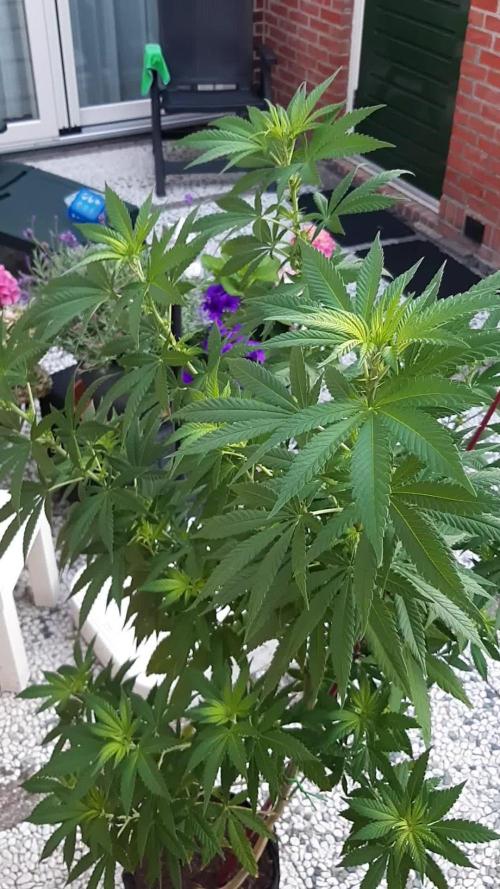
Outdoor plant just chilling and growing..
Gave her 1 spoon of coffee groundings

Likes
16
Share


@Foggedaboudit
Follow
The tallest, densest, frostiest in the tent but the smell is less pronounced.

Likes
4
Share


@Rinna
Follow
Kept bending and LST-ing her. She's catching up a bit now. Spraying all the ladies with cannacure weekly.

Likes
5
Share


@CannaBossBizz
Follow
Yesterday i took off some Leafs down there.
Looks Like a Bouquet now 😄
She's responding great to the Training i have her. I'm pretty exited how she'll do in the Future weeks 🤙🏽

Likes
4
Share

@Hempface86
Follow
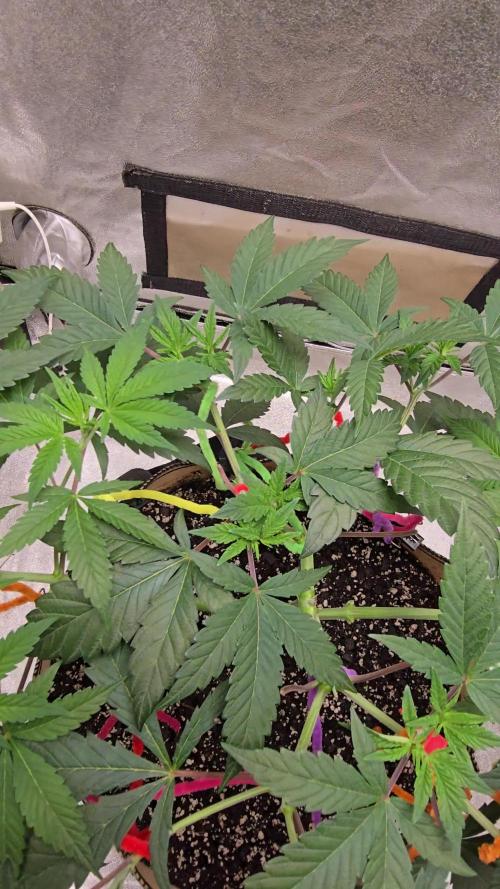
You can see this girl is getting big. I've done a few rounds of topping and she has spread out i'm going to put her in her own tent in a few days when my new fans come in... She's gonna be a big one =) .. Hope all is well.God bless and happy growing 🙏

Processing
Likes
4
Share


@Hangonfarm
Follow
Week 3 of flowering has started! More defoliation and loolipoping is going on and is passing the surface of the SOG... buds keep fattening, although this light is very poor I think inhave mentioned that before!!
Likes
16
Share

@GermGrowFox
Follow
9. Februar
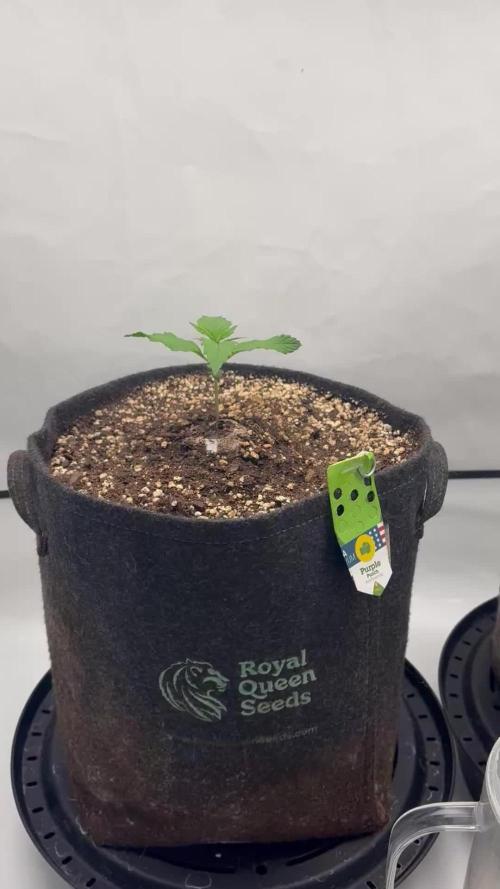
Bilder sind von gestern. Diaryupdate kommt etwas spät, war leider nicht zuhause. Nachdem allerdings zu Beginn sowieso nicht viel spannendes passiert oder gemacht wird ist das vertretbar für mich.
Beide machen sich gut und sehen vital aus.
Abstände zwischen den Blättern sind eng genug.
Der Start ist damit schonmal erfolgreich gelungen. Wachstumsphase beginnt :)
Die Horti One ist nun auf 35% eingestellt.
Likes
7
Share


@starke
Follow
Day 85 - first day of Week 13 and she is going into darkness for 48 hours. Hasn't been watered since 2 days.
Even though she looks the least done of all three, her trichomes are now a good 20-30% amber with the rest milky and some tiny bits of clear. I checked her buds on the calyx all around, from top buds to middle to bottom. She really shows a lot of heavily swolen calyxes, which I have never seen like that. I can now add that to the things I learned/experienced: calyxes swell a lot before the plant is finished. Let's see. My Girl Scout Cookies does not look like she even has calyxes. Funny individuals. Happy wedding cake day, almost 😍
Day 88 - out of darkness. She was in there for 2,5 days. Opening the drying tent she gave off a really strong smell of hash 😍wow. She has some nice looking buds and looks def. more done, but below her dress, she has some light fluffy buds. I have hung all of them now in the dry tent, after I removed some of the bigger fan leaves. One part of it, I think I want to low and slow dry in the fridge. I am interested in finding out about the difference in taste, when a more wholesome profile is retained. For anyone interested, I can highly recommend this forum and this article: https://www.420magazine.com/community/threads/drziggys-low-and-slow-drying-maximizing-your-harvest.366783
Another part I would like to use for fresh cut oil, also from here: https://www.420magazine.com/community/threads/fresh-harvest-infused-cannabis-oil.363371/
As with everything else, I was obsessing about the perfect dry room & conditions. I bought a small tent (40x40cm), a small oszillating fan hung over the buds/on top of the tent. Due to size limitations, I have the filter on the bottom with the duct leaving the tent at the bottom connecting to an exhaust fan. Inside the tent I have a humidity sensor from an Inkbird Humidity regulator. Connected to that is a mini-dehumidifer and a humidifier. I have set it to 20°C (68F) and 50-55% humidity. I'm excited to see how long my dry will last this time. My first grow was drying way too fast in the middle of the heat wave last year with 30% humidity.
The overview added to the pictures, I started making over Christmas. It was when I noticed, that I'm a so impatient, and that something must be wrong, especially in the first weeks. I get so obsessive, that I tend to overcare. Which she showcases beautifully in this overview. I hope this will calm me down the next time. Oh my haha
Let's see what the final dry weight is. My guess is about 25-35g. Any other guesses? Happy Wedding Cake day 😇

Likes
16
Share


@BluHaze007
Follow
I still believe that Banana Kush #2 and Zkittlez are stunted, I wanted to remove those two but i think i will just let them grow out for the experience. I'm really banking on Banana Kush #1 to bring home the bacon.


Likes
35
Share


@FreshCoastOrganics
Follow
So far this mystery seed from Roc Bud is doing just alright. She has some weird coloring and odd mutations but she seems to be growing steadily.
I top dressed with a little bit of humus, worm castings and around 1/16th tsp of Root’s Terp Tea Grow. Trying to go light on this girl as I already pre-amended this lightmix/coco soil with around a 1 tsp of Terp Tea Grow.
Her roots are already showing through the bottom so it’s only a matter of time before she starts to grow upwards!
Likes
49
Share


@masterofsmeagol
Follow
7/25 Did two videos this morning. One where I was only going to water the 3 gallons I had mixed up but it's going to be very hot this week. Didn't want to make the same mistake as last time so I watered everything AT LEAST A GALLON. I need to bump up the volume during these really hot, humid days abd it doesn't get worse then this. Things are getting dusty. Found an inch worm and some minor pest damage. Once it cools down ill spray something. Also noticing small nitrogen deficiency that takes a leaf and moves up the plant a little bit. I'm going to need to start nutes this week. I'll keep this updated. Went back over around one and everything was looking fantastic! Took a few pictures and defoliated a few leaves.
UPDATE: I GOT A MESSAGE FROM DAD SAYING MY PLANTS LOOKED DROOPY. I HADNT MADE IT OVER FOR MY NIGHTLY INSPECTION BUT HAVING WATERED YESTERDAY I WAS THINKIBG OF SKIPPING IT. GOT THERE AND SAW THE FIRST 10TH PLANET DROOPY. ALL THE TENTH PLANETS LOOK RELATIVELY THE SAME BUT ONE OF THEM IS MY "CANARY IM A COAL MINE" AS IT DROOPS WAY BEFORE THE OTHERS. THE TWO BLUE CHEESES IN 20S THAT DRY OUT FASTER GOT TWO GALLONS AS DID MY 10TH PLANET CANARY AND MY BIG BLUE IN THE 50. ITS BEEN 90S AND SUNSHINE AND ITS ONLY GOING TO GET HOTTER. I HAVE THINGS GOING ON IN THE MORNING SO I WONT HE ABLE TO WATER. I NOTICED MORE NITROGEN DEFICIENCY RISING IN THE BLUECHEESE THAT DRINKS ALL THE WATER. OBVIOUSLY ILL NEED TO ADD NUTES SOONER THAB LATER CONSIDERING IM IN FLOWER BUT THE PLANTS ARE STILL A NICE GREEN AMD ONLY LOSING VERY FEW LEAVES. I ACTUALLY SAW A COUPKE BURNT LEAF TIPS ON A COUPKE PLANTS AFTER I WATERED WITH THE KELP ME/YOU. THIS SOIL IS AWESOME. WHAT IS THIS? WEEK 16 AND STILL GOING STRONG. WHEN I DO DECIDE TO START NUTES ILL TEST IT ON THAT BLUE CHEESE THATS FURTHER IN SENESCENCE. I TOOK A QUICK VIDEO ILL UPLOAD TOMORROW.
7/26 Had a bear come around my cage and getting into out bird feeders. Bent the iron shelerds hook all the way to the ground! Getting AMMONIA now to try and keep him away. Bags were heavy this morning but it's going to be really hot again. It'll be on the 90s the next few days so I need to be very careful. After we get through this I'll do an app of BT. Garden looks fantastic!
UPDATE: ANOTHER SCORCHER OF A DAY WENT BACK TO THE GARDEN. NOTHING WAS DROOPING SAVE FOR MY CANARY. THAT AND ANOTHER WERE BONE DRY. THE TWO PLANTS IN THE MIDDLE OF THE CAGE ARE SURROUNDED ON ALL SIDES SO I ASSUME THATS WHY THEY DONT SRY OUT AS QUICK. I GAVE EVERYTHING IN THE GARDEN ONE GALLON EXCEPT THE 10 GALLON PURPLE PUNCH, AND THE TWO IN THE MIDDLE. ONE TENTH PLANET ONE BLUEBERRY CHEESE. I ONLY GAVE THOSE 1/2 TO 3/4 GALLON. THE TWNTH PLANET IN THE MIDDLE IN THE THIRTY LOOKED HAPPY AND WAS STILL HEAVY TOO. I GAVE THAT A HEARTY HALF GALLON AND I WOULDNT EVEN HAVE DONE THAT IF TOMORROW AND FRIDAY WERENT GOING TO BE THE HOTTEST DAYS OF THE WEEK. I DEFOLIATED SOME. I NEED TO DO MORE BUT I HAD TO BEAR PROOF. I SOAKED THE BOTTOM BOARDS OF THE CAGE IN BLEECH. VERY CAREFUL NOT TO GET ANY ON THE PALLETS OR GROW BAGS OR ANYWHERE IT COULD GET TO PLANTS. I TACKED DRIER SHEETS TO THE CAGE. I CUT A COUPLE PILL CASES IN HALF AND SOAKED THEM IN BLEECH AND DROVE THEM IN BY THE WOODS WHERE HE WNTERED AND BY THE FEEDERS HE EMPTIED. PUT UP ANOTHER CAMERA FACING THE OPPOSITE DRECTION SO I CAN SEE HIM NO MATTER WHAT. I WOULD STAY AWAY MR. BEAR.
7/27 Plants are looking FANTASTIC this morning. Soil is still damp this morning and bags are heavy as hell. They look super happy. Obviously my watering situation depends on the weather. Today and tomorrow are supposed to be the hottest days so I wanted to make sure the plants had sufficient water before this. I'll let them dry out totally before watering again. There's another four lined plant big somewhere that sat there and destroyed another leaf. I'm AT LEAST spraying with BT after this heat wave. Supposed to rain a little today with thunderstorms. I haven't got my supports up yet but if i need to I coukd throw my tarps up real quick. Don't think I'll need to though. These are some tough freaking plants and I am super proud of how they've turned out thus far.
UPDATE: WENT BACK OVER AND RE APPLIED BLEECH TO THE RAGS AND ON THE PERIMETER OF MY CAGE. I TACKED A FEW MORE DRYER SHEETS UP. REASON I DID THIS WAS BECAUSE WEVE BEEN GETTING HORRIBLE THUNDER STORMS WITH TORRENTIAL RAIN. THE WEATHER MAN HAD BEEN WRONG SEVERAL TIMES WARNING OF THUNDER STORMS AND WE WOULDNT GET SHIT. THIS TIME IT WAS PRETTY BAD. TOOK A SHORT VIDEO. IT WAS SUPPOSED TO BE THE HOTTEST DAYS TODAY AND TOMORROW. I DIDNT NOTICE ANY BREAKAGE AND I DONT SEE ANY ON MY CAMS. IM SURE ITS NOT THAT MUCH RAIN AND THOSE NAHS WILL DRY OUT SOON. I NEED TO GET MORE PH DOWN AND DECIDE WHAT IT IS IM GOING TO DO FOR NUTES IN FLOWER AND MAKE UP MY MIND.
7/28 Huge thunderstorms all day yesterday and through the night with high wonds. Plants made it through unscathed despite the lack of a trellis. Today is supposed to be the hottest of these days. I think the hear wave ends today. I really need to get my supports up. I'm super lucky to not have had any breaks during the storm. I have a couple of videos I did but I didn't upload them earlier and now that I'm back in the woods I doubt they'll upload now. I'll give it a shot. If not I'll put them up tomorrow. OH! I found that four lined plant bug that had been fucking up my leaves and squished him. Well I hope it was him. If not I killed a sibling at least.
UPDATE: JUST WOW. This morning all drooped over from the storm went over at 4 and its still 90 and they seem to have grown sic inches and jumped forward WAY more into flower. I am amazed. I'll upload a photo or two but I took a video I'll put up tomorrow. Super stoked. Oh and you can give me a red smile face for not using nutes every week @growdiaries but you point out the deficiency then I'll fix it.
7/29 Plants looking fantastic this morning.
UPDATE: PLANNED ON NOT GOING TO THECGROW TOMOGHT SEEING THAT IT HAD RAINED SO HARD AMD THAT WE ARE SUPPOSED TO GET RAIN TONIGHT. I GET THERE AT ABOUT FIVE AND MY CANARY AND A FEWCOTHERS WERE DROOPING! IT WAS IN THE 80S ALL DAY. I GAVE EACH PLANT A GALLON OF WATER. THE GROW BAGS ON THE TEO WORST PLANTS WERE SUBSTANTIALLY LIGHTER THAN THE REST. I HOPE IM NOT OVERWATERING. THE PLANTS SEEMED TO PICK BACK UP AFTER WATERING BUT ILL HAVE TO WAIT UNTIL TOMORROW TO UPLOAD MY PICTURES AND VIDEOS. I NEEDED TO ADD TEMPORARY SUPPORTS TO A COUPLE DIFFERENT PLANTS. IM CERTAINLY GLAD I GOT THE URGE TO GO OVER. WHAT A CHANGE IN A FEW HOURS
7/30 Plants are really growing fast and transitioning quick to flower. We got almost no rain so I'm glad I watered like I was supposed to even though the bags had some heft to them. I'm noticing more pest damage. I'm thinking a bt spray tonight might be beneficial. I'll look through what I've got on hand. I may just give them an application of spinosid but we'll see. I still need to move things and put my supports up. Medical problems have slowed me down.
UPDATE: Went to check the plants around 3 and they looked great. Bags were still heavy and a little bit moist. I think with the added rain some of the plants may have been overwatered. I should have only watered tue bags that felt light. There is only one plant now that looks a little overwatered and even that is looking good. I found some more minor pest damage. Winds were fairly high. I wondered about my trellis netting but it hadn't been sanitized and my plants are very healthy so I decided to wait. I watched them dance like willows in the wind. I know it won't be like that with big ol colas on them but for right now it's working out just fine. Goal for next week is to move the front row back and move things around to better utilize space, possibly spray for pest and add supports for final flowering after I get the plants situated how I want them. If I do it right I may be able to lst some. Also took a 2 minute video but I cant upload until tomorrow.
7/31 I'm wondering about my watering habits. This morning I watered a couple blue cheese and purple punch plants with just a half gallon as they were light and looked drooping. I'm wonderingvif I'm overwatering. Some plants still seem heavy while others are light? I think the plants may have been overwatered due to the torrential rain and my taking less time hand watering. Hopefully I won't come home from this doctors appointment to wilted plants but I really doubt it. 10th planet requires far less water than the two other strains. Even specific phenos require more water and its difficult with the different size containers but im working with what ive got. I need more ph down and I've gotta get these plants supported. These are some massive plants. Store was closed. Dispensary was opened. Showed my buddy the video then it started raining. By the time I got there the plants looked horrible. Everything was droopy but a couple were really bad. A few weren't bad at all. Actually the one in the ten needed it. I think I just need to give more water at a time and document how I water each plant individually. I also need to take into consideration the weather. Hard to do when it's so unpredictable. I'll wait for them to dry out and then I plan to start low doses of big bloom and grow big but I need to wait for them to dry out first. Then next watering they'll get some nutes. It's sunny now so I may go check my plants. I may also put a fan out for a while on the bags. That might help them out.


Likes
7
Share


@DrewbieDoobieNoobie
Follow
week 8 they are starting to smell i let them go without water for a week and they were putting off the terps.
did some light defoliate and gave them a 3/4 serving of water, I will check in 2 days and water a full drink for them.
colas are getting heavy for the stems lots of drooping using the Scrogg net to help them stay upright.
looking at 4 more weeks till harvest.
