


@Ieiogrow94
Follow
Eccoci qui...
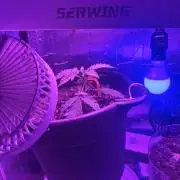
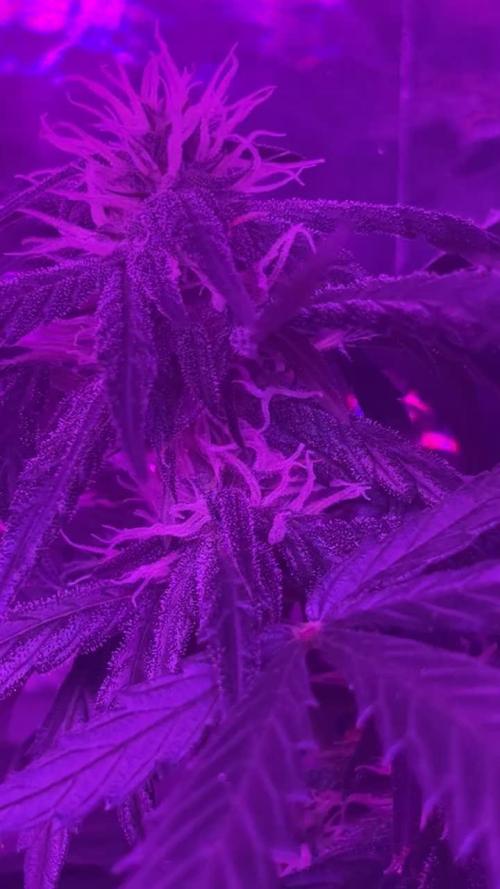
Tutto va per il meglio, questa settimana non ho applicato stress alla piccola, ma ho guardato l'evoluzione che ha avuto dando i nutrienti.
Ora ha un odore davvero intenso ed uno strato di resina pauroso, vediamo come si riprende dalla defogliazione che ho fatto settimana scorsa.
Seguiranno aggiornamenti, grazie a tutti per il supporto🔥🌲❤️








@el_cultivito
Follow
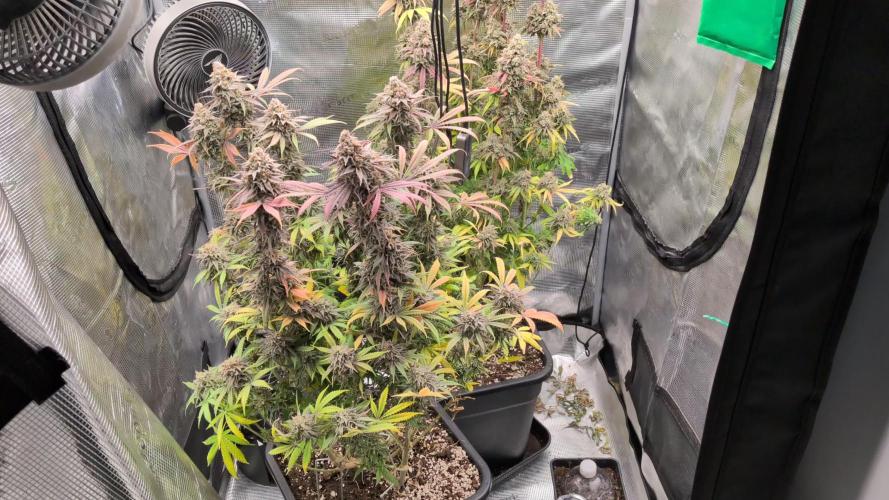
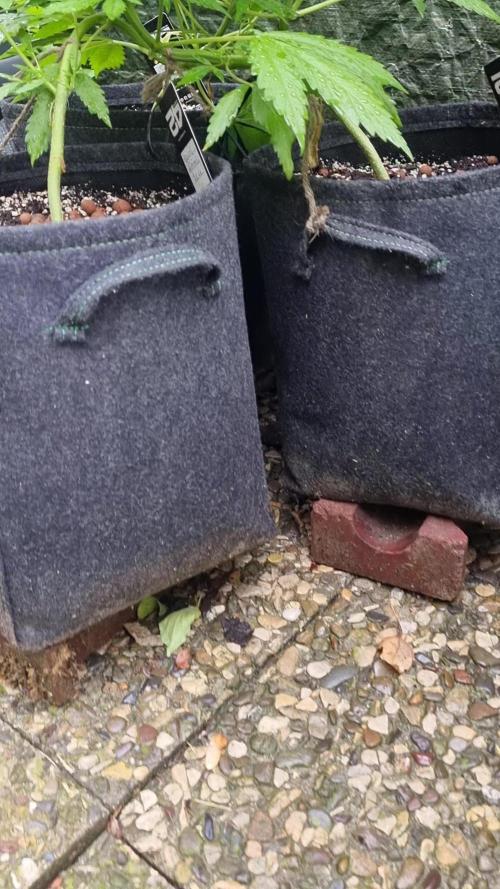
Middle 2 plants stretched a lot week 3 of flower. They were growing slower in veg so I flipped to flower as soon as their canopy reached the net (barely LST these 2 plants with the net given their slower growth). Then week 2-3 of flower they took off.
Did some defoliating to expose bud sites further down with the intent to increase yeilds.


@MrWeeedWorld
Follow
🍑 Apricot Automatic – Woche 8 | Blütewoche 3
Diese Woche zeigt sich endlich das wahre Ziel dieses außergewöhnlichen Projekts.
Was ursprünglich als drei einzelne Apricot Automatic Pflanzen begann, entwickelt sich immer mehr zu einer einzigen lebenden Skulptur. Mein Ziel war es von Anfang an, drei Pflanzen so miteinander wachsen zu lassen, dass sie später wie eine einzige riesige Pflanze wirken – und genau das beginnt jetzt Realität zu werden.
Die ersten drei Blütewochen haben den Stretch fast abgeschlossen. Nun richtet die gesamte Pflanze ihre Energie vollständig auf die Blütenbildung. Überall entstehen neue Budsites und an jeder Verzweigung schieben sich frische weiße Blütenfäden in Richtung Sonne.
Besonders spannend ist dabei die gleichmäßige Entwicklung. Statt einer dominanten Hauptcola entstehen unzählige gleich hohe Triebe, wodurch sich später eine unglaublich gleichmäßige Blütendecke bilden dürfte.
Trotz des wechselhaften Wetters zeigt die Apricot keinerlei Schwächen. Regen, Wind und kühlere Nächte scheinen sie kaum zu beeindrucken. Das satte Grün der Blätter, die kräftigen Stämme und die vitale Entwicklung sprechen für eine ausgesprochen robuste Genetik.
Noch ist von den typischen Apricot-Terpenen nur eine leichte fruchtige Süße wahrnehmbar, doch mit jeder Woche wird das Aroma intensiver werden.
Dieses Projekt ist für mich weit mehr als ein normaler Outdoor-Grow. Es ist ein kleines Experiment, das zeigen soll, was möglich ist, wenn drei Pflanzen perfekt miteinander harmonieren und gemeinsam zu einer Einheit erzogen werden.
Die Grundlage für eine spektakuläre Blüte ist gelegt – jetzt beginnt der Teil, auf den ich mich seit Wochen freue.
Vielen Dank an Fast Buds für diese fantastische Genetik und an Plagron, die auch draußen wieder für kräftiges Wachstum und gesunde Pflanzen sorgen.
Three roots... one plant... one dream. 🍑💚
--------------------------------------------------------------------------------------------------------------------------------------------------------------------
🍑 Apricot Automatic – Week 8 | Flower Week 3
Week 8 marks a very exciting point in this unique outdoor project.
What started as three individual Apricot Automatic plants is slowly transforming into what I imagined from day one—a single giant plant made from three perfectly trained sisters growing together as one.
The stretch is almost complete, and all of their energy is now shifting toward flower production. Every branch is stacking fresh white pistils, and new bud sites are appearing across the entire canopy.
The most rewarding part is how evenly the plants have developed. Instead of producing one dominant main cola, the training has created a balanced canopy with dozens of equally promising flowering tops that should mature together over the coming weeks.
Even with changing outdoor conditions, the Apricot girls continue to impress. Rain, wind and cooler temperatures haven't slowed them down at all. Healthy green foliage, strong stems and vigorous growth prove just how resilient this Fast Buds genetic really is.
The famous Apricot aroma is only beginning to reveal itself with subtle fruity sweetness, but I know the coming weeks will unlock the full terpene profile.
This grow is much more than simply growing three autoflowers outdoors. It is an experiment to demonstrate what can happen when three plants are carefully trained to become one living masterpiece.
The foundation has now been built.
From here on, the flowers will tell the rest of the story.
A huge thank you to Fast Buds for these amazing genetics and to Plagron for keeping this outdoor project thriving from the very beginning.
Three plants. Three root systems. One beautiful masterpiece. 🍑🌿🏆


@GermanGrower416
Follow
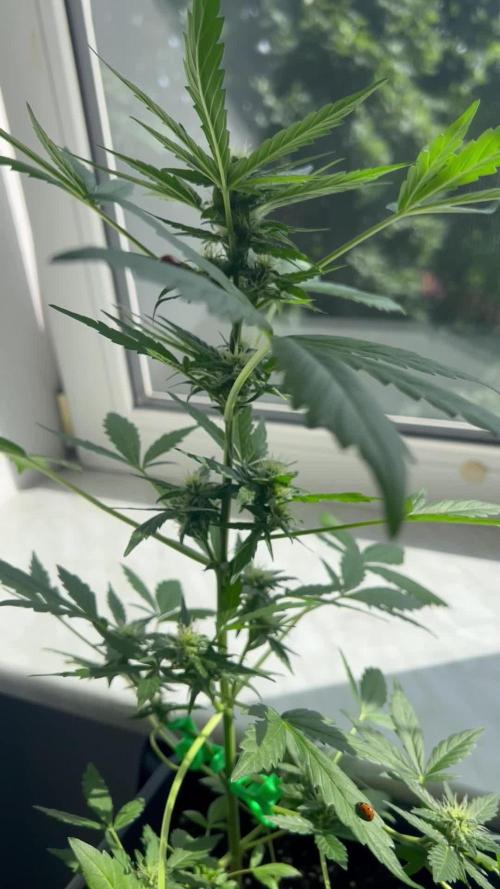
Ende Blütewoche 2
Buds schwellen langsam an.
Sie trinkt tatsächlich sehr wenig.
Muss sie nur ca aller 5 Tage mal gießen.



@Marijuanaut
Follow
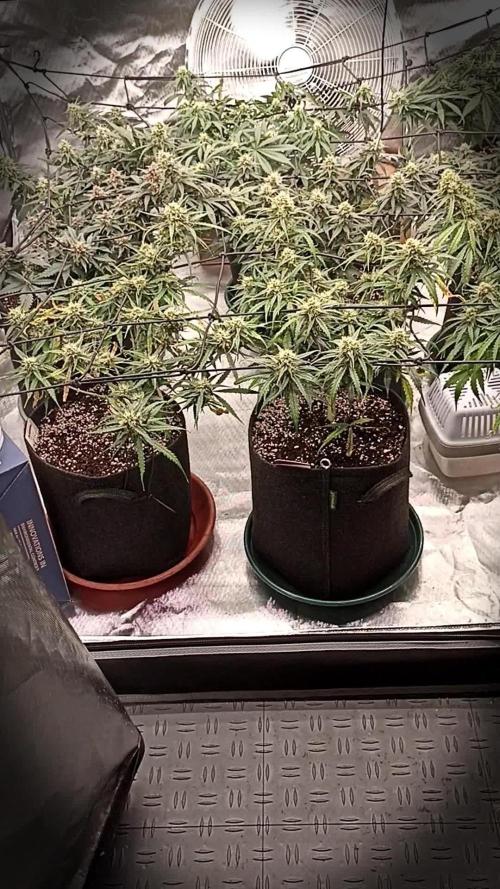
Another week down and the girls are thriving despite the hot temps! 😍
I continue to be amazed with how these seeds and strains from Divine Seeds are developing. 😇
How easy is to grow healthy and strong plants! 💪
Introducing night shots to see them frothing 😎
"How 'bout them apples?" 😏


@MrHightimes
Follow
i'm in love with this grow.
I'm also drunk!
good pics and druken videos.
I love fastbuds/ Fastubds is life!


@grimm420
Follow
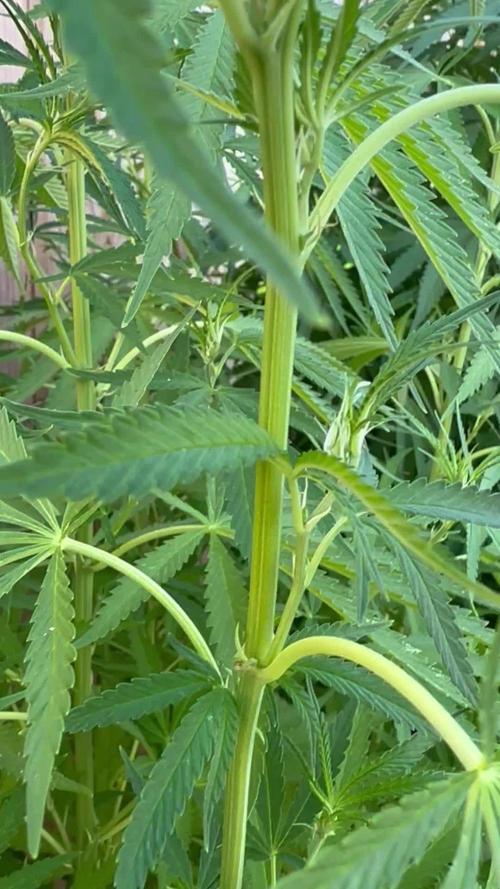
One of them is short, one of them is tall, the other one is just in between. 😎 cool plant though, don’t need to train or defoliate because the thin leaves help sunlight penetrate easier! I’m thinking this is pre flowering, seeing alot of pistils. Can’t wait to see how it smells! I’m guessing it’s similar to FastBuds orange sherbet but with a gassy/skunky mix. Won’t know till I smell it tho!
shorts_status_processing


@BarrieGrower
Follow
The streach continued and growth was good. Bent the taller branches down for a semi uniform canopy. Buds are building and all is well.
With the warmer summer temperatures the room became a bit too hot and humidity was too high as well. Turned the A/C on and within a few hours the temp dropped down to 75 and humidity to 51%. Went away for the weekend so I will see what it is like when I get back.
I dropped the veg nutrients and am feeding bloom and cal-max with molasses.
Need to figure out and fine tune the whole temperature thing.
This coming week I will do a full leave strip. Once that is done I will fine tune the canopy.
Thanks for looking.


@WuTangVibez
Follow
I am really Happy with this Strain, it's growing so beautiful, this week she Streched so much and started now to pack up as well. You can see even the first signs of frost coming up. I hope you Like my Grow. Im looking forward to some beautiful Buds in the near future !


@Farmerskr
Follow
Así terminaron la cuarta semana! 🙏
Estas 🦍🍌 quieren la flora pero ya!
Se ven maravillosas, hambrientas a mas no poder… Se van a flora con 30 días!
Gorilla Banana - BSF Seeds
Saludos 🖤🙏💚


@Ultraviolet
Follow
Its time to prepare for war. *Blows bagpipe*
FISH SH!T THE ORGANIC SOIL CONDITIONER (used twice before and always noticed instantly)
Fish Shit is a living product! It provides a complex Microbial profile that includes thousands of different species of bacteria, fungi, and protozoa. This profile is closer to a natural ecosystem than anything you will find on the market. Fish Shit helps release essential oils and terpenes which contribute to the building of a myriad of flavonoids. Flavanoids play a key role in the development of the most potent aromas and tasteful flavors of a plant and its fruit. Fish Shit contains beneficial microorganisms that help plants maximize nutrient uptake. It does this by transforming nutrients into more usable forms and keeping these nutrients in the soil longer. During photosynthesis plants naturally produce exudates (chemicals that are secreted through their roots). Through these exudates, plants can attract the types of good bacteria that are beneficial to them at different points in their growing cycle. These good bacteria cover the roots and act as a barrier to the invasion of disease-causing organisms that may harm the plant.
What Are Enzymes?
Before we dive headfirst into how, exactly, enzymes can benefit cannabis plants, it helps to understand a little about what these microscopic proteins do. Essentially, enzymes facilitate chemical reactions. They do so by binding with a substrate and forming or breaking molecular bonds. In this context, the substrate is the molecule upon which an enzyme acts to boost the efficiency of a reaction.
•substrate /sŭb′strāt″/
•noun
•The material or substance on which an enzyme acts. A surface on which an organism grows or is attached. An underlying layer; a substratum.
Enzymes are proteins with complex 3D shapes that feature regions called active sites. When the substrate binds to these active sites, it forms an enzyme-substrate complex that causes a chemical reaction to take place, temporarily changing the structure of the enzyme and ultimately causing molecules to either come together or break apart. As a result, molecular products are released, and the enzyme returns to its original shape.
Specific enzymes are capable of binding with certain substrates, as the substrate fits into the active site more or less via a lock-and-key principle. Although, new research suggests a more accurate theory of "induced fit", in which enzymes and substrates undergo structural changes to facilitate the reaction.
If you take the human body as an example, we have an abundance of enzymes in our saliva and digestive system. These molecules bind with substrates in these regions (food particles), working to break down the food we eat into usable parts before converting them to energy.
Enzymes in cannabis work in a similar way to the example highlighted above. Typically, enzymes occur in soil naturally, but if your soil mix is lacking organic material, or you're growing hydroponically, then adding enzymes directly to the substrate is crucial.
By using them in cannabis growing, enzymes not only help break down essential nutrients into smaller, more readily available pieces, but they also support the digestion of dead root cells, clearing a direct path for nutrients.
Overall, enzymes make it easier for your cannabis plants to absorb all the elements they need to reach their full potential. For growers, a plant that reaches its full potential means a bucketload of juicy buds come harvest. This is essential if you want to reuse a pot with old systems left over like mine.
Common plant enzymes include:
•Cellulase
•Xylanase
•Beta-glucosidase
•Hemicellulase
•Amidase
Amino acids are a crucial, yet basic unit of protein, and they contain an amino group and a carboxylic group. They play an extensive role in the gene expression process, which includes an adjustment of protein functions that facilitate messenger RNA
Nitrogen, phosphorus, and potassium are the three main pillars of nutrient solutions and fertilizers, but there are countless other nutrients that your cannabis plants need to produce the best possible harvest. Amino acids are one of them.
You may have noticed that amino acids get a lot of attention from bodybuilders and other athletes. That’s because they play a key role in the synthesis of protein, which, as you probably know, is super important for sports recovery and muscle growth. Amino acids are the building blocks of protein and the foundation of both plant and animal life.
But what do amino acids do for cannabis?
WHY IS PROTEIN IMPORTANT FOR CANNABIS?
Just like proteins are important for the human body, they are equally important for the growth and development of plants.
For example, proteins help plants:
•Facilitate the growth of intracellular plant structures
•Promote energy generation
•Stimulate metabolic processes
•Facilitate the absorption and transportation of nutrients
So, where do plants get these vital proteins from? Well, unlike humans, plants can’t source proteins or amino acids from other organisms. Instead, they need to create their own amino acids, and then use these to build protein. That's why gardeners, much like athletes, go wild for amino acid supplements.
Amino acids help plants by…
• Increasing their production of chlorophyll, which ultimately improves their ability to photosynthesize
• Serving as an easily absorbable form of nitrogen
• Stimulating the synthesis of key vitamins
• Improving their resistance to pests and diseases
• Boosting the strength of their cells
Amino acids also serve as the precursors to auxins, a group of plant hormones produced in the meristems—the apex of the stems where new leaves and stems are born.
Auxins play a key role in the plant, activating genes for plant growth and development by triggering a multitude of vital plant functions. In other words, they determine what its size and architecture will look like. Auxins influence the development of branches, flowers, and roots, and even help to regulate the photoperiod response of the plant.
Some amino acids, like cysteine, also work together with antioxidants like glutathione to help cannabis plants deal with oxidative stress, which can be caused by high-intensity lighting, some nutrient solutions, and high levels of CO₂.
Unlike humans, plants can synthesize all the amino acids they need to survive and develop properly. Unfortunately, however, amino acid synthesis is a really high-energy process, and plants may struggle to produce enough amino acids when exposed to stress.
WHAT FACTORS AFFECT A PLANT’S ABILITY TO SYNTHESISE AMINO ACIDS?
Any kind of stress can affect a plant’s ability to produce enough amino acids.
This includes:
• Drought
• Temperature extremes
• Poor soil health
• Pests
• Diseases
• Poor lighting
• Lack of space
• Poor root health
WHAT DOES ALL OF THIS MEAN FOR WEED PLANTS?
If you want to push your plants to their extreme in terms of floral growth and resin production, you should look into amino acid fertilizers. By making amino acids readily available to your plants, they’ll be able to use crucial energy to grow and bloom, rather than focusing on synthesizing amino acids themselves. Game of Inches, this is another Plants can absorb amino acids via their roots and leaves. They can also benefit from amino acids during both their vegetative and flowering phases. The fastest way for plants to absorb amino acids is via their leaves. The foliar application of amino acids is believed to improve the transportation of nutrients, increase transpiration, and boost photosynthesis. Hence, I recommend feeding your plants with foliar amino acid fertilizers. When doing so, however, carefully measure the amount of fertilizer you use, as—like with any nutrient—overfeeding can damage your plants.
FOLIAR FEED AND SOIL SOAK
• 1 crushed queen anne carrot
• Add 2 tbsp of NPK Raw powdered water-soluble cane molasses
• 20ml h2o2
• 1 crushed radish
• 0.25 tsp NPK Enzymes
• 0.25 tsp NPK Amino Acids
• 50ml coconut water ( nature's own amniotic fluid packed with amino, enzymes )
+ The sound of songbirds.
Onto the predators
1250 -Green Lacewings
Lacewings are extremely voracious predatory insects that feed on several pests. In adulthood, it feeds on pollen and nectar. In the larval stage, it feeds on aphids, thrips, and mealybugs at all stages of growth. It can also attack spider mites in moderate quantities. It is initially an aphid predator, but very effectively controls thrips and mealybugs infestations. It is so voracious that in the absence of prey, it will feed on its congeners. Lacewings are cannibalistic if there is no food available for them. It is therefore important to introduce them into an infestation situation, and not just preventively.
•congener /kŏn′jə-nər/
•noun
•A member of the same kind, class, or group.
•An organism belonging to the same taxonomic genus as another organism.
•A thing of the same kind as. or nearly allied to, another; specifically, in botany and zoology, a plant or an animal belonging to the same genus as another or to one nearly allied.
Ideal temperature 20°C – 26°C
Ideal humidity 60% – 70%
Predatory stage life cycle 21 days
Introduction rate 4 weeks
Storage Refrigerator
Use Immediately
Are there any specific instructions on how to use this predator?
Lacewings are available on small paper cards that you can hang to plant stems. On the cards are dozens of eggs ready to hatch. There are also sterile eggs they can feed on once they have hatched before they are ready to disperse in the foliage. It is important to use them quickly upon receipt to avoid cannibalism. If you don't use them right away, you can store the cards in the refrigerator for 24 to 48 hours to prevent the eggs from hatching too quickly. Avoid storing them for longer than this or you risk losing eggs. 1250 eggs are divided into 7.5 cards, 2500 eggs on 15 cards, and 5000 on 30 cards. The application rate is one card per square meter of growing surface.
Is this predator best used for preventive or curative treatments?
Lacewings are used as a curative solution.
Anything else I should know?
Lacewing eggs hatch approximately 24-72 hours after the cards are exposed to room temperature. When they emerge, the lacewings are just 1.5-2 mm long. They are very small so they are difficult to see. Once hatched, they will stay on the cards for a few hours and then disperse in the foliage. You quickly lose sight of them if you have not witnessed the hatching.
They then live in the foliage for about 3 weeks. Often, you will see them towards the end of their larval cycle. After feeding for 3 weeks, they will triple and even quadruple in size. At that point, they are easier to see. But they remain very discreet insects, it is not abnormal not to see them.
Egg carcasses left behind on the cards do not disappear after the hatching has happened. It's normal to see eggs still on the cards. Visually it is very similar before and after hatching.
Also, on the boxes, there are sterile ephestia eggs which are used to feed the lacewings once hatched. Not all lacewing eggs are viable either. Only a certain percentage of lacewing eggs will hatch. Once hatched, the eggs are white. You can observe this using a magnifying glass.
With,
5000 Stratiolaelaps Scimitus
It is used to prevent or control thrips pupae, fungus gnats larvae, and root mealybugs in the soil. It can also be used for red mites in bird farms or hen houses. The adult is about 1 mm long and is medium brown with a beige triangle on its back. Another fun fact about them is they can survive without prey. They can eat algae and plant debris. This is why they can reproduce and stay in plants for long periods.
Ideal temperature 15°C – 23°C
Predatory stage life cycle 18 days
Introduction rate 2 weeks
Storage Room temperature
Use Within one week
Are there any specific instructions on how to use this predator?
Sprinkle directly on the growing media. They can live in all types of substrates like potting soil, coconut fiber, rock wool, cedar mulch, etc. Stratiolaelaps establish easily so they are permanently fighting pests. One introduction is generally enough unless you have an infestation. In this case, introduce them at least twice at a 2-week interval for best results. If you grow your plants in a 100% mineral substrate, it will have to be released more often since there is less organic matter than in traditional soil.
Do I need to take any specific precautions?
Stratiolaelaps breed in the top layer of the soil. So it is important not to disturb them in the first days following their introduction. They don't like temperatures below 8 ° C. So be sure not to introduce them in a water-saturated or cold environment. Release them 24-48 hours after your last watering. They are very sensitive to chemical acaricides and diatomaceous earth. These methods are incompatible with their use.


@Jinxed
Follow
•Frostbanger is getting strong, starting to gain a scent 💨💨
•Random grows daily, but doesn’t have much of a scent
shorts_status_processing


@Tito_Yayo
Follow
D1 Increase light to 90W / Lamp
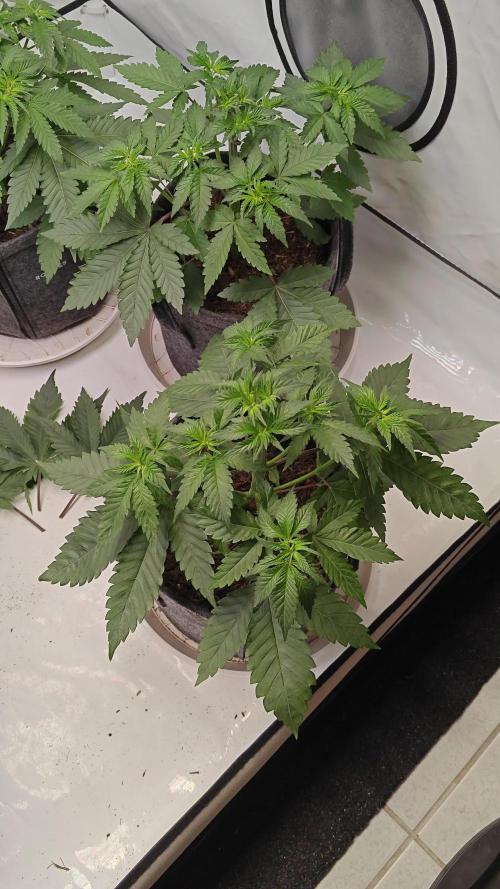
Plants are ~ 45 cm, 0,75 l /day
D2 Ad a fan, reorganised box. LST for the main stems.
D3 Trimming the side stems from node one to three
D4 Plants look fine, last day with grow fertilizer. Humidity is ~50% without humidifier, plants have more transpiration caused by more light and more leafs. More transpiration means more transport and requirement of nutrients. Light is ~ 33000 lm.
D5 Today is day 35 from seeding, halftime 🙂
Training was successfull, plants are bushy. I noticed the maximum plant height in my tent is 70 cm. I stopped the stretch in height this week completly. Box is very small, 50*100*180 cm
First feed with bloom fertilizer EC1,8
At the afternoon some leaf tips on the top are yellow. First sign of to much nutrients ☹️
Flushed both Ladies with 2l of Aqua dest.
now i know i'm driving near the limit with nutrients at the moment.
D6 Both Ladies look very good. No feed today 😀
D7 Tips of new leafs are green


@Trichoma
Follow
I am done topping plants gonna give them few more days before I transplant them again before I got to flower.


@johdlong
Follow
Strong healthy stems and nice green leaves. I defoliated the bottom 30-40% and threw a couple layers of nets over them over a few days. The flip to 11/13 has commenced and removed the 5th middle plant as a mother/backup. Dropped the humidity to a constant 40-50%. Gave a 3 tbsp topdress of them flower nutes. They got 9-10 weeks of veg total, I just don't have enough content to post.


@Professor_Chaos
Follow
The medium had issues from, pretty much, day one.. She did show the issues on the leaves.. But it did NOT slow her down a bit.. She outgrew her side of the tent. Very stretchy! Super pretty.. I feel I got a very Mandarin Sunset pheno type.. Looks alot like the pics of ETHOS Mandarin Sunset.. But wow.. Great terpy strain also.. Very lemony.. I love ETHOS!
