


Likes
Comments
Share


@Roberts
Follow
Bubble OG Gum auto is looking great. Super frosty colas on her. She has a sweet smell with a bubble Gum smell. Trichromes were still overall clear. I will leave her in feed a few more days. Then go to ph water for her flush week. She looks good, and smells great. Thank you Spider Farmer, Athena, and Ganja Farmer. 🤜🏻🤛🏻🌱🌱🌱
Thank you grow diaries community for the 👇likes👇, follows, comments, and subscriptions on my YouTube channel👇. ❄️🌱🍻
Happy Growing 🌱🌱🌱
https://youtube.com/channel/UCAhN7yRzWLpcaRHhMIQ7X4g


Likes
17
Share

@420DeepGrow
Follow
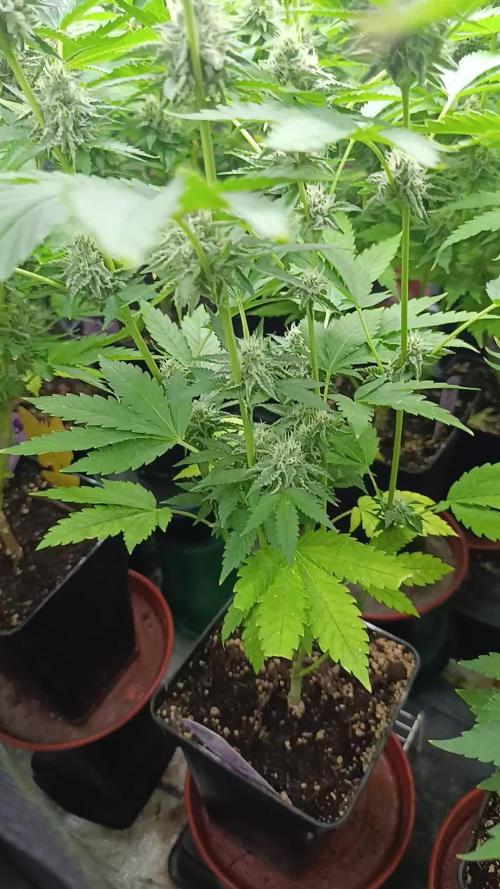
📆 Semana 6
La planta alcanza el punto de mayor engorde. Los cogollos ganan densidad y peso, los cálices continúan apilándose y la producción de resina aumenta de forma notable, mientras el aroma se vuelve más intenso y complejo.
El consumo de agua y nutrientes sigue siendo muy elevado, por lo que mantener una nutrición equilibrada, un clima estable y una buena ventilación será clave para que las flores alcancen su máximo potencial.
⚡ EC: 1.8–1.9
💧 pH: 6.2–6.5
🌡️ Agua: 20–22°C
🌫️ Humedad: 45–55%
💡 PPFD: 900–1000 µmol/m²/s
🌡️ Temp ambiente: 24–27°C
🔥 Nota: Mantener la estabilidad del cultivo y evitar cualquier tipo de estrés favorecerá un mayor engorde, una mejor producción de resina y una expresión más intensa de terpenos.
¡Seguimos creciendo fuerte! 💪

Likes
18
Share

@AumShanti
Follow
ॐ
LSD - Barney's Farm
11L pots, 720W led, Remo Nutrients
"Bedroom setup"
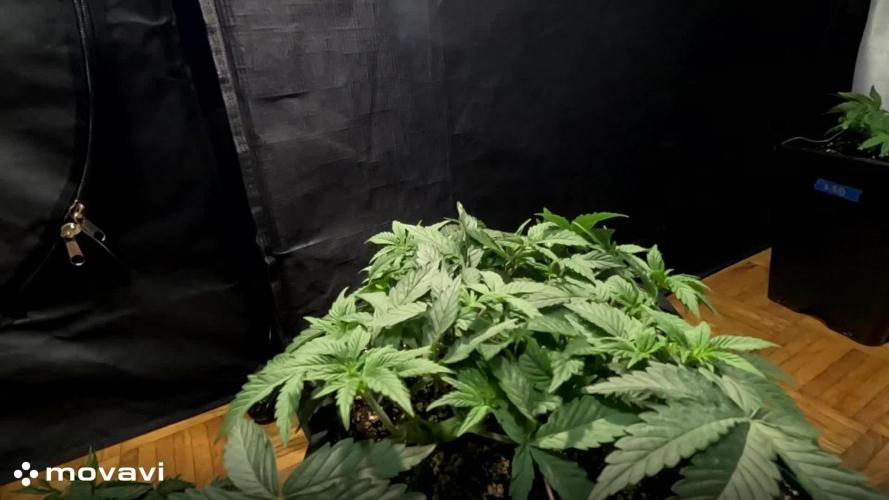
4th week of vegetation from 16.3.2026. to 22.3.2026.
This week i did 2nd topping, defoliation, and preparing for ML.
Plants are strong and like training.
Very nice bushy and healthy :)
Take care and much love :)
ॐ

Likes
5
Share


@BB_UK
Follow
These ladies are doing so great! Stretching up creating flowers along the way! I may need to trim the lower branches in time in order to not waste necessary energy being a solo but I’m feeling when I run Anesia autos in bigger pots in 6 weeks they’ll be no issues!

Likes
Comments
Share


@BruWeed
Follow
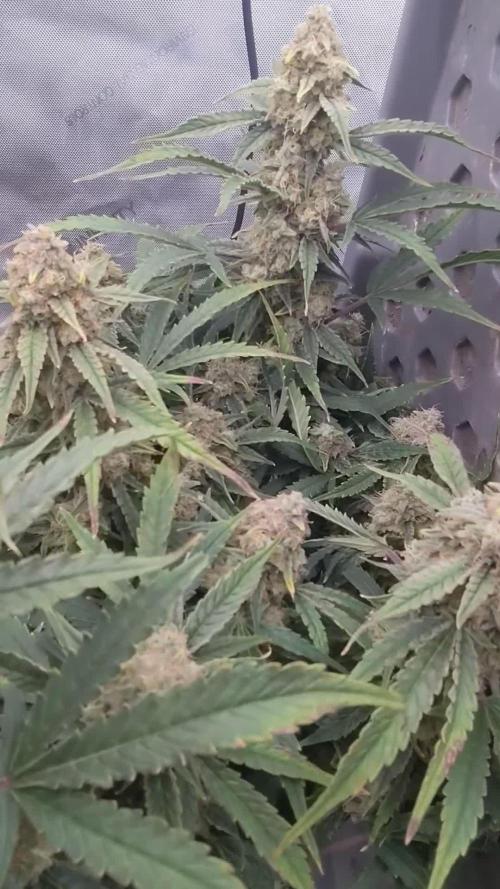
De una semana a otra su desarrollo fue muy notorio. Se encuentra perfecta, sin ningún problema. En esta etapa esta teniendo olor a weed muy fuerte. Esta muy resinosa.


Likes
2
Share

@GingerGarageGrow420
Follow
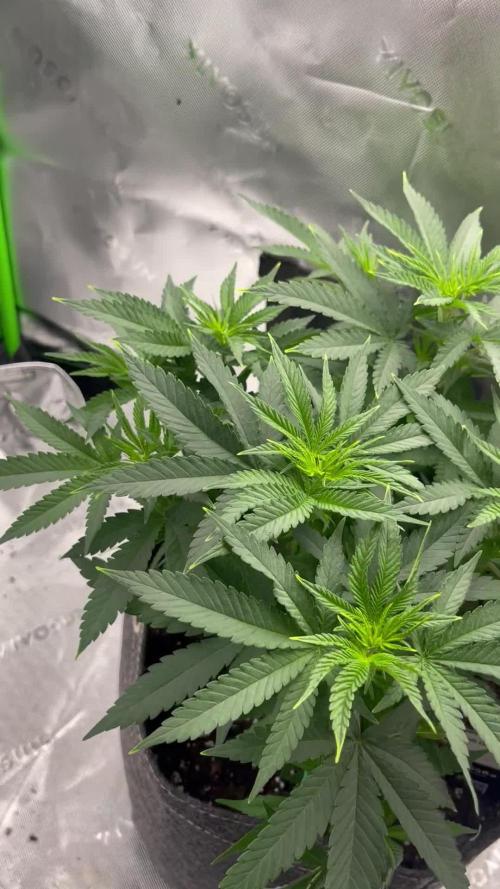
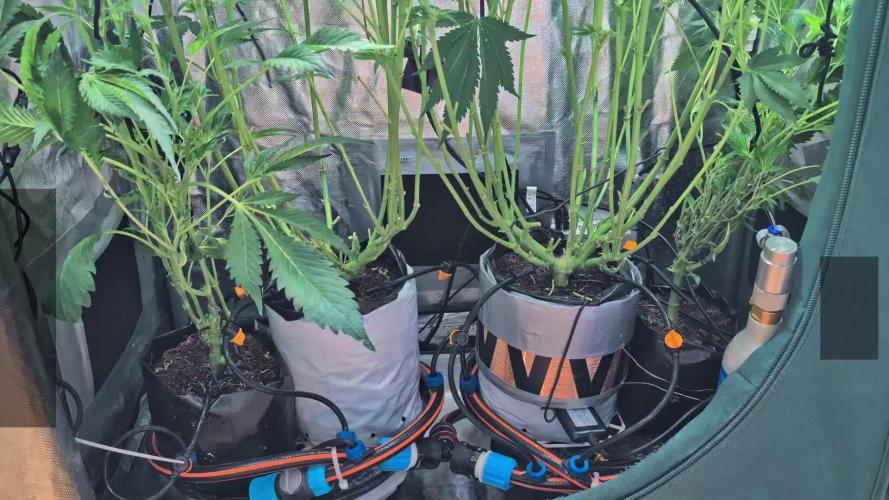
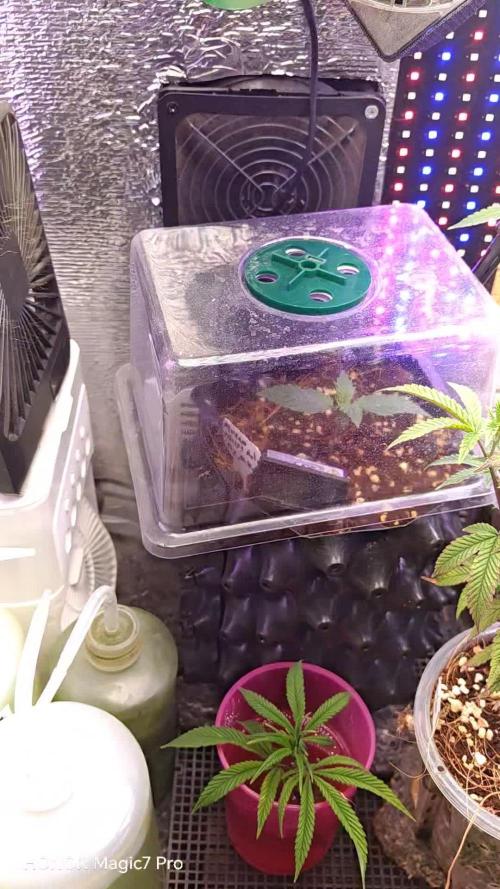
Day: 42 from sprout
Strain: Chill Out OG F4
Medium: Fox Farm Ocean Forest
Light: Vivosun VS2000 switched to 75%
Light Distance: 12 inches
Watering: By hand, ~12 oz daily
Nutrients: pH Perfect Advanced Nutrition Grow, Bloom, Micro 2 ml / L






Likes
26
Share


@Earthy_Greens
Follow
🌸✨ Hey friends, exciting news! 🌟🍀 We’ve hit Week 11 of the flowering stage, and our girls are absolutely thriving! 🌿💎 Their growth is on track, and everything is going just as we planned.
With the 12/12 light cycle ☀️🌙 in full swing and regular doses of flowering nutrients 🌸💧, they’re transforming beautifully. The buds are starting to take shape 🌟🌸, and the plants are bursting with energy and potential.
It’s amazing to see their progress, and we’re thrilled to share this journey with you! 🚀🍃 Stay tuned—things are getting exciting, and the bloom of a lifetime is just around the corner! 💚👊✨
Likes
44
Share


@RakonGrow
Follow
Note :
+ jegliches Zubehör wird in der GermniationsWoche aufgelistet . Zeitraffer Videos folgen immer nachträglich.
+ videos werden so geschnitten das nur ein geschlossenes Zelt erscheint , ergo Fehlen paar reale Minuten (ca 1 Std) .
Day 57:
+ 2.0 Liter Flaschenwasser
+ + Dünger für Blühte
+ + + Canna Terrar Flores (Achtung wirkt wie PH-)
+ + + Canna Boost
+ + + Cannazym
+ + + Canna PH+
+ + PH 5.91
Da es heute heiss ist , wird wie Gestern laufen . Bis 19:00 Uhr wird das Licht reduziert und dann DLI nachgeholt.
Day 58:
Da es immer noch heiss ist , wird wie Gestern laufen . Bis 19:00 Uhr wird das Licht reduziert und dann DLI nachgeholt.
Day 59:
+ 2.0 Liter Flaschenwasser
+ + Dünger für Blühte
+ + + Canna Terrar Flores (Achtung wirkt wie PH-)
+ + + Canna Boost
+ + + Cannazym
+ + + Canna Rhizotonic
+ + + Canna PH+
+ + PH 5.91
16h jetzt mit 1000 PPFD und jeweils 1 Stunde Sonnenaufgang und Sonnenuntergang.
Day 60:
Mal ein bissel Größenvergleiche gemacht .Das Clipper Feuerzeug ist 7.5 cm hoch .
Day 61:
+ 1.75 Liter Flaschenwasser
+ + Dünger für Blühte
+ + + Canna Terrar Flores (Achtung wirkt wie PH-)
+ + + Canna Boost
+ + + Cannazym
+ + + Canna Rhizotonic
+ + + Canna PH+
+ + PH 6.01
Day 62:
Das Wetter bleibt stabil, damit bleiben die Growwerte auch stabil. Bisher Läuft das 1000 PPFD Spitze und 750 PPFD Sekundätriebe ganz gut . Ihre Freundin die leider ein Wasserschaden erlitten hat (tja da war wohl irgendwas im Wasser was ein Regenbogenfilm erzeugt hat , im schlimmsten Fall Waschmittel) nimmt der einen Seite zwar licht, aber geht halt nicht anderes bei nur einer Lichtquelle . Ich fahr halt gleich ein doppel Experiement mit dem Licht. Bisher aber holt sie ganz gut nach mit 900-1000 PPFD auf die ziemlich gleich hohe Krone .
Day 63:
+ 1.75 Liter Flaschenwasser
+ + Dünger für Blühte
+ + + Canna Terrar Flores (Achtung wirkt wie PH-)
+ + + Canna Boost
+ + + Cannazym
+ + + Canna Rhizotonic
+ + + Greenhouse Feeding BioEnhancer
+ + + Canna PH+
+ + PH 6.01
Likes
8
Share


@Hydronaut
Follow
Well I starved her for two weeks with some low PPM/low N, and bumped here back into an equilibrium last night at 400 ppm. PH stable through the night with a ppm drop. Fingers crossed for a manageable week 7.
This plant pre-flowered mid-week 3 and she has flowered up quite a bit more than the other hydro auto grows I've done. Maybe a nice yield, or maybe a quick finish? I'm patient ...
She hasn’t grown much at all last few days I’m guessing she’ll land 18” tall which is not good for my fixed light set up. Will need to rig the hangers in there somehow.

Processing
Likes
26
Share


@eldruida_lamota
Follow
Esa familiaa, estoy impresionado porque estas skunk están muy compactas, es una cepa increíble, y no la fume todavía, solo hay que verlas no solo lo prietas que van, si no lo tricomas as que están .
Hay que felicitar a Zambezaseeds ya que esta variedad es muy estable y sencilla de llevar.
Ph controlado, quitamos productos y lavamos raíces, pronto solo agua.
Ph controlado, temperatura por debajo de 29 y humedad por debajo del 40%, deseando que estén listas para ver la producción, esss flores pesarán, hasta la semana que viene fumetillas.


Likes
9
Share


@masterofsmeagol
Follow
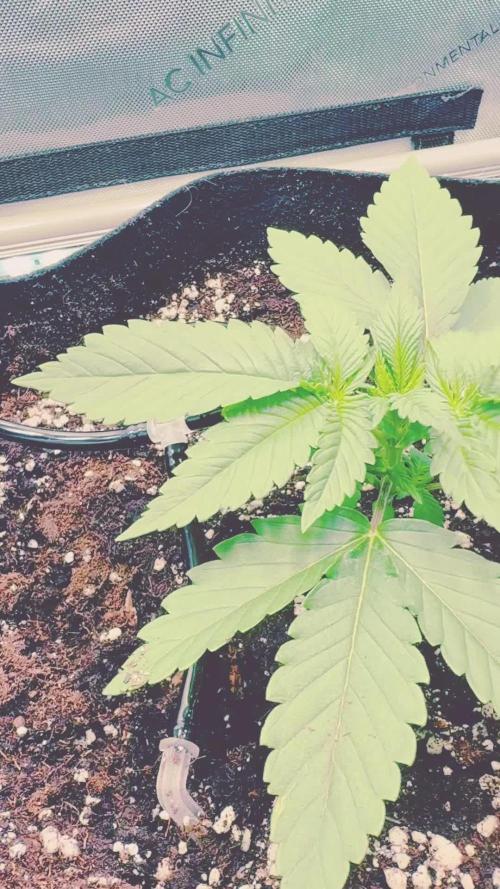
6/15 Everything was dry this morning but the bags STILL had some heft. Much lighter though so I decided to water. I didn't realize how cold the hose is so I'll have to usecthe water inside or premix it. I watered everything at least a half gallon. Things are going great. I'll update as I go.
UPDATE: IM GLAD I WATERED. ITS 73° OUT AND NICE AND SUNNY.
6/16 Foggy morning has turned into a sunny day! Plants are doing amazing. So glad I watered. I took a shit ton of pictures but they don't seem to be uploading. VERY FRUSTRATING TO TAKE THE TIME TO TAKE PICS AND VIDEO ONLY TO HAVE IT NOT UPLOAD. It's working now. I canceled out after I uploaded everything. Trying to upload again now.
EDIT: EVERYTHING IS FIXED. I UPLOADED A BUNCH OF STUFF. PLANTS IN THE BACK AND THE FRONT SEEMED DRY AND LIGHT. I GAVE THE TWO 10'S AT LEAST A HALF GALLON. I GAVE THE THIRTY A GALLON AND SPLIT THE REMAINDER WITH THE 20'S. I MIXED UP 5 GALLONS. EVEN THOUGH THE PLANTS IN THE MIDDLE WERE DRY THEY STILL WERE FAIRLY HEAVY. IT IS SUNNY AND 80° WITH STRONG WIND. I'LL WATER THE OTHERS IF NEEDED BEFORE WE GET SOME RAIN. WE HAVE RAIN IN THE FORECAST SO ILL KEEP AN EYE OUT. IM VERY IMPRESSED WITH THE GROWTH IM SEEING. I NEED TO DO SOME MORE LST SOON AND PUT UP A TRELLIS.
6/17 I'm glad I watered those plants. Everything is looking GREAT! I didn't get pictures as I was in a hurry. The 3 plants in tje middle are dry on top bit about as heavy as the others. The wind doesn't go through them like the others. I would've watered but they looked happy and we are supposed to be getting rain. I'll be back over later and re-evaluate.
EDIT: I GAVE THE THREE IN THE MIDDLE ABOUT A HALF GALLON EACH. EVERUTHING IS LOOKING FANTASTIC. I LSTED SOME. ITS SUPPOSED TO RAIN TONIGHT AND A LITTLE BIT WITHIN THE DEW DAYS BUT NOT WHAT THEY NEED. IM JUST TRYING TO NOT OVER WATER. IM REALLY HAPPY WITH WHAT IM SEEING.
6/18 It's overcast with showers. Rained hard last night and it's been raining off and on this morning. I probably could've made it without watering the three in the middle but I didn't want to chance it. Plus the rain doesn't add up to much anyway. Plants were soaked this morning. Soaked me just shaking them off. I'll update later. This year has been really good so far.
6/19 Overcast and Maineing out (tiny sprinkles tuat appear intermittently). Plants love it. Apparently I've reached my photo limit. At least that's what the app says. AT least I got SOME of these pictures and the video up. I can't belueve the increase in size both vertically, laterally and width. Branches are long and thick. This rain, sun, rain, sun type weather is creating some monsters. Can't wait to see the result. Still on the fence about light depoing. One thing I DO need to do is put up trellises. It sucks if I can't upload anymore pictures or videos. If I see something great I'll just delete a dfferent picture.
6/20 Not raining but still overcast. 71° at 9:15. Plants are still doing amazing. I've dedoliated some damaged old leaves. I can see some plants have shot a few pistols but I don't think reveg will be a big problem. Some have no signs of reveg. A couple spit out a few three finger leaves but that could be from the environmental stressor. I kept my second mk ultra without topping or fimmed. It's stalk is enormous and just the LEAFLETS are bigger than my wrist. ENORMOUS fan leaves. I think this is going to be a great year.
6/21 It's about 80° and clear skies. Bags are a little warm. They still have some heft to them and it's going to rain tonight with showers tomorrow. Those 10's dry out quick so I split a gallon between the two as they were light as fuck. The rest of the front row was a LITTLE lighter than the rest (the big mk ultra in the 30 looked like it wanted some water) so I gave the other three in the front about a half gallon each. It's noontime. I know it's not the best time for watering but sometimes you need to do things when "you're" able to. Plants are looking amazing. Tried to stick a 10th planet branch under a support buf I took it back out. It wad way to kuchvof an angle and the plants will stretch during flower. I pulled it out and there's still a little bend in the stem but nothing that won't return to normal on its own.




Likes
6
Share


@JoseMarb
Follow
Por fin se empieza a ver algo de engorde, los cogollos están compactando bien y de resina, a pesar de las altas temperaturas, van bien servidas. Principio de la 5ª semana de flora.