


Likes
Comments
Share


@jojopfoh
Follow
She has finished her stretch and is now full of buds and the stacking is remarkable. A beautiful strain
She really responded to the bloom nutrients

Processing
Likes
92
Share


@Penguin
Follow
As you can see from the third picture on day 29 she is looking a little ugly and unkept. I'm not sure if this is a normal thing or something I need to take action on. Advice would be great.
So day 30 rolling around. Decided I had to try LST again. She felt more receptive to being bent over today as well. I mainly had to attempt it for space reasons. With the current covid panic all the markets where I buy my buckets from are closed and I can't procure a new one to increase my height for probably a couple of weeks at this rate so LST was my only option. She seems to have taken well to it and I will upload a finished picture of her shortly.
Day 32, watered and fed her. 500ml of water plus .3ml each of fox farm trio. Hoping to see her perk up a bit. Concerned about the large brown spot on one of her leaves which made me think she was having a deficiency? Probably a bit early to worry about buds fattening up also but I am worried they are looking a bit airy at the moment on the non main cola sites. I'm not sure if my LST was effective at tricking her into trying to have more than one top cola?
Day 33. No noticeable gains today, at least to my eyes. I can spot a little nute burn perhaps but hopefully nothing too serious. Looks like a cola that isn't the original top is starting to fill out just as much, if not more, than the original top though. Hoping they all catch up at a similar pace to each other and reduce the pop corn nug potential!
Day 35. She has shown a few more bud sites since last post. I am worried that she is going to produce a fair bit of larf/popcorn bud and wanted to know how to get rid of that? I am not confident to remove any growth without knowing for sure it has a beneficial impact on the overall health of the plant and the final results. Any advise is appreciated. She also seemed a bit thirsty to me. The leaves were feeling a bit thin and dry so I gave her 1L of water with .7ml each of fox farm trio. Hopefully she responds well. I will check her in an hour or so to see if the leaves are starting to point back up - fingers crossed.
Likes
1
Share


@CxHxAxNxT
Follow
10/27 end of week 2. hopefully smaller one doesnt wobble off the bricks.
Likes
51
Share


@CHILLING_RACOONS
Follow
We're officially entering in the real flowering stage.
Plant is stretching but not too much, ANUBIS is a compact strain so it will not grow very tall.
It is very recomanded to do a good defoliation work, expecially if you're using a SCROG net.
Defoliation is useful because with the removal of bigger fan leaves your pre-buds take more light and they will grow better and this method helps to reduce humidity (so, less risk of mold/rot) .
Remove the bottom leaves/stems etc.. help plant/s to concentrate energy to the buds located at the top of plants.
Now they're eating a little bit of veg solution but now we're feeding with flowering ferts hoping to get big and dense buds as fast as possible
<3 <3 <3 <3 <3 <3 <3 <3 <3 <3 <3 <3 <3 <3 <3 <3 <3 <3 <3 <3 <3 <3 <3 <3 <3 <3 <3 <3 <3 <3

Likes
3
Share


@TS_Greens23
Follow
I definitely had a mild case of over enthusiasm this week and managed to top the Apricot Auto by accident,,and although she’s still got a great looking canopy and looking healthy,,she may have stressed a little and is already showing pre flower and is beginning to settle into flower,,,she’s not quite as leggy as I would like her to be at this stage,,but I will see this coming week if she does much stretching out ,,which I’m really hoping for,,,🍑🍑🍑

Likes
21
Share

@Diips
Follow
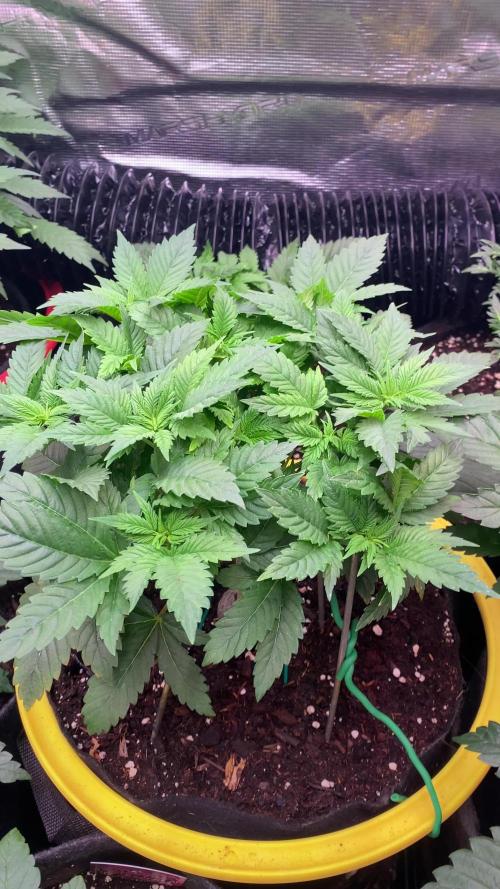
shes also is going to become very beautiful i think! nice lush color in the leaves and tops
shes so lush, reminds me of a rosen bush. shes gonna flower real good!

Likes
11
Share


@GREENPHOENIX6262
Follow
*Week 6 of flowering 10/01*
Critical +2.0 - Apple Fritter
Both plants are nearing harvest and have maxed out at a height of 48 inches.
Buds have developed heavy trichomes and are giving off a bright and vibrant smell.
85% of both plants have grown in their orange hairs and have a bright green and orange tint,
Today will be the last nutrient feed, I will be using the "Lotus Carboflush" starting tomorrow (10/02) to remove the salt build up until harvest which will be next week (10/09)
* 10/8 - Cut down*
Both are heavy on top - Covered in trichomes - smells deep (Citrus)
Dry trimming in two weeks - aiming for 14 day cure.
*Day 2 Dry Hang Video uploaded 10/09*
*10/15 - Harvest should be completed by the end of this week - 10/20*


Processing
Likes
8
Share


@Alejangrow
Follow
Tied her down this week, was a little too aggressive in doing so & partially snapped 2 branches off. Might try using fishing line & sinkers for lst rather than tying & retying every week with twine.

Likes
107
Share


@DogDoctorOfficial
Follow
Greetings, dear plant companions! Can you believe it? Week 17 has unfolded, and our journey with Purple Lemonade Fast Flower reaches its climax—a splendid harvest at day 69. As I stand here, reflecting on the wait and the wonder, let's delve into this momentous update.
The Ultimate Waiting Game <3
Oh, the extra waiting time felt like a lifetime, didn't it? But you know what they say—the best things in life are worth waiting for. And let me tell you, this journey has been an ode to patience and a symphony of anticipation.
A Marvel to Behold <3
Behold our Purple Lemonade in all her glory! If beauty could be bottled, she'd fill an entire garden. Her buds are a testament to love, care, and the dedication poured into this journey. It's like witnessing a masterpiece in horticultural art.
The Trichome Revelation <3
As the days stretched, the trichomes prepared for their moment of glory. And what a sight it was! I took a sneak peek under the microscope, and oh my, the colors and trichome numbers are beyond imagination. It's like peeking into a secret universe of brilliance.
A Full Cycle: The Journey Revisited <3
From seed to this awe-inspiring harvest, our journey has been a symphony of growth, learning, and beauty. Every week, we embraced new lessons, nurtured each phase, and reveled in the miracles of cultivation. The cycle is a testament to our connection with the plant world and the wonders it bestows.
Time to Rest and Reflect <3
Now, our Purple Lemonade enters a period of rest on the drying rack. For about two weeks, she'll transform further, preparing for her final debut. It's a time of patience once again, as flavors deepen, aromas evolve, and magic intensifies.
The Upcoming Full Report <3
In the near future, get ready for a comprehensive report on the fruits of this labor. We'll explore the buds, savor the tastes, bask in the effects, and celebrate the cycle as a whole. It's a chapter that encapsulates the essence of this cultivation journey.
A Thank You to the Community <3
A heartfelt thank you to the @Fast_Buds team for crafting this botanical marvel. @aptus_holland, your support has been integral. And to @grow.diaries and the entire community, your camaraderie has fueled this journey.
Cultivation, Celebration, Connection 💚🌿
As this chapter concludes, let's celebrate the culmination of growth, the dance of patience, and the connection we share with the natural world. From seed to harvest, we've written a story of love and green magic.
Thank you for being part of this journey. Until we reconvene for the final chapter, let's continue to nurture, learn, and celebrate the beauty of plants.
Genetics - Fast Buds Purple Lemonade FF
Ligth - Lumatek ZEUS 465 COMPACT PRO
Food - Aptus Holland
#aptus #aptusplanttech #aptusgang #aptusfamily #aptustrueplantscience #inbalancewithnature #trueplantscience #fastbuds #dogdoctorofficial #growerslove
With true love comes happiness <3 <3 <3 Always believe in your self and always do things expecting nothing and with an open heart , be a giver and the universe will give back to you in ways you could not even imagine so <3 <3 <3
All info and full product details can be find in can find @
https://2fast4buds.com/
https://aptus-holland.com/
https://autopot.co.uk/
https://lumatek-lighting.com/
<3 <3 <3 Growers love to you all <3 <3 <3
" Arising from a cross between purple and citrus Cali genetics, Purple Lemonade FF (Fastflowering) offers a complex high made up of perfectly balanced cerebral and body effects that are ideal for daytime use. Expect an extremely enjoyable high that boosts your mood while deeply relaxing your whole body and getting rid of muscle pain. This meticulous cross produces up to 550 g/m2 of some of the most beautiful purple buds, with pinkish and reddish hues that will catch everyone’s attention. The beautiful purple buds are ready for harvest in 7-8 weeks and come hand-in-hand with unbelievably sugary citrus terps that are just as refreshing as a cold lemonade on a hot Summer day. It’s the ideal variety for the sweet-tooth stoner seeking strains that deliver both in quality and quantity of resin.
Bud Description
Purple Lemonade FF grows chunky, spade-shaped buds that boast a whole range of pinkish-purple hues with rich, dark orange pistils shooting out of every direction. This variety stands out for the, oftentimes, lilac trichomes that give them a gorgeous pink tint and make for outstanding purple concentrates. The buds give off a delicious tart lemon aroma that reveals a sweeter, more fruity scent as you break the buds open. Definitely a must for flavor chasers and those looking for pungent terpene profiles. Smoke Reports
Purple Lemonade FF offers an effect that’s just as unique as the flavor. Expect a potent uplifting high that gives you that energy boost you need to get things done while 100% happy and stress-free. The effect gradually transforms into a wave that works its way along the limbs and through the muscles, deeply relaxing your body and putting you in the right mindset to go through a busy day with a huge smile on your face. This is an excellent all-day smoke as it not only increases energy but can also help combat chronic pain, migraine and stress. Plant Appearance
This feminized photoperiod variety develops a thick and strong structure, growing a medium-sized main cola with multiple shorter side branches, typical of hybrid strains. Purple Lemonade FF develops fairly short internodal spacing with gorgeous purple buds growing stacked on top of each other, making it the perfect choice for growers of all levels looking to get lots and lots of top-shelf purple weed, as this variety can produce up to 550 g/m2 in a 7-8 week flower cycle.
Grow Tips
This is a super fast feminized photoperiod version that takes approximately 7-8 weeks to flower with a 5-week vegetation cycle,, this means you can have faster harvests by shortening the veg cycle or have a longer veg cycle for bigger yields. Purple Lemonade FF (Fastflowering) makes for a great candidate for growers of all levels as it’s a vigorous strain that will thrive with basic maintenance both indoors and outdoors. This is a resin powerhouse so make sure to have your trim bin close by as all the resinous sugar leaves will make for the most mouth-watering hash and extracts. Flavor
Expect a long-lasting citrus zest that taste just like it smells. Purple Lemonade FF reeks of a delicious blend of sweet fruits and tart citrus that’ll make your mouth water. On the inhale, expect sour flavors that taste just like lemon candy with hints of orange and a really subtle earthy background. And on the exhale, the citrus flavors open up, giving place to a more sugary berry fruitiness that leaves your whole mouth tasting like an extremely sweet weed-infused lemonade.


Likes
21
Share

@Theia
Follow
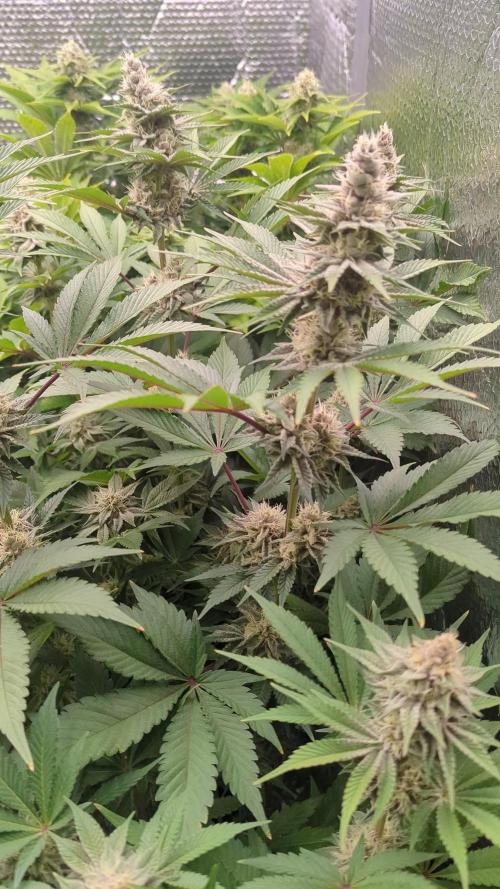
The Tropicana Cherry hasn’t suffered from any of the issues the three Triple Cheese in the room have. I’m guessing it’s something to do with those hybrid properties. It’s bred from Cookies, which was developed under high-power LEDs, while the Triple Cheese line is so old it might not be as stable under this kind of intensity. That’s my stoner thought, anyway. It’s also possible the Tropicana Cherry just has a more aggressive rhizosphere!
Who knows. You can see the anthocyanin influence deepening in the calyxes and sugar leaves and I think she looks stunning. The smell is sweet and fruity. This plant in particular is making some serious frost; I’ll never know if it’s the UVB unless I run two rooms with a control, but that’s not happening so I’ll just keep going with it. Beyond the protein stimulation, it’s also pretty good at killing bugs and pathogens.
The calyxes are swelling and starting to tower on top of each other. They look like they might burst—really chunky and still a way to go. o/
I’ve spent quite a lot on the environment this run. We’ve had horrid weather in the UK and high RH is a daily fight. I maintain a steady 1.1 kPa lights-off and ramp to a target of around 1.35 kPa for lights-on.
The main thing I learned this week is about immobile nutrients. Calcium being immobile is actually quite easy to spot when you’re watching for it. Since I have that Calcium Benchmark to look back on I have plans for the next run to make a source of CaSO4 available in the form of ground Gypsum mixed into my 40% amendments mix. Since I'm using the Biotabs water-only method having that slow-release Calcium should help prevent those rusty spots from showing up when I drive them hard.
There is more I’m sure but I can’t remember right now... lol
Grow well.

Likes
13
Share


@TerpTurtle
Follow
A few weeks into flower now for the original Malt MIlkshake
MM#1 with heavy purple punch face off terps and the MM#2 is smelling like a sweet gassy waffle cone
DO NOT SLEEP ON CLEARWATER GENETICS!

Likes
33
Share


@GrowmieDeLaStreet
Follow
I got the 3 starting seeds from an exchange with a redditor who accidentally pollinated his batch with a male, meaning I didn't start with the best genetic which in the end, probably induced the hermie. It turned out good overall but it did fuck up a lot of things.
I never thought 4 weeks of veg would be too much. They got tall in no time and almost tripled in height during the flowering stretch. Light burn had a significant impact on the trichome production of certain buds.
The mold is on me. I should have controlled the conditions better. I had to throw away 10-15g because of it. And really nothing guarantees I removed it all.
Plant B produced, in the books, a lot less than her sisters and that can be explained by 3 factors:
-Mold attacked it more than the others;
-I probably switched 1 or maybe 5 (who knows...) whole branches when they fell from the rope during the drying;
-I left a lot of tiny popcorn buds that got separated in the ''to be extracted'' jar.
The 3 plants were pretty similar in looks but gave rather different seeds.
A, the hermie, gave a lot of seeds in general but almost half of them were immature or wonky and got discarded;
B, a female, gave a lot of good ones but also quite a few bad ones. The have nice stripes giving them a tiger look;
C, another female, still hasn't been plucked of all it's seeds but the ones I already collected are really big, round and mat.
Plant A pollinated itself. Plant B got helped by me but C didn't received help from me nor the wind and still got hit, a lot less, but still. I'll never underestimate the propagation power of pollen again.
FINAL HARVEST:
PLANT A:
- 91g
- 281 viable seeds
PLANT B:
- 28g
- 297 viable seeds
PLANT C:
- 89g
- 149 viable seeds
167 mixed seeds from ABC
EXTRACT MATERIAL:
- 9g
TOTAL:
217g / 894 seeds
Height by weeks:
1 - 7 cm
2 - 20 cm
3 - 32 cm
4 - 49 cm
Switch
5 - 81 cm
6 - 107 cm
7 - 120 cm
8 - 124 cm
9 - 125 cm
10 - 126 cm
11 - 126 cm
12 - 128 cm
13 - 128 cm
Nice experience overall. A lot of thing could have gone better but the fact is I got a bunch of seeds for future pheno hunting and God knows I'll need to do some to straighten the genetic. See you all then!
Likes
3
Share

@jimifarmer
Follow
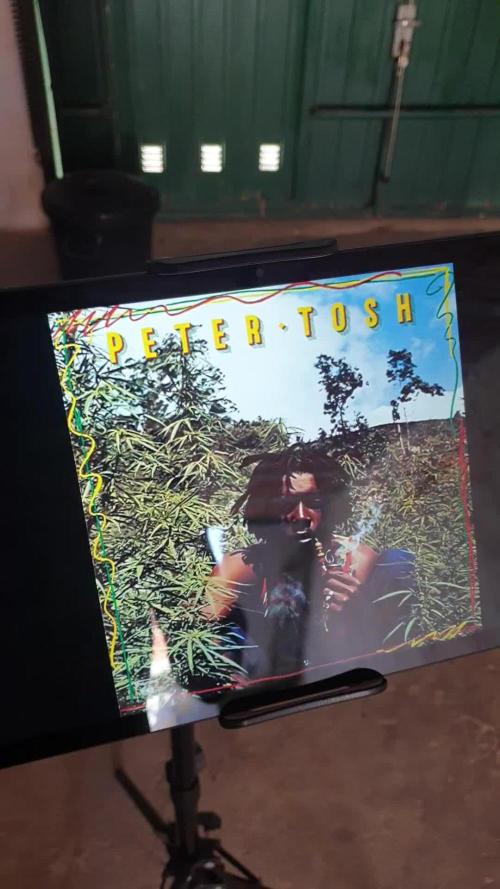
This week it was time to transplant the plant into a 50L pot. On Sunday, I prepared the soil while listening to Peter Tosh and then transplanted the little one. It didn't even feel the effects of the transplant and is now looking beautiful in the sun. I plan to mainline this plant, so I'll do the apical pruning later this week to make the process as quick as possible.

Likes
49
Share


@masterofsmeagol
Follow
8/8 Rained all night. Still raining today and the forecast says it will continue throughout the day until midnight. It's come down heavy at times but for the most part it's a rain that plants like. Defoliated a couple leaves but nothing really needed it. Without a trellis or my tarps up the grow bags seem to dry out incredibly fast so I need to watch that. It's also "toughened" up the plant wants. I've seen them blowing straight sideways and they were fine. I do need to find that four lined plant bug and spray BT after the rain. Plants lovedcthe nutes. I might feed a little later today or tomorrow. I've got a few things to do but I'll keep this updated.
Went over and defoliated ANYTHING that needed it and combed through every plant during a pause in the storm. Then I shook them all off and did a video. This is by far the healthiest crop I've grown! I think they can handle more nutes too so I'm going to up it next feed. Still seeing stptadoc chunks missing and random pillar damage. BT will handle it. It's just so minor I'm not even sure if it should be addressed that way. I've had pretty good luck just looking for them and picking them off.
8/9 Cannabis can grow an inch or two in a day and it definitely has been! The rain has finally stopped. I went and shook all my plants off. I'm going to check and see the last time I fed and try to get a feeding schedule created that won't cause lockout. That's been a problem in the past. I've defoliated a lot of leaves lately but EVERYTHING is looking amazing. Extremely healthy. I DO need to spray BT for the pillars and I need to move that one plant back. I keep forgetting to grab the little wheels I need to make a platform. There are other ways I could do it I guess. I'll keep this updated. No damage from the storm and I went through and defoliated before and after. Forgot to upload shit and now I'm back home with this shitty internet connection. I'm trying to upload this video but we'll see. It's at like 32%. I did a full workout and came back to find this at 77% lol. I need to remember to upload things when I'm not in the middle of the woods.
UPDATE: Checked on things and did a video. Need to feed, apply bt and secure individual branches before flowering increases
8/10 LOOKS to be a beautiful day. Growbags are heavy as hell and wet on the bottom. I ALMOST fed today and I still might. The pp in the 10 seems to have leeched a lot of nutes. That and a giant blueberry cheese are the only places I'm seeing a deficiency and I want to keep it simply. I also need to put a trellis up apply BT. also if I'm going to move things around I've got to do it before I put up flowering supports. It's harder to move stuff when it's wet. I'll keep this updated. The girls look fantastic.
UPDATE: Went and trellised two of my plants. I was going to feed today but decided to wait until the next time I water. I'm only seeing deficiencies on the phrple punch in the ten and the GIANT blueberry cheese that I watered the most. Bags were heavy as hell this morning but I bet I'll need to water tomorrow. We'll see. Hahaha wow. I'm trying to upload a video but even my tough as fuck plants might have some difficulty in torrential rains like this. Wow. That's all I can say. I'll either go check and shake them off tonight or if it keeps it up I'll wait until morning I guess. What a shit show
8/11 WOW. That's probably the hardest I've ever seen it rain. Got to the grow this morning and found NO damage. It's super sunny amd windy so the bags will probably dry out. I think it's suppised to rain again Sunday. I definitely haven't had to water that's for sure. Nothing was even bent over this morning. The blue cheese I didn't fim or top (I wanted to see gow it grew naturally) pop ka was bent down a little bit but not much considering the pounding it got. You can see on the videos. Since bags were saturated I didn't need to water before I fed. I fed 1.25 pints to every plant. I gave the fifty 2.5 pints and the purple punch in the 10 got closer to a pint. I want to start out slow with nutes as I'm nor seeing many deficiencies. I may fuck around today and put some more trellises up seeing this wind bur when flower comes I can just put my tarp up. I'll update as I go.
UPDATE: WENT BACK OVER BECAUSE THE WIND WAS WHIPPING LIKE CRAZY AND TREES WERE DOWN. I SANITIZED ALL MY TRELLISING AND HORIZONTALLY TRELLISED TWO 10TH PLANETS IN FRONT AND VERYICAL TRELLISED THE THIRD. HORIZONTAL TRELLISED THE PURPL WE PUNCH IN THE 10 AND VERTICAL TRELLISED THE BLUE CHEESE IN THE 50 AND THE 10TH PLANET IN THE MIDDLE OF THE CAGE. GLAD I GOT THIS DONE. NOW I JUST NEED TO SPRAY BT AND I'LL FEEL CAUGHT UP.
8/12 Got my supports up and ready now I've just got to find the time to give the girls an application of BT. I've done a pretty good job with manual removal thus far. Bags are over watered. It's Rained so hard and so often that the bags have stayed drenched. Luckily this ridiculous wind has been drying my grow bags out relatively fast. I'm hoping that will be the case today. They're starting to dry out but it's supposed to rain tonight and I think tomorrow. Bright and sunny right now. These are some resilient plants. They seemed to like the liquid kool bloom. I noticed (barely noticeable but I was looking for it) a SLIGHT color change at the very TIPS of a few leaves on a plant but not enough to consider it burn. I will monitor but I think ive got a pretty good feeding regimen. I plan to use as little as I can get away with. I'll keep this updated.
UPDATE: WENT TO CHECK ON PLANTS AS I GOT "THAT FEELING". EVERYTHING WAS LOOKING GREAT BUT THEN I WENT AND LIFTED MY DRY 22GALS OF SOIL AND COMPATED IT TO MY 20S AND LIKE I THOUGHT THE WIND HAD DRIED THEM OUT. I CANT BELIEVE HOW QUICK THEY DRY OUT. I GAVE EVERYTHING 1.5 GALLONS AT LEAST EXCEPT FOR THE 10 WHICH I GAVE A LITTLE LESS THAN A GALLON. I GAVE THE 50 A LITTLE OVER 2 GALLONS AND I DISNT NOTICE RUNOFF. I HAD MORE WATER MIXED UP IM THINKING I SHOULDVE GIVEN IT ANOTHER GALLON. OH WELL ITS SUPPISED TO RAIN A LITTLE TONIGHT AND THEN TOMORROW. I HAVEN'T WAYERED IN LIKE A WEEK SO I PROBABLY SHOULD'VE GIVEN THE WHOLE 2 GALLONS. THEY GOT DAMN CLOSE THOUGH.
8/13 Rained like hell last night. Oh course it did. Doesn't really matter though. I had to water. I thibk the last time "I" watered was lime a week ago. My bags were dry. Plants weren't drooping and they might've been ok but I've under-watered twice already to the point they drooped right over dead looking and I wasn't going to do that again. Plants seem to love the nutes I gave. Keeping the tarps off and allowing the wind through and having my bags on pallets has really saved me this year. Everyone else is bitching about the rain and lack of sun but things are going great for me knock on wood. I'm not 'in the ground' though so that probably has something to do with it. I just need to check my plants multiple times a day. These plants are getting massive. The cage is at least 8ft tall and the biggest one is about to the top now. Almost as wide too.
8/14 I forgot to write the entry but I uploaded some pics from this morning. They were wet from the storm but I went back over and took video that's like two and a half minutes plus I took some pictures. I pulled the cage out but I need to undue one of the lathes and pull it forward. I also need to apply BT. Plants seem to be aggressively flowering (some more than others) so it's a real exciting time. I went over this afternoon and everything looked fantastic. I'll try to upload a few pictures but the video will have to wait. Didn't rain today and my bags sry out quick so I'm sure they'll be fine even if it rains. I did notice that the two plants I watered most including the smallest container seem lighter in color. IT might hust be the transition to flower but u think I need to increase feed. On the 10th planet's they are green as can be and have that SLIGHT little almost unnoticeable part you really have to look for on the tips that means it's getting its nutes but it's not burnt. I believe I'm going to have to make feeding schedules for each strain


Likes
6
Share


@santos45
Follow
I have given the a defoliation at the top and below as in the last week has gone crazy. I have been given most RO water and looks like they can't stop growing.
lower the light to around 600 pfd as the tops of the gorilla glue looked burnt.
I just have a Strawberry gorilla short maybe something that I have done at the beginning or just genetics as the other is double the size.
Likes
22
Share


@Luv2Grow
Follow
Day 50 - Started week 8 today and things are looking good. I’m still a rookie at all this but it’s looking like this girl might be a beast, at least for me. Gave her a feeding of the foxfarm trio today and did a little leaf tucking. Just waiting for her to start putting on some weight.
Day 51 - She’s looking really good and stretched another half an inch. Gave her some more water today since she’s drinking like a fish. Just gonna continue watching her grow and fatten.
Day 52 - What can I say?!! This girl is gorgeous and starting to fill in and stretches another 1.5” overnight. She’s slowly starting to fill in and lovin’ it. Love watching the day to day changes. Gave her just another feeding of water and will give her the foxfarm trio feeding tomorrow.
Day 53 - Nothing too major to report, looks like she stopped stretching and is starting to fill out and looking good.
Day 54 - All is looking good and really starting to fill in now and getting a bit frostier everyday. Two days in a row of no more stretching so hopefully she’ll really start filling in more.
Day 55 - Things are taking off with this girl. She’s starting to fill in nicely. Gave her straight water and in the next couple days, I will start week 9’s schedule for the foxfarm trio. She starting to frost up a bit and loving it.
Day 56 - Last of week 8 and rolling into week 9 strong. All is looking good and gave her the first of two week 9 feedings from the foxfarm trio. Starting to get a bit frosty and lovin’ it.
Likes
38
Share


@Green_Mountains
Follow
Another solid week of growth!! The two big plants nearly doubled their height and both had a lot of undergrowth this week! I plan on trying my hand at LST tomorrow. I added more soil into the pots yesterday. I still feel it is too low but I don't want to shock the plants too badly. I watered after lifting the plants up some and adding the soil. I plan on feeding them tomorrow night.
The first white pistils have sprouted and there is a distinct aroma of marijuana in the air!! I hope they hold off another week before really start to flower. It's amazing how fast a month can go by!
I may not keep the little plant past this week. We'll see if she makes it that far...
Here's to another week of healthy growing!! Peace!


Likes
16
Share


@CanadianFillmore
Follow
Welcome to my second grow of the Blue Dream strain. This girl was veg'd for 14 week in a small pot while my first grow of this strain is in the flowering room. She didn't gain much more in size, despite the extra veg time, probably due to lower levels of nutes and the smaller pot size. Still she's looking good after moving her to the big pot and giving her a trim.
Thanks for checking out my grows!
