


Processing
Likes
Comments
Share


@CreoWeed
Follow
6th week started great, we can see flowers exploding even though the plants still remain compact and relatively short.
This is the last week I'll provide booster Bloombastic, and gradually reduce also all the other BioBizz nuts dosages.
The smell is getting pretty awesone and pungent, love it!!
Any comment you might help, please do not hesitate to drop it, I'll gladly answer you awesome guys!
As always, stay tuned stay high!

Likes
10
Share


@Pete_vs_Plants
Follow
💀 505 Headbanger #1 💀
Age: 78 days
Life: After early draught issues, very healthy and stable cultivar. Great pathogen resistance, botrytis was essentially invitied several times for HB.
Flower Development: Very evenly matured, ripe flower with light senescence fade (-) deeper into sub-canopy.
Pistils: Even fade towards ~80% brown, pistils kept fresh well into age.
Trichomes: ~10% amber, fairly evenly
Fully ripened:Freshly ripening Ratio: 4.7:1 or 82%/18%
Smell undisturbed: soft & sweet minty pine, earthy, then thick spice body / "paste"
Smell ruptured: intense eucalyptus and mint notes, nesting in sweet, dense herbal tea & earthy background. impressively "fresh"
Terp Loss: profile seems well preserved, peanut-butter-roasted notes not present in final product
Taste: (combusted with tobacco) fresh, mints, herbs, sweet
Tactile density: 7/10
Hand-trimming: 7.25h or 38g/h
Larf: sub 1.0%
Spoiled: 3.5g (botrytis)
Other notes: trimmed material has considerable extraction density
Drying: Extended low VPD cool dry in custom chamber (12D with increased botrytis risk) → untrimmed humidity stabilization (extended +3 days due to sickness) → TerpLoc bags nested inside RH stabilized container as final storage.
Pharmaceutical Profile: Mephisto's ambiguity (product described as activating AND debilitating) matches the ramp I get as I consume increasing amounts. I get a strong hybrid-sativa leaner that supports activity and clarity with no couch-lock. That is not to say that this flower will not get you stoned. With higher doses, the term "forehead-pressure" from Mephistos description comes into play, as if the body high came to tuck you in with an array of pleasant sensations, while keeping up concentration & shifting me into contemplation mode.
If you're not careful or new to cannabis, be aware that consuming beyond this point can get you into trouble with circulation easily, so be careful. High THC contents very apparent.


Likes
256
Share


@Terp1
Follow
12.09.2023
Tag 52 - Woche 8 / Tag 3
Licht: 45cm – 80%
Lichtzyklus: 18/6
Luftfeuchte: 58%
Temperatur: 26°C
VPD: 1.4 kPa
Bemerkungen:
Höhe Apricot: 46cm
Höhe Watermelon: 34cm
Es gab ein paar Probleme mit dem Mischungsverhältnis, aus dem die viel zu zeitige Blüte der Wassermelone und guter N Stress bei beiden Damen hervor ging. Insgesamt haben die Beiden das Alles aber gut überstanden und hauen nun dicke Nuggets raus. Ich gieße täglich gut 2 Liter H2O an die Damen und genieße ihren Duft nach Feierabend. 😍
Es gibt mehr Updates die Woche.
##########################################################################################################################################################################################################
15.09.2023
Tag 55 - Woche 8 / Tag 6
Licht: 40cm – 80%
Lichtzyklus: 18/6
Luftfeuchte: 60%
Temperatur: 27°C
VPD: 1.5 kPa
Bemerkungen:
Ich habe es ein wenig mit dem Wasser übertrieben. Die Wassermelone zeigt Anzeichen von Überwässerung (könnte auch N sein). Aber nur wenig, deswegen mache ich mir keine Sorgen. Freunde, es geht weiter mit dem großen Wachsen.
Es gibt einen Neuankömmling im Zelt. Ich weiß noch nicht, ob es ein Tagebuch geben wird, aber die Dame wird zumindest immer wieder Gastauftritte haben... und es wird eine sehr schöne Dame werden... FastBuds Crystal Meth.
Terp 💪😎

Processing
Likes
3
Share


@XxBILLZAxX
Follow
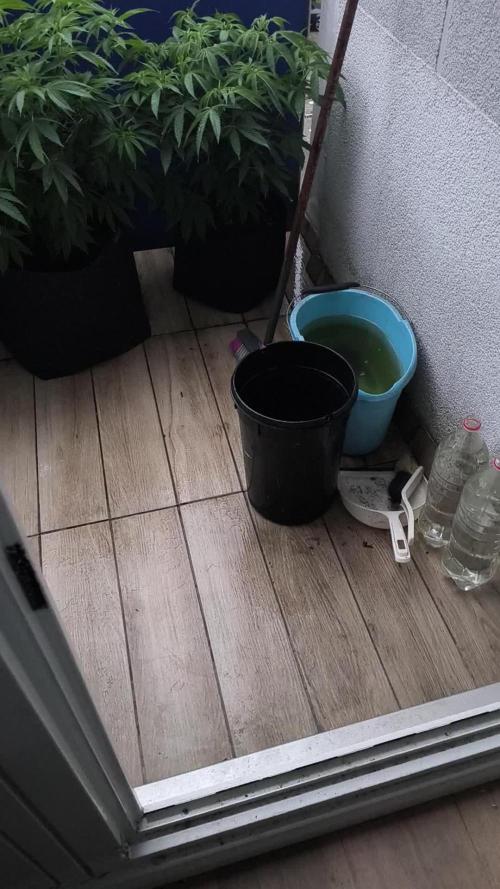
Increased their food by a tad. Looked perfectly health raised to about 1900ppm.
Again spider mites at it crawling up every leaf and creating a colony. I thought it was over until I sat there nearly every night finding the f*****s and rubbing the leaves with the spray.
Defoliation was needed ASAP due to them stretching nicely. Started slowly from the bottom up. (repeated this process every 3-5 days.)




Likes
5
Share


@Pureleelove
Follow
So this week she has started to really put on some chub. She's frosty like a frosty flake. I also just love her light green. Super super light green. But strong dark green healthy leaves still no sign of stress (although I can't really know deeper than what I can see- she might be mashing for some KNF shit-which I rate all plants probably are). I wanted to use supplements like OHN ( Oriental Herbal Nutrient), FPJ (Fermented plant Juice) and trying to create more living soil but I was just very busy with work at this point and did not get to making the pro-biotic supplements. Next grow I have already made some ferments and intend on making more to aid nutrition during the next ladies that get laid.
But Maria's got about 11-12 Big colas, but looking back I would maybe have continued to try to keep the heads a little further apart so more light could break through to the lower nodes. I also think an investment in a proper HPS bulb-reflector would do wonders, I was using a homemade foil device to reflect light back down to the plants (NOT EFFICIENT, or sexy, but ay.)

Likes
4
Share

@Sturpin97
Follow
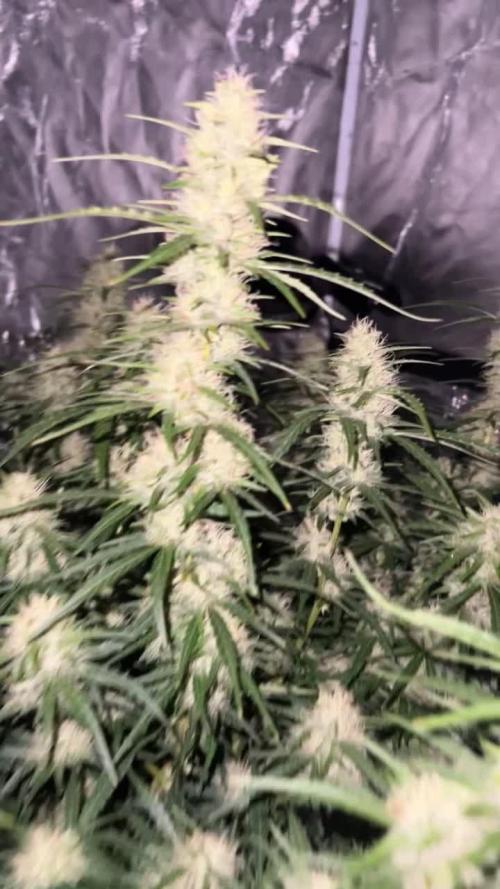
Coming along! Few more weeks for the autos, been a long veg for the purple cookie kush


Likes
45
Share


@Ultraviolet
Follow
2nd net is up. Early bud formations are promising. holding up to the extremes pretty well, some leaves taking minor damage, but overall, she is holding up, gave her 1 night at 50F see how she would react, stressful. Not advised as it messes with her metabolism, but I want to see if it triggers any anthocyanin response. Love to see her purp up but no signs yet.
My homework.
Rubisco regeneration is intrinsically linked to nitrogen supply because Rubisco is a major sink for nitrogen in plants, typically accounting for 15% to over 25% of total leaf nitrogen. The regeneration phase itself consumes nitrogen through the synthesis of the Rubisco enzyme and associated proteins (like Rubisco activase), and overall nitrogen status heavily influences the efficiency of RuBP regeneration.Structural Component: Nitrogen is an essential building block for all proteins, and the sheer abundance of the Rubisco protein makes it the single largest storage of nitrogen in the leaf.
Synthesis and Activity: Adequate nitrogen supply is crucial for the synthesis and maintenance of sufficient Rubisco enzyme and Rubisco activase (Rca), the regulatory protein responsible for maintaining Rubisco's active state. Nitrogen deficiency leads to a decrease in the content and activity of both Rubisco and Rca, which in turn limits the maximum carboxylation rate, Vmax, and the rate of RuBP regeneration Jmax, thus reducing overall photosynthetic capacity.
Nitrogen Storage and Remobilization: Rubisco can act as a temporary nitrogen storage protein, which is degraded to remobilize nitrogen to other growing parts of the plant, especially under conditions of nitrogen deficiency or senescence.
Nitrogen Use Efficiency (NUE): The allocation of nitrogen to Rubisco is a key determinant of a plant's photosynthetic nitrogen use efficiency (PNUE). In high-nitrogen conditions, plants may accumulate a surplus of Rubisco, which may not be fully activated, leading to a lower PNUE. Optimizing the amount and activity of Rubisco relative to nitrogen availability is a target for improving crop NUE.
Photorespiration and Nitrogen Metabolism: Nitrogen metabolism is also linked to the photorespiration pathway (which competes with carboxylation at the Rubisco active site), particularly in the reassimilation of ammonia released during the process.
To increase RuBisCO regeneration, which refers to the process of forming the CO2 acceptor molecule Ribulose-1,5-bisphosphate (RuBP) during photosynthesis, the primary methods involve optimizing the levels and activity of Rubisco activase (Rca) and enhancing the performance of other Calvin-Benson-Bassham (CBB) cycle enzymes.
Biochemical and Environmental Approaches:
Optimize Rubisco Activase (Rca) activity: Rca is a crucial chaperone protein that removes inhibitory sugar phosphates, such as CA1P (2-carboxy-D-arabinitol 1-phosphate), from the Rubisco active site, thus maintaining its catalytic competence.
•Ensure optimal light conditions: Rca is light-activated via the chloroplast's redox status. Adequate light intensity ensures Rca can effectively maintain Rubisco in its active, carbamylated state.
•Maintain optimal temperature: Rca is highly temperature-sensitive and can become unstable at moderately high temperatures (e.g., above 35°C/95F° in many C3 plants), which decreases its ability to activate Rubisco. Maintaining temperatures within the optimal range for a specific plant species is important.
•Optimize Mg2+ concentration: Mg2+ is a key cofactor for both Rubisco carbamylation and Rca activity. In the light, Mg2+ concentration in the chloroplast stroma increases, promoting activation.
•Manage ATP/ADP ratio: Rca activity depends on ATP hydrolysis and is inhibited by ADP. Conditions that maintain a high ATP/ADP ratio in the chloroplast stroma favor Rca activity.
Enhance Calvin-Benson-Bassham (CBB) cycle enzyme activity: The overall rate of RuBP regeneration can be limited by other enzymes in the cycle.
•Increase SBPase activity: Sedoheptulose-1,7-bisphosphatase (SBPase) is a key regulatory enzyme in the regeneration pathway, and increasing its activity can enhance RuBP regeneration and overall photosynthesis.
•Optimize other enzymes: Overexpression of other CBB cycle enzymes such as fructose-1,6-bisphosphate aldolase (FBA) and triose phosphate isomerase (TPI) can also help to balance the metabolic flux and improve RuBP regeneration capacity.
Magnesium ions, Mg2+, are specifically required for Rubisco activation because the cation plays a critical structural and chemical role in forming the active site: A specific lysine residue in the active site must be carbamylated by a CO2 molecule to activate the enzyme. The resulting negatively charged carbamyl group then facilitates the binding of the positively charged Mg2+ion. While other divalent metal ions like Mn2+ can bind to Rubisco, they alter the enzyme's substrate specificity and lead to dramatically lower activity or a higher rate of the non-productive oxygenation reaction compared to Mg2+, making them biologically unfavorable in the context of efficient carbon fixation. The concentration of Mg2+ in the chloroplast stroma naturally increases in the light due to ion potential balancing during ATP synthesis, providing a physiological mechanism to ensure the enzyme is activated when photosynthesis is possible. At the center of the porphyrin ring, nestled within its nitrogen atoms, is a Magnesium ion (Mg2+). This magnesium ion is crucial for the function of chlorophyll, and without it, the pigment cannot effectively capture and transfer light energy.
Mg acts as a cofactor: Mg2+ binds to Rubisco after an activator CO2 molecule, forming a catalytically competent complex (Enzyme-CO2-Mg2+). High light + CO2) increases demand: Under high light (60 DLI is a very high intensity, potentially saturating) and high CO2, the plant's capacity for photosynthesis is high, and thus the demand for activated Rubisco and the necessary Mg2+ cofactor increases. Mg deficiency becomes limiting: If Mg2+ is deficient under these conditions, the higher levels of Rubisco and Rubisco activase produced cannot be fully activated, leading to lower photosynthetic rates and potential photo-oxidative damage.
Optimal range: Studies show that adequate Mg2+ application can enhance Rubisco activation and stabilize net photosynthetic rates under stress conditions, but the required concentration is specific to the experimental setup.
Monitoring is key: The most effective approach in a controlled environment is to monitor the plant's physiological responses e.g., leaf Mg2+ concentration, photosynthetic rate, Rubisco activation state, and adjust the nutrient solution/fertilizer to maintain adequate levels, rather than supplementing a fixed "extra" amount.
In practice, this means ensuring that Mg2+ is not a limiting factor in the plant's standard nutrient solution when pushing the limits with high light and CO2.
Applying Mg2+ through foliar spray is beneficial to Rubisco regeneration, particularly in alleviating the negative effects of magnesium (Mg) deficiency and high-temperature stress (HTS). While Mg can be leached from soil, within the plant it is considered a mobile nutrient, particularly in the phloem. Foliar-applied Mg is quickly absorbed by the leaves and can be translocate to other plant parts, including new growth and sink organs.
Foliar application of: NATURES VERY OWN MgSO4 @ 15.0g L-1 in a spray bottle.
Foliar sprays are often recommended as a rapid rescue measure for existing deficiencies or as a supplement during critical growth stages, when demand for Mg is high. Application in the early morning or late evening can improve absorption and prevent leaf burn.
The starting point [of creativity] is curiosity: pondering why the default exists in the first place. We’re driven to question defaults when we experience vuja de, the opposite of déjà vu. Déjà vu occurs when we encounter something new, but it feels as if we’ve seen it before. Vuja de is the reverse—we face something familiar, but we see it with a fresh perspective that enables us to gain new insights into old problems. Come walk in the enchanted forest.
Likes
3
Share


@LonelyStonerz
Follow
WOW these are surprisingly doing very well. Some are a little slower than others but not far behind.


Likes
12
Share


@DeepWaterGrower
Follow
🗓️ WEEK 2 / DAYS 8-14 (flo)
💧 To tackle this week, I've increased the EC to 1.8, PH is nicely oscillating between 5.9 and 6.1. Her thirst is definitely increasing, as she's now drinking about 2.5 LT/day.
🌱 As early as day 10 of flowering she was already clearly showing preflowers – much earlier than any other photoperiod strains I've grown before, I'm really impressed!
The plant seems to have undergone a complete metamorphosis and has become absolutely beautiful; you can really see it in the video I took on day 14 flo. Around mid-week, I did another round of defoliation – nothing too extreme, but it was necessary to improve air circulation and expose more of those preflower sites to the light.
In terms of stretching, she shot up from 29 cm to 42 cm this week!


Likes
15
Share


@Luv2Grow
Follow
Day 64 - Starting week 10 today and she’s definitely starting to fade out a bit and buds are fat and chunky. She is getting dry as well so tomorrow she’ll get 2 gallons of water with Magical and Sugardaddy to start the flush schedule from Technaflora. She’s got a real old school funky smell to her and reminding me of my younger days. Might end up doing a partial harvest and chop most of the big stuff in a week or two and let the lower stuff build up a bit before cutting the rest.
Day 66 - Didn’t have time for an update yesterday but did give her 2 gallons of water with 5ML of Magical and 80ML of Sugardaddy and that was according to the feed chart. She’ll be getting straight water from here till the end. Tonight I went ahead and defoliated a little more and checked the trichs. There are a few ambers in there and mostly cloudy with a few clear still but hopefully she’ll finish up strong.
Day 68 - She’s finishing up nicely and gonna be close to one of my quicker finishes. She’s all milky and starting to show a few amber trichs mixed up so almost thinking she’ll get the chop next weekend, gonna give her one more week. Soil is still a little wet so she shouldn’t need any for another day or two then it’ll probably be her last watering until she’s done.
Day 69 - She’s got about 5 days left, at the most but will probably end up chopping her around Christmas time. If she’s ready for water tomorrow, I’ll give her one last drink and then she should be dried out completely but the weekend. Only catching a couple of clear trichs mixed in there and the rest are milky with about 10% amber.
Likes
24
Share


@Jays_Not_Here_Man
Follow
The Apple Betty babies are doing great 😊 I’m very pleased with the results so far, I just wished I would have known they would have such a large stretch, they D almost doubled in size in 14 days.
At day 8 I stopped tucking the branches and allowed them to grow up. In hindsight, I probably should have kept going for another couple of days. They continued to stretch rapidly all the way up to date 12 or so, much more than my other strain that I have going as well.
At day 10 I cleaned up some of the small bud sites and leaves that were below the 1st trellis. These sites do not get enough light to make anything good, and take away energy from the main tops as they grow and compete. A quick snip here and there will really help the end result.
At day 13 I decided to add a second trellis net to provide support to the tops that came up so fast. They seem to have stopped their main stretch faze, and are looking happy and healthy now. I’ve continued my water, water, feed schedule and have not seen any cause for concern. The girls are taking a little over a gallon of water every 72 hours at this point.
Humidity is being controlled automatically with my in-line fan and humidifier. RH is set to 57% and temps hover between 77-80 degrees with lights on, and about 70-72 with light off thanks to my furnace being back on for the cooler temps.
The 2x4 5 gallon girl is doing great as well. 😊During the stretch, she flourished just as the girls in my big tent did as well. She is going to have some great bud, the branch structure is nicely developed with tight node spacing and large tops.
I’ve been plucking off all the lower growth, and tucking leaves as they block bud sites. I will be doing a defoliation next week. Happy Gardening 🇨🇦👊❤️
Likes
17
Share


@Optimus
Follow
Germination: wet cotton pads in a zipper plastic bag.
That's my third grow, got a much bigger 5x5 tent and a new LSD light.
Reminder to myself: NEVER EVER try to grow seedlings in PEAT POTS!
If they are covered by humidity domes - they are constantly moist and could get mold.
If not covered - they suck all the moisture from the soil!
Plus, peat is highly acidic: (pH 3.5-4.5)
26/10/22 A couple of seedlings almost died in 25C/60% conditions after not watering for 24 hours. Withered severly!
Repotted immediately.

Processing
Likes
24
Share


@ElChicoDelaWeed
Follow
14 días desde EASY START.(4 semillas,1 venía solo la cáscara de un lado)
Maceta RQS 10L.
-EASY BOST ORGANIC NUTRITION.(preparación del suelo con 50g en 10 litros de sustrato con perlita)
-EASY COMBO BOOSTER PACK.
-En la 2ª semana riego las 4 plantas con agua mezclada con la pastilla EASY GROW BOOSTER (la dividí en 4 trozos para la semana 2,3,4 y 5 diluyendo en 1L. de agua la mezcla).
-Las 3 que están en vaso de plástico para la próxima semana le voy añadir al vaso uno granos del EASY BOOST ORGANIC que no le mezclé cuando las planté).
👌
Likes
4
Share


Likes
Comments
Share

@soil2bud
Follow
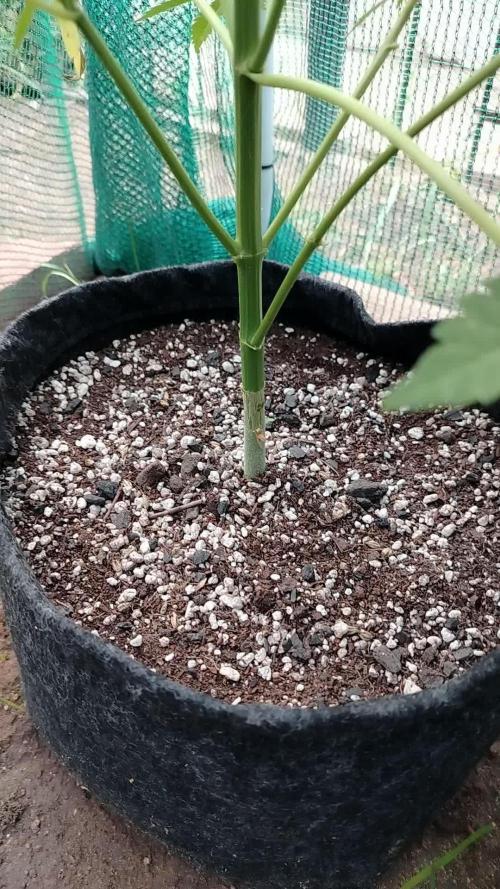
These ladies have just taken off and doing what they must... I started the BioBloom feeding today and did a very light defoliation


Likes
2
Share

@Max_Terpz
Follow
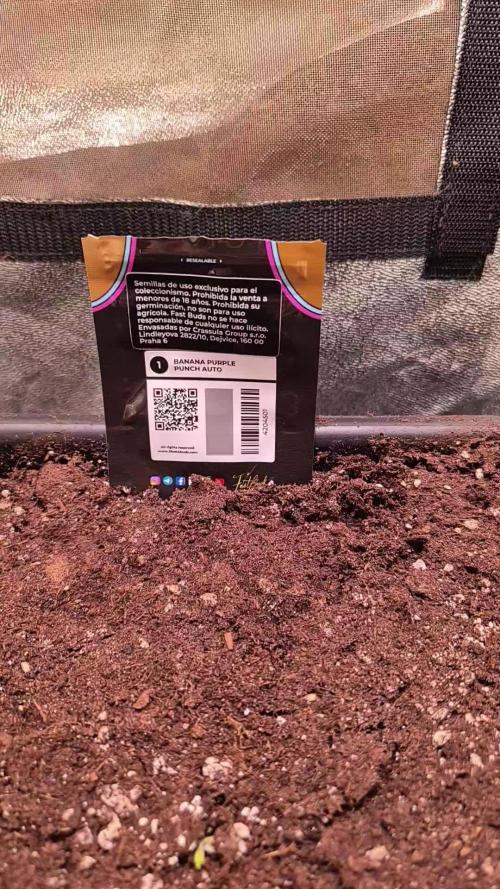
Den Samen habe ich direkt im 11-Liter-Endtopf keimen lassen, um die Pflanze in der kurzen Vegetationsphase nicht unnötig zu stressen.
Die Erde habe ich zuvor mit 0,5 g Green House Feeding Bio Grow pro Liter Erde vorgedüngt, indem ich das Granulat gleichmäßig untergemischt habe. Anschließend habe ich ein kleines Loch in die Erde gemacht, etwa 0,1 g Mykorrhiza hineingestreut, den Samen direkt darauf gelegt und das Loch wieder mit Erde verschlossen.
Danach habe ich das gesamte Substrat einmal mit 1 Liter Wasser angegossen, angereichert mit 2 ml Biobizz CalMag und 0,5 g Green House Feeding Enhancer, der unter anderem die Keimrate unterstützt.
Die 50-Watt-Lampe lief von Beginn an auf 80 % Leistung und hing etwa 70 cm über der Erdoberfläche.
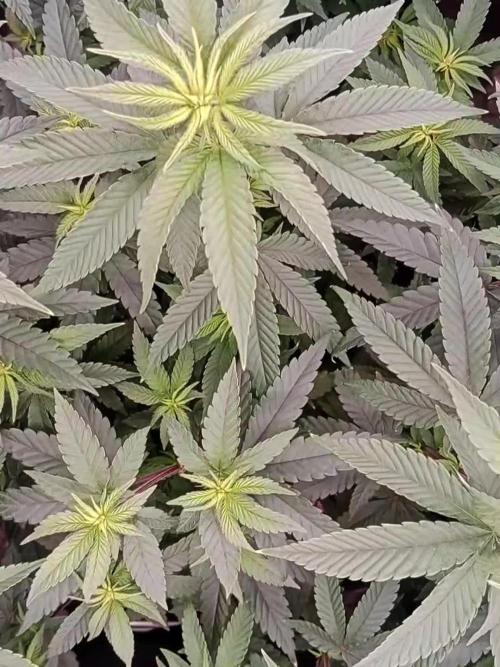
Wie auf den Bildern zu erkennen ist, hat sich die Pflanze innerhalb einer Woche sehr gut und gleichmäßig entwickelt.