


Likes
Comments
Share


@MR_PUUF_K93
Follow
Brutalísima esta Magnum me tenía alucinando y sigo en ello jeje 😉🙌😜

Likes
21
Share


@JKent19
Follow
What a harvest! Did not expect the size or quantity of buds. The previous issues did not seem to bother them at all, I just can't believe how much flower there is! Got it all drying, hopefully in a week I will be able to do the final recap and give a dry weight. Big shout out to Sweet Seeds, I don't want to overestimate it but I think we all will be shocked by the amount of dried bud I have next week!

Likes
46
Share


@Wastent91
Follow
Inazzitutto ringrazio Mars hydro per avermi dato la possibilità di diventare un vostro collaboratore! Per me in Italia dove sono io è un onore poter dialogare con persone del vostro calibro e soprattutto crescere in una community parrallela alla mia reale vita che è qua in Italia, in cui sono un criminale e devo sempre state attento a cosa dico, a cosa faccio.. etc... Mentre qua mi sento davvero libere di esprimere me stesso! La mia passione al 100 x cento! Confido nel vostro supporto! Grazie anche alla fiducia di tutte le case dei semi che per ora sono davvero fantastici! Vi adoro ragazzi! Non vi nascondo che ora mi sono venute le lacrime agli occhi! Perché davvero vorrei che dove mi trovo cambiasse qualcosa e finalmente potrei sopravvivere grazie alla mia passione.. ma purtroppo sono solo sogni per ora molto irrealizzabili.. grazie a tutti cmq del supporto vi adoro a tutti quanti della community di Grow Diaries! Buon 420 a tutti
Likes
5
Share

@deseed_uy
Follow
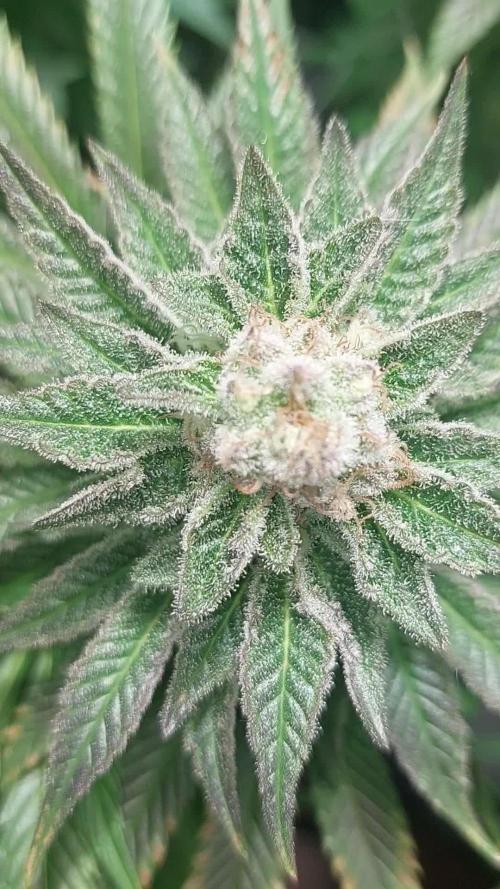
Segundo riego con overdrive para cookies 1 y 3, la numero 2 tiene el ph un poco elevado (6.8) y no se esta alimentando tanto, aún no pidió riego y está con algunas hojas apenas quemaditas, igual vienen muy lindas.
Likes
11
Share


@Lazuli
Follow
Shes getting close to finish
I threw a bucket of pure water trough the soil to lower the runoff ppm to 400, now she can finish with only water and whats left in the soil, no more nutrients
I think she will finish in 1 or 2 weeks max.

Likes
12
Share


@2Stones1Bird
Follow
Checkout my Instagram @smallbudz to see the Small budget grow setup for indoor use, low watt, low heat, low noise, step by step.
01/11/2019 -
Started using BioBizz Alg-a-Mic on spray, using it once per day at lights off, 1 or 2 puffs to create a light mist, only on non feed days,
I mixed 0.1ml on 100ml water 6.4 PH.
03/11/2019 - Gave her 250ml plain water with 6.4PH
05/11/2019 - Gave her 0,15ml of each BioBizz Grow, Max and Bloom on 300ml water 6 PH didn't manage to get it higher to 6.3 at least.
06/11/2019 - She started to show some pistols, probably entering pre-flower.
07/11/2019 - Soil was to dry due to 2930c temps gave her 0,500ml of 6.5PH water with 0,25ml Grow, 0,25ml Max, and 0,45ml Bloom BioBizz.

Likes
25
Share


@Gutismoke102
Follow
Showtime.... The ladies are officially in flower... this is so exciting... I could’ve flipped them 3 Weeks ago but a long strong Vegetative phase a give you big colas and a large yield... Stay tuned

Processing
Likes
21
Share


@RussianGrower
Follow
Hello, friends, I Welcome you again from Russia. Comes week 5 photoperiod Bubblelicious. I planned to make clones of this plant, but unfortunately the whole place is occupied by other projects, and temporarily I have to give up this idea, but I will continue to grow this plant, later on, I still make clones, and while I tear off the vegetative leaves and give free growth.

Likes
53
Share


@DogDoctorOfficial
Follow
Hello, my wonderful green-thumbed friends! Welcome to the Week 5 veg report for our fabulous P.C.R.s. This week has been all about new beginnings and meticulous care, as we continue to nurture these beauties towards their full potential. Let’s dive in!
New Home, Sweet Home
This week, our P.C.R.s made the big move to their new 3x3 tent, and boy, do they love it! Under the bright and consistent light of the ViparSpectra P2000, these plants are set to thrive. The P2000 is a game-changer, offering a full spectrum that mimics natural sunlight, ensuring our plants get the best light for every stage of their growth. It’s like bringing a slice of the sun indoors!
Leaf Love and Clones
We also took some leaves and cuts this week to encourage bushier growth and to propagate new plants. Each cut was carefully treated with Clonex Gel, a rooting hormone that gives our clones the best start. Think of it as a nutrient-packed smoothie for our cuttings, providing all they need to develop strong, healthy roots.
To keep our new clones happy and hydrated, we used Clonex Mist, which is like a gentle rain shower, supplying essential nutrients and promoting robust root development. It’s all about giving them the TLC they need to become the next generation of thriving plants.
TLC and Maintenance
With the move, I made sure to maintain the optimal environment inside the tent. Our TDS is holding steady at 410, with a pH of 5.8 and a temperature of 21°C for watering. These parameters are crucial for nutrient uptake and overall plant health, ensuring our P.C.R.s have everything they need to flourish.
Why We Do What We Do
Understanding the importance of each step is key. The ViparSpectra P2000 not only ensures our plants receive the perfect light spectrum but also helps in energy efficiency, which is great for our environment and our energy bills! The Clonex Gel and Spray ensure that our clones have the best possible start, reducing transplant shock and speeding up root development.
Keeping our grow space clean and organized also helps in preventing pests and diseases, creating a safe and healthy environment for our plants to thrive. It’s all about setting the stage for success and letting nature do the rest.
In Conclusion
Week 5 has been all about setting up our P.C.R.s for success. From the new tent setup to taking care of clones, every step has been filled with excitement and careful planning. The journey is just as important as the destination, and I’m thrilled to see these plants grow and flourish.
Shout Outs
A huge shout out to @aptusholland, our main sponsor, for their incredible products that keep our plants thriving. Another big thank you to @artgenetix for creating the phenomenal P.C.R. strain. And to the wonderful community at Grow Diaries and all our followers, your support and enthusiasm keep us going. Let's continue to grow together!
Until next time, happy growing, and may your gardens be lush and green!
Genetics - P.C.R. @Art_Genetix_Team https://artgenetix.world/
Nutricion @aptusholland https://aptus-holland.com/
LED Power @Lumatek and @viparspectra
As always thank you all for stopping by , for the love and for it all, i fell blessed to have you all with me for one more love journey Thank you Thank you Thank you , you guys are great and have been amazing , thank you for everything !
#aptus #aptusplanttech #aptusgang #aptusfamily #aptustrueplantscience #inbalancewithnature #trueplantscience #dogdoctorofficial #growerslove
With true love comes happiness , Always believe in your self and always do things expecting nothing and with an open heart , be a giver and the universe will give back to you in ways you could not even imagine so !
Growers love to you all

Likes
11
Share


@eldruida_lamota
Follow
Que pasa familia, vamos con la cosecha de estas Gorilla cookies Auto de FastBuds.
Por dónde empezar, es una autofloreciente que es muy fácil de cultivar, tiene un periodo corto de crecimiento y de floración igual no es largo.
En cuanto a la alimentación , pues la aplique una vez por semana y a sido suficiente, se a comportado muy bien en interior, la flor pues no es muy prieta porque no deja de ser una autofloreciente, pero es una flor que está bien explotada y que va repleta de tricomas.
El periodo de luz pues de principio a fin a 18 horas, fue sucficiente para completar el ciclo de vida como esperaba.
Mars hydro:
Code discount: EL420
https://www.mars-hydro.com/
Agrobeta:
https://www.agrobeta.com/agrobetatiendaonline/36-abonos-canamo
Hasta aquí todo, Buenos humos 💨💨💨
Likes
13
Share


@Lfuego22
Follow
Still in veg nutrients.
Day 1-2 some swazzing
Day 4 flower
Ppm 1151
EC 2.2
Ph 5.7
Water temp 73.1
Room temp 71.2
Room humidity 60%
Light temp 74.7
Light humidity 52%
Day 7topped off water and nutrients
Likes
9
Share


@cdxxbuds
Follow
Plants came down at day 53. Nice weight and drying commenced. More purple coloring and smell is amazingly fruity
Likes
2
Share

@Jinxed
Follow
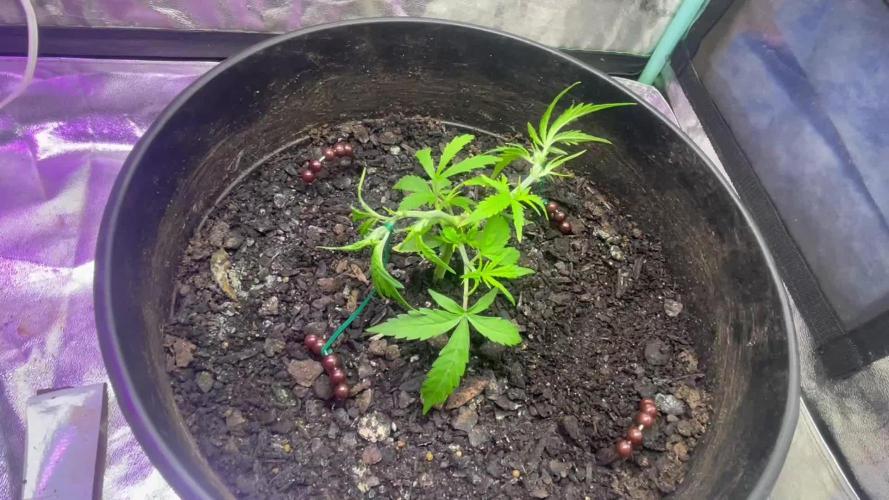
I was losing alil faith in Frosbanger but she’s moving along well !
Random is trying to take over the box is getting real over here now 💪🏽
Likes
36
Share


@MadeInGermany
Follow
Info:
Unfortunately, I had to find out that my account is used for fake pages in social media.
I am only active here on growdiaries.
I am not on facebook instagram twitter etc All accounts except this one are fake.
Harvest day 67
since time change
to 12/12 hrs.
Hey everyone Finally it was time for the lady to be harvested :-).
The buds smell very tasty and look very good so I'm really excited.
The trichomes are 70% milky and 30% amber.
As always, it came to the darkroom 48 hours before harvest :-).
There it will now remain after harvesting at 62% humidity for 8-12 days before it is put into the jars for fermentation with 62% boveda packs :-).
As usual, the last update will come after the fermentation.
Until then, I wish you all the best and stay healthy 🙏🏻
You can buy this Strain at
https://www.barneysfarm.com/blue-cheese-34
Type:
Blue Cheese
☝️🏼
Genetics:
Blueberry
X
Original Cheese
👍
Vega lamp:
2 x Todogrow Led
Quantum Board 100 W
💡
Bloom Lamp :
2 x Todogrow Led
Cxb 3590 COB 3500 K 205W
💡💡☝️🏼
Soil :
Bio Bizz Coco
☝️🏼
Fertilizer:
Green House Powder Feeding
☝️🏼🌱
Water:
Osmosis water mixed with normal water (24 hours stale that the chlorine evaporates) to 0.2 EC. Add Cal / Mag to 0.4 Ec Ph with Organic Ph - to 5.5 - 5.8

Processing
Likes
9
Share


@HollowSource
Follow
All looking good with the banner. The frost is coming and the smell is developing. She has stacked well and I think she might give the largest colas of the smaller plants. Hoping this makes up for the fact that she hardly stretched. The small plants are being raised so I can keep them close to the light. The amnesia is trying to bully them all. Been defoliating continuously with this lady. Hoping that can stop now and I can just watch her ripen up!

Likes
94
Share


@Master_weeda
Follow
début de la cinquième semaine toujours sans encombres
les plantes commencent leur floraison et le stretch
Dernière pulvérisation de savon noir (2cuilleres à café dans 1l d'eau) en prévention.
Ce run me procure beaucoup de plaisir


Likes
176
Share


@DevilsBud
Follow
NEW WEEK 7 OF FLOWERING
COOKIES GELATO BY RQS
Woohoo soooooo excited 💪🏻🤯🤘🏻
I am normally not so excited with certain things but these grows have definitely made me get excited every new week . It also calms me down a little bit with stress and helps calm my nerves somewhat. Also I am normally not very talkative to others but with the nice community of growers we have here it makes you want to start conversations and it helps knowing you won't get trolled etc .
Tomorrow First day update
Day 42 cookies gelato
Hallo guys/girl's not a lot to say it's a waiting game now. i can take 100 of the same photographs but it gets a bit boring so I will update every day but maybe not ram it full with photos . The cookies gelato are doing good getting frosty but has a way to go for sure and they are drinking a lot and i spilled a lot sometimes getting to back plants but luckily Tray Keep Clean a removable waterproof floor tray to hold soil and fallen leaves. The tray can be taken out easily to wash. Removable and water-proof cleaning easy.👌🏻
! I made Video again so enjoy 🤘🏻🤘🏻.
Come look at my other diaries! I appreciate it a lot 🤘🏻
Day 43 flowering Cookies Gelato
This morning with lights out i gave a nice batch of advanced Nutrients It's overdrive time . So far so good humidity good temp good plants looking good. What those grower want more 😎 . The marshydro TS-1000 is doing a great job nothing to complain about top notch . Quickly heat dispersing material aluminum reducing light lost to aisles and walls, it don't get any hotter maybe 2 degrees that's it 👌🏻and increase the light intensity up to 20%, allowing your plants to receive more energy and without burning your plants for maximum headroom.
Come look at my other diaries! I appreciate it a lot 🤘🏻
day 44 flowering cookies gelato
Nothing really to say other then it's going good . made little photo collage today come have look
Come look at my other diaries! I appreciate it a lot 🤘🏻
Day 45 flowering Cookies Gelato
Bulking up pretty good hopefully a bit more in the next 2 weeks gave this morning the nutrients they need .today i got package delivered and i was stunned what was in it 🤯🤯🤯🤯🤯🤯🤯🤯 i will reveal later on but holy hell that made my day and probably week 😂😂 only thing i can say is 8X5
Day 46 flowering Cookies Gelato
Damn they like to drink the pots where feeling light so i add almost 1.5L ph6.6 water per plant Other then that 👌🏻👌🏻after this 1 more week ore so with nutrition and then going to flush with flawless finish from advanced Nutrients
Day 47 flowering Cookies Gelato
Going good not a lot to say plants are loving there environment i. Getting them nice and frosty with TS-1000 i saw some light burn going on the leafs so dim the light a little bit 👌🏻 .
Day 48 end of week 7 flowering
This week went perfect for the cookies gelato i have noticed that the cookies gelato need at least longer then critical but that's no problem .
See you in the next week Growmies
Also want to thank everybody for the comments likes etc you know who you all are 👍🏻😍👍🏻
visit www.marshydro.eu
for your best gear and use the PROMO CODE: DEVILSBUD


Likes
2
Share

@Jardin33ro
Follow
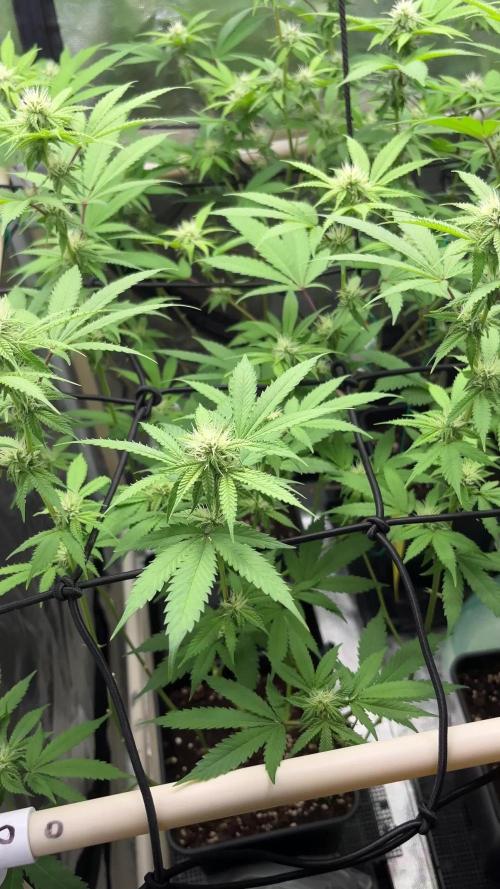
Esta semana veniamos notando el strech, y ahora notamos como se forma el cogollo. Piden bastante calmag, lo cual aun no ando fino del todo. Pero como no conozco la genetica voy de menos a mas. Tratamos de mantener una temperatura no mayor a 27 y una humedad de entre 50-60. Estoy regando cada 2 dias, y todo va muy bien. Ahora comenzamos a fertilizar de a poco. Trato de meter en la mezcla calmag (0,4) sensi (1.0-1.2) y luego aditivos 2 ml x litro. Y siempre mido run off, trato de regar en base al drenaje, una relacion entre el input y runoff. Seguimos aprendiendo y eso es lo que mas me interesa.

Likes
1
Share

@DogDoctorOfficial
Follow
🍮 Chem Brûlée – Pheno A
Week 5 | Giant Leaves, Big Dreams
Welcome back to another chapter of the 8×8 Adventure!
If you’ve been following this project from the beginning, you’ll know that every phenotype is writing its own story. Although they all share the same room, the same environment, the same lighting schedule, and very similar nutrition, each plant continues to express herself in completely unique ways.
That’s exactly why I love phenotype hunts.
This project follows every plant individually using the 12/12 From Seed method, allowing each lady to decide for herself when she’s ready to leave vegetative growth behind and begin flowering.
This week…
Chem Brûlée Pheno A left absolutely no doubt.
Flowering has officially begun.
⸻
🌼 The First Flowers
One of the most exciting moments during any grow is seeing those first bright white pistils appear.
These delicate hairs are the female reproductive organs of the plant and mark the true beginning of flower production.
During these first weeks, the plant is shifting priorities.
Instead of investing all her energy into producing stems and leaves, she now begins building the framework that will eventually become dense, resin-coated flowers.
Every new white hair is another small step toward harvest.
It’s always an exciting stage to witness.
⸻
🍃 Those Incredible Fan Leaves
The first thing anyone notices about this phenotype…
Those leaves.
They’re absolutely enormous.
Some of these fan leaves are nearly twice the size of my own hands—and I definitely don’t have tiny hands!
Large fan leaves often indicate a plant that is photosynthesizing efficiently, capturing as much light energy as possible to fuel rapid development.
They’re essentially giant solar panels.
As long as they’re healthy, standing proudly, and maintaining a rich green colour, they’re doing exactly what nature designed them to do.
At this stage I prefer to let them work.
Every healthy leaf is another energy factory helping build the flowers that are only just beginning to form.
⸻
🌱 Gentle Training
Training continues to remain incredibly simple.
No aggressive bending.
No topping.
No heavy defoliation.
Instead, we’re relying mainly on gentle leaf tucking and subtle low-stress training to improve light penetration while allowing the plant to maintain her natural structure.
Sometimes the best training isn’t forcing a plant into shape.
Sometimes it’s simply helping her reveal the shape she already wanted to grow.
So far…
She’s rewarding that patience beautifully.
⸻
💧 AutoPot Life
Chem Brûlée Pheno A is growing on the AutoPot irrigation system.
Once the root system becomes established, the AquaValve automatically delivers nutrient solution from below whenever the plant drinks enough to lower the water level inside the tray.
There’s no timer.
No electricity controlling irrigation.
No daily watering routine.
The plant simply feeds herself whenever she needs it.
It’s a remarkably elegant system that encourages consistent moisture levels while reducing stress caused by repeated drying cycles.
This week I’ve also included photos comparing the nutrient solution used in the AutoPot reservoir with the hand-feeding mix used for the non-AutoPot plants.
Although the recipes are very similar, the EC differs slightly because plants growing on AutoPots receive a constant supply of nutrients, allowing for a more stable feeding strategy.
Every cultivation method has its own rhythm.
Learning those rhythms is part of becoming a better grower.
⸻
🍽️ Feeding Strategy
This week we adjusted the nutrition slightly to support the transition into flowering.
The bloom nutrients are now beginning to take over while still providing enough support for the final stretch before flower production accelerates.
As always, every adjustment is based on observation rather than routine.
Healthy plants tell you what they need.
You simply have to learn how to listen.
⸻
🌡️ Environmental Conditions
The room continues running beautifully.
Average conditions this week included:
• Day temperature: 31°C
• Night temperature: 25°C
• Relative humidity: 67%
• Nutrient solution: 21.6°C
• Root zone: 21°C
• CO₂: 639 ppm
Humidity remains slightly higher during this transitional phase because the plants are still producing large amounts of fresh vegetative growth while stretching into flower.
Over the coming weeks, humidity will gradually be reduced as flowers begin gaining density.
The room itself is really starting to come alive now.
Every day the canopy looks fuller, healthier, and more vibrant than the day before.
Watching an entire room evolve together never gets old.
⸻
📸 Capturing the Journey
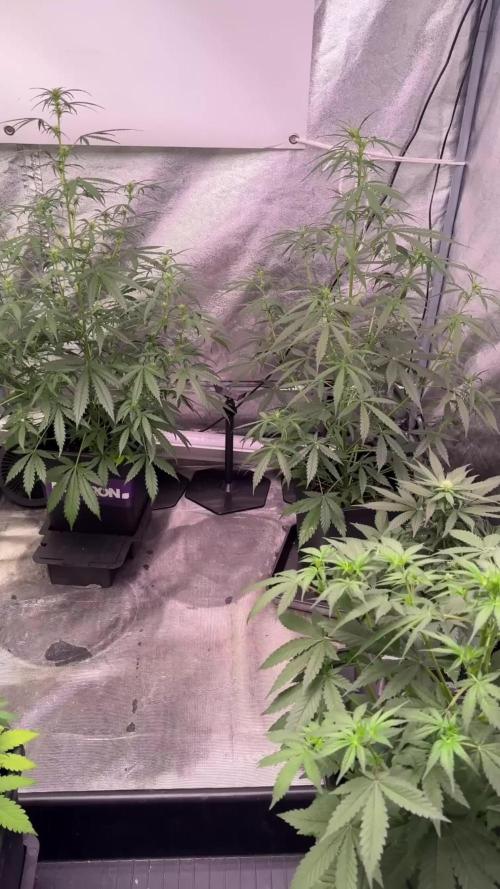
This week’s update includes bird’s-eye views, side profiles, close-ups, and room shots to document every stage of Chem Brûlée A’s development.
One of my favourite details is simply seeing those giant fan leaves from different angles.
Months from now they’ll be part of the story, reminding us where this beautiful lady began before her canopy disappears beneath a forest of flowers.
That’s why I enjoy documenting everything.
Not just the destination…
But every step that leads there.
⸻
🔮 Looking Ahead
Next week I expect Chem Brûlée A to continue stretching while producing many more pistils across the canopy.
Bud sites should become more clearly defined, and the first signs of flower stacking will begin to appear.
Training will remain minimal, allowing her natural structure to continue developing while we simply guide her when necessary.
Sometimes the biggest changes happen quietly.
This feels like one of those moments.
⸻
💚 Thank You
A huge thank you to everyone following this 8×8 Adventure.
Whether you’re here to learn, compare phenotypes, improve your own garden, or simply enjoy watching these incredible plants grow, I’m grateful you’re sharing this journey with me.
Special thanks to:
💚 GrowDiaries for giving growers around the world a place to learn, document, and inspire one another.
Zamnesia for providing the genetics that make this phenotype hunt possible.
🌱 Plagron for the nutrition supporting every stage of this grow.
💡 Future of Grow LED for delivering the light that powers every day of development.
🌿 TrolMaster for helping maintain a stable environment around the clock.
And finally…
Thank you to every grower, follower, supporter, silent reader, friend, and even the occasional critic. Every visit, every comment, every bit of encouragement helps make these diaries something truly special.
I’ll see you all next week, where Chem Brûlée Pheno A will continue transforming those giant solar panels into the energy needed to build what promises to be some truly beautiful flowers.
Until then…
Growers Love and happy growing, everyone. 🌱🍮💚