


Likes
Comments
Share


@Tropicannibis_Todd
Follow
👉Alrighty Then👈
This plant finished out just around 90 days from seed
👉Puffed a bunch of it , and its fire and I mean fire , Grape Berry mixed with a little earthy undertone 👈 the buds are tight and smoothered in resin 👌
Would definitely grow this one again and would recommend 😳 Facts
Persian Pie from Greenhouseseeds
Full Gas from Greenhouseseeds
Babba Kush from Greenhouseseeds
Rainbow Melon from Fastbuds
Papaya Sherbet from Fastbuds
Weddingcheesecake FF From Fastbuds
Purple Oreoz F1 From Seedsman
Slurricane From Premium Cultivars
Soil by Promix
Nutrients by Cronks
This was a crap ton fun 🙃
Thanks to all my growmies out there for stopping by its much appreciated 👈
👉Happy Growing👈


Likes
28
Share


@ThatoneAKguy
Follow
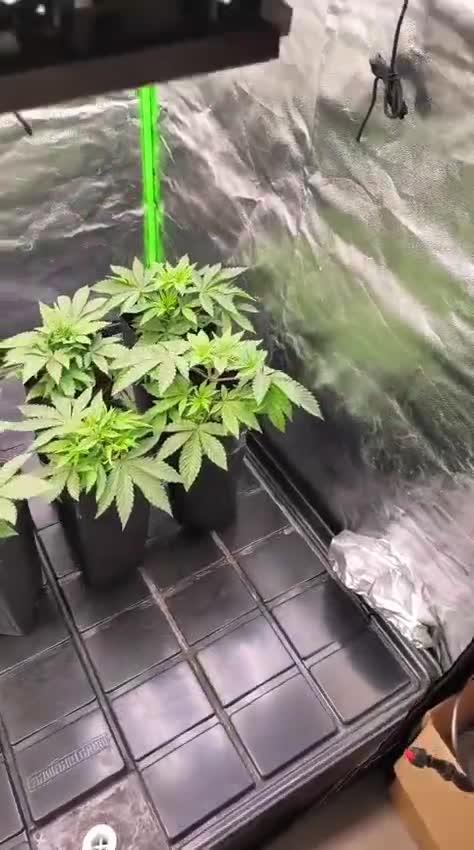
The girls are starting to stack it on now and are very floral and fruity smelling. Still plenty of white pistils coming out making for a beautiful contrast to the very deep purple almost black flowers and a few of the fan leaves are starting to fade. Halfway down the home stretch and having high hopes for some baseball bats! I’m definitely putting the screws to them in the nutrient department at a touch over 2400 ppm with the addition of the beastie blooms -0-50-30 at 1/2 tablespoon per gallon along with the rest of the flora series. Not even a tip burnt so I continue to push the envelope. Thanks for looking.



Likes
12
Share


@MicroHidroGrow
Follow
Esta por empezar el engorde final. Ya las flores estan casi formadas. La altura está al límite total. Uno o dos centímetros más y estaría en problemas de verdad. El engorde de muchas flores ya es notorio, pero creo que el uso de un bioestimulante que no es de primera línea, ha reducido el potencial de las plantas. De todos modos hasta no tener el resultado final no puedo afirmar nada.
La solución de esta semana fue cargada con más pk booster para ver cómo funciona la linea de greenhouse en esta etapa. Suelo usar pk 13/15 de canna. Pero esta vez puse el que tenía. Seguiré actualizando.
Día 31. Se nota mucho el engorde. Las hojas muestran pequeños signos de sobre fertilización, pero nada grave que no haya visto antes. Me suele pasar en esta semana en todos los cultivos en hidroponia. Pero las veces que ko me pasó, no tuve el engorde deseado. Por eso manejo mediciones de PPM superiores 1000. Se empieza a ver cuáles van a ser los cogollos más grandes, pero sigo con incertidumbre sobre cuanto más van a engordar. Estoy bastante conforme al momento. Hoy tuve contacto con plantas macho, pero me cambié toda la ropa antes de acercarme al indoor y le lavé. Además no sé si sumará, pero me rocío en alcohol cada vez que entro a casa, así que espero no tener problemas. Ya voy a ir preparando los esquejes para la próxima siembra. Quizá no logre sacar 10 de las madres que tengo. Pero quizá ponga menos y los haga crecer más tiempo y con bastante LST. Pero será en otro protecto. Por ahora espero que siga el engorde.
Día 33. Ya el engorde es un hecho. Por el momento estoy bastante satisfecho. La solución se concentró demasiado así que tuve que agregar agua. Pero más allá de algunos signos de sobre fertilización mínimos y pasajeros en las hojas, la plantas se muestran saludables y firmes. Todavía sigo buscando la posibilidad de agregar overdrive la semana que viene. Todo está por verse. Ya puedo asegurar que va a haber una séptima semana de floración, sino debería empezar el lavado en 2 días, cosa que a la vista, sería muy apresurado. Así que seguiré esperando a ver las flores con los pistilos más secos. Entre tanto los tricomas ya están formados, pero recién van a empezar la maduración en unos días. No saco foto porque el celular no hace buen foco con la lupa, pero ya intentaré mas adelante.
Día 35. Cierra la semana con una buena idea de lo que van a ser los cogollos. Según el calendario de la planta, debería empezar el lavado esta semana, ya que sería la última. Pero por la madurez de los tricomas, todavía le faltan entre 10 días y 2 semanas más. Así que se viene otra semana de sobrecarga de PK y voy a aumentar la dosis para aprovechar a medir el nivel de tolerancia de la planta a altos niveles producto. Al ser hidroponia y trabajar con el ambiente bastante controlado, confío en que voy a poder aplicar correctivos a tiempo, si empiezo a notar defasajes bruscos.

Likes
41
Share


@Santica_Garden
Follow
Alien OG looking amazing, my best grow by far but I still could have done so much better, but it's a part of improving, learning as I'm growing 😅. Really excited to try this out, 2 of the ladies I will start flushing on their next feed. 👍🏾

Processing
Likes
9
Share


@Divs_darkroom
Follow
She is a strong and resinous plant. I am seeing some kind of deficiency but I'm too far into flower to care about fixing it. Same thing happened to my last bluetoof. Same nutrient mix as the toof decay and that plant looks great. She smells sweet :)

Likes
3
Share


@Black_Widow
Follow
привет садоводы
растение после пересадки чувствует себя хорошо
расправилось и стало побольше
скоро перевожу на цветение


Likes
55
Share


@DogDoctorOfficial
Follow
Day 35 Flower and i think last week feeding my girls, by the looks the flush needs to start pretty soon 😆 so far so good , light is doing the job , but i need to test it back to back with another one for comparable crops , dont knw but i fell like they should be bigger by now , but mb thats just me 😅
Seeds @seedsmanseeds Gelato OG 3x - 2 Pop out
Light spider farmer SF-2000 ( test run from seed to stone )
https://spiderfarmer.eu/collections/full-spectrum-led-grow-light/products/sf-2000-led-grow-light
https://www.amazon.es/Spider-Farmer-SF-Crecimiento-Espectro/dp/B07TYM44D6?ref_=ast_sto_dp&th=1&psc=1
https://www.amazon.com/dp/B07TVD1Y3K?ref_=ast_sto_dp
All i grow is medicine for myself, nothing to sell, don’t even ask
Do it with love for the love
💚💚💚 growers love 💚💚💚


Likes
1
Share

@Trichoma
Follow
@1.5 kPa
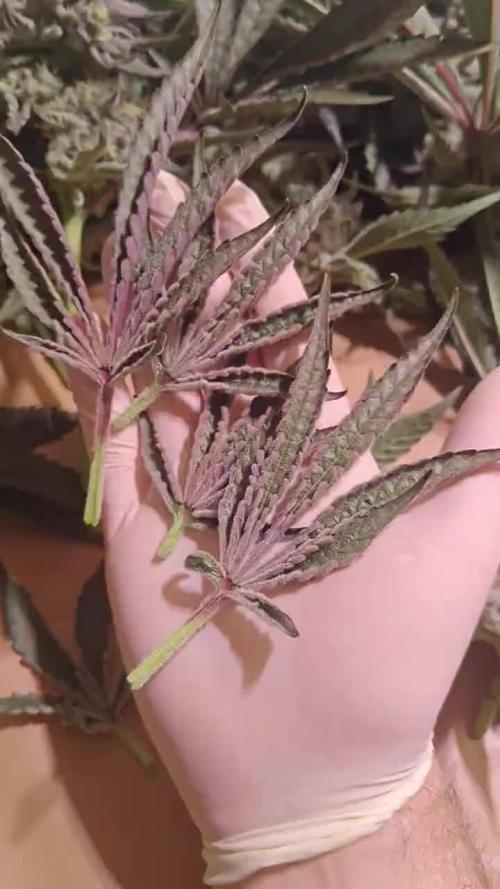
Partially harvested, waiting a week or mby 2 for the rest to ripen a bit more.

Processing
Likes
12
Share


@Buurman
Follow
ALRIGHT! I think i had a successful first week of the first grow :D
The bitches are showing steady growth, started giving m a mix of Terra Grow, Pure Zyme & Power Roots. they seem to like it but hey what do i know? Don't know why the other half of my lights is taking so long to get here but we'll survive.
temperature is still a little on the high side during the day, around 29 degrees, i will be installing 2 fans tonight which should fix that problem.
(bought some fancy ass controller to automatically adjust the fan speed when temperatures rise, hope it works as good as it souds)
This week will also be moving week, filled 6.5L 20x20cm pots with those brown balls and Plagron Grow Mix.
started watering them in with a mix of Rain & Tapwater + Pure Roots & Power Zym. WHY?? again idk, there are so many tips online i'll just follow all of m. Doing the same again tomorrow morning and transplant them 2 hours before the lights go on.
*day 12 edit.
Moved the plants into the new pots, within 12 hours i could see them grow again so that must mean they like it, the rest of my lights arrived so we're growing under 10x 23w philips tornado CFL now because they are cheap as fuck and it works amazing.
the whole temperature activated fan cooling system is out for now since the temperature is at a stable 26 degrees, and i didnt know that fans make so much noise turning off and on the whole time damnnnnn
Let me know what i'm doing wrong & happy growing 😘


Likes
12
Share


@Build4Twenty
Follow
The swell is underway! Some are leaning over from the weight. I took a tester and few days ago, just smoked it, and I'm impressed! I can't wait to get this cured and ready and taste her again! Thanks for looking!
Likes
16
Share


@DrAnandamida
Follow
Esta semana se nota el estallido de la floración. Los pistilos van cogiendo vigor y tamaño. Las flores continúan oscureciendo e incluso las hojas y sus tallos van adquiriendo ese color rojizo/púrpura. 🌿 El tallo tiene un tamaño y consistencia considerable, lo que le está permitiendo resistir algunas rachas de viento sin excesivo problemas y sin necesidad de soportes o guías (por el momento). Se perciben un poco mejor los aromas de las floración, aunque siguen siendo débil. Una ya ha alcanzado los 36cm y la otra 40cm. Seguimos aumentamos la cantidad de agua, progresivamente, según van pidiendo/necesitando las plantas.
Sigo intentando no utilizar ningún tipo de "ayuda extra", salvo la tierra enriquecida de @BioBizz All-Mix donde están plantadas. Así que por ahora; agua mineral, luz solar, mucha paciencia y mucho amor!🤞😍


Likes
5
Share


@Jays_Not_Here_Man
Follow
Easy week, girls have been doing pretty good. The cronk nutrients are a bit of a learning curve. Very potent stuff, I have been working my way up and am still at 1/2 recommended dose. Noticed some yellowing starting on the bottom leaves, have started to increase nutrient dose, hopefully no burn.
VPD has been good, they are just chugging along. Happy Gardening 🇨🇦❤️🌱😎💨

Likes
19
Share


@RFarm21
Follow
Semana 5 ( 05Nov-11Nov)
Única rega da semana foi dia 11Nov. Os nutrientes foram misturados em 1,5L de água. Primeira dose de Bloom administrada.
Likes
44
Share


@XperencdGmanXG
Follow
left the girls to settle into their new environment. Have been watering every 4 days or so, not much rain this week. Plants are looking good and showing some signs of leaf growth which means the roots have already branched out. Chitosal as a root drench is supposed to help with drought tolerance and salt stress, no salt stress here as we are organic. Next week things to do: 1) spread and re-stake plants. 2) create a top amendment feeding and watering bowl under each plant with some chicken wire.
Likes
33
Share

@AumShanti
Follow
ॐ
MOBY DICK from BARNEY'S FARM
"Bedroom setup"
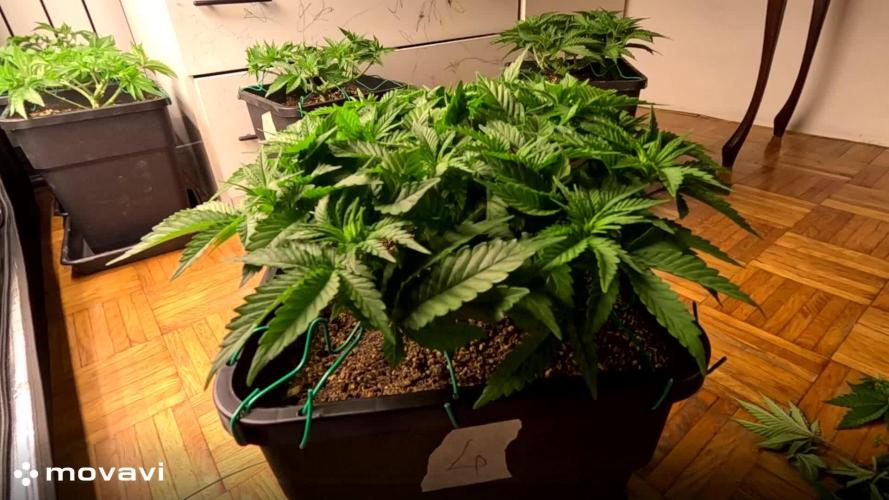
5th week of vegetation from 27.10. to 2.11.2025.
Heavy training continues, foundation of plants is done,
a lot of wires included, heavy defoliation and pulling of branches very two days,
There is a 30sec video (10min video but accelerated) so ya can see how they like training :)
All branches are left for now,
let them rest from this week stress, next week is branch selection,
one more week of veg and they will be ready for 12/12
They started to show very strong growth,
also they started to drink 1.5L every two days.
All looking good, nice and healthy,
Take care and much love.
ॐ

Likes
13
Share


@Robeeriegenetics
Follow
Everything is going ok no roots yet on the clones but we got a week b4 we need to worry
Temps steady humidity steady will be topping of res with more nutes todau