


Likes
Comments
Share


Likes
40
Share


@valiotoro
Follow
Easy trim✂️
The buds are super sticky & dense⚡️
The smell is Absolutely DIVINE,flowery sweet & orange🤤🍊🌸


Likes
32
Share


@Esoteric_growing
Follow
Fantastic result for a small plant in a 20L pot. Very nice citrus/orange terps with great bud density and colour

Likes
5
Share


@Lifesgarden420
Follow
The last week of edge for these beautiful ladies and then we can flip
Likes
5
Share


@cookingwithninja
Follow
Plants are currently drying
2+ months later. And next project au79

Likes
29
Share


@olli0420
Follow
soo one was way more photogenic than the other 😅 also I know I put a lot of videos but I'm obsessed with this strain ok? it's amazing and I'm proud of me😁😁
oh and how DOPE is the timelapse? 🤯🔥🔥🔥🔥
Likes
6
Share


@Killabeez
Follow
Starting to see the results from the LST now hopefully I still got a few weeks of veg left to fill the pots out some more.
I'm watering every 3 days both are having 1.5liters each
I'm following the bio bizz feed chart for soil they seem to be pretty happy at the mo!
Pictures are from earlier in the week butt the video is from today!

Likes
115
Share


@DogDoctorOfficial
Follow
Week 3 Blossom Ballet: Cherry Cola's Floral Extravaganza Unleashed
Greetings, fellow green enthusiasts! We've hit Week 3 in the enchanting flower journey of our beloved Cherry Cola Auto, and let me tell you, the botanical ballet within the tent is reaching an unprecedented crescendo. Our green queen is unleashing a floral extravaganza that's nothing short of spectacular.
As we dive into the heart of Week 3, the tent is transformed into a vibrant canvas of blooming beauty. The once-lush bush has metamorphosed into a floral symphony, each bud site a note in a melodious composition. The topping technique deployed earlier is now revealing its full glory, with multiple colas reaching for the spotlight.
The decision to release our Cherry Cola from training supports continues to pay dividends. She's embracing her freedom with a wild elegance, and the tent is now an immersive experience of green abundance. The bushy ballet is a testament to the success of our horticultural endeavors, creating a living masterpiece.
The topping triumph from the previous weeks echoes in every corner of the tent. The colas have matured into regal structures, each vying for attention in this botanical drama. The decision to venture into topping during the vegetative phase has proven to be a stroke of genius, enhancing both yield potential and structural beauty.
Ah, a crucial note in our nutrient symphony! I introduced Potassium (K) to our water mix, adding another layer of vitality to our Cherry Cola's performance. P-Boost's phosphorus prowess, coupled with Topbooster's organic grace, dances in harmony with the added Potassium, contributing to the formation of hefty buds and enhancing the overall flowering response.
Visual euphoria reigns supreme as our Cherry Cola daily unfurls new growth, showcasing the sheer energy and vitality she possesses. It's not just a plant; it's a living canvas of horticultural artistry that leaves me in perpetual awe.
As we wrap up Week 3, Cherry Cola Auto stands as a living testament to the joy and wonder of cultivation. The floral odyssey is far from over, and the tent is a stage for a botanical performance that promises to linger in our memories. Stay tuned, fellow enthusiasts, as the Cherry Cola Chronicles continue to unfold!
Genetics Cherry Cola Auto @Fast_Buds @fastbuds_genetics_official @fastbuds_official @fastbuds_espana
Nutrition: @aptusholland @aptus_world @aptus_
Love, Care, and Attention: @dogdoctorofficial
As always, thank you all for joining me on this journey, for your love, and for it all. My horticultural odyssey would never be the same without you. Your love and support are cherished, and I feel both honored and blessed to have you in my life

Likes
4
Share
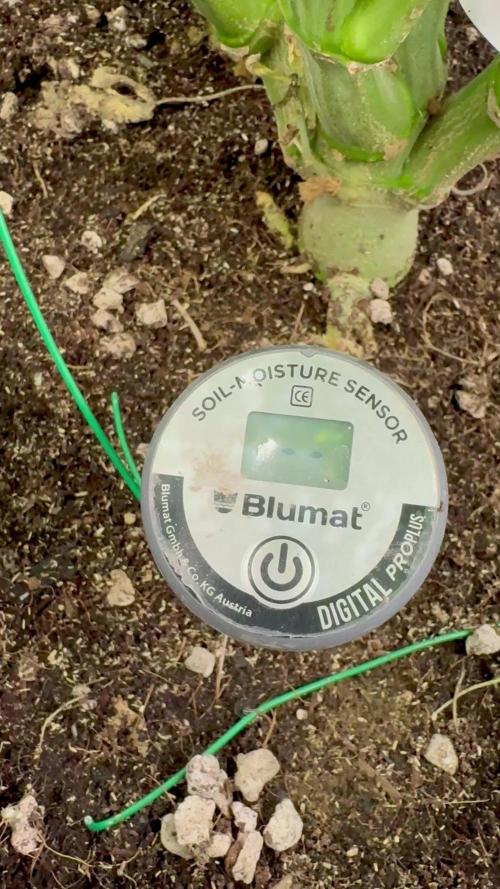

@LivingSoilGrown
Follow
Early flower, maintaining a good soil tension. Moving between 40-80 millibar. Fully trained out now and ready to fill out flowers


Likes
40
Share


@Mr_und_Ms_Lue_Roots
Follow
Bisher können wir sagen, dass Sie sich wirklich gut macht.
Trotz den strapatzen und dennoch so viel Liebe, macht es den anschein, als würde die Pflanze wieder ihren normalen Lebensweg aufnehmen und auch ihr Lebensziel verfolgen.
Die Blütenvorbereitung ist voll im gange, lilafarbende Stämme wie jetzt auch aktuell an den Blattstielen sind augenscheinlich Sichtbar.
Dennoch ist es ziemlich kühl geworden. Was für unsere Pflanze natürlich nicht schlecht ist, da wir sie auch so, hoffentlich eher zum Purpeln bewegen können.
Das Giesverhalten hat sich halbiert sprich wir Gießen im moment alle 2 Tage ca. 4 Liter und ohne die vorherigen Zusätze von Juice, Co2, Acti- Vera, Heaven.
Weitere Beobachtung dazu, läuft trotzdem.
Wer bis hierher gelesen hat darf sich jetzt schon anfangen auf die nächste Woche zu freuen 😋
Denn unser neues Equipment ist solangsam eingetroffen.
Das heißt: Das 80er Indoor Zelt wird durch ein 1,5x 1,5x 2 m ersetzt.
Die 600 W. Keramiklampe die in dem kleinen Zelt nur auf erster Stufe (ca. 480 W.. lief, wegen wärmentwicklung) wird durch eine neue Lazerlite LED 720 Watt ersetzt.
Ein großer Aktiv- Kohlefilter wie auch der große Abluftventilator, stehen schon in den Startlöchern 😎
Somit wird die Lady ab ca. Mitte bis Ende dieser Woche, einen mega schönen und warmen Platz im innenbereich bekommen.
Allen growern eine bezaubernde Woche gewünscht! 😉
Likes
26
Share


@pifflestikkz
Follow
Day 51
20/08/24 Tuesday
Feed today using de-chlorinated tap water pH 6. With Plagron PK13-14 and power buds.
Noticing the stretch stop, and now packing out there bud sites 💪💚
ACOP , Melonade Runtz have Xmas tree structure where as orange bud is pure tall sativa structure... The Overdose is a compact indica looking dwarf but the bud sites are packing out a punch 👊🤣
Day 54
23/08/24 Friday
Watering only today using de-chlorinated tap water pH 6,
I'm watering in 350ml no run off. 400ml I'm seeing tiny run off.
Day 56
25/08/24 Sunday
Water today using de-chlorinated tap water pH 6. Added bud candy and rhino skin 1ml per litre

Likes
20
Share


@Skunklerman
Follow
Having trouble keeping humidity up as my grow is in the basement. Have home humidifier set to 35% but not enough even with a humidifier in the tent set to 60. Lights out isn’t an issue, it’s when lights on and the 6” exhaust is running that my temps are good but rh too low.
UPDATE 12/21: The girls are back on track I fixed the whole home humidifier and added more humidifiers so my humidity is up to 50s. Plants are extremely healthy and the soil ecosystem is dreamy. Lots of worms at subsurface, cover crop is spreading and growing well and the plants are loving life.



Likes
16
Share


@HowtoBubatz
Follow
Today marks the 7th week of flowering for my cannabis plant, and it's truly fascinating to observe the changes that are taking place.
The stretching phase has officially come to an end, and now the plant is fully focused on developing its buds.
I can see that the buds are starting to swell and gain size, which is a promising sign of a healthy flowering process.
I've adjusted the feeding schedule with BioBizz products to match the plant's current needs.
Overall, the plant looks healthy and vigorous. The pistils are turning a beautiful shade, and the resin production is beginning to increase.
I’m excited to see how the buds will continue to develop over the next few weeks. I’ll keep monitoring closely and make sure everything stays on track.
Be excited for the coming weeks 💚🌱🌱

Likes
1
Share
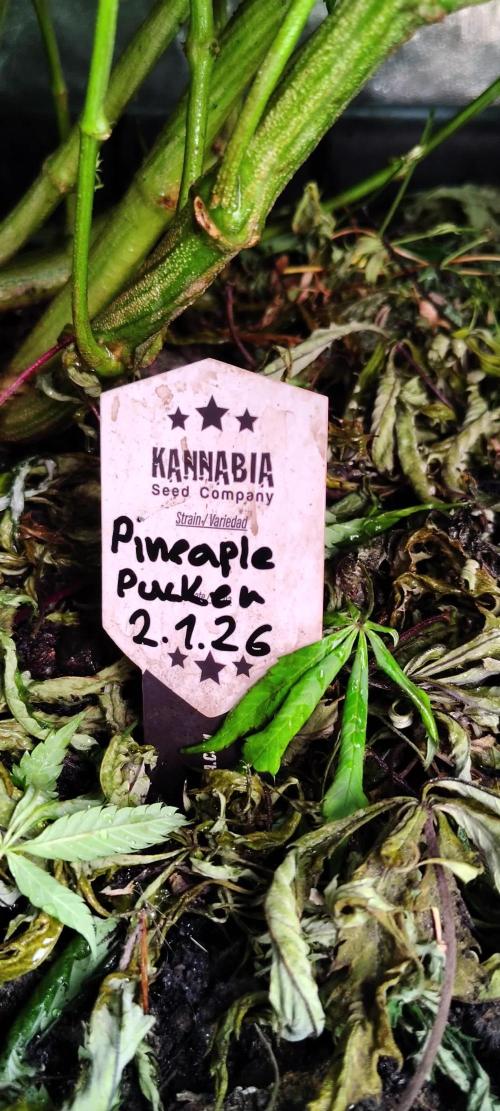

@WalachianGrowinDiary
Follow
Before flipping 12/12 im adding 3g/l of substrate bio Bloom cover IT with wormhumus And watering with compost Tea for Flowering . Then ONLY clear water And every week bio enhancer 1g/l
Likes
14
Share


@CrazyRussian
Follow
This week I started giving Green Sensation to the large plants. They are blooming rapidly from now on. I will add a stick as a support, because I feel that the plants will be too heavy for themselves,I don't want them to collapse. My small daughter still received power roots, and blooming nutrients. Unfortunately she is not growing as good as the rest, but I will keep her anyways.

Likes
5
Share


@Jaffo
Follow
Trichomes are plenty but crystal clear. The buds in the center cola are tight and dense.
It is smelly as ever. Patiently waiting.

Likes
39
Share


@J_diaz420
Follow
El día 19 de floración se hace poda de brotes bajos y una pequeña defoliación de hojas de abanico 👍
Likes
288
Share
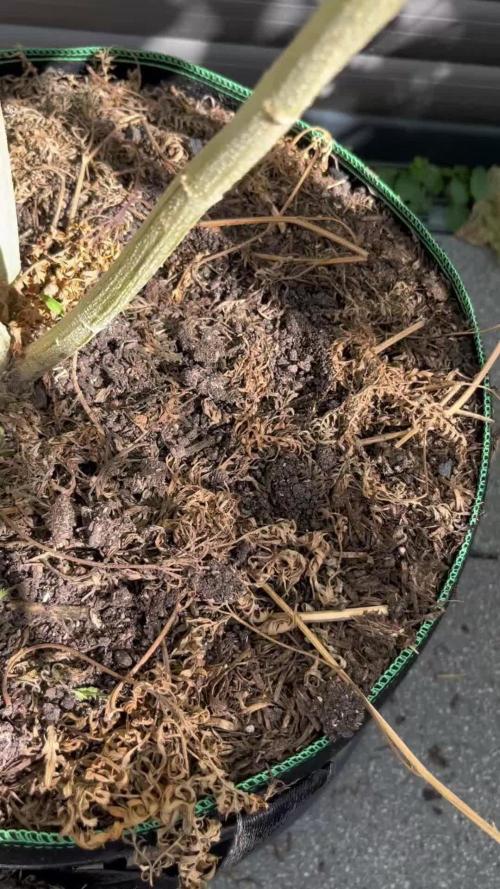

@Tower84
Follow
🌿 Woche 27 – Mentha de Croco von Terpyz 🇩🇪
Diese Woche musste ich bei der linken Mentha de Croco noch einmal etwas nachhelfen und habe ein Stützgerüst für die Buds gebaut 🌸. Die Buds entwickeln sich mittlerweile wirklich monströs und die relativ dünnen Zweige werden das Gewicht wahrscheinlich auf Dauer nicht alleine halten können. Lieber jetzt vorsorgen, bevor mir kurz vor der Ernte noch etwas abknickt 🙈🌿.
Und was den Geruch angeht, wird die linke Pflanze langsam wirklich spektakulär 👃🔥. Beim Reiben an den Zuckerblättern kommt eine Kombination aus Zitrone, etwas Chemischem, einer leichten Süße und einer feinen Beerennote zum Vorschein 🍋. Im Moment ist sie ganz klar mein absoluter Favorit unter allen drei Pflanzen, die ich aktuell growe 😍.
Die rechte Pflanze hat deutlich kräftigere Zweige und dürfte deshalb mit dem Gewicht der Buds wahrscheinlich wesentlich weniger Probleme bekommen 💪🌿. Ihr Geruch ist ebenfalls gut, aber momentan einfach nicht ganz so spektakulär wie bei der linken Pflanze. Ich bin gespannt, ob sich das Aroma im weiteren Verlauf noch verändert 👀.
Diese Woche gab es für beide Pflanzen jeweils 5 Liter Almicanna Flower Komposttee 🍵. Da es nachts mittlerweile deutlich kühler wird, habe ich den Tee diesmal in der Garage mit einem Aquarienheizstab auf etwa 21 °C gehalten und 48 Stunden gebraut 🌡️.
An dieser Stelle auch ein großes Danke an Birdmountain und Doctore_Verdethumb für den Tipp mit dem Heizstab 🙏. Ihr hattet völlig recht – gerade bei den mittlerweile deutlich niedrigeren Nachttemperaturen macht das einen riesigen Unterschied.
Die Wetteraussichten für die nächsten Tage sehen zum Glück richtig gut aus ☀️🌤️. Ich hoffe sehr, dass es weiterhin trocken und sonnig bleibt. Wenn das Wetter mitspielt, könnte es am Ende vielleicht tatsächlich gelingen, die Pflanzen ohne größere Verluste durch den deutschen Herbst zu bringen 🤞🌿.
Allerdings darf man bei der aktuellen Größe und vor allem der Dicke der Buds nicht vergessen, dass eine geplante Ernte Ende Oktober bis Anfang November noch einige Wochen entfernt ist 🌸🍂. Bis dahin kann wettertechnisch noch sehr viel passieren – gerade bei diesen riesigen Buds bleibt das Schimmelrisiko definitiv im Hinterkopf 🌧️.
Also heißt es weiterhin: Daumen drücken! 🤞☀️🌿
🌿 Week 27 – Mentha de Croco by Terpyz 🇬🇧
This week I had to give the left Mentha de Croco a little extra support and built a support structure for the buds 🌸. The buds are getting absolutely massive now, and the relatively thin branches probably won’t be able to support their weight on their own for much longer. Better to support them now than risk something snapping shortly before harvest 🙈🌿.
And when it comes to the aroma, the left plant is becoming absolutely spectacular 👃🔥. Rubbing the sugar leaves releases a combination of lemon, something slightly chemical, a touch of sweetness and a subtle berry note 🍋. At the moment, she is clearly my absolute favourite out of all three plants I’m currently growing 😍.
The right plant has noticeably stronger branches and will probably have much less trouble supporting the weight of the buds 💪🌿. Its aroma is good as well, but at the moment it simply isn’t quite as spectacular as the left plant. I’m curious to see whether that changes as flowering progresses 👀.
This week I gave both plants 5 litres of Almicanna Flower compost tea each 🍵. Since the nights are getting considerably colder now, I brewed the tea in the garage for 48 hours while keeping it at around 21°C with an aquarium heater 🌡️.
A big thank you to Birdmountain and Doctore_Verdethumb for the tip about using an aquarium heater 🙏. You were absolutely right – with the much colder nights, it really makes a difference.
Luckily, the weather forecast for the next few days looks really good ☀️🌤️. I’m hoping we get more dry and sunny weather. If the conditions stay favourable, there’s still a chance that I might get these plants through the German autumn without major losses 🤞🌿.
However, considering the current size and especially the thickness of the buds, there are still several weeks to go before the planned harvest around late October to early November 🌸🍂. A lot can happen with the weather between now and then, and with buds this large, the risk of mould is definitely still something I’m keeping in mind 🌧️.
So for now: fingers crossed! 🤞☀️🌿
