


Likes
Comments
Share


@valiotoro
Follow
The trim was easy✂️
The smell is very nice with citrus,pine & Diesel🍋🌲⛽️
The buds are fat & sticky full of resin🤩


Likes
45
Share


@masterofsmeagol
Follow
8/1 This wad the most fucked up morning ever. Didn't get much time with the girls. I was able to take a few pics when I got back amd a video this morning. Pillars are still around. I killed a couple but I probably should spray BT. I think we got rain last night. Bags are heavy. I defoliated a little bit more on the interior and found some small yellow leaves. Event horizon is still on point to flower first. I NEED to lst and add supports for flower bit I've got a lot of other things going on too. I'm going to TRY to spray BT tonight if weather permits and I should have the supports up this weekend. At least that's what I'm hoping.
8/2 Quickly watered as I had to fix a flat tire to get my wife to the doctor. Gave most a gallon but closer to 3/4 on one event horizon and the sherb pie. Half g for the 10 and I gave the 5 and the 50 a little water. I didn't give the 50 much. That holds water far longer. I'm glad I got it done. It was 90°+ and sunny all day. Earlier everything looked great. I think I'm gonna go check them and maybe add a few pictures.
WENT OVER AND FOUND THE EVENT HORIZON I GAVE A LUTTLE LESS WATER TO, IN THE BACK COMPLETELY DEOOPED OVER AND DRY. I QUICKLY WATERED A GALLON. I CHECKED THE OTHER PLANTS AND SAW A COUPLE THAT "MIGHT'VE STARTED DROOPING BUT WERE LIGHT SO I GAVE ALL THE GMO'S HALF A GALLON. I WATERED THE CONTAINER PLANTS AND THE ONE IN THE 50. BETTER SAFE THAN SORRY. THEY WERE SUPER LIGHT. SOME ARE SHOWING SOME HEAT STRESS BUT I DONT BLAME THEM WHEN ITS PUSHING 100° OUT. I HOPE THIS PLANT WILL PICK UP BUT ILL HAVE TO WAIT UNTIL MORNING TO SEE. I GOTTA GO EAT DINNER AND IT WAS IN ROUGH SHAPE. CANT BELIEVE THIS. ITS THE FURYHEST IN FLOWER TOO. INTERNET TOO SLOW TO UPLOAD
8/3 This morning it was "maineing" out. Basically like raining but more of an alternating mist. The event horizon that looked DEAD is completely recovered! I'm so stoked. I've had a really rough few days but at least I've still got my girls. After this little bit of rain I'll do the supports and a spray of BT for the pillars. I'm noticing more damage and I don't want them arpund when they can burrow into buds.
WENT BACK AT LIKE FIVE. THE 5 GAL WAS DROOPING AND THE 10 WAS DRY AF. OTHERS WERE ALSO LIGHT. I USED 5 GALLONS ON THE GARDEN AS SOME STILL "LOOKED GOOD" BUT WERE DUSTY AND DRY. I ONLY GAVE THE GMO IN THE 30 A HALF GALLON. DIDNT WATER THE ECENT HORIZON IN THE BACK AND THE GMO IN THE FRONT BY THE DOOR ASXTHE LOOKED GOOD AND STILL HAD SOME WEIGHT TO THEM. THIS WAS ANOTHER DAY IN THE 90s THAT WAS SUPPOSED TO HAVE RAINED. LUCKILY IVE GOT THAT INTUITION AND I CAN CHECK. CAMS HELP WITH THAT BUT ITS BEST TO CHECK A FEW TIMES A DAY IN WEATHER LIKE THIS. FAR TO HOT TO SPRAY ANYTHING.
8/4 Chose not to water as we were supposed to get an inch of rain, then a half in and now it says .1in. I'm going to go over and check on the garden and see what they look like. I took pictures but I'll have to wait to upload them.
WENT BACK OVER IN THE AFTERNOON AROUND 2ISH. GMO IN THE FRONT WAS DROOPY. WATERED THAT A GALLON AND IT WAS UP BY THE TIME I LEFT. THE GMO ON THE END (MY CANARY) WAS SUPER LIGHT SO SHE GOT A GALLON. THE EVENT HORIZON I DIDNT WATER YESTERDAY GOT ABOUT 3/4 OF A GALLON AND I WATERED THE ONE IN THE 10 1/2 GALLON. SHOWERS ARE IN THE FORECAST AND EVERYTHING ELSE LOOKED PRETTY GOOD AND WASNT DEAD LIGHT. AS OF 3 EVERYTHING IS GOOD. I IMAGINE ILL PROBABLY NEED TO WATER SOMETHING TOMORROW. IT SUCKS HAVING TO DO THIS SEPERATELY BUT SOMETIMES THATS HOW IT GOES. I DONT EXPECT THESE 90 TEMPS WILL CONTINUE. ALSO NOTICING SOME FADING AS THEY TURN TO FLOWER. DEF NEED NUTES. AND ONCE THE TEMPS GO DOWN I NEED TO SPRAY EITHER BT OR SPINOSID.
8/5 It Rained last night so I didn't need to water. Everything was nice and heavy. Beautiful day today. Hopfully I can do an app of bt tonight. Weather man needs to get things right. It says we got .005in last night but I heard it and it was way more than that. This is a tiny town.
WENT BACK OVER AND FED. EVERYTHING GOT 1.75 PINTS. THE 10 GOT HALF THAT. THE FIVE A LITTLE LESS. I DEFINATELY NEED TO SPRAY FOR PILLARS. I ALSO HAVE A BIT OF DEFOLIATING ON A COUPLE PLANTS THAT I NEED TO DO. USUALLY I'VE LOST TONS OF LEAVES BY NOW. I JUST NEED TO IMPROVE AIRFLOW. THE TRELLIS WILL HELP WITH THAT PLUS SUPPORT. I THINK I MAY BE ABLE TO SPRAY PISSIBLY TONIGHT (DEPENDING ON WEATHER) AND SUPPORTS AND DEFOLIATION THE NEXT FEW DAYS.


Likes
216
Share


@Ju_Bps
Follow
For this grow I've used,
For the growth
1 Mars Hydro TS1000 (150 W)
2 fan 15w
1 extractor 150mm 350m3/h
1 carbon filter 150mm
1 Hydro Shoot 60x60x140
1 timer
11l geotextile pot
20 Hours On, 4 hours off light
For the soil I've used plagron light mix + batmix in the down
For the blooming
1 Mars Hydro FC300 (300W)@75%
2 fan 15w
Extractor + Filter 150mm
1 Mammoth lite 60 box
1 timer
11l pot
20/04
After harvest,
I've put the stuff in a room with 1 fan 15w
Thanks for all my friends!
And again thanks @Fast_Buds , and Mars Hydro, @Coco_Pan2022 ❤️❤️❤️

Likes
11
Share


@Nicogreen
Follow
Hhhar lige 6 dagbøger til der skal laves dagbog på. Det bla frø fra Barneys farm sweet seeds og mafia seeds cphseeds.dk fastbuds og zamnesia. 😉 Er meget begejstret for især zamnesia og barneys farm indtil videre

Likes
24
Share


@el_cultivito
Follow
TOTAL YIELDS wet weight
Blue Dream 1 - 600.2 G
Blue Dream 2 - 552.9 G
Blue Dream 3 - 565.3 G
TOTAL Blue Dream - 1718.4 G
________________________________
Chemdog 1 - 616.9 G
Chemdog 2 - 598.1 G
Chemdog 3 - 558 G
TOTAL Chemdog - 1773 G
________________________________
TOTAL OVERALL - 3491.4 G
7.7 pounds wet


Likes
38
Share


@Epokwan
Follow
Howdy folks. This week had some turbulent weather, and is really testing the resistances of this strain. The days have either been hot and humid, or raining non-stop. Not exactly what you want late flower, but you get what you get with outdoors!
Spotted a few swollen calyxes so there must be pollen floating around. My neighbour just discovered a male plant over his side of the fence. Crossing my fingers that there were no open pollen sacks before he pulled it. Apparently the pods were tiny and hadn't opened yet but I never got to see and verify that. But... this is outdoors, and the area is very outdoorsy/foresty - so there's bound to be loads of stray males in the area.
Hoping that these don't turn into seed factories 🤞
What's the latest a flowering plant can get pollinated? Are you ever in the "safe zone"?


Likes
209
Share


@BioBuds
Follow
This week I defoliated. Waited three weeks into flowering, to not stress them like I did last grow. She is rewarding me with some fat bud growth at many sites. I overwatered beginning of this week, but hey seemed to have taken it well.
I did another amendment. The first one last week was a test, to see how they responded, they took it well. Just compare last week to this one.
The amendment I did:
- 5 liters of worm castings
- 2 cups bonemeal
- 1 cup wood ash
- 1 cup microlife
I layered this on top of my pots, covering this with bio-coco (pre fertilized) to ward of gnats. The gnats have been getting less and less. They don't like the coco that much, while humidity is just the same and last week higher since I did some more watering.
I watered with the perma tea. While this is pretty acidic (PH 5), I can amend with more wood-ash, if you don't and follow this recipe, don't do too much wood-ash since it will kill off your micro organisms.
I lowered the light diagonally since the outer right plant is longer and closer to it. The SP 3000 is still performing as you can see. Temps were a bit higher with the lights so low, so far the Orange Hill Special doesn't seem to mind. Im totally amazed with the results so far.
Look for the great end of year deals at www.mars-hydro.com.
Thank you for checking in on me again!
Hug Bud
Likes
29
Share


@eldruida_lamota
Follow
De nuevo traigo otra semana de estas green poison segunda de floración. Sweetseeds hizo un gran trabajo en su día trabajando esta variedad.
Resistente, vigorosa, y veréis que flores que tiran, están tan bien ramificadas que los laterales están a la altura de la puntas.
.
La humedad esta al 45% la temperatura está entre 21/24 grados , y como siempre el ph , ya que es de lo más importante,está en 5,8/6,0.
.
AgroBeta:
0,5 ml x L Flowering black line , vía radicular.
0,2 ml x L Beta shark, vía radicular.
0,3 ml x L Tucán , vía radicular.
0,8 ml x L Génesis, vía radicular.
0,1 ml x L Betazyme, vía radicular.
0,2 ml x L Flash Root , vía radicular.
0,05 ml x L Gold Joker, vía radicular.
0,2 ml x L Silver, vía radicular.
.
Hasta aquí todo gente, espero que os guste lo que veía, un saludo y buenos humos fumetillas💨💨💨.


Likes
13
Share


@MistaOC
Follow
23.01. Tag 64
Die Lady vorne rechts wurde heute im ganzen geerntet und hängt nun im Trocknungszelt.
Die anderen fallen in den nächsten Tagen
——————————————————————
26.01. Tag 67
Heute hat die zweite Pflanze ihr Ziel erreicht. Vorne links hängt nun auch Kopfüber
——————————————-
Likes
10
Share


@DoDrugs420
Follow
Prepare for a third eye-opening experience, like staring into a hypnosis wheel. Our Ice Eyes Auto cannabis strain will take hold of you and stimulate your senses. A delicious, and at the same time evenly-balanced hybrid Diesel cross with up to 22% THC is ready for harvest in around 9 weeks from germination. This strain is perfect for those looking for a potent and quick cultivar that’s easy to grow. It provides a hefty harvest of intoxicating buds.
Tech Specs
Gender Feminized
THC 17%-22%
CBD 1.40%
Flavor Bittersweet, Floral, Pungent, Spruce
Type 45% Indica / 55% Sativa
Flowering 8-9 Weeks From Germination
Indoor Yield 450-550 G/m2
Outdoor Yield 45-155 G/plant
Height 60-120 Cm
Effect Active, Cerebral, Energy, Sociable, Stimulation
Genetics Diesel X Autoflowering
---------------------------------------------------------------------------------------------------------------
Grow Sponsored by MARSHYDRO
HIGH EFFICIENCY WHITE LED LIGHT: Newest SMD LED technology provide highest PAR/LUMEN output(743umol@18"), designed to replace a single-ended 250watt HPS; MARS HYDRO TS 1000W Plants Growing lamp makes you get 30% higher yield compare OLD blurple led lights, Max 2.0g yield per wattage (power draw)
LOW ENERGY CONSUMPTION GROW LIGHTING : Consuming only 150W with 342 LEDS! It saves up to 50% energy than other led grow lights. Perfect for 2.5x2.5ft,Max coverage 3x3ft. Over 90% light energy can be absorbed by plants; higher intensity and more even coverage in a MARS HYDRO grow tent, reflective area, or by crossing over using multiple TS1000
SUNLIKE FULL SPECTRUM LED INDOOR GROWING: 660-665nm Red IR/3200-4200Knm/5200-6800Knm, infinite close to natural light, best for all plants all stages growing, rapid plant response from seed to flower and increase yield & crop quality
HIGH REFLECTIVE & NOISE FREE-Fanless LED GROW SYSTEM design will make your growing life easy and quiet, quickly heat dispersing material aluminum reducing light lost to aisles and walls, increase the light intensity up to 20%, allowing your plants receive more energy and without burning your plants for maximum headroom
Get your own at https://www.amazon.de/dp/B07ZVFBR34

Likes
Comments
Share


Likes
7
Share

@CannaArchive
Follow
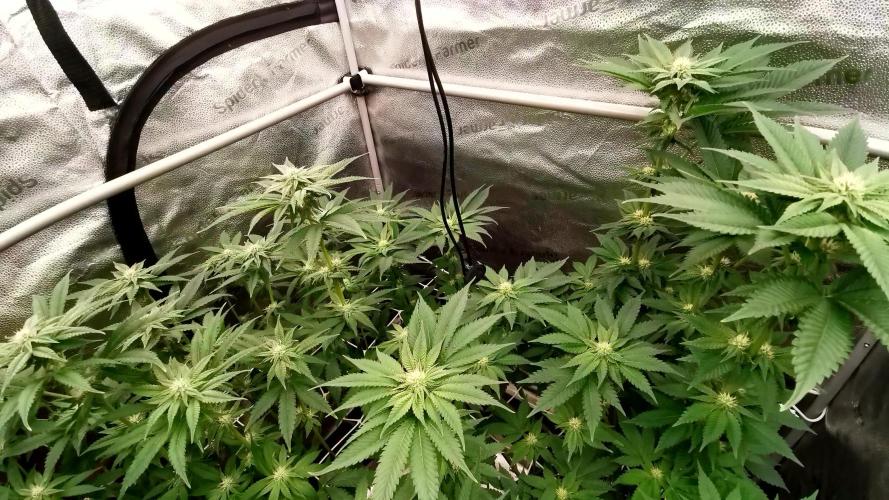
Week five marked the point where both Candy Hustle phenotypes shifted from building flowers to packing on serious weight.💚
Buds became noticeably denser, calyxes continued swelling, and resin production reached another level. Every day the plants looked frostier, with trichomes covering not only the flowers but also most of the surrounding sugar leaves. ✨
Environmental conditions were almost ideal throughout the week, with temperatures between 24–25°C and a stable 55% relative humidity. The plants clearly appreciated the improved climate, showing no signs of heat stress or nutrient issues. 🍃
Feeding remained simple this week.
Both plants received one irrigation with BioTabs Bio PK 5-8, while all remaining waterings consisted of reverse osmosis water supplemented with CalMag. Water consumption stayed steady as flower mass continued increasing. 💧
The aroma became significantly more pronounced compared to previous weeks. The rear phenotype started expressing a very distinct Skittlez-like candy profile, while the front phenotype developed an incredibly sweet grape aroma that became stronger every time the tent was opened. At this stage, both phenotypes already show surprisingly different terpene profiles despite sharing the same genetics. 🍇
Bud stacking continued evenly across the canopy. The main colas thickened considerably while secondary branches kept filling in, creating a very balanced structure with excellent light penetration thanks to the earlier lollipopping. The amount of visible resin is becoming impressive, suggesting excellent bag appeal later in flower. ❄️
Leaf colour remained healthy throughout the canopy, with only a few leaves beginning to show the first signs of natural ageing as the plants directed more energy into flower production. Overall health and vigour remained excellent. 🌿
Environment
Temperature: 24–25°C 🌡️
Relative humidity: 55%
Watered with RO water + CalMag 💧
1× BioTabs Bio PK 5-8
Light intensity remained around 800 PPFD ☀️
Overall Impression
Week five has been one of the most exciting stages so far. Both Candy Hustle phenotypes are frosting up rapidly, bud density is increasing with every passing day, and the terpene profiles are beginning to separate beautifully. The rear plant is leaning heavily toward a sweet candy/Skittlez aroma, while the front phenotype is developing an exceptionally sweet grape scent that already fills the tent. With several weeks still remaining, both plants look on track to produce dense, resin-coated flowers with excellent bag appeal and very distinct terpene expressions. 💚

Processing
Likes
4
Share


Likes
Comments
Share

@Hydroaccess
Follow
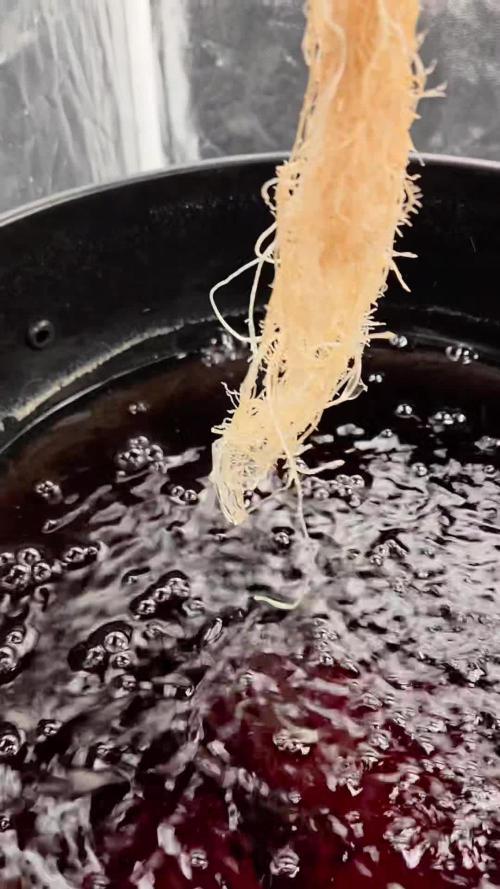
La Jack Herer Auto sigue evolucionando con mucha fuerza. El sistema radicular está explotando, mostrando unas raíces impecables, gruesas y de un blanco que confirma la salud de la planta. El follaje se ve saludable. Los parámetros en el tanque se mantienen estables como un reloj: pH en 5.8 y la EC controlada en 450 ppm. Con la dieta de CalMag, Hesi Crecimiento y Hypro-shield, la asimilación va bien y el crecimiento no se detiene.
Likes
55
Share


@Max1973
Follow
Day 93 - Fattened up good, getting really heavy....posted pic of test bud.... vid of the led uv globe i got on ebay...
works awesome.... highly recommend...... 😎
maybe 1 more week.... they smell delicious, not very strong smell....
just normal water in bottom drip tray, dutch master one gold ....next week, flush em and next sunday pull em..... idk....
Day 95 - had a good look at both girls and worked out a harvest plan...... i've started flushing/watering on the smaller one,
and sunday (day 100) will be her last. i'll leave the larger one (she's still quiet white) for another week and re evaluate her fate next week.
Day 97 - 4 vids .... looks good 😎
getting a 1600x Camera Endoscope USB Digital Microscope from ebay, see if it will help with harvest........ 😎
Likes
4
Share

@The_Doctor_Green
Follow
Hola a todos!!!.
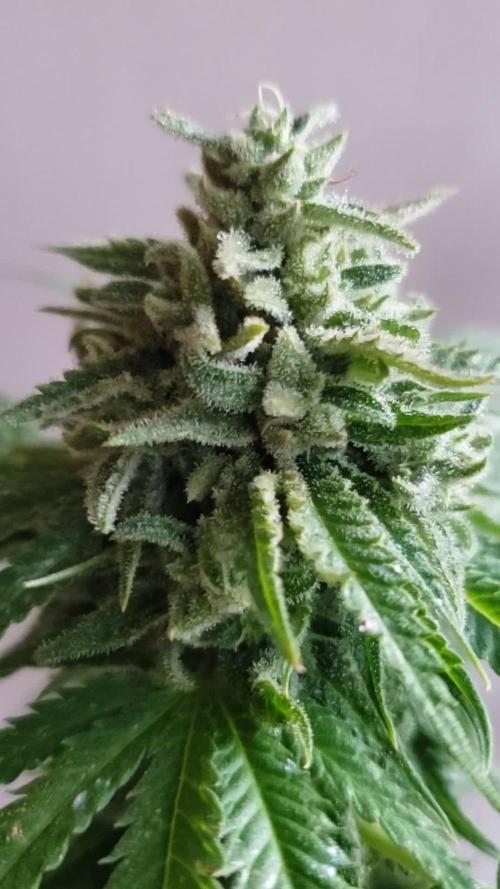
Esta preciosa sigue engordando💪🙌🤩.
Seguimos con el mismo riego de fertilizantes como la semana pasada.
He comenzado a combatir trips con jabón potasico.