


Likes
Comments
Share


@Blaze_With_Haze
Follow
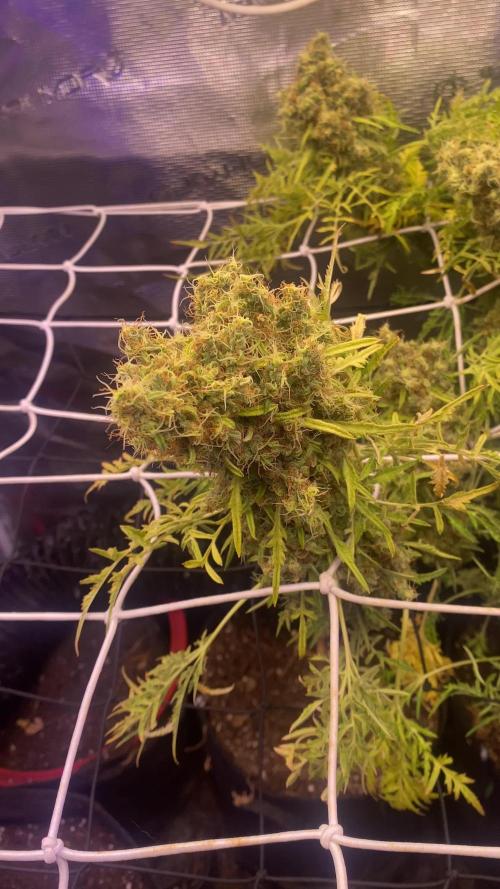
We are now in middle of week 11 and 1 plant will be ready for harvest in around 7-10 days.



Likes
40
Share


@BudXs
Follow
Bruce Banner is turning into the Hulk!!!!!!!!! Holy shit, what a strain. This will be a massive harvest on some very large buds. The frost is here and the bloom booster is in the daily fertigation regiment. Looking for these things to really fatten this week. Smell is strong and earthy so far, just the way I like it.
Check out Med in Tropic growing the fast version of this strain outdoors in the Amazon


Likes
5
Share


@TheStreetzCollective
Follow
i would like to see a bigger yield . the veg was tough for the acai stain didnt grow much but was the better smoke

Likes
3
Share


@RandA
Follow
Ciao a tutti, dopo 4GG le bimbe sono esplose! Grazie al Rizhotonic aggiunto sia in terra sia per via fogliare. Ho evitato di fertilizzare con BioVega in quanto ho utilizzato il terriccio Biocanna che lo è gia. Attendo impaziente!😛😎
Giorno 14-03 le bimbe si presentano omogenee e forti, non rilevo nessuna carenza, continuo ad aggiungere il Rizhotonic e annaffio solo con acqua.
Giorno 16-03 2ml di Rizhotonic per via fogliare.
Giorno 17-03 passo alla 600 HPS per la fioritura, ho aggiunto 2ml di BIOVEGA la temperatura è stabile a 26.5C.

Likes
1
Share


@Sativa_Juice_Grows
Follow
She got really stout and bushy like a Christmas tree, you can tell by the stem structure that the colas are gonna be thick and dense, but boy did she have a Crazy couple of weeks. First it was little spots of powder mildew. Then She kept getting spider mites and i couldnt seem to keep them away. i have a lot of other plants and veggies growing my garden so i moved her. Little did i know that her being near my sunflowers meant that some type of sunflower worm would get to it and one burrowed inside the stem of the main cola so i had to trim that way down to keep it from rotting. The mold and the mites were friggin persistent so i moved her to a different location and shes doing so much better. im almost positive i stunted her by trimming the main cola. Im not mad though cause it looks like she has 4 different colas growing in its place so im ok with that. Most descriptions say she finishes flowering around 10-11 weeks and I'm there now with a lot of maturing left to do. Shes looking healthy so well see how she matures!

Likes
19
Share


@GoldenWeedGrower
Follow
Legend
Timestamp: 📅
EC - pH: ⚗️
Temp - Hum: 🌡️
Water: 🌊
Food: 🍗
pH Correction: 💧
Actions: 💼
Thoughts: 🧠
Events: 🚀
Media: 🎬
D: DAY, G: GERMINATION, V: VEGETATIVE, B: BLOOMING, R: RIPENING, D: DRYING, C: CURING
________________________________
📅 D77/B15 - 31/01/24
⚗️ EC: 1.2 pH: 6
🌡️ T: 19-22 °C H: 40-60% (Min-Max values taken from the app.)
🌊 2L
🍗 CalMag - Bloom A-B - Bud Candy - Big Bud - B52
💧
💼 Thanks to the TM+ Pro app and the use of the Humidifier now the T-H of the enviroment is correct and i got quite good VPD (Vapor Pressure Deficit) rate
🧠
🚀
🎬 Added Timelapse video
________________________________
📅 D78/B16 - 01/02/24
⚗️ EC: 1 pH: 5.9
🌡️ T: 19-25 °C H: 45-70 %
🌊 2L
🍗
💧
💼
🧠 Quite time to change res
🚀
🎬 Added Timelapse video, 3 pics and "TM+ Pro" App screenshots of T-H values daily graph, and quite perfect VPD daily rate
________________________________
📅 D79/B17 - 02/02/24
⚗️ EC: 1 pH: 6.2
🌡️ T: 19-25 °C H: 40-60%
🌊
🍗
💧 Added few drops of pH-
💼
🧠 The res was for many time on the upper side of pH range, so now I would like it to goes down to a more acidic solution. I'll do it on the next res change, maybe tomorrow
🚀
🎬 Added Timelapse video but today it was trunked because of a problem on the camera, but I posted it anyway
________________________________
📅 D80/B18 - 03/02/24
⚗️ EC: 0.15 pH: 6.6
🌡️ T: 19-25 °C H: 40-60%
🌊 RES Changed 💦💦💦. Flushing until tomorrow
🍗
💧
💼
🧠
🚀
🎬 Added Timelapse video and VPD, T-H graphs screenshots
________________________________
📅 D81/B19 - 04/02/24
⚗️ EC: 1 pH: 5.7
🌡️ T: 19-25 °C H: 45-65 %
🌊 15L
🍗 CalMag - Grow A-B - Bud candy - B52 - Big Bud
💧
💼 Some defolation and sistemation of buds
🧠
🚀
🎬 Added Timelapse video and VPD, T-H graphs screenshots
________________________________
📅 D82/B20 - 05/02/24
⚗️ EC: 1 pH: 5.4
🌡️ T: 20-25 °C H: 52-84 %
🌊
🍗
💧
💼 Little defolation and raised up the lamp
🧠
🚀 I forgot the humidifier on manual mode, so H increased until 80%and VPD went out of control
🎬 Added 4 pics, one is from timelapse set. Added Timelapse video and screenshots
________________________________
📅 D83/B21 - 06/02/24
⚗️ EC: 1 pH: 5.0
🌡️ T: 19-25 °C H: 45-70%
🌊
🍗
💧
💼
🧠 pH decreased a lot and it's a good thing it stay on the acidic side for a while
🚀
🎬 Added Tmelapse video and screenshots of VPD and T-H

Likes
Comments
Share

@420DeepGrow
Follow
📆 Semana 5
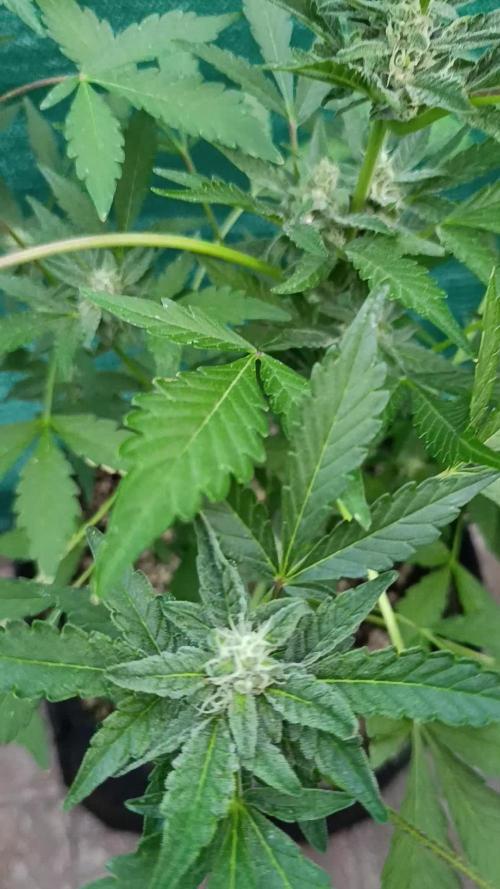
Durante esta quinta semana, la floración continúa avanzando con buen ritmo. Los cogollos, todavía pequeños, empiezan a destacar por la gran cantidad de resina que presentan, mientras la planta mantiene un desarrollo equilibrado bajo el sol directo.
⚡ EC: 1.0
💧 pH: 6.2
🌡️ Agua: 21°C
🌫️ Humedad: 45 - 55%
💡 Intensidad: Luz directa del sol
🌱 Aporte nutricional: Se mantiene la nutrición en una EC de 1.0, con Bloom Booster y el resto de aportes habituales para acompañar el desarrollo floral.
🔥 Nota de cultivo: Cogollos pequeños pero totalmente cargados de resina, mostrando un potencial muy interesante a medida que avance la floración.
Seguimos creciendo fuerte 💪!


Likes
3
Share


@Nookandplant42o
Follow
I see that your dedication is total on the buttons, I will continue the lighter feeding going even further than the others this one needs more time due to its huge size, and part of the arms to bring energy.

Likes
10
Share


Likes
3
Share


@Grrrower
Follow
I seem to be improving every time -based on the quantities obtained (70g of buds +15g of leaves) 😁 -
this time a marvel of smells and flavors came out 😍
the apical top is decidedly fatter than GG1 (this time I avoided messing with the pH) as well as all the other buds 😍
I don't have much experience with the various strains for now, but I definitely love this one

Likes
10
Share


@NirvanaGrower
Follow
Unfortunately I've cut 1 branch of a.s.Diesel, 2 branches of t.b.kings and some buds of Jamaican dream because of not having weed.


Likes
6
Share

@kdifiori_
Follow
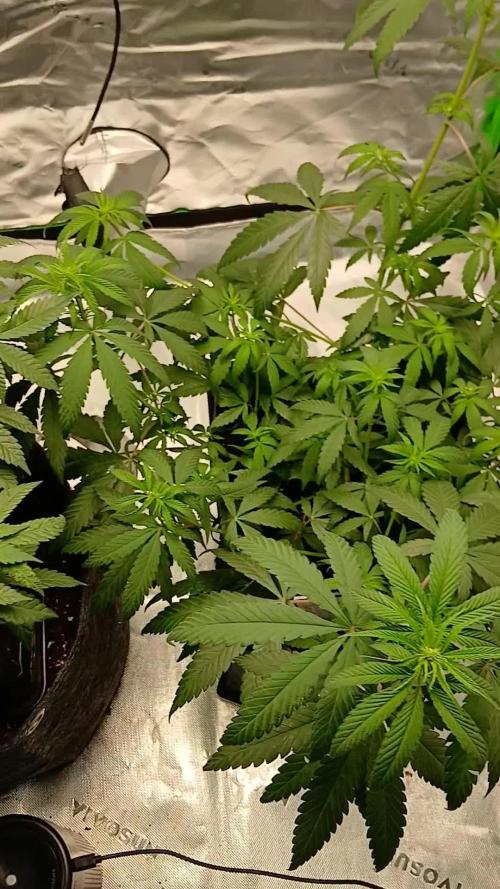
Week 6, and the second week on a 12/12 light cycle. This plant is starting to get hungry! 💥
This week, a full 5 liters of water: 3 liters with nutrients and 2 liters of plain water.
The stretch phase has begun.
I’m really happy with the results so far.
As always, stay tuned! ♣️




Likes
4
Share


@cadaver420
Follow
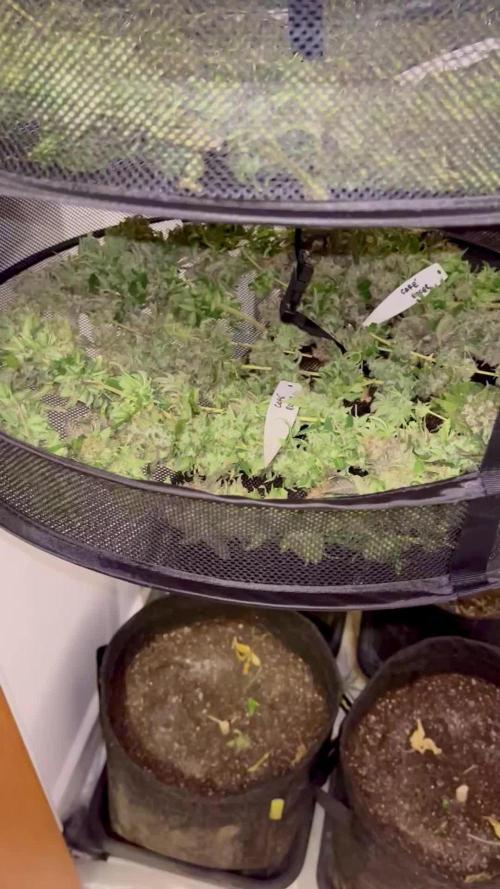
Alga vera biobizz once more. NEXT TIME go with Bloom.
Smell sttrong.
buds hard as a rock.
Royal critical, royal gorilla, amnesia haze in the front smaller plants.
One week more for Bubble kush (in video) then harvest. More space i will have than.
Likes
28
Share


@Hellhazard
Follow
I'm going to rinse the left pot with Advanced Nutrient "Flawless Finish" which is suppose to grab nutrients out from the plant and medium with empty chelates then only feed with PH 5.8 water for a week or so. Tricomes are mostly milky now on it but not many brown at all.
The 2nd plant which is much taller looks to be about a week behind, so will treat that one accordingly. I'm really tempted to chop the advanced one down!!!
Flawless Finish and Bud Candy from now on out, Giving a more heavy dose of Flawless Finish right now and will wait 12 hours and do it again with a heavy flushing that time to get the medium as clean as possible. It will take at least 4L per pot to start flushing well.
Still look like they are packing and fattening up though. Yellowing in the left side is pronounced,
Day 65: A few more days of flushing till the chop. The scent is kind of nasty right now
Likes
3
Share


@lalee
Follow
amnesia autoflower is the best strain. I and my friends love this strain. amnesia plant was very strong and beautiful and got much THC and have less smell. I think amnesia is best for indoors and I love amnesia
