


Likes
Comments
Share





Likes
17
Share


Likes
5
Share


Likes
209
Share


@Rock_n_Roll_Randy
Follow
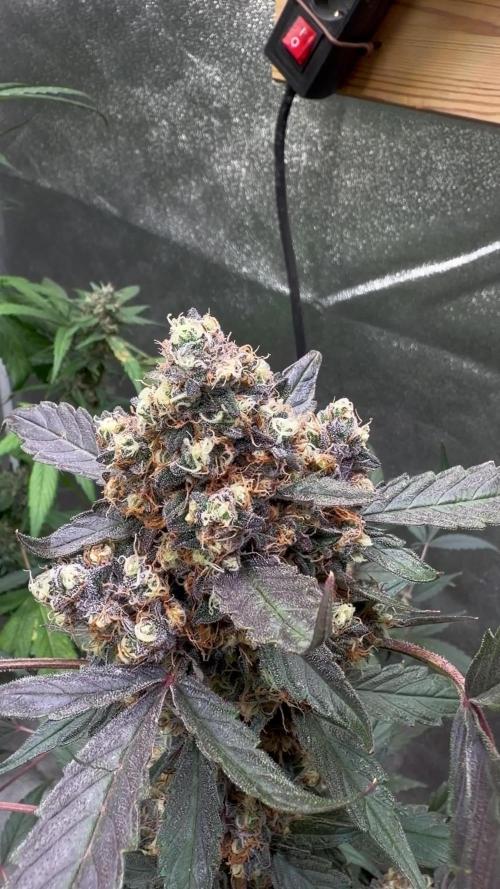
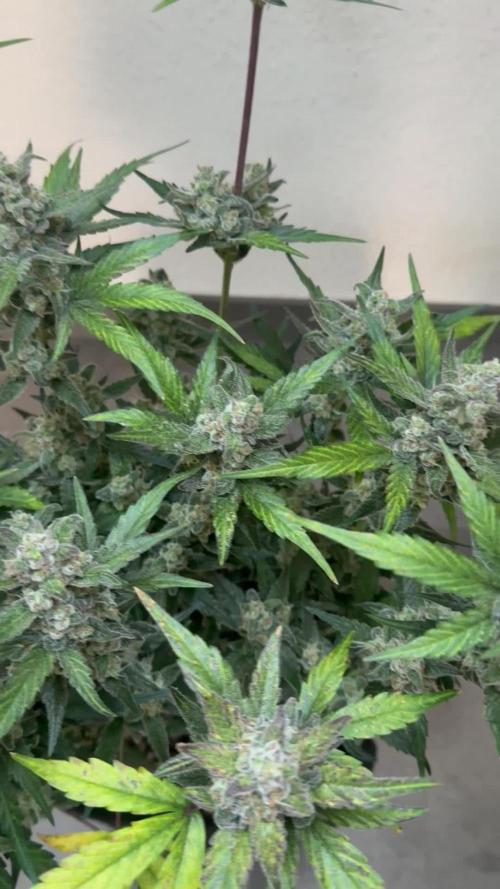
GAME ON FOR A CRAZY GROW!!!. I HOPE IT GOES GOOD. 46 PHOTOPERIODS AND 12 AUTOFLOWERS IN THE 8X8 GROW TENT WITH THE NEW FC-E6500, FC4800 AND TSW2000 🤘
BREEDERS AND SEEDS:
DIVINE SEEDS:
MAZAR, OPIUM, WHITE WIDOW, OG KUSH, PABLO ESCOBAR, DIVINE INDICA.
AUTO WHITE WIDOW
AUTO PABLO ESCOBAR
AUTO WHITE RUSSIAN
AUTO FRACTAL
AUTO MONTREAL
AUTO OPIUM
AUTO KABUL
AUTO MAZAR.
WEEDSEED EXPRESS:
GREEN CRACK, GHOST TRAIN HAZE, LITHIUM OG, CHEESE.
DOCTORS CHOICE:
DC KUSH, AUTO NIAGARA, AUTO ROCK MACHINE.
SPLIFF SEEDS:
MASTER KUSH REGULAR SEEDS.
EXOTIC SEEDS:
HIPPIE BERRY, MALASANA GELATO, EXOTIC ANIMAL.
GENE/MEME SEEDS:
BUMBLEBEE, BLACK HELL.
ORIGINAL SENSIBLE SEEDS:
PURPLE PUNCH COOKIES, WEDDING CAKE, PURE KUSH, GORILLA COOKIES.
SWEET SEEDS:
BLACK JACK, GORILLA GIRL, SWEET ZKITTLES.
EMERALD TRIANGLE SEEDS:
GORILLA GLUE, MASTODON KUSH.
SEEDSMAN SEEDS:
BLACK SUGAR, PEYOTE FORUM, PEYOTE WIFI, BADAZZ COOKIES OG, PURPLE GHOST CANDY, STRAWBERRY BANANA GRAPE, L.A. PEYOTE KUSH, PEYOTE WIFI CBD, FUEL DOG, CRITICAL PURPLE KUSH.
AMSTERDAM MARIJUANA SEEDS:
GIRL SCOUT COOKIES EXTREME, GREEN CRACK.
QUEBEC CANNABIS SEEDS:
BRUCE BANNER, GREEN CRACK, QUEBEC CBD 20:1.
I 💚 GROWING MARIJUANA:
SKYWALKER OG, BANANA KUSH, BLUEBERRY CBD.
FOR EVERYTHING MARS HYDRO VISIT:
www.mars-hydro.com
PROMO CODE: rocknroll
VISIT THE ALIEXPRESS STORE:
@marshydro_aliexpress2
Instagram: @marshydropenny
https://youtube.com/channel/UChU5ZWwNi-DvnO3oWVU3ceA
https://greenbuzzliquids.com/
#greenbuzzliquids
@GreenBuzzLiquids
https://greenbuzzliquids.com/en/shop/
PROMO CODE: rocknroll
https://www.youtube.com/watch?v=8hEqyS1jPpI
https://growdiaries.com/diaries/112437-grow-journal-by-rock-n-roll-randy/week/593118
Thanks for taking the time to read and check out my shit🤜🤛
New FC-E6500 Led Grow Light-FC-E6500 grow light with 3978pcs OSRAM BridgeLux Diodes & Moso Driver, market-leading PPF 2.7 µmol/J, Max 2.5g yield/watt with 30% higher Average PPE, more cost-effective compared with other same type lights.Only consumes 650W, perfectly cover 5x5ft (personal), 4x4ft (commercial) grow space.Innovative Precise Uniform Lighting-Built-in removable bars interval & dimmability enable the exact & dynamic PPFD control over each of the plant growing stages, FC-E6500 detachable bars deliverSuperior Heat Dissipation: Real Aluminum heatsink together with 6 slim profile passive cooled bars (THINNER & LARGER surface) and detachable Meanwell Driver, create less heat, save 50% energy than other old grow lights! Driver can be mounted remotely on the side of a grow tent/rack or on an adjacent wall to remove heat from grow space.Full Spectrum UV IR LED: With Yield Max spectrum (660nm Osram enhanced Deep Red,2800k-5000k,730-740nm IR,380-410nm UV LEDs), Average PPFD FC-E6500 LED grow lamp enable cultivators to produce Density Buds, perfect for full-cycle hydroponic,soil,grow tent/room growing.
Dimmable Commercial Grow Light: Cost-efficient,easy dimming & daisy chain max up to 20 lights, IP65 Waterproof, master light easily controlled for commercial & home horticulture.
GET THE MAX FROM MARS👍: Welcome one of the newest members of the Mars Hydro family🤜🤛🤘. The Mars Hydro FC 4800 480W LED Grow Light can accommodate up to a 4' x 4' area for flowering. It has OVER 2000 LED chips consisting of the best selling Samsung LM301B diodes which has a Luminous Efficacy of: 220 lm/W
0.2 W, 3 V mid power,
Osram 660nm Diodes, Infrared light and UV LIGHT👍. It boasts the incredible efficiency of 2.8 µmol/J, maximum 2.5gram yield per watt with 30% higher Average PPFD. This High-intensity spectrum is beneficial for plants at all stages - from veg to bloom, and creates Big dense Buds👍. achieve 50% higher yields & quality compared with the old lights! Only consumes 480W for 4x4ft personal grows, and 3x3ft for commerical grow. It comes with a dimmer and daisy chain function with a maximum of up to 15 lights, the master light controls the rest👍. Wide 6-bar design offers even & wide canopy coverage and can maximizes your grow space. slim 180° FOLDABLE DESIGN... YES I SAID FOLDABLE🤘🤣 , making it compact and easy to install, it's IP65 WATERPROOF and will give you no worries while growing in a humid environment and makes it a flexible high performance commercial grow light for enormous SUPER FROSTY yields.😛😛😛. MARS GETS EM FROSTY BOYS👍
AWESOME HEAT DISSIPATION: The Low energy consumption FC4800 growing light has 6 passive-cooled bars and an aluminum heat-sink a removable driver you can upgrade later or have it outside your tent. with zero noise you can save up to 50% in your electricity bill compared to HID's or HPS lights!
It also has a removable driver so you can upgrade it in the future or have it outside your grow space for better heat control in your growroom👍
UPGRADED FULL SPECTRUM: Yield Max Spectrum with enhanced red (Top-Bin Samsung 3000k-5000knm, Osram 660nm Deep Red), speed up blooming & fruiting, perfectly suited for full-cycle growing. The FC4800 LED grow lamp was born for Big Buds, perfect for commercial, grow tent, grow room, hydroponics, and all soil grows.👍
THE BEST SAMSUNG DIODES: THE FC4800 has Top Bin genuine Samsung Osram Diodes, combined with remarkable 2.8 µmol/J Efficacy, 30% higher Average PPFD, 50% less energy consumption, to maximize your yields. They give you a TRUSTED 3 years warranty 100% Satisfactory guaranteed!!!
The MARS HYDRO 8x8 Grow Tent interior is made of a unique diamond design mylar which is highly reflective. (Other companies mylar and reflective rate is as low as 50%, and it won't provide efficient light. They use thick 1680D oxford canvas, and being double stitched, it is tear proof and perfect for locking in the light. Their grow tent keeps 100% of the light inside the tent and helps your plants absorb more light. EXTRA-THICK material means No light leaks or rips at all.👍
Strong Stable metal corner adapters and poles are the trustful supporters of the tent. It's very sturdy, neither rusting or paint flaking off. quick and easy tool-free setup. They use heavy-duty metal zippers, with double layer black lining, by far the best on the market which creates a light-proof seal.
The Easy observation windows are made by double layers of cloth. Observe the growing conditions of your plants without opening the tent and avoid disturbing your plants. The observation windows also serves to dissipate heat and ventilate the air.
The tent includes 2 removable waterproof floor trays to hold soil and water. The removable tray can be taken out to wash easily.
They guarantee the grow tents are easy to install even if you've never done something like this before. Clear Instructions and no tools needed! They also offer 30-day unconditional refunds for quality problems. Just contact their friendly 24 hours customer service 👍
Likes
22
Share


@ShowsWorld
Follow
Starting flush tomorrow. Everything looks very frosty but the buds haven’t begun to swell just yet I’m hoping they pack on some weight in the last two weeks.

Likes
59
Share


@TheCannaProphet
Follow
~ AirCube Active Oxygen Ebb/Flow System sponsored by GrowAce, featuring Tropicana Cookies by FastBuds ~
Well guy's and gal's here we go again on another exciting Autoflower run together! This time will be different as I will be doing a 'Hydroponic' run utilizing the AirCube Active Oxygen Ebb/Flow System by GrowAce, who were kind enough to sponsor me for this run, so it should be interesting to see what results I get and have some fun along the way!
•Let me first tell you about this 6 Pot Ebb/Flow system from GrowAce:
"The AirCube system is the one and only Ebb & Flow grow system on the market that combines the benefits of air pruning with a fully automated Ebb+Flow system! With the AirCube's proprietary fabric pot in bucket design, this system is guaranteed to outgrow any other Ebb + Flow system on the market. The results speak for themselves- grow MASSIVE roots that result in MASSIVE fruits!
Air Pruning- Air Pruning only happens with fabric pots. As the roots reach the fabric walls of the pot, they penetrate and grow into the breathable fabric. Once penetrated, the roots are exposed to air, which causes the tips of the root to dehydrate and naturally prune themselves. This natural pruning process forces the roots to grow tons of lateral fibrous feeder roots. This results in a plant that utilizes the entire root zone and fills the entire pot with tons of roots. These fibrous feeder roots are incredibly effective in uptaking water and nutrients, resulting in a plant that grows healthier and more vigorously!
Oxygen Benefits- Without oxygen, nutrient absorption cannot occur. On a molecular level, oxygen is needed to transmit nutrients across the cell walls and into the roots of a plant. With the AirCube's proprietary bottom lifted draining design, the system actively draws all of the water out of the bucket pulls vital oxygen into the root zone.
Maximum Versatility with Any Grow Medium: The AirCube System is the only system on the market that allows you to use any growing medium you like. Use coco coir, soil, peat moss, perlite, vermiculite, hydroton, rockwool or any other medium you wish! This system is the most versatile Ebb and Flow bucket system in today's hydroponics industry.
Temperature Control- with the fabric pots constructed with highly porous polypropylene fabric, heat dissipates easily and effectively. Unlike standard plastic pots, heat isn't trapped in the root zone. Heat in standard plastic containers can reach temperatures of up to 125 degrees. When this type of heat is trapped and unable to escape, it can damage your plant's health and limit the potential of your harvest. Growing in the AirCube System, plant roots grow cooler, healthier, and more vigorous.
Largest Pots in its Class- this system features 5 Gallon grow buckets, the largest pot size of any other ebb and flow hydroponic system in the market.
Modular and Expandable- start with 6 grow buckets and expand up to 36 grow buckets with the optional 105 gallons PopTank reservoir!"
For my medium and nutrients I decided to also switch things up from my regular Organic runs, going with Plagron Nutrients and Root Royale 70/30 Coco/Perlite. When filling the fabric pots with medium, I first added just under a gallon of horticulture perlite from Nor-Cal as a base layer to ensure good drainage and then filled the remainder with the Root Royale.
•Now for the outstanding, award winning strain from my friends at FastBuds... Tropicana Cookies Auto:
I'll be running Tropicana Cookies Autoflower which is a 60/40 Indica/Sativa Hybrid. "Tropicana Cookies Auto is the perfect variety for growers of all levels, especially beginners as this strain performs very well outdoors and indoors, and can produce up to 500 gr/m2 in 56-63 days without needing extra maintenance. Reaching up to 110 cm, this strain grows fairly tall with medium-sized branching, showing its mixed heritage. Definitely the right choice for those with a high tolerance looking to get their hands on the strongest autoflowers out there. You can expect an extremely powerful and long-lasting high that’ll boost your mood and give you that extra push you need to start your days on the right foot. This variety offers the whole range of citrus and woody flavors with a strong candy-sweet background that will keep you coming back for more and more."*
*References: GrowAce.com, 2fast4buds.com
______________________________________________________________________________________________________________________________________________________________________________________________________________________________________________________________________________________________________________________________________
The Setup:
• AC Infinity 4x4 tent
•AC Infinity Cloudline T6 Exhaust Fan w/ Controller 67
•HLG 650R w/UVA Bar *** For some reason GD does NOT have a listing for the USA version of the 650R so I selected the closest match to it.
•AirCube Active Oxygen Ebb/Flow 6 pot System
•DL Wholesale Root Royale Coco Lite 70/30 coco/perlite
•TrolMaster Hydro-X Controller for light
•AutoPilot APC8200 co2 controller fed by a 50# tank
•16" Hurricane oscillating fan and 8" floor fan
•Tent cooling via filtered outside air delivered by AC Infinity Cloudline T6 fan
•BlueLab instruments: PH Pen and Truncheon Nutrient Meter
______________________________________________________________________________________________________________________________________________________________________________________________________________________________________________________________________________________________________________________________________
Weekly Updates:
11/12- Week Three of flower, here we go! The FastBuds Tropicana Cookies are all doing great! Two plants, the #1 & #3, are expressing a beautiful dark purple coloration in their flowers, while the #2's flowers are the normal green with snow white pistils and already have a good amount of trichomes formed.
I'm continuing to feed them 6 times a day for 15min. each feed, and have adjusted the nutrient level down to 800ppms. The 650R is now 26" above canopy, set to 100% output.
11/14- I'm continuing with daily monitoring of the AirCube reservoir, checking/adjusting ph and topping off with straight water. The solution strength in the reservoir is still hitting 650ppm but is starting to get discolored so I'll be doing a drain/refill in the next 48hrs before it gets funky.
11/17- Today I drained the reservoir and refilled it with straight well water that has a .3 EC(100ppm) to which I added Plagron's Cocos 'A' and 'B' in equal amounts, Green Sensation, and Royal Rush at 1ml/L and 2ml/L respectively. I also added the last dose of silica, then ph'd the solution to 5.7 @ 69℉.
I also went through all three plants, adjusting their LST and tucking a few leaves that were blocking light.
11/18- There goes Week 3 of flower and I can't wait for the upcoming weeks where these ladies will really be strutting their stuff!
💚 Thank you for checking out my passion in life! Please visit as often as you wish and I hope you enjoy this journey as much as I know I will! Grow what you love, Love what you grow!💚
Likes
10
Share


@ZweetZkittlez
Follow
Unos días más de Vegetativo y ya pasamos a florar. Antes de pasarla voy a hacer esquejes de todas las plantas para cuidar los fenos más potentes y ricos 🤑
Hoy 10/7 voy a realizar una poda de bajos, un poco de defoliación y sacar los esquejes.


Likes
14
Share


@Dunk_Junk
Follow
So my timelapse concentrated at this plant failed this week... 😭
But she's growing well. On the face of it she's only grown 10mm, but she's put out quite a bit of new leaf growth.

Likes
6
Share


@Sleestacker
Follow
I think I was wrong about 2 weeks or less. Looking more like 2 weeks from now from what I can tell from the trichomes. Jack and Jill still growing strong, skipped one day of watering, they looked about half dead. Big girls just getting ph’d water every other day, J&J getting watered everyday, with their first taste of nutes on 12/19. Still trimming underneath the canopy.

Likes
49
Share


@M0S3S
Follow
D108: After the stress we experienced, we managed to recover with a yield of 60-70%. We will start monitoring trichomes in the 8th week. Continuing with two waterings, one with fertilizer and one with calcium, we proceed.
Likes
7
Share


@STAYINGONMYMAINCBATORUNTWO
Follow
Smoke report! 10/10/20
Tastes like heaven 😍 the beauty tastes like pure joy lemon dessert 🍨 sweet and mellow vanilla honey cream flavours! Has pink tones and a beautiful look on the nug! She’s a beauty makes you feel it instantly every hit is to the head! Put you into deep thought great feelings dreamy almost 😅
Can’t believe I got 12g off a solo! Was grown in a 300ml pot! Dried for 5 days in brown paper bags at 52%rh 18c (64.4f) very strong pungent lemon flavour and smell and that’s before cure so be so much more stronger in 2-4weeks! Can’t wait to grow her properly in a 10-15L pot
Likes
21
Share


@darb35
Follow
Last week was a short one, decided to chop them on day 80.
Both plants weigh at 800g wet, hoping to get a bit over 100g dry.
They could probably go for another week to get fatter, but I was feeling ready looking at the trichomes.
Hope the dry slow, I can't get RH above 50% so hoping that won't be so bad.
Likes
22
Share


@BruWeed
Follow
☘️04/01 - Empieza su decima semana en etapa de flotación.
☘️Ya le empece a agrega Top Wash para poder hacer mas rapido el proceso de lavado de raiz.
☘️En dos dias le voy a volver agregar mas agua asi se termina de limpiar por completo.
☘️Su desarrollo hasta el momento viene bien sin ningun problema.
☘️Tengo pensando que el 10/01 ya la voy a poder podar para empezar con su secado.
☘️En estos dias seguire subiendo mas imagenes de como llega a su etapa final.
Likes
12
Share


@mikemobes
Follow
I am pleasantly surprised with this grow. This is my second time growing Cream Cookies and my yields have increased by 400%. Cream Cookies #2 was the heaviest yielder coming in at 224.04 grams wet. Coming in at almost a quarter POUND for one plant just makes me grin from ear to ear. Im so extremely happy with how ive been taking care of them. It seems that proper and methodical defoliation is the key to massive yields. Cutting fan leaves which block out a significant portion of the available light to the lower and developing bud sites proved to be a great choice. The plants look a little 'skinny' after defoliation, but the newly exposed bud sites explode into the canopy. Im just so very happy with how everything went.
Haven't smoked yet its curing now, will update in two weeks!
Likes
4
Share

@BlaKX
Follow
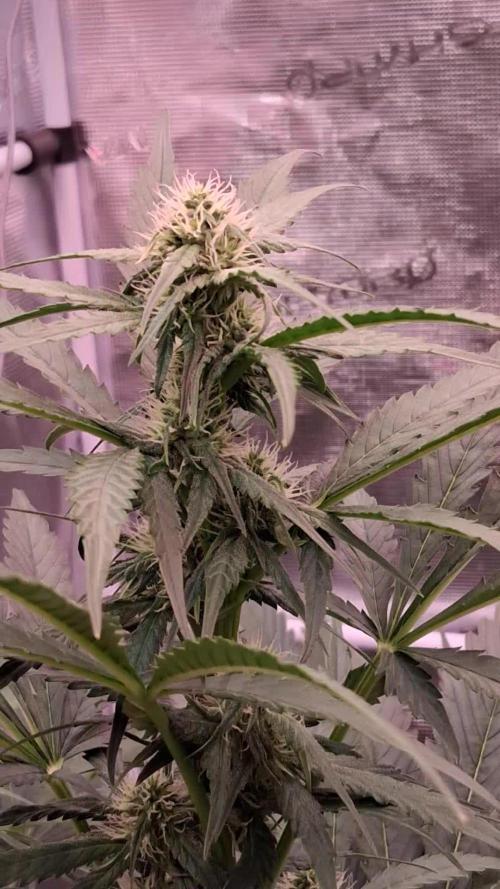
Ahoy growers and welcome to week 5 of Banana Purple Auto 🍌💜
Luckily, the humidity has dropped and the temperatures have remained almost the same despite switching to flowering!
WOW, this new autoflowering strain from @paradiseseeds is delivering and showing what's possible in just 35 days from germination! A monster plant with plenty of branching and a sturdy stem.

Likes
7
Share


@Darthblaza
Follow
I'm no master photographer.... more to come though i will take more photos with the lights off soon

Likes
41
Share


@MadeInGermany
Follow
COMMENTED BY
MadeInGermany MadeInGermany 8 minutes ago
Flowering day 68
since clock change
to 12/12
Hey guys :-) .
It's so far, the lady is ripe and will be cut at the bottom end in the coming days and hung upside down in the drying tent :-) .
Next week there will be an extra update on how they are hanging.
Watering would be done twice this week with 1 l each (nutrients see table above)
Otherwise it was checked and everything was cleaned.
Have fun and stay healthy 💚🙏🏻
👇🏼👇🏼👇🏼👇🏼👇🏼👇🏼👇🏼👇🏼👇🏼👇🏼👇🏼👇🏼
You can buy this Nutrients at :
https://greenbuzzliquids.com/en/shop/
With the discount code: Made_in_Germany you get a discount of 15% on all products from an order value of 100 euros.
👇🏼👇🏼👇🏼👇🏼👇🏼👇🏼👇🏼👇🏼👇🏼👇🏼👇🏼👇🏼
You can buy this strain at :
https://www.exoticseed.eu/
Water 💧 💧💧
Osmosis water mixed with normal water (24 hours stale that the chlorine evaporates) to 0.2 EC. Add Cal / Mag to 0.4 Ec Ph with Organic Ph - to 5.8 - 6.5
MadeInGermany

Likes
13
Share


@YOUNGSTERBR
Follow
semana evolutiva, acertando os fatores que faltavam, mantendo o VPD, coloquei a Tela de SCROG para segurar o topo que já tinha ultrapassado a borda do vaso, os demais ramos continuo puxando para a borda, até agora nenhum Pistilo, fechando 4 semanas muito bem, sem estresse e com diferentes intensidades de técnicas em cada Auto, to fazendo meus próprios testes, coloquei as Auto do vaso mais largo para Green House que eu fiz, para posicionar os vasos do Indoor na posição final e adicionar a tela de SCROG, as Auto Outdoor adoraram a casa nova! seguimos..


