Likes
23
Share
@Kakui
Follow
Primera ves cultivando una cepa de esta calidad, algo ansioso por obtener los mejores resultados posibles con estás genéticas. Básicamente elegí la Grandpa's Stach R2 y la Grandpa's Cookies #6 S1 solo por sus tiempos de floración, espero que sean buenas tanto de sabor y resina, cómo también de producción. G1, brotaron las semillas, solo 1 semilla brotó chueca, por lo que tuve que ayudarla con un alambre y va un poco atrasada en comparación del resto. G3, primer riego con pH 6.1 y EC 0.6, y micorrizas Great White. G5, creciendo bien. G11, riegos cada 2 o 3 días, a punto de pasar a etapa vegetativa.
Likes
3
Share
Flowering time. To much PK on start. Now not nutrients. 1 week flushing.
Likes
14
Share
Still on point. Starting to get things dialed in after a big new move. Started 2 more lemon Zkittles 2 Cinderella Jacks and 2 more Think Different. Love DUTCH Passion! Pots are full of lime, earthworm castings (Lots) feather meal fish meal phosphorus... starting to smell. A buddy grew lemon skittles (Kix) and does it stink. Love it.
Likes
4
Share
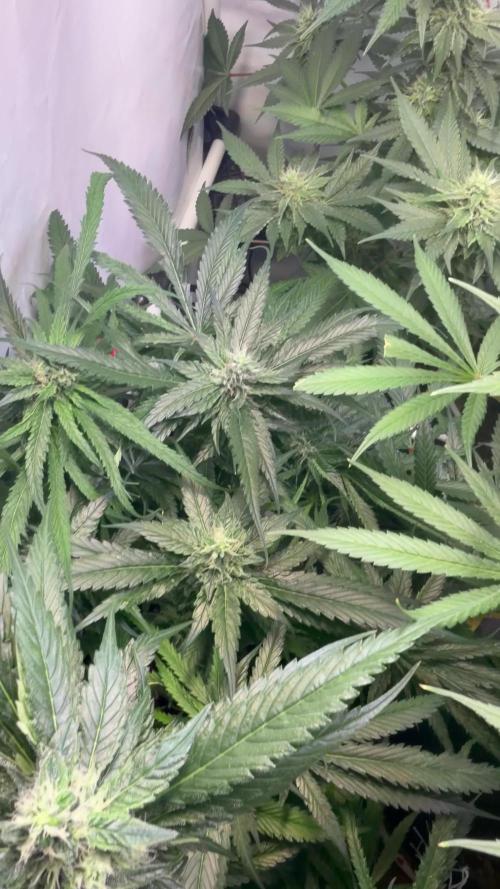
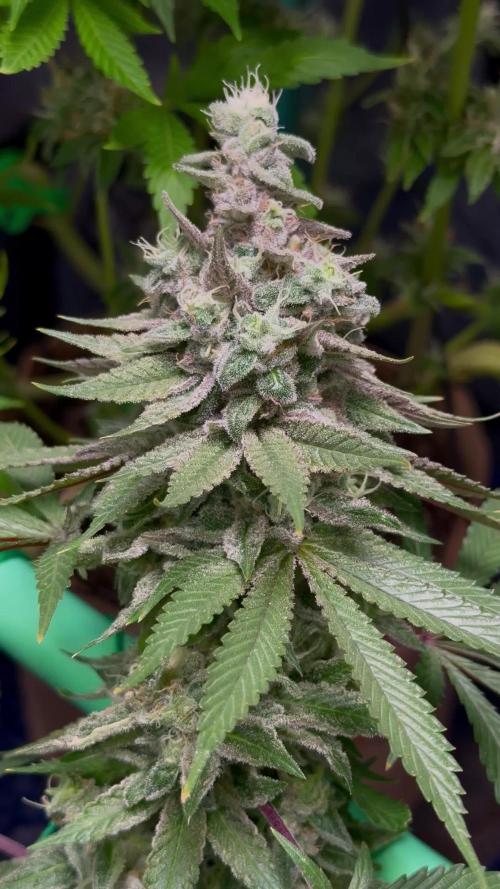
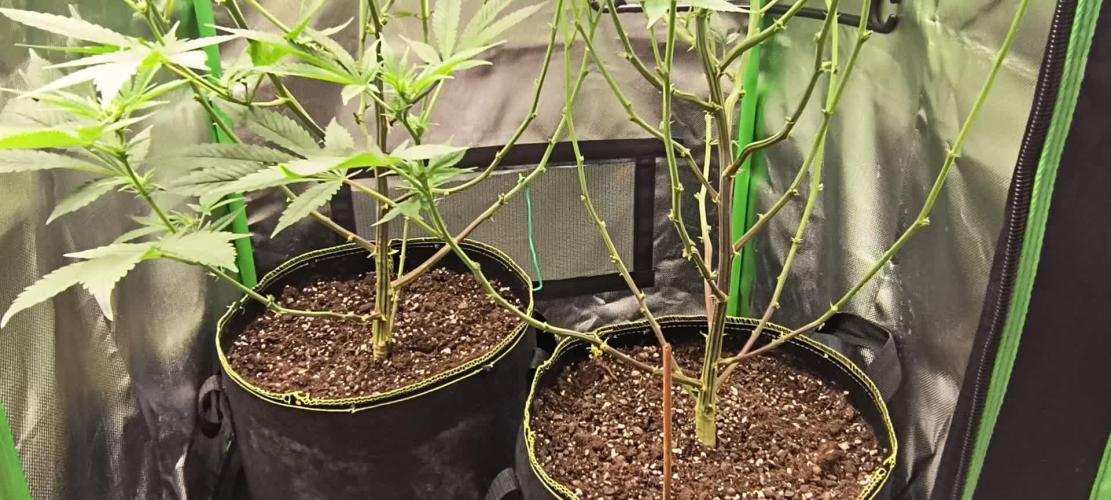
Quick recap — seed to now (for anyone joining late) • 🌱 12/12 from seed • LSD genetics showing consistency and vigor • Early structure set without aggressive training • Environment prioritized over chasing charts • Feed increased gradually, never pushed • Plants transitioned naturally into flower • Defoliation timed after structure was established, not before This is calm, intentional growing. No panic moves. Why we changed nothing (and why that’s not doing nothing) Your room conditions: • 🌡️ Day temp: ~28 °C • 💧 RH: ~65% • ⚡ EC: 2.4 • pH: 6.5 • 📏 Height: ~40–80 cm • 💡 LED lighting On paper, some growers would panic at 28 °C in flower. But here’s the key difference between growing by numbers and growing by understanding: Under LED, leaf temperature ≠ room temperature. LEDs don’t radiate infrared heat like HPS. So while the wall sensor says 28 °C, the leaf surface is usually 2–4 °C cooler. And the plant does not “feel” the room — it feels its own leaf temperature. That’s where leaf VPD comes in. ⸻ Leaf VPD — the part most people skip VPD (Vapor Pressure Deficit) is simply the difference between how much moisture the air can hold and how much it actually holds. But here’s the nuance most charts miss: • Room VPD is calculated with room temp • Leaf VPD is calculated with leaf temp So if: • Room = 28 °C • Leaf = ~24–26 °C • RH = 65% 👉 our leaf VPD lands right in the comfort zone for early–mid flower. And the plants are confirming that with their behavior: • Deep, relaxed green • No tacoing, no praying too hard • Internodes strong and structured • Uniform nutrient uptake across phenotypes That’s the real data. We’re not ignoring numbers We’re letting the plant be the final authority. Stability here beats “fixing” something that isn’t broken. ⸻ Defoliation — why this time was heavier Let’s be very clear: This was not aesthetic defoliation. This was functional defoliation. Context matters: • 🏠 8×8 room • 🌱 ~27 plants • 🌬️ Airflow, light penetration, humidity pockets all scale differently Sometimes a single plant wouldn’t “ask” for leaves to be removed — but the room does. Why you defoliated: • Improve airflow through a dense canopy • Reduce micro-humidity pockets • Allow photons to travel deeper, not just hit the roof • Reset apical dominance and refocus energy on flowering sites Yes — i went harder than originally planned. But: • Genetics are strong • Plants are healthy • Root zone is dialed • Feed is stable Healthy plants recover fast. Stressed plants don’t. These girls are the first category. And importantly: we didn’t stack stress. No feed change. No environment change. No light shock. That’s how we “go hard” safely. What to expect next week (and what not to expect) Expect: • Slight pause as plants redirect energy • Fresh flower site definition • Upright posture returning after defoliation • Strong tops responding to improved light access Do NOT expect: • Explosive vertical stretch (that window is closing) • Deficiency symptoms (unless something external changes) • Need for immediate correction Next week is observation week again. Hands in pockets. Eyes open. ⸻ Gratitude — because this matters Let’s say it properly: • Thank you to GD for the platform • Thank you to the GD community • Thank you to the Discord family • Thank you to the OGs, the new faces, the quiet readers • Thank you to the lovers and the haters — both keep the wheel turning • Thank you to the sponsors, past and present • Thank you to everyone who believes growing can be calm, thoughtful, and honest This is a special report — because it’s not about hype. It’s about trusting the plant and respecting the process. 📡 Please stay tuned.we never quit https://www.youtube.com/@DOGDOGTHEDOCTOR NEW 🙏 Thank you for your patience and continued support. FOR DISCOUNT CODES AND MORE JUST FOLLOW THE LINK https://website.beacons.ai/dogdoctorofficial 📲 Don’t forget to Subscribe and follow me on Instagram and YouTube @DogDoctorOfficial for exclusive content, real-time updates, and behind-the-scenes magic. We’ve got so much more coming, including transplanting and all the amazing techniques that go along with it. You won’t want to miss it. GrowDiaries Journal: https://growdiaries.com/grower/dogdoctorofficial Instagram: https://www.instagram.com/dogdoctorofficial/ YouTube: https://www.youtube.com/@dogdoctorofficial Deleted by Youtube Vimeo : https://vimeo.com/dogdoctorofficial Under construction stay tuned ⸻ Explore the Gear that Powers My Grow If you’re curious about the tech I’m using, check out these links: 🔆 Lighting & Environmental Control • Future of Grow — Advanced LED lighting technology https://www.futureofgrow.com/ DISCOUNT CODE: DOG20 • Lumiflora — Under-canopy LED lighting https://lumiflorade.com/ • TrollMaster — Environmental controllers and automation gear (past collaboration) ⸻ Genetics • Zamnesia Seeds — Genetics used in this project https://www.zamnesia.com/ ⸻ 🌱 Soil, Substrates, Boosters & Root Support • Plagron — Substrates, bio mixes, and supportive products https://plagron.com/en/ ⸻ 🎒 Storage, Curing & Preservation • Grove Bags — Curing and storage solutions https://grovebags.com/ ⸻ 📸 Photography Equipment & Tools (Not sponsors, but part of my creative toolkit) • Sony A6700 • Sony full-frame macro lens + few more • Stacking photography workflow - learning • iPhone (for behind-the-scenes shots) We’ve got much more coming as we move through the grow cycles. Trust me, you won’t want to miss the next steps, let’s push the boundaries of indoor horticulture together! As always, this is shared for educational purposes, aiming to spread understanding and appreciation for this plant. Let’s celebrate it responsibly and continue to learn and grow together. With true love comes happiness. Always believe in yourself, and always do things expecting nothing and with an open heart. Be a giver, and the universe will give back in ways you could never imagine. 💚 Growers love to all 💚 📸 P.S. – The Eye Behind the Lens All photos in this diary (for now — except for the ones showing the camera, which I took with an iPhone) are taken with a Sony A6700 paired with a Sony full-frame macro lens and a few more. Photography is part of the story — it’s how we share the fine textures, the glow, and the quiet details that words can’t always capture. I’ve also started experimenting with photo stacking — a technique where multiple images, each taken at a slightly different focus point, are layered together to create one perfectly sharp image from front to back. It’s not digital enhancement or AI; it’s pure photography — a way to reveal the plant’s beauty in microscopic depth, from trichome to petal. You’ll even see a few shots of "ghost me" capturing the shots — camera, lens, setup — because every grow deserves not just to be cultivated, but documented like art. FOR DISCOUNT CODES AND MORE JUST FOLLOW THE LINK https://website.beacons.ai/dogdoctorofficial NEW DISCORD - Official Server Invite Link : https://discord.gg/ksjAkA5T74
Likes
2
Share
Got some sealant to properly seal my DIY CO2 generator and lil maggie seems to like it. Her buds are starting to swell up. For the CO2 generator I did the following: 2 Liter Bottle -> 1 Liter Bottle -> Fan (Fermenting) -> (Water Filter) -> (Distribute) Ingredients: Sugar - 3/4 Cup Yeast - 1 Teaspoon Water - 6 Cups Step 1: Add 6 cups of room temperature water to the 2 liter bottle. Step 2: Add 3/4 cup of sugar to the water and mix until sugar is fully dissolved. Step 3: Add 1 teaspoon of yeast and let sit until bubbles appear in water filter bottle. 
Step 4: Direct the end hose to the plant canopy. CO2 is heavy so it falls, use fan to blow it to the plant canopy.
Likes
11
Share
@artems
Follow
Marker didn't take well to the mainlining process; as a result, one cola was almost entirely consumed by mold. However, overall, things are looking good. I ended up with a small, resilient plant with a nice aroma of pineapple and Skittles, with hints of gas towards the end. 🍍🌿 Towards drying and curing now! 🌬️🎊
Likes
8
Share
Segunda semana de germinación, ya asoma el tallo de la semilla, he cogido el bacto y lo he disuelto en 1 L de agua, para luego derranarlo en la bandeja y sumergir los recipientes con sustrato durante 10 segundos, y he dejado en la bandeja apenas 1 ml para que no se seque. Luego debajo de una lámpara de luz blanca hasta que asomen los primeros brotes verdes y además le aporte un poco de calor. Por el momento efectividad del 100% de las 3 semillas de los capos de Royal Queen Seeds cosa bastante importante porque aunque me las hayan mandado para hacer el seguimiento gratuitamente no es una variedad barata debido a su rapidez de floración y alto contenido de thc. Produccion aceptable no de las más altas de las variedades de RQS pero tampoco de las más bajas. Amigos las calidad se paga y elegir una buena gentica es básico y algo que aprendí en mis inicios ya que puedes echar a perder el tiempo que es lo más valioso con el esfuerzo y el mimo que empleamos en su crecimiento y desarrollo antes de poder degustarla. Decir también que se puede clonar cosa que hace más que rentable gastarse algo más de dinero que en otros bancos que tienen menos reputación, por algo será. A tope !!!! 🌵🌴
Processing
Likes
6
Share
@ProfDoty
Follow
This week was cool really happy the GP started budding thought it was gonna turn out to be a photo but nope we have pre flower folks. Since the the GP started flowering two weeks Later I’m going to feed her differently than the BC cream. I top dressed the black cream on Day 44 using Root Organics bloom and grow 3:1 ratio but not the GP I will after two weeks maybe even 3 as she’s been battling a lil nutrient burn from the soil her whole life span soil waiting won’t hurt. I’ve also been adding Terpinator (recommended dosage) every water. Check out the vid I really thing I have a monster harvest coming as long as these ladies stay happy 🤙🏾 Lmk if there’s anything I should be doing or looking out for the help is always appreciated 💯
Likes
8
Share
Week 3 The 2 first crucial weeks are over. Plants are healthy, vigorous 👌 Daylight 6h35 / 21h20 = 14h45 Sunny days - 26 °C Continue to stimulate the rooting system.
Likes
Comments
Share
Trichromes are starting to be produced and buds are starting to form and get sticky, each plant is developing a nice smell but the strawberry is out performing the rest by a mile definitely a vigorous strain that just wants to go go go! Inter node spacing is crazy and looks like the girls are setting up to make some fat buds hopefully
Likes
Comments
Share
The clones are doing ok. I might have the humidity to high because they haven’t had water this week, the soil is still moist from the transplant. Once the roots hit the bottoms of the pots they should spread out causing the foliage to explode. In week 8 I’ll come back and edit and tell myself I told me so. Happy growing folks
Likes
64
Share
@Ju_Bps
Follow
Hello Growers! All was good this week, girls are in steetch, they start to come big lol, all space are busy, that's good . I've give 1 times water only1.5l and 1 times 1.5l water + rqs bloom 1 tablet for 6l + 1.5ml/l of sugar royal. I think stretch is ending on this end week, we can see a start of fruits on the top. Have a good week and see you next week my friends 🤪
Likes
12
Share
@Mousse
Follow
Lampe 100% Sooo… die Mädels sehen richtig gut aus. 🌱🔥 Die Blüte hat sich prächtig entwickelt, schön kompakt und richtig harzig. In der letzten Woche sind sie gefühlt explodiert. Einige Colas ziehen sich jetzt schon ca. 30 cm den Stängel entlang. 💪 Ich bereite jetzt alles auf die Ernte vor, Ende der Woche ist es soweit. Eventuell nehme ich vorher nur die Headbuds runter. ✂️ Die mittlere lasse ich allerdings noch weiterlaufen, sie hängt hinterher und bekommt deshalb ein anderes Gießschema, während die anderen schon in den Flush gehen. 🌿 Ende der woche wurde teil geerntet Mo: Gießen: #1:#3 4L-6L je Dünger für Links und Rechts: Canna Coco A&B = 1 ml/L CalMag = 0,6 ml/L Cannazym = 0,5 ml/L Boost = abgesetzt. pH: 5.8 EC: 0.8 Gießen: #2 4L-6L je Dünger für Mitte: Canna Coco A&B = 2 ml/L CalMag = 0,8 ml/L Cannazym = 0,5 ml/L Sugar Royal = 0 ml/L Green Sensation = 1 ml/L pH: 5.8 EC: 2,1 Di: nichts Mi: Gießen: #1:#3 4L-6L je Dünger für Links und Rechts: Canna Coco A&B = 1 ml/L CalMag = 0,6 ml/L Cannazym = 0,5 ml/L Boost = abgesetzt. pH: 5.8 EC: 0.8 Gießen: #2 4L-6L je Dünger für Mitte: Canna Coco A&B = 2 ml/L CalMag = 0,8 ml/L Cannazym = 0,5 ml/L Sugar Royal = 0,8 ml/L Green Sensation = 0,8 ml/L pH: 5.8 EC:1,9 Do: nichts Fr: Gießen: #1:#3 4L-6L je Dünger für Links und Rechts: Canna Coco A&B = 0,8 ml/L CalMag = 0,6 ml/L Cannazym = 0,5 ml/L Boost = abgesetzt. pH: 5.8 EC: 0.8 Gießen: #2 4L-6L je Dünger für Mitte: Canna Coco A&B = 2 ml/L CalMag = 0,8 ml/L Cannazym = 0,5 ml/L Sugar Royal = 1 ml/L Green Sensation = 1 ml/L pH: 5.8 EC:2.1 Sa : nichts So: Gießen: #2 4L-6L je -nur wasser mit pH5.8 -Teil geerntet Gießen: #2 4L-6L je Dünger für Mitte: Canna Coco A&B = 2 ml/L CalMag = 0,8 ml/L Cannazym = 0,5 ml/L Sugar Royal = 0 ml/L Green Sensation = 1 ml/L pH: 5.8 EC: 1,9
Likes
15
Share
Really great week for these girls! I'm very happy with the amount of early flower stretch I got out of the 2 larger girls. While the 'Little One' won't amount to much, the other 2 I'm really excited for the finish. I made a short video this morning to give ya'll a closer look. They got one feeding consisting of the Hydrolyzed Fish/Rose&Flowering/Molasses and then another feeding of just the Fish/Flowering this week.
Processing
Likes
30
Share
2018-03-20 Week 12 Day 1 New week and not much to say. No water or nutes today, just the regular weekly check to see that they look nice and healthy. Raised the lamp about 10 cm to make sure that the girls don't get burned again. Crazy Cookies nr1 is 52 cm Crazy Cookies nr2 is 49 cm ----------------------------------------------------------------------------------------------------------------------------------- Strain information: The word synergy is a business term first quoted in the early eighties to describe mutual enhancement through interaction or cooperation, where the end result gained is greater than the sum of the parts used. What do synergy and the Crazy Cookies cannabis strain have to do with each other you may well ask? The parents of the forthrightly indica Crazy Cookies are marijuana royalty. OG Kush and Girl Scout Cookies. These strains of contemporary legend have been combined to cerebrum shattering effect. The cured flowers deliver a mouth-watering and couchlocking 24% THC. The initial delectable spacey upbeat onrush compliments of the Durban Poison coursing through the genes of the Cookies soon becomes a lush and rich, inescapably delicious body flux. There should be a picture of a Crazy Cookie nugget in the dictionary next to the word synergy. Crossing the OG back into the Cookies has amplified the psychoactive effects of the notorious lineage of both parents. This is an indica with a capital I. As a breeder it would be fair to assume that injecting more OG into the Cookies would result in an OG-dominant Cookie, or even close to a pure OG, but something else has happened. Some long dormant genetic switch has been flipped and a standalone indica has emerged whose spicy notes and earthy tones, hints of grape and horny pheromone are an absolute pleasure. Paying this breed some careful attention as it grows will reward you substantially, indoors or out. Typical hybrid vigour is shown throughout each grow phase. Stout plants to 80cm can be expected indoors and muscular examples with fluted stalks growing to two metres can be easily achieved outdoors. Good bracing is necessary as the flowers mature. With more than 500g at harvest per robust plant, colas can easily snap and twist branches. -----------------------------------------------------------------------------------------------------------------------------------
Likes
34
Share
Yellow butterfly came to see me the other day; that was nice. Starting to show signs of stress on the odd leaf, localized isolated blips, blemishes, who said growing up was going to be easy! Smaller leaves have less surface area for stomata to occupy, so the stomata are packed more densely to maintain adequate gas exchange. Smaller leaves might have higher stomatal density to compensate for their smaller size, potentially maximizing carbon uptake and minimizing water loss. Environmental conditions like light intensity and water availability can influence stomatal density, and these factors can affect leaf size as well. Leaf development involves cell division and expansion, and stomatal differentiation is sensitive to these processes. In essence, the smaller leaf size can lead to a higher stomatal density due to the constraints of available space and the need to optimize gas exchange for photosynthesis and transpiration. In the long term, UV-B radiation can lead to more complex changes in stomatal morphology, including effects on both stomatal density and size, potentially impacting carbon sequestration and water use. In essence, UV-B can be a double-edged sword for stomata: It can induce stomatal closure and potentially reduce stomatal size, but it may also trigger an increase in stomatal density as a compensatory mechanism. It is generally more efficient for gas exchange to have smaller leaves with a higher stomatal density, rather than large leaves with lower stomatal density. This is because smaller stomata can facilitate faster gas exchange due to shorter diffusion pathways, even though they may have the same total pore area as fewer, larger stomata. Leaf size tends to decrease in colder climates to reduce heat loss, while larger leaves are more common in warmer, humid environments. Plants in arid regions often develop smaller leaves with a thicker cuticle and/or hairs to minimize water loss through transpiration. Conversely, plants in wet environments may have larger leaves and drip tips to facilitate water runoff. Leaf size and shape can vary based on light availability. For example, leaves in shaded areas may be larger and thinner to maximize light absorption. Leaf mass per area (LMA) can be higher in stressful environments with limited nutrients, indicating a greater investment in structural components for protection and critical resource conservation. Wind speed, humidity, and soil conditions can also influence leaf morphology, leading to variations in leaf shape, size, and surface characteristics. Small leaves: Reduce water loss in arid or cold climates. Environmental conditions significantly affect gene expression in plants. Plants are sessile organisms, meaning they cannot move to escape unfavorable conditions, so they rely on gene expression to adapt to their surroundings. Environmental factors like light, temperature, water, and nutrient availability can trigger changes in gene expression, allowing plants to respond to and survive in diverse environments. Depending on the environment a young seedling encounters, the developmental program following seed germination could be skotomorphogenesis in the dark or photomorphogenesis in the light. Light signals are interpreted by a repertoire of photoreceptors followed by sophisticated gene expression networks, eventually resulting in developmental changes. The expression and functions of photoreceptors and key signaling molecules are highly coordinated and regulated at multiple levels of the central dogma in molecular biology. Light activates gene expression through the actions of positive transcriptional regulators and the relaxation of chromatin by histone acetylation. Small regulatory RNAs help attenuate the expression of light-responsive genes. Alternative splicing, protein phosphorylation/dephosphorylation, the formation of diverse transcriptional complexes, and selective protein degradation all contribute to proteome diversity and change the functions of individual proteins. Photomorphogenesis, the light-driven developmental changes in plants, significantly impacts gene expression. It involves a cascade of events where light signals, perceived by photoreceptors, trigger changes in gene expression patterns, ultimately leading to the development of a plant in response to its light environment. Genes are expressed, not dictated! While having the potential to encode proteins, genes are not automatically and constantly active. Instead, their expression (the process of turning them into proteins) is carefully regulated by the cell, responding to internal and external signals. This means that genes can be "turned on" or "turned off," and the level of expression can be adjusted, depending on the cell's needs and the surrounding environment. In plants, genes are not simply "on" or "off" but rather their expression is carefully regulated based on various factors, including the cell type, developmental stage, and environmental conditions. This means that while all cells in a plant contain the same genetic information (the same genes), different cells will express different subsets of those genes at different times. This regulation is crucial for the proper functioning and development of the plant. When a green plant is exposed to red light, much of the red light is absorbed, but some is also reflected back. The reflected red light, along with any blue light reflected from other parts of the plant, can be perceived by our eyes as purple. Carotenoids absorb light in blue-green region of the visible spectrum, complementing chlorophyll's absorption in the red region. They safeguard the photosynthetic machinery from excessive light by activating singlet oxygen, an oxidant formed during photosynthesis. Carotenoids also quench triplet chlorophyll, which can negatively affect photosynthesis, and scavenge reactive oxygen species (ROS) that can damage cellular proteins. Additionally, carotenoid derivatives signal plant development and responses to environmental cues. They serve as precursors for the biosynthesis of phytohormones such as abscisic acid () and strigolactones (SLs). These pigments are responsible for the orange, red, and yellow hues of fruits and vegetables, while acting as free scavengers to protect plants during photosynthesis. Singlet oxygen (¹O₂) is an electronically excited state of molecular oxygen (O₂). Singlet oxygen is produced as a byproduct during photosynthesis, primarily within the photosystem II (PSII) reaction center and light-harvesting antenna complex. This occurs when excess energy from excited chlorophyll molecules is transferred to molecular oxygen. While singlet oxygen can cause oxidative damage, plants have mechanisms to manage its production and mitigate its harmful effects. Singlet oxygen (¹O₂) is considered a reactive oxygen species (ROS). It's a form of oxygen with higher energy and reactivity compared to the more common triplet oxygen found in its ground state. Singlet oxygen is generated both in biological systems, such as during photosynthesis in plants, and in cellular processes, and through chemical and photochemical reactions. While singlet oxygen is a ROS, it's important to note that it differs from other ROS like superoxide (O₂⁻), hydrogen peroxide (H₂O₂), and hydroxyl radicals (OH) in its formation, reactivity, and specific biological roles. Non-photochemical quenching (NPQ) protects plants from damage caused by reactive oxygen species (ROS) by dissipating excess light energy as heat. This process reduces the overexcitation of photosynthetic pigments, which can lead to the production of ROS, thus mitigating the potential for photodamage. Zeaxanthin, a carotenoid pigment, plays a crucial role in photoprotection in plants by both enhancing non-photochemical quenching (NPQ) and scavenging reactive oxygen species (ROS). In high-light conditions, zeaxanthin is synthesized from violaxanthin through the xanthophyll cycle, and this zeaxanthin then facilitates heat dissipation of excess light energy (NPQ) and quenches harmful ROS. The Issue of Singlet Oxygen!! ROS Formation: Blue light, with its higher energy photons, can promote the formation of reactive oxygen species (ROS), including singlet oxygen, within the plant. Potential Damage: High levels of ROS can damage cellular components, including proteins, lipids, and DNA, potentially impacting plant health and productivity. Balancing Act: A balanced spectrum of light, including both blue and red light, is crucial for mitigating the harmful effects of excessive blue light and promoting optimal plant growth and stress tolerance. The Importance of Red Light: Red light (especially far-red) can help to mitigate the negative effects of excessive blue light by: Balancing the Photoreceptor Response: Red light can influence the activity of photoreceptors like phytochrome, which are involved in regulating plant responses to different light wavelengths. Enhancing Antioxidant Production: Red and blue light can stimulate the production of antioxidants, which help to neutralize ROS and protect the plant from oxidative damage. Optimizing Photosynthesis: Red light is efficiently used in photosynthesis, and its combination with blue light can lead to increased photosynthetic efficiency and biomass production. In controlled environments like greenhouses and vertical farms, optimizing the ratio of blue and red light is a key strategy for promoting healthy plant growth and yield. Understanding the interplay between blue light signaling, ROS production, and antioxidant defense mechanisms can inform breeding programs and biotechnological interventions aimed at improving plant stress resistance. In summary, while blue light is essential for plant development and photosynthesis, it's crucial to balance it with other light wavelengths, particularly red light, to prevent excessive ROS formation and promote overall plant health. Oxidative damage in plants occurs when there's an imbalance between the production of reactive oxygen species (ROS) and the plant's ability to neutralize them, leading to cellular damage. This imbalance, known as oxidative stress, can result from various environmental stressors, affecting plant growth, development, and overall productivity. Causes of Oxidative Damage: Abiotic stresses: These include extreme temperatures (heat and cold), drought, salinity, heavy metal toxicity, and excessive light. Biotic stresses: Pathogen attacks and insect infestations can also trigger oxidative stress. Metabolic processes: Normal cellular activities, particularly in chloroplasts, mitochondria, and peroxisomes, can generate ROS as byproducts. Certain chlorophyll biosynthesis intermediates can produce singlet oxygen (1O2), a potent ROS, leading to oxidative damage. ROS can damage lipids (lipid peroxidation), proteins, carbohydrates, and nucleic acids (DNA). Oxidative stress can compromise the integrity of cell membranes, affecting their function and permeability. Oxidative damage can interfere with essential cellular functions, including photosynthesis, respiration, and signal transduction. In severe cases, oxidative stress can trigger programmed cell death (apoptosis). Oxidative damage can lead to stunted growth, reduced biomass, and lower crop yields. Plants have evolved intricate antioxidant defense systems to counteract oxidative stress. These include: Enzymes like superoxide dismutase (SOD), catalase (CAT), and various peroxidases scavenge ROS and neutralize their damaging effects. Antioxidant molecules like glutathione, ascorbic acid (vitamin C), C60 fullerene, and carotenoids directly neutralize ROS. Developing plant varieties with gene expression focused on enhanced antioxidant capacity and stress tolerance is crucial. Optimizing irrigation, fertilization, and other management practices can help minimize stress and oxidative damage. Applying antioxidant compounds or elicitors can help plants cope with oxidative stress. Introducing genes for enhanced antioxidant enzymes or stress-related proteins over generations. Phytohormones, also known as plant hormones, are a group of naturally occurring organic compounds that regulate plant growth, development, and various physiological processes. The five major classes of phytohormones are: auxins, gibberellins, cytokinins, ethylene, and abscisic acid. In addition to these, other phytohormones like brassinosteroids, jasmonates, and salicylates also play significant roles. Here's a breakdown of the key phytohormones: Auxins: Primarily involved in cell elongation, root initiation, and apical dominance. Gibberellins: Promote stem elongation, seed germination, and flowering. Cytokinins: Stimulate cell division and differentiation, and delay leaf senescence. Ethylene: Regulates fruit ripening, leaf abscission, and senescence. Abscisic acid (ABA): Plays a role in seed dormancy, stomatal closure, and stress responses. Brassinosteroids: Involved in cell elongation, division, and stress responses. Jasmonates: Regulate plant defense against pathogens and herbivores, as well as other processes. Salicylic acid: Plays a role in plant defense against pathogens. 1. Red and Far-Red Light (Phytochromes): Red light: Primarily activates the phytochrome system, converting it to its active form (Pfr), which promotes processes like stem elongation and flowering. Far-red light: Inhibits the phytochrome system by converting the active Pfr form back to the inactive Pr form. This can trigger shade avoidance responses and inhibit germination. Phytohormones: Red and far-red light regulate phytohormones like auxin and gibberellins, which are involved in stem elongation and other growth processes. 2. Blue Light (Cryptochromes and Phototropins): Blue light: Activates cryptochromes and phototropins, which are involved in various processes like stomatal opening, seedling de-etiolation, and phototropism (growth towards light). Phytohormones: Blue light affects auxin levels, influencing stem growth, and also impacts other phytohormones involved in these processes. Example: Blue light can promote vegetative growth and can interact with red light to promote flowering. 3. UV-B Light (UV-B Receptors): UV-B light: Perceived by UVR8 receptors, it can affect plant growth and development and has roles in stress responses, like UV protection. Phytohormones: UV-B light can influence phytohormones involved in stress responses, potentially affecting growth and development. 4. Other Colors: Green light: Plants are generally less sensitive to green light, as chlorophyll reflects it. Other wavelengths: While less studied, other wavelengths can also influence plant growth and development through interactions with different photoreceptors and phytohormones. Key Points: Cross-Signaling: Plants often experience a mix of light wavelengths, leading to complex interactions between different photoreceptors and phytohormones. Species Variability: The precise effects of light color on phytohormones can vary between different plant species. Hormonal Interactions: Phytohormones don't act in isolation; their interactions and interplay with other phytohormones and environmental signals are critical for plant responses. The spectral ratio of light (the composition of different colors of light) significantly influences a plant's hormonal balance. Different wavelengths of light are perceived by specific photoreceptors in plants, which in turn regulate the production and activity of various plant hormones (phytohormones). These hormones then control a wide range of developmental processes.
Likes
6
Share
Training again. I spread out all side branches so the plant will now collect about 4 square metres of sun. It looks pretty crazy with central branches 6 ft up and side branches flat to each side. Did some defoliation as well. Still very healthy but I had to go through carefully to remove some annoying inch worms.