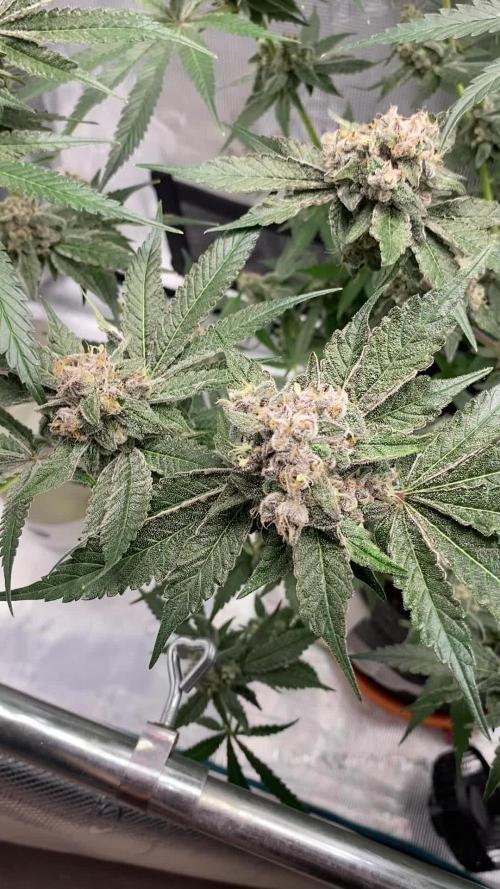
Likes
Comments
Share


@DESERT_DANK_FLAVER
Follow
I SOAKED THE SEEDS IN A CUP OF WATER, WITH A DASH OF HYDROGEN PEROXIDE, FOR 24 HRS.
I THEN DUMPED THEM ON A PLATE BETWEEN PAPERTOWLS, AND ANOTHER PLATE(NOT TOO SOAKED-MAKE ROOM FOR AIR)
UNDERNEATH I PLACED A HEATING PAD UNDER THE PLATE, FOR 24 HRS, TIIL THEY POP AND ROOT TAIL IS QUARTER TO HALF AN INCH
FROM THERE I PLACED THEM IN PRE-SOAKED JIFFY PELLETS, AND PLACED THEM IN A GERMINATION KIT/WITH LID DOME.
I DEFINETLY MESSED UP BY KEEPING THEM TOO MOIST. AND HAD TO TREAT THEM WITH A HYDROGEN PEROXIDE(3%)DELUTED WITH WATER, UNDER AND TOPPED.
THEY ARE 10 DAYS NOW, I BEEN TRYNA HARDEN THEM OFF, PLAN ON TRASNFERING THEM TO THE SYSTEM. WISH ME LUCK


Likes
9
Share


@Maddog_thegrower
Follow
Roughly at about 4.5 week I have turned the lights to 12/12 most of the flowers have shown sex with roughly about 60% being females, not a bad % of females, could have been a lot worse. The ICC’s are a bit stretchy & the cookies are quite squat and the bubblegum & black nitro’s are average size for the age.


Likes
17
Share


@420DeepGrow
Follow
📆 Semana 7
Esta semana la Slapz ha seguido mostrando su potencia genética, consolidando su estructura de cogollos y aumentando considerablemente la producción de resina. Las flores ya están alcanzando ese aspecto compacto y pesado que tanto nos gusta, y cada día que pasa parece más prometedora.
La capa de tricomas sigue expandiéndose y empieza a adquirir esos tonos blanquecinos y brillantes, cubriendo incluso las hojas más cercanas. El añadido de Sticky Fingers sigue marcando la diferencia, potenciando no solo la cantidad de resina sino también ese perfil aromático gaseoso y afrutado que ya empieza a llenar el cultivo.
En cuanto a la nutrición, continuo con XpertNutrients sin modificaciones. La planta sigue respondiendo perfectamente, mostrando un crecimiento equilibrado y un desarrollo floral impresionante. La intensidad del aroma ha aumentado notablemente esta semana, haciendo evidente ese toque dulce y funky que caracteriza a la Slapz.
El entorno sigue bajo control: temperaturas entre 22 y 25 °C, con una humedad ajustada al 50%. Los Adlite siguen desempeñándose de maravilla, lo que asegura cogollos consistentes y bien formados en toda la planta, incluso en las partes más bajas. La circulación de aire sigue evitando cualquier indicio de moho o problemas derivados de la humedad.
Visualmente, la Slapz está empezando a tener ese aspecto imponente: una masa de cogollos densos, brillantes y cargados de potencia. La expectativa de cara a las próximas semanas sigue siendo muy alta, ya que la planta está mostrando todo su potencial.
Seguimos creciendo fuerte!💪

Likes
16
Share


@Symbiosis_420
Follow
This girl has definitely stopped stretching, so now almost all of the growth is going to be located at the buds. I plant to increase nutrient concentration, but also light intensity (this one by pulling the LEDs closer to the canopy). This week it will hang at 30 cm from the top of the canopy, maybe next I will push it further to 20 cm next week...
By the way, the thunderstorms are over so now I can consistently keep the humidity around 45% with just the 3 cpu fans ;)
I am experimenting with trying to clone some branches even after 5 weeks of flowering. It's just for the LoLs, and to learn a little bit. I took a lot of clones from the bottom of this plant before with great success during defoliation, so I decided to up the challenge. I know you shouldn't stress the plant too much during flower, but she seems healthy enough to take it without a problem.
// on the nutes of this week//
So this week I decided to up the nutes again to 1.0, as the lower leaves are showing deficiencies, and this time the EC of the runoff is low (plus I've been feeding only 0.8EC or 400ppm, which is much less than people generally feed at this stage), so I'm more confident that it's not a nutrient lock out. We will see how she likes it.
Remember that my noob friendly approach is that keeping my plant on a diet is better than killing it by overfeeding it.


Likes
11
Share

@Bncgrower
Follow
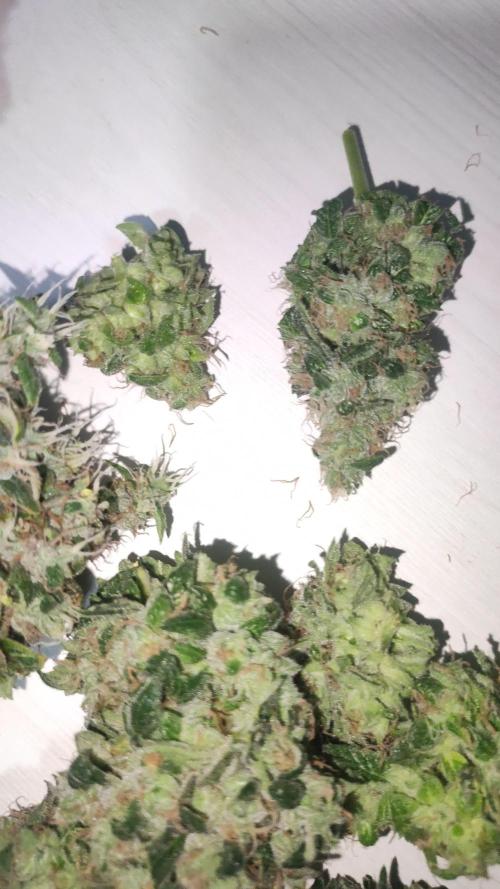
Great harvest, I was impressed with the quality of this strain. After the drying and curing process, I'll give my feedback! 💪


Likes
3
Share

@Z420Organics
Follow
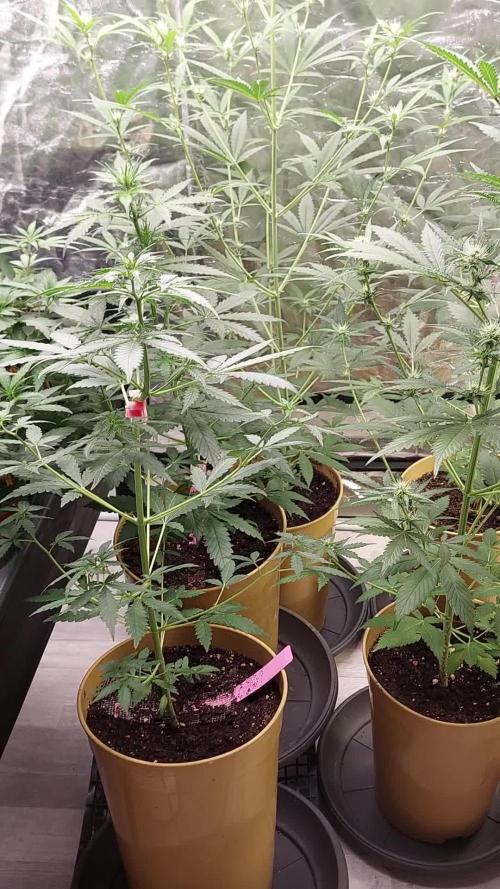
I’m a bit stunned by the size of these plants! 😲🌿 Wow, in 7 L pots they are performing really well! 💪🌱
One of my plants had some hermaphrodite flowers early on 🌸⚡, so I did a flush 💦 to stabilize it, and now it’s going full into flowering 🌼🌞.
I’ll keep monitoring 👀🔍, but I think it was just a reaction to high PPM in the soil ⚗️🌱. My experience with autos is limited, so I’m exploring methods that work well and give good results! 🌱✨🌿.

Likes
6
Share


@Yeyup
Follow
First week so far so good 🌱
Planted and lighty watered for first 2 days when soil was dry
27/11 the 5th day since being planted I fed her 1.5 ml of canna terra vega following the food chart that came with the food
28/11 all still seems good didn’t need to water
29/11 lightly watered
30/11 gave her a bit more water she’s getting bigger and looking good

Likes
55
Share


@w33dhawk
Follow
12.04.21 heute is Anfang der 4. Woche nach dem flip bin begeistert von den Ladys sie sind obwohl sie so viel stress mit machen mussten fleißig am blutenstände produzieren die trichom Produktion hat auch gut eingesetzt jedes mal wenn ich die Blätter unters netz schiebe und wenn ich gegen die Blüten komme kleben meine Hände und wenn das passiert verströmt sie einen angenehm cremigen Duft nach zitrone fast schon limoncello artig.......
13.04.21 hab heute mal wieder gegossen und wie immer jeden morgen Blätter unten halten sonnst war nix weiter....
14.04.21 moin leute der trottel des Tages ist wieder da hab mir heute (2 Tage nach dem gießen) meine gedanken gemacht bezüglich des absetzen der dünge Zusätze aufgrund von Green Sensation hab gedacht 4 in eins dann kann der rest ja weg und bin heute mal zufällig drauf gekommen beim Hersteller auf der Homepage zu gucken und siehe da ich trottel hätte sugar royal ganz normal weiter laufen lassen können werde es dann beim nächsten Guss wieder mit einschieben. Hab heute den Reflektor auf ganz weit gestellt damit ich mit der Lampe weiter runter komme bin jetzt heute auf 30cm an die spitzen gegangen und werde am Freitag weitere 5 cm nach unten gehen also auf 25 cm an die spitzen ran fahren da ich bei offenem wing und 30 cm nur 23,5 Grad an den spitzen habe solange die Pflanzen keine Stress Erscheinungen auf 25cm erleiden und die Temperatur stimmt bleib es dann auch auf 25 cm bis zur Spülung...
15.04.21 habe doch heute schon die Lampe auf 25 cm gesetzt bin wieder zu ungeduldig 24std hat der Tag das ist einfach zu lang für meine Geduld 😁 hab sonnst nur wie immer dafür gesorgt das alles an blattwerk sich unterm netzt hält....
16.04.21 hab es heute mal nur laufen lassen und beobachtet was die Blätter so machen muss morgen eindeutig wieder ran und unters netz stopfen 😒😒....
17.04.21 hab heute wieder die Blätter unters netz gestopft sonnst weiter nix los gewesen. Die Ladys halten die 25cm Lampen Abstand ganz gut aus bis jetzt, Temperatur liegt bei 25,4 Grad also noch vertretbar denke ich. Mal gucken was die Ladys bis Montag zum Licht druck sagen, wenn die spitzen heller werden geh ich zur not lieber wieder nen Stück hoch mit der Lampe.....
18.04.21 hab heut das gleiche wie jeden Tag gemacht, ich hab versucht die Welt-Herrschaft an mich zu reißen 😁😁, ne spass bei seite wie immer Blätter drücken und giessen war heut auch dran. Die Woche lief auch wieder erstaunlich gut hab zwar noch ne ganze ecke vor mir mit den Ladys aber ich bin zuversichtlich......

Likes
7
Share

@Gewaltmann
Follow
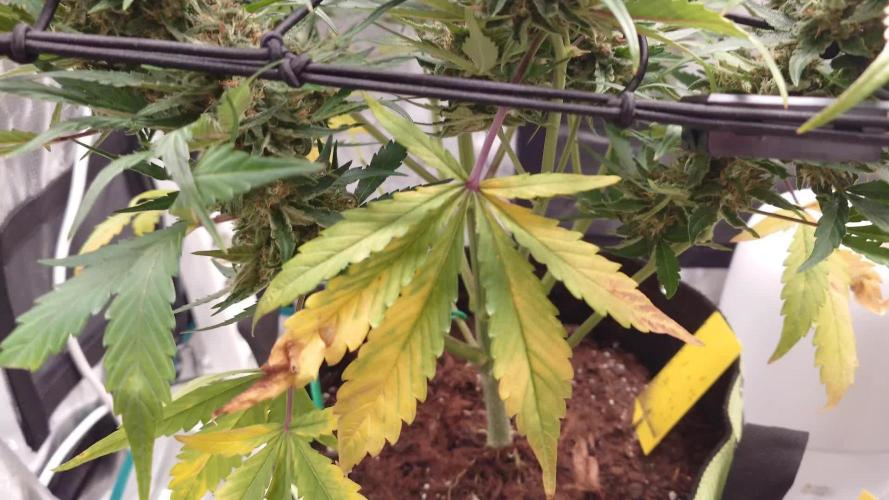
Der Herbst wird langsam eingeläutet. Man merkt deutlich dass es langsam Zeit wird regelmäßig die trichome zu monitoren.
Ich schätze mal ein bis zwei Wochen noch dann haben wir hier genau den perfekten Zeitpunkt. Ansonsten lasse ich das Video für sich sprechen.
Und wer noch mehr von der Guava Runtz sehen will - Guava Runtz auf YouTube suchen 😘
Likes
28
Share


@TheHighentist
Follow
WEEK 6 and i am as impatient as i could be.
This week should be the moment of truth, when it comes to thickness of the buds!
👽👉14/11 Waterday*
I upped the BioBloom and TopMax for PK and less BioGrow for nitrogen.
They are FROSTY as ever! Very satisfied
BioHeaven 4
BioGrow 2
BioBloom 4
TopMax 4
Rootjuice 1
👽👉 15/11
One of the ladies is very hungry and showing signs of needing PK
👽👉 16/11
Atm because the outside climate has a big influence on my indoor climate, lower temperatures at night have been occuring.
Battling the temps by having dehumidifier running with heat
👽👉 17/11 Waterday*
They got same feed as last time, but giving a bit more volume now
👽👉 18/11 Christmas coming early, frosty times
👽👉 19/11 I had some buds that got too heavy and fell over, Fixed with some natural thread to hold them up
👽👉 20/11 Close to getting another SCROG to hold them up, but i think its time for harvest soon
Likes
21
Share


Likes
44
Share


@I_and_I
Follow
New light installed, twice as powerful as before but still a cheap light I've yet to learn fully
Like the first batch of seeds to germinate, I again get a strange 'quad' seedling, 4 embryo leaves, then attempts to grow it's first 4 leaves instead of 2 also, growth is severely stunted in both seedlings to start with 4 embryo leaves after seed popped
Likes
Comments
Share
@Bncgrower
Follow
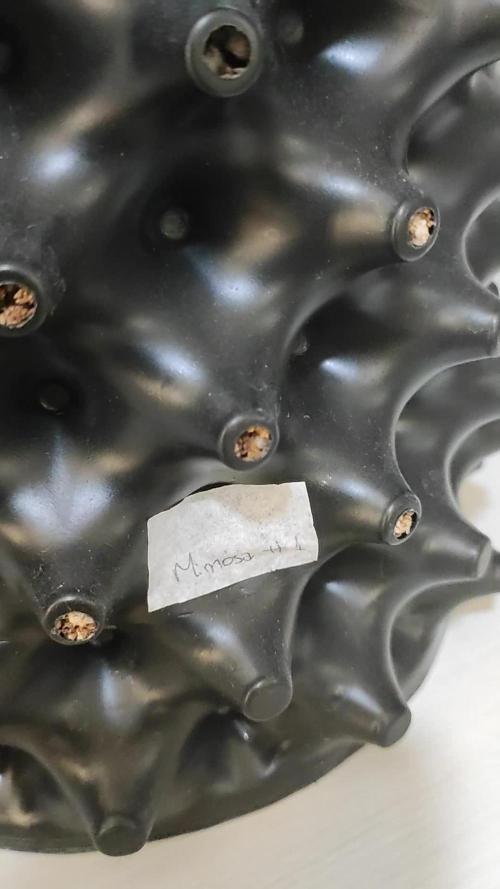
Training was done at the beginning of the week; besides trying to control the height, we will observe the development of the branches and flowers. 💪