


Likes
Comments
Share


@DELTA9_CANNABINOID
Follow
Here I am again, stoners, haha. I'm really liking this genetics, they're growing fast and look at all the pistils it's throwing out. I foresee a delicious harvest, haha. Kisses and hugs.💀😍

Likes
26
Share


@Reyden
Follow
Devo dire che questa è stata super veloce, poco più di 8 settimane circa? Le altre, di cui 2 FF e una cbd automatica, sono molto più indietro mentre lei questa mattina all’alba è stata raccolta! Gli antociani sui boccioli hanno conferito questo colore così spettacolare che mi viene una gran voglia di conciare e assaggiare!!! Questa volta cercherò di seccare moolto bene 😌

Likes
16
Share

@Marijuanaut
Follow
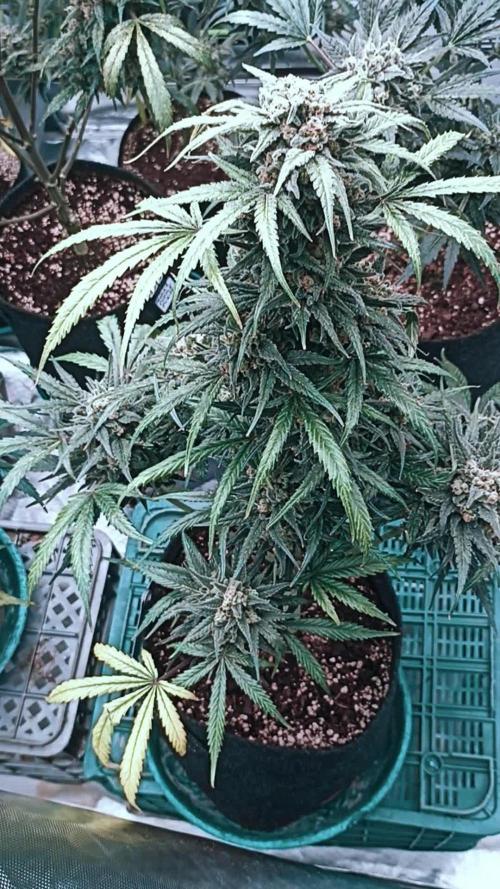
Entering the final stage! 😋
Booth turn out compact but the buds are swelling nicelly and getting covered! 😍
Still some time to go so they´ll be harvest last... but really stocked for these! 😎

Likes
25
Share

@HinduGod
Follow
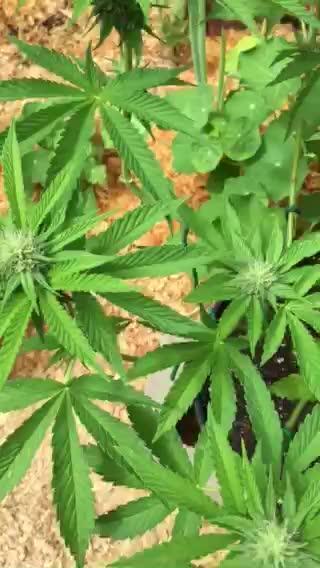
WOW LOOK AT DAT!!! DAT PLANT HAS BEEN IN RECOVERY MODE SINCE DAT MASSIVE DEFOLIATION AND BUD SITE REMOVAL!!!! DIS WEEK DA PLANT SHOULD START GETTING BACK ON TRACK!!!! I ASK MY LOYAL DISCIPLE @Susquihanna TO PRAY FOR DIS DAT WOULD BE VERY VERY GOOD!!!!!!😎

Likes
13
Share


@GrandmasBoy2021
Follow
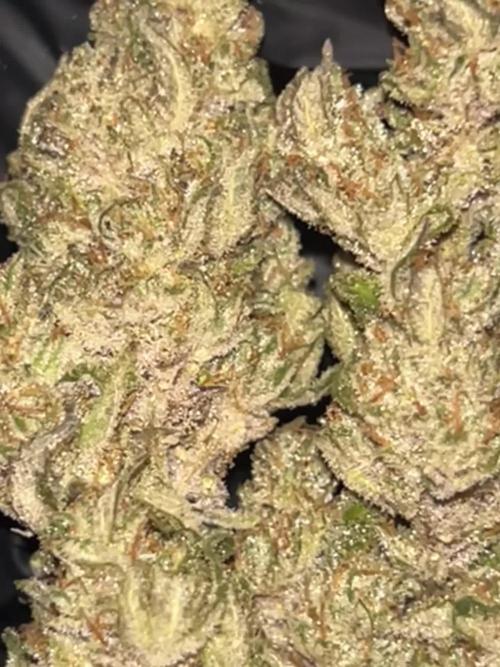
I had a fun experience growing this strain. She started out strong and finished pretty strong! The buds are covered in THC and smells sweet. The only thing I would really do better next time is trying not to nutrient burn her as much as I did towards the end. I also experimented with harvest time and came to the conclusion that the it's best to harvest a few weeks after their recommended time if you want denser buds (in my opinion). I do wish the buds were a bit more dense but I'm not a pro grower and that could be the reason for that. It's all a learning experience. It could be the strain because I'm going a Gorilla Cookies (FastBuds) and those buds are huge and don't have as many leaves. Overall I'm blessed with the outcome and I'm going to enjoy the perfectly dried buds soon :D
I hope you all enjoy the little videos and music! haha I've only grown one plant before this which resulted in less than an eighth of bud so I'm beyond happy to say the least lol
Let me know if you have any questions regarding growing and for some possible tips! Happy growing Growmies!


Processing
Likes
18
Share


@DjDaveAtHome
Follow
Oct 26, 2019
Orange Juice (1) – Day 29 Veg/Day 0 Flower
(30% Indica/70% Sativa)
(63-70 days)
Blueberry Headband (2) – Day 29 Veg/Day 0 Flower
(70% Indica/30% Sativa)
(65-70 days)
Cheese (1) – Day 29 Veg/Day 0 Flower
(60% Indica/40% Sativa)
(50-60 days)
Several issues have been corrected in the last 48 hours. Also, a new LST technique I’m trying.
First, am PHing everything. The RO water that I use is 7 or above. Not ideal and has caused some nutrient lockout.
Second, lowered the light Much closer. At 100% power, my light is best for veg at 24” and for flower at 18”. The light was at around 36” or more from the canopy.
Third, I put a weakass fan drawing air down a 2 1/2“ pipe from the top of the grow closet to about 6-8” above the floor. Meant to recycle some of the warm air.
Have seen instant results. It is actually easier keeping the environment consistent. My overnight temp is now 20-22C and daytime is 27-25C. Only a 5 degree difference.
Have started making tea from Gaia fertilizer, seaweed extract, Epsom salts and Molasses. PH 6.2-6.8. Feeding every second watering.


Likes
Comments
Share

@hassehujasse
Follow
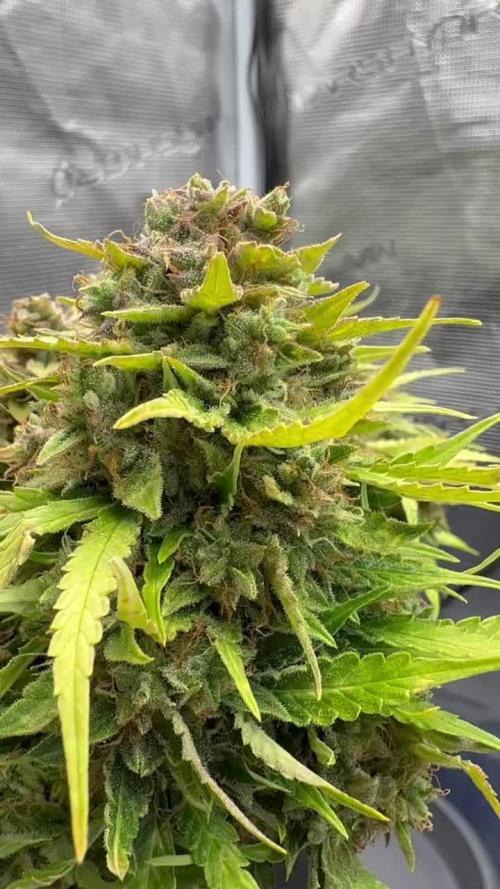
Driving to harvest through German AutoBahn
Aceleramos al cosecha
Likes
11
Share


@Paradox_1ste1
Follow
Up to now they looking pretty good and strong, even tho some of the plants are not as dense and is maybe a bit late to date with the other ones. Ill have to give them another 1 or 2 other weeks until harvest. The trichromes look preety good even tho.in the picture dosent show well. They starting to consume less water and the leaf colour is starting to fade slightly .


Likes
4
Share


@Staffedition
Follow
Привет друзья.✋
Наше знакомство продолжается с новым фотоцветущим растением от Smail_Seeds сорт TROPICANNA POISONZKITTLEZ XXL Regular F1 reg.
Сегодня растению 73 дня.
Перевёл на 12/12 1.10.2023
Перешло в активную фазу цветения
Растение очень хорошо развивается, ни каких сбоев в генетике не наблюдается😀
Сорт выводим сами.
Смотри мой профиль, у нас всегда есть что то интересное.
Не забудь поставить лайк❤️, если понравилась как прошла неделя
И читайте наш TELEGRAM: https://t.me/smail_seeds
#Smail_Seeds 😀
Likes
22
Share


@RDWCGrowing
Follow
1/11/2024 Vegetation Week 1 Day 1- I have a root almost in the water.. Yay!! Top feeding is almost done. she is looking a little sad as I work the transition Top feeding but once the roots are fully in the water she will start to take off. Ensured my PPFD is set between 250-300 it is set to: 258
1/12/2024 Vegetation Week 1 Day 2- I have a root in the water.... NO TOP FEED TODAY SIR!!! now that a root is touching the water and she looks stable, I am not going to topfeed, I will see how she looks tomorrow and as long as everything looks good I am going to go ahead and do a change and week 1 fill on Nutes.. I know it is a couple of days in but the same Nutes go through Week 2 and get changed at Week 3 So I should be good to go.. I will just ensure I fill to root touching the water when I change tomorrow.
1/13/2024 Vegetation Week 1 Day 3- Water Change Day!!
I added 36 Gallons of Water to the system:
Silica= .5mil/gal= 18mil
CalMag= .75mil/gal = 27mil
FloraMicro=3.0mil/gal = 108mil
FloraGro=2.0mil/gal = 72mil
FloraBloom= 2.0mil/gal = 72mil
PH DOWN= 30mil
Very important thing with this system is to now wait the 24 hours for the system to adjust.. Do not make any further adjustments to your PH up or Down for 24 hours to allow time for the system to balance.
1/14/2024 Vegetation Week 1 Day 4- Today I just adjusted the PH to ensure that it was right at 6.0
1/15/2024 Vegetation Week 1 Day 5- Today I Cleaned up the lower damaged leaves from the transition from top feeding to roots in the water. She looks good today.
1/16/2024 Vegetation Week 1 Day 6- Today I just took a picture of the beautiful lady for Log. Other than that just normal day to day operations, check the pH, check the Humidifiers and fill as necessary, check level of water in the Res. Everything looks great. onto Tomorrow!!
1/17/2024 Vegetation Week 1 Day 7- Today I filled the humidifers, checked the PH and just let her grow.. Grow baby Grow.....

Likes
Comments
Share


Likes
128
Share


@PapaNugs
Follow
Girls got topped this week. I decided to only top once due to the herming last time. But they are growing well after the transplant last week. I'm happy with the growth and we'll look to flip in about three weeks. That'll put trim time around Christmas which I have off.

Likes
10
Share

@BLAZED
Follow
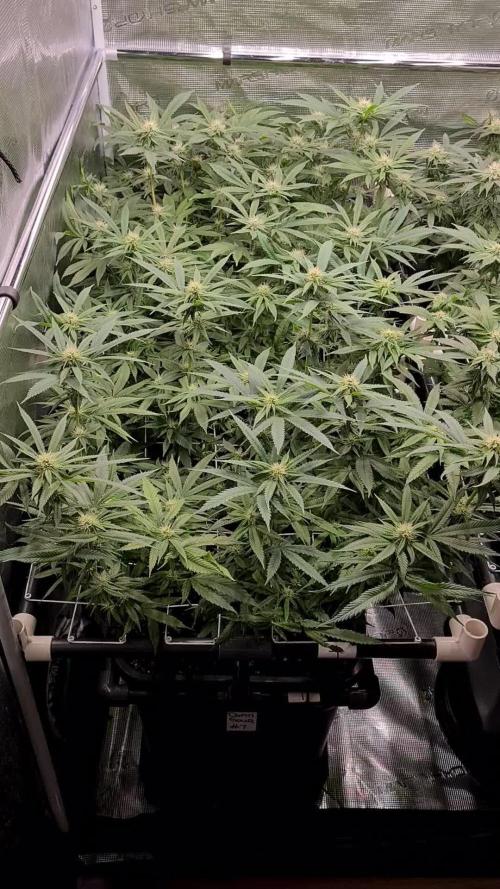
Week 13 (21-4 to 27-4)
21-4
Temps: 20 to 24.8 degrees
Humidity: 54% to 63%
Watering: Both 1000 ml. EC: 1.6
22-4
Temps: 20.8 to 24.7 degrees
Humidity: 54% to 64%
Watering: Both 1000 ml. EC: 0.4
23-4
Temps: 19.2 to 24.6 degrees
Humidity: 55% to 62%
Watering: Both 1000 ml. EC: 1.6
24-4
Temps: 19.3 to 24 degrees
Humidity: 56% to 63%
Light set from 65% to 75% strength.
25-4
Temps: 18.2 to 23.7 degrees
Humidity: 56% to 60%
Watering: Both 1000 ml. EC: 0.4
26-4
Temps: 19.1 to 24.5 degrees
Humidity: 53% to 61%
Watering: Both 1000 ml. EC: 1.6
27-4
Temps: 19.2 to 24.2 degrees
Humidity: 54% to 59%
Watering: Both 1000 ml. EC: 0.4

Likes
29
Share


@MarsHydroLED
Follow
Sundae Driver (Fruity Pebbles X Grape Pie) packs a sweet creamy chocolate flavor with a lightly sugary fruity exhale.

Likes
3
Share

@xipo86
Follow
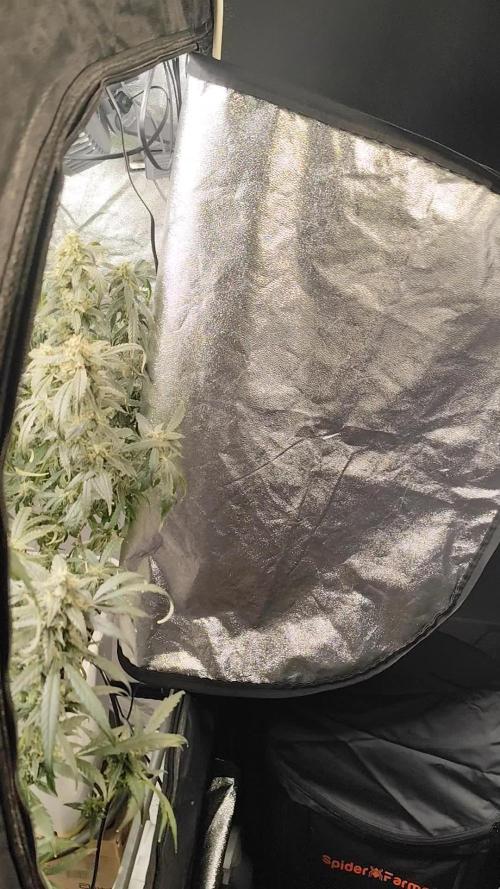
Day 70
Hairs are going brown now.... tricom head gettin cloudier ... harvest ir around the corner.. maybe 10 more days?? will check on tricoms every other day ... till 20% amber... the patience game has begun...
no more feeding .. just water last pk boost was last wensday..

Processing
Likes
21
Share


@Siriuz
Follow
Alright so im gonna stop adding veggie nutes and just gonna keep adding bloom nutes from now on.
She is doing pretty good
I must say she's super XL
She keeps growing and growing
Starting to smell some citrus
Smell is not strong yet
I will continue using the LST technique
Fed them today last veggie nutes followed by bloom nutes and then some water
Day 61
She keeps growing strong and healthy,
They looking good
Day 62
She's doing great after applying HST
Day 63
Growing bigger and tomorrow we gonna add more nutes
Day 64
end of week 8 gotta add more nutes
This time will only add floranova bloom


Likes
28
Share


@No_Clout
Follow
Hopefully will be starting flush next week seeing how it is, gonna do a two week flush, yes it is coco but I want a proper flush this time round so o can get that thick white ash we all know and love instead of some nasty dark gray/Black.
