Likes
Comments
Share
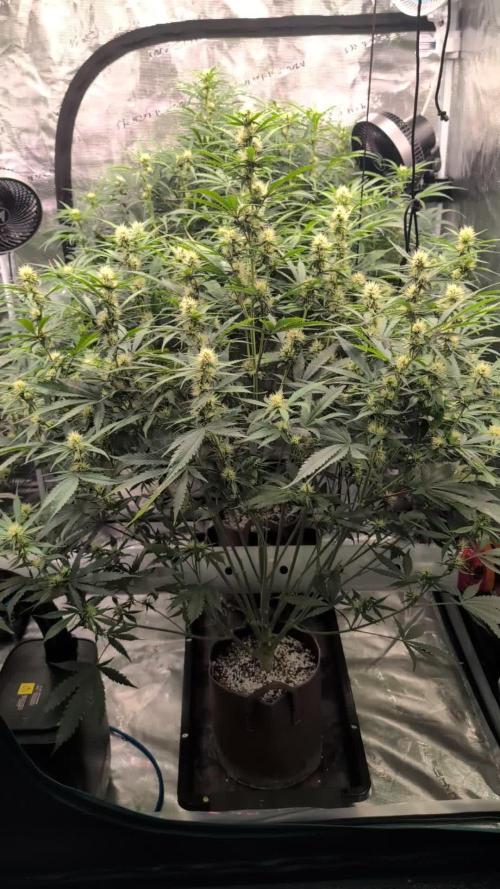
Good morning, time for the weekly update! Today is day 34 of flower and I’m starting to miss the training, topping, and busy days of veg growth! Just peek in on them once a day and water anymore, getting boring! Last week they got one watering with silica and one with fish shit, week 6 of flower is starting so after this week I’ll probably just be giving them plain ph water. I hope the flowers have stacked well and start to put on some weight now, maybe you guys can give me some feed back on how the buds are looking at this stage! Thanks for reading see ya next week :)
Processing
Likes
2
Share
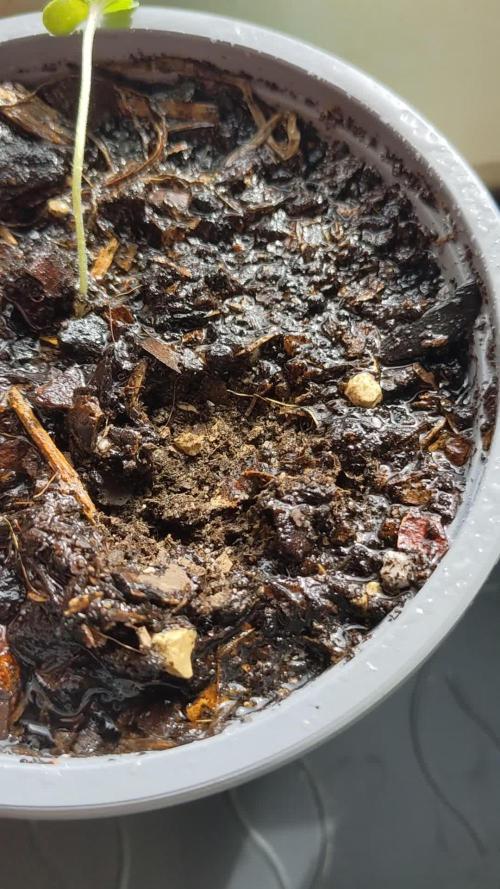
**Encontrarás la traducción a español al final de la descripción** From/Desde: 01/09/19 || To/Hasta: 08/09/19 From day/Desde día: 00 || To day/Hasta día: 07 Blueberry Cookies Diary / Diario de las BlueBerry Cookies: https://growdiaries.com/diaries/38769-dinafem-039-s-blueberry-cookies-at-the-ocean -----IMAGES & VIDEOS----- P6~P9: Among the 4 seeds planted only this Ocean Cookie pushed it's shield out... Cute as a catty😍 -----WEEK SUMMARY----- If you like this week, please hit a like, it costs you nothing! 👊. Thanks in advance 😉! Hi buddies, i'm very happy to welcome you to my new Dinafem's Cookies grow. In this grow I'm going to run 4 Dinafem seeds, 2x Ocean Grown Cookies (this diary) and 2x Blueberry Cookies. The seeds were provided by Dinafem itself, a thing that i want to thank a lot to Dinafem Team, specially to you Mark! 👊 ;). I will try to do my best 🙏. The first week was as expected, buried the seed on Sunday night in a small pot (i'm not sure if it's 0.3 l, but +/-), it be came to seedling on Wednesday afternoon and grown till Sunday as it should be... (AK Déjà vu). Equipment used ----------------- Platinum Grow Lights P300 (93W grow, 180w Flora, full spectrum) DR90 growing tent (90x90 cm) 10 l AeroPot Mid-size Oscillating vent 20w Soil from Bio-Bizz (Light-mix) i will use a small layer of Hard-mix in the bottom of the AirPot and mix the rest with Superguano & Top Vulcan (Both from Top Crop) on transplant. -----WATERING CALENDAR----- Using all week nutrients @ PH 5.8 & EC 0.7 01/09/19: 130 ml 04/09/19: 60 ml 08/09/19: 120 ml *****ESPAÑOL***** -----IMÁGENES & VÍDEOS----- P6~P9: De entre las 4 semillas que he plantado, sólo esta ha expulsado el escudo de la semilla... Cuki como un gatito 😍 -----SUMARIO SEMANAL----- Por favor, si te gusta esta semana dale un like, no te cuesta nada 👊. ¡Gracias por adelantado 😉! Hola compañeros, estoy feliz de presentaros mi nuevo diario de Cookies Dinafem. En este cultivo voy a plantar 4 semillas, 2 Ocean Grown Cookies (este diario) y 2 BlueBerry Cookies. Estas semillas me las ha mandado el propio Dinafem, cosa que quiero agradecer al equipo de Dinafem, especialmente a Mark! 👊. Intentaré hacerlo lo mejor posible. La primera semana fué como se esperaba, planté las semillas el Domingo por la noche en un tiesto pequeño (no se si es exactamente de 0,3 l pero +ó-), se hizo plántula el Miércoles por la tarde y creció hasta el Domingo como debía... (DejaVú de la AK) Equipo usado ----------------- Platinum Grow Lights P300 (93W crecimiento, 180w floración, espectro completo) Tienda de cultivo DR90 (90x90 cm) 10 l AeroPot Ventilador oscilante mediano de 20w Sustrato BioBizz (Light-mix) usaré una pequeña capa de top-mix en el fondo del AirPot y mezclare el resto con Superguano & Top Vulcan (ambas de top crop) cuando transplante. -----CALENDARIO DE RIEGO----- Usando todos los nutrientes de la semana @ PH 5,8 & EC 0,7 01/09/19: 130 ml 04/09/19: 60 ml 08/09/19: 120 ml
Likes
20
Share
This lady tends to stay small, but the she has quite a explosive veg time. She will not grow tall but she will produce many side branches that will continue side branches. There for the plants can be very leafy, and will produce unnecessary shadow that will block the canopy. Due to blocking of the canopy after the 5 first CM high chance useless pop corn bud will develop. So with this strain it is very important to train her wel and make sure the light can penetrate the lower branches aswel, if you want to have enjoyable sweet dense buds all of the plant and branches. Have a good grow!
Likes
9
Share
I Should have been chopped down 5 plants instead of just one however I lost her 4 sisters because of fungal infection due to a high humidity and and a very hot day. Wish I could have been able to get a lot of jars full of this wonderful and magical organics nugs.
Likes
9
Share
@Jofflepov
Follow
I planned this grow in advance. It was fun to setup. This autoseason has some disadvantages, lots of rain and wind so I decided to give this batch an indoor start. Feels a bit as cheating but all for the buds. 10 seeds are budget auto lemonhaze. 2 seeds are RQS', they came up the fastest, in 24hrs from being put under soil. I want to grow these plants around 3 weeks under the lamp before going outside and start last batch of outdoor auto's in the tent :D
Likes
10
Share
@NSABND
Follow
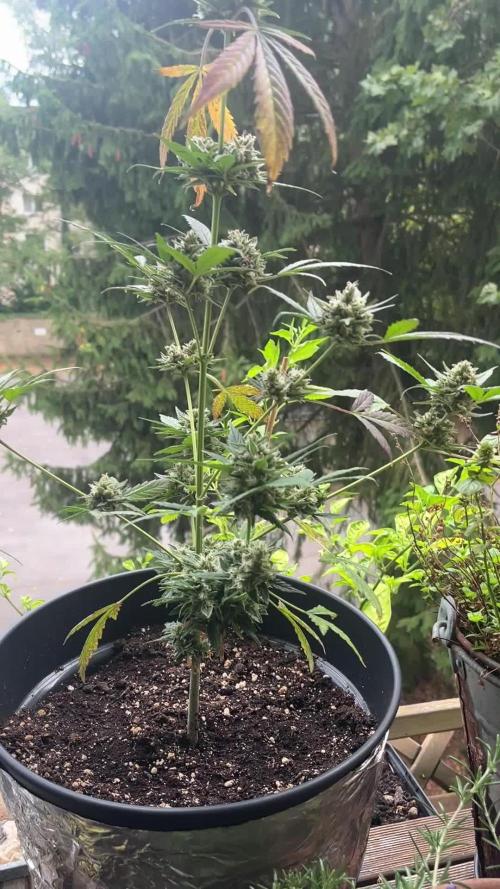
Day 29... afternoon very sunny and warm temp 👍 Day 30 damn hot and full of sun 😎👍 Day31 warm weather with sun in the morning, laters cloudy with high humidity 😃 Day32 totally fucked up weather...rain non stop and cloudy 😕😫😩 Day33 same damn weather then yesterday oh lord 😒😠😵 Day34 cloudy start in the day but then sunny weather 😍👍😏
Likes
5
Share
Semana de muito progresso !garotas estao como lokas!estou com.uma delas que esta mais diferentes!me parece que esta com alguma praga!ou deficiência de potássio!falta poucas semanas para eles ficarem belas e mais cheirosas!abraço
Likes
15
Share
@RunWithIt
Follow
Whole grow went off without a hitch. Actually haven't had this smooth of an experience with a plant in a while. This strain is a MUST TRY!!! I'm going to be toking on pure gas for a while! 👌😎 Cheers all! Got another one of her right around the corner as well 😂
Likes
48
Share
Tangie'Matic is growing great, as expected. Nice looking bud site development. Started giving Mammoth P this week in combination with Recharge, looking forward to the results.
Likes
92
Share
Week 18 (Week 10 Flower) Grow Diaries Report – Part One: Wrapping Up the Journey 🌱 Pre-Harvest Reflections This week has been a mix of emotions as we approach the final chapter of this grow. Let’s talk about why we made the decision to pre-harvest portions of the Gorilla Melon and Papaya Zoap. While both plants have been incredible performers, a few buds on each started showing early signs of bud rot. This is an unfortunate but natural challenge when growing such dense and resin-packed colas. The decision to harvest those sections early was made to protect the rest of the crop and ensure quality and integrity for the remaining flowers. Vigilance is key in a packed garden like ours, and careful monitoring ensured the rest of the room remained safe and thriving. 🌈 A Symphony of Colors and Frost The grow room is a visual masterpiece this week, with shades of deep purples, vibrant greens, and golden hues taking over. The fading is absolutely breathtaking, showcasing the natural progression of the plants as they near the end. Combine this with the insane level of frost blanketing the buds, and it’s safe to say this is one of the most beautiful gardens I’ve ever cultivated. ✨ Spectrum Management: The Secret to Stunning Results The current lighting setup is a game-changer: • 50% whites to maintain overall balance and structure. • 100% reds for enhanced ripening and color development. • 100% UVs to boost resin production and amplify those trichome levels. The ThinkGrow LEDs paired with the TrolMaster spectrum control system have truly unlocked the garden’s full potential. Watching the plants sparkle under this setup feels like seeing stars on a clear night—magical and unforgettable. 🌟 Quick Recap: The Journey So Far From seed to this incredible moment, this grow has been a testament to precision and passion. From germination to veg and through flowering, every detail was carefully tuned, every decision made with intention. Along the way, we navigated challenges like pests, mold, and environmental shifts, proving that adaptability and dedication are essential. And here we are, ready to bring this journey to a close with nothing short of perfection. Week 18 (Week 10 Flower) Grow Diaries Report – Part Two: The Tools That Made It Possible 💡 ThinkGrow LEDs: These lights have been the heartbeat of the grow, delivering unparalleled spectrum control and efficiency. The ability to fine-tune every stage of the plant’s life cycle has been a game-changer. 🌬️ AeroFan System: Consistently circulating air while keeping the environment balanced and mold-free. The AeroFan’s role in preventing hotspots and ensuring even coverage cannot be overstated. 📱 TrolMaster System: The brain behind the operation, the TrolMaster system has provided unmatched control and precision. From monitoring temperature and humidity to dialing in lighting and CO2, it has truly transformed how I grow. 🏕️ Tent-X Setup: The foundation of the grow, this tent provided the perfect space for controlled cultivation. Its design maximized efficiency while keeping everything neat and manageable. 🌡️ Sensors and Monitors: Every parameter was tracked with pinpoint accuracy. From VPD to soil moisture, the sensors ensured every need of the plants was met in real-time. Each tool, piece of gear, and setup component has worked seamlessly together, creating a true ecosystem of excellence. This grow wouldn’t have been the same without them. Ending with Gratitude and Excitement To the community: thank you for joining me on this incredible journey. Whether you’ve been here since the beginning or just tuned in, your support has been everything. From the lovers to the critics, you all push me to grow (pun intended). To the sponsors: ThinkGrow LED, TrolMaster, Aptus Holland, Pro-Mix Soil, and everyone else involved—your products are not just tools; they’re inspirations. And finally, to these plants: you’ve taught me patience, resilience, and the beauty of the process. 🔥 Next Up: Stay tuned for the epic harvest and a deep dive into the final results, from trichomes to yields and beyond. The end is just the beginning of the next adventure. 🌟 Let’s finish this grow strong! 🌱✨ Growers Love. Discount Codes so you can save big on your next check out 💚💚💚 Kannabia - DOGDOCTOR 30% off SeedsmanSeeds - DOGDOCTOR 10% off CannaKan- DOGDOCTOR 15% off terpyz.eu - DOCTOR 15% off The Neutralizer - PORKIT5-DOG 15% off Fast Buds - DOGDOCT 15% off As always thank you all for stopping by, for the love and for it all , this journey of mine wold just not be the same without you guys, the love and support is very much appreciated and i fell honored and so joyful with you all in my life 🙏
 With true love comes happiness 💚🙏 Always believe in your self and always do things expecting nothing and with an open heart , be a giver and the universe will give back to you in ways you could not even imagine so 💚 Friendly reminder all you see here is pure research and for educational purposes only Growers Love to you all 💚💚💚
Likes
2
Share
Flowering in full swing. Let her rip. Water when dry.
Likes
19
Share
@Ferinky
Follow
Se esta acercando el día de la cosecha, pero todavía sigue pidiendo agua y los cogollos siguen madurando.
Likes
2
Share
Topped once, turned off IR @ nights, slowed vertical growth back down, and took off both of the very lowest internodes on each plant. Eisenia fetida Stratiolaelaps scimitus Armadillidium vulgare Red wigglers (Eisenia fetida) are highly beneficial. They are considered an ideal choice for "no-till" or container-based organic growing because they live in the upper layers of soil, feeding on organic mulch rather than the plant's root system. Red wigglers accelerate the breakdown of organic amendments and produce high-quality, nutrient-dense worm castings directly in the root zone. Clover is another exceptional component of an organic rhizosphere, offering a sustainable, self-sustaining alternative to synthetic nitrogen fertilizers produced via the energy-intensive Haber-Bosch process. By forming a symbiotic relationship with Rhizobia bacteria, clover converts atmospheric nitrogen N2 into ammonium NH4, providing a steady, slow-release nutrient source that enhances soil health and reduces environmental impacts. Red clover offers superior nitrogen fixation and biomass production compared to white or yellow clover, making it the premier choice for maximum soil vitality, particularly for improving soil structure and providing a high-volume nitrogen credit for subsequent crops. If it is fully functional and efficient soil, the rhizophagy cycle is superior long-term than any synthetic delivery when it comes to preventing deficiencies, not because it's "better," per se. The medium will require a very high CEC to make it to harvest without re-fertilization. The rhizosphere acts as a dynamic, interactive exchange where plants and soil microbes trade resources based on immediate needs. When a plant lacks a specific nutrient, it changes its physiology and releases specialized chemical cocktails—root exudates—into the surrounding soil. These exudates, which include sugars, amino acids, and organic acids, serve as a "shopping list" to attract specific microorganisms, which in turn return higher levels of desired nutrients. There is nothing in comparison when using synthetic delivery, which can cause plants to stop producing exudates, effectively "starving" the beneficial soil life, over time turning the soil barren and void of microbial life. Responsible use, applying the right amount at the right time, can minimize these negative effects. Relying solely on synthetic fertilizers without replenishing organic matter is what typically leads to exhausted soil. The use of synthetic fertilizers can utilize the Cation Exchange Capacity (CEC) of the soil, but without a robust rhizosphere and active microorganisms, the efficiency of this process is significantly reduced. This makes synthetic growing more difficult to prevent deficiencies overall compared to an efficient organic living soil with a robust rhizophagy cycle, as there is no "one size, fits all" when it comes to different nutrient profiles of strains/genetics, making it trickier to "guess" and prevent creeping deficiencies. CEC does not contribute towards EC. Add more CEC using biochar, problem solved. If you keep pH between 6.3 and 6.7, hydrogen is exudated to cycle the medium's CEC for its needs. Keeping the pH between 6.3 and 6.7 creates an environment where plants release H+ to displace positively charged nutrients (like Ca2+, Mg2+, K+ held on soil particles or within artificial media this cycle through nutrients via the medium's Cation Exchange Capacity (CEC) Microorganisms generate a stable potential of approximately 0.5 V EC. The rhizosphere creates its own food, similarly to chelation, using 1000's of varying combinations to create its own food. Start to finish, just add water. Eventually, more materials will need to be added at the beginning of each new grow, but very attainable to go from seed to harvest without ever fertilizing. ATP is important when it comes to biomass accumulation. Cellular root respiration and cellular respiration are essentially the same biological process, the breakdown of glucose to create usable energy (ATP) in the presence of oxygen, just taking place in different parts of the plant. Synthetic (salt-based) grows have significantly lower levels of total rhizosphere respiration, often referred to as root-zone activity, compared to organic living soil grows. While the plant roots themselves may respire in both systems, the surrounding soil ecosystem in a living soil setup is vastly more active, teeming with bacteria, fungi, and beneficial microorganisms. 2 pools of ATP, it won't double in growth buuuut, but improving root respiration by ensuring high oxygen in the soil is crucial. Good aeration ensures roots can fully utilize glucose to generate the ATP necessary for nutrient uptake, leading to healthier and more productive plants, even if growth isn't exactly doubled. The ATP created using root respiration is dedicated to rootzone growth; the ATP created using regular cellular respiration in a synthetic system would have to dedicate a lot of ATP to the roots when there is little or no root respiration. It's true that there is less of an initial ATP cost in breakdown when nutrients are already in their final form (synthetic), but you lose a solid chunk of ATP when the entire plant is reliant on cellular respiration alone; a large portion of ATP is dedicated to root zones for "forced" nutrient uptake rather than traded. Making it overall less efficient, even if the initial cost of breakdown is higher. Not sure if I butchered that but one can hope It makes sense. Oxygen is of critical importance when growing in living soil compared to synthetic soil because it supports the metabolic needs of the microbial, fungal, and insect ecosystem, rather than just the root respiration required by the plant itself. While synthetic grows can survive in lower-oxygen environments with precise mineral feeding, living soil systems rely on aerobic microbes to decompose organic matter (microbial mineralization) to create plant-available nutrients, which is an oxygen-intensive process. While a specific fair percentage is difficult to guess, my experience points to a massive, compound difference between the two methods and the amount of oxygen required. All the ATP spared is used on more biomass, not only that, but the extra root respiration can achieve a much higher CO2 compensation point naturally than you could with synthetic and atmospheric CO2 alone. As a plant grows faster and increases in size, its demand for nutrients to support that growth increases, requiring a higher rate of nutrient uptake. As plants enter phases of rapid vegetative/floral growth, their metabolic demand for nutrients increases exponentially. Without a robust buffer zone—whether in the soil (cation exchange capacity) or in a hydroponic reservoir—deficiencies will occur rapidly because the instantaneous demand for specific nutrients can quickly exceed the rate of supply. A growing body of evidence suggests that organic living soil provides superior long-term soil health and environmental benefits compared to synthetic fertilizers, which are often criticized for promoting a cycle of dependency and degradation. While synthetic fertilizers offer short-term convenience and high yields, they often come at the expense of long-term soil health, sustainability, and increased corporate control over growers/ farmers. Organic living soil, while slower and requiring more care to establish, creates a sustainable, resilient, and, ultimately, more fertile environment. We don't really grow; we facilitate energy conversions, and energy is just numbers. Because the universe works the same way today as it did yesterday, there is a single, fundamental mathematical quantity that remains constant. We call this quantity energy. You cannot put "energy" under a microscope. You observe matter and forces (like heat, motion, or light), but energy is just a scalar number calculated to help predict how these things will change and interact. When an object falls, or when a battery powers your phone, matter shifts and changes form. Through it all, the universe ensures the "total score" of the numbers remains exactly the same. Once all water is removed, approximately 95% to 97% of a plant’s dry matter consists of carbon, oxygen, and hydrogen. These three elements form the structural backbone of all plants. NPK & all the rest 3-5%. Indigenous Amazonians created, or at least significantly enhanced, the fertile, dark soil known as Terra Preta de Índio (Portuguese for "Indian Black Earth") by incorporating biochar and other organic materials into the soil. This anthropogenic (human-made) soil technique, which dates back roughly 2,500 to 8,000 years, allowed ancient civilizations to flourish in regions with naturally poor, acidic, and nutrient-poor tropical soils.
Processing
Likes
30
Share
Week 2 , I'm seeing amazing new growth everyday. Love my @marshydro TS-600 . I’m learning new stuff everyday about growing indoors and I love all the feedback and positive comments from my fellow grow diary peeps. I am looking forward to the next 8 weeks of my first indoor grow. ✌️#growwhereyouareplnted #growerschoiceseeds #marshydro
Likes
32
Share
@BigDaddyK
Follow
Really looking and smelling lush....that centre cola man.... its a masssivvvveee
Likes
34
Share
@JonnoSA
Follow
Flicked the switch and put these baby's into flower. Did some serious defoliation along with some pinching and bending, followed this by adding the scrog net. I also top dressed the lady's with some biobloom and worm castings👌
Likes
18
Share
@Dunk_Junk
Follow
Wow she went crazy this week! A big change from last week. Lets see how long she will keep growing! 💪
Likes
65
Share
@Dendegrow
Follow
So the net is installed, lets wait until it is full covered and then going into bloom. I make this time a trial only to feed the Organe sherbet with Melass yeast buddermilk and sugar in vegetation. The yeast will produce the whole grow enough co2 to keep it up about 800 ppm only thing you have to do is to put some sugar in the feeding solution.
Likes
7
Share
@Chubbs
Follow
Week 5 on these amazing girls. They're full into the flower stage and the smells are starting to come through super strong. I've switched over to bloom nutes and they seemed to never skip a beat. All in all excited to see what the coming weeks have in store. Happy Growing.
Likes
13
Share
@knicko
Follow
24 Stunden habe ich sie in ein Wasserglas getan was Zimmertemparatur hat. Nach 24 Stunden habe ich sie in eine Brotdose mit Taschentücher gelegt auch bei Zimmertemparatur 2 Tage Keimen lassen. Als die Wurzeln ca. 1.5-2.5cm lang waren habe ich sie in Jiffys gesteckt und in einem Gewächshaus wachsen lassen.