Likes
Comments
Share
@GhostByte
Follow
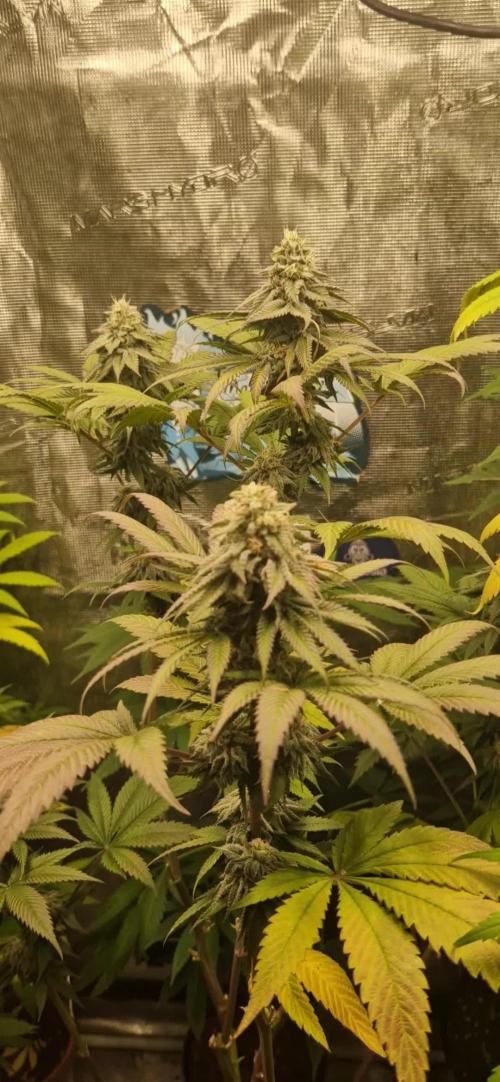
Gave her a good defoliation this week along with spreading out the branches a little. Couldnt bend the main cola over as it is still recovering from the damage. Overal she seems to be healthy. Been removing leaves here and there and she doesnt seem to mind at all.
Likes
5
Share
Likes
3
Share
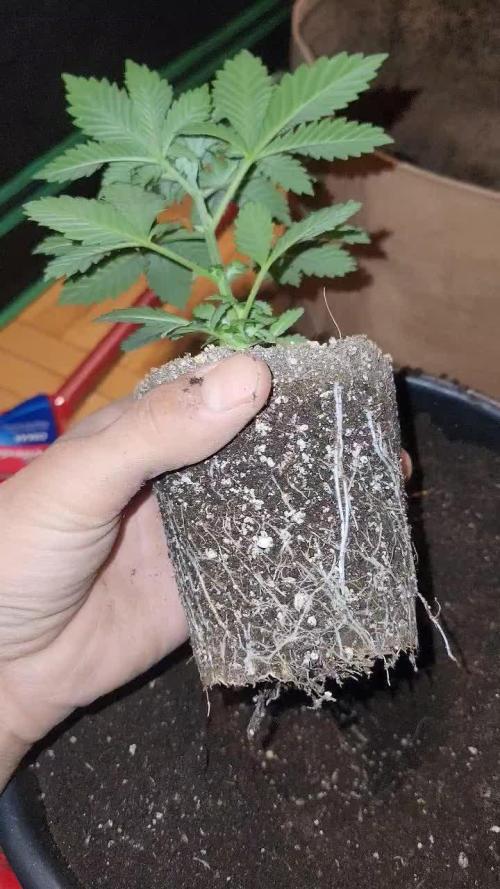
Mother: to the older sets that are in pot Gonna transplant dem new mother by the end of the week or next week...jus letting LST do it thing since I already started it New cutting first visible root in 8 day off of water only gonna hit them with a rooting mixture before end of week
Likes
17
Share
Week 7 of bloom, and I’m thrilled with how things are turning out!🌟 One of the plants has been fully flushed this week and is now ready to be harvested.🌱✂️ It’ll soon be hung up to dry, marking the end of its journey. This plant was incredibly quick, going from seed to harvest in record time—impressive!🍂😊 That leaves me with the other Banana Purple Punch, which has now started its flushing phase. In about 1 to 1.5 weeks, it’ll spend 48-72 hours in complete darkness before being harvested. This plant is looking fantastic, and I’m excited to see how it finishes up. Overall, I’m very satisfied with this grow. Each plant has shown its unique character and pace, making the process both rewarding and educational. Can’t wait to see the final results from the Banana Purple Punch!😊
Likes
14
Share
@Chimken
Follow
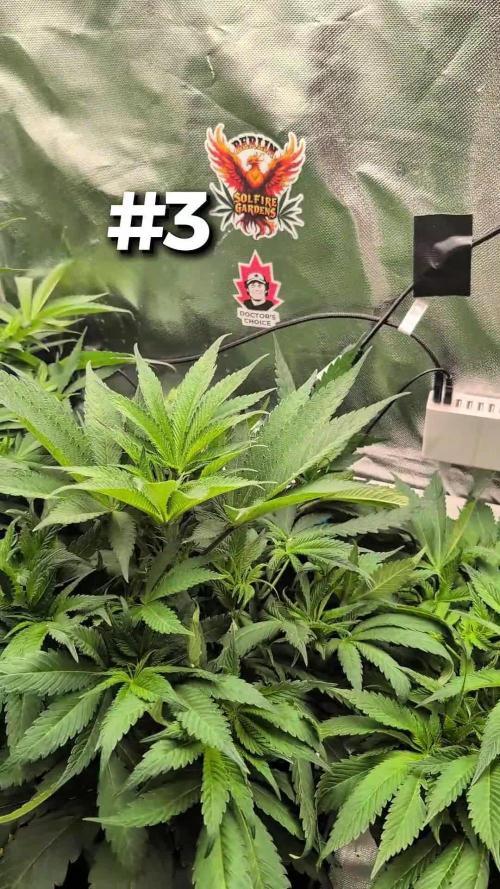
This time I am growing Sativa strain that is Mexican Airlines from FastBuds and some cool hybrid Wedding Cheesecake from the same breeder. I started with 7 seeds. Mexican Airlines: 4 out of 5 germinated successfully. Wedding Cheesecake: 2 out of 2 germinated successfully. Currently I have 6 sprouts. Will keep 3 strongest of the first week of vegetation stage.
Likes
1
Share
Heavy heat week. Only feed 2 times this week as of 6-17-26 needed to post before clean up some leaves 🍃 both ladies are getting larger by the day after transplant outdoors some leaves are still showing signs of light burn. Im currently feed liquids and top soil feed with worm casting and royal kings 🤴 ✨️ 💜 😎 grow the site does know Who they are so im mention here. Goal for the summer keep pumping 💪 😎 👌 so we can stop going to dispensaries save my money 💰 🤑 just to make money one day to play off the water bill hahah 😉 . Peace love ☮️ happiness 😊
Likes
16
Share
Seedling managing 93F 30%RH, around 20 DLI. Vpd is in the 3's. No I don't recommend. Signum Magnum. "A great sign appeared in the sky a woman clothed with the sun with the moon under her feet and on her head a crown of twelve stars. Sing ye to the Lord a new canticle: because He has done wonderful things. Glory to the Father, and to the Son, and to the Holy Spirit As it was in the beginning, and now, and ever shall be, world without end." The plant nutrient nitrogen exists in forms with both positive and negative charges. Ammonium (NH4+)(immobile in soil)(Cation) has a positive charge, while nitrate (NO3-) (highly mobile in soil)(Anion)has a negative charge. Nitrogen is unique among plant nutrients in that it can exist in both positively charged (ammonium, NH₄⁺) and negatively charged (nitrate, NO₃⁻) forms in the soil. This makes it a special nutrient. In that it is responsible for providing balance for reactionary trade offs when it comes to ph. Because ph itself in the medium will always slowly drift towards acidicity, such is nature. 80% of nitrogen should be nitrate and no more than 20% ammoniacal nitrogen. Ca, mg, and K are the big 3 cations related to soil composition, pH & base saturation. When nitrogen is in the form of ammonium, it can compete with calcium, magnesium, and potassium for absorption sites in the plant root. This competition can lead to a reduction in the uptake of these other essential nutrients. Nitrogen, particularly in its nitrate form (NO3-), can increase soil acidity, which can also affect the availability of calcium, magnesium, and potassium. The form of nitrogen applied (ammonium vs. nitrate) can influence its interactions with other nutrients. Ammonium nitrogen can have a more pronounced negative effect on the uptake of calcium, magnesium, and potassium compared to nitrate nitrogen. Common forms of ammonium nitrogen include ammonium ion (NH4+), urea, and ammonium compounds like ammonium nitrate, ammonium sulfate, and ammonium phosphate. Common forms of nitrate nitrogen include potassium nitrate (KNO3), sodium nitrate (NaNO3), calcium nitrate (Ca(NO3)2), and ammonium nitrate (NH4NO3). Phosphorus is an essential plant nutrient, and its availability in the soil is strongly linked to the presence of oxygen. Plants primarily absorb phosphorus as phosphate (PO4), and oxygen is a key component of this molecule. Furthermore, the availability of phosphorus in the soil can be impacted by factors like soil aeration and temperature, which in turn affect the oxygen supply to the roots. Phosphorus uptake in plants is most critical during the early stages of growth, particularly within the first few weeks of plant development. Young plants actively growing tissues have a high demand for phosphorus. They may absorb up to 75% of their total phosphorus requirements within the first few weeks of vegetative growth, with up to 51% of uptake happening overnight, primarily in the first few hours or early nightfall. ⑨Anaerobic root respiration, or respiration without oxygen, is detrimental to plants because it's less efficient and produces toxic byproducts, leading to reduced energy production, nutrient uptake issues, and ultimately, root damage and plant stress. ⑨Anaerobic respiration, unlike aerobic respiration, doesn't utilize oxygen as the final electron acceptor in the electron transport chain. This results in a significant drop in the amount of energy (ATP) produced, which is necessary for various plant functions, including growth, nutrient uptake, and maintenance of cellular processes. ⑨In the absence of oxygen, plants produce byproducts like ethanol and lactic acid during anaerobic fermentation. These byproducts can be toxic to the roots and inhibit their function, ⑨When oxygen is depleted in a medium, the pH tends to decrease (become more acidic) due to the production of metabolic byproducts. This is particularly relevant in biological systems where aerobic respiration relies on oxygen as the final electron acceptor. ⑨When oxygen is scarce, plants may switch to anaerobic respiration. This process produces carbon dioxide (CO2) as a byproduct. ⑨CO2 dissolves in water to form carbonic acid (H2CO3). This acid lowers the pH of the medium, making it more acidic. ⑨Anaerobic conditions can impair a plant's ability to regulate its internal pH, leading to a drop in cytoplasmic pH and potentially cellular acidosis. ⑨The change in pH can also affect the availability of certain nutrients to the plant, as pH influences the solubility of micronutrients like iron, manganese, zinc, copper, and boron. ⑨The lack of oxygen in the plant medium leads to a decrease in pH due to the production of carbon dioxide during anaerobic respiration and impaired pH regulation within the plant. In plant cells, cellular acidosis, a drop in the internal pH of the cytosol, is a significant stress response, particularly during conditions like flooding or hypoxia. This acidification can be triggered by a decrease in oxygen levels, leading to the production of metabolic byproducts like lactic acid and CO2. The plant's ability to tolerate and recover from these conditions depends on its cellular mechanisms to regulate pH and mitigate the effects of acidosis. When plants are subjected to low oxygen environments, such as those experienced during flooding, anaerobic metabolism, which produces lactic acid and ethanol, becomes the primary source of energy. This can lead to a build-up of these acidic metabolites in the cytosol, causing a drop in pH. OXYGEN Atomic oxygen (single oxygen atom, O) is the lightest form of oxygen, as it has the lowest mass of the oxygen molecules. Oxygen also exists as a diatomic molecule (O2) and an allotrope called ozone (O3), which have higher masses due to the number of oxygen atoms combined. Atomic Oxygen (O): This refers to a single oxygen atom, which is the most fundamental form of oxygen. Molecular Oxygen (O2): This is the common form of oxygen we breathe, consisting of two oxygen atoms bonded together. Ozone (O3): This is an allotrope of oxygen, meaning it's a different form of the same element, consisting of three oxygen atoms bonded together. Since atomic oxygen has the fewest oxygen atoms, it naturally has the lowest mass compared to O2 or O3. Ozone (O3) Lifespan: Ozone has a relatively long lifespan in the stratosphere, particularly at lower altitudes. For example, at 32 km in the middle latitudes during spring, ozone has a lifetime of about 2 months. Oxygen (O) Lifespan: Atomic oxygen, on the other hand, has a much shorter lifespan. At the same altitude, its lifetime is about 4/100ths of a second. Ozone-Oxygen Cycle: The ozone-oxygen cycle involves the rapid exchange between atomic oxygen (O) and ozone (O3). UV radiation can split molecular oxygen (O2) into atomic oxygen (O), which then reacts with O2 to form ozone (O3). Ozone can also be photolyzed by UV radiation, creating atomic oxygen again, which can then react with O3 to reform O2. Dominant Form: The partitioning of odd oxygen (Ox) between ozone and atomic oxygen favors ozone in the lower stratosphere. This means that a much larger proportion of odd oxygen exists as ozone than as atomic oxygen, especially in the lower stratosphere. Recombination: Atomic oxygen has a high energy and reactivity. When it encounters another oxygen atom, they can combine to form O2. This process releases energy, contributing to the heating of the atmosphere. Ozone Formation: Atomic oxygen can also react with molecular oxygen (O2) to form ozone (O3). Ozone plays a significant role in absorbing harmful UV radiation. Other Reactions: Atomic oxygen can react with various other molecules in the atmosphere, like nitrogen (N2), water (H2O), and carbon dioxide (CO2), forming different compounds. UV light below 240nm (peak 185nm) creates ozone (O₃) through a process called photolysis, where UV light breaks down dioxygen molecules (O₂) into single atomic oxygen atoms (O). These single oxygen atoms then react with other oxygen molecules to form ozone (O₃). Specifically, UV-C light with wavelengths shorter than 240 nm can cause this photolysis. UV light with wavelengths between 240-280 nm, (peak 254 nm) breaks down ozone (O₃) into dioxygen molecules (O₂) and atomic oxygen atoms (O). 280nm does not have the energy potential to break apart the stable bond of (O₂) into enough (O) to make (O₃) At ground level, atomic oxygen (single oxygen atoms) has a very short lifespan. This is because it's highly reactive and quickly combines with other molecules to form stable diatomic oxygen (O2) or other compounds. While the exact timeframe varies depending on the specific circumstances, its lifespan is typically measured in nanoseconds or picoseconds.
Likes
107
Share
Greetings, fellow cultivators and plant enthusiasts! Can you believe we've arrived at Week 15 from seed, with our Purple Lemonade Fast Flower gracefully entering her eighth week of flowering? Let's step into her world once again and revel in the beauty of patience. A Symphony of Patience and Growth <3 As I gaze upon our Purple Lemonade, I'm reminded that patience isn't just a virtue—it's a symphony. Each day that passes adds another note to the melody of her growth. The buds, though close to perfection, are still withholding their final act. And you know what? That's perfectly okay. Buds Basking in the Limelight <3 Oh, those buds! They've continued to flourish, each one a testament to the care and love poured into this cultivation journey. While they tease us with their resplendent beauty, they're not quite ready for the harvest party. But rest assured, when they're ready to shine, it'll be a spectacle worth waiting for. Anticipation: Nature's Grand Gift <3 Anticipation, my friends, is a gift from nature. It's a reminder that every stage of growth is a treasure, every moment in the garden a blessing. The longer we wait, the more profound the reward. As the days unfold, the flavors deepen, the aromas intensify, and the experience becomes more nuanced. A Lesson in Letting Go and Letting Grow<3 Our journey with the Purple Lemonade Fast Flower is a dance between our nurturing hands and nature's timeless wisdom. It's a lesson in letting go, allowing her to flourish at her own pace. As growers, we're caretakers and companions, learning to listen to the whispers of the plant itself. Embracing the Journey, Not Just the Destination <3 While the finish line may still be on the horizon, the journey itself is a treasure trove of lessons and joys. The process of cultivation is as enriching as the final harvest. It's a testament to our dedication, patience, and connection to the natural world. Nature's Masterpiece Unfolding <3 So here's to another week of growth, another chapter in the incredible story of our Purple Lemonade Fast Flower. As we watch her unfurl her petals, let's remember that we're witnessing nature's masterpiece in motion. Thank you for accompanying me on this patient dance of growth. Until we meet again, let's continue to nurture, learn, and celebrate the journey. Genetics - Fast Buds Purple Lemonade FF Ligth - Lumatek ZEUS 465 COMPACT PRO 
Food - Aptus Holland #aptus #aptusplanttech #aptusgang #aptusfamily #aptustrueplantscience #inbalancewithnature #trueplantscience #fastbuds #dogdoctorofficial #growerslove With true love comes happiness <3 <3 <3 Always believe in your self and always do things expecting nothing and with an open heart , be a giver and the universe will give back to you in ways you could not even imagine so <3 <3 <3 
All info and full product details can be find in can find @ https://2fast4buds.com/ 

https://aptus-holland.com/
 
https://autopot.co.uk/ 

https://lumatek-lighting.com/ <3 <3 <3 Growers love to you all <3 <3 <3 " Arising from a cross between purple and citrus Cali genetics, Purple Lemonade FF (Fastflowering) offers a complex high made up of perfectly balanced cerebral and body effects that are ideal for daytime use. Expect an extremely enjoyable high that boosts your mood while deeply relaxing your whole body and getting rid of muscle pain. This meticulous cross produces up to 550 g/m2 of some of the most beautiful purple buds, with pinkish and reddish hues that will catch everyone’s attention. The beautiful purple buds are ready for harvest in 7-8 weeks and come hand-in-hand with unbelievably sugary citrus terps that are just as refreshing as a cold lemonade on a hot Summer day. It’s the ideal variety for the sweet-tooth stoner seeking strains that deliver both in quality and quantity of resin. Bud Description Purple Lemonade FF grows chunky, spade-shaped buds that boast a whole range of pinkish-purple hues with rich, dark orange pistils shooting out of every direction. This variety stands out for the, oftentimes, lilac trichomes that give them a gorgeous pink tint and make for outstanding purple concentrates. The buds give off a delicious tart lemon aroma that reveals a sweeter, more fruity scent as you break the buds open. Definitely a must for flavor chasers and those looking for pungent terpene profiles. Smoke Reports Purple Lemonade FF offers an effect that’s just as unique as the flavor. Expect a potent uplifting high that gives you that energy boost you need to get things done while 100% happy and stress-free. The effect gradually transforms into a wave that works its way along the limbs and through the muscles, deeply relaxing your body and putting you in the right mindset to go through a busy day with a huge smile on your face. This is an excellent all-day smoke as it not only increases energy but can also help combat chronic pain, migraine and stress. Plant Appearance This feminized photoperiod variety develops a thick and strong structure, growing a medium-sized main cola with multiple shorter side branches, typical of hybrid strains. Purple Lemonade FF develops fairly short internodal spacing with gorgeous purple buds growing stacked on top of each other, making it the perfect choice for growers of all levels looking to get lots and lots of top-shelf purple weed, as this variety can produce up to 550 g/m2 in a 7-8 week flower cycle. Grow Tips This is a super fast feminized photoperiod version that takes approximately 7-8 weeks to flower with a 5-week vegetation cycle,, this means you can have faster harvests by shortening the veg cycle or have a longer veg cycle for bigger yields. Purple Lemonade FF (Fastflowering) makes for a great candidate for growers of all levels as it’s a vigorous strain that will thrive with basic maintenance both indoors and outdoors. This is a resin powerhouse so make sure to have your trim bin close by as all the resinous sugar leaves will make for the most mouth-watering hash and extracts. Flavor Expect a long-lasting citrus zest that taste just like it smells. Purple Lemonade FF reeks of a delicious blend of sweet fruits and tart citrus that’ll make your mouth water. On the inhale, expect sour flavors that taste just like lemon candy with hints of orange and a really subtle earthy background. And on the exhale, the citrus flavors open up, giving place to a more sugary berry fruitiness that leaves your whole mouth tasting like an extremely sweet weed-infused lemonade.
Likes
31
Share
02.01.25 VD#33 Frohes neues Jahr ein wunderschönen Guten Abend ✌️ Der Frozen Black Cherry geht es prächtig, Sie hat das Toppen super weg gesteckt. Habe heute noch mal ein paar Blätter entfernt damit die unten liegenden Seitentriebe genügend Licht bekommen. Ich möchte später alle Triebe wenn möglich auf einer Höhe haben somit ist die Ausleuchtung besser verteilt. Beim heutigen Gießen gab es Nährstoffe, das auch alles vorhanden ist um die Lady zu befriedigen. So bin ich sehr zufrieden mit der Frozen Black Cherry Fem. von Anesia Seeds, wir sind noch nicht am Ende es kommt noch einiges wir können gespannt sein. Ich danke euch vielmals für den Support im letzten Jahr, bleibt weiter dran es wird ein schönes Jahr 25 für alle viel Gesundheit, Glück und Erfolg stay High. Mögen all eure Ladys Gesund und prächtig wachsen und euch mit schmackhaften Stuff versorgen 👌🍀 ■■■■■■■■■■■■■■■■■■■■■■■■■ 02.01.25 VD#33 Happy New Year a wonderful good evening ✌️ The Frozen Black Cherry is doing splendidly, it has taken the topping really well. I removed a few more leaves today so that the side shoots at the bottom get enough light. I want to have all the shoots at the same height later on if possible so that the light is better distributed. Today's watering included nutrients so that everything is there to satisfy the lady. So I'm very happy with the Frozen Black Cherry Fem. from Anesia Seeds, we're not at the end yet, there's still a lot to come. we can be curious. Thank you very much for your support last year, stay tuned it will be a nice year 25 for all good health, happiness and success stay high. May all your ladies grow healthy and splendid and provide you with tasty stuff 👌🍀
Likes
12
Share
@chrisss
Follow
Day 57) nothing Day 58 ) Fed ph”d recharged water, half a gallon Day 59) nothing Day 60) Fed calmag and bloom , lotta calmag cuz I see cal def Day 61) nothing Day 62) flush with 2 gallons of phd water Day 63)
Likes
57
Share
All @amsterdammarijuanaseeds are looking great to be fair. Strong main stems like maybe good yield genetics.... S.M.F 🙏 🙏 🙏 @amsterdammarijuanaseeds https://amsterdammarijuanaseeds.com/ams-hot-items Quality, clear advice from a leading grower here. @Roberts YouTube channel. 🍻🌱👍 https://youtube.com/channel/UCAhN7yRzWLpcaRHhMIQ7X4g
Likes
Comments
Share
@ryu420
Follow
Flower smell like lemonand gas flower so stike
Likes
28
Share
@Endzo
Follow
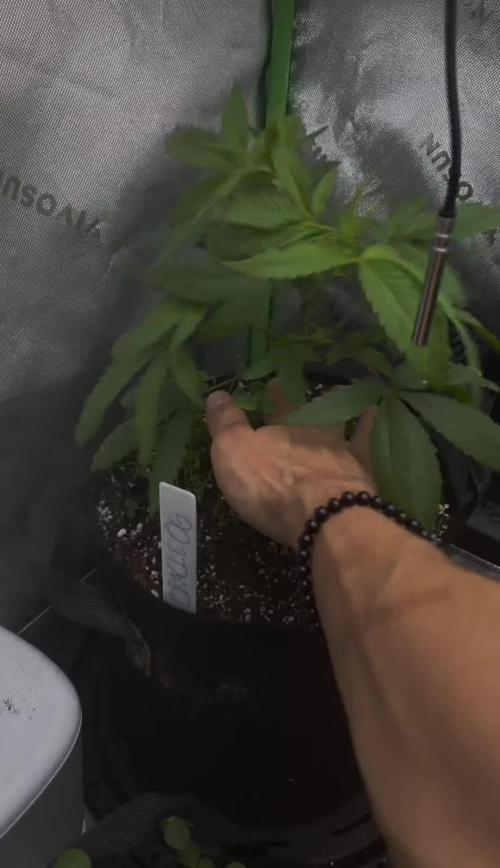
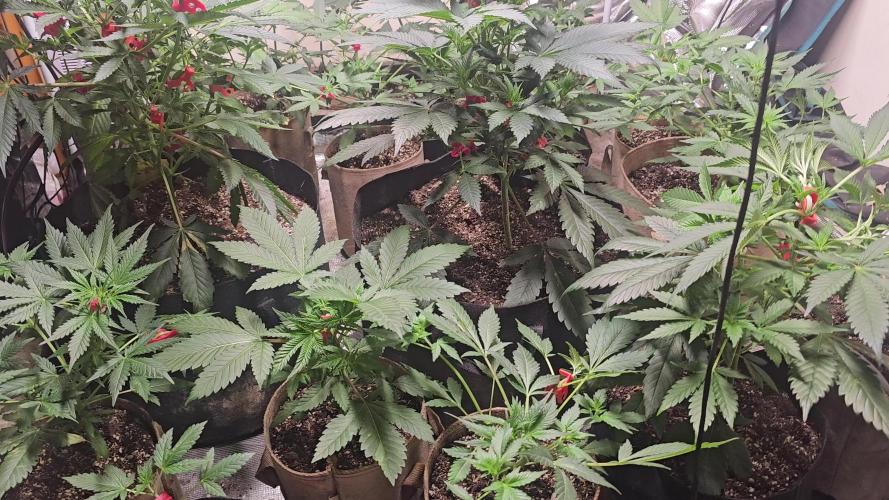
Girls well into pre-flower. Saw some nute burn from last feeding so backed off and just watered with ph balanced water and small dose of calmag. Small defoil of the bottom fans and small off chutes.
Likes
262
Share
@Ju_Bps
Follow
Hello my friends 👨‍🌾🌲, All was fine this week, Harvest look more and more close, I think between 1 or 2 weeks. I started to stop a fertilizer, I've given a last time water + rqs tabs + sugar royal this start week. After that only Water. 2.5l/plant each 2/3 days PH@6 And will start my flush this new week. Sorry not many pics this week, I was a bit busy, so just pics from today (the principal 😁) Have a good week my friends, Thanks for supporting, like, com, follow, it's really much appreciated 😊👍💪😘 See you next week.
Likes
8
Share
Just watered went alittle crazy on the nutes she still a rollin tho.
Likes
24
Share
Servus Moin! Es geht langsam auf die Endgerade zu. Die Buds der Epic Buzz kleben mittlerweile richtig stark. Langsam füllen sich auch die Buds richtig auf und werden fest.