






Likes
43
Share


@TheCannaProphet
Follow
~ GG4 SHERBET FAST FLOWER by FastBuds ~
Well fam, here we go again with another epic strain from FastBuds Fast Flowering stable. After having such tremendous success growing their Gorilla Cookies Fast Flower outdoors last year, I've decided to run another of their fast flowering strains outdoors this year... GG4 Sherbet Fast Flower!
The best description of this awesome cultivar comes directly from my friends at FastBuds which is as follows:
"Bred from extremely potent and flavorful Gorilla Glue and Orange Sherbet genetics, GG4 Sherbet FF (Fast-Flowering) takes all the best traits to the next level, offering a high-yielding strain that can produce up to 600 g/m2 in a 7-week flowering time. This super resilient Indica-leaning hybrid thrives indoors and outdoors, and in all types of climates while producing mouth-watering sweet, fruity, spicy and earthy terps that translate into a delicious sugary hazelnut aroma. Expect an extremely relaxing and overall happy effect that’ll leave you with a huge smile from ear to ear. It’s the perfect strain for growers of all levels of experience seeking low-maintenance yet highly productive photoperiod varieties that deliver quality and quantity without extra effort.
GG4 Sherbet FF grows chunky buds with long dark orange hairs and spade-shaped calyxes that get encrusted with trichomes by harvest time, giving them a gorgeous silvery-white appearance. This medium-sized photoperiod can reach up to 200 cm in height and yields up to 650 g/m2 while developing that typical hybrid structure. GG4 Sherbet FF grows with a stocky, bushy appearance, developing one sturdy main cola and fat side branches that support huge yields without much effort. This super-fast variety produces distinctive light-green buds with a high bud-to-leaf ratio, making your trimming sessions a breeze. It’s a top-notch resin producer that doesn’t need much maintenance and will thrive in almost every climate, rewarding growers of all levels with extremely flavorful resin that makes for outstanding hash end extracts."
________________________________________________________________________________________________________________________________________________________________________________________________________________________________________________________________________________________________________________________
The Setup:
This is going to be an outdoor grow, but I have started the GG4 Sherbet Fast Flower indoors as our weather is still too cold to put her outside (nighttime temp's dipping regularly into the 30's℉).
The plan is simple... let her grow inside under a 19/5 light schedule until the nighttime temperatures stay above the mid 40's℉, at which point she'll be moved outside and transplanted into the soil which I have already setup and inoculated with beneficial microbes, and then let the fun begin!🤪💚
________________________________________________________________________________________________________________________________________________________________________________________________________________________________________________________________________________________________________________________
Weekly Updates:
4/25- Week Four... here we go!
The GG4 Sherbet Fast Flower from FastBuds has her 6th set of leaves now and is looking nice and healthy. She has good color and her growth is beginning to pick up. I have also noticed that something has decided that she's tasty as I have begun to notice holes in her shade leaves that look like they were chewed.
4/27- All is well with the GG4 Sherbet FF. Today I checked the moisture of the soil and decided to water via the garden hose with well water along with a good drink of fresh Compost Tea.
4/29- Rain showers today took care of my watering duties! Yesterday I sprayed her down with Neem Oil to see if it helps to mitigate whatever is beginning to chew on her leaves.
5/1- Well there's another fairly slow week for the GG4 Sherbet FF from FastBuds. Our weather is beginning to warm up and I'm looking forward to seeing this little lady take off!
There's another week for the little GG4 Sherbet FF. I'm really anticipating seeing her take off once our weather gets a bit warmer! Hope to see you next week... 😎

Likes
5
Share


@TdogBerry
Follow
It's starting to smell like blueberrys and a ripe banana. As some sort of pie. I thought people talking about the smell were bullshitting but till this point its actually true. I hope buds smell like this later on💀
Likes
64
Share


@Prof_Weed
Follow
Die Sour Jealousy von FastBuds wurde entlaubt damit für die restlichen Tage auch an die unteren Regionen Licht kommt.
Zudem habe ich ein Scrog Netz drüber da die Pflanze nun alleine im Zelt steht.
Ab heute 2 Tage Flash Clean von Terra Aquatica, dann 8 - 10 Tage Final Part und dann wieder 2 Tage Flash Clean.
Mein Cannatrol wartet schon sehnsüchtig auf die Buds.
Die Wurzeln riechen ein wenig,liegt aber daran dass ich das Peroxid nun seit 2 Wochen weggelassen habe.
Es interessiert die Pflanze aber nicht, sie sieht aus wie aus dem Bilderbuch.
Ich schätze mal 150 g Trocken sind das..
Likes
17
Share


@Tazard
Follow
Her tap root sprouted within 12 hours of wetting! I moved her from paper towels to the aerocloner after only one day.
Mokum’s Tulip was the 1st Prize Best Indica, in the Clouds in the City Cup 2019.
She is a Gelato-based feminized seed variety which has a sweet candy scent similar to a Dutch Tulip. She is very strong with mind-numbing effects achieved by crossing selected Gelato and Sherbet genetics. Terpene rich and THC rich, this XXL variety has rock hard buds, heavy yields and an exhilarating high.

Likes
7
Share


@fabialien
Follow
Lunes 18 de marzo 2024, 3 de 3, germinación exitosa, entramos en fase de plántula 🌱, alumbramos con 100w directos, mantenemos en 18/6. No daremos nutrientes hasta el transplante.


Likes
11
Share


@Madman2020
Follow
Week 1 Aiming for:
Generative steering VPD 1.18
DLI=44
37-53luxx
Day 3
Irrigation system did not produce runoff. I will hand water them all untill runoff.
Dripper uses 4.224gl per day
Plants are 14-18inch tall
(4 minutes is a shot)2%= 220ml
4minutes to hit 220
8.64*110=950
4 events of 220=880
Early flower schedule
(Generative 4 minute water)
6:30 220 P1
6:49 440 P1
7:09 660 P1
7:24 880 P1
7:43 1000 P1
03:00 1220 P3
36.8klux(40.8DLI)is minimum(940umol)
40klux (44.37DLI) is Perfect(1027umol)
53.2klux(59.18DLI) is maximum (1370umol)
They say PPFD of at least 800-1100 (800-1100) micromoles/m2/s-1 for perfect optimal lighting without additional CO2.
PPFD of at least 800-1500 (800-1500) micromoles/m2/s-1 for perfect optimal lighting WITH additional CO2
Day 6
Plants are good for LST
Day 7 looking like we need to defoliate. 4 plants still look sick
WAtering is going well

Likes
38
Share


@Chucky324
Follow
Hello This is the end of week 5 and the beginning of week 6 of flowering.
Went to post on Tues. but found no pictures in any of my diaries. WTF...
1/2 way there. Still got 5 weeks to go, I'm planning to harvest around Aug 15 unless I get some pests or mold.
The inside plants seem to have gotten a little yellow. I'll give some extra nitrogen next watering.
Ok. Short Comment. Have Fun.
Chuck.
Some how the nutrients got messed up. I look at it later.???

Likes
24
Share


@FlynnRyder
Follow
Well guys it's week 8.. I think lol. I'm 100% certain (Not really) that I took clones from 2 different mothers again... like a real cotton-headed ninny muggins. I'm at a loss when it comes to harvesting early what seems to be done, waiting, and how to do it all with flushing. So any help in that practical aspect would be dope. I'm really excited to be rolling out of this one, to be honest. with all the mothers big and clone ready I can finally just ease back into something more beginner level, shorter, whatever you wanna call it haha. The plants all look healthy though. I don't think I really made any big nutrient mistakes. I used LST to get those big colas away from the light and they seem to be fattening nicely making me wonder if I should just leave everything for 2 or 3 more weeks. I decided to throw a PK booster in there. I read online that most in hydro will use it throughout the flower cycle if needed and I was getting weary about the other plants not fattening up. I just keep hearing these things should yield crazy and I'm not seeing it. Then again it has been a bumpy ride. The nutrient change was done on the 14th and the photos are from today. Stay safe yall

Likes
2
Share

@grimm420
Follow
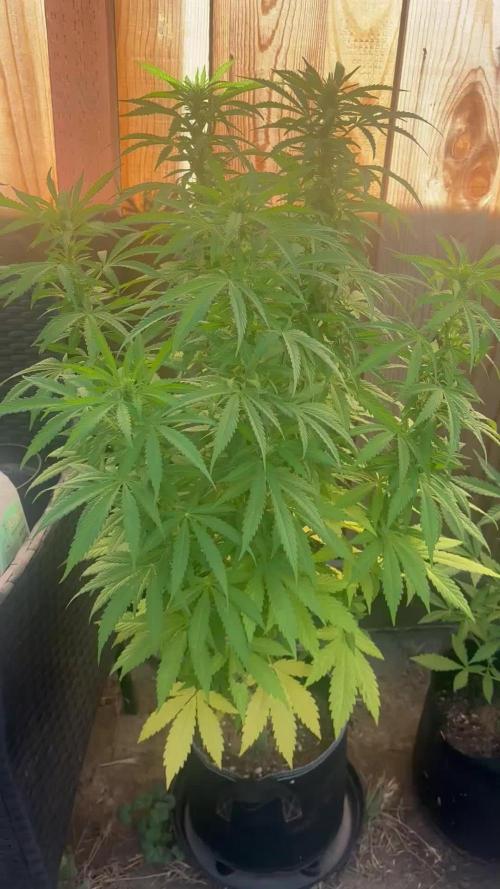
Woot woot Fast Flower began to bloom, the rest of the photos are still in veg, not sure why but she’s checking every box on my list, she’s fast, smells great, blooms fast, looks healthy! What else can I ask for? Looks like she will yield beautifully! I defoliated the bottom yellow leaves, gave her another round of nutes and that’s about it for now, almost all of my plants are the same size.
Likes
18
Share

@For2itous
Follow
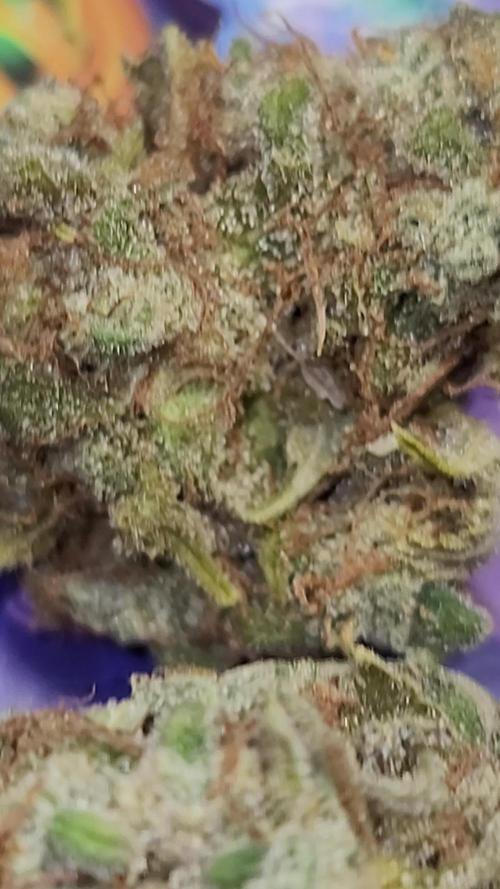
Very easy grow, super frosty smooth smoke. Probably make some hash or rosin with some because of how frosty terps aren't insanely powerful but good and dense
Likes
11
Share


@Teezkiee
Follow
Biggest Autoflower Ever - Pineapple Express was the GOAT.
479 Grams Dry Weight,
78 Days from seed to Harvest
Was a big surprise having almost a HALF KILOGRAM FROM AUTOFLOWER,
Always thought 500 grams per square meter description was a legend but no, IT CAN BE TRUE
Good luck to all my grower fellas, I will not stop on growing in hydro, even tho half of this run was in handmade hydro.
It was my third hydro Grow and I see the Improvement
Last one was only 300 Grams dry weight Strawberry Banana from FB
Pinepple Express itself is a 10/10 strain, it says mostly Indica but feels like the best Sativa I have ever tried, great pineapple smell and taste, hits like Mike Tyson, perfect strain and YUMMY as hell, loved it, will grow it again probably as it's not only mine favorite strain.
Cheers Fellas, good grows and big yields to everyone!

Likes
5
Share


@AustinRon
Follow
TH 1Q2025 - Week 6 - Bolt 3
(ON Haze X Original Haze) X Northern Lights #2
“Todd’s Haze”
Objective
- 8 Female Plants, Topped ONCE @ Flip, 12” when topped
- Modified Sea of Green
Week’s Objectives
- Auto-Fertigation Installed and operational
- Twice/Day, 440 ml/ Day (Initial Rate) - 220 ml/Event
Weeks Observations
- We have a smattering of pistils showing - looks like pre-flowers with Haze morphology
- Confirms (for me) the known property of Haze - that 7+ weeks of veg (from seed) is required BEFORE the plants can initiate flowering. (Noting that CUTS will be ready to flower @ Flip.
Seeds Wet: 1139PM, 28.2.2025
Germinated: 2.3.2025
Flip: 21.3.2025
Harvest: 77 Days, DATE: 6.6.2025
_________________________________________
__
Fri Apr 11, 2025
TH 1Q25 22:F:3:1
EC: 1.8
LightDistance: [ 20.5, in] # We’re in STRETCH, ~1.5”/day!
LightIntensity: [ 640, µMol/m2/s]
- [x] TM-7: [ 0.125, g] # Prep
- [x] Fertigation: [8.5:8.5:3.4:3.4:3.4:0:3.4] # [Primer A:Primer B:CalMag Fuel:Silica Skin:Lush Green:Root Anchor:Peak Bloom]
- [x] Photosynthesis Plus: [ 6, ml]
- [x] Quillaja 60 Powder: [scant]
- [x] PCAL 1660: [ 0.5, gm] # Once or Twice/Week
- [x] TM-7 (µNutrients): [ 0.125, g]
__
Sat Apr 12, 2025
TH 1Q25 23:F:3:2
LightDistance: [ 18, in] # We’re in STRETCH, ~1.5”/day!
LightIntensity: [ 703, µMol/m2/s]
LightDimmer: [ 85, %]
We’re bringing up Intensity SLOWLY, as the plants adapt. Allowing the plants to grow INTO the LightField and naturally raise PPFD as it does.
- [x] TM-7: [ 0.125, g] # Prep
- [x] Fertigation: [7.8:7.8:3.1:3.1:3.1:0:3.1:0.0] # [Primer A:Primer B:CalMag Fuel:Silica Skin:Lush Green:Root Anchor:Peak Bloom:Resin Bloom]
- [x] Photosynthesis Plus: [ 6, ml]
- [x] Quillaja 60 Powder: [scant]
- [x] PCAL 1660: [ 0.5, gm] # Once or Twice/Week
- [x] TM-7 (µNutrients): [ 0.125, g]
__
Sun Apr 13, 2025
TH 1Q25 24:F:3:3
LightDistance: [ tbd, in] # We’re in STRETCH, ~1.5”/day!
LightIntensity: [ tbd, µMol/m2/s]
LightDimmer: [ 85, %]
- [x] TM-7: [ 0.125, g] # Prep dilution in 250 ml plain water
- [x] Fertigation: [7.8:7.8:3.1:3.1:3.1:0.0:3.1:0.0] # [Primer A:Primer B:CalMag Fuel:Silica Skin:Lush Green:Root Anchor:Peak Bloom:Resin Bloom]
- [x] TM-7: [ 0.125, g] # Delivered
- [x] Photosynthesis Plus: [ 6, ml]
- [x] Quillaja 60 Powder: [scant]
__
Mon Apr 14, 2025
TH 1Q25 25:F:3:4
LightDistance: [ tbd, in] # We’re in STRETCH, ~1.5”/day!
EC: [ 1.9, mS/cm]
- [x] TM-7: [ 0.125, g] # Prep dilution in 250 ml plain water
- [x] Fertigation: [7.8:7.8:3.1:3.1:3.1:0.0:3.1:0.0] # [Primer A:Primer B:CalMag Fuel:Silica Skin:Lush Green:Root Anchor:Peak Bloom:Resin Bloom]
- [x] Photosynthesis Plus: [ 6, ml]
- [x] Quillaja 60 Powder: [scant]
- [x] PCAL 1660: [ 1, tsp] # Once or Twice/Week
__
Tue Apr 15, 2025
TH 1Q25 26:F:3:5
EC: [ 1.8, mS/cm]
# [Primer A:Primer B:CalMag Fuel:Silica Skin:Lush Green:Root Anchor:Peak Bloom:Resin Bloom]
- [x] Fertigation: [8.7:8.7:3.5:3.5:3.5:0.0:3.5:0.0]
- [x] Photosynthesis Plus: [ 6, ml]
- [x] Quillaja 60 Powder: [scant]
- [x] Terps Plus: [ 2, ml]
- [x] PCAL 1660: [ 1, tsp] # Once or Twice/Week
__
Wed Apr 16, 2025
TH 1Q25 27:F:3:6
Stretched another 1.5”
Main Canopy @ 740 (PPFD)
Fertigation 1L/Plant/Day - 2 x 500 ml, 6 hour freq
LightDistance: [ 17, “]
LightIntensity: [ 740, µMol/m2/s]
EC: [ 1.8, mS/cm]
Fertigation Amount: [ 2.0, gal] # We’re a little low at a gallon/day …
Light Intensity: [ 750, µMol/m2/s] # Adjust Light Height to Achieve.
Light Dimmer: [ 100, %] # Photone is ok, but I think reads low . . .
# [Primer A:Primer B:CalMag Fuel:Silica Skin:Lush Green:Root Anchor:Peak Bloom:Resin Bloom]
- [x] Fertigation: [17.5:17.5:7.0:7.0:7.0:0.0:7.0:0.0] # [ 10, 4, 4]
- [x] Photosynthesis Plus: [ 12, ml]
- [x] Terps Plus: [ 2, ml]
- [x] Quillaja 60 Powder: [scant]
- [x] PCAL 1660: [ 2, tsp] # Once or Twice/Week’
__
Thu Apr 17, 2025
TH 1Q25 28:F:3:7
LAST HAND WATERING: FRIDAY We Start Auto-Fertigation
Light Distance: [ 13.5, in] # 2“ Today
EC: [ 1.8, mS/cm]
# [Primer A:Primer B:CalMag Fuel:Silica Skin:Lush Green:Root Anchor:Peak Bloom:Resin Bloom]
- [x] Fertigation: [16.9:16.9:8.5:8.5:6.8:0.0:6.8:0.0] # [ 10, 5, 4]
- [x] Photosynthesis Plus: [ 12, ml]
- [x] Terps Plus: [ 2, ml]
- [x] Quillaja 60 Powder: [scant]

Likes
7
Share


@GrowSmith
Follow
Looking very good, not showed this dream as much attention as I have the rest for it seems to be getting on pretty well without me, anticipating the end result

Processing
Likes
Comments
Share


Likes
19
Share


@crystal_garden_0
Follow
Great Harvest, colors, smell, taste and bag appeal are all there . Finished exactly when they said it would . You dont need cold to achieve purple colors . Thanks 420 FastBuds