


Likes
Comments
Share

@Kirsten
Follow
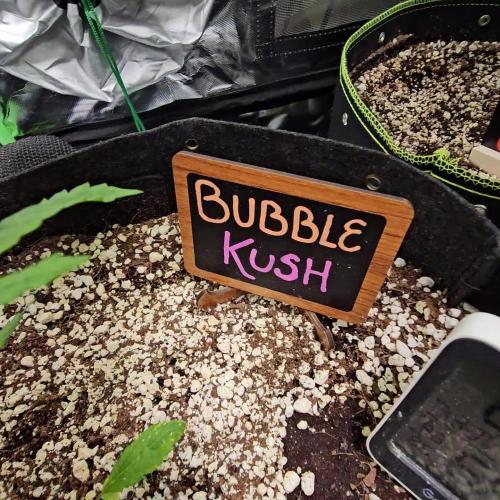
Bubble Kush is progressing very slowly.
I have noticed that the plant produced 2, 5 finger leaves, but the next set were only 3 fingers, now 5 finger leaves again. I find this to be peculiar.
As this is my last seed, I really don't want to mess this one up.
9.8.25:
I watered with 1L of dechlorinated water PH'd to 6.5 with;
💜 1ml Trace
PH: 6.5
PPM: 381
12.8.25:
I watered with 100ml of dechlorinated water PH'd to 6.2 with;
💜 1ml Trace
PH: 6.2
PPM: 349
13.8.25:
I watered with 500mls of dechlorinated water PH'd to 6.6 with;
💜 1ml Trace
💜 1 TSP Biosys
PH: 6.6
PPM: 351
17.8.25:
I watered with 2ltrs of dechlorinated water PH'd to 6.0 with;
💜 2ml Trace
PH: 6.0
PPM: 391
Thanks for checking in this week and hanging out in the comments 😊💚✌️🍃🙏


Likes
3
Share


@Waves420
Follow
Guys please take a look at the photos and videos this is late week 2 coming up to week 3. This is my first grow and I would like your opinion on this please. Thanks

Processing
Likes
27
Share


@MissFlowerPower420
Follow
Added some more bio bizz soil n mixed in a bit worm humus, she's happily plodding bless her.
Nice colour green ,
Lil tear on leaf not sure what caused it but it's not affected her .
Happy growing n peace to all you fine herbalists 🕊️🕊️🕊️
Likes
28
Share


@Solarcradle
Follow
Lots of growth through days 17 to 21. I consider day one at time of sprout.
Tops height was 5.20" on day 19.. prior to applying LST. Height is no longer relevant when using LST. I'm hoping for height after I LST the plant around the bowl of the 5 gallon pot, just before bloom. Considering this is an Amnesia XXL auto strain that runs around 10-12 weeks, I am hoping for a longer vegetative period to allow for more vertical growth. Lights moved to a distance of 22" from tops on Day 19, after LST.
Day 18-19 HST/LST Height 3"
Day 20 a topping and pruned approximately 7 leaves
Day 21 lights moved back to 18"
Day 21 Height 4.25"
Water PH 5.85-6.2 through Week 3

Likes
13
Share


@Canadian
Follow
The plants seem to do very well they have been suffering from a little bit of Heat stress and too much light intensity the light was at 15 in to see if I could get out bigger buds but was way too close and the plants became way too stress and uncomfortable with it. They prefer temperature between 29 and 30 degrees Celsius as well as a humidity minimum of 30 to 50

Processing
Likes
7
Share


@Ruuddata
Follow
#Crop King Seeds
Planting 3 Seeds Using 2 Different Techniques to germinate the Seeds
- The First 2 Seeds were germinated (Jul 2nd) using the water / paper towel technique
* The seeds were dropped in a half glass of bottled water (It stayed afloat) and kept in a closed dark area.
* After 12 Hours the 2 seeds were pushed down to reach the bottom of the glass using my finger.
* After 24 hours the 2 seeds were transferred / Now using the paper towel method to complete the germination
- The last seed was germinated (Jul 3) using just the paper towel method
* This method took longer to break the seed surface.
On Jul 6 Decided to transfer all 3 seedlings into the Aerogarden.
* Seed G1 had about 5cm roots. Some flowers already sprouting
* Seed G2 had about 3 cm roots. Still had seed top.
* Seed G3 had only just cracked . No length
Likes
2
Share

@Fyno_TH
Follow
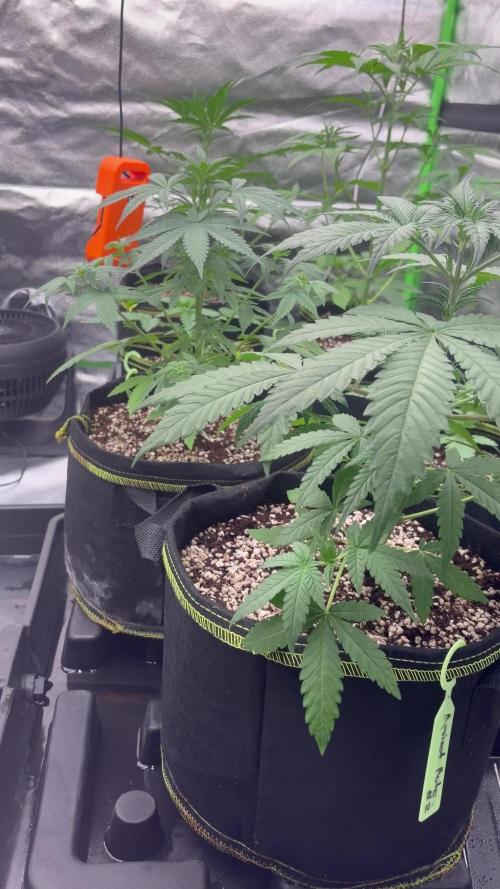
Noticed Magnesium deficiency on lower leaves. Increased dosage in this week’s feeding and monitoring pH to ensure recovery

Likes
13
Share


@GYOweed
Follow
She is very oily velvety rub and smells very grapey.
Only downside is it's very lanky even some air and silica it's lanky lol. Whatever maybe ill clone and cross it just for its taste.

Likes
24
Share


@Nickeluring
Follow
This lovely girl is just getting more and more beautiful. She is packed with buds that are swelling very well. They are nice and sticky to touch.
Likes
3
Share

@GERGrowDesigns
Follow
Dear Growers ,
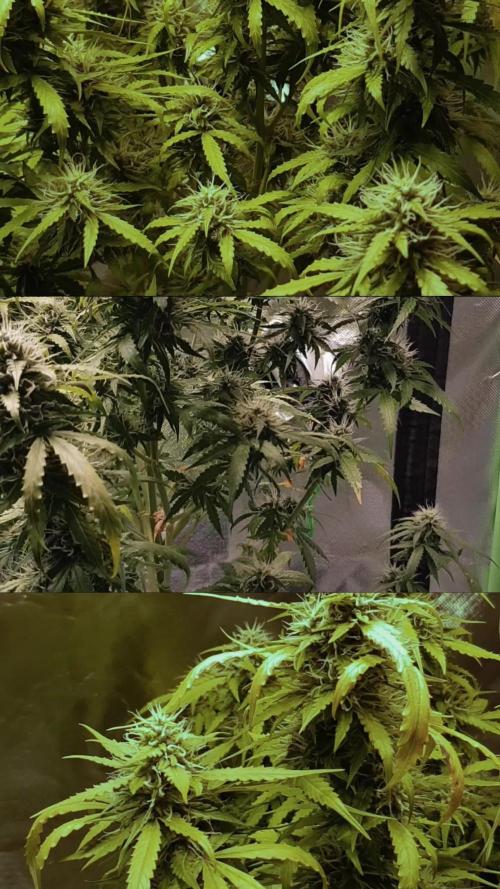
Over the next weeks, we’re excited to share a very special project with you: Sensi Seeds Supreme Jack F1 Automatic 2025 Release
With dedication, knowledge, and hands-on practice, we’ll guide you step by step through the journey—watch with us as growth, development, and small wonders unfold before your eyes.
Whether you're a beginner or an expert, you are warmly invited to join, ask questions, and share your own experiences along the way!
Project Setup & Conditions:
• Brand/Manufacturer: Sensi Seeds
• Tent: 120cmx60cmx80cm
• Light: 2x 200 Watt Full Spectrum
• Humidity: 45%
• Soil: Narcos Organix Mix
• Nutrients: Narcos Products
• pH Value: 5.8
A Special Thanks To
Sensi Seeds
for the amazing collaboration, trust, and generous support in making this project possible. Your contribution is truly appreciated!
Congratulations on Your Own Projects!
We celebrate your growth, your creativity, and the passion you bring to the table. It’s truly inspiring to witness at Each visit .
Stay curious and keep up Growing —we look forward to welcoming you back for the next chapter soon!
Likes
5
Share


@Mr_nugs_lover_David
Follow
Beautiful autoflowering strain, she had developed a very fat single main cola, very sticky and heavy.


Likes
307
Share


@Ju_Bps
Follow
Hello growmies 👩🌾👨🌾🌲🌲,
👋 Girls continue to grow well, for moment really easy 👍
💪 we can see the difference between this week and last week on the canope
I need to do big defoliation each week, they are really invasive,
Will turn in flower in couple of Days.
💧 Give water each 2/3 day
And vaporise plant with water + Plagron Roots (1ml/l)
1.5 l Water + Roots + Grow + Zym + Sugar Royal (1 + 5 + 1 + 1 ml/l)
PH @6
💡Mars Hydro - FC 3000
37% 40 cm.
Mars Hydro Fan kit
Setting 4
Have a good week and see you next week 👋
Thanks community for follow, likes, comments, always a pleasure 👩🌾👨🌾❤️🌲
Mars Hydro - Smart FC3000 300W Samsung LM301B LED Grow Light💡💡
https://www.mars-hydro.com/fc-3000-samsung-lm301b-led-grow-light
Mars Hydro - 6 Inch Inline Fan And Carbon Filter Combo With Thermostat Controller 💨💨
https://www.mars-hydro.com/6-inch-inline-duct-fan-and-carbon-filter-combo-with-thermostat-controller
Anesia Seeds - High Mars 36% THC🌲🌲
https://anesiaseeds.com/product/high-mars/

Likes
43
Share


@The_Northern_Skunk
Follow
buds have started to ripen up all over the plant now, I think its another week max then flush time for the first ladies 💦💚🤟

Likes
25
Share


@AsNoriu
Follow
So. Its last day of summer, Royal Cookies made my heading totally ...
Thats it, that piece of shit must go.
This is my last bean from 5 RQS Royal Cookies, that i tried to grow. End of summer and that plant is nowhere ...
I must admit, for last 2 month they got only worm castings or bat guano teas, i tried to understand usage of those products and effects on plants. Royal Gorilla clone, like predicted, ended up really nice plant, Cookie in same pot just didn't grew ... Sad sad sad story
I know my last words in video are childish, but so much love given and so much pain received ....

Processing
Likes
13
Share


@GrowGuy97
Follow
Everything is going great, just waiting on flower tent to finish & these ladies will be going straight into flower😍✌️🏼🌱
Day 40 first day of flower, everything seems to be going ok so far!
Day 41 Can see they are starting to stretch!😍


Likes
6
Share


@TheOtherSide
Follow
11.13 - 11.19 *Recycled Coco/Perlite*
----------------------------------
11.14 - 1.5 Sil, 2 CM+, 2 M, 3 B, .25 FLP, .25 EW
-----------------------------------
3 Gallon Fabric Pot
75% Cana-Coco
25% Perlite
Orange Cup
-------------------------
Tent:
2’x4’x5’ GA Tent 600D
1 Gal Humidifier
1x 6” Clip Fan
1x 28” Oscillating Fan
1x 4” Carbon Filter with 2x 200 CFM
-------------------------------------------
3 Gallon Tall Fabric Pots
Spider Farmer SF1000 LED - Spider-Farmer
Optic 1 54W 3500k - opticledgrowlights
Optic 1 XL 100W 3500k – opticledgrowlights
Optic 1 XL 100W 3500k (Dimming) – opticledgrowlights
Cana COCO - Coco Brick
Perlite - Sta-Green
Filtered Water – Everest Machine
Botanicare Cal-MAG Plus
General Hydroponic – Flora Series
General Hydroponic – pH Up, pH Down
Great White - Root Magic Mycorrhizae+
Real Growers – Recharge
Fish Head Farms – Fish Shit
Brer Rabbit – Blackstrap Molasses
---------------------------------------------
Royal Gorilla Automatic data sheet
Strain Type: Autoflowering
THC: 20%
CBD: Low
Yield Indoor : 325 - 400 gr/m2
Yield Outdoor: 120 - 170 gr/plant
Height Indoor: 70 - 100 cm
Height Outdoor: 80 - 140 cm
Flowering time: 6 - 8 weeks
Harvest Month: 10 - 12 weeks after sprouting
Genetic Background: Gorilla x Cookies x Ruderalis
Type: Sativa 30% Indica 50% Ruderalis 20%
Effect: Heavy, Physically Relaxing, Stoned
Climate: Long Summers
Flavor: Citrus, Fruity, Pine
Likes
5
Share

@Caertner
Follow
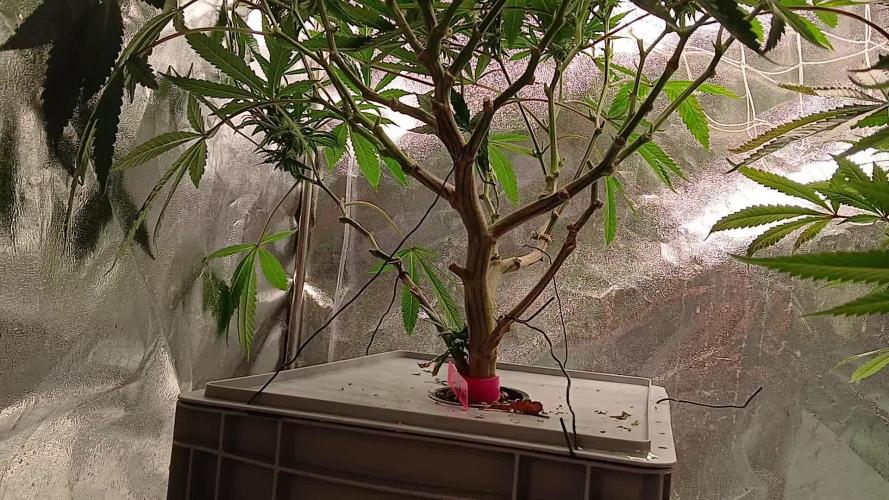
Ist schon heftig... 3 Wochen mehr Wurzeln, oben war kaum mehr. Jetzt aber ist sie schon 10-15cm größer als ihre kleine Schwester.

Likes
27
Share


@Basementganja
Follow
New Aeroponics "root rain" mist cloner! Holds 2 gallons of water. I added 8 Tsp of CloneX clone/seedling nutrient. PH was 6.0-6.5ish, good enough!
These clones inside got zapped pretty hard one day, because I forgot to plug in the water pump one time after playing with it hehehe... Some didn't make it, but most survived!
every other plant was watered with just de-chlorinated tap water, for re-hydration.
#4 has been selected as the winning pheno! The mother plant had her home upgraded to a 2gal pot.
The root ball was not so bound, due to her receiving a root-prune not too long ago, she was re-potted back into a solo cup.
I pruned the bottom of the root mass off with a light pinch, and potted her into her new 2gallon home!
Likes
5
Share


@captaincondor
Follow
bud production is a little slow hoping she will get a move on but more pistols showing so plenty more development to be done