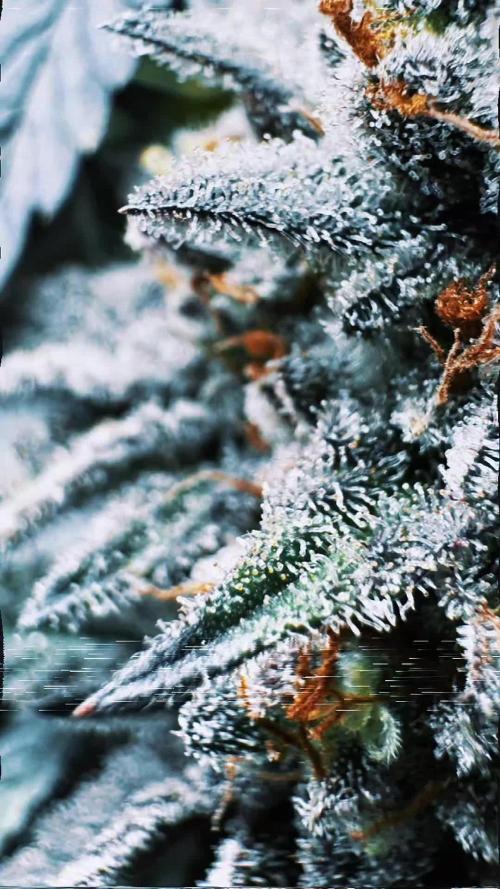

Likes
Comments
Share
!!!!elle a tout pour plaire jusqu’à présent.
Likes
8
Share
Lockout! Das ist wohl das Thema in diesem Grow. Ich vermute stark einen Lockout, verursacht durch einen zu hohen PH Wert des Wassers. Das war in den letzten Grows nie ein Problem, allerdings scheint es hier die Pflanzen hart zu stressen. Ich habe in dieser Woche den PH Wert im Gießwasser nach und nach auf nun 6,0 heruntergefahren. Beim Drain habe ich nun einen PH Wert von 6,9 messen können. Ich hoffe, dass sich die Planzen nochmal erholen und noch etwas Kraft für die Blüte finden.
Likes
49
Share
@FoTwenny
Follow
Fo' Twenny here with another update on our Blue Dream lady bred by Humboldt Seed Organization! Any advice, suggestions, or constructive criticisms are always welcome. Now on to the details! 9/13 - Day 35: Premixed soil to prepare for upcoming transplanting. SOIL MIX DETAILS: Mixed into a 50 gallon container that will be kept in a warm environment to help innocculate to promote a vast and diverse microbial life in the rhizosphere. 2 Part - Royal Gold Tupur INGREDIENTS: Coco fiber, aged forest materials, perlite, and basalt 1 Part - Fox Farms Ocean Forest INGREDIENTS: Aged forest products, sphagnum peat moss, earthworm castings, bat guano, fish emulsion, and crab meal. 1 Part - Roots Organics INGREDIENTS: Perlite, Coco Fiber, Peat Moss, Composted Forest Material, Pumice, Worm Castings, Bat Guano, Soybean Meal, Alfalfa Meal, Fishbone Meal, Kelp Meal, and Greensand. Also contains beneficial mycorrhizal fungi: Funneliformis mosseae, Rhizophagus intraradices, Septoglomus desertícola .5 Part - Wiggle Worm Soil Builder Pure Earthworm Castings .5 Part - Ancient Forest Humus .5 Part - Coarse Grade Perlite Inocculated by mixing 1 cup of Extreme Gardening Mycos Watered with pH 6.5 h2O 1 Tsp/gal Real Grower's Recharge 1 tsp/gal Hi-Brix Molasses 2 tsp/gal Fox Farms Kangaroots 9/16 - Day 38: This cultivar is looking really good! She's one of the bushiest in the garden! She may end up being a challenge to keep in her own lane, especially in flower. I will probably end up havingbto do quite a bit of pruning with her. I did notice some white blotches on a few leaves as well as several other plants in the garden. I'm not sure if it's just water spots from my helper's carelessly watering causing water spots from the Nutrient solution or the start of a PM infection. Never really dealt with PM, but decided to spray them with some serenade. I also sprinkled with a little more White Dutch Clover seed on top soil. 9/17 - Day 39: I installed the new 320w GeekLight in the 24" x 48" veg tent. GOOD NEWS: I upgraded the 24"x48" tent to Samsung LM301H boards. I ordered a 320w straight single piece heatsink with 3 boards from Geeklight. I went with the 3k spectrum and switchable UV/IR since all my autoflowers bloom under this light. $306 USD after all is said and done. It took 9 calendar days to ship from China. https://app.alibaba.com/dynamiclink?touchId=1600101815945&type=product&schema=enalibaba%3A%2F%2Fdetail%3Fid%3D1600101815945%26ck%3Dshare_detail&ck=share_detail&shareScene=buyer NUTRITION: ⬇️Mixing Rundown⬇️ Foliar Feed & Nutrient Solution 2 gal tap h2O run through x2 KDF filters Start ppm 630 Start ph 7.8 2.5 ml/gal Gold Shield Silica Supplement .5 tsp/gal Fox Farm Gringo Rasta Cal-Mag I always adjust pH prior to adding any microbial innocclants. pH @ 8.1 .33 tsp/gal ph down pH: 6.5 PPM: 730 Serenade 3 tsp/gal Filled Spray bottle with 32 oz of the 2 gal mixed solution. Add 2 tsp/gal of Fox Farm Flower Kiss (.5 tsp 32oz) 6 tsp/gal Optic Foliar Transport PPM: 749 pH: 6.4 Added 1 tsp Recharge to the remainder of feed solution (to 1.75 gal) in the sprayer. ______________________________ 9/20 - Day 42 (Technically the last day of week 6): Feed! 🚿 She has 4 main tops and they're all pretty even in height. I defoliate earlier/heavier on taller tops to help the shorties to catch up. 👩‍🔬NUTRIENT SOLUTION👩‍🔬 ⬇️Mixing Rundown⬇️ 12 oz tap H2O run through x2 KDF filters Start pH: 7.9 Start PPM: 630 3 ml/gal - Blue Planet Gold Shield Silica Supplement .5 tsp/gal - Fox Farm Gringo Rasta Cal-Mag 3 tsp/gal - Fox Farm Big Bloom 1.5 tsp/gal - Fox Farm Grow BIG .5 tsp/gal - Fox Farm Boomerang .25 tsp/gal - Fox Farm Wholly Mackerel .25 tsp/gal - Fox Farm Kelp Me Kelp You .125 tsp/gal - Fox Farm Open Sesame pH: 6.3 PPM: 1350 I always make sure pH is in the range of 6.0- 6.6 prior to adding any microbial innocclants. pH already in range, no adjustments needed. 1 tsp/gal - Grower's Choice Recharge .6 ml/gal - Mammoth P. .5 tsp/gal - Kangaroots pH 6.4 PPM: 1420 ________________________ Thank you for stopping by my garden! This girl is just one of 16 strains in my photoperiod SOG with 2 additional wildcards in the mix. Want to see all the strains I have running? Please check out my other diaries & give me a follow! Happy growing my friends! ☺️🌱 Peace, ☮️✌️ Love, 💚🤟 & Frosty Nugs! ❄️🌲 - Fo' Twenny
Likes
12
Share
Likes
175
Share
the bud formation is ridiculous. they are getting so damn frosty and smell amazing. the buds are already bigger than last year when i was still experimenting a lot. i'm really checking the plants daily for budrot and other pests or problems but still not a thing. let's keep it like this. some branches are beginning to hang a little bit so i'm going to support them a bit more. i have the feeling that the plants really enjoy the molasses additive to the soil since i have not been seeing that much yellow leaves turn up lately.
Likes
2
Share
Doy comienzo al SoG de OG 24K de Bsf 🌱🧐 Hace frío en Santiago de 🇨🇱 pero en cuarentena nada mejor que plantar. Estas son 12 og 24k en macetas de 3lt de momento aunque serán las 12 macetas de 11 o 7 lt. Esperando que hagan una buena raíz, las tendremos 4 semanas en 3lt y luego transplante. Quedo atento a comentarios y sugerencias, es primera vez que tiro 12 en un metro. 🤠😲🤭
Likes
32
Share
This week I had some problems with the electricity .. Now everything is fine, and the plants are fine .. They have resumed their normal growth .. Another 4 days and I will switch to flowering
Processing
Likes
15
Share
Welcome to my second grow of the Do-si-dos strain. This girl was veg'd for 14 week in a small pot while my first grow of this strain is in the flowering room. She didn't gain much more in size, despite the extra veg time, probably due to lower levels of nutes and the smaller pot size. Still she's looking good after moving her to the big pot and giving her a trim. Thanks for checking out my grows!
Likes
26
Share
@MG2009
Follow
03/28/2021 Start of week #7 and she has finally got some pre-flowers showing up, so next week should be starting to flower. The broken branch is looking great I wonder if she will root and flower? That would be a nice bonus for sure! Watering she took up 2 liters before 10% run off going to give her some banana peel tea ( 1 hour later she drank 1 liter before runoff) 1tbls to 2 liters, theoretically I can feed till harvest but I do like two weeks on plain water maybe molasses? Day #55 since soaking in the water and showing her very first pre-flower. Right about where I would expect a decent Photo-Period INDICA to show her maturity, but she is an Auto-flower and expected earlier pre-flower, nevertheless she is looking great! And am exited to see how she does in flower crossing my fingers for a sativa dominant high!.
Processing
Likes
8
Share
Likes
3
Share
@Cultiv8or
Follow
Great start to the week. Buds starting to develop. Introduced Unsulphered Blackstrap Molasses this week in the feeding. It was freezing for the first time 11C at night. Night time is starting to scare me, it gets humid and cold. I might have to bring the whole operation inside
Likes
21
Share
@w33dhawk
Follow
Hi liebe Freunde des grow sports 🌻🌻 die 2. Woche ist zuende, und ich muss sagen, ich bin begeistert von den Blumen. Die Entwicklung ist ziemlich schnell voran geschritten ( Im Verhältniss zu meinen vorherigen Reporten) ich Weiss nicht ob es daran liegt, das ich das Wasser ab stehen lasse und die ganze zeit mit Sauerstoff auf blubbere dadurch verschwindet ja chlor aus dem wasser und mehr Sauerstoff ist in dem wasser, kann natürlich auch am Dünger liegen das die Pflanzen gut drauf reagieren ist denke ich aber eher unwahrscheinlich anderer seits könnte es auch an der Genetik liegen, das die Ladys einfach top Qualität haben. Nun auf zur Woche Am 09.04 und 10.04 war nur zu schauen und mich des Wachstums erfreuen 11.04.22 ich musste heute gießen also alle 5 bekamen 150 ml reines Ph eingestellt es wasser ( Ph 6,3) Am 12.04 bis 15.04.22 war wieder nur beobachten und dem Wachstum zu sehen Ach ja natürlich hier und da mal nachschauen ob Temperatur und luft Feuchtigkeit stimmen ggf. Nach justieren das wars. Ich Wunsch euch allen ein schönes Wochen Ende und einen erfolgreichen Grow bis nächste Woche ihr growmies ✌️
Likes
Comments
Share
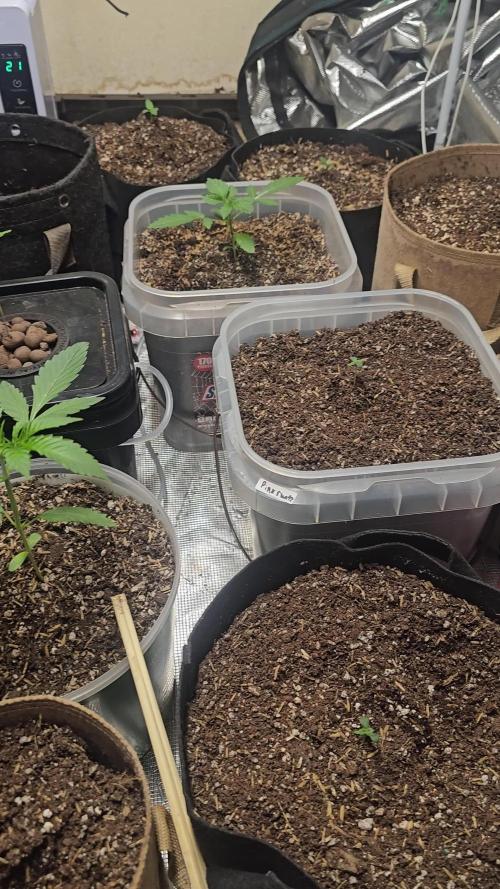
Venga familia, cosecha de estas Sagrada Amnesia de Seedstockers, que ganas que tenia ya estaban para darles machete. Que pinta que tienen estas plantas. Las flores aparte llevan una capa muy resinos y son prietas, aparte son bien aromáticas huelen bien fuerte afrutada sobre todo, con toques terrosos. En general es una genética con la que disfruté bastante cultivarla, la genética es un clásico que para cultivos de floración corta media con rangos entre los 20/25 grados en interior, es normalita al cultivarla y bien resistente, es excelente para cultivadores principiantes. Hasta aquí es todo, agradecer a Mikele, Giorgio de Seedstockers, y al equipo Agrobeta por hacer posible estos proyectos espero que los disfrutéis, buenos humos 💨💨.
Likes
16
Share
91Grapes day 72. Should have been harvested by now, she was a 65 day +/- from sprout and has two more weeks left, fuc . I think something is wrong with a nutrient imbalance as her leaves continue to lose their vibrant green color. Indications of a mag. Deficiency was evident so added epsom salts 1 tsp per gallon. Problem persisted so went with some bloom nutrients with a little nitrogen if that doesn’t help it might have to just except it and drive on. Flowers are fatter so if that continues then all is well, after all isn’t it the flowers we are growing anyway.
Likes
19
Share
Yellow butterfly came to see me the other day; that was nice. Starting to show signs of stress on the odd leaf, localized isolated blips, blemishes, who said growing up was going to be easy! Smaller leaves have less surface area for stomata to occupy, so the stomata are packed more densely to maintain adequate gas exchange. Smaller leaves might have higher stomatal density to compensate for their smaller size, potentially maximizing carbon uptake and minimizing water loss. Environmental conditions like light intensity and water availability can influence stomatal density, and these factors can affect leaf size as well. Leaf development involves cell division and expansion, and stomatal differentiation is sensitive to these processes. In essence, the smaller leaf size can lead to a higher stomatal density due to the constraints of available space and the need to optimize gas exchange for photosynthesis and transpiration. In the long term, UV-B radiation can lead to more complex changes in stomatal morphology, including effects on both stomatal density and size, potentially impacting carbon sequestration and water use. In essence, UV-B can be a double-edged sword for stomata: It can induce stomatal closure and potentially reduce stomatal size, but it may also trigger an increase in stomatal density as a compensatory mechanism. It is generally more efficient for gas exchange to have smaller leaves with a higher stomatal density, rather than large leaves with lower stomatal density. This is because smaller stomata can facilitate faster gas exchange due to shorter diffusion pathways, even though they may have the same total pore area as fewer, larger stomata. Leaf size tends to decrease in colder climates to reduce heat loss, while larger leaves are more common in warmer, humid environments. Plants in arid regions often develop smaller leaves with a thicker cuticle and/or hairs to minimize water loss through transpiration. Conversely, plants in wet environments may have larger leaves and drip tips to facilitate water runoff. Leaf size and shape can vary based on light availability. For example, leaves in shaded areas may be larger and thinner to maximize light absorption. Leaf mass per area (LMA) can be higher in stressful environments with limited nutrients, indicating a greater investment in structural components for protection and critical resource conservation. Wind speed, humidity, and soil conditions can also influence leaf morphology, leading to variations in leaf shape, size, and surface characteristics. Small leaves: Reduce water loss in arid or cold climates. Environmental conditions significantly affect gene expression in plants. Plants are sessile organisms, meaning they cannot move to escape unfavorable conditions, so they rely on gene expression to adapt to their surroundings. Environmental factors like light, temperature, water, and nutrient availability can trigger changes in gene expression, allowing plants to respond to and survive in diverse environments. Depending on the environment a young seedling encounters, the developmental program following seed germination could be skotomorphogenesis in the dark or photomorphogenesis in the light. Light signals are interpreted by a repertoire of photoreceptors followed by sophisticated gene expression networks, eventually resulting in developmental changes. The expression and functions of photoreceptors and key signaling molecules are highly coordinated and regulated at multiple levels of the central dogma in molecular biology. Light activates gene expression through the actions of positive transcriptional regulators and the relaxation of chromatin by histone acetylation. Small regulatory RNAs help attenuate the expression of light-responsive genes. Alternative splicing, protein phosphorylation/dephosphorylation, the formation of diverse transcriptional complexes, and selective protein degradation all contribute to proteome diversity and change the functions of individual proteins. Photomorphogenesis, the light-driven developmental changes in plants, significantly impacts gene expression. It involves a cascade of events where light signals, perceived by photoreceptors, trigger changes in gene expression patterns, ultimately leading to the development of a plant in response to its light environment. Genes are expressed, not dictated! While having the potential to encode proteins, genes are not automatically and constantly active. Instead, their expression (the process of turning them into proteins) is carefully regulated by the cell, responding to internal and external signals. This means that genes can be "turned on" or "turned off," and the level of expression can be adjusted, depending on the cell's needs and the surrounding environment. In plants, genes are not simply "on" or "off" but rather their expression is carefully regulated based on various factors, including the cell type, developmental stage, and environmental conditions. This means that while all cells in a plant contain the same genetic information (the same genes), different cells will express different subsets of those genes at different times. This regulation is crucial for the proper functioning and development of the plant. When a green plant is exposed to red light, much of the red light is absorbed, but some is also reflected back. The reflected red light, along with any blue light reflected from other parts of the plant, can be perceived by our eyes as purple. Carotenoids absorb light in blue-green region of the visible spectrum, complementing chlorophyll's absorption in the red region. They safeguard the photosynthetic machinery from excessive light by activating singlet oxygen, an oxidant formed during photosynthesis. Carotenoids also quench triplet chlorophyll, which can negatively affect photosynthesis, and scavenge reactive oxygen species (ROS) that can damage cellular proteins. Additionally, carotenoid derivatives signal plant development and responses to environmental cues. They serve as precursors for the biosynthesis of phytohormones such as abscisic acid () and strigolactones (SLs). These pigments are responsible for the orange, red, and yellow hues of fruits and vegetables, while acting as free scavengers to protect plants during photosynthesis. Singlet oxygen (¹O₂) is an electronically excited state of molecular oxygen (O₂). Singlet oxygen is produced as a byproduct during photosynthesis, primarily within the photosystem II (PSII) reaction center and light-harvesting antenna complex. This occurs when excess energy from excited chlorophyll molecules is transferred to molecular oxygen. While singlet oxygen can cause oxidative damage, plants have mechanisms to manage its production and mitigate its harmful effects. Singlet oxygen (¹O₂) is considered a reactive oxygen species (ROS). It's a form of oxygen with higher energy and reactivity compared to the more common triplet oxygen found in its ground state. Singlet oxygen is generated both in biological systems, such as during photosynthesis in plants, and in cellular processes, and through chemical and photochemical reactions. While singlet oxygen is a ROS, it's important to note that it differs from other ROS like superoxide (O₂⁻), hydrogen peroxide (H₂O₂), and hydroxyl radicals (OH) in its formation, reactivity, and specific biological roles. Non-photochemical quenching (NPQ) protects plants from damage caused by reactive oxygen species (ROS) by dissipating excess light energy as heat. This process reduces the overexcitation of photosynthetic pigments, which can lead to the production of ROS, thus mitigating the potential for photodamage. Zeaxanthin, a carotenoid pigment, plays a crucial role in photoprotection in plants by both enhancing non-photochemical quenching (NPQ) and scavenging reactive oxygen species (ROS). In high-light conditions, zeaxanthin is synthesized from violaxanthin through the xanthophyll cycle, and this zeaxanthin then facilitates heat dissipation of excess light energy (NPQ) and quenches harmful ROS. The Issue of Singlet Oxygen!! ROS Formation: Blue light, with its higher energy photons, can promote the formation of reactive oxygen species (ROS), including singlet oxygen, within the plant. Potential Damage: High levels of ROS can damage cellular components, including proteins, lipids, and DNA, potentially impacting plant health and productivity. Balancing Act: A balanced spectrum of light, including both blue and red light, is crucial for mitigating the harmful effects of excessive blue light and promoting optimal plant growth and stress tolerance. The Importance of Red Light: Red light (especially far-red) can help to mitigate the negative effects of excessive blue light by: Balancing the Photoreceptor Response: Red light can influence the activity of photoreceptors like phytochrome, which are involved in regulating plant responses to different light wavelengths. Enhancing Antioxidant Production: Red and blue light can stimulate the production of antioxidants, which help to neutralize ROS and protect the plant from oxidative damage. Optimizing Photosynthesis: Red light is efficiently used in photosynthesis, and its combination with blue light can lead to increased photosynthetic efficiency and biomass production. In controlled environments like greenhouses and vertical farms, optimizing the ratio of blue and red light is a key strategy for promoting healthy plant growth and yield. Understanding the interplay between blue light signaling, ROS production, and antioxidant defense mechanisms can inform breeding programs and biotechnological interventions aimed at improving plant stress resistance. In summary, while blue light is essential for plant development and photosynthesis, it's crucial to balance it with other light wavelengths, particularly red light, to prevent excessive ROS formation and promote overall plant health. Oxidative damage in plants occurs when there's an imbalance between the production of reactive oxygen species (ROS) and the plant's ability to neutralize them, leading to cellular damage. This imbalance, known as oxidative stress, can result from various environmental stressors, affecting plant growth, development, and overall productivity. Causes of Oxidative Damage: Abiotic stresses: These include extreme temperatures (heat and cold), drought, salinity, heavy metal toxicity, and excessive light. Biotic stresses: Pathogen attacks and insect infestations can also trigger oxidative stress. Metabolic processes: Normal cellular activities, particularly in chloroplasts, mitochondria, and peroxisomes, can generate ROS as byproducts. Certain chlorophyll biosynthesis intermediates can produce singlet oxygen (1O2), a potent ROS, leading to oxidative damage. ROS can damage lipids (lipid peroxidation), proteins, carbohydrates, and nucleic acids (DNA). Oxidative stress can compromise the integrity of cell membranes, affecting their function and permeability. Oxidative damage can interfere with essential cellular functions, including photosynthesis, respiration, and signal transduction. In severe cases, oxidative stress can trigger programmed cell death (apoptosis). Oxidative damage can lead to stunted growth, reduced biomass, and lower crop yields. Plants have evolved intricate antioxidant defense systems to counteract oxidative stress. These include: Enzymes like superoxide dismutase (SOD), catalase (CAT), and various peroxidases scavenge ROS and neutralize their damaging effects. Antioxidant molecules like glutathione, ascorbic acid (vitamin C), C60 fullerene, and carotenoids directly neutralize ROS. Developing plant varieties with gene expression focused on enhanced antioxidant capacity and stress tolerance is crucial. Optimizing irrigation, fertilization, and other management practices can help minimize stress and oxidative damage. Applying antioxidant compounds or elicitors can help plants cope with oxidative stress. Introducing genes for enhanced antioxidant enzymes or stress-related proteins over generations. Phytohormones, also known as plant hormones, are a group of naturally occurring organic compounds that regulate plant growth, development, and various physiological processes. The five major classes of phytohormones are: auxins, gibberellins, cytokinins, ethylene, and abscisic acid. In addition to these, other phytohormones like brassinosteroids, jasmonates, and salicylates also play significant roles. Here's a breakdown of the key phytohormones: Auxins: Primarily involved in cell elongation, root initiation, and apical dominance. Gibberellins: Promote stem elongation, seed germination, and flowering. Cytokinins: Stimulate cell division and differentiation, and delay leaf senescence. Ethylene: Regulates fruit ripening, leaf abscission, and senescence. Abscisic acid (ABA): Plays a role in seed dormancy, stomatal closure, and stress responses. Brassinosteroids: Involved in cell elongation, division, and stress responses. Jasmonates: Regulate plant defense against pathogens and herbivores, as well as other processes. Salicylic acid: Plays a role in plant defense against pathogens. 1. Red and Far-Red Light (Phytochromes): Red light: Primarily activates the phytochrome system, converting it to its active form (Pfr), which promotes processes like stem elongation and flowering. Far-red light: Inhibits the phytochrome system by converting the active Pfr form back to the inactive Pr form. This can trigger shade avoidance responses and inhibit germination. Phytohormones: Red and far-red light regulate phytohormones like auxin and gibberellins, which are involved in stem elongation and other growth processes. 2. Blue Light (Cryptochromes and Phototropins): Blue light: Activates cryptochromes and phototropins, which are involved in various processes like stomatal opening, seedling de-etiolation, and phototropism (growth towards light). Phytohormones: Blue light affects auxin levels, influencing stem growth, and also impacts other phytohormones involved in these processes. Example: Blue light can promote vegetative growth and can interact with red light to promote flowering. 3. UV-B Light (UV-B Receptors): UV-B light: Perceived by UVR8 receptors, it can affect plant growth and development and has roles in stress responses, like UV protection. Phytohormones: UV-B light can influence phytohormones involved in stress responses, potentially affecting growth and development. 4. Other Colors: Green light: Plants are generally less sensitive to green light, as chlorophyll reflects it. Other wavelengths: While less studied, other wavelengths can also influence plant growth and development through interactions with different photoreceptors and phytohormones. Key Points: Cross-Signaling: Plants often experience a mix of light wavelengths, leading to complex interactions between different photoreceptors and phytohormones. Species Variability: The precise effects of light color on phytohormones can vary between different plant species. Hormonal Interactions: Phytohormones don't act in isolation; their interactions and interplay with other phytohormones and environmental signals are critical for plant responses. The spectral ratio of light (the composition of different colors of light) significantly influences a plant's hormonal balance. Different wavelengths of light are perceived by specific photoreceptors in plants, which in turn regulate the production and activity of various plant hormones (phytohormones). These hormones then control a wide range of developmental processes.
Processing
Likes
5
Share
@Highdro
Follow
At the start of the week I fimmed a few high blooms to slow growth. Humidity kept climbing untill I added a carbon filter 4inch on a inline fan as an exhaust, added a 2nd fan to circulate more. Checked pH around 4 times a day due to.such a small tank. At the end of this week I defoliated and also took around 40 cuttings which I will post separate to this dairy, they will be in a DWC setup.
Likes
7
Share
@GrowFOUR
Follow
I can no longer risk removing the plant for res change so I am using a siphon. Good thing the buckets are a few inches off the ground it makes it easier to get almost all the water solution out. Also stopped using my DIY cO2 past this point
Processing
Likes
39
Share
@Vincenzo
Follow
Il profumo è inebriante e forte, la resina aumenta di gg in gg. Il raccolto lo farò Venerdì o Sabato✌️🏻😉🌞✌️🏻
Likes
64
Share
@hosebo0oy
Follow
All in all its been an awesome strain to grow as I only had a 14 week window to go from seed to weed and I did😆😆😆😆 i''''''''''''''''''''''''''''''''m absolutely delighted.. i would like to thank each and everyone of you that has popped by on my diary with words of wisdom and encouragement for me. you guys and girls are awesome. just smoking a fat one right now as I write this 🙄 p.s please vote for me in diary of the month ☺️ hiiiiiiiigh 5 🖐️00000
Likes
112
Share
ALRIGHTY THEN GROWMIES 😎 👉SHES PRETTY MUCH A BEAST , FROSTY AS HELL AND CANT WAIT TO CURE THEM UP AND GET SMOKEN 👈 👉I would recommend Shes the Mother of all Indicas 👈 Was a blast to grow thanks for hanging in there and following me on my journey👊 I GOT MULTIPLE DIARIES ON THE GO 😱 please check them out 😎 👉THANKS FOR TAKING THE TIME TO GO OVER MY DIARIES 👈 👉NutriNPK NUTRIENTS USED FOR FEEDING 👈 👉www.nutrinpk.com right now get 10% off using SPRING2022 👈
Likes
10
Share
New Tent, Started with Mr Canucks GRO medium, and planted directly in 5 gallon pots with a light watering center and plastic cap to hold the humidity. Currently 2 of 4 have broken the soil in 4 days now it’s time to keep the medium moist. The weather is chiller right now. I adjust my grow tent temp to 78. It feels the tent is dialed in for the othe 3 to germinate. When checking the seeds I realized I put them to deep. So I knuckle depth to see if there is success. The soil was cold so hopefully increasing the temp provides better results.