


Likes
19
Share


@4Haut
Follow
Hi@all, it is the end of the fifth week, I started some low-stress training to bend the lower branches towards the light. It worked really well. Three days ago, I topped the "head". I hope she's recovering from it in the next days/week. So far, everything seems to be going well and it’s really enjoyable. 😎🌿
My only concern is the 40x40 cm tent – I think it might be a bit tight in there...
Greetings ✌️


Likes
8
Share

@GREENPHOENIX6262
Follow
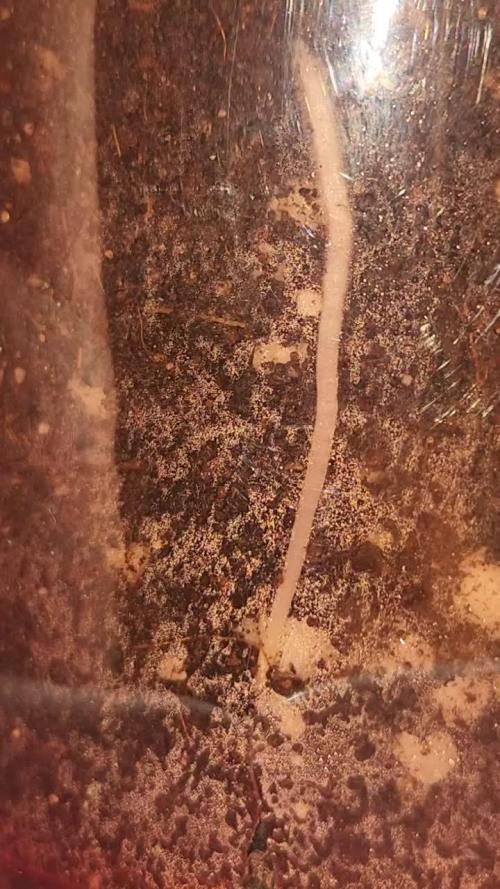
02/15 (M) - Prepping her to flip into flower within the next week or two - Weaved her under net for better light coverage - Running 8 drip emitters with a 5 gallon res - 45 sec feed every 8hrs.
02/15 (C) - Thus far all 15 are still kicking but they did take a hit - starter roots for all 15 have begun - I will update with pics within the next 2 weeks - Running high temps and high humidity during lights on.
02/18 (M) - Mom is doing great - No deficiencies - Flipped her into flower today - running 8 line feed with 5 gallon res - clean water feeds for the first 2 weeks.
02/18 (C) - The babies to a bit of a hit they are looking a bit funky but they are rooting - some of the clones are growing their own babies - I will let them rock as to seeing they are rooting and showing new growth.
02/19 (C) - 4 out of the 15 have developed very strong roots - the rest have smaller roots coming in - will continue to run high humidity and monitor accordingly.

Likes
8
Share


@Strangelet
Follow
Cloudy week, still growing nicely, from my 3 plants this recoverder the best from topping. Began LST. Almost broke a lower branche hope it holds on.

Likes
97
Share


@OrganicNature420
Follow
JungleBoys
Gelato33 x ZkittlezCake (clone)
THC: 30+%
Terp: 45%
Nutrients • GreenBuzzNutrients
(DISCOUNT CODE • (GD42025) %25 off
I use the whole product range and this stuff is a game changer. I've not had one bad grow with this company and it hasn't let me down once. Terps and taste are through the roof. No need for run off in coco only during flush week (i use a 0ppm distilled water) Hands down the best nutrients on the market
GREEN BUZZ OUR NOW GIVING YOU GUYS A SUPER DISCOUNT OF %25 WHEN USING THE NEW CODE ABOVE. JUMP ON BOARD THE GREEN BUZZ TRAIN AND GIVE YOUR PLANTS WHAT THEY DESERVE 💚🌱
LIGHT/TENT • Mars Hydro FC-E6500 5x5 tent
It's not the end of the world but I've given this girl to much energy. It's pistols have exploded so I will stick them onto clean fruits and flush for next 5 days. I know it's to much light as all lower Buds are fine and look dank just pissed this has happened to the clone
Likes
27
Share


@Stickybudz420
Follow
7 weeks now she’s a real beauty this lemon, plenty of bud sites on her now as she’s just coming into flowering now think this one might be a late bloomer!! Hope you enjoy the pics 🍋🏝️Just had my ACL reattached so might struggle to keep up with my diaries 😪🤞

Likes
3
Share

@HOMEGROWBOOK
Follow
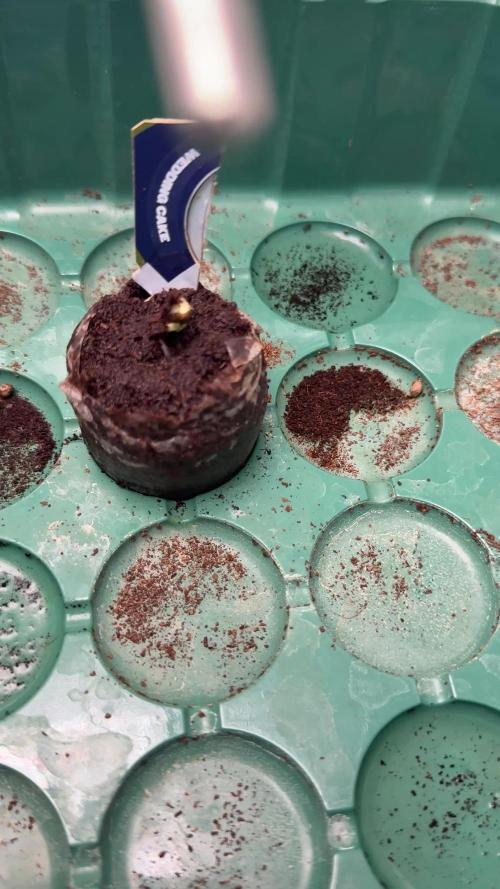
Week 0 marks the start of the Wedding Cake grow. The seed germinated successfully and emerged cleanly from the medium. Early development looks healthy and balanced, with the seedling standing upright and showing no signs of stress or stretching.
The cotyledons opened properly, and the first signs of true leaf development are beginning to appear. At this stage, the plant is focusing mainly on root establishment, laying the foundation for strong vegetative growth later on.
⸻
💧 Watering
• Very light watering only
• Medium kept slightly moist, never saturated
• No nutrients added yet
🌡️ Environment
• Temperature: ~24–25 °C
• Humidity: ~70–80%
• Gentle airflow to support stem strength


Likes
37
Share


@masterofsmeagol
Follow
7/9 I armed up for my battle with earwigs. I bought and applied diatomaceous earth and added sluggo plus pellets to the medium and around the bags and cage. Then I covered the stems on petroleum jelly. I raked my hand in the same bag as yesterday and found a bunch of earwigs. This time I was prepared. I killed them with a 50/50 solution of 70% rubbing alcohol. I found a few more that I killed as well and cleaned as best I couod. Weed Wacker wouldn't work. This was after I watered. The blueberry was droopy af. It stood right back up after I watered though. It doesn't look to bad. I defoliated anything too bad. If I see ANYMORE signs of septoria I'm isolating that plant (probably should anyway) and getting a systemic to deal with septoria. I got the wrong organicide I guess. I got bee safe instead of plant doctor. Regalia is what I'd like to get but it's like $90. Anyone have any good advice dealing with pm and or septoria? I know I should defoliate a little more.
7/10 Plants looked healthy and showed no negative effects from the previous application. I have some defoliation to do and I need to go over at night to check out the earwig population. Found a moth larvae and killed it. With all these other problems and medical issues it's hard to get everything done. I believe I watered today. THIS IS WHY YOU AT LEAST WROTE THAT SHIT DOWN EVEN IF YOU FINISH.
7/11 I had a few teeth pulled this morning after a horrible appointment with my doctor. I believe I watered before I reapplied some sluggo plus and diatomaceous earth. I inspected around my structure directly after the extractions while still numb. I found and killed literally 100's of earwigs! At first I was using an alcohol spray. They are in the structure itself!!!! Where the fence attaches to the wood and a bunch of other places. I used what I had filled it again, stomped them left and right then I found a can or roach ant killer. I CAREFULLY sprayed bottom parts of the structure and they would run out and get sprayed. Damn that felt good. Especially since I've noticed some slight interior damage on a couple plants that seem consistent with earwigs. Small leaves turning yellow after munched. New growth being attacked. Ragged holes in leaves. I wanted to go back tonight but I'm hurting. Noticed some dieing leaves on my blueberry. I'm wondering if it's septoria. I'll update tomorrow.
7/12 WATERED THEN FED 3 GALLONS TO THE GARDEN. Large thunderstorm and hail possible tonight Still in pain but I defoliated all the little dead new growth that the earwigs are eating and anything blocking nodes or that looked infected. Earwigs eat the new shoots that grow the buds. People think they are harmless but they are far from it. Just wait till you have an infestation and they chew off all your budsites lol. You'll have a ten foot plant with MAYBE a six inch cola (if the left ya any) that will probably be diseased. I'd rather deal with mites. I can't believe someone said bugs don't spread plant diseases. Well....they do. I've learned more about earwigs the past few years than I would've ever cared to know. I've seen aphids ONCE this year and they were dead from the organicide spray. I did find a few earwigs on the medium dying so something must be working.
I'd spray it with alcohol and it would just spasm but not try to get away. I imagine it's either the DE or the Sluggo plus. After the earwigs eat the shoots the small leaves turn yellow and die. Looking at the plants the look awesome. When you get closer though I can show you branches with no budsites and some other things. I think I'm dealing with it right though. This year pretty much everything is straight up Indica (80/20 or so). Real bushy plants. I'm thinking about whether or not to spend money on regalia or just get plant doctor.
7/13 I had a botanist that teaches marijuana horticulture look at my videos and some leaf samples. No septoria so far! I need to cut some foliage by the forest edge and dispose of it and clean the grow area and be more sanitary. A new pair of gloves each plant or wash my hands after I defoliate. I'm going to spray the shit out of the surrounding area and remove the back tarp like many have suggested. It's a calculated risk but I think it's worth it. I think p jelly is working but some earwigs are dropping on them or flying short distance from plants because I've seen damage. I was going to get the plant doctor but I don't need it if I don't have the septoria. I need to go dig at each corner of my cage and get as many earwigs as I can and dispose of them. I'll kill the ones that rise with alcohol/water or raid.
7/14 I took the back tarp down and put a barrier of DE around the cage and each bag/pot. Added a touch more around the base. I'm finding earwigs dying and I'm really thinking the population is shrinking. I shoveled around the structure and didn't find any. I need my new weed Wacker to show up so I can clean shit up. The other one broke. I've been much more sanitary and am using different gloves each plant before I just started washing my hands in between plants. I'm planning on going back and AT LEAST try using the push weed Wacker to clean stuff up and spray the shit out the treeline and around the cage. It rained hard last night and it's supposed to rain again. If I notice to much more damage I'll do an application of spinosid.
7/15 Rained and stoked hard all night. I weedwacked the treeline back this morning to cut down on vegetation that's infected or could be. I weedwacked around the cage and hunted earwigs. I defoliated what needed it and I can see damage from the earwigs. If you watch the video I made for a friend you can see. I also I sprayed a gallon of baking soda/dawn/veg oil on the plants by the treeline and all around the cage. Used a different bag each plant and washed my hands before defoliating. Things seem to be going good. Plants are stretching. They are in what I like to call the 'asparagus' stage where they REALLY stretch and drop leaves. I'll keep this updated.



Likes
5
Share


@victortripp
Follow
Week 8 Plant Growth Summary
Lighting:
Light schedule remains under review, currently around 16.67 hours as part of the ongoing reduction plan. The goal is to reach 15 hours of light by the week of May 26, aligning with civil twilight to avoid triggering early flowering during the eventual outdoor transition.
Irrigation & Feeding:
Began the week with 4 gallons of nutrient solution in the reservoir (standard feeding levels).
Midweek, the reservoir was flushed and cleaned, then refilled with 3 gallons of plain water at pH 6.5 to help balance conditions.
Training & Maintenance:
Performed light pruning of lower leaves showing signs of nutrient burn or receiving insufficient light.
Continued low-stress training with soft ties to open up canopies and encourage light penetration to new growth.
Blueberry Muffin was topped this week to encourage bushier growth.
Overall Plant Health:
Both plants are looking healthy and responding well to training. Adjustments are continuing in anticipation of the mid-May transplant outdoors.


Likes
23
Share


@Chubbs
Follow
420 Fastbuds Week 5
Gorilla Zkittlez Auto
Weekly update on these 2 have been wonderful. They both are maturing amazing not showing any real signs of issues. The transition from veg to flower went about as smooth as one could hope for. I did decide to do another defoliation taking off the bigger fan leafs. Also I lollipoped them a bit taking off the first 2-3 nodes allowing more airflow to the topsoil while letting the plant focus more energy on the upper flower sites. Keeping up the same routine as far as light cycle, watering, and preventative maintenance. Happy Growing

Likes
9
Share


@Ryno1990
Follow
Wedding glue from @fastbuds is flowering along nice an stacking up the trichromes as the gelato from @herbies is comming along a little slower as i feel like the gelato has a longer veg cycle by a week or 2 but shes comming along beautiful just like last time i grew her


Likes
16
Share


@Ladyblazed
Follow
Started a little training, cut down the older fan leaves and topped up. I’m adding a tiny bit of root stimulator cause changed the pot size last week so it will to promote a faster growth. Gotta keep this lady low cause the box is quite small. So excited 😆

Likes
18
Share


@JeyGanesha
Follow
4°settimana di fioritura colori e profumi iniziano a uscire forti😂✌️💪e la deliziosa 🍓🦍
Oggi 5/12/2024 il delizioso profumo di big Babol alla fragola 🍓😉👍😋🤤🤤🤤🤤
Likes
2
Share

@Oyziphar
Follow
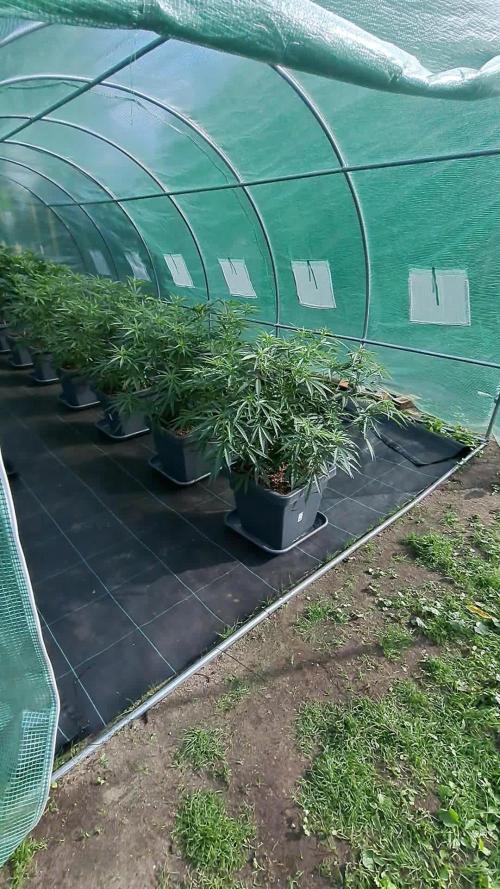
I transplanted the plants to 23 liter containers and added 2 extra Guana Flowering Tabs 😇and Flower Safer (mycorrhiza)
I gave the plants a liquid booster with OPF 7:2:3 ; Fulvic 25 ; Yuccah ; Biovin liquid ; Earthworm manure extract.
Big Thanks to Luc from Plant Health Solutions / Bioplantenvoeding dot nl 🙏🙏🙏

Likes
6
Share


Likes
17
Share

@GoodTimesOrganics
Follow
Welcome Back!💚
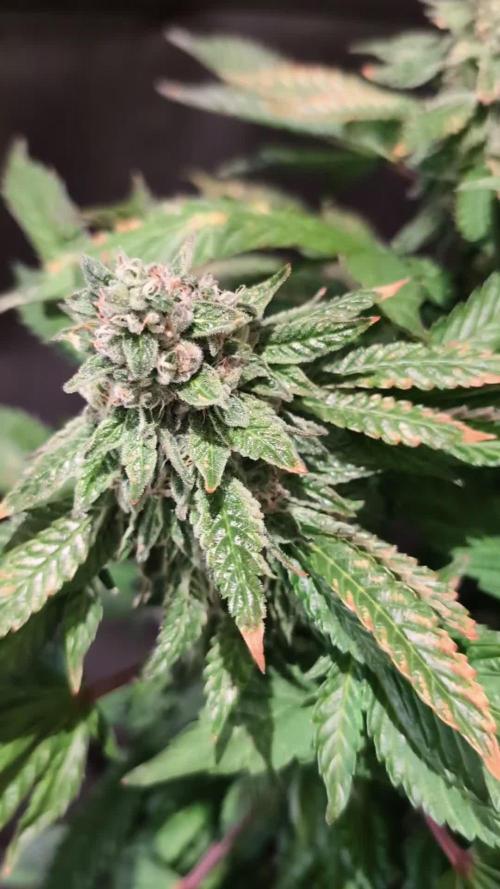
Nach der sechsten Blütewoche kommt der Kampfzwerg an die Ausreifung der Blüten. Sie zeigt ein schönes Blütenbild für ihr Größe.
Die Blütenstruktur ist kompakt und Dick, und es entwickelt sich ein frisches, säuerliches Aroma.
Wenn es ein Apfel sein soll dann geht es in die Richtung Granny Smith.
Die Pflanze ist sehr kompakt und kurz gehalten und hat im Stretch auch nichts mehr gerissen.
Die Umgebungsgegebenheiten sind gut:
—————
🌞 Temp: 27°C
🌚 Temp: 18°C bis 19°C
💨 RH: 56%
VPD: 1,10 kPa
😎 PPfD: 830 mqm
—————
Viele Grüße 👋