


Likes
Comments
Share

@Borberad
Follow
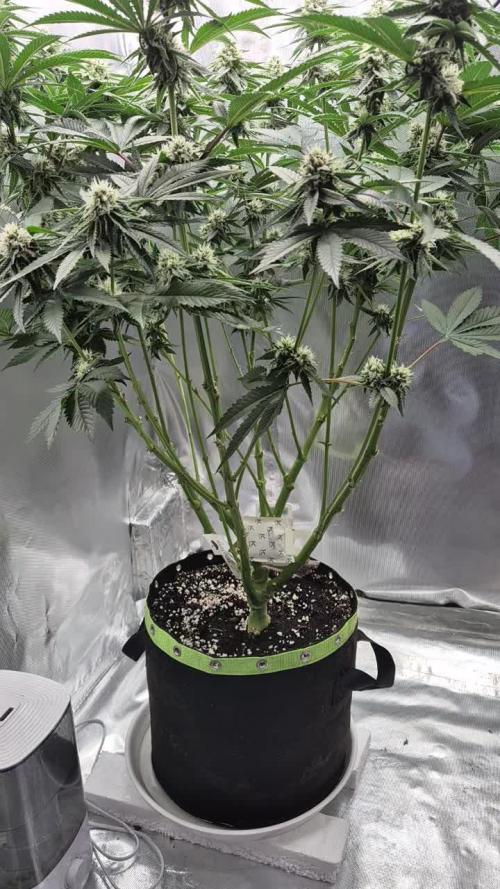
Das Blümchen gibt Vollgas! Die Blütenstände werden immer dicker und duften schon extrem betörend fruchtig. Der Duft sorgt mal wieder für Uneinigkeit. Melonendüfte oder doch Rhabarber? 🤣
Insgesamt sorgt die Pflanze bisher für Begeisterung. Die Buds sind für diese Phase schon extrem weit entwickelt obwohl gerade mal die Hälfte der angegebenen Blütezeit verstrichen ist. Wo das noch hinführt bleibt abzuwarten. Entweder sehen wir nach dem angegebenen 56 bis 63 Tagen keine Blätter mehr unter den Trichomen

Likes
71
Share


@Roberts
Follow
I just switched to water on Quebec Blast. Starting the purging of nutrition from the plant to harvest. Next update will be a harvest. Trichromes are frosty so should be prime ripeness when ready. She grew under the Spider Farmer SE5000 light in New Level Hydro buckets the whole grow. Thank you New Level Hydro, Spider Farmer, and Quebec Seeds. 🤜🤛🌱🌱🌱
Thank you grow diaries community for the 👇likes👇, follows, comments, and subscriptions on my YouTube channel👇. ❄️🌱🍻 Happy Growing 🌱🌱🌱
https://youtube.com/channel/UCAhN7yRzWLpcaRHhMIQ7X4g
SE5000
https://amzn.to/3qFpAML
Spider Farmer Official Website Links:
US&Worldwide: https://www.spider-farmer.com
UK: https://spiderfarmer.co.uk
CA: https://spiderfarmer.ca
EU: https://spiderfarmer.eu
AU: https://spiderfarmer.com.au
Coupon Code: saveurcash (is stackable in most cases)
Www.newlevelhydro.com
Www.hygrozyme.com

Likes
37
Share


@DaddyPrime2
Follow
6/10/2024 the fades coming in nicely. I probably could have pushed her with nutes for a couple weeks and possibly gotten her to thicken up a bit. But she is pretty thick as is. She's going through water quick and I keep forgetting and so she's finishing a bit quicker I think. I may chop soon but this plant is probably a 90 day strain. I feel like most autos can fall into that range
6/15/24 she was cut. I will add a harvest week soon.

Likes
11
Share


@DimJesus
Follow
Iniciando mi primer indoor, updates toda semana.
Ya he cometido algunos errores pero siempre aprendiendo, próxima semana comenzaré a fertilizar con advanced nutrients.

Processing
Likes
4
Share


@Ferenc
Follow
Week 10: 20/4 light schedule, 150 mp water per plant 2x, no fertilization anymore. Day 65: Next week Tueasday/beggining week 11/ we need to harvest because they will come from the council to check the house😂 Well, the previous one finished in 69 days, but I think they won't be properly ready by next week. I tried it and made me high anyways. I would give at least 2 weeks more to be done. Tomorrow I will check the trichomes with magnifying glass. They are beautiful stinky girls. Flowers are getting thicker and pistils are getting brownish. Day 66: I checked the trichomes with magnifying glass and it will be ready by next Tuesday. 7 days left with this day. They are beautiful just check in the video (Day 66).
Day 67: It is crazy the last 3 days was so hot here in London. Today was 38 degrees!!!!!! Poor plants even with ventilation it goes up to 30-31 degrees. Well, it is alright because direct ventilation goes on so they won't be cooked. 😓😛 Day 70: It is the last day when they receive water and they just get once and half of the daily intake. 2 days before harvest I will not water them. Harvest day is on Tuesday 30th of July when they are 72 days old. I have checked the trichomes all good they are matured nicely cloudy so now it is very strong. They are very stinky girls 😋 Day 71: No more water for them..... Tomorrow is harvest day!!!!!😋

Likes
37
Share


@Master_weeda
Follow
Stretch 6 centimètres
Jour52 arrosage avec de l'eau ph6.3
Jour54 defolliation

Likes
12
Share

@C17H19NO3
Follow
🤙🏻
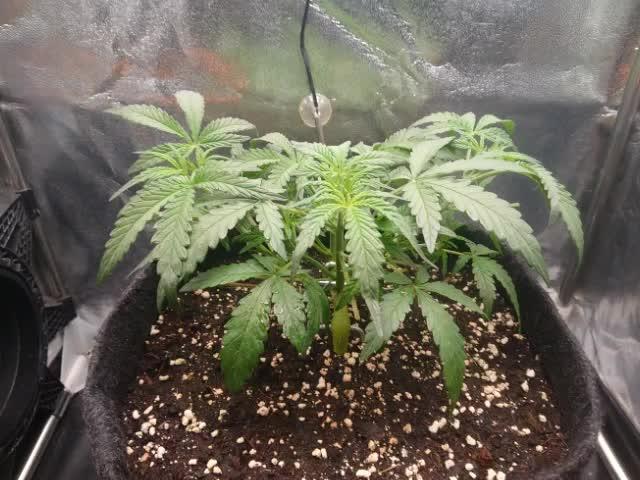
9.August (22) 1,2l Wasser & 0,3l Wasser in Untersätzer
10.August (23) zwei kleine Blätter entfernt
11.August (24) 1,2l Wasser & 0,3l Wasser in Untersätzer / Entlaubt
12.August (25) Abends 500ml Wasser in Untersätzer
13.August (26) 1l DüMi / 500ml Wasser in Untersätzer
14.August (27)
Licht auf 75%

Likes
16
Share

@eldruida_lamota
Follow
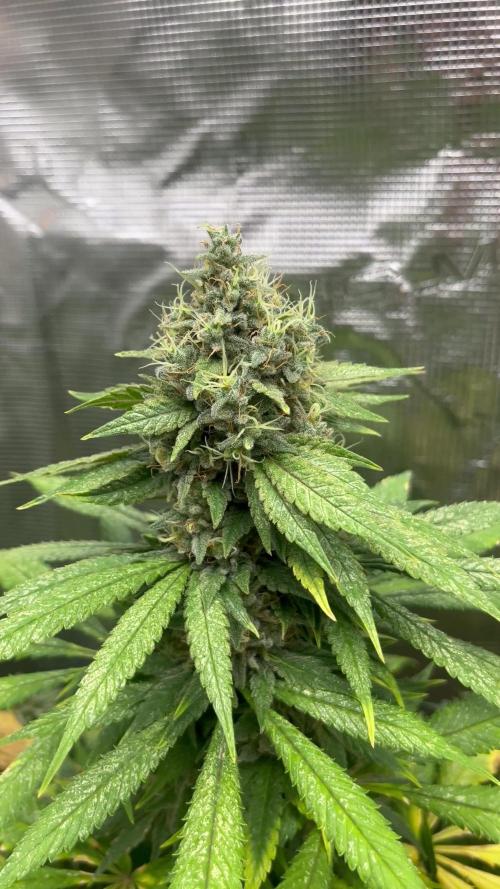
Que pasa familia, vamos con la novena semana de floración de estas Mental Rainbow F1 de Sweetseeds.
Vamos al lío, las plantas se trasplantaron a macetas de 7 litros.
El ph se controla en 6.5, la temperatura la tenemos entre 24/21 grados y la humedad ronda el 50%.
El ciclo de crecimiento puse 12h de luz, el foco está al 50% de potencia.
Tengo visitantes, trips que combatiremos con control biológico.
Me gustaría estar más encima este cultivo pero la salud me está impidiendo un poco este 100% con el proyecto.
- os dejo por aquí un CÓDIGO: Eldruida
Descuento para la tienda de MARS HYDRO.
https://www.mars-hydro.com
Hasta aquí todo, Buenos humos 💨💨💨

Likes
11
Share


@Skunkiest_bender39
Follow
Schade um die Schwestern… aber die Damen freuen sich sehr über den Platz bin gespannt wie es weiter geht. Habe noch ein Ventilator unterhalb der Pflanzen platziert. Sollte jetzt endlich auf Zielgerade gehen. Je nachdem was passiert, werden die Damen voraussichtlich in 3wochen geerntet!🐝

Likes
9
Share

@Alvareas
Follow
Der Grow:
Die Woche hatte ich ein Paar Probleme mit dem Blumat.
Ich kann nicht genau sagen warum, aber an einem Tag ist die Feuchtigkeit auf 40 mbar gestiegen.
Die Blumate haben zu lange bewässert.
Was die Pflanze auch gleich mit hellen Blatträndern quittiert hat.
Ich habe die Tropfschläuche bei den Blumaten von 8cm auf 5cm verringert.
Damit sollten die Blumaten schneller schließen.
Was auch funktioniert hat.
Mit etwas Fein Tuning bin ich jetzt wieder zwischen 90 – 110 mbar unterwegs.
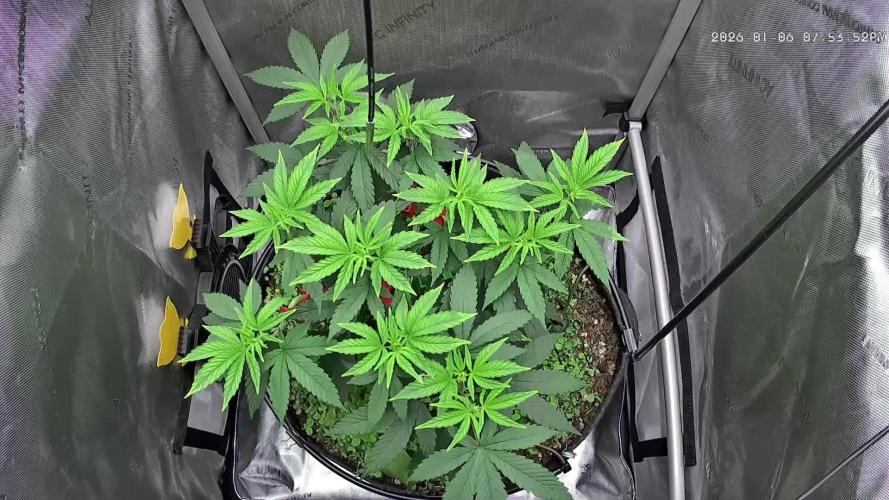
Ansonsten war wachsen lassen angesagt und mit LST die Triebe auf gleicher Höhe halten.
Am 4 Tag der Woche hat mir der Wuchs so gut gefallen, dass ich mich dafür entschieden habe auf 12/12 umzustellen.
Damit war die Pflanze genau 32 Tage in der Vegi.
Zur Umstellung habe ich das SCROG Netz angebracht, um erstens die Triebe später zu stützen und sie noch etwas weiter auseinander zu ziehen.
Der Stretch hat 2 Tage nach der Umstellung begonnen, schauen wir mal wieviel an Höhe dazu kommt.
Nach oben habe ich jedenfalls noch ordentlich Platz.
Die LED habe ich auf 40% gestellt, mit der Umstellung auf 12/12.
Hierdurch werden die 6 Stunden wenig Licht ausgeglichen.
Die Luftfeuchtigkeit habe ich auch weiter gesenkt.
Fazit Vegi:
Ich bin absolut zufrieden mit der Vegi.
Die Pflanze hat sich schön entwickelt.
Die Living Soil von Coupel of Plants überzeugt mich bis hier hin.
Ich musste nichts tun, außer den Blumat richtig einzustellen und den Tank gefüllt zuhalten.
Ab und zu den Cover Crop schneiden und ansonsten nur Pflanzen Training, geil 😊.
Ich bin jetzt auf die Blüte gespannt.
Aber auch hier denke ich wird die Erde performen.
Interessant wird, ob es Cal/Mag Probleme geben wird.
Ich werde zumindest nicht prophylaktisch etwas dazu geben, sondern nur wen es starke Mängel geben sollte.
Die Parameter in Woche 6:
Controller Einstellung Tag: Advanced AI Luftfeuchtigkeit 53% - 63%
Controller Einstellung Nacht: Advanced AI Luftfeuchtigkeit 50% - 60%
Durchschnittliche Tagestemperatur: 26,7 Grad
Durchschnittliche Nachttemperatur: 22,1 Grad
Durchschnittliche Luftfeuchtigkeit Tag: 58,8%
Durchschnittliche Luftfeuchtigkeit Nacht: 54,7%
Durchschnittlicher VPD Tag: 1,2
Durchschnittlicher VPD Nacht: 1,0
LED Leistung: 40% = 145 Watt
Beleuchtungsdauer: 12 Stunden
Umluft: Stufe 1 oszillierend

Likes
7
Share

@Organic473
Follow
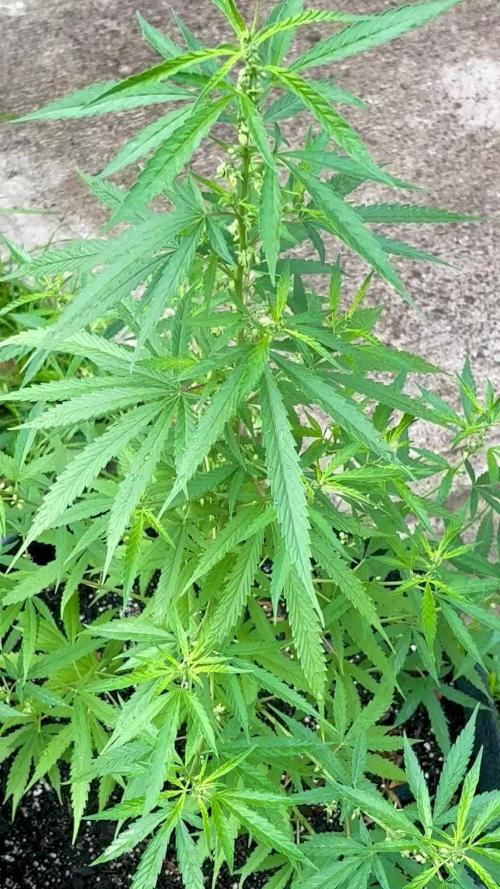
As I predicted this male is showing off and I am happy to get the pollen.

Likes
20
Share

@Bread_n_Buds
Follow
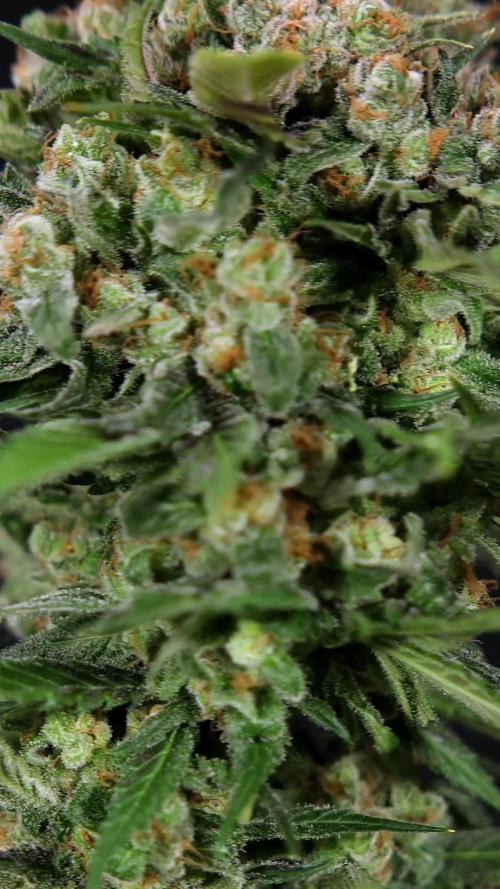
And here we are at the harvest of our second Jet Fuel, a beauty with a jaunty look, flowers with large calyxes, gassy smell is Jet Fuel by Zamnesia.
** Remember that for all the strains we have at least two plants, one left to grow straight and one worked with the techniques. This is the plant left to grow without the use of techniques to see the other go to the previous week.
The trichomes said cut me: it is a sativa predominance of leather we want to preserve the energizing effect. So guys not too much amber on the sativas I recommend otherwise you transform them into indicas. I see enough at least for my tastes and with respect to the strain, always evaluate not only based on your tastes based on the strain. Don't let the amber rule influence you too much we like to talk about harvest window and therefore we have mostly milky / coudy, some transparent and a good amount of amber as well.
Technique used // This plant was left to grow free and beautiful with some cleaning at the bottom and some leaves but at the right time.
Better with techniques or normal? This time we have two phenotypes similar in appearance and different in terpene profile, the plant left to grow straight seems to be a little better but they are really very similar.
Flower quality // From one to 10 stars 9. The plant has resined very well on all sides, it is quite mature, I am satisfied with the color and I harvest it.
Buds washed and cleaned as Lukas explains very well on the Zamnesia website, go and read and study the topics in depth, often it is necessary not to act superficially guys!
Check the article in your language // https://www.zamnesia.io/it/guida-growing-cannabis/333-lavaggio-delle-ceme
Fertilizers // I am very happy with how I managed to unload the plant that at a certain point before going to flush was fed for a few days only with additives and then went to flush and we are very very well discolored, I predict a very tasty flower, grown organic and flushed successfully, the flavor and taste will be epic.
All the fertilizers and additives of Plagron in the green / 100% organic version have fully satisfied me. Choose your soil based on your style and calculate the sheet on the website www.plagron.com -
Brother if you are stubborn use additives listen every now and then....and then come and tell me.
Fertilizers on the other hand are found in convenient all-inclusive packages on the Zamnesia website.
Great strain, I found a citrus/sour pheno and a very gassy one
---- https://www.zamnesia.io/en/11258-zamnesia-jet-fuel-semi.html
Zamnesia Description // Jet Fuel (also known as G6, Jet Fuel OG and G6 Kush) is a modern hybrid rich in THC and terpenes with a diesel aroma. Originally created in Colorado by crossing Diesel with Aspen OG, this 60% sativa-dominant hybrid is a must-have for any smoker who enjoys an uplifting and energizing high. Now, thanks to the hard work of our breeders, the original Jet Fuel is even easier to grow at home. Order your seeds, plant them in soil and enjoy their rapid growth. After just 9-10 weeks of flowering, you can expect a generous harvest of top-shelf sativa buds!
Jet Fuel produces large buds that contain high levels of terpenes and up to 22% THC. True to its name, Jet Fuel has a pungent diesel aroma, with similar flavors. Trained noses and palates will also detect hints of earth, citrus, and pine. Thanks to its potent THC content, Jet Fuel can deliver a very powerful effect after just one hit, making it perfect for social settings, creativity, and daytime use. After an initial burst of energy that increases focus, Jet Fuel's effects tend to settle, leaving users in a dreamy, positive state.
Music and Frequencies // For about 4-6 hours a day, my plants listen to 432Hz frequencies that are specifically designed for their well-being, and sometimes a bit of black music to give them that buzz that only music can provide. www.radionula.com
All the best that mother nature has to offer is at ---- www.zamnesia.com


Likes
11
Share


@thevaporino
Follow
Entramos en la 9 semana y seguimos con heladas en el exterior , las mínimas con luces apagadas son de 15º y las máximas con luces encendidas


Likes
17
Share


@Naujas
Follow
She is much prettier than she was a week ago :) I remembered that I have my first grow light, which is more compact and it will give me more space, so I changed my light, now the girl's side branches get light too:) I add a lot of video memes, because I really want to win Iphone16 pro ;) and those who don't take risks don't drink champagne:) good luck to everyone.
Likes
12
Share

@sellem
Follow
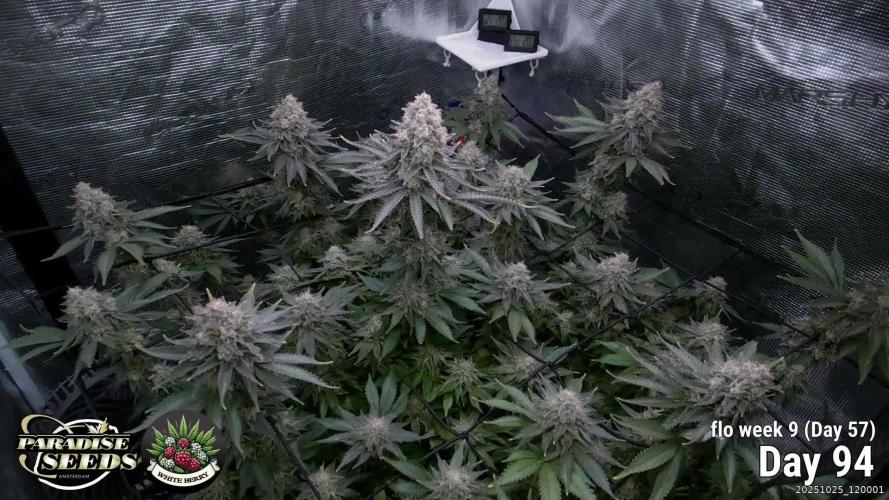
She's getting axed tomorrow! 😍
Last watering was just 6.0PH 6L Water to produce some fade but i think it was too late. She got nice colors going though. in dim light the black and orange really shines. She's also smelly 😷

Likes
17
Share


@Bigonet
Follow
Hello friends, this is my first indoor Growing . Please give me some guidance. This girl is 2 days old.thank you.
king's kush Green house
Likes
30
Share


@Silverback_Guerilla
Follow
11/9:
They're smelling so awesome now! Like something sweet is baking in the oven!👍
Both plants are equally fat and frosty and still have a good way to go..
Likes
2
Share

@MrWeeedWorld
Follow
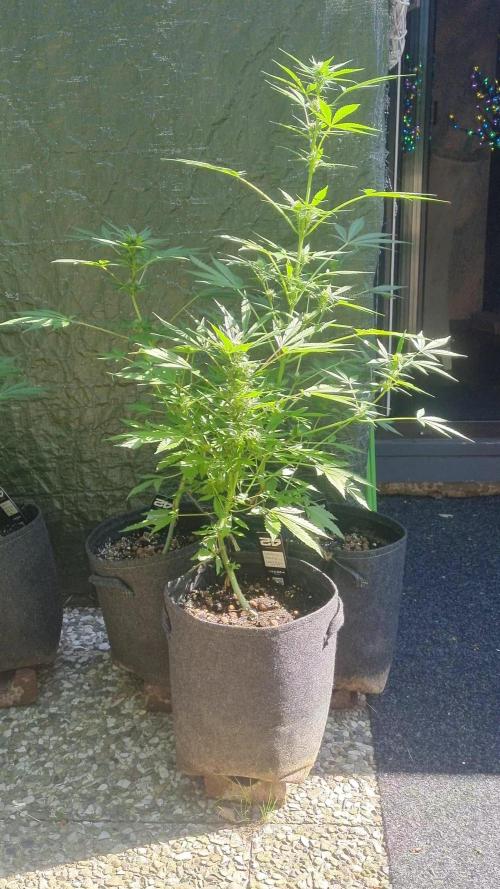
🍋 Lemon Cherry Cookies Auto – Woche 5 | Die Blüte nimmt Fahrt auf! 🌸
Meine Lemon Cherry Cookies Auto entwickelt sich weiterhin hervorragend und ist jetzt vollständig in der Blüte angekommen.
Die ersten Buds werden von Tag zu Tag größer und überall bilden sich frische, schneeweiße Blütenfäden. Bereits jetzt zeigt sich eine feine Harzschicht auf den Sugar Leaves – ein vielversprechender Vorgeschmack auf das, was in den nächsten Wochen noch kommt.
Die Pflanze präsentiert sich mit einem kräftigen, gesunden Grünton und wirkt insgesamt sehr vital. Sie genießt das sonnige Wetter im Garten sichtlich und wächst bisher ohne Probleme.
Jetzt beginnt die spannende Phase, in der die Blüten an Volumen, Dichte und Harzproduktion deutlich zulegen werden. Ich freue mich schon darauf zu sehen, wie sich Aroma, Frost und Ertrag weiterentwickeln.
🌱 Sorte: Lemon Cherry Cookies Auto
📅 Woche: 5
🌸 Phase: Frühe Blüte
☀️ Anbau: Outdoor
Vielen Dank fürs Vorbeischauen! Das nächste Update gibt es wie immer am kommenden Sonntag. 💚🌿
--------------------------------------------------------------------------------------------------------------------------------------------------------------------
🍋 Lemon Cherry Cookies Auto – Week 5 | Flowering is Taking Off! 🌸
My Lemon Cherry Cookies Auto is developing beautifully and has now fully entered the flowering stage.
The buds are getting bigger every day, with fresh white pistils appearing all over the plant. A light layer of resin is already forming on the sugar leaves, giving a promising preview of the frosty flowers that will develop over the coming weeks.
The plant has a rich, healthy green color and looks extremely vigorous. It has been thriving outdoors, enjoying the sunny weather and showing no signs of stress.
Now comes one of the most exciting stages of the grow, as the flowers will rapidly gain size, density, and resin production. I'm really looking forward to seeing how the aroma, frost, and final yield develop.
🌱 Strain: Lemon Cherry Cookies Auto
📅 Week: 5
🌸 Stage: Early Flowering
☀️ Growing: Outdoor
Thanks for stopping by! As always, I'll be back with another update next Sunday. 💚🌿


Likes
154
Share


@CBD_Sweden
Follow
@FAST_BUDS,
Hi all the happy people here in GrowDiaries.
This is my second cultivation ever and it will be fun to try a bigger space than my closet grow.
First, I'm just going to say I'm done with the construction of my new growroom.
I put some pictures on the construction here in week one.
The room is 2.14 meters by 1.7 meters and has a ceiling height of 2 meters.
It provides a floor area of 3.6 square meters.
I use a 54 Watt Lightwawe T5 for germination and 2 Pcs 400 Watt HPS lamps.
I have a channel fan that replaces the room air about 40 times an hour to get a comfortable environment in the room, the air enters a fresh air intake from the outside.
The air is purified through a carbon filter to then leave the room to the rest of the basement.
Then I use that heat to heat the rest of the basement.
I will use 8 pcs 15 liter Autopots to grow with and a 100 liter water tank that supplies the pots of water and nutrition.
I will grow completely organically in soil and will watercure my buds to get the best possible medicine for me.
But there are no cultivation rooms to be displayed here, so I continue with what is most important.
Today I have put my seeds in my moisture dome and hope the seeds have germinated within a few days.
I am very excited to see how the new growroom will work and how this new secret CBD plant from @FAST_BUDS, will turn out.
..............................................................................................................................................................................................................................................................................................................................................
Update 2017-08-15. Both seeds have germinated and planted in small pots inside the humidity dome.
I'm so glad it worked so well and now it's just hoping they'll start growing and become 2 big healthy girls :)
...............................................................................................................................................................................................................................................................................................................................................
Update 2017-08-16. I have mixed my own soil today. Its 40% sieved peat harrow H2-H4 0-30 mm, 45% sieved peat harrow H4-H6 0-30 mm. 5% sand and 10% of compost soil. And i use 15% of perlite and mix it all together.
....................................................................................................................................................................................................................................................................................................................................................
2017-08-21 The 2 sisters are doing great, Nr2 is a bit after Nr1 . Some new pics.