


Likes
Comments
Share

@Damesanti
Follow
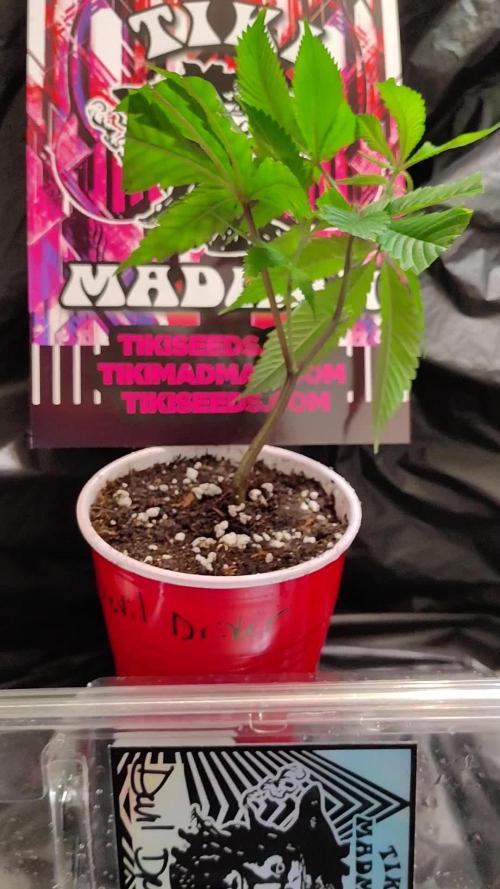
No issues at all, Happy Halloween Spooky sale event purchase, selected by Tiki madman himself.


Likes
5
Share


@Naujas
Follow
whatever it is, it's a pity, but you can't fight with Nature :) as far as I can see from the drone flight, the girls are simply gone :D:D they are under water,.... it's a pity.... it rained a lot during the week, there is a river 300m away which flooded, here is the result: D I see this for the first time in 9 years .... well, nothing new automatic seeds, already thrown into the ground :) so I will wait for new girls :).

Likes
7
Share


@Nikkov
Follow
well, another week and just watering as needed, it should have yielded a lot more this strain is also not known from a local seed bank but no problem. I think the temperature, because I spent most of it being very hot, didn't let them grow, well, but I'm already starting another cycle and soon I'll start posting more here in another grow =D
Likes
4
Share


@Crusty_Juggler
Follow
60x60 cm tent in a 1920's peek-in-closet
Oversized vent for silence
High power DIY LED
True SoG 12/12 from seed with 15 plants in 2L pots
Watering all plants in bottom tray with 30% of total pot size (10L)
WEEK 1
DAY 1 - Germinated in paper towel
DAY 3 - Planted into pots + Lights ON at 125w
DAY 5 - All plants have broken soil
DAY 7 - Slight stretch - Light at 185w
WEEK 2
Two of the Iced Out are lagging behind, others are on point - I'm trying to push light and nutes to the max.
Extraction fan (AC infinity Cloudline T6) on level 2.
DAY 13 - First full watering (10L) with 20 ml Canna Terra Vega
DAY 14 - Circulation fan turned on (low) during lights on

Likes
9
Share

@420DeepGrow
Follow
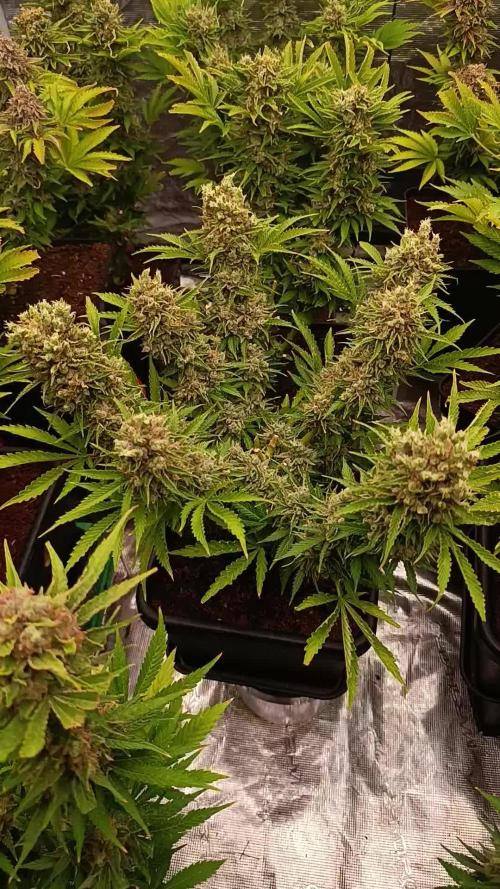
📆 Semana 10
El cultivo entra en su fase final de maduración, con plantas muy cercanas al punto óptimo de corte. Los cogollos se muestran duros, densos y completamente formados, con el peso ya definido en todas las ramas.
La resina alcanza niveles máximos, con tricomas mayoritariamente lechosos y presencia de ámbar empezando a ser más visible, marcando claramente la ventana de corte abierta. Los pistilos continúan oxidándose de forma progresiva, reforzando la maduración avanzada.
La planta reduce su actividad y comienza a consumir reservas internas, provocando un ligero fade en las hojas grandes y una mejora en el perfil final de aroma y terpenos.
Cultivo en recta final, afinando el punto exacto de cosecha.
Seguimos creciendo fuerte 💪!

Likes
89
Share


@Gunnen
Follow
So here we are roughly at end of Week 14. Some photos are from after that point as we are getting close to harvest. What can I say about these plants other than what they already are showing. I royally gave them some bad treatment with pH lockout, and still managed to come back together and finish strong. Noticing, these are all the same strain, with some clearly different phenotypes showing through. To that matter, they all are amazing and showing some real quality signs. The trichomes are almost all cloudy and I have a few amber coming in. The terpenes are coming out and the plants are finishing out the remainder of nutrients in the soil with some good flushing as well. Right now the ladies are in the dark for the next 48-72 hours. After that time period, I will check the trichomes one last time before I chop them to hang. The size of these nugs is not only impressive in terms of length, but the density is also there to back it up. These are some dense, resinous, long ass nugs! Corona virus has the best smell and smells almost like it's got a blueberry undertone going on. It is also packed with resin, which is a bonus, however the nugs are smaller than the other two plants. Big Red has the longest and most nugs out of the three. It's smell is not really much to speak of, and the resin is decent comparing to the others. Stubby has the thickest, densest and most crystal coverage out of all three of them. Unfortunately it is shorter and the overall yield is not as impressive as the other two. So they all have their pro's and con's, but I am thinking I am looking towards a decent harvest with some well grown bud. This might be a grow I am not as ashamed of in my history! 😆
Happy Growing, cheers! 👊😁

Likes
21
Share


@LovelyT
Follow
Critical is definetly a sativa strain, as she just wants to grow straight up. I wanted to take pictures before i defoliated but, i forgot. Sorry guys but next week i will definetly post before trimming. No smell yet, but she is comming along nicely. Was thinking of trying the Supercropping method with this strain let me know what yall think, as critical does respond very well to any training. Feel free to post some opinions.I would Love the feedback, AS ALWAYS........ HAPPY GROWING😉!!

Likes
5
Share


@Inkyy
Follow
Harvested and wet trimmed, better of the 2 plants imo but we shall see after drying.
Dry weight after trim: 193 grams
Likes
4
Share


@Ultraviolet
Follow
RAW GROW is a tested blend of all 12 RAW Soluble plant nutrients, essential elements and supplements. This blend has been proven to be an optimal all-in-one base “Grow” horticultural fertilizer. RAW GROW is used through out the entire vegetative stage. Derived from: Plant protein hydrolysate, mono potassium phosphate, potassium sulfate, cane molasses, sodium borate, copper sulfate, iron DTPA, magnesium sulfate, manganese sulfate, zinc sulfate and azomite. Also contains non-plant food ingredients: Humic acids derived from leonardite and peat, kelp (ascophyllum nodosum), silicon dioxide derived from diatomite and yucca extract.
When you overlap a copper wire to attract ions, it is called ion exchange. Copper wire is often used as a material for ion exchange because it has a high affinity for positively charged ions, such as copper, zinc, and nickel. When copper wire is overlapped or wound into a coil, it creates a surface area that attracts ions and allows them to bind to the wire or gather within the space. This process is used in various applications, such as electroplating, water treatment, chemical separation processes and cultivation.
Electrolysis is a chemical process that involves passing an electric current through a liquid or solution containing ions. This process causes the ions to migrate towards the electrodes, where they undergo a chemical reaction.
In the context of plant growth, electrolysis is used to increase the availability of your nutrient-rich solution that can be used to feed plants.
Electrolysis and nutrient rich reservoirs work well together since your cannabis nutrients are salt based. The process involves passing an electric current through a solution of water and plant nutrients, which causes the water molecules to break down into their constituent parts, hydrogen, and oxygen.
The hydrogen ions (H+) then combine with the nutrients in the solution to form a nutrient-rich substance that can be absorbed by the plant roots easier. This will only work in a nutrient rich solution as it requires the salt-based nutrients to engage.
This process, known as hydrolysis, provides the plant with a continuous supply of nutrients and oxygen, which can help to increase plant growth and improve yields. By providing the plant with a more efficient method of absorbing nutrients, electrolysis can help to increase the uptake of essential elements such as nitrogen, phosphorus, and potassium. Additionally, electrolysis can help to maintain the pH balance of the growing medium, which is essential for optimal plant growth. One of the key advantages of using electrolysis to increase plant growth is that it allows for greater control over the growing system. This is exactly why this is generally a technique reserved for advanced hydroponics growers. By adjusting the voltage and current levels, cultivators can custom control the nutrient concentration and pH level of the solution, ensuring that the plant receives the optimal amount of nutrients sitting perfectly on potential hydrogen spectrum.
Carotenoids absorb light in the blue-green range of the visible spectrum, complementing chlorophyll's absorption in the red range.
Carotenoids protect photosynthetic machinery from excess light. They deactivate singlet oxygen, which is a harmful oxidant formed during photosynthesis.
Carotenoids quench triplet chlorophyll, which can be harmful to photosynthesis.
Carotenoids scavenge reactive oxygen species (ROS), which can damage cell membranes and proteins.
Carotenoid derivatives signal plant development and responses to environmental cues.
Carotenoids provide precursors for the biosynthesis of phytohormones like abscisic acid (ABA) and strigolactones (SLs).
Carotenoids are pigments that give fruits and vegetables their orange, red, and yellow colors. They also act as free radical scavengers to protect plants during photosynthesis.
Beta-carotene is the most common provitamin A carotenoid. It's found in orange and yellow fruits and vegetables like carrots, sweet potatoes, and mangos. Other carotenoids include lycopene, lutein, and zeaxanthin. These carotenoids have antioxidant and photoprotective properties. In plants, Vitamin A is found as carotenoids, which are pigments that give plants their color. Vitamin A is a fat-soluble vitamin.
Vitamin B plays a vital role in plant growth and development. It acts as a coenzyme in many metabolic reactions, which are the basis for plant growth and maintenance.
Vitamin B helps plants metabolize nutrients, which are essential for growth and development.
Vitamin B helps plants respond to biotic and abiotic stress.
Vitamin B can help plants grow new roots, which can reduce transplant shock.
Vitamin B can help plants grow shoots, especially slow-growing plants.
Vitamin B1 Also known as thiamine diphosphate, vitamin B1 is a key component of metabolic pathways like glycolysis and the tricarboxylic acid cycle.
Vitamin B3 Also known as nicotinamide or niacin, vitamin B3 is a biostimulant that can improve plant growth and yield.
Vitamin B6 Vitamin B6 acts as an antioxidant and cofactor, and is involved in plant stress responses.
Vitamin C, also known as ascorbic acid, is a vital nutrient for plants that helps with growth and protects them from excess light.
Vitamin C acts as a redox buffer, which is important for regulating photosynthesis.
Vitamin C helps enzymes that regulate photosynthesis, hormone production, and regenerating antioxidants.
Vitamin C is a coenzyme in the xanthophyll cycle, which converts excess energy into heat. This process helps plants protect themselves from too much light.
seedlings to young plants can feed on 200-400 PPM, Teenage plants that have a maturing root zone can feed on 350-550 PPM and adults will feed 600-1000 PPM. The more you feed plants and watch them grow you'll get a feel for how much to give them. Less is more when trying to grasp this. High level of CEC in organic soil so I'm watering 5-gallon

Likes
16
Share


@StickyFingah420
Follow
Día de cosecha y la verdad estoy muy contento con lo que veo, son hermosas estas flores y su fragancia exquisita.
La planta tuvo una deficiencia de Cal/Mag, la que se corrigió a tiempo pero de igual manera afectó en su crecimiento y rendimiento, más allá de eso estoy feliz por las flores de calidad que tendré para degustar más adelante.

Processing
Likes
10
Share


@IndoorNewb
Follow
Added stakes for better light penetration. checked trichomes with jeweler's loop and are still clear. Plenty of time left to go. More details in video.

Likes
4
Share


@Ieiogrow94
Follow
Eccoci qui...
Tutto va per il meglio, questa settimana si inizia a vedere la resina e ora si inizieranno a formare le cime, per questo aggiungo Sugar Shot di @xpertnutrients vedremo l'evoluzione settimana prossima.
Purtroppo lei è rimasta piccola ma ha lo strato di resina è il più prestante del ciclo, staremo a vedere come gonfieranno le cime.
Grazie a tutti per il supporto🔥🌲❤️
Likes
5
Share

@AvadaKedavra
Follow
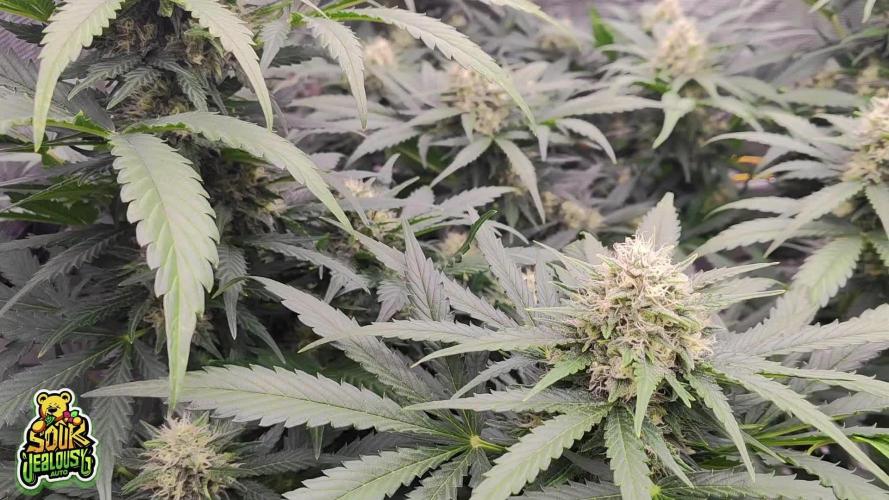
Howdy, here's a brief Week 9 update:
It's become autumn in the tent! Temps are dropping, plants are showing signs of senescence one by one (although some reluctantly so, am I right SJ?).
Headbanger, as expected, is finishing up first. Leaves are crisping up, colors are showing a slow, clean fade. I was pretty sure I burned her a little juding by the green tips, but Mephisto previously described this on the profile page, so maybe a little bit of both?
Mango, finally cut out of the scrog net and turned 180°, got light-burned AGAIN and I am since giving her as many stable days as possible to get off the stress-edge, to retain those remaining beautiful terps. She is finishing faster due to a troubled history, but I am very proud to have her (alive at this point) and already learned a LOT about sativas.
SJ is still watching the show from the corner, has settled building her rainforest canopy, and is just slowly bulking every day. Most content plant (well, as indica representation more resilient anyway), is hesitantly absorbing some Nitrogen from her fluffy, roughy, textured canopy. She'll let me know when things go south.
Not gonna lie, OSMH, after some reasearch into her "natural" soil conditions, already caused me to try and wrap my hot dehumidifier exhaust around the pots, in order to avoid scary root temp collapses during nights towards 15°C. I am giving the plants warm-ish waterings to raise soil temps slightly, but watching her suffer more is driving me a little nuts. She definitely managed to take a scratch at the little pride I still had remaining 😂
I clipped some videos from my personal vid log, enjoy. I think I have a LOT of larf incoming 😓. Don't be greedy.


Likes
6
Share


@gr3g4l
Follow
Visto que ya estamos a mediados de agosto y pareceria que quieren empezar a florecer voy a empezar esta semana con el bloom. Mitad bloom mitad grow
51d nuevo tratamiento preventivo con TD + Solabiol, Foliar.
Una vez el tratamiento para evitar que las lluvias limpien la planta suelo ponerlas bajo techo. En cuanto deja de llover las vuelvo a sacar.
dia 54 126ctms la nº1 y 102 la nº4 y una clara evidencia que ahora empieza lo bueno. Como puede observarse han ensanchado las ramas , han crecido notablemente y empiezan a mostrar claramente sus primeros pistilos.


Likes
10
Share


@GrowerGaz
Follow
Great strain all three phenos are really greasy and high in resin. Two phenos are very kushy gassy , one has more citrus than the other. The third pheno is a the super frosty #1 more sweet and a little funkier than the other two




Likes
48
Share


@Northern_Ent
Follow
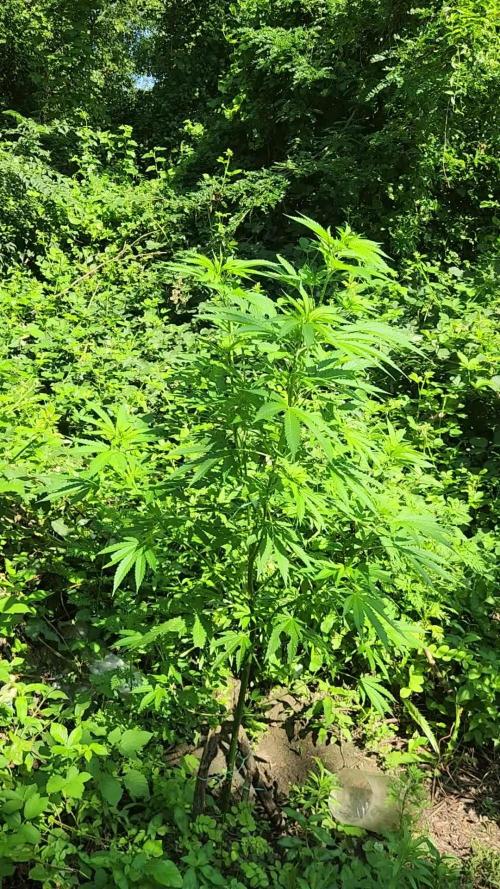
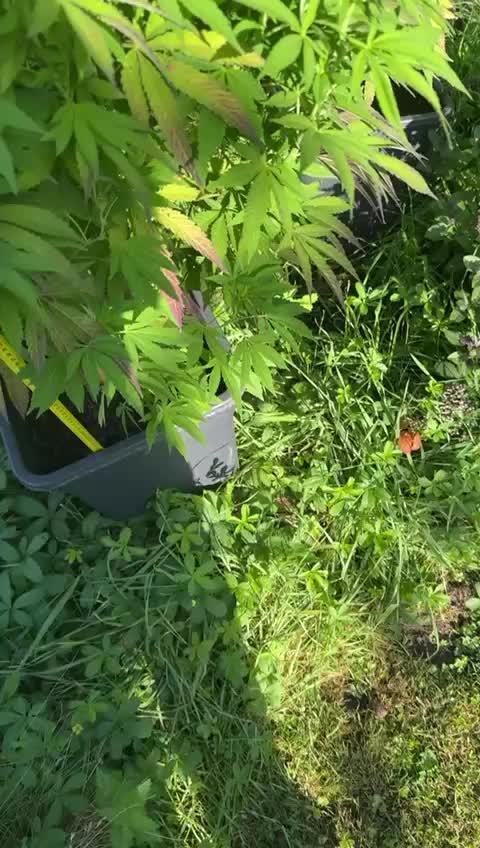
June 3: growing fast now. Still almost 3 weeks until the solstice so we’re in good shape timing wise.
June 5: “we got ‘er goin’ now.” Nice fast growth happening.
June 6: now past fifth node and will top first thing tomorrow morning.
June 7: topped for manifolding (or mainlining), and watered with a simple compost tea (mature compost, water, molasses, vinegar for pH) left to steep overnight.
Apologies for the audio quality on the video.