Likes
Comments
Share
@madlangs
Follow
All going well. No problems I 22.11.25 WW 56cm and 36cm Pineapple 38 Afgooey 61 n lights 70cm & 80cm Sleepy Joe 70cm Papaya zoap 70cm Pure glitter 49cm
Likes
24
Share
@Bawzs
Follow
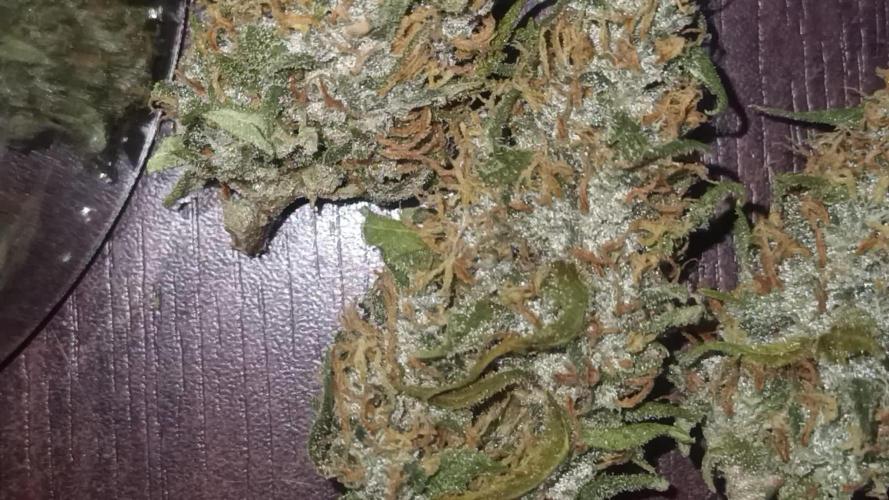
A nice Harvest From a nice plant , she had some nutrients problems but she din't care . Gave me a nice 40 Grams yield I'm just realy satisfied nice's looking and smelling plant i ever had!
Likes
30
Share
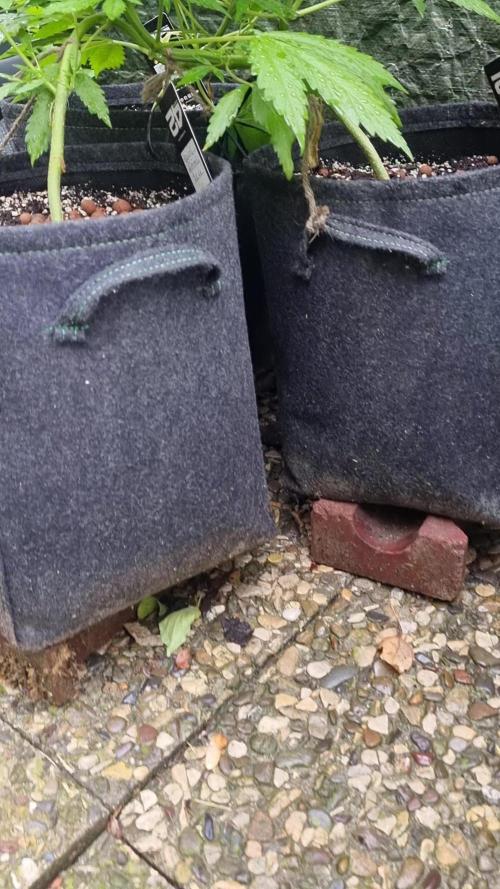
Привет всем моим друзьям с разных уголков мира. Я надеюсь своим примером, я показываю вам, то что партизанское движение возможно даже на вражеской территории, оккупированной клептократами. Если вы следите за мной, то вы знаете, что у меня подготовлено несколько партизанских отрядов. У меня было 40 растений Амурского гиганта, который родился в Амурской области, который входит в состав Дальневосточного федерального округа моей страны. Эти растения идеальны для выращивания на всей территории России. Я выбрал 30 самых сильный растений, которые проявляли гены гигантизма и вывез их за город на природу. Для того, чтобы удачно перевезти и трансплантировать 30 растений мне потребовалось очень много усилий, я расскажу вам об этом по порядку. Сразу оговорюсь, что у меня был один помощник, который выполнял всю физическую работу. Одному такое такой объём работы за один день сделать практически невозможно. Если вы один то, вы должны разделить свою работу на большее количество этапов, иначе вам будет слишком сложно. 1. В общей сложности ушло около 425 литров субстрата. Я взял 250 литров земли для цветов, добавил туда 115 литров вермикулита и около 60 литров гумуса – остатки жизнедеятельности дождевых червей. 2. Самым важным составляющим моего субстрата был гидрогель. Он удерживает до одного литра воды в течение 3 недель, даже перемешав его с землёй. У меня было 35 литров гидрогеля. 3. Так же у меня было порядка 30 литров чистой воды, в которые я добавил корневые стимуляторы и активаторы метаболизма. 4. Так же у меня было с собой немного перлита и пеностекла, но мне не хватило этих материалов на все растения. Но вы так же можете их использовать. После этого я выкапывал ямки, засыпал туда субстрат и добавил гидрогель, после чего трансплантировал растения. Мы приехали на место днём, но проработали на нём до самой ночи, пока на улице не стемнело. Как только все растения были удачно трансплантированы, мы удачно покинуло место, не включая фонарей или фар. Сейчас мне предстоит пересадить за один раз более 56 растений и перевезти практически 1000литров субстрата. Это крайне рискованно, но у меня нет другого выбора, так как была плохая погода долгое время. Если вам интересно следить за приключениями травки в России, подписывайтесь на мои дневники.
Likes
Comments
Share
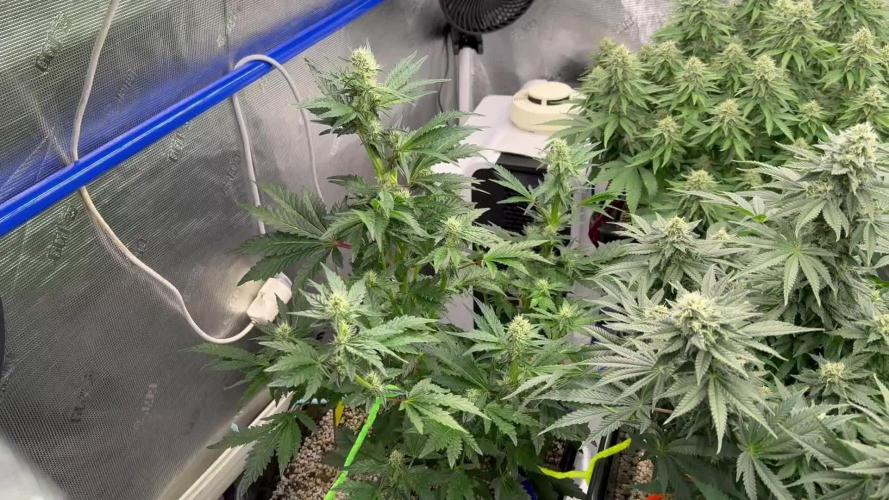
This was my first DWC grow and these STRNG SEEDS genetics was very easy to grow I also leaned on chatgtp for assistance and I really killed it
Likes
8
Share
Skywalker OG — Legends of the 12/12 Galaxy Week 8 from seed | Week 3 Flower Another week in the jungle with our Skywalker OG girls growing under 12/12 from seed, and the room is looking healthy, vibrant, and full of life. For anyone joining the diary now, here is a quick recap of the journey so far. These plants were grown 12/12 directly from seed, a style I enjoy exploring because it allows the plant to express its structure naturally while keeping the cycle compact and efficient. After the early development stages and a recent defoliation session last week, the girls are now entering a beautiful phase where the canopy starts filling again. And as often happens after a good cleanup… it already looks like no defoliation ever happened. The Skywalkers are doing exactly what they do best: growing bushy, strong, and lush green. The canopy is filling fast, and by the looks of it, we may have another light defoliation session coming soon to maintain airflow and light penetration deeper into the plant. ⸻ Environmental Conditions At this stage the room is running slightly on the aggressive side, but with strong airflow and air exchange we are keeping things stable. Current room parameters Temperature: ~28°C Relative Humidity: ~70% (slowly reducing) Airflow: Strong circulation + active air exchange Yes, these numbers are slightly higher than the textbook recommendations, but the key here is air movement and gas exchange. With strong airflow inside the canopy and constant air renewal, the plants remain comfortable and actively transpiring. Still, over the coming weeks we will gradually reduce humidity and slightly lower temperature as the flowers begin to develop further. ⸻ Light Intensity PPFD in the room varies depending on plant size and position. Most of the Skywalker OG plants are receiving between: 800 – 1300 PPFD There is also one wild card in the room pushing 1800–2000 PPFD, but that plant belongs to another genetic experiment and not to the Skywalker OG group. For the Skywalkers, the current light intensity is pushing vigorous growth without visible stress, which is exactly what we want at this stage. ⸻ Feeding Strategy The girls are clearly eating well right now. Current nutrient EC: 2.4 Runoff EC (substrate): ~0.9 This tells us the plants are actively taking nutrients from the medium. As long as the plants continue eating and the runoff remains stable, the recipe stays the same. If feeding slows or runoff EC starts climbing, we adjust accordingly. For now, the system is balanced and working. ⸻ Current Nutrient Recipe The current feeding program includes: CalMag Pro Terra Bloom Power Buds Green Sensation Pure Zym Sugar Royal Vita race is available as a foliar spray, but at this stage of flowering I prefer not spraying the plants unless absolutely necessary. Keeping flowers dry helps avoid unnecessary risks. ⸻ Why We Transitioned From Power Roots to Power Buds Early in the cycle the focus was on root development, which is why we used Power Roots. Now that the plants are established and entering full flower development, the focus shifts toward flower initiation and early bud formation. This is where Power Buds comes into play. It helps stimulate the plant’s natural hormonal signals related to flower site formation and bud development, encouraging the plant to direct more energy toward the reproductive stage. ⸻ Why We Added Green Sensation Green Sensation is introduced at this stage to support: • bud development • terpene production • overall flower density • plant metabolism during bloom It acts as a metabolic booster, helping plants maintain energy while building flowers. The idea is not to push plants aggressively, but to support their natural flowering process. ⸻ Mixing Order — Why It Matters The order in which nutrients are mixed is often overlooked, but it is important for solution stability. The mixing process always starts with CalMag. CalMag is added first until the base EC reaches approximately 0.7. This establishes a stable mineral foundation for the rest of the solution. After that we add: 1️⃣ Base nutrient (Terra Bloom) 2️⃣ Flower additives 3️⃣ Enzymes and metabolic boosters Adding nutrients in the proper order helps prevent chemical precipitation and nutrient instability, keeping the solution balanced and fully available for the plant. In other words: Chemistry matters. ⸻ What to Expect Next Over the coming weeks we expect to see: • more vertical stretch slowing down • flower sites stacking • increased aroma development • stronger nutrient demand The main focus will be maintaining airflow, light penetration, and environmental balance as the canopy thickens. If the jungle keeps expanding at this pace, another selective defoliation may happen soon to keep the plants breathing comfortably. ⸻ Final Thoughts For now the room feels alive and balanced. The Skywalker OG girls are healthy, green, and moving steadily into the flowering phase. It is always a pleasure to watch the jungle slowly organize itself as the plants begin their real work. ⸻ Thank You A big thank you to everyone following this diary. To the OG supporters, the new growers, the curious readers, the critics, the silent observers, and the GrowDiaries community as a whole. Whether you comment often or simply watch quietly from the background, you are all part of this journey. And of course, gratitude to the partners supporting this work. The jungle keeps growing — one week at a time. 🌿 📡 Please stay tuned they can try and take us down but we never quit https://www.youtube.com/@DOGDOGTHEDOCTOR NEW 🙏 Thank you for your patience and continued support. FOR DISCOUNT CODES AND MORE JUST FOLLOW THE LINK https://website.beacons.ai/dogdoctorofficial 📲 Don’t forget to Subscribe and follow me on Instagram and YouTube @DogDoctorOfficial for exclusive content, real-time updates, and behind-the-scenes magic. We’ve got so much more coming, including transplanting and all the amazing techniques that go along with it. You won’t want to miss it. GrowDiaries Journal: https://growdiaries.com/grower/dogdoctorofficial Instagram: https://www.instagram.com/dogdoctorofficial/ YouTube: https://www.youtube.com/@dogdoctorofficial Deleted by Youtube Vimeo : https://vimeo.com/dogdoctorofficial Under construction stay tuned ⸻ Explore the Gear that Powers My Grow If you’re curious about the tech I’m using, check out these links: 🔆 Lighting & Environmental Control • Future of Grow — Advanced LED lighting technology https://www.futureofgrow.com/ DISCOUNT CODE: DOG20 • Lumiflora — Under-canopy LED lighting https://lumiflorade.com/ • TrollMaster — Environmental controllers and automation gear (past collaboration) ⸻ Genetics • Zamnesia Seeds — Genetics used in this project https://www.zamnesia.com/ ⸻ 🌱 Soil, Substrates, Boosters & Root Support • Plagron — Substrates, bio mixes, and supportive products https://plagron.com/en/ ⸻ 🎒 Storage, Curing & Preservation • Grove Bags — Curing and storage solutions https://grovebags.com/ ⸻ 📸 Photography Equipment & Tools (Not sponsors, but part of my creative toolkit) • Sony A6700 • Sony full-frame macro lens + few more • Stacking photography workflow - learning • iPhone (for behind-the-scenes shots) We’ve got much more coming as we move through the grow cycles. Trust me, you won’t want to miss the next steps, let’s push the boundaries of indoor horticulture together! As always, this is shared for educational purposes, aiming to spread understanding and appreciation for this plant. Let’s celebrate it responsibly and continue to learn and grow together. With true love comes happiness. Always believe in yourself, and always do things expecting nothing and with an open heart. Be a giver, and the universe will give back in ways you could never imagine. 💚 Growers love to all 💚 📸 P.S. – The Eye Behind the Lens All photos in this diary (for now — except for the ones showing the camera, which I took with an iPhone) are taken with a Sony A6700 paired with a Sony full-frame macro lens and a few more. Photography is part of the story — it’s how we share the fine textures, the glow, and the quiet details that words can’t always capture. I’ve also started experimenting with photo stacking — a technique where multiple images, each taken at a slightly different focus point, are layered together to create one perfectly sharp image from front to back. It’s not digital enhancement or AI; it’s pure photography — a way to reveal the plant’s beauty in microscopic depth, from trichome to petal. You’ll even see a few shots of "ghost me" capturing the shots — camera, lens, setup — because every grow deserves not just to be cultivated, but documented like art. FOR DISCOUNT CODES AND MORE JUST FOLLOW THE LINK https://website.beacons.ai/dogdoctorofficial NEW DISCORD - Official Server Invite Link : https://discord.gg/ksjAkA5T74
Likes
40
Share
@BudXs
Follow
Incredible colas stacking up, and a really impressive harvest on the way. A bit of foxtailing, but thats my fault with an underpowered AC. Supplementing co2, and these are only for me, so whatevs. Live and learn, 2021 will se a much larger ac unit.
Likes
4
Share
*** Encontrarás la traducción a Español al final de la traducción en inglés *** ----- MEDIUM & EQUIPMENT ----- Luminary: HLG 100 v2 3000 k Tent: DR60 - 0.6 x 0.6 m Intractor/Extractor: None Vent: 10W Static Pots: 3 galon textile Nutrients: B.A.C., Advanced nutrients & Atami Soil: BioBizz ----- GROWING DATES ----- Seeds planted on Soil - May the 4th (be with you), I am them father Harvest - June 21th Complete Cycle from Seed - 76 Days Light Hours complete cycle - 19 Hrs ----- NUTRIENTS USED ----- Bases & Stimulators: B.A.C. Additives: Advanced Nutrients Others: ATAMI Bloombastic Cleaning: One Week with Advanced Nutrients “Flawless Finish” ----- GROWING ----- @Techniques, there were 2 plants: A taller one that growed it’s own, she was 1.07 m tall, you can see in the videos how she looks like, itˋs an Auto Beast. A smaller one on where i applied 2 techniques, a double topping (Topping x3), and a bit defoliation as can be shown in the video, she ended up with 0.5 m tall, 4 main colas, and the most dense buds i had among my autos. @Weight: The weight dried was surprisingly equal in both plants, while the bigger plant ended up in 67 gr, the small one was 62 gr and with much more bud density and crystal concentration, anyway both plants were very dense and crystal poblated. On wet, the weights were 276 g vs 226 g the smaller, what is translated wet2dry in a 24,28% vs 27,43% for the smaller one FTW!. That difference is very well appreciated in the density of the smaller plant buds, while both are very dense/compact/strong, the smaller plant buds are really MoonRocks. @Trim: Well well well, this part was awesome, very very very little amount of trim material, i finish the trimming of the bigger plant in about 6 min and 15 for the smaller what is real awesome in both cases, and the quality of the trims was incredible too, very good to ice wash it. @ Final product: The final product is almost equal in both plants, the smallest one acquired a stronger taste and concentration of crystals than the taller one, while both tastes are strong grapefruit, when you smoke buds from the small one is like real eating a grapefruit and it leaves a residual taste to orange some seconds after exhaling it, and when you touch or tear up any of both plants, the smell is also very strong to Grapefruit. My friends were shocked by the strong taste and smell to grapefruit it has, really. Good Job Spliff Seeds!, awesome strain!, I will grow it again for sure. 💪👌👌 ***** ESPAÑOL ***** ----- GENÉTICA DUTCH AUTO (Spliff Seeds NL) ----- Dutch Auto es una genética increíble en todos los aspectos, desde la facilidad de cultivarla hasta el producto final, pasando por la resistencia, la salubridad, el tamaño de la planta y la sencillez del pelado, son todo aspectos increíbles y notables de la planta. Sin podas, toppings ni cortes masivos, la planta ha alcanzado 1,07 m con una cola principal de más de 35 cm y una producción final de 67 gr de un producto espectacular, con un sabor de esos que se te quedan grabados y por el cual pasas a reconocerla de inmediato (lo que ocurría antiguamente (1998) con la Skunk). Los cogollos son compactos, gordos, duros, pegadizos y muy olorosos. El aroma y sabor del producto final es muy cítrico, es muy reconocible el sabor fuerte a pomelo, y en el caso de la planta pequeña deja un suave sabor a naranja en boca después de exhalarlo. ----- MEDIOS Y EQUIPO ----- Luminaria: HLG 100 v2 3000 k Tienda de cultivo: DR60 - 0.6 x 0.6 m Intractor/Extractor: Ninguno Ventilador: 10W Static Tiestos: Textiles de 3 galones Nutrientes: B.A.C., Advanced nutrients & Atami Sustrato: BioBizz ----- TIEMPOS DEL CULTIVO ----- Semilla a tierra - 4 de Mayo Cosecha - 21 de Junio Ciclo completo desde semilla - 76 Días Horas de luz - 19 Hrs ciclo completo ----- NUTRIENTES USADOS ----- Bases y Estimuladores: B.A.C. Aditivos: Advanced Nutrients Otros: ATAMI Bloombastic Limpieza: Una semana con “Flawless Finish” ----- CULTIVO ----- @Técnicas, son 2 plantas: Una alta que ha crecido sin técnicas aplicadas, ha alcanzado 1,07 m de alto, en los vídeos se puede ver cómo es una Auto brutal. Una pequeña a la que le he aplicado 2 técnicas, un topping doble (3 cortes) y una ligera defoliación que se puede ver en el vídeo. Esta planta ha acabado midiendo 0,5 m, teniendo 4 colas principales y los cogollos más densos que me haya dado ninguna auto. @Peso: El peso en seco es sorprendentemente parecido en ambas plantas, mientras que la planta grande ha terminado pesando 67 gr, la pequeña ha acabado en 62 gr y con cogollos más densos y poblados de cristales que la grande, aun así, ambas plantas han dado cogollos compactos y muy poblados. En húmedo los pesos fueron 276 gr Vs 226 gr la pequeña, lo que es una diferencia de húmedo a seco de 24,28% Vs 27,43% la pequeña. Esta diferencia es bien notable en la densidad de los cogollos de la planta pequeña que son como rocas lunares. @Pelado: Bueno bueno bueno, esta parte ha sido increíble, muy muy poca cantidad de restos de corte, acabé el pelado de la grande en unos 6 minutos y unos 15 para la pequeña lo que es increíble en ambos casos. Me he quedado sorprendido por la poca cantidad de material a pelar y la calidad de la misma, excelente para hacer bubble hash. @ Producto final: El producto final es casi igual en ambas plantas, la pequeña ha adquirido un sabor más fuerte y una concentración de cristales superior a la planta grande, mientras que ambas saben fuertemente a pomelo, cuando fumas de la pequeña, es como estar metiéndote un pomelo en la boca además de que deja un ligero sabor a naranja después de exhalarla. A la hora de tocarla o desmenuzar cualquiera de ellas el resultado es igualmente un fuerte aroma a pomelo. Mis amigos fumadores se quedaron realmente impresionados del fuerte sabor cítrico a pomelo que tiene, en serio, es increíble. Muy buen trabajo Spliff Seeds, Dutch Auto es una genética increíble, la volveré a plantar seguro!!! 💪👌👌
Likes
4
Share
@Wescoas
Follow
Gave the lady a good flush a few days ago and have only watered one time since then, still using RO water. Cut out the molasses from her diet, will only be getting water until harvest. Pistils starting to flush from white to orange, I’d say about 30-35% so far. Buds starting to show thickness, which is good. Smell becoming more pronounced each day. The end is very near for this beautiful lady. After harvest she will be getting a 30 day cure, nothing too crazy but enough to bring out the terpene profiles.
Likes
24
Share
Likes
11
Share
sorry for this week of delay, I didn't have internet modem broke in the week of the photos, but we're back and moving on with this beautiful girl, increasingly fat and fragrant something like high color cake and very compact buttons as usual at Hydro I look forward to this coming soon!😉
Likes
12
Share
@L_Choppa
Follow
I should be just one more week of flush let me kno what’s y’all take on these two girl I know they are towards the end I don’t have much time left even I wanted to do them longer plus anyways I have some things on veg that I need to get started flowering so this has become like a full time job I’m not complaining tho 😊
Likes
6
Share
Another strong week! 2 more weeks with nutrients and the ramp down to flush
Likes
4
Share
🍎🍑🍋🍐🍏Fruity Jack Part.2 🍌🍍🍒🍊🍇 Song of the week : Konshens - Bassline ---------- She is now heavily feed like you can see the EC is reaching 2.2 but I have some difficulties to adjust the PH ( no PH down or up at home ) but 6.1 will be ok , next time it will be higher let's just hope that she will not suffer from the PH variations
Likes
23
Share
@GrowSmith
Follow
Very tropical taste with a hint of plumb Will constantly update during the enjoyment of the flower
Likes
45
Share
2nd net is up. Early bud formations are promising. holding up to the extremes pretty well, some leaves taking minor damage, but overall, she is holding up, gave her 1 night at 50F see how she would react, stressful. Not advised as it messes with her metabolism, but I want to see if it triggers any anthocyanin response. Love to see her purp up but no signs yet. My homework. Rubisco regeneration is intrinsically linked to nitrogen supply because Rubisco is a major sink for nitrogen in plants, typically accounting for 15% to over 25% of total leaf nitrogen. The regeneration phase itself consumes nitrogen through the synthesis of the Rubisco enzyme and associated proteins (like Rubisco activase), and overall nitrogen status heavily influences the efficiency of RuBP regeneration.Structural Component: Nitrogen is an essential building block for all proteins, and the sheer abundance of the Rubisco protein makes it the single largest storage of nitrogen in the leaf. Synthesis and Activity: Adequate nitrogen supply is crucial for the synthesis and maintenance of sufficient Rubisco enzyme and Rubisco activase (Rca), the regulatory protein responsible for maintaining Rubisco's active state. Nitrogen deficiency leads to a decrease in the content and activity of both Rubisco and Rca, which in turn limits the maximum carboxylation rate, Vmax, and the rate of RuBP regeneration Jmax, thus reducing overall photosynthetic capacity. Nitrogen Storage and Remobilization: Rubisco can act as a temporary nitrogen storage protein, which is degraded to remobilize nitrogen to other growing parts of the plant, especially under conditions of nitrogen deficiency or senescence. Nitrogen Use Efficiency (NUE): The allocation of nitrogen to Rubisco is a key determinant of a plant's photosynthetic nitrogen use efficiency (PNUE). In high-nitrogen conditions, plants may accumulate a surplus of Rubisco, which may not be fully activated, leading to a lower PNUE. Optimizing the amount and activity of Rubisco relative to nitrogen availability is a target for improving crop NUE. Photorespiration and Nitrogen Metabolism: Nitrogen metabolism is also linked to the photorespiration pathway (which competes with carboxylation at the Rubisco active site), particularly in the reassimilation of ammonia released during the process. To increase RuBisCO regeneration, which refers to the process of forming the CO2 acceptor molecule Ribulose-1,5-bisphosphate (RuBP) during photosynthesis, the primary methods involve optimizing the levels and activity of Rubisco activase (Rca) and enhancing the performance of other Calvin-Benson-Bassham (CBB) cycle enzymes. Biochemical and Environmental Approaches: Optimize Rubisco Activase (Rca) activity: Rca is a crucial chaperone protein that removes inhibitory sugar phosphates, such as CA1P (2-carboxy-D-arabinitol 1-phosphate), from the Rubisco active site, thus maintaining its catalytic competence. •Ensure optimal light conditions: Rca is light-activated via the chloroplast's redox status. Adequate light intensity ensures Rca can effectively maintain Rubisco in its active, carbamylated state. •Maintain optimal temperature: Rca is highly temperature-sensitive and can become unstable at moderately high temperatures (e.g., above 35°C/95F° in many C3 plants), which decreases its ability to activate Rubisco. Maintaining temperatures within the optimal range for a specific plant species is important. •Optimize Mg2+ concentration: Mg2+ is a key cofactor for both Rubisco carbamylation and Rca activity. In the light, Mg2+ concentration in the chloroplast stroma increases, promoting activation. •Manage ATP/ADP ratio: Rca activity depends on ATP hydrolysis and is inhibited by ADP. Conditions that maintain a high ATP/ADP ratio in the chloroplast stroma favor Rca activity. Enhance Calvin-Benson-Bassham (CBB) cycle enzyme activity: The overall rate of RuBP regeneration can be limited by other enzymes in the cycle. •Increase SBPase activity: Sedoheptulose-1,7-bisphosphatase (SBPase) is a key regulatory enzyme in the regeneration pathway, and increasing its activity can enhance RuBP regeneration and overall photosynthesis. •Optimize other enzymes: Overexpression of other CBB cycle enzymes such as fructose-1,6-bisphosphate aldolase (FBA) and triose phosphate isomerase (TPI) can also help to balance the metabolic flux and improve RuBP regeneration capacity. Magnesium ions, Mg2+, are specifically required for Rubisco activation because the cation plays a critical structural and chemical role in forming the active site: A specific lysine residue in the active site must be carbamylated by a CO2 molecule to activate the enzyme. The resulting negatively charged carbamyl group then facilitates the binding of the positively charged Mg2+ion. While other divalent metal ions like Mn2+ can bind to Rubisco, they alter the enzyme's substrate specificity and lead to dramatically lower activity or a higher rate of the non-productive oxygenation reaction compared to Mg2+, making them biologically unfavorable in the context of efficient carbon fixation. The concentration of Mg2+ in the chloroplast stroma naturally increases in the light due to ion potential balancing during ATP synthesis, providing a physiological mechanism to ensure the enzyme is activated when photosynthesis is possible. At the center of the porphyrin ring, nestled within its nitrogen atoms, is a Magnesium ion (Mg2+). This magnesium ion is crucial for the function of chlorophyll, and without it, the pigment cannot effectively capture and transfer light energy. Mg acts as a cofactor: Mg2+ binds to Rubisco after an activator CO2 molecule, forming a catalytically competent complex (Enzyme-CO2-Mg2+). High light + CO2) increases demand: Under high light (60 DLI is a very high intensity, potentially saturating) and high CO2, the plant's capacity for photosynthesis is high, and thus the demand for activated Rubisco and the necessary Mg2+ cofactor increases. Mg deficiency becomes limiting: If Mg2+ is deficient under these conditions, the higher levels of Rubisco and Rubisco activase produced cannot be fully activated, leading to lower photosynthetic rates and potential photo-oxidative damage. Optimal range: Studies show that adequate Mg2+ application can enhance Rubisco activation and stabilize net photosynthetic rates under stress conditions, but the required concentration is specific to the experimental setup. Monitoring is key: The most effective approach in a controlled environment is to monitor the plant's physiological responses e.g., leaf Mg2+ concentration, photosynthetic rate, Rubisco activation state, and adjust the nutrient solution/fertilizer to maintain adequate levels, rather than supplementing a fixed "extra" amount. In practice, this means ensuring that Mg2+ is not a limiting factor in the plant's standard nutrient solution when pushing the limits with high light and CO2. Applying Mg2+ through foliar spray is beneficial to Rubisco regeneration, particularly in alleviating the negative effects of magnesium (Mg) deficiency and high-temperature stress (HTS). While Mg can be leached from soil, within the plant it is considered a mobile nutrient, particularly in the phloem. Foliar-applied Mg is quickly absorbed by the leaves and can be translocate to other plant parts, including new growth and sink organs. Foliar application of: NATURES VERY OWN MgSO4 @ 15.0g L-1 in a spray bottle. Foliar sprays are often recommended as a rapid rescue measure for existing deficiencies or as a supplement during critical growth stages, when demand for Mg is high. Application in the early morning or late evening can improve absorption and prevent leaf burn. The starting point [of creativity] is curiosity: pondering why the default exists in the first place. We’re driven to question defaults when we experience vuja de, the opposite of déjà vu. Déjà vu occurs when we encounter something new, but it feels as if we’ve seen it before. Vuja de is the reverse—we face something familiar, but we see it with a fresh perspective that enables us to gain new insights into old problems. Come walk in the enchanted forest.