Likes
Comments
Share
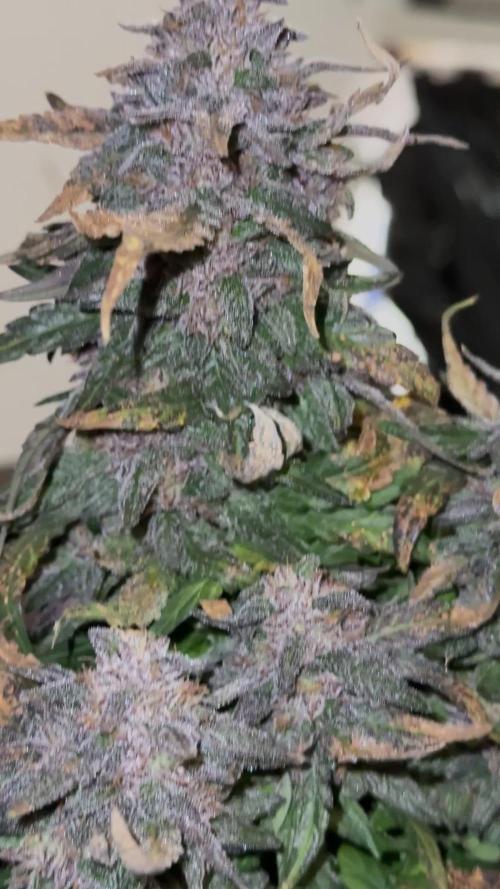
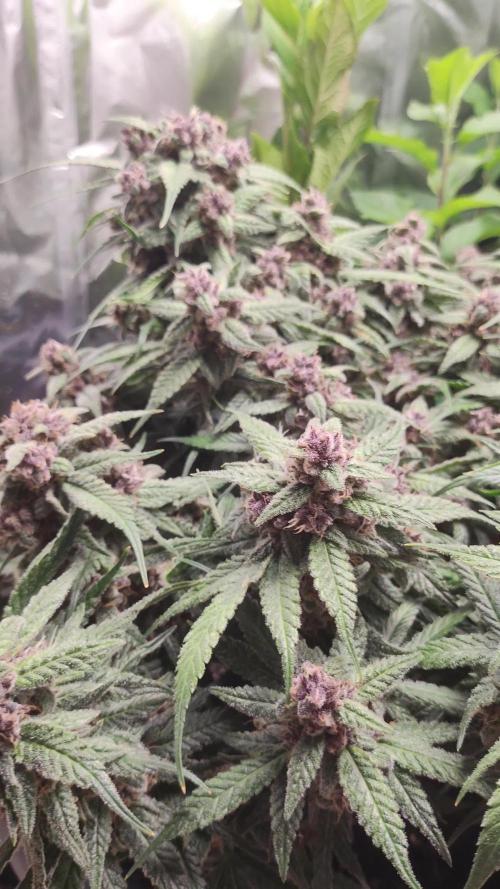
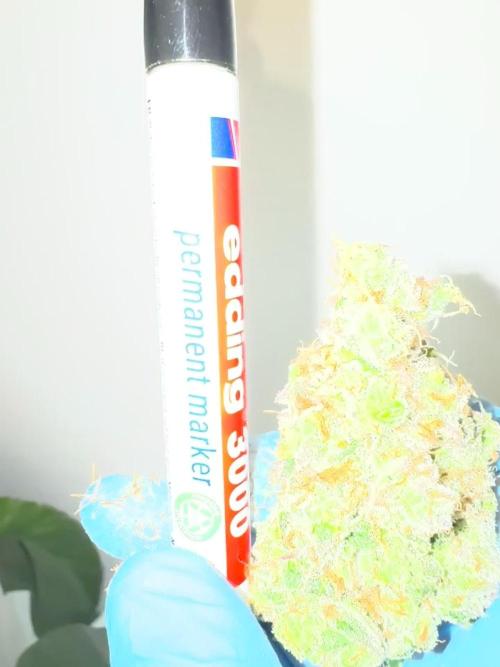
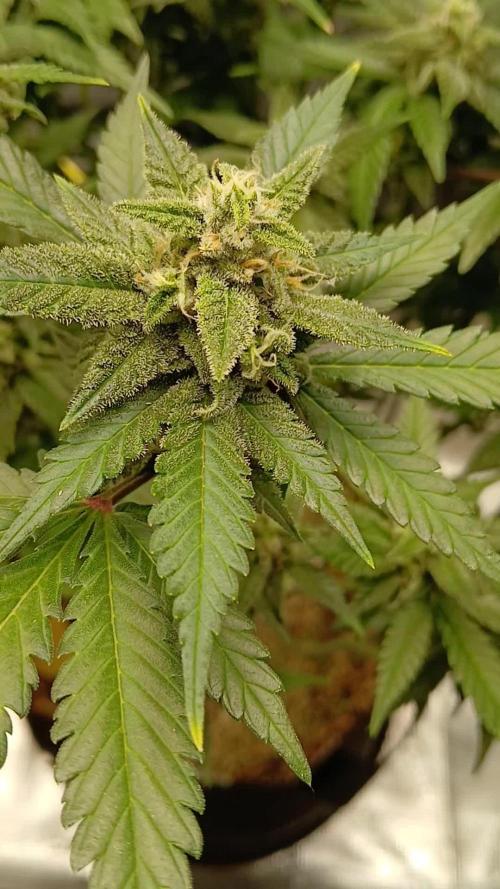
Dec 19th: Most beautiful plants I’ve grown hands down, best smelling too. Very close here at day 70 from seed, Mephisto grower notes states 65-75 days; looking right on track. Trichomes are all cloudy, just waiting for that hint of color on the heads and we golden. Plain water till harvest!

Likes
10
Share
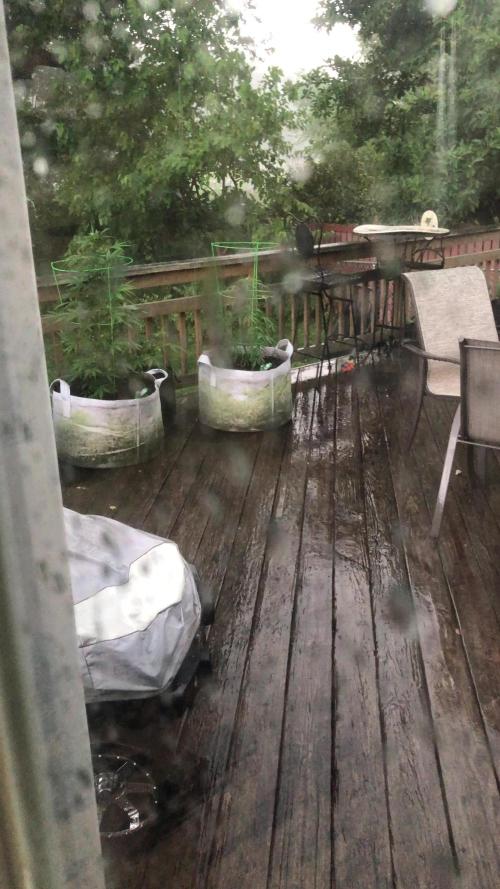
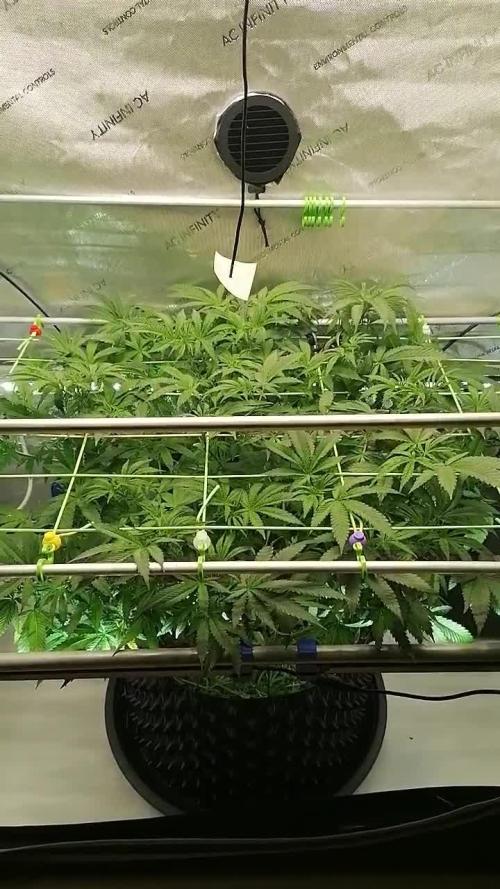
These 3 ladies are exploding in growth and doing quite well.Its almost spring so heavy rains keep the humidity a little high.Im running the ac infinity inline fan to pull some out.Light intensity is still set at 50 percent power which I’ll leave it there and let these girls stretch out a bit.Im still doing a lot of leaf tucking and pinning branches to get a wider structure.
Likes
1
Share
Turned off IR @ nights Red wigglers (Eisenia fetida) are highly beneficial. They are considered an ideal choice for "no-till" or container-based organic growing because they live in the upper layers of soil, feeding on organic mulch rather than the plant's root system. Red wigglers accelerate the breakdown of organic amendments and produce high-quality, nutrient-dense worm castings directly in the root zone. Clover is another exceptional component of an organic rhizosphere, offering a sustainable, self-sustaining alternative to synthetic nitrogen fertilizers produced via the energy-intensive Haber-Bosch process. By forming a symbiotic relationship with Rhizobia bacteria, clover converts atmospheric nitrogen N2 into ammonium NH4, providing a steady, slow-release nutrient source that enhances soil health and reduces environmental impacts. Red clover offers superior nitrogen fixation and biomass production compared to white or yellow clover, making it the premier choice for maximum soil vitality, particularly for improving soil structure and providing a high-volume nitrogen credit for subsequent crops. If it is fully functional and efficient soil, the rhizophagy cycle is far superior long-term than any synthetic delivery when it comes to preventing deficiencies, not because it's "better," per se. The medium will require a very high CEC to make it to harvest without re-fertilization. The rhizosphere acts as a dynamic, interactive exchange where plants and soil microbes trade resources based on immediate needs. When a plant lacks a specific nutrient, it changes its physiology and releases specialized chemical cocktails—root exudates—into the surrounding soil. These exudates, which include sugars, amino acids, and organic acids, serve as a "shopping list" to attract specific microorganisms, which in turn return higher levels of desired nutrients. There is nothing in comparison to synthetic delivery, which causes plants to stop producing exudates, effectively "starving" the beneficial soil life, over time turning the soil barren and void of microbial life. Responsible use, applying the right amount at the right time, can minimize these negative effects. Relying solely on synthetic fertilizers without replenishing organic matter is what typically leads to exhausted soil. The use of synthetic fertilizers can utilize the Cation Exchange Capacity (CEC) of the soil, but without a robust rhizosphere and active microorganisms, the efficiency of this process is significantly reduced. This makes synthetic growing more difficult to prevent deficiencies overall compared to an efficient organic living soil with a robust rhizophagy cycle, as there is no "one size, fits all" when it comes to different nutrient profiles of strains/genetics, making it trickier to "guess" and prevent creeping deficiencies. CEC does not contribute towards EC. Add more CEC using biochar, problem solved. If you keep pH between 6.3 and 6.7, hydrogen is exudated to cycle the medium's CEC for its needs. Keeping the pH between 6.3 and 6.7 creates an environment where plants release H+ to displace positively charged nutrients (like Ca2+, Mg2+, K+ held on soil particles or within artificial media this cycle through nutrients via the medium's Cation Exchange Capacity (CEC) Microorganisms generate a stable potential of approximately 0.5 V EC. The rhizosphere creates its own food, similarly to chelation, using 1000's of varying combinations to create its own food. Start to finish, just add water. Eventually, more materials will need to be added at the beginning of each new grow, but very attainable to go from seed to harvest without ever fertilizing, regenerative cultivation. ATP is king above all else when it comes to biomass accumulation. Cellular root respiration and cellular respiration are essentially the same biological process, the breakdown of glucose to create usable energy (ATP) in the presence of oxygen, just taking place in different parts of the plant. Synthetic (salt-based) grows have significantly lower levels of total rhizosphere respiration, often referred to as root-zone activity, compared to organic living soil grows. While the plant roots themselves may respire in both systems, the surrounding soil ecosystem in a living soil setup is vastly more active, teeming with bacteria, fungi, and beneficial microorganisms. 2 pools of ATP, it won't double in growth buuuut, but improving root respiration by ensuring high oxygen in the soil is crucial. Good aeration ensures roots can fully utilize glucose to generate the ATP necessary for nutrient uptake, leading to healthier and more productive plants, even if growth isn't exactly doubled. The ATP created using root respiration is dedicated to rootzone growth; the ATP created using regular cellular respiration in a synthetic system would have to dedicate a lot of ATP to the roots when there is little or no root respiration. It's true that there is less of an initial ATP cost in breakdown when nutrients are already in their final form (synthetic), but you lose a solid chunk of ATP when the entire plant is reliant on cellular respiration alone; a large portion of ATP is dedicated to root zones for "forced" (active) nutrient uptake. Making it overall less efficient, even if the initial cost of breakdown is higher. If that makes sense. Oxygen is of critical importance when growing in living soil compared to synthetic methods because it supports the metabolic needs of the microbial, fungal, and insect ecosystem, rather than just the root respiration required by the plant itself. While synthetic grows can survive in lower-oxygen environments with precise mineral feeding, living soil systems rely on aerobic microbes to decompose organic matter (microbial mineralization) to create plant-available nutrients, which is an oxygen-intensive process. While a specific fair percentage is difficult to guess, my experience points to a massive, compound difference between the two methods and the amount of oxygen required. All the ATP spared is used on more biomass, not only that, but the extra root respiration can achieve a much higher CO2 compensation point naturally than you could with synthetic and atmospheric CO2 alone. As a plant grows faster and increases in size, its demand for nutrients to support that growth increases, requiring a higher rate of nutrient uptake. As plants enter phases of rapid vegetative/floral growth, their metabolic demand for nutrients increases exponentially. Without a robust buffer zone—whether in the soil (cation exchange capacity) or in a hydroponic reservoir—deficiencies will occur rapidly because the instantaneous demand for specific nutrients can quickly exceed the rate of supply. A growing body of evidence suggests that organic living soil provides superior long-term soil health and environmental benefits compared to synthetic fertilizers, which are often criticized for promoting a cycle of dependency and degradation. While synthetic fertilizers offer short-term convenience and high yields, they often come at the expense of long-term soil health, sustainability, and increased corporate control over growers/ farmers. Organic living soil, while slower and requiring more care to establish, creates a sustainable, resilient, and, ultimately, more fertile environment. We don't grow; we facilitate energy conversions. Once all water is removed, approximately 95% to 97% of a plant’s dry matter consists of carbon, oxygen, and hydrogen. These three elements form the structural backbone of all plants. Corporate interest sells you the other 3-5% NPK & all the rest in RATIOS! Why not throw the 3-5% in a pot, and focus your energy on the other 95-97%? Indigenous Amazonians created, or at least significantly enhanced, the fertile, dark soil known as Terra Preta de Índio (Portuguese for "Indian Black Earth") by incorporating biochar and other organic materials into the soil. This anthropogenic (human-made) soil technique, which dates back roughly 2,500 to 8,000 years, allowed ancient civilizations to flourish in regions with naturally poor, acidic, and nutrient-poor tropical soils.
Processing
Likes
5
Share
@Highdro
Follow
I had a busy week moving the plants into NFT once roots started to show, put them into a tent give them a fan. Freebie seed shown slow recovery but decided to use it anyway.
Likes
17
Share
SOOO GANG UPDATE!!!!!!!!!!! I have put the Strawberry Pie Auto, Zkittles Auto, and the Gelato Auto On the chopping block, will update those within the next day or so, The Mimosa X Orange Sherbert is on the left (see photo) and the GMP on the Right!!!! They are starting to beginning the calix's and white hairs are forming lets GOOO!!!!!!
Likes
10
Share
@Weedbadk
Follow
Día :1 iniciamos este seguimiento de estas variedades toda germinaron en 3 días Día 5 desde puesta en sustrato Solo pulverizó 1 no sobrevivió pero las 2 salieron sin problemas
Likes
1
Share
Around 11-12 weeks seed to harvest,, only had a few plants the largest yielded 72 grams the smallest around an ounce,,, just a few plants for personal medicinal use grown 100% naturally in the great british outdoors 😎
Likes
30
Share
@jerre
Follow
Hey allemaal , Alles gaat goed met de meisjes deze week begonnen met green sensatie. Ik leer nog altijd bij en nooit zeker dit is 3de keer nu in tent, zoals vandaag al ik paar bladeren afknip en de geur is zo apart naar koekjes. Tot de volgende en veel
Likes
14
Share
Really great gentics. Love the smell coming from this girl as she grew. And my god it didn't disappoint. The strenght of the stone is out of this world. I can't remember it 100% as it was months ago. Id say i wouldn't remember regardless as I do recall a lot of head dropping and drooling mashed out of it. Very strong thc, excellent taste, good yields. Ease of growing. No real issues debilitating issues even though grown in a very high stress environment. 10☆ all round. Can't wait to try more from this breeder. I'll be updating my other diary that was ran with this Jealousy Dankness and adding weekly updates on the ones I'm doing now in the coming days. Got over 85 grams from this if I recall. Not as much as the others, id say she was in the top 5 for yield.
Likes
9
Share
Still moving along , missed a week on it but nothing really missed with that. Continuing with the Pro-blend upped the ml alil bit but she was pretty pale so added a few ml more to her feed.. Added silica this week aswell as Recharge.. Dropped a handful of leaves to let light reach the lowest parts better and lower the humidity in the lil clone tent she's in. Really filling out, shooting tons of leaves, multiple nodes going on curious to see how she grows from here on. But not much to note, letting her take her time , won't be flipping till she's about 20/24in tall. That's about it for the update. Appreciate the likes and everyone's time to check out any of the posted grows !!
Likes
40
Share
Likes
21
Share
The flowering of my TRICHOME WONDERS continues through week 12 and they have grown to an AMAZING size now. The main branches form HUGE colas and some of the plants have started their fade (=the leaves start to get yellow and/or purple), which shows they are getting ripe now and that the BIO-Tabs nutrients in the soil are almost used up. Perfect timing until the end of the cycle. The amount of TRICHOMES on some of my babies is FLABBERGASTING! 😱😍 The topbuds are ENCRUSTED with a WHITE LAYER of trichomes and the plants are GLISTENING now. Especially the Mr. Big Candy from Mr. Hide Seeds is a VERY BEAUTIFUL specimen...she has hues of purple and red in the buds and is FULL OF CRYSTALS! The aroma is a sweet candy like smell, which makes my mouth water every time. The biggest colas are formed on the Mr. Jekyll Kush from Mr. Hide Seeds, she is HUGE! Unfortunately one of the HUGE top-buds has developed bud-rot, therefore I ha to cut off the invested top part of the plant. (see in pics) The SANlight EVO5-150 and Q5W-Gen.2 LED-lamps are doing an OUTSTANDING JOB, they are hanging at appr. 80 cm from the top of the plants and running at 100% (=not dimmed) now. The intensity and spectrum of the LEDs is perfectly designed for the development of Cannabis plants and the results speak for themselves. THOSE LEDs WORK MUCH BETTER THAN HPS-LIGHTS!!! 👍😃 I LOVE THEM!
Likes
8
Share
Week 9 – Orange Apricot Glue XL Auto The final stretch. Buds are fully developed, covered in trichomes, and bursting with citrus and apricot aromas. The resin production is at its peak, and the living soil has done its job. Like her neighbor, she won’t be standing much longer—harvest is just days away.
Likes
13
Share
I had a fun experience growing this strain. She started out strong and finished pretty strong! The buds are covered in THC and smells sweet. The only thing I would really do better next time is trying not to nutrient burn her as much as I did towards the end. I also experimented with harvest time and came to the conclusion that the it's best to harvest a few weeks after their recommended time if you want denser buds (in my opinion). I do wish the buds were a bit more dense but I'm not a pro grower and that could be the reason for that. It's all a learning experience. It could be the strain because I'm going a Gorilla Cookies (FastBuds) and those buds are huge and don't have as many leaves. Overall I'm blessed with the outcome and I'm going to enjoy the perfectly dried buds soon :D I hope you all enjoy the little videos and music! haha I've only grown one plant before this which resulted in less than an eighth of bud so I'm beyond happy to say the least lol Let me know if you have any questions regarding growing and for some possible tips! Happy growing Growmies!
Likes
7
Share
Plants are not doing great, more like an absolute disaster. The height is app. 51 cm and 34 cm measured from the top of the soil, far to small and not growing anymore. I think I drowned them a few weeks ago, wasn't paying attention when watering my 2 Sour Diesels and Humbold Seed Headband. Posted some random pictures and a video from the last few weeks, hope you like them anyway.
Likes
45
Share
@psuperman
Follow
Starting week 4 by moving the plants to another part of my apartment and added a 65 watt LED full spectrum light to see if that helps. Still leggy looking but they hold up on their own so that can’t be a bad sign right? Watered today with 250 ml each of just straight spring water no extra nutes just what’s in the soil. That will be all the water for 2-3 days. Hoping for some good growth over the next week like last time. *Update* I found a great deal on a grow tent with carbon filter system (Spider Farmer) and stronger light (Mars TS1000) plus several other items and I could not turn it down. Pictures and more updates to come! I uploaded a video to show the new setup. *Day 29* Added 250 ml of water each with Hydrogarden TNT growth solution. 1ml per 250 ml. The new setup is great for controlling temp and humidity. Hovering around 40% but I have a humidifier just in case. Loving the new light too.
Processing
Likes
15
Share
Gonna be leaving the plants to the auto feeder for a week probably starting this weekend, here’s hoping they make it through that relying on just the water stakes and hempy res. Flowering has definitely started, for the Amnesia especially so, but all the plants are getting along just fine and giving me a nice sea of colas over my grow area. Cheers and best wishes for yall’s croptober!
Likes
2
Share
@FoxCrow
Follow
So, I started another Northern Lights auto grow, because it is very beneficial for my wife with Autism, where some strains make her a little anxious, Northern lights has a relaxing and calming effect on her. She has been put in soil on the end of day 3. The soil mix used is 5L of Plagron Promix (non-fertil.), 5L of Coco and 1L of perlite in a 11L Gronest pot. I kept 1L of the soil aside, and mixed the rest up with 7 tblsp of organic living soil fertilizer by Ecostyle. I made a potsized hole in the soil, and added the 1L unfertilised soil into the hole to accommodate the seedling through here first weeks of life. Day 4 & 5: No sign of her wanting to pop out just yet.
Likes
21
Share
Feliz por esta cosecha tan esperada para mi la ak 47 es unas de las más ricas y si le sumamos el toque a limón es un sueño hecho realidad.. 😋 Charly grower 👨‍🌾