


Likes
Comments
Share

@trustno1
Follow
Hi 👋
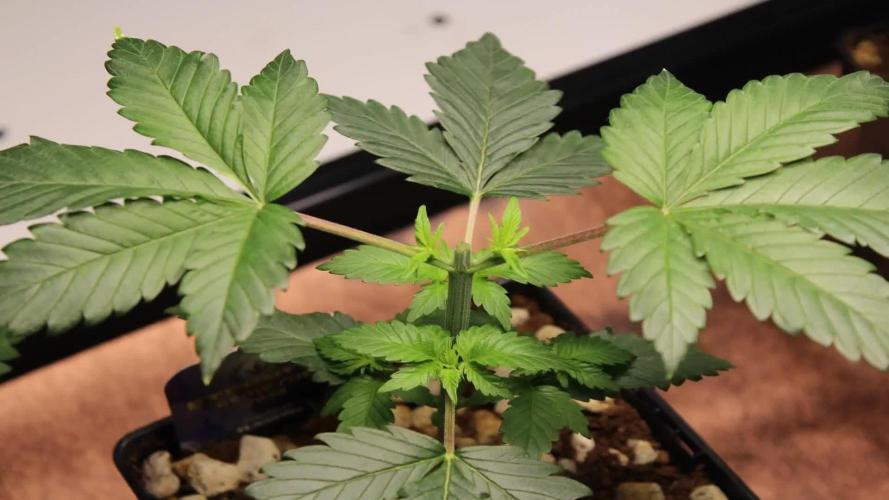
Lady Broccoli ist heute in den 8,5l Pott eingezogen.
40% Coco, 30% Clay Pebbles, 30% Bimsstein + den Rest von der Monster Budmix Tüte. Das sollte bis zum Ende reichen.
Ein paar Tage zur Akklimatisierung gebe ich ihr, bevor ich sie in die Blüte schicke.
Das Tray2Grow System läuft einwandfrei.
Gruß M.

Likes
19
Share


@SkunkyDog420
Follow
Hallo zusammen 🤙.
Habe sie heute geerntet.
Bin sehr beeindruckt von der Geschwindigkeit 53 Tage in der Blüte habe ich noch nicht gehabt , schneller wie eine Automatische und man braucht viel weniger Strom 🤙🤙.
Top.
Wir hören uns in 3 Wochen mit dem Erntebericht.
Rabattcode für den BIOTABS-Webshop https://biotabs.nl/en/shop/ GDBT420, damit erhalten Sie 15 Prozent

Likes
23
Share


@SwissKush
Follow
Day 57- doing well
2500ml heavy pre-flowering blend
Day 58 - Great!
5000ml - Flush with Plain water, getting ready for the Late Flower blend tomorrow
Uploaded video
Day 59
3000ml Late Flower Blend - amazing foliar helath and bud development! We will have a great yield
Day 60
1500 plain water, then later in the day 1500ml Late Flower Blend, flowering is going very well, light at 100%
Day 61
1500ml Late Flower Blend, will folllow by 1500ml plain water
Day 62
1500ml Late Flower Blend, will folllow by 1500ml plain water
Day 63
1500ml Late Flower Blend, will folllow by 1500ml plain water - growing very well!

Likes
2
Share

@RooftopFarmer
Follow
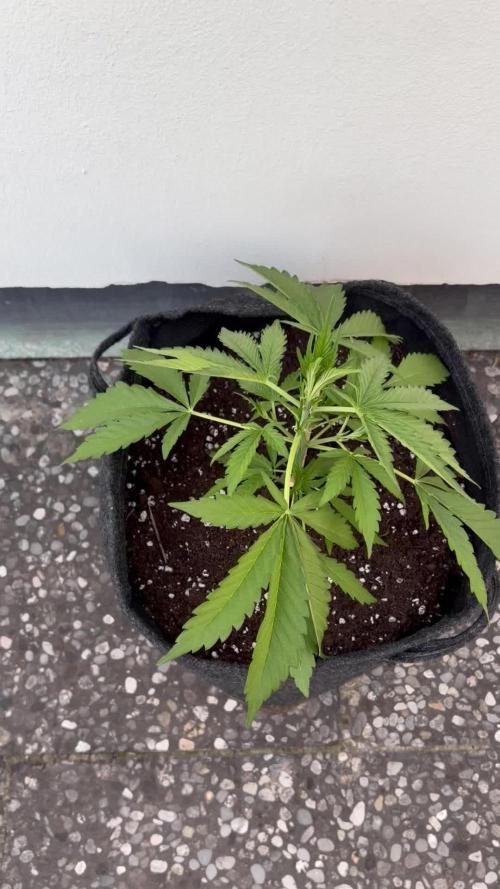
Guava Runtz – Week 5 (Fast Buds Outdoor 2026)
The weather has been perfect again this week. Guava Runtz is getting massive amounts of sunlight and is being fed on a regular schedule. She’s loving the outdoor life.
I switched to better support sticks to properly stabilize her, and it’s already making a difference. She has shot up to over 15 cm tall and displays that rich, healthy green foliage I like to see.
Likes
53
Share


@Schnabeldino
Follow
end of week 5
Buds have developed well and are more compact and nicely swollen.
The smell becomes more and more intense. Sweet smell spicy
Honey Cream: sweet smeel
R. Gorilla: a bit spicy
I hope the buds are getting even thicker now
we see you next week
Update: I have a slight deficiency in 2 of the 4 plants, very strange since all plants get the same conditions and nutrients.
the gorilla on the bottom right shows no signs of nutrient deficiency.
any Idea why?
---------------------------------------------------------------------------------------------------
Controller AC Infinity Pro
- connector for the external light control, RJ-12
- 2 plugs with which I can control dehumidifier and humidifier on automatation.
- 2 fans run 24/7, 1 Oscillating from spider farmer
Light - 12/12 h | 2 x 200 Watt
PPFD - 900-1000 µmol
VPD - 1,3 - 1,6
week average
RH: 55,1 %
Temp: 22,9 °
VPD: 1,28 kPa

Likes
5
Share


@CityFarmer
Follow
Hello everyone,
Well its getting kinda packed in the greenhouse so all i have for you guys is a little video,
See you guys next week... 🤘🤘🤙🤙

Likes
2
Share


@Kern420
Follow
Guava wächst weiterhin ganz gut, die Blüten fangen langsam heranzuwachsen und man kann langsam ein leichten Duft wahrnehmen.
Wir haben die Pflanze am Blüte Tag 21 noch einmal final stärker entlaubt.
Wir gießen weiterhin im Durchschnitt alle 4 Tagen 1,5L.


Likes
55
Share


@Ganjagrandaddy
Follow
Day 63 flowering:: Hi grow buddies. All is well and ripening in the fast buds frenzy right now.
The Strawberry Pie is close to finishing now I thought but the new flush of pistils on all of the lowers has changed that a little. The main tops could be harvested 1st and possibly the lowers later in the week but I haven't decided which way to go with that yet. The lowers are really substantial in comparison to the tops so i think they need to rule the timing more.
Mexican Airline also looks ready to rock now with only a few pistils to start browning off up top but her lowers are also gaining sone serious size ( on video) . They burst into action a couple of weeks ago and I never expected them to get the size they have so low down. A very pleasant surprise. They are in process of maturing like the tops did with spiky white pistils among the darkening orange ones A very unique looking flower. She smells very sweet with a citrus tang too now.
Six shooter is a different matter , she looks happy to continue on and is only really putting out fresh pistils still. not many browning has are visible yet and her trichs are now starting to appear more. her density is good if not a little leafy but generally she looks like a good yield to come. her sides are very dense too so should all add to the finished totals well.
another Week i think. catch you soon growmies
Likes
7
Share


@DaddyPrime2
Follow
2/12/25
top dressed with 2 tsp grow 1 tsp microbe and 2 tsp bloom.
this genetic is always sooo freaking frosty. shes already starting to frost up on the fan leaves.
finally looking like shes in flower. it took her awhile to get started i feel like compared to past grows/ other Cultivars.
2/18/25
she has a very nice and even structure to her. a bunch of tops that are 3-5 node top colas with a nice disconnected set of buds after an inch two space between the nodes.
frosty gassy and fairly large considering pot size.



Likes
23
Share


@eldruida_lamota
Follow
Hola familia,de nuevo, no hay ningún cambio en cuanto a lo climático, temperaturas de 26 maximas y 20 de mínimas y humedad 45% mínimas k asomas de 70%.
Eso si crecer van creciendo a buen ritmo , las más lentas son las power plant xl.
Aún así se ven bien sanas todas, pronto las trasplantaremos.


Likes
14
Share


@Snickelfritters
Follow
10/8 - going along steady. I'll take few more glam shots later.
2 MONTHS. It may not look like much but I'm proud of these 3. This is probably the healthiest tent I've had since I started growing inside. I just want them to fill out the net a little better before I flip.
10/10 - trellis training is underway. Between topping and this, I should have a nice, full canopy this time around.
I've estimated about 72 squares in my net yet only about 35 or so colas forming. Wondering if I should really I push this one or quit while I'm ahead.
One thing is for certain, Moby dick is responding much faster to being topped than GZ. Every stem of Moby I've topped has grown lower shoots aggressively and quickly. Gz has been far slower to respond. Noted.
Can't wait to see these things bud. But patience is a virtue here. If the veg stage is any indicator, the buds going to be phenomenal.


Likes
21
Share


@Wastent91
Follow
Eccoci ragazzi! Ultimo giorno Dell anno e anche ultimo giorno di vegetativa! Da stasera precisa si cambiano ore di luce e la porto in fioritura, nonostante la sorella è molto più piccola, nn posso aspettare oltre altriementi questa mi diventa troppo alta e grande e avrò problemi.. Quindi come potete vedere da voi, la ragazza sta davvero in ottima salute! Nessun segno di carenza, un verde intenso che è segno di benessere, e radici davvero enormi e giganti! I nodi del fusto sono grossi e spessi quidni penso proprio che nn dovrò mettere alcun sostegno alle cime, sono convinto che questa sarà una delle mie migliori piante idroponiche mai cresciute, è il mio secondo ciclo hydro e sto mettendo a frutto le conoscenze apprese dalla prima esperienza, dalla quale ho tirato fuori un erba spettacolare, ma le cime erano piccole e le piante erano troppo alte, speriamo questa volta che nn accada lo stesso con questa! Questa genetica unita ai nutrienti Terra Aquatica, ha fatto in modo che la pianta avesse un vigore eccezionale! Ma visto una pianta crescere così rapidamente, in suolo o in altro modo, l idroponica se fatta bene con i prodotti giusti ti da risultati impressionanti, basta che alla fine si fa un bel lavaggio delle radici con i prodotti giusti e acqua pura, e vedrete che avrete Dell erba spettacolare! Sono orgoglioso davvero di star avendo un risultato così spettacolare, mentre l altra volta ho avuto problemi di carenza di Cal/mag questa volta glielo ho dato fin dalle prime soluzioni nutritive, quidni verde intenso e foglie spesse, già ora fa odore nonostante nn ci siano fiori! Cmq sono davvero orgoglioso di far parte di questa famiglia spettacolare che è questo social! Mi sta dando le soddisfazioni poi grandi di tutta la mia vita! Grazie sopratutto a tutti voi che mi seguite e mi sostenete, xke senza di voi nn sarei nulla! Un buono anno a tutti e vi auguro un 2026 pieno di soddisfazioni e successi! L entropia Dell esistenza cosciente umana può solo aumentare! Speriamo. Che succeda anche nel mio paese dove non questa mia passione è illegale.. Speriamo bene per il. Prossimo anno venturo..
Un buono 420 a tutti 💪😸🌱🌿🎄🤞🍀🤤😽💨❄️🎉❤️❤️❤️

Likes
11
Share

@Mannirumpel420
Follow
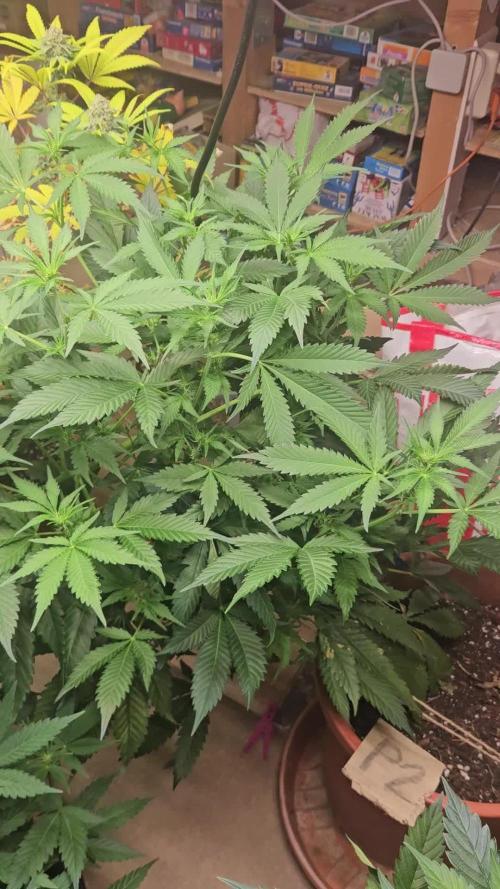
P2 und p3 sind wirklich gigantisch und in den nächsten Wochen sollte sich zeigen was für terps sie verbergen.Bei den Stecklingen von P2 viel auf,dass sie ein starkes Wurzelwachstum besitzen.P1 und P4 vegetieren noch etwas vor sich hin,bis ich das gesamte Zelt auf 12/12 switche.
Likes
3
Share


@cost420
Follow
Week 16: Purple on the buds and underneath the leaves, with a smell of gelato X milky cookies.

Likes
5
Share


@psychonaut420
Follow
Left her to start regenerate and came back to better development than I thought side branches are now streaching out nicely and the one I topped worked nicely and is starting to grow at regular pace and the top node I FIMimed 2 baby nodes are popping out and nodes below very healthy and streaching outwards and one top node fell off but the 2 underneath are streaching strongly

Likes
35
Share


@nonick123
Follow
Día 44 (15/07) Wow! No hay shock de trasplante! 😍💥😁
Todas las ramas se han estirado hacia arriba tras el ajuste de LST y se están formando nuevos nodos rápidamente
Esta combinación de nutrientes de Lurpe + substrato de PRO-MIX HP es una maravilla 😍
Día 45 (16/07) Ayer tuvimos ola de calor (37 ºC) y han aguantado muy bien!
A última hora de la tarde (cuando ya no había sol directo) les apliqué H2O en spray foliarmente para refrescar los estomas
Hoy parece que vuelven las temperaturas estándar para esta época del año: 29 - 30 ºC en las horas centrales del día
Riego con 1 litro de H20 pH 6,5
Día 46 (17/07) Pequeños ajustes de LST
Hay algunas ramas inferiores que no se han formado / estirado mucho
Lo más probable es que haga una buena limpieza este domingo, 7 días después del trasplante, para dejar solo los brotes por encima del 4º nudo
Día 47 (18/07) Riego con 0,5 litro de H20 pH 6,5
Este domingo (día 50) haré limpieza de partes bajas y tal vez también de nuevo topping en las 4-6 ramas principales 😁
Día 48 (19/07) Día de muchísimo calor con 37 ºC. A ver como lo llevan!
Riego con 0,5 litro de H20 pH 6,5
Día 49 (20/07) Para ayudarles a llevar mejor el calor de las horas centrales del día, coloca una malla de sombreo (70%) sobre el invernadero
Lo cierto es que se nota que baja mucho la temperatura debajo de la malla! Van a estar más fresquitas! 😍
Riego con 0,5 litro de H20 pH 6,5
Día 50 (21/07) Training session!
Hago limpieza del tercio inferior de la planta, de todas las ramas y nudos que no superan la línea del dosel marcada por el 4º nudo (1er topping)
También hago topping (2º) a todas las ramas principales
La idea es tener 12 ó 14 colas principales para que no se hagan muy altas
De paso saco unos cuantos clones de las ramas inferiores eliminadas 😁💥
Para superar el estrés, hago las siguientes aplicaciones y riego:
- Riego con 1 Litro de Té Vegetativo de Lurpe Solutions. Preparación: 24 horas con bomba de aire (oxigenación) con ingredientes:
Green Sunrise 8 ml/L + Insect Frass 16 ml/L + Hummus Lombriz 8 ml/L + Melaza 1 ml/L + Kelp Hidrolizado 0,25 g/L
- Aplicación foliar Kelp hidrolizado de Lurpe Solutions a 0,25 ml/l
💦Nutrients by Lurpe Solutions - www.lurpenaturalsolutions.com
🌱Substrate PRO-MIX HP BACILLUS + MYCORRHIZAE - www.pthorticulture.com/en/products/pro-mix-hp-biostimulant-plus-mycorrhizae

Likes
17
Share

@SkunkyDog
Follow
Hallo zusammen 🤙.
Habe auf der Cannafair ein paar Samen zum Testen bekommen.
Wir hatten ein schönes Gespräch gehabt über Gras haben viele Infos bekommen.
Freue mich die Sorte hier zu zeigen 🤙
Ich benutze die Bio Hanferde von Sonnenerde aber zum 2 mal habe sie mit 2 Liter frische Erde nachgefüllt und dann die Bio Taps Sachen drunter gemischt .

Likes
14
Share


@Mr_Dior21
Follow
Last 2 weeks before I put her in a 3 day dark period! I’m no longer giving any nutrients and I’m letting the plant deplete all the nutrients in the soil, I’m also only using water for now own. I have her in a 11.5 hour light schedule. There’s slight nutrient burning too on some parts but it’s nothing drastic.
