


Likes
Comments
Share

@_grower_rosinjuice
Follow
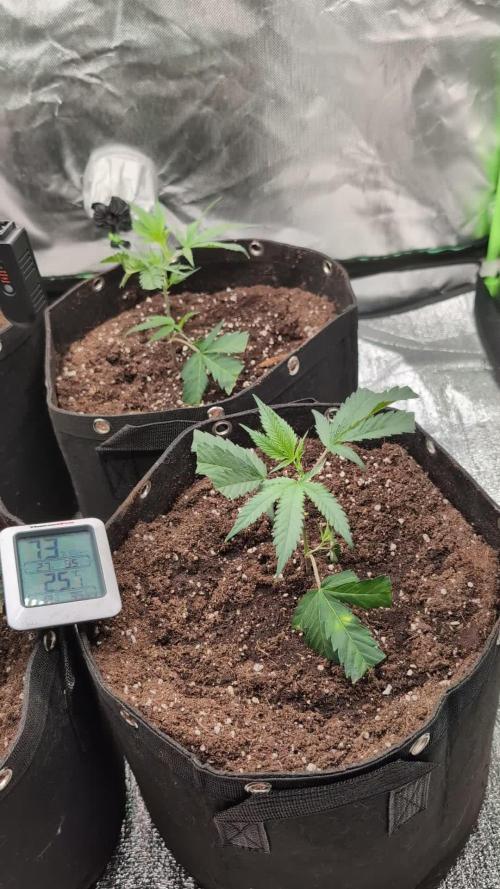
I use RO water and adjust it with calcium and magnesium until I reach an EC between 0.3 and 0.4.
Ppfd: 150/200
Dimmer:20%
The photos are always taken at the beginning of the week.

Likes
13
Share


@HIAZ_urbanbudfarmer
Follow
Although these plants might look small for 7 weeks old, it's because of the way I've been training them, to grow horizontally & all the H.S.T I've performed to get a really strong, thick structure & also as I've had to manage the height as they will be in veg until the plants in flower are finished & I can transfer them & start flowering.
Continue tying branches down as they grow & separate growth tips. Also defoliate leaving only top growth as this will be removed later anyway.
Very hardy plants that have handled all the H.S.T & my accidental abuse with no worries. Very thick strong branching.
Finished training & now letting them grow upwards to get a bit of size before they get put to flower.
Looking for great genetics & a great deal then head to the Fast Buds website & use the code GROWEED for a 15% discount off your seed purchase.


Likes
38
Share


@Snakeking
Follow
Everything is fine and they doing awesome
They are in week 6/7 ish and some start to fade nicely.
It’s hard to tell exactly when week1 started.
I saw some pests(spider mites& caterpillar)attack one some leaves and remove those and hopefully mites don’t spreading to much.because spider mites love hot long days and low humidity and the days getting shorter and cooler day by day.
I check them every 30 minutes to make sure everything is fine:)

Likes
145
Share


@Salokin
Follow
Hi Growmies,
Here we are at week 11, and our botanical star continues to astound with her growth. The stretching phase has persisted throughout the week, each day adding a bit more to her stature. It's as if she's reaching for her personal best, and I'm here to cheer her on every step of the way. As the buds begin their own stretch along the colas, it's time to introduce Green Sensations into her diet. This should give her the extra boost she needs for this critical phase of development. Her thirst is growing, a sign of her expanding needs and vigorous metabolism. It's a balancing act to match her hydration requirements, but one that's deeply rewarding. I can't emphasize enough how smooth and stress-free this experience has been. There's a certain peace that comes with tending to a plant that asks so little yet gives so much. If the yield is anywhere near my usual harvests, I might seriously consider making a permanent switch to soil and the Plagron lineup. It's exciting to ponder the potential of a new cultivation method. This journey has been one of simplicity and satisfaction. The connection between grower and plant, the quiet anticipation of each new stage of growth – these are the moments that make it all worthwhile.
As always, a reminder for my fellow plant lovers: use the code ZAMMIGD2023 at Zamnesia's online store to get a 20% discount. Sharing is caring, especially in our tight-knit community.
Stay tuned for the next update. We're on this journey together, and I'm grateful for every step.


Likes
19
Share


@gsimd
Follow
This week I continued to water using the Coast of Maine Squid Concentrate. I also added a DIY CO2 Generator. The plants are still much smaller than they should be due to early mistakes. Fortunately, I've learned a lot and am seeing good flower development this week. A huge thank you to @MalumProhibitum for offering some terrific advice on my grow. What a great member of this community.

Processing
Likes
12
Share


@CannaReaper
Follow
5-29-19
6-2-19
All is going smooth still. All are stinking, stacking, and looking absolutely stunning. The only "issue", the 2 East Coast Sour Punch are maturing a bit faster than the Popwalkers are. They must be fast finishing phenos is seems. I will let the Popwalkers go as long as possible without the ECSP getting to much amber. One more week of feed, and then I'll start the flush.


Likes
25
Share


@Kazzy420
Follow
So Woche 6 hat angefangen und sie hört einfach nicht mehr auf zu wachsen 😅
Eigentlich bin ich ja ganz zufrieden aber der platzt nach oben hin wird solangsam richtig eng 🤔😅
In dem Fall alles richtig gemacht 🧐😂
Wenn mir jemand sagen kann was ich dagegen machen kann wäre mir eine große Hilfe
Ps allen noch ein happy growing
Likes
2
Share


@TTerpz
Follow
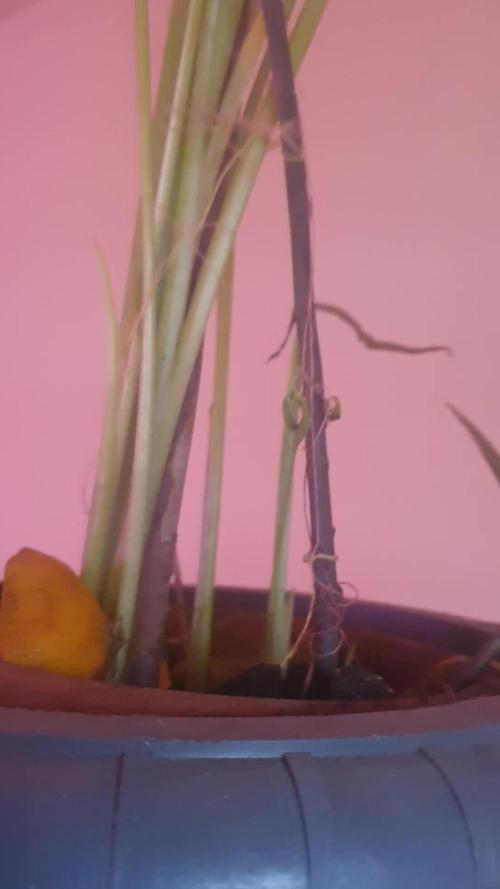
Buds starting to form!!!!
Day 2 of week 8
4/3/25 UPDATE:
Flushed with Fox farm sledgehammer ph’d at 6.8
Soils were low at 5.8
4/5/25 update: fed with nutes
4/7/25: watered with plain water ph’d at 6.5
4/8/25: did a slight heavy defoliation to get ready for week 9!




Likes
20
Share


@GangbudsGenesgdl
Follow
14/12/20
inicio de semana, se le aplico dos cucharadas de leonardita y dos mas de harina de cangrejo riegos solo con agua, se metio al invernadero una led bestva 600w elite tanbien se rego con un poco de algantic potasium se le relleno con 4cm de sustrato.
15/12/20 55cm
18/12/20
alcanzo 58cm de altura
unos brazos satelitales muy buen tamaño
20/12/20 cierre de semana


Likes
26
Share


@pifflestikkz
Follow
Day 17
17/07/24 Wednesday
De-chlorinated tap water pH 6 with calmag 5ml -5L.
Very humid week, noticed a green turning colour on top of soils where the humidity has been far to high.
I have installed door netting and recently left open all day and night now so they can condition over night in colder temps.
All are doing well, one overdose slightly behind and looking ABIT swifted. But she'll come around 💪💚
Day 19
19/07/24 Friday
Lite Feed today, 250ml each pot small run off.
Seeing excellent start to these babies. Let's get it 👌💚
Day 21
21/07/24 Sunday
De-chlorinated tap water pH 6 with calmag 5ml to 5L.
Watering in 1L each day from now.
Updated video


Likes
13
Share


@gr3g4l
Follow
Empezamos la semana cambiando los nutrientes al observar ya unos pequeños pistilos o estigmas , en definitiva, empezaron a mostrar tímidamente el sexo. Empiezo con poco y iré subiendo la dosis hasta 4ml/L hasta que vuelva a cambiar de nutrientes.
Creo observar del Lumatek ATSpro que le fataria un punto de luz en el centro del panel. Por lo general con otras luminarias la planta del medio me solia crecer mucho mejor y esta vez está quedando retrasada. Seguiré cultivando y si me sigue pasando lo mismo entonces no tendré ninguna duda, por ahora solo son conjeturas, xd
De lo anterior rectifico , tengo que decir que pasados dos dias lo estoy viendo diferente, la del medio parece que sigue por buen camino, ahora apenas notaria la diferencia.
La semana anterior, la sexta, se les hizo una segunda pulverización con dosis alta de 3ml/L con spiderbloom ( "fitofortificante de impacto muy rápido") pero de nada sirvió, durante esta semana subió la temperatura a 30ºC un par de dias y las arañas salieron a pegarse el gran festín.
Una vez constatada la existencia de araña roja correteando por el envés de las hojas solo toca desinfectar bién el armario, lavarlas a todas una a una con agua corriente para arrastrar el máximo de arañitas y una vez secas darles con algun acaricida químico. De no hacerlo ahora me seria imposible más adelante y no tengo ningunas ganas de dejar perder este cultivo. No soy partidario de lo químico pero menos de dejarlas perder.

Likes
3
Share

@Jardin33ro
Follow
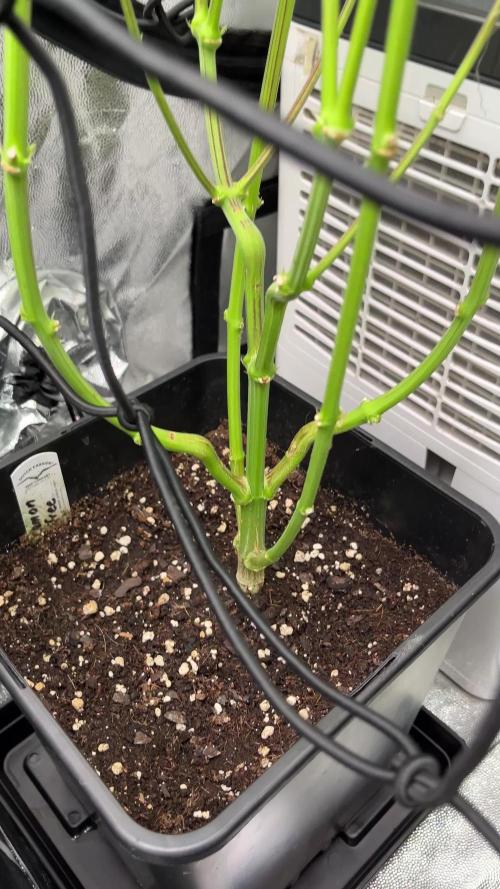
Estamos en las ultimas semanas de engorde, estamos tratando de tener un vpd dentro del rango 1.2 o 1.3 kpa. La T con luz prendida llega hasta 26 y de HR no pasa de 55 y no baja de 40. Con luz apagada llegamos a 21 de T y la HR entre 40-50. Vamos bajando ph de a poco y tambien la EC, buscando llegar al final de la semana en 1.3 o 1.4.

Likes
52
Share


@KnightRider
Follow
Well Cannafam weve come to the end(not of us i still love you 💚)
Firstly i would just like to say a massive thanks to Divine Seeds for letting me take part 😊
I gave her the chop yesterday slightly earlier than planned as the nute burn had started getting near the buds and i didnt want to compromise bud quality.
The trichomes on the upper half of the plant are mostly cloudy with a few amber and some beautiful pink ones also, however pics shown are mainly from the lower buds due to slight issues trying to keep buds still while aligning the phone/magnifier 😊
This gal grew like an absolute beast throughout the cycle and i would say is the most rapid ive grown! She was absolutley honking in the end and i can't wait to sample her sweet buds. Overall this grow has been immensly enjoyable and il deffo be growing again at some point.
Ive not done wet weight as yet as i didnt want to chop her monster buds up, but once dry il trim further and give the final weight with smoke report and further photos.
Thank you to everyone who has commented/liked and i hope you've enjoyed this diary 😊
Peace and Love Friends ✌️💚💚💚
********** Update*************
Hey Cannafam,
Well ive tried this gal after curing in my vape and very happy. After drying there was a fair bit of shrinkage but the smoke is lovely. As soon as you take a bit she stops all thoughts in the mind immediately followed by complete muscle release and i would say moderate pain relief.
A medium strength Erb good for the evening and i just chilled out watchin southpark and fell asleep shortly after for a really good nights sleep which is perfect for me, i will definitely grow this gal again 😊✌️