


Likes
Comments
Share

@Vet_J
Follow
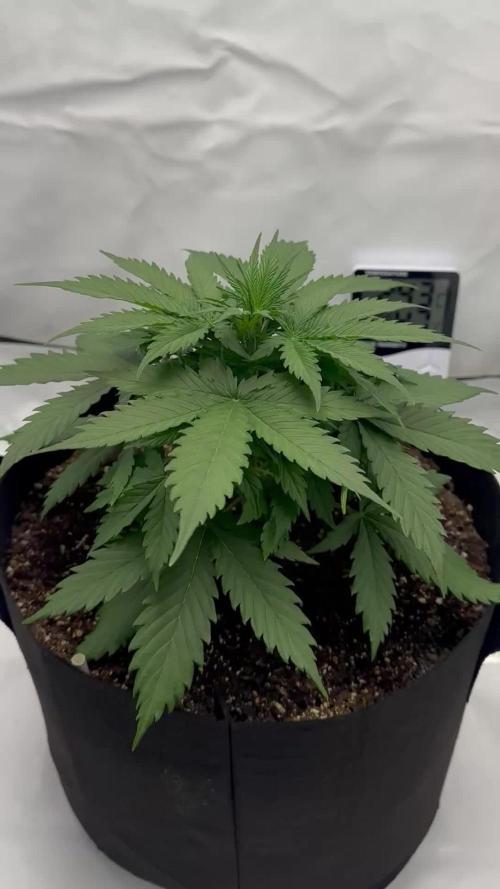
Unfortunately, I didn't use the LST technique at the time, which was a big mistake. The specific genetics are quite bushy and the leaves are also quite large and cover many branches. In the meantime, I will most likely start stretching and defoliating next week and try to stretch the branches with ropes so that they are no longer shaded.


Likes
8
Share


@jayizrollin
Follow
My plants voted, did yours???
Being lazy this week, no pics of TG2
TG1 looking great though🤤




Likes
102
Share


@Roberts
Follow
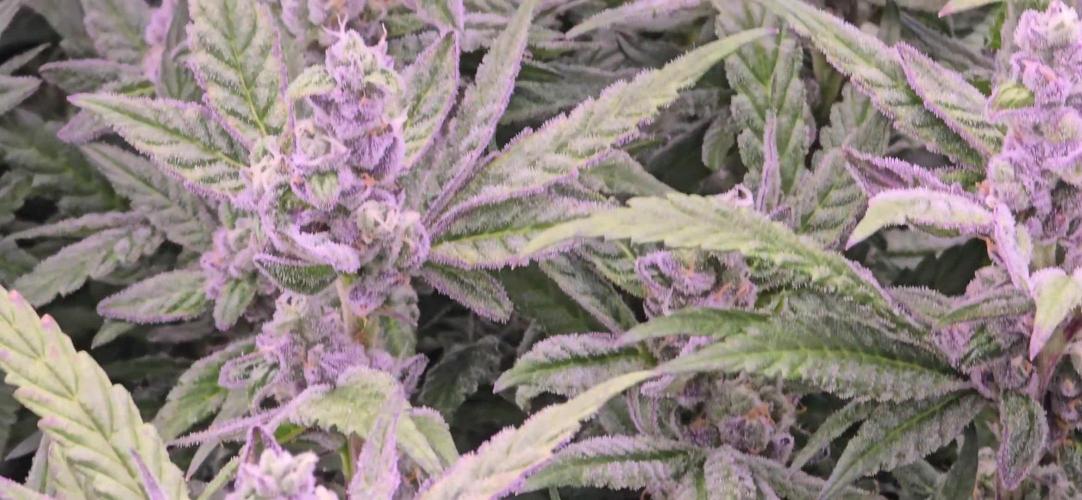
Ztrawberriez auto is growing great. She is starting to stack and has been very hungry. She has a great layer of frost started. Everything is looking really good at the moment. Thank you Fast Buds. 🤜🏻🤛🏻🌱🌱🌱
Thank you grow diaries community for the 👇likes👇, follows, comments, and subscriptions on my YouTube channel👇. ❄️🌱🍻
Happy Growing 🌱🌱🌱
https://youtube.com/channel/UCAhN7yRzWLpcaRHhMIQ7X4g
If anyone needs to purchase fastbuds here is a link for my affiliate program
https://myfastbuds.com/?a_aid=60910eaff2419

Likes
22
Share


@Dankbudz84
Follow
After 48 hours, these things are beast. I thought they needed more time, I couldn’t judge how long they were.
I had to dig them out of the paper towel, learned that I need to use cheaper paper towels. 6 out of 6 germinated on my first grow. Let’s keep the same growth going.
*******************************
14 Hours After Potting
**************
TEMPS
The most recent video showing the domes is 14 hours after potting them. The temps have been very stable at 83F and 70% humidity. My ambient temp outside of the tent is 70F.
AIR FLOW
I’m currently only running a 6 inch fan above the light for circulation. I have not used the exhaust, I think the idea at this stage is to keep humidity high, any thoughts would be great.
LIGHTNING
I do have my TSW on max and lowered the height to 36 inches it was almost twice the height yesterday. I didn’t want to make the change so drastic and waited a bit before lowering the height.
WATERING
The top soil did feel a bit dry and a little moist under. Under the dome it still looks very moist. I sprayed the plastic domes, I’m using distilled ph’d water. I did some light watering on the soil but I’m not sure how much water I should be using .
Now that I lowered the height soil should dry out quicker, any thoughts?


Likes
6
Share

@FlowerForYou
Follow
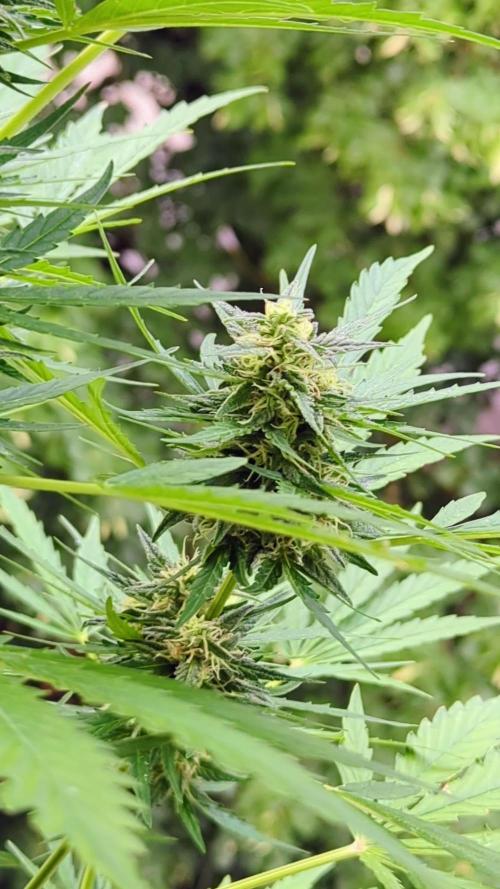
02/08/25: We are entering the last few weeks of flowering and the smell is getting really intense from these two ladies! The Indica leaning Pheno gives a strong spicy/earthy aroma while the sativa Plant has a more subtle but super sweet fruity smell to it. So far i am really pleased with what I am seeing here, just need a few weeks more patience! 🤞🏼
Likes
7
Share


@Ninjabuds
Follow
My Bubble OG plants are looking really good. I chopped down the first one a few days ago, and it's almost dried. The other two plants are absolutely covered in buds. The tall one's a monster, totally solid and covered in crystals. And that purple plant is just gorgeous, stacked with buds all the way down. Can't wait to try them all out.
The past week has been awesome for drying my plants. The weather's been perfect – nice and dry, with just enough breeze to keep things moving. I finally got around to chopping down those two big plants I've been meaning to trim. They're almost ready, just need a little more time to dry out completely. I can't wait to see how they turned out.

Likes
39
Share


@Siriuz
Follow
Happy growing everyone
Thank you so much sweet seeds
We promise and we are here to show you
Stay tuned because we just started
And she will grow beautiful indeed
Best of luck to all growers in their journey
DAY 1
TO
DAY 3 THEY FINALLY SPROUT
FIRST COTYLEDON SHOWING
DAY 4
TO
DAY 5
HAD TO MOVE HER TO A BIGGER POT DUE
TO TAPROOT COMING OUT OF PEAT MOSS


Likes
16
Share


@GYOweed
Follow
Did a bit too much crushing on one stem. Gonna spray it see if it perks up.
Rest is A OK


Likes
15
Share


Likes
26
Share


@Rangaku
Follow
The beautiful apricot has got the chop , flushed her the last week and not much else .
Stunning buds that taste so good like a sweet apricot coulis . Will deffo grow this one again .
Thanks fastbuds for the seeds , love ya work .
Likes
15
Share


@DailyhighclubNLyara
Follow
Day 2 in the pots they came out beautifully with their seed as a hat! Day 4 they were all 3 1cm out of the ground, they were born!
Day 6 is almost over today and 2/3 seeds go delicious. Both of them already have their first set of real leaves and you can see the next set coming, oewhhh. Unfortunately there is one that I think is less gene/old seed. It sits around half the height and the lobs are almost closed, but hopefully it is still hard 💪 🏼

Likes
16
Share


@DreamIT
Follow
Sponsored by:
💫PARADISE SEEDS💫-💡VIPARSPECTRA💡-💐GREEN BUZZ LIQUIDS💐-🛠️WEDRYER🛠️
28/7 all good for this delight, which is about to enter into bloom
2/8 the stay in the small vessel begins to show signs of deficiency. Prezto starts flowering without being cloned
__________________________________________
Personal advertising (contains affiliate links)
__________________________________________
🦄 winners and holders of the most prestigious awards, since 1994 they offer genetics of the highest quality! Anonymous shipping!
✅https: //bit.ly/Paradiseseeds_
__________________________________________
Did you know that Green Buzz Liquids fertilizers are 100% vegan? A complete line of products ready to give the best to each of your plants! Visit the site and see my journals to see how they work 🦄
🤯 And with the code "dreami t" you will immediately receive a 15% discount on your purchases
✅https: //bit.ly/GreenBuzzLiquidsPro
__________________________________________
👀 Are you looking for a good lamp to start with? 👀
🌞Viparspectra has something more than the others, take a look at their site.
⏩ Use "GDVIP" for an extra discount or "DREMIT3" for an extra 5 %% discount
👀 Search for it on Amazon
✅Amazon USA: https://amzn.to/30xSTVq
✅Amazon Canada: https://amzn.to/38udUVe
✅Viparspectra UE: bit.ly/ViparspectraUE
✅Viparspectra USA: bit.ly/ViparspectraUS
______________________________________________
🌈 Tired of blowing on your weed hoping it dries quickly? Check out the Wedryer website! You will find a well-made accessory that will help your weed dry in just 8-10 days without the annoying risk of finding mold or other annoyances! (no affiliate links)
✅https: //bit.ly/Wedryer_
______________________________________________
📷🥇Follow the best photos on Instagram 🥇📷
https://www.instagram.com/dreamit420/
Backup
https://www.instagram.com/dreamit4200/
🔻🔻Leave a comment with your opinion if you pass by here🔻🔻
🤟🦄💚 Thank you and good growth 💚🦄🤟

Likes
11
Share


@Madman2020
Follow
Day 35
Sprayed With .1 Bras
Finally LSTd the 4 main stalks of each plant.
They have rebounded from the toppings on day 34.
This week is to prepare the plants for flower
Aiming for a .95VPD
Began brewing Tricantonol, liquid Karma, Calmag and Southern Ag Microbes for a Tea later this week
The video shows the training structure.
Day 37
Gave the tric brew to the plants.
Plants responded well.
Also did a final Lollipopping before flower
Day 39
Watered with no Macro Nutes.
Taking one quart of water every 2 days

Likes
39
Share


@DogDoctorOfficial
Follow
over all i am super happy with her, she perform like a champion and looks like she will deliver like one also, lets see whats on the scale wen al dry and ready to smoke .
As always thank you all that joint myself and i on these journey , you guys are great and thank you GD for providing us with a platform that works amazing . BIG SHOUT OUT to you all <3 <3 <3


Likes
6
Share

@Patres
Follow
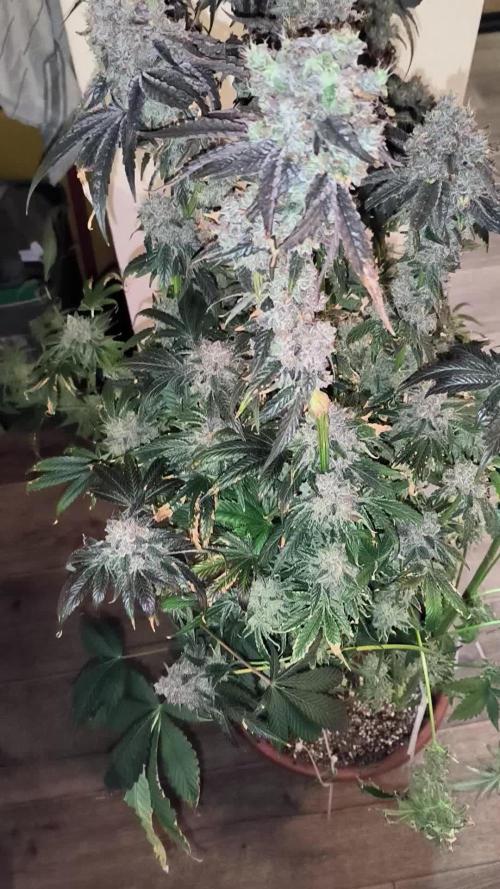
Pěstování king kartier mě bavilo. Odrůda je neuvěřitelně silná a odolná, po celou dobu vykazovala silný a hutný růst. A v pozdních fázích masivní nabývání pupenů. Byla i celkem dost tolerantní k nějakým těm chybičkám. Celkově bych doporučil na tuto odrůdu větší prostor a nějaký ten trénink. Pupeny jsou na omak tvrdé, trichomy mléčné. Konec 10. Týdne