


Processing
Likes
13
Share


@neuraxis
Follow
Started from seed this lady's have 17 days under half load 4 X 50W Cree CXB3590 CRI 80 3000K custom build led. 7days in rockwool cube under a dome , 10 days in 750ml pot.
Freshly transplanted into to final pot. They have received 250ml of fertilizer solution and transplation soil was moisted with 6.5PH water. Led now running on full load.
This project have some custom/extra gadget, a prototype growing controler.
Hardware Specs:
Raspberry PI 4 4Go Ram + SSD 120Go
Phat sparkfun qwiic i2c hub + i2c sensor for : temperature,humidity, co2, tvoc, air pressure and distance measurement(plant height)
Linked with one custom wifi power bar for schedule and countdown.
One sonoff pw r2 for energy monitoring.
Both using ESP8266 chip and running on Tasmota alternative firmware. Linked to the controler using normal wifi AP.
From Wall|----Sonoff-----Powerbar---: Led, Extraction Fan, Mouvement Fan, and the Rpi4
Software:
Exploitation System: Custom Linux Buster Lite
OpenHab : Open source domotic software for visualition and automation.
Mosquito MQTT +TLS server : Used to publish and receive message/data from sensor etc.
InfluxDB : DataBase for data retention
Chronograph: Visualisation and transformation panel to analyse our data.
Custom python code for running the sensor and publishing result into mqtt channel
Chronograph have monitoring panel for now
The growroom Sensor AkA spaceship
The system sensor and hardware/computer monitoring : Memory, Disk space, CPU load and temperature. In/Out etc. Network etc
The database: request per db ,memory heap, disk usage, http request etc.
Working :
Co2, humidty,temperature, Tvoc, Current,Voltage, Power, Daily/yesterday/Total energy consumption on kWh and $
Planned in version 1.0 :
Mesuring plants height using ultrsonic sensor.
Adding remote On/Off
function on sensor using openhab.
Adding power schedule in openhab.
Adding basic automatic watering/dosing system,
Planned In version 2:
Adding relay and dimmer on the custom led to control/dim each cob.
Adding custom small emerson effect led based on 3W led.
Adding , automatic, PH, PPM and temperature monitoring for water/fertilizer.
Adding PAR sensor for light monitoring.
Adding soil moisture and PH sensor.
============================================
2020-05-07
============================================
Added security cam for streaming with rtsp, working on http conversion for addition in openhab
Added snapshot.
CO2 sensor down, some resoldering needed.
===============================
=================================
2020-05-08
===============================
Good:
Updating fertilizer quantity from 250ml/day to 500ml. Watering planned for the end of the day.
2 days ago i've pinched the head of each plant Internode are booming.
Started LST training s to help the lower internode.
Bad:
Noted some physiological/Nonparasitic leaf Roll on one plant ; humidify level is too low; Humidificator filter is broken, need to be replaced. Monitoring #4 for couples of days.


Likes
4
Share


@Boscaglia
Follow
Plants have really streached this week but it looks like they have almost gotten to full height (I hope). I'm running out of vertical space, but that's what you get with haze I guess.
The outside temperature has significantly increased but 30° was the warmest recorded in the tent.
Plants have started to really drink up so now I'm doing 1 watering with nutrients and one with water and CalMag with pH corrected to 6.5.
Will probably remove a few more leafs here and there to let some lower areas get more light.
Likes
21
Share


@Mr_Motalovah
Follow
Hey!
Last week of flower.
I'm super excited with this strain.
Heavy yielder, easy grower, nothing much to add now I'll do a complete review of this strain.
Chopped on day 60 of flower.
Take care out there!
One love Growers & tokers!

Likes
17
Share


@6ix6ix6ix
Follow
Week 6ix behind
All week been struggling to solve the “mystery of yellow top”
And “the mystery of not flowering autos”
Since both coco plants are not flowering in the same manner i ruled-out the possibility of them being genetically photos instead of autos. The possibility that i’d get 2 different strains to be with such a rare deviation is atomically small.
For now have developed a plan and then decided to go a little sideways.
First, reducing the EC to 1.3 stable instead of trying to push the plants to the limit.
This means a little less that 1/2 of the recommended dosage by the producer.
Second, going heavier on cal-mag
Keep mimosa fed every day as she seems to devour everything and sit in a light pot.
Another thought is iron deficiency but will see in due time if reducing EC and changing watering schedule doesnt help will go and find an iron supplement.
And finally, if they dont flower i will switch them to 12/12 but this is last resort, i dont beleive they are photos.
Thank you all for sharing your knowledge and beating your powerful minds with me to find a solution.
Special thanks to @growinggrannie
Stay tuned


Likes
11
Share


@bada_boof
Follow
Went away for a few days so missed some photos but they’re looking good

Likes
17
Share


@CanabisLoverHobbyGrower
Follow
Just focusing on the zkittles now,.. she is focusing on fattening up, not gone any taller this week, I noticed a bit of yellowing around some edges of the leaves, I've added a bit of calmag to this week's feed, and last week I did a somewhat diluted version of biobizzes feed chart,.. any advice on how you guys think she's looking would be appreciated,.. roll on next week 👌 ** update ** 28th, I've started flushing now after abit of advice planning on a 2 week flush that takes her to 77 days which is what fast buds say on there site is top end for this zkittles auto,... ** update update ** after speaking with fastbuds they think there is 3-4 weeks left here so I've added bloom, topmax, heaven and acti Vera back to the feed 🤦♂️

Likes
7
Share


@nurErdekeineGegner
Follow
Plants looking happier week by week. Peach Tree and Gary Payton also got their haircut.
I pushed the light up to 120W which matches the light intensity recommended by Sanlight for the stage. Will keep it like that until I flip to flower.
Recharged the crystals while the sun was shining on the weekend.


Likes
16
Share


@MrWolfe
Follow
Right from the bat this strain was awesome, I would recommend potting up these plants or just keeping in a smaller container, they really really like to be in a small pot. I have another clone of the big pheno in flower now in a 1gal with coco and she is taking off like crazy.

Likes
10
Share


@I_Identify_As_A_Dan
Follow
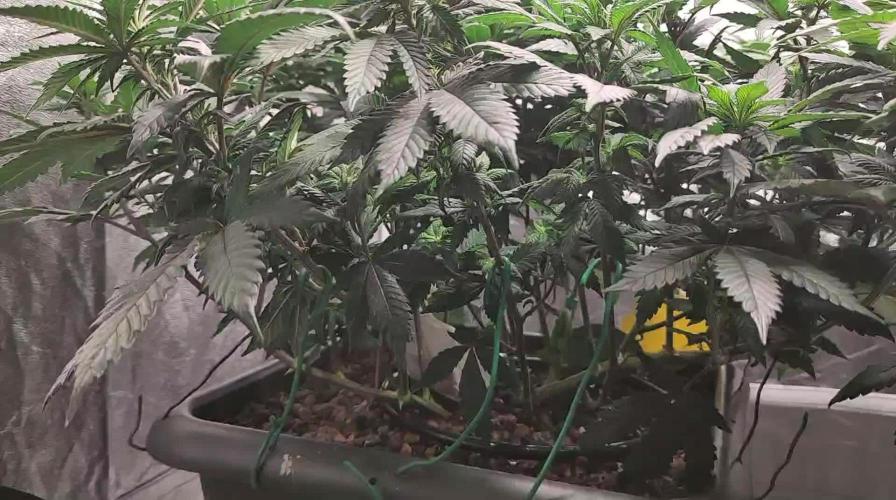
Week 2 of flower for White Widow
Shes really looking great!
Colour is spot on id say, stretched her out a bit so the light has better chance to penetrate to the lowers.
Really looking forward to what comes from this girl in the next 2 weeks or so.




Likes
4
Share


@Lushbloomz
Follow
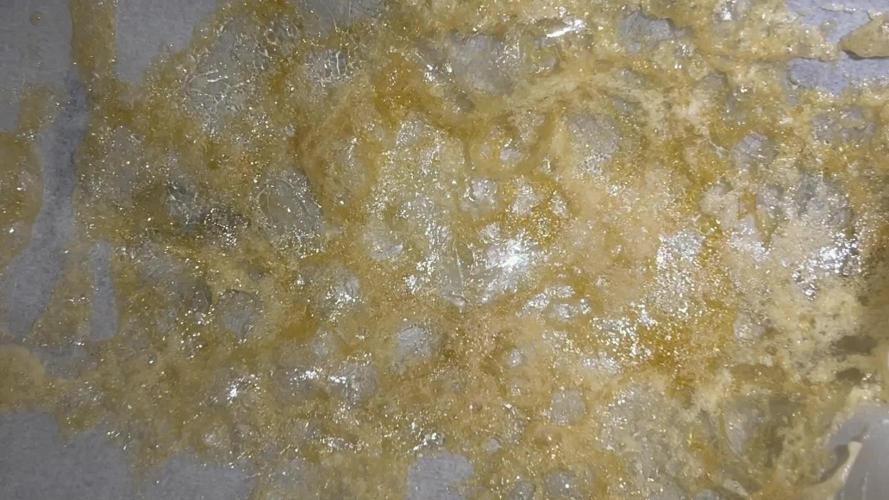
Day 51 and buds are thickening and frosting up nicely. I'm impressed. Ff feeding schedule



Likes
24
Share


@BillMonroe
Follow
Instead of giving nutrients I gave only water because I noticed some yellow tips on the new growth.
The plant had been getting 700ppm feed(including 220ppm tap water). Nutrient buildup in soil?
I made the switch to 12/12 today. Since 2 days the new growth has been looking funky - the same corkscrewy thing I had in my first grow.
Overall, a lot of trimming, bending, training. It has become a cool plant in my opinion :)
Info useful for my question:
*6.2-6.4ph water every time
*giving water when the soil is dry and lower leaves start to hang a little. but i suspect it is hard to overwater with these airpots
*built up nutrients to about 720ppm until last watering

Likes
34
Share


@JonnoSA
Follow
The plants are happy and on cruze control. Apart from daily defoliation I'm just letting them do their thing. No nutrients or boosters have been added this week🤙
Ok and still contending with bladdy LOAD SHEDDING !!!!!! 2-4 hours of electricity turned off by Eskom NATION WIDE!!! I'm currently sitting in the pitch dark tying this🤙 Google it.. totally sucks


Likes
2
Share


@Belivitez
Follow
Harvest for top buds which are already done ❤️ smell is strong sour/fruit/sweet. The rest of the plants i will leave in tent to be ready for harvest in few days...
I will leave sugar leaves on for few days and then do the trimm work. Buds are rock hard and covered with trichomes!
Likes
7
Share


@Naujas
Follow
I'm happy :) I couldn't do it as it should have been, my ph meters broke and ruined everything :( well, but I'm very, very satisfied with the result :) a big thank you to my teacher :)@AsNoriu you are super :) without you it wouldn't have been possible :) I learned a lot of useful information from you :) the house is full of lemon aroma :)

Processing
Likes
11
Share


@GBudz
Follow
Getting close to harvest now.
Beggining to flush this week.
Cant wait the buds are rock hard smelling fruity fuel.
😍👌👌☺️
#dutch passion
#auto flower
#led
#glueberry og
