


Likes
Comments
Share

@Altitonans_Fulmen
Follow
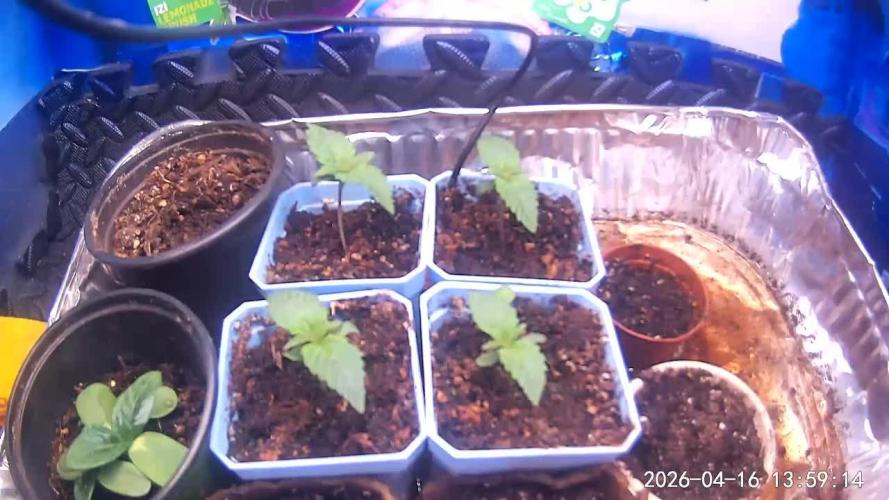
Time to grow.
More energy, more blueprint.
Electrical Conductivity refers to how easily a material or solution allows electrons or ions to flow continuously when an electrical potential is applied.
Electrochemical Reactance is the opposition to alternating current (AC) caused specifically by the temporary storage of energy in electric or magnetic fields, rather than energy being lost as heat. Reactance does not directly alter a material's intrinsic electrical conductivity. Instead, it dictates how the system stores and releases energy over time, which creates a temporary barrier to current flow in AC circuits. Together with resistance, reactance makes up total impedance. Electrical impedance (the combination of resistance and reactance) in the rhizosphere dictates how easily ions and water move into plant roots, directly impacting the Electron Transport Rate (ETR). High impedance restricts ion mobility, leading to nutrient deficiencies that decrease ETR and stunt overall plant growth.
Using copper and zinc plates in the plant medium to form a natural earth battery to assist with Electrochemical Reactance. The moist soil acts as an electrolyte, while zinc serves as the anode and copper as the cathode. Zinc is a highly reactive metal and oxidizes, losing electrons into the soil. These electrons travel through an external wire to the copper plate. The moisture and dissolved salts in your plant medium allow charged ions to move freely between the plates, completing the circuit and generating a small direct current (usually between 0.8 and 1.1 volts). This micro-current subtly alters/the Electrical Conductivity (EC), allowing more effective breaking apart of chemical bonds in the soil (electrolysis), making soil nutrients like phosphorus, calcium, and potassium more accessible to roots. Buried the zinc plate on one side of the plant’s root zone and the copper plate on the opposite side. Ran an insulated copper wire above ground to connect the zinc plate to the copper plate, creating a closed loop. Make sure your soil remains moist and contains natural mineral salts; entirely distilled water or bone-dry medium will prevent ion exchange and block the current.
Electrolysis in the rhizosphere can reduce the direct ATP energy cost for a plant by electrochemically altering soil chemistry, changing pH gradients, and splitting or reducing compounds so that nutrients become easier to absorb or break down.
Electrolysis uses an external electrical voltage to drive chemical reactions (like splitting water or reducing ions). This external electricity performs thermodynamic work on the soil solution. Rather than directly fueling plant enzymatic machinery or lowering biological ATP synthesis costs inside root cells, electrochemical reactions alter surrounding nutrient forms (e.g., changing pH, altering redox states, or breaking tight mineral bonds). By electrochemically making mineral ions more mobile or bioavailable, the plant may spend less root exudate carbon or membrane-transport ATP trying to scavenge locked nutrients, though the plant's baseline respiration and ATP costs for active uptake still apply.
Biochar contains redox-active functional groups (like quinones/hydroquinones) and heteroatoms that act as natural electrocatalysts. High porosity and electrical conductivity in biochar improve electron transfer within the medium, reducing the activation energy barrier and overpotential needed for reactions. Because biochar improves medium conductivity and stabilizes reactive intermediates, it effectively lowers the total threshold voltage required to split or break apart target molecules compared to an untreated medium.
Biochar as a soil amendment significantly improves the leaf electron transport rate (ETR). Mixing biochar into the soil enhances the efficiency of Photosystem II Φ PSII. This physiological boost leads directly to higher structural and functional leaf ETR values.
Biochar does not directly enter the plant to change its electrical properties; instead, it transforms the root zone, triggering a ripple effect that optimizes the plant’s internal photosynthetic machinery.
Biochar increases soil cation exchange capacity (CEC). This helps plants absorb more nitrogen (N), magnesium, and potassium. Nitrogen is a core component of chlorophyll and vital photosynthetic enzymes, allowing the plant to build a robust electron transport chain.
Under nutrient-deficient or degraded soil conditions, plants suffer from sluggish electron flow. Biochar stabilizes the energy distribution ratio in the reaction centers of the leaves, preventing bottlenecks in light absorption and electron movement.
In drought, saline, or contaminated soils, plants produce harmful reactive oxygen species (ROS) that damage chloroplast membranes. Biochar improves soil water retention and binds toxins, lowering plant oxidative stress. This protects the integrity of thylakoid membranes where electron transport occurs.
Plants grown in biochar-amended soils consistently exhibit higher SPAD index values and chlorophyll concentration. More chlorophyll molecules translate directly to a higher capacity to absorb photons and transfer electrons downstream.
"God is light, and in Him is no darkness at all." John 1:5.
Humidity of the air dictates the moisture in the medium, which dictates the rate of pull from the terracotta stakes, 16 in total.
Soil-Plant-Atmosphere Continuum (SPAC): An ecological concept referring to the pathway of water moving from the soil, through the plant, and into the atmosphere.
Terracotta (unglazed, low-fired clay) is highly porous, acting as a breathable, permeable membrane that transports water based on the moisture gradient between the potting medium (soil) and the surrounding air. White terracotta and brown terracotta often have different pore sizes and overall porosity, primarily driven by differences in clay composition, impurities, and firing temperatures. While both are considered porous, brown terracotta often has higher iron content and impurities that behave as fluxes, affecting how the pores form during firing, while white terracotta is generally derived from more refined clays, with smaller pores making it more suited to pure water.
This mechanism is driven by capillary action and evaporation. When the surrounding soil is dry, the terracotta acts as a wick, pulling water out of the pot and into the soil. If the soil is very saturated, the terracotta absorbs water from the soil and allows it to evaporate from its outer surface, increasing the drying rate of the soil. Terracotta tends to keep the potting mix at an optimal saturation point, wicking up more water when the outside surface evaporates water into the air. The greater the difference in moisture between the soil and the outside air, the faster the water transfers through the ceramic. In low humidity and hot weather, the evaporation rate from the terracotta surface is high, creating a rapid drying effect. Newer terracotta pots often have a denser, lighter-toned structure that is less porous than traditional, red-orange terracotta, slowing down the moisture transfer rate. Over time, dissolved salts from fertilizer or tap water build up and block the pores, reducing the permeability of the clay. Water is all that is used or needed, thanks to the biochar and the massive storage bank of nutrients. Just waiting until something creeps up.
Clay pot irrigation (Ollas), an ancient farming practice, utilizes this property by burying unglazed jars in the soil, allowing water to slowly seep into the surrounding soil only when the soil dries out.
Likes
7
Share

@viejo
Follow
June 8th
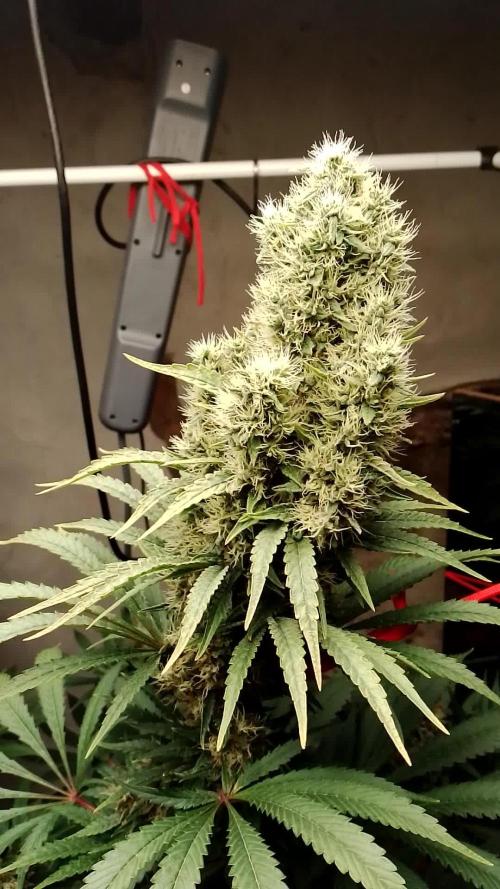
There's little doubt that the light is too close, and has been too close for too long. There's nothing I could do about it two weeks ago, and there's nothing I'll be able to do before harvest either. Lesson learned. The main cola doesn't seem stressed as in burned or bleached, but it's definitely looking a little odd. It's huge, and has no orange pistils, whereas the buds below are a mix of the older orange pistils and newly grown ones.
Weird. There's also a lot of foxtailing going on, which i'm guessing is a direct cause of being far too close to the light. Temps, pH, humidity, and watering are all dialed in, so that's my best guess.
Even though only the top of the plant is light-stressed, the foxtailing seems to spread throughout. Is this a thing?
I'm thinking next time I'll do the same, a single plant in the large pot, but I'll top her once or twice to lessen her height avoid this issue altogether. One huge cola is impressive, but the way things have shaken out has robbed some of the lower flowers of a more optimal distance to the light, so everything is out of balance. We're top heavy, folks :):)
All is well, fingers crossed as always.

Likes
15
Share


@DaddyPrime2
Follow
6/24/24 the videos of trichomes is from both purple octane and rs 11
Also based on trichomes. I should've counted the last week of veg as a flower week. So she's closer than we
6/25 we have clear cloudy and purple. Leaning towards her going till the end of this week.
6/28 we have about 70-80% cloudy and 20-25% amber. she's ready to go.
she will be chopped tomorrow morning. 6/29 unless stated otherwise.
happy growing yall, this plant is a fucking badge of honor with how beautiful she
6/28 I lied and chopped her probably 30 mins after I posted that lmao.

Likes
7
Share


@Big_Rade_SCLA
Follow
No changes on my end. Watering about 2 gallons every other day for each plant...about 1 gallon a day for each. Most of it gets sucked up by the substrate and some grass+clover that's also starting to grow. It's early in the year an neither P1 or P2 have sexed. I also have a side project that I show on the videos, but am not keeping a diary for that one. Will be adding worm castings and some more soil topper next week. Possibly will add some kelp meal if I remember. Weather has been cooperating nicely. At one point in the past two weeks it was raining every other day. It's cleared up in the last few days.
Likes
14
Share


@LokalGrenz
Follow
Still having humidity issues it goes up to about 60 at night returned the last dehumidifier ordered another one I’m going try to place it outside the tent to see if that would work if not I’m going to try placing it inside and hang it in the tent. That’s kind of the only issues I’m having
Amnesia haze #1 still having some type of issues but I’m going let it ride out I’ve gotten better with PHing the water got a better PH meter also the acinfinity self watering pots are dope I recommend if you’re want a easy automated grow filled them up yesterday
Amnesia haze #2 is having a big stretch it seems a lil behind the other haze and she’s stretching as well and after the defoliation she grew more fan leaves I doubt I’ll defoliate her again


Likes
28
Share

@Cauli
Follow
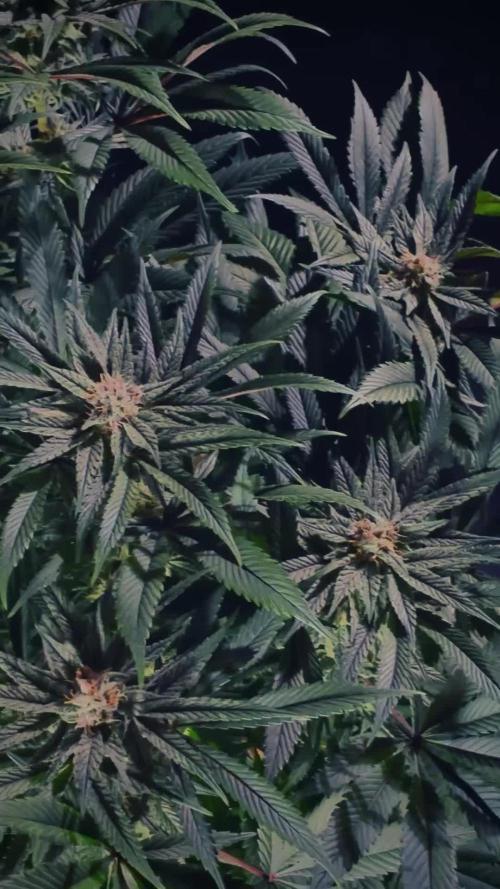
Week thirteen for Nori Cake.
Day 39 of 12/12.
She's just doing her thing and despite some watching and watering there wasn't much to do this week :)
Really love this phase of a plants life, when all the work is showing in a steady progress and the most needed thing is patience.

Processing
Likes
150
Share


@RussianGrower
Follow
Hello my companions. I have been very busy with work lately and have spent very little time on my cultivation diaries. Soon I will be completely free, so I dedicate every minute to my plants and make a big tent. My Neville is 15 weeks old. It's the longest auto-blooming plant I've ever grown. I decided to give him 16 weeks to live and then harvest. I also started to prepare new plants for new diaries, but due to lack of time they were standing on the window without intense light for more than 3 days. Now I'm still germinating 2 plants to start a new diary of 8 plants. In General, I have very big plans and ambitions, and I hope that everything will be fine. I can't wait to finish the main work to fully devote myself to the plant.


Likes
35
Share


@Rangaku
Follow
Good week of fattening up , temps are on the rise by 2 degrees in the tent as summer gears up I would of liked to have had these done by now as the next few weeks are hot and humid . Just gotta keep that air flow up and cop the wind burn on the fan leaves .
Started feeding every day last week instead of every other day and they are hooking thru their feeds . Will feed another week then a 2 or 3 week taper to flush . The smell from this purple punch is so strong and the leaves actually taste like blueberries , home stretch now

Likes
48
Share

@Rangaku
Follow
GSC is doing great she’s covered in nice bud and winding down now , she’ll back off on the feed this week and start flushing next week . I’ve already picked a few smokes off of this little monster and it tastes so nice . I super cropped a few of the taller buds just to get them out of the light so much and gave her a defol, she’s happy as .

Likes
92
Share


@Roberts
Follow
Had various minor issues during the grow, but overall Master Kush finished great. Nice frosty dense smelly colas. Will try to update the harvest video once this is up. It will be on my YouTube channel for sure. The Unit Farm UF4000, and UF2000 lights worked great. Gonna cut her down and get to next one. Thanks again Unit Farm, and Weed Seed Express. 🌱🌱🌱
Thank you grow diaries community for the likes, follows, comments, and subscriptions on my YouTube channel. 🍻🌱👍 Happy Growing 🌱
https://youtube.com/channel/UCAhN7yRzWLpcaRHhMIQ7X4g

Likes
20
Share


@Robin87
Follow
Just after 4 weeks from being cut from there big sis, and there in there new 5 gallon cribs!🙄😂. I couldn’t be happier, everything’s looking well, lovely shade of green, few pre flower sights starting to show, might have to throw this in the questions about when’s best to flip! But can’t wait to get these going!
Likes
7
Share


@MrPott
Follow
she's about ready to enter the flowering phase. pistils are coming out and I'm quite happy with the canopy so far. Might improve it this week.


Likes
15
Share


@RamirezDusha
Follow
At the beginning of the week plants grew up wide, feeding solution was almost 1000 ppm. Things was going well: we had many new colas on each plant. Girls are about to show their gender.
Likes
65
Share


@Dedon
Follow
Hi everyone !
Water change today, only tap water with adjusted PH.
leaves color is now light green and some leaves are dying. Buds are solid and the smell is awesome.
Last week of flush...Will harvest in the late week
Likes
9
Share


@Rambogrow
Follow
Flower has begun and things are starting to take shape. Small amount of stretch has begun and nutes have been switched to flower. 3 ladies are very happy and are starting to shoot pistils.
Likes
3
Share

@xipo86
Follow
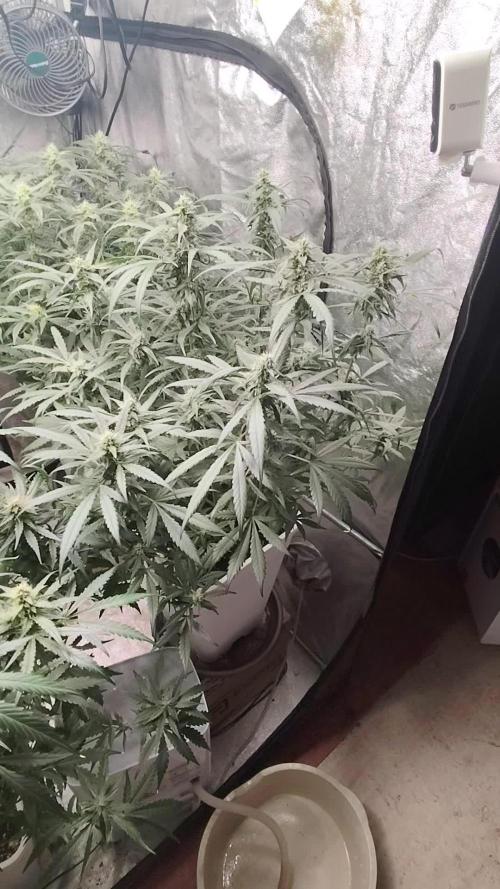
Day 56
Hairs at buds are huge.... like rock stars xD that can only be big buds....
Guava 1 smells very fruty
Guava 2 Like a starwberry/banana milkshake... very sweet
Guava fig very critrus with soapy and sweet tones...
Mango frost.. best description told by two different friends.. smells like old school Moby dick
Finally the heat wave ended and temp are down again to 29Cº lets see how low it last

Likes
10
Share


@HanfHueter
Follow
Blüten werden inzwischen sehr Harzig und der Duft nimmt zu.
Dem Giesswasser wird täglich 1:10 Jauche zugegen. Zu dem jedes zweite Gießen Pro Sugar von Grow Pro ein Kohlenhydrat Blütedünger(von der Mary Jane ein Tester). Zu dem gibt es ein bis zweimal in der Woche Seafeed Xtra von envii.
Die ersten Blätter haben sich unten entfernt daher gebe ich gerade wieder Stickstoff zu den Pflanzen. Auch wenn es nur noch diese Woche war danach nur noch Blütedünger.
Zu dem habe ich Basilikum gepflanzt, Dill, Ringelblume und Koriander gesäat am Anfang der Woche und zum Ende noch Lupine und Rot Klee.
Likes
1
Share

@therealgrowmie
Follow
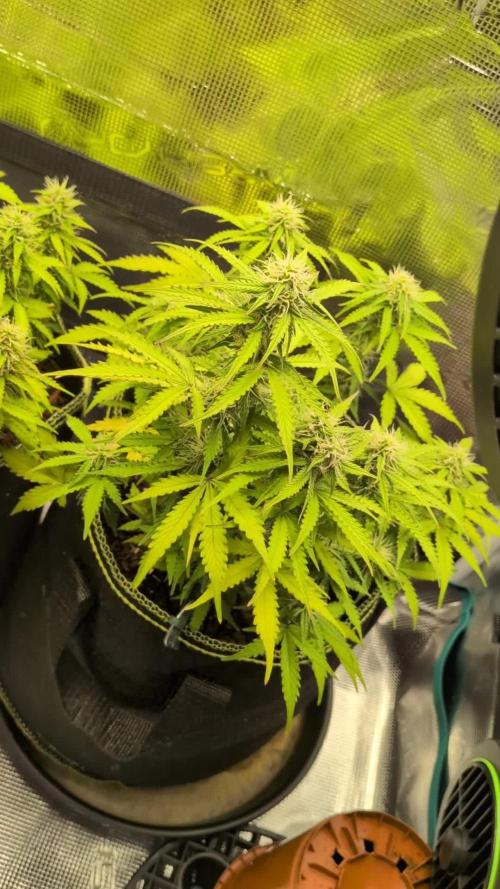
An intense heatwave has been rolling through the grow environment, making it tough to dial in the VPD.
The air is very dry, and since I don’t have a humidifier (yet), mitigating the high temperatures has me stuck between a rock and a hard place.
Fortunately, I’ve reached flower, so a drier environment isn’t the worst thing in the world. But it’s definitely been a challenge!
---
Quick rundown on everything else:
Watering: 1500ml every third day
Fertilizer: According to the BioBizz schedule
Light intensity: ~1000 PPFD
VPD: Around 2.23 kPa
Temperature: ~30°C
Relative humidity: ~40%
Likes
2
Share


@AestheticGenetix
Follow
7/5/25 plant is stretching. Not sure if its preflowering or just being outside in a bigger pot. Im just going to let her grow naturally and see how it turns out. I may end up with just one diary of each strain at the moment. But im also not sure whether im going to be doing indoor or outdoor based on personal circumstances.


