Likes
Comments
Share
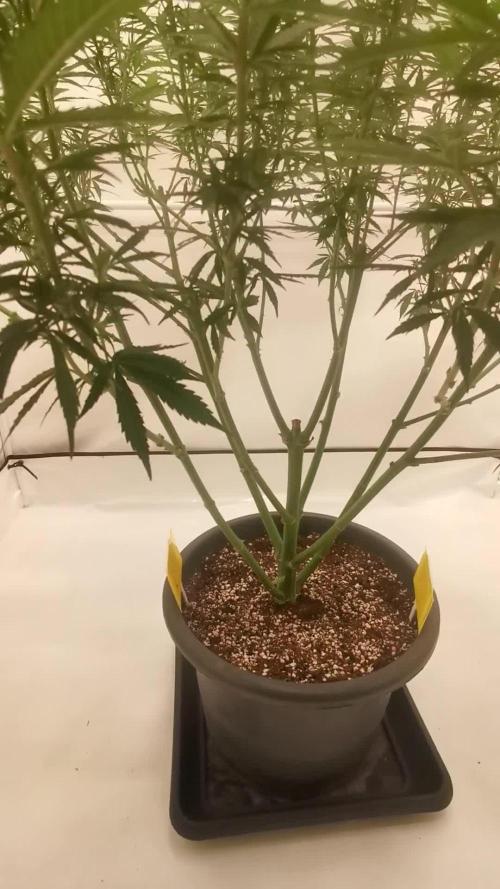
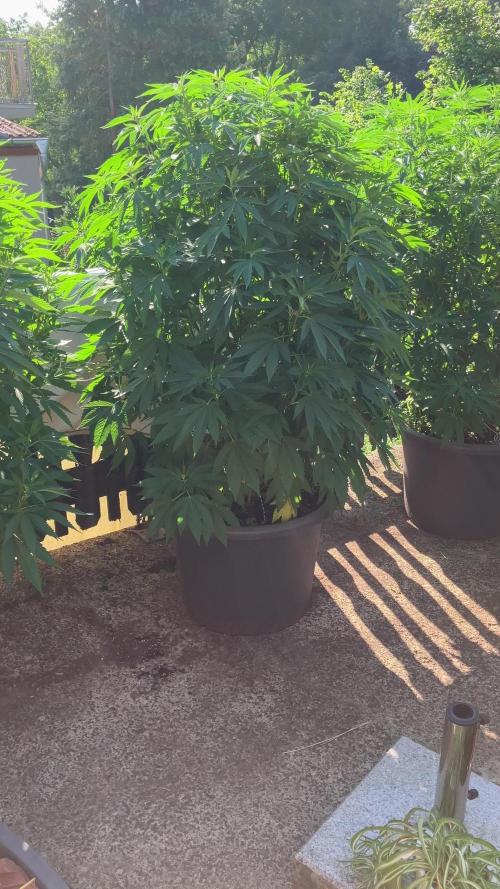
Hi✌️... Kurzes Update: soweit läuft alles ganz gut 🍀🙏🍀... Bis dahin 👋🌱💚
Likes
6
Share
The wonder woman from Barney farm fuck marvel/dc this is real wonder woman 😈
Likes
2
Share
For most crops, a slightly acidic soil pH between 6.0 and 6.8 is ideal because it optimizes nutrient availability. When soil pH rises above 7.0 (alkaline), the concentration of hydrogen ions H+ drops significantly, and they are replaced by calcium, magnesium, or sodium ions on the clay colloid exchange sites. To naturally lower alkaline soil pH, you can add organic matter (carbon-rich materials), which produces weak organic acids as it decomposes. Maintaining this slightly acidic range stimulates a highly active, diverse microbial community; these microbes decompose organic matter and release carbon dioxide CO2, which plants absorb through their roots and leaves to boost photosynthesis and sugar production. Furthermore, the added organic carbon acts like a sponge, drastically improving the soil's water-holding capacity. While soil biological activity does involve cellular electron transport, electrical conductivity (EC) in soil is actually a measure of dissolved mineral salts, not a voltage carried by individual microbes. Soil microorganisms secrete organic acids and chelate metallic and non-metallic minerals, transforming locked-up inorganic compounds into bioavailable organic complexes. Unlike harsh synthetic fertilizers that can dehydrate soil life in high concentrations, these naturally chelated nutrients safely nourish the plant, creating a thriving, self-sustaining ecosystem where plants can efficiently synthesize their own food. Metal-based: Could include elements like iron, manganese, copper, or zinc, which are essential nutrients for plants but can exist in forms not readily accessible. Non-metal-based: Examples like calcium carbonate, phosphate, or sulfur are also important for plant growth and potentially serve as building blocks for the organic salt. Chelation in a plant medium is a chemical process where a chelating agent, a negatively charged organic compound, binds to positively charged metal ions, like iron, zinc, and manganese. This forms a stable, soluble complex that protects the micronutrient from becoming unavailable to the plant in the soil or solution. The chelate complex is then more easily absorbed by the plant's roots, preventing nutrient deficiency, improving nutrient uptake, and enhancing plant growth. Chelation is similar to how microorganisms create organic salts, as both involve using organic molecules to bind with metal ions, but chelation specifically forms ring-like structures, or chelates, while the "organic salts" of microorganisms primarily refer to metal-complexed low molecular weight organic acids like gluconic acid. Microorganisms use this process to solubilize soil phosphates by chelating cations such as iron (Fe) and calcium (Ca), increasing their availability. Added sugars stimulate soil microbial activity, but directly applying sugar, especially in viscous form, can be tricky to dilute. Adding to the soil is generally not a beneficial practice for the plant itself and is not a substitute for fertilizer. While beneficial microbes can be encouraged by the sugar, harmful ones may also be stimulated, and the added sugar is a poor source of essential plant nutrients. Sugar in soil acts as a food source for microbes, but its effects on plants vary significantly with the sugar's form and concentration: simple sugars like glucose can quickly boost microbial activity and nutrient release. But scavenge A LOT of oxygen in the process, precious oxygen. Overly high concentrations of any sugar can attract pests, cause root rot by disrupting osmotic balance, and lead to detrimental fungal growth. If you are one who likes warm tropical high rh, dead already. Beneficial, absolutely, but only to those who don't run out of oxygen. Blackstrap is mostly glucose, iirc regular molasses is mostly sucrose. Sugars, especially sucrose, act as signaling molecules that interact with plant hormones and regulate gene expression, which are critical for triggering the floral transition. When sucrose is added to the growth medium significantly influences its effect on floral transition. Probably wouldn't bother with blackstrap given its higher glucose content. Microbes in the soil consume the sugar and, in the process, draw nitrogen from the soil, which is the same nutrient the plant needs. Glucose is not an oxygen scavenger itself, but it acts as a substrate for the glucose oxidase (GOx) enzyme, effectively removing oxygen from a system. Regular molasses (powdered if you can), as soon as she flips to flower or a week before, the wrong form of sugar can delay flower, or worse. Wrong quantity, not great either. The timing of sucrose application is crucial. It was more complicated than I gave it credit for, that's for sure. When a medium's carbon-to-nitrogen (C:N) ratio reaches 24:1, it signifies an optimal balance for soil microbes to thrive, leading to efficient decomposition and nutrient cycling. At this ratio, soil microorganisms have enough nitrogen for their metabolic needs, allowing them to break down organic matter and release vital nutrients like phosphorus and zinc for plants. Exceeding this ratio results in slower decomposition and nitrogen immobilization, while a ratio below 24:1 leads to faster breakdown and excess nitrogen availability. Carbon and nitrogen are two elements in soils and are required by most biology for energy. Carbon and nitrogen occur in the soil as both organic and inorganic forms. The inorganic carbon in the soil has minimal effect on soil biochemical activity, whereas the organic forms of carbon are essential for biological activity. Inorganic carbon in the soil is primarily present as carbonates, whereas organic carbon is present in many forms, including live and dead plant materials and microorganisms; some are more labile and therefore can be easily decomposed, such as sugars, amino acids, and root exudates, while others are more recalcitrant, such as lignin, humin, and humic acids. Soil nitrogen is mostly present in organic forms (usually more than 95 % of the total soil nitrogen), but also in inorganic forms, such as nitrate and ammonium. Soil biology prefers a certain ratio of carbon to nitrogen (C:N). Amino acids make up proteins and are one of the nitrogen-containing compounds in the soil that are essential for biological energy. The C:N ratio of soil microbes is about 10:1, whereas the preferred C:N ratio of their food is 24:1 (USDA Natural Resource Conservation Service 2011). Soil bacteria (3-10:1 C:N ratio) generally have a lower C:N ratio than soil fungi (4-18:1 C:N ratio) (Hoorman & Islam 2010; Zhang and Elser 2017). It is also important to mention that the ratio of carbon to other nutrients, such as sulfur (S) and phosphorous (P) also are relevant to determine net mineralization/immobilization. For example, plant material with C:S ratio smaller than 200:1 will promote mineralization of sulfate, while C:S ratio higher than 400:1 will promote immobilization (Scherer 2001). In soil science and microbiology, the C:S ratio helps determine whether sulfur will be released (mineralized) or tied up (immobilized) by microorganisms. A carbon-to-sulfur (C:S) ratio smaller than 200:1 promotes the mineralization of sulfate, when the C:S ratio is low, it indicates that the organic matter decomposing in the soil is rich in sulfur relative to carbon. Microorganisms require both carbon and sulfur for their metabolic processes. With an excess of sulfur, microbes take what they need and release the surplus sulfur into the soil as plant-available sulfate A carbon-to-sulfur (C:S) ratio higher than 400:1 will promote the immobilization of sulfur from the soil. This occurs because when high-carbon, low-sulfur materials (like sawdust) are added to soil, microbes consume the carbon and pull sulfur from the soil to meet their nutritional needs, temporarily making it unavailable to plants. 200:1 C:S 400:1: In this range, both mineralization and immobilization can occur simultaneously, making the net availability of sulfur less predictable. This dynamic is similar to how the carbon-to-nitrogen (C:N) ratio regulates the availability of nitrogen in soil. Just as microbes need a certain amount of nitrogen to process carbon, they also require a balanced amount of sulfur. Both mineralization and immobilization are driven by the metabolic needs of the soil's microbial population. Sulfur is crucial for protein synthesis. A balanced ratio is particularly important in relation to nitrogen (N), as plants need adequate sulfur to efficiently use nitrogen. A severely imbalanced C:S ratio can hinder the efficient use of nitrogen, as seen in trials where adding nitrogen without balancing sulfur levels actually lowered crop yields. Maintaining a balanced carbon-to-sulfur (C:S) ratio is highly beneficial for plant growth, but this happens indirectly by regulating soil microbial activity. Unlike the C:N ratio, which is widely discussed for its direct effect on nutrient availability, the C:S ratio determines whether sulfur in the soil's organic matter is released (mineralized) or temporarily locked up (immobilized). Glucose will hinder oxygenation more than sucrose in a solution because glucose is consumed faster and has a higher oxygen demand, leading to a more rapid decrease in oxygen levels. When cells respire, they use oxygen to break down glucose, and this process requires more oxygen for glucose than for sucrose because sucrose must first be broken down into glucose and fructose before it can be metabolized. In a growth medium, glucose is a more immediate and universal signaling molecule for unicellular and multicellular organisms because it is directly used for energy and triggers a rapid gene expression response. In contrast, sucrose primarily acts as a signaling molecule in plants to regulate specific developmental processes by being transported or broken down, which can be a more complex and slower signaling process. Critical stuff.
Likes
26
Share
Day 36: "Hey everyone! Just a quick update: I removed a few more leaves here and there and did one last round of LST (low stress training). 🌿 The plants are looking great, and I'm going to let them recover now before sending them into the flowering stage. I'm really excited to see them start blooming in 2-3 weeks! Also, a quick update on our temperature issue: today, the temperature stayed below 26.8°C, which is great news! However, we still need to find a solution to keep the humidity levels up. Our 360 m³/h exhaust system isn't able to maintain the required humidity level. I've calculated that we need a humidifier that can evaporate 1800ml/h to maintain 60-70% humidity, which would help manage the temperature better. Does anyone have tips for a good humidifier or other methods to control the humidity and temperature? Any advice would be greatly appreciated! Day 37: Hey everyone! Tomorrow, we're planning to buy some Cal-Mag because we suspect the yellowing leaves might be due to a calcium-magnesium deficiency. We're also going to get a pH test kit to make sure everything is balanced properly. Do you think this is a good idea? Any tips or suggestions would be greatly appreciated! Day 38: Hey everyone! Quick update: it turns out the yellowing leaves were due to a nitrogen deficiency. We increased the fertilizer dosage today, so the plants should start looking better in 4 to 5 days. 🌿 Thanks for all the support and suggestions Day 39: Hey everyone! Another quick update: after increasing the fertilizer yesterday to address the nitrogen deficiency, it should take about 4 to 5 days for the yellow leaves to turn green again. 🌿 We're already seeing improvements! The plants have grown significantly and are developing a dense canopy once more. It's great to see them bouncing back so quickly! Day 41: "Hey everyone! Quick update: we've removed the bands we were using for LST (low stress training) and are now letting the plants grow freely. 🌿 We plan to keep them in the vegetative phase for about one more week before transitioning them to the flowering phase. Excited to see how they continue to develop!"
Likes
199
Share
So i decided to experiment with the smart protein in a foliar spray recently and unlike other nutrients (this is not a nutrient or an additive!!!) well saturation is not desirable, in other words for other foliar sprays you want a saturated solution more or less, but with the smart protein you want to lighter... i think the leafs are really good at absorbing it, but it's so rare they end up "stained" and end up 'burnt', if you look closely it looks similar to Mg deficiency... but it's not and it's interesting lol. Nothing else to report, not feeding anything this week, i'll try to update as regularly as i can from now on aswell. Hope you enjoy these testers as much as I do ! 🚀
Likes
44
Share
For LIQUIDS & NUTES ******GREEN BUZZ NUTRIENTS***** organic. Also i’m using their LIVING SOIL CULTURE in powder form! MARSHYDRO ⛺️ has large openings on the sides which is useful for mid section groom room work. 🤩 ☀️ MARSHYDRO FC 3000 LED 300W 💨MARSHYDRO 6” in-line EXTRACTOR with speed-variation knob, comes complete with ducting and carbon filter.
Likes
16
Share
Before the final flush.. the smell is very strong and sweet , lovely
Likes
16
Share
@Kingseeds
Follow
Dark purple buds and frozen cola Finish in 67 days She needs normal light and feeding
Likes
6
Share
This week went by quickly. They're doin their Pre-Flower stretch and getting big quickly!! I added my Pre-Flower mix to them this week. My Nutrient Pre-Flower Mix consists of H20, Coconut, Bananas, Pineapple, Sweet Potatoes, Kelp, Alfalfa Meal, All Organic Non-Pasturized Whole Milk, Epsom Salts, Black Strap Molasses, and L.A.B. or Lactic Acid Bacteria. First, I boiled the coconut, pineapple, sweet potatoes, the bananas, and left the skins on as well except the coconut of course! That I had to split in half and make sure to keep the water inside to add to the boil. After boiling everything I then let it cool and then added it to a blender to blend little by little. After blending I left separate and placed into the fridge. Then I took 1 Tbsp of Alfalfa Meal and 2 Tbsp of Kelp, 500mL of the milk, 2 Tbsp of Epsom Salts, and mixed them in a 750 mL bottle. Then I took 1L of the mix and added 2 Tbsp of L.A.B. and 2 Tbsp of Black Strap Molasses and then shook the bottle well! Then I took the 750mL bottle and the 1L bottle and fed that to the plants adding 250 mL of pH H2O to the plant as well to flush the ingredients all into the plant with the H20. I wanted to also note that I choose to slowly defoliate so that the plant doesn't go into shock and also fan leaves collect light in all spectrums so taking too many off at a time could hurt or slow the growth of your plant! The amount of light your plant takes in daily is called DLI or Daily Light Index. Overall, they're really growing and have a ton of bud sites developing! I'm excited to see the growth weekly and their colors!
Likes
13
Share
Day 30 toady, i switched to 12/12 3 days ago e the babies are already stretching hard and some are showing preflowers i'm pretty happy i'm watering with no nutrients as i'm using Canna Pro Plus soil and it should have enough nutrients for the first 3/4 weeks of flower. I cleaned the bottom of the plants from lowers branches and leaves and i will continua till day 14 of flower and i fixed it with a bamboo stick i got gifted from @AlpineGoat i will fix the other branches in the next weeks i'm pretty stocked with this grow this genetics are really solid growing strong and fast! Good job @Exotic_Seed!!🙌👍
Likes
4
Share
Hard hitting high and easy grow, super resistant to neglect and recovery from nutrient burn was fast
Likes
10
Share
@MG2009
Follow
09/26/2021 Starting week #7 of flower still picking caterpillar, and eggs of leaves, not to serious as we are on top of it. Starting the week with banana peel tea drench 2 gallons per girl, which is all she will get besides water till harvest. Still small flushes of pistils coming out I believe she (Hulk) is in final stage of flower (4) lots of orange hairs (pistils) but fresh one coming out daily albeit slower. Hopefully she fatting up in coming weeks. 09/28/2021 Week7 Day #3 Definitely seeing more calyx swelling. #1 is chunking up nicely #2 looks good little bud rot were caused from cattipillar poop! #3 coming from behind Will be last to harvest for sure.
Likes
7
Share
@Pblc_10
Follow
🌱 Erntezeit! Nach einer intensiven und spannenden Blütephase ist es endlich so weit – die Mädels wurden geerntet! Zum Schluss gab es nochmal eine 48-stündige Dunkelphase sowie eine gezielte Entlaubung, um die letzten Reserven aus der Pflanze zu mobilisieren und die Reife zu fördern. Die Trichome zeigten sich größtenteils milchig mit ganz vereinzelten bernsteinfarbenen Köpfen – genau das Ziel, das ich mir gesetzt hatte. Die Pflanzen haben in den letzten Wochen nochmal ordentlich zugelegt, einige mussten sogar gestützt werden, weil das Bud-Gewicht sie beinahe zum Umkippen gebracht hätte. ⚠️Das Video zeigt die Pflanzen noch vor der finalen Entlaubung - aktuelle Bilder vom Ernteprozess und den Buds folgen in Kürze! Jetzt geht’s ans Trocknen, und ich bin gespannt, wie viel am Ende wirklich rauskommt. Optisch und geruchlich bin ich mehr als zufrieden – kompakte Buds, schöner Frost, intensives Terpenprofil. Was meint ihr, wie viel kommt am Ende trocken raus? Und seht ihr eventuell noch Potenzial zur Verbesserung für den nächsten Run?
Likes
2
Share
Strain: Fast Buds – Mendo Frost Auto (5 Plants) Grow Type: Indoor Pot Size: 3–5 Gallon Pots Medium: Peat Moss & Perlite Nutrient Line: Athena Week 11 Update Harvest has officially begun! 🌿✂️ This week, two of the Mendo Frost girls were chopped, and I couldn't be happier with how they turned out. They produced some absolutely beautiful buds, and seeing them finally come down after all these weeks has been really rewarding. There's one more girl that's just about ready, and she'll be coming down by the end of this week. Once all of the plants have been harvested, I'll put together a full harvest log covering the entire run. Before harvest, the girls were flushed and are now hanging to dry. Now it's just a waiting game while they slowly dry before moving on to curing. I'm really looking forward to seeing how they smoke because everything about this strain from the structure and frost to the terpene profile has been impressive so far. Hopefully the dry and cure do them justice 🔥 Late Flower / Harvest Notes 🌿 Two plants harvested this week 💧 Flushed before harvest 🌬️ Currently hanging to dry ✂️ One remaining plant to be harvested by the end of the week And don’t forget to use my discount code ISLANDT for 15% off your next order at Fast Buds 🌿🔥
Likes
12
Share
Likes
7
Share
@Salokin
Follow
Last week of feeding. Started the flush already, eyes still pinned on the 25th for harvest.
Likes
5
Share
@Kinghaze
Follow
Week 2 of flower The plants are healthy and doing good. 2 of the blue zushi where a little short in comparison with the cupcake, so i lifted them up. Tomorrow i will defoliate them and put up a second trellis.
Likes
4
Share
This new grow method is really exciting longer vegetative growth this week and no flowers is such a blessing with all the rains in this climate change.
Likes
Comments
Share