


Likes
Comments
Share

@Elguacho420
Follow
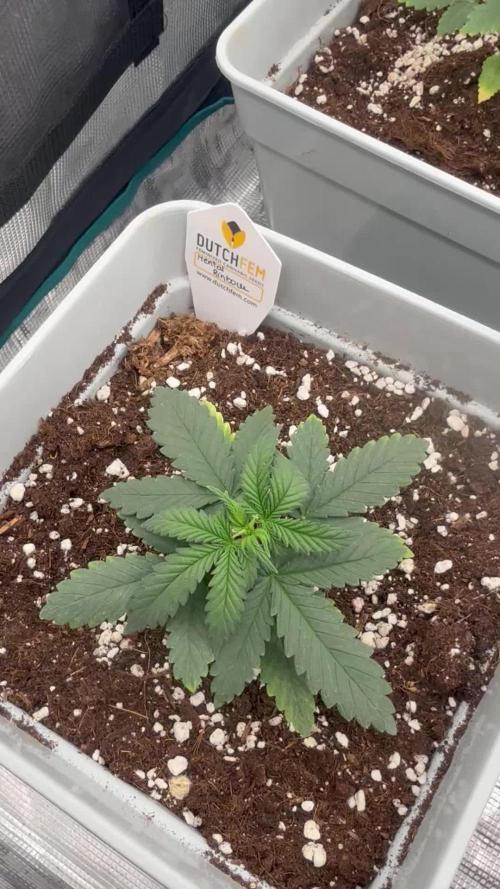
Buenos días y buenos humos para tod@s…
Estamos en la semana 3 de crecimiento y, por el momento, las plantas van como esperábamos. Están creciendo de manera continua y se mantienen en buenas condiciones.
Hemos añadido algo más de humedad, ya que estaba bastante baja, y de momento parece que está funcionando bien.
El riego lo hacemos cada 5 días: a las plantas grandes les damos 150 ml y a las pequeñas 100 ml. Tanto el pH de la humedad como el del riego está en 6.0 y, por ahora, va perfecto.
También hemos empezado a utilizar Plagron Grow, añadiendo tan solo 1 ml por cada 2 litros de agua. La idea es ir introduciendo la alimentación de forma paulatina, para que las plantas se adapten poco a poco y no generarles ningún tipo de estrés.
Mucha suerte en sus cultivos y seguiremos informando… 🌱💀💨

Likes
62
Share


Likes
32
Share


@LockDownGrow
Follow
Last week for this stunner so lucky as the summer temperatures are set too sore next week , so really couldn't have timed the end of these plants more perfectly ,

Likes
73
Share


@Roberts
Follow
Deep Forest Auto is acclimated and us showing to be a vigorously growing plant already. She has made excellent progress already, and hopefully I can keep her thriving through the grow. Everything is looking good at the moment. Nothing more to report. Thank you Doctor's Choice, Medic Grow, and Gen1:11 nutrition. 🤜🏻🤛🏻🌱🌱🌱
Thank you grow diaries community for the 👇likes👇, follows, comments, and subscriptions on my YouTube channel👇.
❄️🌱🍻 Happy Growing 🌱🌱🌱
https://youtube.com/channel/UCAhN7yRzWLpcaRHhMIQ7X4g

Likes
12
Share


@Archieballs
Follow
All 3 are nearing harvest. They are on nothing but ph water and the fade is getting amazing!! Daiquiri will be the first to harvest as her trichomes are nearly all cloudy. Daiquiri’s buds aren’t nearly as big as thee other two but she is the stickiest!!! Mazar has super dense nuts!! Ultimates nugs are gorgeous, dense sticky on the buds and amazing colas!!
Likes
22
Share


@elevensixty6
Follow
Only given RO water for the past week for WC2 although, WC1 has been flushing for two weeks so I think today will be their last day of watering and then chop them down due to a little unwanted foxtailing in WC2 and the light pulled back. Before chop theyll have a short period in the dark. Probably not going to have another update for a couple of weeks until the drying process is complete though. Both plants are purpling with WC1's being more intense, and the sparkling trichomes is beautiful stuff excited to try them.

Likes
104
Share


@Schnabeldino
Follow
_____ Week 9 | Day 64 - 70 | 2nd week of Flower ______
Day 64 🌞💧
💧- each Plant 3 Liter, with small drain, i give her 25% less fertilizer than indicated by Advanced...
Day 68 🌞💧✂️
💧 - each Plant 3 Liter, with small drain
✂️ - defoliation and starting with Lollipopping.
____________________________________________________________________________________________
Light - 12/12 h - 560 Watt
- 2x 200 Watt Toplight
- 4 x 40 Watt Lightbars
PPFD - 900 - 1000 µmol
Temp. avg. - 23,0°
Hum. avg. - 64 % RLH

Likes
5
Share


@Jays_Not_Here_Man
Follow
Started some LST early in the week for the slightly older plant, then later in the week with the other two. I was going to let them go Christmas tree style, but I can tell already they will out stretch the others. Ended up just bending the top and tying with pant ties. This should promote some busier plants.
Still figuring out the Correct Cronk Dosage, it’s pretty strong stuff, just trying to find the balance. Happy Gardening 🇨🇦👊❤️


Likes
7
Share


@RBG
Follow
LA is doing lovely, she's was originally the tallest but after folding her like a lawn chair after a big day on the beers her upward growth has slowed right down and she's starting to push outwards like I was anticipating. LA punch is an unreleased genetic from Cali connection. I suggest if you top her to top her once. Relax on the defoilation and let her grow out. She is quiet compact and wants to stay together so you need to try and be forceful to get your way but do be careful. Doesn't like stress in the sense of defoilation and topping early on but handles high PH, high EC and high temperatures so far but obviously not for long otherwise you can seriously stunt your ladies.
Light went from 60% to 90% over Week 5 to Week 6, next 2 days she'll be at 100% ready for flowering.
2 set AC infinity bar lights will go in over this week as well as my scrogg net.
Nutrients this round
Floramax veg1
Floramax organabud
Floramax flowering enhancer ( 1/4 ) dose
Flairforms roots
Sleepz with the fishes ( pythoff )
Cyco platinum series silica
Floramax calmag
E.c 2.2
Ph 5.9-6
Let's gooo
Likes
49
Share


@Endriu
Follow
Ciao! Hy Guys! 😄
Sorry for the late, but when I've tried to upload some photos, my connection went and didn't have any free times.
By the way, here some snap of the ladies in a "Pretty in Pink" version!
About the girls, nothing changed everything changed :D they stack flowers and have a wonderful bouquet of... real strawberry! I've flushed 'em with 20Lt of pure tap water, and I've only have to wait
I also upload a very special Christmas video, had some fun doing it!
As usual, bros and sis, stop and say Hi! 😉
ps: have a green and high Christmas mates!😍


Likes
34
Share


@Ultraviolet
Follow
Yellow butterfly came to see me the other day; that was nice.
Starting to show signs of stress on the odd leaf, localized isolated blips, blemishes, who said growing up was going to be easy!
Smaller leaves have less surface area for stomata to occupy, so the stomata are packed more densely to maintain adequate gas exchange. Smaller leaves might have higher stomatal density to compensate for their smaller size, potentially maximizing carbon uptake and minimizing water loss. Environmental conditions like light intensity and water availability can influence stomatal density, and these factors can affect leaf size as well. Leaf development involves cell division and expansion, and stomatal differentiation is sensitive to these processes. In essence, the smaller leaf size can lead to a higher stomatal density due to the constraints of available space and the need to optimize gas exchange for photosynthesis and transpiration. In the long term, UV-B radiation can lead to more complex changes in stomatal morphology, including effects on both stomatal density and size, potentially impacting carbon sequestration and water use. In essence, UV-B can be a double-edged sword for stomata: It can induce stomatal closure and potentially reduce stomatal size, but it may also trigger an increase in stomatal density as a compensatory mechanism. It is generally more efficient for gas exchange to have smaller leaves with a higher stomatal density, rather than large leaves with lower stomatal density. This is because smaller stomata can facilitate faster gas exchange due to shorter diffusion pathways, even though they may have the same total pore area as fewer, larger stomata. Leaf size tends to decrease in colder climates to reduce heat loss, while larger leaves are more common in warmer, humid environments. Plants in arid regions often develop smaller leaves with a thicker cuticle and/or hairs to minimize water loss through transpiration. Conversely, plants in wet environments may have larger leaves and drip tips to facilitate water runoff. Leaf size and shape can vary based on light availability. For example, leaves in shaded areas may be larger and thinner to maximize light absorption. Leaf mass per area (LMA) can be higher in stressful environments with limited nutrients, indicating a greater investment in structural components for protection and critical resource conservation. Wind speed, humidity, and soil conditions can also influence leaf morphology, leading to variations in leaf shape, size, and surface characteristics. Small leaves: Reduce water loss in arid or cold climates.
Environmental conditions significantly affect gene expression in plants. Plants are sessile organisms, meaning they cannot move to escape unfavorable conditions, so they rely on gene expression to adapt to their surroundings. Environmental factors like light, temperature, water, and nutrient availability can trigger changes in gene expression, allowing plants to respond to and survive in diverse environments.
Depending on the environment a young seedling encounters, the developmental program following seed germination could be skotomorphogenesis in the dark or photomorphogenesis in the light. Light signals are interpreted by a repertoire of photoreceptors followed by sophisticated gene expression networks, eventually resulting in developmental changes. The expression and functions of photoreceptors and key signaling molecules are highly coordinated and regulated at multiple levels of the central dogma in molecular biology. Light activates gene expression through the actions of positive transcriptional regulators and the relaxation of chromatin by histone acetylation. Small regulatory RNAs help attenuate the expression of light-responsive genes. Alternative splicing, protein phosphorylation/dephosphorylation, the formation of diverse transcriptional complexes, and selective protein degradation all contribute to proteome diversity and change the functions of individual proteins.
Photomorphogenesis, the light-driven developmental changes in plants, significantly impacts gene expression. It involves a cascade of events where light signals, perceived by photoreceptors, trigger changes in gene expression patterns, ultimately leading to the development of a plant in response to its light environment.
Genes are expressed, not dictated! While having the potential to encode proteins, genes are not automatically and constantly active. Instead, their expression (the process of turning them into proteins) is carefully regulated by the cell, responding to internal and external signals. This means that genes can be "turned on" or "turned off," and the level of expression can be adjusted, depending on the cell's needs and the surrounding environment. In plants, genes are not simply "on" or "off" but rather their expression is carefully regulated based on various factors, including the cell type, developmental stage, and environmental conditions. This means that while all cells in a plant contain the same genetic information (the same genes), different cells will express different subsets of those genes at different times. This regulation is crucial for the proper functioning and development of the plant.
When a green plant is exposed to red light, much of the red light is absorbed, but some is also reflected back. The reflected red light, along with any blue light reflected from other parts of the plant, can be perceived by our eyes as purple.
Carotenoids absorb light in blue-green region of the visible spectrum, complementing chlorophyll's absorption in the red region. They safeguard the photosynthetic machinery from excessive light by activating singlet oxygen, an oxidant formed during photosynthesis. Carotenoids also quench triplet chlorophyll, which can negatively affect photosynthesis, and scavenge reactive oxygen species (ROS) that can damage cellular proteins. Additionally, carotenoid derivatives signal plant development and responses to environmental cues. They serve as precursors for the biosynthesis of phytohormones such as abscisic acid () and strigolactones (SLs). These pigments are responsible for the orange, red, and yellow hues of fruits and vegetables, while acting as free scavengers to protect plants during photosynthesis.
Singlet oxygen (¹O₂) is an electronically excited state of molecular oxygen (O₂). Singlet oxygen is produced as a byproduct during photosynthesis, primarily within the photosystem II (PSII) reaction center and light-harvesting antenna complex. This occurs when excess energy from excited chlorophyll molecules is transferred to molecular oxygen. While singlet oxygen can cause oxidative damage, plants have mechanisms to manage its production and mitigate its harmful effects.
Singlet oxygen (¹O₂) is considered a reactive oxygen species (ROS). It's a form of oxygen with higher energy and reactivity compared to the more common triplet oxygen found in its ground state. Singlet oxygen is generated both in biological systems, such as during photosynthesis in plants, and in cellular processes, and through chemical and photochemical reactions. While singlet oxygen is a ROS, it's important to note that it differs from other ROS like superoxide (O₂⁻), hydrogen peroxide (H₂O₂), and hydroxyl radicals (OH) in its formation, reactivity, and specific biological roles. Non-photochemical quenching (NPQ) protects plants from damage caused by reactive oxygen species (ROS) by dissipating excess light energy as heat. This process reduces the overexcitation of photosynthetic pigments, which can lead to the production of ROS, thus mitigating the potential for photodamage. Zeaxanthin, a carotenoid pigment, plays a crucial role in photoprotection in plants by both enhancing non-photochemical quenching (NPQ) and scavenging reactive oxygen species (ROS). In high-light conditions, zeaxanthin is synthesized from violaxanthin through the xanthophyll cycle, and this zeaxanthin then facilitates heat dissipation of excess light energy (NPQ) and quenches harmful ROS.
The Issue of Singlet Oxygen!!
ROS Formation: Blue light, with its higher energy photons, can promote the formation of reactive oxygen species (ROS), including singlet oxygen, within the plant.
Potential Damage: High levels of ROS can damage cellular components, including proteins, lipids, and DNA, potentially impacting plant health and productivity.
Balancing Act: A balanced spectrum of light, including both blue and red light, is crucial for mitigating the harmful effects of excessive blue light and promoting optimal plant growth and stress tolerance.
The Importance of Red Light:
Red light (especially far-red) can help to mitigate the negative effects of excessive blue light by:
Balancing the Photoreceptor Response: Red light can influence the activity of photoreceptors like phytochrome, which are involved in regulating plant responses to different light wavelengths.
Enhancing Antioxidant Production: Red and blue light can stimulate the production of antioxidants, which help to neutralize ROS and protect the plant from oxidative damage.
Optimizing Photosynthesis: Red light is efficiently used in photosynthesis, and its combination with blue light can lead to increased photosynthetic efficiency and biomass production.
In controlled environments like greenhouses and vertical farms, optimizing the ratio of blue and red light is a key strategy for promoting healthy plant growth and yield.
Understanding the interplay between blue light signaling, ROS production, and antioxidant defense mechanisms can inform breeding programs and biotechnological interventions aimed at improving plant stress resistance. In summary, while blue light is essential for plant development and photosynthesis, it's crucial to balance it with other light wavelengths, particularly red light, to prevent excessive ROS formation and promote overall plant health. Oxidative damage in plants occurs when there's an imbalance between the production of reactive oxygen species (ROS) and the plant's ability to neutralize them, leading to cellular damage. This imbalance, known as oxidative stress, can result from various environmental stressors, affecting plant growth, development, and overall productivity.
Causes of Oxidative Damage: Abiotic stresses: These include extreme temperatures (heat and cold), drought, salinity, heavy metal toxicity, and excessive light. Biotic stresses: Pathogen attacks and insect infestations can also trigger oxidative stress. Metabolic processes: Normal cellular activities, particularly in chloroplasts, mitochondria, and peroxisomes, can generate ROS as byproducts. Certain chlorophyll biosynthesis intermediates can produce singlet oxygen (1O2), a potent ROS, leading to oxidative damage. ROS can damage lipids (lipid peroxidation), proteins, carbohydrates, and nucleic acids (DNA). Oxidative stress can compromise the integrity of cell membranes, affecting their function and permeability. Oxidative damage can interfere with essential cellular functions, including photosynthesis, respiration, and signal transduction. In severe cases, oxidative stress can trigger programmed cell death (apoptosis). Oxidative damage can lead to stunted growth, reduced biomass, and lower crop yields.
Plants have evolved intricate antioxidant defense systems to counteract oxidative stress. These include: Enzymes like superoxide dismutase (SOD), catalase (CAT), and various peroxidases scavenge ROS and neutralize their damaging effects. Antioxidant molecules like glutathione, ascorbic acid (vitamin C), C60 fullerene, and carotenoids directly neutralize ROS. Developing plant varieties with gene expression focused on enhanced antioxidant capacity and stress tolerance is crucial. Optimizing irrigation, fertilization, and other management practices can help minimize stress and oxidative damage. Applying antioxidant compounds or elicitors can help plants cope with oxidative stress. Introducing genes for enhanced antioxidant enzymes or stress-related proteins over generations.
Phytohormones, also known as plant hormones, are a group of naturally occurring organic compounds that regulate plant growth, development, and various physiological processes. The five major classes of phytohormones are: auxins, gibberellins, cytokinins, ethylene, and abscisic acid. In addition to these, other phytohormones like brassinosteroids, jasmonates, and salicylates also play significant roles.
Here's a breakdown of the key phytohormones:
Auxins: Primarily involved in cell elongation, root initiation, and apical dominance.
Gibberellins: Promote stem elongation, seed germination, and flowering.
Cytokinins: Stimulate cell division and differentiation, and delay leaf senescence.
Ethylene: Regulates fruit ripening, leaf abscission, and senescence.
Abscisic acid (ABA): Plays a role in seed dormancy, stomatal closure, and stress responses.
Brassinosteroids: Involved in cell elongation, division, and stress responses.
Jasmonates: Regulate plant defense against pathogens and herbivores, as well as other processes.
Salicylic acid: Plays a role in plant defense against pathogens.
1. Red and Far-Red Light (Phytochromes):
Red light:
Primarily activates the phytochrome system, converting it to its active form (Pfr), which promotes processes like stem elongation and flowering.
Far-red light:
Inhibits the phytochrome system by converting the active Pfr form back to the inactive Pr form. This can trigger shade avoidance responses and inhibit germination.
Phytohormones:
Red and far-red light regulate phytohormones like auxin and gibberellins, which are involved in stem elongation and other growth processes.
2. Blue Light (Cryptochromes and Phototropins):
Blue light:
Activates cryptochromes and phototropins, which are involved in various processes like stomatal opening, seedling de-etiolation, and phototropism (growth towards light).
Phytohormones:
Blue light affects auxin levels, influencing stem growth, and also impacts other phytohormones involved in these processes.
Example:
Blue light can promote vegetative growth and can interact with red light to promote flowering.
3. UV-B Light (UV-B Receptors):
UV-B light:
Perceived by UVR8 receptors, it can affect plant growth and development and has roles in stress responses, like UV protection.
Phytohormones:
UV-B light can influence phytohormones involved in stress responses, potentially affecting growth and development.
4. Other Colors:
Green light:
Plants are generally less sensitive to green light, as chlorophyll reflects it.
Other wavelengths:
While less studied, other wavelengths can also influence plant growth and development through interactions with different photoreceptors and phytohormones.
Key Points:
Cross-Signaling:
Plants often experience a mix of light wavelengths, leading to complex interactions between different photoreceptors and phytohormones.
Species Variability:
The precise effects of light color on phytohormones can vary between different plant species.
Hormonal Interactions:
Phytohormones don't act in isolation; their interactions and interplay with other phytohormones and environmental signals are critical for plant responses.
The spectral ratio of light (the composition of different colors of light) significantly influences a plant's hormonal balance. Different wavelengths of light are perceived by specific photoreceptors in plants, which in turn regulate the production and activity of various plant hormones (phytohormones). These hormones then control a wide range of developmental processes.
Likes
16
Share


@Nissimo
Follow
eigener Dünger Konzentrat auf ein Liter ,es wird aber alles in 6liter Eimer gemischt und aufgeteilt auf 1 Liter propflanze vorbereite mir immer 2 gieß Vorgänge alle 3
Likes
9
Share


@GoldenWeedGrower
Follow
D63 - 26/11 - Lowered EC as I see some signs of burn
D64 - 27/11 - Nothing
D65 - 28/11 - Added pure water to lowered EC again to 1.5
D66 - 29/11 - Nothing
D67 - 30/11 - Fungus gnat infestation, I added some protections and ordered the neem oil spray.
D68 - 01/12 - Some supercropping on a bud.
D69 - 02/12 - Neem Oil used against fungus gnat
Likes
21
Share


@CanadianFillmore
Follow
Tonight on growfessor theatre, 4x4 edition, 4 ladies get fed and defoliated!
Green Crack, LSD and Mandarin dreams are in the home stretch, this is their last feeding before flushing. Do-si-dos will get another feeding next week and flush a week later.
Thanks for stopping by growfessors, tune in next time for another episode of growfessor theatre! 👽🌳💚


Likes
10
Share


@ZzTooRightOGzZ
Follow
She's slowly getting better 😁
I flushed her at the start of the week because of a nutrient lockout.
Likes
26
Share


@KingSalomonsWeed
Follow
Notfallprotokolle treten in Kraft.
Grund?
Gelato 41fast
UNKONTROLLIERTE GEWALT.
Obwohl ich sie einige male sehr zärtlich dazu überredet habe (ok, es knackte einige male) in andere wuchs richtung zu wachsen, nimmt sie ¾ des grow room an platz ein. Und, das ist keine Beschwerde. Sieht von oben fast aus wie ein sea of green (zufall).
Und überall, diese watte Bällchen.
Ich bin entzückt!
Update. Es wird wasser mit Wasser gegossen, welches ich aus einiger Entfernung per Hand aus einem wasserlauf hole.. 😛
Die Phylaxien der Gelato 41 fast sind anders.
Heftig. Sind superdick lang und schnell wieder braun.
Bud Körper bilden sich und sind hart.
Und das überall. Ok tiefer gleich kleiner.
Am 001.009.021 wird sie 71 tage alt.
35 in Blüte.
And, what the phylaxien!
I mean they re unnormal.
Never seen phylaxien growing so massive (i mean pls look at one phylaxie., i think theyre big,) and then as FAST they go brown.
Boah difficult to explain.
I checked the soil. Wet enough.
Looking my Gelato 41 FAST. She is everywhere healthy.
I read this is a monster genetic
But to see, how it grows!
This strain is (so far) different from all the others i made with before.
First its a photo. (accidently because I'm a idiot)
Than 2 weeks untrained growing.
Than not vey lovefull i showed her her new grow direction.
And the smell. Of Gelato 41 fast is..
The smell of Gelato, 41 fast.
Heavy smell on your fingers from everywhere. Steam, sheet,,, buds are becoming sticky.
I mean i smell vanilla schololade.
My Next noise means she smells like an gelateria.
And YES! SHE IS! FAST!
GREAT! WORK(till now).👍🏻 👊
I tried to make some defoliation... You wont see on the photos. Just 3 leaves and 8 little buds somewhere i found.
O8. Oo9. I cut off 2 side branches.
I knewed it before that they will take only energy from the GELATO 41 FAST.
But holy mother earth, she got enough of this.POWER!
And its me a little ankward, because im the only one till now, who got an growdiary of this FABULOS HEAVY SWEET SMELLING STRAIN!
And., the BREEDER SEEDSTOCKER, himself is watching this GROWDIARIE!!!
And holy mother earth... Im so a noob.
First I thought it was business, advertising.
The contact, i mean.
Than, after i joined the original website of SEEDSTOCKERS, and i read what i really bought!
THE PENNY FALLS..
Its the FLAGSHIP.! (
.
So im the advertising?
Oh je oh je. I do my best, but remember, please,
(and because of some little mistakes i did)
.
.
.
OK OK ok ok, big mistakes!
It is not the yield another grower can go for it, what i expect i will harvest.
But HiGHEST Quality!
This is what i expect.
And dont get me wrong,
I build an joint of some fast dried micro buds.
Brought to a friend.
After the third time Jonny goes out(because after one or two breathes he forgotten jolly Rogers). He Realized it. "Hey i hold the joint now all the time (15 min). Why don't you say a word?"
"I knewed it. But i just smiled. Looking about how long it takes till you notice it!"
He thought a few seconds "Longer"…
Both began to laugh.
So the quality i try will be heaven!
DID YOU REMEMBER THE SEED
WHEN I FELL IN LOVE?
SMARAGDGREEN.
10.09
Everday you can see the buds go with more flesh.
And sticky as nothing i had before.
Smelly? Yes. It is!
It seems that i had an Sativa dominant phenotype
Like the leaves form. (and from some fresh harvested i smoked, with 75 % milky trychomes, and the rest clear... 😛 Heavy uplifting, motivated you start to do something! As you start to moving you discover that you re really stoned).
And my 0.36 m² tent is from the GELATO 41 FASTer as i never seen any Cannabis so quick blooming, sticky everywhere.
ABNORMAL! in a great way.
And i think, soo small arent they. Or?


Likes
13
Share


@DeepRootsGrowTrees
Follow
PABLO ESCOBAR / DIVINE SEEDS
WEEK #5 OVERALL
WEEK #4 VEG
As she continues to grow this week she's doing well no issues she's healthy she was topped this week! Stay Growing!!
Thank you for stopping by and taking a look it's much appreciated!!
Thank you DIVINE SEEDS!
PABLO ESCOBAR / DIVINE SEEDS

Likes
Comments
Share

@MisterTree
Follow
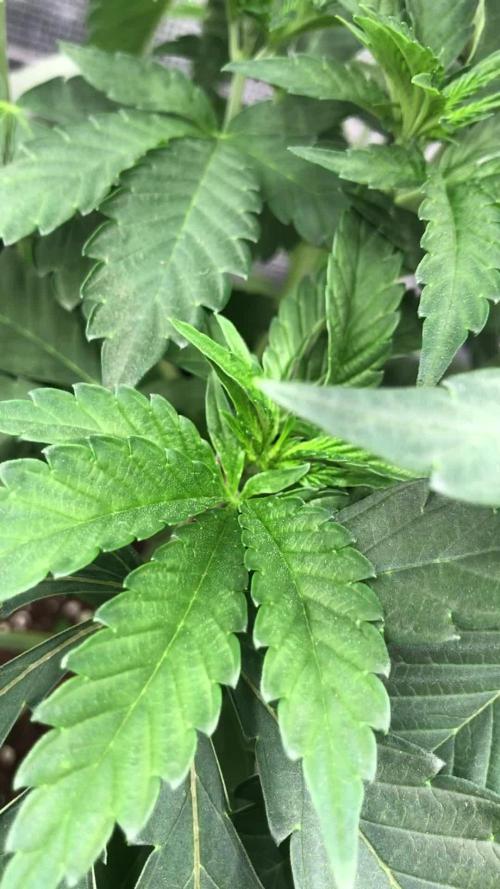
Big Stacy macht sich gut, Sie ist immer noch die größte im Zelt.Sie wurde gestern zuletzt gegossen, hab bisschen leaf tuck in unternommen damit die Seitentriebe mehr Licht bekommen.
Werde der guten Dame noch eine Woche geben dann wird getoppt.
Danke fürs vorbei schauen und schöne Woche noch Leute 🍀
Likes
3
Share


@MicroHidroGrow
Follow
Bueno, para no perder a nadie, el sistema que manejo es con dos indoors en paralelo. Uno en flora y otro creciendo la madre. A la madre la hago crecer hasta sacarle esquejes. Luego pasan al otro indoor, la madre y los esquejes, y ahí comienza la floración. Y ahí mismo comienza la nueva madre en el indoor pequeño.
La variedad es de un banco argentino que no sé si sigue existiendo. Se llama "kali seeds" y la variedad es superhaze. Que en teoría tiene unas 10 semanas de floración.
Día 01. Puse la planta para obligarme a terminar el prototipo. En este caso decidí usar madera de palets y algunas otras cosas que encontré en la calle. Ya casi termino todo, pero me falta armar los cierres. No voy a hacer puertas, dado que no está centrado, así que uso una tela de microfibra que ayuda a opacar mucho y era
mas barata que el blackout. Ademas es impermeable y me sirve para un nuevo mecanismo de seguridad para fugas que quiero implementar. Es bastante simple, pero me soluciona mucho. Hoy no hay mucho más que mostrar. Cuando lo haya terminado voy a ir mostrando como va quedando.
No me voy a enroscar con los tsp. Voy a poner lo que use aca.
Ahora puse un litro de agua con un poco menos de 1g. de Feeding Grow de Greenhouse. Al menos por ahora, ya que tengo que comprar medidores porque los míos ya no dan confianza.
Día 4. Ya estoy terminando de acomodar el indoor. Lo forré con refractario e instalé las "puertas" que en realidad son telas tipo blackout, pero mucho más finitas. Me falta terminar de ordenar la electricidad para que cada sector tenga su timer. Van a ser 3 timer diferentes. Por un lado van a ir luces y ventilaciones de flora (12hs). Por otro lado bombas de aire, bomba de agua y probablemente vientos de floración (15 min/hr). Y por último luz y ventilación del modulo de madres (18hs).
Hice el cambio del depósito, a uno de 5 litros, ya que los próximos 10 dias pienso intentar mantener la misma solución (mantuve la proporción 1g/L de feeding grow). La planta tuvo un ataque de una plaga que fue a sus primeras hojas. Por suerte en el momento puse tierra de diatomeas y parece haberse detenido. Pero se pueden ver los amarillos en las puntas. No me preocupa, dado que en hidroponia esos problemas se resuelven y la planta se recobra enseguida. Ahora igual habrá que ir monitoreando, dado que me había olvidado de desinfectar el indoor, cosa que hice luego de este ataque. Tengo fé que llegando al mes y medio de crecimiento, ya esté en condiciones de cortar unos esquejes.
Día 07. Por el momento el crecimiento viene rápido cómo suele ser en hidroponia. En unos días le voy a estar haciendo el corte apical. La ansiedad me viene ganando, pero sigo con fé. Esta semana tengo que comprar un par de aditivos y medidores que me están faltando. Pero ya está todo encaminado.