


Likes
Comments
Share

@C17H19NO3
Follow
🤙🏻
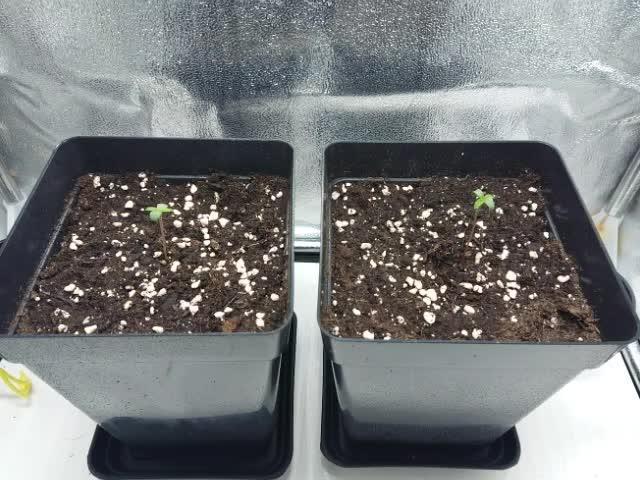
30.08 (1) - Geburtstag beide sind am gleichen Tag aus der Erde gekommen 🌱
31.08 (2)
01.09 (3)
02.09 (4)
03.09 (5)
04.09 (6) jeweils 250ml Wasser mit Root Juice / Links etwas Erde nachgelegt
05.09 (7) Höhe Links 6,5cm / Rechts 4,5cm

Likes
5
Share

@Xpie77
Follow
🌿 Eindverslag – 24K Gold Kush (WeedSeedShop)
Kweekduur: 10 weken bloei
Type: Indica-dominant (Kosher Kush × Tangie)
Kweekmethode: Indoor (grond / LED)
Verslagperiode: Week 1 t/m oogst
---
🔸 Algemene indruk
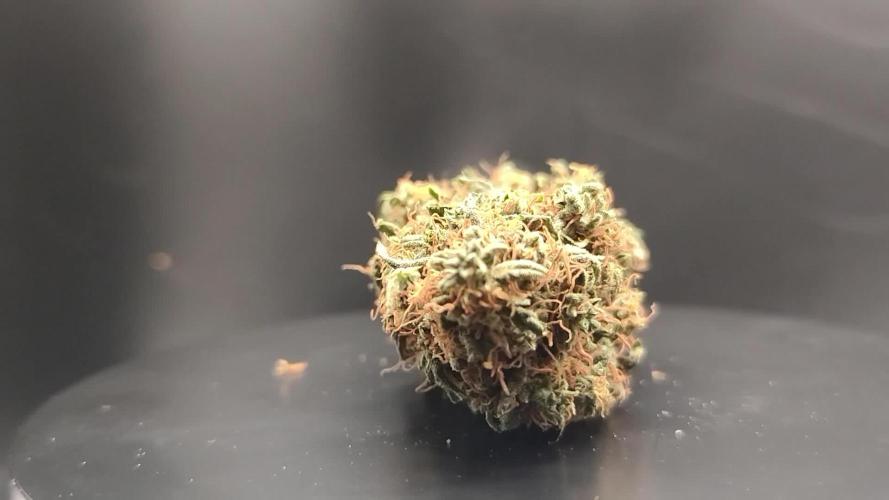
De 24K Gold Kush leverde een zeer harsrijke en aromatische oogst op. De soort combineert de krachtige body-stoned effecten van Kosher Kush met het fruitige, opwekkende karakter van Tangie.
De planten bleven compact (70–90 cm), met stevige zijtakken die goed gevuld raakten met dichte, glinsterende toppen.
---
🌸 Bloei-overzicht per fase
Fase Periode Belangrijkste ontwikkelingen
Vroege bloei (week 1–3) Overgangsfase met sterke rek (stretch). Eerste bloeiharen zichtbaar. Licht stikstofrijk schema.
Midden bloei (week 4–6) Toppen zetten sterk aan. Intens aroma van citrus en diesel. Sterke harsvorming start in week 5. RH teruggebracht naar 45%.
Late bloei (week 7–8) Toppen verdikken, trichomen worden melkachtig. Minder stikstof, extra PK-voeding toegepast (PK 13/14 1 ml/L).
Rijpingsfase (week 9–10) ± 15–25 % amber trichomen. Flush gestart met pH-gecorrigeerd water. Geur extreem intens, plant klaar voor oogst.
---
🔬 Trichomen & rijping
80 % melkachtig, 15 % amber, 5 % helder bij oogst.
Dit zorgde voor een evenwichtige high: eerst euforisch en creatief (Tangie), daarna ontspannen en zwaar (Kosher Kush).
Ideaal voor zowel avondgebruik als creatieve ontspanning overdag in lage dosis.
---
💧 Klimaat & verzorging
Parameter Gemiddelde waarde
Temperatuur dag 25 °C
Temperatuur nacht 19 °C
Luchtvochtigheid (bloei) 45 %
pH voeding 6.3
Watergift 1,5–2 L per plant, 2–3× per week
Voeding Organische voeding + PK 13/14 in late bloei
Flush Laatste 10 dagen, enkel water
---
✂️ Oogstresultaat
Kenmerk Waarde
Oogstdatum Dag 70 van bloei
Drooggewicht ± 420 g/m²
Topstructuur Compact, glinsterend, amberkleurige trichomen
Geur & smaak Citrus, sinaasappel, diesel, kush, licht zoet
Effect Ontspannend lichaamseffect, milde euforie, langdurig high
THC-gehalte (geschat) 20–24 %
CBD-gehalte 1 %
---
🌬️ Drogen & curen
Gedroogd bij 20 °C en 50 % RV, gedurende 10 dagen.
Daarna gecured in glazen potten, dagelijks luchten eerste 2 weken.
Na 4 weken curing: geur nog complexer (fruitig + aards), rook zachter en romiger.
---
✅ Eindbeoordeling
Eigenschap Score (1–10)
Groei & vitaliteit 9
Opbrengst 8.5
Harsproductie 9.5
Geur & smaak 9
Makkelijkheid kweek 8
Algehele tevredenheid ⭐ 9/10
Conclusie:
24K Gold Kush is een betrouwbare, potente soort voor kwekers die houden van een fruitig kush-profiel met veel hars. Ze vergeeft kleine fouten, reageert goed op training en beloont met zware, glinsterende toppen. Ideaal voor zowel recreatief gebruik als extracten (rosin / hasj).

Likes
Comments
Share


@BudXs
Follow
Will be showcasing this light, thank you to Jessie at Spider Farmer for the hook up

Likes
4
Share


@Herbz_Unkraut
Follow
everything's looking good 😀
check www.sr-organics.com for some topnotch 5 in 1 fertilizer!
root, growth, bloom, micro-organisms, enzymes & vitamins all in one!
CODE: "Unkraut10" for 10% Discount! 😊

Likes
6
Share


@Ninjabuds
Follow
This Permanent Marker is a smaller plant, only about 4 inches tall. But what it lacks in size, it makes up for in those super distinct wide leaves that make it a standout. While it's a steady grower, it does have a big appetite, always seeming to need more nutrients.
The other Permanent Marker plant is also around 4 inches, but it's growing much faster than the other one. Its super skinny, pointy leaves are what really make it stand out from the rest. At 1st I thought this plant was going to be a dud but is starting to out pace the other plant.
Happy late turkey day grow diaries world!!!! It's now day 24 from seed for all the seedlings I have going. The past few days the plants have really started to take off. There roots have really started to dig in. Every other water I am still giving 2ml per gal of fox farm grow big. I keep having to tell myself not to add any more nutes other than that. I don't want to fry my plants but I also want they to start jumping. I'm quite excited for the coming week, I think the next 7 days or so is when the plant really starts to transform and look more like a pot plant than just some random little green thing.
A few days ago I decided to move the plants from under my 55w cheep amazon light to under my spider farmer 100w newer version light with the good leds in it. The plants will hopefully be ready to up pot them here soon and get them in the large tent.
Sometimes when growing multiple different strains it can be really hard to balance giving to much or to little light. You don't want the faster growing plants to get to stretched out waiting on the slower plants to catch up
I spend Thanksgiving day morning transplanting the plants into 2gal pots. I am useing spme promix potting soil it's my 1st time tring this soil. It is actually doing really well the roots were all white and nice looking. I think next time I'm going to add some worm casting, kelp, granular mycos, and a little bit extra perlite. I just didn't have the money with christmas coming to splurge for all the extra stuff. I got rid of 2 plants 1 of the bubble og and 1 skunk apple runtz. There is only room for 10 pots in the 2x4 tent. I will peob only bring 8 of them to flower, always good to have back ups. Yesterday I also stuck the plants back under the 500w medicgrow mini sun 2 in my 2x4 tent. They did great under it the 2nd half the day I was happy they didn't get stressed. I had put them under that light a little early about 10 days ago or so. I am expecting in a week these plants will ge going crazy with growth
Likes
3
Share


@Krautbauern
Follow
unfortunately we noticed some budrod in the headbud. we cut it generously sb, unfortunately the papaya cookies still need something and the weather is now autumnal cold and rainy. We'll see in 7 days at the latest, but hopefully there won't be any more budrod by then... It's the most beautiful of all the outdoor plants so far.

Likes
11
Share


@Bread_n_Buds
Follow
Our Green Crack has started to flower, the main lining has given it a really nice look, it is beautiful to look at with a series of brunches and small buds that go up at a great pace. It hasn't remained very small as I thought, it is going up.
The plant is an exemplary one with a medium internodal distance, I managed to work it quite well.
We are still using soil, feeding and all the recommended additives from Plagron 100% organic. We have moved on to the flowering start schedule that keeps the same Power Roots additives - Sugar Royal, Pure Zym and adds the flowering stimulant dear in my house for obvious reasons of Biscotti. Of course the basic fertilizer is now Alga Bloom.
The Green Sensation when the flowers are already a bit swollen, do not start immediately. The Power Buds must immediately stimulate the start and development of the buds.
---- Decide on the right soil and calculate your fertilizer schedule based on the soil on the official website.
-- www.plagron.com
Try a seed of this strain that drives us crazy..
---- https://www.zamnesia.io/en/10677-zamnesia-seeds-green-crack-f1-automatic.html
Zamnesia Description // Forget what you think you know about cannabis. Green Crack F1 Automatic by Zamnesia Seeds is here to shake up the entire industry. Using F1 genetics, growing cannabis has never been easier. These plants offer uniform and abundant yields. Get ready to harvest high-quality buds, full of flavor and amazing effects.
All the best that mother nature has to offer is at ---- www.zamnesia.com

Processing
Likes
27
Share


@Fullmeltalchemist
Follow
9.26 - The Dumpster Queens is really starting to stank good. Very diesel and earthy! The buds are still putting on weight and are dense, very little squish or give when I give em a moderate pinch. I am imagining I have ~3 weeks left before chop.
Likes
62
Share

@Tropicannibis_Todd
Follow
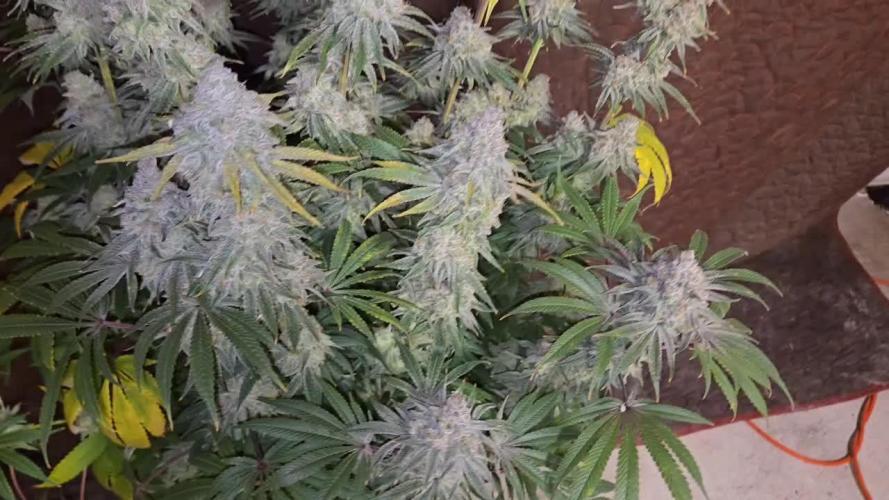
Absolutely loven this F1 Series
Killer my friends top shelf
Until Next Time
HAPPY GROWING

Likes
13
Share


@TrueNorth
Follow
-Strain: Cream Cookies - Fast Buds
-Tent: 5x5 Gorilla Grow Tent
-Lights: Budget LED Grow Lights 2 x 250 Watt
LED Full Spec/Red Spec mixed boards
-Light Cycle: 18/6
-Soil: Fox Farm
-Air Circulation: AC Infinity Cloudline T4 Inline Duct Fan
WECLOME BACK GROWMIES! Week 7 here with our CREAM COOKIES by Fast Buds!!
January 05, 2020 (DAY 43) - Here we are growmies week 7 and she is in full blown flower mode! i am so excited!!!!! I REALLY hope these purples come out! she has tons of tiny pistils and stacking everywhere, sooo seeing that she has been fed a FULL meal with Bud Ignitor, Bud Candy, Rhino Skin with its regular 3 part PH perfect feed by Advanced Nutrients. i cant wait to see it explode from the one feeding, WELL until the next update folks! Stay safe! with love growmies!
January 07, 2020 (DAY 45) - Here we have our wonderful CREAM COOKIES finally exploding! we have new growth everywhere and bud sites all over the place. there are purple pistils all over the nug sites. i am going to have to perform a defol soon, keep those bud sites nice and clean!
January 09, 2020 (DAY 47) - WHAT UP GROWMIES! here we are day 47 and she has taken the defoliation like a champion!!! she bounced right back and she is excelling. she had 4L of water mixed with Bud Ignitor, Bud Candy, Rhino Skin with its regular 3 part PH perfect feed by Advanced Nutrients. she is such a thirsty one. jeeeez.
January 11, 2020 (DAY 49) - The end of our first week of flowering growmies, AND WHAT A WEEK! she is just exploding with bud sites everywhere and thc production has begun on the lower buds! she drinks so much its insane literally 3L a day no problem dried out by the next day. until next week growmies! love yall
Likes
Comments
Share

@_izZzi_
Follow
Been looking for a solid daytime strain for a long time, and I think I’ve finally found my zen.
And it’s insanely tasty!
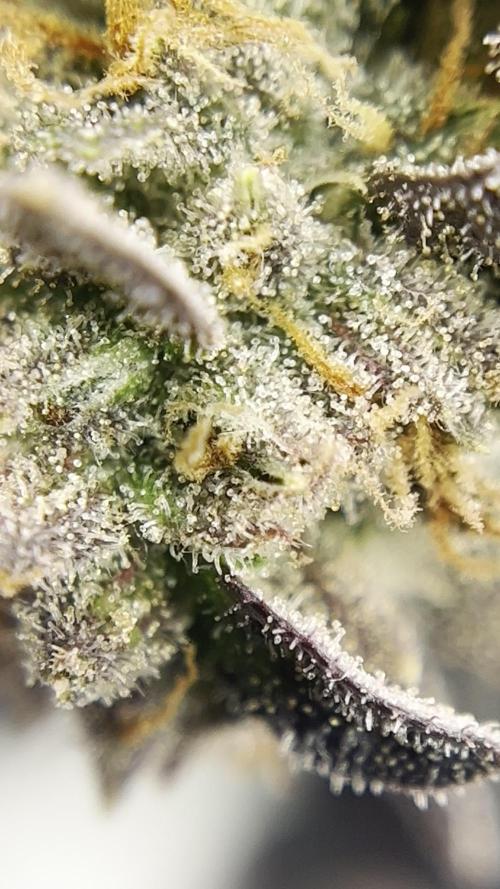
Flavor — cream, caramel, juicy citrus and fruit. Sweet and sour, thick, dense, full-on dessert bouquet.
Effect — euphoria, body lightness, nice tactile enhancement. Not even a hint of anxiety or paranoia 👍 Clear head and great productivity.
During the first tests, toward the end, I’d get heavy yawning and it would knock me out to sleep — which didn’t make me too happy, since I was looking for a proper daytime work stim without a siesta at the end of the trip 😁 But after several sessions, that sleepy effect fades, which is definitely good news.
Huge thanks to Сhef for such an amazing 10‑star Michelin dessert!


Likes
99
Share


@Natrona
Follow
2025 Plagron / Zamnesia Eternity Grow Runtz Auto
Week 11 Flower 7
Runtz Automatic is in her last week; March 17 had her wet trim and was put in the dark for 2 days before getting the chop on March 20.
Runtz fade and nutrient usage apparent in the leaves combined with a check of her trichomes were an indication of readiness. The older pistils are turning orange brown and water consumption is slowing down.
Many leaves were fully yellow and fell off when I touched them. Her leaves look pretty with lime greens, pinky purples in the bud formation. The buds are dense and covered in trichomes supported nicely with her stems. Through the microscope, the trichomes are mostly milky with some amber as well.
She was harvested on day 74 from germination. As part of the flushing process, I topped the pot with ice, then watered with ph 6.5-6.7 water for 3 days. Then I put Runtz Auto in the dark for 2 days still in her pot. She will hang to dry in a darkened room. Temps are 71-72and 50% humidity.
This week the gals were fed on March 17 & 19. Pics were taken on the 17th.
Bloom Juice 120 ml
Royal Rush 0 ml
Power bud 15 ml
Green sensation
15ml
Cal Mag
20ml
Recharge 5ml
Ppm ranged from 676-777
Ph 6.5
Temp 68
Your likes and comments are appreciated. Thanks for stopping by.
Growers love 💚🌿
💫Natrona💫
Likes
55
Share


@Max1973
Follow
Well, this was a interesting first journey.... the buds finished drying today, 5 days drying, added pics and vids.
Just curing to go.... ah nice buds :)
Edit: i forgot to mention i went over the buds when i harvested them, and checked / removed any impurities, like
gnats caught in the sticky bud.... picked em clean with tweezers... 👍
Edit: needed to air/dry out the buds abit more, and get some Boveda Humidipak for curing.... it's looking good...
i'll update with some pics of trimmed, cured buds 😎
The buds turned out beautiful, pungent, pine, berry, citrusy, daytime, medical..... this has theoretical 1:1 - 21% THC, 19% CBD, so it's not going to give u a knockout high.... its medical grade 1:1 ....... side effects - happy, relaxed.
haha :)
I weighed it dry and came up with about 123.32g (4.35oz) ... i used abit of guesswork in the weight, not to concerned with weight, as to
quality.... (that weight is with the test buds added in, +-15g.) .... you can guess the weight from the pics and vids, haha
I really enjoyed growing this.... i found the website by looking up the seeds, decided to start a grow diary,
it's my first grow, i made alot of mistakes and growdiaries really helped alot, joined a chat group with some other really good growers.
Edit - Day 111 - added vid/pic, Been curing for a week, burp and roll em abit twice a day....... smell and taste nicer each day, 👍
Edit - Day 112 - added good vid of trimmed up test bud, beautiful ......
I hope You enjoyed the Diary..... Good Buds 😎
Likes
5
Share

@CalGonJim
Follow
9/15 12AM MONDAY!!! THEY ARE ALL DOING GREAT!!! VERY HEAVY AMINOS YESTERDAY, NO DAMAGE.
9/15 11:24PM. In plant cells, glutathione S-transferases (GSTs) act as transporters, facilitating the movement of anthocyanins from the endoplasmic reticulum (ER) to the vacuole for storage, though their exact mechanism is still being studied. The synthesis of glutathione (GSH) itself occurs in the cytosol of mammalian cells through two ATP-requiring enzymatic steps, while anthocyanins are synthesized via a separate phenylpropanoid pathway
9/15 11:42PM glutathione metabolism glutathione S-transferases plantsThinkingKicking off 5 searchesLooking at 71 sitesPutting it all together In plants, glutathione S-transferases (GSTs) are a diverse family of enzymes integral to glutathione (GSH) metabolism, primarily functioning in detoxification and stress response. The core of this process involves GSTs catalyzing the conjugation of the tripeptide GSH with various toxic compounds, or xenobiotics, making them less harmful and easier to sequester or transport. Glutathione (GSH) metabolism in plants GSH metabolism is a tightly regulated process that maintains cellular redox balance and protects against stress. Biosynthesis: GSH is synthesized in two adenosine triphosphate (ATP)-dependent steps:(gamma )-Glutamylcysteine synthetase (GSH1) joins L-glutamate and L-cysteine to form (gamma )-glutamylcysteine. In Arabidopsis, this enzyme is located exclusively in the chloroplasts.Glutathione synthetase (GSH2) adds glycine to (gamma )-glutamylcysteine to produce GSH. This enzyme is found in both the cytosol and the chloroplasts.Oxidation and reduction: GSH exists in two forms: a reduced monomer (GSH) and an oxidized disulfide dimer (GSSG).Oxidation: In the process of scavenging reactive oxygen species (ROS), GSH is oxidized to GSSG.Reduction: Glutathione reductase (GR) uses NADPH to reduce GSSG back into active GSH, which is essential for maintaining a high GSH-to-GSSG ratio inside the cell.Degradation: Glutathione can be degraded in the cytosol, apoplast, and vacuoles by (gamma )-glutamyltransferases (GGTs) and other peptidases, allowing for recycling of its amino acid components.Transport and compartmentalization: While synthesis occurs in the chloroplasts and cytosol, transporters move GSH and its conjugates throughout the cell, including to the mitochondria, peroxisomes, and vacuoles. Functions of glutathione S-transferases (GSTs) GSTs are a large, ancient gene family with diverse roles that extend beyond detoxification. The primary functions involving GSH are: Detoxification of xenobiotics and heavy metals: GSTs catalyze the conjugation of the thiol group of GSH to a wide range of electrophilic and hydrophobic substrates, including herbicides, pesticides, and heavy metals. The resulting GSH-conjugates are then recognized by ATP-binding cassette (ABC) transporters and sequestered in the vacuole, reducing their cellular toxicity.Protection from oxidative stress: Stress conditions like drought, salinity, and high light increase levels of ROS, which cause lipid peroxidation. 🚨Some GST isoforms have glutathione peroxidase (GPOX) activity, using GSH to reduce toxic lipid hydroperoxides to less damaging alcohols, thereby protecting cell membranes.Defense against pathogens: During pathogen attacks, GST activity increases to detoxify microbial toxins and secondary defense-related compounds. This helps to bolster the plant's resistance response.Metabolism of endogenous compounds: GSTs play roles beyond immediate stress response by participating in the normal metabolic processes of plants. Examples include:Hormone transport: Some GSTs act as binding proteins (ligandins) that transport plant hormones like auxins within the cell.Metabolite transport: Specific GSTs facilitate the transport of important compounds like flavonoids and anthocyanin pigments into the vacuole.Tyrosine degradation: The zeta GST class (GSTZ) catalyzes a critical step in the breakdown of the amino acid tyrosine.Redox signaling: By influencing the GSH/GSSG ratio and interacting with plant hormones, GSTs can regulate cellular signaling pathways that control growth and stress response. 🚨GSTs and plant stress response The expression of many GST genes is highly inducible by various environmental and endogenous cues, making them key players in a plant's ability to adapt to adverse conditions. Abiotic stress: Drought, salinity, heavy metals, and extreme temperatures all trigger increased GST expression, which helps plants manage resulting oxidative damage. Overexpression of specific GST genes has been shown to enhance stress tolerance in transgenic plants.Herbicide resistance: The ability of crops and weeds to detoxify herbicides through GST-catalyzed conjugation is a well-studied example of GSTs in stress adaptation. Herbicide safeners, chemical agents that protect crops from herbicide injury, work by boosting the activity of these GST enzymes.Developmental processes: Studies have linked the expression of certain GST genes to specific stages of plant development, such as fruit ripening, root and stem development, and flower formation. ""
9/16 12:32am
AI Overview
In plants, phenylalanine is the precursor for anthocyanin synthesis, a process that involves a multistep pathway in which glutathione (GSH) plays a critical role in the transport of the final pigment to the cell vacuole.
Phenylalanine initiates anthocyanin synthesis
The biosynthesis of anthocyanins begins with the amino acid phenylalanine, which is produced via the shikimate pathway. The conversion process, known as the phenylpropanoid pathway, involves a series of enzymatic reactions:
1. Phenylalanine ammonia-lyase (PAL): This enzyme catalyzes the first committed step of the pathway, converting L-phenylalanine into trans-cinnamic acid.
2. Downstream enzymatic reactions: A series of additional enzymes, such as chalcone synthase and chalcone isomerase, convert the intermediate compounds into unstable anthocyanidins.
3. Glycosylation: Glycosyltransferase enzymes stabilize the anthocyanidins by adding sugar molecules, creating the final, stable anthocyanin pigments.
4.
Glutathione is crucial for anthocyanin transport
After synthesis, glutathione is essential for transporting anthocyanins for storage.
* Glutathione S-transferases (GSTs): These enzymes bind to the newly formed anthocyanins in the cytoplasm. This binding is a key step that facilitates the transport of the anthocyanin-GST complex across the tonoplast (the vacuolar membrane) and into the vacuole.
* Vacuolar storage: Once inside the vacuole, the anthocyanins accumulate and provide color to plant parts, such as flowers, fruits, and leaves.
* Catalytic role: Recent research has also found that certain GSTs have a catalytic role in anthocyanin synthesis. They can catalyze a dehydration step to form specific anthocyanidins, significantly boosting production in engineered systems.
*
The process in summary
The synthesis and accumulation of anthocyanins involve a coordinated process of multiple steps:
1. Production from phenylalanine: The amino acid phenylalanine enters the phenylpropanoid pathway, where enzymes convert it into the basic flavonoid structures.
2. Formation of anthocyanidins: Further enzymatic modifications produce the colored but unstable anthocyanidins.
3. Stabilization and transport with glutathione: These anthocyanidins are stabilized by glycosylation and then bound by GSTs (which use glutathione). This binding enables their transport into the vacuole for storage and visible pigmentation.
9/15 12:46AM https://pmc.ncbi.nlm.nih.gov/articles/PMC7238016/
9/16 1:30AM BKO is looking great!!!
Conclusion
The “butter frosting” resin on Cookie Apple F1, healthy yellow-green fusiform, and Blueberry KO’s pigmented cotyledons show your anthocyanin-glutathione-phenylalanine strategy is working—phenylalanine drives synthesis, glutathione ensures transport. Tweak amino acids to 100–150 mg/L to reduce tip burn.
9/16 3:34am
9/16 4:31AM Anthocyanin glutathione synthesis phenylalanine proline tmg powder relating current project:
* Phenylalanine is a precursor: Phenylalanine is an amino acid and the starting point for the phenylpropanoid pathway in plants.
* Anthocyanin synthesis: This pathway creates various secondary metabolites, including the flavonoid pigments known as anthocyanins, which give plants their red, purple, and blue colors.
* Pathway activation: Multiple enzymes, such as phenylalanine ammonia-lyase (PAL), catalyze the conversion of phenylalanine into the building blocks for anthocyanin.
*
Anthocyanin and glutathione synthesis
* Glutathione S-transferase (GST): This enzyme is crucial for synthesizing anthocyanins in plants. It transports anthocyanins into the cell's vacuole for storage.
* Glutathione (GSH) production: Anthocyanins can promote glutathione synthesis in certain cells. For instance, the anthocyanin cyanidin-3-O-β-glucoside (C3G) has been shown to increase the expression of glutamate-cysteine ligase (Gclc), a key enzyme in GSH synthesis.
* Antioxidant effect: By upregulating GSH production, anthocyanins contribute to the antioxidant defense system, protecting cells from oxidative stress.
*
Proline and glutathione synthesis
* Shared precursor: In some organisms, the synthesis pathways for proline and glutathione share a precursor molecule called γ-glutamyl phosphate.
* Alternative pathway: Research on bacteria and yeast has revealed an alternative, trace pathway where γ-glutamyl phosphate from the proline synthesis pathway can be diverted to produce the glutathione precursor γ-glutamylcysteine.
* Oxidative stress response: Studies in mouse oocytes show that supplementing with proline upregulates genes related to glutathione synthesis (Gclc and Gclm), increases glutathione levels, and reduces oxidative stress.
*
TMG powder, methylation, and homocysteine
* Methyl donor: Trimethylglycine (TMG), or betaine, is a potent methyl donor, meaning it provides methyl groups needed for various biochemical processes in the body, including the methylation cycle.
* Homocysteine regulation: One of TMG's primary functions is to convert the amino acid homocysteine into methionine. This helps regulate homocysteine levels, which is important for cardiovascular health.
* TMG and proline interaction: In plants and some organisms, TMG and proline act as compatible solutes or osmoprotectants, helping cells stabilize against osmotic stress like drought or salinity. However, in human biology, TMG mainly functions through methylation, while proline is involved in different metabolic and antioxidant roles.
*
How they all relate
The listed components are connected through several overlapping metabolic and regulatory pathways:
* Anthocyanin synthesis starts with phenylalanine.
* Anthocyanins can promote glutathione synthesis via upregulation of key enzymes like Gclc.
* Glutathione synthesis can be influenced by the proline synthesis pathway, as they share an intermediate in some contexts.
* TMG powder supports the methylation cycle, which helps regulate homocysteine levels. While TMG and proline serve similar protective roles in some organisms, their primary human metabolic functions differ, with TMG focusing on methylation and proline having distinct roles in antioxidant response and metabolism
9/17 217am Die Hard Christmas Grow
9/18, 11:34 AM. I ordered some square saucers that were cartoonishly too small but they fit inside the AC infinity germination kit and they fit with the Bud Cups perfectly really nice so it’s not a total loss.
9/18 11:45AM mix. Foliar Spray, the rest of the mix ec 0.46
Mixed up Aminos first and separate and use 16 oz for foliar spray. Then mixed up:
Root: 1 mL/L Connoisseur A & B GROW,
.2 mL/L CaliMagic,
.2 mL/L Purpinator.
Setria Glutathione: 150 mg/L(Brand: Emerald 250mg capsule.)
TMG: 150 mg/L = (Brand Nutricost)
Phenylalanine: 150 mg/L (Brand Nutricost)
Proline: 150 mg/L (Brand Nutricost).
9/18 228PM AI Overview
Glutathione influences plant colors by regulating the accumulation of pigmented compounds, primarily anthocyanins. The tripeptide accomplishes this through its role in transporting pigments within plant cells and in protecting against environmental stresses like UV radiation that can cause oxidative damage.
Transporting pigments into plant cell vacuoles
Glutathione works with a class of enzymes called Glutathione S-transferases (GSTs) to transport pigments like anthocyanins into the vacuole for storage.
Anthocyanin transport: In plants with pigmented tissues, such as purple grapes or red flowers, glutathione-conjugated pigments are transported by GSTs across the tonoplast membrane into the vacuole. This process is crucial for the stable accumulation of pigments.
Genetic manipulation: Research shows that manipulating specific GST genes can alter a plant's pigmentation. For instance, silencing a particular GST gene in purple grape hyacinths caused their petal color to shift to a lighter shade of purple. Similarly, defective GST genes in carnations resulted in pale-colored flowers.
Protecting against UV light and stress
Glutathione helps regulate plant pigmentation in response to environmental factors, especially UV-B radiation.
Activating flavonoid production: When plants are exposed to UV light, a surge in glutathione triggers the expression of genes involved in producing flavonoids. Flavonoids, including anthocyanins, can act as protective sunscreens for the plant, and their increased synthesis and accumulation can alter visible coloration.
Balancing oxidative stress: Intense UV-B radiation increases reactive oxygen species (ROS) in plants, which can cause oxidative damage. Glutathione is a master antioxidant that helps detoxify these ROS, preventing cellular damage that can affect a plant's pigment-producing mechanisms.
Indirectly influencing plant colors
By regulating cellular redox status and interacting with other molecules, glutathione also affects pigment expression in more indirect ways.
The xanthophyll cycle: As part of a plant's antioxidant system, glutathione helps maintain the reduced state of other protective antioxidants like tocopherol and zeaxanthin. Zeaxanthin is a carotenoid pigment involved in the xanthophyll cycle, which helps dissipate excess light energy.
Redox signaling: The balance between reduced glutathione (GSH) and oxidized glutathione (GSSG) is a key cellular signal for stress response. A shift in this ratio during environmental stress can influence the production of secondary metabolites like pigments, allowing the plant to adapt. "
9/19 1:41AM AI Overview
The key difference is that anthocyanins are the sugar-containing form (glycosides) of pigments, while anthocyanidins are the sugar-free form (aglycones). Anthocyanidins are the foundational molecules, and when a sugar molecule attaches to them, they become anthocyanins, which are more stable and water-soluble, making them the forms found naturally in plants, such as berries and purple vegetables.
Anthocyanidin (Aglycone)
Structure: The basic, sugar-free molecule of the anthocyanin structure.
Location: Not found freely in nature but is the core component that is then glycosylated.
Properties: Color changes with pH, being visible in acidic conditions but colorless in basic conditions.
Examples: Cyanidin, delphinidin, pelargonidin, peonidin, petunidin, and malvidin.
Anthocyanin (Glycoside)
Structure: Consists of an anthocyanidin linked to one or more sugar molecules.
Location: Found in the vacuoles of plant cells.
Properties: Water-soluble and are the pigments responsible for the red, purple, and blue colors in plants.
Function: The sugar attached provides stability, allowing for accumulation in plants and providing antioxidant properties.
Examples: Cyanidin-3-glucoside and other derivatives like acylated anthocyanins. "
9/19 2:43AM I also saw a good mans immediate accent into Heaven, that perspective matters too. no less angry about it though.
9/19 10AM Heavy Amino spray 250mg each in 1L of Setria Glutathione and Phenylalanine
9/19 10:10PM The sons and daughters of americas real terror organization carried out the last horror show, and the one before that and before that. It's not a foreign country, it's always the anti white anti human black sheets and badges that did this.
9/19 10:43PM AI Overview
Phenylalanine and glutathione contribute to plant colors through different biochemical pathways
. Phenylalanine is a precursor for the pigments themselves, primarily anthocyanins, while glutathione is involved in the transport and stabilization of these pigments within the plant cell.
Phenylalanine: The pigment precursor
The source of aromatic compounds: Phenylalanine is an aromatic amino acid and the starting compound for the phenylpropanoid pathway in plants. This pathway produces a vast number of secondary metabolites, including anthocyanins, which give many plants their red, purple, and blue colors.
Color enhancement: Research has shown that increasing the amount of available phenylalanine can lead to more intense red coloration in some fruits, such as mangoes and apples.
Pathway stimulation: Phenylalanine ammonia-lyase (PAL) is a key enzyme in this pathway that converts phenylalanine into precursors for anthocyanin biosynthesis. An increase in phenylalanine levels stimulates this entire process.
Glutathione: The pigment transporter
Anthocyanin transport: After anthocyanin pigments are synthesized in the cell's cytoplasm, they must be transported into the central vacuole for storage. Glutathione S-transferases (GSTs) are a family of enzymes that facilitate this process.
Color intensity: A functional GST is essential for proper anthocyanin accumulation. Mutations in GST genes can result in a significant decrease in color intensity, as seen in the pale or white flowers of certain gentian mutants.
Mechanism of action: The GST binds to the anthocyanin pigment and moves it from the cytoplasm into the vacuole. If the GST is defective, the pigment cannot be transported correctly, leading to a loss of coloration.
Summary of interactions
The roles of phenylalanine and glutathione are distinct but cooperative in producing plant colors:
Phenylalanine provides the essential building blocks for creating the colored compounds (anthocyanins).
Glutathione, with the help of GSTs, ensures these colored compounds are correctly moved to their storage location (the vacuole).
This cooperative system explains why mutations or deficiencies in either process can lead to reduced or altered coloration in plants."
9/19 10:51PM AI Overview.
Trimethylglycine (TMG) supports the production of glutathione, a vital antioxidant
. However, there is no evidence to suggest a direct relationship between these supplements, the amino acid phenylalanine, and the colors of plants. The concepts are linked indirectly via complex biological processes.
Trimethylglycine (TMG) and glutathione
TMG and glutathione are connected through the body's methylation cycle.
TMG as a methyl donor: TMG plays a critical role in the methylation process by donating a methyl group, which helps convert the harmful amino acid homocysteine back into methionine.
Support for glutathione production: This methylation cycle, which is supported by TMG, is essential for producing glutathione. Glutathione is a powerful antioxidant that protects against cellular damage and is crucial for detoxification.
Supplementation considerations: TMG supplements are sometimes taken alongside other supplements to support health, though consultation with a healthcare provider is recommended.
Phenylalanine and the methylation cycle
Phenylalanine is an essential amino acid, but its role is distinct from the TMG-glutathione process.
Essential nutrient: Phenylalanine is a key nutrient for cellular metabolism.
Potential interactions: A separate medical study on experimental hyperphenylalaninemia (abnormally high phenylalanine levels) in chicks observed a decrease in other amino acids in the brain, including those involved in the glutathione pathway. This demonstrates how excessive levels of one amino acid can potentially influence others, though this does not represent a typical interaction.
Plant colors
The connection between the supplements and plant colors is purely conceptual, as the colors are determined by completely different biological processes.
Anthocyanins: The colors of many plants, including red, purple, and blue flowers, come from pigments called anthocyanins.
Glutathione in plants: While plants contain glutathione as an antioxidant to combat stress, it influences color by regulating the transport and accumulation of anthocyanin pigments, not by being a pigment itself.
TMG and phenylalanine in plants: Plants contain TMG, which functions as an osmoprotectant (protecting against osmotic stress). They also contain phenylalanine, but these substances do not directly determine the plant's visible color."
9/19 11:21PM. !!!!!! this was pointless and im dumber for having read it. !!! Light intensity and spectrum affect metabolism of glutathione and amino acids at transcriptional level: https://pmc.ncbi.nlm.nih.gov/articles/PMC6938384/
9/20 11:08 AM the seedlings and the four autos are doing just great. The amino spray with phenylene and glutathione really had nice effects no burning nice solid growth even seedlings from basil lavender various lettuce all are perfect.🚨🚨🚨👍👍👍👍👍
9/21 2AM I AM BECOME ANTHOCYANID!!! ITS WORKING AND ON A SEEDLING I SEE THE GELATO COLLORS IN BLUEBERRY KO AND THE LEAF SHAPE OF BUBBLES BLUEBERRY,!!!


Likes
13
Share


@YOUNGSTERBR
Follow
exagerei na rega até o meio da semana, deixei 4 dias sem rega e recuperaram, umas pelo estresse começaram mostrar défice de fósforo, fiz uma cobertura com torta de mamona, farinha de ossos, esterco de aves, humus de minhoca e calcário.
Qual foto colocariam de capa dessa semana?

Likes
10
Share


@indoorontario
Follow
Week 1-3 250watt metal halide
Week 4-13 250 watt hps
5 gallon living soil in fabric pot
Red clover living green mulch
Alfalfa sprouted seed tea (seedling stage)
Spinach fermented plant juice ( during vegetative)
Calcium phosphate from charred bones ( added during transition to flower)
Lacto bacillus (once every 4 weeks)
Fermented fish amino acids (during early flower)
Top dressed with gaia green powerbloom. (Early flower)
I decided to top this plant really last minute 10 days in to flower( yeah I know, probably not the best idea) and it didn't even phase this girl at all.
What I learned this grow:
Some plants smell more than others( by a lot). Use a filter even when venting outside.
The Green mulch was nice until I wanted to top dress. Need to find another form of mulch that I can move.
Lay off all the additives a bit. Not sure if any of the things I added really did anything but I like to experiment, and she took it well.
I will definately be growing this sexy little plant again💚

Likes
44
Share


@TheMachinist
Follow
*****New time lapse Day 25-88*****
Mar 4, 2018:
Did lots of staking and tying, after my removal of overcrowding fan leaves had many colas falling over.
...
Mar 2, 2018:
Gonna have to spend some time staking the smaller stalks, the larger colas are doing ok as their stalks are thicker. Underestimated how the stretch effected stability, have near 2' of just stalk below the canopy, could be genetics could be I had the light too high.
...
Feb 29, Mar 1, 2018:
Nothing new, more watering more swelling. Main cola's are approaching the size of soda can and some as large as a pint glass!
...
Feb 26,27,28; 2018:
Been a few days, Been out of town and am finally uploading the start of week 13. Feb 28 marks the end of week 6 of flowering. Due to my seeding issue the garden will probably go long on flowering, I'm guessing at least 3 weeks left, I'm still seeing all clear trichomes and the first batch of seeds are ripening so hopefully the pistils that the buds are now starting to produce will be the start end of flowering. Might try reducing the light from 12/12 to 11-11.5 light/12.5-13 dark to help signal the end of the season. Upon inspection of sample buds it seems seeding might be less than initially thought.
....
If anyone has experience harvesting seeded bud please sound off in the comments, from what I've read the timeframe for seeded buds tends to run long, I'm not all that interested in harvesting the seeds, but I want the buds to develop to their full potential
Likes
14
Share


@TOMI08
Follow
Sziasztok
40.nap
Jól reagálnak a hajlításra a lányok
Esővizet kapnak..
A tápanyag amit rendeltem meg nem jött meg...
Wuxal supert használok etetni szeretik nagyon

Likes
68
Share


@themartian911
Follow
hello guys it's the 3 last week approximately and i go to put the maximal dosage of my flowering fertilizer today.
we can see that the buds have already swell well 😀👍

Likes
68
Share


@Ferenc
Follow
Day 36, 22nd of October 2020:
Hi there! All cool she is going crazy....
After the 2 videos the first pictures before topping. I have topped her 6x.... 6 branches and the rest pictures shows her after... pretty nice little lady thirsty and growing rapidly. I tried to do more LST also to spread the branches.
Everything ontomues the same way fertilization and all the things.
Happy Growing.
Likes
18
Share


@AlienScrOG
Follow
Now i have found the wrong week 19... In this so much H2O2 and EC 2.3 ... Fail....now pump