


Likes
Comments
Share

@PapaTerps
Follow
Permanent Marker - Seed Junky
Week 2 of Bloom
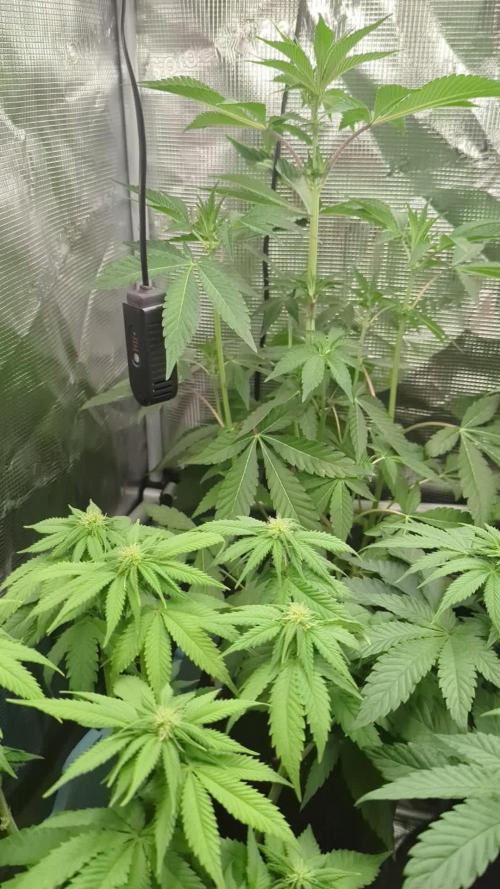
🌸 Great week for the Permanent Marker, she completed her stretch and is nice a tall with some good looking side stems! She is now working hard on developing her budsites! No signs of deficiencies or ailments 🤞🏻
✂️ I've removed all fan leaves stems and budsites below the canopy, to prevent any deasese mould or herming from happening. I will try to leave her now for a few weeks so she can focus on developing her flower.
💧 Watered every three days this week, with 2L of RO water, with nutrients mixed individually, in order and then finally, I pH'd the solution to 6.3. I've increased her nutrients once again to keep up with her demands.
💡 PPFD: ~680
♒ VPD: 1.08kPa
🌱 Days from seed: 46
🌸 Days in Bloom: 17

Likes
22
Share


@bypado_farm
Follow
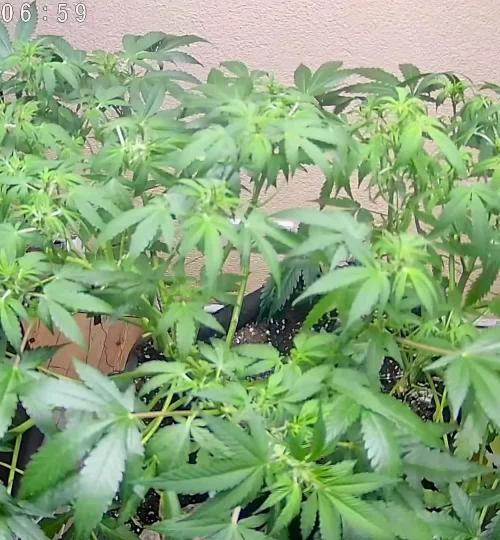
Day 11:
Watered each plant with 0.1l with nuts
465 ppm, 987 us/cm, 0.9 EC
Lights at 35%
The strawberry banana seedlings was very late in coming out of the ground, I had to give the helmet a hand to get it out, through 2 or 3 drops of water. One of the seeds is not good, it grew poorly, I put a Gorilla Cookies to replace it, also from fadtbuds. Let's see how it goes
Day 12:
The strawberry bananas are recovering well, one of the seeds is starting to get normal leafs, sounds perfect
Day 13:
Watered each plant with 0.25L with nuts
480 ppm, 1027 us/cm, 1 EC
Lights at 50%
Day 16:
Watered each plant with 0.3L with nuts
668 ppm, 1423 us/cm, 1.4 EC
Performed foliar callmag while the lights were off



Likes
16
Share


@Max1973
Follow
7 days exactly... 3 of the seeds made it.... all 3 look good....
just seed raising soil mixed with perlite, inside jiffy pots that break down in 2-6 weeks...
just normal tap water atm, and i'll water them less now, let them dry out abit...
Day 8 - pics/vid.... Had a look under the jiffy's, all 3 had 1-3 cm roots poking out, they went straight thru the jiffy like it was not even there..... (pic - Day 8 - Root straight thru all 3 pots.).... so, went into emergency repotting day... lol.......
i don't want the roots restricted or damaged in any way,
so, got what pots and soil i had, and put em in, (2 x 13.5 lt pot, and 1 x 7.7 lt).
Day 9 - some pics, bought a new tent (wait delivery), just got em under afew 6400k led's atm .... they seem happy..... 👍
😎
Likes
11
Share


@UrbanBoer
Follow
27 weeks in and she decides to reveg, I never could of expected that Lamb’s Breath would be harvested before Monday’s Blue, and Blue is looking so delicious and the smell, dam… the only thing I am loving is the thickness of the bud and it’s still growing, talk about good news.
Likes
34
Share


@HomeGrowHeaven
Follow
First day in 12/12 cycle💡 for the ladies after 44 days in veg💪🏻😊🌱🍀
The compost tea is still brewing nicely and will finally be used in the next 1-2 hours, after about 24 hours of brewing

Likes
19
Share


@Ultraviolet
Follow
Yellow butterfly came to see me the other day; that was nice.
Starting to show signs of stress on the odd leaf, localized isolated blips, blemishes, who said growing up was going to be easy!
Smaller leaves have less surface area for stomata to occupy, so the stomata are packed more densely to maintain adequate gas exchange. Smaller leaves might have higher stomatal density to compensate for their smaller size, potentially maximizing carbon uptake and minimizing water loss. Environmental conditions like light intensity and water availability can influence stomatal density, and these factors can affect leaf size as well. Leaf development involves cell division and expansion, and stomatal differentiation is sensitive to these processes. In essence, the smaller leaf size can lead to a higher stomatal density due to the constraints of available space and the need to optimize gas exchange for photosynthesis and transpiration. In the long term, UV-B radiation can lead to more complex changes in stomatal morphology, including effects on both stomatal density and size, potentially impacting carbon sequestration and water use. In essence, UV-B can be a double-edged sword for stomata: It can induce stomatal closure and potentially reduce stomatal size, but it may also trigger an increase in stomatal density as a compensatory mechanism. It is generally more efficient for gas exchange to have smaller leaves with a higher stomatal density, rather than large leaves with lower stomatal density. This is because smaller stomata can facilitate faster gas exchange due to shorter diffusion pathways, even though they may have the same total pore area as fewer, larger stomata. Leaf size tends to decrease in colder climates to reduce heat loss, while larger leaves are more common in warmer, humid environments. Plants in arid regions often develop smaller leaves with a thicker cuticle and/or hairs to minimize water loss through transpiration. Conversely, plants in wet environments may have larger leaves and drip tips to facilitate water runoff. Leaf size and shape can vary based on light availability. For example, leaves in shaded areas may be larger and thinner to maximize light absorption. Leaf mass per area (LMA) can be higher in stressful environments with limited nutrients, indicating a greater investment in structural components for protection and critical resource conservation. Wind speed, humidity, and soil conditions can also influence leaf morphology, leading to variations in leaf shape, size, and surface characteristics. Small leaves: Reduce water loss in arid or cold climates.
Environmental conditions significantly affect gene expression in plants. Plants are sessile organisms, meaning they cannot move to escape unfavorable conditions, so they rely on gene expression to adapt to their surroundings. Environmental factors like light, temperature, water, and nutrient availability can trigger changes in gene expression, allowing plants to respond to and survive in diverse environments.
Depending on the environment a young seedling encounters, the developmental program following seed germination could be skotomorphogenesis in the dark or photomorphogenesis in the light. Light signals are interpreted by a repertoire of photoreceptors followed by sophisticated gene expression networks, eventually resulting in developmental changes. The expression and functions of photoreceptors and key signaling molecules are highly coordinated and regulated at multiple levels of the central dogma in molecular biology. Light activates gene expression through the actions of positive transcriptional regulators and the relaxation of chromatin by histone acetylation. Small regulatory RNAs help attenuate the expression of light-responsive genes. Alternative splicing, protein phosphorylation/dephosphorylation, the formation of diverse transcriptional complexes, and selective protein degradation all contribute to proteome diversity and change the functions of individual proteins.
Photomorphogenesis, the light-driven developmental changes in plants, significantly impacts gene expression. It involves a cascade of events where light signals, perceived by photoreceptors, trigger changes in gene expression patterns, ultimately leading to the development of a plant in response to its light environment.
Genes are expressed, not dictated! While having the potential to encode proteins, genes are not automatically and constantly active. Instead, their expression (the process of turning them into proteins) is carefully regulated by the cell, responding to internal and external signals. This means that genes can be "turned on" or "turned off," and the level of expression can be adjusted, depending on the cell's needs and the surrounding environment. In plants, genes are not simply "on" or "off" but rather their expression is carefully regulated based on various factors, including the cell type, developmental stage, and environmental conditions. This means that while all cells in a plant contain the same genetic information (the same genes), different cells will express different subsets of those genes at different times. This regulation is crucial for the proper functioning and development of the plant.
When a green plant is exposed to red light, much of the red light is absorbed, but some is also reflected back. The reflected red light, along with any blue light reflected from other parts of the plant, can be perceived by our eyes as purple.
Carotenoids absorb light in blue-green region of the visible spectrum, complementing chlorophyll's absorption in the red region. They safeguard the photosynthetic machinery from excessive light by activating singlet oxygen, an oxidant formed during photosynthesis. Carotenoids also quench triplet chlorophyll, which can negatively affect photosynthesis, and scavenge reactive oxygen species (ROS) that can damage cellular proteins. Additionally, carotenoid derivatives signal plant development and responses to environmental cues. They serve as precursors for the biosynthesis of phytohormones such as abscisic acid () and strigolactones (SLs). These pigments are responsible for the orange, red, and yellow hues of fruits and vegetables, while acting as free scavengers to protect plants during photosynthesis.
Singlet oxygen (¹O₂) is an electronically excited state of molecular oxygen (O₂). Singlet oxygen is produced as a byproduct during photosynthesis, primarily within the photosystem II (PSII) reaction center and light-harvesting antenna complex. This occurs when excess energy from excited chlorophyll molecules is transferred to molecular oxygen. While singlet oxygen can cause oxidative damage, plants have mechanisms to manage its production and mitigate its harmful effects.
Singlet oxygen (¹O₂) is considered a reactive oxygen species (ROS). It's a form of oxygen with higher energy and reactivity compared to the more common triplet oxygen found in its ground state. Singlet oxygen is generated both in biological systems, such as during photosynthesis in plants, and in cellular processes, and through chemical and photochemical reactions. While singlet oxygen is a ROS, it's important to note that it differs from other ROS like superoxide (O₂⁻), hydrogen peroxide (H₂O₂), and hydroxyl radicals (OH) in its formation, reactivity, and specific biological roles. Non-photochemical quenching (NPQ) protects plants from damage caused by reactive oxygen species (ROS) by dissipating excess light energy as heat. This process reduces the overexcitation of photosynthetic pigments, which can lead to the production of ROS, thus mitigating the potential for photodamage. Zeaxanthin, a carotenoid pigment, plays a crucial role in photoprotection in plants by both enhancing non-photochemical quenching (NPQ) and scavenging reactive oxygen species (ROS). In high-light conditions, zeaxanthin is synthesized from violaxanthin through the xanthophyll cycle, and this zeaxanthin then facilitates heat dissipation of excess light energy (NPQ) and quenches harmful ROS.
The Issue of Singlet Oxygen!!
ROS Formation: Blue light, with its higher energy photons, can promote the formation of reactive oxygen species (ROS), including singlet oxygen, within the plant.
Potential Damage: High levels of ROS can damage cellular components, including proteins, lipids, and DNA, potentially impacting plant health and productivity.
Balancing Act: A balanced spectrum of light, including both blue and red light, is crucial for mitigating the harmful effects of excessive blue light and promoting optimal plant growth and stress tolerance.
The Importance of Red Light:
Red light (especially far-red) can help to mitigate the negative effects of excessive blue light by:
Balancing the Photoreceptor Response: Red light can influence the activity of photoreceptors like phytochrome, which are involved in regulating plant responses to different light wavelengths.
Enhancing Antioxidant Production: Red and blue light can stimulate the production of antioxidants, which help to neutralize ROS and protect the plant from oxidative damage.
Optimizing Photosynthesis: Red light is efficiently used in photosynthesis, and its combination with blue light can lead to increased photosynthetic efficiency and biomass production.
In controlled environments like greenhouses and vertical farms, optimizing the ratio of blue and red light is a key strategy for promoting healthy plant growth and yield.
Understanding the interplay between blue light signaling, ROS production, and antioxidant defense mechanisms can inform breeding programs and biotechnological interventions aimed at improving plant stress resistance. In summary, while blue light is essential for plant development and photosynthesis, it's crucial to balance it with other light wavelengths, particularly red light, to prevent excessive ROS formation and promote overall plant health. Oxidative damage in plants occurs when there's an imbalance between the production of reactive oxygen species (ROS) and the plant's ability to neutralize them, leading to cellular damage. This imbalance, known as oxidative stress, can result from various environmental stressors, affecting plant growth, development, and overall productivity.
Causes of Oxidative Damage: Abiotic stresses: These include extreme temperatures (heat and cold), drought, salinity, heavy metal toxicity, and excessive light. Biotic stresses: Pathogen attacks and insect infestations can also trigger oxidative stress. Metabolic processes: Normal cellular activities, particularly in chloroplasts, mitochondria, and peroxisomes, can generate ROS as byproducts. Certain chlorophyll biosynthesis intermediates can produce singlet oxygen (1O2), a potent ROS, leading to oxidative damage. ROS can damage lipids (lipid peroxidation), proteins, carbohydrates, and nucleic acids (DNA). Oxidative stress can compromise the integrity of cell membranes, affecting their function and permeability. Oxidative damage can interfere with essential cellular functions, including photosynthesis, respiration, and signal transduction. In severe cases, oxidative stress can trigger programmed cell death (apoptosis). Oxidative damage can lead to stunted growth, reduced biomass, and lower crop yields.
Plants have evolved intricate antioxidant defense systems to counteract oxidative stress. These include: Enzymes like superoxide dismutase (SOD), catalase (CAT), and various peroxidases scavenge ROS and neutralize their damaging effects. Antioxidant molecules like glutathione, ascorbic acid (vitamin C), C60 fullerene, and carotenoids directly neutralize ROS. Developing plant varieties with gene expression focused on enhanced antioxidant capacity and stress tolerance is crucial. Optimizing irrigation, fertilization, and other management practices can help minimize stress and oxidative damage. Applying antioxidant compounds or elicitors can help plants cope with oxidative stress. Introducing genes for enhanced antioxidant enzymes or stress-related proteins over generations.
Phytohormones, also known as plant hormones, are a group of naturally occurring organic compounds that regulate plant growth, development, and various physiological processes. The five major classes of phytohormones are: auxins, gibberellins, cytokinins, ethylene, and abscisic acid. In addition to these, other phytohormones like brassinosteroids, jasmonates, and salicylates also play significant roles.
Here's a breakdown of the key phytohormones:
Auxins: Primarily involved in cell elongation, root initiation, and apical dominance.
Gibberellins: Promote stem elongation, seed germination, and flowering.
Cytokinins: Stimulate cell division and differentiation, and delay leaf senescence.
Ethylene: Regulates fruit ripening, leaf abscission, and senescence.
Abscisic acid (ABA): Plays a role in seed dormancy, stomatal closure, and stress responses.
Brassinosteroids: Involved in cell elongation, division, and stress responses.
Jasmonates: Regulate plant defense against pathogens and herbivores, as well as other processes.
Salicylic acid: Plays a role in plant defense against pathogens.
1. Red and Far-Red Light (Phytochromes):
Red light:
Primarily activates the phytochrome system, converting it to its active form (Pfr), which promotes processes like stem elongation and flowering.
Far-red light:
Inhibits the phytochrome system by converting the active Pfr form back to the inactive Pr form. This can trigger shade avoidance responses and inhibit germination.
Phytohormones:
Red and far-red light regulate phytohormones like auxin and gibberellins, which are involved in stem elongation and other growth processes.
2. Blue Light (Cryptochromes and Phototropins):
Blue light:
Activates cryptochromes and phototropins, which are involved in various processes like stomatal opening, seedling de-etiolation, and phototropism (growth towards light).
Phytohormones:
Blue light affects auxin levels, influencing stem growth, and also impacts other phytohormones involved in these processes.
Example:
Blue light can promote vegetative growth and can interact with red light to promote flowering.
3. UV-B Light (UV-B Receptors):
UV-B light:
Perceived by UVR8 receptors, it can affect plant growth and development and has roles in stress responses, like UV protection.
Phytohormones:
UV-B light can influence phytohormones involved in stress responses, potentially affecting growth and development.
4. Other Colors:
Green light:
Plants are generally less sensitive to green light, as chlorophyll reflects it.
Other wavelengths:
While less studied, other wavelengths can also influence plant growth and development through interactions with different photoreceptors and phytohormones.
Key Points:
Cross-Signaling:
Plants often experience a mix of light wavelengths, leading to complex interactions between different photoreceptors and phytohormones.
Species Variability:
The precise effects of light color on phytohormones can vary between different plant species.
Hormonal Interactions:
Phytohormones don't act in isolation; their interactions and interplay with other phytohormones and environmental signals are critical for plant responses.
The spectral ratio of light (the composition of different colors of light) significantly influences a plant's hormonal balance. Different wavelengths of light are perceived by specific photoreceptors in plants, which in turn regulate the production and activity of various plant hormones (phytohormones). These hormones then control a wide range of developmental processes.
Likes
10
Share


@Raizativa
Follow
Riego:
1ml Bio grow
1ml calmag
1ml Bio Heaven
0.5 Micorrizas colectivo científico
Se han ido ajustando los amarres de LST cada día por medio aprox.

Likes
Comments
Share


@Jbcultivates
Follow
The grow was smooth, employed some new techniques when growing and they performed well! Nice bush plants


Likes
85
Share


@Tropicannibis_Todd
Follow
Growing TWO Northern Lights Auto's by Canukseeds
Check out the full grow video on latest weekly update
Seeded in main tub...
Problem free , shows it's in full growing mode , adjusting lights when needed..... watered when needed
Rain Water to be used for entire grow
Both pheno's Looks great and are exploding each day ........

Likes
12
Share

@Bread_n_Buds
Follow
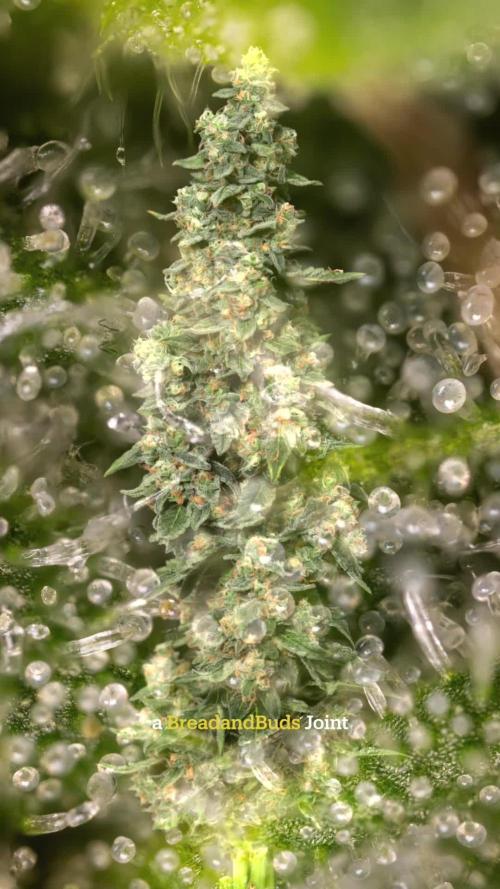
We have two Zamnesia Classic Skunk photoperiod plants: this beautiful one, also grown free-range, and the other, harvested the previous week. We've separated them for convenience and to distinguish them.
The main characteristic of these plants is excellent resin production, despite it being summer.
This plant was left to grow simply, and after 3-4 weeks of vegetative growth, we successfully entered flowering with a beautiful main cola, excellent peripheral buds, and above all, a superb amount of resinous honey.
It has beautiful, compact, and attractive flowers. The harvest looks to be around 80-100 grams. I'll let you know more about the scales.
The flowers, apart from a large main cola, are well-proportioned. Growth is clearly excellent thanks to a controlled PPFD. We're providing the right amount of light at every stage and are experiencing potency spikes thanks to Zamnesia.
PPFD - We achieve a PPFD of 800 μmol/m²/s (shorter plants) up to approximately 1250 μmol/m²/s, using CO2 to reduce clade formation and high-intensity lighting.
Measurements taken with Phantom Photobio https://photobio.com/
Lighting - The lamp used is the fantastic Zamnesia Phytonaut 480W LED, set at 85% to provide a good average PPFD for all plants, both those closer to 20 cm (1250 μmol/m²/s) and those around 40-50 cm (750-850 μmol/m²/s). The older plants were almost done, otherwise I would have double-potted them.
Z - https://www.zamnesia.io/en/14526-led-cultivation-lamp-phytonaut-480.html
The cultivation system is the Zamnesia Ecosystem, complete with a powerful and modern ventilation and extraction system, a very intuitive controller, the excellent lamp mentioned above, and a grow box made of elegant and refined fabric on the outside and the highest quality on the inside. The steel frame is unmatched on the market.
Z - https://www.zamnesia.io/en/531-growshop/799-grow-box-complete
Links may be local; Google the products if you have trouble using them.
Nutrients - We are in the final stages of using only water at the right pH, but the plant was grown with Plagron soil and basic nutrients (strictly organic) and plenty of additives, but with proper flushing.
All nutrients are available on the Zamnesia website. Also check out the living substrate and fantastic new product line from Zammi.
You can find this classic strain at the following link:
https://www.zamnesia.io/en/3316-zamnesia-seeds-classic-skunk-feminized.html
(Google it if the link doesn't work; it's a national link)
Zamnesia Description: When it comes to classic strains that have shaped the modern market, Skunk undoubtedly takes the top spot. It paved the way for countless hybrids and is still considered one of the most influential strains of all time. For this reason, we decided to preserve it as it is and offer our customers Classic Skunk. Classic Skunk by Zamnesia Seeds is the quintessential Skunk, pure and simple. We haven't deviated from the original in the slightest, because, let's face it, why would we change something that already works? The result is a potent, old-school Skunk with robust genetics.
The aromas and flavors of Skunk strains are so pungent that the term "skunky" has become an adjective in itself, often used to describe the aromas and flavors of other strains. And Classic Skunk is no exception!
Classic Skunk delivers powerful effects, both cerebral and physical. The mind is transported elsewhere, while aches, pains, and muscle tension are pushed away from the body. The effect is extremely powerful, so be careful. This is the perfect strain to enjoy at the end of the day, when you have little to do and just want to relax.
A word of warning: Skunk is a notoriously pungent strain, so keep that in mind if you plan to grow it. Install a good ventilation system to ensure maximum discretion.
Classic Skunk is just that: a true classic. If you want to try a reliable and proven strain that has stood the test of time, Classic Skunk is definitely the best choice. Try this old-school strain once and you'll never want to go back. Discover the true history of traditional genetics and you won't be disappointed.
Music //
www.radionula.com +
Frequencies 432 Hz // 532 Hz
www.zamnesia.com

Likes
67
Share


@GanjaReaper
Follow
Photos taken at Day 25:
They start to recover and grow again.
Sprayed them with Canna Cure to get more healthy leafs.
Removed the humidifier.
Lets hope they will grow for another week before they go into preflowering.
Thats it for now, new pictures and updates will follow within this week.
Stay tuned!
Update:
Day 28:
Canna cure did his thing. The leafs start to get greener again.
Also my feedings made them grow and recover again.
Removed some lower branches and leafs.
They are back in the race!


Processing
Likes
4
Share


@Hazeterpz
Follow
First week overall looking healthy and growing good besides 2 the wc wz bp and the oa mac
Likes
4
Share

@NSABND
Follow
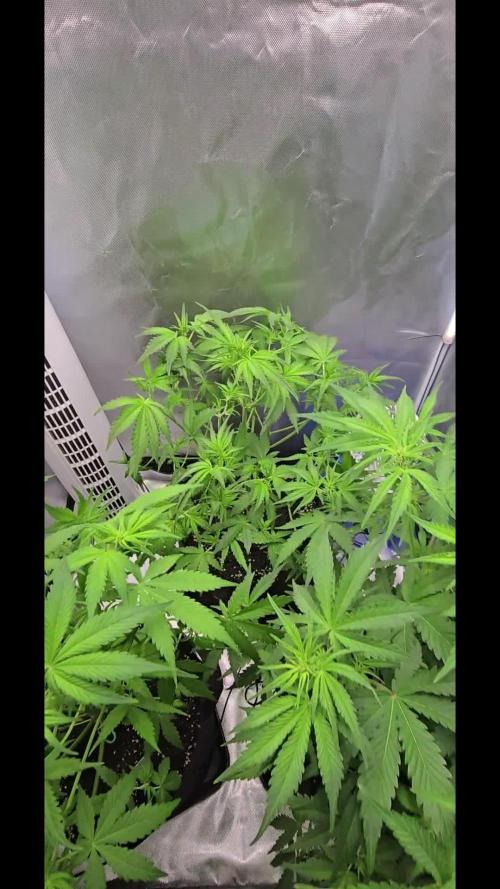
Welcome to Day 36 .... first Day of pre flowering 😍🙏👍
Day 37 .... massive leave cuttingto get space for the queens 😶🙏
Likes
6
Share

@CalGonJim
Follow
11/25 503AM Forgot to add Monday. DDA is done but I will keep her going because reviews take time ...SO here is a photo of the back of Christine soundtrack 1983 record. This was a Halloween grow but its now the Winter 25 to Spring 26 grow.
11/26 230am. 👍.
4am😈💡.
11/28 11am
11/29 10:04AM.... Recipe for disaster...Use tap water without letting it rest over night uncovered THEN use too much of a perfectly good organic like Tasty Terps to ruin the balance with non-organic nutrient mix /coco and damage the plants....Also, use too much Purpinator....its works great but I can not make it work right YET in my microsystem..... I thought I had it all figured out....but the LIGHTS WERE TOO BRIGHT. this is my first grow with Samsung LED's....88-93 Watts seems to be the safe range for flowering. at those watts they dont produce much heat , I dont have a light meter thats reliable I ll get this one from Amazon and do screen shots.


Likes
2
Share


@EyeMKing
Follow
As week 2 comes to an end 4 of the 5 have shown great growth 1 is behind (#5) but it also has a mutation and has a few 4 leafers on it. #3 is shorter and has wider leaves.

Likes
44
Share


@SooSan
Follow
12/12 + 68 jours
Vu qu’il y a 16 plantes mais que sur growdiaries on ne peut mettre que 8 variétés j'ai divisé en 2 diaries pour le bas de la tente
1️⃣
🏠 90x60x90
☀️ FC-E 4800 => puissance a 80%
🍁
1x Black Bomb / Philosopher Seed
2x Amnesia Lemon / PEV Seeds
1x Blueberry / PEV Seeds
1x Blueberry / 00 Seeds
1x Wappa / Paradise Seed
1x Dark Phoenix / Green House Seed
1x Quick Sherbet / Exotic Seeds
1x Mango Cream / Exotic Seeds
1x Banana Frosting / Sensi Seed
1x Hindu Kush / Sensi Seed
3x Fast Mix / Sweet Seed
📎 https://growdiaries.com/diaries/122084-grow-journal-by-soosan
📎https://growdiaries.com/diaries/124052-grow-journal-by-soosan
2️⃣
🏠 30x60x50
☀️TS1000 => puissance a 100%
🍁 4x Quick Sherbet - Exotic Seed
📎 https://growdiaries.com/diaries/122080-grow-journal-by-soosan


Likes
152
Share


@BioBuds
Follow
So.... after another week of balancing PH and food, came to conclusion that I have a Sulphur shortage. The purple lines on the stems, reddish hue on the leaves. The nutes in the bi grow and coco peat earth will have been depleted after 6 to 7 weeks so I started topdressing with crushed BAC tablets on the earth. I also made a leafspray with some epsom salt to remedy immediate sulphur depletion. Instantly the greens began returning. What a difference in just a couple of days.
The big one was cloned on the 4th of april and the small about 14th of april. On 5th of may i put them their new home. 7.5 weeks and 9 weeks to be correct... With this knowledge the smaller ones could go for another week...
The lushness greens are returning. The larger plant really wants to go and Im at a point now that with a couple of days Im gonna let her. The smaller ones will stretch a little too so lets hope it all fills the tent. The bigger plant is fighting for space with them so its time...
Companion plants im testing: catnip, red clover, calendula.
Cant wait for flowering and harvest!

Likes
58
Share


@GermanGrow182
Follow
Wetter war gut, nur einmal Regen, 3 fat banana sind im trockenraum, die anderen beiden kommen in den nächsten Tagen dazu.sind fast fertig. Die zz legen an buds zu, wie sie sollen, Nr.5 schon im fading... special queen macht sich langsam. Toppen war die richtige Entscheidung. Critical verzweigt sehr gut 👍. Lst funktioniert. Nächste Woche kommt der erste erntebericht... ich freu mich. Bis nächsten Freitag ✌️