


Likes
Comments
Share


@Wicked_Stix
Follow
Had to cull 2 plants this week. The strawberry haze x banana og was a male and the sour sorbet was a Hermie so they are gone. The remaining plants didn't take much time to fill out into the extra space they have. Been doing some defoliation but they need a lot more pretty soon. I have been spraying the sugarcane clones with colloidal silver and got all the clones out of the cloner and into soil. Hopefully will be getting some pollen in a couple weeks.


Likes
18
Share


@Stonyways
Follow
12 on 12 off, missing my girls... I spent about 35 mins tops with them during the week, and then I love giving them the attention they deserve on the weekends, what else is there to do when the worlds gone mad?
2nd grow on the "smart plug cycle" and the cost is so low..I am extremely happy with the SPIDER FARMER SF2000, but there's times I just want to plug in the 1000w to penetrate deep into the plants but the reasons for the LEDs is to grow some heady herbs for less. LEDs can get expensive but its just start up costs, after that you don't have to change bulbs and you don't notice the pull on the electric bill. WIN WIN
the ladies have been busy this week and producing which means i'll need to go in tomorrow and do a clean up.
happy growing!
...GOOD VIBES here!!!
HAPPY GROWING!!!!!
1/26/21 had to switch up watering today due to demands from the plants. This is where it gets tricky, 2 weeks left of feeding before flush and all I am trying to do is keep as many leaves possible to feed all those buds. I am usually just a big bud person but I recently purchased a hash machine and I know a couple old heads that still love bubble soooo...
THE SEED PHARM.... I will be going back very soon for more of this nice plant and something different.
THERE IS NEVER ENOUGH ROOM!!!
Likes
8
Share


@Roberts
Follow
Fast version B is doing good. She is just vegging along. She should be showing her maturity here in the coming weeks. Then we can get her to a flowering room when it's open. Thank you Dutch Passion, SSSC, Medic Grow, and Athena. 🤜🏻🤛🏻🌱🌱🌱
Thank you grow diaries community for the 👇likes👇, follows, comments, and subscriptions on my YouTube channel👇.
❄️🌱🍻 Happy Growing 🌱🌱🌱
https://youtube.com/channel/UCAhN7yRzWLpcaRHhMIQ7X4g.


Likes
10
Share


@I_Identify_As_A_Dan
Follow
Week 8 for White Widow by Greenhouseseedco,
Shes got her final topping to 16 mains 😬 Or will she get the 32 mains treatment.... 😎 Ill probably keep her at 16 tops but we'll see how stuff goes as she still has 2 months of veg ahead of her...
Have been fighting high humidity but atleast i still in veg😅 Will be buying a dehumidifier for flower time.

Likes
2
Share

@Guerrilla_grower777
Follow
27/08/2025 18:00
A lot of days passed from the last time,rain and storm for a full week with a little bit of sun
Unfortunately some boars found my spot and destroyed the barrier,another branch of the frostbanger,completely eat one of the Coco fresh and the other one was fallen apart i think she won't survive,even the apricot auto felt down with one side facing the soil,an absolute disaster
Wtf did i do wrong in my life 🤬
#1 gorilla z auto,she's going to fiinish soon 2 maybe 3 weeks,smell Is now strong less z terps now the gorilla odour Is coming trough so potent
Some pistils are turning brown and the resin Is so thick that i had difficult doing defoliaton
#2frostbanger auto,one full branch destroyed on this one i don't know how many grams will i have at the end,heavy defoliation as the buds are rock hard,yes they're already rocks
Smell Is just like lemonade with a very tiny creamy gassy flavour,good but not comparable to the extreme resin production
Hope the final flavour will become more complex because this is definitively the best weed appeal i ever grown
#3 Coco Milk,boars didn't touch her i don't know why
Really nice develope trough these days but no pistils yet,strange
at the end of august
Awesome plant structure did remove only two branches at the bottom and some leaves
#4 apricot auto,found her felt on one side ,she will stay small maybe less then 20 g at the end
Buds are becoming purple and already has a peachy flavour
#5 Coco fresh,the disaster one completely destroyed, found her broken with most of the roots in the air,soil all onto the ground, did the best that i can but i think Is going to die
The Little Coco fresh fully eaten,vanished,puff


Processing
Likes
1
Share


@nausicaahime
Follow
everything changed on week 4
grow tent and cob led came to show how a good light is important.
from now til last 2 weeks, only indoor growing
goodbye CFL's, you worked well.
+ LST and ferts (2ml + 0.25)
Defoliation started
Removed branches from 1st node


Processing
Likes
11
Share


@ganjaman24
Follow
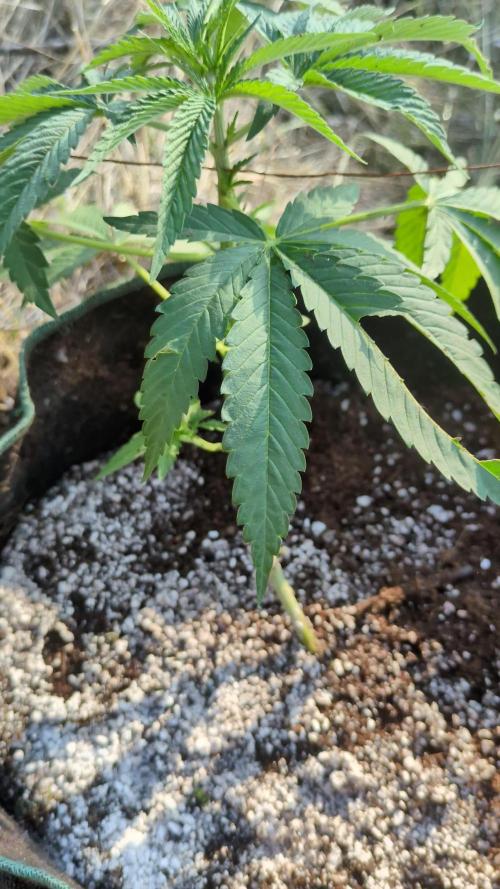
They’re looking extremely healthy..gave em their first nute feed with the last watering seem to be doing fairly well..fimmed the GG and LST. Did not touch the unkown as it looks smaller to be the same age. Running GHE base line with few extra supplements.
****UPDATE****
Both are LST’d..might rethink the way I tie them. Going for a “coil” type look, we’ll see though. They’re looking great! Hoping for females!


Likes
19
Share


@Zonnetje
Follow
Looking good!
Grew 14 cm in 1 week so an average of 2 cm a day.
Curious how high she will get haha
Likes
15
Share


@BruWeed
Follow
Desde el momento uno fue fácil de cultivar, no tuve ningún problema en todo su desarrolló.
Como planta supero todas mis expectativas, se encuentran densos y muy pegajosos los cocos. En algunos hay partes de color violeta/lila.
Y por ultimo recomiendo mucho cultivar esta genética por lo sencillo que fue cultivarla y sus resultados finales, todo de diez.

Likes
92
Share


@Krisis
Follow
3/4/24-Here we are with the ladies goin to their second week. Yay baby flowers 💚
Have a few things going on. I apparently suck at the trellis thing lol. At flower they were all pretty even..I would tuck a few stragglers that got taller under. They’ve went crazy now and I don’t really have anywhere to tuck them other than away from the lights which I don’t wanna do.
There was some discoloration on the tips of leaves which I assumed was light or nutrient related, so I dimmed lights a bit and checked the runoff water. Omg. It was wayyyyy too acidic. Like high 4’s low 5.
Some leaves also appear to be showing magnesium deficiency.. which I assume is because of the crazy acidity. I’m giving dechlorinated tap water (no normal nutes) without phing it because it’s very alkaline. Hoping it will bring things back up. Oh, I sprinkled epsom salt on the soil before watering. (Magnesium)
Really crossing my fingers that I am doing the right things and don’t screw this up! These ladies still look really good to me considering.. but only time will tell.
Update: pretty sure I had nitrogen toxicity and too much salt buildup in the soil. In the meantime got what seemed to be magnesium deficiency. I’ve been giving only water with some epsom salt and the girls seems much happier. Hopefully Krisis averted 😂

Processing
Likes
9
Share


@HollowSource
Follow
My first grow. It's been a long time coming.
This grow is 4 plants, 4 strains in a 90x90x200 with a 440w LED.
Bruce Banner #3
Gorilla Zskittles
Amnesia Haze
Blue Gelato 41
The Banner and Skittles broke the soil successfully this week but unfortunately the Amnesia and Gelato didn't cut the mustard. Successfully germinated on second attempt however this means they are a little behind the the other 2 for now.
I have the light dimmed to around 20% as the ladies were showing signs of having too much light, a slight yellowing to the ends of the leaves on the Skittles? This was with the light at around 50%. Will ramp this up slowly over the next couple of week once the other 2 break soil.
UPDATE
The Blue Gelato and the Amnesia Haze broke the soil a couple of days ago so they shouldn't be massively behind the other 2. Looking forward to seeing these ladies grow!


Likes
17
Share


@Naujas
Follow
To tell the truth, I am very surprised myself, how amazing she is FastBuds Gorilla cookies, she copes well with a small space:) she drinks 1 liter every day :) everything looks better than expected:) good luck to everyone.


Likes
8
Share


@MistaOC
Follow
Grow Diary – Day 79 (Flowering Day 59)
Strain: Sour Frootz by Karma Genetics
Plants: 4 clones
Training: HST + SCROG
Nutrients: Flushing – pH-adjusted water only
Lighting: LED at 50% intensity
Date: May 30
Status: Final flush in progress – harvest slightly delayed
Today marks Flowering Day 59, and the Sour Frootz are now well into the ripening phase. For the past three days, only pH-adjusted water has been given, initiating the flush phase. At this point, the nutrients in the soil are nearly depleted, and the plants are naturally drawing on internal reserves—visible through gradual leaf yellowing and fade.
The plants are approaching ideal harvest maturity. The delay in harvest by a few days allows more amber to develop and maximizes terpene maturity without compromising overall quality.
Lighting Conditions:
• The LED is currently running at 50% power to gently finish the ripening process while minimizing light stress and preserving essential oils during these final days.
Plant Observations:
• Buds are hard, resinous, and aromatic
• Strong sour/citrus funk intensifies with every day
• Natural senescence is occurring – older fan leaves fading evenly
• No nutrient deficiencies or toxicity present
• Humidity stable around 50%, airflow is optimal
• No signs of mold or late-stage issues
Outlook:
Harvest is likely to occur within the next 3–5 days, depending on final trichome checks and desired effect. You’re in the home stretch now, with flavor and resin peaking. Continuing to monitor closely for optimal harvest timing is key from here.
Likes
30
Share


@Jamesg
Follow
Didn't stretch as much as she might have done which suits me. On target for plenty of
compact buds. Taking the Shogun coco nutrient range like a champ. Only issue I've had is having to defoliate more times than I'd like.

Likes
2
Share


@Backyardnewbie
Follow
Auto pots are on. Reservoir is at EC 2.2 and ph 5.5 added 1ml/L of calmag on day 19.
