


Likes
Comments
Share


@Ageddd
Follow
Flush week for Ultra Lemon Haze, stinking a little more this week, and eating the stored nutrients.
AH1 is getting weird, loosing colour, i dont know why, im going to increase the nutes a little... Giving Top Bloom (2ml/l) and Big One (0,5 ml/l).
AH2 is branching and branching, and growing a lot. Feeding Top Veg 2ml/l + Green Explosion 0,5 ml/l.


Likes
60
Share


@Roberts
Follow
Well for how I messed up the early weeks of this plants life I was rather surprised by final weight. Buds are hard and dense with hidden colors all about in light. Just started curing. Gonna be making another attempt at this strain soon. Thanks again fast buds. Your team is the best. 5 stars. ⭐⭐⭐⭐⭐
If looking to purchase seeds follow the link please here.
https://myfastbuds.com/?a_aid=60910eaff2419
Likes
Comments
Share

@The_Doctor_Green
Follow
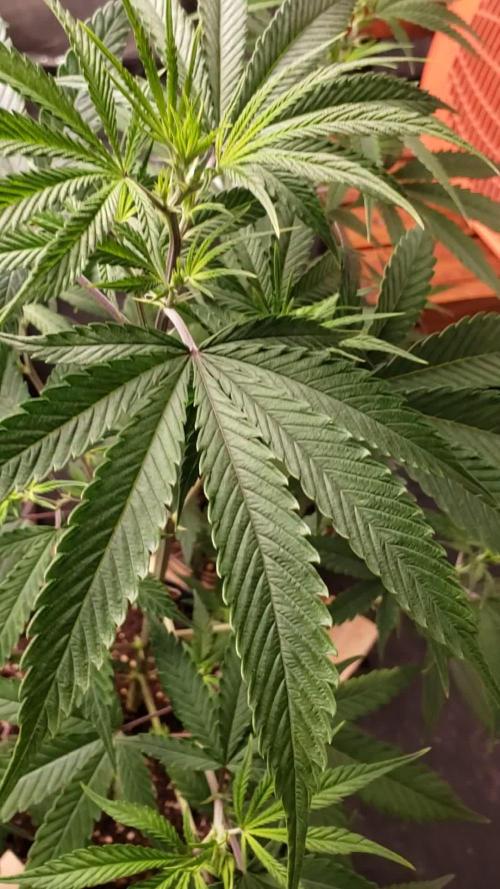
Hola a todo el mundo!!
Perdon por el retraso🙏😅.
Bueno esta semana estuvo muy estresante para las plantas, comencé con una pequeña defoliacion, y a los días, trasplante.
La verdad que para ese stress las plantas han reaccionado bastante bien, de hecho algunas han duplicado su tamaño en estos 7 dias.💪💪💪.
Las #gorillacookies de @Fast_Buds siguen creciendo de forma vigorosa💪💪😅😅.
Las laughing budda de @Barneys también son una genetica que se presta para estos cambios drasticos😅.
De hecho 1 ha llegado a los 50 cm, y como las demás tienen una altura similar decidí sacarla del cuarto y regalarla a un amigo.
Con respecto a los fertilizantes use un poco de shanty de namaste, algo de trico mas de Namaste y agua..solo eso.


Likes
124
Share

@yan402
Follow
🌸🍊✨🍭🌸🍊✨🍭🌸🍊✨🍭🌸
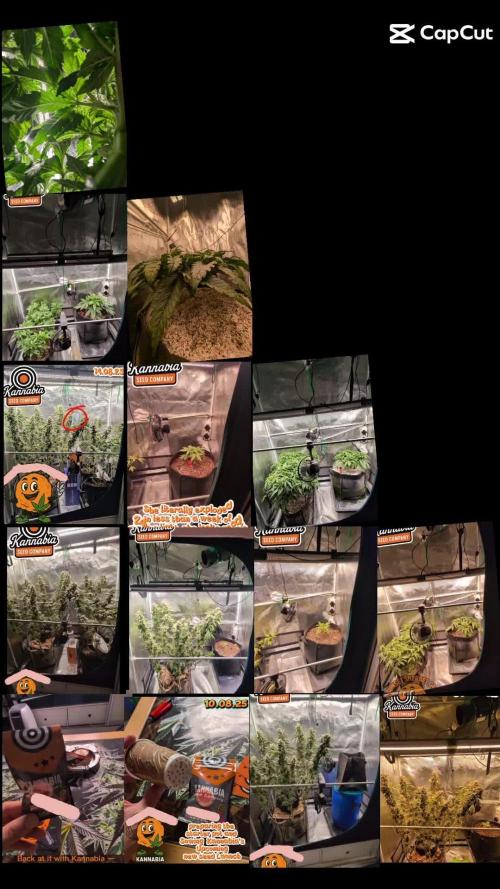
Back at it with Kannabia — huge thanks for the NEW EXCLUSIVE Upcoming Kannabia's seed Launch 🙏🍨🍊
Grateful for the trust and for everyone following along, I’ll run her clean and showcase what she can do.
Dessert-party goals: berry–citrus sherbet terps, creamy finish, tight stacks, easy trim, zero drama.
Veg 24/0, clean manifold + LST, flip on a happy, even canopy.
Coco’s fresh, seed goes in now. 🚀
🌸🍊✨🍭🌸🍊✨🍭🌸🍊✨🍭🌸
💭❗💭❗💭❗💭❗💭❗💭❗💭
❗Events & thoughts worth noting❗
💭❗💭❗💭❗💭❗💭❗💭❗💭
10.08.25 GW1 Sowed seed, soaked starter pot with #1
12.08.25 GW1 Seed popped hip hip hurray
28.08.25 VW2 Stopped using GreenBuzzBloom, took it out of the schedule.
01.09.25 VW3 TriPartMicro 10→30ml, TriPart bloom 10→30ml
12.09.25 VW4 Applied nemadodes against thrips and fungus gnats.
20.09.25 VW6 topped and trained for first time, decided against a full manifold as I lost a few weeks already.
26.09.25 VW7 Topped her one more time for 8 mains
27.09.25 VW7 Topped up the pot with perlite instead of clay pebbles this time, just trying things out, TriPartMicro 30→40ml , TriPartBloom 30→20ml
🌱💦🌱💦🌱💦🌱💦🌱💦🌱
🌿 Day to day tasks & actions 🌿
🌱💦🌱💦🌱💦🌱💦🌱💦🌱
03.10.25 VW7 – Fed 5l of #1 → 2l runoff
04.10.25 VW8 – Fed 5l of #1 → 2l runoff
05.10.25 VW8– Fed 5l of #1 → 2l runoff
06.10.25 VW8– no water no feed
07.10.25 VW8– no water no feed
08.10.25 VW8– Fed 5l of #1 → 2l runoff
09.10.25 VW8– Fed 5l of #1 → 2l runoff
10.10.25 VW8– no water no feed
(*RUNOFF reused for tomato plants)
🍶💧🍶💧🍶💧🍶💧🍶
💧 Nutrients in 30L #1
🍶💧🍶💧🍶💧🍶💧🍶
💧 TriPart Micro: 10 → 30 → 40 ml
= 0.33 → 1.00 → 1.33 ml/L
🍶 TriPart Grow: 0 ml
= 0.00 ml/L
💧 TriPart Bloom: 10 → 30 → 20 ml
= 0.33 → 1.00 → 0.67 ml/L
💧 Cal-Mag: 60 ml
= 2.00 ml/L
🍶 Home-made FFJ/FPJ (new batch): 30 ml
= 1.00 ml/L
💧 pH Down:
Citric acid (BuxXtrade) — adjust to ~pH 6.0
📦 TOTAL : = 160 ml per 30L = 5.33 ml/L
🍶💧🍶💧🍶💧🍶💧🍶
⚙️✂️⚙️✂️⚙️✂️⚙️✂️⚙️
✂️ Tools & equipment ✂️
⚙️✂️⚙️✂️⚙️✂️⚙️✂️⚙️
✂️ 2× MarsHydro SP3000
⚙️ MarsHydro 150mm ACF Ventilator
✂️ Trotec dehumidifier (big unit)
⚙️ Mini no-name dehumidifier
✂️ Kebab skewers (LST – stainless)
⚙️ Wire + roast skewers (LST assist)
✂️ Scissors (HST)
⚙️ Vacuum (for spills & cleanup)
✂️⚙️✂️⚙️✂️⚙️⚙️✂️⚙️✂️⚙️✂️⚙️
---
🍊🍧🌬️🍬🍊🍧🌬️🍬🍊🍧🌬️🍬 Mystery seed (Kannabia Seeds) — NEW EXCLUSIVE
🍊🍧🌬️🍬🍊🍧🌬️🍬🍊🍧🌬️🍬
Species: Hybrid (GF / swift-flowering line)
Genetics: TBA (breeder sheet pending)
THC: TBA
Effect: Euphoric, relaxed, creative (target profile)
Flavor: Berry–citrus sherbet, sweet candy, creamy finish
Flowering (indoors): ~6–7 weeks target (GF)
Resistance: High (aim: no drama)
Indoor yield: TBA
Outdoor yield: TBA
Structure: TBA
Notes: Brand-new exclusive from Kannabia’s GF line — I’ll update specs when the breeder card drops. Goal is rich sherbet terps (berry–citrus + cream), low leaf-to-calyx, easy trim. Stage harvest stays on the table if tops finish early.

Likes
202
Share


@CrazyHorse
Follow
Hello everyone 😊😊😊
This week bring the problems with humidity, I started to add to much steam and some small scorching and discoloration occur. However I remove humidifier and everything back to normal. Girls grow up like nothing happened, tomorrow I will proceed small defoliation like I'm doing it in every grow.
Have a fantastic night, You lovely girls growers 😊😊😊
Processing
Likes
4
Share


@buildblackson
Follow
The first week of progress. Got a little sprout coming out. The leaves got somewhat messed up from the shell sticking. More to come.


Processing
Likes
13
Share


Likes
24
Share


@Firepharmer
Follow
Flushed and Chopped everything in the last 7 days, very happy with both strains my best grow to date with the futur vert flora max 660watts led. Adding another futur vert Flora max 660watts for the next grow shit going to get crazy then .. the monkey berries with be trimmed Friday more pics to come them


Likes
31
Share


@MadeInGermany
Follow
Info:
Unfortunately, I had to find out that my account is used for fake pages in social media.
I am only active here on growdiaries.
I am not on facebook instagram twitter etc All accounts except this one are fake.
Flowering day 4
since time change
to 12/12 h.
Hi everyone :-)
Now the time has come for it to finally bloom :-).
She will get sewing material for the flower next week.
Cuttings were cut in front of it.
It was poured twice with 1 liter each this week.
Otherwise everything was cleaned and cleaned.
Have fun and stay healthy 🙏🏻
You can buy this Strain at :
https://www.royalqueenseeds.de/feminisierte-hanfsamen/220-pineapple-kush.html
Type:
Pineapple Kush
☝️🏼
Genetics:
Pineapple x O.G. Kush
👍
Vega lamp:
2 x Todogrow Led
Quantum Board 100 W
💡
Bloom Lamp :
2 x Todogrow Led
Cxb 3590 COB 3500 K 205W
💡💡☝️🏼
Soil :
Canna Coco Professional +
☝️🏼
Fertilizer:
GHSC Powder Feeding Bio
☝️🏼🌱
Water:
Osmosis water mixed with normal water (24 hours stale that the chlorine evaporates) to 0.2 EC. Add Cal / Mag to 0.4 Ec Ph with Organic Ph - to 5.5 - 5.8 .

Likes
2
Share


@A_Aron
Follow
Day 57:
Forgot to get pics when watering. So some pics the next day.
Water/Feed day. Each plant got 1 gallon with:
5mL per gallon Alaska 5-1-1
15mL per gallon Alaska 0-10-10
7.5mL GrowMore Seaweed Extract
15mL Blackstrap Molasses
Plant 2 also got 1.25mL per gallon of AGT-50
Plant 3 also got 15mL per gallon of Liquid Culture Microbes
Plant 4 got both and at the same amounts.
I scratched into the soil of each pot 1/2 cup of Happy Frog Fruit and Flower
Day 58:
Took pictures. Plants are looking good. You can really see the difference in plant 1 compared to the other 3. Very few tops really pushed their way up on plant 1.
Day 59:
Water/Feed day. Again I didn't get pictures on this day.
Each plant got 1 gallon with:
5mL per gallon Alaska 5-1-1
15mL per gallon Alaska 0-10-10
7.5mL GrowMore Seaweed Extract
15mL Blackstrap Molasses
Day 61:
This time I got some pics. You can really tell that the plants are in flower. They are developing a good smell and you can see trichomes starting as well.
Water/Feed day.
Each plant got 1 gallon with:
5mL per gallon Alaska 5-1-1
15mL per gallon Alaska 0-10-10
7.5mL GrowMore Seaweed Extract
15mL Blackstrap Molasses
Likes
71
Share

@CrazyHorse
Follow
Hello Growers 👋 👋 👋
At last I am doing an update 😇
It's Day 49th big changes occur in my tent.
She is a cracker 😇 😇 😇 after that small L.S.T. she released her potential. She is so so so huge, all that tops you can see are a side branches 🤯 🤯
The Gelato growing very healthy and very fast, this is one of my best looking plant so far.
I'm very happy to see her in that condition, it's looks like the harvest could be very big 😀 😎 😀
Please have a proper afternoon rest 🙏 You Lovely Girls Growers 😇 🌻
Likes
9
Share


@Krissci
Follow
Day 2 - LST and topping if possible before transition to flower.
Slow for separate branches to grow
Likes
7
Share


@Mr_nugs_lover_David
Follow
Beautiful pheno the one that I have right here, I didn't expect to see such a great pheno of Jack orange, the buds are very dense already, it's not the strongest smelling plant in this run however she has a very unique and different smell, you can feel some citric tones mixed with sweet flowery notes, it's really weird in a good way, stay tuned to see how this lady performs until the end!! 💚❤️💛👨🌾

Likes
49
Share


@Guerilla_Jack
Follow
Hello growers!!
Its end of 4 week of flowering..the buds are start swelling up...the girls looks healthy for now.. have a nice green and sunny day all.🙂


Likes
37
Share


@Smoking_Joe_Frasier
Follow
Grow Diary Update: Week 5 - Pre-Flowering and LST Evaluation
Entering Pre-Flowering Stage
At the end of last week, the first pistils appeared, marking the beginning of the pre-flowering stage for my plants 🙌 There's much to manage now. To support optimal stretching, I've adjusted the nutrients following 2/3 of the Terra Aquatica feeding schedule:
CalMag: 2 ml/l (Starting EC before adding nutrients: 0.45 mS/cm)
Grow: 1.33 ml/l
Bloom: 1.0 ml/l
Micro: 1.33 ml/l
The nutrient solution now has an EC of 1.3 mS/cm (638 ppm PPM-500/TDS) with a pH of 6.1. These adjustments aim to promote vigorous growth and prepare the plants for flowering.
Weather and Growth
With significant weather improvements, my plants are thriving at full speed. Every centimeter gained now counts towards maximizing the final yield, turning around from the challenging weeks prior.
Pest Management
I'm fortunate not to have encountered pests like spider mites, aphids, or thrips. However, the persistent snail issue remains. Nightly patrols with a flashlight have been effective, and placing old lettuce leaves away from the plants has helped trap and remove snails, ensuring the plants remain undisturbed.
LST Experiment Results
The two plants I trained with LST have responded admirably, showing healthy adaptation to the bending and vigorous growth. Yet, I'm at a crossroads regarding the upcoming stretch phase: should I continue to tie down branches to maintain an even canopy or allow natural upward growth to potentially boost vertical yield?
Your Feedback Matters
I value your insights on this critical decision. Should I proceed with low-stress training to control canopy height, or should I let the plants stretch upwards for increased productivity? Your experiences and advice are invaluable to me as I navigate this stage of my grow. Share your thoughts below!
Stay tuned as I continue to document the pre-flowering stage and learn from the ongoing LST experiment in my grow diary!
Likes
16
Share


@BLAZED
Follow
Week (21-10 to 27-10)
21-10
Temps: 19.4 to 26.6 degrees
Humidity: 47% to 66%
22-10
Temps: 18.2 to 26.5 degrees
Humidity: 42% to 64%
Watering: 2000 ml.
There are only 1/2 weeks left before harvest, so i will stop with the nutrients and will only give her water from now.
23-10
Temps: 19.4 to 26.2 degrees
Humidity: 47% to 66%
24-10
Temps: 19.2 to 26.8 degrees
Humidity: 45% to 66%
Watering: 2000 ml.
25-10
Temps: 19.5 to 25.9 degrees
Humidity: 46% to 67%
26-10
Temps: 19.8 to 26.5 degrees
Humidity: 46% to 66%
27-10
Temps: 17.9 to 26.2 degrees
Humidity: 44% to 67%
Watering: 2000 ml.

Likes
28
Share


@Bongman
Follow
Into week three of flowering:
- Need to up CalMg this week cause all my last grows with this strain the plants were stressing and showing signs of Mg deficiency I think.
- The buds are stacking up pretty tight.
- The top of the plant is showing some red veins AGAIN, don't know if it is genetics? Or is it too much light? ANY SUGGESTIONS?
- Usually what happens is that after week three top of plant will show red veins and some leaves will turn light green yellow. What type of deficiency is this?
Thanks in advance for the help.
Happy growing,
BM
4TwenTee
*****Update on LIGHT STRESS:*****
Okay I think I got this figured out. Since my plant is showing the following symptoms:
- Slow yellowing of top of cannopy
- Fan leaves pointing up in a steep angle
- Leaves are tacoing up a bit with sharp pointy serrated leaves pointing up
- Veins are turning purple and some leaves are showing green veins and yellowing of outer part of the leaf
REASONS FOR THE SYMPTOMS:
- Since the light is too close to the top of the canopy, although my light is running at around 60% and it is at least a meter away from the light. I think because this was a mother and basically she is accustomed to top canopy PAR of around 180-220 and she was measuring around 600PAR so that is just too much for the plant to handle. So I've lowered the light output so the top canopy is around 420 PAR.
- Also my humidity is pretty high at around 72% so I lowered it to around 65%
- The reason why the leaves are tacoing up to the light is because the canopy cannot take the high PAR, the temp at the top of the canopy is only 76F so that is acceptable, but the plant is trying the sweat due to the high PAR, but because the humidity was also too high it was not sweating as much as it should.
- The reason why a light stressed plant shows different deficiencies eg. magnesium and phosphate is due to the "extra sweating" that takes place, cannabis plants don't choose what they intake, if they need more water to sweat, extra nutrients will be absorbed and this will lockout some of the other nutrients in the solution.
**End of week update:
Tried multiple changes but still no luck on getting rid of red leaf stem.
- Added a 1 hour sunrise and sundown light regiment
- Decreased Humidity to 65% from low 70's
- Top of canopy PAR decreased from 600 to 350.
Leaves red stems still not going away and top of canopy still trying to get rid of moisture with fan leaves pointing up.
If anyone can chime in that would be great thanks.

Likes
8
Share


@Philippovic
Follow
Die Ladys geben Vollgas! eine Pflanze wurde testweise getoppt, die anderen relativ in ruhe gelassen. Es wurden nur jeh Pflanze 1 Blattpaar entfernt damit die unteren triebe mehr licht abbekommen, es wurde der Bloom Dünger von greenhouse gegeben.
Die Vorblüte ist auch schon voll im Gange
Da man im Netz keine Angaben Zur Verwendung von Greenhouse Feeding für Autos Findet, habe ich bei den Jungs direkt angefragt und auch innerhalb 30 Minuten eine Antwort bekommen.
Top!

Processing
Likes
4
Share


@chiefredeyes
Follow
Week 11 - Venom OG and an unknown seed strain.
Tap water and Espoma Bloom full dose - 12hr light schedule
Likes
37
Share


@GrownwithLED
Follow
After germinating the seeds are transplanted into small pots with soil (see tutorial in VIDEO above). The soil is prepared with water mixed with a little bit of BIO NOVA Roots (0,5 ml/l), which aids the development of the seedling. Transplanting is very easy now, because they have grown a STRAIGHT tap-root while hanging during the SERIOUS' WAY of germination. This straight root allows for easy potting of the seeds. Simply make a little hole in the center of the soil with your pinky finger and carefully place the germinated seed with the white root pointing DOWNWARDS into the hole. Best is to lay it onto one side-wall of the hole with the seed shell right at the surface. Then I push the other side inwards and enclose the whole root with soil. At the end only the top of the seed-shell peeks out of the soil. IT IS VERY IMPORTANT to plant the seeds NOT TO DEEP into the soil. The seedling only needs extra strength to work itself upwards thru the soil and you run the risk of the soil drying out and the seed dying off. When you PLANT THE SEED VERY SHALLOW into the soil (=with the top of the seed-shell still peeking out) your seedling can grow out right away and you have a small plant already 24 hours after putting the seed into the soil.
The small seedling sometimes still has the seed-shell on its 'head', it normally falls off by itself, but sometimes you have to carefully help and take it off with your finger nails. Be careful to NOT clip of the seedling accidentally when you do this!
The seed-shall has an inner lining, which feeds the small seedling when it germinates. This inner lining sometimes gets tangled around the stem of the small seedling after the shell has fallen off. This little skin MUST be taken off the stem right away! Once it dries up, it gets hard and can strangulate the seedling around the stem. In order to avoid this, the skin must be taken off as soon as possible! I show it in the pics above and also made a video about taking off the inner lining of the seed.


