


Likes
Comments
Share


@Professor_Daank
Follow
Google doc for nute schedule: https://docs.google.com/spreadsheets/d/1HtHnZOxMHtBK5DFQjpBun2lbhDxYVhI7lJaq4W6xbyk/edit?usp=sharing (Choose Advanced at the Bottom)
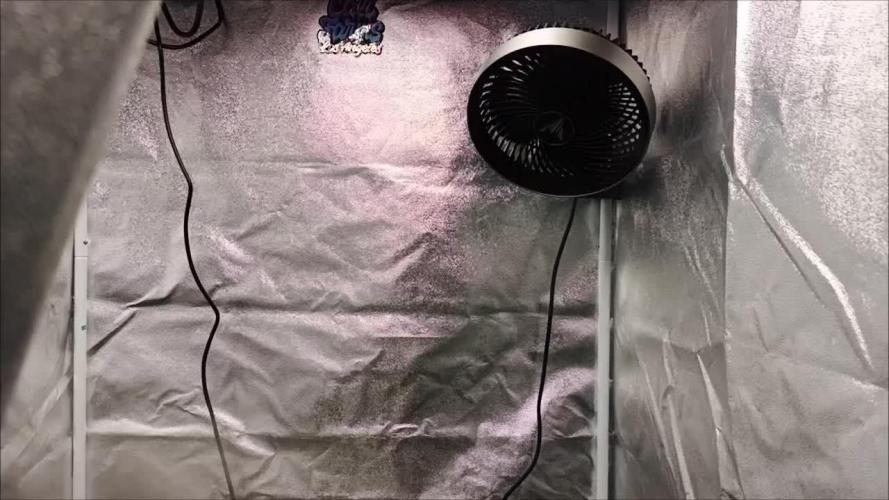
They are so sticky. Trichomes are everywhere.
Cruise control, no issues. This BP3000 by BloomLED is doing fantastic.
Sensi Coco Bloom A - 16ml
Sensi Coco Bloom B - 16ml
B-52 - 8ml
Overdrive - 8ml
Bud Candy - 8ml
Nirvana - 8ml
Sensizym - 8ml
Rhino Skin - 8ml
Bud Factor X - 8ml
Fish Sh!t - 6ml


Likes
14
Share

@PavementPunk
Follow
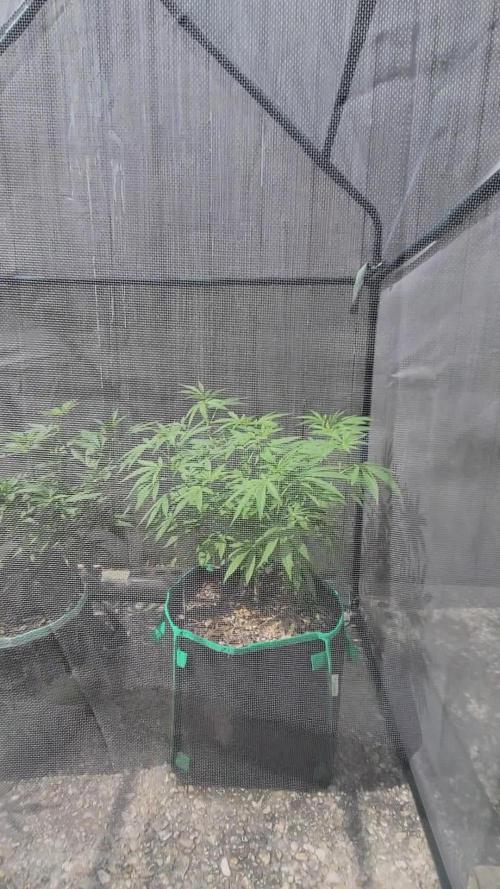
6/30/26 This resilient little sweetie isn't done growing! Its a shame i didn't get my lil 3x5 outdoor tent sooner but alas better late than never. The capertillers (yeah thats how i say it lol) really did a number on her main stem and fan leaves. Honestly it shows how tough and resilient these girls are. Also the extreme conditions they are growing in cannot be underestimated or understated. Feels like 103 with level 11 Sun intensity! This baby is making a few nice stinky flowers too. It seems like when i make a note of some gearbo need in my diaries itd not long before it comes to fruition. Ive been working really hard being extra meticulous and I'm taking more detailed notes. I would love to compete and I would really love to win a Cannabis related grow contest or cup or award and get some recognition and sponsorships maybe even a career 🤔 😉 🤞Probably not off of this poor girl lol happy growing friends ✌️

Likes
3
Share

@PhinolaGreen
Follow
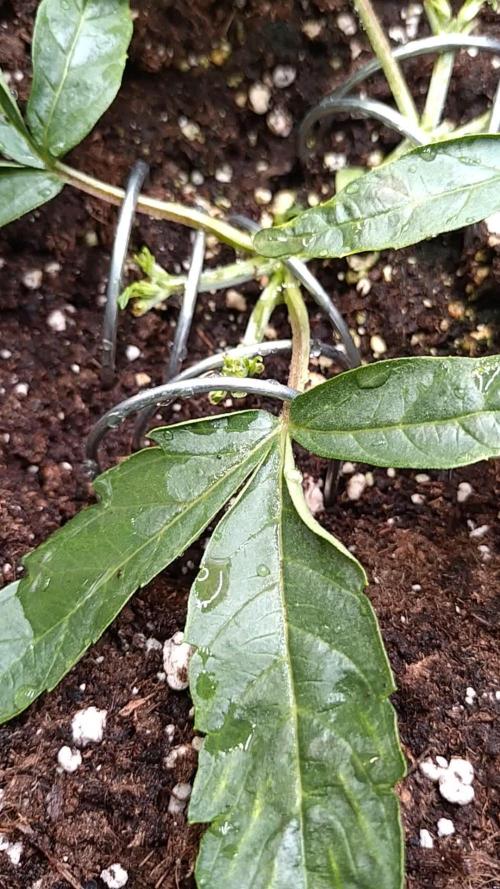
4. Woche
Sie befindet sich weiter auf der Streckbank 🤭
Sie wurde jetzt 3x getoppt in den letzten Wochen und das reicht dann auch, bald darf sie wachsen, wie sie will und das Training wird zum LST, aber dazu in den nächsten Wochen mehr 😄


Likes
2
Share


@Solocultivo
Follow
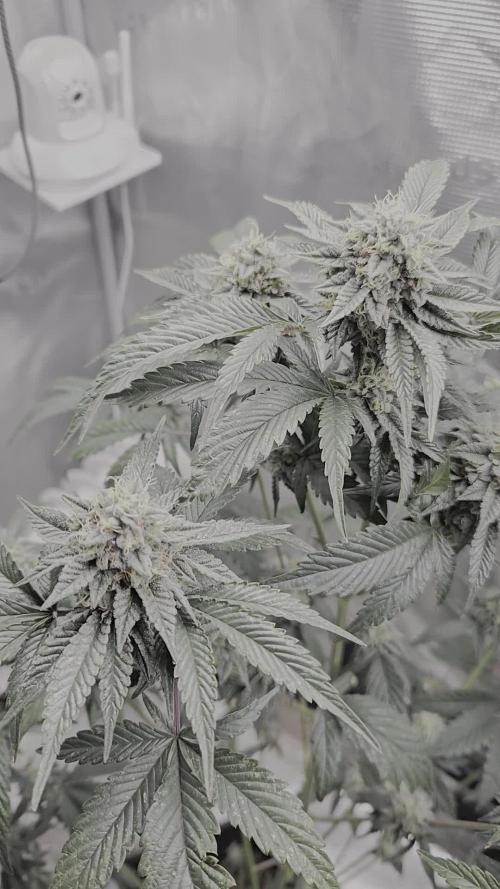
Rikos olores frutales y florales
Falto parte de. La. Vegeta fue. Largan1mes1/2 deje que fuéra asi son regulares deje que se. Expresara sexo para asegurarme de los rasgos femininos, solo se. Expreso pre flora 1 macho considerado hembra resto 90 se. Mantuvieron femeninas, primer canopy ny a. Mejorar la. Tecnica
Receta propia de super suelo
Likes
4
Share


@pzwags420
Follow
On day 1 the reservoirs PH is steady at 6.2. The rez ppm is 271.
On day 2 I turned off the irrigation to deprive the plants of water for 2 days until harvest. I set up my dry tent with a humidifier set up with a humidity controller set to 60% and temps 67-70F.I harvested one branch to dry and test parameters. I will be harvesting in 2 days.
On day 3 I'm excited about harvesting tomorrow! I think this strain probably is going to be at peak at day 56-60 but I don't have time to wait that long as my next run coming up after harvest needs to be finished before I go on a vacation in spring and harvesting early gives me just enough time to flower 7-9 weeks with a dry before leaving to go on vacation. The total flowering time for this run will be 53 days. The top colas have mostly gone milky with some amber mixed in and the lowers aren't all completely cloudy yet but probably 75% milky 25% clear. I enjoy a little earlier harvest anyways because I can get my Indica to give me a little boost of energy!


Likes
18
Share


@cheetah844
Follow
The second tallest one of the bunch. I'm excited to watch how a strain rich in CBD grows in comparison to THC rich strains.
I topped and defoliated every plant. I'm trying to form them into canna-bushes. Hopefully I'm doing the correct training procedures to make them all grow that way both indoors and out.

Likes
3
Share

@eldruida_lamota
Follow
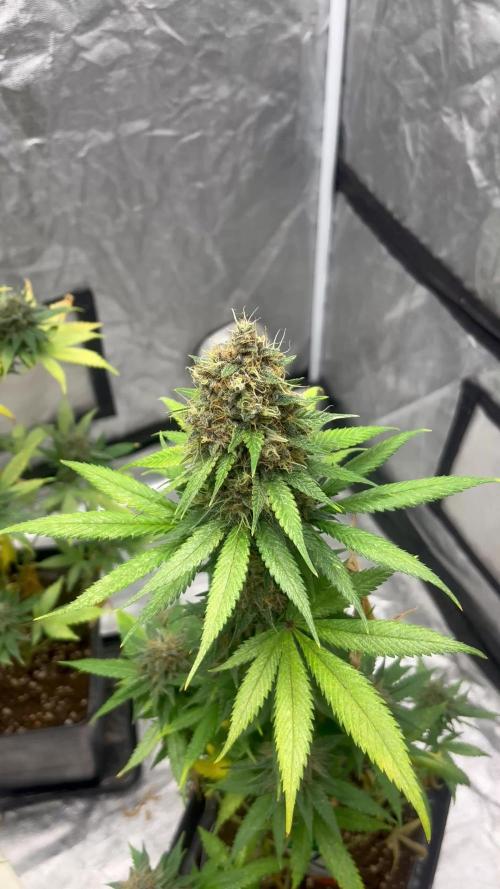
Que pasa familia, vamos con la novena semana de floración de estas Forbidden Mochi feminizadas de Seedstockers.
Vamos al lío, las plantas se trasplantaron a macetas de 7 litros.
El ph se controla en 6.5, la temperatura la tenemos entre 24/21 grados y la humedad ronda el 50%.
El ciclo de crecimiento puse 12h de luz, el foco está al 50% de potencia.
Me gustaría estar más encima este cultivo pero la salud me está impidiendo un poco estar 100% con el proyecto.
- os dejo por aquí un CÓDIGO: Eldruida
Descuento para la tienda de MARS HYDRO.
https://www.mars-hydro.com
Hasta aquí todo, Buenos humos 💨💨💨

Likes
2
Share


Likes
15
Share


@Brianm420
Follow
Plants are great, GROWING WITH 24 HOUR LIGHT CYCLE FROM SPROUT. I get great results with 24 hour
Likes
5
Share


@BudBrewerz
Follow
Thick, smelly dense buds ... They are still drying, some off them allready wet trimmed, some of them still attached to the stem, hanging to dry slower ... So can't come up with any numbers. It's a very nice harvest though 🤠


Likes
3
Share

@Chubbs
Follow
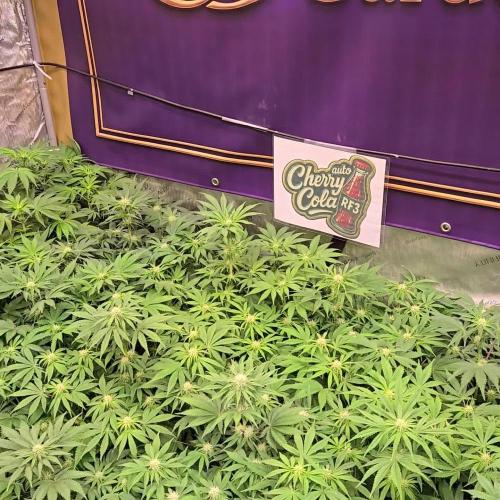
These ladies have grown amazing this past week. I took of a few of the bigger fan leafs of but other then that just feed this week. The flower sites are starting to form. Definitely starting to smell stronger.
All in all Happy Growing.
Likes
4
Share


@MadeInGermany
Follow
Flowering day 77
since time switch
to 12/12 h.
Hey guys :-)
Finally the time has come .
The lady was harvested and hung upside down in the dry tent 😍.
Before that, she stood in the drying tent in complete darkness for 2 days and the large leaves were removed.
The small leaves stay attached during the drying process so that they protect the buds and allow them to dry more slowly and evenly :-) .
In the dry tent, the temperature is 18-19.5 degrees and the humidity is 54-58% 👍.
In this environment they are now allowed to hang for 10-14 days before they are fine-tuned and trimmed clean by hand.
then after trimming they come to ferment for 6-12 weeks in dark jars with bobeda packs 62% to keep the perfect humidity.
After a few weeks, the Boveda packs 58% are used so that they can slowly dry out :-) .
Of course there is one last update after trimming.
Until then, I wish you a lot of fun with the update.
Stay healthy and let it grow 💚🙏🏻
👇🏼👇🏼👇🏼👇🏼👇🏼👇🏼👇🏼👇🏼👇🏼👇🏼👇🏼👇🏼
You can buy this Nutrients at :
https://greenbuzzliquids.com/en/shop/
With the discount code: Made_in_Germany you get a discount of 15% on all products from an order value of 100 euros.
👇🏼👇🏼👇🏼👇🏼👇🏼👇🏼👇🏼👇🏼👇🏼👇🏼👇🏼👇🏼
You can buy this strain at :
Clearwater Seeds
Water 💧 💧💧
Osmosis water mixed with normal water (24 hours stale that the chlorine evaporates) to 0.2 EC. Add Cal / Mag to 0.4 Ec Ph with Organic Ph - to 5.8 - 6.5
MadeInGermany

Likes
15
Share


@420DeepGrow
Follow
Gracias al equipo de Seedsman y XpertNutrients sin ellos esto no sería posible.
💐🍁 Alaskan Do-Si-Dos:
Alaskan Do-Si-Dos ha sido desarrollada por expertos como una versión mejorada de la siempre popular variedad Alaskan Purple de Seedsman. La introducción de la genética Do-Si-Dos en la Alaskan Purple ha creado un híbrido índica/sativa que aumenta la potencia y el rendimiento al mismo tiempo que mejora el perfil de sabor y sigue siendo versátil en lo que respecta al cultivo en exterior.
La Alaskan Do-Si-Dos está destinada principalmente al cultivo al aire libre y en invernaderos. Las plantas crecen altas y prosperan en climas fríos, templados, cálidos y secos, al mismo tiempo que se desempeñan bien en altitud. Esto no impide que se cultive en interior, pero estas plantas grandes necesitarán mucho espacio. Las plantas muestran una resistencia moderada al moho pero, si se cultivan en interiores, hay que tener en cuenta que son RUIDOSAS, por lo que se beneficiará del uso de filtros de aire de carbón. En exterior, en latitudes septentrionales, la cosecha está prevista para finales de septiembre, mientras que en interior las plantas tardarán entre 8 y 10 semanas en completar la floración. Los rendimientos en exterior son muy altos y pueden superar fácilmente los 750gr/planta, mientras que en interior los rendimientos son elevados, hasta 600gr/m2. Los cogollos maduros tienen una densidad media y mantienen un color verde medio.
🌻🚀 Consigue aqui tus semillas:
https://www.seedsman.com/eu-es/alaskan-do-si-dos-feminised-seeds-sman-aldsd-fem
🍣🍦🌴 Xpert Nutrients es una empresa especializada en la producción y comercialización de fertilizantes líquidos y tierras, que garantizan excelentes cosechas y un crecimiento activo para sus plantas durante todas las fases de cultivo.
Consigue aqui tus Nutrientes:
https://xpertnutrients.com/es/shop/
📆 Semana 9:
El engorde de los cogollos está prácticamente terminado y solo falta que maduren un poco antes de ser cosechada.
Gran trabajo por parte de mis colaboradores, estoy bastante contento con este grow, el próximo tendré más atención en la etapa de crecimiento, la cual es muy importante si quiero obtener una cosecha de calidad.
A partir de ahora agua hasta el fin.

Likes
2
Share

@Drehpaper
Follow
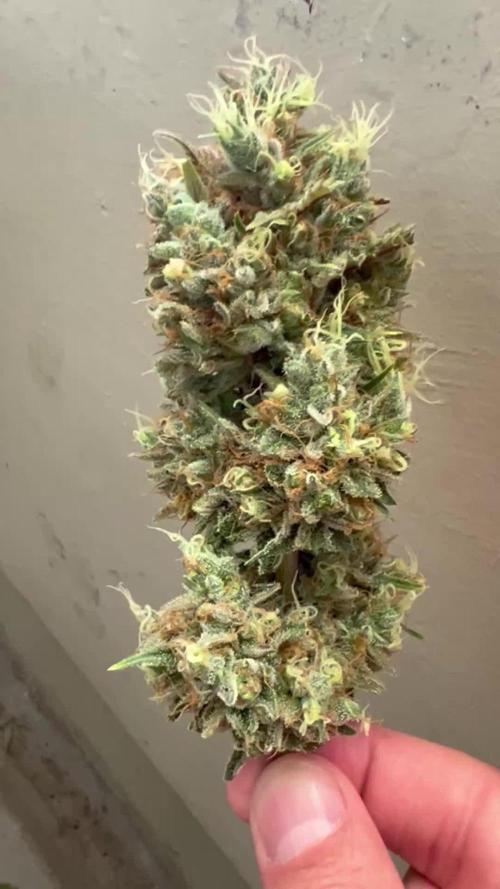
Alles hat nun mal eine Ende, nächstes Mal bin ich hoffentlich schlauer und mach langsamer mim Düngen.
Zum Strain generell kann ich nur sagen, sehr süßer Duft mit einer kleinen Note von Alten Möbeln :).
Hätte sie sicher noch 1 Woche stehen lassen können hatte aber Angst zwecks der hohen Temperaturen.
Jetzt wird erstmal getrocknet!!! Rauchbericht kommt in ca 4 Wochen.

Likes
5
Share

@Growfather1
Follow
Hello everyone!
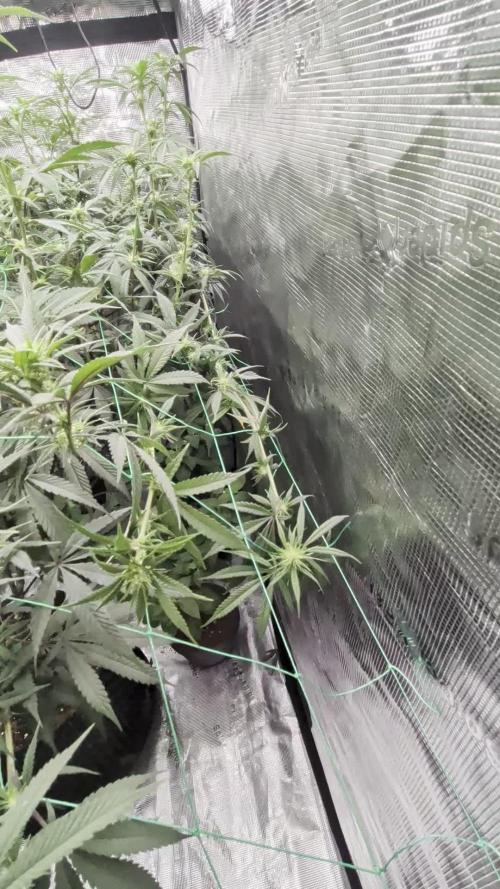
The MAC 1 F1 Hybrid is entering week three of flower and looking fantastic! She's stretching like she wants to high-five the ceiling LEDs.
The canopy is filling the space perfectly, and the 10liter pot is drying out daily. Even with the height management, everything is on schedule.
Temperatures are holding at 29 degrees Celsius. Humidity is rising at night to 60 percent, and during the day it sits at 52 percent—our humidity is playing peekaboo. I will defoliate her later this week.
That other MAC 1 F1 Hybrid plant in the other tent is sleeping right now. I will update her pictures and videos tonight when the lights are going on again.
Thank you for stopping by and have yourself a great day.
Best regards,
Growfather.
Likes
92
Share


@DogDoctorOfficial
Follow
Week 7 Flower Report – The Masterpiece Garden Unfolds
🌱 Introduction
Welcome back to the most thrilling chapter of our journey yet! Week 7 of flower is here, and the garden has transformed into a paradise of unique beauty and diversity. Every plant has its own personality, showcasing the results of all the hard work, dedication, and love poured into this run. Let’s dive into the details and celebrate these girls like never before—because they deserve it!
🌸 Plant-by-Plant Breakdown
Papaya Zoap
The rebel queen of the garden, aiming for the stars with her towering structure. Her dense, frosty white nugs sparkle like diamonds, and her leaves are fading to a stunning yellow hue—a clear sign she’s ready to shine. Her aroma is captivating, leaving no doubt she’s going to be a showstopper.
Gorilla Melon
Standing tall as the second in command, this beauty is all strength and vigor. Her vibrant green foliage cradles thick, frosty buds that exude a fragrance worthy of her name. A true contender for the title of MVP.
RS11
This one’s a frost factory! Long, elegant buds dripping in trichomes, with leaves gracefully fading to yellow as she transitions toward the finish line. Her balanced stature and impeccable structure make her a dream to cultivate.
Green Papaya
The frostiest of them all, her sugar leaves are curling under the weight of so much resin. Every glance reveals a shimmering coat of trichomes that’s hard to believe. If frost were a competition, she’d already have the gold medal!
Mandarin Squeeze
Dark and mysterious, this beauty stands out with her rich, deep green tones and impressively dense buds. Her flowers feel like rocks, and her aroma hints at a citrusy explosion waiting to happen.
Punch Pie
What can we say about this heavyweight? Her large, dense buds are jaw-dropping, and her presence in the tent is commanding. She’s proving to be a genetic masterpiece, delivering beyond expectations.
🌞 Environmental Mastery
This week, we’ve begun the slow decline of PPFD to 750, keeping reds and UVs strong while easing back on whites—a calculated move to guide these girls into the final stages. The room’s stats speak volumes:
• Temps: 27.8°C with RH at 64.8%.
• CO2: 800 ppm for consistent growth energy.
• Reservoir: PH 6.16, TDS 791, temp 21°C.
• Soil Stats: TDS 669, temp 22°C.
Even the fun facts are worth noting: leaf temps are ranging between 26.6°C and 24.2°C, while the LED bars are holding steady at 38°C, and the ICL-300 at 35.6°C. Aero Fan at 23°C and the filter output at 24.7°C highlight the precision and control in this room, all thanks to the incredible TrolMaster ecosystem.
💧 Feeding and Nutrient Update
Our transition from organic minerals to a solo mineral approach has been a game-changer. These girls are thriving! Here’s the recipe this week:
• System Clean: 0.25 ml/L.
• RO Water Conditioner: 0.8 ml/L.
• All-in-One Liquid: 1.75 ml/L.
• K-Boost: 0.5 ml/L.
• Regulator: 0.15 ml/L.
This blend is bringing out the best in each plant, delivering unparalleled frost, density, and aroma. The stability of the pH, thanks to minerals, has made life simpler while pushing the plants toward peak performance.
🌟 Reflecting on Progress
It’s a joy to walk into this room and witness the results of months of effort. Each plant is delivering on its promise, and the smells, colors, and trichome production are truly next-level. The journey has been demanding, but the rewards are sweeter than ever. The curiosity to see how they finish is at an all-time high!
💬 Shoutouts and Community Love
As always, massive gratitude to the sponsors that make this possible:
• TrolMaster for precise environmental control.
• Aptus Holland for top-tier nutrients.
• Cannakan for their unwavering support.
• Pro-Mix Soil for a robust foundation.
• Seed Banks for the incredible genetics.
To the Grow Diaries community, our followers, lovers, haters, and everyone in between—thank you for being part of this journey. Your engagement fuels the passion to keep growing, learning, and sharing.
📣 Call to Action
If you haven’t already, check out our YouTube and Instagram for exclusive content and updates. Don’t forget to hit that like button, subscribe, and ring the bell so you never miss a beat. Join us for the next episode, where we’ll dive into super-cropping and give the room another round of defoliation as these girls keep reaching for the finish line.
Let’s keep growing, learning, and celebrating this beautiful process. 🌱✨
Growers Love,
Your Grateful Gardener
Discount Codes so you can save big on your next check out 💚💚💚
Kannabia - DOGDOCTOR 30% off
SeedsmanSeeds - DOGDOCTOR 10% off
CannaKan- DOGDOCTOR 15% off
terpyz.eu - DOCTOR 15% off
The Neutralizer - PORKIT5-DOG 15% off
Fast Buds - DOGDOCT 15% off
As always thank you all for stopping by, for the love and for it all , this journey of mine wold just not be the same without you guys, the love and support is very much appreciated and i fell honored and so joyful with you all in my life 🙏
With true love comes happiness 💚🙏 Always believe in your self and always do things expecting nothing and with an open heart , be a giver and the universe will give back to you in ways you could not even imagine so 💚
Friendly reminder all you see here is pure research and for educational purposes only
Growers Love to you all 💚💚💚


