




Likes
31
Share


@TheHighentist
Follow
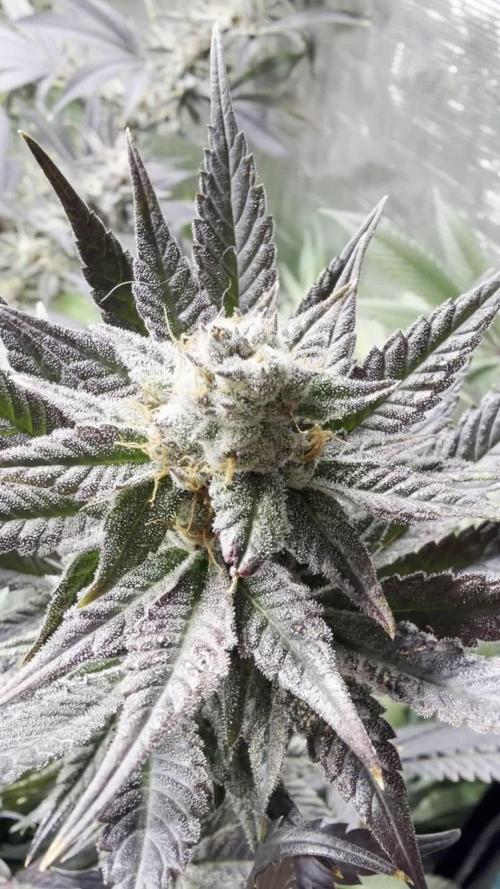
10/7 Water day*
1125ml total pr plant. Upped the Bloom and Bio heaven
+400ml neutral ph 6.1 water for run through.
-Temp 25-27day/22-24night
-51%RH (2+-)
11/7 - They look and smell good! Very happy for the progress
-Temp 25-28day/22-24night
-51%RH (2+-)
12/7 - Rainy day, so had a humidity peak at 60% RH
-Temp 25-28/23-24night
-51-60% RH
13/7 - Water day*
1250ml pr plant
-Temp 24-27/22-24night
-52-58% RH
14/7
-Temp 24-27/22-24night
-50-54% RH
15/7
-Temp 24-27/22-24night
-50-53% RH
16/7
-Temp 24-27/22-24night
-50% RH (+-2%)


Likes
2
Share


@Jiggysjives9
Follow
Sooooo Still flushing this bad bish, tricomes are still devolpoing from what I've seen and the plant look relatively healthy still.
Have flushed 3 times with just water and again added 2ml flawless finish with 1 litre and watered waiting a couple days and will flush with water again.
Patiently waiting....

Likes
24
Share


@Jays_Not_Here_Man
Follow
The Apple Betty babies are doing great 😊 I’m very pleased with the results so far, I just wished I would have known they would have such a large stretch, they D almost doubled in size in 14 days.
At day 8 I stopped tucking the branches and allowed them to grow up. In hindsight, I probably should have kept going for another couple of days. They continued to stretch rapidly all the way up to date 12 or so, much more than my other strain that I have going as well.
At day 10 I cleaned up some of the small bud sites and leaves that were below the 1st trellis. These sites do not get enough light to make anything good, and take away energy from the main tops as they grow and compete. A quick snip here and there will really help the end result.
At day 13 I decided to add a second trellis net to provide support to the tops that came up so fast. They seem to have stopped their main stretch faze, and are looking happy and healthy now. I’ve continued my water, water, feed schedule and have not seen any cause for concern. The girls are taking a little over a gallon of water every 72 hours at this point.
Humidity is being controlled automatically with my in-line fan and humidifier. RH is set to 57% and temps hover between 77-80 degrees with lights on, and about 70-72 with light off thanks to my furnace being back on for the cooler temps.
The 2x4 5 gallon girl is doing great as well. 😊During the stretch, she flourished just as the girls in my big tent did as well. She is going to have some great bud, the branch structure is nicely developed with tight node spacing and large tops.
I’ve been plucking off all the lower growth, and tucking leaves as they block bud sites. I will be doing a defoliation next week. Happy Gardening 🇨🇦👊❤️

Likes
3
Share


@Marshydrots1000
Follow
Everything went good. Had some issues with build up but first time in coco and autopots so was bound to be something! Haha but over all was easy !
Processing
Likes
14
Share


@DUBDOLLASIGN100
Follow
I'm amped up about these 6 Gotti Ogs and these 2 Downtown Finest Og strains, there growing fast eating a lot and the weather is great in Cali. These indoor veg and outdoor flower is really working well for me. I'm using Flora nova bloom and there booming
Likes
10
Share


@Sadhus
Follow
2 ème FIM , defoliation, je vais commencer un petit LST pour pouvoir installer un fillet et remplir au mieux l'espace disponible, marée 5 min toute les 20 min pour le moment pour stimuler une croissance vegetative , engrais terra aquatica tripart en dose légère,plus plagron grow, roots, enzyme et fish , la grande room a été nettoyé désinfecter et vien d'accueillir les table a marée
Trol master pour le vpd et les light
Let's grow
Une seule solution, l'autoproduction !
Made un France
NFSOT

Likes
10
Share


@Minuteman_Organics
Follow
The first week of veg. Exciting stuff!
Love seeing the first true leaves and the stretch for more light. Turning to the power to give more juice
Everything has been transplanted. Once they recover in a few days will be adding a second light. 3 more weeks of veg and then flip

Likes
7
Share


@Cultivatorcarlos
Follow
week 5 was great. she really focused on getting fat this time. and shes been getting soooo frosty. the camera really doesnt do her justice. also she use to give off a pretty strong kush smell when i would water her but i noticed she hasnt been giving ANY smell recently. She does however smell very strong when i squeeze her nugs and smell my fingers. she has a very strong lemony smell with a hint of a kushy gassy smell. Every 2 days ive been giving her a gallon of dechlorinated tap water phd to 6.3 ph with 2 tsps or 10ml of dyna groom bloom nutrients.


Processing
Likes
3
Share


@macrocefalo
Follow
Eight weeks of flowering I raised the PH to 6.3 and the plants that showed phosphorus deficiency no longer presented the problem, the absorption must have improved since the fertilization was the same. But as not everything is wonderful in this life in the last week here in the city where I live we had a great cold front 10º C. Inside the grow the temperature varied at least 13.5ºC during the night and light off and 20º during the day with the light on, the cold always stops growth but the formation of buds is going well apparently. Definitely plant # B3 is either photoperiod or locked, it has white pistils on the stem indicating pre-flowering but even before entering the flowering period I don't know what to do lol.


Likes
14
Share


@NuttyYeti
Follow
This is my second Big Bud grow but my first outdoor grow. The buds aren't as dense and the indoor with my CO2 bag. The bud is still very potent though.

Likes
6
Share

@eldruida_lamota
Follow
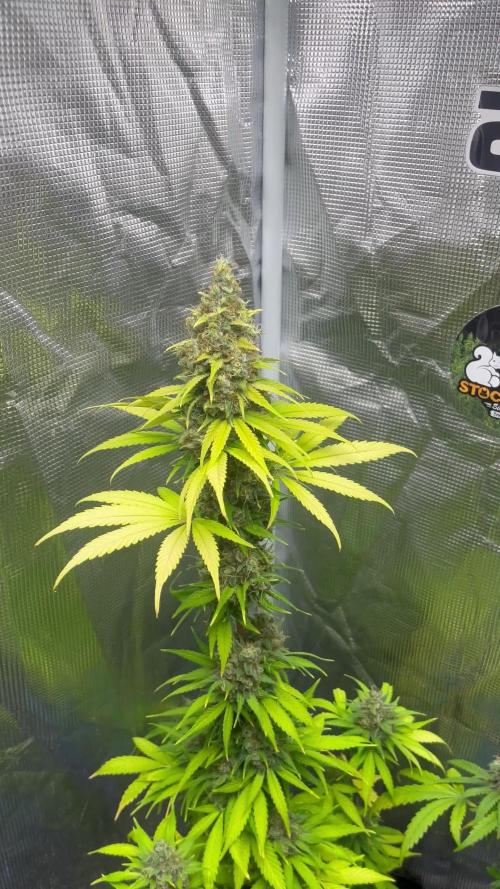
Vamos familia, actualizamos la octava semana de floración de estas Runtz Punch de Herbies.
La temperatura que estuvo entre los 24-26 grados y humedad dentro de los rangos correctos.
Este armario se contaminó esta semana , tengo que para un poco para desinfectar todo bien.
Las flores están madurando bien y se llenaron de tricomas, por el momento todo correcto, os dejé también alguna novedad y un cambio en la sala,
agradecer al equipo de Mars hydro por el nuevo TSW2000. (los últimos 5 años cultive solo con los leds de esta marca).
- os dejo por aquí un CÓDIGO: Eldruida
Descuento para la tienda de MARS HYDRO.
https://www.mars-hydro.com
Hasta aquí todo, Buenos humos 💨💨💨
Likes
26
Share


@Jsammy09
Follow
Hello everyone and thanks for checking out my grow!
This week has been another great week with good growth. I did quite a bit of defoliation this week to uncover some of the sites that had been blocked from getting light. They have handled it really well and bouncing back in now time! My back left plant is starting to show some really pretty buds, I need to get get my camera figured out and get some better pictures because I feel sometimes my phone just does not do them justice. I can tell a big difference from my first grow and this grow at this point, just the difference in the buds and how I have trained and defoliated has been much better for sure. I know I still have a lot of experience to gain, but I really enjoy learning and thriving to produce the highest quality cannabis I am capable of. I learn a lot from a lot of you guys so thank you all for being awesome.
I have still been keeping my EC relatively low, slowly increasing each week and also altering topping the res with mixed nutrients or RO water plus calmag. It seems to be working pretty well. My PH stays pretty stable although I did have to make one adjustment last week where it rose on me a little more than normal, but we have been staying in that 5.9-6.1 range else wise. My EC is also stable this week right around 1.0, will be going to around 1.1 Friday when I change my water and nutrients. Humidity has been staying pretty constant around 55, there was a few times it got up to low 60s because I fell asleep and didn't empty my dehumidifier in lung room, but was only a couple hours here and there so no biggie, no signs of any issues. They are really starting to pack on the trichomes as well though and when I first open the tents when the lights come on I am hit with a wonderfully sweet pungent smell! I am super excited to continue to watch these girls finish! Just going to keep sticking to the plan and monitoring these girls! See you guys in a week.
As always, any tips, comments, and recommendations always welcomed and appreciated. Thanks! 👊👊

Likes
16
Share


@Chubbs
Follow
420FASTBUDS
FBT2107 WEEK 5
The two of these are transitioning into bloom phenomenally. They've grown close to 5in in a week so it's safe to say they're reaching for the stars. Color on them both appears a vibrant green with a hint of lime for the newer growth just coming in or on some of the smaller leafs. I upped there feed by adding a little more of the Micro/Bloom nutes of the 3 part GH Flora series. Over all it doesn't seem to bother them one bit. All in all Happy Growing for these two.
Likes
25
Share


@Kakui
Follow
Dia 1 de vegetación
Veg1, cuando empiezan a crecer las primeras hojas de mas de un dedo/puntas considero que han dejado de ser plantulas, y han comenzado la vegetación. Entonces, les he dado su primer alimento con nutrientes muy suaves(micro, grow y bloom) en una EC de 0.5, con pH de 6.2, ademas de seguir inoculando la tierra y raices que vienen desarrollando con voodoo juice, tarantula y piranha, con 1/2 de fuerza.
Veg2, riego con 0.3 EC y pH 6.1, desde el primer riego están creciendo más rápido.
Veg3, riego con 0.6 EC y pH 6.0, primer riego con suficiente agua para obtener drenaje, el drenaje midió 1.2 EC y 6.5 pH, todo ok.
Veg4, nada hoy.
Veg5, riego con 1.2 EC y pH 6.2, se usó Sensi CalMag en este riego @2ml/litro por un poco de amarillo en el nuevo crecimiento, B-52 también.
Veg6, siguen creciendo bien, al parecer se corrigió lo amarillo en las hojas.
Veg7, riego con 0.7 EC y 6.0 pH, drenaje de 1.1 EC (ok) y 6.6 pH (un poco alto), siguientes riegos serán con pH 5.8. Subí la luz y bajé su intensidad para que las plantas estiren un poco antes del transplante, las raíces de la más pequeña estaban ok, la más pequeña fue sacrificada, ya van quedando 11 de las 9 plantas finales.
Ahora a esperar que se desarrollen suficiente(3-4 sets de hojas verdaderas) para hacer transplante a la maceta definitiva de 18 litros.

Likes
12
Share


@EZGrow
Follow
Two of them are at max height i guess.
04/05 - Day 36 : 2L/plant (1g/L Flo)
I'm going to flush them one more time at next watering.
07/05 - Day 39 : 4L/plant (clean water)

Likes
32
Share


@LapsekiliTayfur
Follow
Day in and exit fan 15 min off 15 min on Van is full on
Night in and exit fan 30 min off 15 min on Van is off
3. Haftada Topping ve Lst Eğitimleri başladı

