


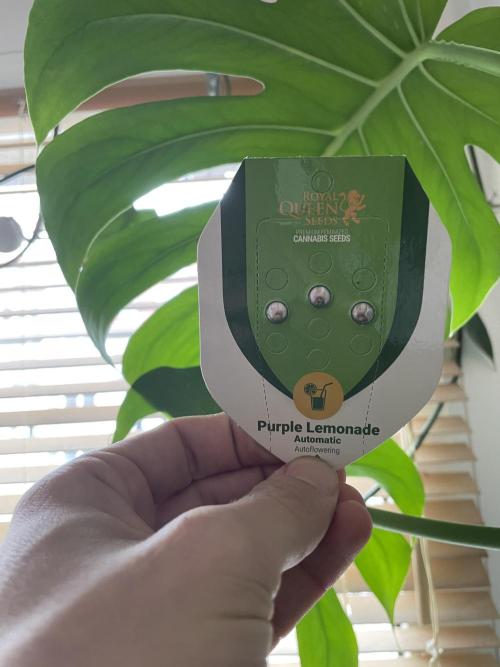
RQS🦁Purple😈Lemonade




VEG
660nm Light Emitting Diodes/40W
FLO
660nm Light Emitting Diodes/40W

Tent
Vevor
100*100*200


Indoor
Room Type
PLM Outdoor day55
weeks 8
11 liters
Pot Size
Start at Harvest
G
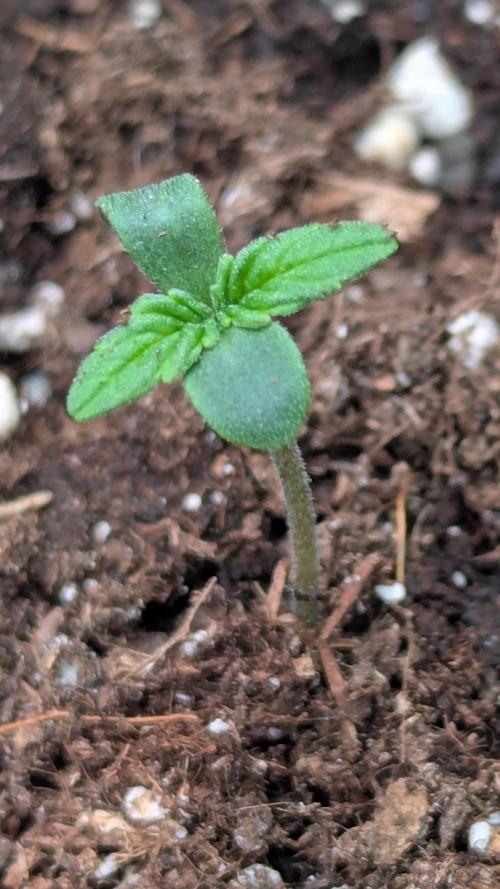
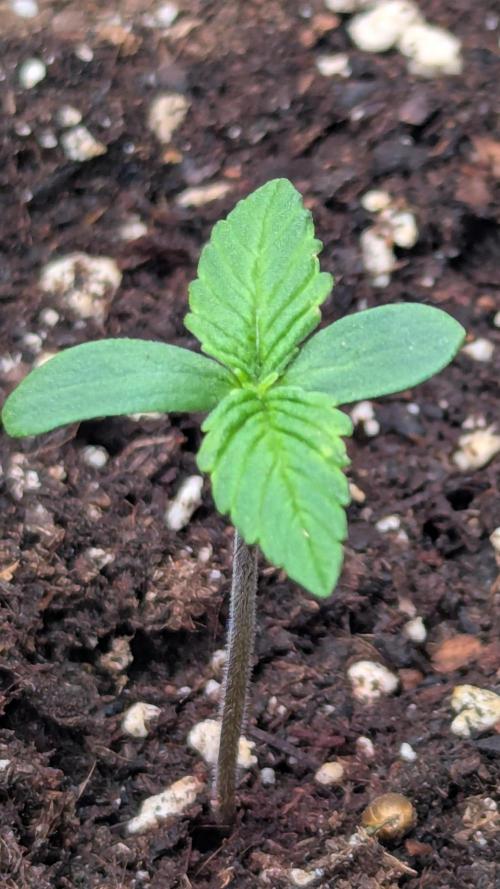
Germination6mo ago
Nutrients 7
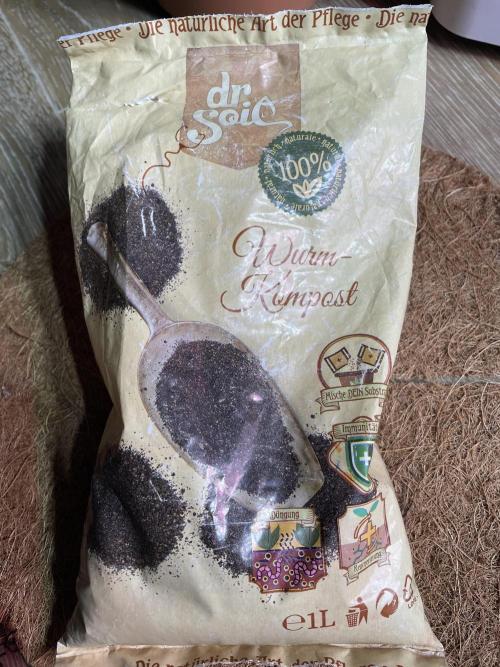
Worm humus
88 mll

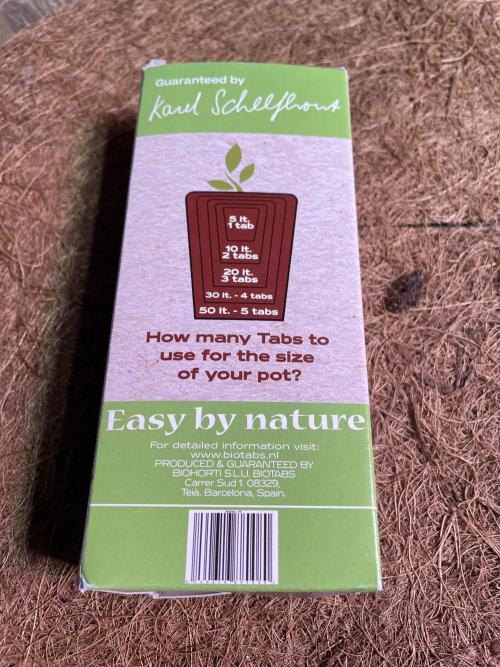
Organic Fertiliser Tablets
2 mll

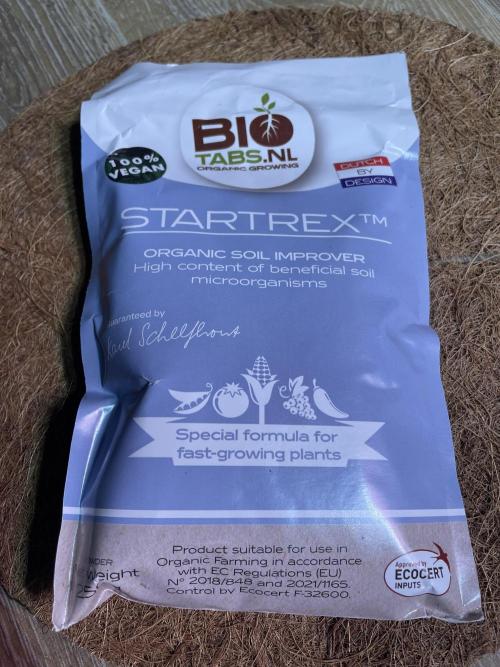
Startrex
55 mll
Miketama Happy 4/20 everyone! There’s no better day to start a new ?!🌱💚
I’m happy to introduce my diary, sponsored by Royal Queen Seeds, to whom I’d like to express my heartfelt thanks:
Not only for providing me with incredibly useful accessories, but simply for the commitment they put into growing this community. Their blog is very rich and I learned all the basics from it 🙏🏻
Tons of discount codes, free seeds with every purchase, and perfect seed packaging with each one individually sealed, making storage very convenient.
The customer service has always been available and in these 2 years of growing I’ve had an almost 100% germination rate.
Respect 💯
I’m going to run two Purple Lemonade Auto, one with an organic approach and one with minerals.
Both will have 2 cm of clay pebbles at the bottom and a mix of BioBizz Light Mix with 5-10% coco coir.
PL organic- nutrients I’ll be using this cycle:
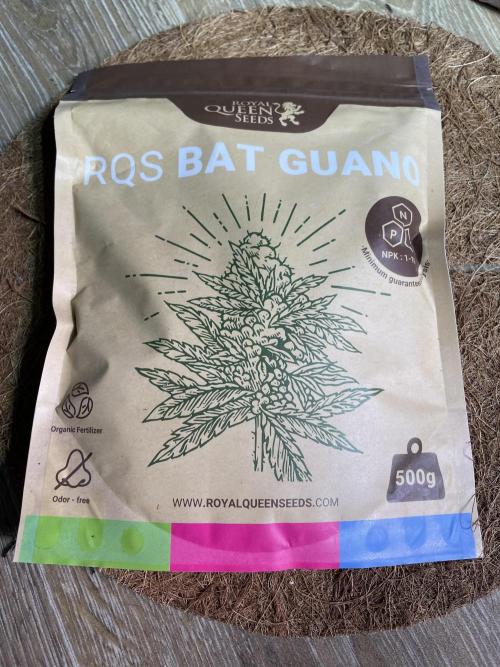
RQS Bat Guano (NPK 0-10-0)
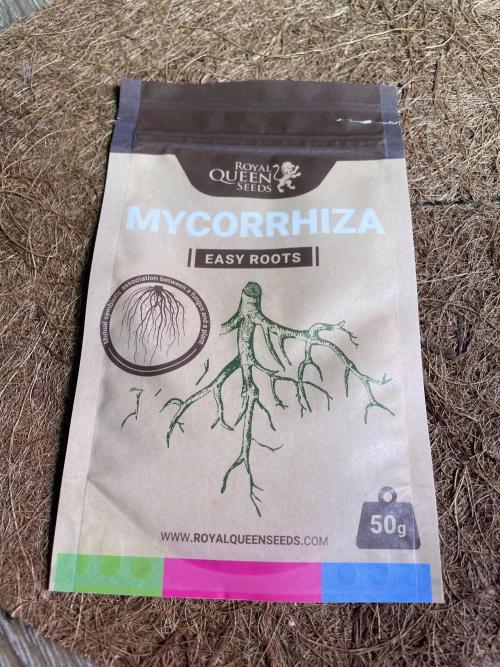
RQS Mycotrex
RQS Bigger Flower (NPK 1-0-0)
RQS Sweeter Flower (NPK 1-0-3)
Biotabs tablets
Biotabs Startrex
Biotabs Orgatrex
Biotabs Bactrex
Worm Castings
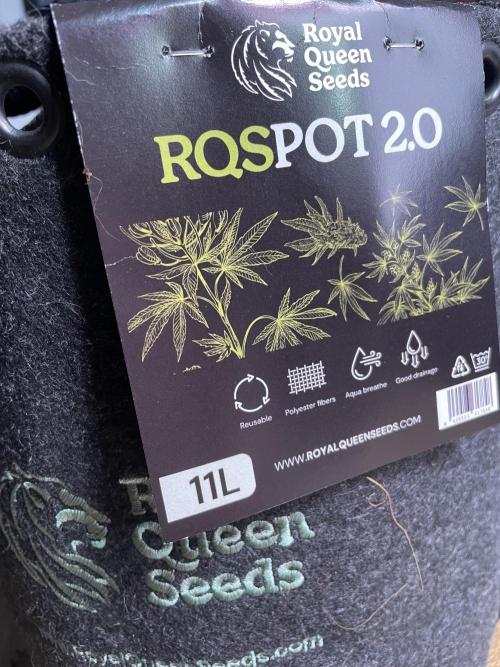
RQS Fabric Pot 2.0 (with holes around the rim for LST and improved grip and stability)
PL mineral:
RQS Mycotrex
RQS Easy Grow
RQS Easy Bloom
Plagron Green Sensation
BioBizz CalMag
BioBizz ph-.
RQS Fabric Pot
Setup:
⛺️Vevor tent 100x100x200
🕹️Spider Farmer Controller + Pro Sensor Kit
🚰Spider Farmer Drip Irrigation System (I won’t be adding nutrients to the reservoir, so I’ll only use it for the organic PL)
🌬️2 fans (5w), dehumidifier, 16cm Air filter
💡
Migro Aray 2 125w
AC Infinity Ionbeam s16 40w
Spider Farmer 660nm 40w
🧤RQS gardening gloves
24 likes
5 comments
Share
Used method
Paper Towel
Germination Method
1
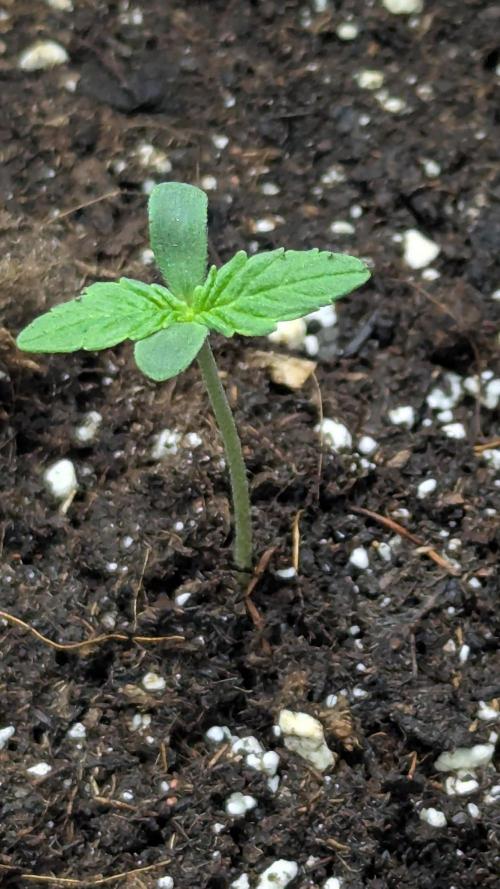
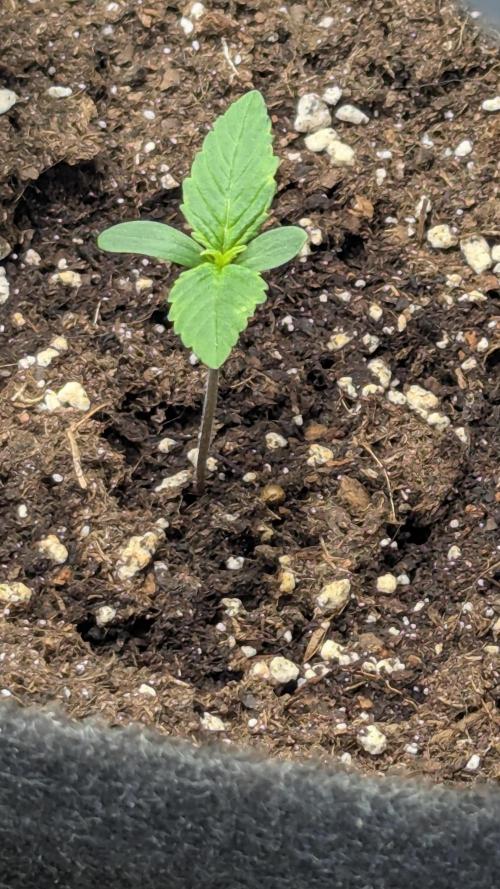
Week 1. Vegetation6mo ago
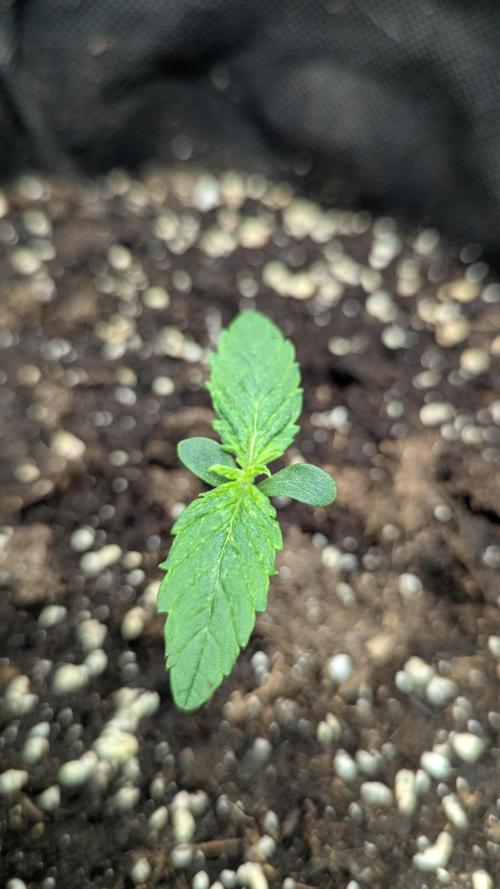
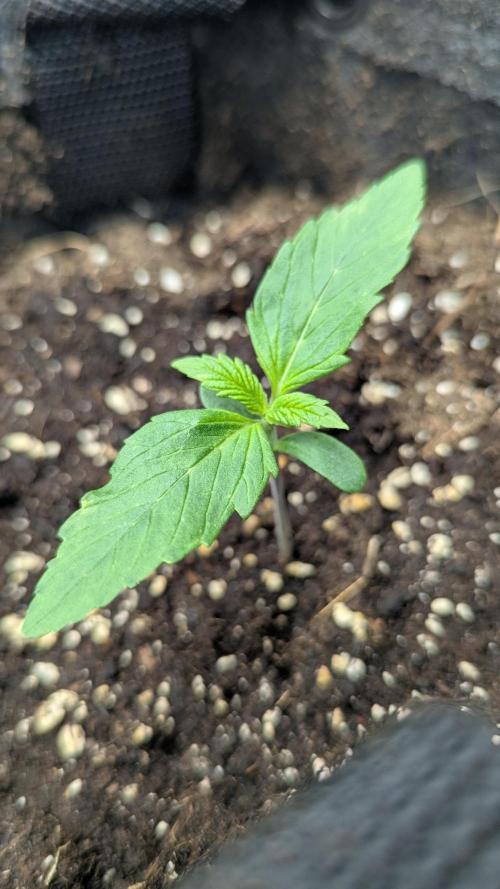
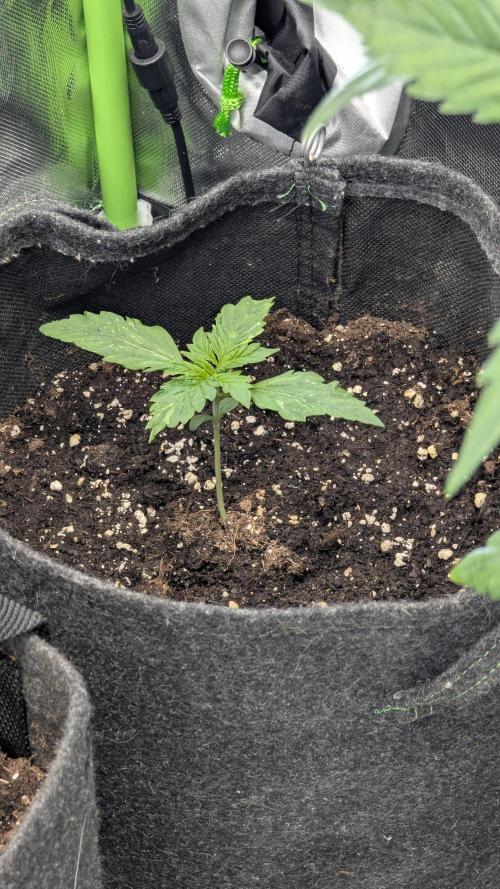
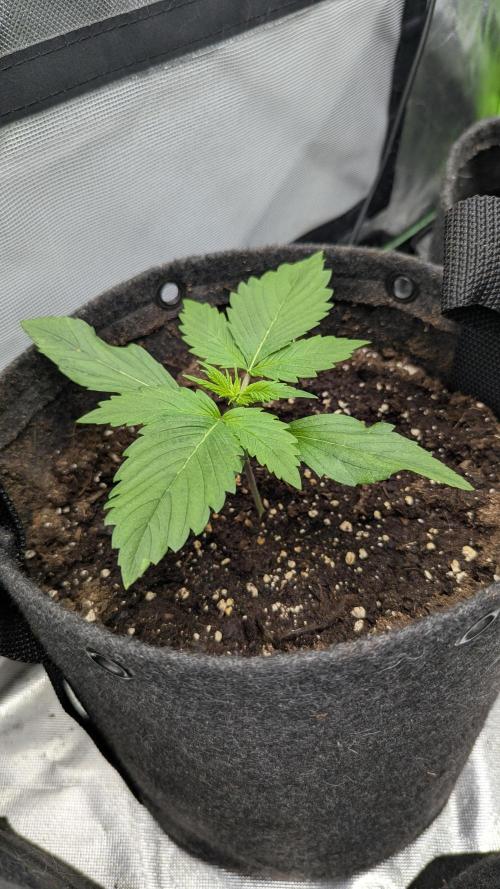
4 cm
Height
24 hrs
Light Schedule
23 °C
Day Air Temp
6.2
pH
No Smell
Smell
60 %
Air Humidity
19 °C
Solution Temp
20 °C
Substrate Temp
23 °C
Night Air Temp
11 liters
Pot Size
0.3 liters
Watering Volume
60 cm
Lamp Distance
Nutrients 2

Bactrex
1 mll

Orgatrex
2 mll
Miketama ,♊
24 likes
comments
Share
2
Week 2. Vegetation5mo ago
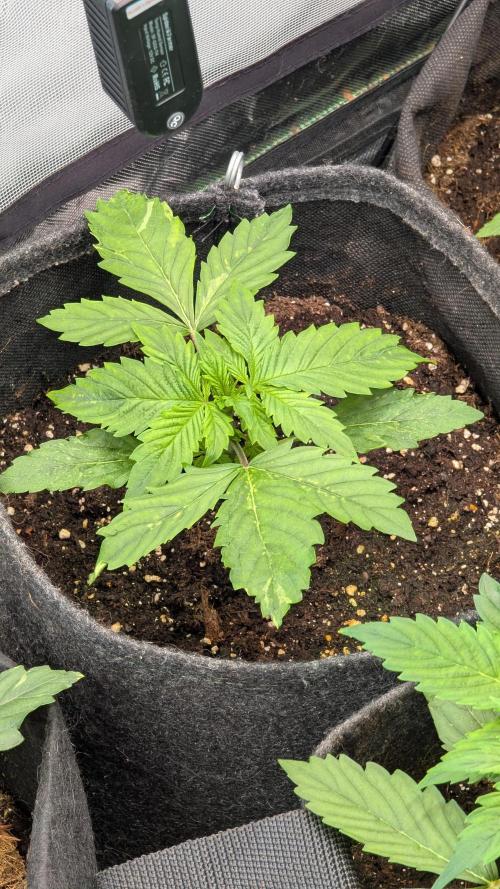
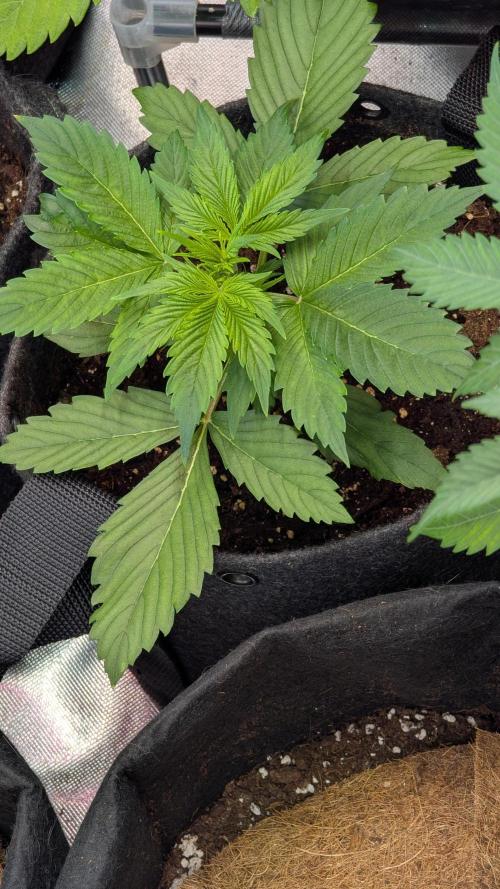
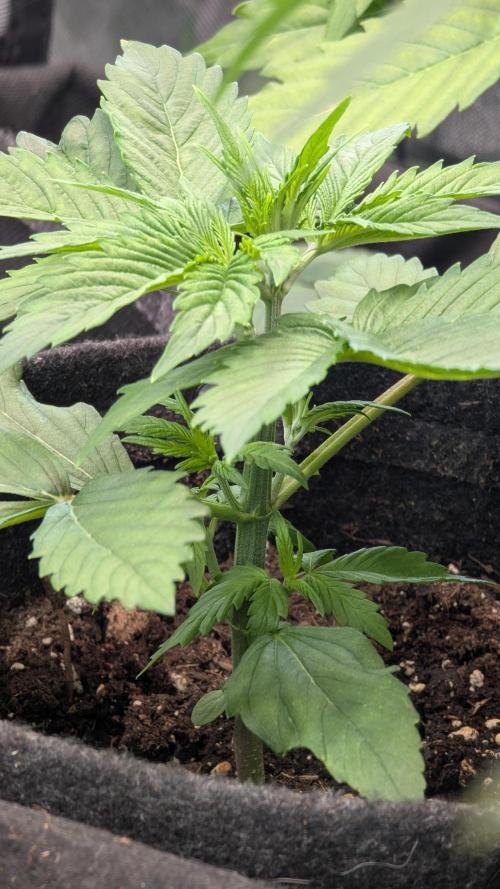
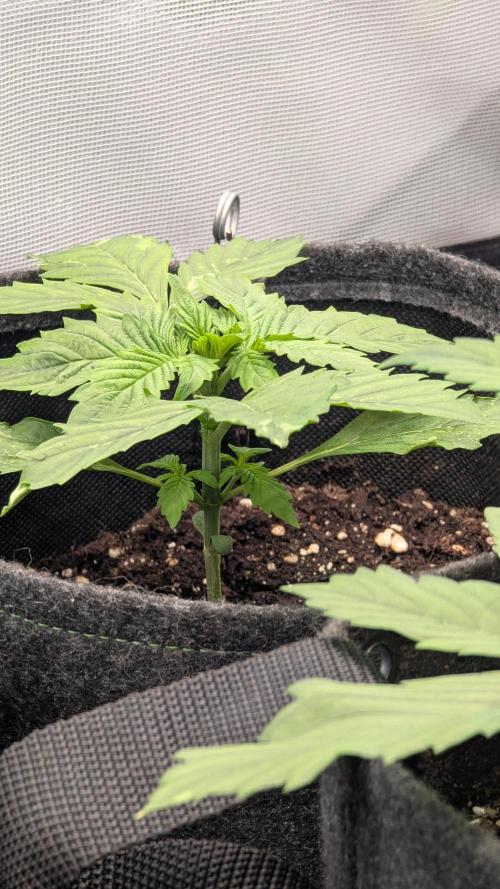
14 cm
Height
24 hrs
Light Schedule
23 °C
Day Air Temp
6.2
pH
No Smell
Smell
60 %
Air Humidity
19 °C
Solution Temp
20 °C
Substrate Temp
23 °C
Night Air Temp
11 liters
Pot Size
0.5 liters
Watering Volume
60 cm
Lamp Distance
Nutrients 1

Easy Grow Booster Tablets
0.2 mll
Miketama —
26 likes
6 comments
Share
3
Week 3. Vegetation5mo ago
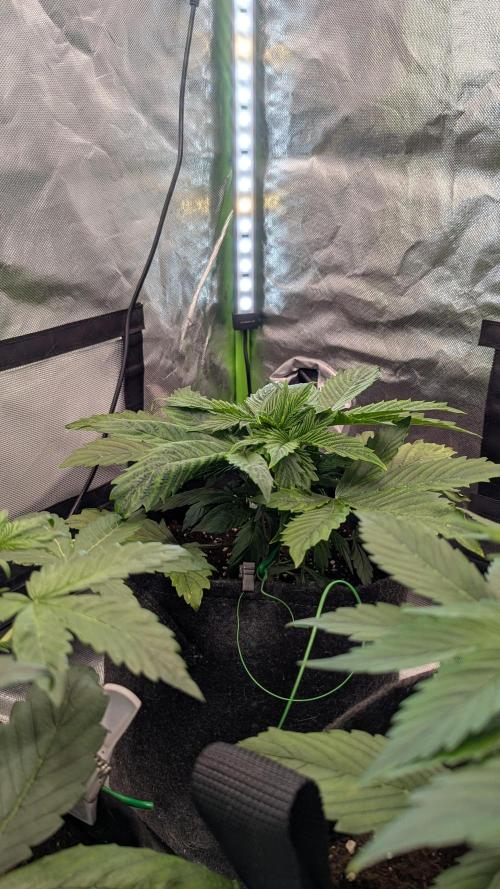
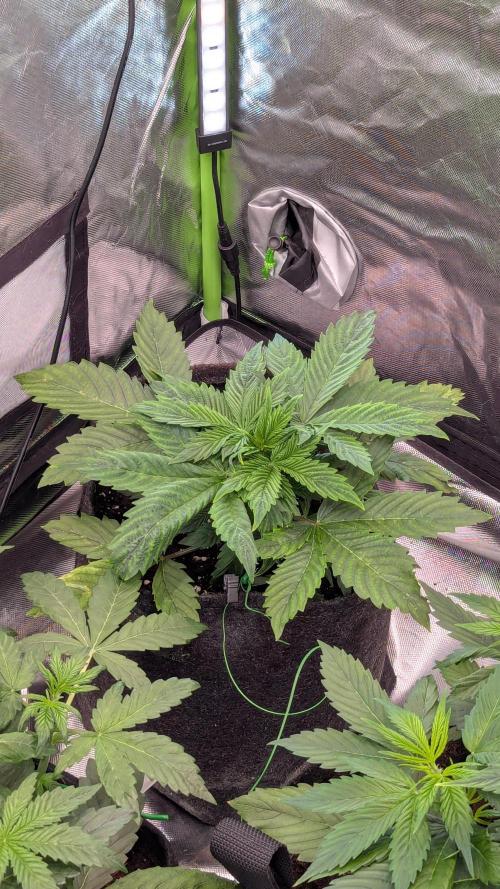
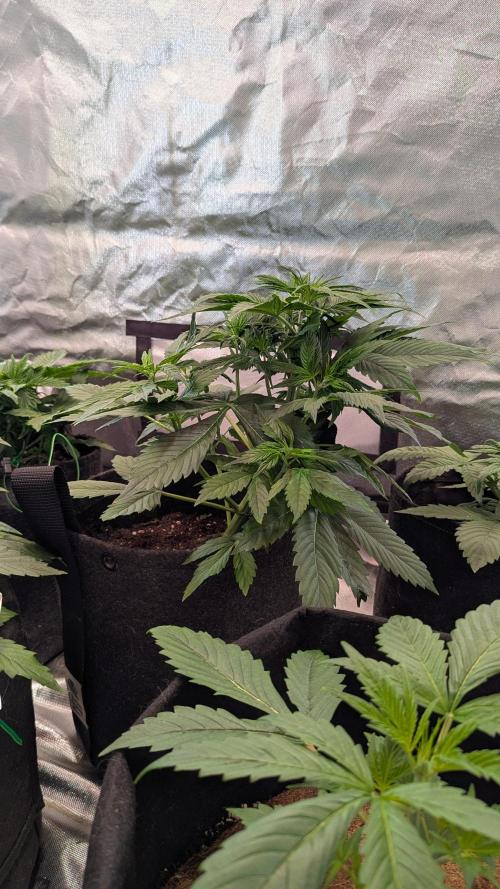
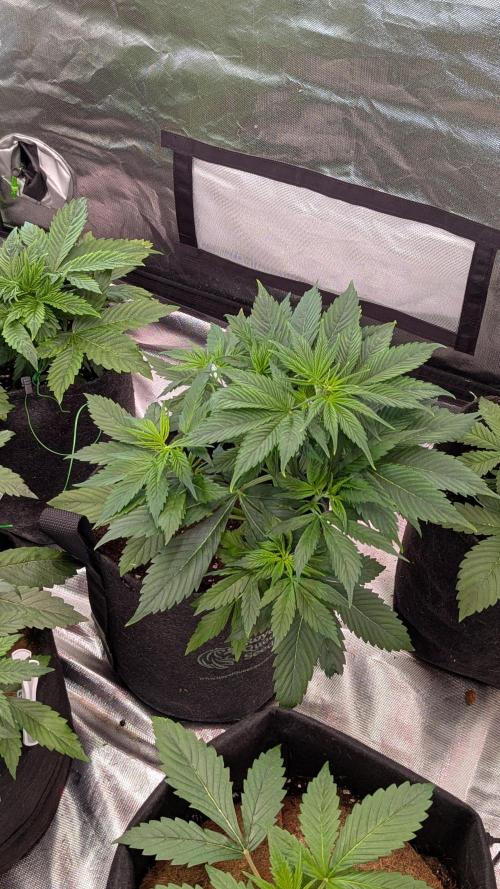
20 cm
Height
23 hrs
Light Schedule
-5 °C
Day Air Temp
6.2
pH
No Smell
Smell
60 %
Air Humidity
-7 °C
Solution Temp
-6 °C
Substrate Temp
-7 °C
Night Air Temp
11 liters
Pot Size
0.7 liters
Watering Volume
60 cm
Lamp Distance
Miketama Day28
22 likes
comments
Share
4
Week 4. Flowering5mo ago
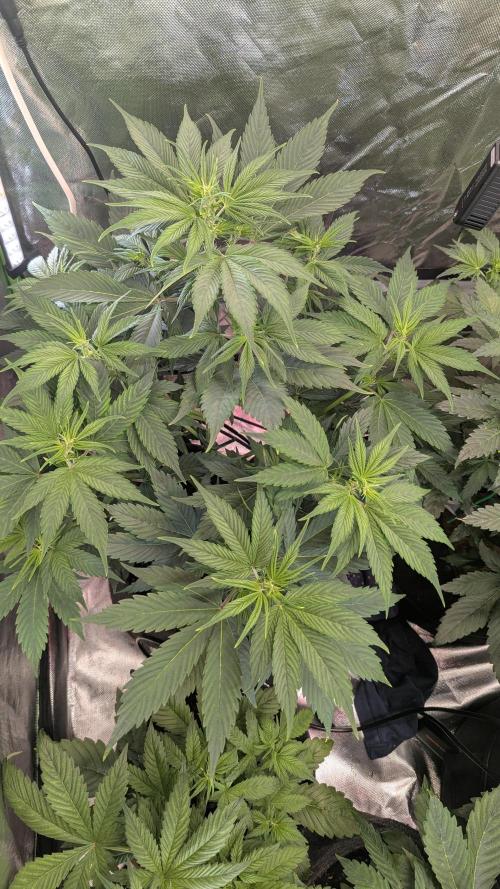
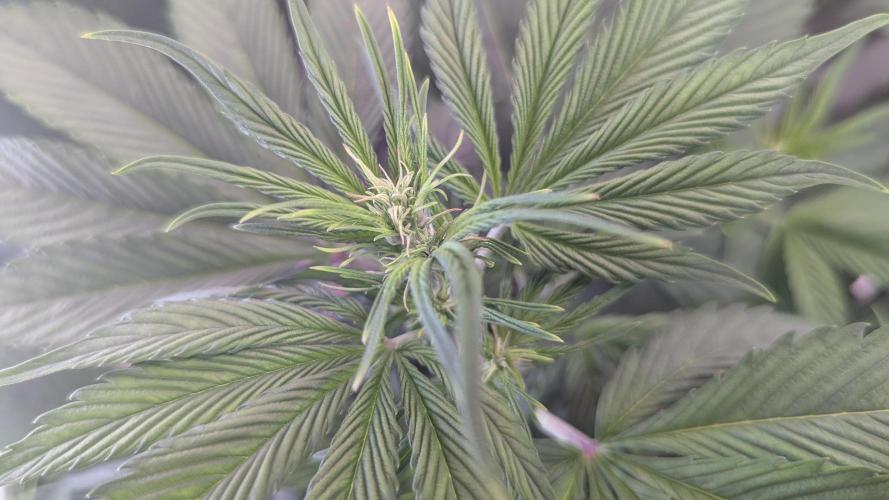
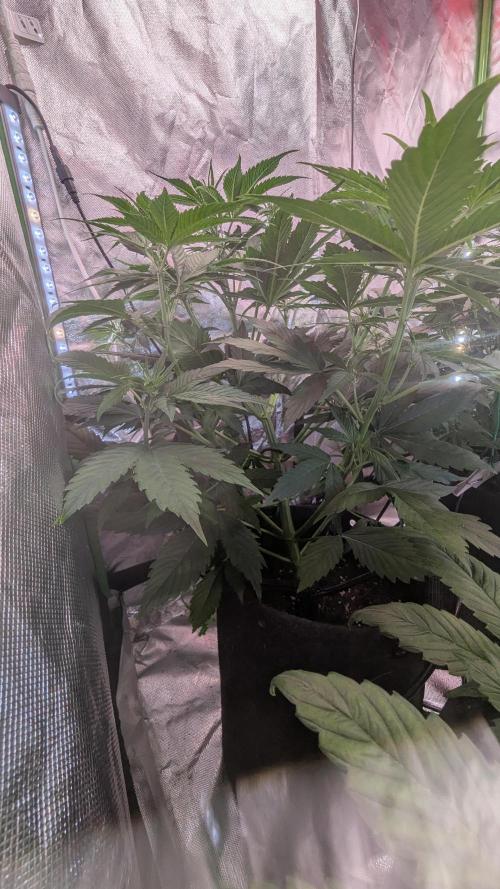
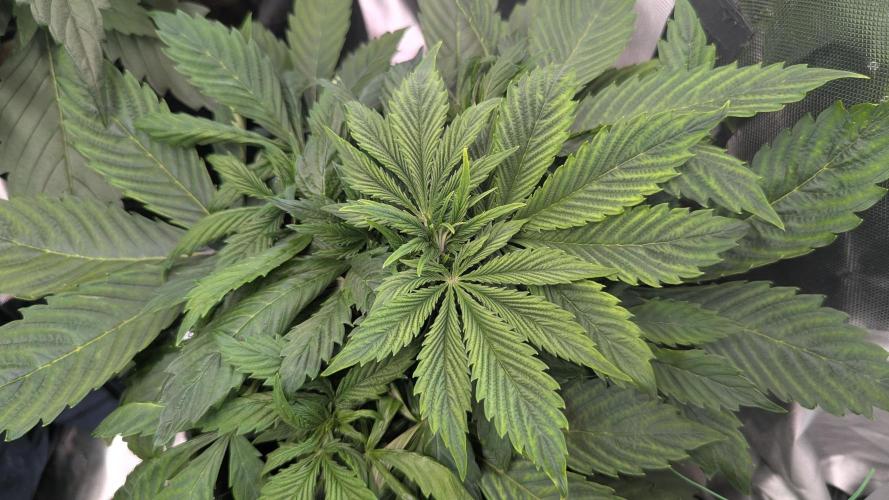
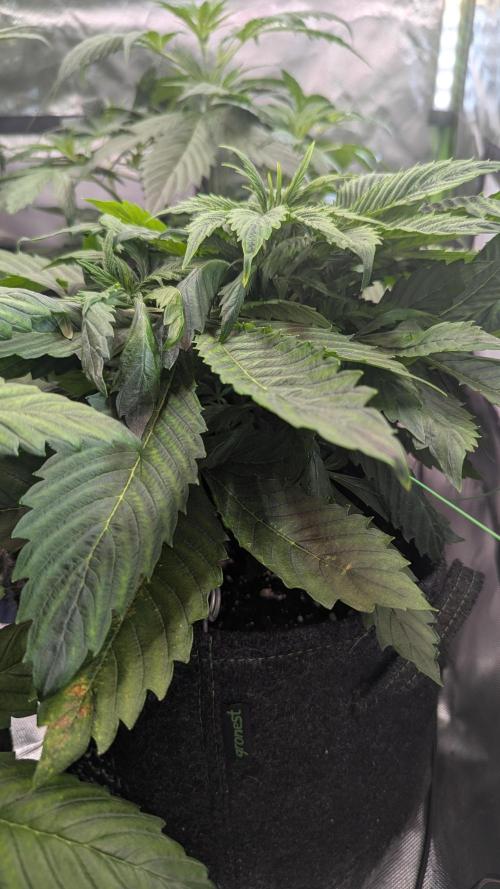
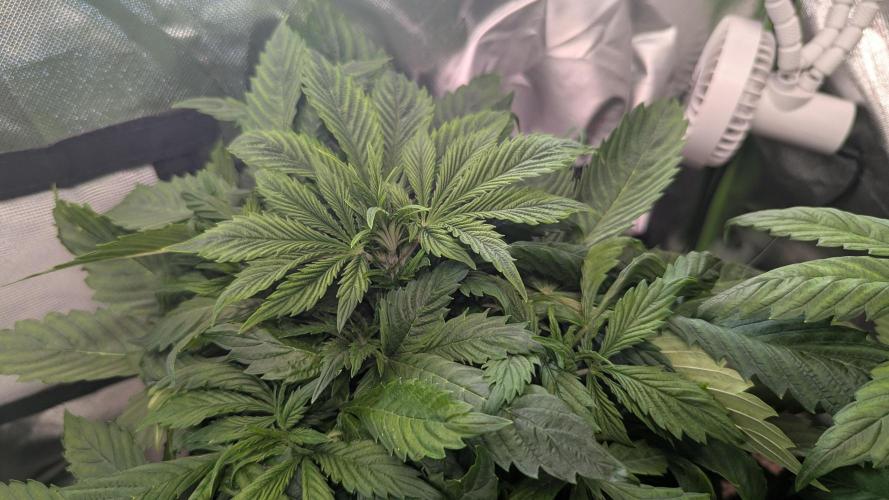
50 cm
Height
23 hrs
Light Schedule
25 °C
Day Air Temp
6.2
pH
No Smell
Smell
60 %
Air Humidity
22 °C
Solution Temp
22 °C
Substrate Temp
23 °C
Night Air Temp
11 liters
Pot Size
0.7 liters
Watering Volume
60 cm
Lamp Distance
Miketama Day34
23 likes
comments
Share
5
Week 5. Flowering4mo ago
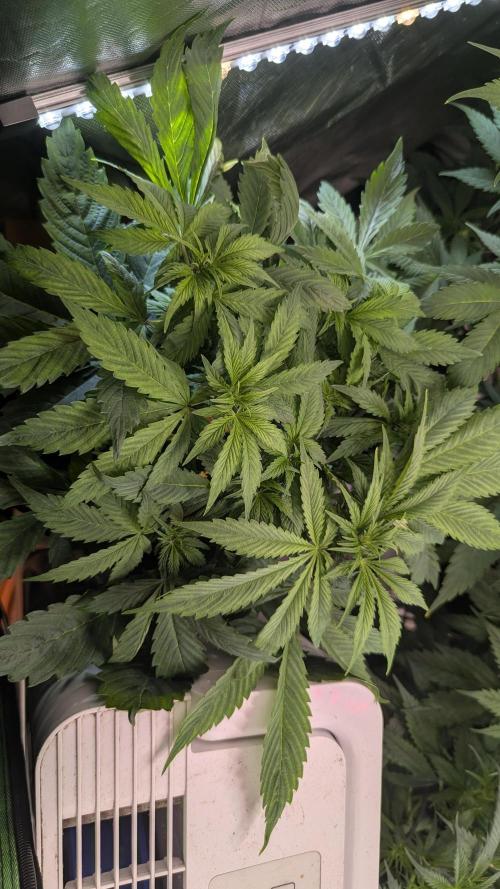
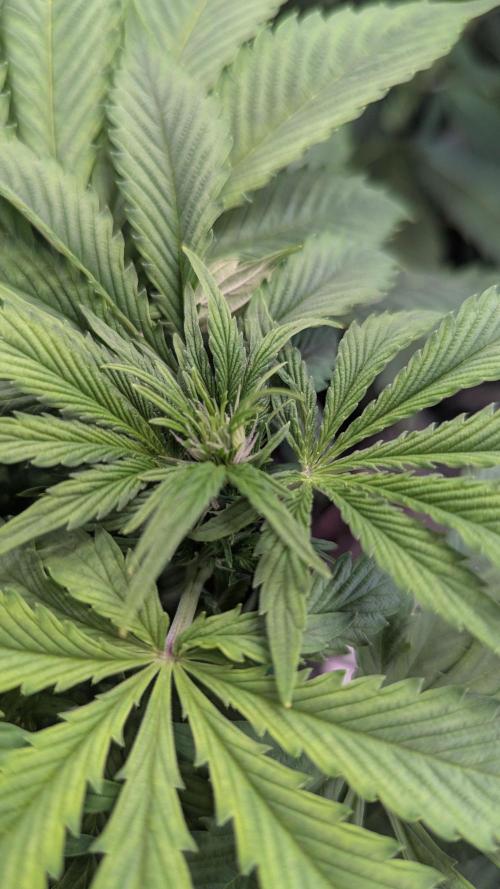
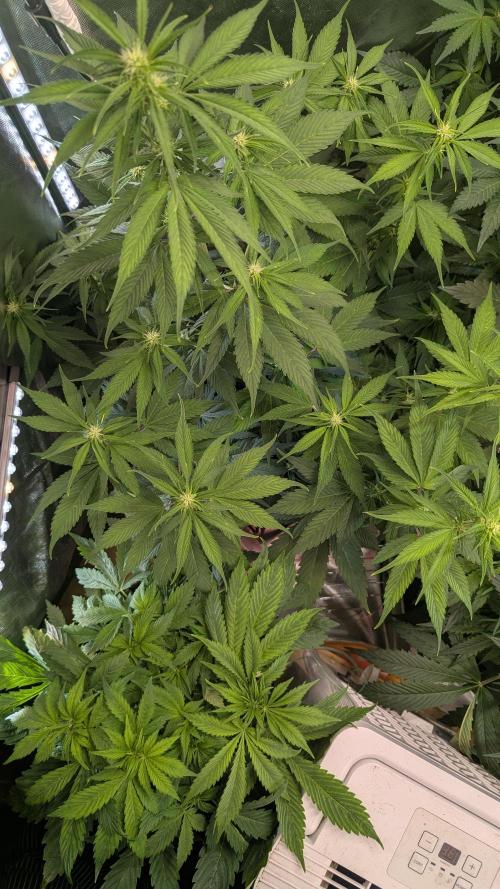
80 cm
Height
23 hrs
Light Schedule
26 °C
Day Air Temp
6.2
pH
No Smell
Smell
55 %
Air Humidity
22 °C
Solution Temp
23 °C
Substrate Temp
24 °C
Night Air Temp
11 liters
Pot Size
0.7 liters
Watering Volume
35 cm
Lamp Distance
Miketama Day42
24 likes
comments
Share
6
Week 6. Flowering4mo ago
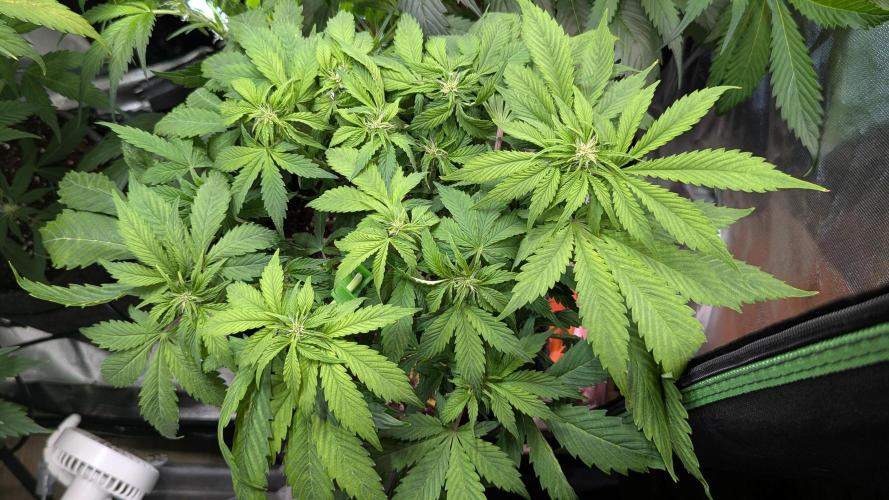
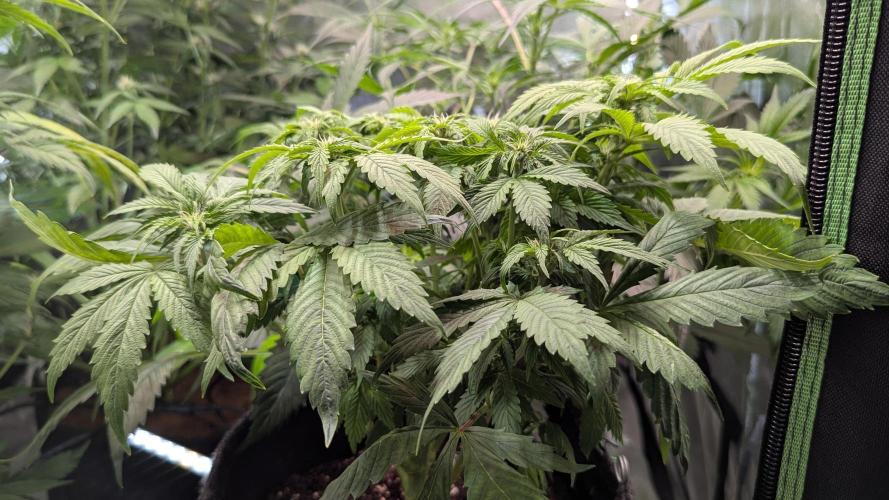
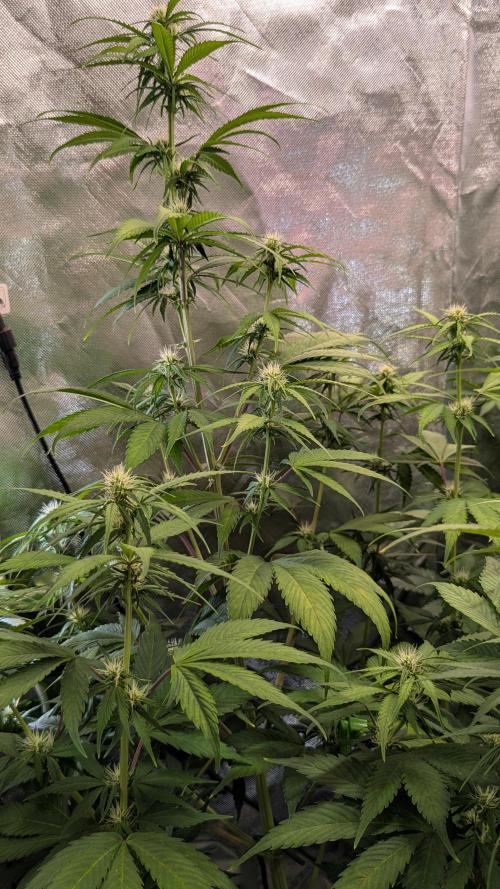
100 cm
Height
23 hrs
Light Schedule
26 °C
Day Air Temp
6.2
pH
No Smell
Smell
55 %
Air Humidity
22 °C
Solution Temp
23 °C
Substrate Temp
24 °C
Night Air Temp
11 liters
Pot Size
0.7 liters
Watering Volume
35 cm
Lamp Distance
Nutrients 1

Easy Bloom Booster Tablets
0.2 mll
Miketama Day46 Update
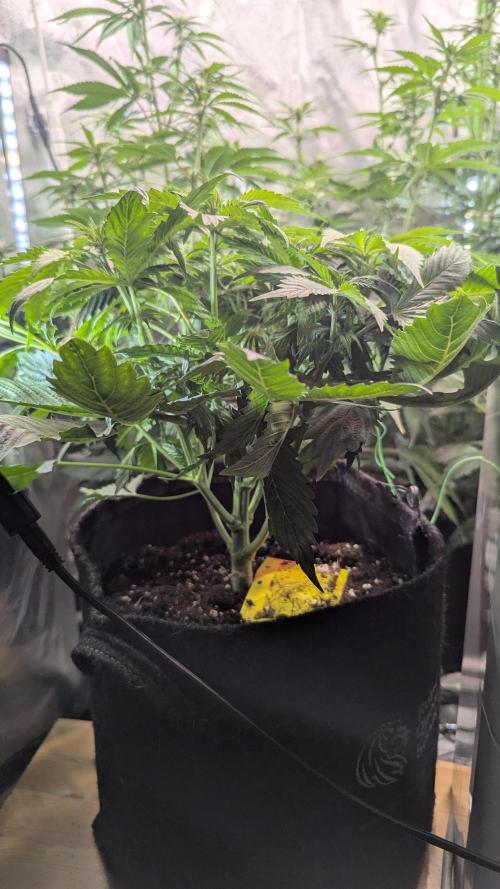
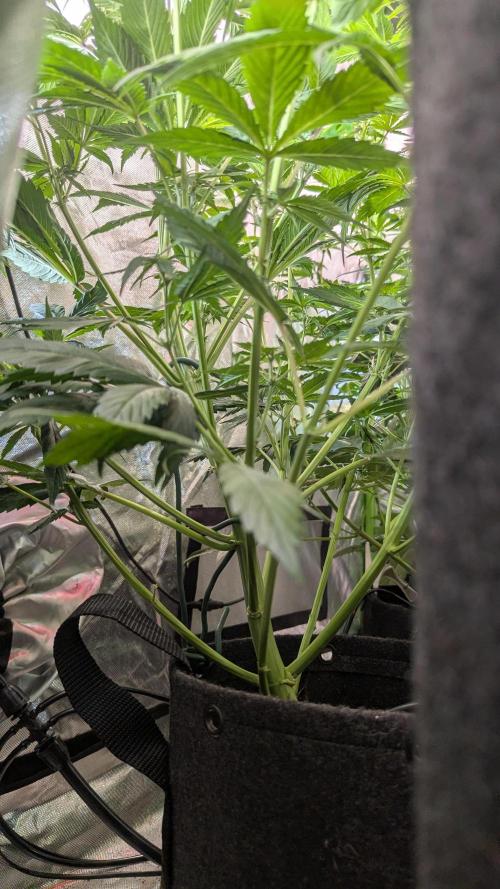
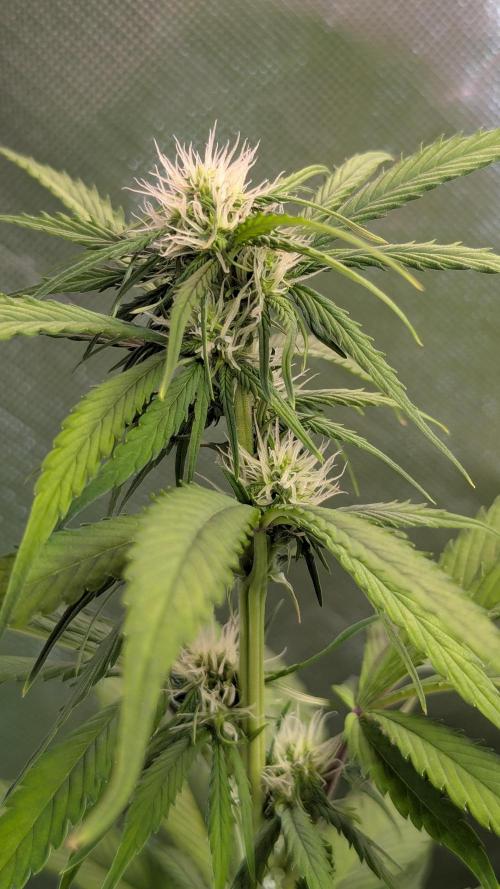
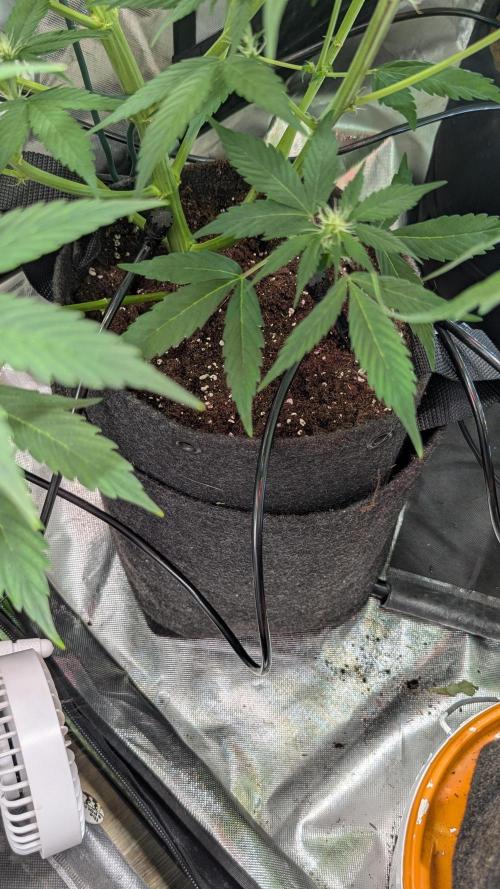
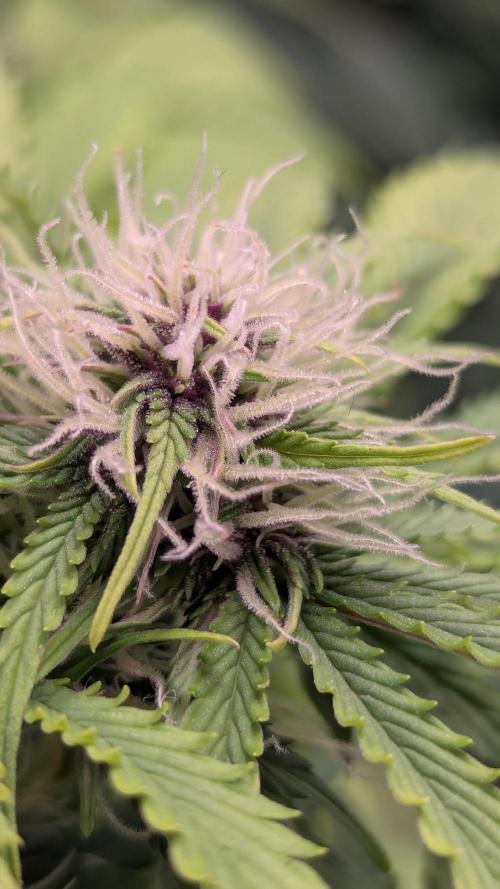
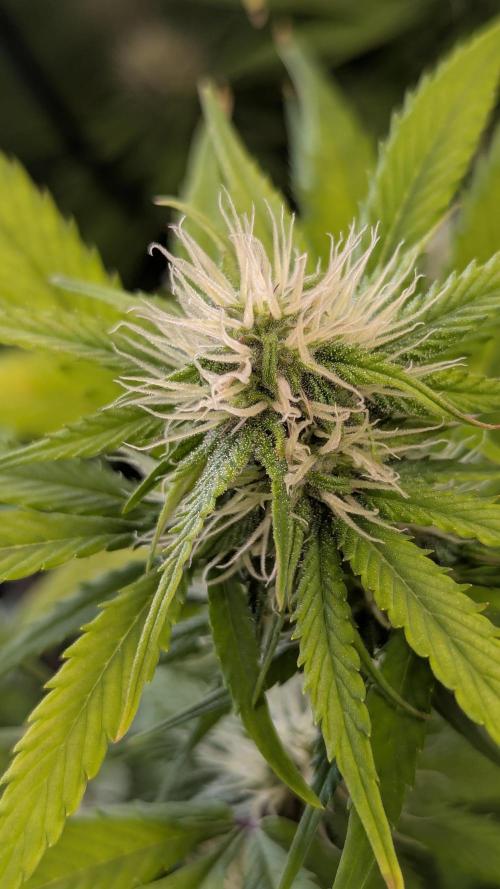
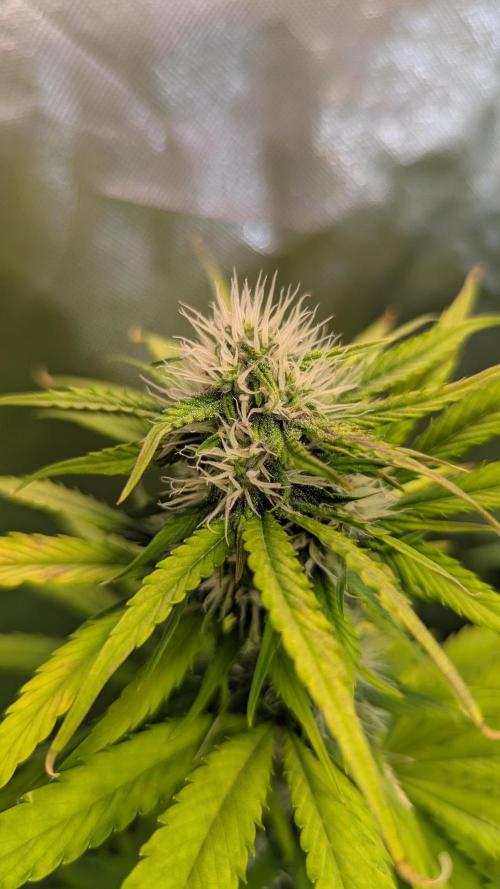
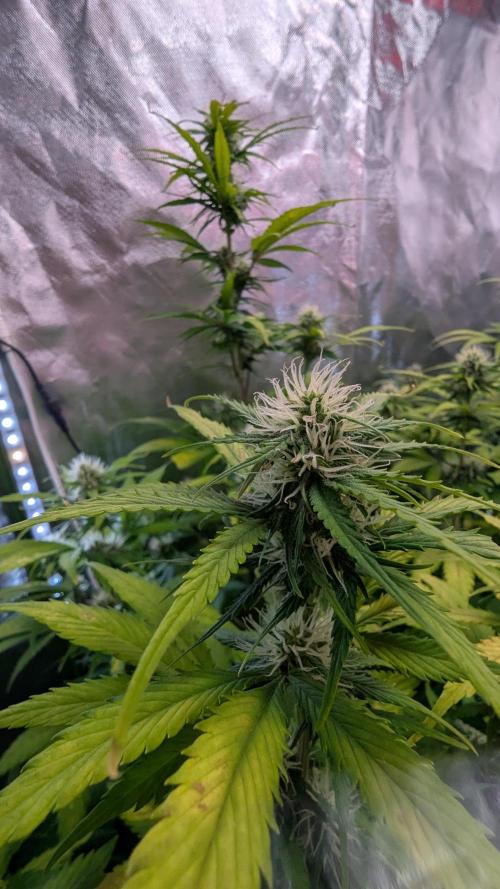
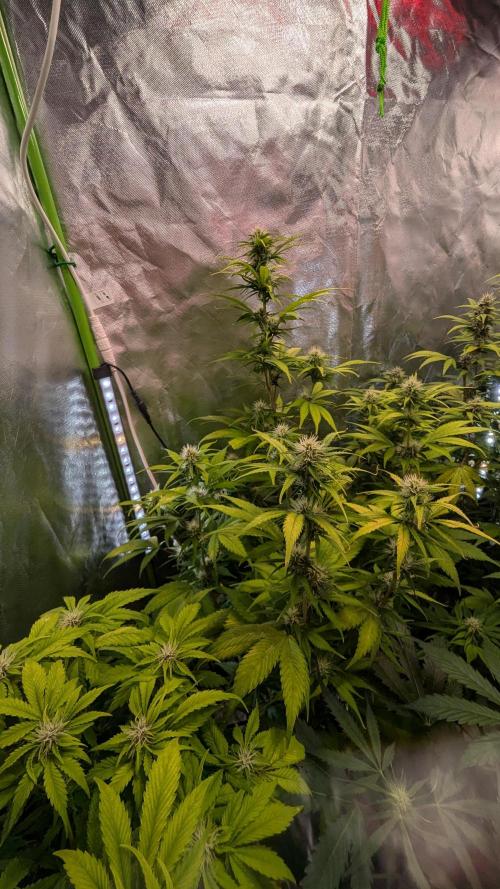
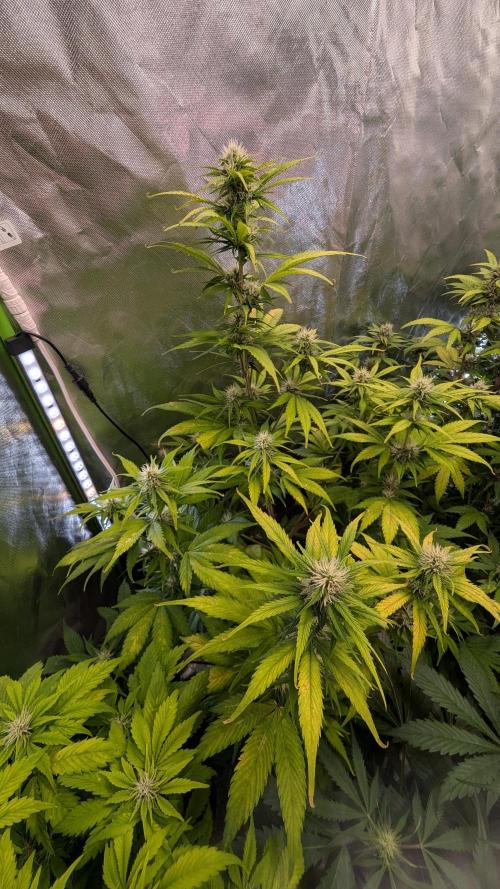
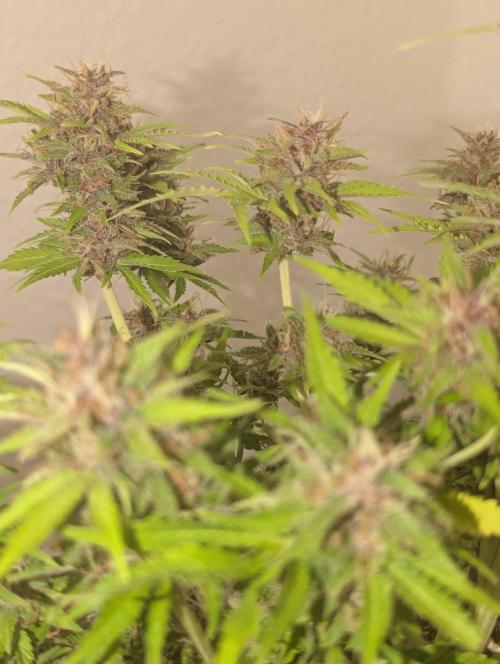
The difference between the organic super soil plant and the mineral-fed one is night and day. The organic plant has skyrocketed to 1 meter in height, while the mineral one has stayed incredibly compact with very little branching. I might try other fertilizers in the future, but for now, my absolute favorite approach is the combination of Biotabs, bat guano, RQS mycorrhiza, and worm humus.
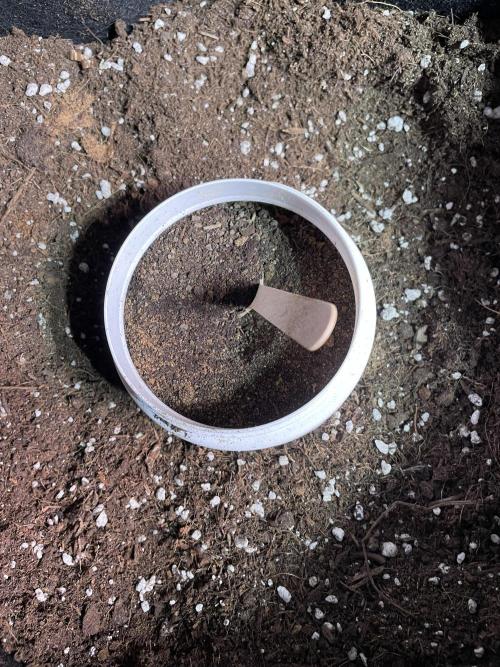
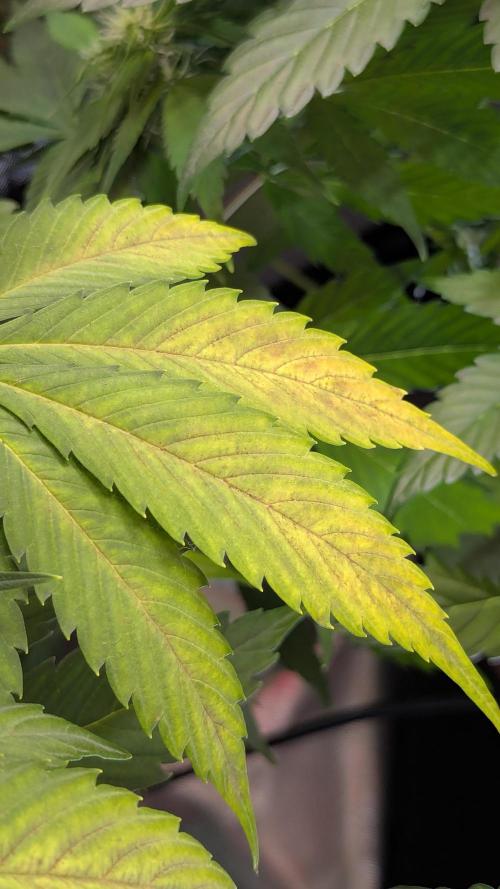
The only downside to this organic setup is that the roots colonize the 11-liter pot so fast that it caused slight root asphyxiation, which showed up on the plant as an iron deficiency. To fix this, I decided to give the roots more room to explore. I filled a fabric pot with a couple of liters of soil mixed with a few tablespoons of bat guano and placed the Purple Lemonade pot inside it, hoping the roots will grow through into the new substrate. I also topped off the upper part of the container, bringing the total volume to about 14–15 liters of soil.
As for the mineral plant, it’s getting its second Royal Queen Seeds Easy Bloom tablet in the next day, though I don't have very high hopes for it. 💚
21 likes
comments
Share
7
Week 7. Flowering4mo ago
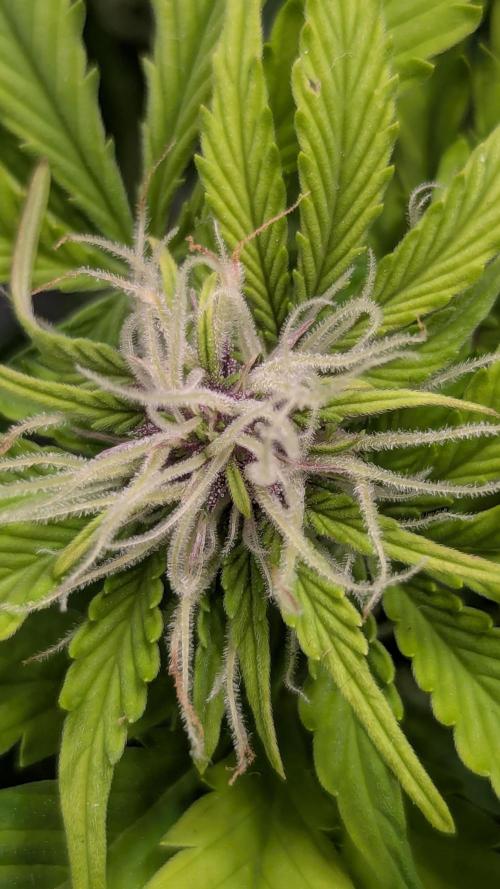
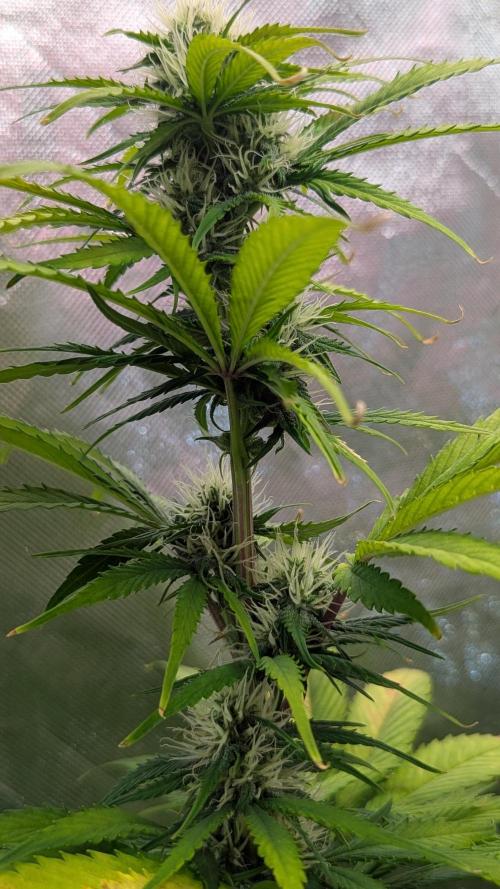
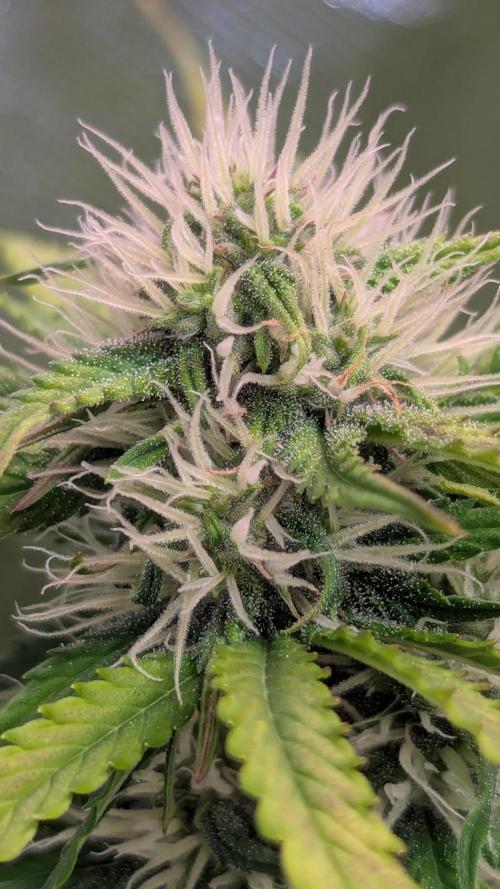
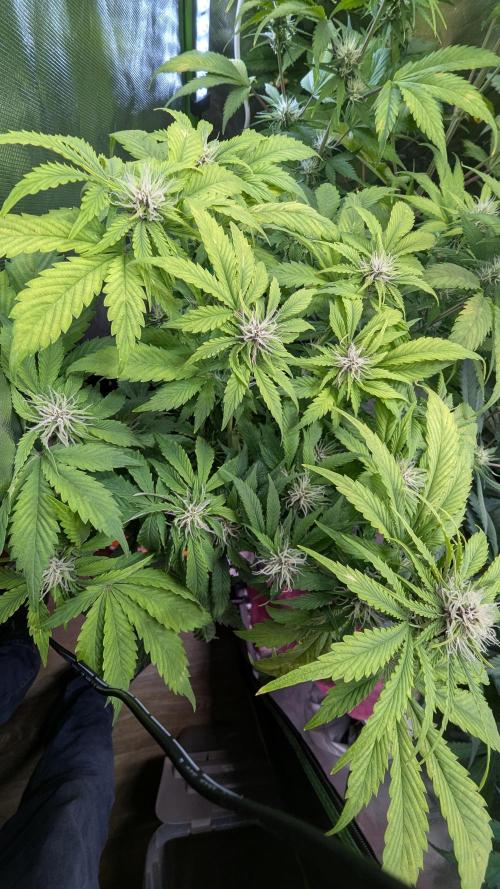
100 cm
Height
24 hrs
Light Schedule
26 °C
Day Air Temp
6.2
pH
No Smell
Smell
55 %
Air Humidity
22 °C
Solution Temp
23 °C
Substrate Temp
24 °C
Night Air Temp
11 liters
Pot Size
0.7 liters
Watering Volume
35 cm
Lamp Distance
Miketama Day53
22 likes
4 comments
Share
8
Week 8. Flowering4mo ago
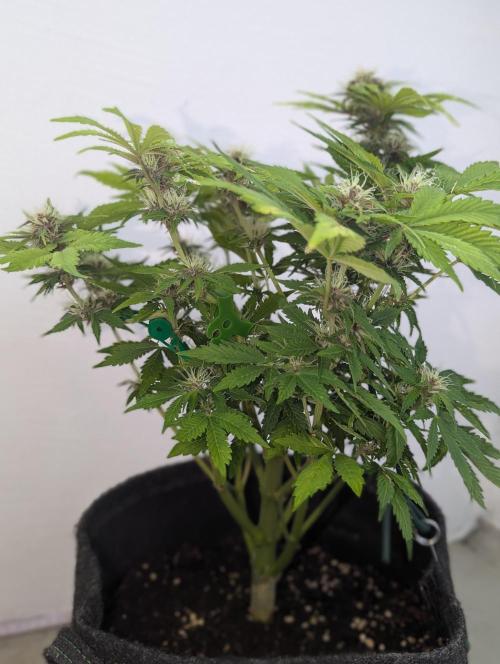
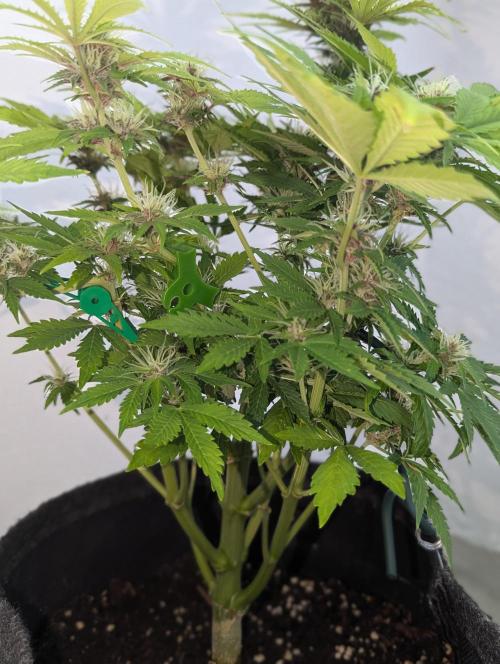
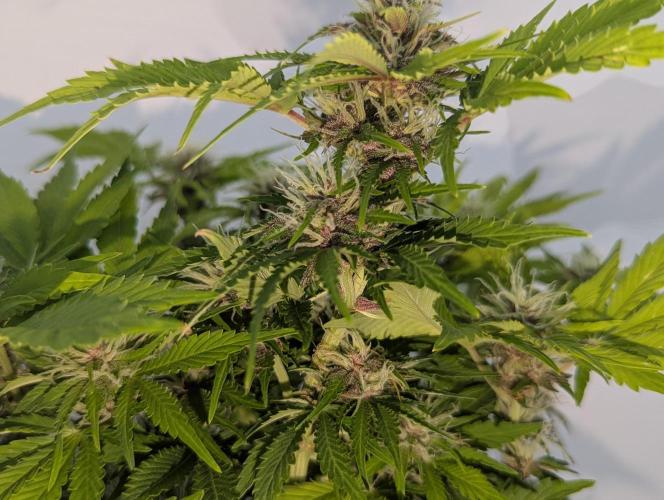
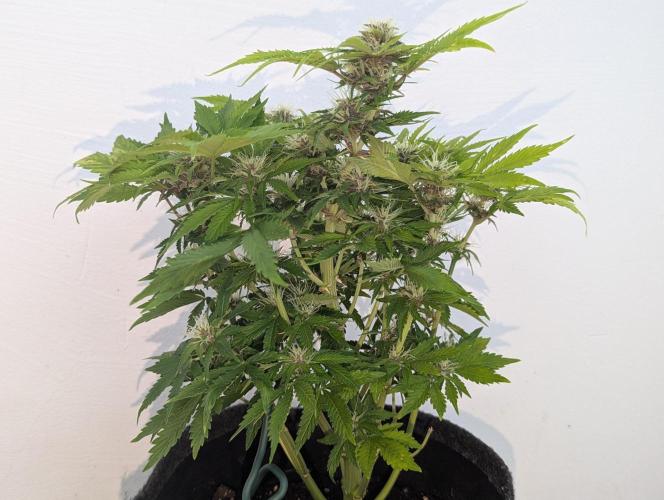
100 cm
Height
24 hrs
Light Schedule
26 °C
Day Air Temp
6.2
pH
No Smell
Smell
55 %
Air Humidity
22 °C
Solution Temp
23 °C
Substrate Temp
24 °C
Night Air Temp
11 liters
Pot Size
0.7 liters
Watering Volume
35 cm
Lamp Distance
Nutrients 1

Green Sensation
1 mll
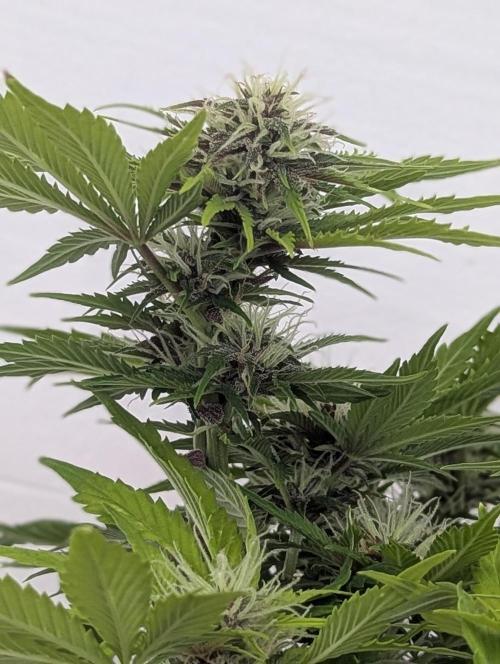
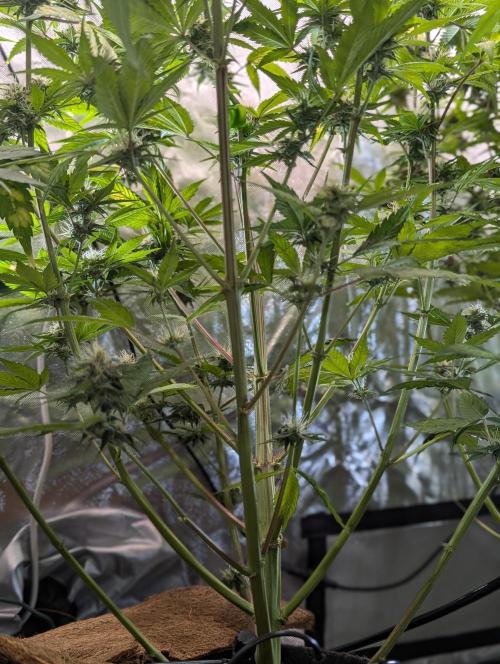
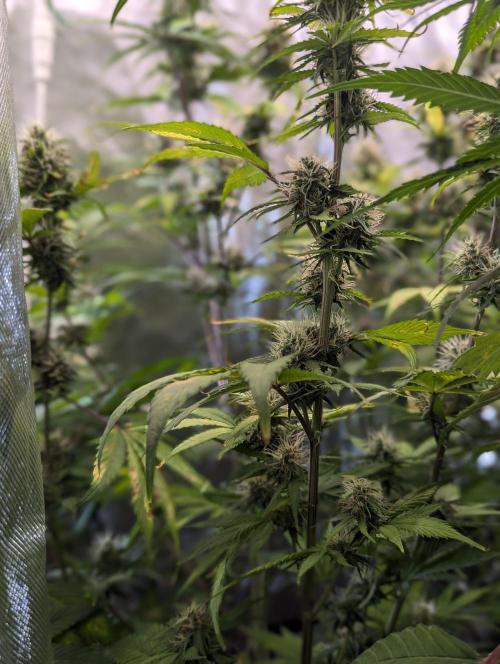
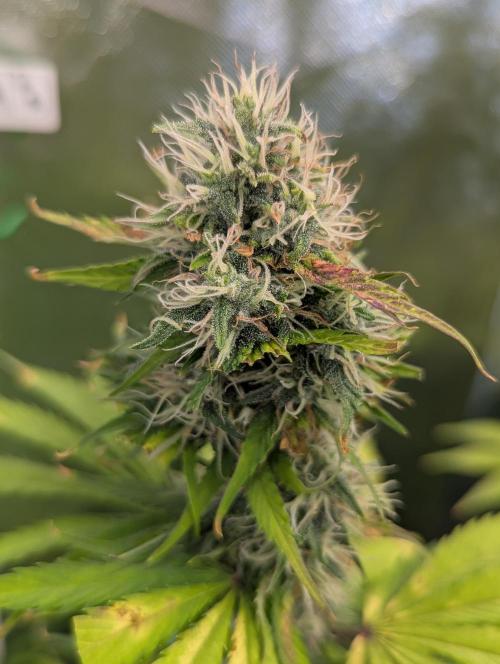
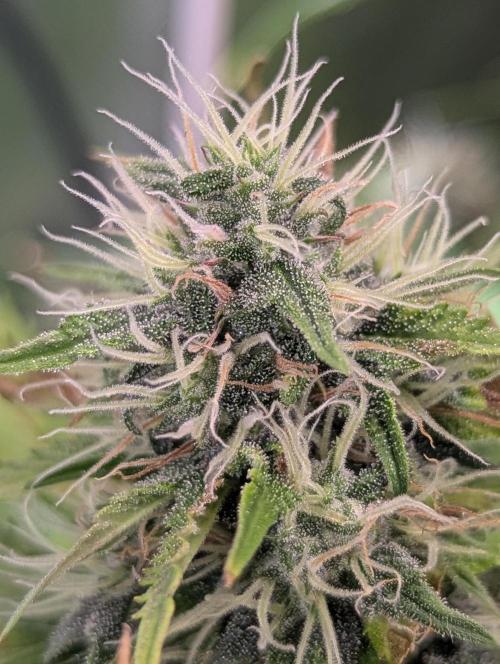
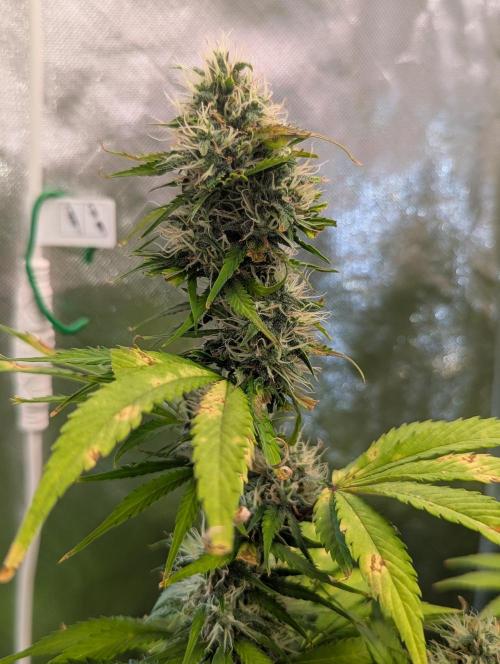
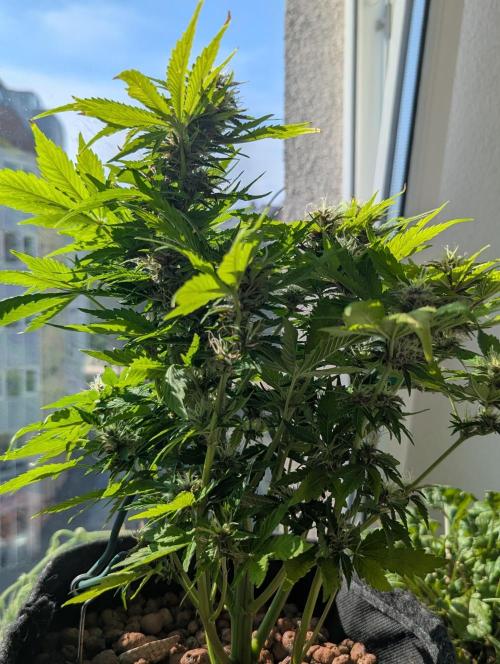
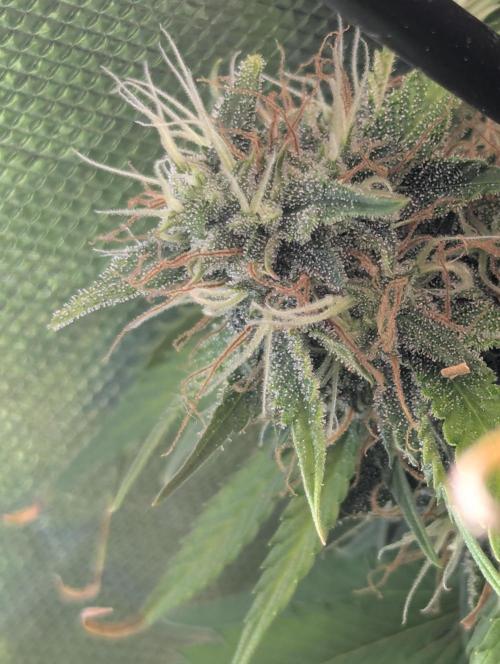
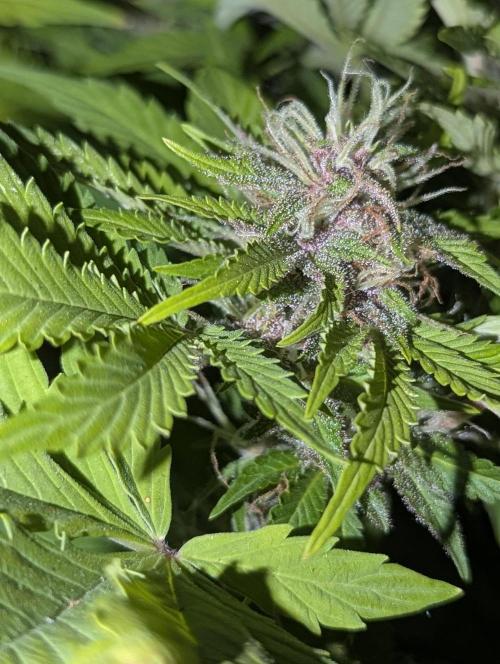
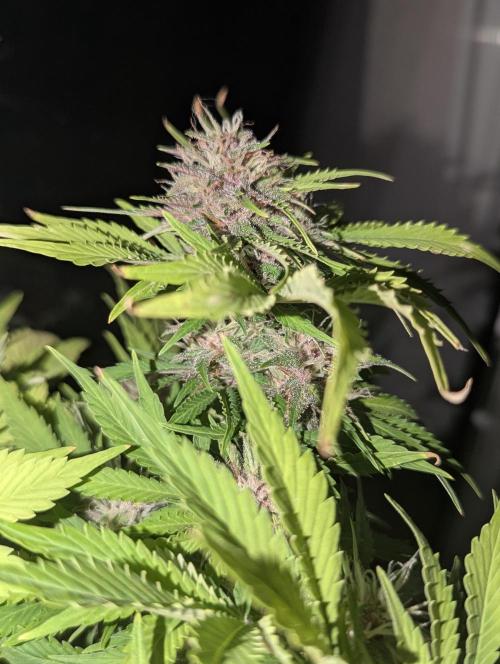
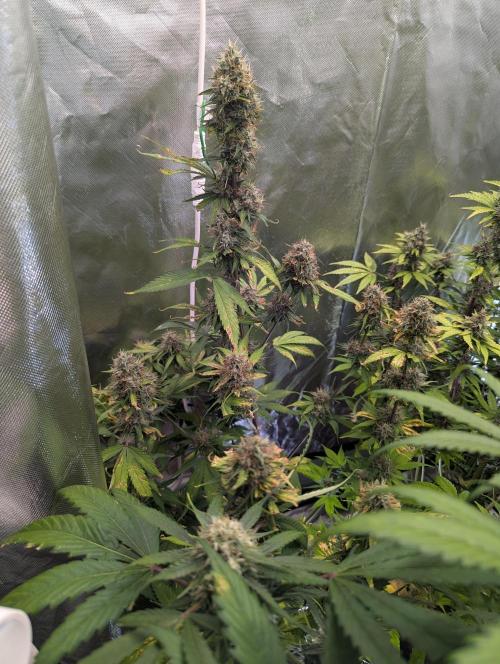
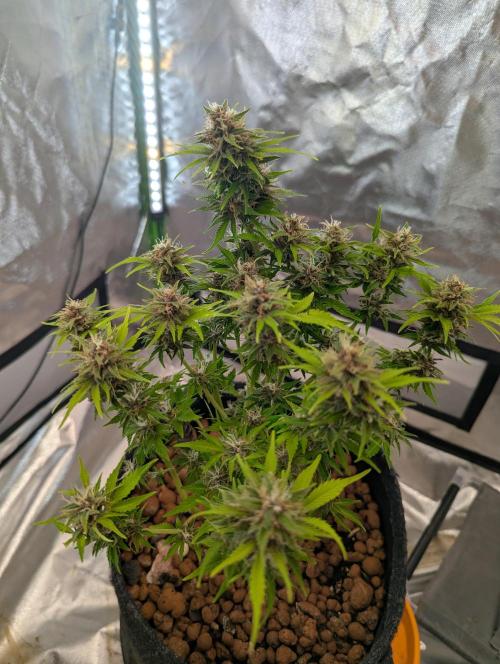
Miketama Mineral Purple Lemonade Auto: Moved Outdoor on Day 55 due to lack of space and the massive size gap compared to the organic plants in the tent.
CO2 Bag Experiment: Added a CO2 bag on Day 55 to combat high summer heat and VPD stress.
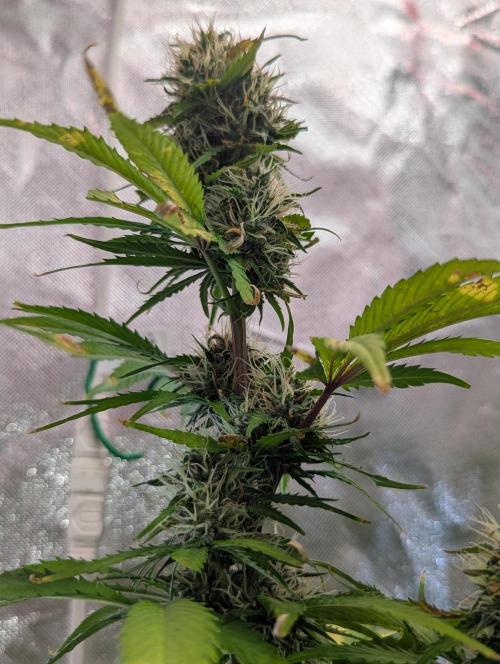
The Result: It worked perfectly for the plants in 20L pots, but the organic Purple Lemonade in a smaller pot suffered, showing some damage on its resinous leaves.
Fixes Applied: Dimmed the light intensity and manually opened the tent during the hottest hours of the day. The plant loved it and the buds are swelling up nicely again—hoping she holds on for a few more weeks!
Takeaway: This run proved that big pots offer incredible stress tolerance. From now on, it's 20+ liter pots only for me!
26 likes
7 comments
Share
Used techniques
PLM Outdoor day55
Technique
9
Week 9. Flowering4mo ago
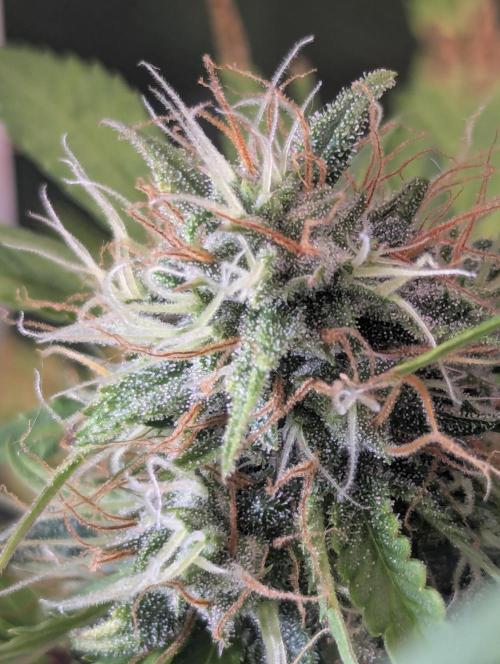
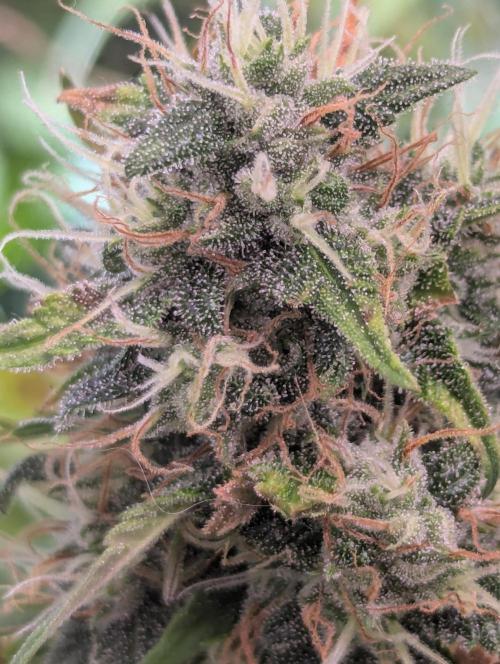
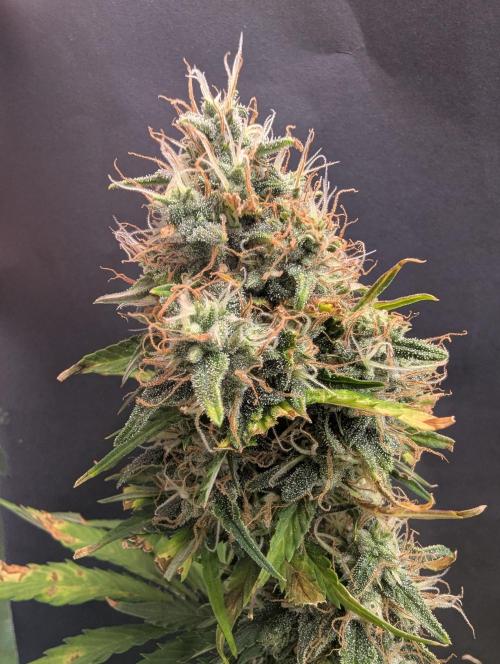
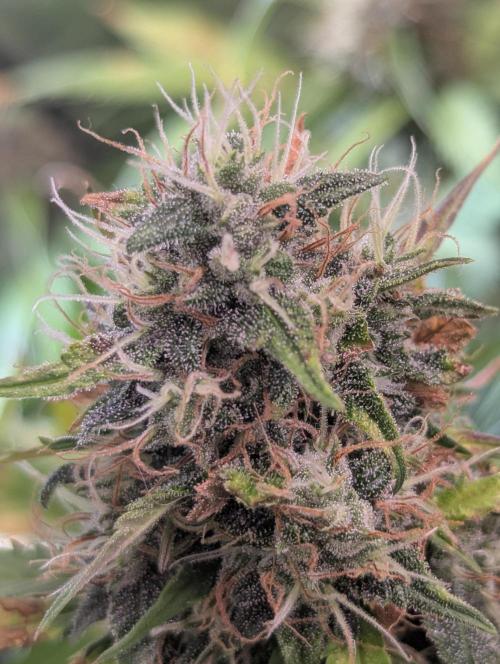
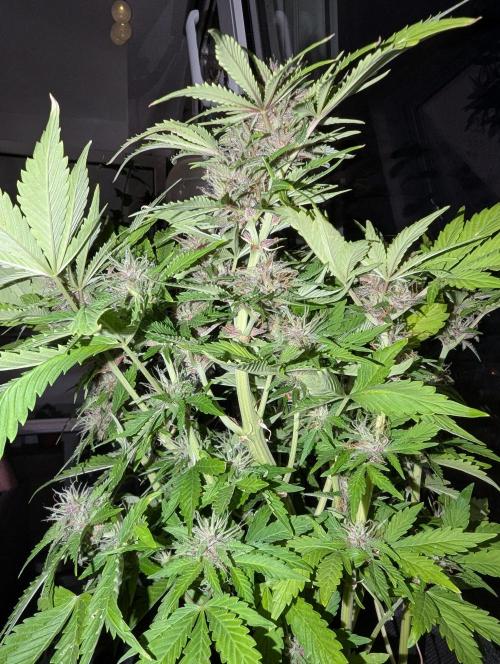
100 cm
Height
24 hrs
Light Schedule
26 °C
Day Air Temp
6.2
pH
No Smell
Smell
55 %
Air Humidity
22 °C
Solution Temp
23 °C
Substrate Temp
24 °C
Night Air Temp
11 liters
Pot Size
0.7 liters
Watering Volume
35 cm
Lamp Distance
Nutrients 1
Green Sensation
1 mll
Miketama Day66🏜️🌡️
25 likes
comments
Share
10
Week 10. Flowering3mo ago
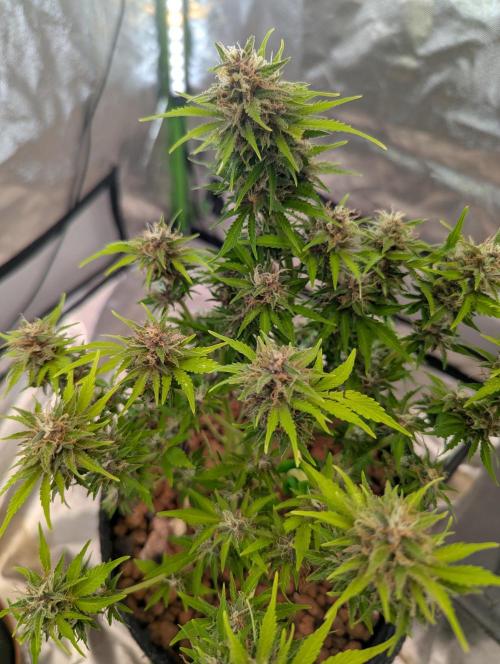
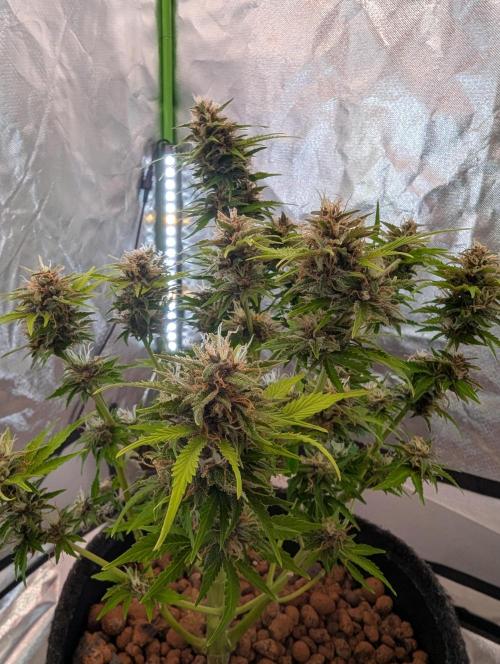
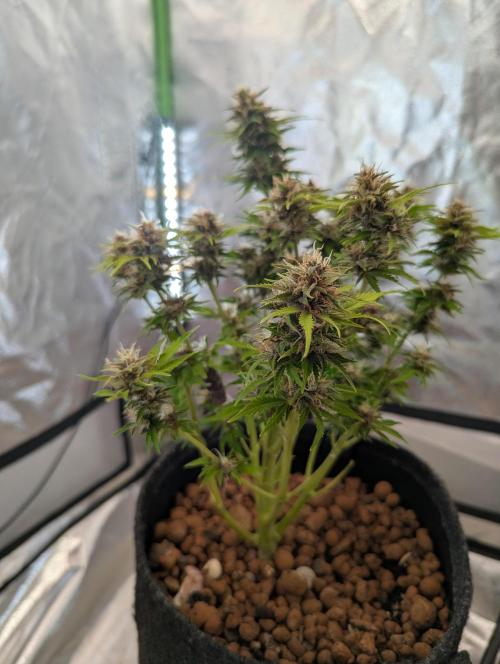
40 cm
Height
20 hrs
Light Schedule
26 °C
Day Air Temp
6.2
pH
No Smell
Smell
55 %
Air Humidity
22 °C
Solution Temp
23 °C
Substrate Temp
24 °C
Night Air Temp
11 liters
Pot Size
0.7 liters
Watering Volume
35 cm
Lamp Distance
Nutrients 1
Green Sensation
1 mll
Miketama —
18 likes
comments
Share
10
Week 10. Harvest3mo ago
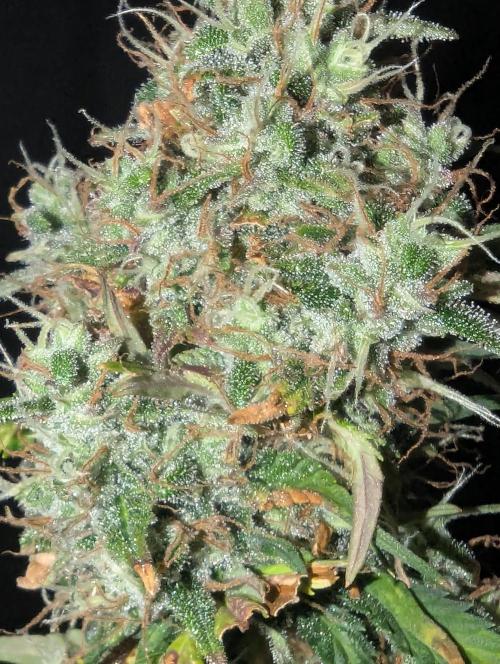
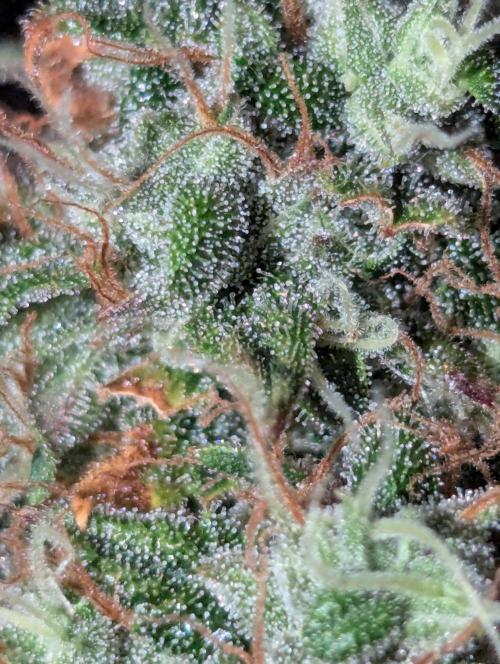
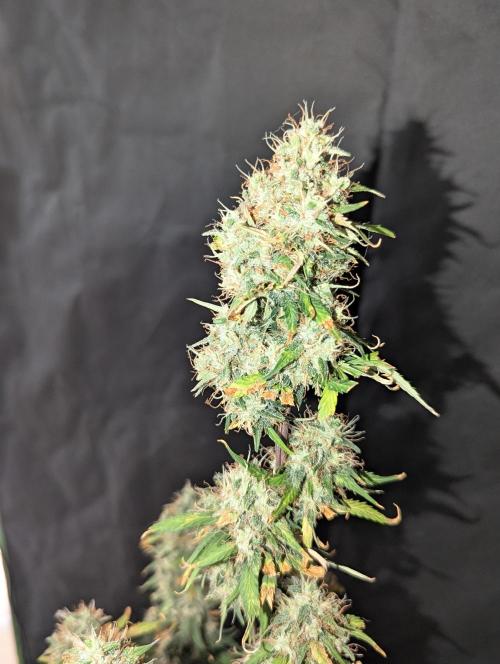
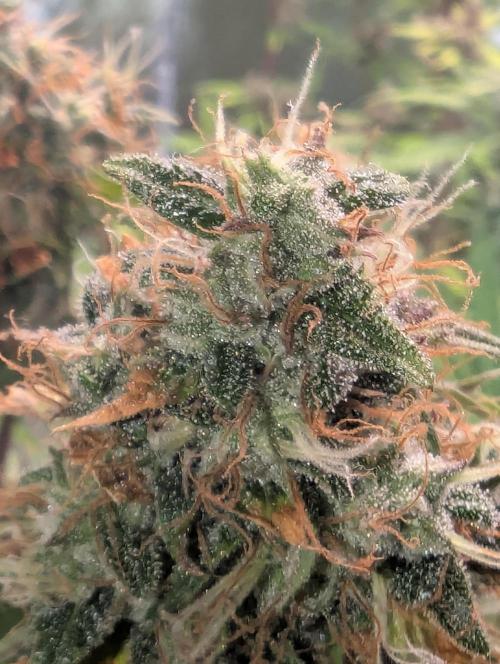
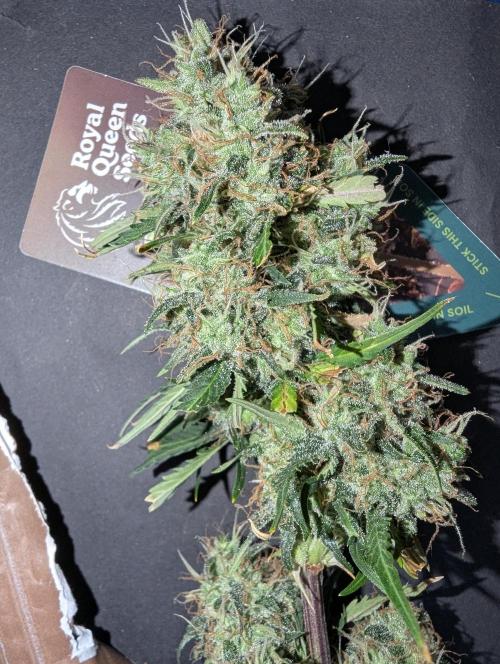
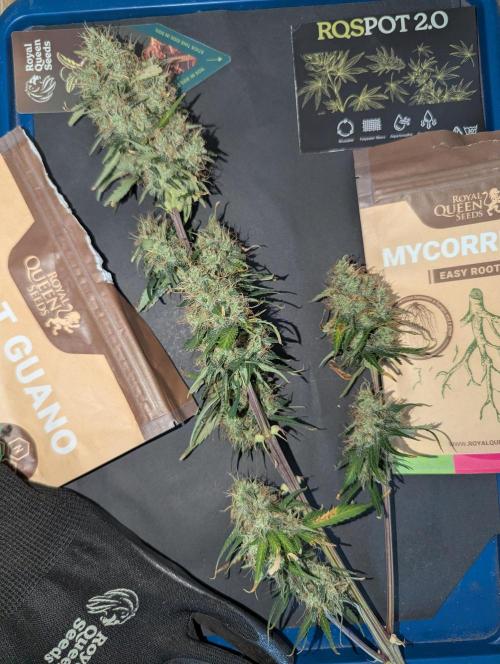
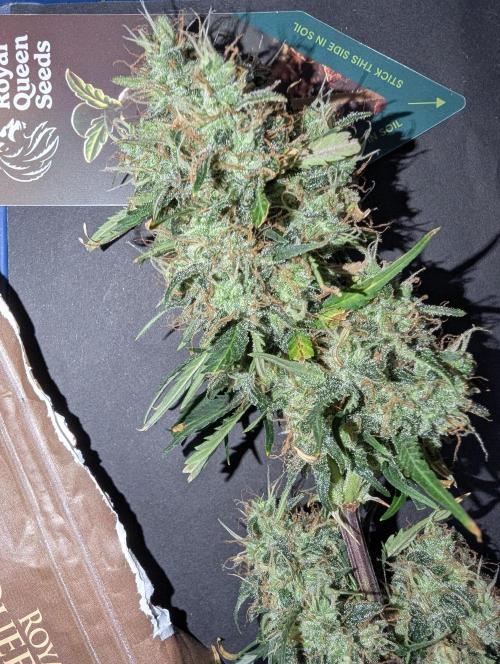
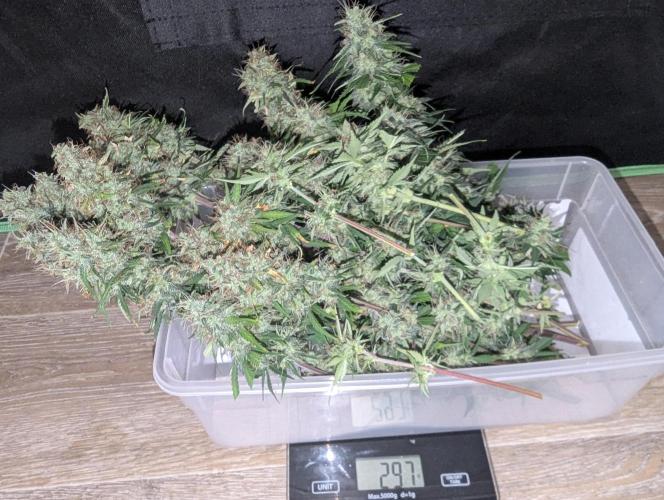
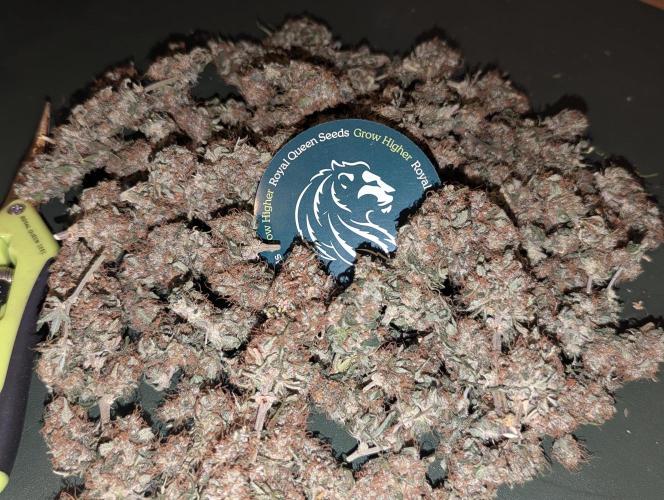
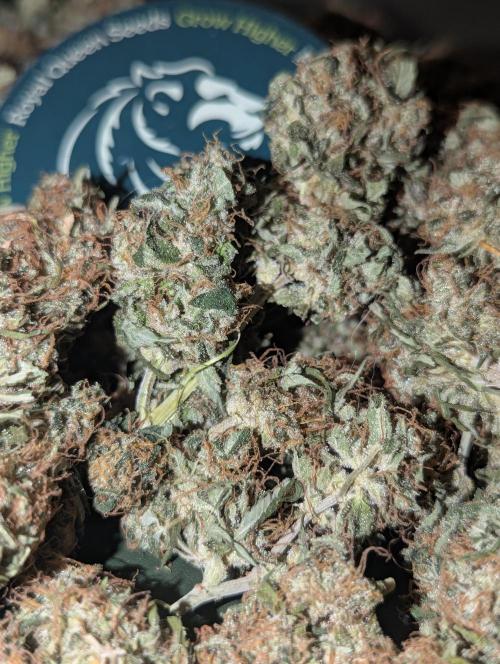
Happy Harvest Day!


10/10
Rated
Purple Lemonade Auto Final Review: Bio vs. Standard Comparison
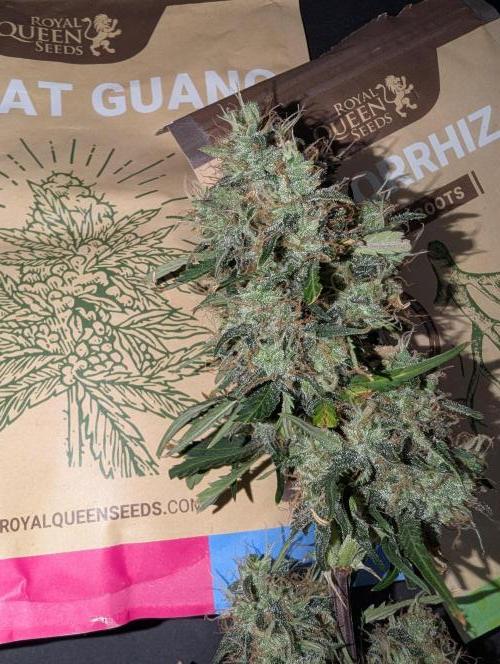
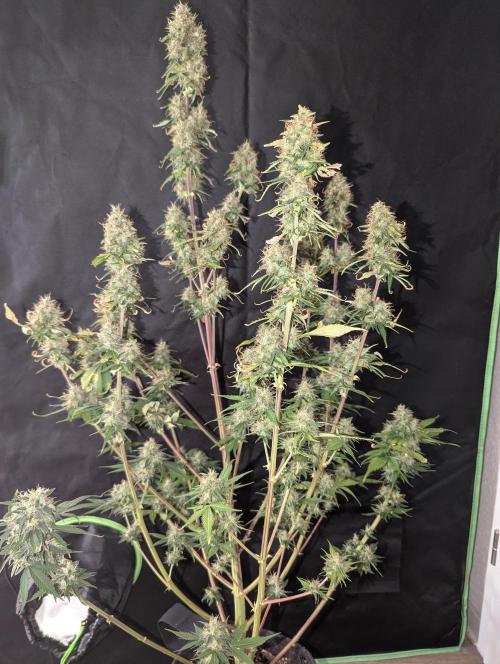
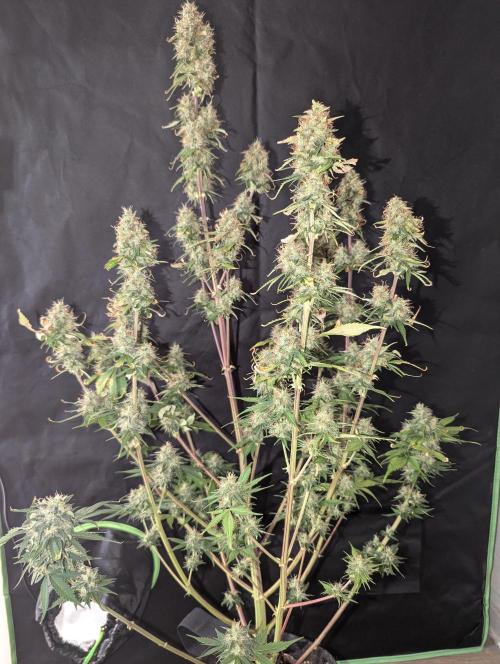
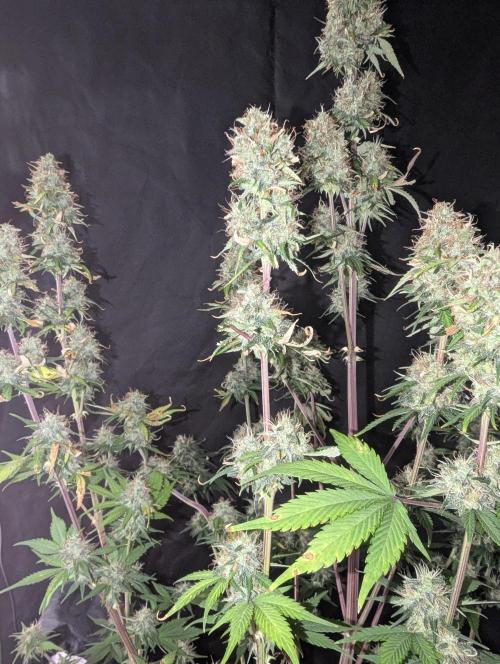
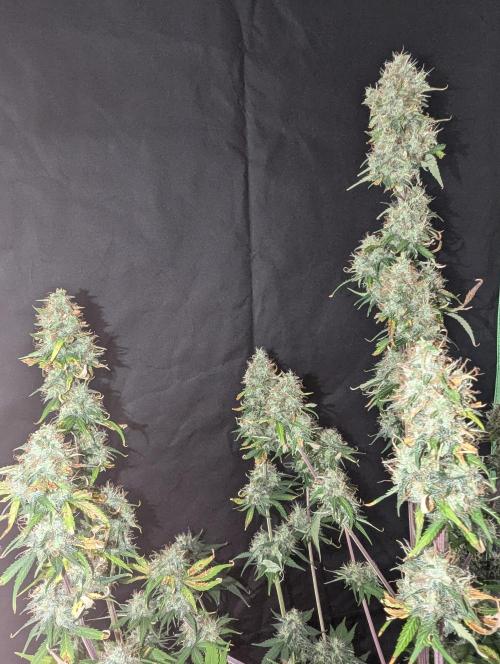
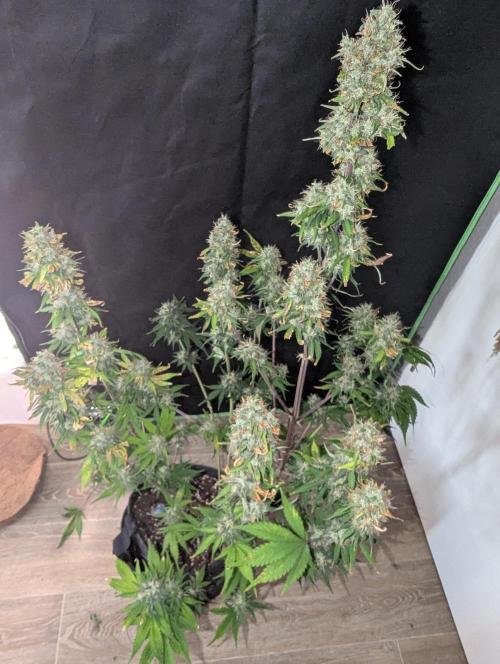
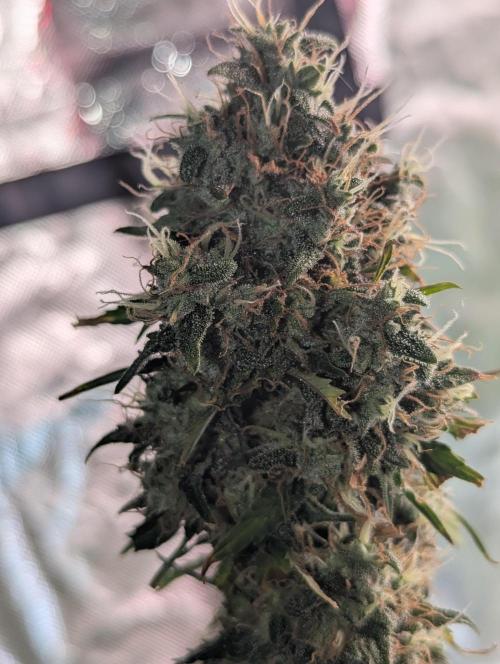
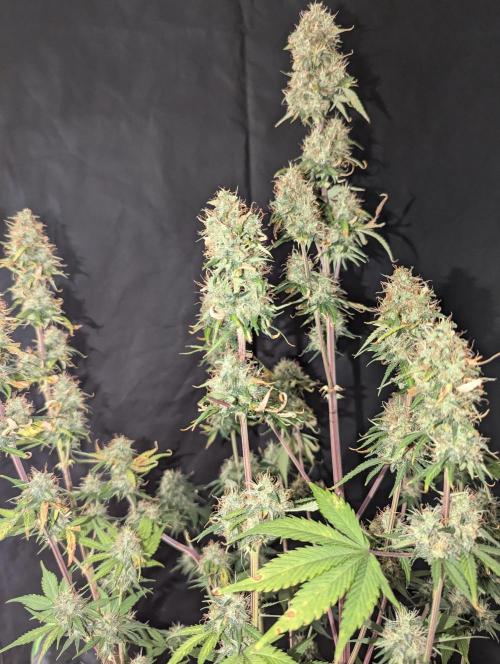
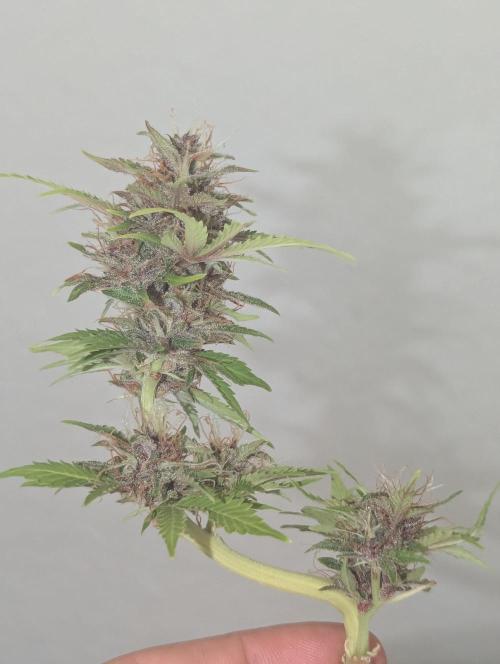
This run offered an interesting comparison between two different growing approaches with Purple Lemonade Auto. The organic setup yielded significantly better results, making it quite an uneven match in terms of performance.
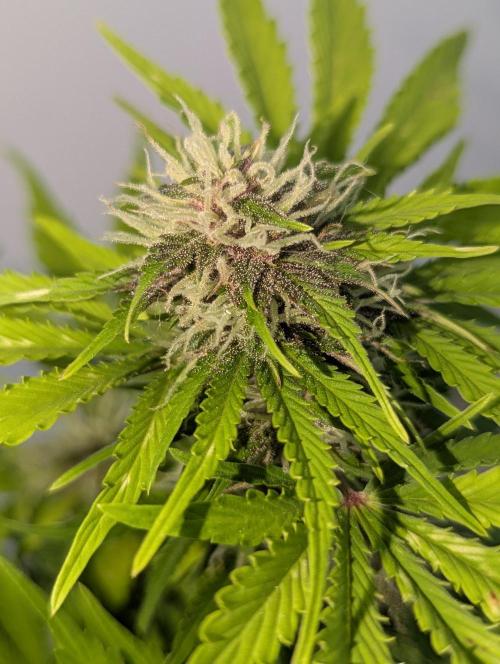
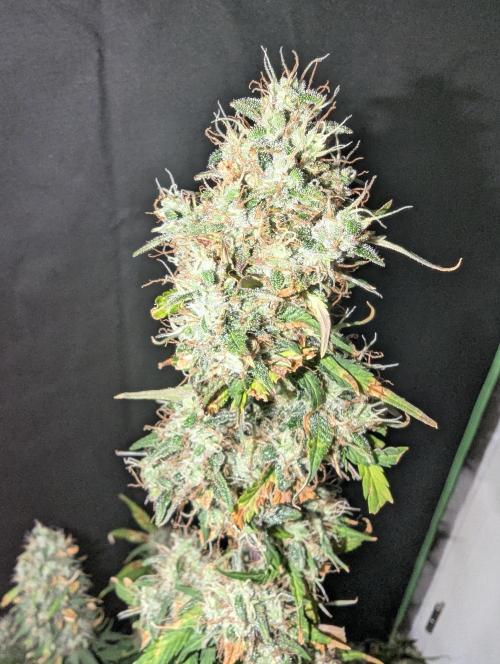
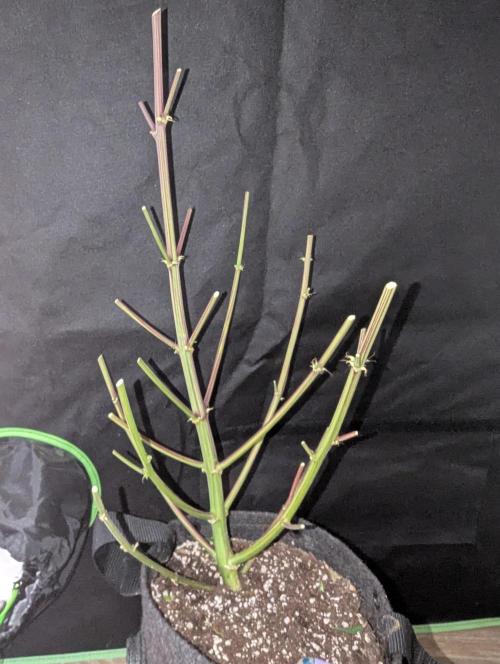
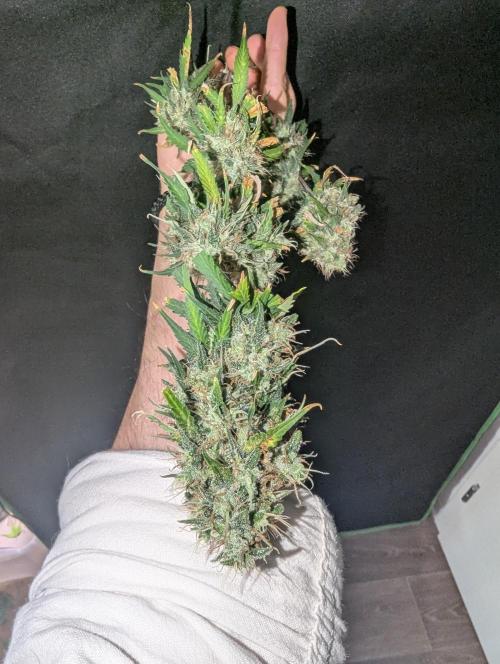
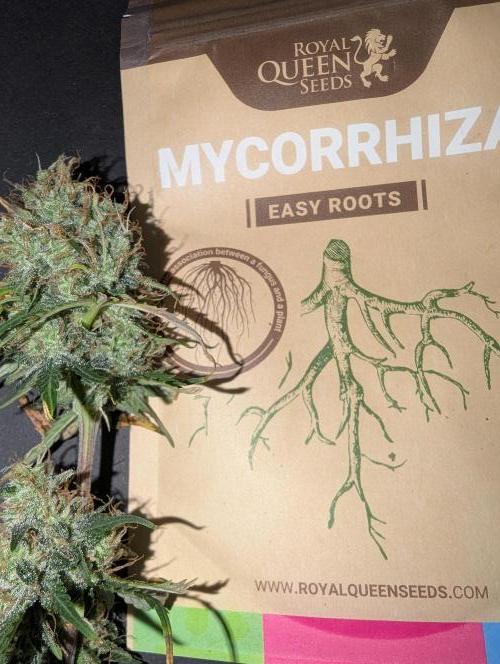
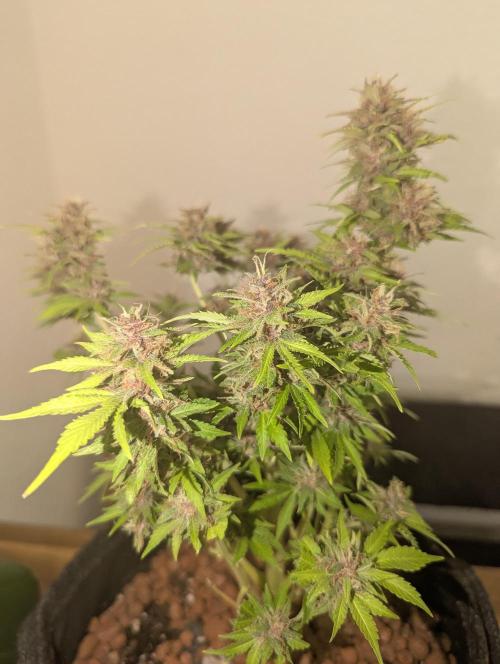
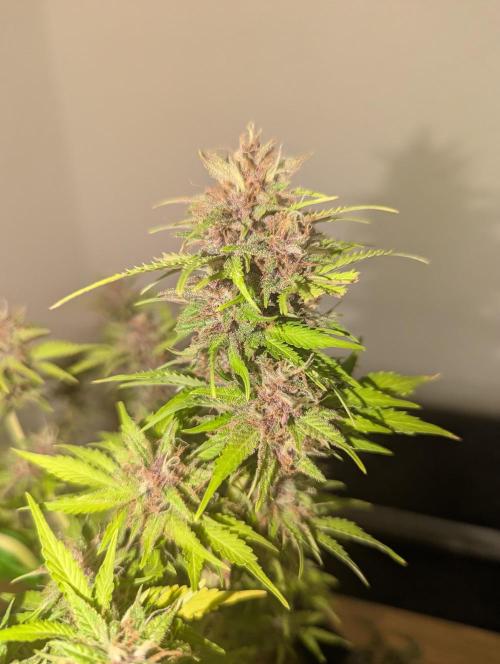
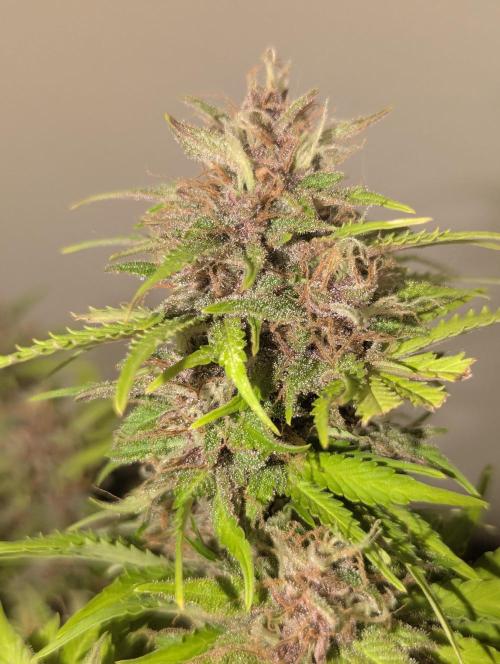
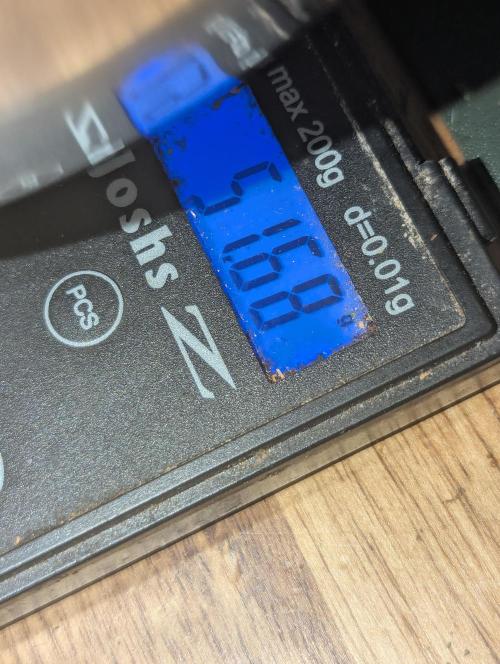
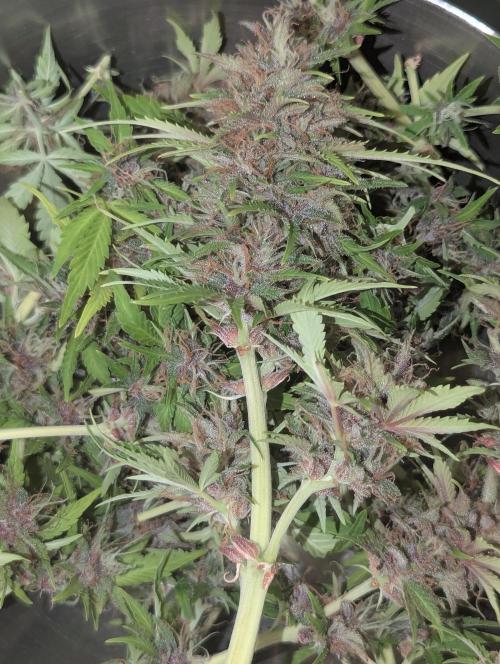
The Bio plant completed its indoor cycle in 73 days, yielding 56g of dry buds. Managing the light intensity was a bit tricky since its two tent-mates were in pots twice the size, but using a CO2 bag effectively helped the plant handle the heat and heavy lighting. Curiously, this pheno remained entirely green and did not show any purple hues. An early tasting revealed a sweet, refreshing taste and a clear lemon aroma, with a balanced, daytime-friendly effect.
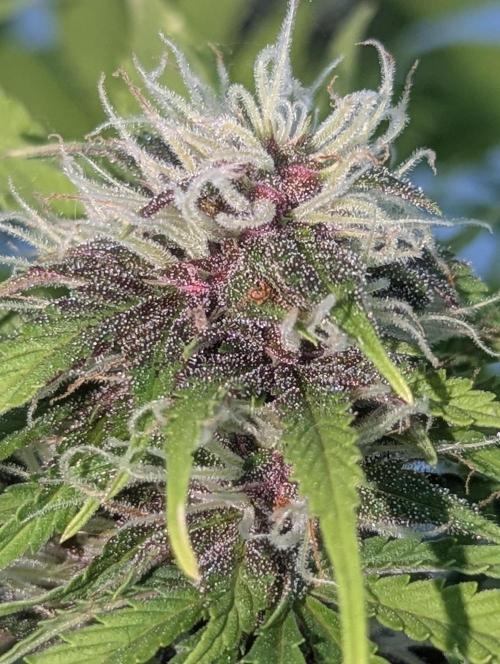
In contrast, the Standard plant (grown without beneficial bacteria, using only mycorrhizae at the beginning) showed low vigor from the start. It is unclear whether this was due to the phenotype or the standard nutrient line. At day 55, the plant was moved outdoor, where it stayed for a week before being harvested at day 80, bringing in just a bit over 50g wet. Despite the lower yield, this plant did develop a slightly purple coloration and a good amount of resin. Now updated: the taste is refreshing and citrusy/lemon-forward, while the effect delivers a relaxing, calming, and cozy, enveloping feel.
Thanks to everyone who stopped by and left a like on this diary. I remain satisfied with RQS genetics and appreciate their support throughout the cycle.
Now onto the next choice: which RQS strain to plant for the upcoming run?
Show more
Translate
Spent 72 days
Ger Veg Flo Har
350 g
Bud wet weight per plant
56 g
Bud dry weight per plant
1
Plants
1 m²
Grow Room size
Easy
Difficulty

Giggly
Positive effects

Stress, Depression
Medical effects

Citrus, Sweet, Flowery
Taste
Height
Day air temperature
Air humidity
PH
Light schedule
Solution temperature
Night air temperature
Substrate temperature
Pot size
Lamp distance
Miketama 🔜
26 likes
10 comments
Share
Equipment Reviews





32 comments
Sort by
popularity
popularity
newest
oldest

LueRootsGrowGermany commentedweek 06mo ago
Happy growing wished! ;-)
likes 4

Miketama commented6mo ago
@LueRootsGrowGermany, Thank you 🌱💚🤞
likes 2
LueRootsGrowGermany commented6mo ago
@Miketama, you're very welcome 😎✌️
like 1

James  commentedweek 25mo ago
Looking gooood!!🔥
likes 3
Miketama commented5mo ago
@James, Thank you so much for your support! Unfortunately, I'm not writing down many details, but as soon as I can, I'll update the diary properly! Proud to be part of the RQS family!🙏🦁
likes 2
James commented5mo ago
@Miketama, And we are happy to see that you are enjoying growing our strains!🦁
likes 2
Miketama commented5mo ago
@JamesMuch love guys! Appreciate the support, the genetics are showing great potential so far. Stoked for the weeks ahead! 👑🌱
like 1

Mia_BIOTABS commentedweek 74mo ago
we love comparison grows-
likes 2
Miketama commented4mo ago
@Mia_BIOTABS, Thanks for the love! Regarding the grow comparison, I'd actually prefer doing it with photoperiods or F1 automatics, as they offer much better phenotypic stability. That being said, it’s worth noting that RQS tablets have a small mineral-based component—just enough to make them incompatible with beneficial bacteria. So, in the end, it’s more of a showdown between bacteria-rich soil vs. sterile soil.
like 1

GreenHobbit commentedweek 74mo ago
Nice pics Bro 👊🏼😎👍🏻
likes 2
Miketama commented4mo ago
@GreenHobbit, thank you 🙏
likes 2

MonyetDiablero commentedweek 25mo ago
Beautifull start brother ! She is a biggie for just 2 weeks : That is one hell of a piece i bet she will turn in a monster these next weeks !😍
likes 2
Miketama commented5mo ago
@MonyetDiablero, Thanks bro! The organic one is absolutely crushing it, while the mineral one stayed pretty stunted. I’m hoping she stretches out and gets a better shape once flowering kicks in. Thanks for stopping by!"
like 1

Natrona commentedweek 05mo ago
Happy growing 🌱 💚 💫
likes 2
Miketama commented5mo ago
@Natrona thank you 🙏😉
likes 2

MO_PureLeaf commentedweek 83mo ago
Hey, do these CO2 bags really do anything?
like 1
Miketama commented3mo ago
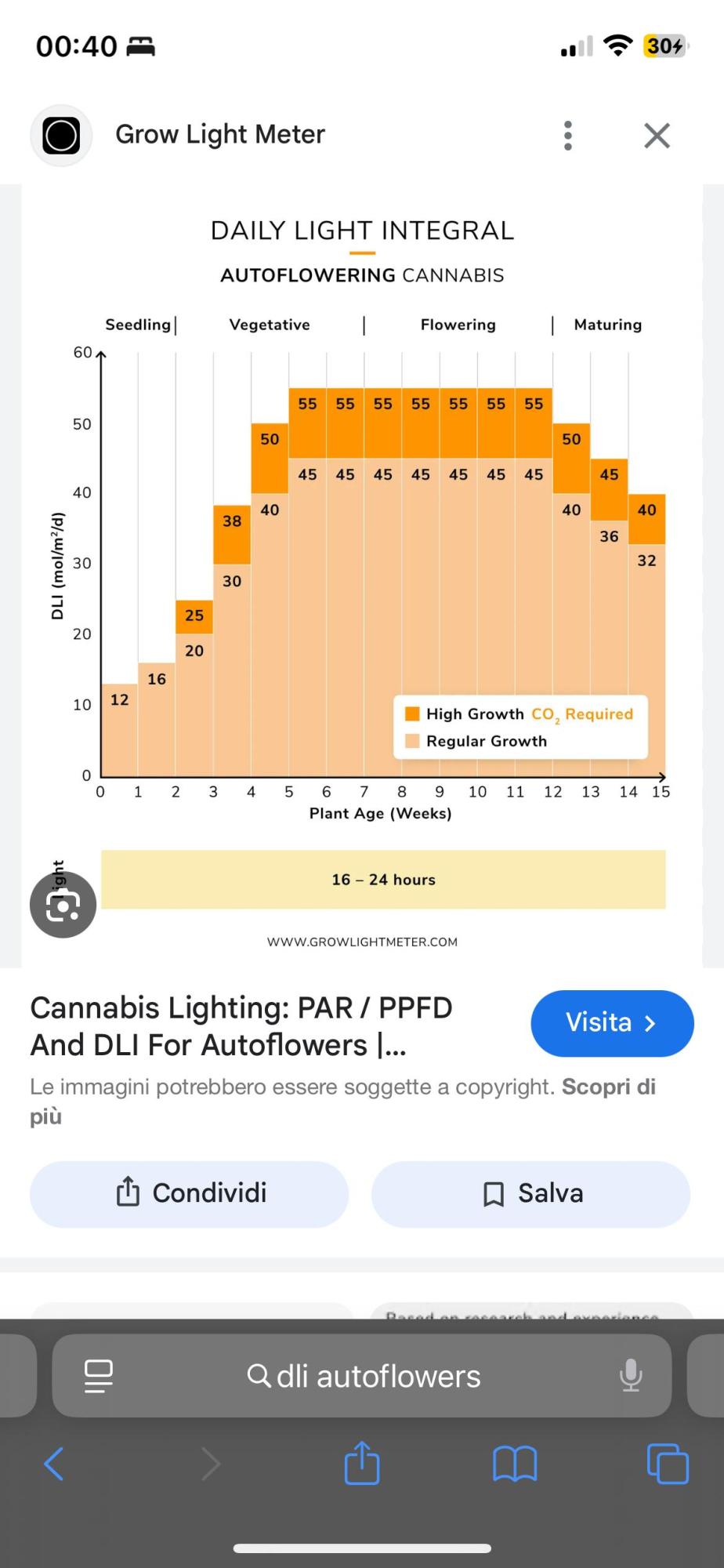
@MO_PureLeaf, you misunderstood me: The CO2 bag (the mushroom reaction) always produces CO2, no matter how high the humidity is. The point is different: The plants can only utilize the CO2 optimally when their metabolism is running at full speed – and that happens at higher temperatures and an optimal VPD. If the humidity in the tent is too high, the VPD drops, the plants transpire less, and consequently take in less CO2.
It's basically a constant balancing act: You set the exhaust to the minimum so that the CO2 stays in the tent, but that automatically raises the humidity. So you have to find the perfect middle ground between temperature and humidity to keep the VPD in the green zone.
With more CO2 in the tent, the plants can handle much more light without showing stress symptoms. So you could theoretically even turn the lamp up to 100%, as long as the CO2 isn't immediately sucked out and the interplay of temperature and humidity is right. :)
like 1
MO_PureLeaf commented3mo ago
@Miketama, aahhh 💡😅🤓 okok, sounds logical. Thanks for taking a moment to explain that to me 🙏🏼
like 1
Miketama commented3mo ago
@MO_PureLeaf, you're very welcome 💚#growerlove
likes
Show More (2)
Natrona commentedweek 103mo ago
Happy harvest 🎉
like 1
Miketama commented3mo ago
@Natrona, Thanks for checking out my run!😇🙏
like 1
Natrona commented3mo ago
@Miketama, Enjoy 💨💨
likes

farah4weed commentedweek 103mo ago
Happy harvest! 😍
I did a genetic cross project and named it OG Cream. I'd be happy if you check it out. 👽🙏🔥
I'm currently testing the new cross, and I'm really excited to see how it turns out!
like 1
Miketama commented3mo ago
@farah4weed, Thanks for stopping by! At the moment, I’m not following many diaries, but I'm going on vacation soon and I’ll definitely have time to check out your project and see what the other growers on the site are up to.💚
like 1
MO_PureLeaf commentedweek 103mo ago
Beautiful harvest 💚 hope it tastes as good as it looks 😎🔥
like 1
Miketama commented3mo ago
@MO_PureLeaf, thanks for stopping by! 🙏
likes
Mia_BIOTABS commentedweek 84mo ago
yes--- sweet colorful plant
like 1
Miketama commented4mo ago
@Mia_BIOTABS, thank you 🙏
likes

DrGruen commentedweek 103mo ago
Have fun with the harvest😎
likes
Mia_BIOTABS commentedweek 103mo ago
happy harvesttime, - and thank you for the rating of our Products, i hope you enjoyed this run
likes

the end.
Enjoying this diary? Follow for more updates!

Prefer the old Diary view?
Go back to the old Diary view