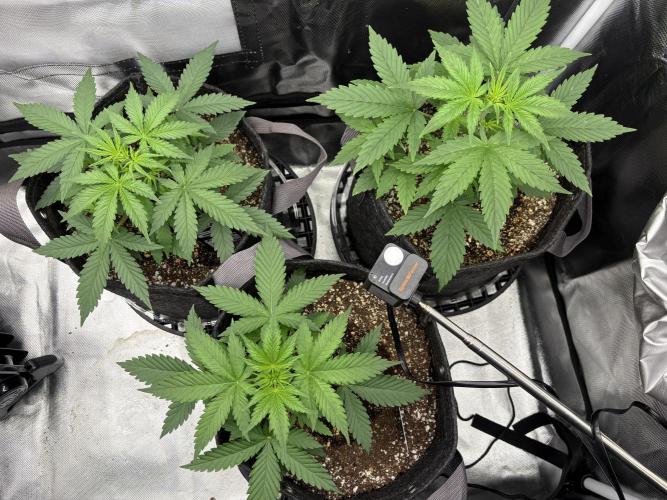
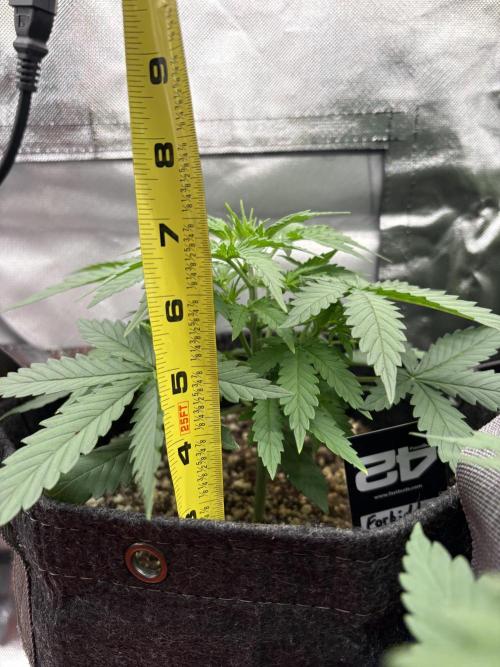
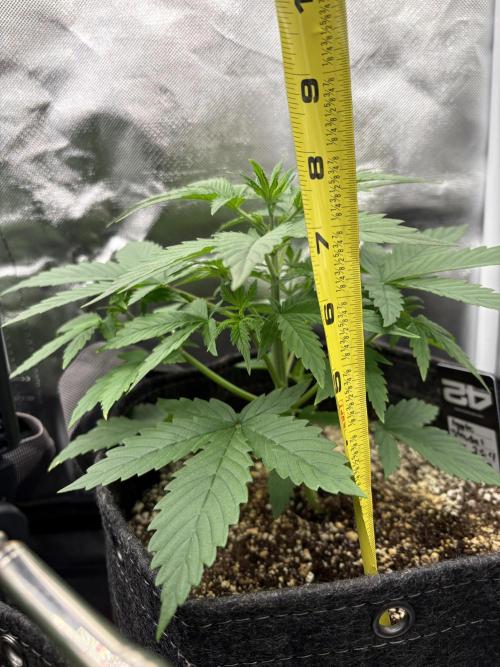
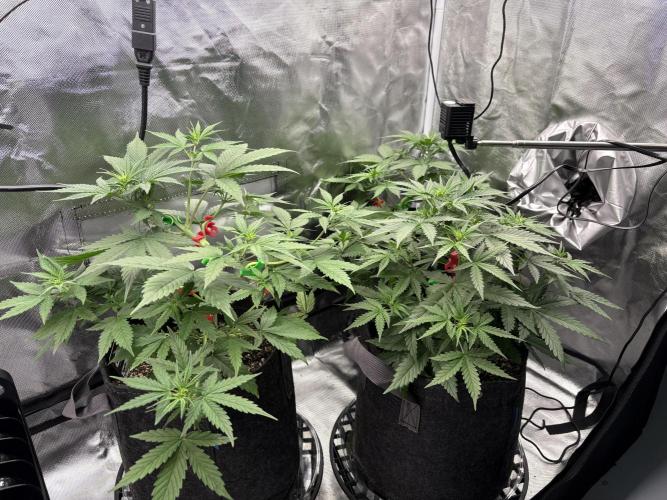
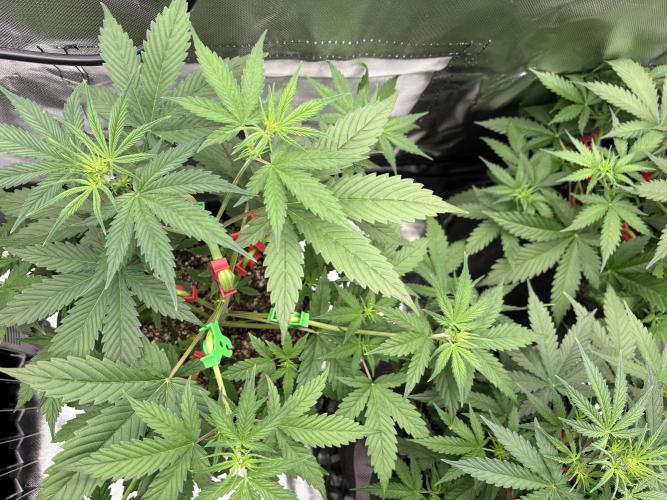
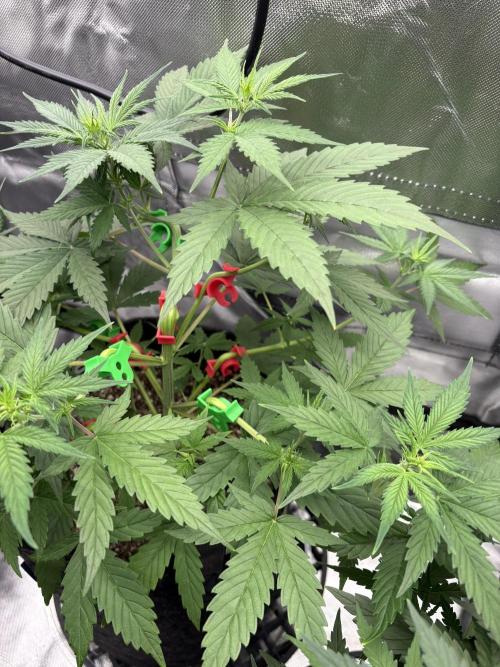
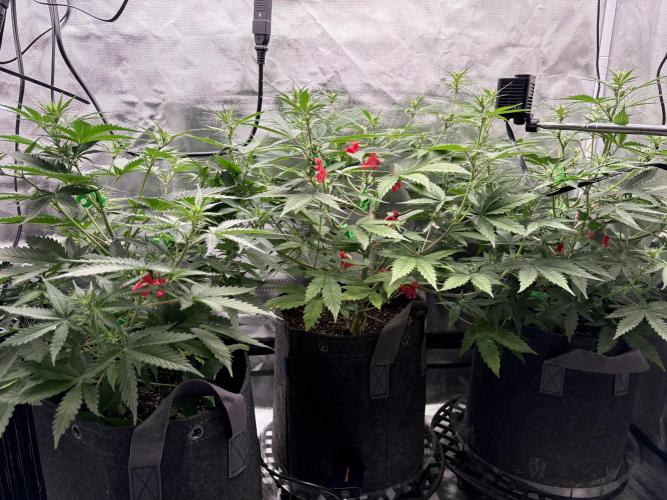
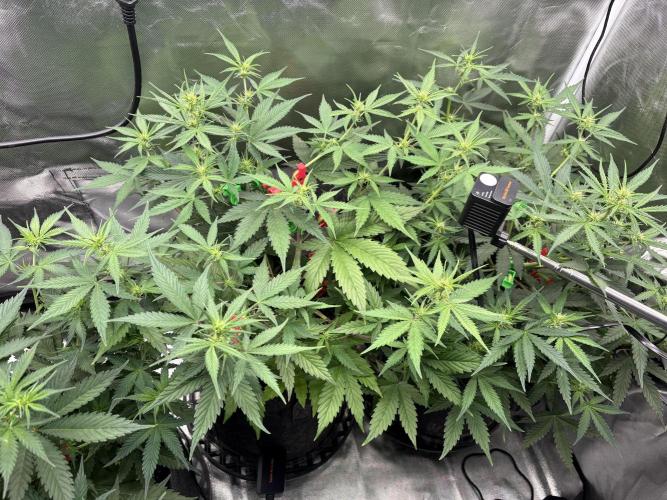
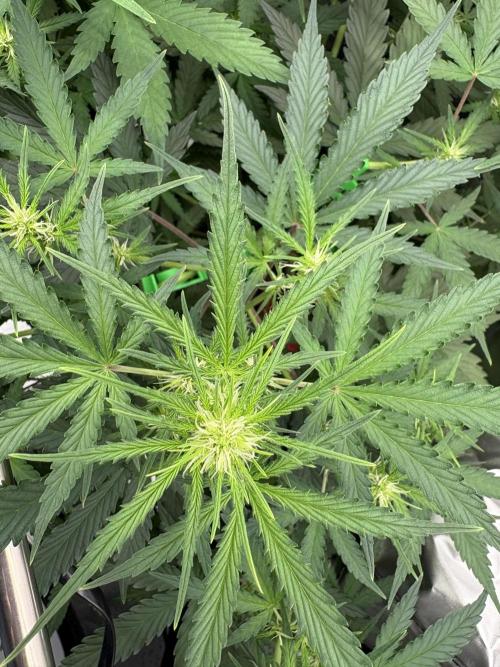
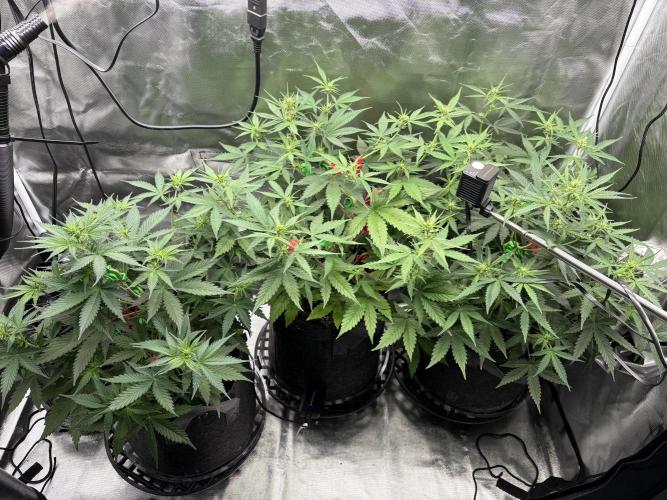
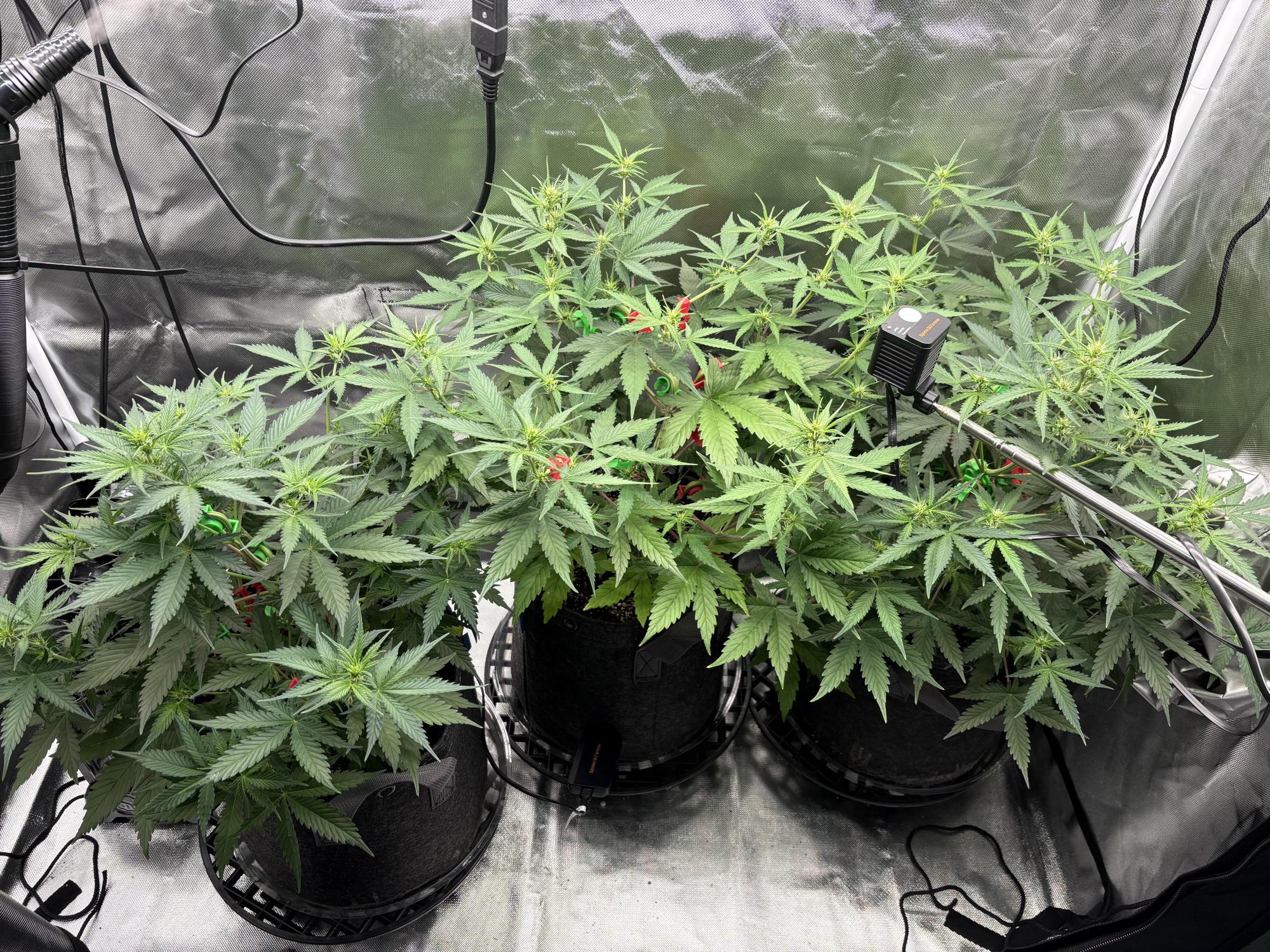
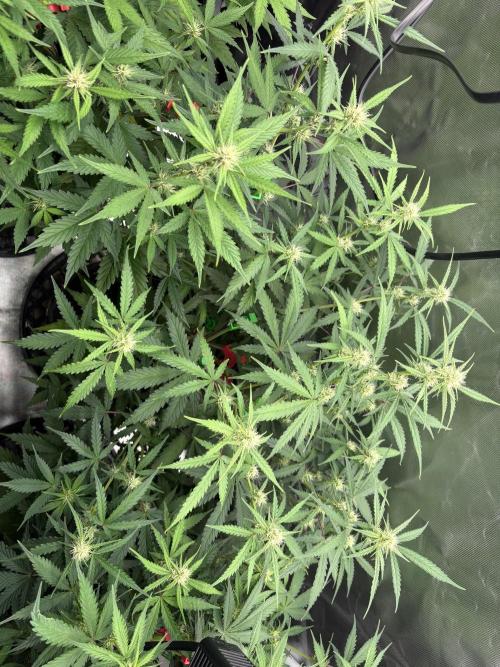
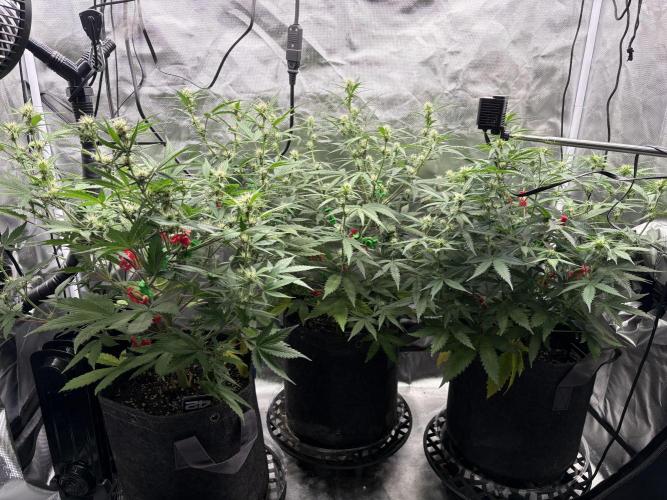
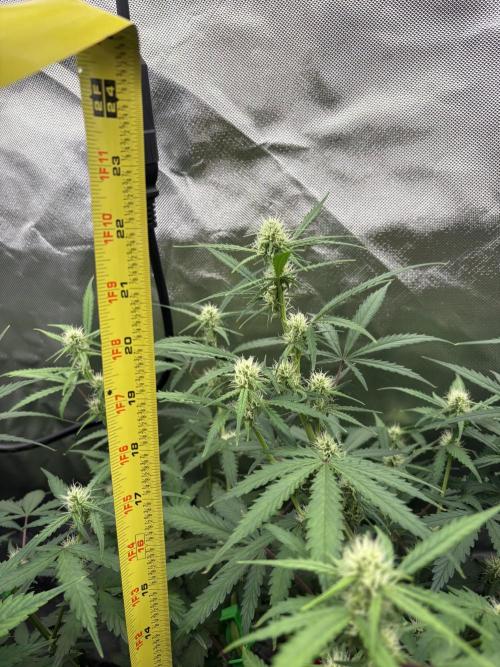
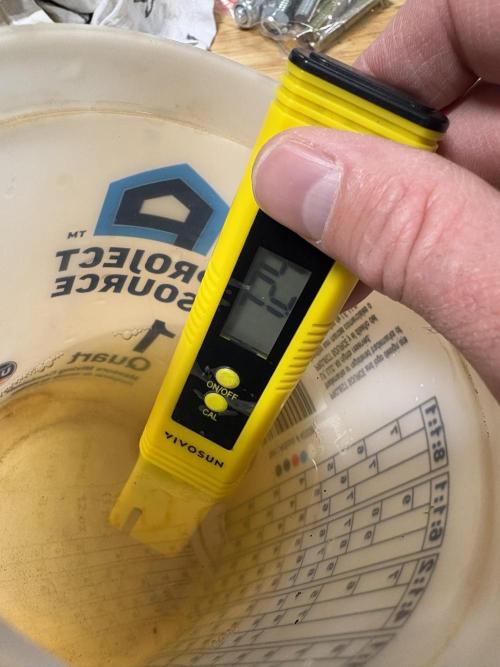
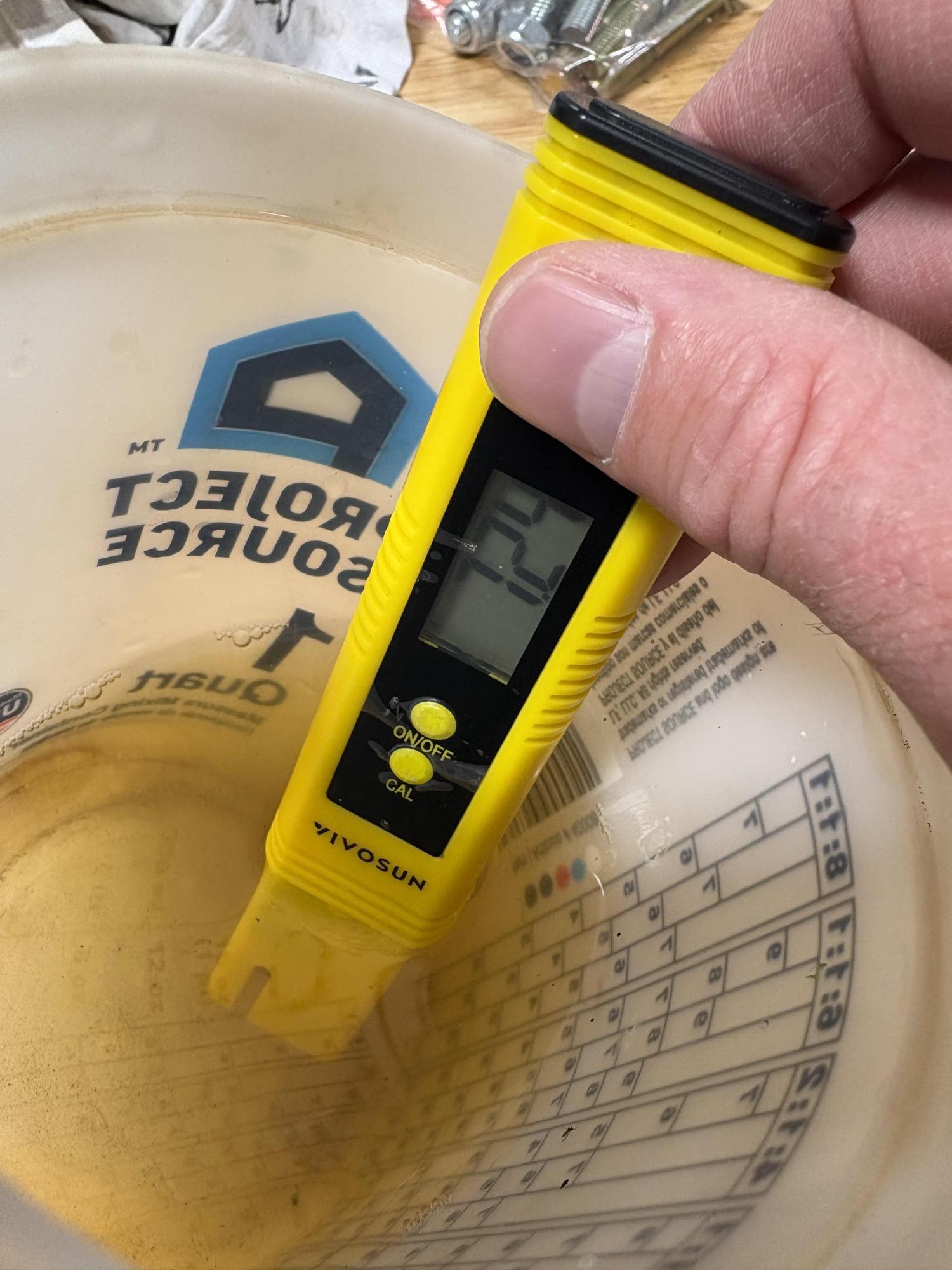
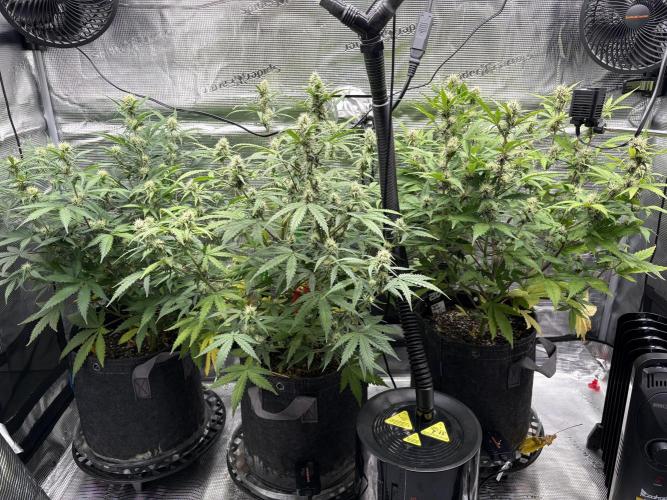
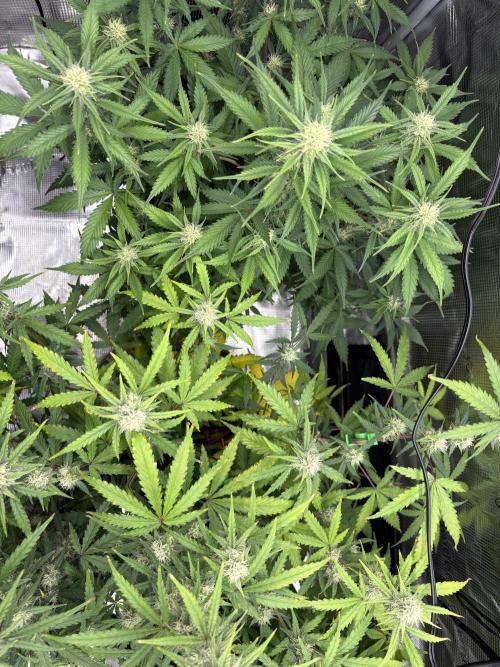
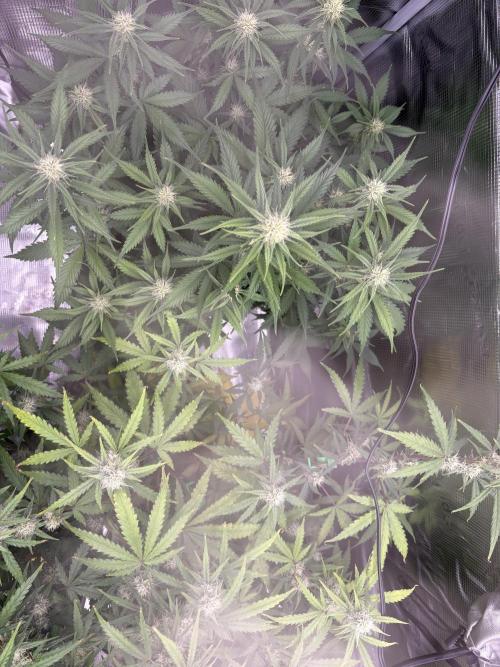
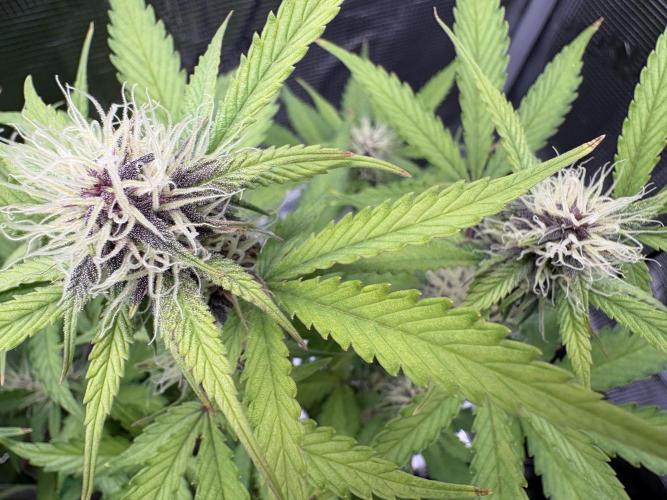
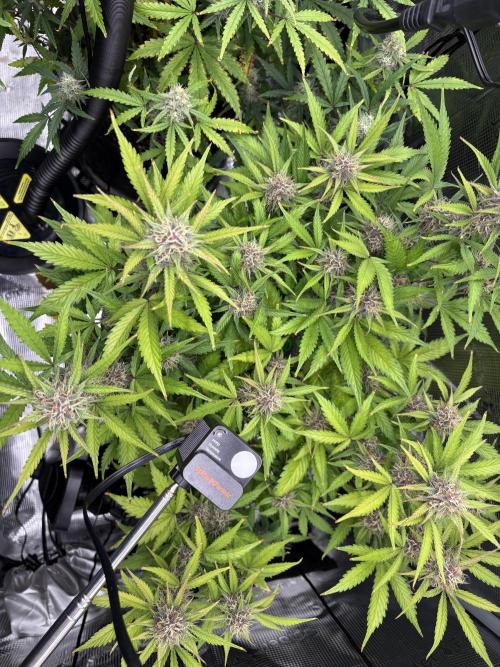
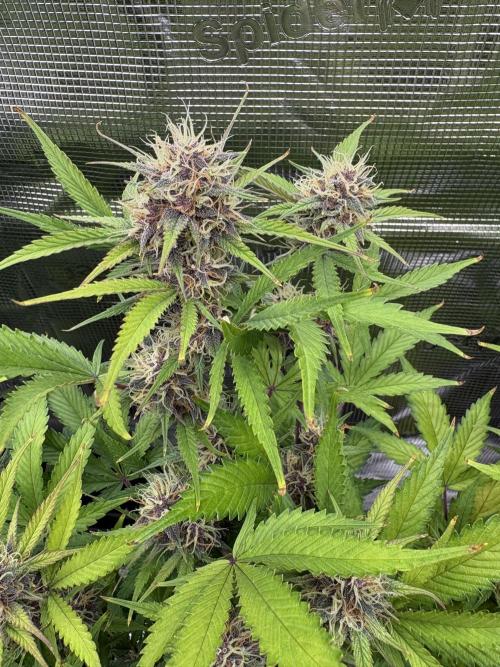
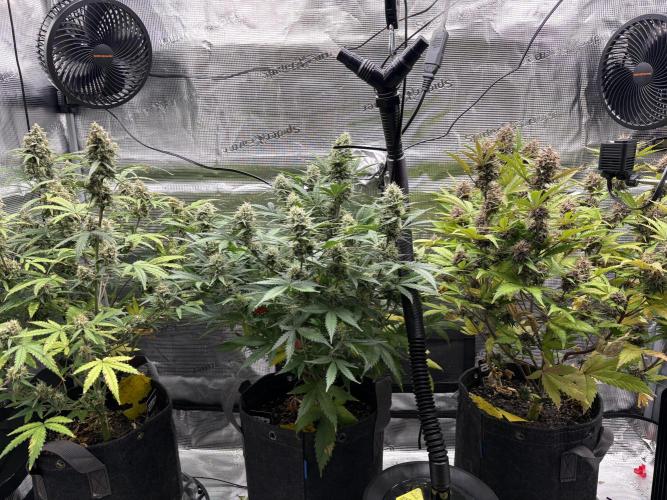
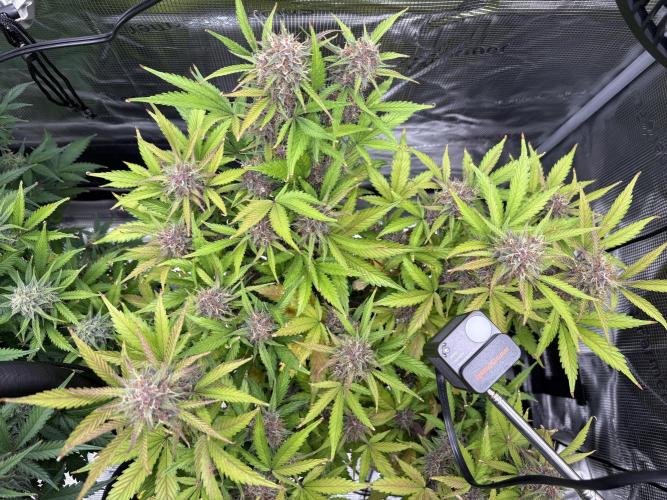
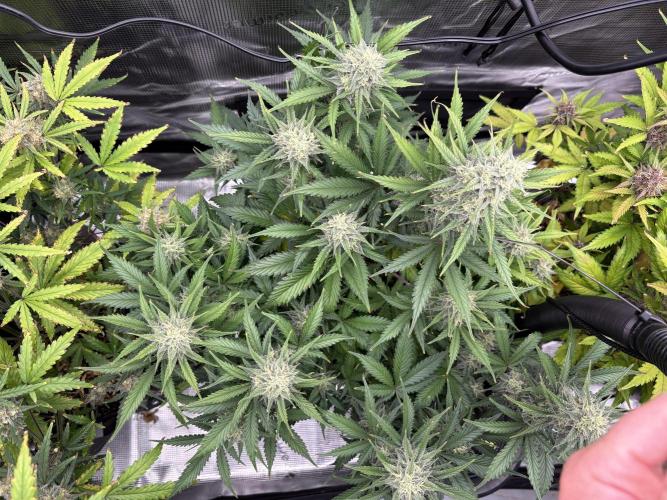
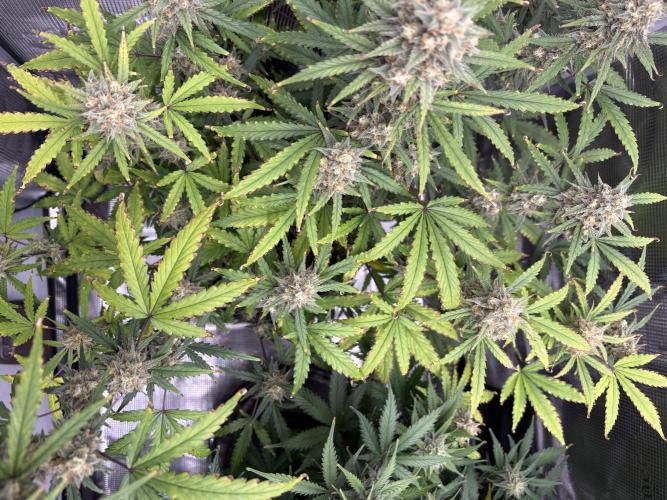
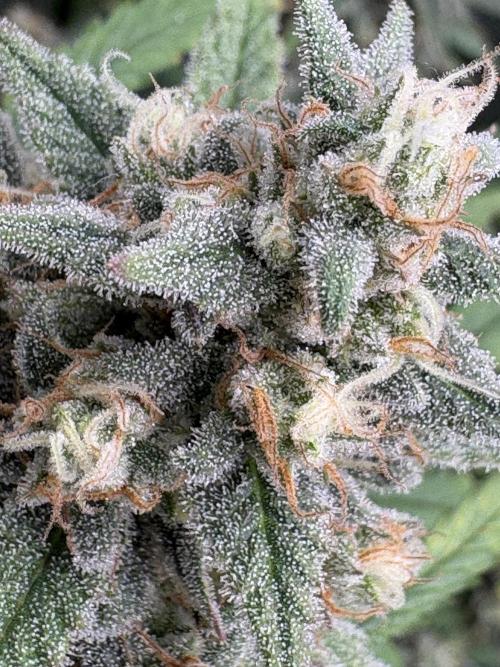
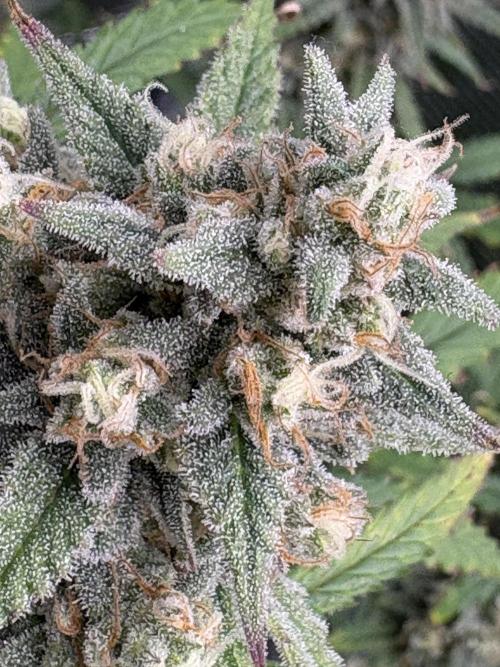
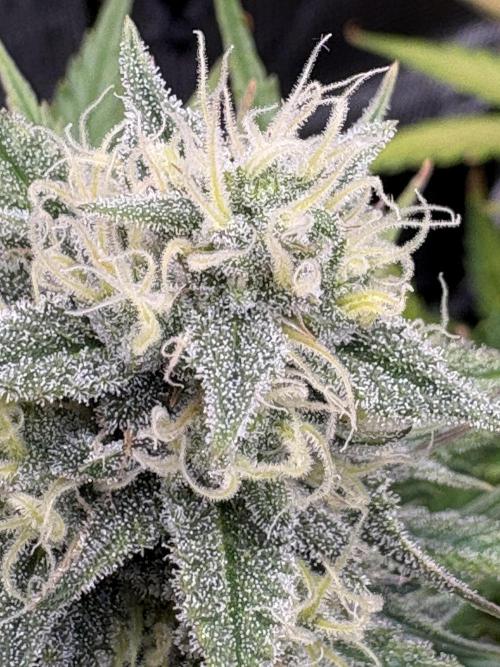
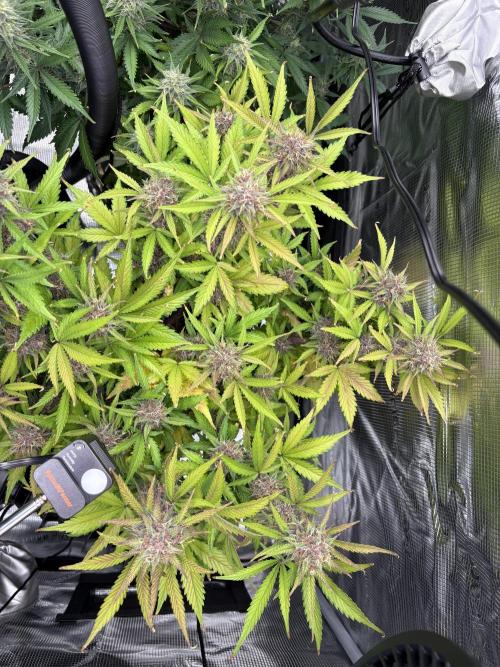
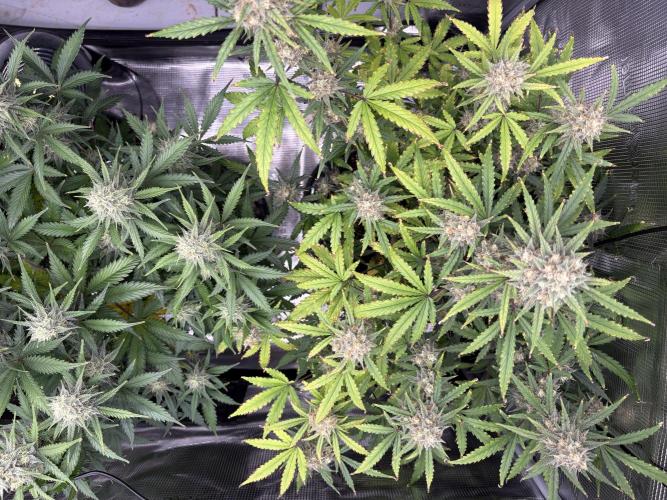
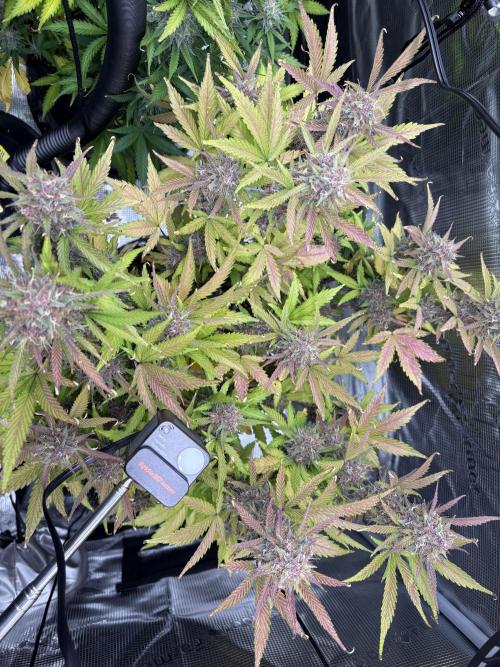
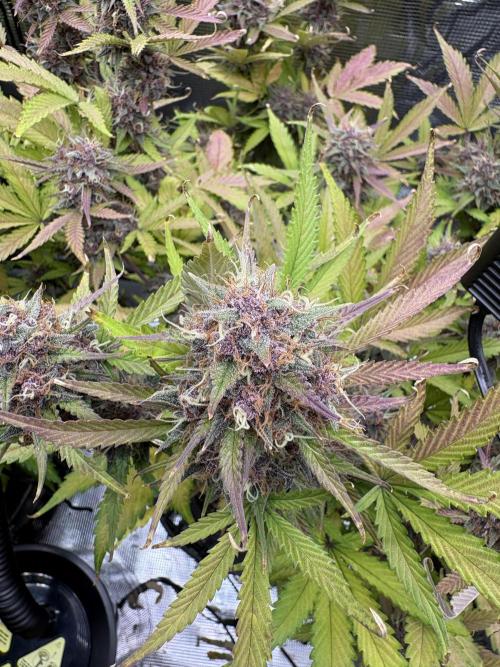
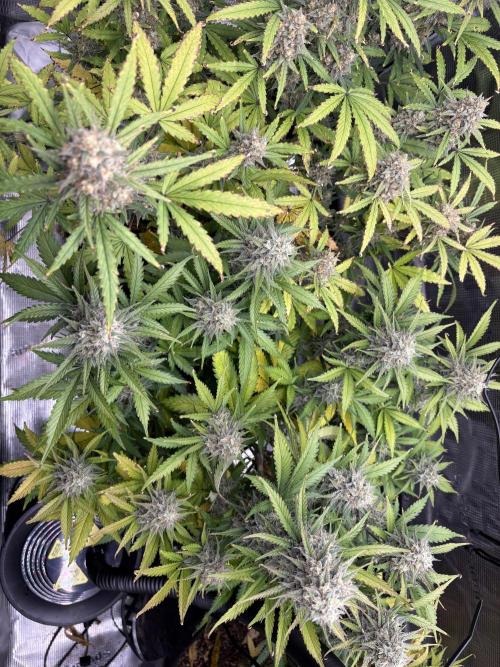
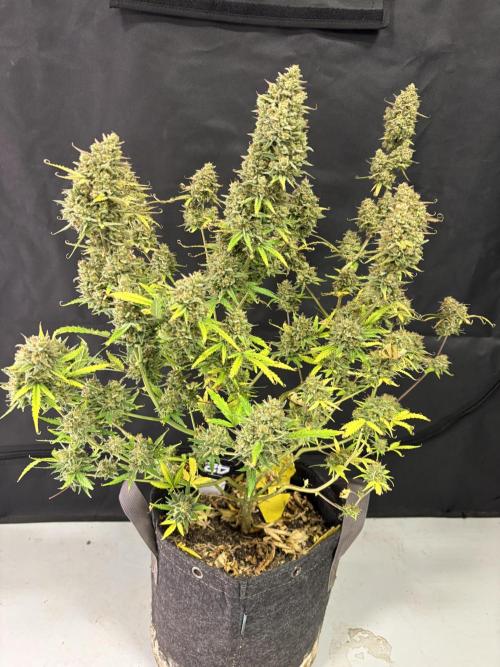
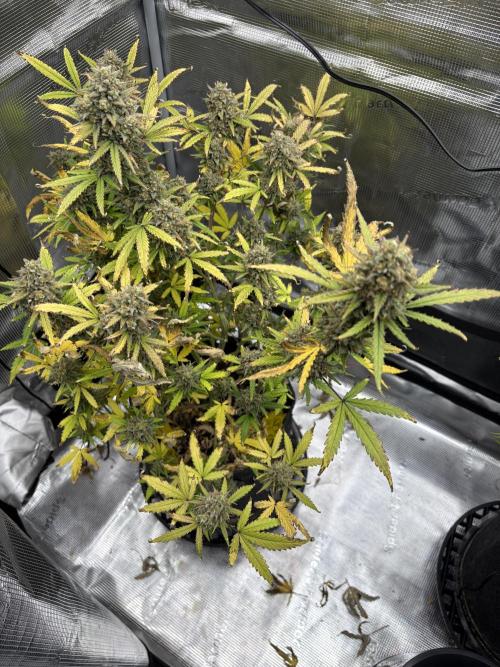
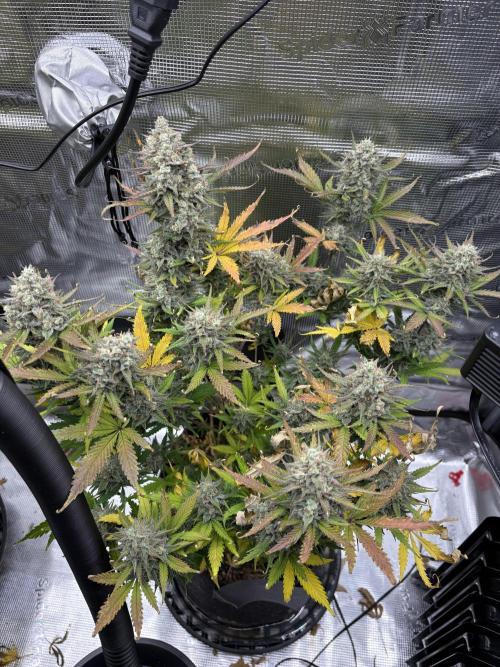
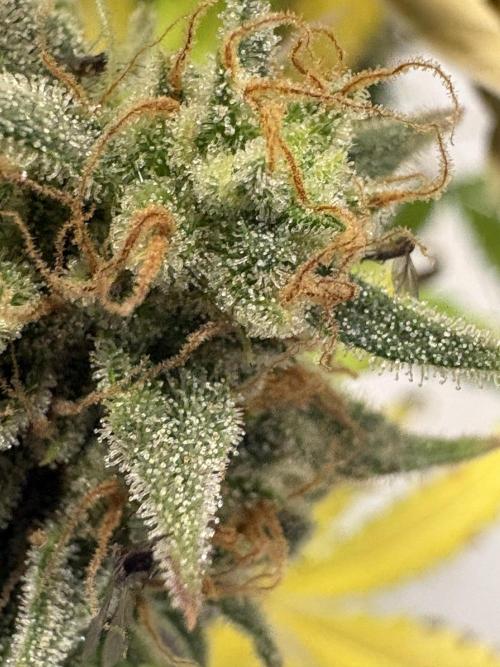
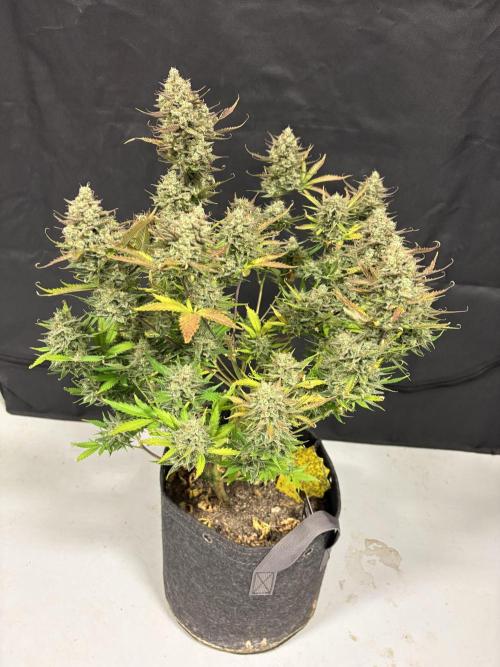
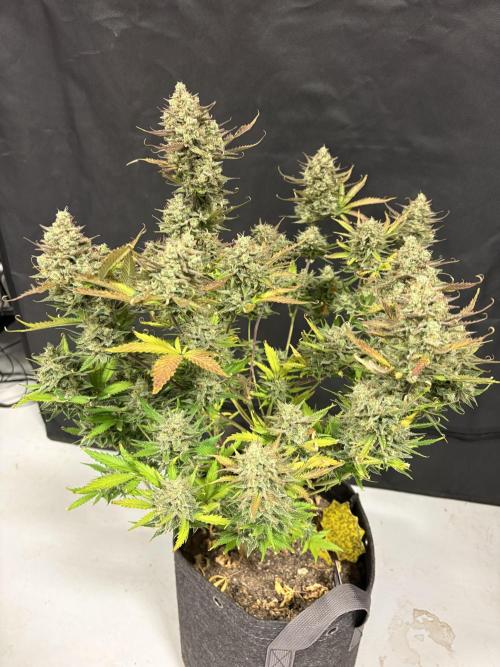
Garden-of-weeden, Hi dude! I had to run earlier, so I didn't get a chance to mention I noticed you are using organic amendments, which I love, but it makes it more critical you get the pH back to where it needs to be; if the pH drifts from 6.3-6.7 anyone telling you to deviate from that range should do some homework , hydrogen will no longer be available to cycle the medium's Cation exchange capacity, organic rhizosphere will require much higher levels of oxygen within a medium to be efficient compared to synthetic, and if oxygen becomes scarce for any reason, bad things happen, slowly and creepingly, but by the time you notice 5 deficiency looking symptoms will hit at once, and some dufus will tell you to add cal mag to make it worse.
You can have the best soil in the world with optimal porosity, but understand this one thing above all: Oxygen travels 10,000 times slower in soil than air. Oxygen travels 320,000 times slower in soil saturated(watered) above a point. Oxygen lockout occurs. No matter even if it's there its too slow to keep up metabolically.
Organic matter will deposit increased levels of CO2 into the soil, around 40% of all the carbon your plant captures is exuded into the soil. The microorganisms chew that shit up and fill the soil with carbon dioxide, which will slowly increase moisture retention and eventually be the reason why the soil becomes infertile.
Sync your daytime VPD, lock it in, 85F 70RH% or whatever suits you, but at night, you hold that exhaust fan and link it to the ambient RH% at the canopy. Keep it 45-55% RH ambient. This replicates high and low pressure fronts in nature, essentially performing a type of barometric pumping of the soil. (critical for organics, increased demand for oxy)
At night, the plant performs cellular respiration, constantly adding water to the air (make sure you always have a very gentle airflow (24/7) on the leaves themselves to prevent moisture building on the underside of leaves.
There is no such thing as too much water, only water that sits in the same place for too long.
By linking your RH% at night to exhaust, this creates a negative pressure (more air going out than comes in). Negative pressure is required in order to inject oxygen into the soil and CO2 and N2 out of the soil. (critical for organics, extra oxygen requirements)
Water in the mornings, perfect soil moisture levels by night, repeat every morning or as needed, but never water right before lights out.
Once you remove all the water from a plant, the dry matter that's left consists of 95-97% Carbon, Oxygen, and Hydrogen. NPK & all the rest is 3-5% of that dry matter.
As pH shifts closer to 7+, the rate of nitrification (the rate of organic breakdown of nitrogen) increases dramatically. The rate is 3x - 4x faster above pH 7 than at pH 6.
pH drifting above 6.7 prevents nutrient cycling within the medium, essentially making the plant stuck with what "EC" it has. But the rate of nitrification breakdown is exceeding the rate at which it's being used up by the plant.
As nitrogen breakdown exceeds plant uptake, nitrogen builds up, and high pH prevents other essential nutrients from being balanced. The plant becomes “stuck” with high ammonium or nitrate levels in the medium, but the lack of balanced uptake causes nutrient deficiencies, resulting in a high-EC, high-pH, and nutrient-deficient scenario.
Past week 4 of flower, so I can't advise you to add sulfur (add elemental sulfur 1 week prior to flip).
Add carbon in the form of molasses, best is powdered, blackstrap if you can't get powdered, warm water, make sure properly dissolved fully, no globs, 1 teaspoon in 1 gallon moving forward, will gobble up nitrogen if there is any excess sitting around, using up the N should whip back the pH to where it should be. Carbon sugars are the counter to too much nitrogen.
Nitrogen is arguably the most critical nutrient for plant growers to master due to its foundational role in nearly every metabolic process, enzyme, and amino acid. Understanding its nuances is essential because it is a "leaky" system, often requiring sophisticated management to prevent losses, especially when attempting organic delivery.
Generally speaking, so long as you keep oxygen going in, CO2 going out. It's very difficult to mess with an organic pH, as soon as oxygen goes its tits up.
pH goes up (generally too much N released too fast)
Increase demand for growth.
Or add carbon to chew up nitrogen (if it's a cause of ph skew)
Or lime up if pH drifts too low.
Good luck and TOKE ON BRO!