


RQS Critical + White Widow






Fan
Mars Hydro
Ventilation Fans




Indoor
Room Type
12-12
weeks 8-18
Transplantation
weeks 3, 5
Defoliation
weeks 6-17
Topping
weeks 6-7
LST
weeks 6-8, 12, 15
15 liters
Pot Size
0.5 liters
Watering
Start at Harvest
G
Germination5mo ago
Nutrients 2

Startrex
5 mll

Mycotrex
1 mll
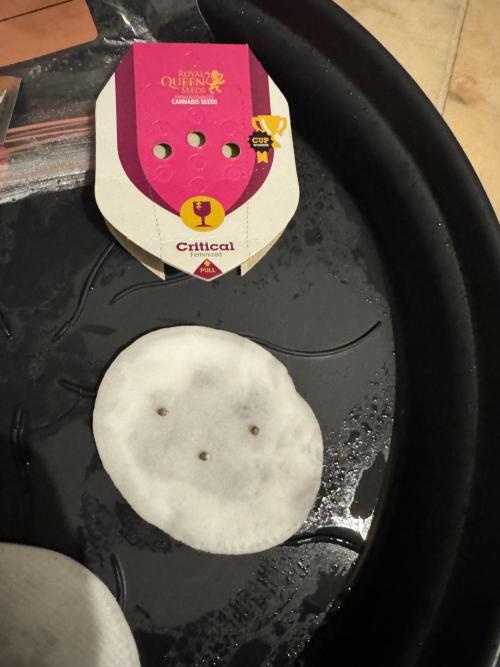
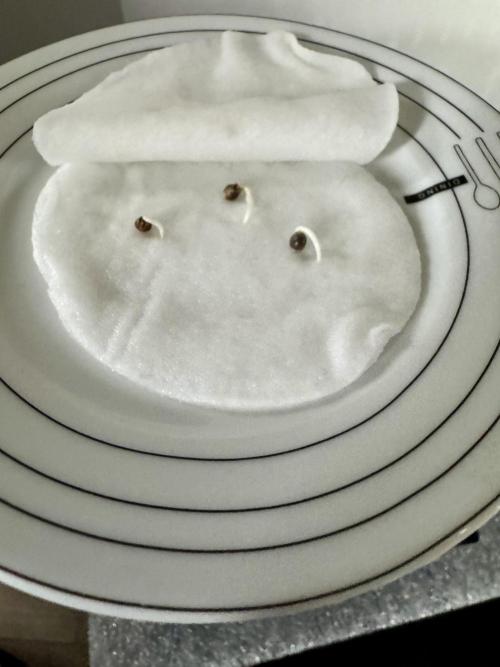
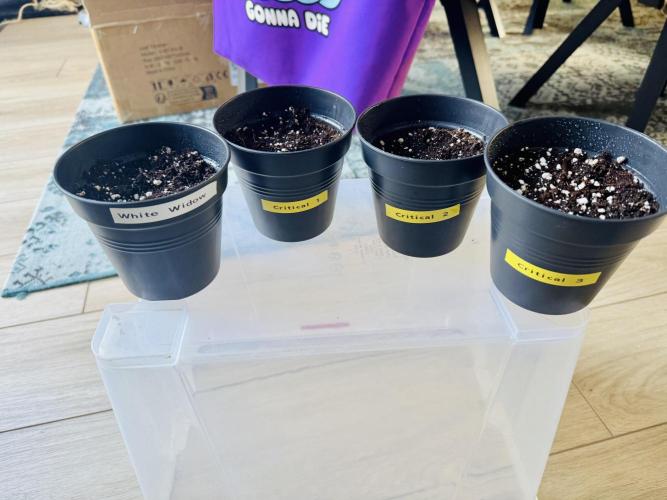
pinknite Started germination with 3 x RQS Critical (paper towel method) on 8/4/2026. Transferred the seeds to their pregrow containers on 10/4/2026. Used a substrate mix of 40% Plagron Lightmix / 30% Canna Coco / 20% Plagron Perlite / 10% Plagron Mega Worm. Mixed 12g of Biotabs STARTREX into the soil, and 1g of Biotabs MYCOTREX into each planting hole. Watered with 6.2 pH.
7 likes
comments
Share
Used method
Paper Towel
Germination Method
1
Week 1. Vegetation5mo ago
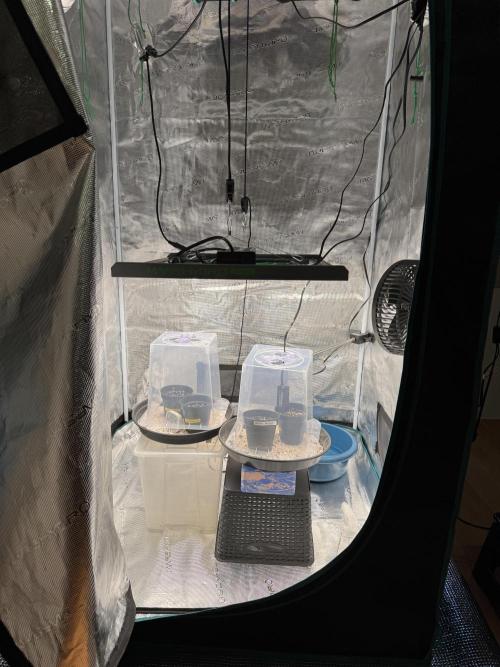
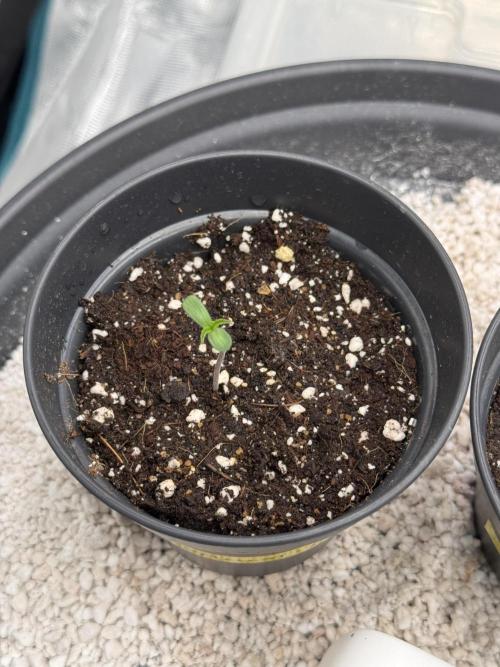
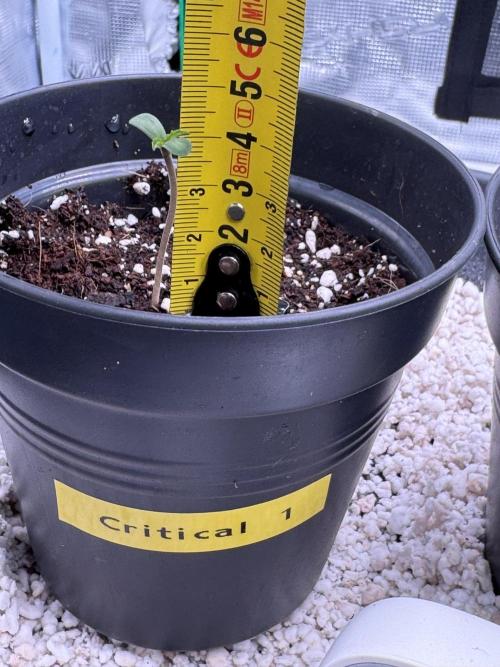
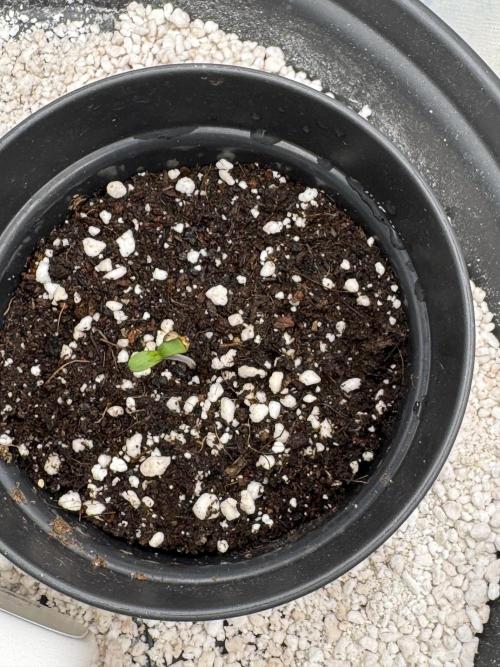
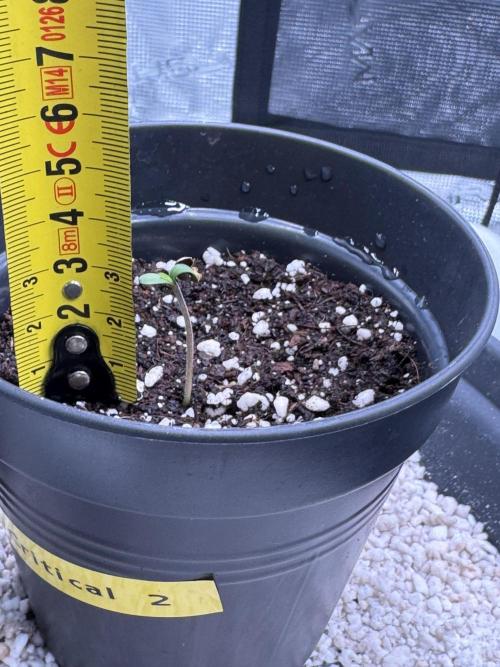
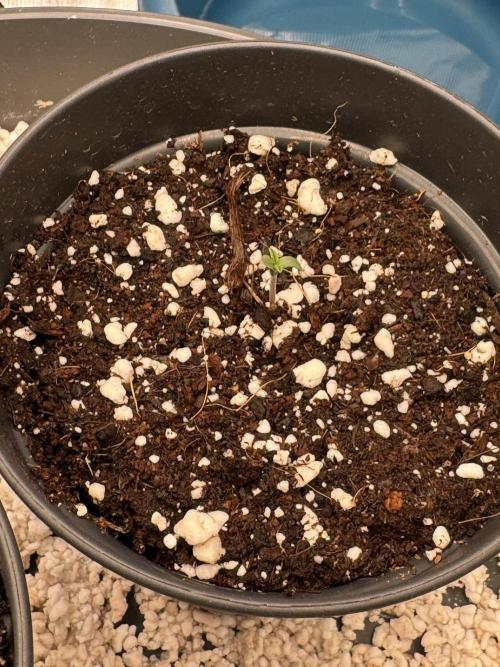
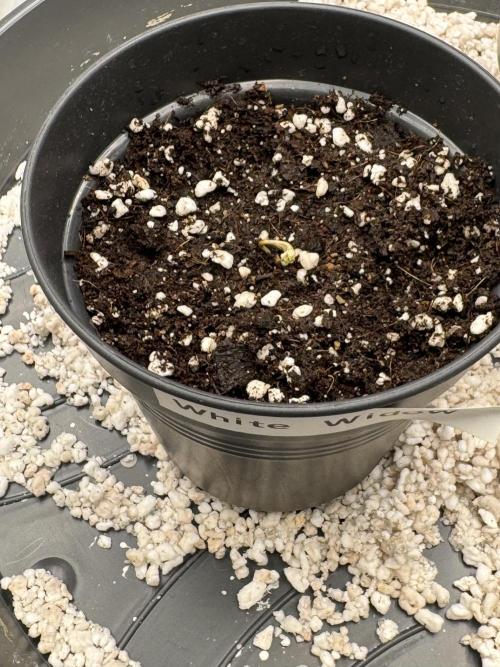
4 cm
Height
18 hrs
Light Schedule
24 °C
Day Air Temp
6.2
pH
No Smell
Smell
73 %
Air Humidity
19 °C
Solution Temp
20 °C
Substrate Temp
21 °C
Night Air Temp
0.6 liters
Pot Size
0.05 liters
Watering Volume
38 cm
Lamp Distance
Nutrients 2
Startrex
5 mll
Mycotrex
1 mll
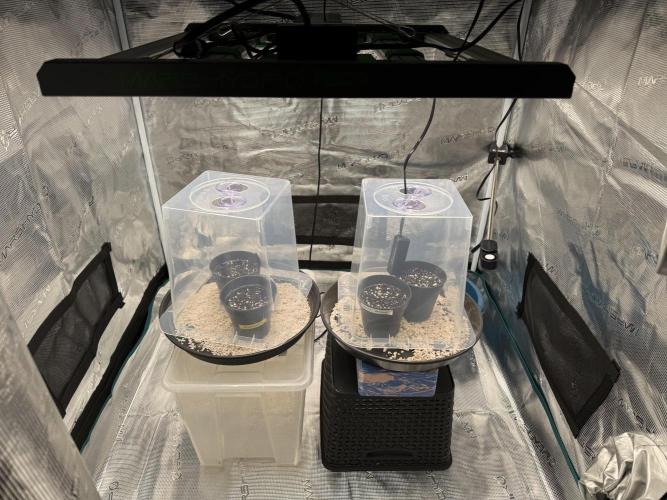
pinknite All 4 seeds entered VEG🌱🚀
8 likes
3 comments
Share
2
Week 2. Vegetation5mo ago
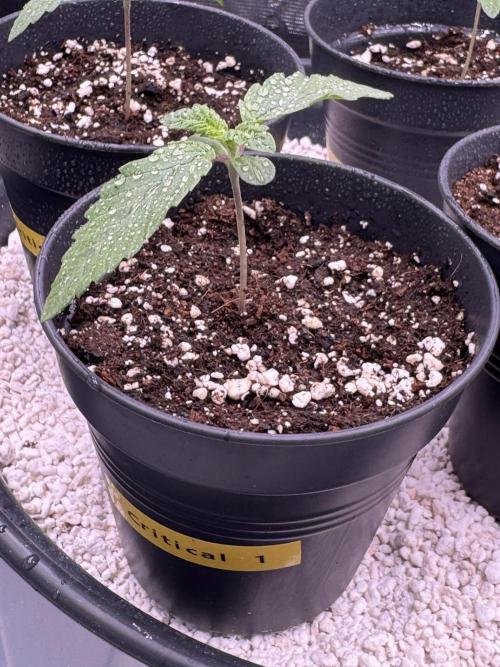
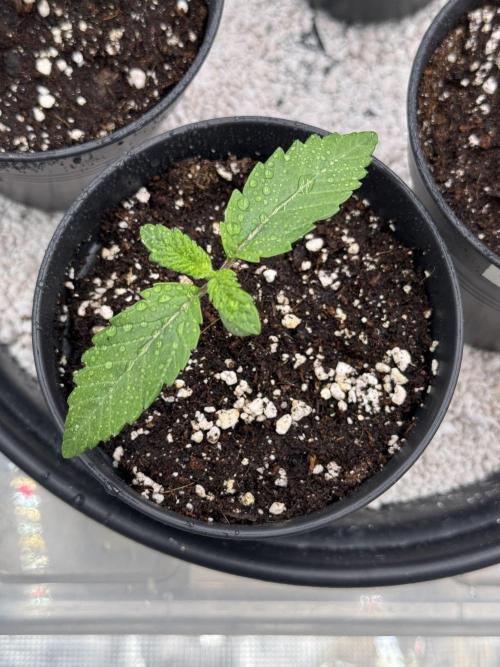
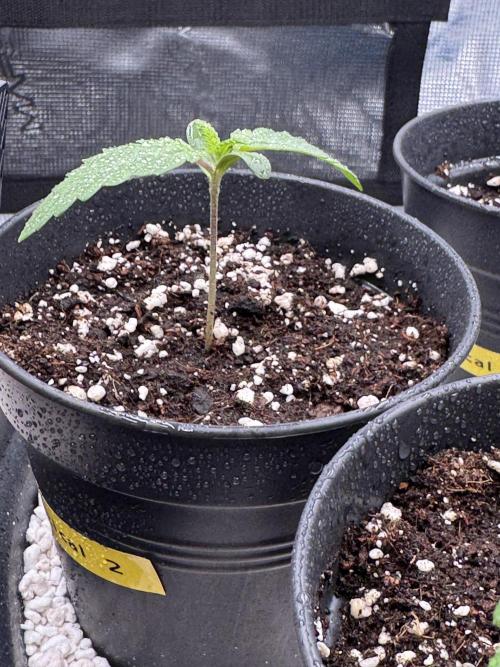
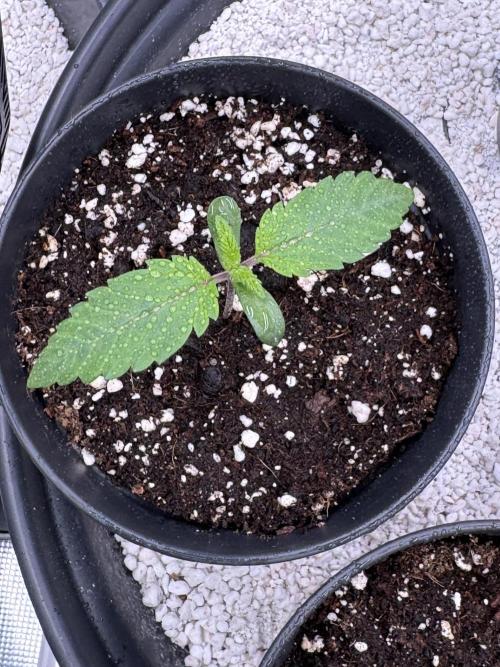
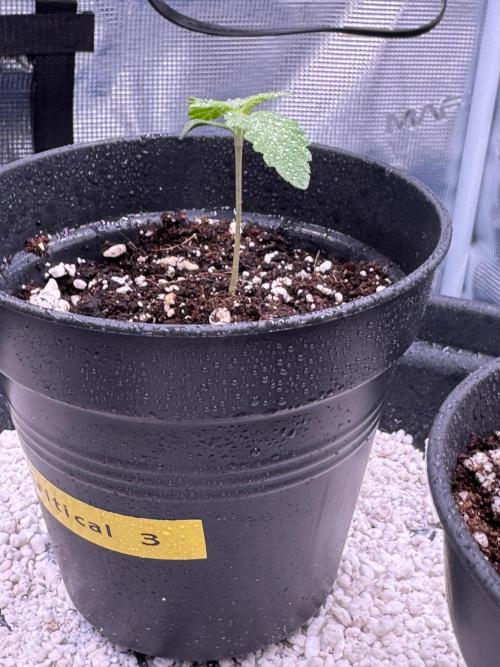
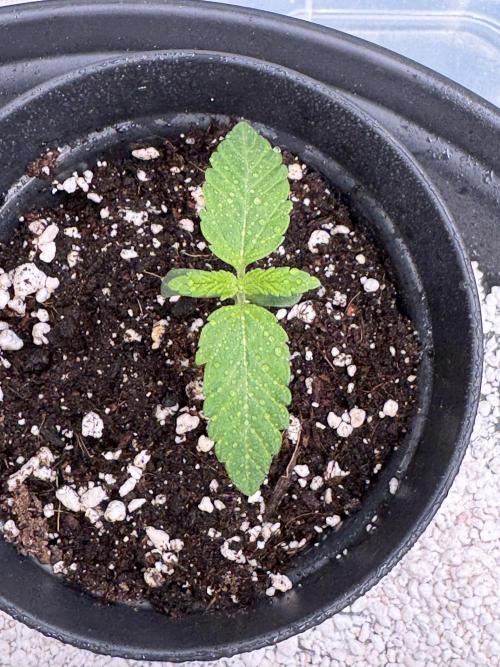
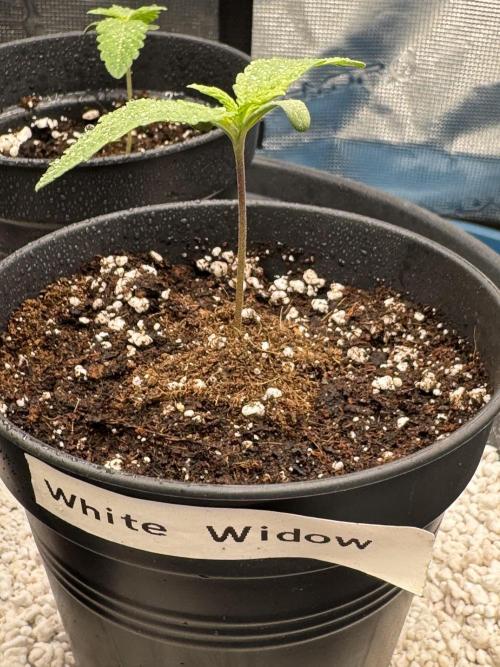
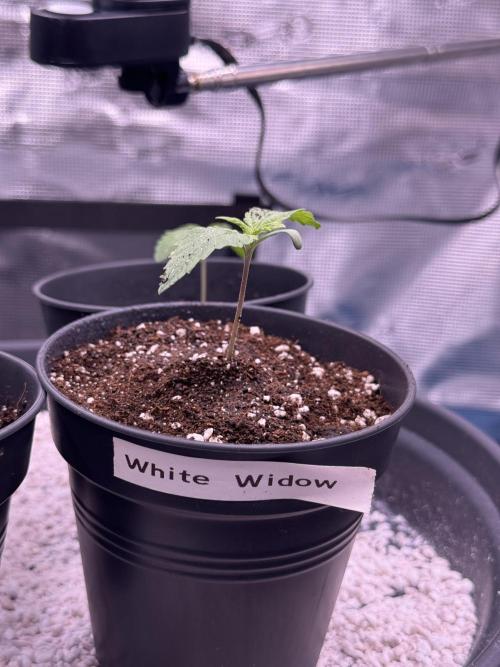
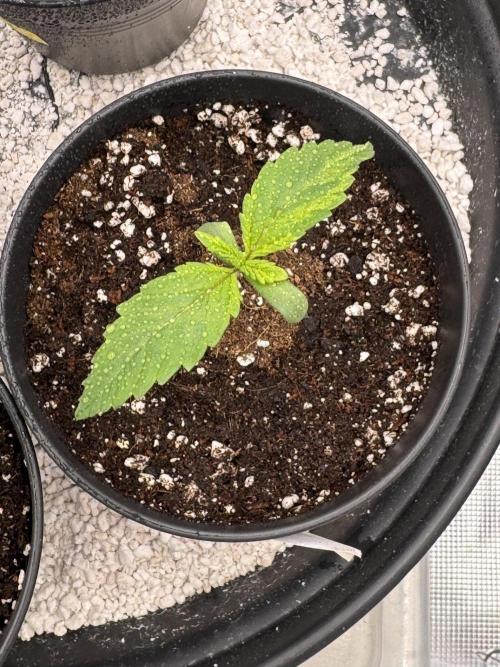
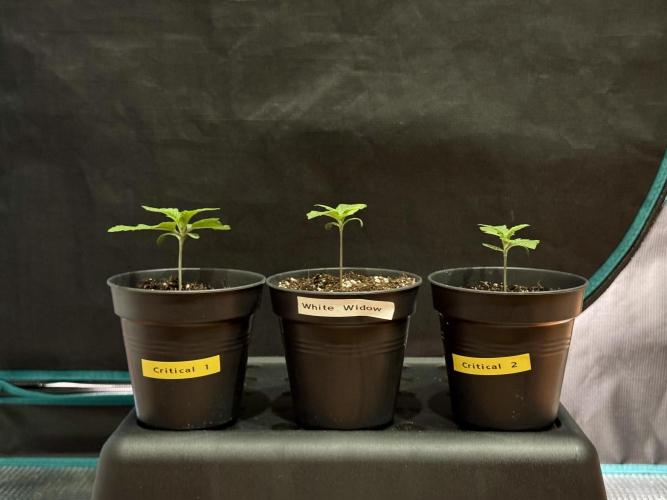
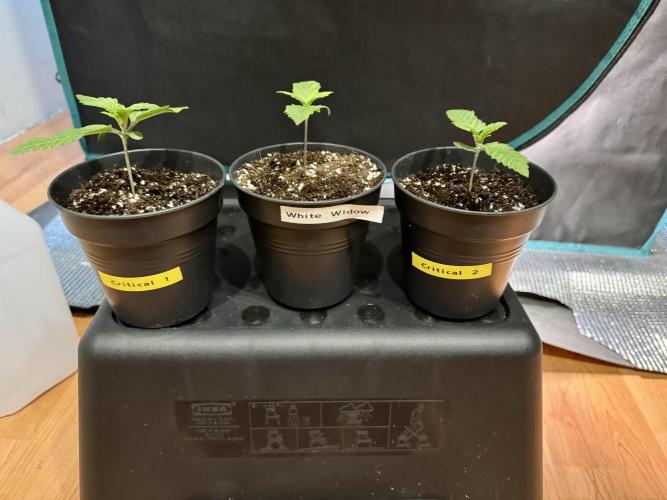
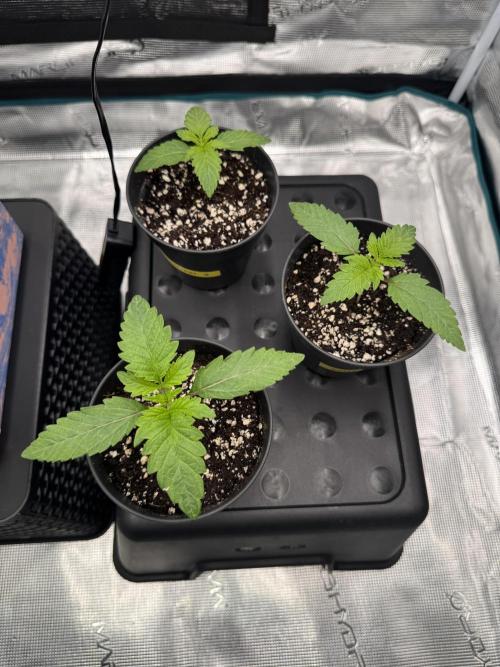
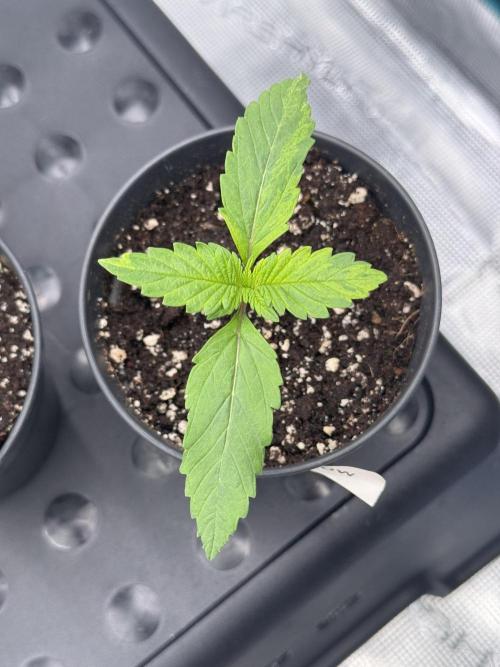
7 cm
Height
18 hrs
Light Schedule
25 °C
Day Air Temp
6.0
pH
No Smell
Smell
65 %
Air Humidity
19 °C
Solution Temp
20 °C
Substrate Temp
21 °C
Night Air Temp
0.6 liters
Pot Size
0.1 liters
Watering Volume
30 cm
Lamp Distance
Nutrients 3

Calmag
1 mll

Bactrex
1 mll

Orgatrex
1 mll
pinknite 📅 Week 2 – Early Vegetation
Days: 7–14
Dates: 17/04 – 23/04
Strains: RQS Critical (3x), RQS White Widow (1x)
🌿 Plant Status
Overall health: Good
Growth rate: Normal, picking up toward end of week
Structure: Slight stretch early on
Leaf color: Healthy light to medium green
Issues: Minor stretching, no damage
📏 Measurements
Height: ~5–10 cm
Nodes: 2–3
Canopy: Uneven, one smaller plant lagging
Roots: Still developing
🌡️ Environment
Temperature: ~22–26°C
Humidity: ~60–70%
VPD: ~0.8–1.0 kPa
Airflow: Moderate
Notes: Airflow OK but could be stronger for stem strength
💡 Lighting
Light: Mars Hydro FC-EVO
Distance: ~30 cm
Schedule: 18/6
Notes: Initial stretch suggests light was slightly too weak/distant, improved after adjustment
💧 Watering & Feeding
Watering: Every 2–3 days
Amount: Light, controlled
Nutrients: None or very light
pH: ~6.0–6.3
EC: Low
Runoff: Minimal
? Medium / Pots
Pot size: 0.6L
Medium: Light soil/coco mix with perlite
Drainage: Good
Transplant: Planned next week (to ~3L)
✂️ Training & Maintenance
Actions: Adjusted light distance, improved airflow
Training: None yet
Response: Stretch reduced, growth stabilizing
⚠️ Issues & Observations
Issue: Slight stretch, one slow plant
Cause: Light intensity early on + natural variation
Action: Lowered light, stable environment
Result: Improvement visible
📸 Visual Notes
Development: Clear transition into veg, new nodes forming
Best plant: Critical 1, White Widow
Weakest: Critical 3
🎯 Plan for Next Week
[ ] Transplant into ~3L pots
[ ] Slightly increase light intensity
[ ] Begin very light feeding (if needed)
[ ] Monitor stretch and node spacing
[ ] Prepare for early LST
📝 Grower Notes
Went well: Environment stable, stretch corrected early
Improve: Dial in lighting faster from start
Next week expectation: Faster growth after transplant
7 likes
1 comment
Share
3
Week 3. Vegetation4mo ago
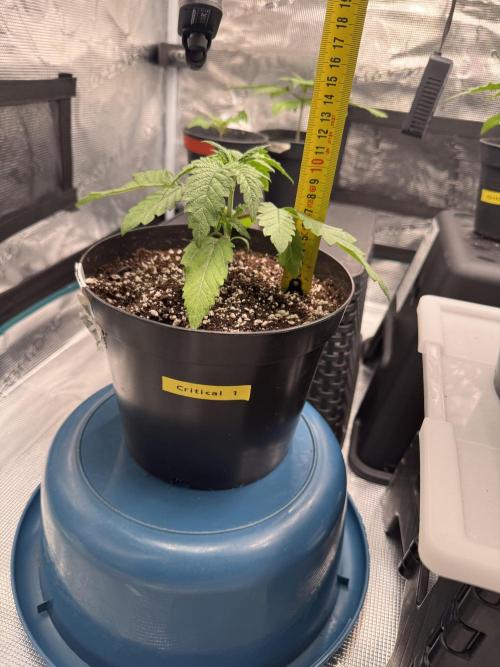
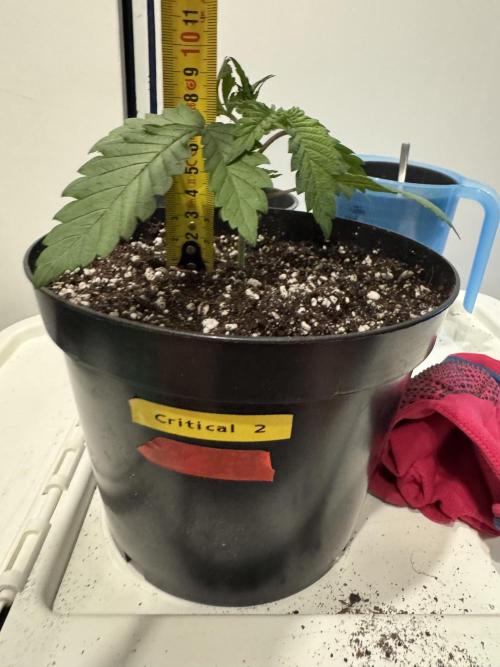
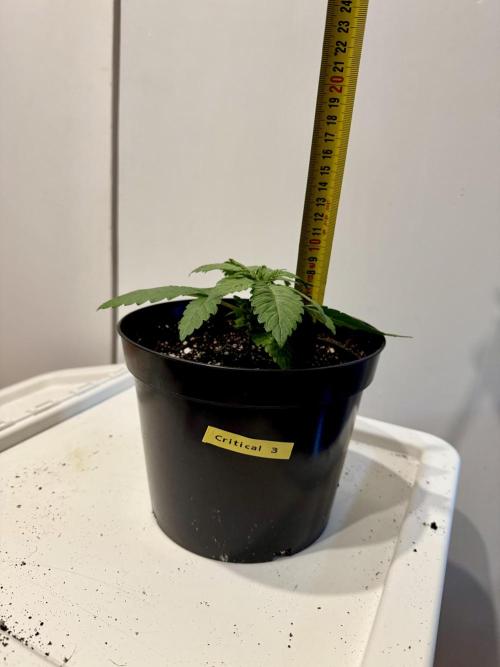
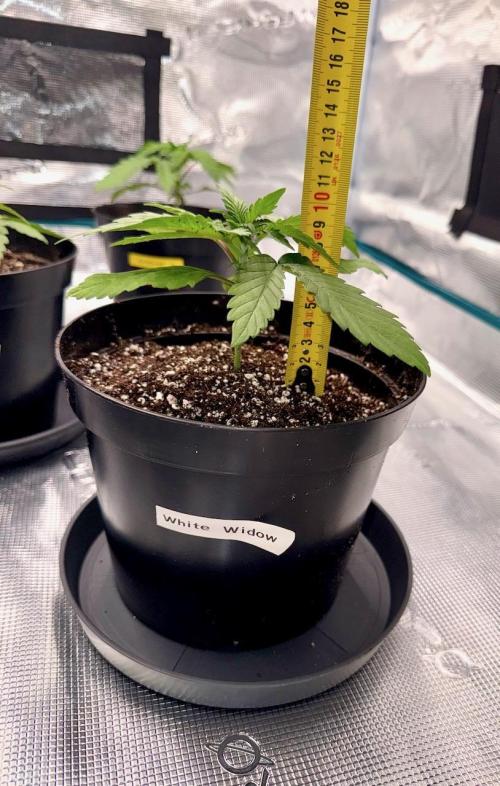
11 cm
Height
18 hrs
Light Schedule
25 °C
Day Air Temp
6.0
pH
No Smell
Smell
68 %
Air Humidity
20 °C
Solution Temp
20 °C
Substrate Temp
22 °C
Night Air Temp
3 liters
Pot Size
0.2 liters
Watering Volume
30 cm
Lamp Distance
Nutrients 3

BoomBoom Spray
5 mll
Mycotrex
2 mll
Startrex
5 mll
pinknite =============================
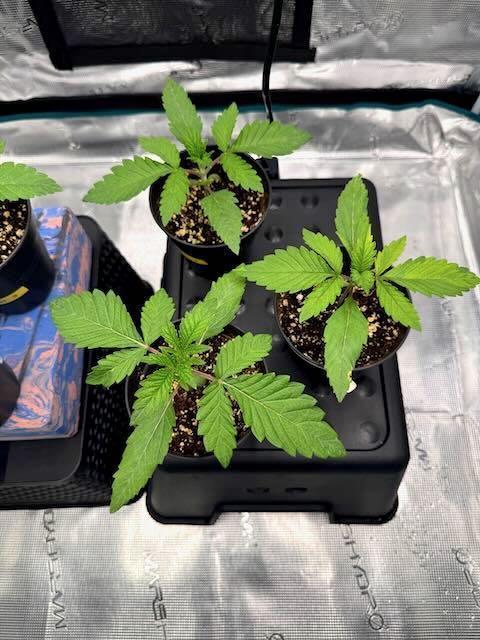
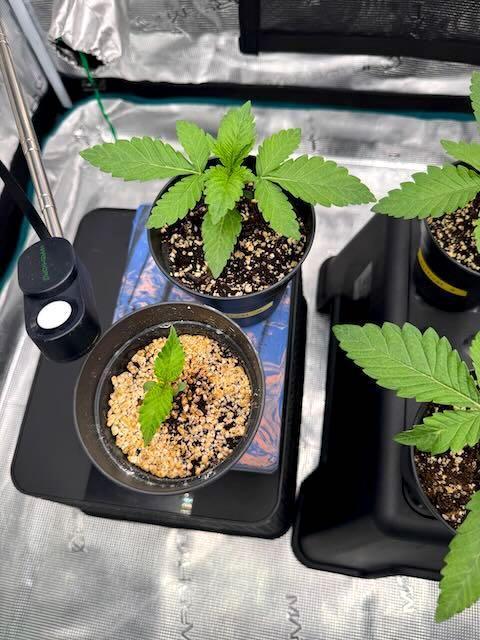
📅 Week 3 – Vegetation
=============================
Days: 15–21
Dates: 24/04 – 30/04
Strains: RQS Critical (3x), RQS White Widow (1x)
━━━━━━━━━━━━━━━━━━
🌿 OVERVIEW / PLANT STATUS
━━━━━━━━━━━━━━━━━━
Overall health: Good to very good
Growth rate: Increasing, clear vegetative momentum
Structure: Becoming more compact after earlier stretch correction
Leaf color: Healthy medium green
Leaf condition: Clean, no visible deficiencies or damage
━━━━━━━━━━━━━━━━━━
📏 MEASUREMENTS
━━━━━━━━━━━━━━━━━━
Height: ~9–15 cm (variation between plants)
Nodes: 3–4+ nodes developing
Canopy: Still slightly uneven but improving
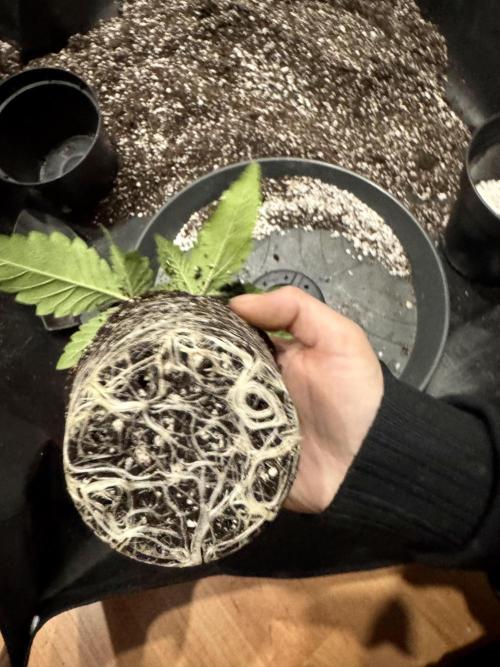
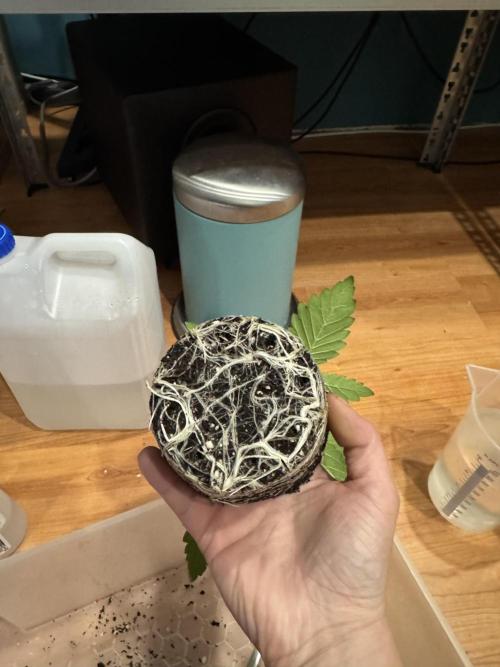
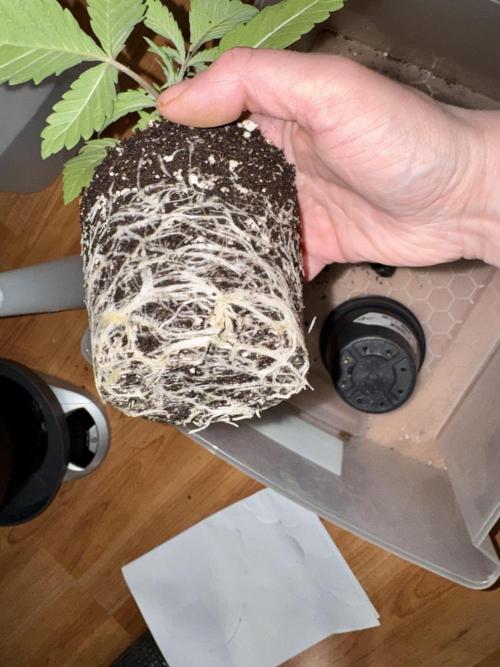
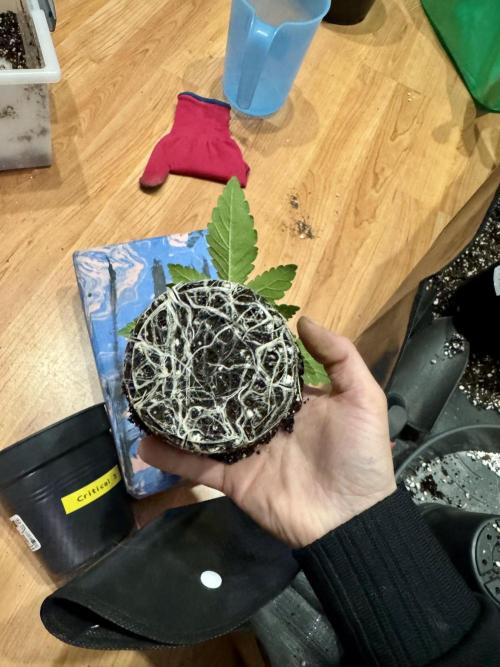
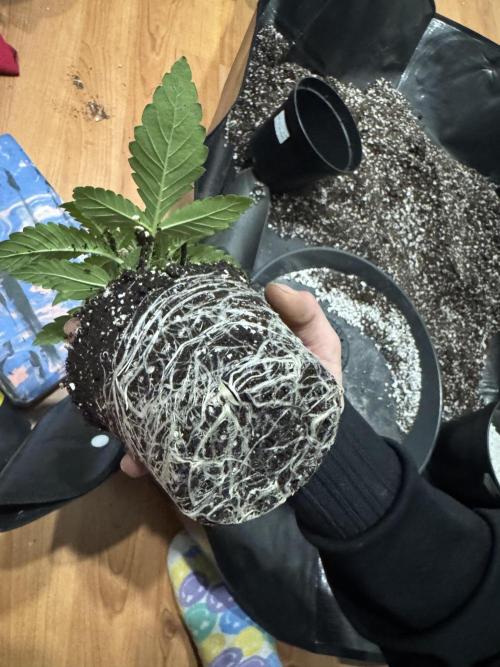
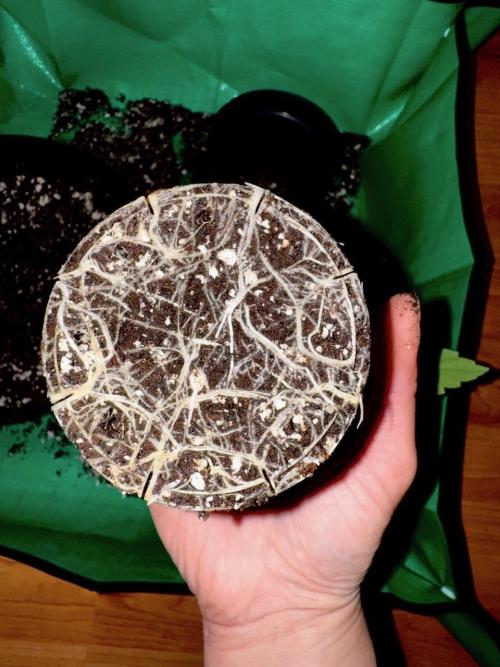
Roots: Expanding, ready for larger containers
━━━━━━━━━━━━━━━━━━
🌡️ ENVIRONMENT
━━━━━━━━━━━━━━━━━━
Temperature: ~22–26°C
Humidity: ~55–65%
VPD: ~0.9–1.1 kPa
Airflow: Moderate
Notes: Environment stable, airflow supporting stronger stems
━━━━━━━━━━━━━━━━━━
💡 LIGHTING
━━━━━━━━━━━━━━━━━━
Light: Mars Hydro FC-EVO LED
Distance: ~30 cm from canopy
Intensity: Moderate, gradually increased during the week
Notes: Node spacing improving, less stretch observed
━━━━━━━━━━━━━━━━━━
💧 WATERING & FEEDING
━━━━━━━━━━━━━━━━━━
Watering Frequency: Approximately every 2–3 days
Amount: Increasing slightly with plant size
pH Range: ~6.0–6.3
EC: Low
Nutrients: Minimal / very light feeding phase
━━━━━━━━━━━━━━━━━━
? TRANSPLANTS 0.6L → 3L pot
━━━━━━━━━━━━━━━━━━
CRITICAL 1-2-3 on 29/04/2026
WHITE WIDOW on 30/04/2026
? Medium: 40% Coco / 20% Lightmix / 30% Perlite / 10% Mega Worm
💧Drainage: Good
🔍 Post-transplant observations:
* Minimal to no visible transplant shock
* Plants remained upright and healthy
* Continued vegetative growth after transplant
* Root development appeared healthy and well-timed for container upgrade
━━━━━━━━━━━━━━━━━━
✂️ TRAINING & MAINTENANCE
━━━━━━━━━━━━━━━━━━
Training: None yet
━━━━━━━━━━━━━━━━━━
⚠️ ISSUES & ACTIONS
━━━━━━━━━━━━━━━━━━
Observations: Minor phenotype variation between plants, slight early stretch (now corrected)
Actions: Lowered light, maintained stable environment
Results: Improved structure and node spacing, healthy post-transplant recovery
━━━━━━━━━━━━━━━━━━
🌿 PLANT DEVELOPMENT
━━━━━━━━━━━━━━━━━━
🌱 CRITICAL 1–2–3:
------------------------
* Strong vegetative response after transplant
* Showing vigorous growth potential
🌱 WHITE WIDOW #1:
------------------------
* Slightly smaller but healthy
* Stable growth, no major issues
━━━━━━━━━━━━━━━━━━
👀 Visual Notes
━━━━━━━━━━━━━━━━━━
Development: Clear transition into mid-veg with faster node stacking
Best performers: One or two Critical phenos showing strongest vigor
Weakest: White Widow slightly behind but healthy
━━━━━━━━━━━━━━━━━━
🎯 PLAN FOR NEXT WEEK
━━━━━━━━━━━━━━━━━━
[ ] Begin LST on strongest plants
[ ] Increase light intensity gradually
[ ] Gradually increase feeding strength
[ ] Monitor post-transplant root expansion and growth acceleration
━━━━━━━━━━━━━━━━━━
📝 GROWER NOTES
━━━━━━━━━━━━━━━━━━
Overall Week Rating: Very Good
Went well: Smooth transplant process, Environment stable and dialed in
To improve: Keep canopy more even
📅 Next week expectation:
Faster vegetative expansion, Stronger branching and readiness for training
6 likes
2 comments
Share
Used techniques
Transplantation
Technique
4
Week 4. Vegetation4mo ago
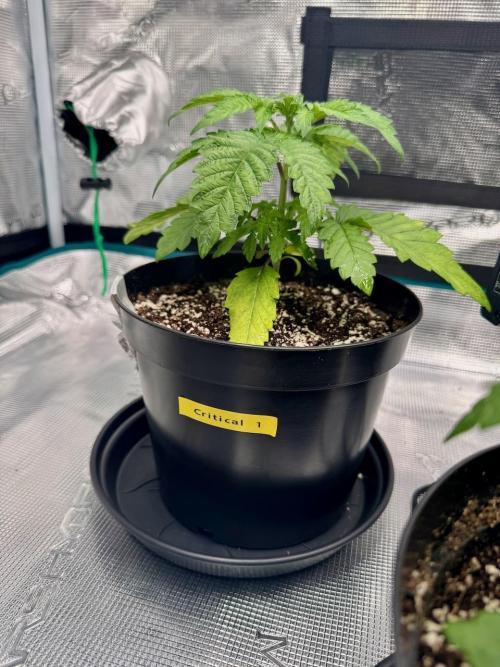
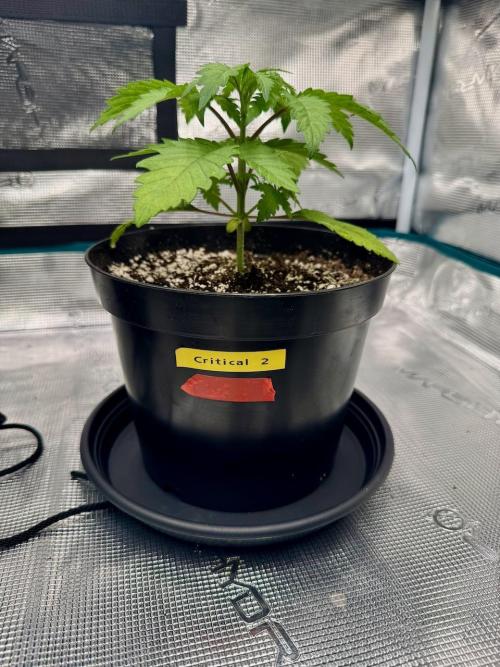
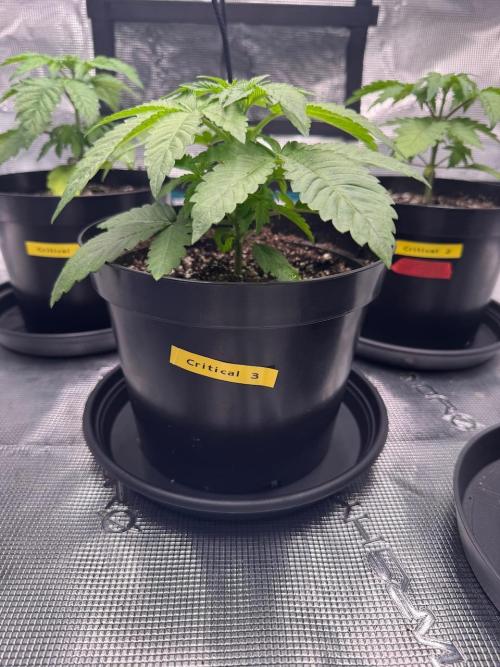
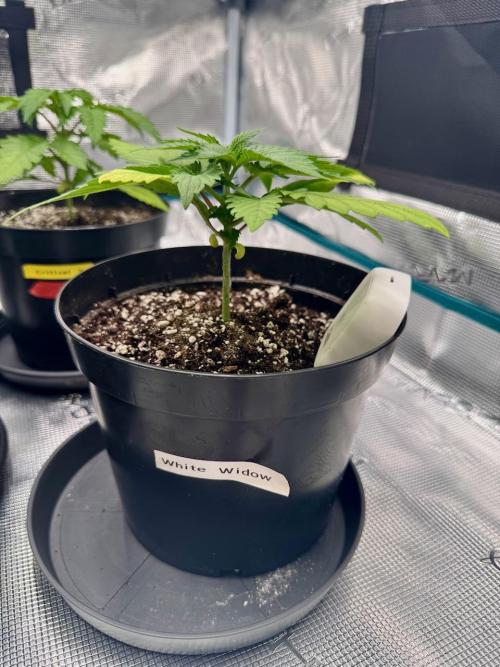
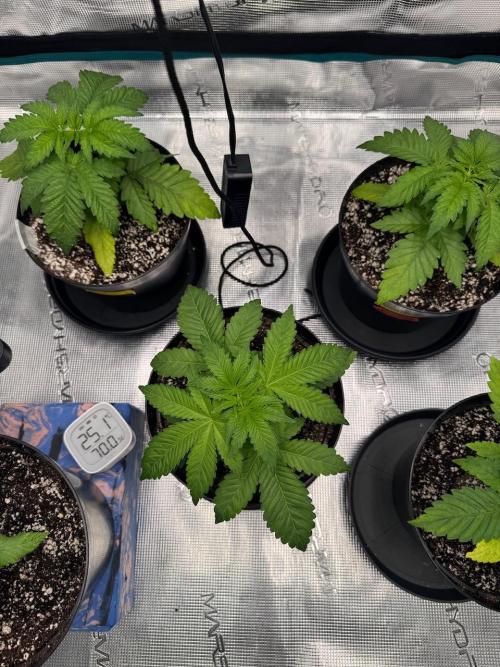
18 cm
Height
18 hrs
Light Schedule
25 °C
Day Air Temp
6.0
pH
No Smell
Smell
68 %
Air Humidity
20 °C
Solution Temp
20 °C
Substrate Temp
21 °C
Night Air Temp
3 liters
Pot Size
0.3 liters
Watering Volume
30 cm
Lamp Distance
Nutrients 3
Calmag
1 mll
Bactrex
1 mll
Orgatrex
5 mll
pinknite =============================
📅 Week 4 – Vegetation
=============================
Days: 22–28
Dates: 01/05 – 07/05
Strains: RQS Critical (3x), RQS White Widow (1x)
━━━━━━━━━━━━━━━━━━
🌿 OVERVIEW / PLANT STATUS
━━━━━━━━━━━━━━━━━━
Overall health: Good to excellent
Growth rate: Fast, vigorous vegetative expansion after transplant
Structure: Compact with improving lateral branching
Leaf color: Healthy medium to deep green
Leaf condition: Mostly healthy, minor lower leaf yellowing/spots observed on some older leaves
━━━━━━━━━━━━━━━━━━
📏 MEASUREMENTS
━━━━━━━━━━━━━━━━━━
Height: ~13–18 cm (variation between plants)
Nodes: 4–6+ nodes developing
Canopy: Wider and more even than previous week
Roots: Rapid expansion into 3L containers
━━━━━━━━━━━━━━━━━━
🌡️ ENVIRONMENT
━━━━━━━━━━━━━━━━━━
Temperature: ~22–27°C
Humidity: ~55–65%
VPD: ~0.9–1.2 kPa
Airflow: Moderate to strong
Notes: Stable environment supporting accelerated vegetative growth
━━━━━━━━━━━━━━━━━━
💡 LIGHTING
━━━━━━━━━━━━━━━━━━
Light: Mars Hydro FC-EVO LED
Distance: ~28–35 cm from canopy
Intensity: Moderate to moderately high
Notes: Plants responding well, compact node spacing and improved canopy development
━━━━━━━━━━━━━━━━━━
💧 WATERING & FEEDING
━━━━━━━━━━━━━━━━━━
Watering Frequency: Approximately every 2–3 days
Amount: Increased compared to previous week
pH Range: ~5.9–6.3
EC: Low to moderate
Nutrients: Early vegetative feeding phase started gradually
━━━━━━━━━━━━━━━━━━
✂️ TRAINING & MAINTENANCE
━━━━━━━━━━━━━━━━━━
Training:
* Some leaf tucking and positioning adjustments performed
Maintenance:
* Improved plant spacing and positioning inside tent
* Regular canopy monitoring
* Lower growth inspected for airflow and light penetration
━━━━━━━━━━━━━━━━━━
⚠️ ISSUES & ACTIONS
━━━━━━━━━━━━━━━━━━
Observations:
* Minor yellowing on older lower leaves
* Small rust/brown spotting visible on isolated leaves
* Slight phenotype differences continuing between plants
Actions:
* Monitored pH more closely
* Maintained stable watering rhythm
* Continued gradual feed increase
* Improved airflow and canopy positioning
Results:
* New growth remained healthy and vigorous
* Overall plant development continued strongly
* Symptoms remained limited mostly to older foliage
━━━━━━━━━━━━━━━━━━
🌿 PLANT DEVELOPMENT
━━━━━━━━━━━━━━━━━━
## 🌱 CRITICAL 1–2–3:
* Strong vegetative momentum
* Rapid lateral expansion and thicker stems
* Excellent recovery and adaptation after transplant
* Most vigorous plants in the tent
## 🌱 WHITE WIDOW #1:
* Healthy but slightly slower growth rate
* More compact structure
* Stable development with healthy new growth
* Successfully adapting to larger container
━━━━━━━━━━━━━━━━━━
👀 Visual Notes
━━━━━━━━━━━━━━━━━━
Development:
Clear transition into stronger vegetative growth phase with noticeably faster expansion and broader leaf development
Best performers:
CRITICAL phenotypes showing strongest vigor and fastest canopy development
Weakest:
WHITE WIDOW still slightly behind in size but healthy overall
━━━━━━━━━━━━━━━━━━
🎯 PLAN FOR NEXT WEEK
━━━━━━━━━━━━━━━━━━
[ ] Continue LST on strongest plants
[ ] Increase canopy uniformity
[ ] Gradually raise nutrient strength if growth remains vigorous
[ ] Monitor lower leaf discoloration progression
[ ] Prepare for stronger branching and canopy expansion
━━━━━━━━━━━━━━━━━━
📝 GROWER NOTES
━━━━━━━━━━━━━━━━━━
Overall Week Rating: Very Good
Went well:
* Excellent post-transplant recovery
* Strong vegetative acceleration
* Healthy canopy expansion
* Stable environmental conditions
To improve:
* Maintain more even canopy height
* Continue monitoring pH consistency and lower leaf health
📅 Next week expectation:
Rapid vegetative growth, stronger side branching, increased training activity, and fuller canopy development
4 likes
3 comments
Share
5
Week 5. Vegetation4mo ago
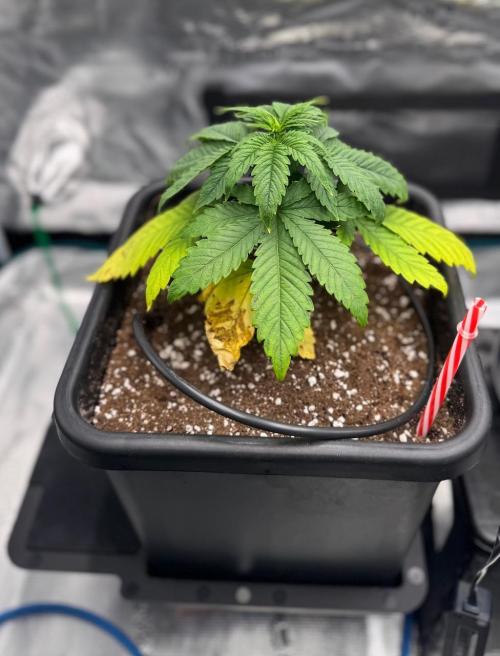
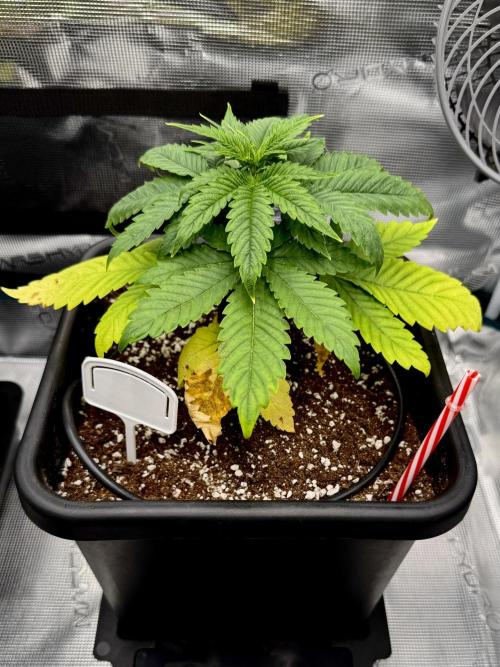
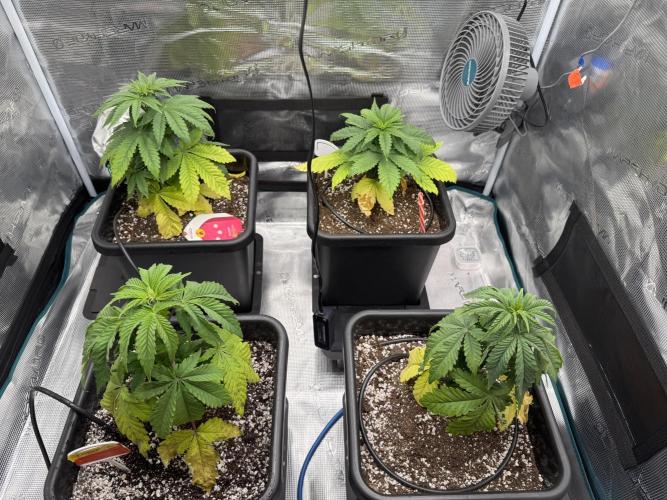
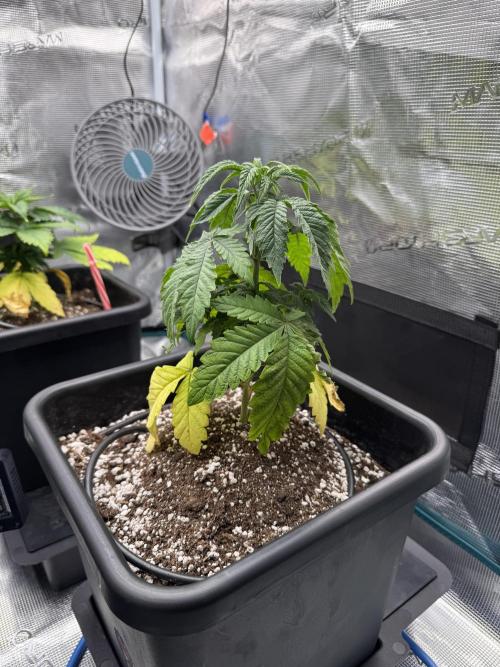
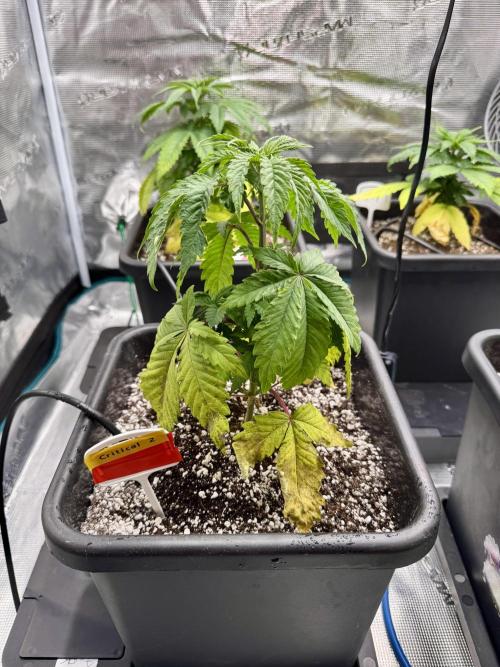
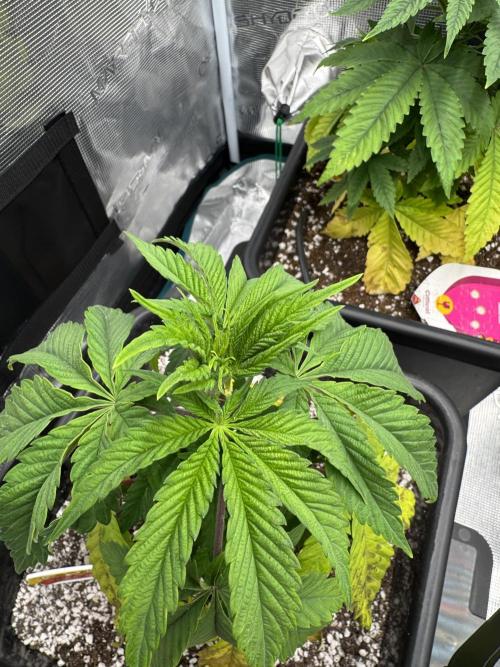
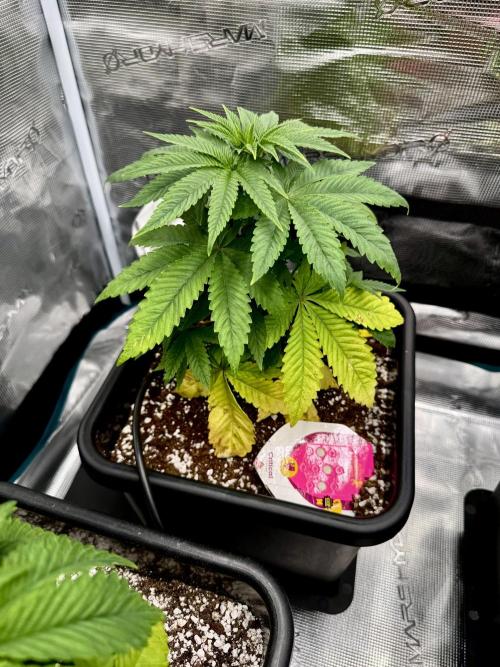
22 cm
Height
18 hrs
Light Schedule
25 °C
Day Air Temp
6.2
pH
Weak
Smell
65 %
Air Humidity
19 °C
Solution Temp
20 °C
Substrate Temp
19 °C
Night Air Temp
15 liters
Pot Size
0.3 liters
Watering Volume
35 cm
Lamp Distance
Nutrients 6
Bactrex
1 mll
Orgatrex
6.51 mll

Silicium Flash
6.51 mll
pinknite =============================
📅 Week 5 – Vegetation
Days: 29–35
Dates: 08/05 – 14/05
Strains: RQS Critical (3x), RQS White Widow (1x)
=============================
━━━━━━━━━━━━━━━━━━
🌿 OVERVIEW / PLANT STATUS
━━━━━━━━━━━━━━━━━━
Overall health: Medium
Growth rate: Rapid vegetative acceleration throughout the week
Structure: Compact with increasing lateral branching and tighter node spacing
Leaf color: Yellow, medium-to-deep green
Leaf condition: Mostly clean and healthy, minor temporary droop observed during dry periods
━━━━━━━━━━━━━━━━━━
📏 MEASUREMENTS
━━━━━━━━━━━━━━━━━━
Height progression:
🌱 CRITICAL 1
• Previous: ~18,5 cm
• Current: ~22 cm
• Increase: +3.5 cm
🌱 CRITICAL 2
• Previous: ~16 cm
• Current: ~24 cm
• Increase: +8 cm
🌱 CRITICAL 3
• Previous: ~16 cm
• Current: ~22.5 cm
• Increase: +6.5 cm
🌱 WHITE WIDOW 1
• Previous: ~13 cm
• Current: ~17 cm
• Increase: +4 cm
Nodes:
🌱 Critical phenotypes: ~5–6 nodes
🌱 White Widow: ~5 nodes
Canopy:
• Becoming fuller and wider
• Critical plants showing strongest vertical vigor
• White Widow remains slightly smaller but healthy
Roots:
• Rapid root expansion observed
• 3L containers becoming rootbound and drying extremely quickly by end of week
━━━━━━━━━━━━━━━━━━
🌡️ ENVIRONMENT
━━━━━━━━━━━━━━━━━━
Temperature: ~22–27°C
Humidity: ~55–65%
VPD: ~0.9–1.2 kPa
Airflow: Good continuous airflow with clip fans
Notes:
• Environment remained stable overall
• Good stem strengthening observed
• Increased transpiration as root systems expanded
━━━━━━━━━━━━━━━━━━
💧 WATERING & FEEDING
━━━━━━━━━━━━━━━━━━
Watering Frequency:
• Increased significantly during late week
• Some plants requiring water daily due to root mass
Amount:
• Gradually increased with plant demand
pH Range:
• Irrigation: ~6.0–6.3
• Runoff occasionally elevated (~7.7 observed)
EC:
• Low-to-moderate
Nutrients:
• Light vegetative feeding
• Biotabs organic preparation started for upcoming AutoPot transition
Observations:
• Several plants became extremely light within hours after watering
• Immediate runoff indicated dense root occupation in 3L containers
• Clear signs plants had outgrown current pots
━━━━━━━━━━━━━━━━━━
TRANSPLANTS:
3L → 15L AutoPot
━━━━━━━━━━━━━━━━━━
🌱 CRITICAL 1-3 on 09/05/2026
🌱 WHITE WIDOW on 13/05/2026
🌱 CRITICAL 2 on 14/05/2026
Medium:
• ~40% BioBizz Lightmix
• ~30% Canna Coco
• ~20% Perlite
• ~10% Worm Castings
AutoPot preparation:
• AirDomes installed
• Biotabs integrated into substrate
• Drainage optimized for bottom-feeding system
Post-transplant observations:
• Root systems appeared dense and healthy
• Minimal transplant shock observed
• Plants remained upright after transplant
• Immediate improvement in root zone volume and moisture buffering expected
━━━━━━━━━━━━━━━━━━
⚠️ ISSUES & ACTIONS
━━━━━━━━━━━━━━━━━━
Issues observed:
• 3L pots drying excessively fast
• Mild temporary drooping linked to rapid substrate drying
• Elevated runoff pH observed in some pots
Actions taken:
• Emergency watering adjustments
• Increased monitoring frequency
• Early transplant into 15L AutoPot system
• Optimized substrate aeration and drainage
Results:
• Plants recovered quickly after watering
• Improved stability expected after transplant
• Root restriction issue successfully addressed
━━━━━━━━━━━━━━━━━━
👀 VISUAL NOTES
━━━━━━━━━━━━━━━━━━
Development:
• Clear transition into aggressive vegetative growth
• Strong root expansion phase completed
• Plants visibly more mature and structurally stable
Best performers:
🌱 CRITICAL 1 and CRITICAL 2
Most compact:
🌱 CRITICAL 3
Smallest phenotype:
🌱 WHITE WIDOW 1
General appearance:
• Healthy foliage
• Increasing lateral growth
• Good color consistency across all plants
━━━━━━━━━━━━━━━━━━
🎯 PLAN FOR NEXT WEEK
━━━━━━━━━━━━━━━━━━
[ ] Allow transplant recovery for several days
[ ] Begin topping/LST on strongest Critical plants
[ ] Continue increasing vegetative light intensity gradually
[ ] Monitor AutoPot moisture behavior before activating system
[ ] Maintain strong airflow under expanding canopy
[ ] Prepare canopy management for future 12/12 transition
━━━━━━━━━━━━━━━━━━
📝 GROWER NOTES
━━━━━━━━━━━━━━━━━━
Overall Week Rating: Excellent
Went well:
• Strong vegetative momentum
• Successful transplants
• Healthy root development
• Stable environment
• Good structural growth
To improve:
• Earlier transplant timing for fast-growing phenotypes
• Closer monitoring of substrate dry-back in small containers
4 likes
1 comment
Share
Used techniques
Transplantation
Technique
6
Week 6. Vegetation3mo ago
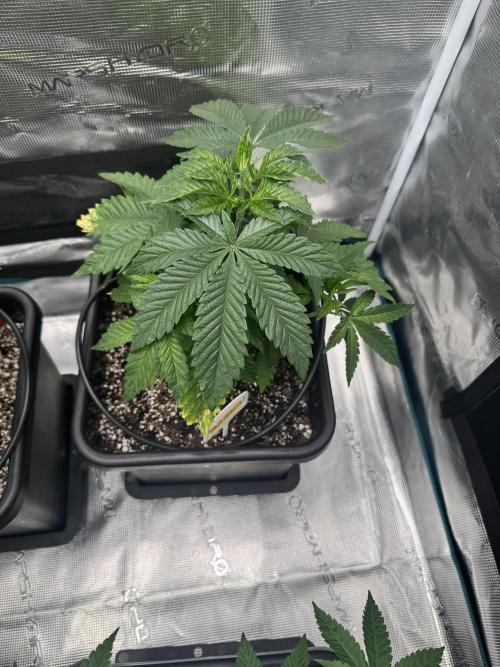
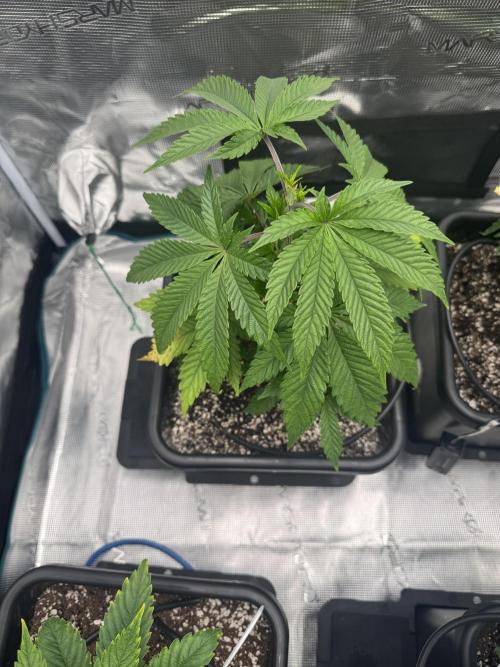
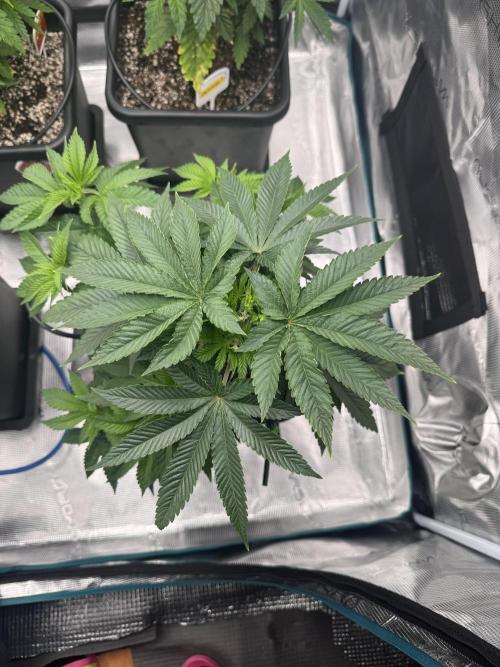
32 cm
Height
18 hrs
Light Schedule
27 °C
Day Air Temp
6.0
pH
Normal
Smell
65 %
Air Humidity
19 °C
Solution Temp
20 °C
Substrate Temp
24 °C
Night Air Temp
15 liters
Pot Size
0.5 liters
Watering Volume
35 cm
Lamp Distance
Nutrients 3
Calmag
1 mll
Bactrex
1 mll
Orgatrex
2 mll
pinknite =============================
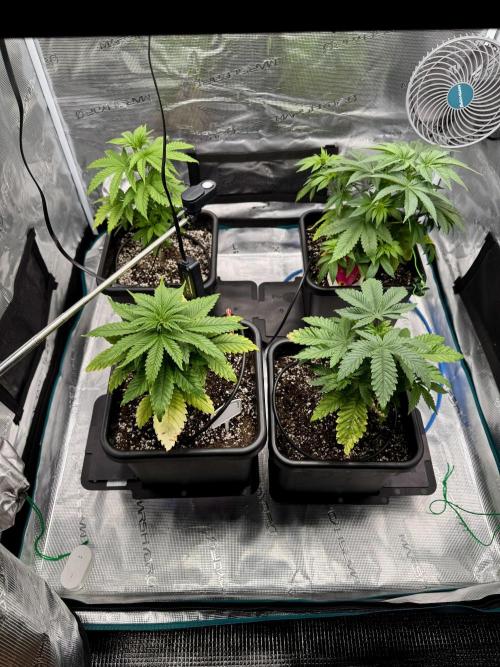
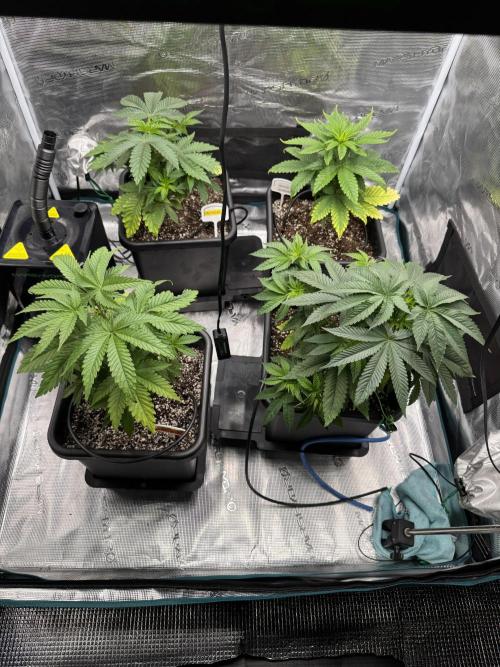
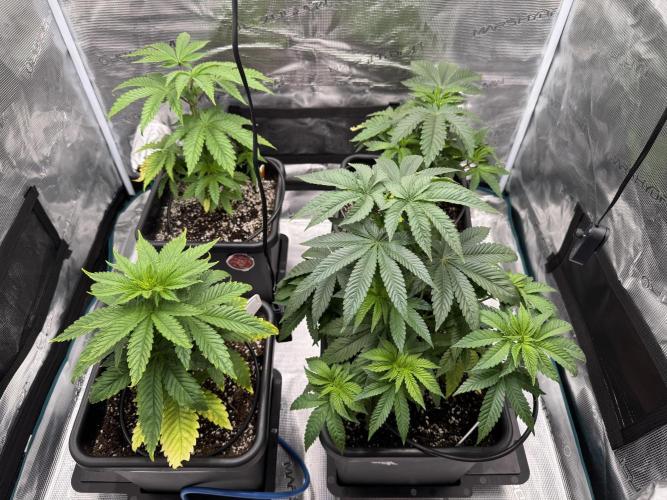
📅 Week 6 – Vegetation
Days: 36–42
Dates: 15/05 – 21/05
Strains: RQS Critical (3x), RQS White Widow (1x)
━━━━━━━━━━━━━━━━━━
🌿 OVERVIEW / PLANT STATUS
━━━━━━━━━━━━━━━━━━
Overall health: Good with minor stress symptoms appearing late in the week
Growth rate: Fast vegetative expansion across all plants
Structure: Dense, bushy growth with increasing lateral branching
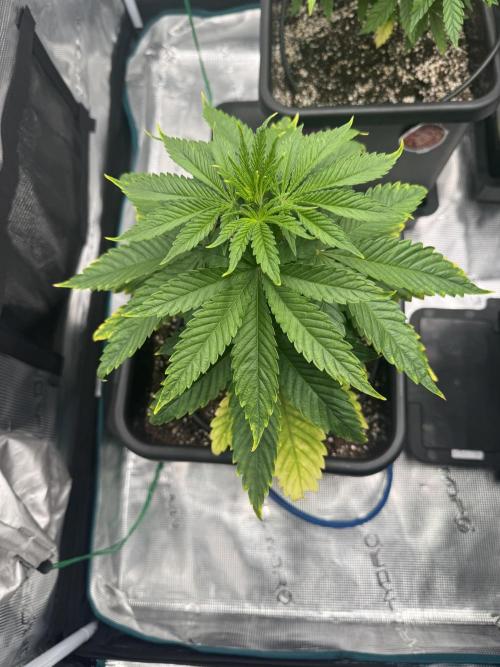
Leaf color: Healthy green overall, slight paling observed on some upper growth
Leaf condition: Mostly healthy with occasional leaf spotting and minor deformation on select leaves
━━━━━━━━━━━━━━━━━━
📏 MEASUREMENTS
━━━━━━━━━━━━━━━━━━
Height: ~21–33 cm
Nodes: 7–9+ nodes developing
Canopy: Becoming increasingly full, some variation between phenotypes
Root development: Rapid vegetative uptake indicating strong root establishment in final containers
━━━━━━━━━━━━━━━━━━
🌡️ ENVIRONMENT
━━━━━━━━━━━━━━━━━━
Temperature: ~24–27°C
Humidity: ~55–65%
VPD: ~1.0–1.2 kPa
Airflow: Good circulation throughout canopy
Notes: Environmental conditions remained stable and supported vigorous growth
━━━━━━━━━━━━━━━━━━
💡 LIGHTING
━━━━━━━━━━━━━━━━━━
Light: Mars Hydro FC-EVO LED
Schedule: 18/6
Distance: ~30–40 cm from canopy
Intensity: Moderate to moderately high
Notes: Plants responded well with tight internodal spacing and increased branching
━━━━━━━━━━━━━━━━━━
💧 WATERING & FEEDING
━━━━━━━━━━━━━━━━━━
Watering Frequency: Approximately every 2 days
Amount: Increased substantially due to larger plant size
pH Range: ~5.8–6.2
EC: Moderate vegetative feeding levels
Nutrients: Full vegetative nutrient program
━━━━━━━━━━━━━━━━━━
? CONTAINERS & MEDIUM
━━━━━━━━━━━━━━━━━━
Final Pots: 15L Air-Pots
🌱 Medium:
• 40% Coco Coir
• 20% Lightmix
• 30% Perlite
• 10% Mega Worm
💧 Drainage: Excellent
━━━━━━━━━━━━━━━━━━
✂️ TRAINING & MAINTENANCE
━━━━━━━━━━━━━━━━━━
Training:
• Initial LST continued and adjusted throughout the week
• Branches repositioned to improve light penetration
• Canopy shaping performed to encourage even growth
Maintenance:
• Regular leaf tucking
• Daily plant inspections
• Environmental monitoring
━━━━━━━━━━━━━━━━━━
⚠️ ISSUES & ACTIONS
━━━━━━━━━━━━━━━━━━
Observations:
• Minor leaf spotting appeared on several plants
• Slight interveinal discoloration on some newer leaves
• One Critical phenotype showing more sensitivity than others
• White Widow remained slightly behind in size but healthy
Actions:
• Monitored nutrient availability closely
• Adjusted irrigation consistency
• Maintained stable VPD and environmental parameters
• Continued observation before making major feed changes
Results:
• Symptoms remained relatively minor
• Growth continued strongly despite cosmetic issues
• Overall plant vigor remained high
━━━━━━━━━━━━━━━━━━
🌿 PLANT DEVELOPMENT
━━━━━━━━━━━━━━━━━━
🌱 CRITICAL #1:
• Strongest overall growth rate
• Excellent lateral branching development
• Dense canopy formation
• Showing high vigor and recovery ability
🌱 CRITICAL #2:
• Healthy vegetative expansion
• Good branch development
• Slight sensitivity visible on some leaves
• Maintaining strong growth momentum
🌱 CRITICAL #3:
• Compact structure with good internodal spacing
• Responding well to training
• Healthy leaf production
• Consistent development throughout week
🌱 WHITE WIDOW #1:
• Smaller stature compared to Critical phenotypes
• Healthy overall appearance
• Good branch formation
• Gradually closing the size gap
━━━━━━━━━━━━━━━━━━
👀 Visual Notes
━━━━━━━━━━━━━━━━━━
Development:
Plants entered full mid-vegetative growth phase. Canopy density increased significantly and side branches began competing for dominance. Root systems appeared fully established in their containers.
Best performers:
• Critical #1
• Critical #3
Most compact:
• White Widow #1
Most vigorous:
• Critical #1
━━━━━━━━━━━━━━━━━━
🎯 PLAN FOR NEXT WEEK
━━━━━━━━━━━━━━━━━━
Continue LST and canopy management
Encourage even canopy development
Monitor leaf spotting and nutrient balance
Prepare plants for late vegetative growth phase
Increase airflow beneath canopy as density increases
Evaluate timing for eventual flowering transition
━━━━━━━━━━━━━━━━━━
📝 GROWER NOTES
━━━━━━━━━━━━━━━━━━
Overall Week Rating: Very Good
Went well:
• Vigorous vegetative growth
• Strong branch development
• Healthy root establishment
• Stable environment throughout the week
To improve:
• Continue diagnosing minor leaf spotting
• Improve canopy uniformity between plants
• Maintain proactive nutrient monitoring
📅 Next Week Expectation:
Rapid canopy expansion, increased branching, stronger structural development, and continued preparation for transition into late vegetative growth. Critical phenotypes expected to dominate canopy growth while White Widow continues steady catch-up development.
3 likes
comments
Share
Used techniques
Topping
Technique
Defoliation
Technique
LST
Technique
7
Week 7. Vegetation3mo ago
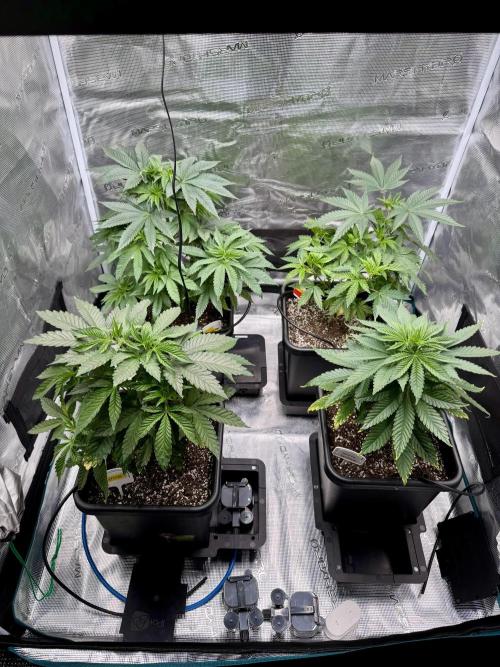
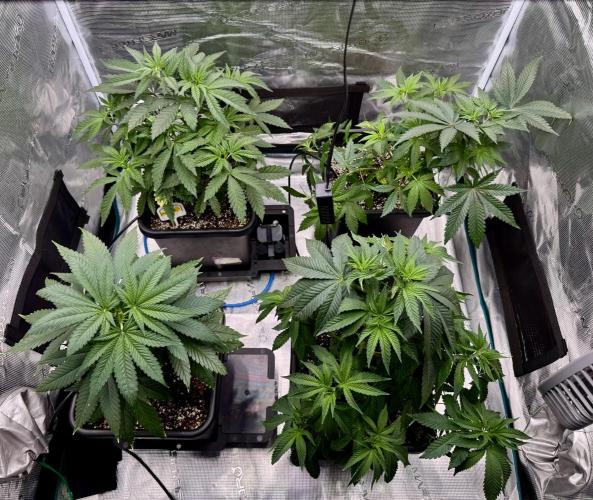
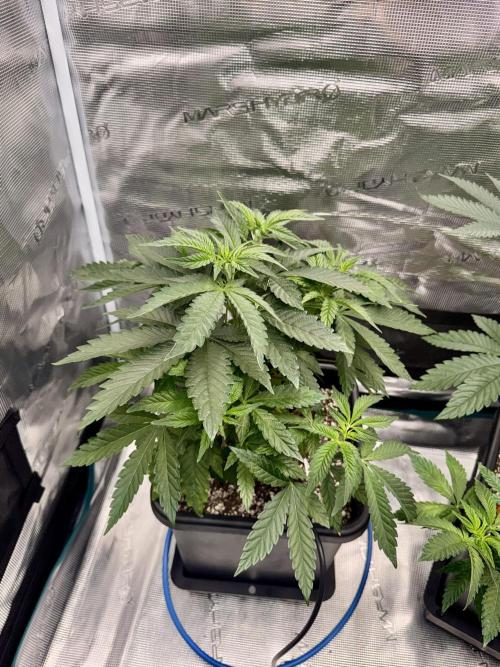
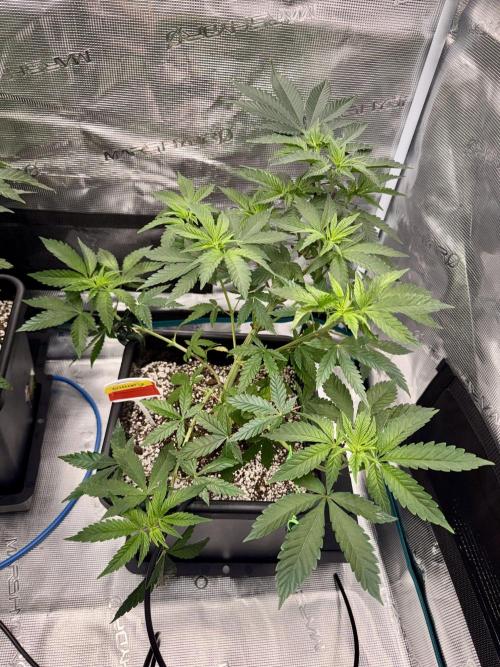
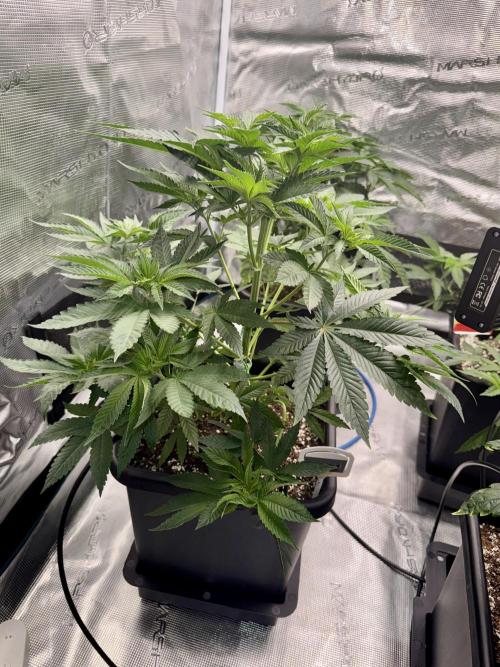
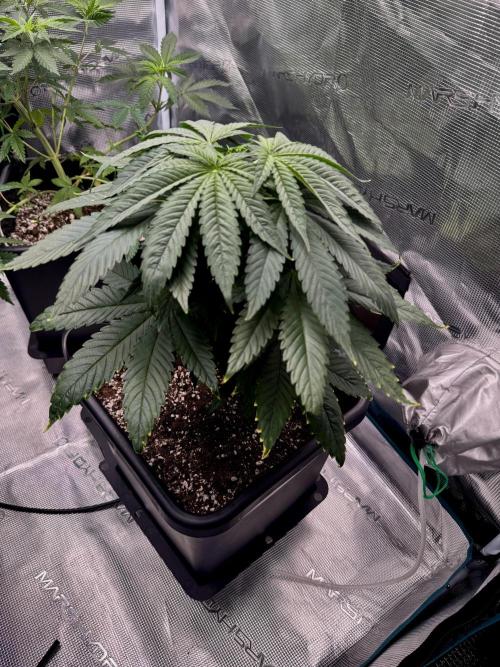
40 cm
Height
18 hrs
Light Schedule
28 °C
Day Air Temp
6.0
pH
Strong
Smell
65 %
Air Humidity
19 °C
Solution Temp
20 °C
Substrate Temp
24 °C
Night Air Temp
15 liters
Pot Size
0.5 liters
Watering Volume
35 cm
Lamp Distance
Nutrients 3
Calmag
1 mll
Bactrex
1 mll
Orgatrex
2 mll
pinknite =============================
📅 Week 7 – Vegetation
Days: 43–49
Dates: 22/05 – 28/05
Strains: RQS Critical (3x), RQS White Widow (1x)
━━━━━━━━━━━━━━━━━━
🌿 OVERVIEW / PLANT STATUS
━━━━━━━━━━━━━━━━━━
Overall health: Good to very good
Growth rate: Rapid vegetative expansion
Structure: Wide, bushy plants with extensive lateral branching
Leaf color: Healthy medium to dark green
Leaf condition: Mostly healthy with occasional minor spotting and cosmetic leaf imperfections
━━━━━━━━━━━━━━━━━━
📏 MEASUREMENTS
━━━━━━━━━━━━━━━━━━
Height: ~30–48 cm (variation between phenotypes)
Nodes: 9–12+ nodes developing
Canopy: Filling tent footprint quickly, increasingly dense
Roots: Well established and supporting aggressive vegetative growth
━━━━━━━━━━━━━━━━━━
🌡️ ENVIRONMENT
━━━━━━━━━━━━━━━━━━
Temperature: ~24–28°C
Humidity: ~55–65%
VPD: ~1.0–1.3 kPa
Airflow: Good throughout canopy
Notes: Stable environment supporting strong growth and recovery from training
━━━━━━━━━━━━━━━━━━
💡 LIGHTING
━━━━━━━━━━━━━━━━━━
Light: Mars Hydro FC-EVO LED
Distance: ~30–40 cm from canopy
Intensity: Moderate to high vegetative intensity
Photoperiod: 18/6 until end of week
Notes: Excellent node stacking, compact growth and vigorous branching observed
━━━━━━━━━━━━━━━━━━
💧 WATERING & FEEDING
━━━━━━━━━━━━━━━━━━
Watering Frequency: Every 1–2 days as demand increased
Amount: Significantly increased due to canopy size and root mass
pH Range: ~5.8–6.2
EC: Moderate vegetative feeding levels
Nutrients: Full vegetative nutrient schedule
━━━━━━━━━━━━━━━━━━
? CONTAINERS & MEDIUM
━━━━━━━━━━━━━━━━━━
Current Pots: 15L Air-Pots
🌱 Medium:
• 40% Coco
• 20% Lightmix
• 30% Perlite
• 10% Mega Worm
💧 Drainage: Excellent
━━━━━━━━━━━━━━━━━━
✂️ TRAINING & MAINTENANCE
━━━━━━━━━━━━━━━━━━
Training:
• Ongoing LST throughout the week
• Multiple branch tie-down adjustments
• Canopy shaping to maximize horizontal growth
• Selective leaf tucking performed regularly
Maintenance:
• Daily canopy inspections
• Height monitoring
• Airflow management as canopy density increased
━━━━━━━━━━━━━━━━━━
⚠️ ISSUES & ACTIONS
━━━━━━━━━━━━━━━━━━
Observations:
• Minor nutrient-related leaf spotting persisted on some plants
• Slight phenotype differences becoming more apparent
• Canopy becoming increasingly crowded
• White Widow remained more compact than Critical phenotypes
Actions:
• Continued environmental optimization
• Maintained consistent feeding schedule
• Increased canopy management through LST
• Closely monitored plant response and vigor
Results:
• Plants continued vigorous growth
• No major deficiencies developed
• Canopy spread improved significantly
• Plants remained healthy and resilient
━━━━━━━━━━━━━━━━━━
🌿 PLANT DEVELOPMENT
━━━━━━━━━━━━━━━━━━
🌱 CRITICAL #1:
• Compact but aggressive growth pattern
• Strong structural development
• Healthy leaf production
• Consistent response to training
🌱 CRITICAL #2:
• Healthy and vigorous growth
• Broad canopy formation
• Good branch spacing after training
• Minor leaf imperfections only
🌱 CRITICAL #3:
• Most vigorous plant in the tent
• Excellent lateral branching
• Dense canopy development
• Strong response to LST
🌱 WHITE WIDOW #1:
• Shorter and bushier phenotype
• Excellent branch formation
• Dense internodal stacking
• Healthy and increasingly vigorous growth
━━━━━━━━━━━━━━━━━━
👀 Visual Notes
━━━━━━━━━━━━━━━━━━
Development:
Plants entered late vegetative growth with rapid canopy expansion. Multiple tops developed on all plants and tent coverage increased substantially. Structure became increasingly suitable for flowering transition.
Best performers:
• Critical #1
• Critical #3
Most compact:
• White Widow #1
Bushiest:
• White Widow #1
Most vigorous:
• Critical #3
━━━━━━━━━━━━━━━━━━
🎯 PLAN FOR NEXT WEEK
━━━━━━━━━━━━━━━━━━
Continue canopy leveling
Finalize LST adjustments
Increase airflow beneath canopy
Perform selective defoliation if necessary
Prepare for flowering transition
Evaluate readiness for 12/12 flip
━━━━━━━━━━━━━━━━━━
📝 GROWER NOTES
━━━━━━━━━━━━━━━━━━
Overall Week Rating: Excellent
Went well:
• Exceptional vegetative growth rate
• Strong recovery after training
• Excellent canopy expansion
• Stable environmental conditions
• Healthy root and branch development
To improve:
• Maintain canopy uniformity
• Manage increasing plant density
• Continue monitoring minor leaf spotting
📅 Next Week Expectation:
Plants should reach full late-vegetative maturity with a nearly complete canopy. Continued training and canopy management will prepare the tent for transition into flowering. Most plants are expected to be approaching ideal flip size by the end of the following wee
5 likes
comments
Share
Used techniques
LST
Technique
Defoliation
Technique
Topping
Technique
8
Week 8. Flowering3mo ago
40 cm
Height
12 hrs
Light Schedule
28 °C
Day Air Temp
6.0
pH
Strong
Smell
65 %
Air Humidity
21 °C
Solution Temp
20 °C
Substrate Temp
24 °C
Night Air Temp
15 liters
Pot Size
1 liters
Watering Volume
35 cm
Lamp Distance
Nutrients 3
Calmag
1 mll
Bactrex
1 mll
Orgatrex
2 mll
pinknite =============================
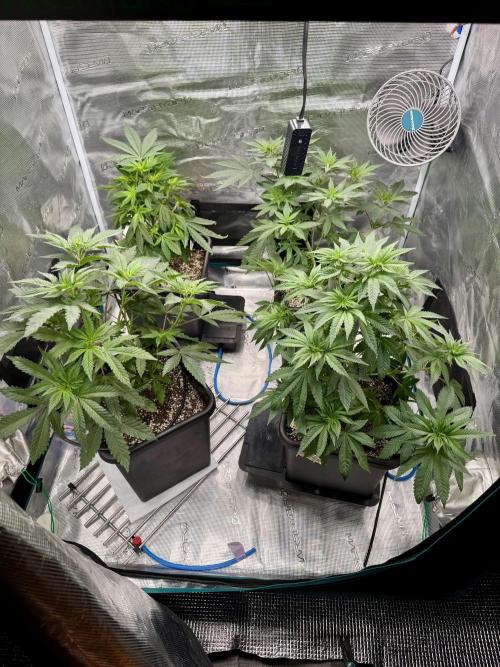
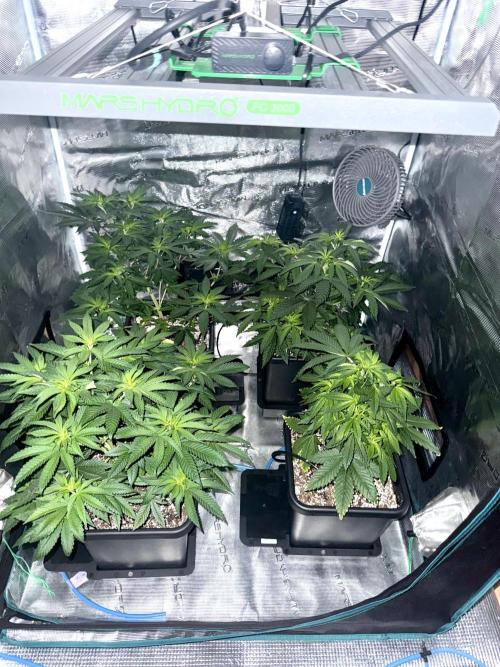
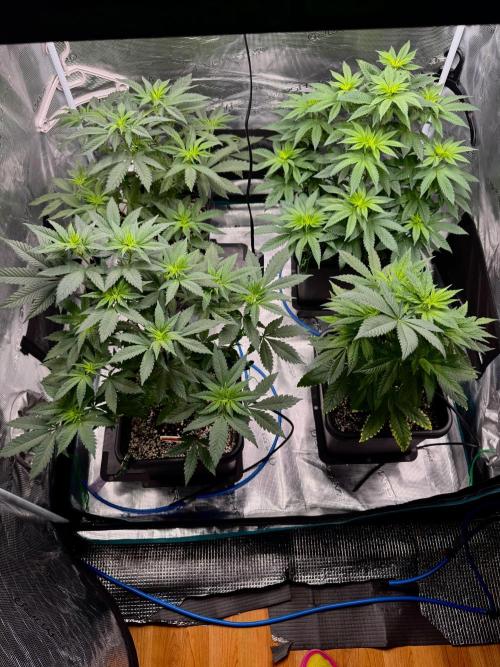
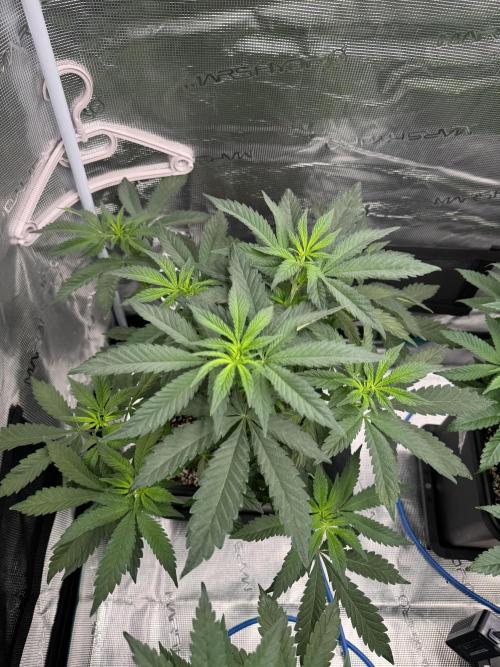
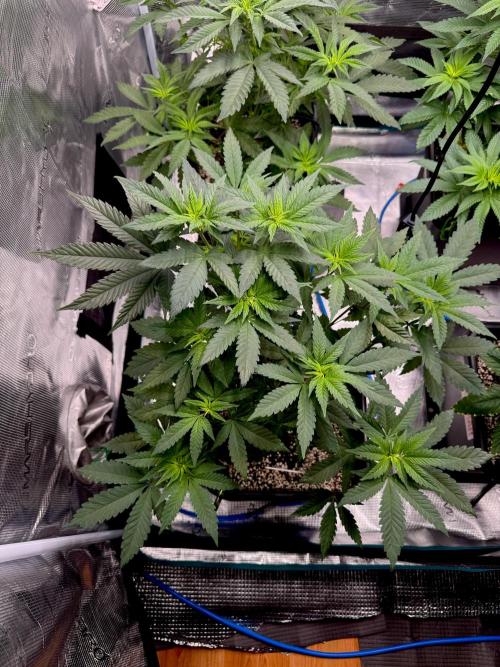
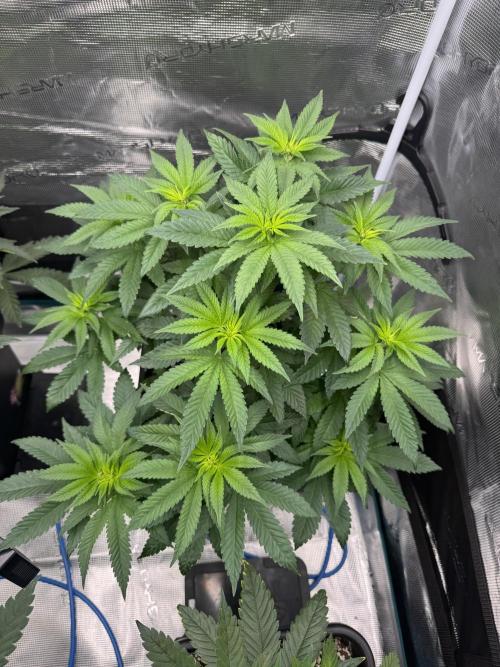
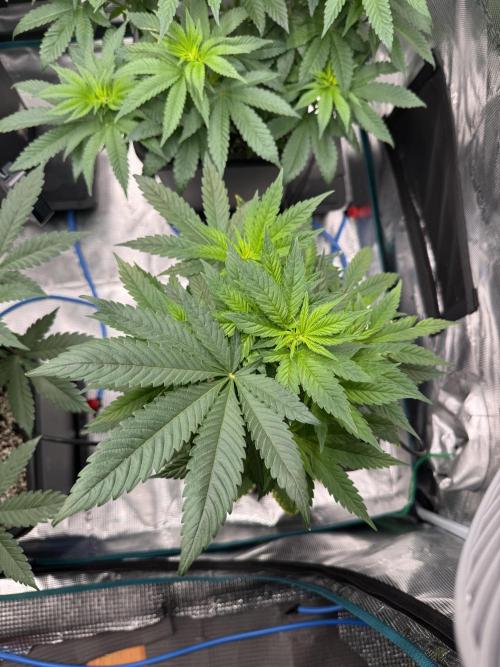
📅 Week 8 – Flowering
Days: 50–56
Dates: 29/05 – 04/06
Strains: RQS Critical (3x), RQS White Widow (1x)
━━━━━━━━━━━━━━━━━━
🌸 OVERVIEW / PLANT STATUS
━━━━━━━━━━━━━━━━━━
Overall health: Very good
Growth rate: Strong transitional growth following flowering flip
Structure: Wide, even canopy with multiple flowering sites
Leaf color: Healthy medium green
Leaf condition: Good overall, minor cosmetic imperfections only
━━━━━━━━━━━━━━━━━━
📏 MEASUREMENTS
━━━━━━━━━━━━━━━━━━
Height: ~35–55 cm
Stretch: Beginning of flowering stretch
Canopy: Nearly full tent coverage
Branching: Extensive lateral development with numerous future bud sites
Roots: Fully established and supporting high nutrient demand
━━━━━━━━━━━━━━━━━━
🌡️ ENVIRONMENT
━━━━━━━━━━━━━━━━━━
Temperature: ~24–28°C (lights on)
Humidity: ~50–60%
VPD: ~1.1–1.3 kPa
Airflow: Good canopy circulation
Notes: Environment maintained within ideal transition-to-flower parameters
━━━━━━━━━━━━━━━━━━
💡 LIGHTING
━━━━━━━━━━━━━━━━━━
Light: Mars Hydro FC-EVO LED
Distance: ~30–40 cm from canopy
Intensity: High
Photoperiod: 12/12 initiated
Notes: Plants responded positively to flowering transition with no visible stress
━━━━━━━━━━━━━━━━━━
💧 WATERING & FEEDING
━━━━━━━━━━━━━━━━━━
Watering Frequency: Every 1–2 days
Amount: Increased due to rapid growth and stretch
pH Range: ~5.8–6.2
EC: Moderate to moderately high
Nutrients: Transition feed moving from vegetative to flowering profile
━━━━━━━━━━━━━━━━━━
🌸 FLOWER TRANSITION
━━━━━━━━━━━━━━━━━━
Flip to 12/12:
• Performed during this week
• Plants entered Flower Week 1
🔍 Early Flower Observations:
• Vertical growth acceleration beginning
• Increased spacing between newest nodes
• Multiple tops developing simultaneously
• Early preflower formation visible
• Strong hormonal transition observed across all plants
━━━━━━━━━━━━━━━━━━
✂️ TRAINING & MAINTENANCE
━━━━━━━━━━━━━━━━━━
Training:
• Final LST adjustments completed
• Canopy leveling continued
• Branch positioning optimized for light penetration
Maintenance:
• Selective defoliation performed where necessary
• Improved airflow through dense canopy
• Daily stretch monitoring initiated
━━━━━━━━━━━━━━━━━━
⚠️ ISSUES & ACTIONS
━━━━━━━━━━━━━━━━━━
Observations:
• Minor leaf spotting remained stable
• No significant deficiencies observed
• Rapid canopy expansion increased plant density
• White Widow remained shorter but extremely bushy
Actions:
• Continued environmental stability
• Maintained consistent irrigation schedule
• Monitored stretch progression closely
• Increased focus on airflow management
Results:
• Healthy transition into flowering
• No significant stress response after flip
• Strong flowering site development
• Excellent overall vigor maintained
━━━━━━━━━━━━━━━━━━
🌿 PLANT DEVELOPMENT
━━━━━━━━━━━━━━━━━━
🌱 CRITICAL #1:
• Compact but vigorous structure
• Good canopy contribution
• Healthy stretch initiation
• Consistent overall development
🌱 CRITICAL #2:
• Healthy and balanced growth
• Strong lateral branching
• Uniform flowering site development
• Responding well to flowering transition
🌱 CRITICAL #3:
• Largest and most vigorous plant
• Strong stretch response beginning
• Numerous flowering sites established
• Excellent canopy coverage
🌱 WHITE WIDOW #1:
• Shortest plant in tent
• Extremely dense branching structure
• Large number of flowering sites
• Healthy and vigorous despite compact stature
━━━━━━━━━━━━━━━━━━
👀 Visual Notes
━━━━━━━━━━━━━━━━━━
Development:
The garden successfully transitioned from late vegetation into early flowering. Stretch initiated across all plants while maintaining a relatively even canopy. Multiple tops and flowering sites are now clearly established.
Best performers:
• Critical #3
• White Widow #1
Most compact:
• White Widow #1
Most vigorous stretch:
• Critical #1
Canopy status:
• Nearly optimized for flowering
━━━━━━━━━━━━━━━━━━
🎯 PLAN FOR NEXT WEEK
━━━━━━━━━━━━━━━━━━
Monitor flowering stretch daily
Maintain even canopy height
Continue airflow optimization
Transition fully to bloom nutrients
Remove obstructive fan leaves if required
Monitor humidity carefully as flower mass increases
━━━━━━━━━━━━━━━━━━
📝 GROWER NOTES
━━━━━━━━━━━━━━━━━━
Overall Week Rating: Excellent
Went well:
• Smooth flowering transition
• Strong plant vigor maintained
• Excellent canopy coverage
• No visible flip-related stress
• Healthy early flower development
To improve:
• Continue managing canopy density
• Monitor stretch to maintain even light distribution
• Stay ahead of humidity management as flowering progresses
📅 Next Week Expectation:
Rapid flowering stretch should continue throughout Week 2 of flower. Plants are expected to gain significant height while developing visible pistils and clearly defined bud sites. Canopy management and environmental control will become increasingly important as flowering accelerate
4 likes
comments
Share
Used techniques
Defoliation
Technique
LST
Technique
12-12
Technique
9
Week 9. Flowering3mo ago
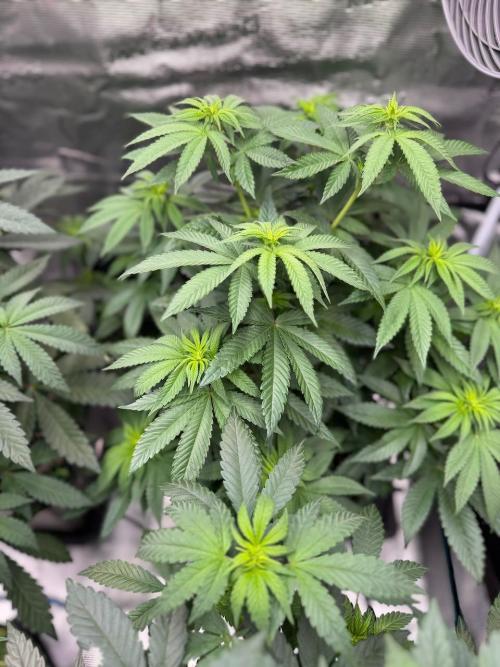
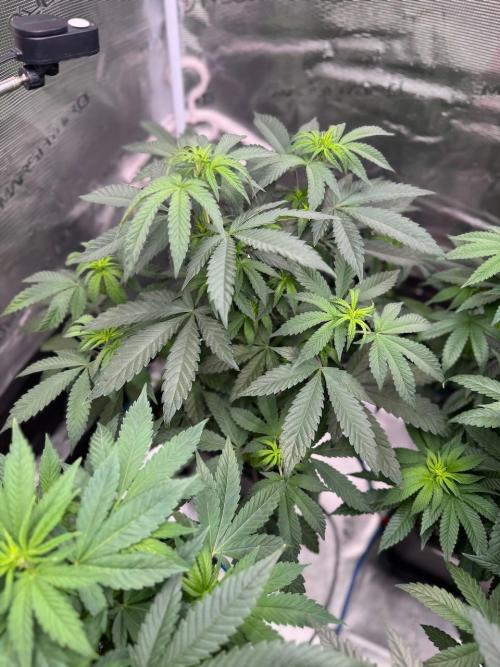
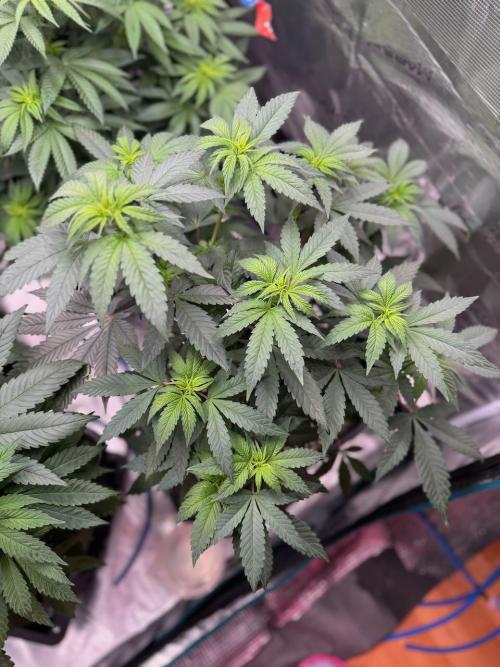
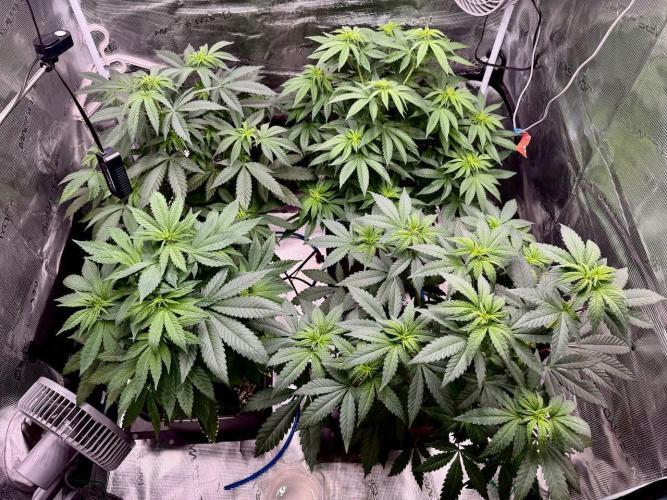
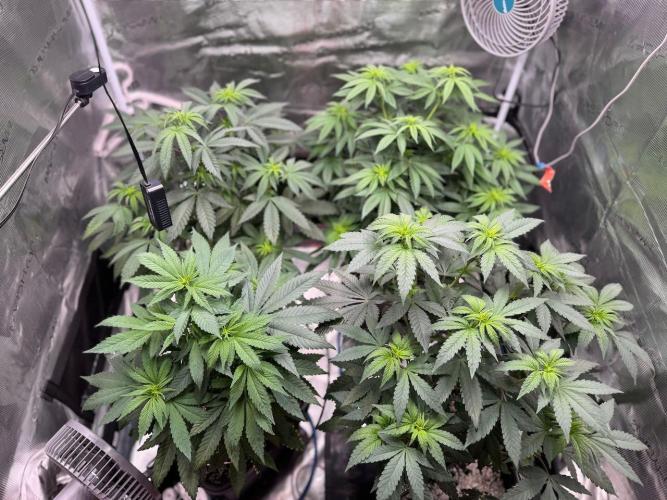
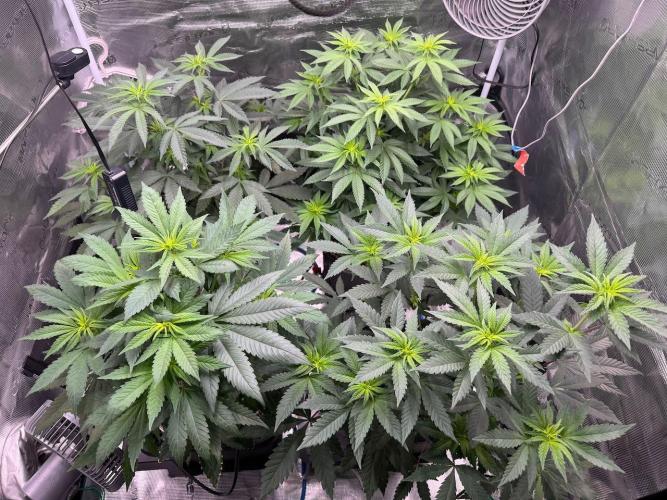
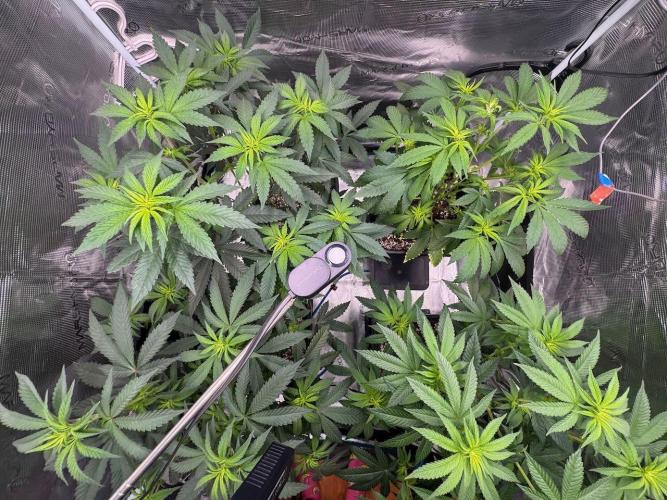
60 cm
Height
12 hrs
Light Schedule
28 °C
Day Air Temp
5.8
pH
Strong
Smell
58 %
Air Humidity
21 °C
Solution Temp
20 °C
Substrate Temp
24 °C
Night Air Temp
15 liters
Pot Size
1 liters
Watering Volume
35 cm
Lamp Distance
Nutrients 1

Bio PK 5-8
1 mll
pinknite =============================
📅 Week 9 – Flowering
Days: 57-63
Dates: 05/06–11/06
Strains: RQS Critical (3x), RQS White Widow (1x)
━━━━━━━━━━━━━━━━━━
🌿 OVERVIEW / PLANT STATUS
━━━━━━━━━━━━━━━━━━
Plants remained in very good health as the flowering stretch neared completion.
The canopy filled the tent evenly, with strong bud-site development across all plants.
Critical #2 showed the most vigorous growth and became the tallest plant at 64 cm,
while White Widow remained the shortest at 47 cm but was the most compact and densely structured.
━━━━━━━━━━━━━━━━━━
📏 MEASUREMENTS
━━━━━━━━━━━━━━━━━━
Plant 05/06 11/06 Growth
---------------------------------------
CRIT-1 50 cm 57 cm +7 cm
CRIT-2 54 cm 64 cm +10 cm
CRIT-3 51 cm 54 cm +3 cm
WWID-1 42 cm 47 cm +5 cm
━━━━━━━━━━━━━━━━━━
🌡️ ENVIRONMENT
━━━━━━━━━━━━━━━━━━
Environmental conditions stayed stable, with temperatures around 24–28°C,
humidity between 50–58%, and good airflow.
Lighting was maintained at approximately 850–900 PPFD on a 12/12 schedule,
supporting flower development without signs of stress.
━━━━━━━━━━━━━━━━━━
💧 WATERING & FEEDING
━━━━━━━━━━━━━━━━━━
The AutoPot system operated reliably, with water consumption increasing as flowering progressed.
Plants transitioned fully into bloom feeding:
Bio PK was introduced with positive results and no nutrient burn observed.
━━━━━━━━━━━━━━━━━━
🌸 FLOWER TRANSITION
━━━━━━━━━━━━━━━━━━
Flowering entered Week 2, marked by a significant increase in pistil production,
clearly defined bud sites, and the formation of early flower clusters.
Stretch slowed toward the end of the week while floral development strengthened across the canopy.
━━━━━━━━━━━━━━━━━━
✂️ TRAINING & MAINTENANCE
━━━━━━━━━━━━━━━━━━
Training work was largely complete, with only minor branch repositioning and leaf tucking required.
Maintenance focused on environmental monitoring, tray inspections, and AutoPot checks.
━━━━━━━━━━━━━━━━━━
⚠️ ISSUES & ACTIONS
━━━━━━━━━━━━━━━━━━
Minor biofilm was observed in some AutoPot trays, but no major deficiencies or cultivation issues were present.
Cleaning, airflow improvements, and continued monitoring helped maintain plant health and vigor.
━━━━━━━━━━━━━━━━━━
📝 GROWER NOTES
━━━━━━━━━━━━━━━━━━
Overall, the week was rated excellent, with strong flowering progression, healthy growth,
successful nutrient adjustments, and a well-established canopy.
━━━━━━━━━━━━━━━━━━
🎯 PLAN FOR NEXT WEEK
━━━━━━━━━━━━━━━━━━
The focus for next week is maintaining bloom feeding, controlling humidity, monitoring Bio PK response,
and preparing for increased bud formation as stretch concludes.
4 likes
1 comment
Share
Used techniques
Defoliation
Technique
12-12
Technique
10
Week 10. Flowering3mo ago
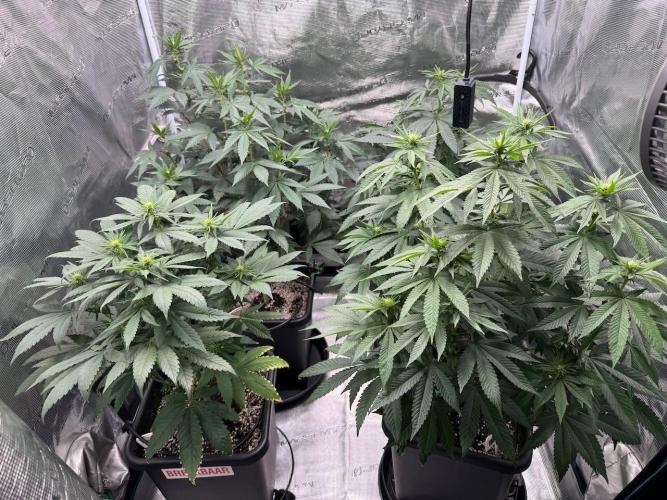
65 cm
Height
12 hrs
Light Schedule
25 °C
Day Air Temp
5.8
pH
Normal
Smell
58 %
Air Humidity
21 °C
Solution Temp
20 °C
Substrate Temp
21 °C
Night Air Temp
15 liters
Pot Size
2 liters
Watering Volume
35 cm
Lamp Distance
Nutrients 1
Bio PK 5-8
1 mll
pinknite =============================
📅 Week 10 – Flowering
Days: 64–70
Dates: 12/06–18/06
Strains: RQS Critical (3x), RQS White Widow (1x)
━━━━━━━━━━━━━━━━━━
🌿 OVERVIEW / PLANT STATUS
━━━━━━━━━━━━━━━━━━
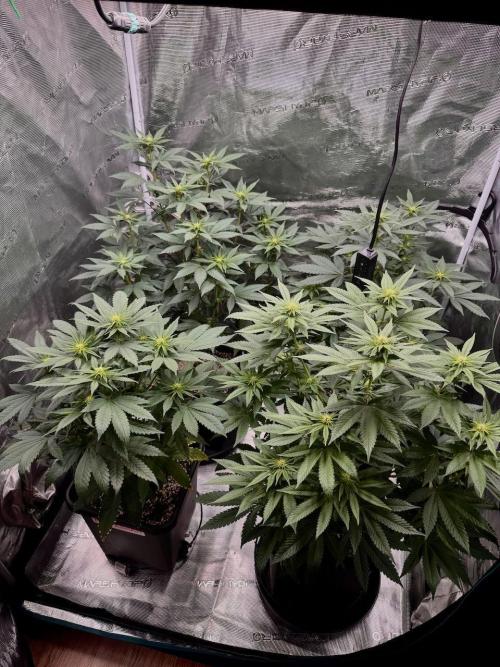
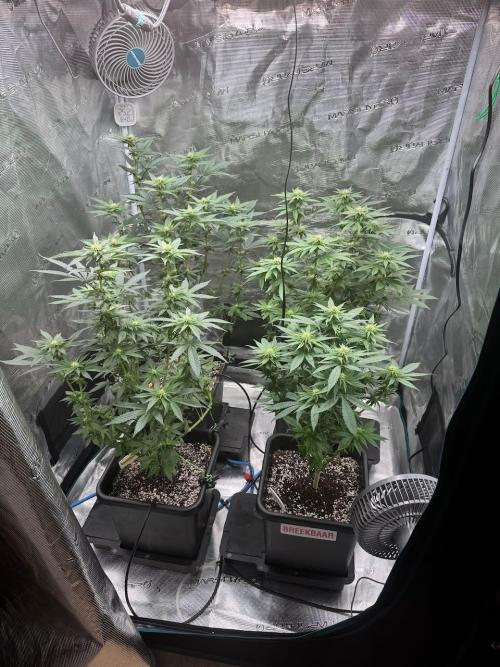
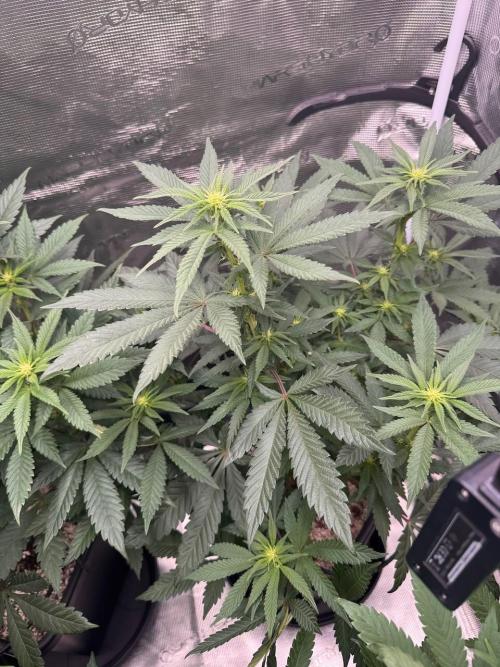
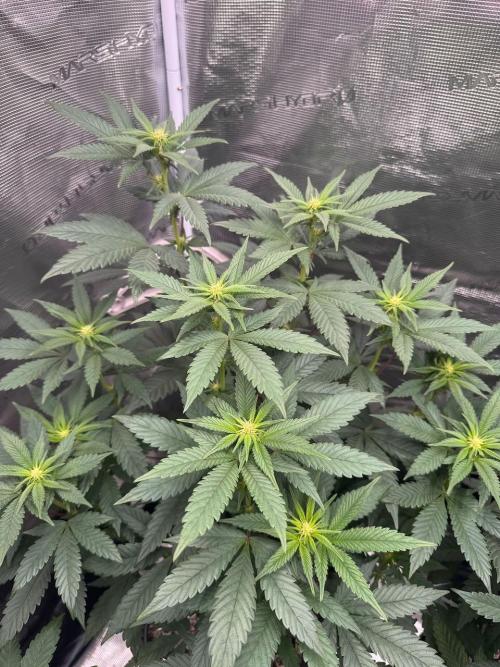
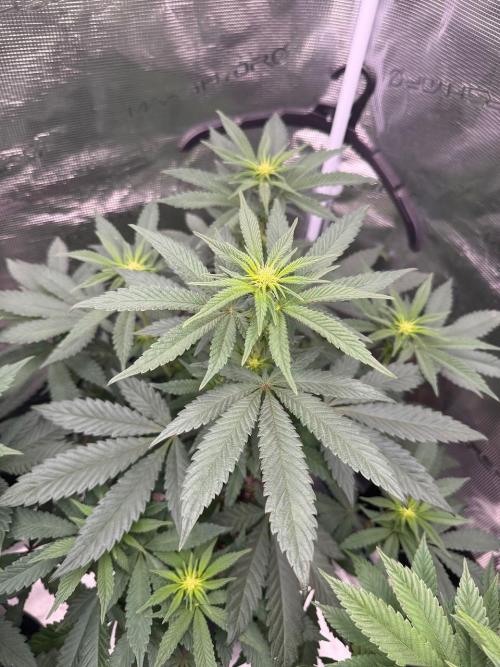
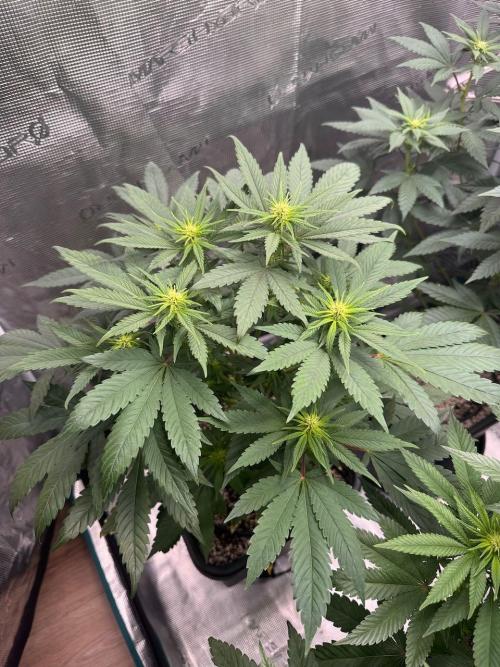
Plants remained in very good health as the flowering stretch came to an end.
The canopy was now fully established,
with all plants focusing their energy on flower production rather than vertical growth.
Bud sites expanded noticeably across the canopy and began stacking into recognizable flowers.
━━━━━━━━━━━━━━━━━━
📏 MEASUREMENTS
━━━━━━━━━━━━━━━━━━
Plant 11/06 18/06 Growth
---------------------------------------
CRIT-1 57 cm 62 cm +5 cm
CRIT-2 64 cm 70 cm +6 cm
CRIT-3 54 cm 57 cm +3 cm
WWID-1 47 cm 50 cm +3 cm
━━━━━━━━━━━━━━━━━━
🌡️ ENVIRONMENT
━━━━━━━━━━━━━━━━━━
Temperature ranged between 23–27°C, while humidity generally fluctuated between 55–65%.
As flower mass increased, humidity became more difficult to control and required maximum
exhaust fan operation. Good airflow was maintained throughout the canopy and below the plants
to support transpiration and reduce moisture accumulation around developing flowers.
━━━━━━━━━━━━━━━━━━
💧 WATERING & FEEDING
━━━━━━━━━━━━━━━━━━
The AutoPot system continued operating reliably with steadily increasing water consumption.
Bloom feeding remained the primary nutrient strategy. Bio PK supplementation continued throughout
the week and plants responded positively with no visible signs of nutrient burn or toxicity.
━━━━━━━━━━━━━━━━━━
⚠️ ISSUES & ACTIONS
━━━━━━━━━━━━━━━━━━
No major deficiencies, pest pressure, or nutrient-related issues were observed.
The primary challenge during the week was managing humidity levels as transpiration increased
and flowers developed. Exhaust ventilation was operated aggressively and airflow beneath
the canopy was improved to maintain healthy flowering conditions.
━━━━━━━━━━━━━━━━━━
📝 GROWER NOTES
━━━━━━━━━━━━━━━━━━
Overall, it was an excellent week!
Plants completed the transition from stretch into active flower production.
Bud development accelerated across all cultivars and overall vigor remained high.
Canopy structure was well established and all four plants showed healthy flowering
progression with strong potential for the coming bulking phase.
━━━━━━━━━━━━━━━━━━
🎯 PLAN FOR NEXT WEEK
━━━━━━━━━━━━━━━━━━
• Maintaining bloom feeding
• Controlling humidity below 60%
• Supporting early flower bulking
2 likes
comments
Share
Used techniques
Defoliation
Technique
12-12
Technique
11
Week 11. Flowering2mo ago
70 cm
Height
12 hrs
Light Schedule
25 °C
Day Air Temp
5.8
pH
Normal
Smell
66 %
Air Humidity
22 °C
Solution Temp
21 °C
Substrate Temp
19 °C
Night Air Temp
15 liters
Pot Size
2.5 liters
Watering Volume
30 cm
Lamp Distance
Nutrients 1
Bio PK 5-8
1 mll
pinknite =============================
📅 Week 11 – Flowering
Days: 71–77
Dates: 19/06–25/06
Strains: RQS Critical (3x), RQS White Widow (1x)
━━━━━━━━━━━━━━━━━━
🌿 OVERVIEW / PLANT STATUS
━━━━━━━━━━━━━━━━━━
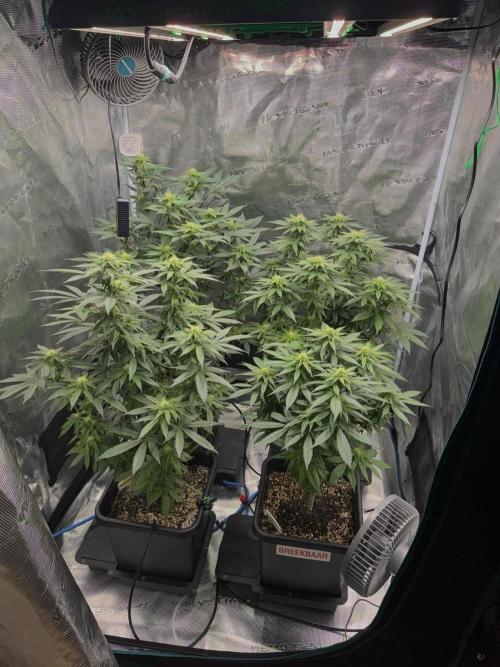
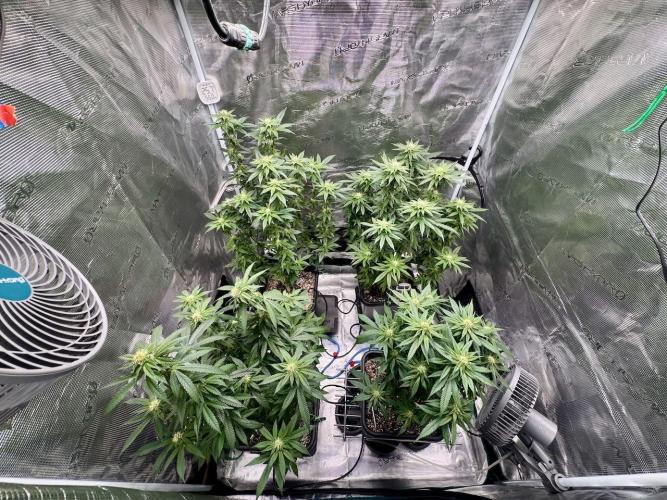
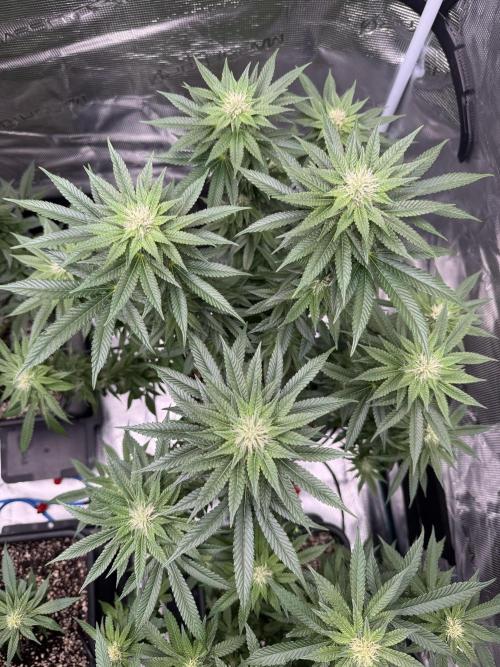
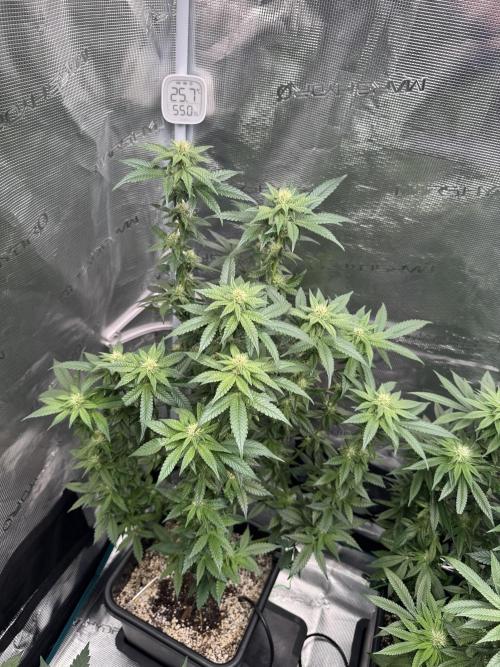
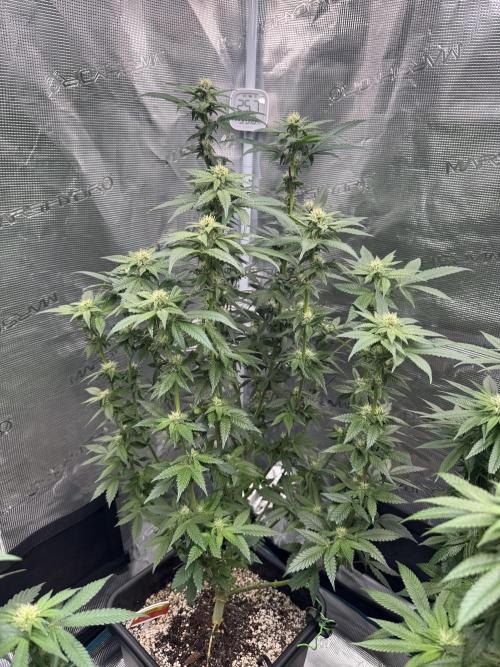
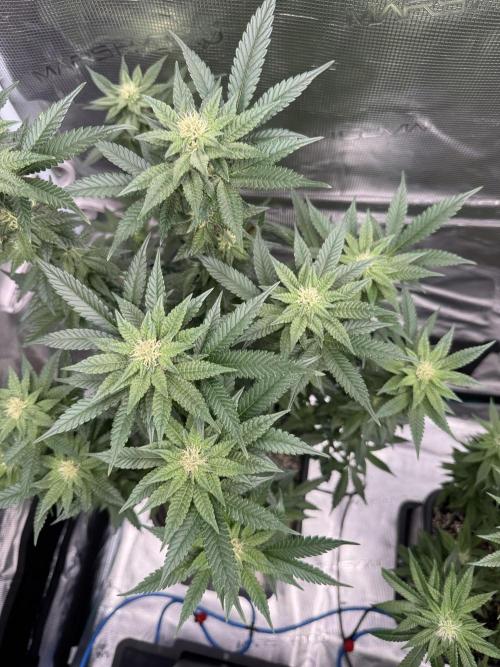
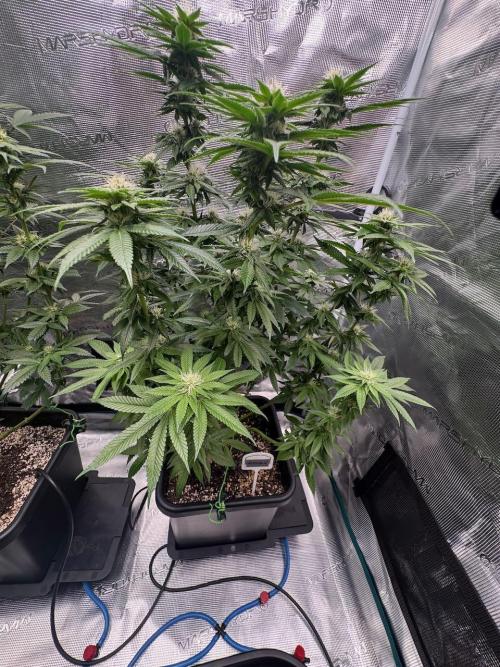
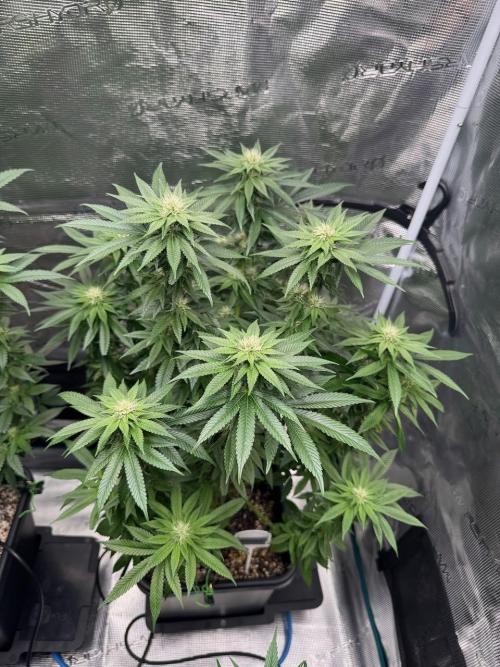
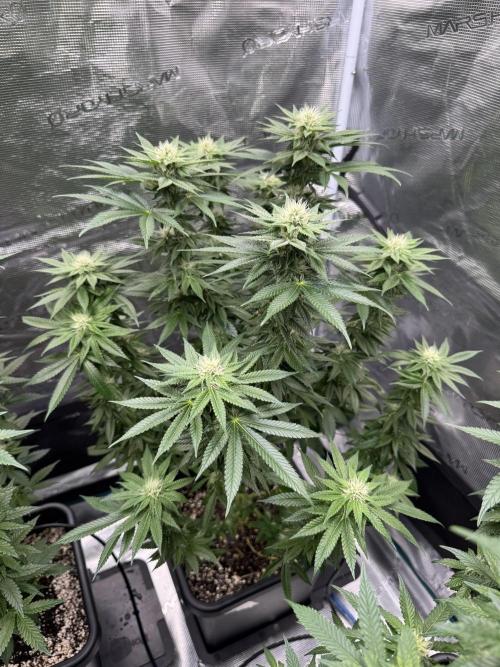
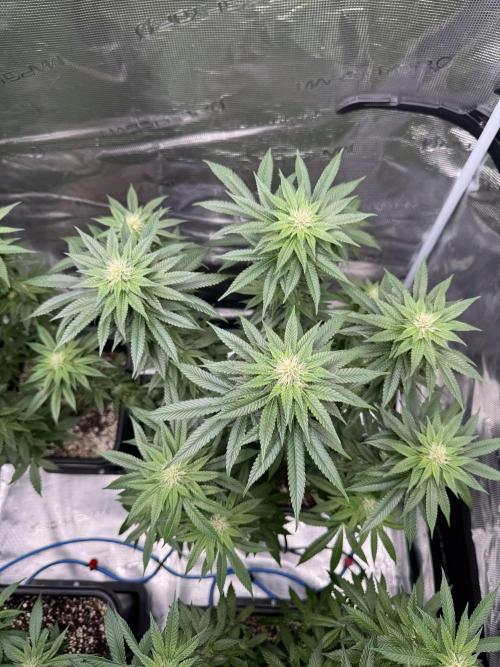
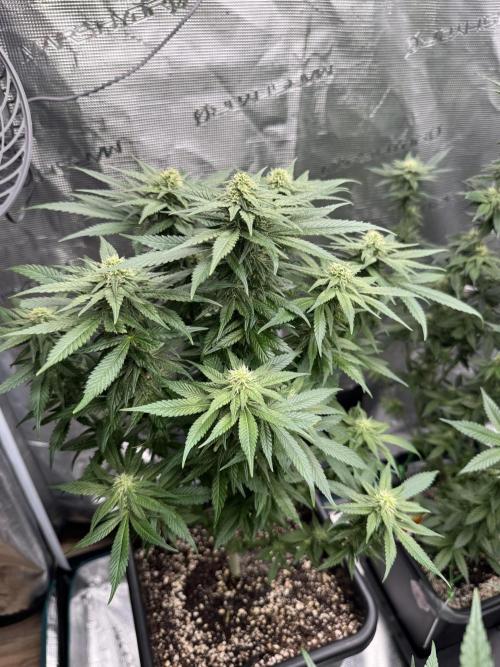
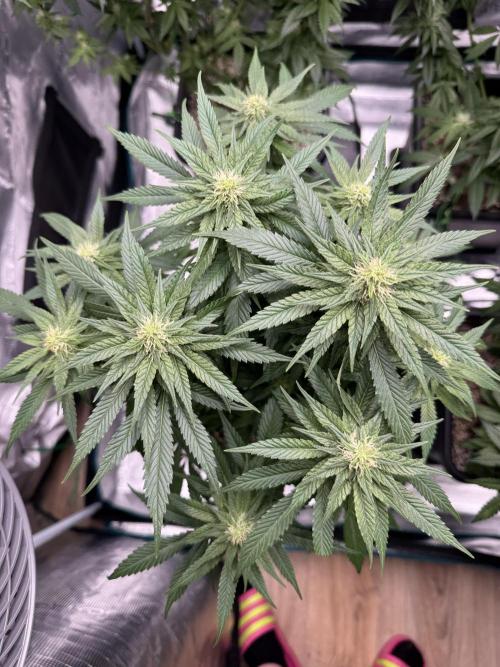
Plants remained in excellent overall health as flowering entered the first true bulking phase.
The stretch is nearing completion, allowing energy to be redirected into flower development.
Buds increased noticeably in size and density, with individual flower clusters beginning to merge into larger colas.
Critical #2 continued to be the largest plant in the tent, while White Widow maintained the most compact structure
with tight internodal spacing and dense flower formation.
━━━━━━━━━━━━━━━━━━
📏 MEASUREMENTS
━━━━━━━━━━━━━━━━━━
Plant
18/06 25/06 Growth
-------------------------------------------
CRITICAL-1 62 cm 70 cm +8 cm
CRITICAL-2 70 cm 80 cm +10 cm
CRITICAL-3 57 cm 67 cm +10 cm
WWIDOW 50 cm 53 cm +3 cm
The stretch seems almost complete, but has not yet fully stopped.
━━━━━━━━━━━━━━━━━━
🌡️ ENVIRONMENT
━━━━━━━━━━━━━━━━━━
Environmental conditions remained well controlled despite increasing flower mass.
Temperature averaged between 20–25°C, while humidity generally remained between 57–67% through active dehumidification and continuous exhaust ventilation. Strong air circulation above and below the canopy helped maintain healthy transpiration and minimised the risk of moisture accumulation within developing flowers.
━━━━━━━━━━━━━━━━━━
💧 WATERING & FEEDING
━━━━━━━━━━━━━━━━━━
The AutoPot system continued operating flawlessly, with water consumption remaining high due to increasing floral biomass.
No bloom nutrients were given this week. No signs of nutrient lockout or deficiencies were observed.
━━━━━━━━━━━━━━━━━━
🌸 FLOWER DEVELOPMENT
━━━━━━━━━━━━━━━━━━
Flowering entered Week 4.
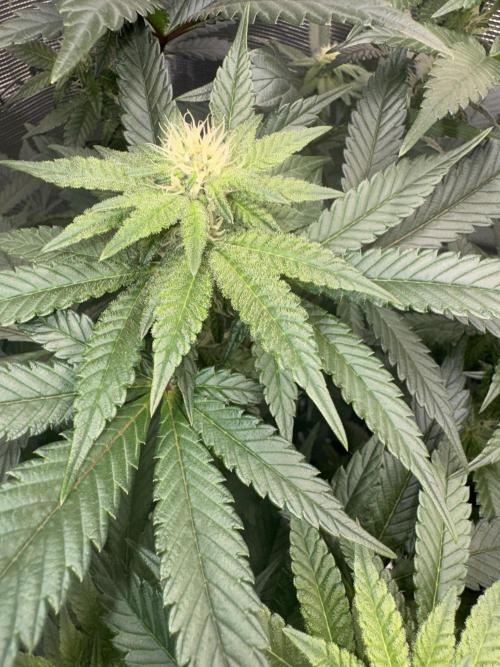
Bud development accelerated noticeably as calyxes began swelling and flowers stacked into larger colas.
Pistil production remained abundant, although the earliest pistils on older flowers began slowly changing from bright white to cream.
Trichome production increased significantly, with resin becoming clearly visible across sugar leaves and surrounding bracts.
A noticeable floral aroma also began developing throughout the grow tent.
━━━━━━━━━━━━━━━━━━
✂️ TRAINING & MAINTENANCE
━━━━━━━━━━━━━━━━━━
Despite the heavy defoliation 5 days ago (day 69 - week 10), the plants already produced a significant amount of new foliage,
resulting in exponential higher moisture production. Training activities focused mainly on strategic & heavy defoliation,
in order to reduce humidity:
• Removed leaves that were touching tent walls or other plants
• Removed dense, stacked, shaded leaves
• Removed leaves blocking airflow
👌 This resulted in the canopy remaining open, ensuring good light penetration and air circulation.
━━━━━━━━━━━━━━━━━━
⚠️ ISSUES & ACTIONS
━━━━━━━━━━━━━━━━━━
No major cultivation issues developed during the week.
Humidity remained the primary environmental consideration as flowers continued to bulk.
━━━━━━━━━━━━━━━━━━
📝 GROWER NOTES
━━━━━━━━━━━━━━━━━━
Overall, the week was rated Excellent 😀😀
💪 The crop transitioned fully into the flower bulking stage with excellent health, strong resin production and rapid bud expansion.
💪 Canopy structure remained stable, and environmental control successfully supported increasingly dense flowers.
━━━━━━━━━━━━━━━━━━
🎯 PLAN FOR NEXT WEEK
━━━━━━━━━━━━━━━━━━
The focus for next week is maximising flower bulking while maintaining optimal environmental conditions.
Priority tasks:
• Continue BioTabs’ flower boosting nutrients (Bio PK 5-8)
• Further decreasing humidity to 55% whenever possible
• Maintain strong airflow through the canopy
• Monitor trichome development and pistil maturity
• Inspect flowers closely for any signs of botrytis or mold as density increases
• Prepare for the onset of peak resin production during the coming weeks
2 likes
2 comments
Share
Used techniques
Defoliation
Technique
12-12
Technique
12
Week 12. Flowering2mo ago
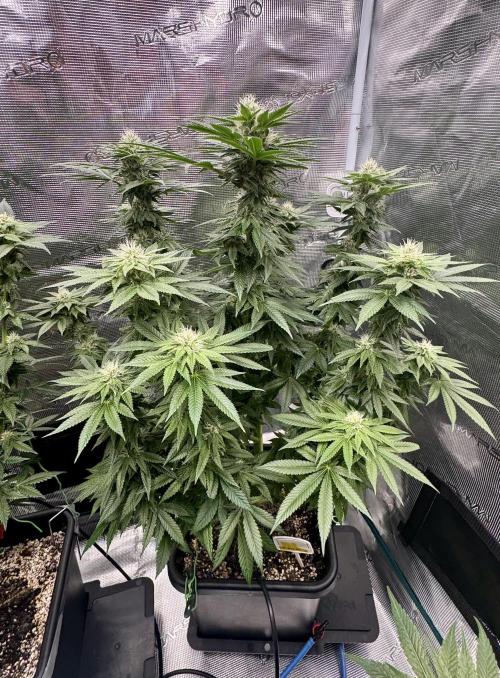
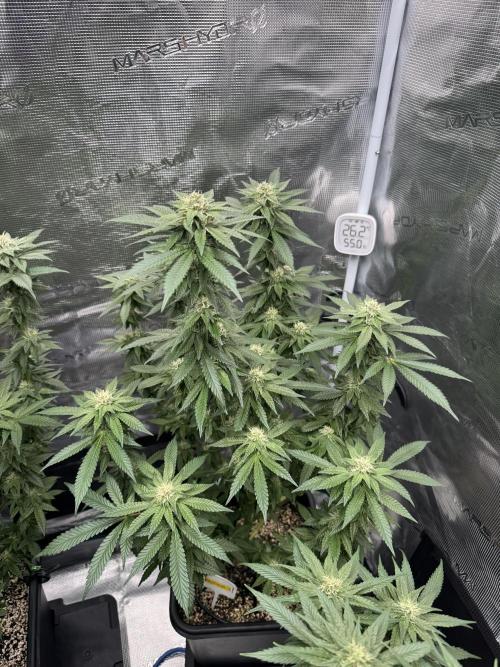
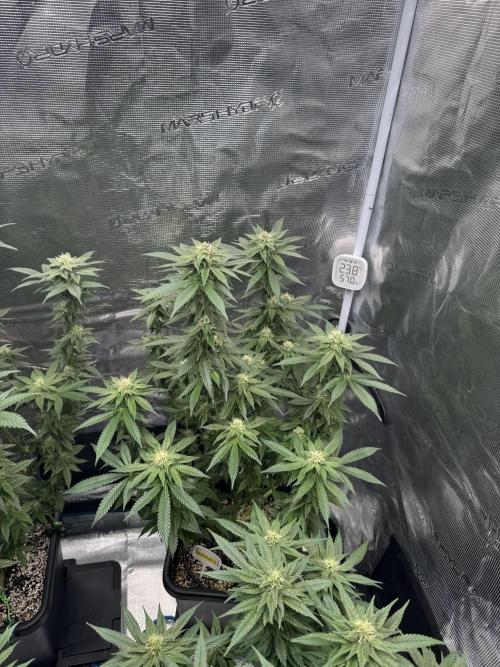
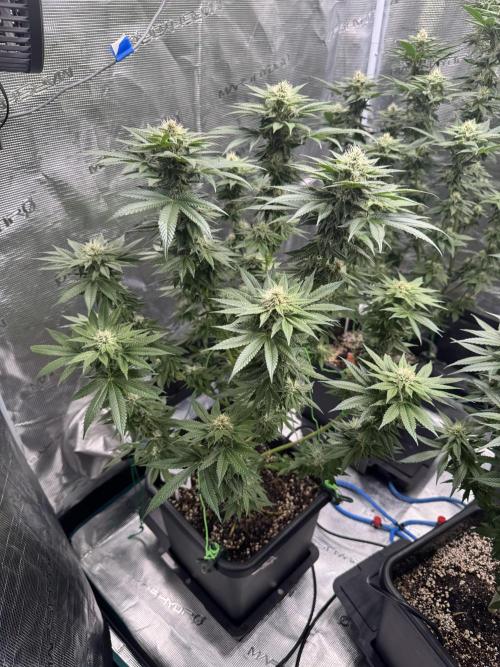
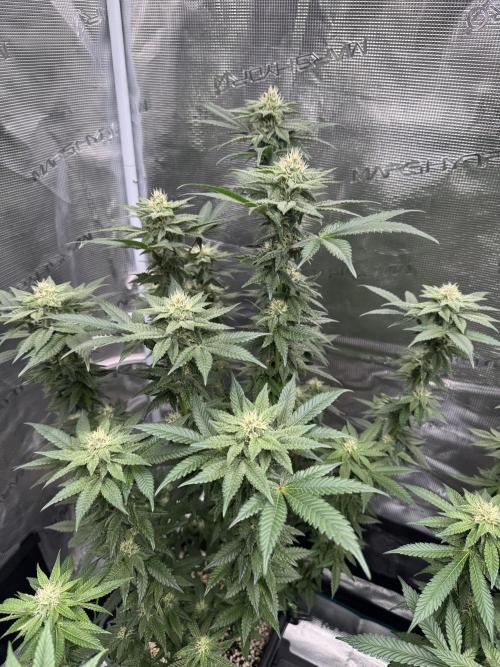
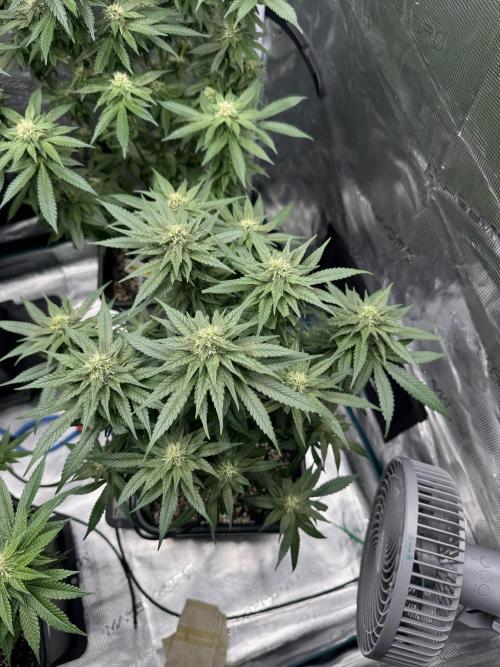
70 cm
Height
12 hrs
Light Schedule
24 °C
Day Air Temp
5.8
pH
Normal
Smell
55 %
Air Humidity
21 °C
Solution Temp
21 °C
Substrate Temp
20 °C
Night Air Temp
15 liters
Pot Size
3 liters
Watering Volume
35 cm
Lamp Distance
Nutrients 2
Calmag
1 mll
Bio PK 5-8
2 mll
pinknite =============================
📅 Week 12 – Flowering
Days: 78–84
Dates: 26/06–02/067
Strains: RQS Critical (3x), RQS White Widow (1x)
5 likes
comments
Share
Used techniques
Defoliation
Technique
LST
Technique
12-12
Technique
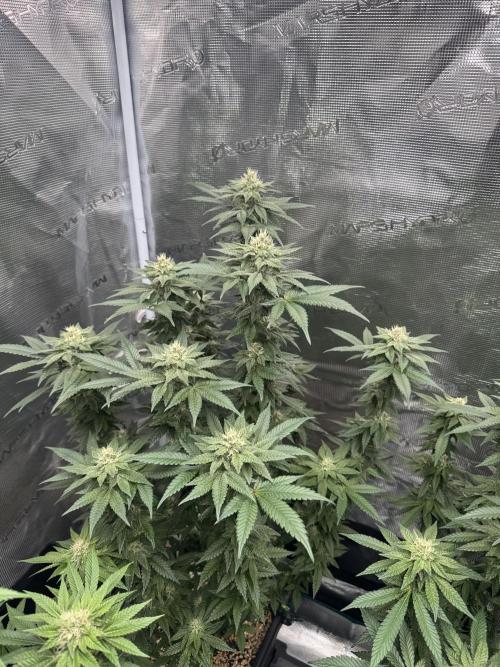
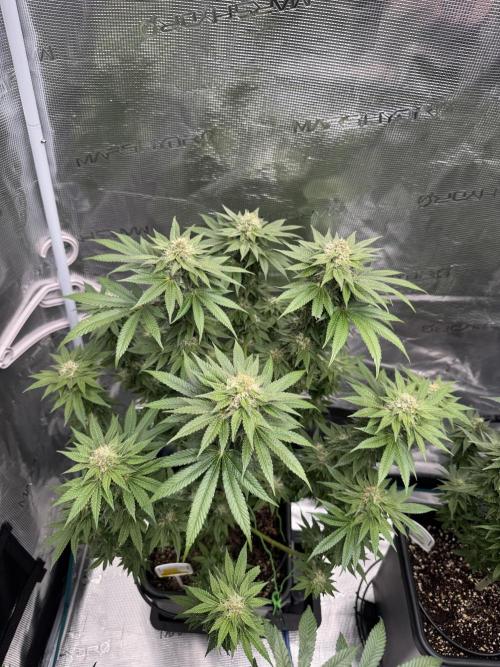
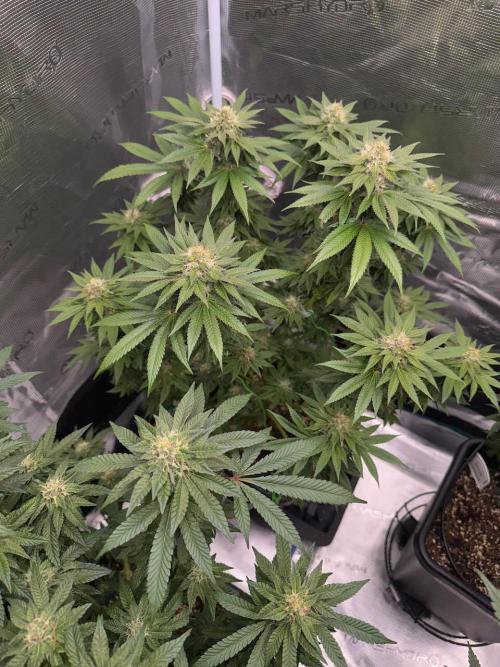
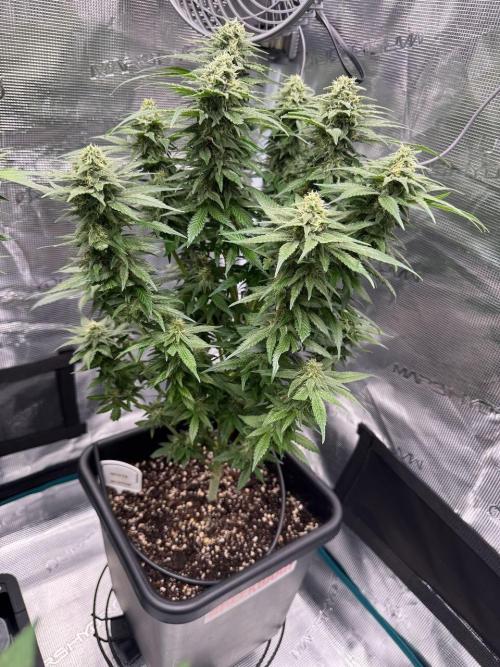
13
Week 13. Flowering2mo ago
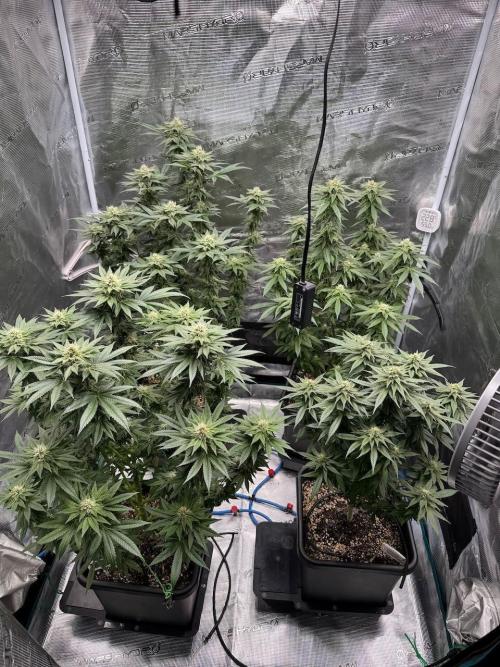
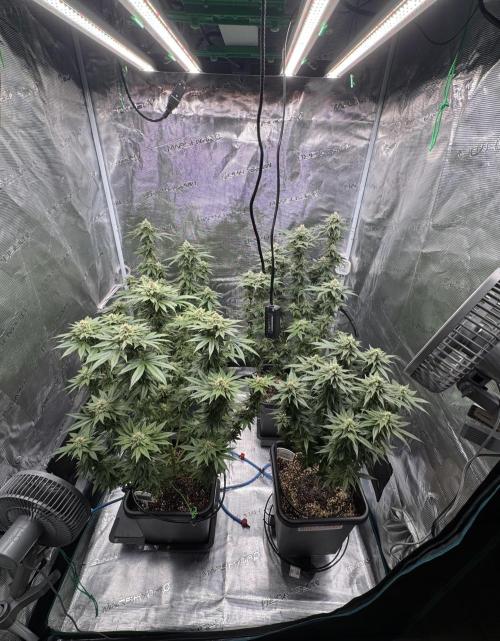
70 cm
Height
12 hrs
Light Schedule
24 °C
Day Air Temp
5.8
pH
Normal
Smell
55 %
Air Humidity
21 °C
Solution Temp
21 °C
Substrate Temp
19 °C
Night Air Temp
15 liters
Pot Size
1.5 liters
Watering Volume
35 cm
Lamp Distance
Nutrients 4
Calmag
1 mll

Lemon Kick
0.5 mll
Bio PK 5-8
2 mll
pinknite =============================
📅 Week 13 – Flowering
Days: 85–91
Dates: 03/07–09/07
Strains: RQS Critical (3x), RQS White Widow (1x)
4 likes
1 comment
Share
Used techniques
12-12
Technique
Defoliation
Technique
14
Week 14. Flowering2mo ago
70 cm
Height
12 hrs
Light Schedule
24 °C
Day Air Temp
5.8
pH
Normal
Smell
55 %
Air Humidity
21 °C
Solution Temp
21 °C
Substrate Temp
19 °C
Night Air Temp
15 liters
Pot Size
1.5 liters
Watering Volume
35 cm
Lamp Distance
Nutrients 4
Calmag
1 mll
Lemon Kick
0.5 mll
Bio PK 5-8
2 mll
pinknite =============================
📅 Week 14 – Flowering
Days: 92–98
Dates: 10/07–16/07
Strains: RQS Critical (3x), RQS White Widow (1x)
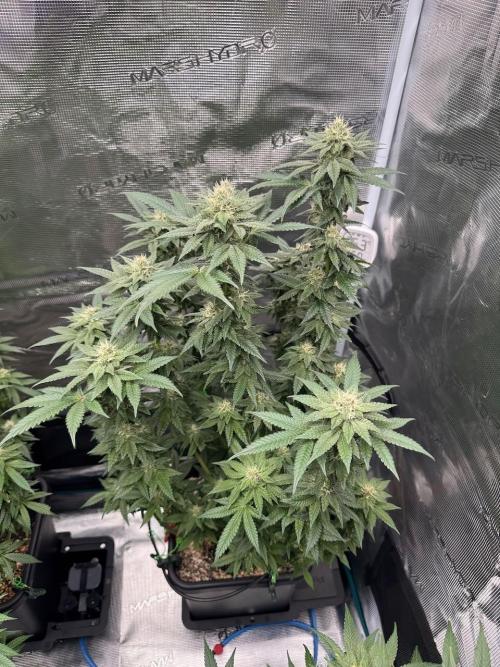
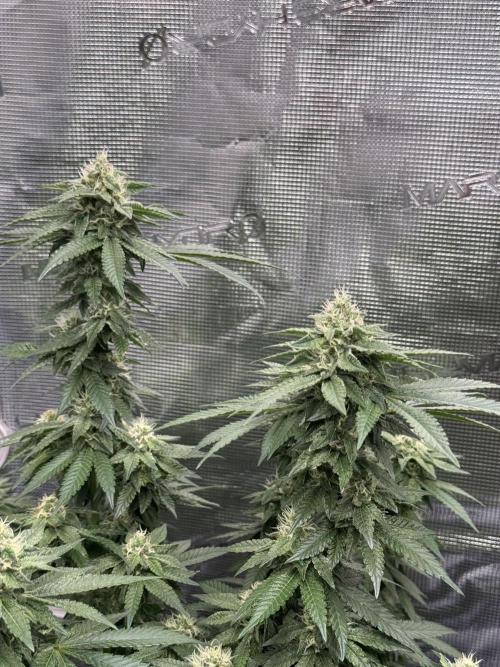
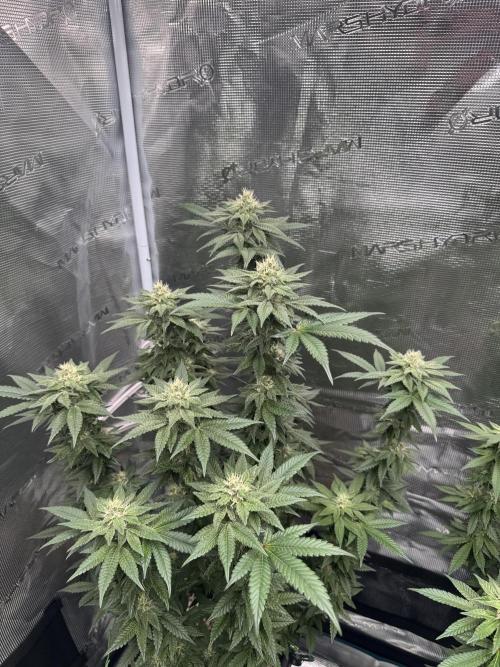
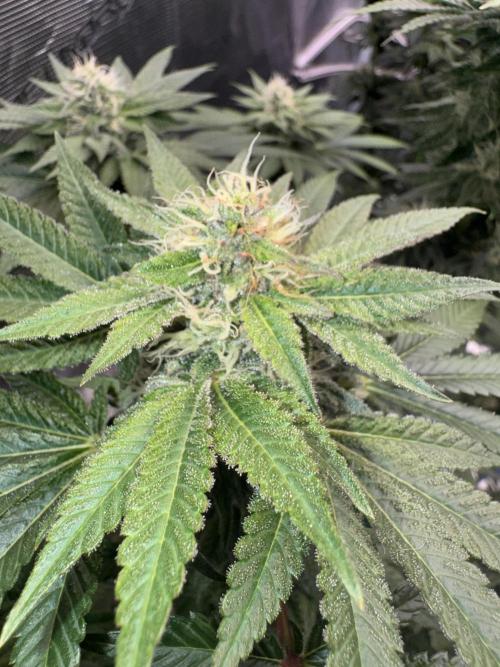
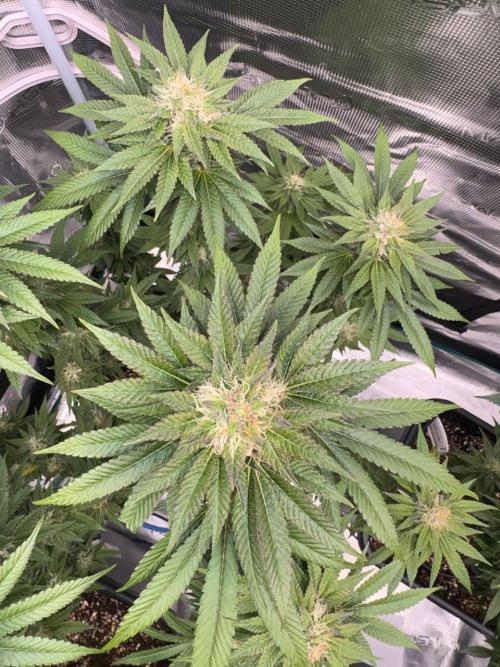
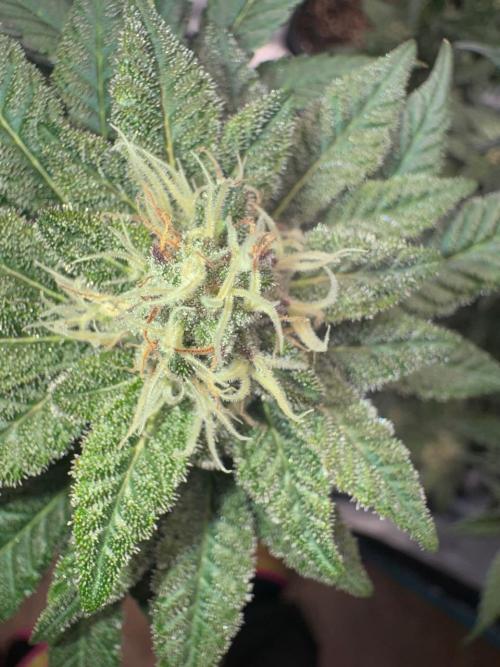
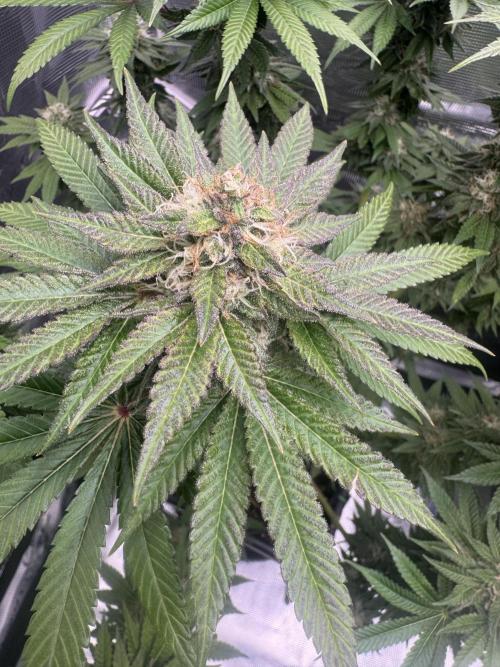
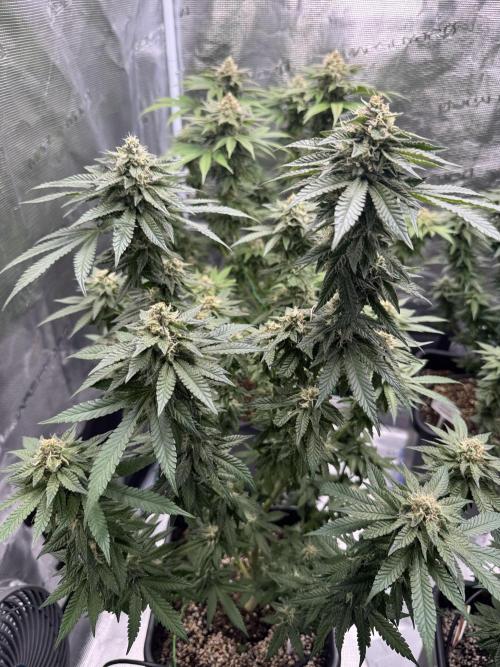
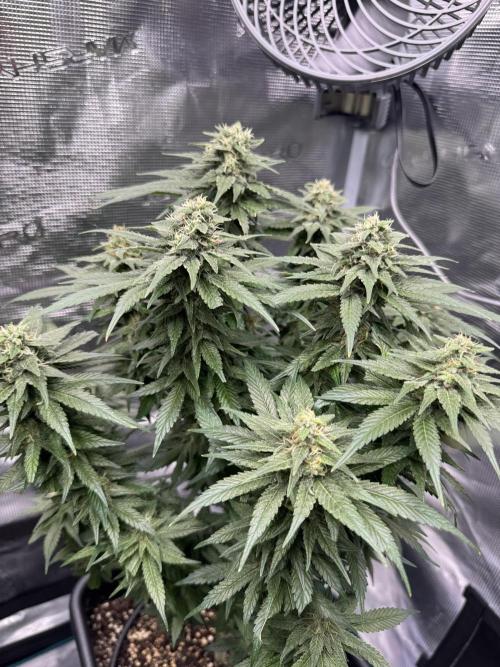
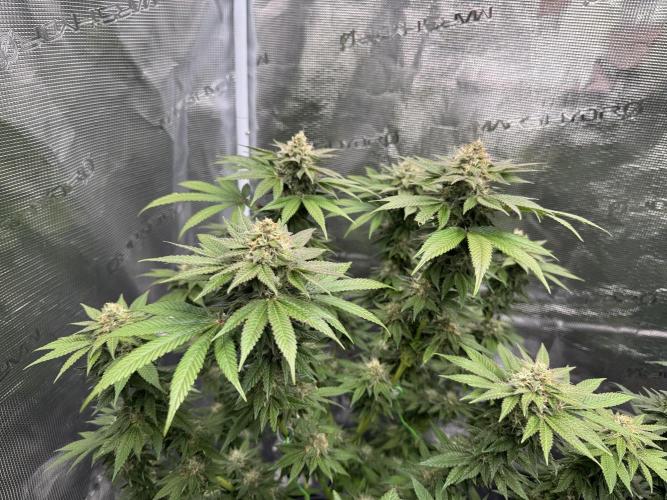
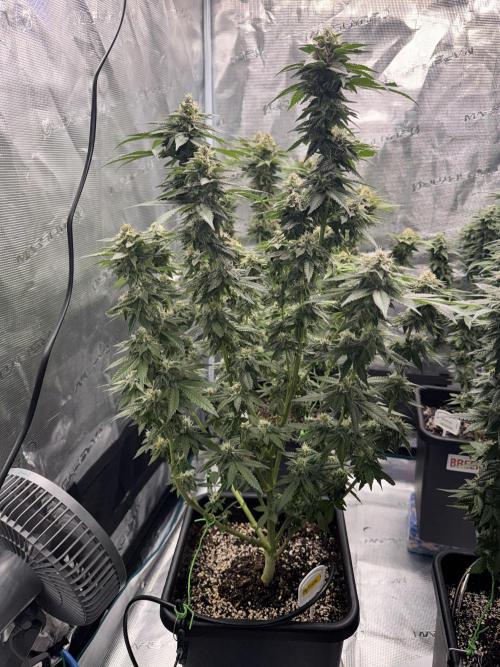
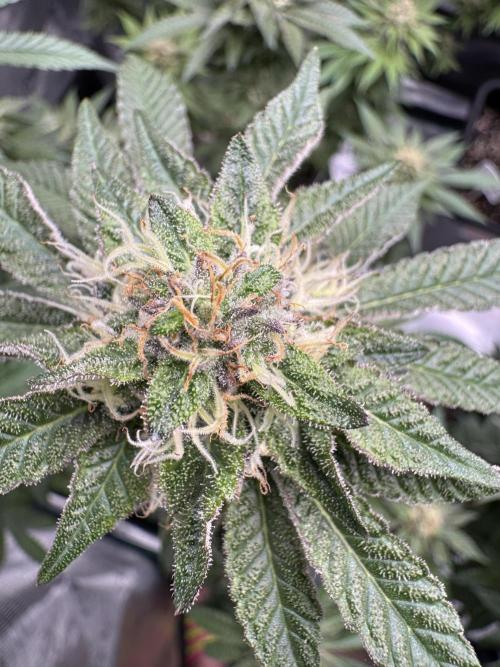
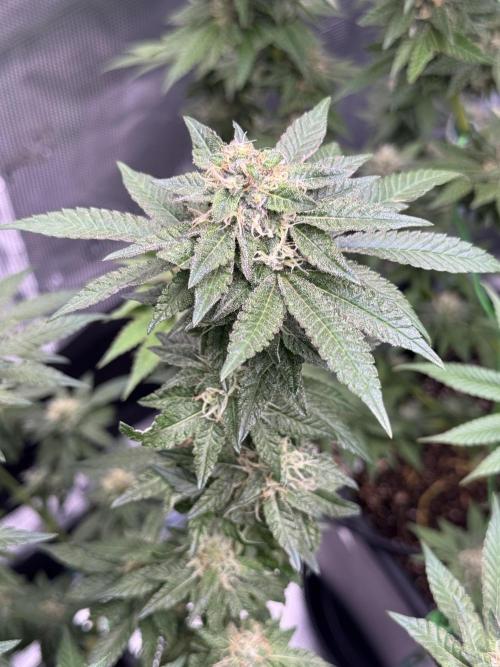
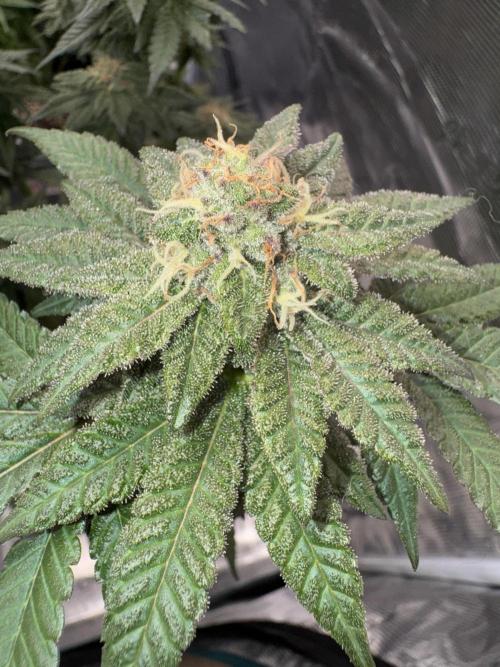
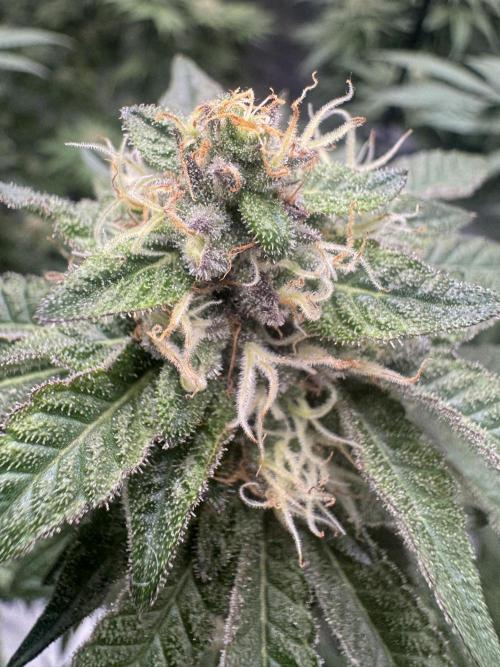
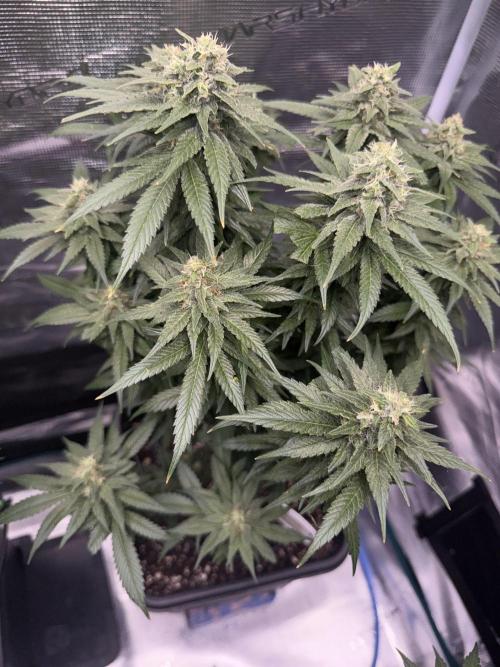
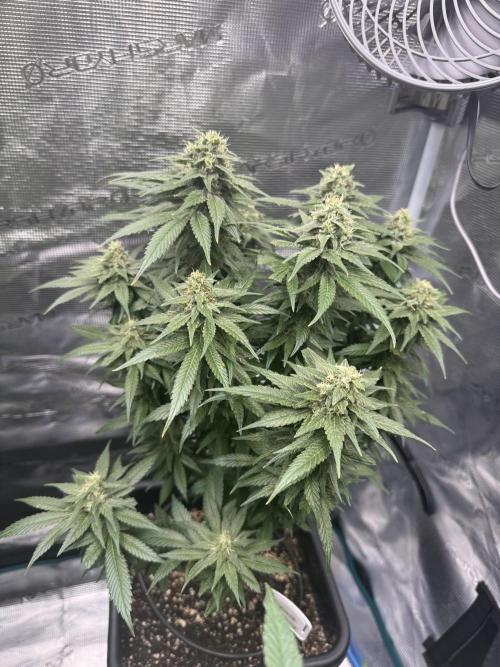
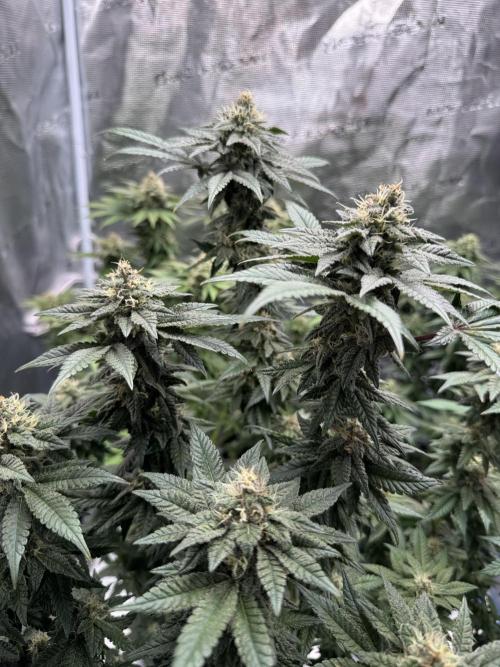
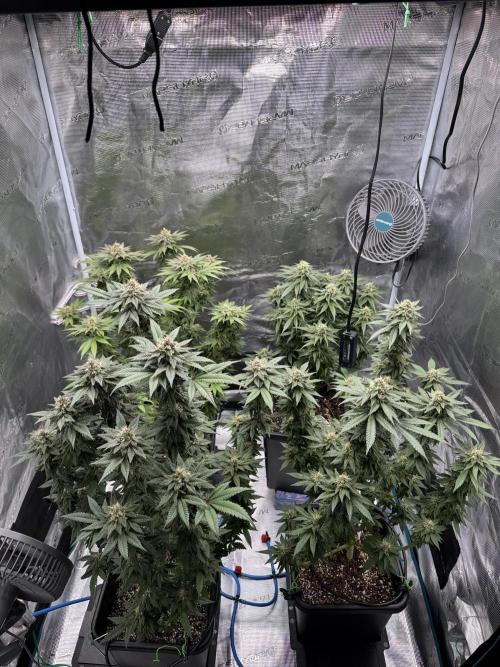
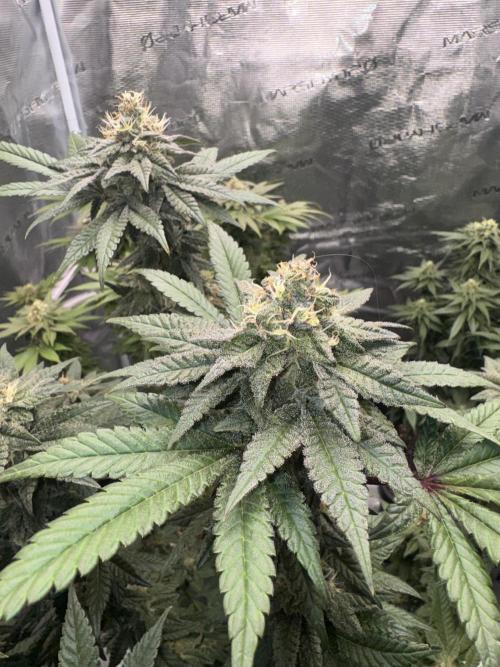
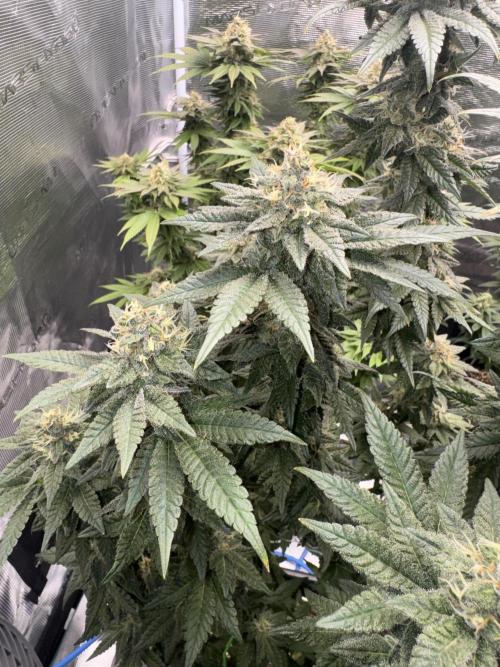
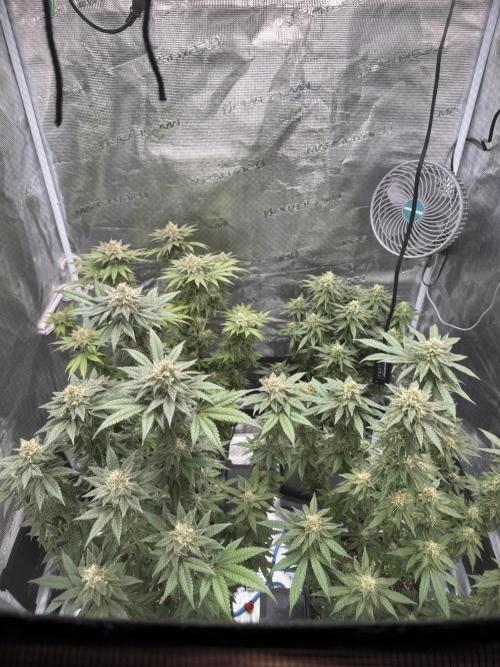
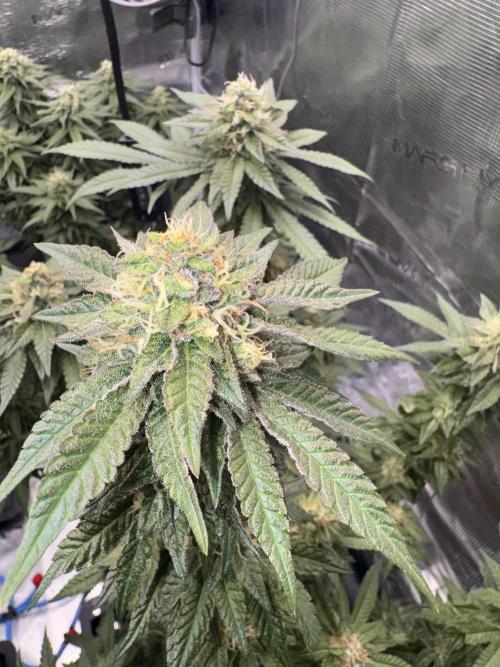
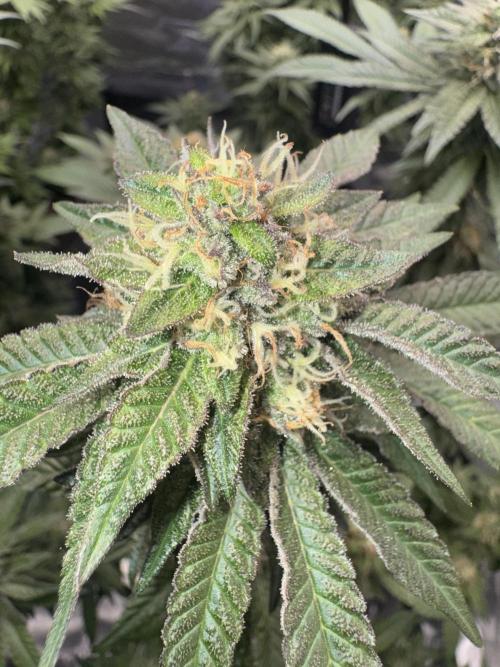
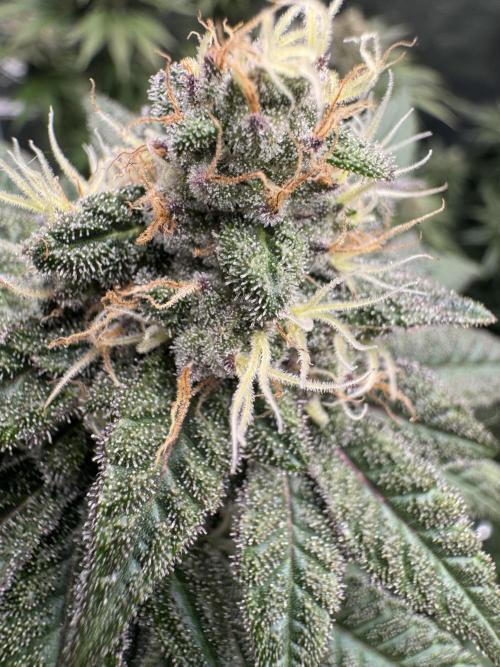
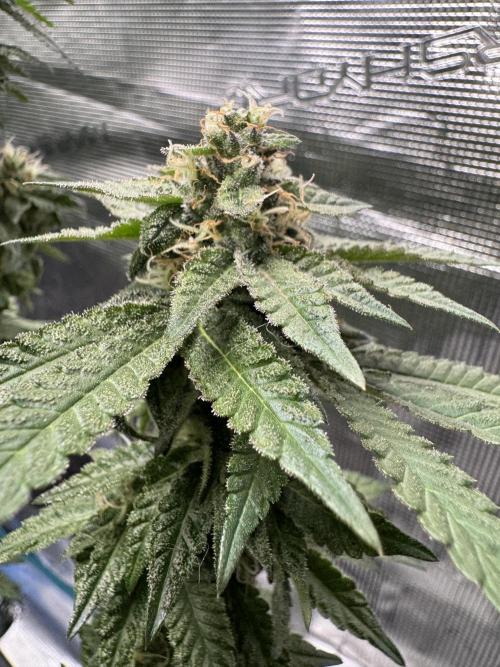
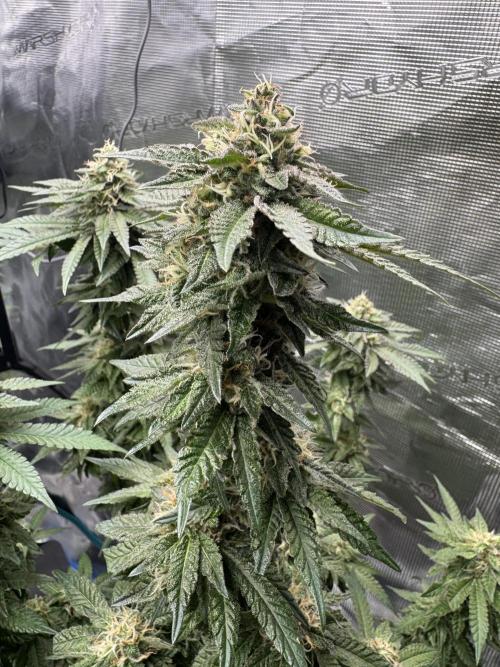
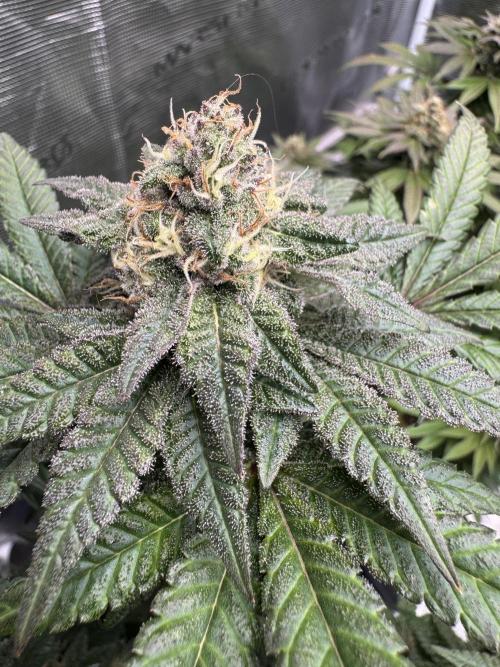
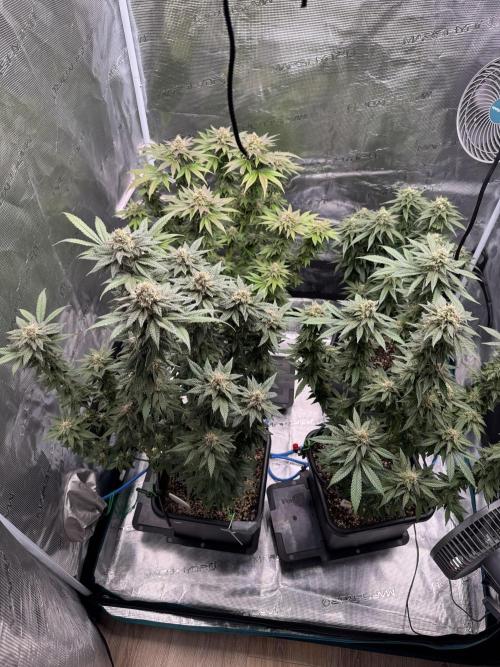
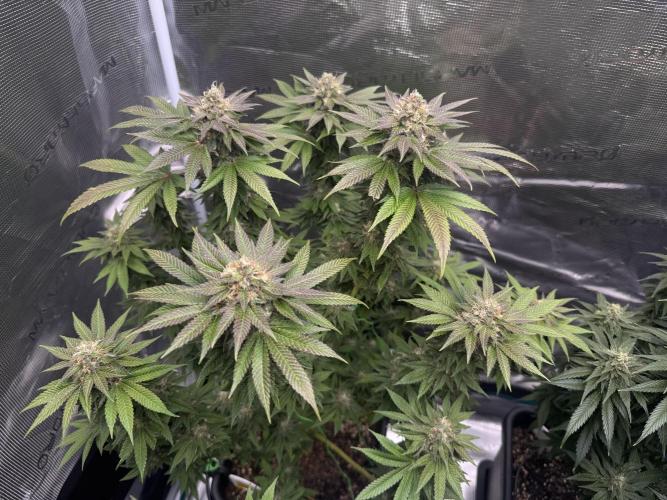
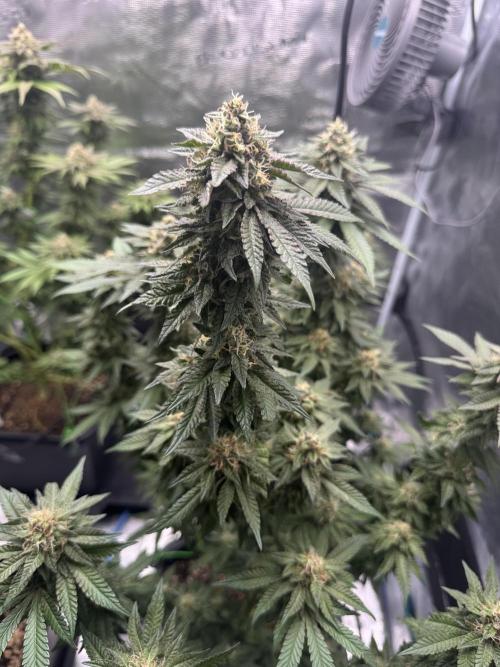
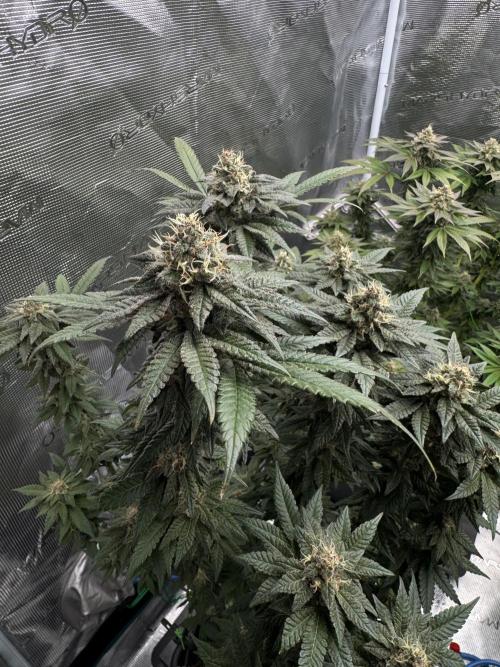
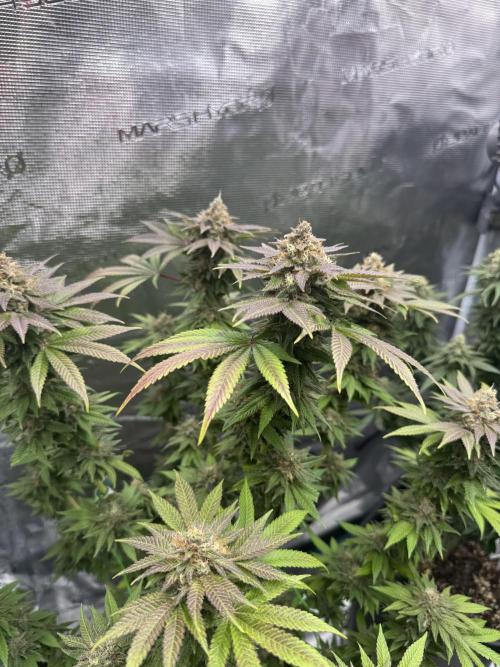
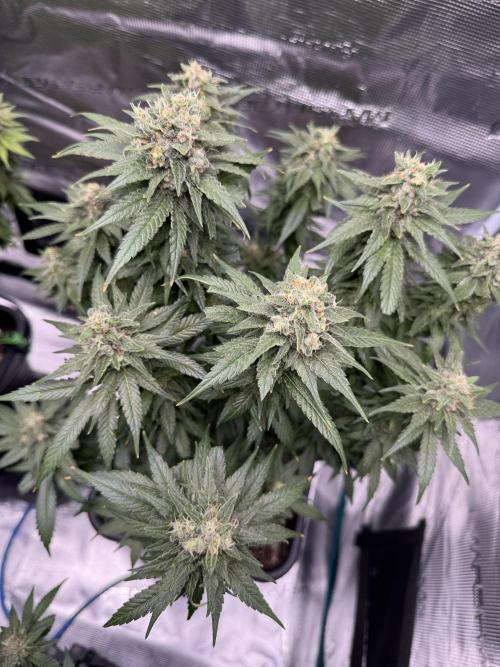
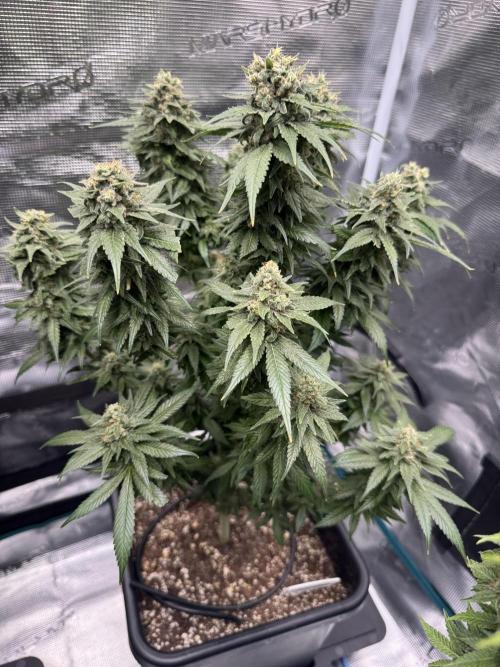
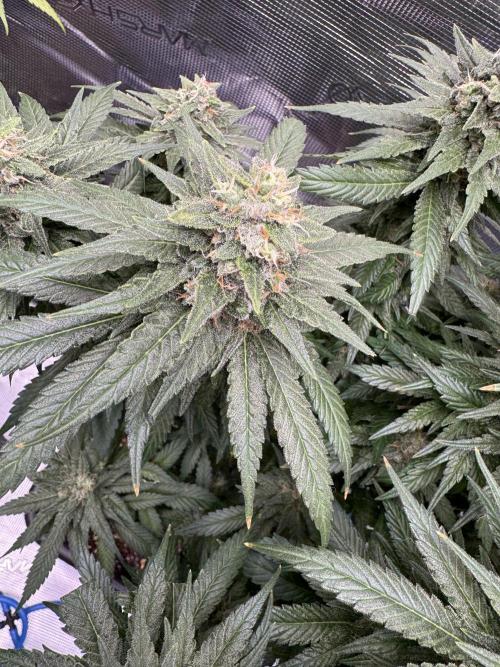
Water consumption began gradually decreasing as plant metabolism slowed approaching harvest.
Bloom nutrients were reduced toward the end of the week, while several irrigations consisted of plain water to begin the final finishing phase.
Plants remained healthy with no signs of nutrient burn or significant deficiencies.
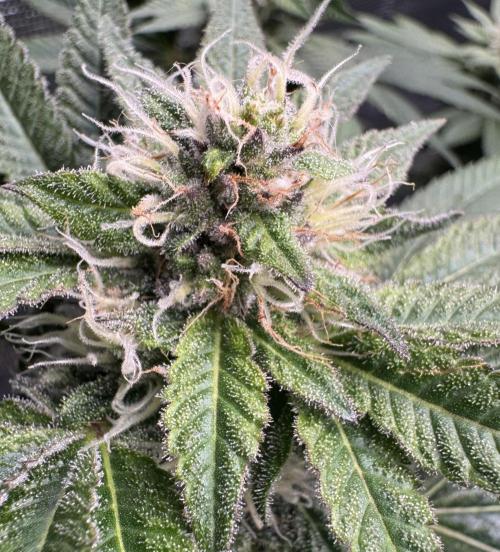
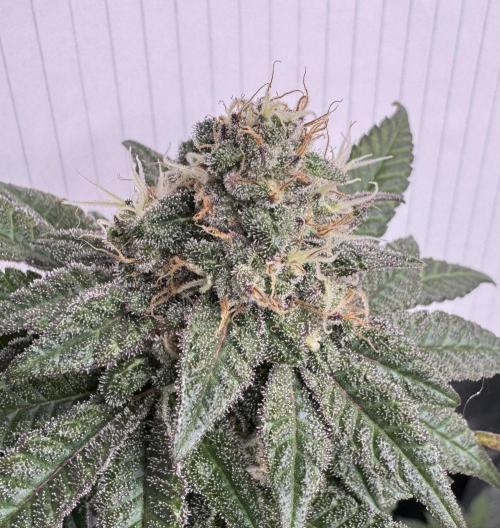
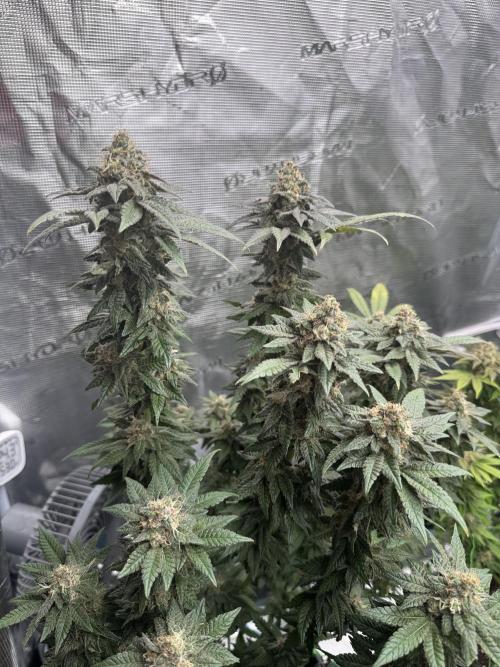
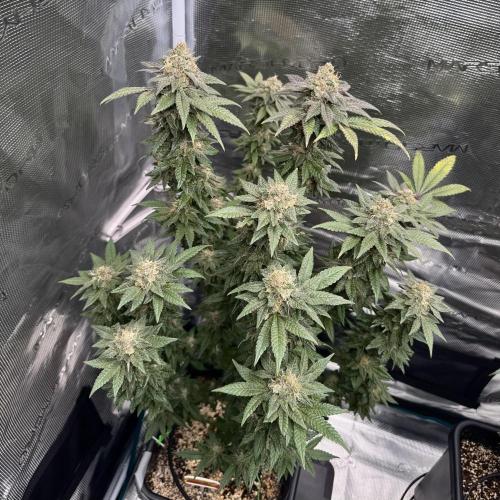
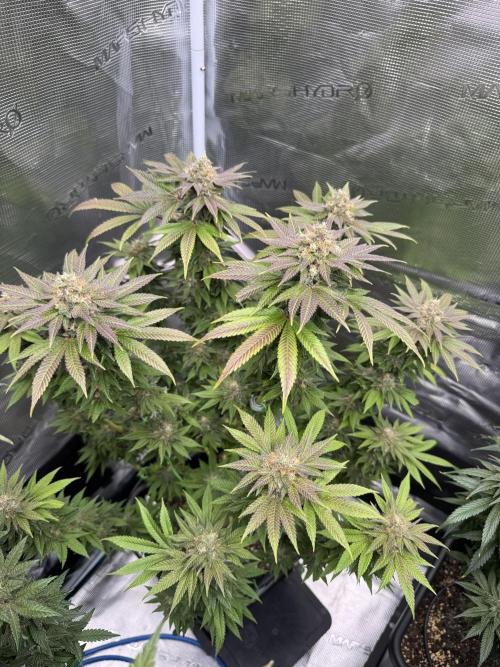
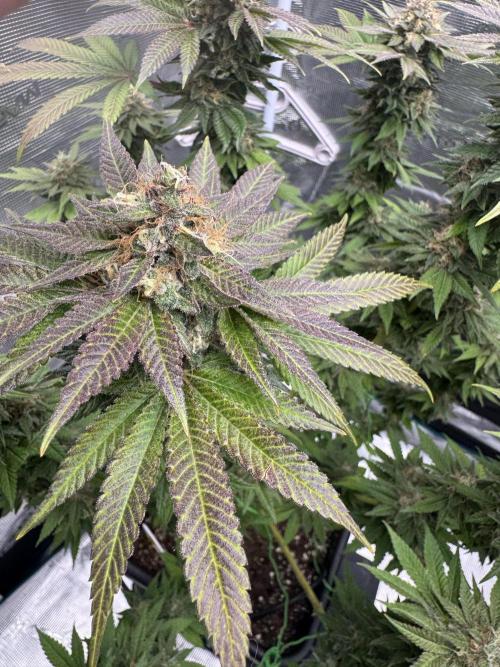
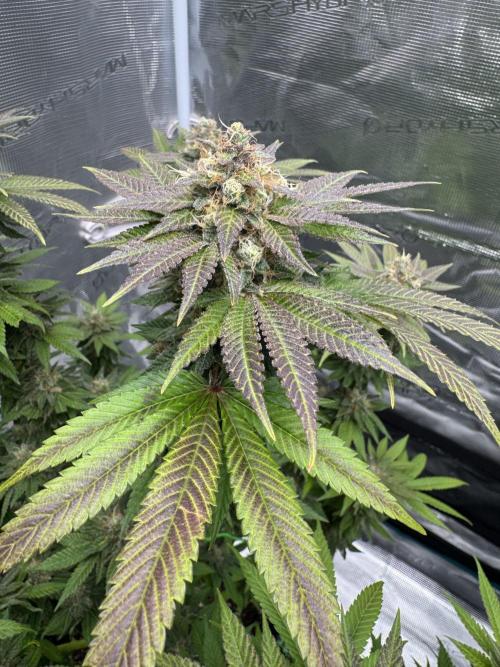
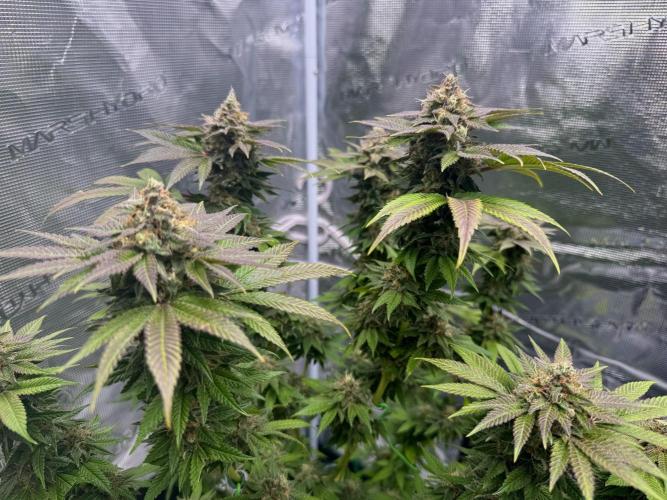
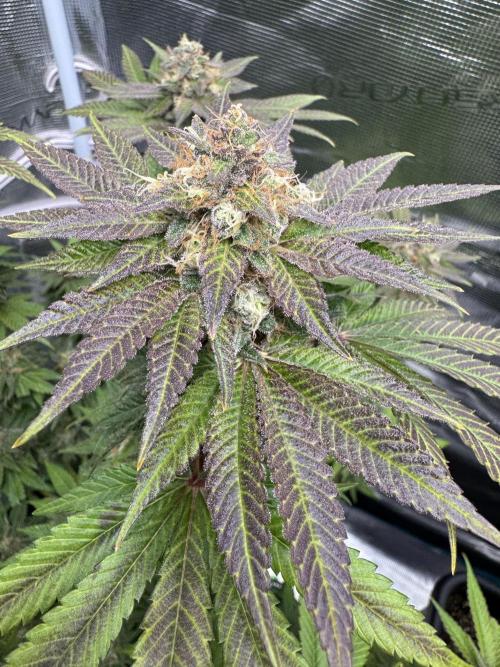
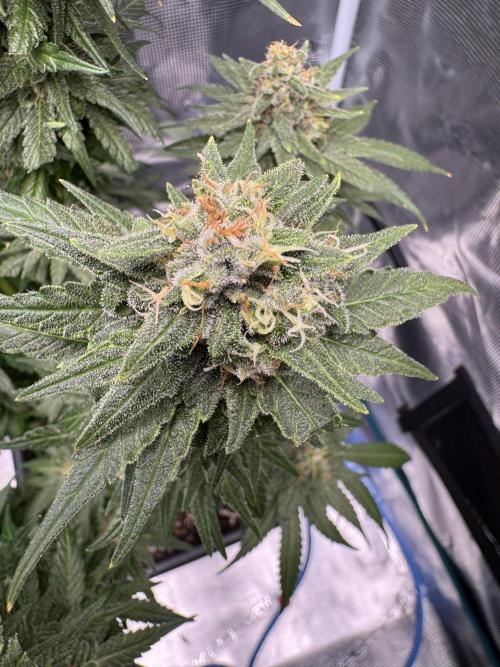
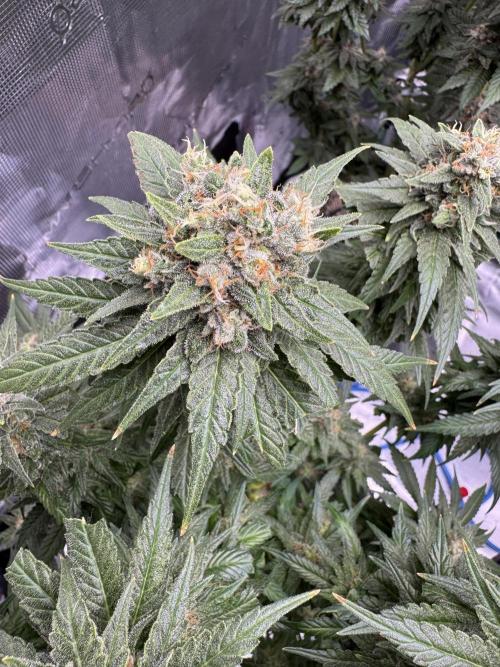
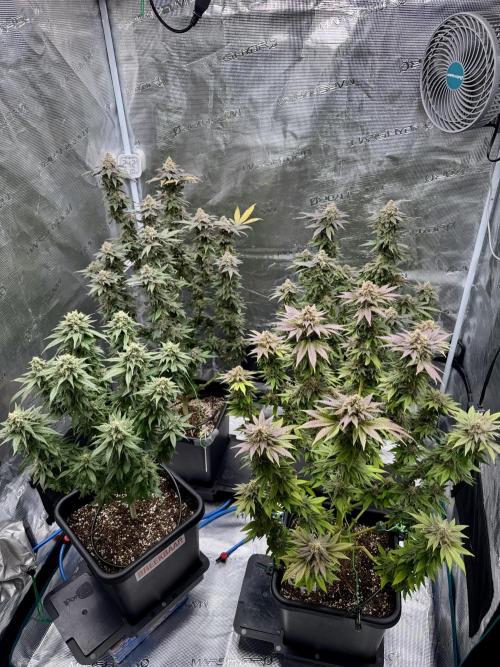
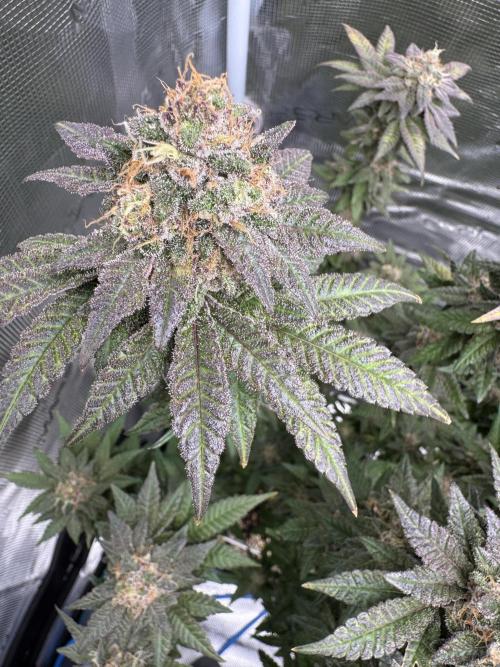
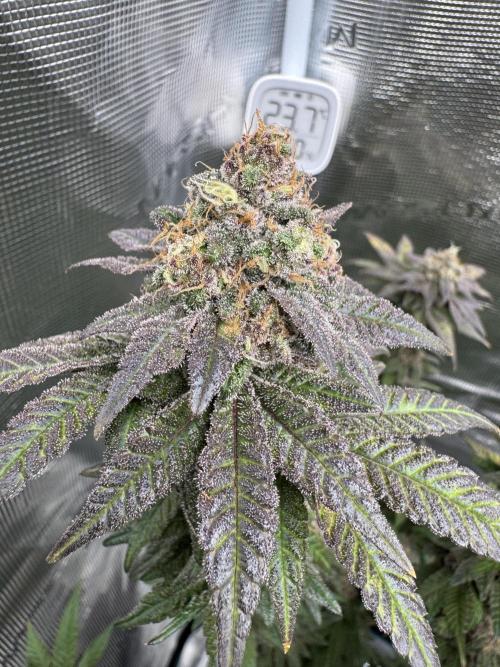
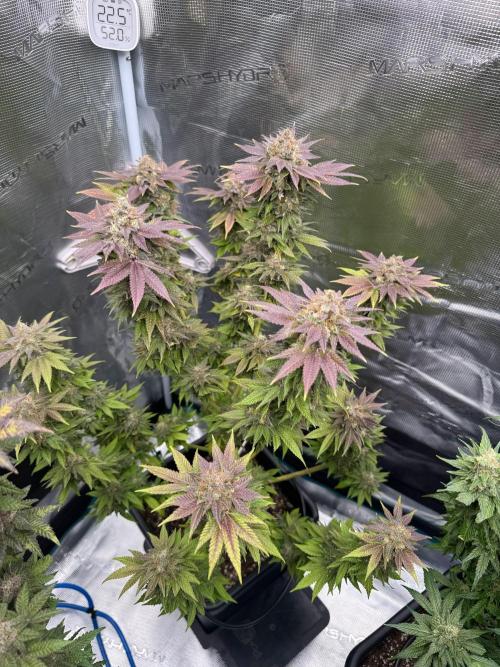
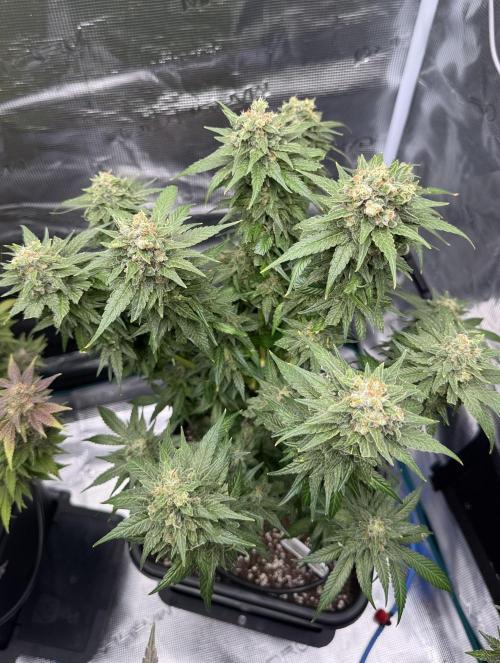
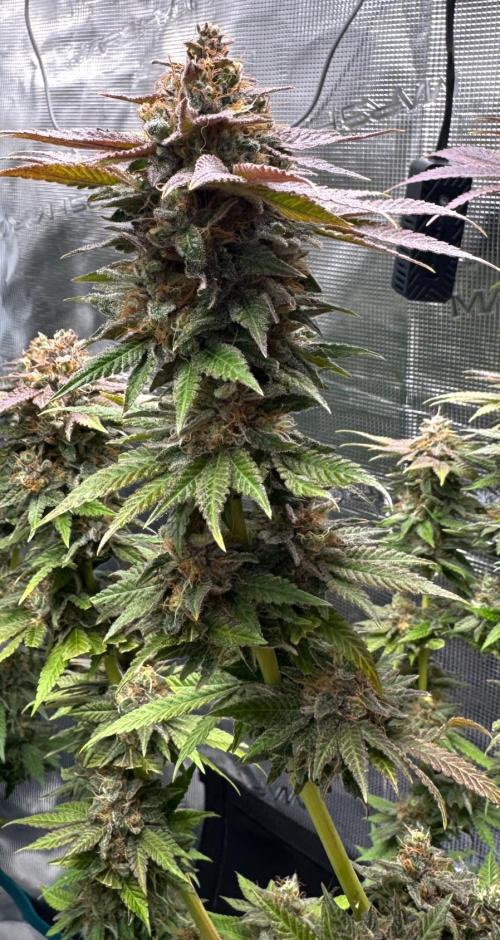
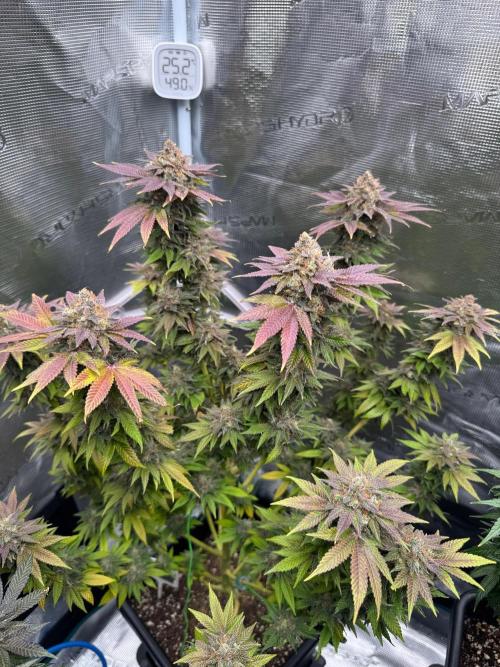
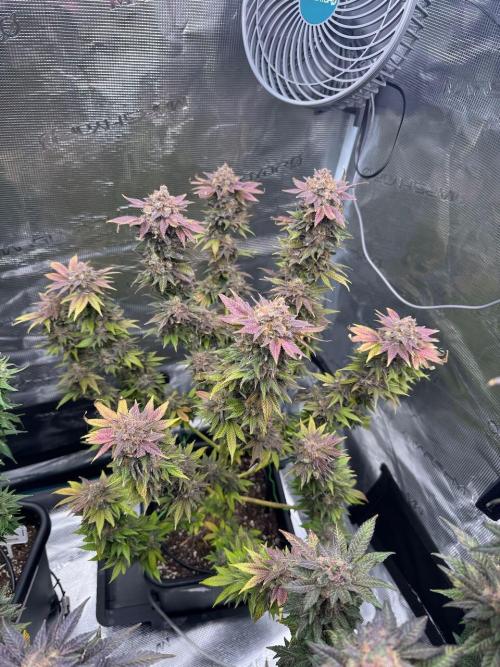
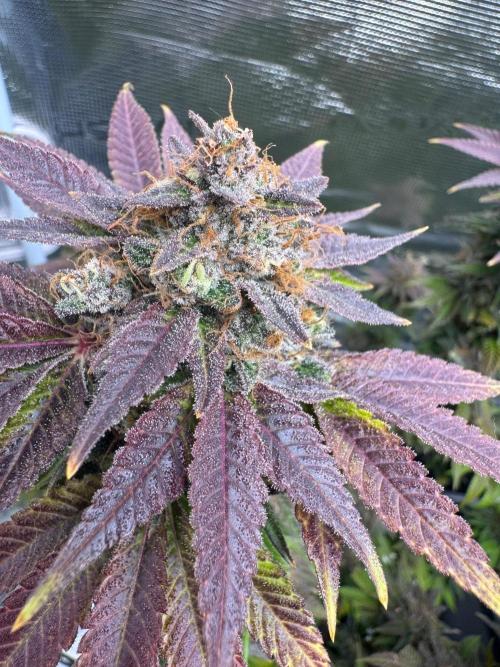
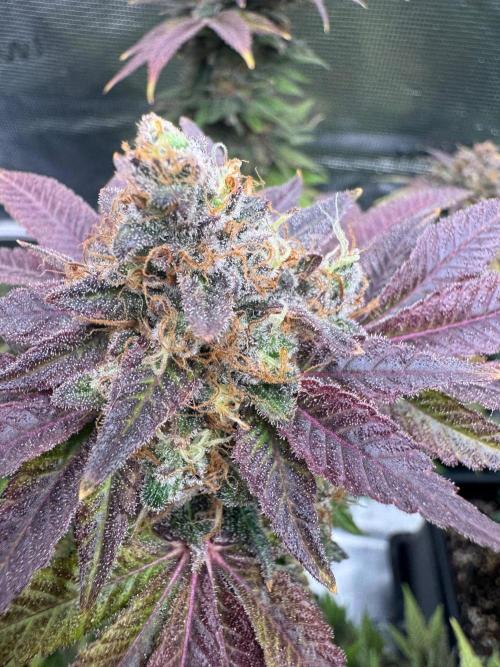
Flower density, aroma and trichome coverage all increased noticeably throughout the week. Plants appear on schedule for harvest within the coming one to two weeks!
2 likes
comments
Share
Used techniques
12-12
Technique
Defoliation
Technique
15
Week 15. Flowering2mo ago
70 cm
Height
12 hrs
Light Schedule
24 °C
Day Air Temp
5.8
pH
Normal
Smell
50 %
Air Humidity
21 °C
Solution Temp
21 °C
Substrate Temp
19 °C
Night Air Temp
15 liters
Pot Size
1 liters
Watering Volume
35 cm
Lamp Distance
Nutrients 3
Calmag
1 mll
Lemon Kick
0.5 mll

Organic Fertiliser Tablets
2 mll
pinknite =============================
📅 Week 15 – Flowering
Days: 99–105
Dates: 17/07–23/07
Strains: RQS Critical (3x), RQS White Widow (1x)
5 likes
1 comment
Share
Used techniques
12-12
Technique
Defoliation
Technique
LST
Technique
16
Week 16. Flowering1mo ago
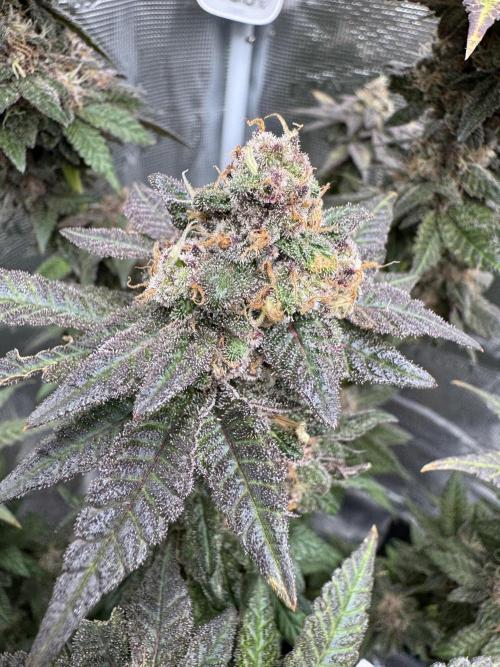
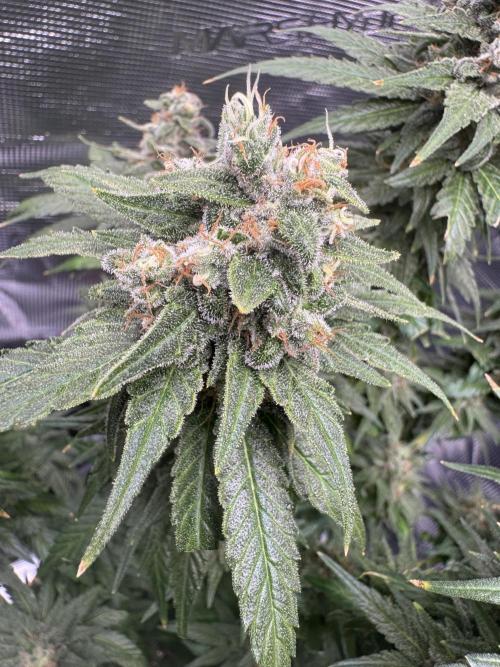
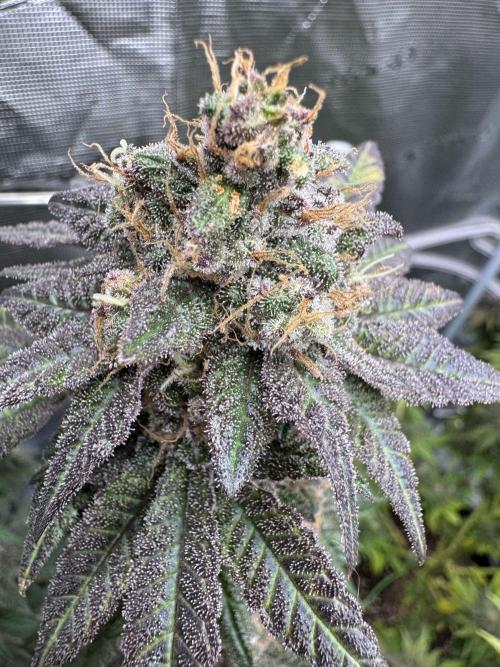
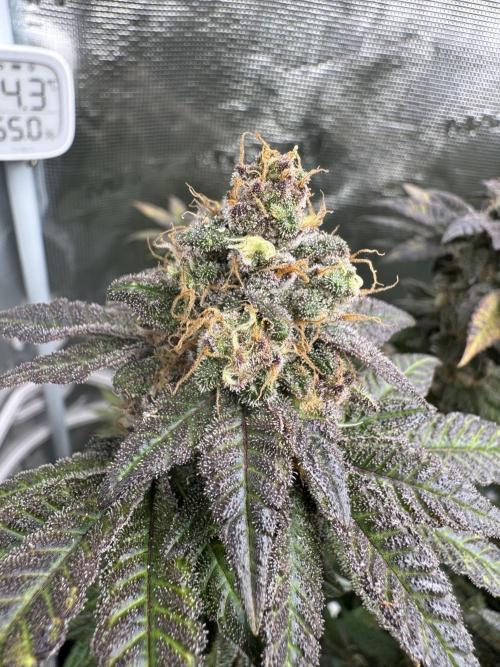
70 cm
Height
12 hrs
Light Schedule
24 °C
Day Air Temp
5.8
pH
Normal
Smell
50 %
Air Humidity
21 °C
Solution Temp
21 °C
Substrate Temp
20 °C
Night Air Temp
15 liters
Pot Size
1 liters
Watering Volume
35 cm
Lamp Distance
Nutrients 3
Calmag
1 mll
Lemon Kick
0.5 mll
Organic Fertiliser Tablets
2 mll
pinknite =============================
📅 Week 16 – Flowering
Days: 106–112
Dates: 24/07–30/07
Strains: RQS Critical (3x), RQS White Widow (1x)
6 likes
1 comment
Share
Used techniques
12-12
Technique
Defoliation
Technique
17
Week 17. Flowering1mo ago
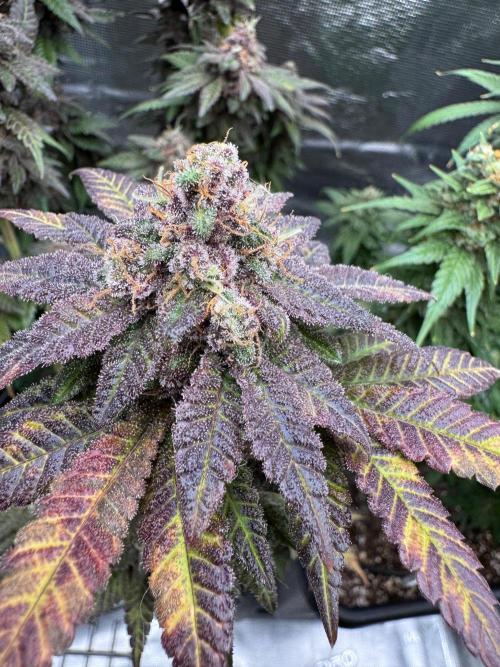
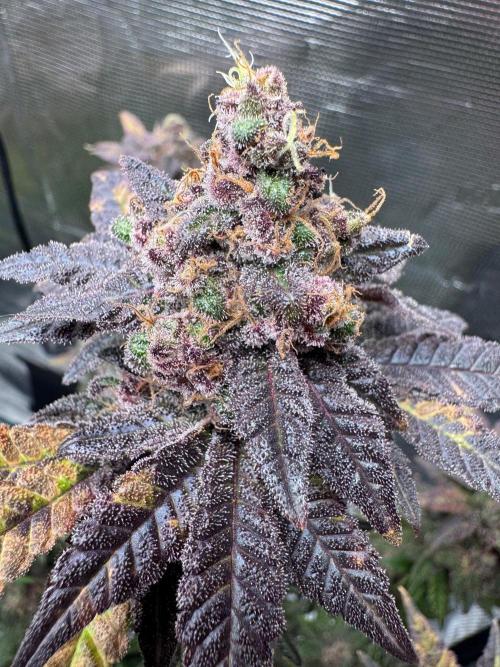
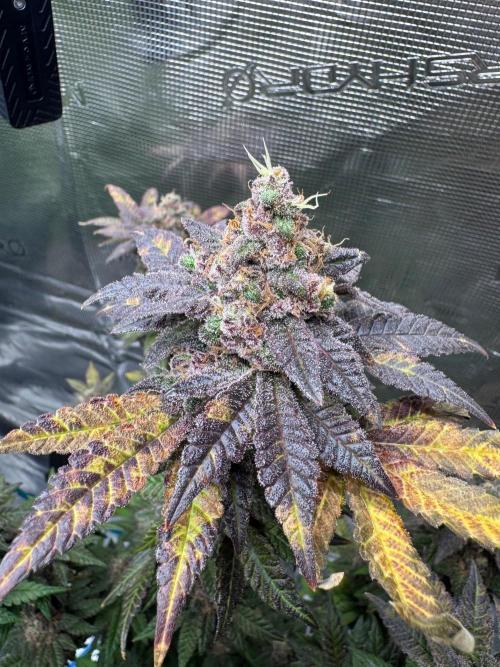
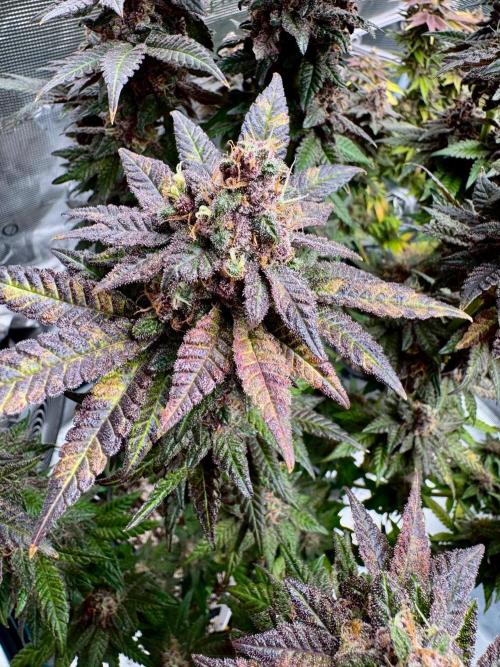

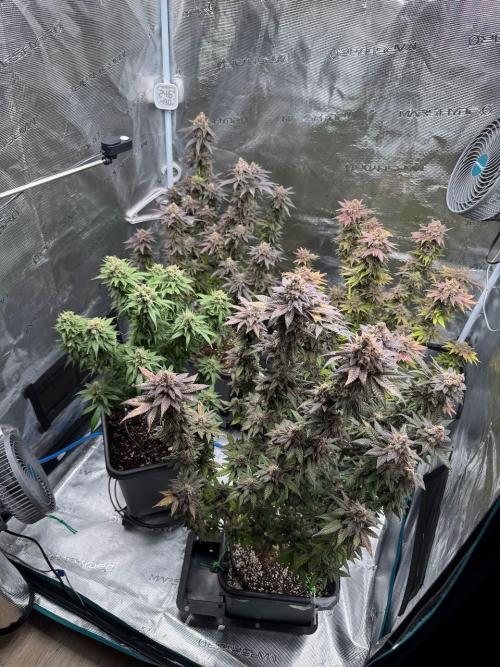
70 cm
Height
12 hrs
Light Schedule
24 °C
Day Air Temp
6.1
pH
Strong
Smell
50 %
Air Humidity
20 °C
Solution Temp
20 °C
Substrate Temp
19 °C
Night Air Temp
15 liters
Pot Size
0.5 liters
Watering Volume
35 cm
Lamp Distance
Nutrients 2
Lemon Kick
0.5 mll
Organic Fertiliser Tablets
2 mll
pinknite =============================
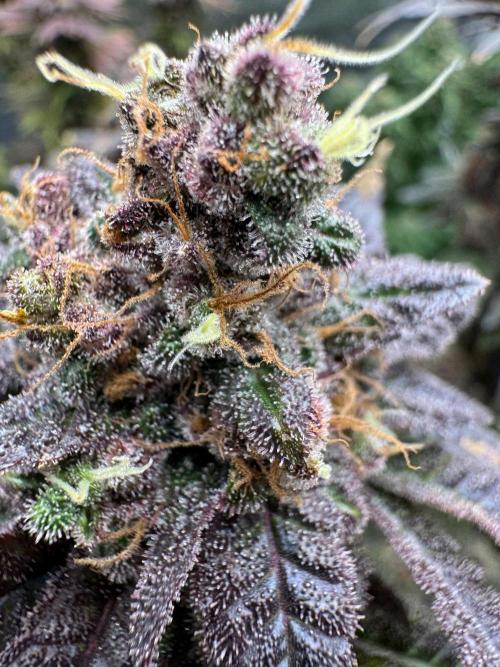
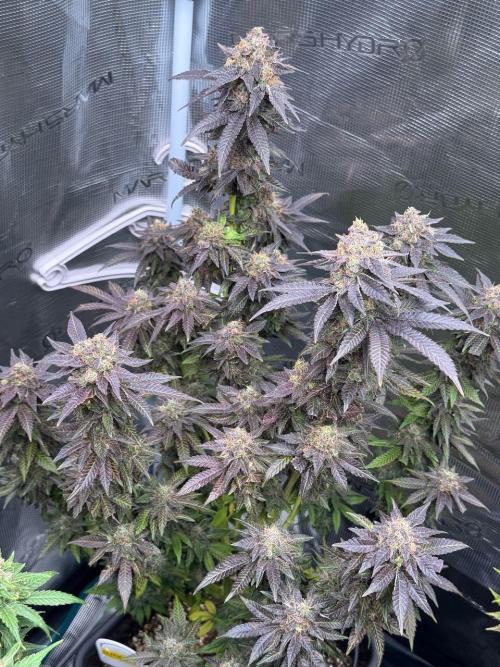
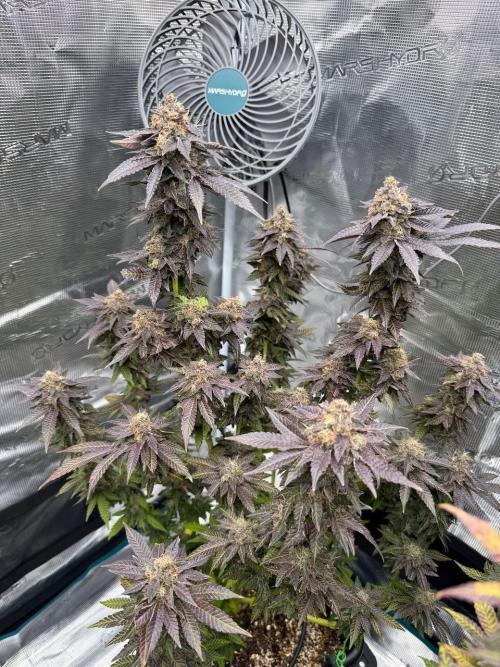
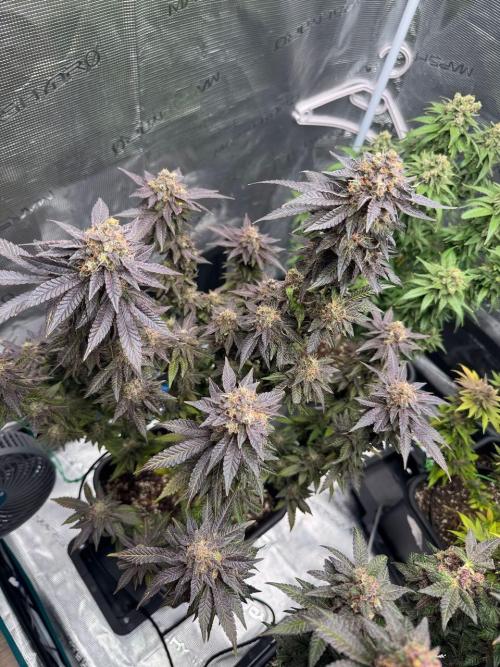
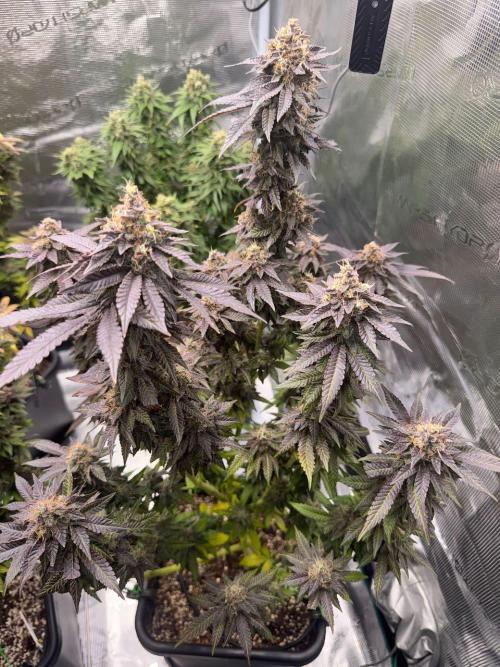
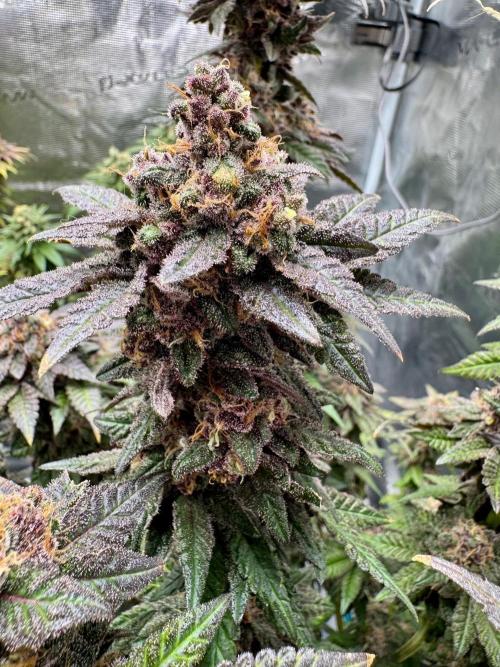
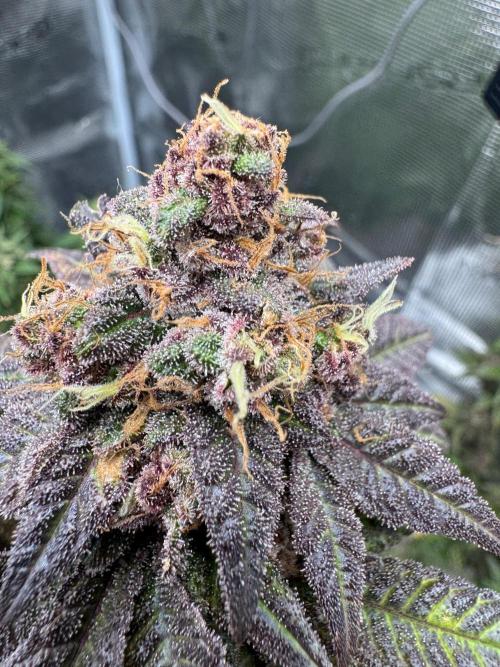
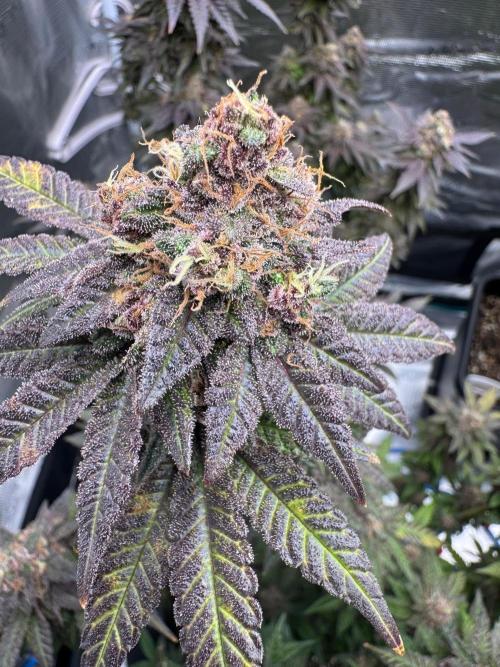
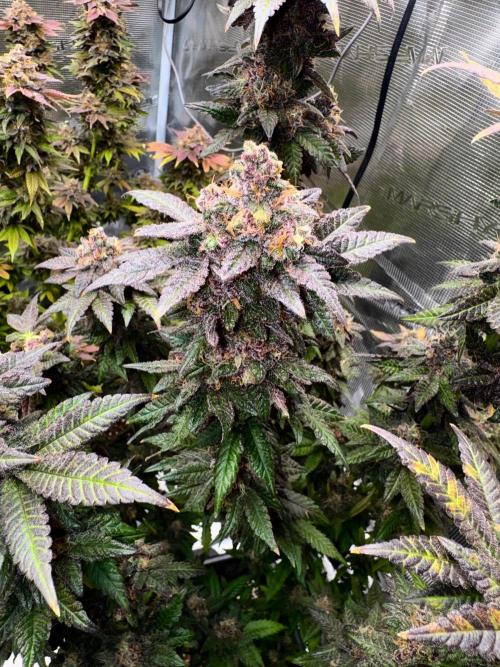
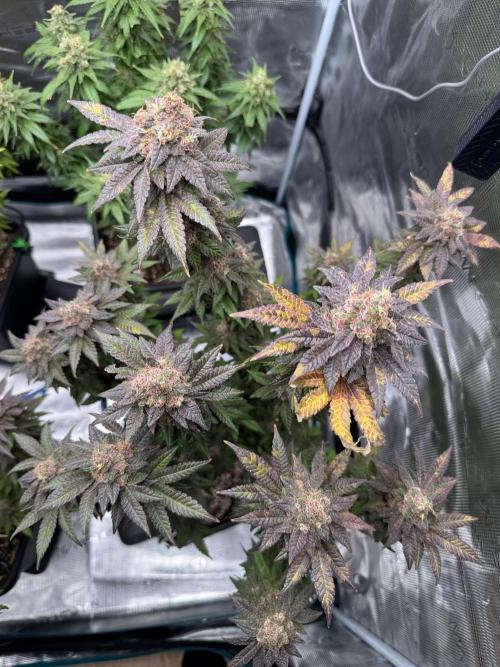
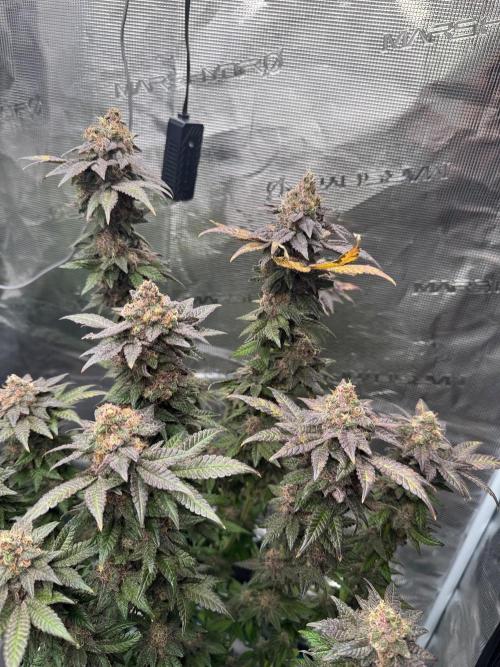
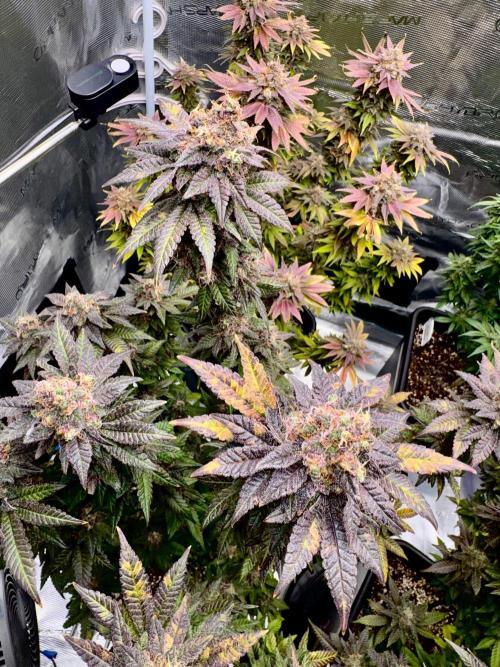
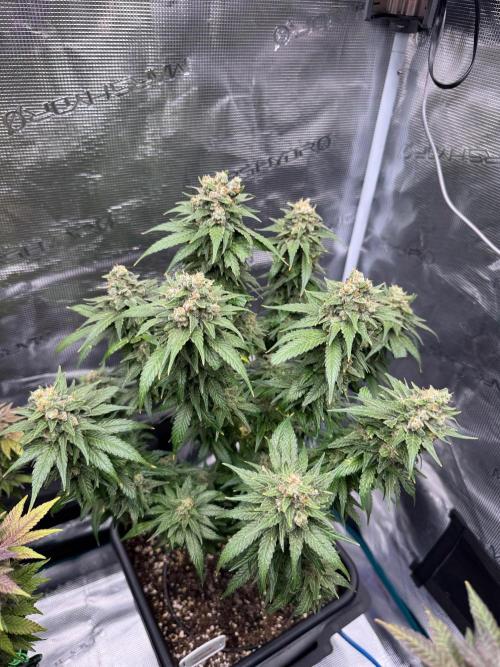
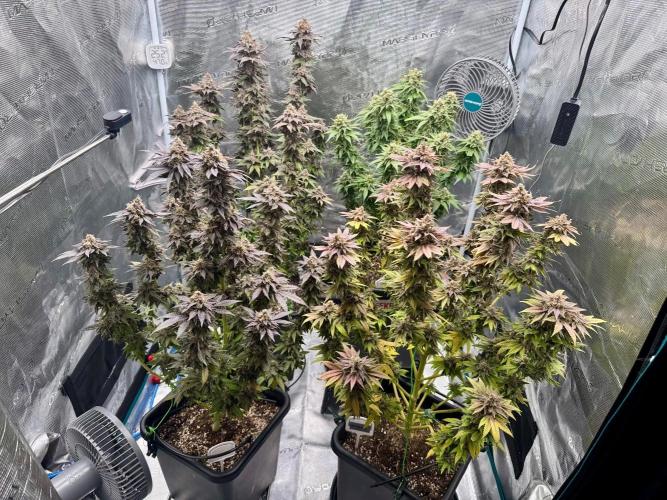
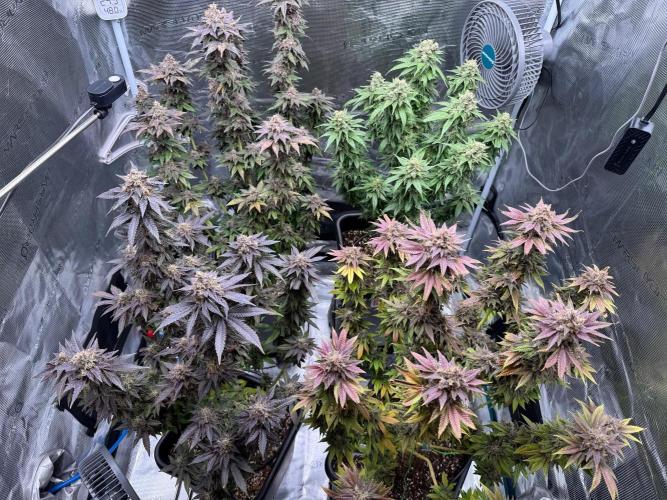
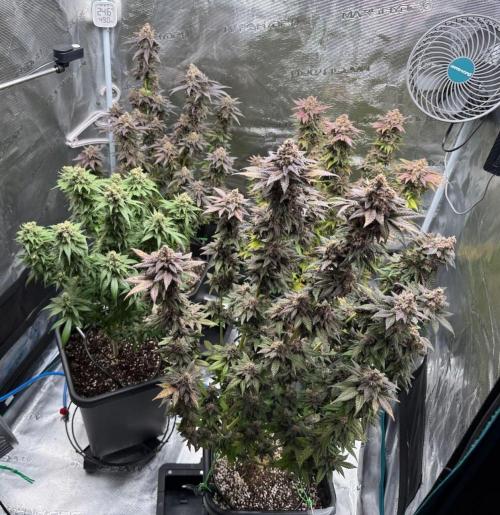
📅 Week 17 – Flowering
Days: 113–119
Dates: 31/07–06/08
Strains: RQS Critical (3x), RQS White Widow (1x)
6 likes
1 comment
Share
Used techniques
12-12
Technique
Defoliation
Technique
18
Week 18. Flowering20d ago
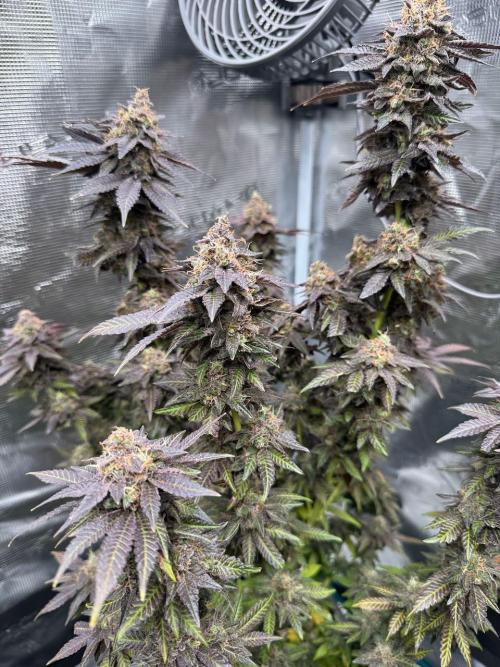
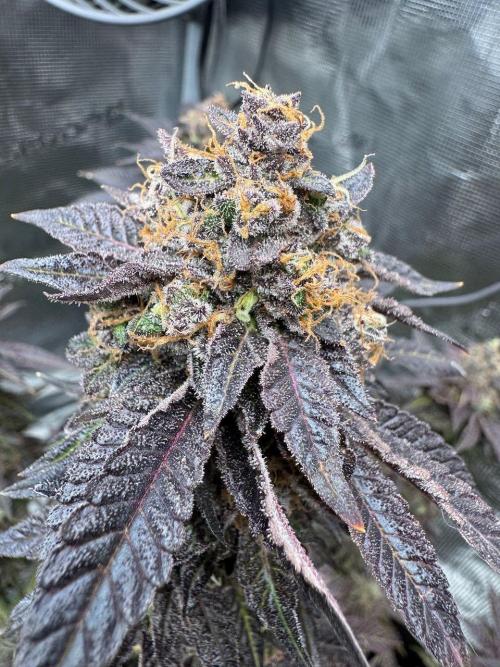
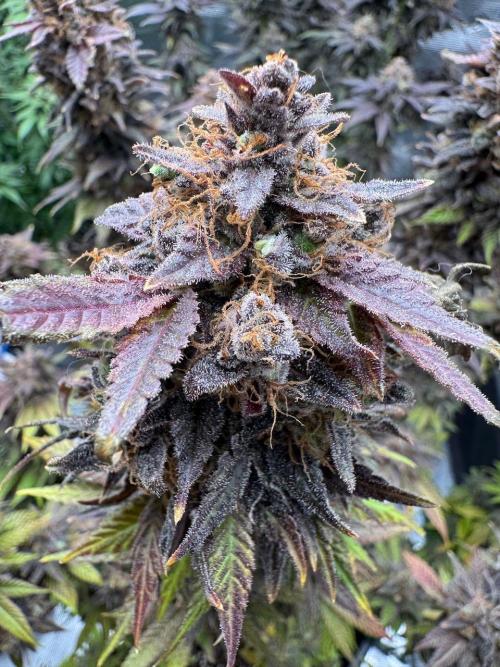
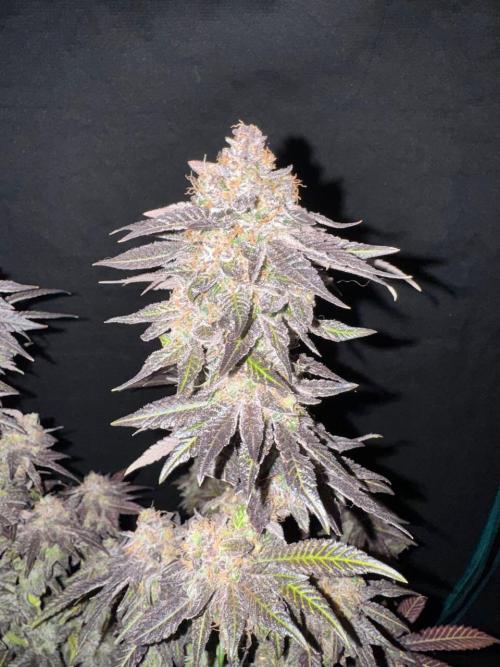
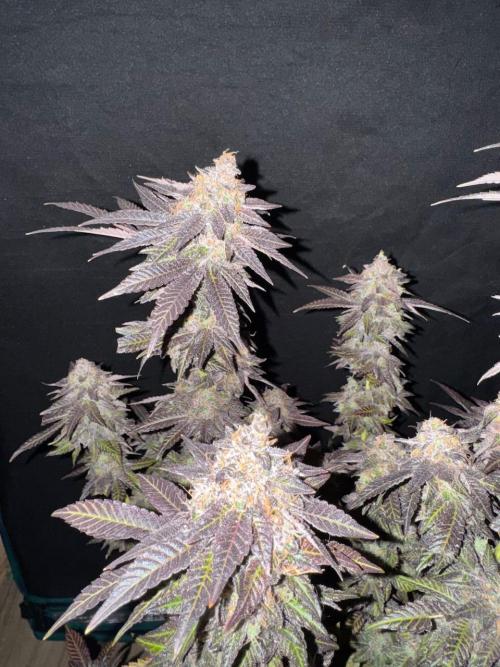
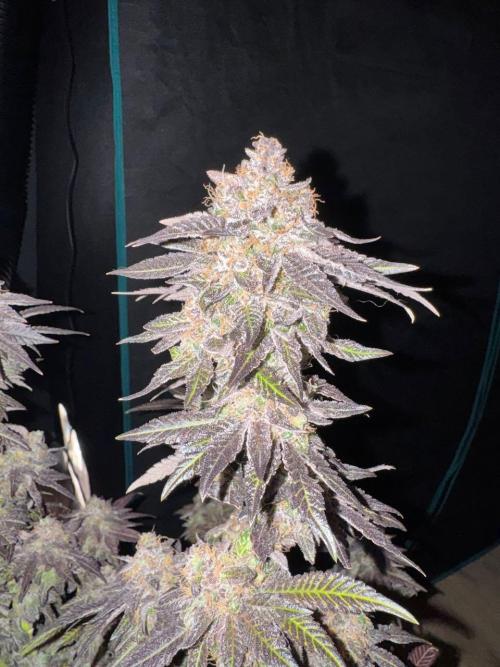
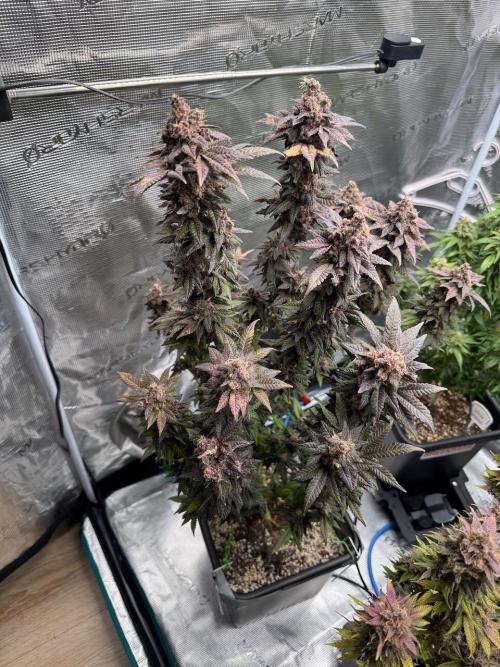
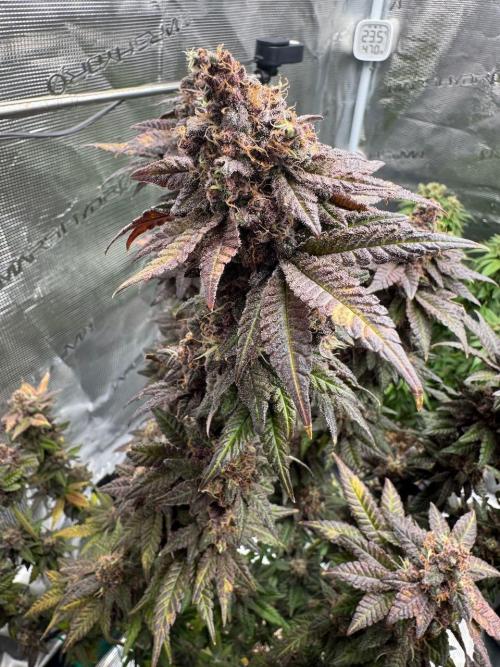
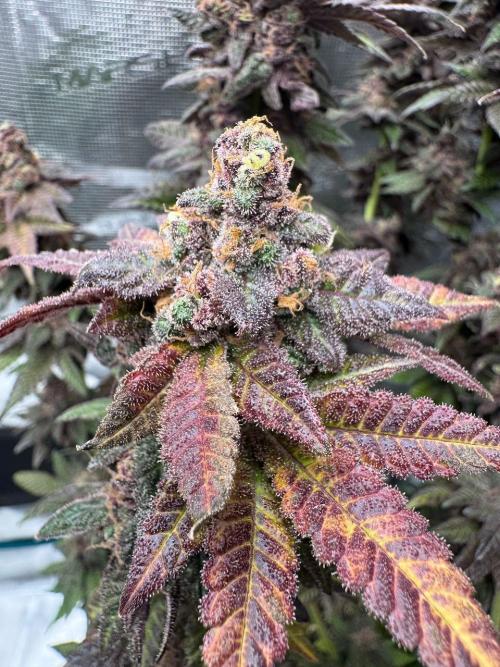
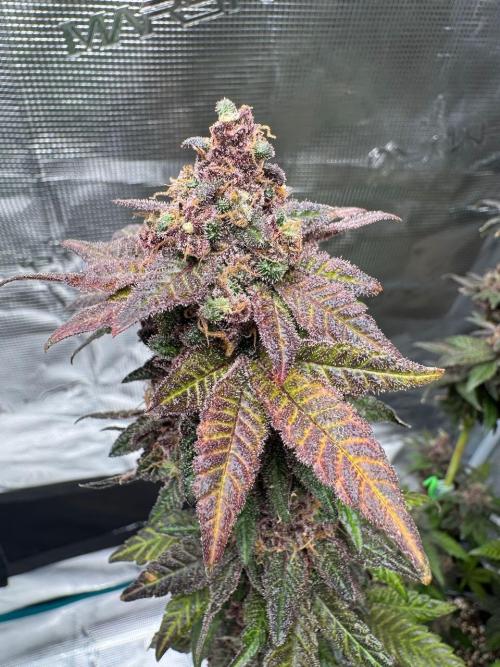
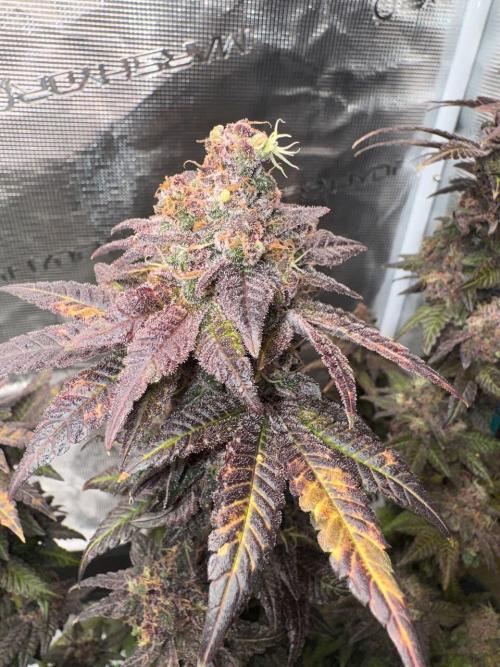
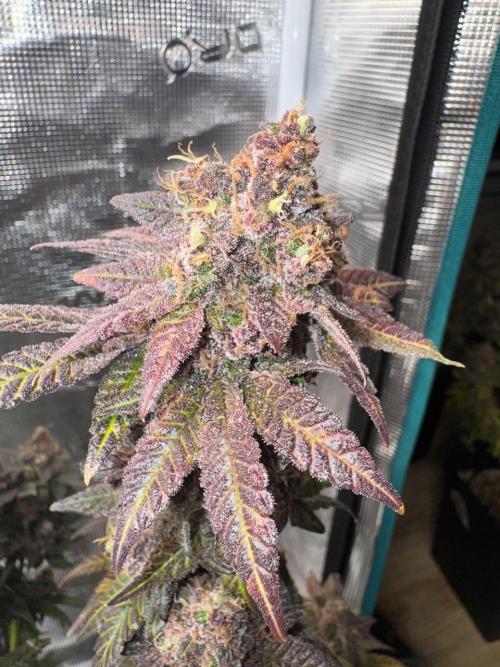
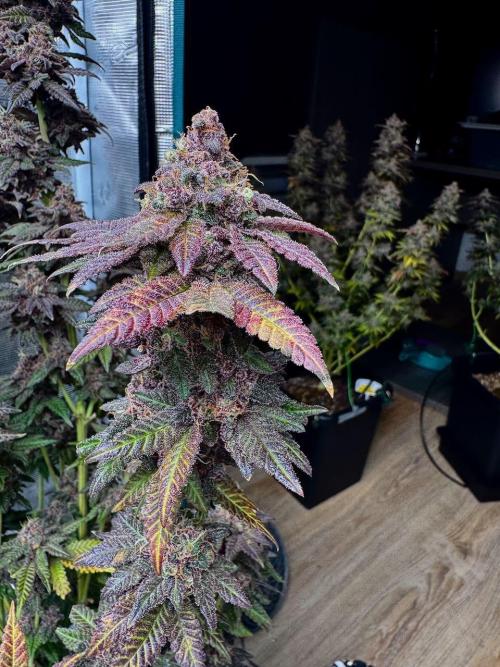
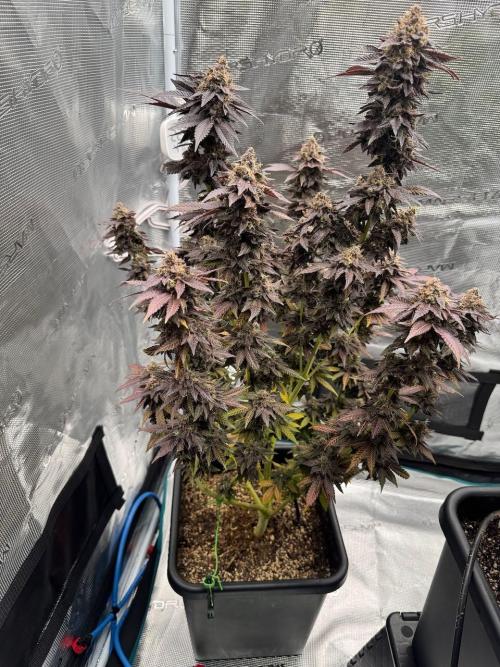
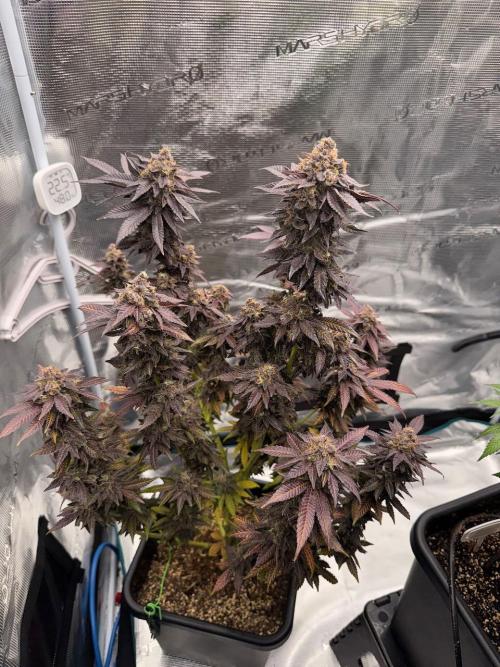
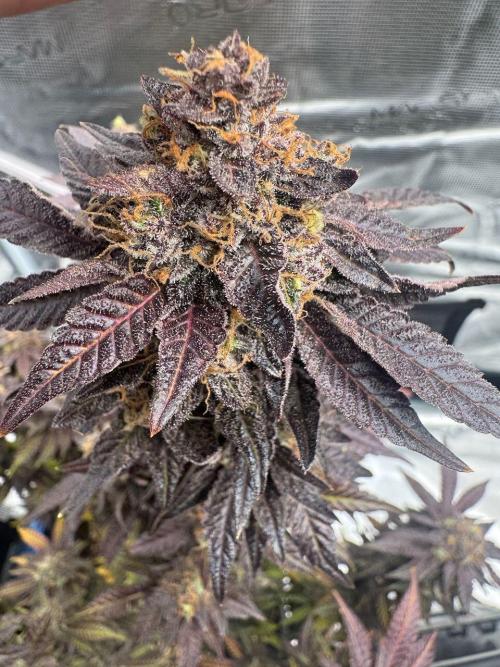
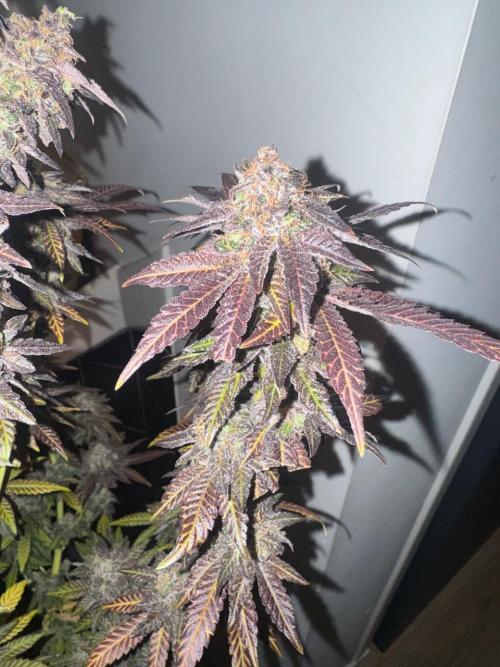
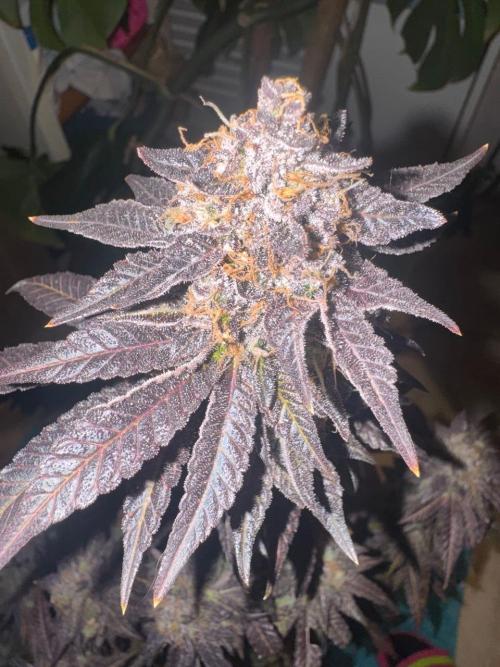
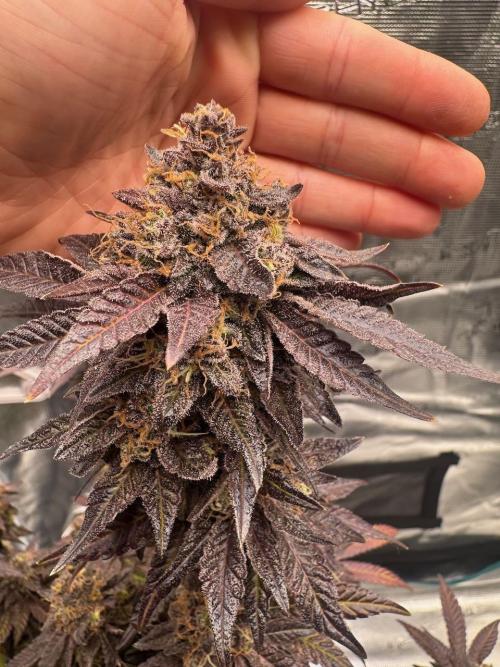
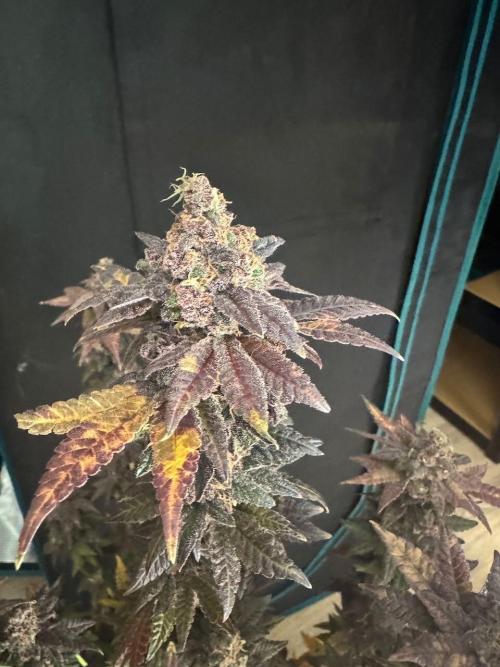
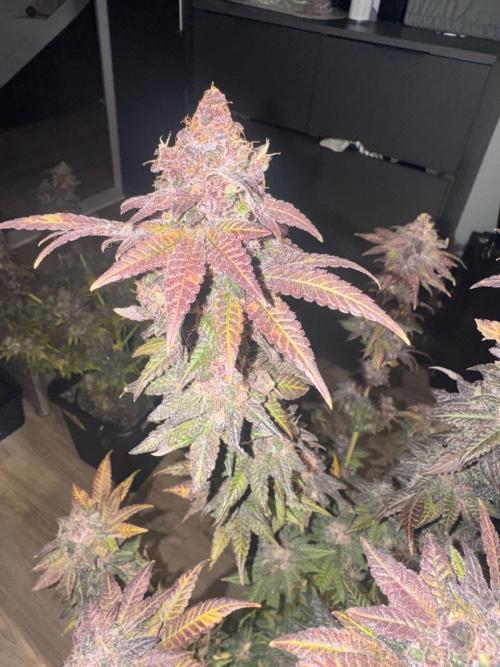
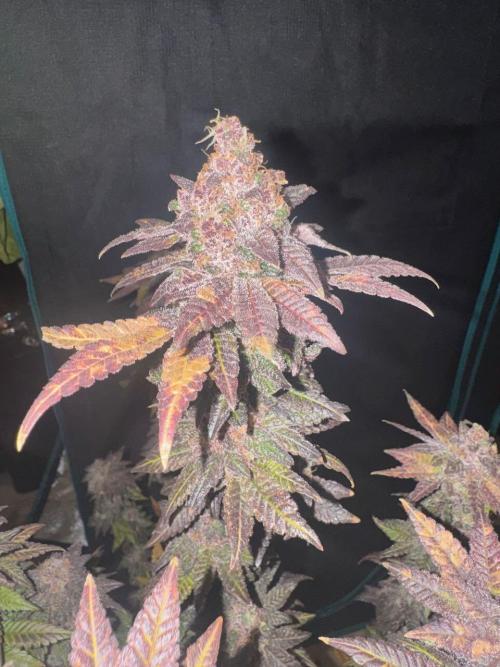
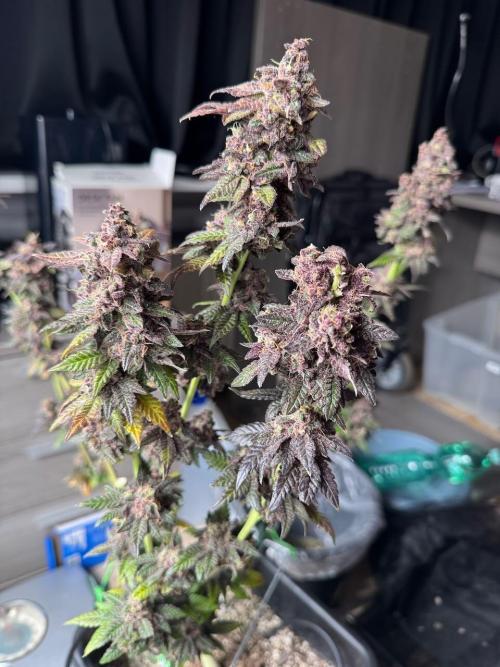
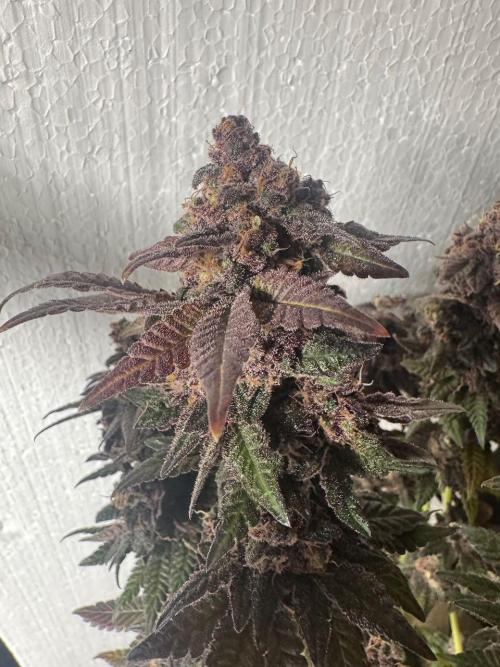
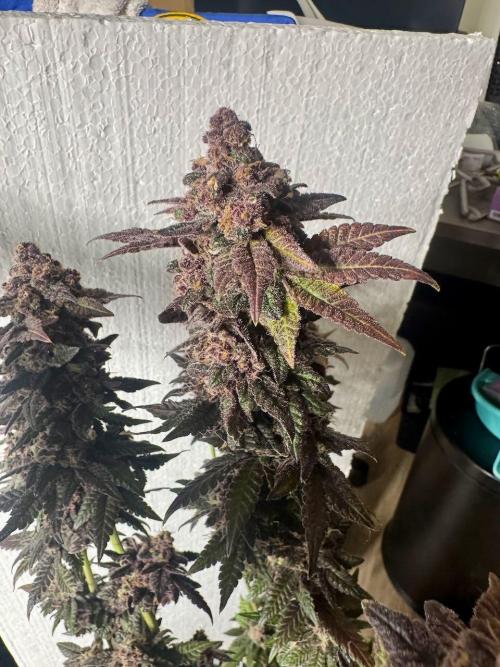
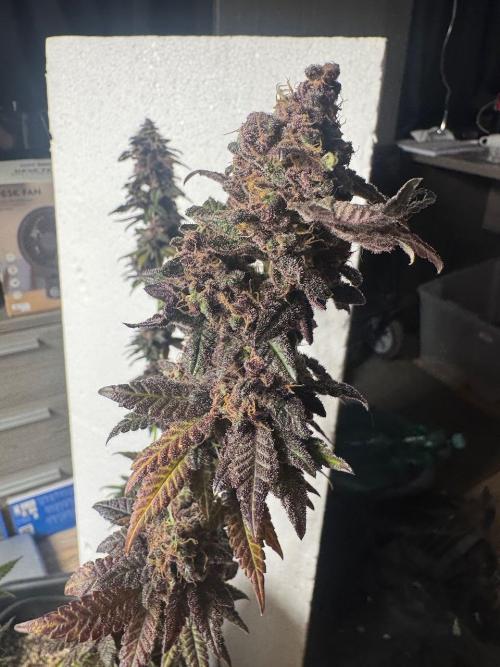
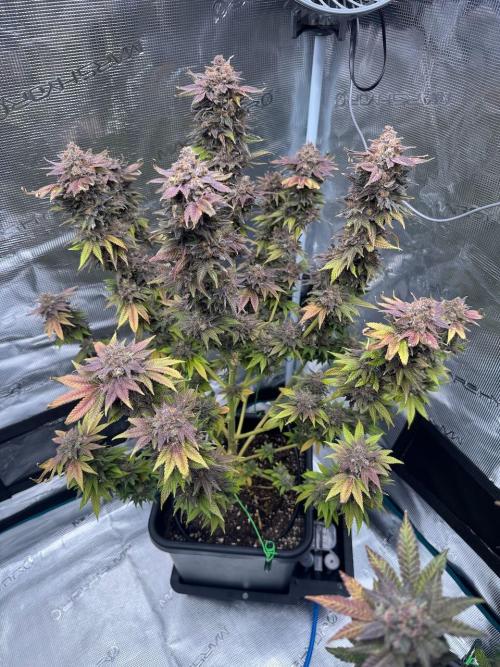
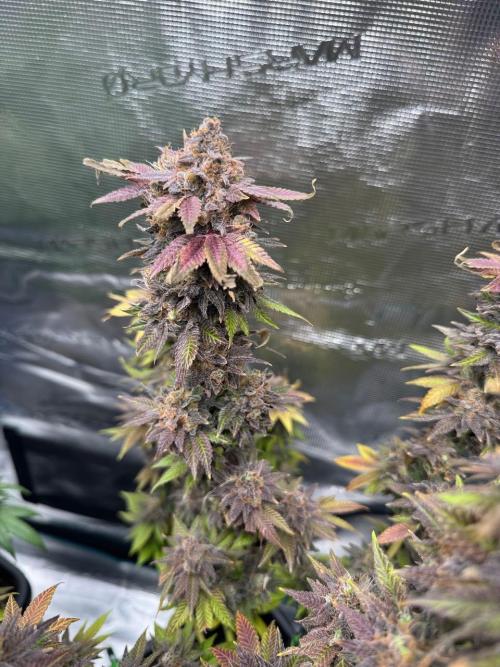
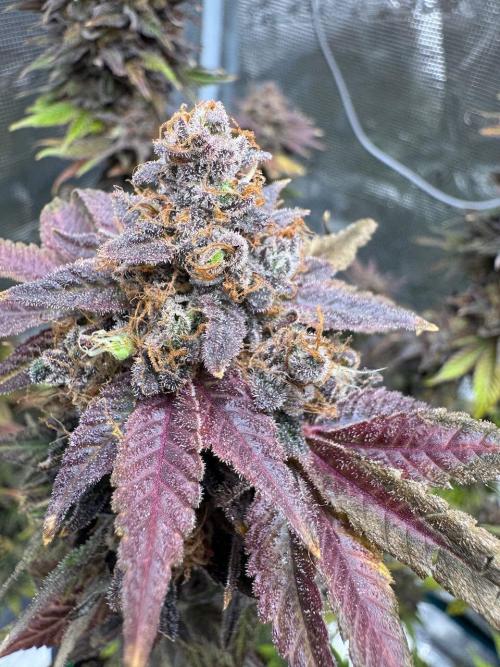
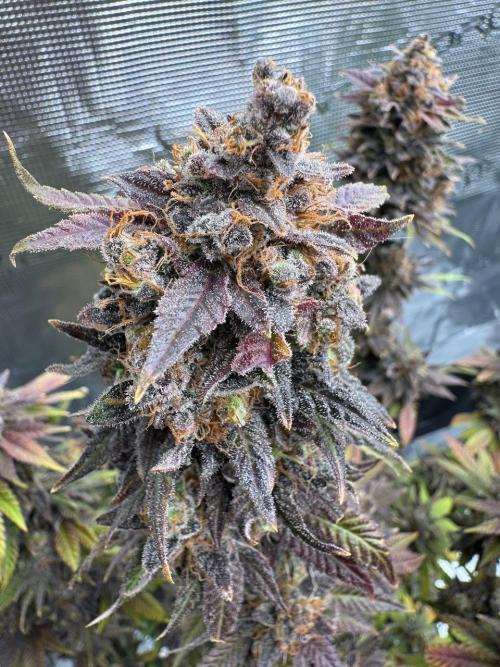
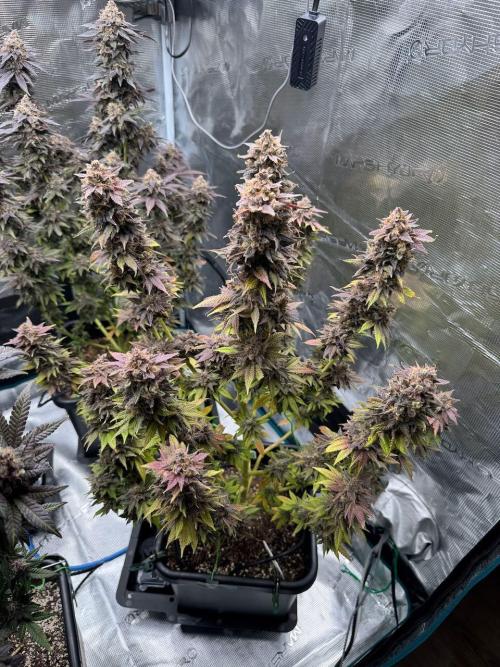
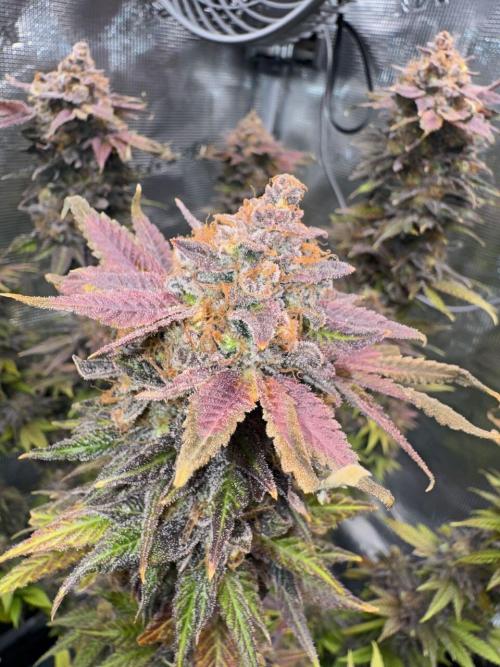
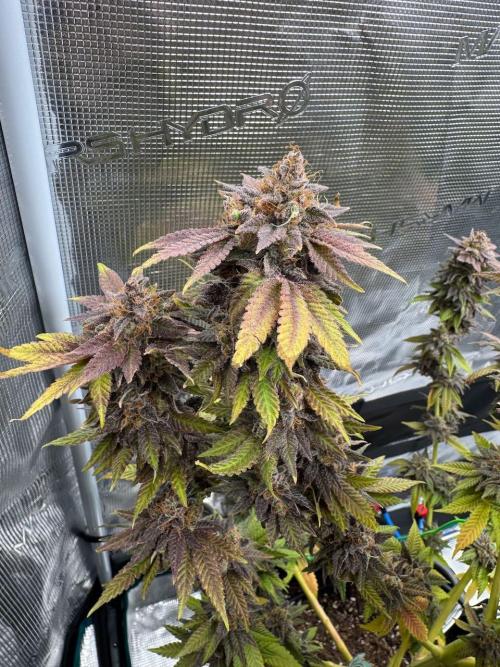
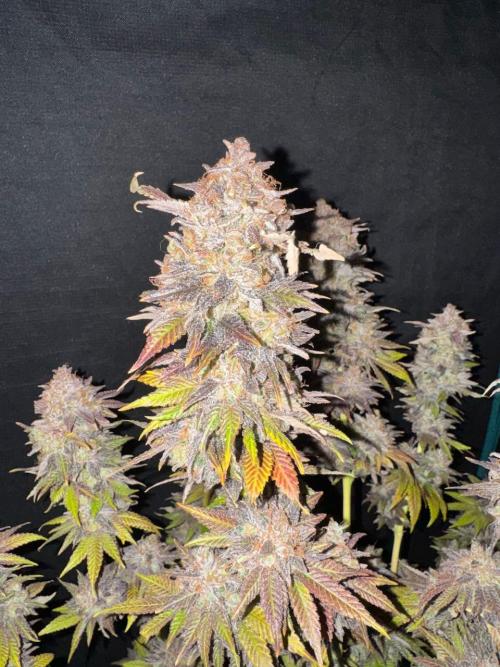
70 cm
Height
12 hrs
Light Schedule
24 °C
Day Air Temp
6.1
pH
Strong
Smell
50 %
Air Humidity
20 °C
Solution Temp
20 °C
Substrate Temp
19 °C
Night Air Temp
15 liters
Pot Size
35 cm
Lamp Distance
Nutrients 2
Lemon Kick
0.5 mll
Organic Fertiliser Tablets
2 mll
pinknite =============================
📅 Week 18 – Flowering
Days: 120–126
Dates: 07/08–13/08
Strains: RQS Critical (3x), RQS White Widow (1x)
9 likes
comments
Share
Used techniques
12-12
Technique
19
Week 19. Harvest20d ago
Happy Harvest Day!


8/10
Rated
Spent 129 days
Ger Veg Flo Har
300 g
Bud wet weight per plant
64.33 g
Bud dry weight per plant
3
Plants
1 m²
Grow Room size
Easy
Difficulty
Height
Day air temperature
Air humidity
PH
Light schedule
Solution temperature
Night air temperature
Substrate temperature
Pot size
Lamp distance
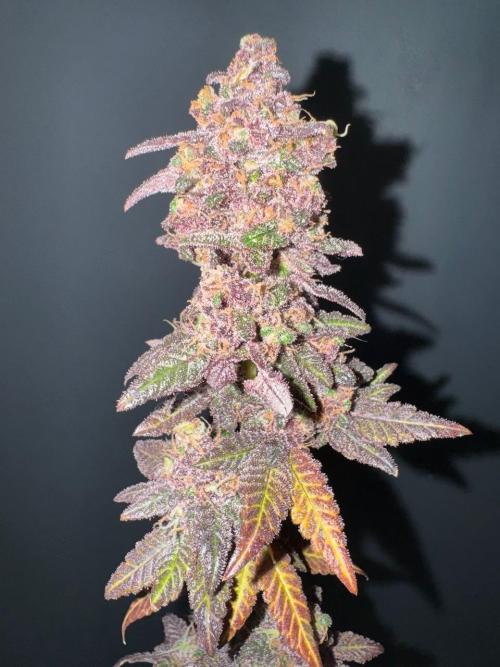
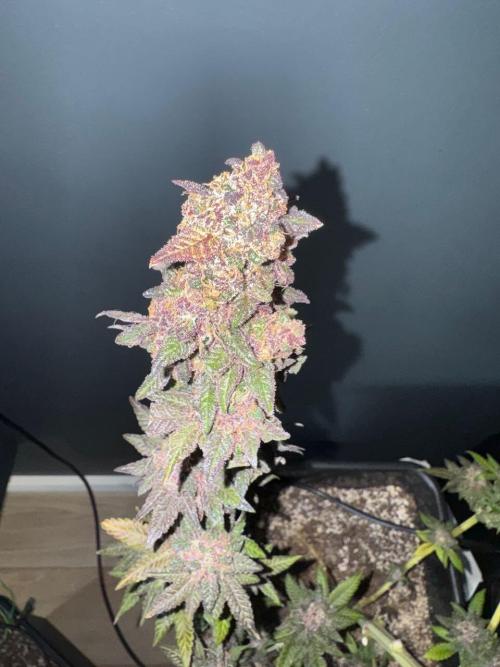
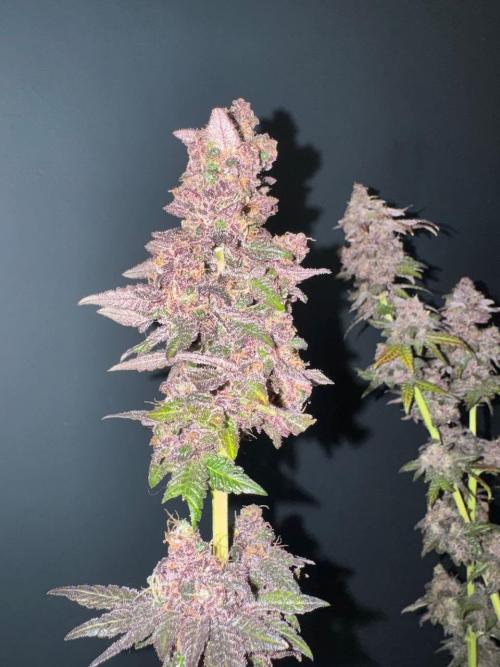
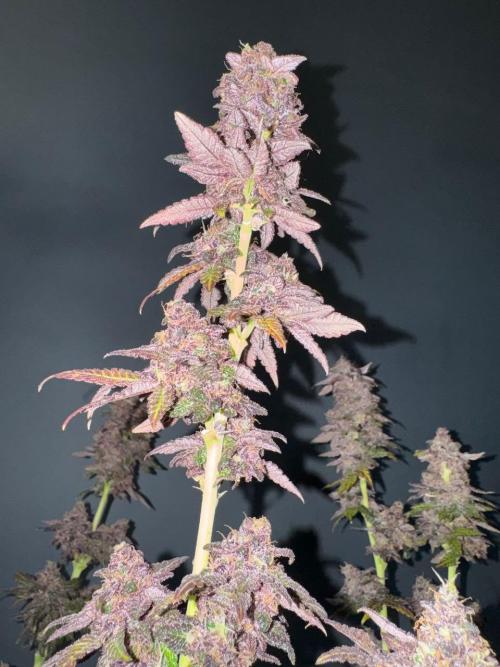
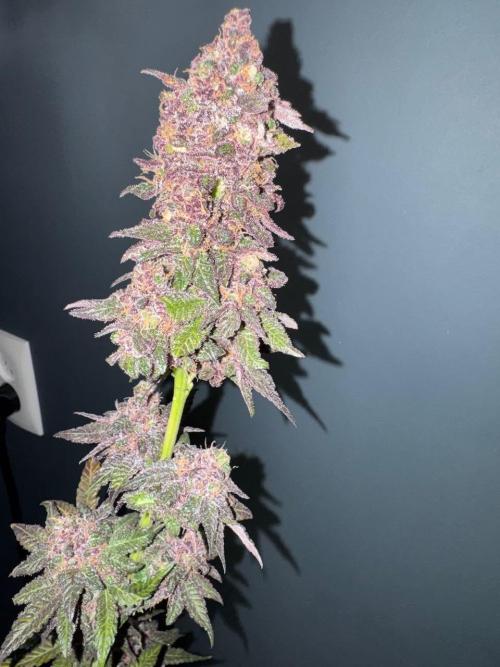
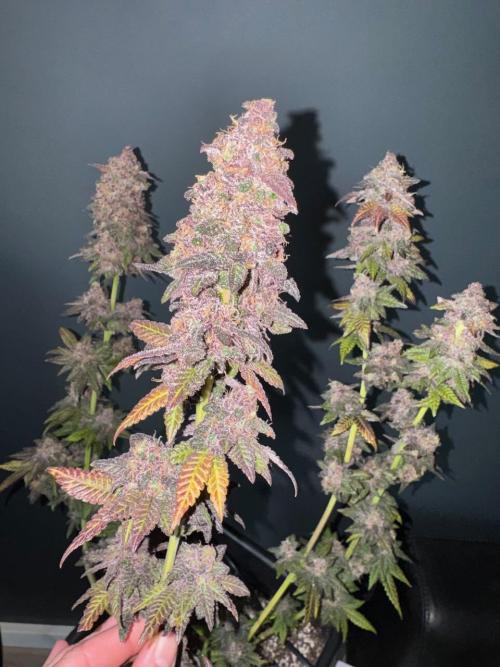
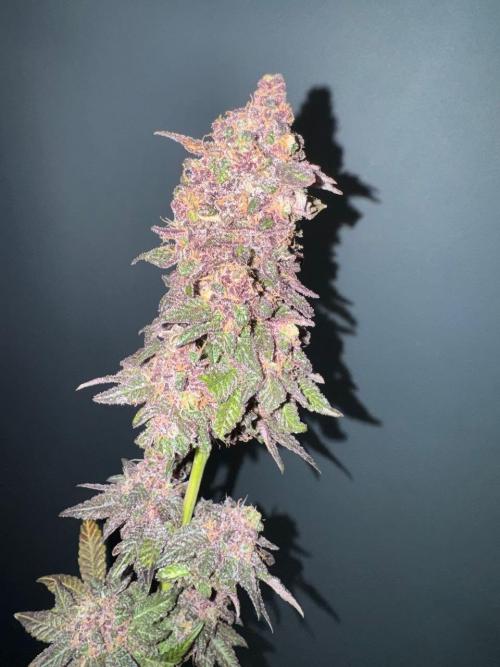
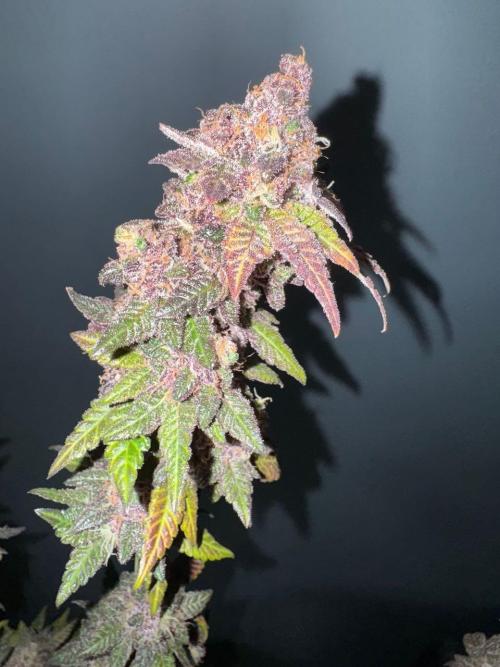
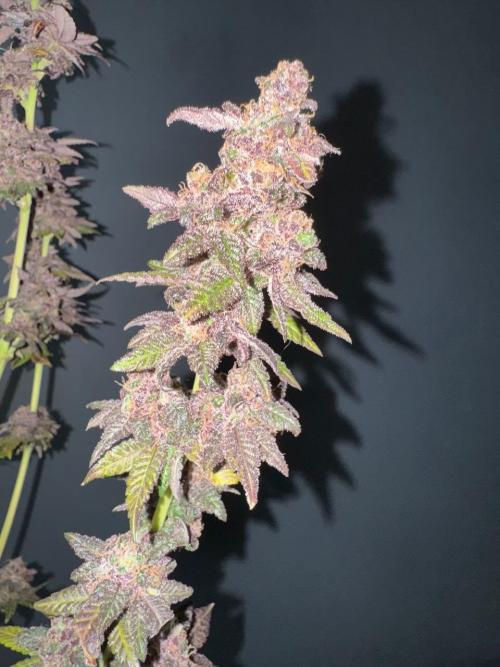
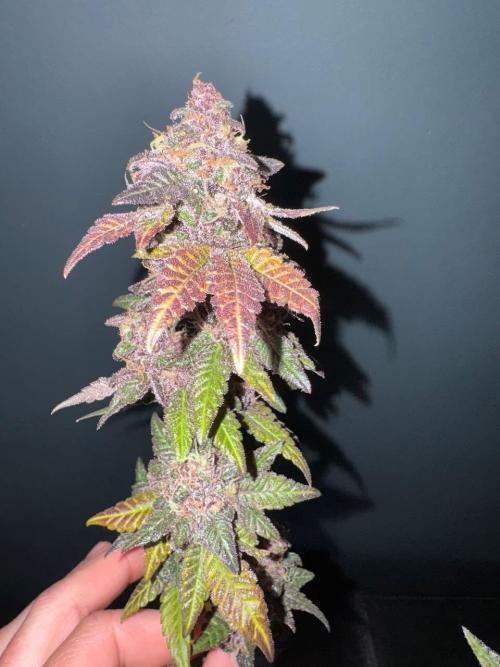
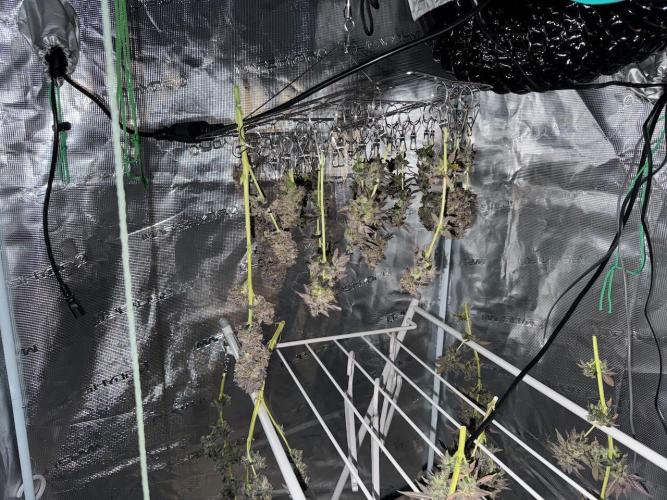
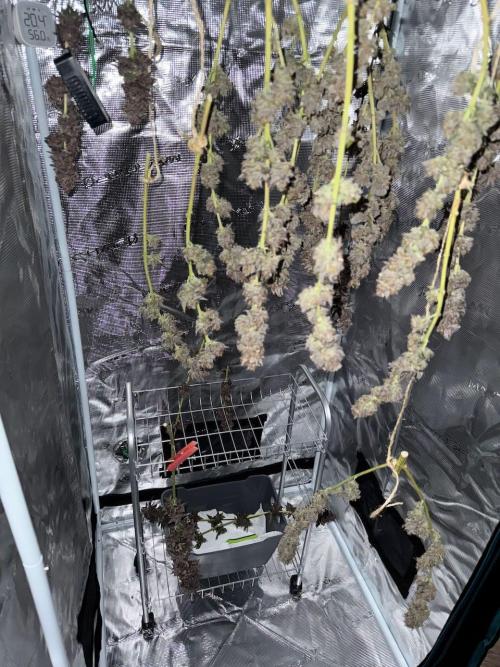
pinknite =)
8 likes
comments
Share
Equipment Reviews







19
Week 19. Harvest7d ago
Happy Harvest Day!
8/10
Rated
Spent 129 days
Ger Veg Flo Har
190 g
Bud wet weight per plant
65 g
Bud dry weight per plant
1
Plants
1 m²
Grow Room size
Normal
Difficulty
Height
Day air temperature
Air humidity
PH
Light schedule
Solution temperature
Night air temperature
Substrate temperature
Pot size
Lamp distance
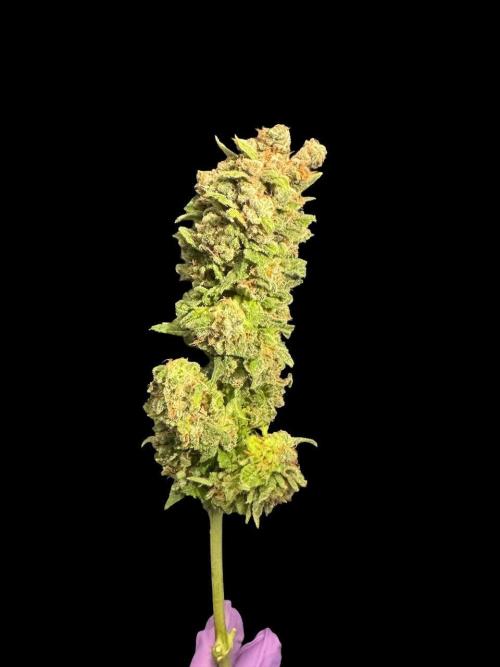


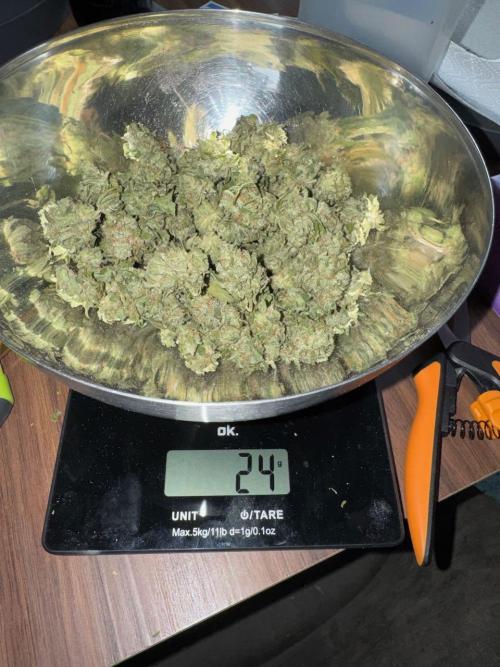
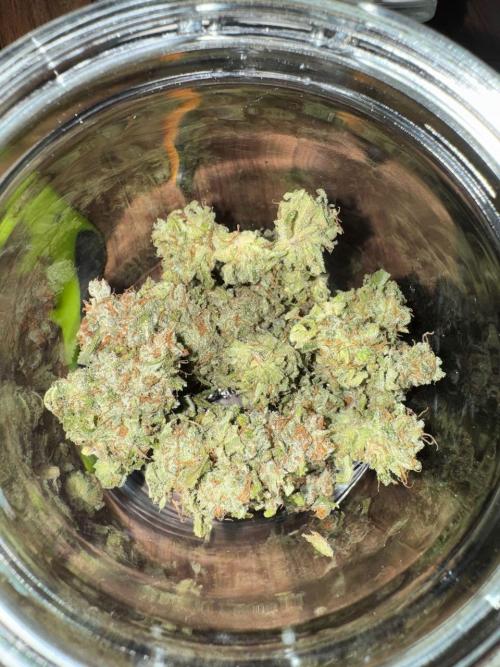

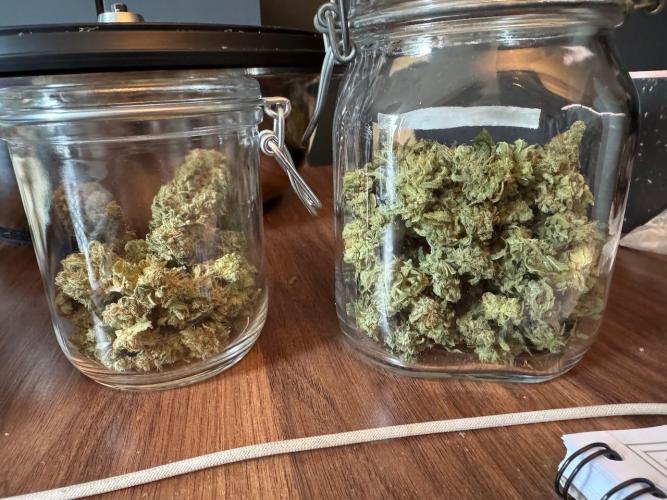
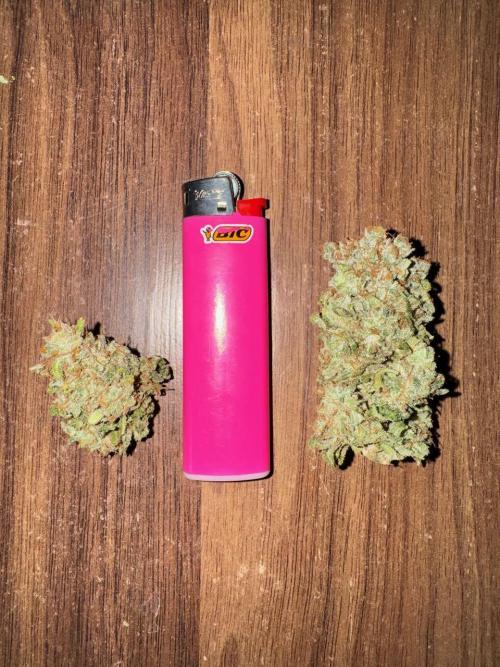
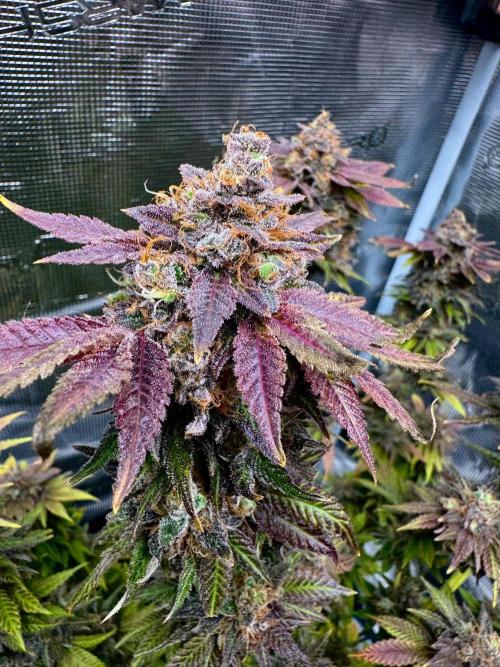
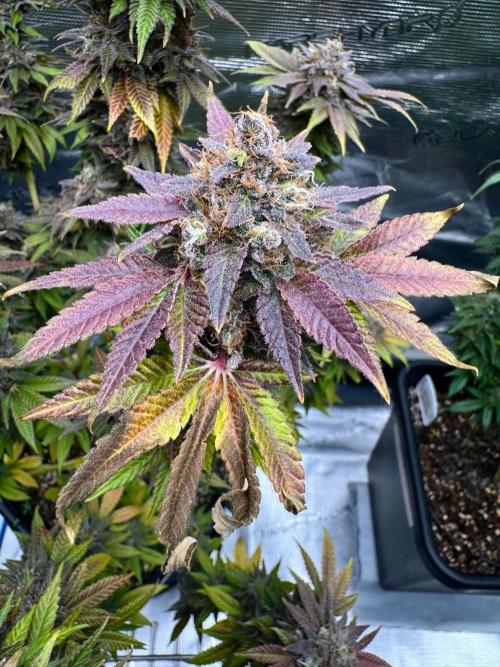
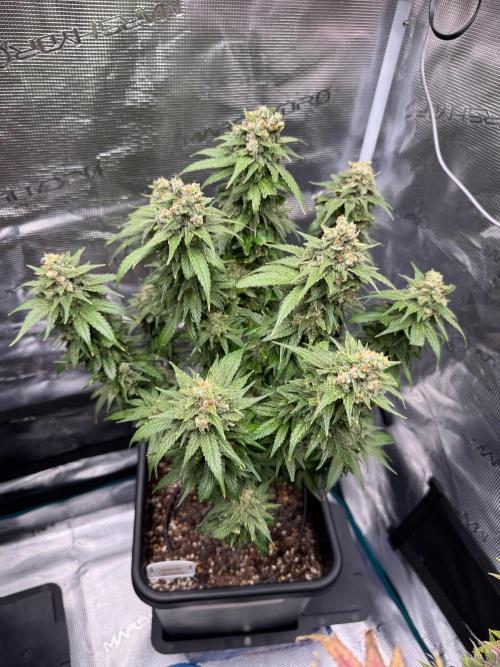
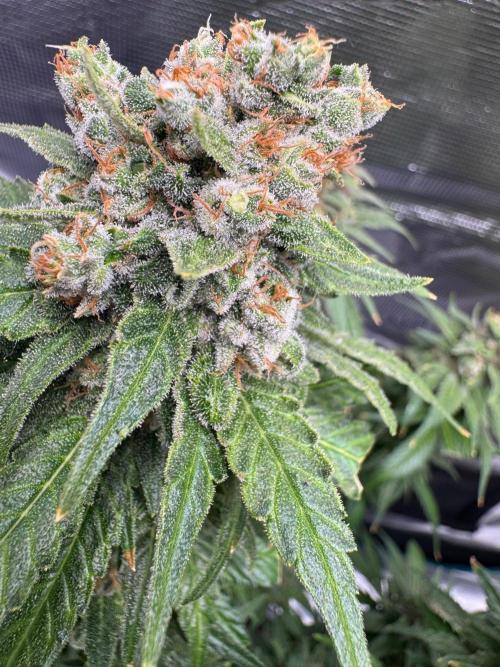
pinknite 👀 HARVEST OBSERVATIONS
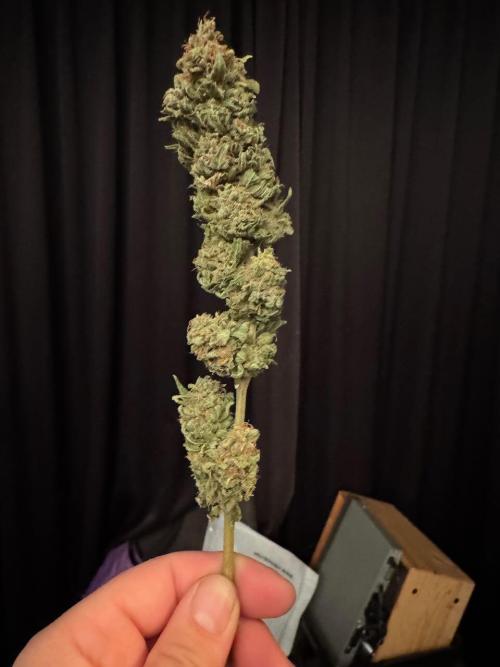
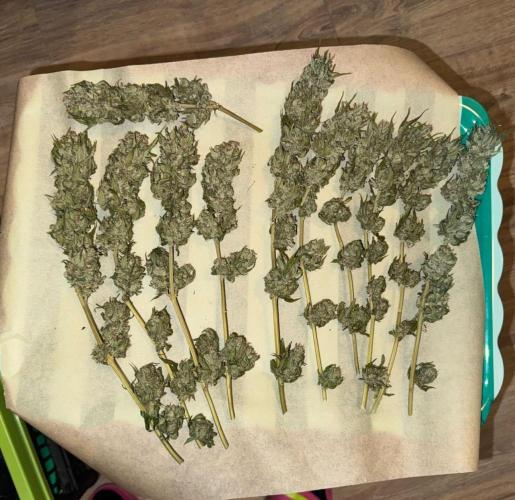
Beautiful, compact flowers visible in the photos.
Buds of various sizes, ranging from smaller "popcorn buds" to larger main colas.
Flowers generally well-covered.
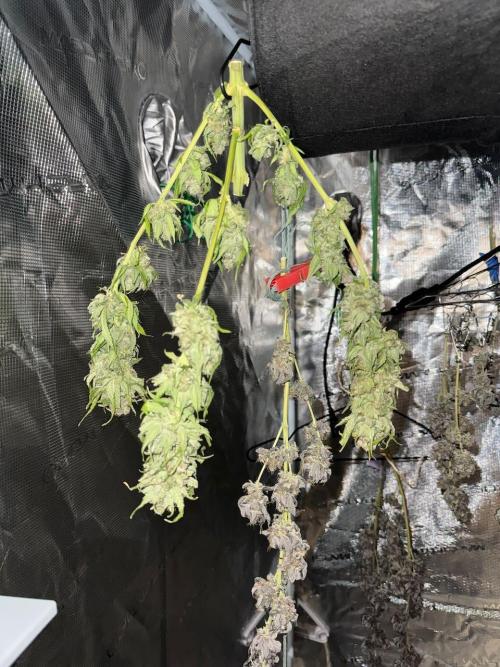
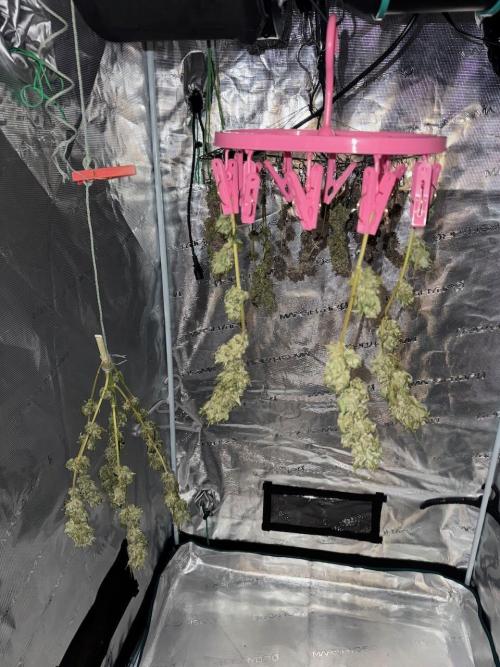
Wet weight recorded including stems.
After drying/trimming: 65 g of usable dry buds prior to further curing.
7 likes
4 comments
Share
Equipment Reviews

the end.
Enjoying this diary? Follow for more updates!

Prefer the old Diary view?
Go back to the old Diary view