


Φἐπίνοια


A2O
Ultraviolet




VEG
FLO


Fan
8" Outline
8" Outline
Fan
4" Inline
4" Inline
Fan
4" Differential
4" Differential

Cond
AC/Dehumidifer 2in1 12,000 btu
Hisense

Drip
Terracotta Stakes
Terracotta Stakes

CO2
Mother nature
Microorganisms

VEG
Custom Soil
Homemade 6 year soil.

Indoor
Room Type
HST
weeks 14
Topping
weeks 3
LST
weeks 4-6, 12
Defoliation
weeks 5-6
379 liters
Pot Size
Start at Harvest
G
Germination4mo ago
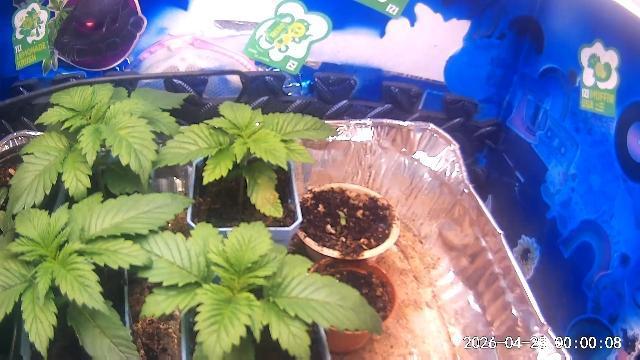
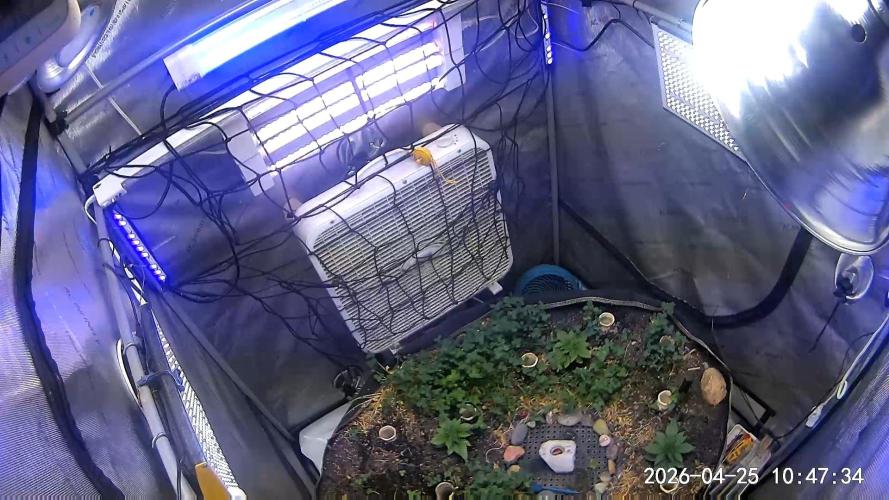

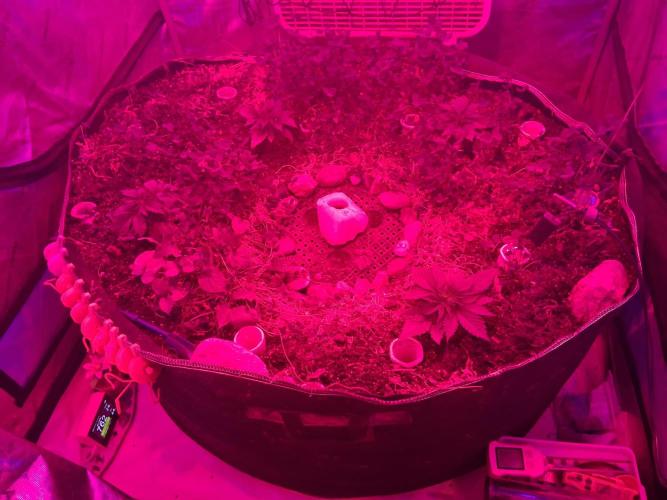
Altitonans_Fulmen "The thoughts shared in this journal are my own—a snapshot of personal understanding at the exact moment of writing. It is not intended as a reference of absolute fact, but rather as an exercise in ἐπίνοια (epinoia): an exploration of thought, intuition, and creative insight."
The Magistry:
"Through want of skill and reason's light
Men stumble at noon day;
Whilst busily our Stone they seek,
That lieth in the way.
Who thus do seek they know not what
Is it likely they should find?
Or hit the mark whereat they aim
Better than can the blind?
No, Hermes' sons for Wisdom ask,
Your footsteps she'll direct:
She'll Nature's way and secret cave
And Tree of Life detect.
Son and Moon in Hermes' vessel
Learn how the colors show;
The nature of the elements,
And how the daisies grow.
Great Python how Apollo slew,
Cadmus his hollow oak:
His new raised army, and Jason how
The fiery steers did yoke.
The eagle which aloft doth fly
See that thou bring to ground,
And give unto the snake some wings,
Which in the earth is found.
Then in one room sure bind them both,
To fight till they be dead,
And that a Prince of Kingdoms three
Of both them shall be bred.
Which from the cradle to his crown
Is fed with his own blood;
And though to some it seems strange,
He hath no other food.
Into his virgin mother's womb
Again he enter must;
So shall the King by his new birth,
Be ten times stronger just.
And able is his foes to foil,
The dead he will revive:
Oh, happy man that understands
This medicine to achieve!"
4 likes
comments
Share
Used method
Directly In Substrate
Germination Method
1
Week 1. Vegetation4mo ago
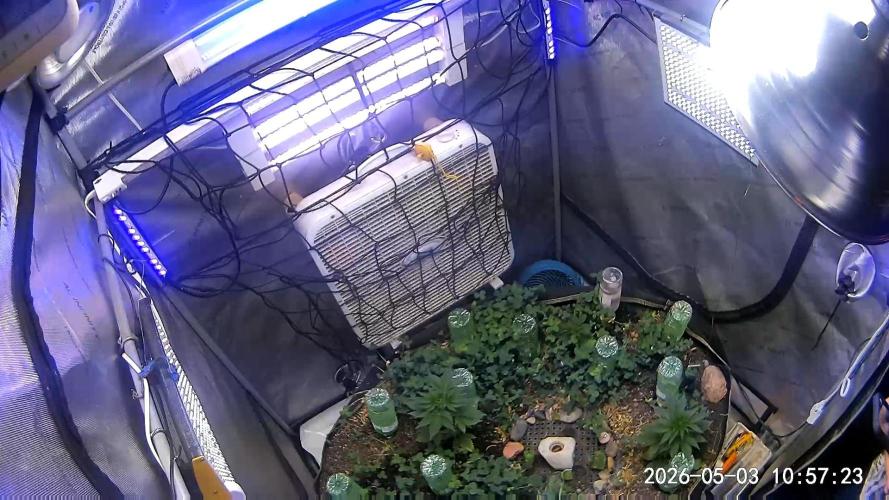
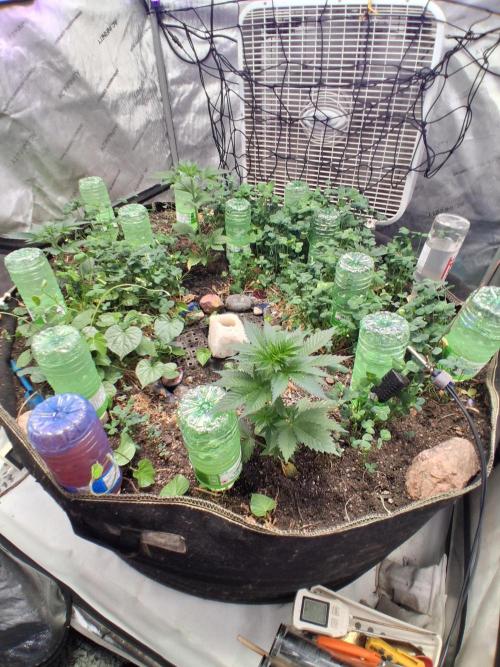
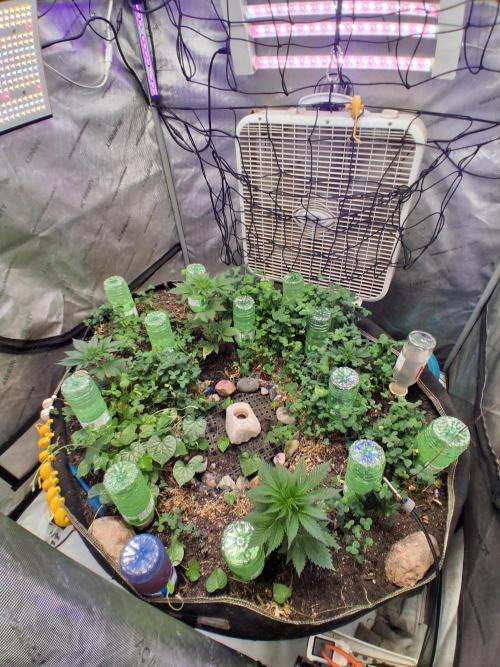
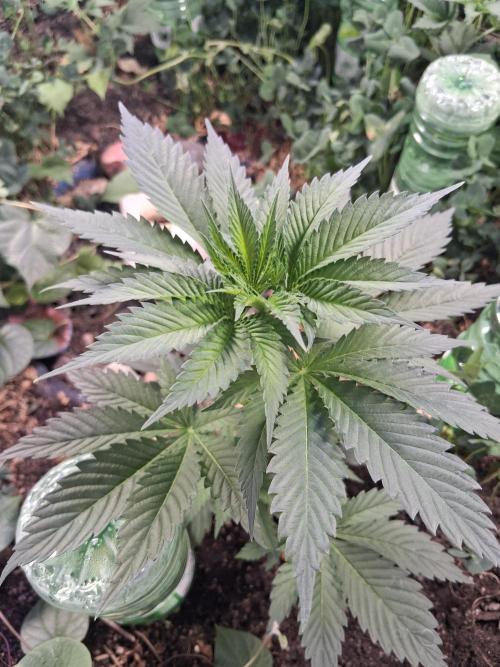
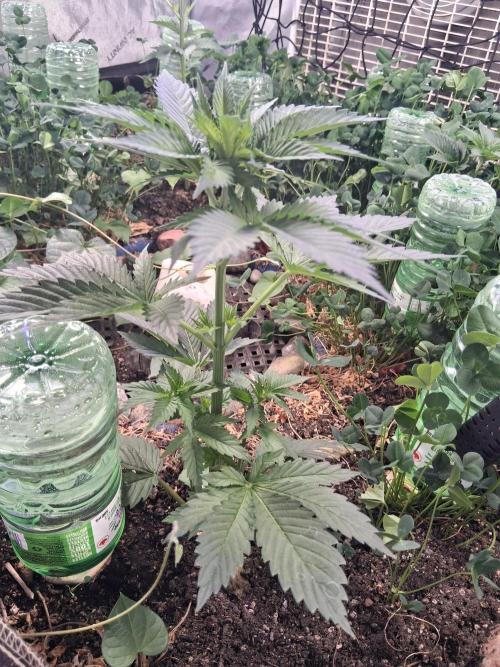
20.32 cm
Height
18 hrs
Light Schedule
29 °C
Day Air Temp
6.5
pH
No Smell
Smell
640 PPM
TDS
50 %
Air Humidity
22 °C
Solution Temp
21 °C
Substrate Temp
24 °C
Night Air Temp
378.54 liters
Pot Size
550 PPM
CO₂ Level
Altitonans_Fulmen "And God said, Let there be light, and there was light." Genesis 1:3
Moringa is a highly nutrient-dense plant, often called the "miracle tree" or "tree of life" due to its impressive nutritional profile and potential health benefits. It's particularly rich in vitamins, minerals, antioxidants, and other bioactive compounds, making it a valuable resource for addressing malnutrition and promoting overall health. Containing over 92 verifiable nutrients, Moringa oleifera is found to be the most nutrient-dense plant on earth. As far as we know, this is the only place online where we list all 92 (and more) nutrients of the Moringa tree, and we list all 46 antioxidants of the Moringa tree too. Deep in the Himalayas is a tree called Moringa oleifera, also known as the drumstick tree, and throughout the subtropics, this tree is cultivated for its amazing health benefits.
This amazing tree has the ability to grow in an array of conditions, and its health benefits are astonishing. The drumstick tree contains a staggering 92 nutrients and 46 natural antioxidants, and it also holds a number of anti-inflammatory compounds. The sheer number of nutrients found in this tree brings it to the top of the superfoods list, and in its native locations, it is said to have the ability to help treat more than 300 diseases and illnesses.
To give you an idea, just a single serving of the Moringa tree contains: 4 times the amount of calcium in the same amount of milk. More vitamin C than 7 oranges. Double the protein and 3 times the amount of potassium in a banana. Its high antioxidant levels can help fight free radicals, potentially slowing down the ageing process and promoting longevity. It is thought to be able to help lower cholesterol levels and regulate blood pressure, due to the high levels of niacin and vitamins B3 and B10.
A serving of 100g of this tree gives:
Over 8g protein
Over 400mg potassium
Nearly 450mg calcium
164mg vitamin C
738 ¼g of vitamin A.
Moringa also contains vitamins B1, B2, B3, B6, B7, A, C, K, E and D. Amino Acids: In addition, it contains various other nutrients, including the following essential amino acids:
Threonine – a nutrient that helps metabolism and prevents fatty buildup in the liver. It also aids digestion.
Isoleucine – good for a healthy brain and helps to give the body natural energy.
Leucine – works hand in hand with isoleucine to increase energy levels.
Phenylalanine – aids communication between the brain’s nerve cells and also helps to reduce hunger pangs as well as increasing alertness and improving memory.
Tryptophan – supports your immune system, and its mood-boosting ability helps to beat depression and anxiety-associated insomnia. It also reduces the risk of heart attack and lowers bad cholesterol levels.
Lysine – aids the absorption of calcium into the bones, supports antibodies and regulates various hormones as well as inhibiting the growth of virus cells.
Methionine – provides the body with sulphur as well as helping to lower cholesterol. It also supports the liver, kidneys, and helps keep skin, hair and nails healthy.
Valine – helps to keep the mind calm.
There are other amino acids in Moringa too, which are not essential to the body but are still beneficial in supporting health. These include histidine, alanine, glutamic acid, arginine, cysteine, proline, aspartic acid, glycine, serine, and tyrosine. Moringa seeds contain oils that hold high levels of oleic acid, which may act to reduce inflammation.
"God is light, and in Him is no darkness at all." John 1:5.
4 likes
comments
Share
2
Week 2. Vegetation4mo ago
25.4 cm
Height
18 hrs
Light Schedule
29 °C
Day Air Temp
6.5
pH
No Smell
Smell
640 PPM
TDS
50 %
Air Humidity
22 °C
Solution Temp
21 °C
Substrate Temp
24 °C
Night Air Temp
378.54 liters
Pot Size
700 PPM
CO₂ Level
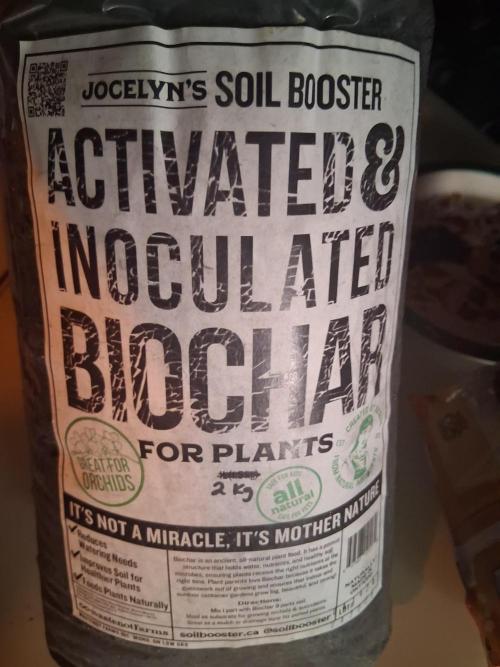
Altitonans_Fulmen Wakíŋyaŋ, I am who I am, the salt of the earth. The concentration of oxygen in water is higher than in soil that is saturated with water. Water culture generally contains more oxygen than waterlogged soil because it is often changed from time to time. Also, oxygen moves about 10,000 times slower in water than it does in the air, but moves much more slowly (320,000 times less than in air) when the soil pores are filled with water
6 likes
comments
Share
3
Week 3. Vegetation4mo ago
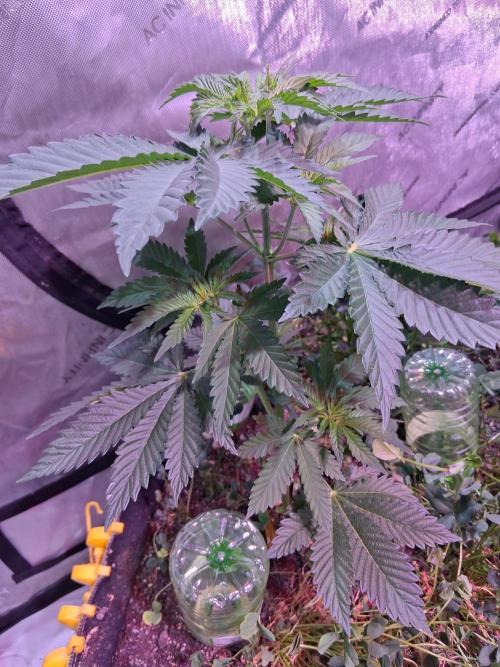
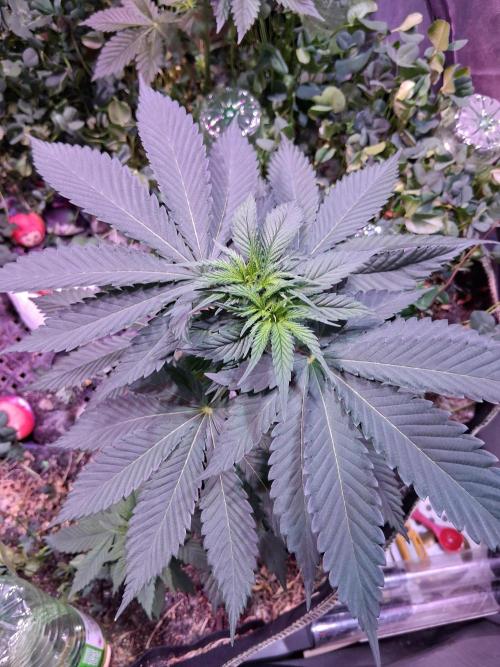
35.56 cm
Height
18 hrs
Light Schedule
29 °C
Day Air Temp
6.5
pH
No Smell
Smell
640 PPM
TDS
50 %
Air Humidity
22 °C
Solution Temp
21 °C
Substrate Temp
20 °C
Night Air Temp
378.54 liters
Pot Size
800 PPM
CO₂ Level
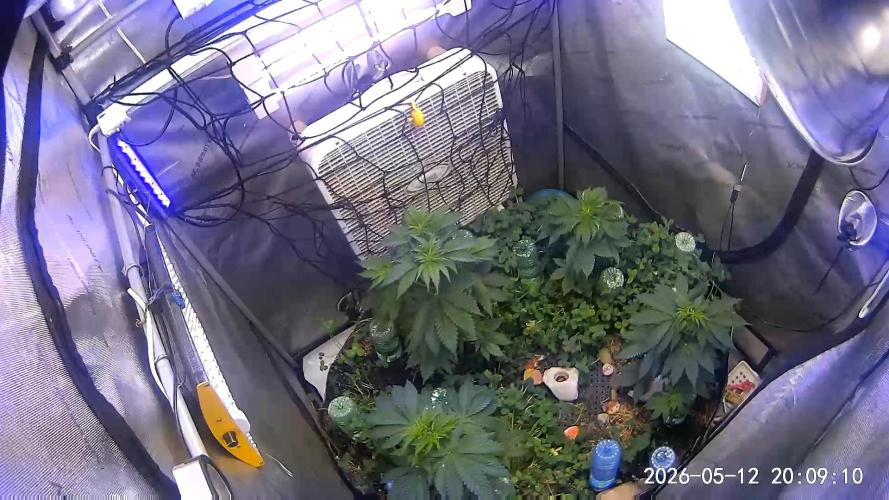
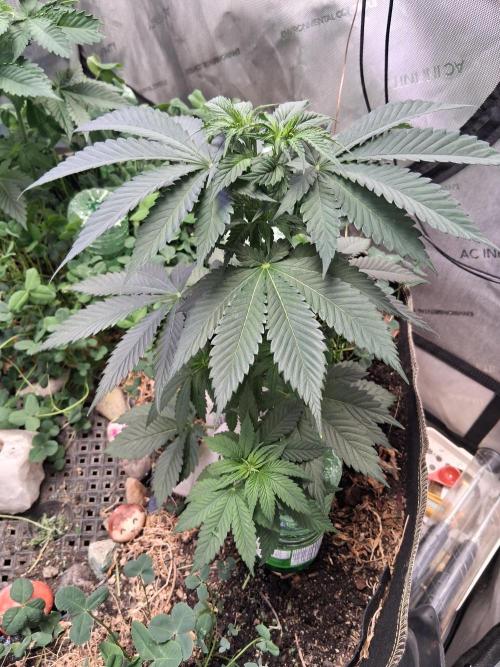
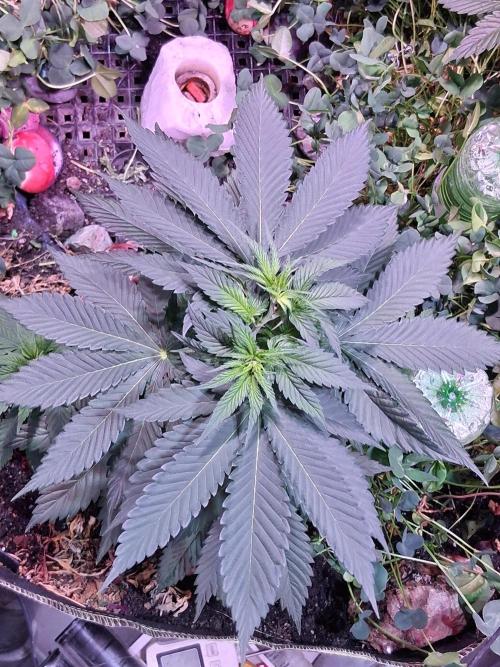
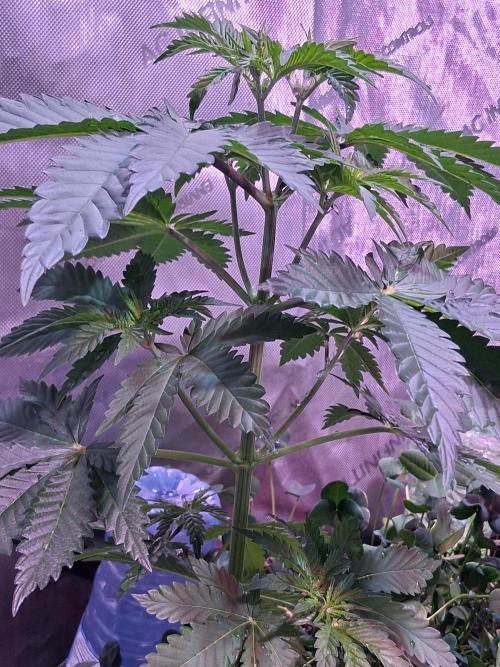
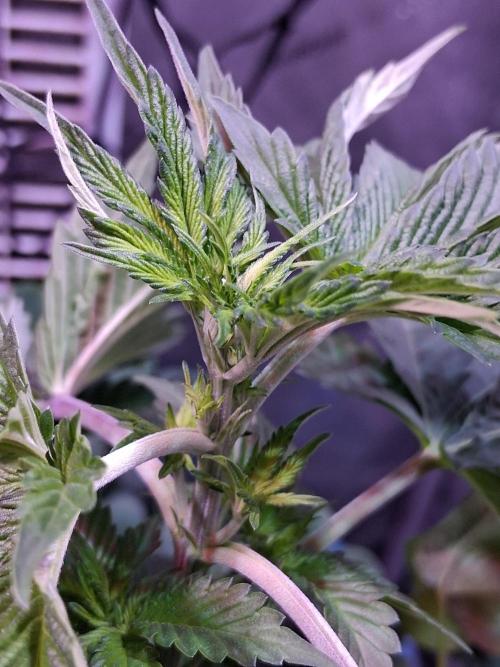
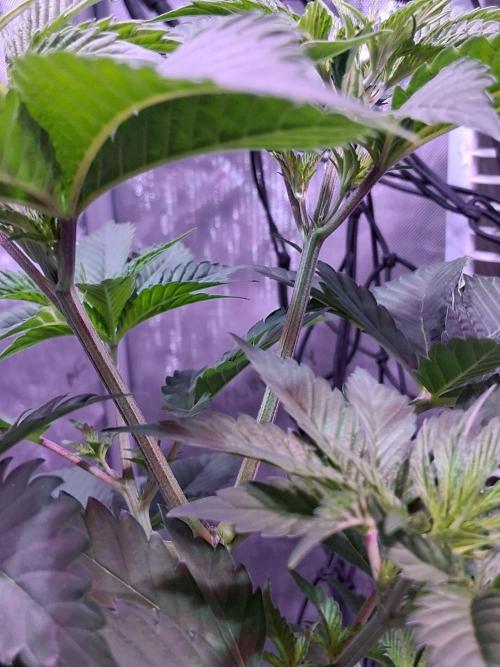
Altitonans_Fulmen Topped once, turned off IR @ nights, slowed vertical growth back down, and took off both of the very lowest internodes on each plant.
Eisenia fetida
Stratiolaelaps scimitus
Armadillidium vulgare
7 likes
1 comment
Share
Used techniques
Topping
Technique
4
Week 4. Vegetation4mo ago
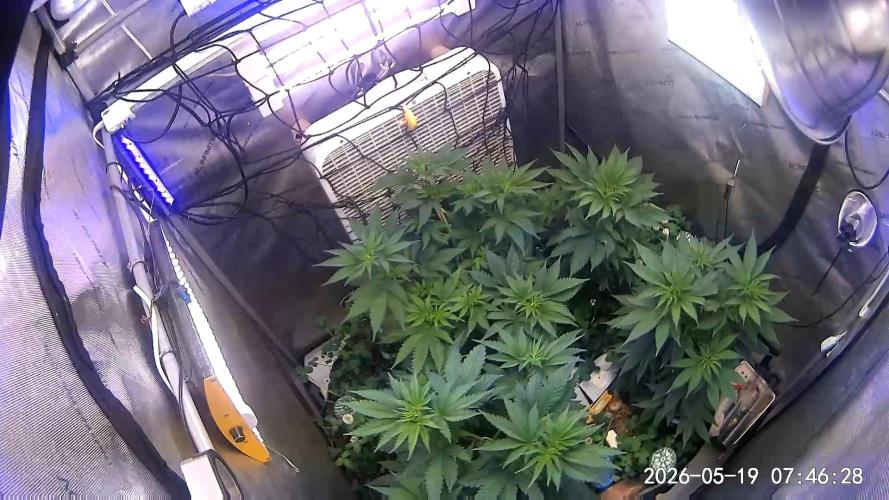
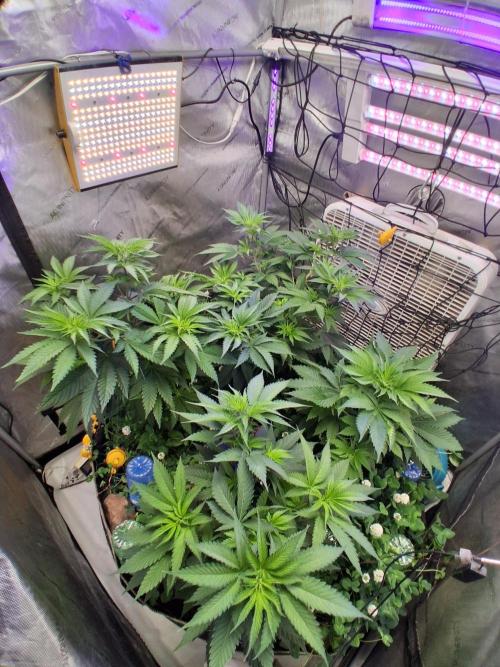
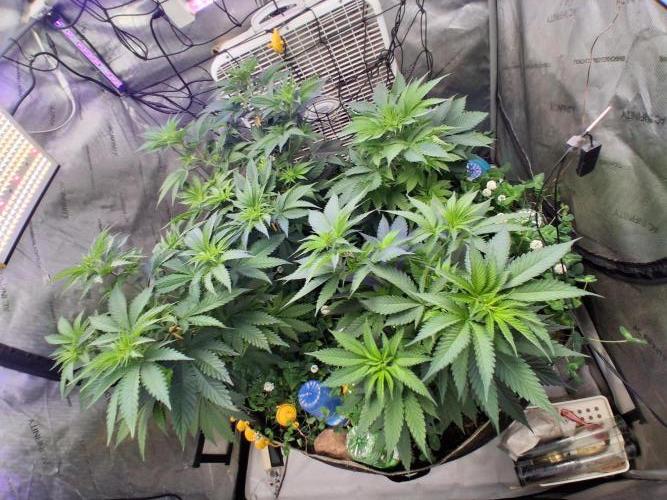
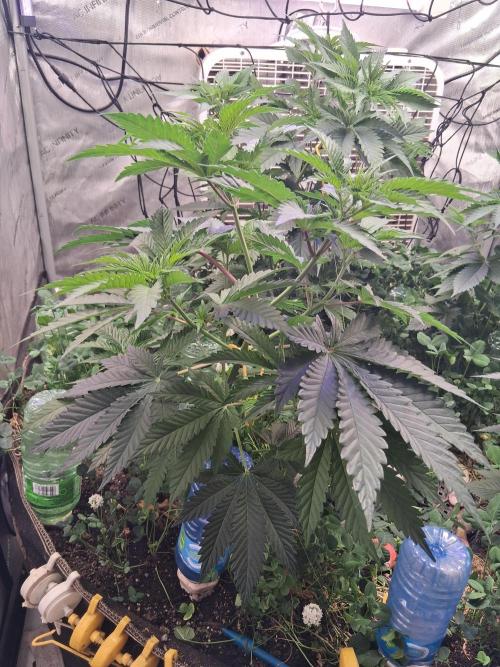
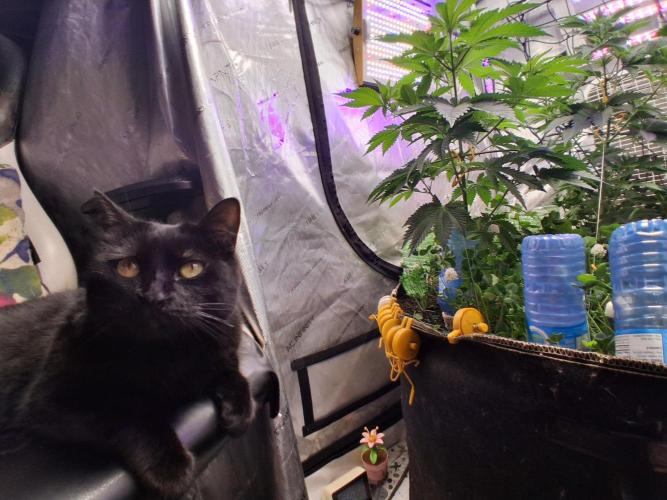
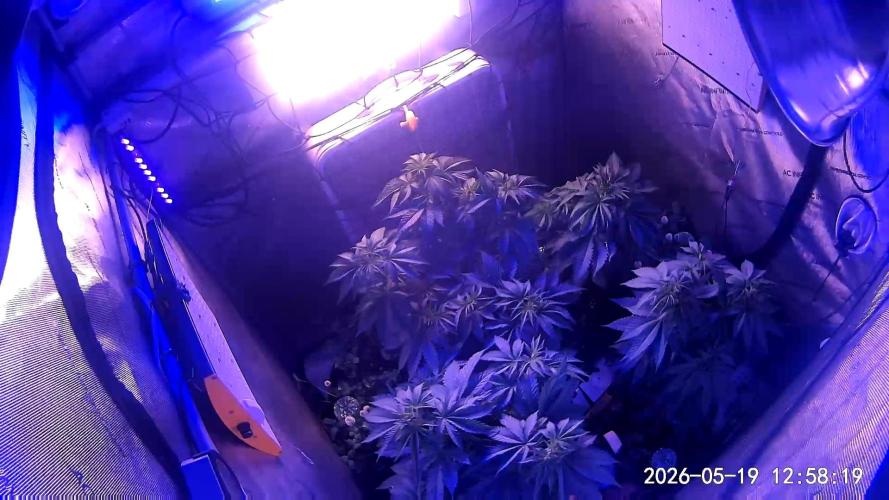
48.26 cm
Height
18 hrs
Light Schedule
29 °C
Day Air Temp
6.5
pH
No Smell
Smell
60 %
Air Humidity
22 °C
Solution Temp
22 °C
Substrate Temp
20 °C
Night Air Temp
378.54 liters
Pot Size
7.99 liters
Watering Volume
800 PPM
CO₂ Level
Altitonans_Fulmen Remember that, however you are played, or by whom, your soul is in your keeping alone. Even though those who presume to play you be kings or men of power, when you stand before God, you cannot say, 'But I was told by others to do thus,' or that virtue was not convenient at the time. This will not suffice. Remember that.
Day:18
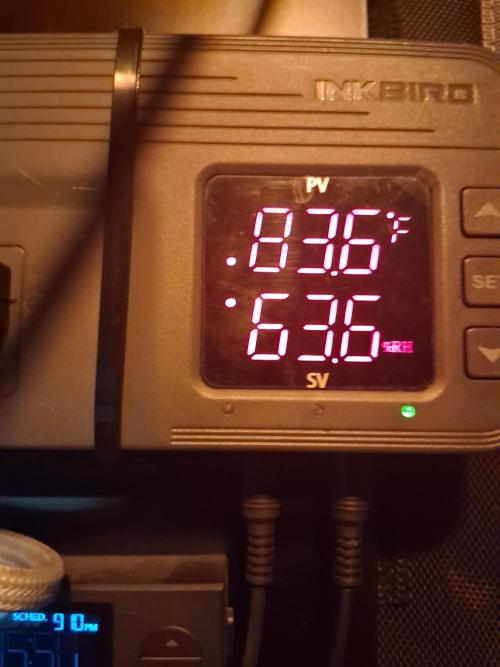
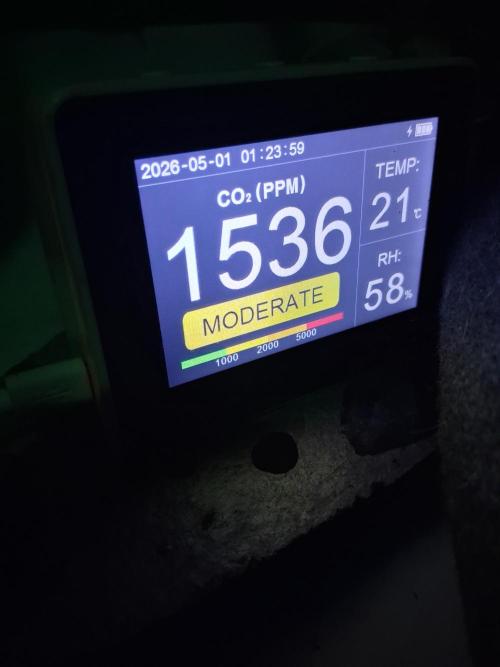
84°F and 65% RH (VPD) for the vegetative stage. Approximately 1.15kPa(assuming leaf temperature is about 2°F cooler than the air), which falls right into the ideal vegetative sweet spot (0.8kPa to 1.2kPa). At 1.15kPa, plants can draw water and nutrients efficiently without risking stress or wilting. It keeps the leaf pores (stomata) open, allowing for ideal carbon dioxide intake and maximizing vegetative growth. VPD is determined by the leaf's temperature, not just the ambient air. Because leaves usually run 1° to 3°F cooler than room air under bright grow lights, my actual VPD will be slightly lower, closer to the 1.0kPa mark. As she transitions from vegetative growth to flowering, one can gradually lower the humidity (to around 45–60%) and drop temperatures slightly to prevent disease from settling inside dense buds when they appear.
Night:6
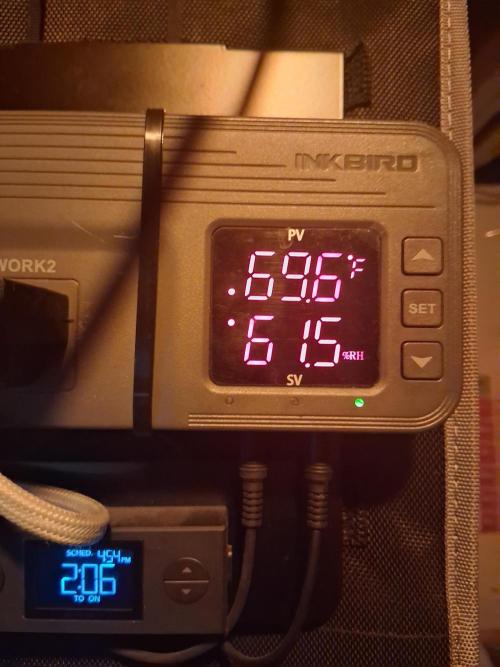
At 70°F and 60% relative humidity, Vapor Pressure Deficit (VPD) is 0.86 kPa. This is right on the cusp of whats optimal for the vegetative stage. During the nighttime, plants generally close their stomata and undergo cellular respiration rather than photosynthesis. Transpiration slows to a near stop, making VPD less critical at night than during the day. However, maintaining a nighttime VPD between 0.8 and 1.0 kPa is highly beneficial in that it ensures the air is dry enough to prevent powdery mildew or bud rot, but moist enough to keep the plant from undergoing unnecessary stress. This range keeps the environment comfortable for cellular processes and prevents large atmospheric swings. Keeping it all flowing.
(Not pushing them yet, these are photoperiods)
Phosphorus is the driving force behind early seedling development. It acts as the "energy hub" of the plant, directly driving cell division, robust root growth, and the creation of DNA. Without an adequate, easily accessible supply early on, the plant's overall growth potential and final yield can suffer permanently.
6 likes
comments
Share
Used techniques
LST
Technique
5
Week 5. Vegetation3mo ago
63.5 cm
Height
18 hrs
Light Schedule
28 °C
Day Air Temp
6.5
pH
No Smell
Smell
60 %
Air Humidity
22 °C
Solution Temp
22 °C
Substrate Temp
20 °C
Night Air Temp
378.54 liters
Pot Size
11.36 liters
Watering Volume
800 PPM
CO₂ Level
Nutrients 1

Microbes Bloom Stage
1.3 mll
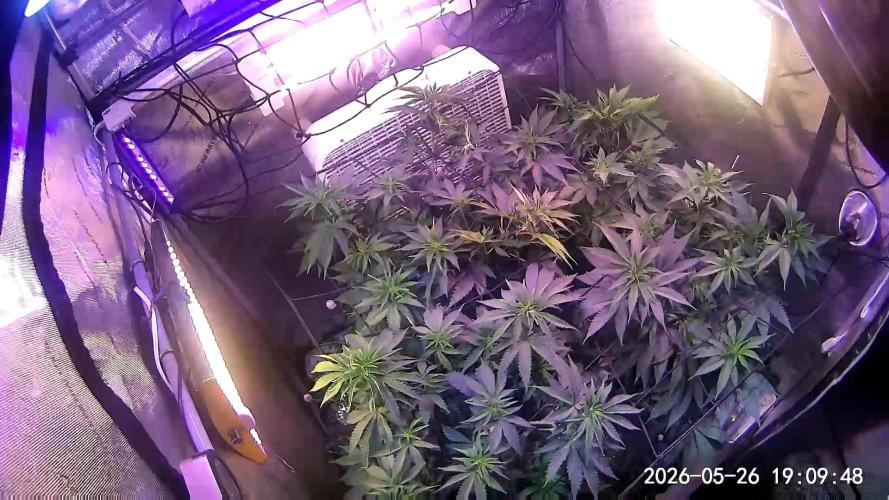
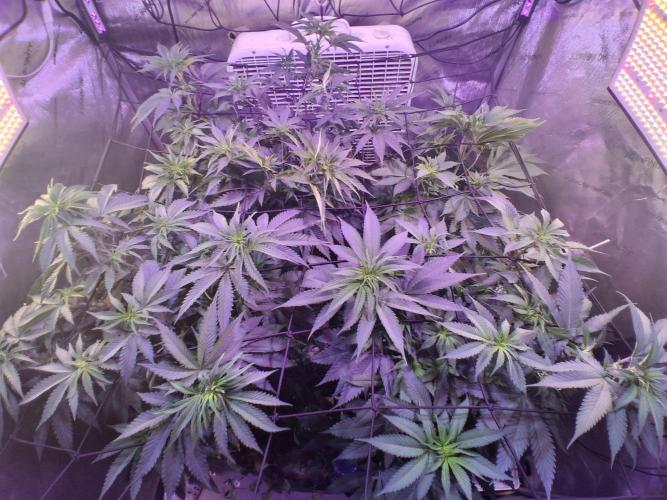
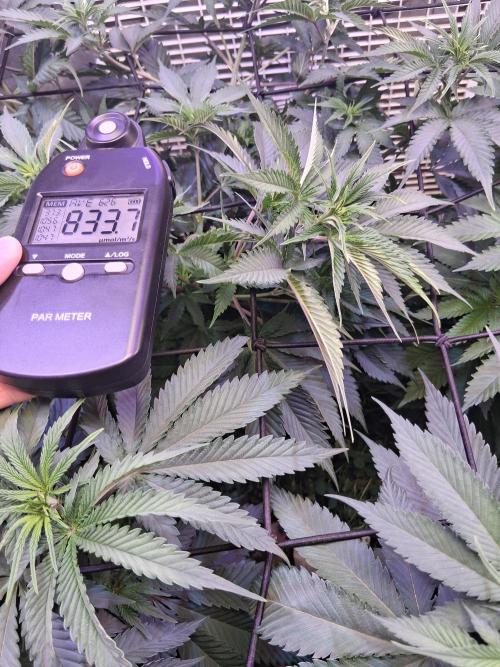
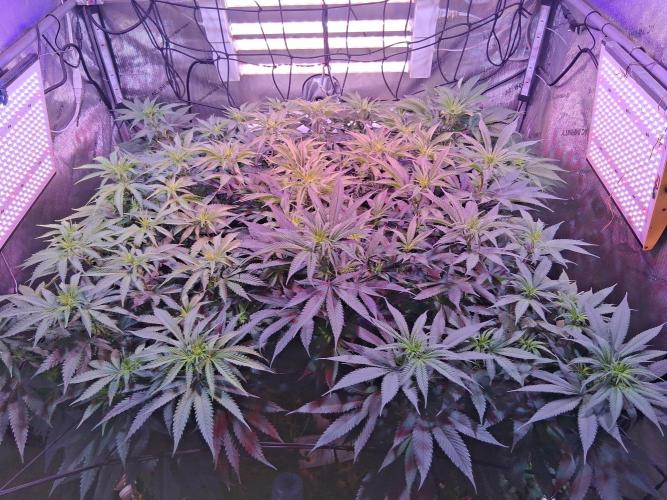
Altitonans_Fulmen 18 hours in seconds, 60x60x18 = 64,800 seconds, now multiply by the 833μMol/s reading off the PAR metre. μMol/s (micromol) is the unit in which P.A.R. is expressed.
64,800x833=53,784,000μMol
53,784,000μMol = 54 Mol
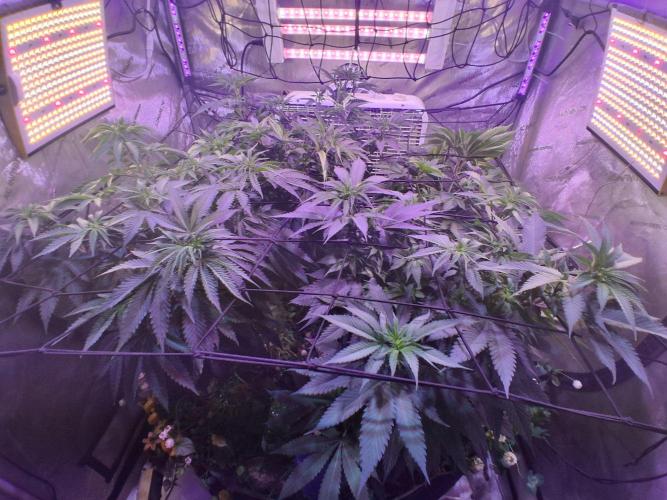
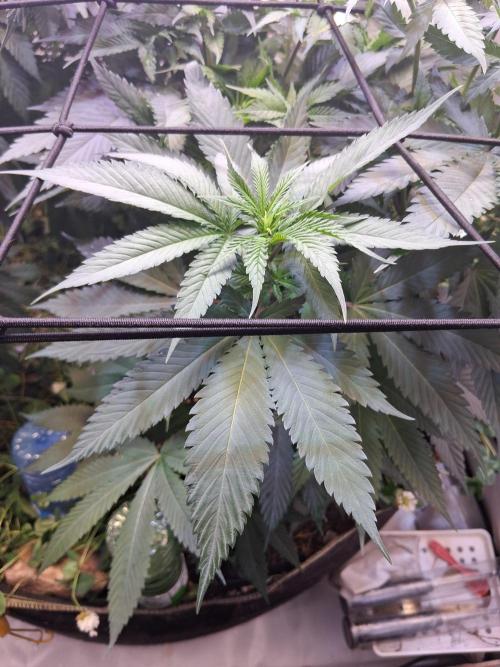
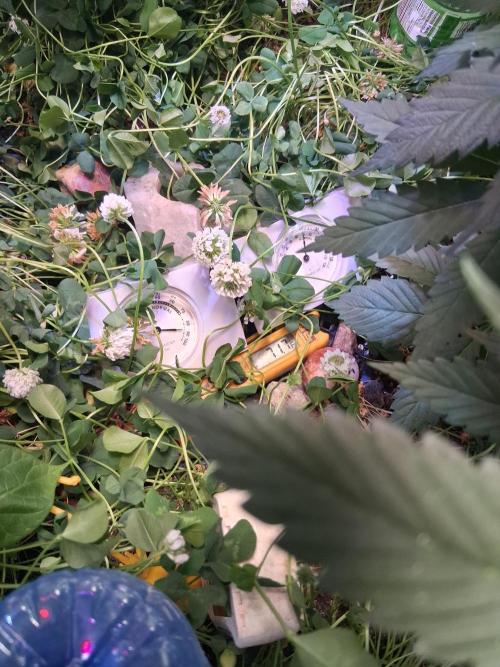
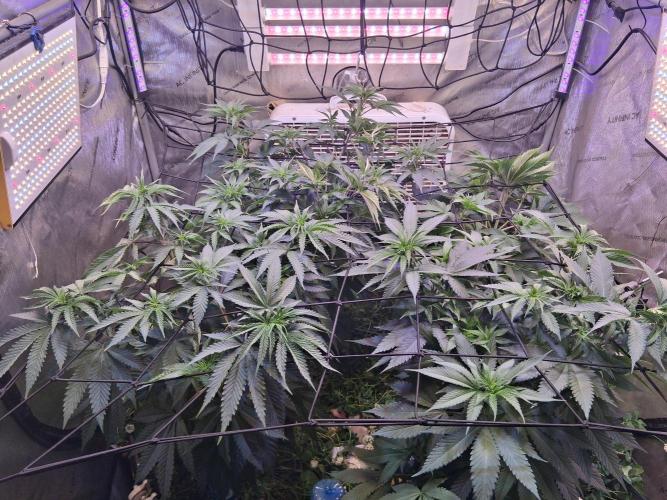
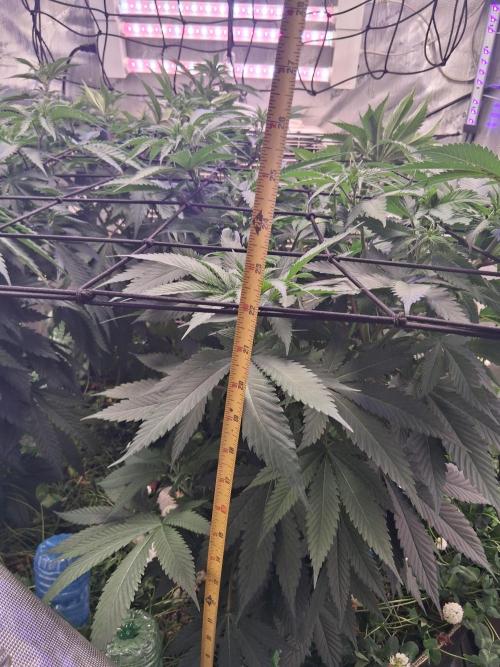
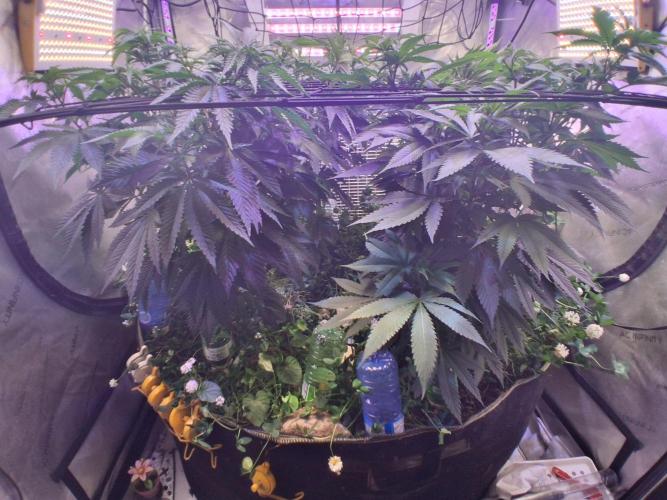
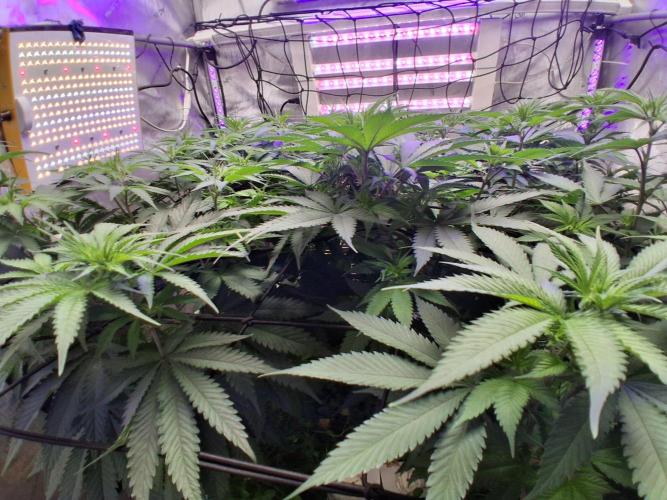
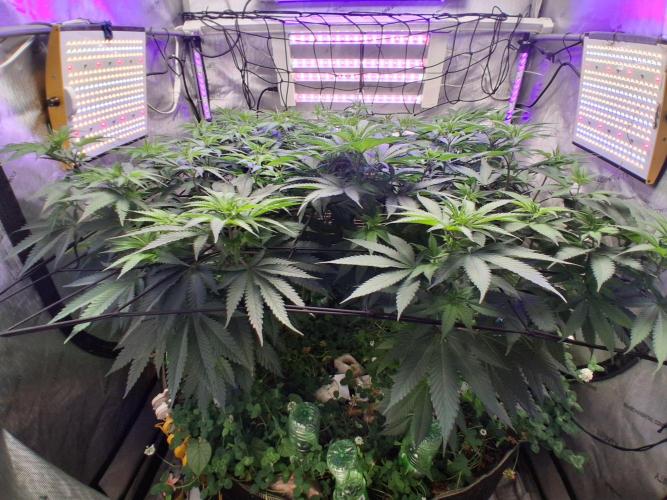
54 DLI @ 800ppm, powerful combination. Pushing photosynthesis to peak capacity, accelerated growth and increased biomass. Applied net, stretching her around for a week. Maintaining a minimum air velocity of 0.3m/s within the inner canopy.
7 likes
1 comment
Share
Used techniques
LST
Technique
Defoliation
Technique
6
Week 6. Vegetation3mo ago
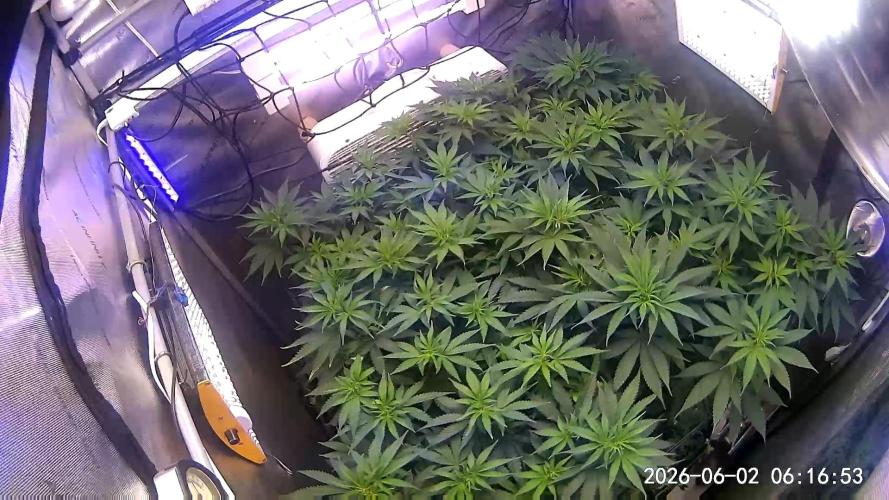
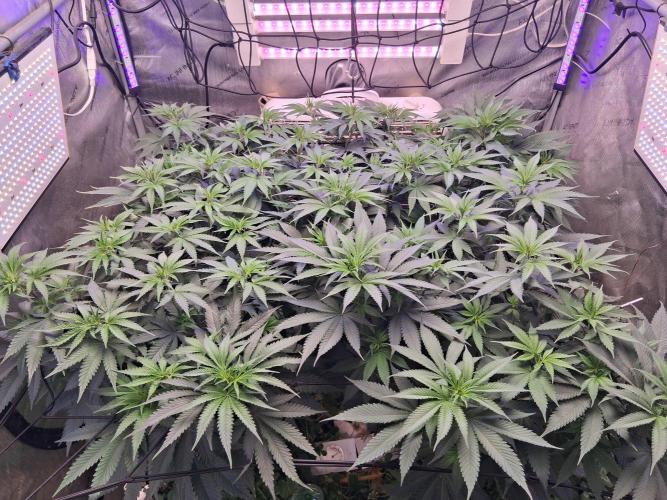
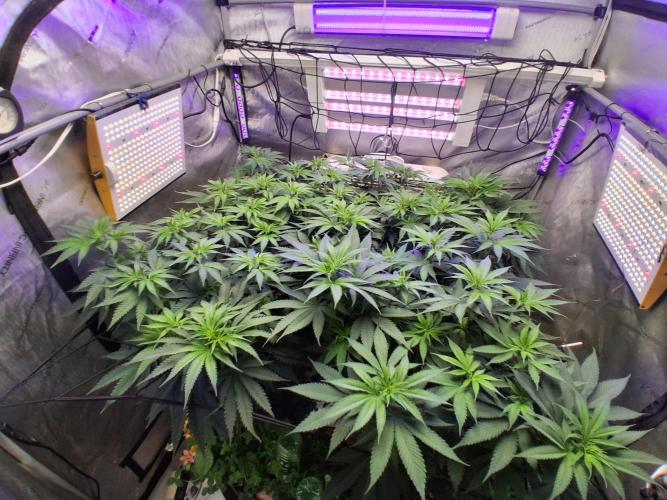
60.96 cm
Height
18 hrs
Light Schedule
31 °C
Day Air Temp
6.5
pH
No Smell
Smell
60 %
Air Humidity
22 °C
Solution Temp
22 °C
Substrate Temp
23 °C
Night Air Temp
378.54 liters
Pot Size
11.36 liters
Watering Volume
800 PPM
CO₂ Level
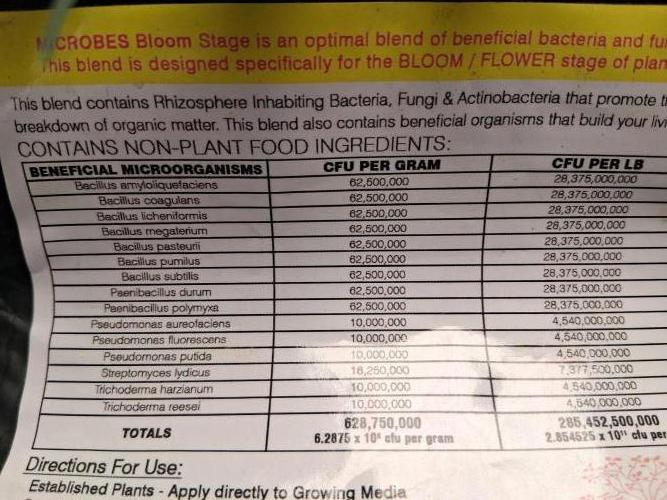
Nutrients 4
Microbes Bloom Stage
1.3 mll

RAW Yucca
0.7 mll

RAW Enzymes
0.7 mll
Altitonans_Fulmen The most important contribution that any man can make to a garden -- even more important than water or compost-- is the energy he himself puts into the soil while cultivating it.
4 likes
comments
Share
Used techniques
LST
Technique
Defoliation
Technique
7
Week 7. Flowering3mo ago
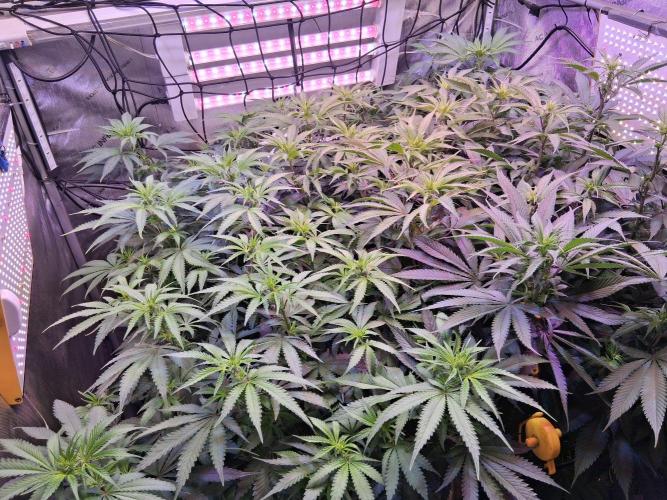
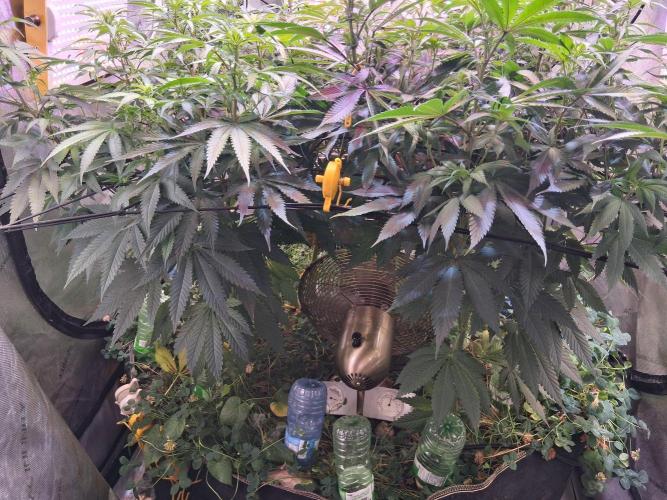
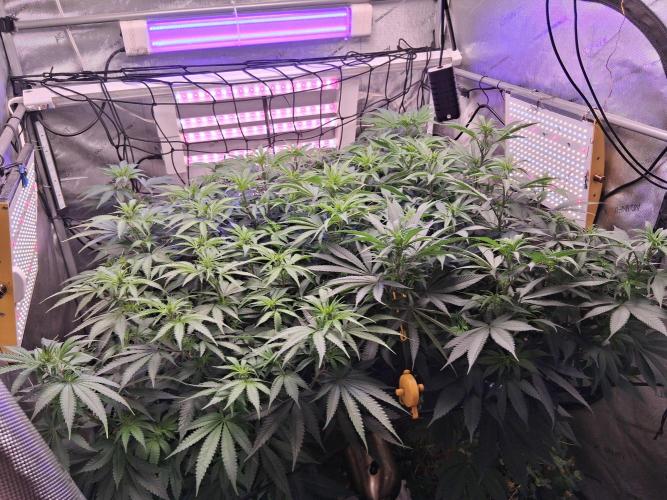
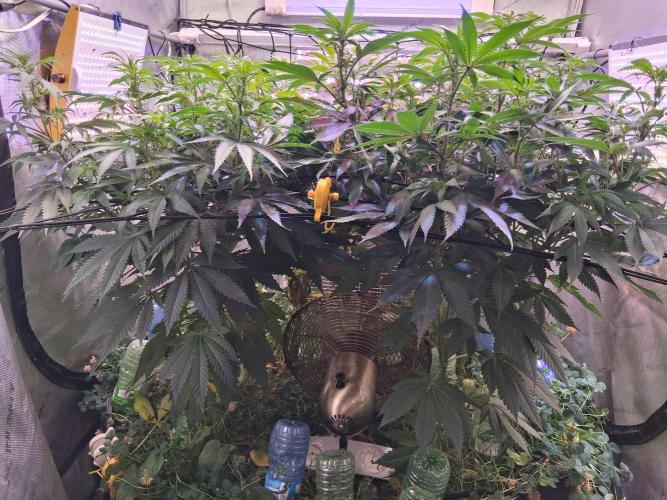
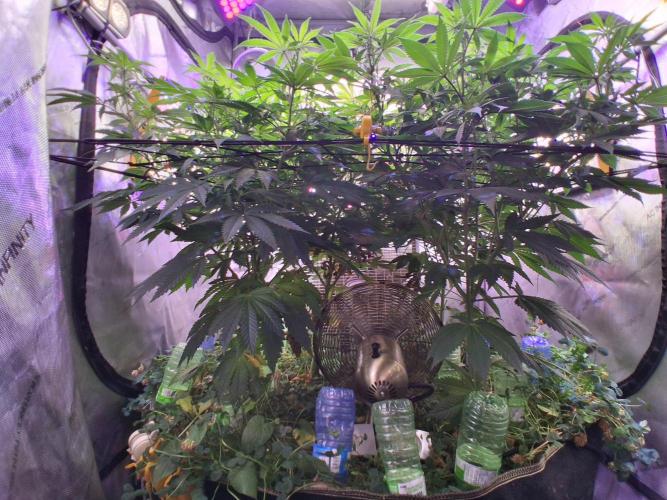
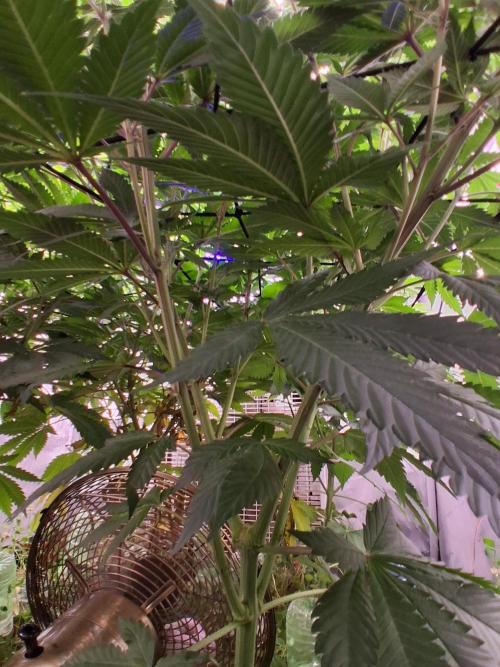
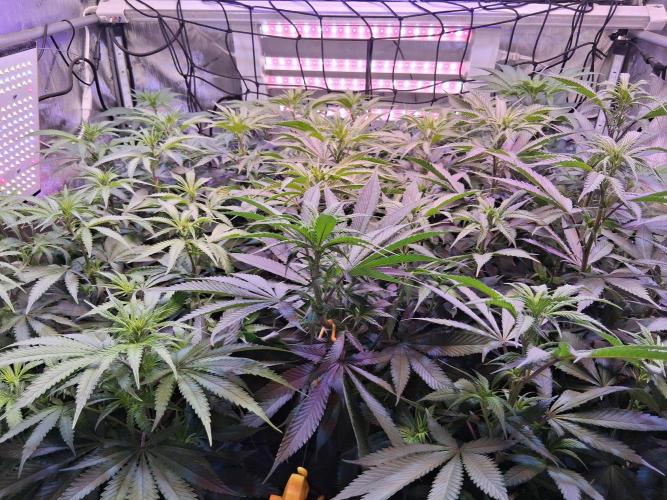
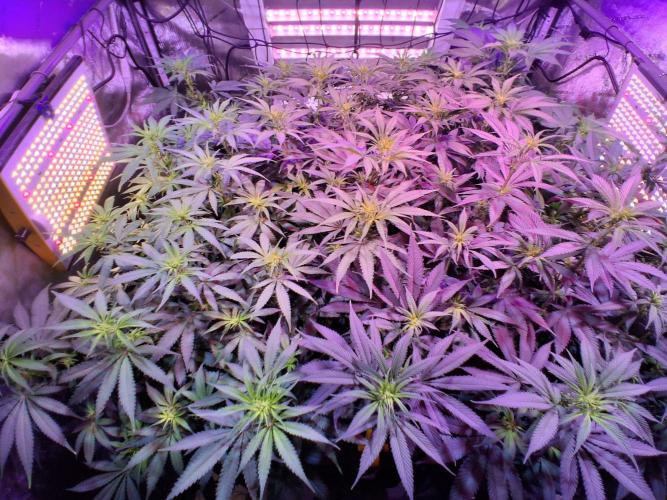
88.9 cm
Height
12 hrs
Light Schedule
31 °C
Day Air Temp
6.4
pH
No Smell
Smell
60 %
Air Humidity
22 °C
Solution Temp
22 °C
Substrate Temp
23 °C
Night Air Temp
378.54 liters
Pot Size
11.36 liters
Watering Volume
1400 PPM
CO₂ Level
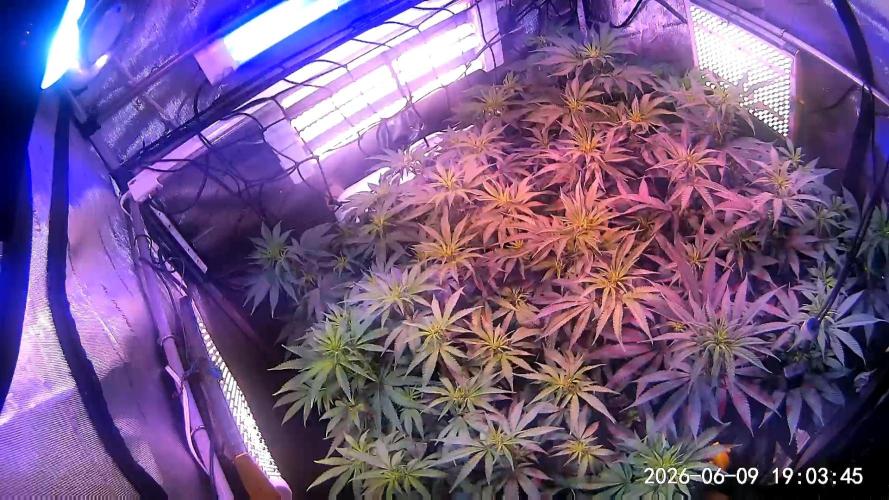
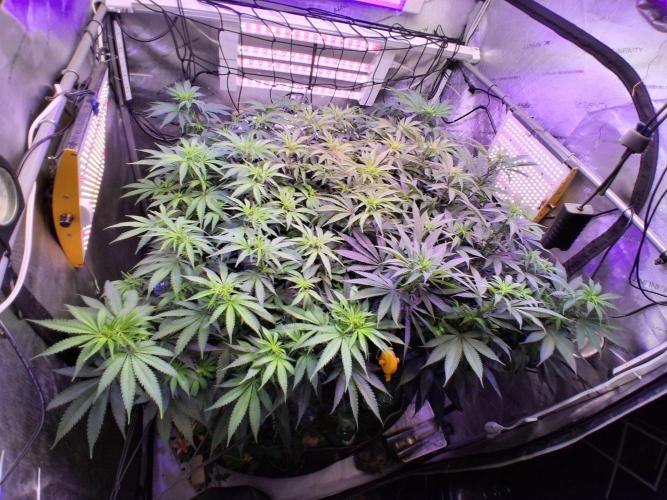
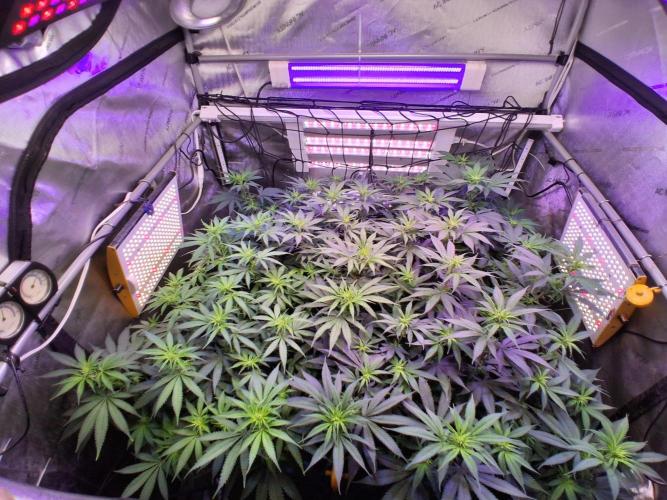
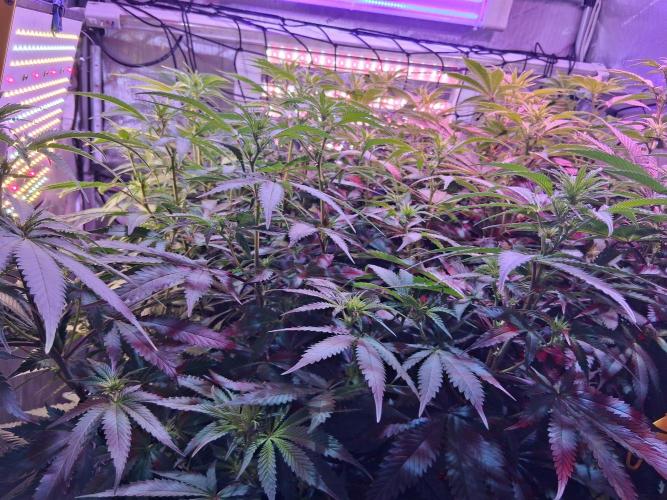
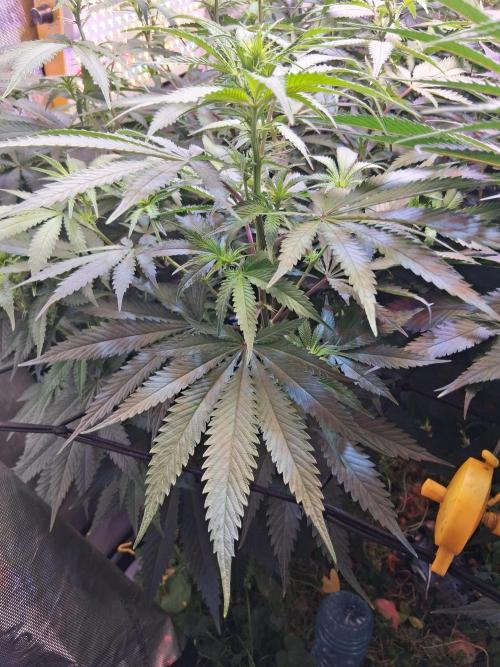
Altitonans_Fulmen The 8-9 week count begins the day you flip your lights to a 12/12 photoperiod, not when the seed sprouts or the first white hairs appear.
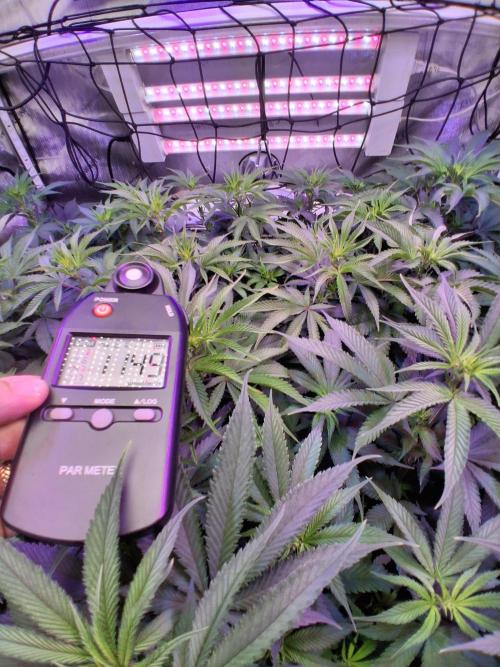
Moving from 18x60x60 = 64,800 seconds in 18 hours.
64800x860(ppfd) = 55,728,000 umol per daylight.
Into Flower
12x60x60 = 43,200 seconds in 12 hours.
43200x1145(ppfd) = 49,464,000 umol per daylight.
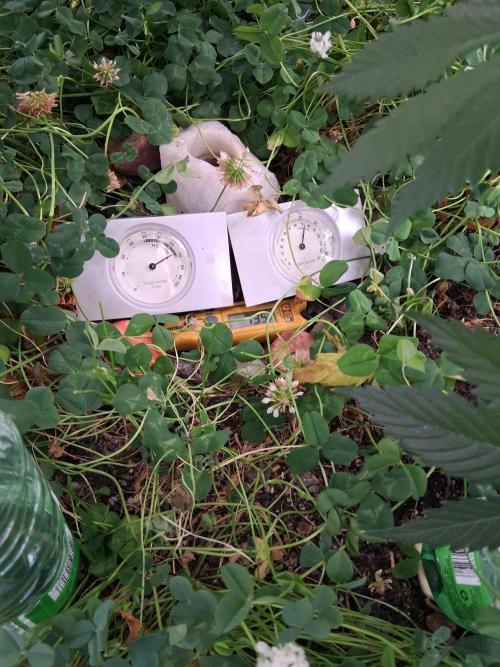
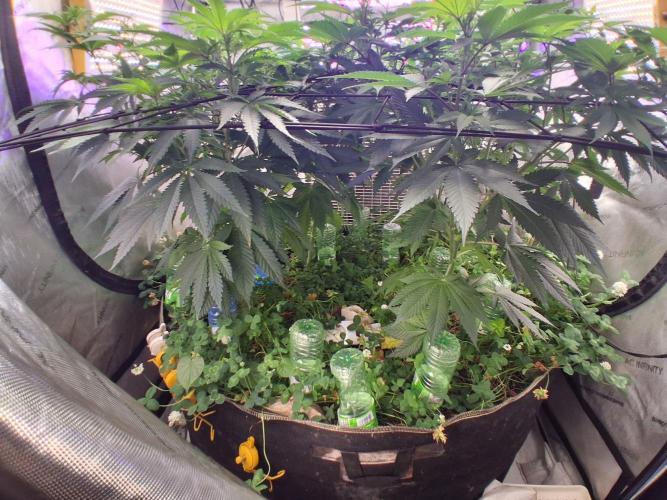
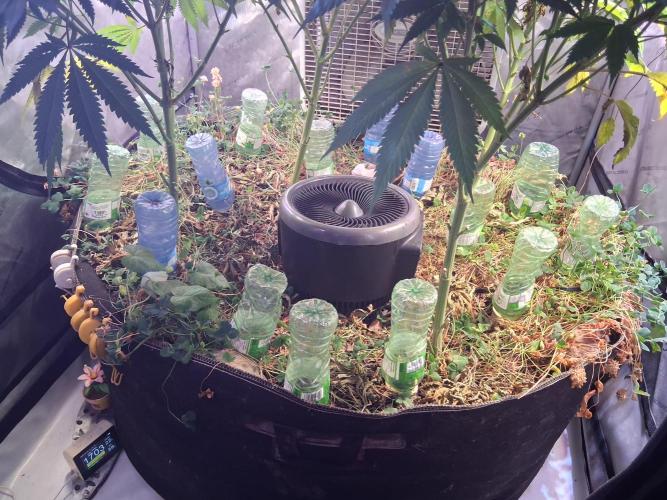
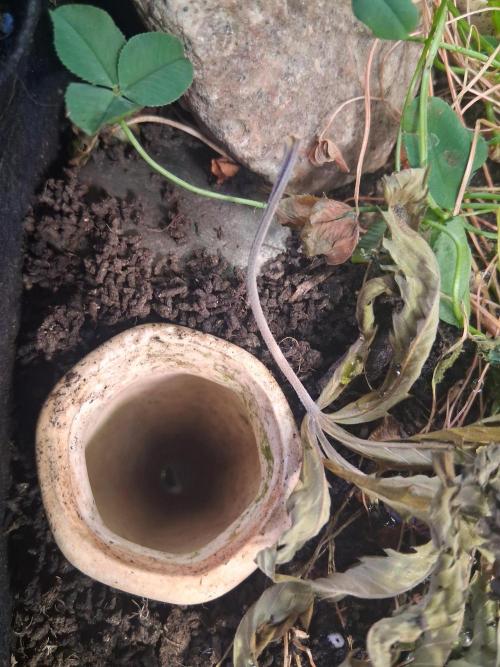
When the clover grows tall, you chop it down to feed the soil. This trick makes the dirt loose and lets air into the roots. Once your main plant gets big and blocks the sun, the clover naturally fades away. Microbes eat that dead clover and turn it into food that keeps your plant strong all through flower.
5 likes
comments
Share
8
Week 8. Flowering3mo ago
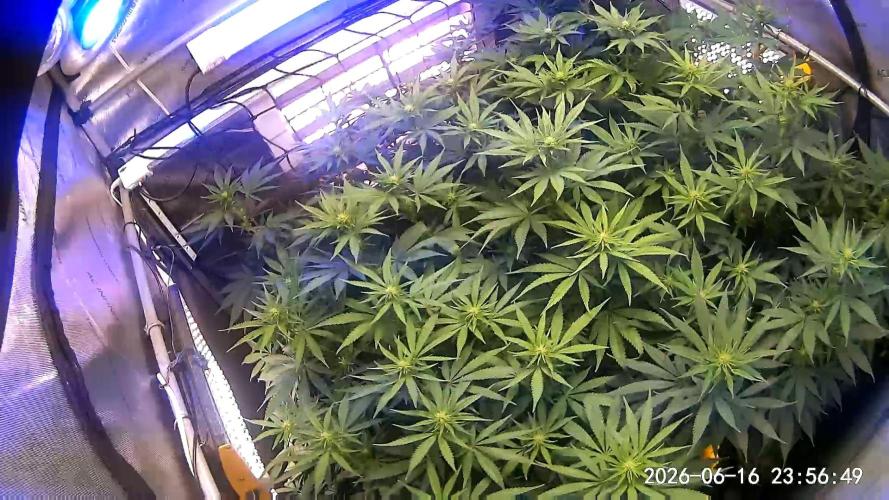
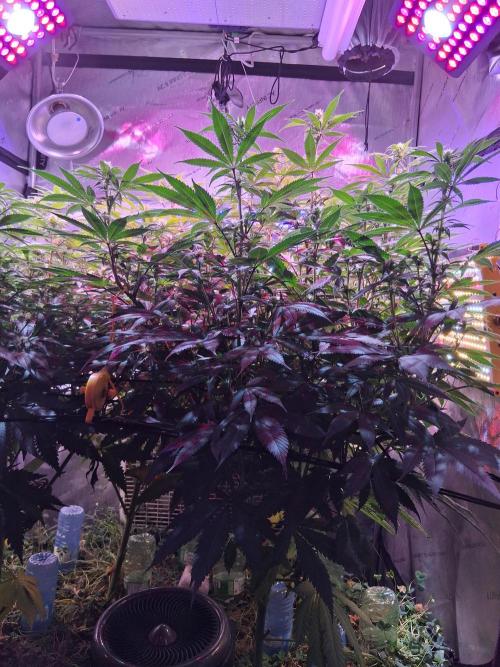
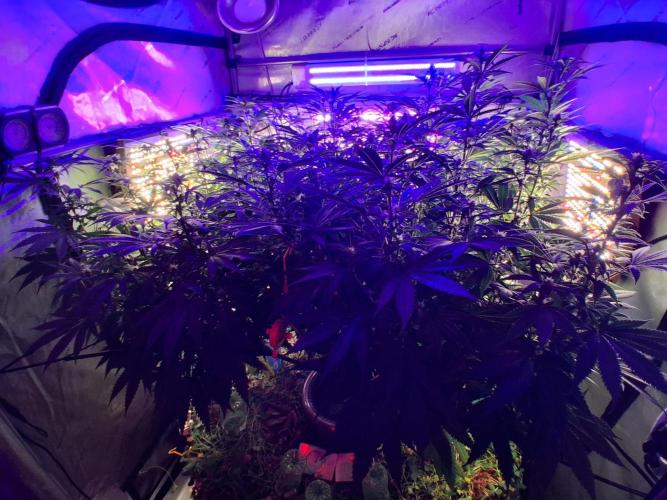
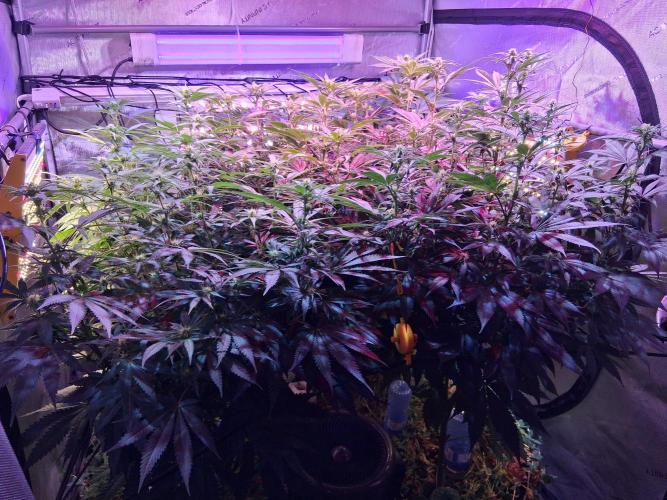
106.68 cm
Height
12 hrs
Light Schedule
31 °C
Day Air Temp
6.4
pH
No Smell
Smell
60 %
Air Humidity
22 °C
Solution Temp
22 °C
Substrate Temp
23 °C
Night Air Temp
378.54 liters
Pot Size
11.36 liters
Watering Volume
1400 PPM
CO₂ Level
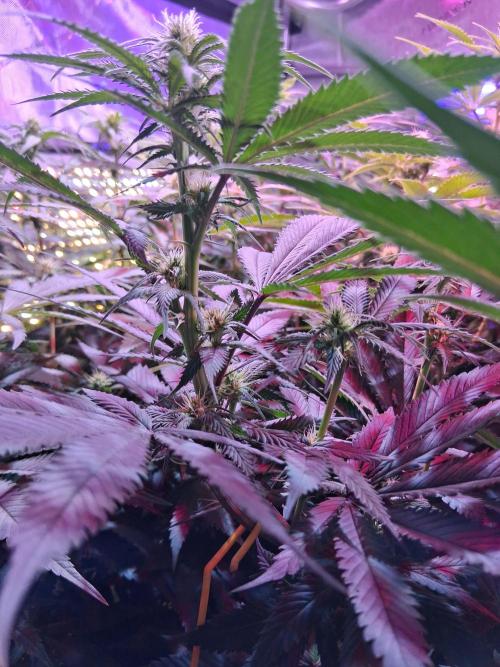
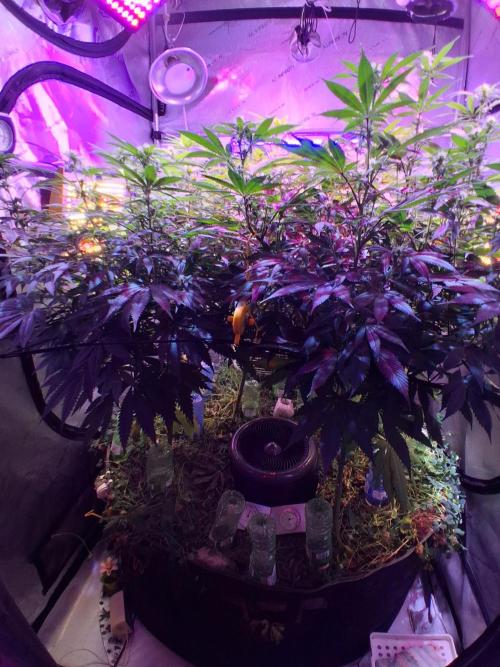
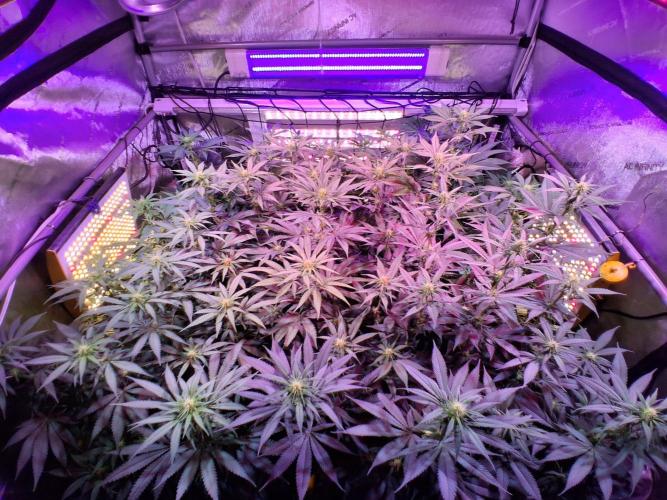
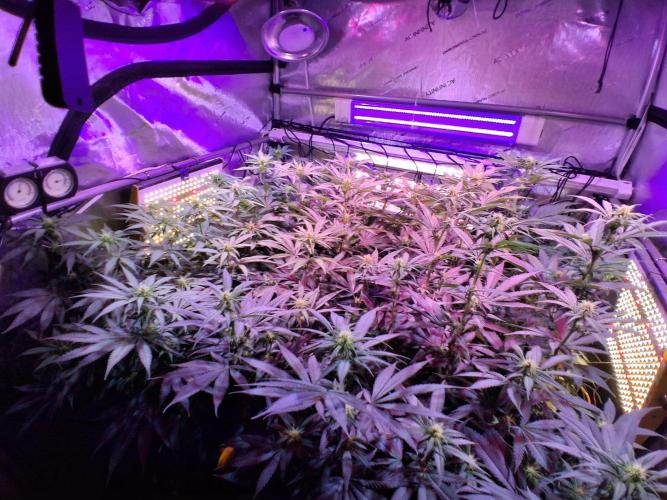
Altitonans_Fulmen 1.1 kPa VPD Days, 85F 60RH%
0.97 kPa VPD Nights 75F 55RH%
2 likes
comments
Share
9
Week 9. Flowering3mo ago
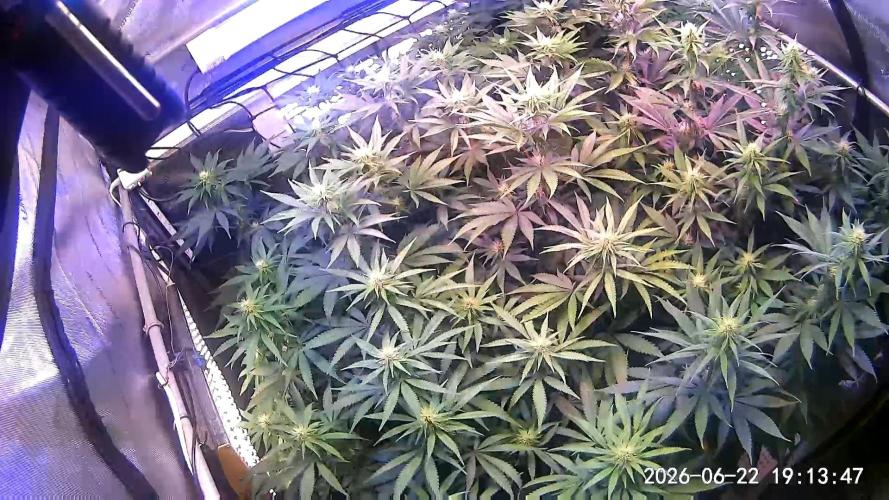
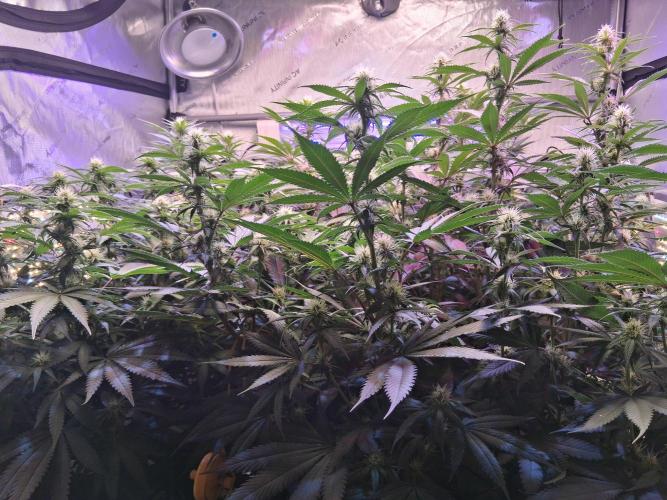
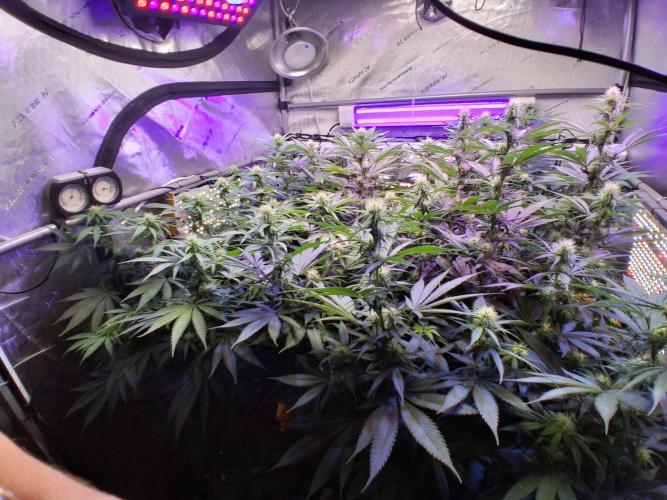
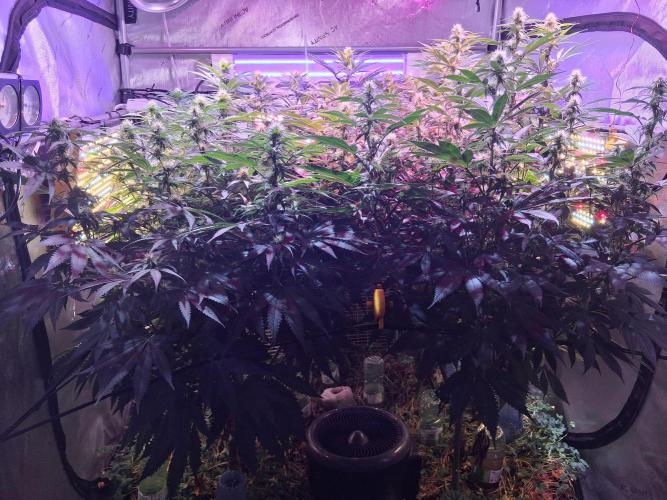
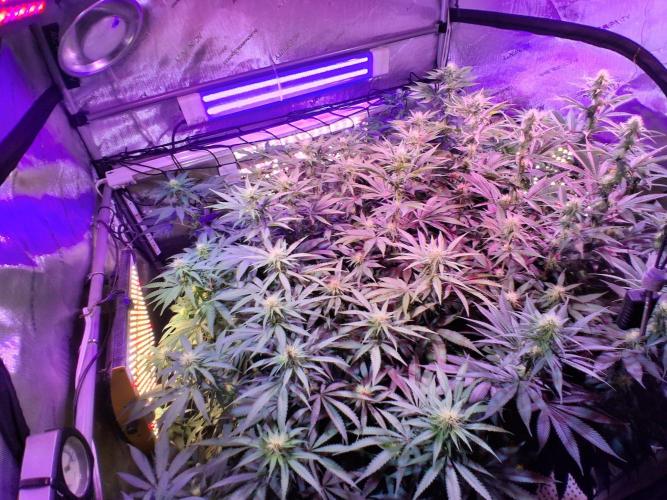
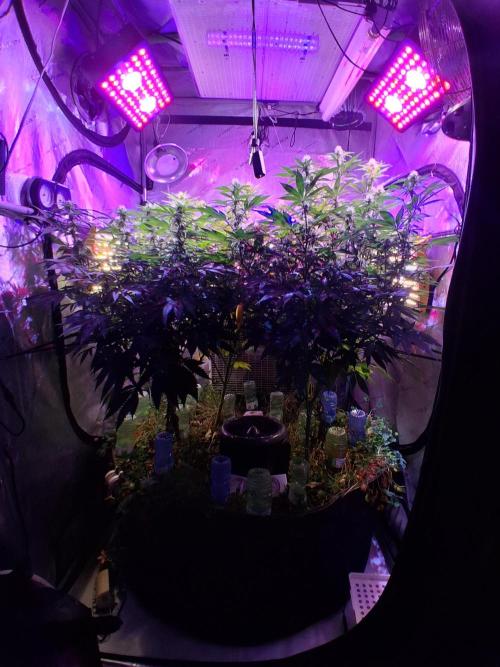
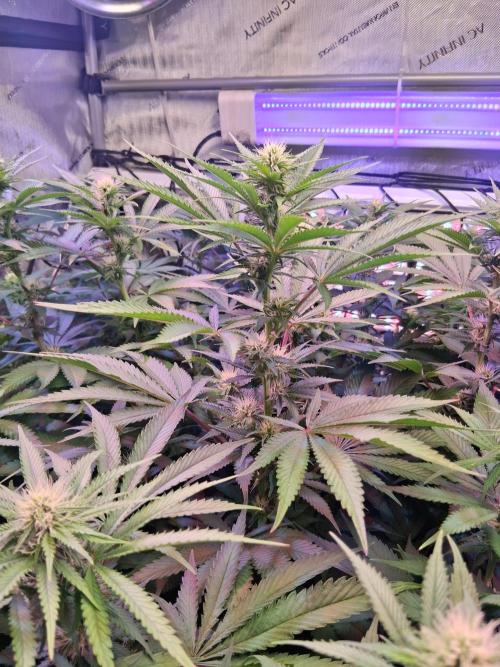
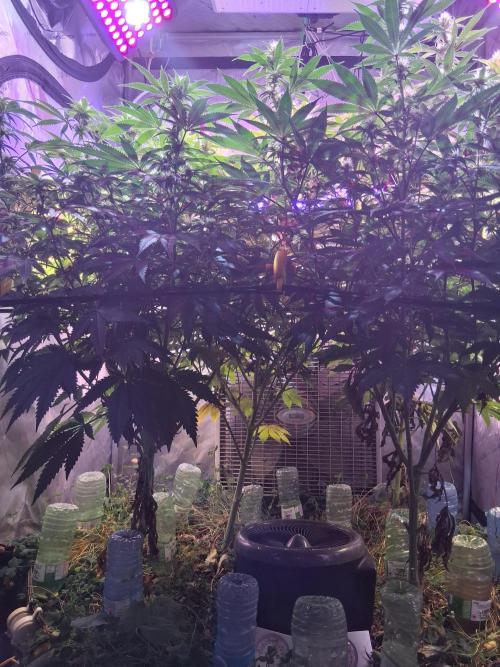
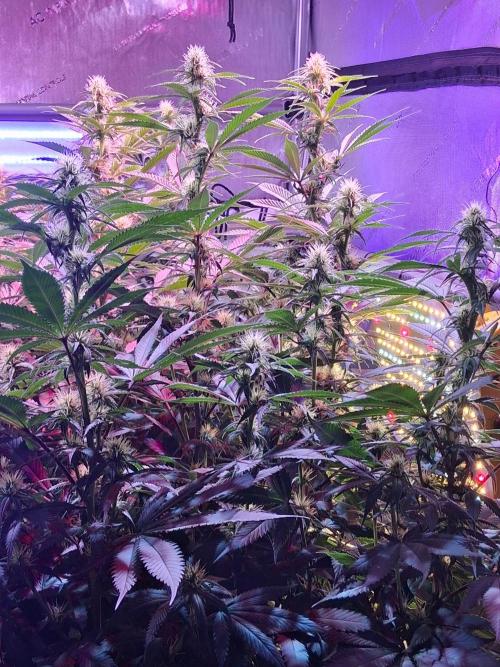
114.3 cm
Height
12 hrs
Light Schedule
31 °C
Day Air Temp
6.4
pH
No Smell
Smell
55 %
Air Humidity
22 °C
Solution Temp
22 °C
Substrate Temp
23 °C
Night Air Temp
378.54 liters
Pot Size
7.57 liters
Watering Volume
1400 PPM
CO₂ Level
Nutrients 1

Bud Factor X
1.321 mll
Altitonans_Fulmen Less than one half of one foot-candle of light (0.1ppfd) from sunlight will prevent cannabis from flowering. That is a little more light than is reflected by a full moon on a clear night. Well-bred indica-dominant plants will revert within three days. Sativa-dominant plants take four to five days to revert to vegetative growth. Once they start to revegetate, it can take from four to six additional weeks to induce flowering again!
2 likes
comments
Share
10
Week 10. Flowering2mo ago
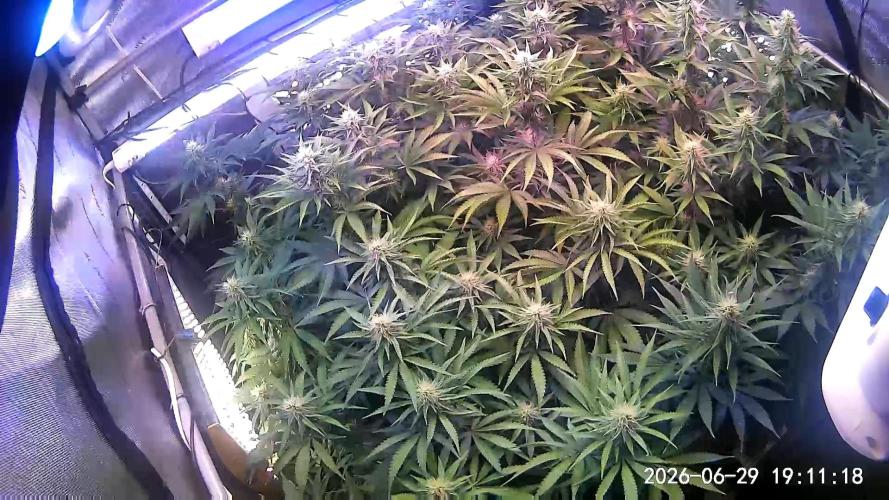
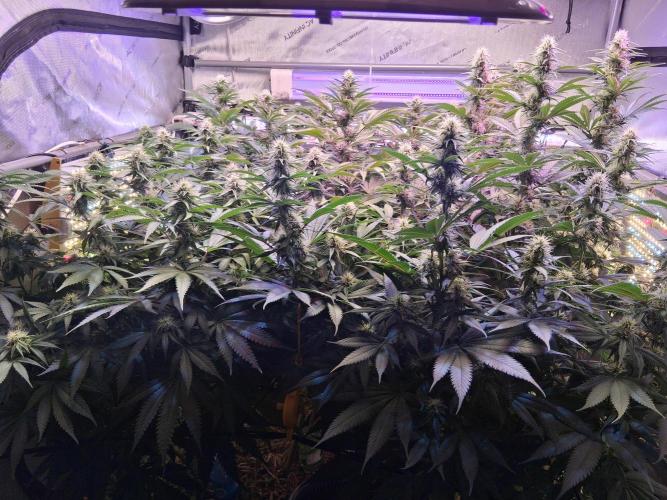
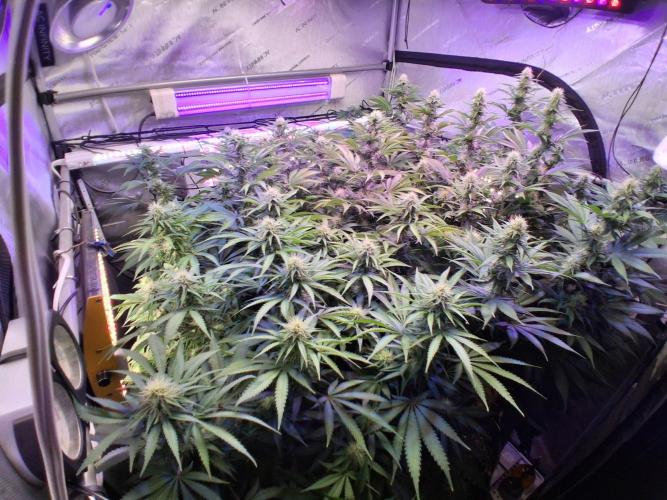
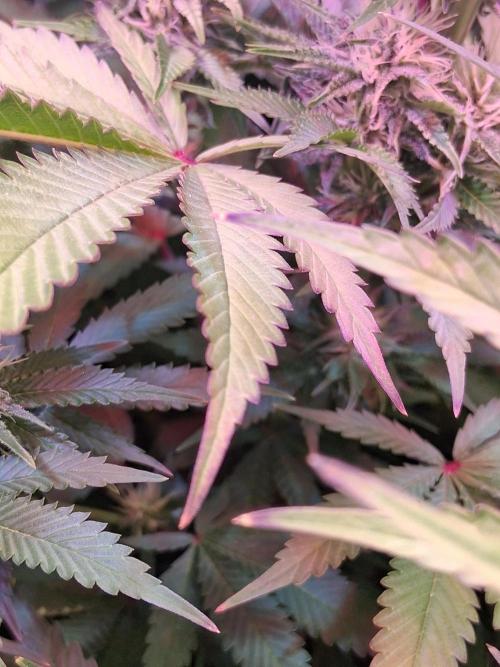
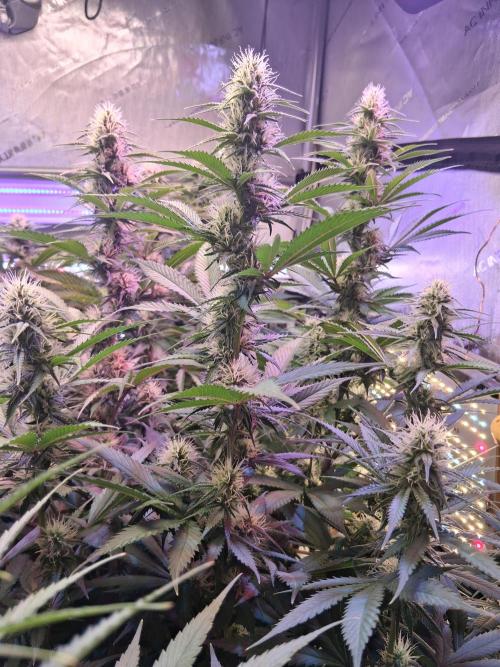
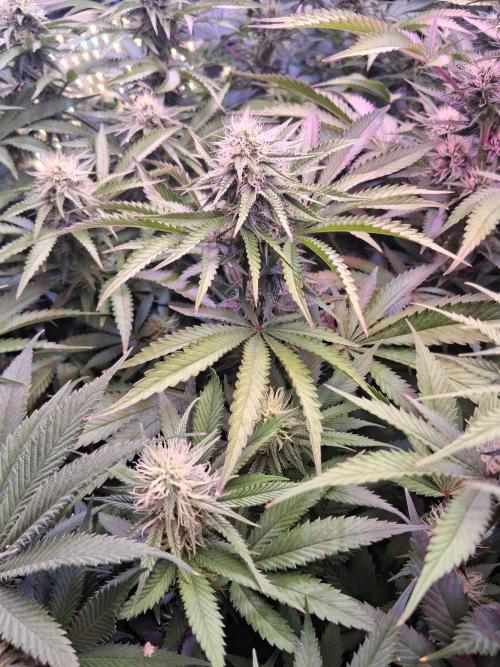
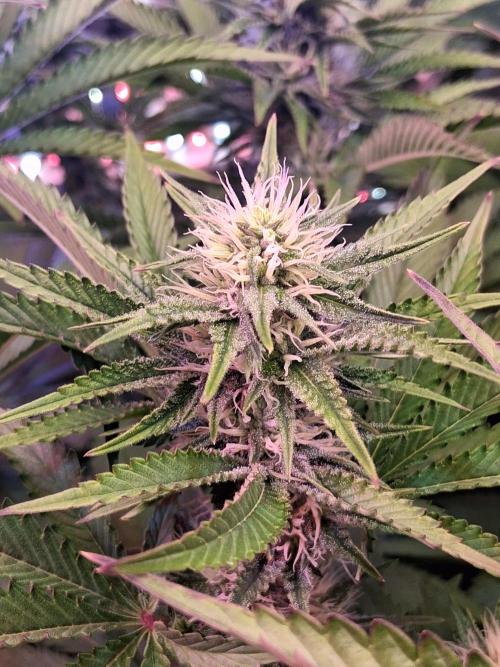
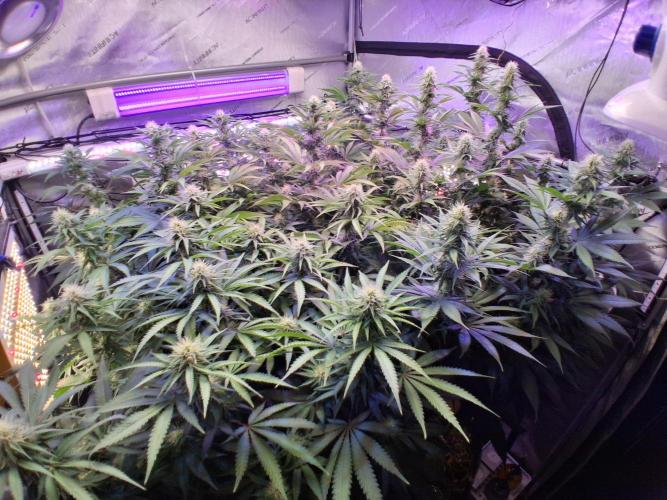
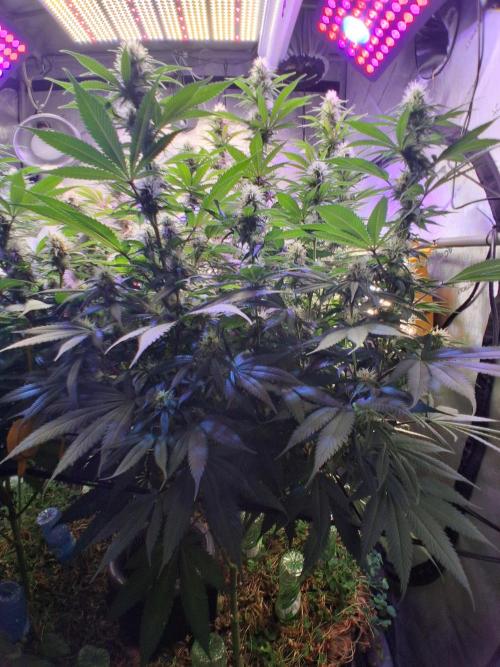
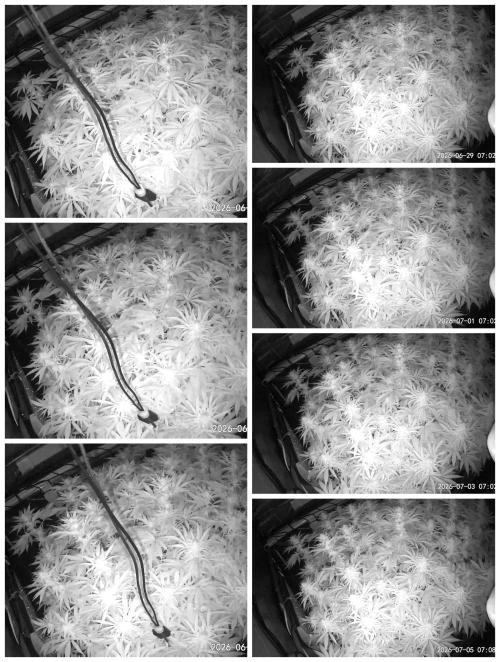
119.38 cm
Height
12 hrs
Light Schedule
31 °C
Day Air Temp
6.4
pH
No Smell
Smell
50 %
Air Humidity
22 °C
Solution Temp
22 °C
Substrate Temp
23 °C
Night Air Temp
378.54 liters
Pot Size
7.57 liters
Watering Volume
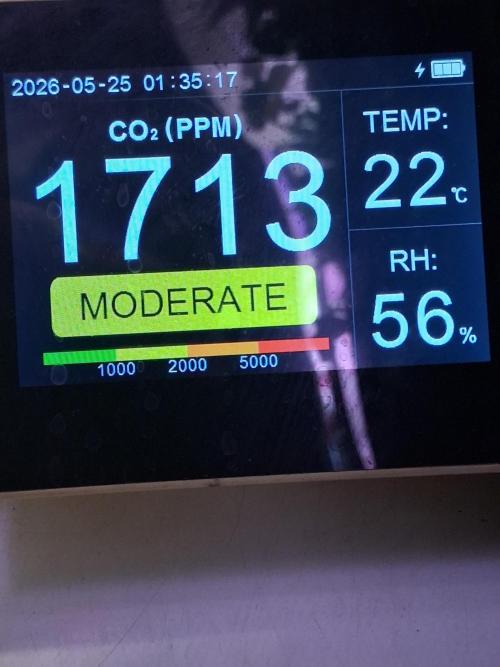
1500 PPM
CO₂ Level
Nutrients 2
Agave Nectar
1.3 mll

RAW Cane Molasses
3.91 mll
Altitonans_Fulmen Inhale for 13s, Exhale for 13s,
Inhale for 8s, Exhale for 8s,
Inhale for 5s, Exhale for 5s,
Inhale for 3s, Exhale for 3s,
Inhale for 1s, Exhale for 1s,
Alignment: 1.618, 137.5..
4 likes
comments
Share
11
Week 11. Flowering2mo ago
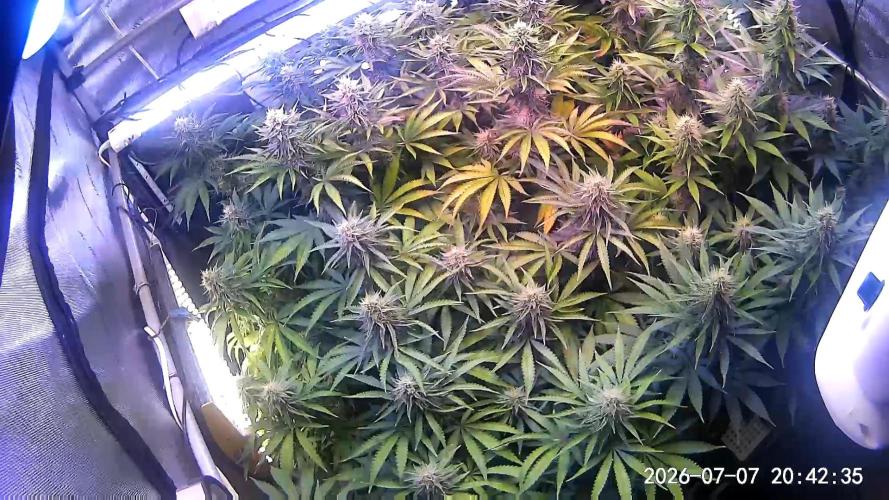
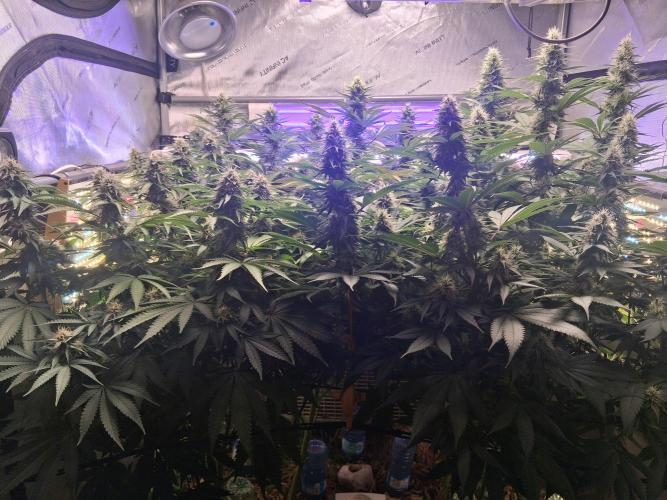
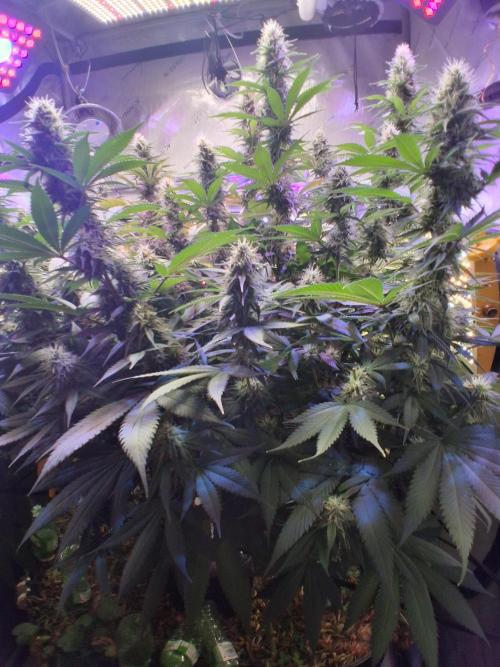
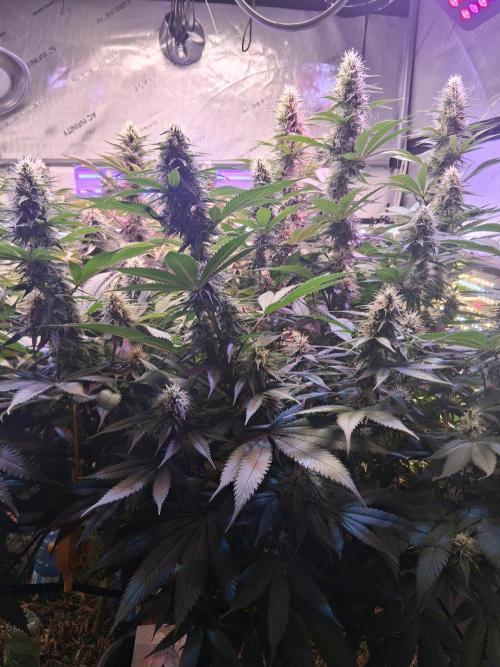

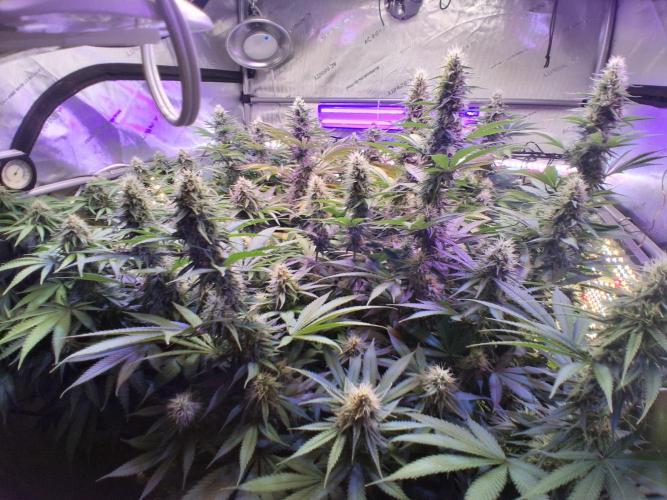
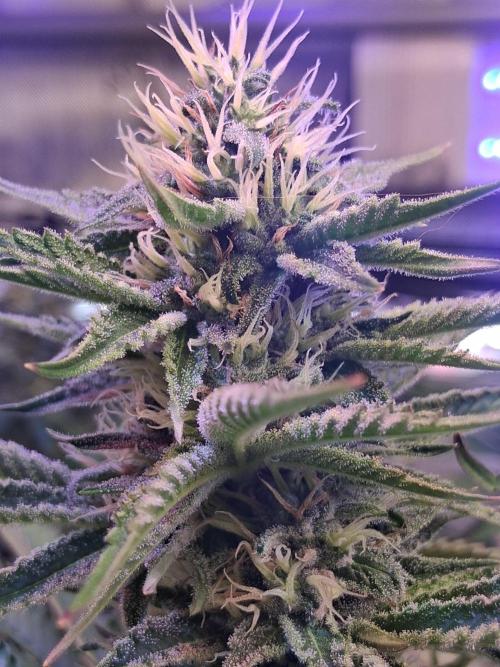

124.46 cm
Height
12 hrs
Light Schedule
29 °C
Day Air Temp
6.4
pH
No Smell
Smell
50 %
Air Humidity
22 °C
Solution Temp
22 °C
Substrate Temp
23 °C
Night Air Temp
378.54 liters
Pot Size
7.57 liters
Watering Volume
1500 PPM
CO₂ Level
Nutrients 1
Bud Factor X
1.321 mll
Altitonans_Fulmen Ezekiel’s “son of man”
• Hebrew: ben-’āḏām (literally “son of Adam” or “son of mankind”)
likes
comments
Share
12
Week 12. Flowering2mo ago
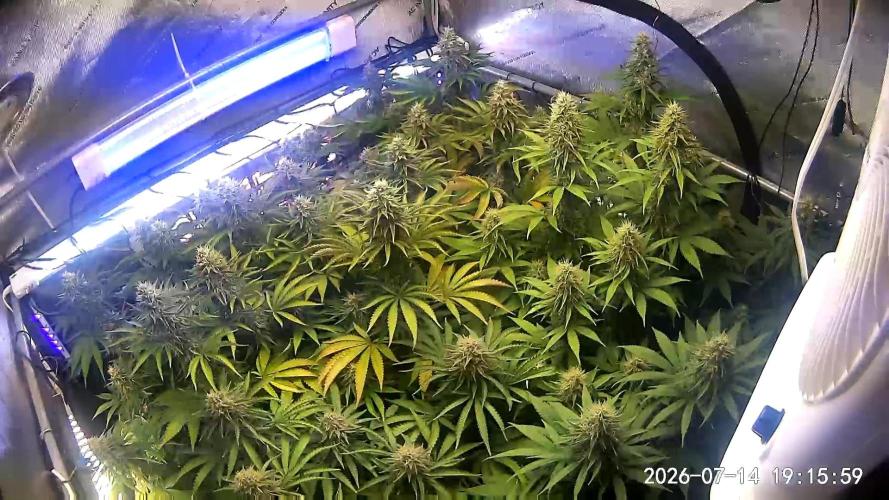
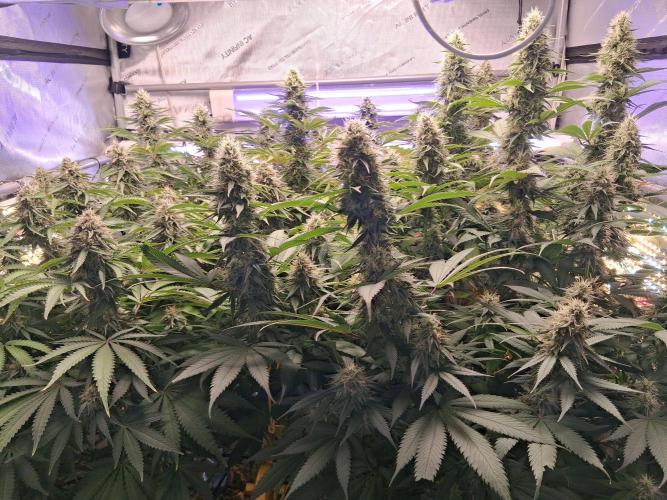
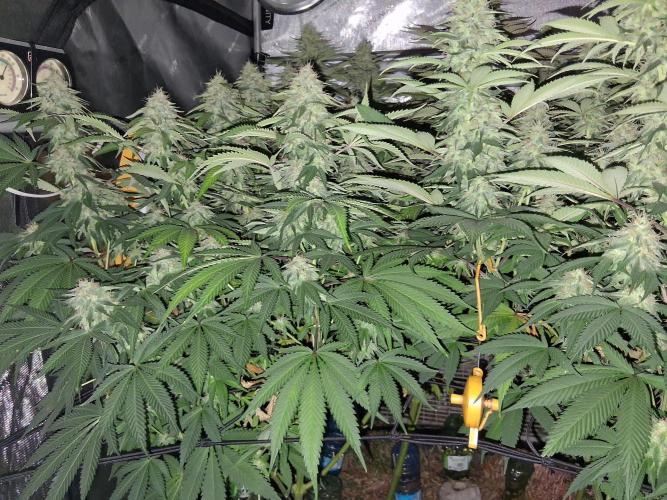
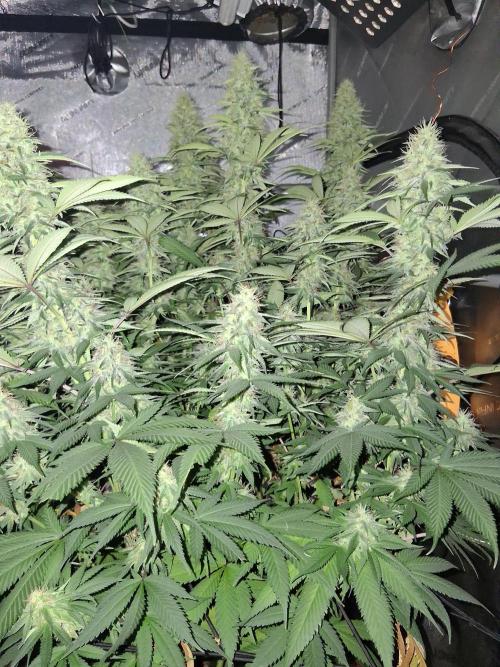
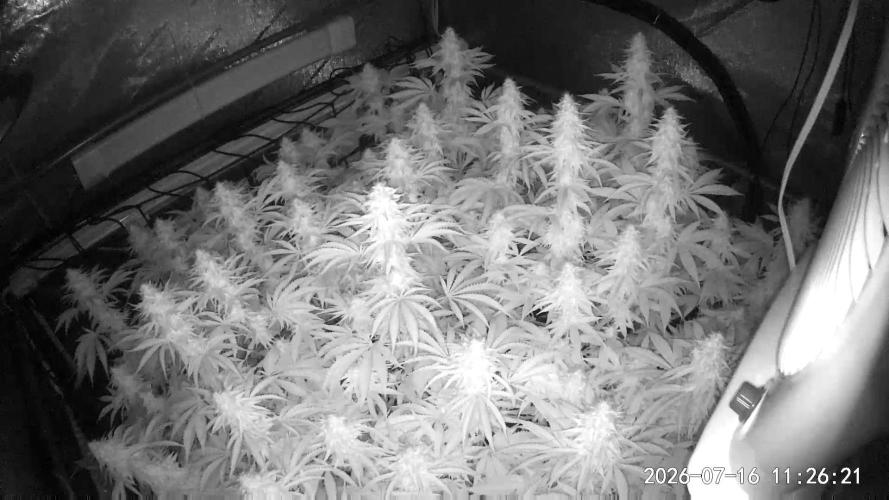
132.08 cm
Height
12 hrs
Light Schedule
26 °C
Day Air Temp
6.4
pH
No Smell
Smell
45 %
Air Humidity
22 °C
Solution Temp
22 °C
Substrate Temp
23 °C
Night Air Temp
378.54 liters
Pot Size
7.57 liters
Watering Volume
900 PPM
CO₂ Level
Altitonans_Fulmen The more you learn, the quieter it becomes.
1 like
comments
Share
13
Week 13. Flowering2mo ago
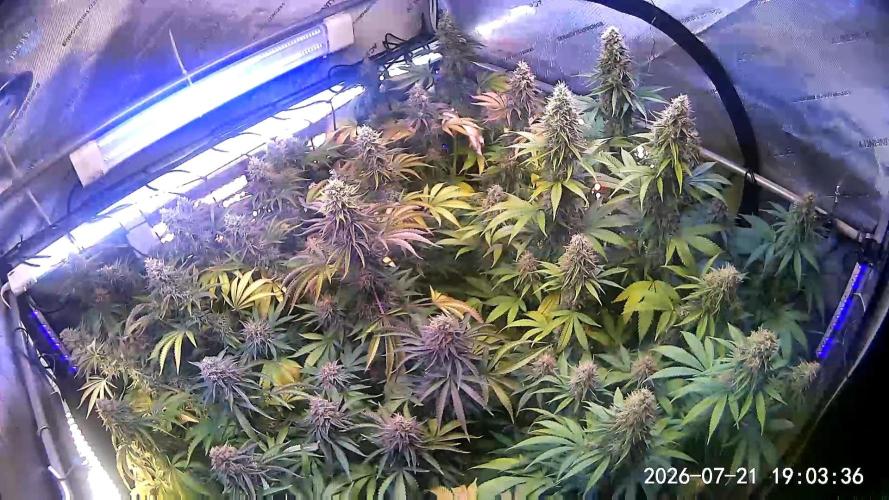
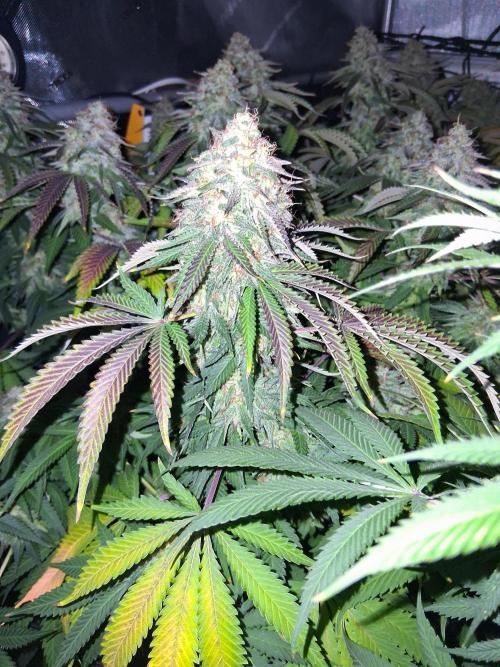
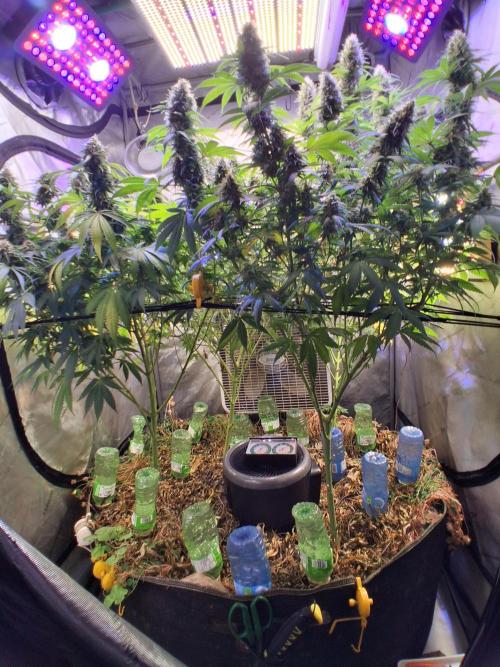
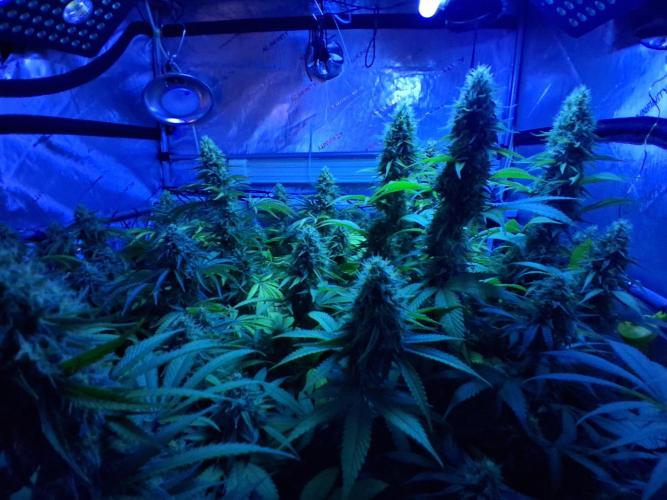
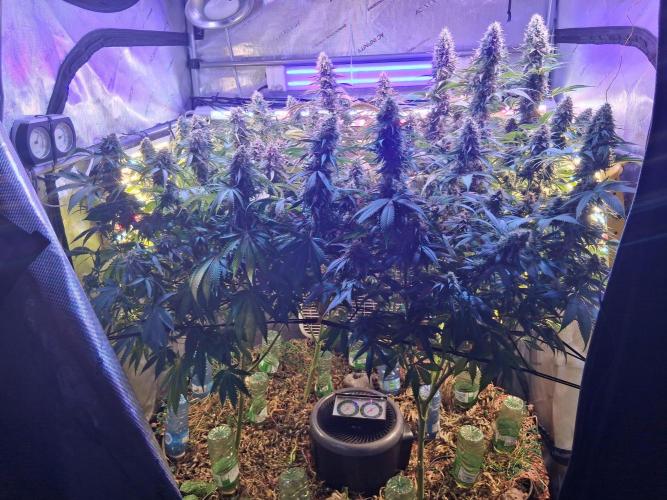

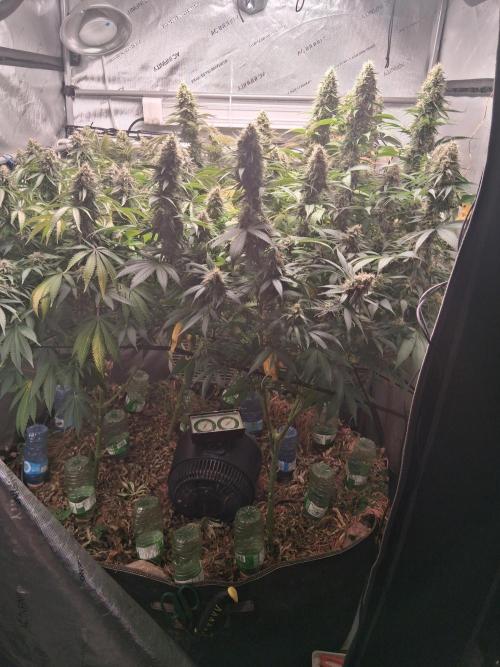


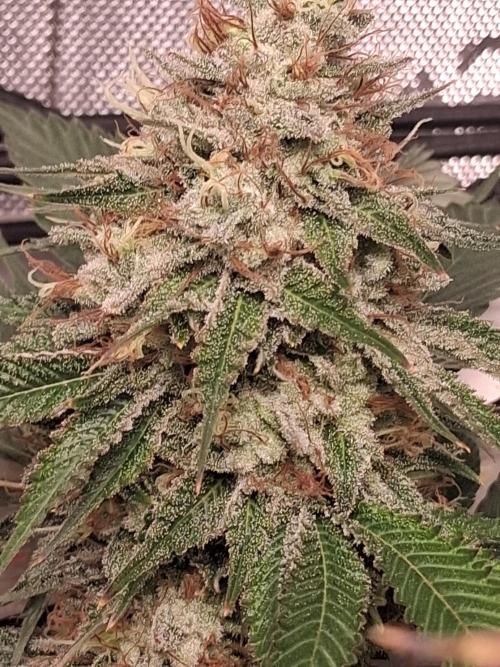

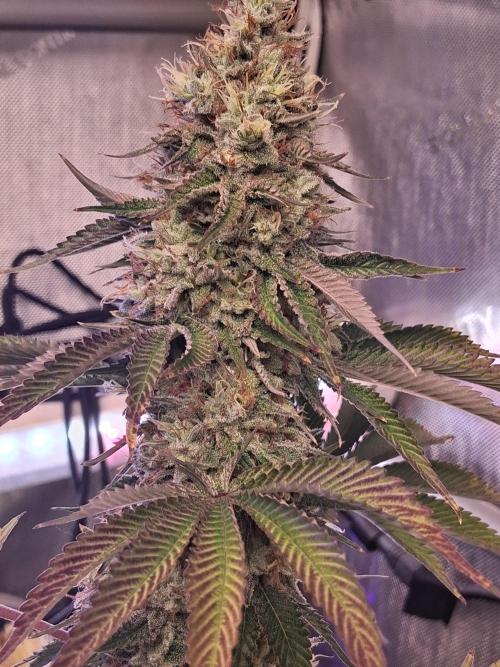
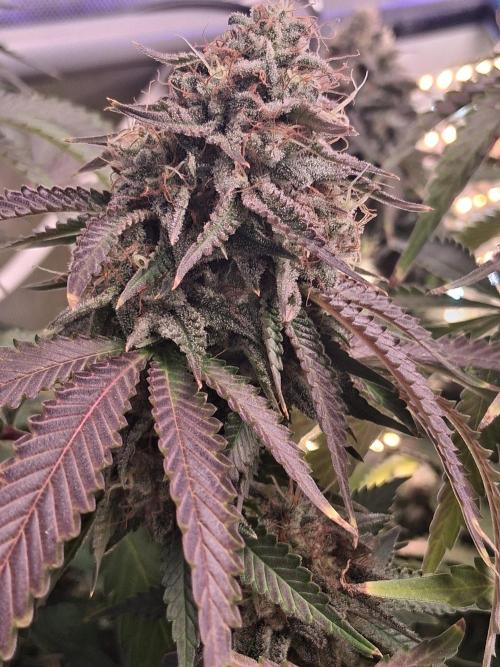
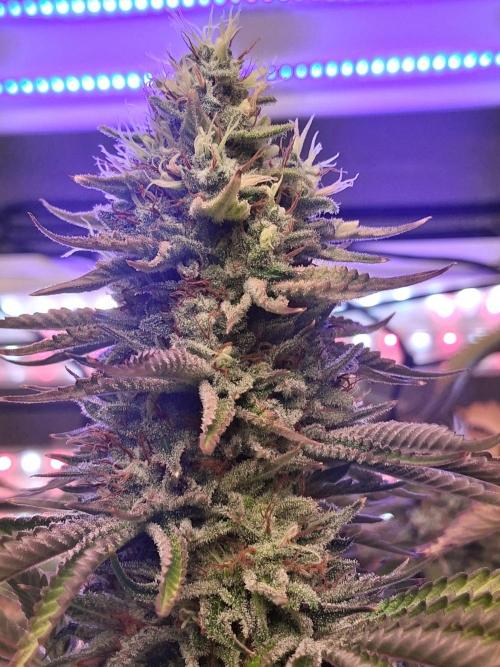
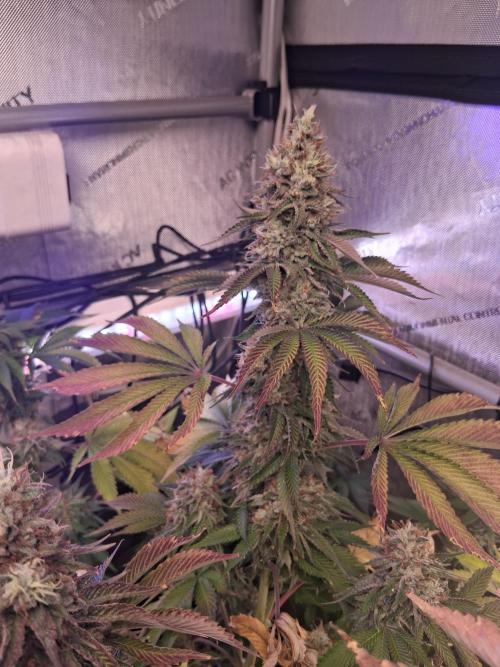
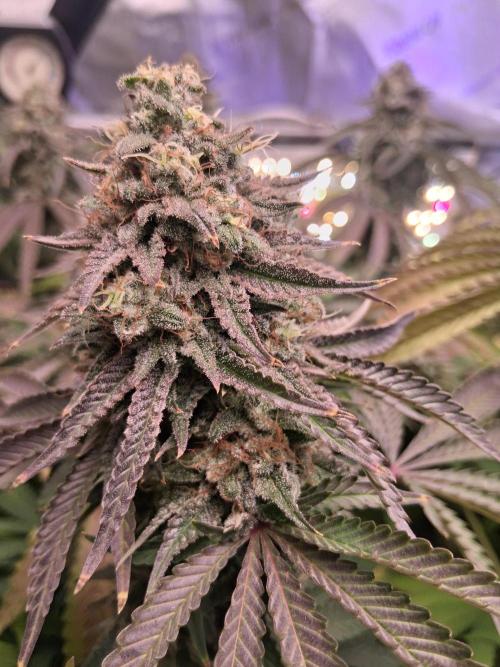
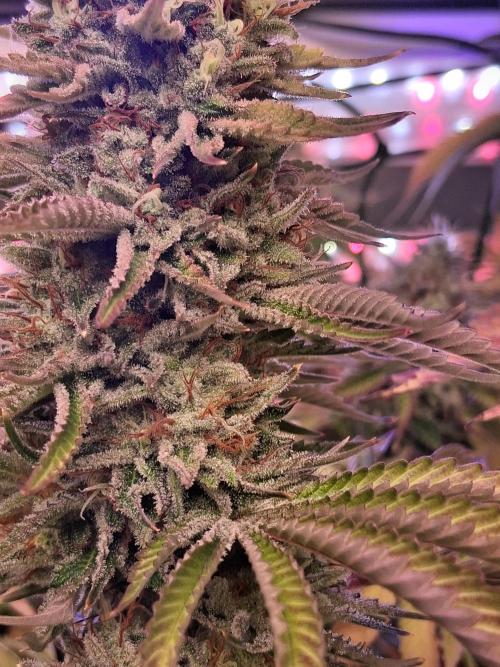

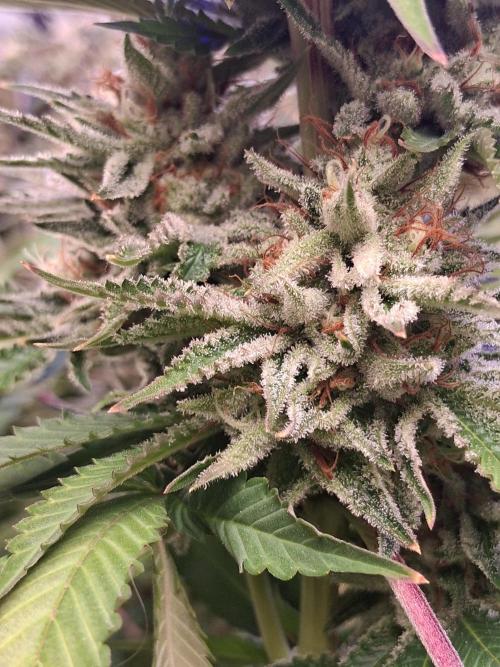
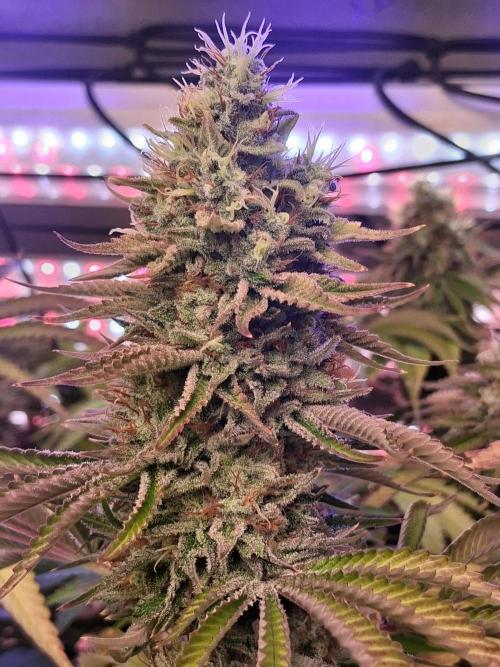
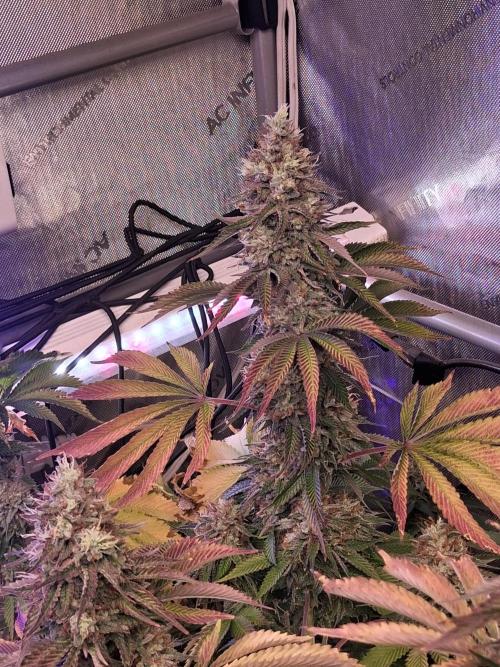
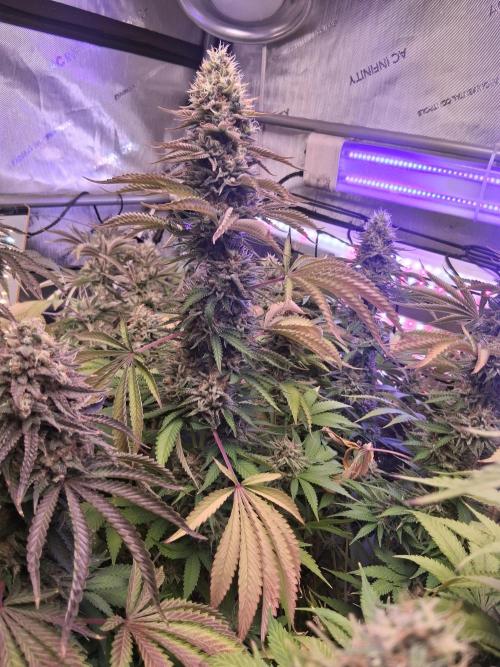
142.24 cm
Height
12 hrs
Light Schedule
26 °C
Day Air Temp
6.4
pH
No Smell
Smell
45 %
Air Humidity
22 °C
Solution Temp
22 °C
Substrate Temp
23 °C
Night Air Temp
378.54 liters
Pot Size
7.57 liters
Watering Volume
900 PPM
CO₂ Level
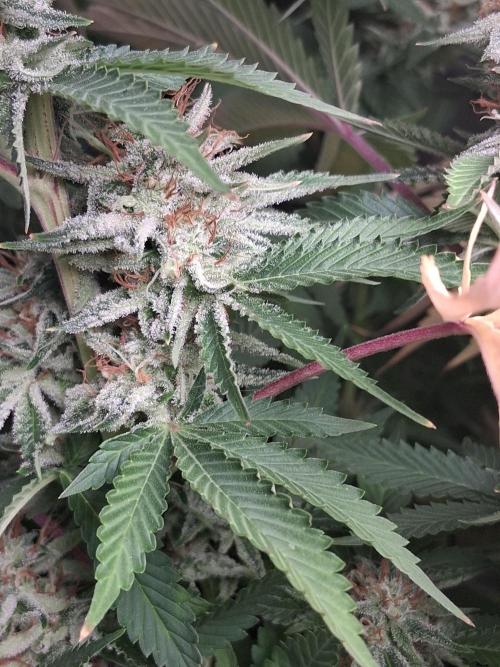
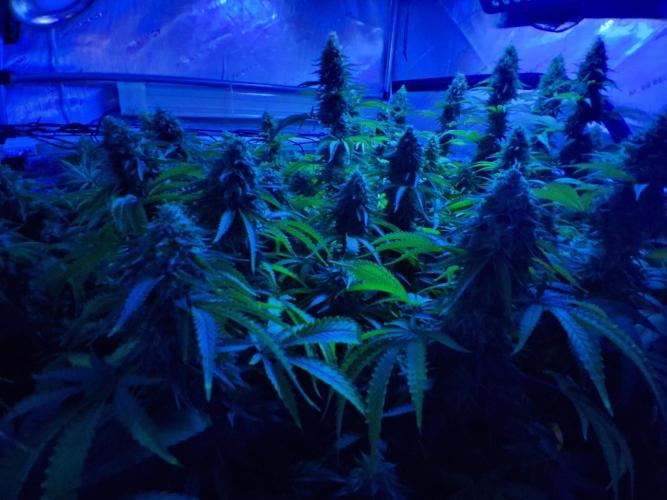
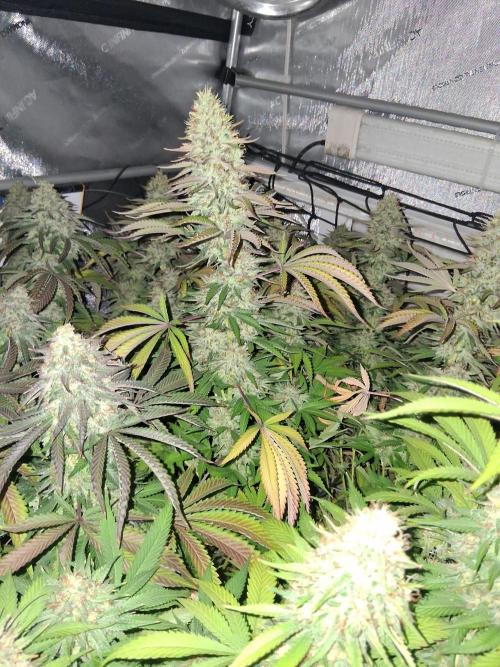
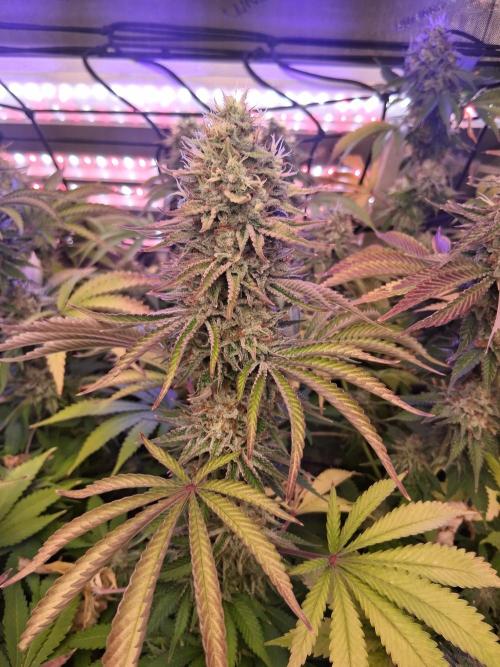
Altitonans_Fulmen Cannabis will not stop flowering if the lights are turned on for a few minutes once or twice during the 2-month-long flowering cycle. If a light is turned on for 5 to 30 minutes—long enough to disrupt the dark period—on 3 to 5 consecutive nights, plants will start to revert to vegetative growth
1 like
comments
Share
14
Week 14. Flowering1mo ago
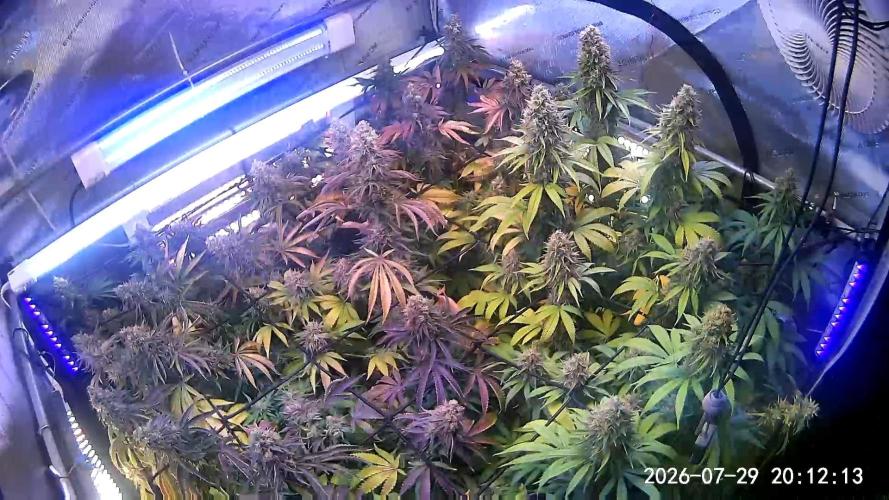

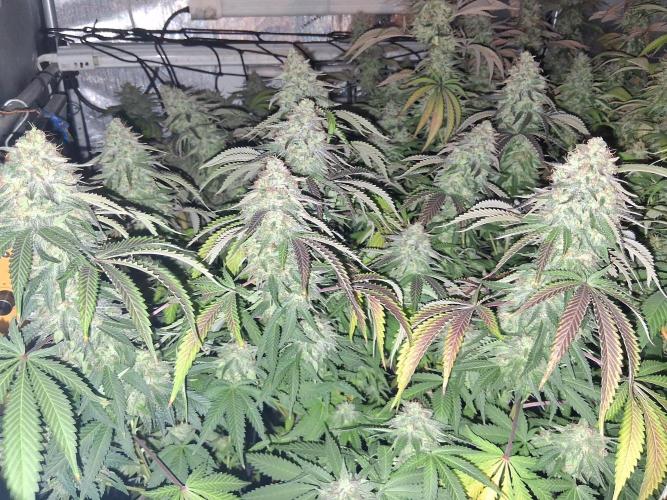
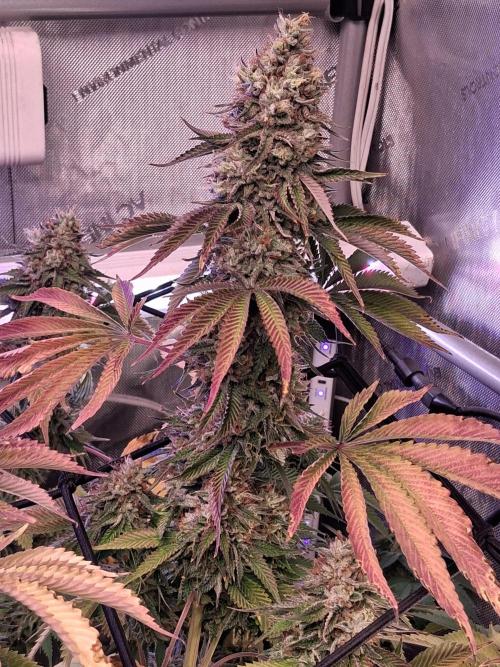
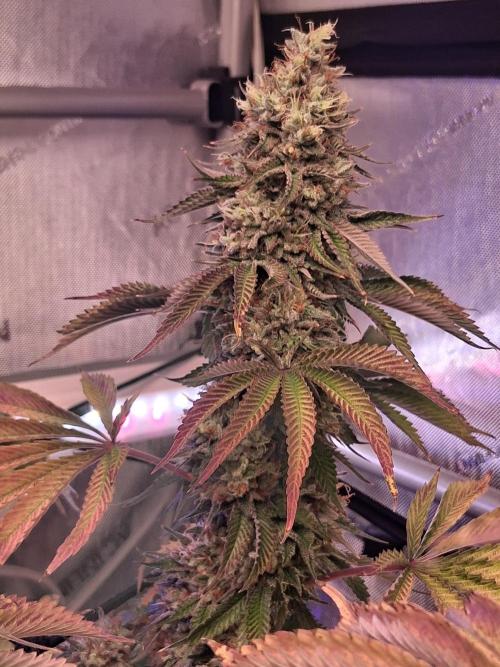
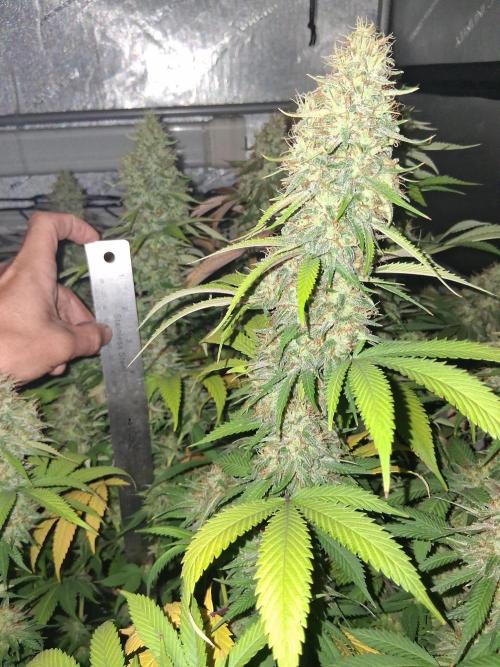
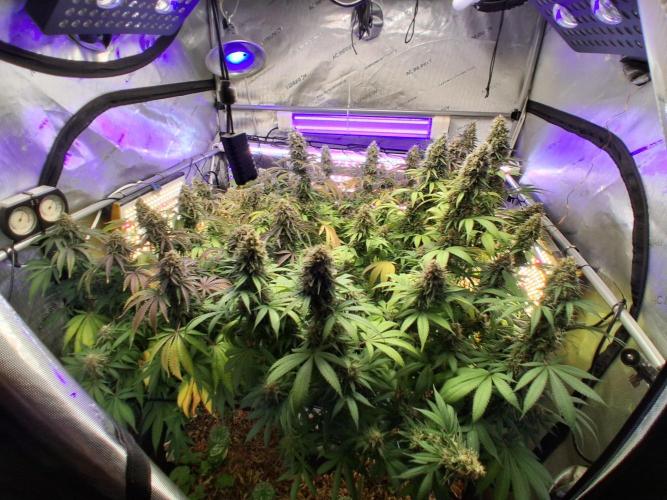


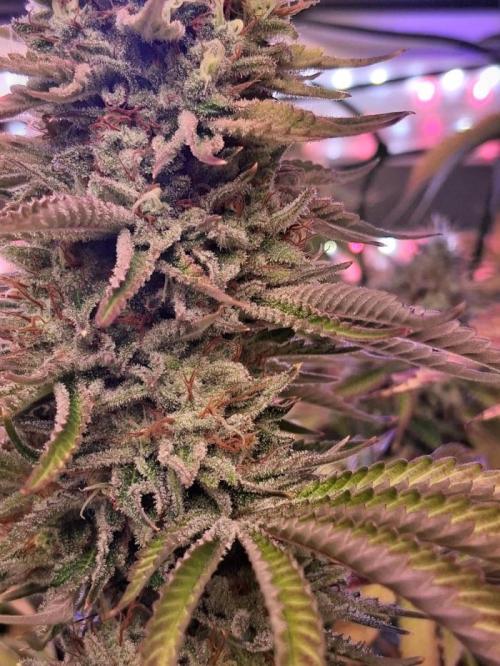
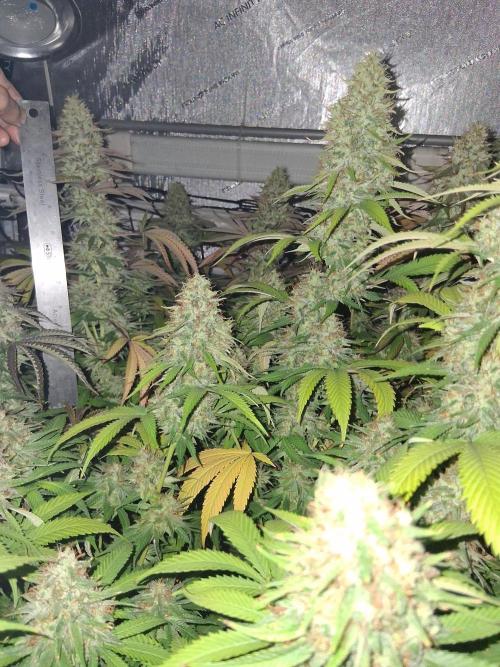
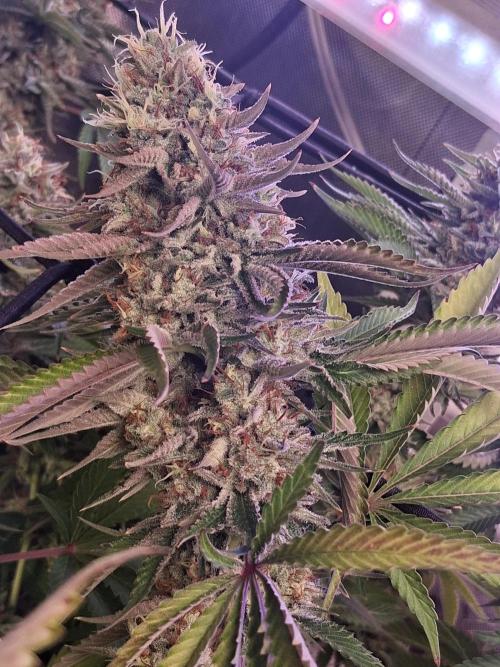
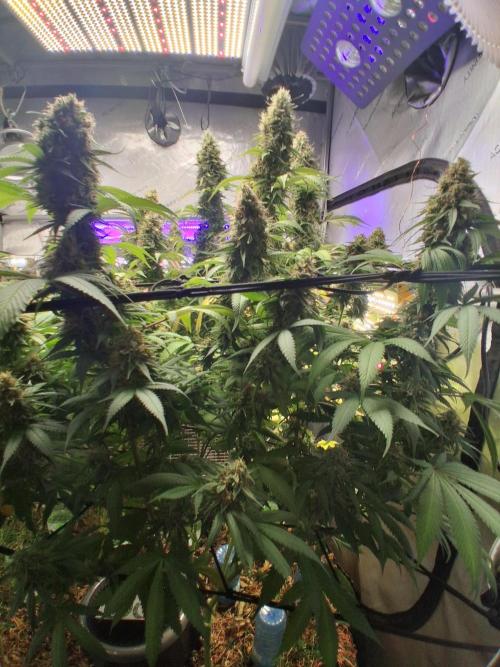
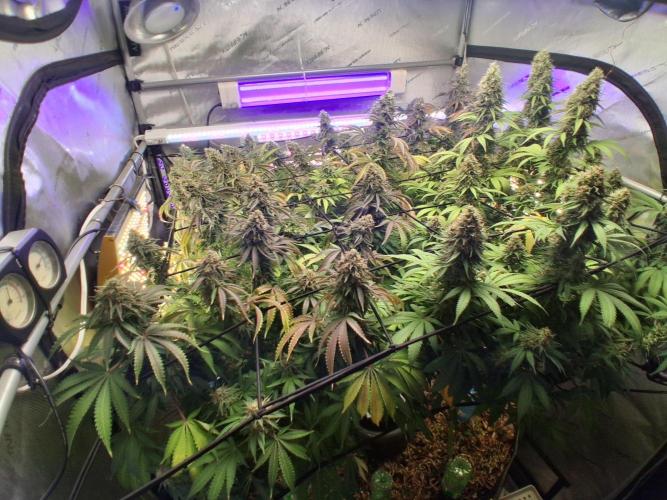
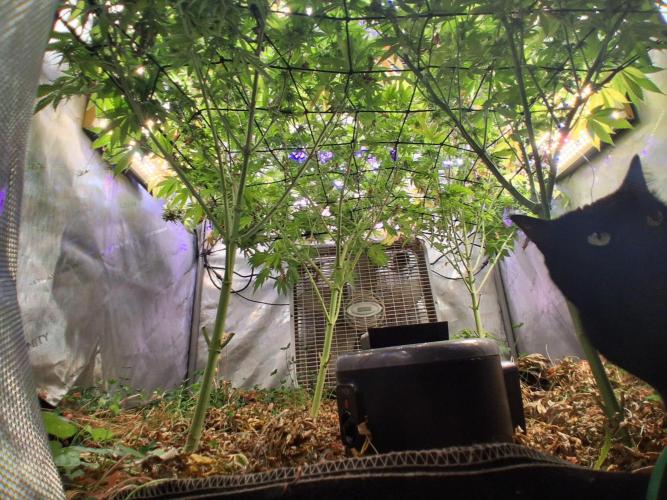
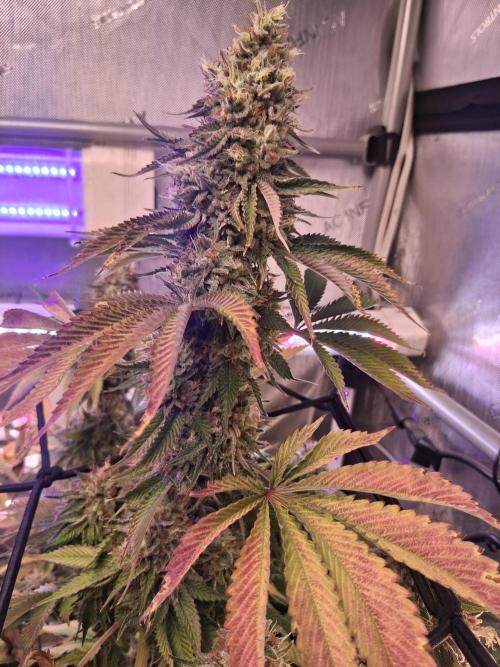
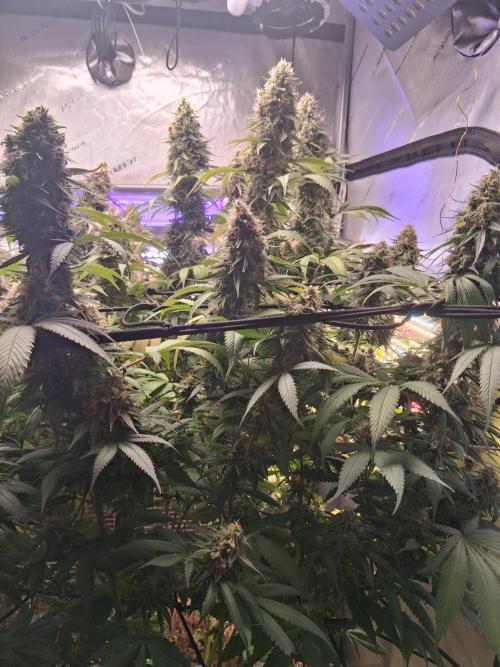
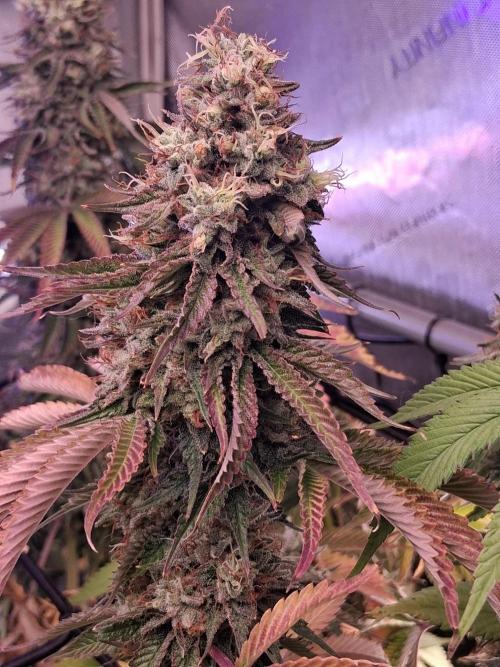
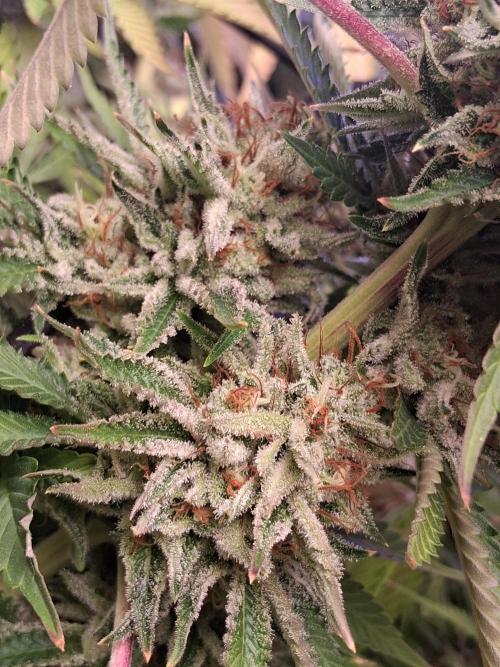
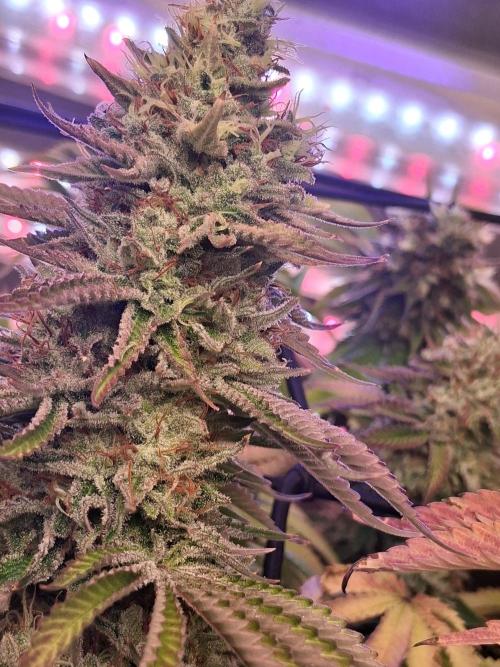

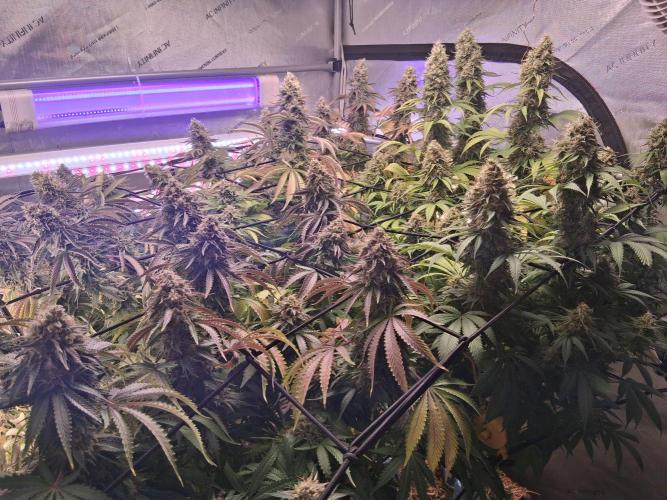
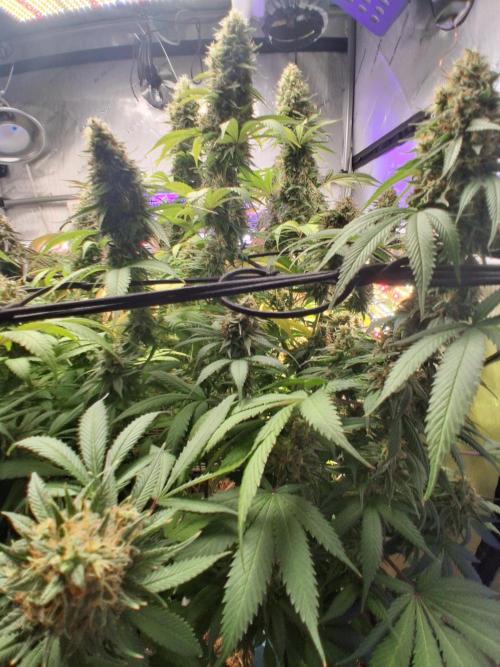
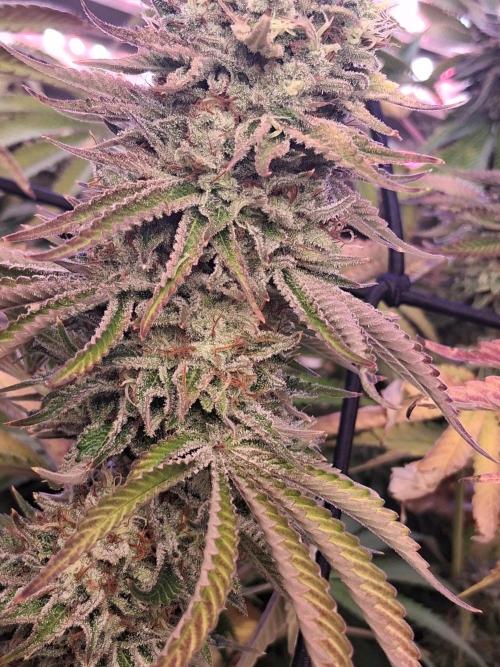
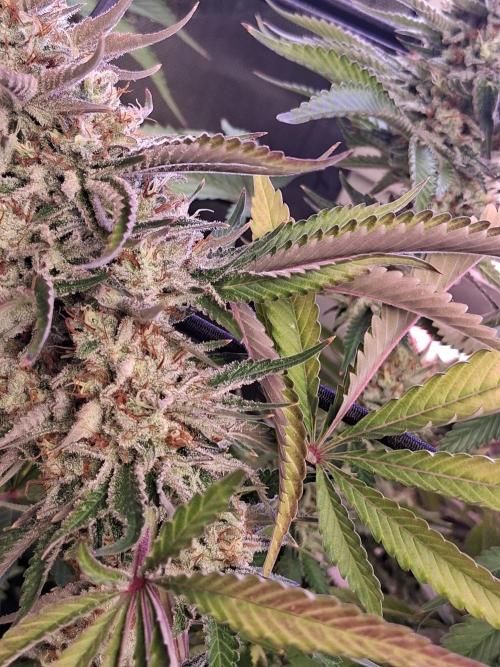
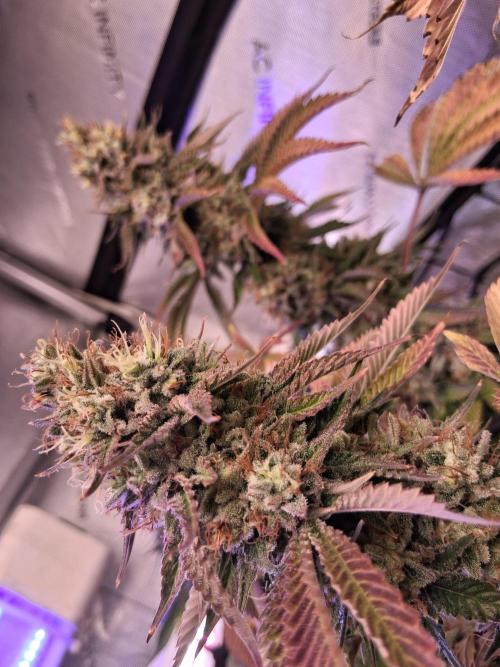
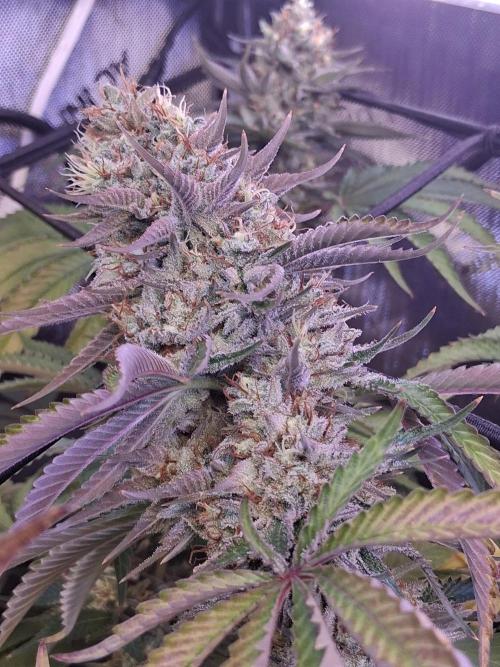
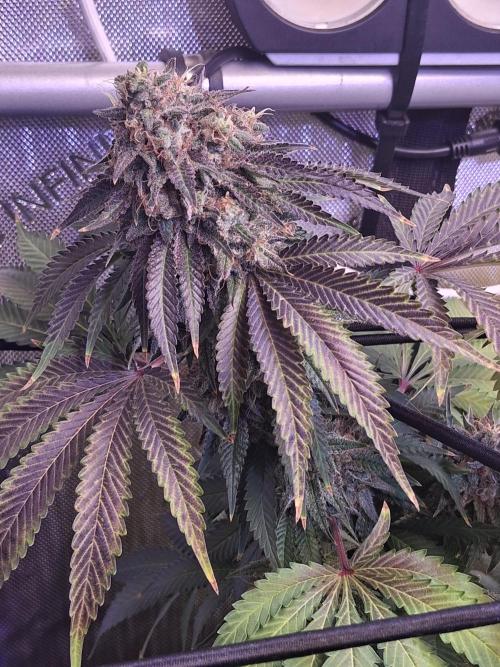
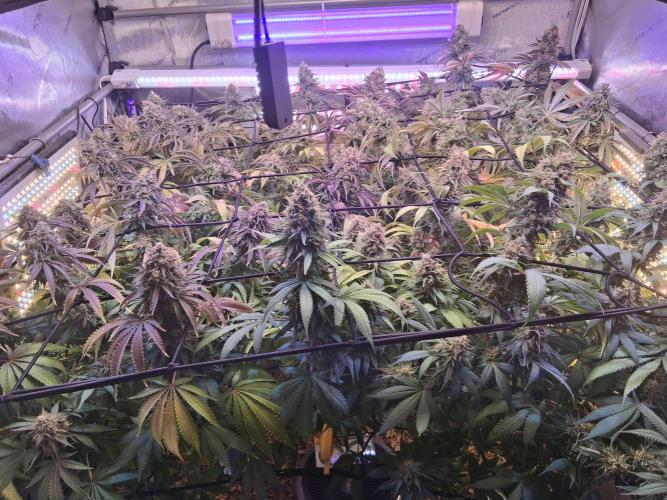

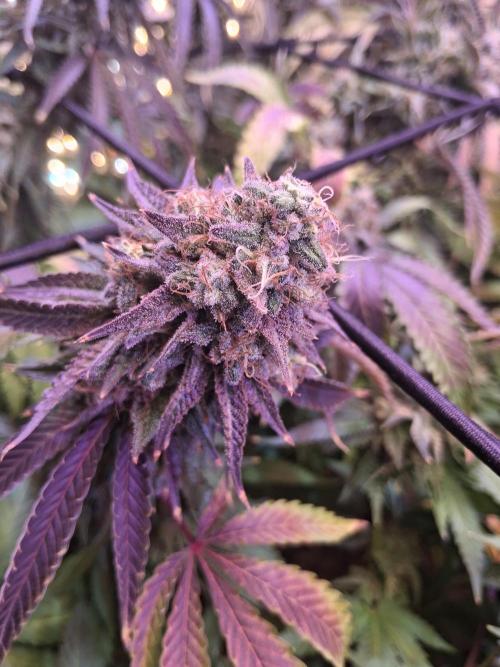

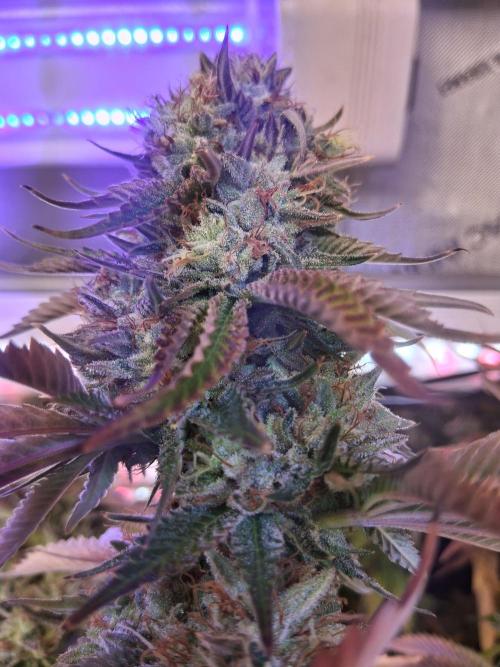

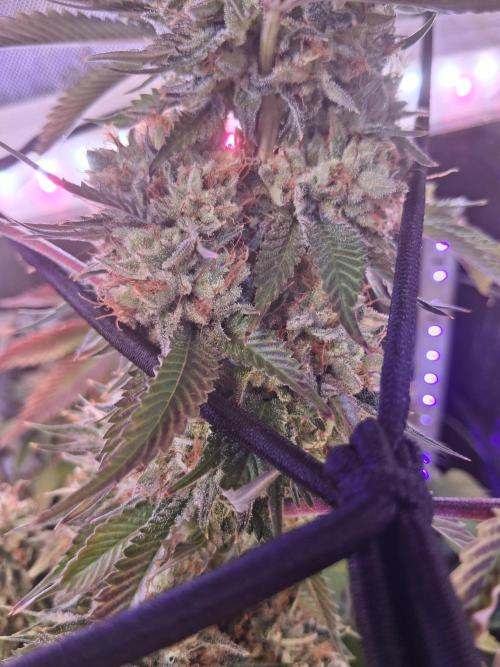
149.86 cm
Height
12 hrs
Light Schedule
25 °C
Day Air Temp
6.4
pH
No Smell
Smell
40 %
Air Humidity
22 °C
Solution Temp
22 °C
Substrate Temp
23 °C
Night Air Temp
378.54 liters
Pot Size
7.57 liters
Watering Volume
900 PPM
CO₂ Level
Altitonans_Fulmen And the light shines in the darkness, and the darkness did not overcome it." John 1:5.
1 like
comments
Share
Used techniques
HST
Technique
15
Week 15. Flowering1mo ago

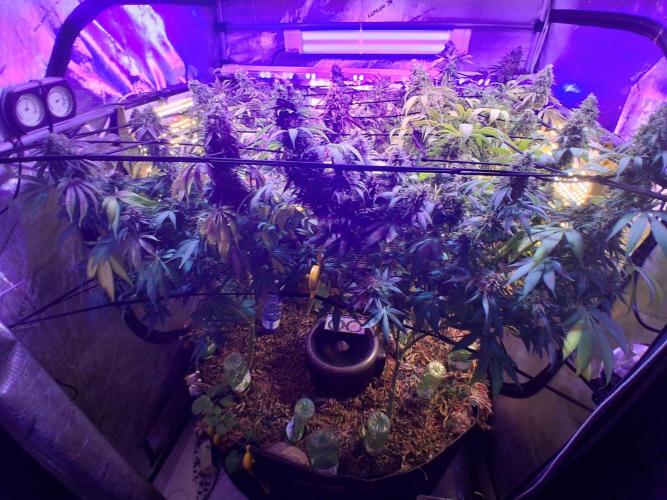
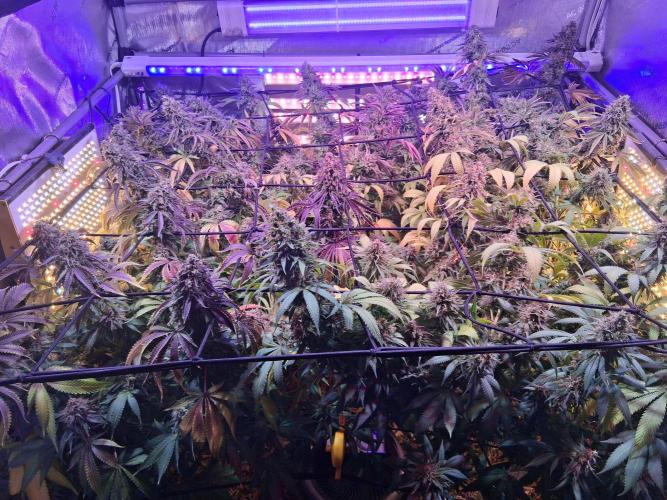
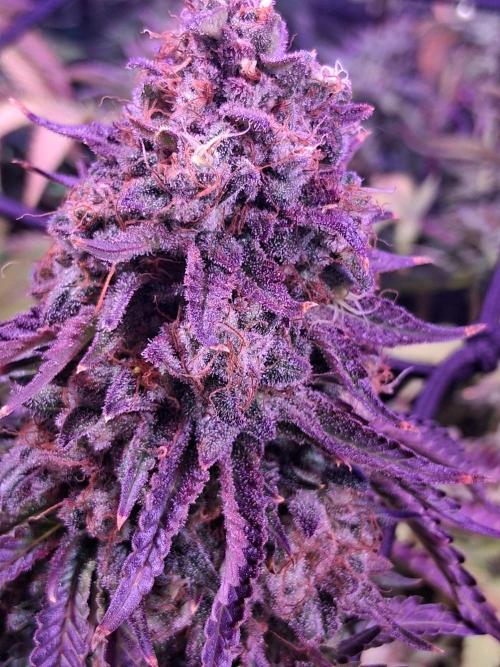
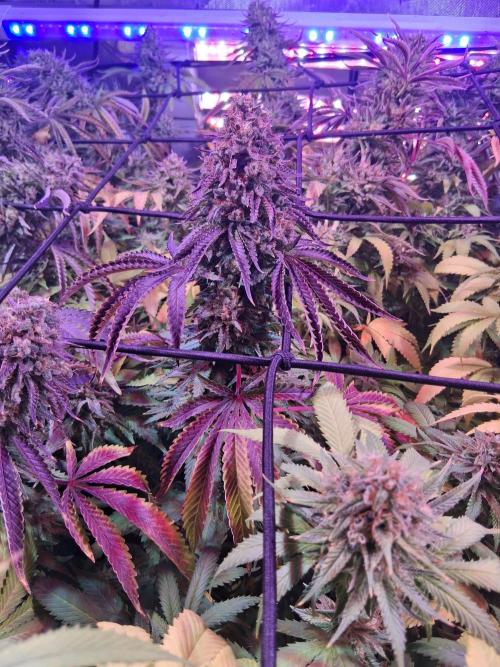
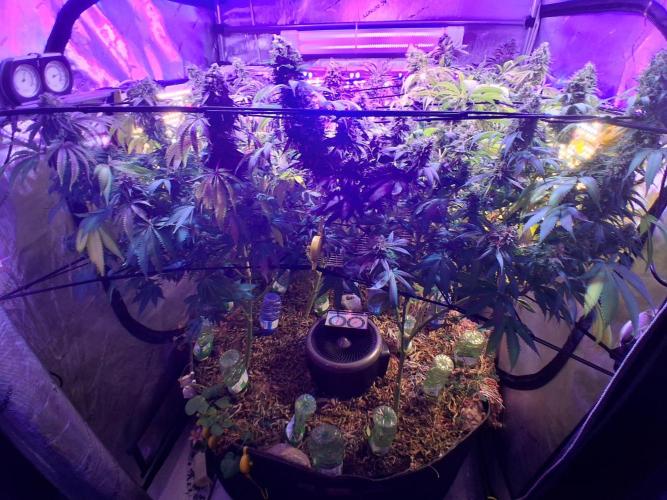

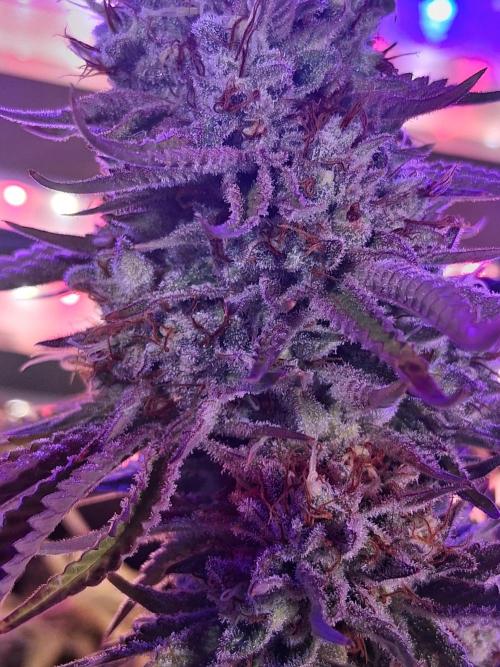
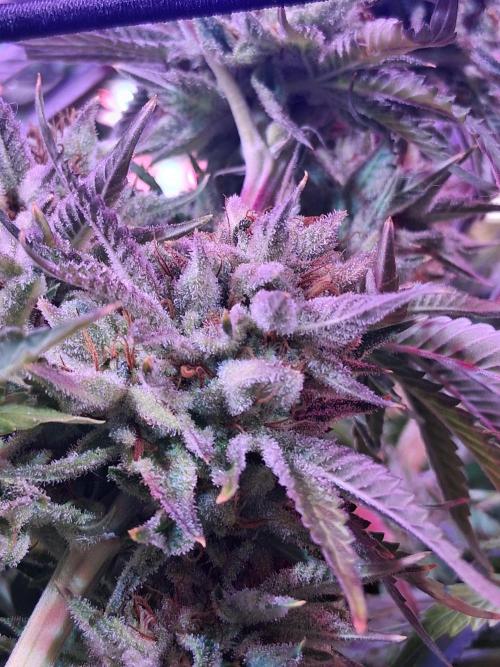
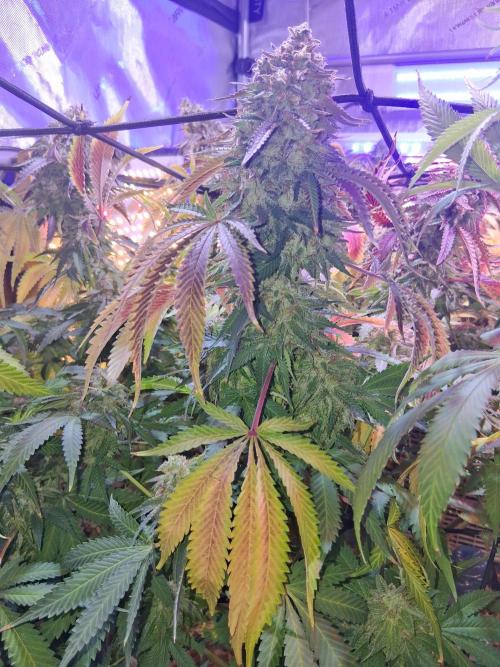


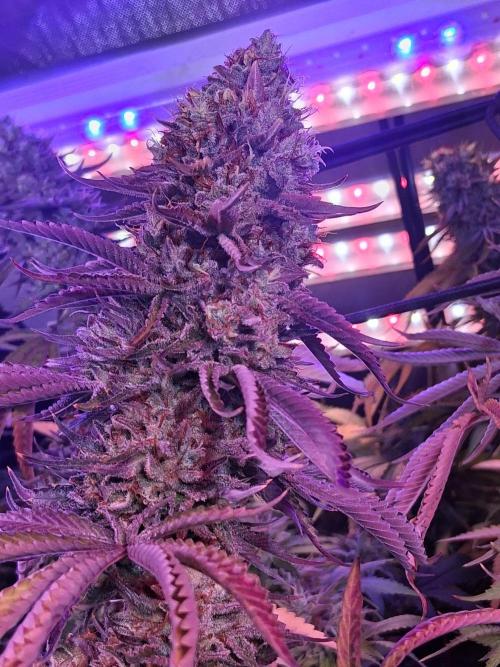

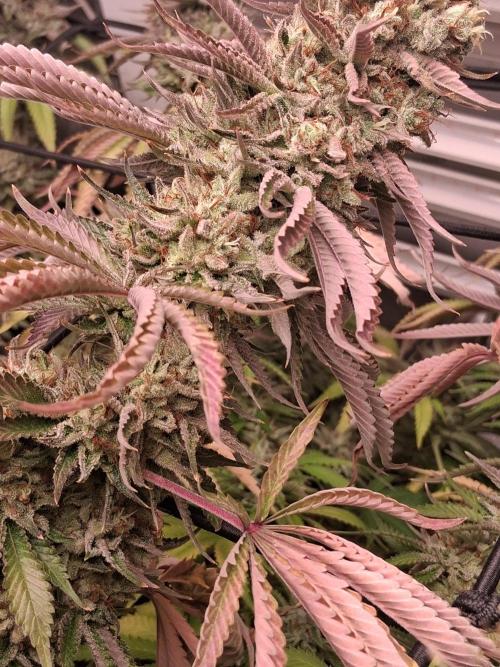
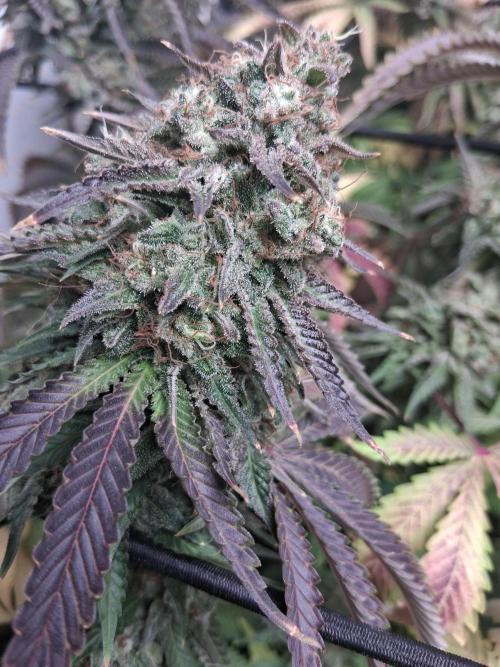
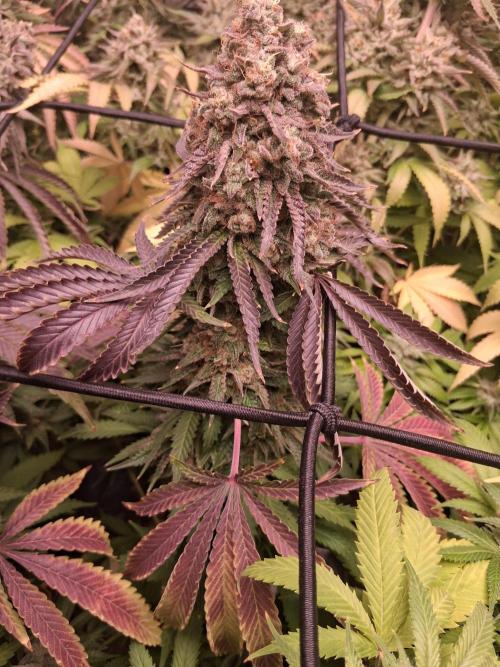
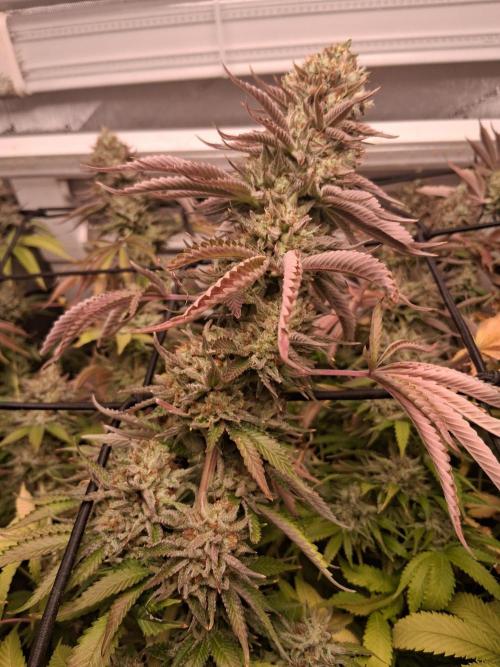
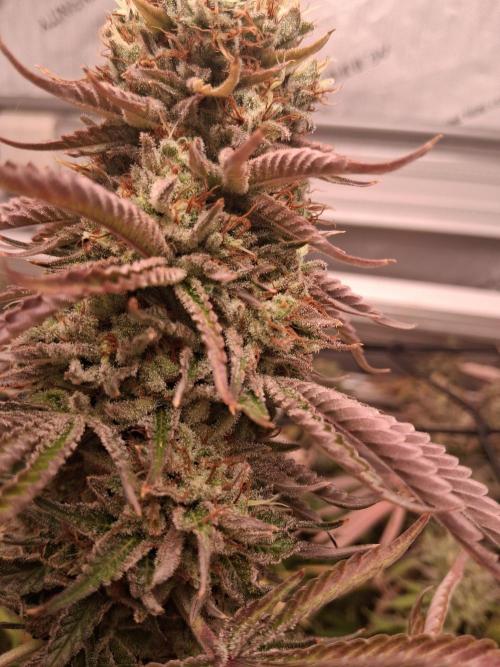
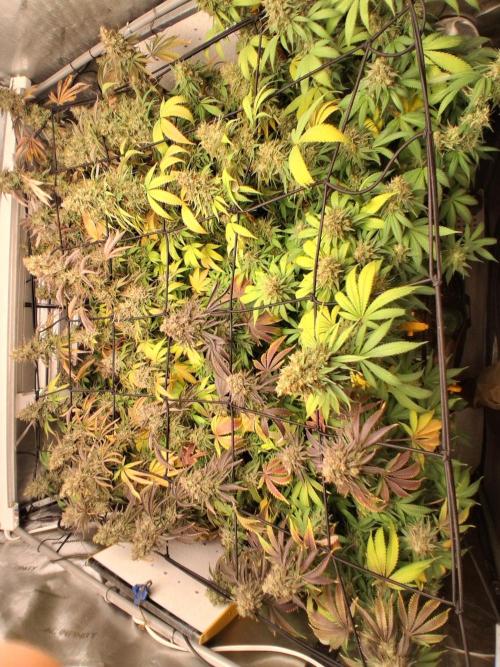
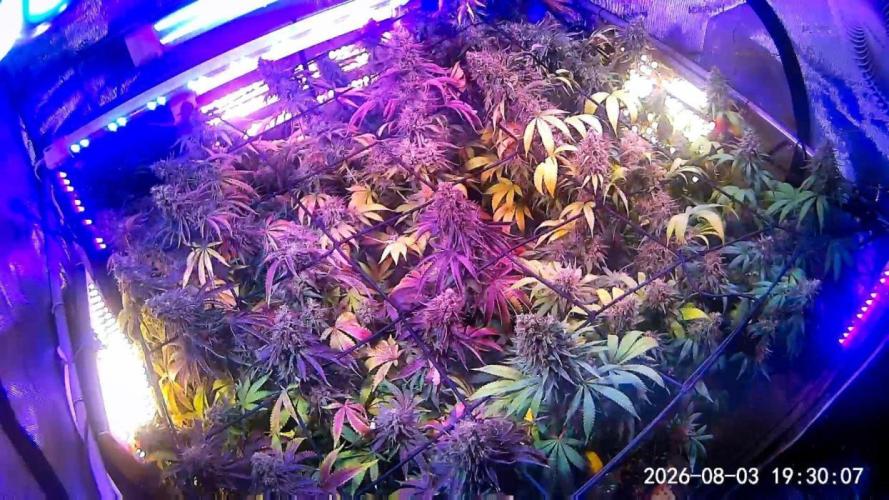
149.86 cm
Height
12 hrs
Light Schedule
21 °C
Day Air Temp
6.4
pH
No Smell
Smell
40 %
Air Humidity
20 °C
Solution Temp
21 °C
Substrate Temp
19 °C
Night Air Temp
378.54 liters
Pot Size
1.89 liters
Watering Volume
700 PPM
CO₂ Level
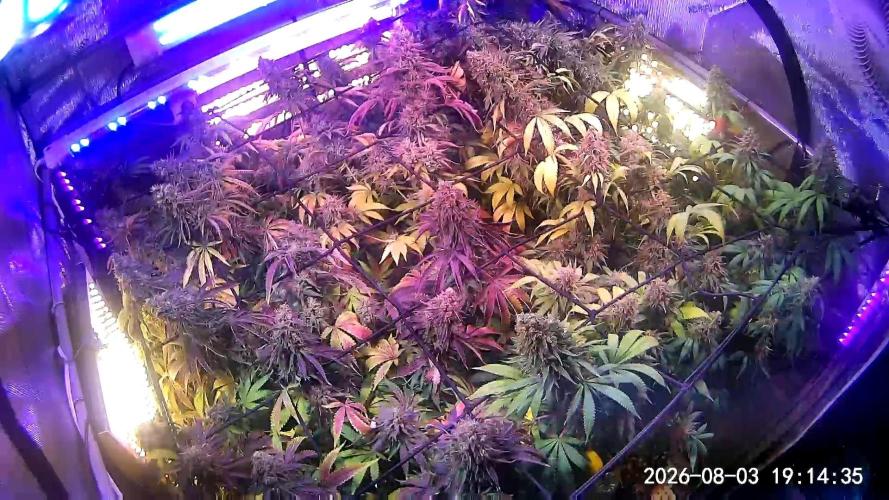
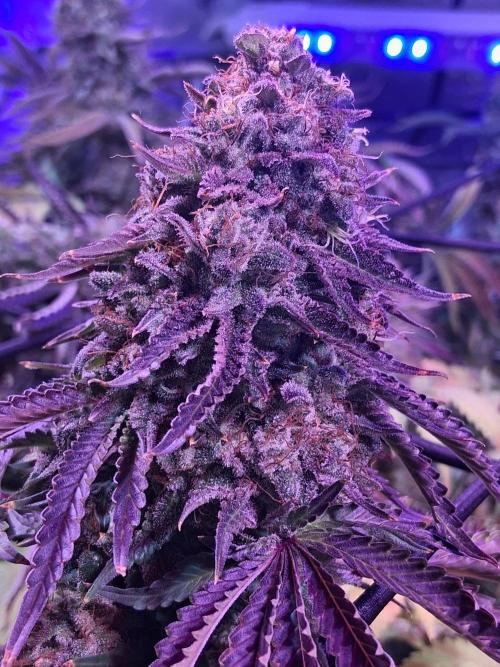
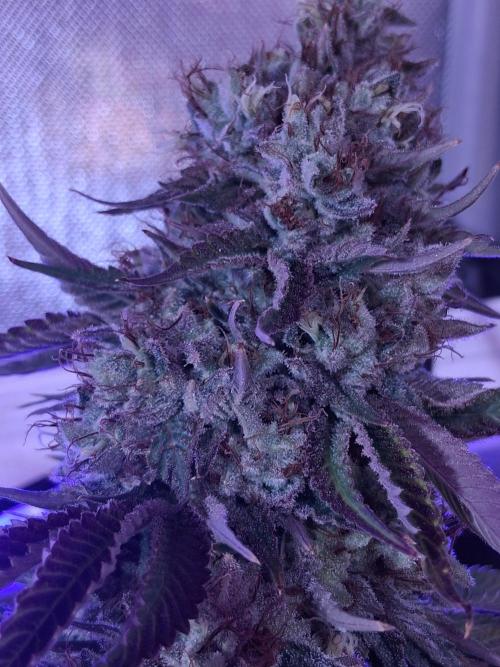
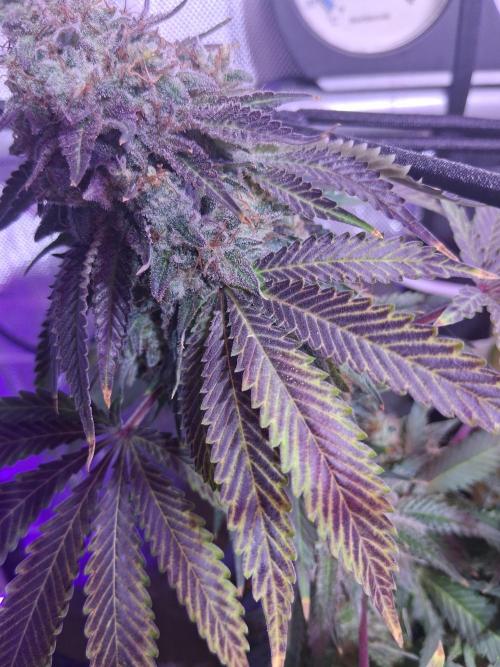
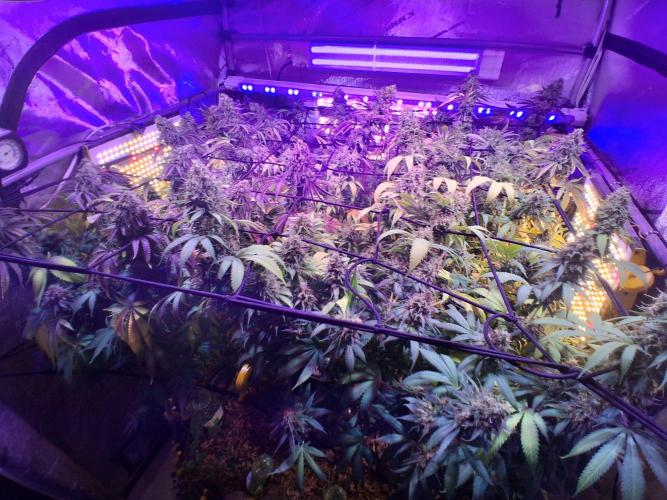
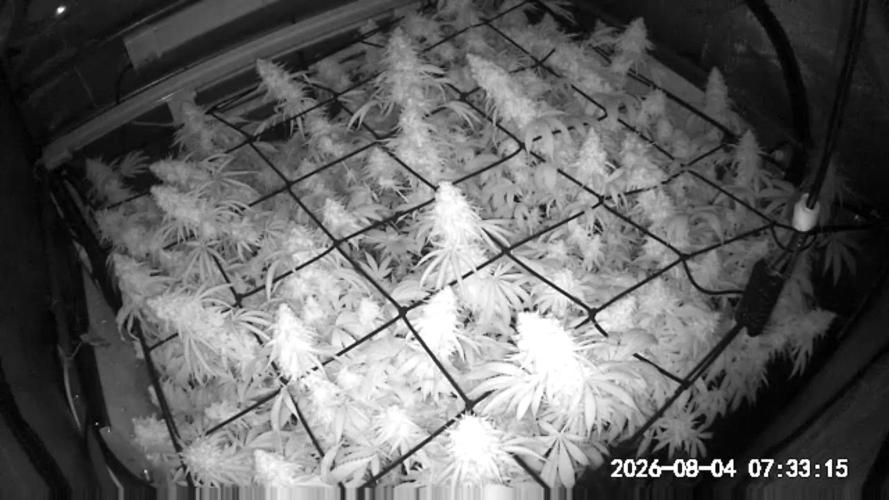
Altitonans_Fulmen Almost there. 🤧
The Story of the Scattered Seed
4 1-2 He went back to teaching by the sea. A crowd built up to such a great size that he had to get into an offshore boat, using the boat as a pulpit as the people pushed to the water’s edge. He taught by using stories, many stories.
3-8 “Listen. What do you make of this? A farmer planted seed. As he scattered the seed, some of it fell on the road and birds ate it. Some fell in the gravel; it sprouted quickly but didn’t put down roots, so when the sun came up it withered just as quickly. Some fell in the weeds; as it came up, it was strangled among the weeds and nothing came of it. Some fell on good earth and came up with a flourish, producing a harvest exceeding his wildest dreams.
9 “Are you listening to this? Really listening?”
10-12 When they were off by themselves, those who were close to him, along with the Twelve, asked about the stories. He told them, “You’ve been given insight into God’s kingdom—you know how it works. But to those who can’t see it yet, everything comes in stories, creating readiness, nudging them toward a welcome awakening. These are people—
Whose eyes are open but don’t see a thing,
Whose ears are open but don’t understand a word,
Who avoid making an about-face and getting forgiven.”
13 He continued, “Do you see how this story works? All my stories work this way.
14-15 “The farmer plants the Word. Some people are like the seed that falls on the hardened soil of the road. No sooner do they hear the Word than Satan snatches away what has been planted in them.
16-17 “And some are like the seed that lands in the gravel. When they first hear the Word, they respond with great enthusiasm. But there is such shallow soil of character that when the emotions wear off and some difficulty arrives, there is nothing to show for it.
18-19 “The seed cast in the weeds represents the ones who hear the kingdom news but are overwhelmed with worries about all the things they have to do and all the things they want to get. The stress strangles what they heard, and nothing comes of it.
20 “But the seed planted in the good earth represents those who hear the Word, embrace it, and produce a harvest beyond their wildest dreams.”
Mark 4:10-12
2 likes
comments
Share
16
Week 16. Harvest1mo ago
Happy Harvest Day!

10/10
Rated
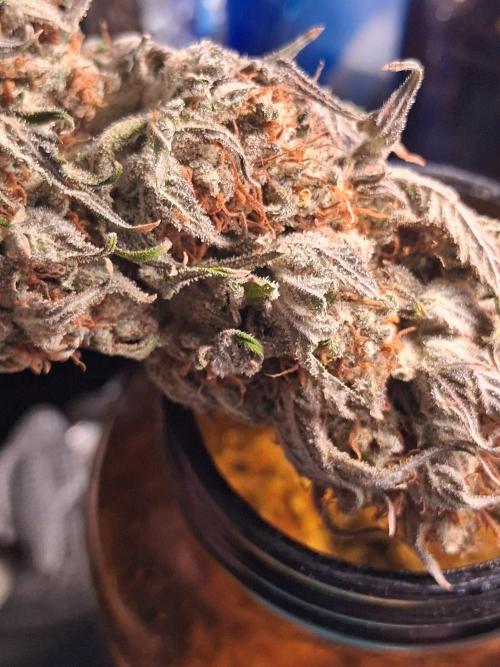
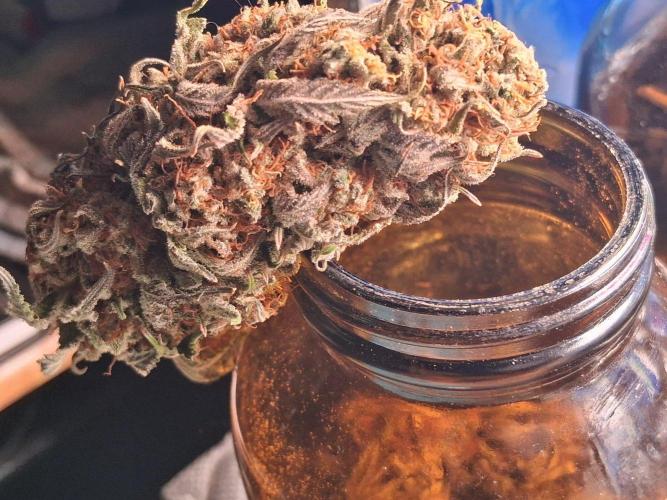
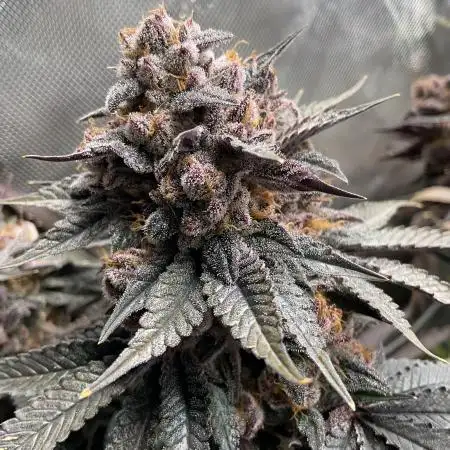
Smooth, all the stone, no negatives. Barely feel the smoke. "Wham." Pure bliss.
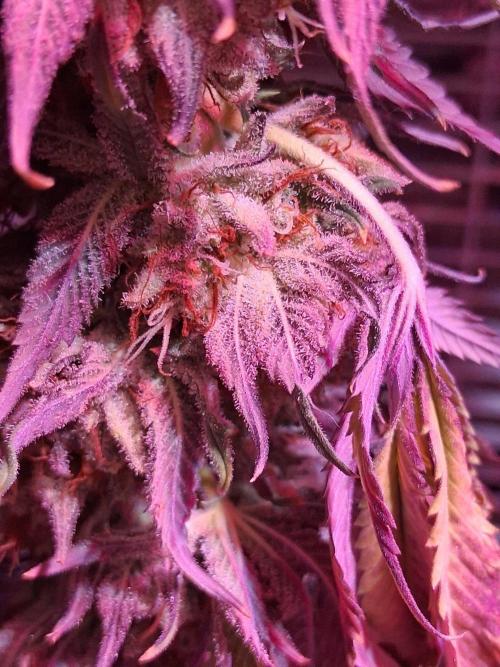
The harder you push for anthocyanin, the higher the levels of the terpene linalool. I've noticed over the years a distinctive crossing, ofc some more than others, but the level of linalool in this smoke is so high it tastes almost like lavender.
As a terpene, linalool does not directly convert into anthocyanin, but they share a strong genetic and regulatory link in plants. Both pathways are often co-activated or controlled by the same master transcription factors (such as MYB and bHLH proteins) during fruit ripening, flower opening, or stress responses.
Specialized protein complexes—like the MBW (MYB-bHLH-WD40) complex—regulate anthocyanin pigmentation (giving flowers and leaves red, purple, or blue colors) and frequently co-regulate the genes responsible for volatile terpene production.
Because of this shared genetic control, plants or strains with high anthocyanin content (such as purple-hued flowers, fruits, or cannabis phenotypes) often display concurrent elevations in linalool and other aromatic compounds.
Truly amazing smoke. Blueberry, orange, faint soapy hints with earthy, diesel undertones. 1 of the 4 plants has an exceptionally high level of linalool. It's noticeable.
Beta-Caryophyllene,
Limonene,
Myrcene,
Linalool,
Show more
Translate
Spent 107 days
Ger Veg Flo Har
1305 g
Bud wet weight per plant
331 g
Bud dry weight per plant
4
Plants
10.16 m²
Grow Room size
Normal
Difficulty

Energetic
Positive effects

Berries, Herbs
Taste
Height
Day air temperature
Air humidity
PPM
PH
CO2
Light schedule
Solution temperature
Night air temperature
Substrate temperature
Pot size
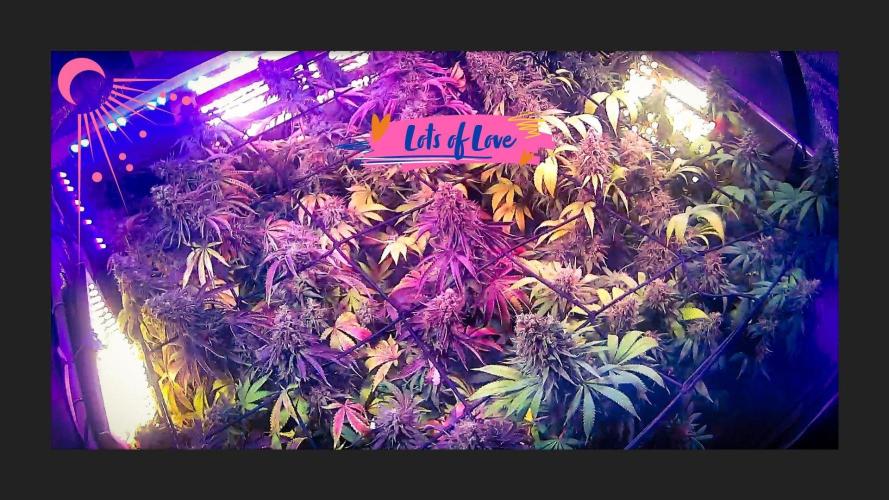

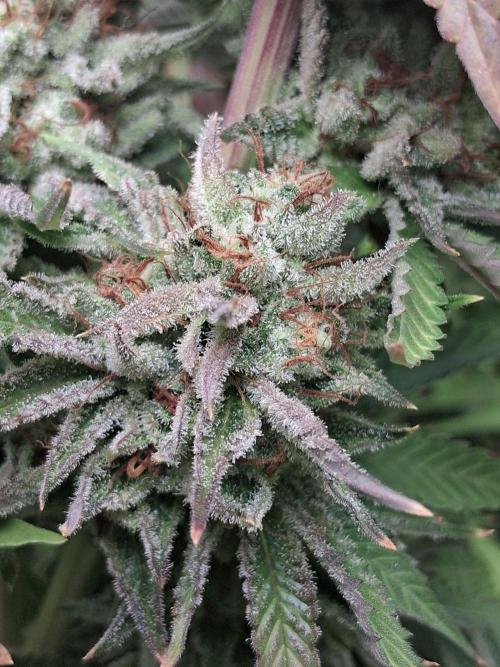
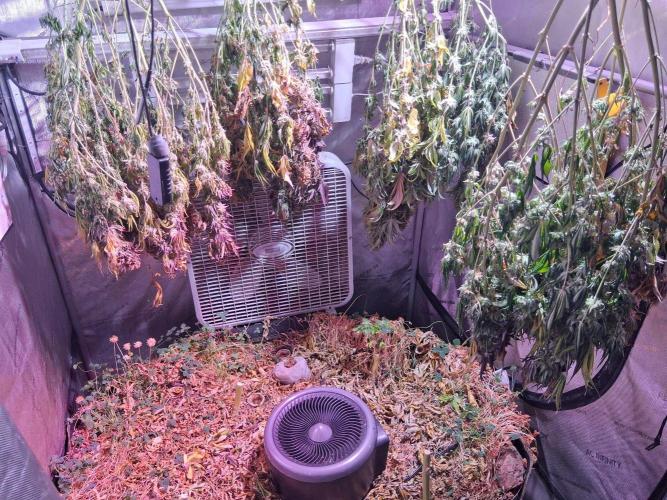
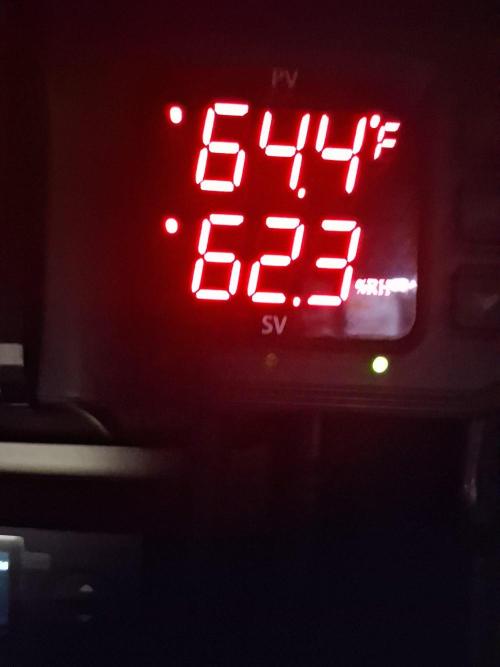
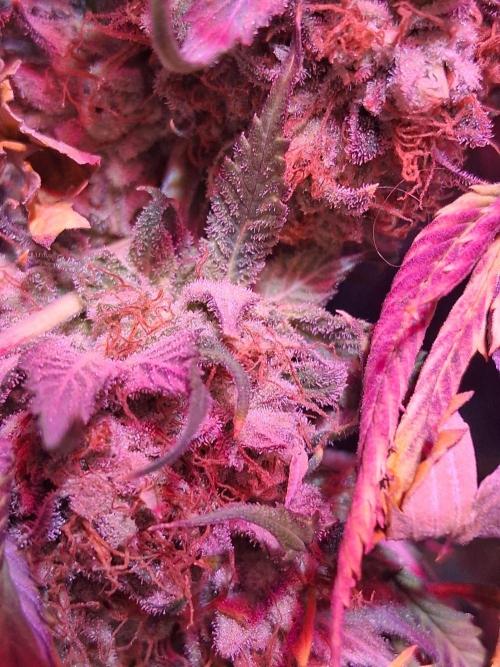
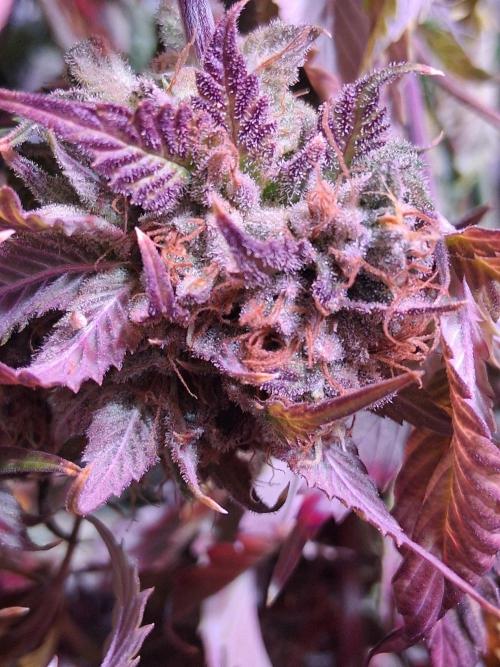
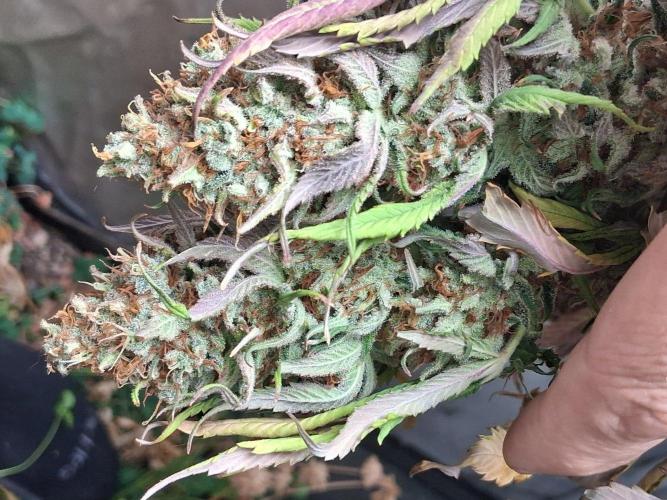
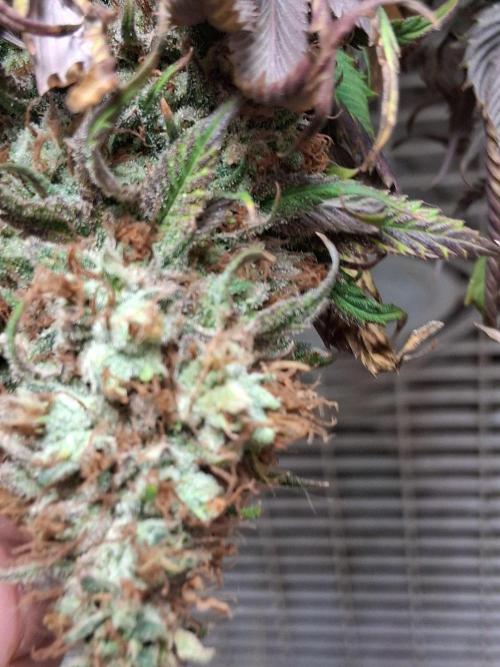


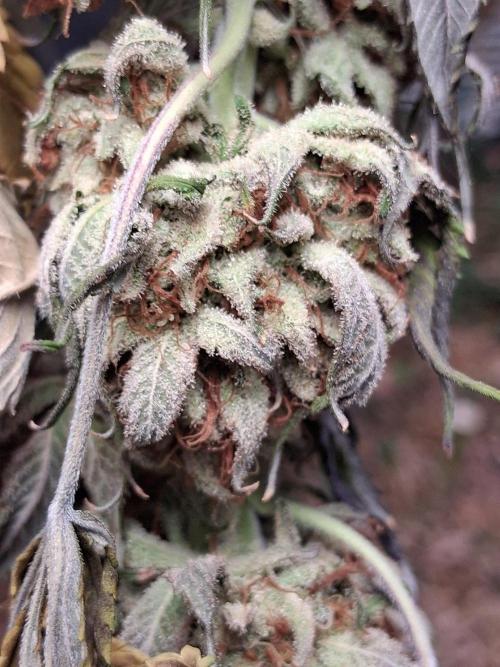
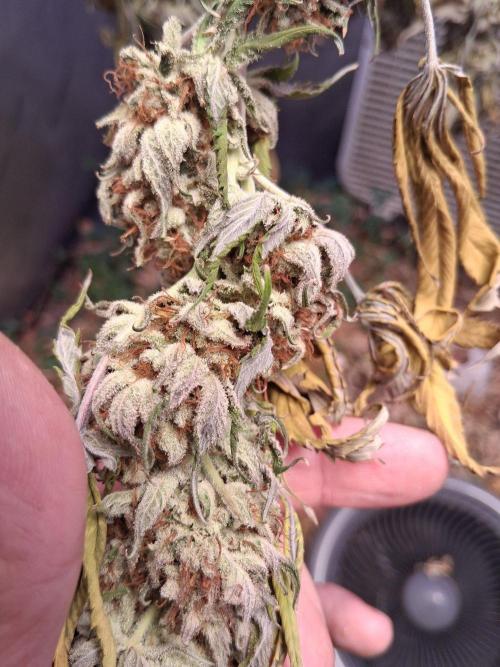

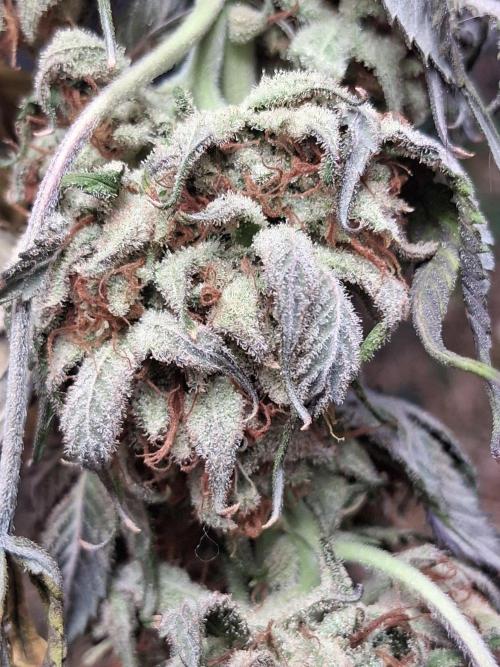
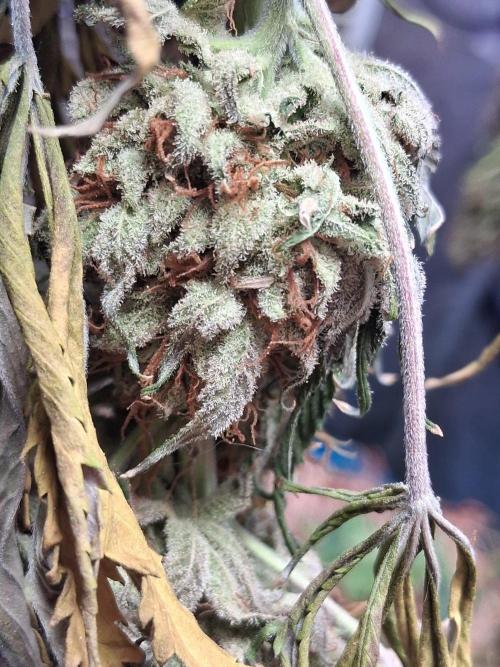
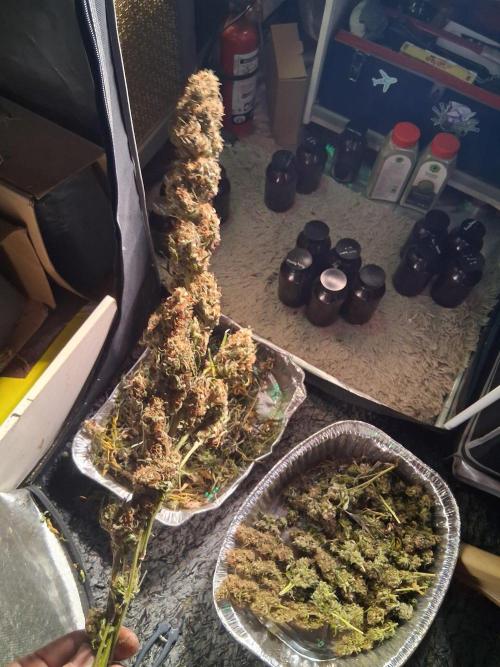
Altitonans_Fulmen 344 g + 280 g + 445 g + 255 g = 1,324 g dry.
6 likes
1 comment
Share
Equipment Reviews


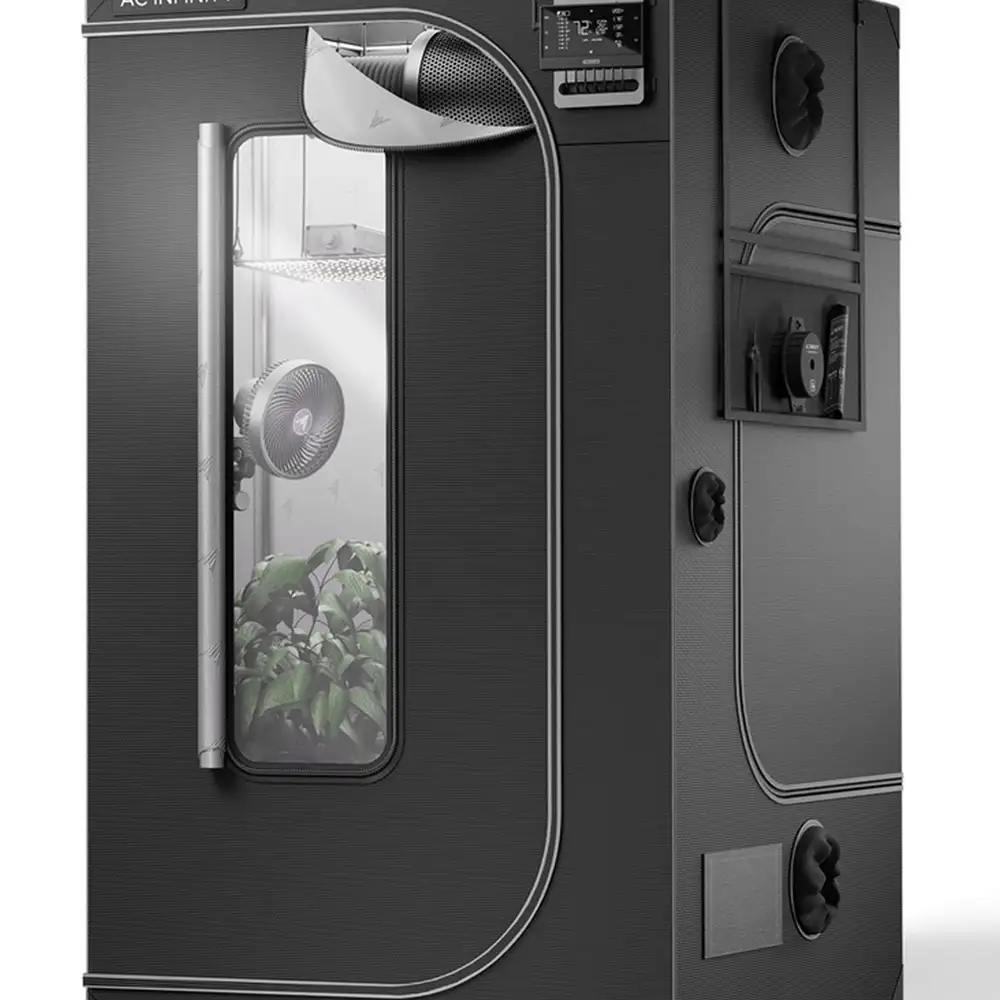
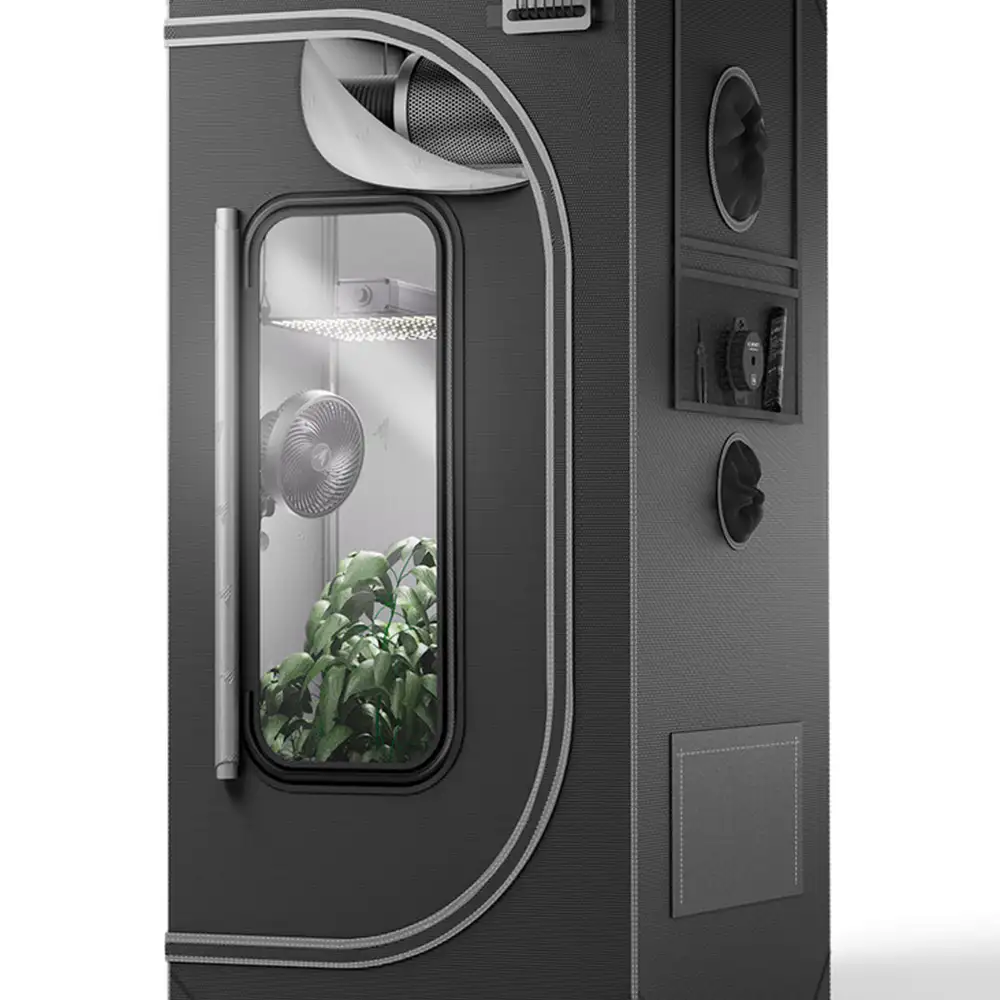


3 comments
Sort by
popularity
popularity
newest
oldest
Tower84 commentedweek 34mo ago
I wish you a good Journey 💚 Beautiful setup 👍
likes 3

GERGrowDesigns commentedweek 53mo ago
Great work and good Luck growmie 🌱
likes 2

Natrona commentedweek 161mo ago
Happy harvest 🎉 With excellent results 💪
like 1

the end.
Enjoying this diary? Follow for more updates!
Prefer the old Diary view?
Go back to the old Diary view