


Variegated Parmigiano





Soil
Sustrato

Indoor
Room Type
SoG
weeks 2
Defoliation
weeks 2
Transplantation
weeks 2-3
Topping
weeks 2-3
5 liters
Pot Size
0.8 liters
Watering
Start at Harvest
G
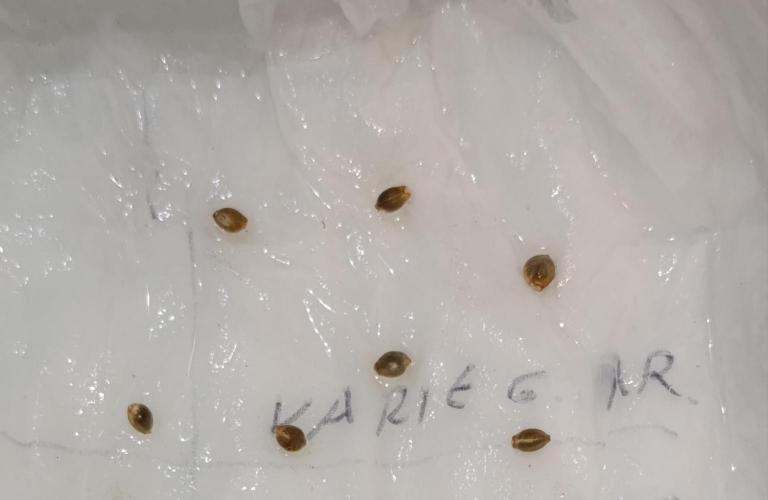
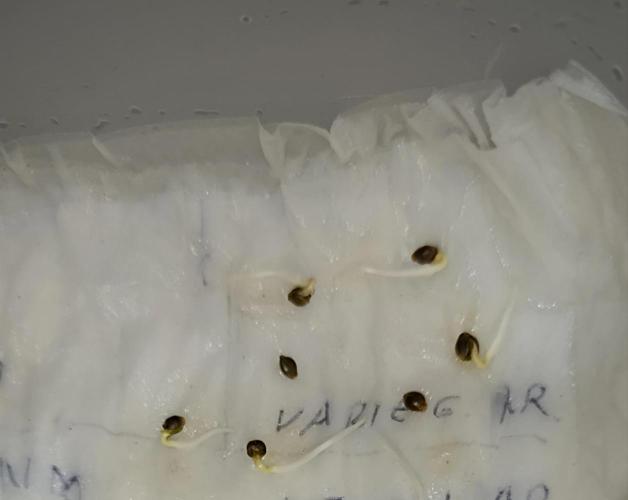
Germination5mo ago
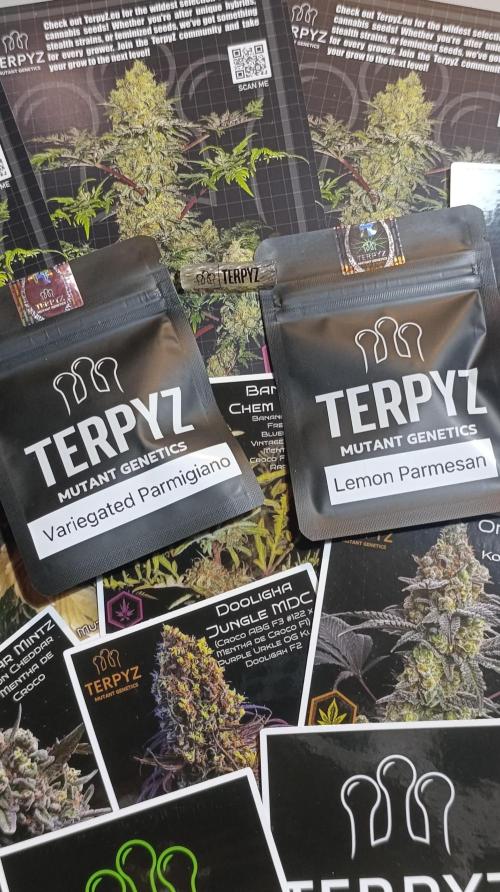



Nutrients 2

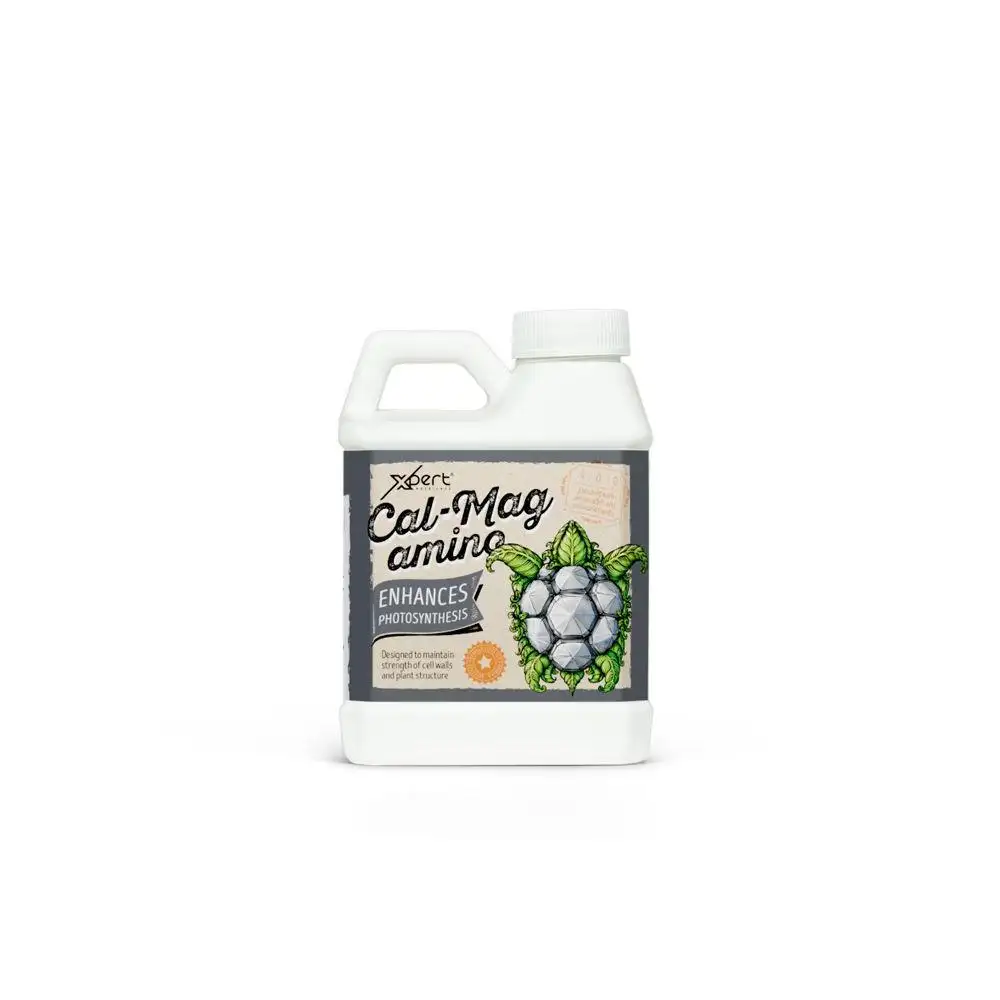
Cal-Mag Amino
0.5 mll

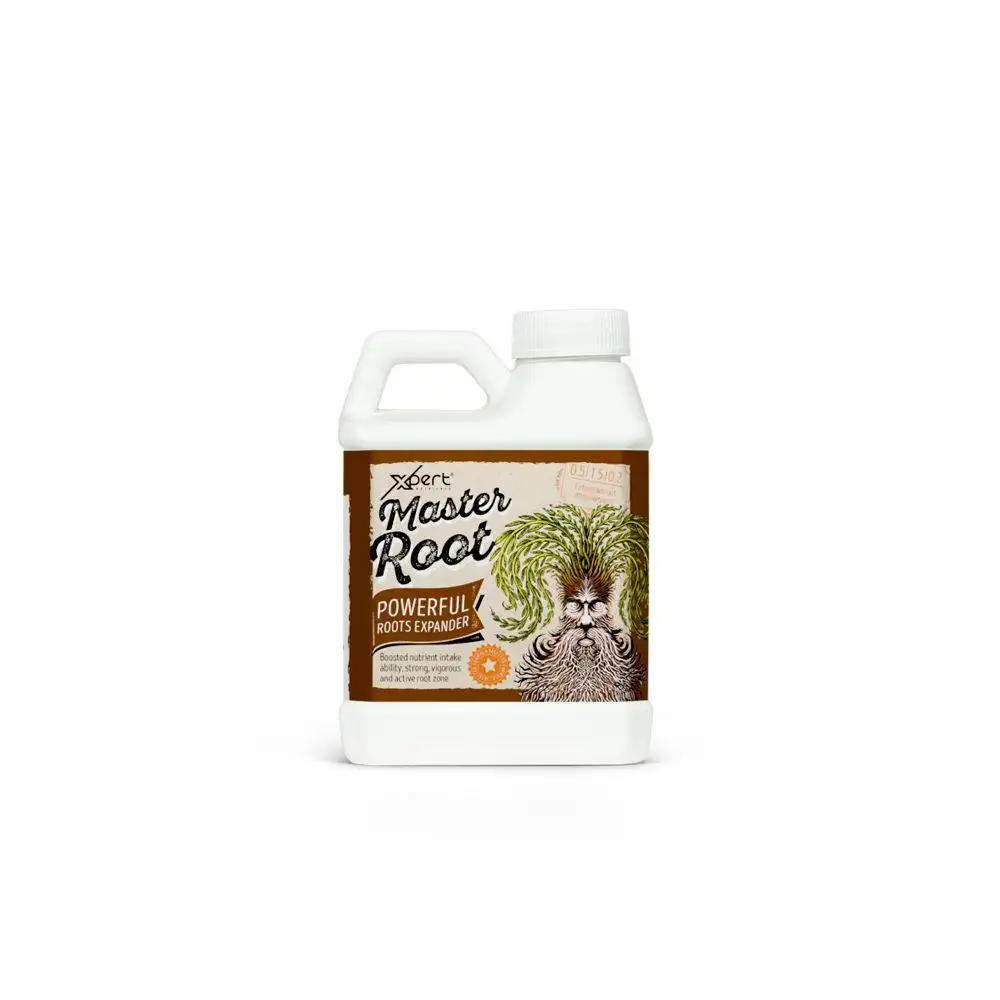
Master Root
0.5 mll
420DeepGrow Germination on paper towel
6 likes
2 comments
Share
Used method
Paper Towel
Germination Method
1
Week 1. Vegetation5mo ago
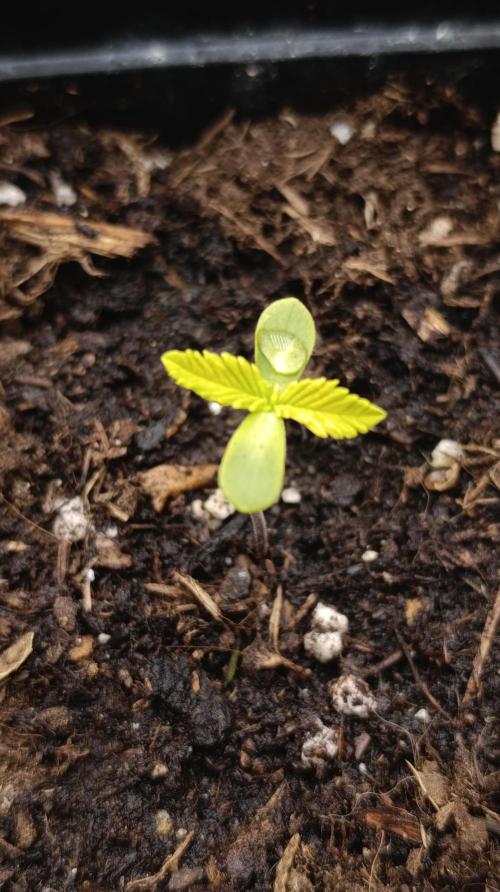
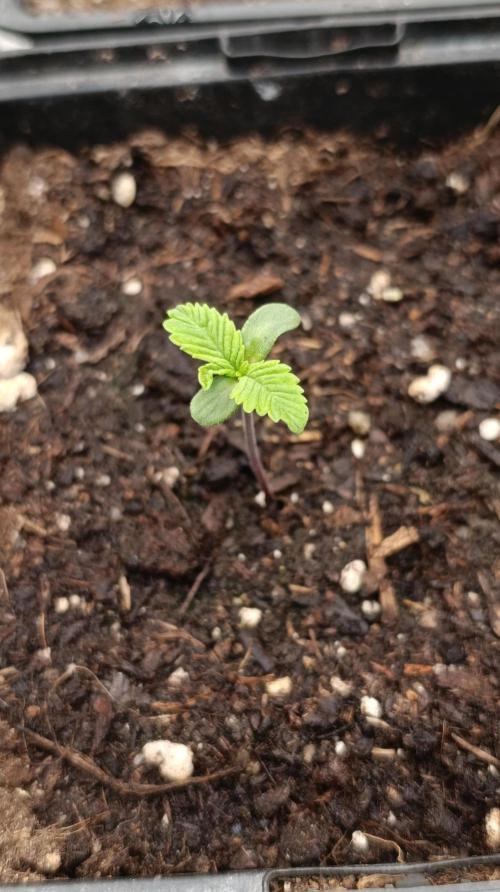
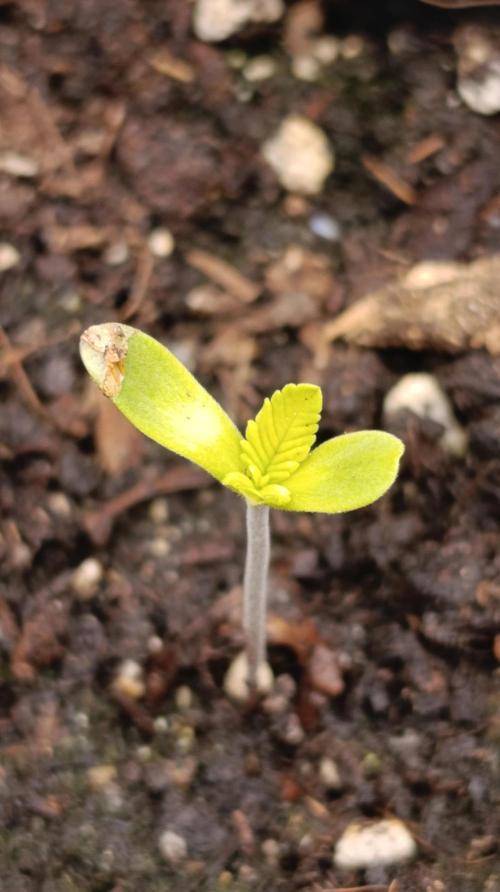
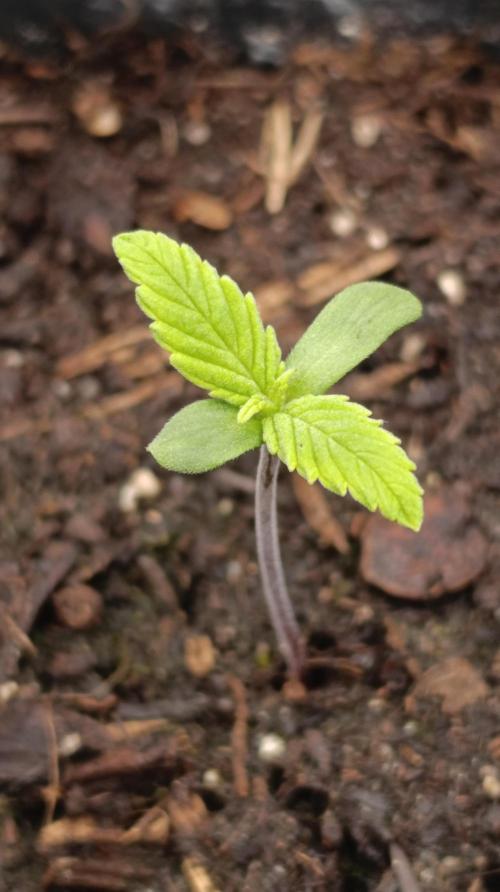
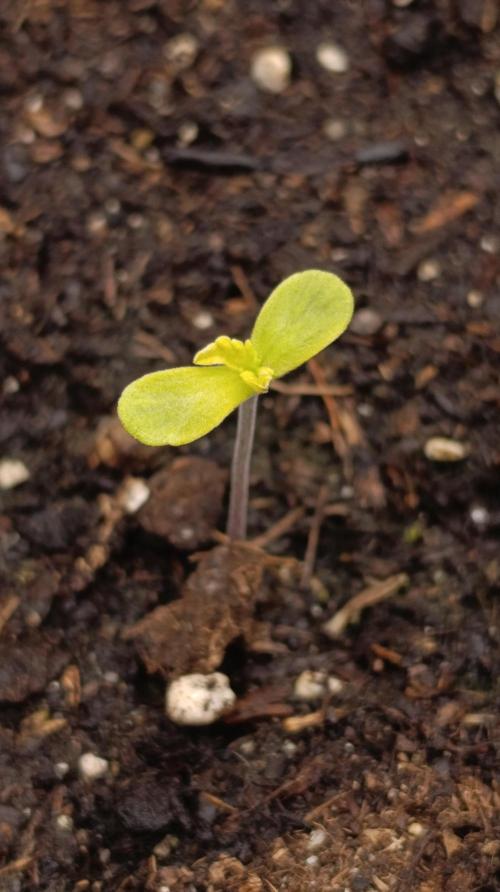



3 cm
Height
18 hrs
Light Schedule
23 °C
Day Air Temp
6.2
pH
No Smell
Smell
450 PPM
TDS
70 %
Air Humidity
21 °C
Solution Temp
20 °C
Substrate Temp
22 °C
Night Air Temp
2 liters
Pot Size
0.03 liters
Watering Volume
60 cm
Lamp Distance
450 PPM
CO₂ Level
420DeepGrow 📆 Week 1
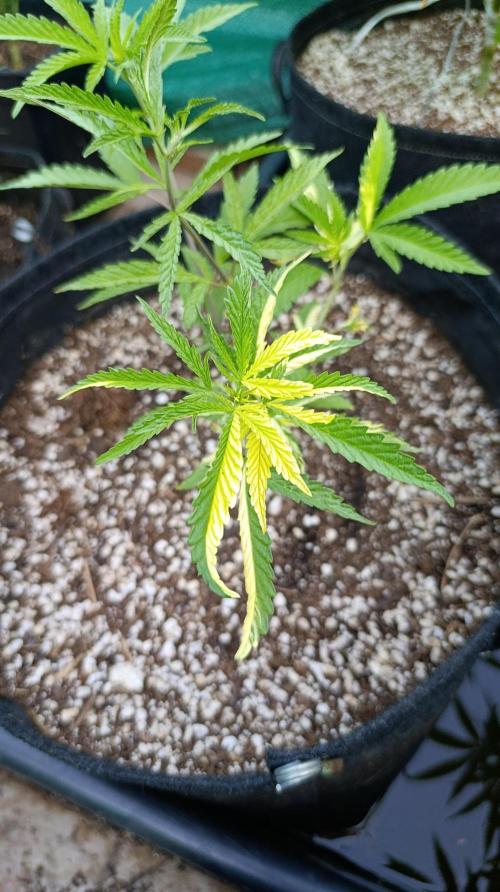
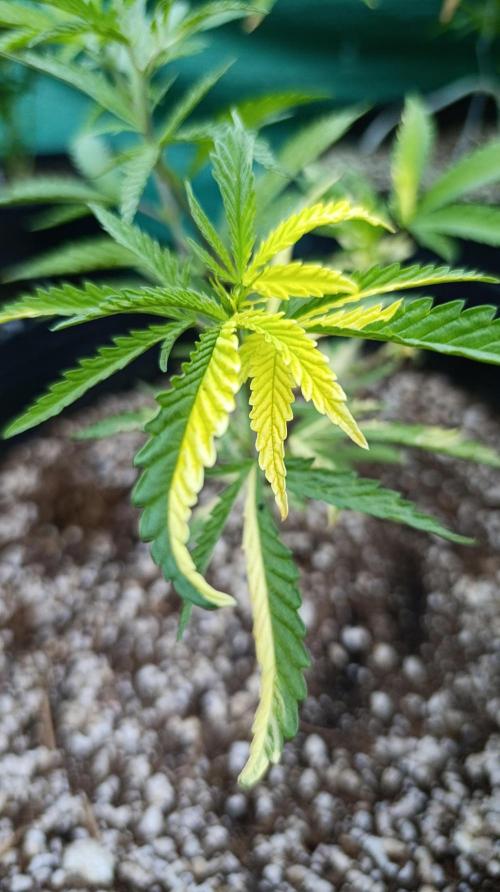
The Variegated Parmigiano is starting to settle into its initial vegetative phase 🌱
There is a slower but very structured growth, typical of variegated genetics, prioritizing stability over rapid expansion.
The first leaves already show their characteristic color pattern, with lighter areas becoming defined as the plant gains energy and adapts its metabolism ✨
The internodes remain short and the structure is beginning to take on a compact and balanced shape.
The root system continues to develop in a very stable environment, without stress and with controlled humidity to promote a solid foundation 💡
A gentle nutrition is maintained to avoid blockages, aiming to support without forcing the plant's natural rhythm.
⚡ EC: 0.5–0.6
💧 pH: 6.2–6.3
🌡️ Water: 19–21°C
🌫️ Humidity: 65–70%
💡 Light: PPFD 250–350
🔥 Note: In variegated genetics like this, the key is patience and stability: any excess can affect both growth and visual expression.
We're continuing to grow strong 💪!
4 likes
comments
Share
2
Week 2. Vegetation5mo ago
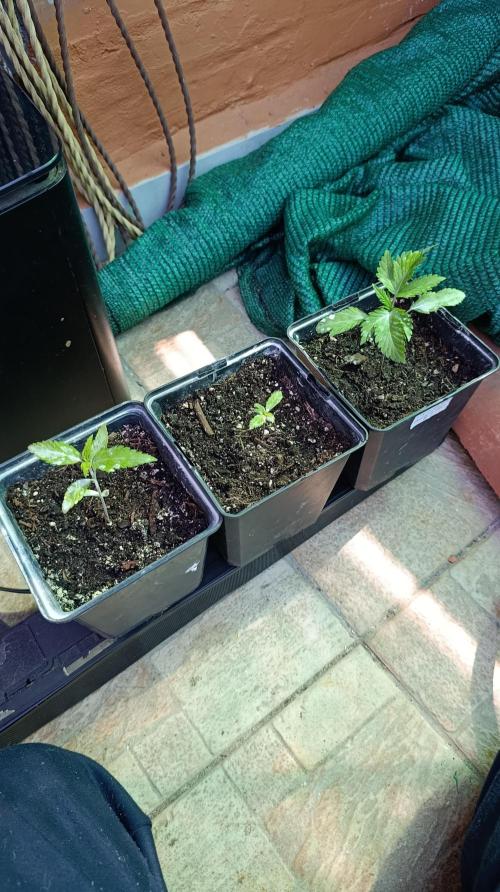
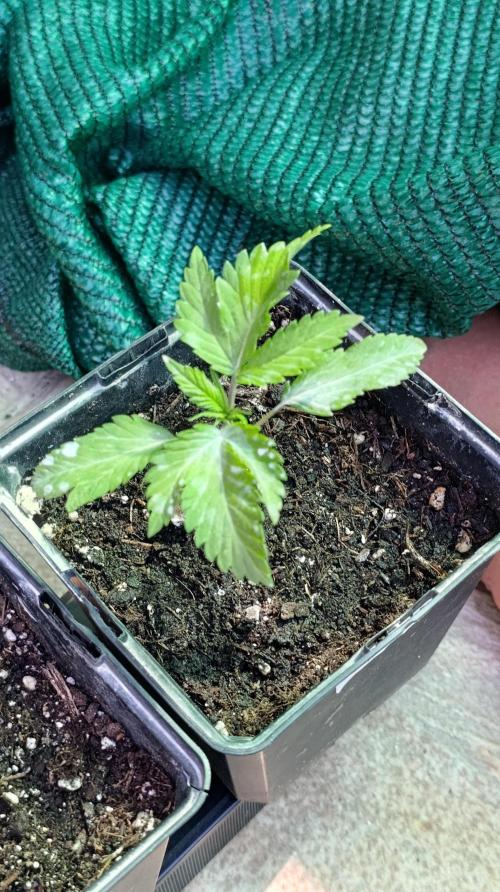
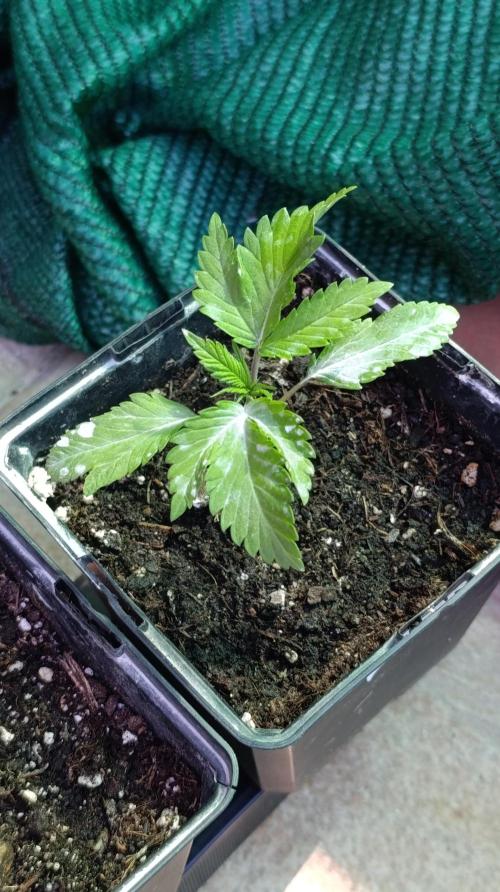
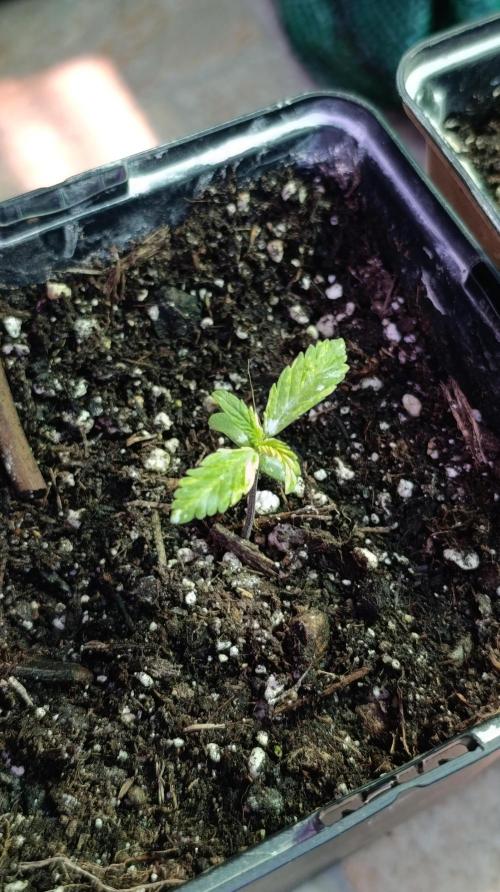
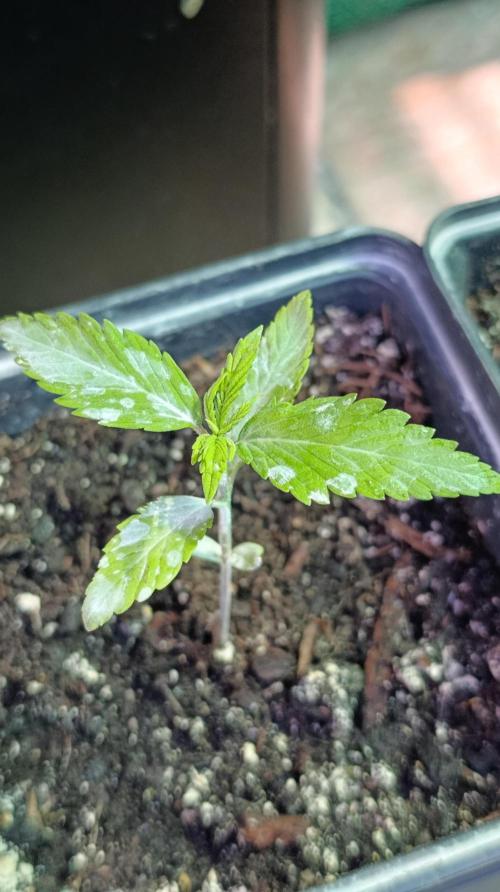
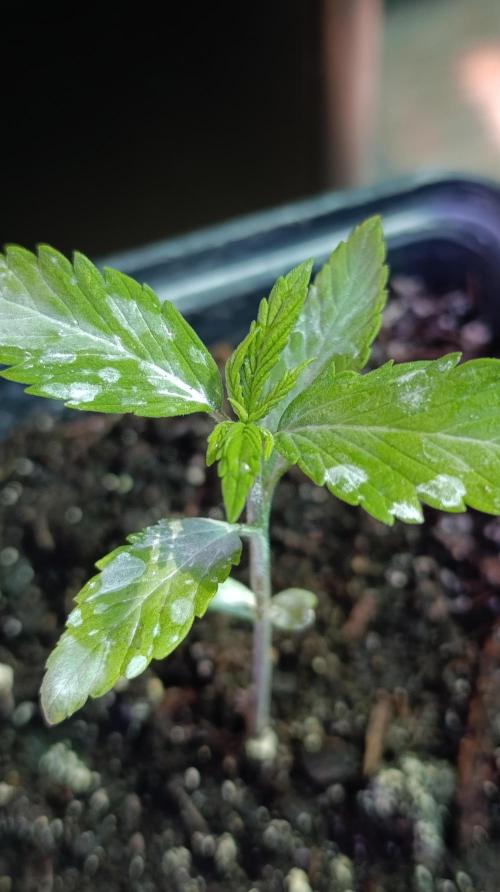
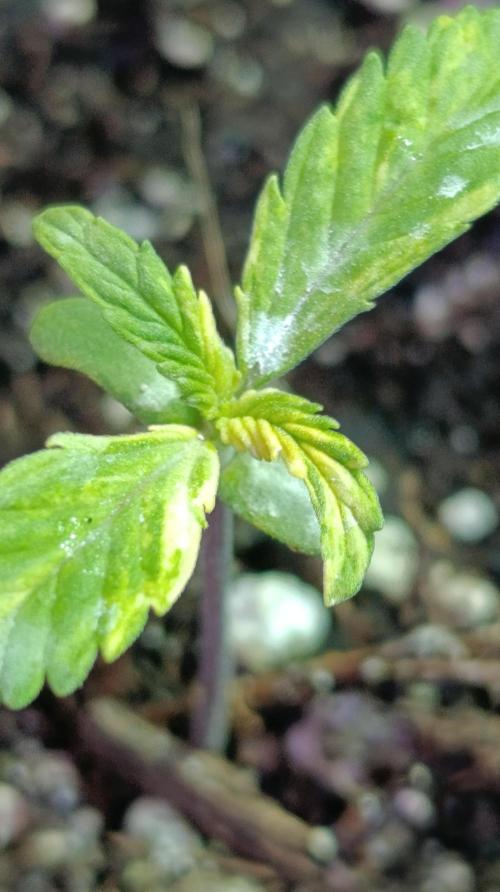
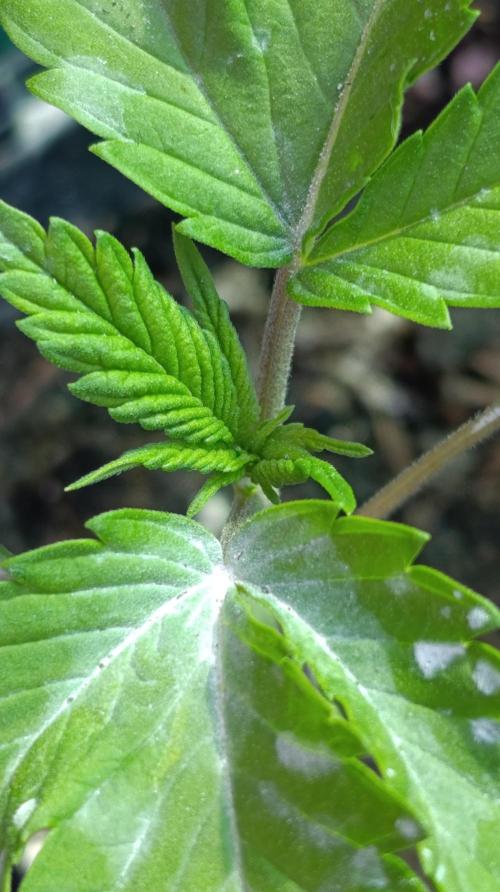



6 cm
Height
18 hrs
Light Schedule
25 °C
Day Air Temp
6.3
pH
Weak
Smell
900 PPM
TDS
65 %
Air Humidity
21 °C
Solution Temp
22 °C
Substrate Temp
23 °C
Night Air Temp
2 liters
Pot Size
0.06 liters
Watering Volume
60 cm
Lamp Distance
450 PPM
CO₂ Level
420DeepGrow 📆 Week 2
The plants continue to settle into the vegetative growth stage 🌱
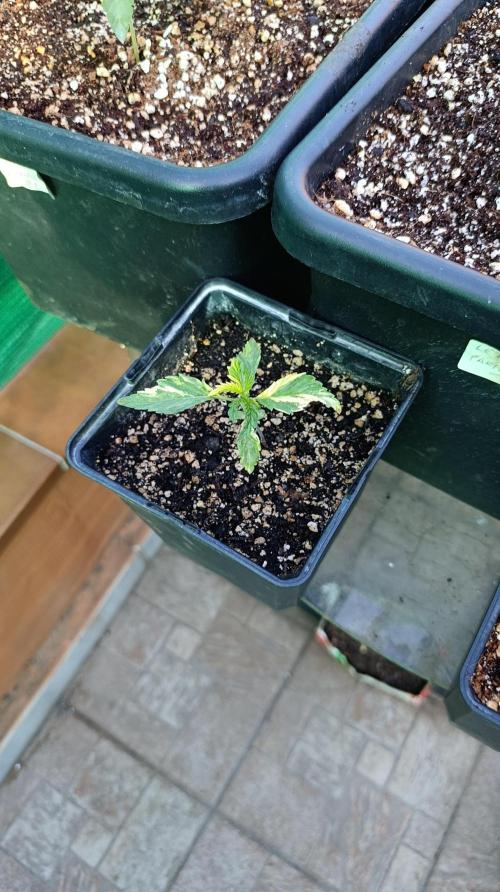
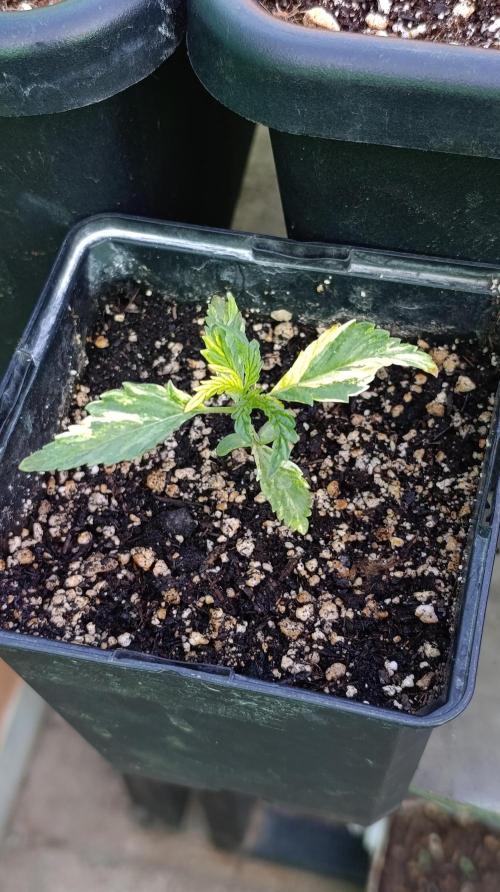
Two specimens did not manage to develop due to excessive variegation, leaving us with 3 viable plants that show better adaptation and stability.
The survivors maintain slow but healthy growth, with good structure and increasingly defined coloration patterns ✨
We keep soft parameters and light nutrition to avoid stress and promote stable development.
⚡ EC: 0.6–0.7
💧 pH: 6.2–6.4
🌡️ Water: 19–21°C
🌫️ Humidity: 65–70%
💡 Light: PPFD 300–400
🔥 Note: In highly variegated genetics, the first weeks usually indicate which specimens really have the strength to continue developing.
We keep growing strong 💪
4 likes
comments
Share
Used techniques
Transplantation
Technique
Defoliation
Technique
Topping
Technique
SoG
Technique
3
Week 3. Vegetation4mo ago



12 cm
Height
18 hrs
Light Schedule
25 °C
Day Air Temp
6.3
pH
Weak
Smell
1100 PPM
TDS
65 %
Air Humidity
21 °C
Solution Temp
22 °C
Substrate Temp
23 °C
Night Air Temp
5 liters
Pot Size
0.3 liters
Watering Volume
60 cm
Lamp Distance
450 PPM
CO₂ Level
420DeepGrow 📆 Week 3
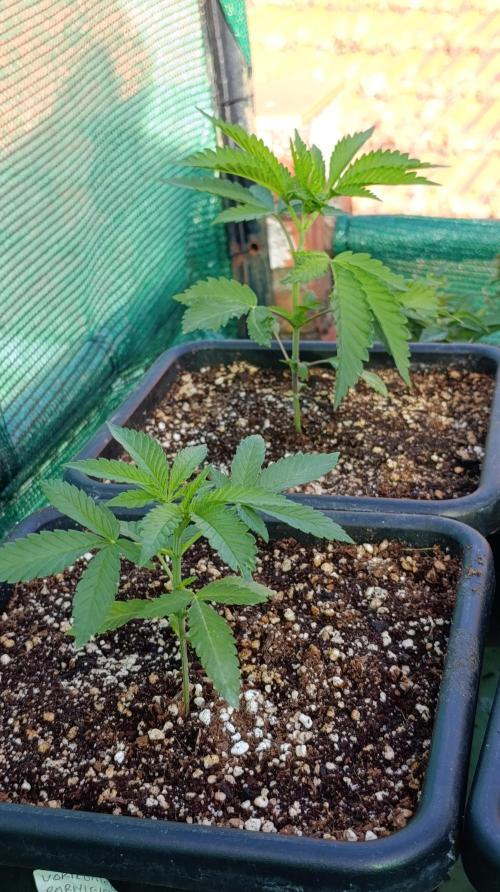
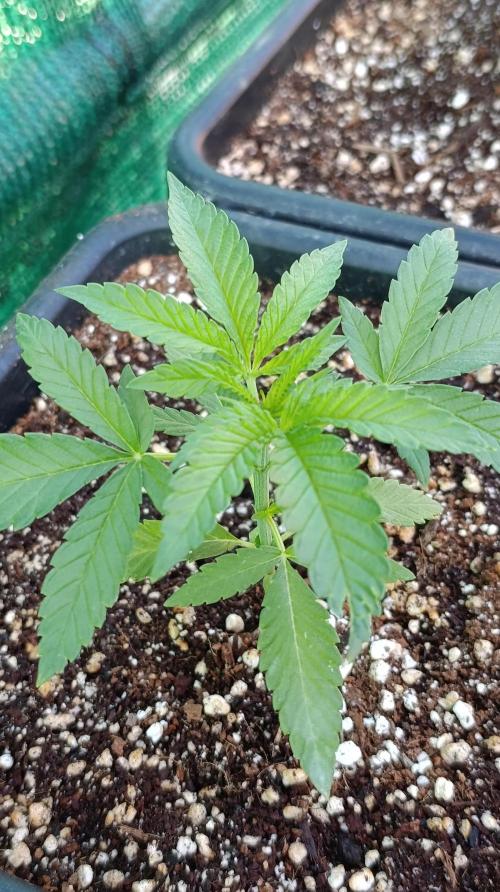
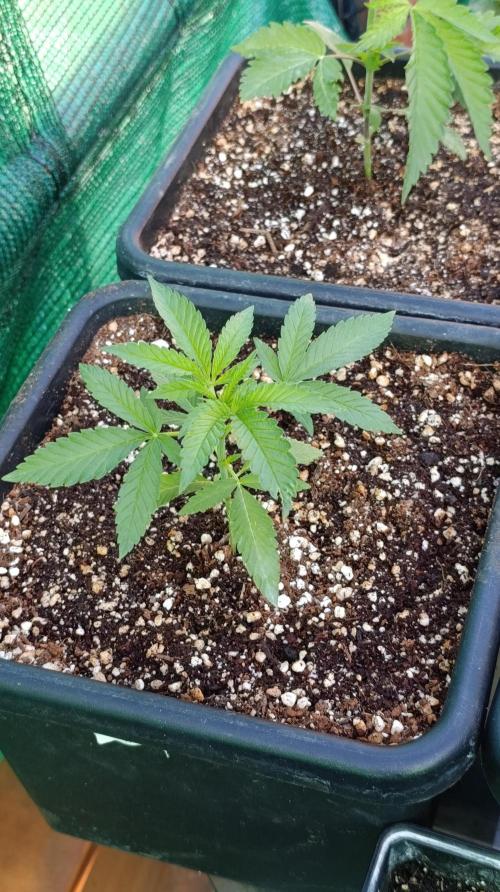
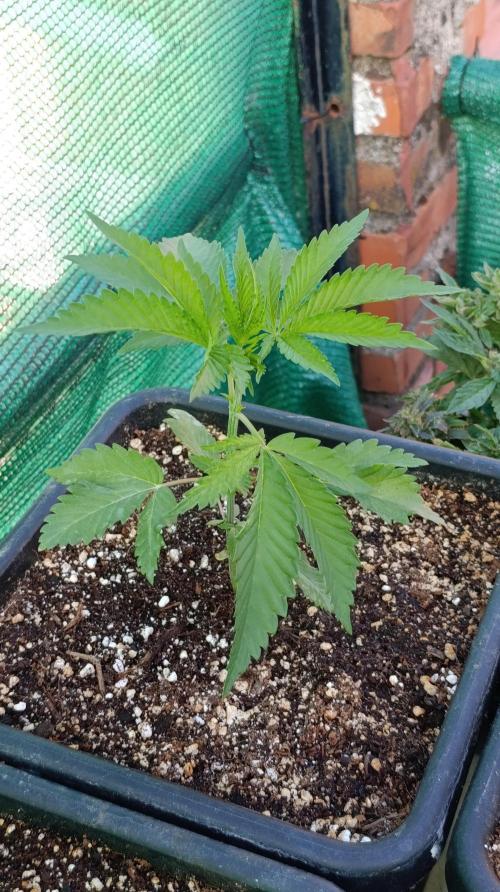
The 3 plants continue to progress with good adaptation after being transplanted to their final pots 🌱
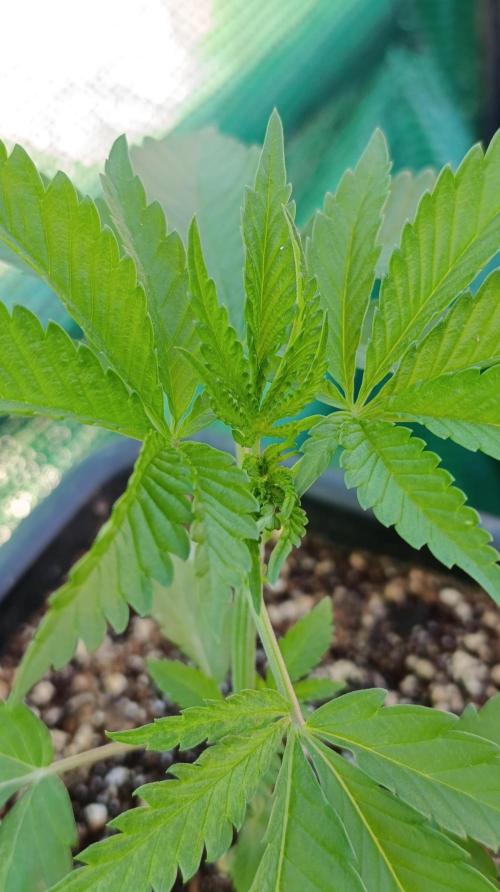
The vegetative development is gradually picking up pace, showing a balanced structure, healthy leaves, and better root expansion. The variegation patterns are continuing to define themselves without compromising the vigor of the surviving plants ✨
Soft parameters and moderate nutrition are maintained to encourage steady growth before starting the training work.
⚡ EC: 0.7–0.8
💧 pH: 6.2–6.4
🌡️ Water: 19–21°C
🌫️ Humidity: 60–68%
💡 Light: PPFD 400–500
🔥 Note: The good adaptation to transplanting allows for planning the first apical pruning during this week, aiming for a more branched and productive structure for the following phases.
We keep growing strong 💪!
3 likes
comments
Share
Used techniques
Transplantation
Technique
Topping
Technique
4
Week 4. Vegetation4mo ago
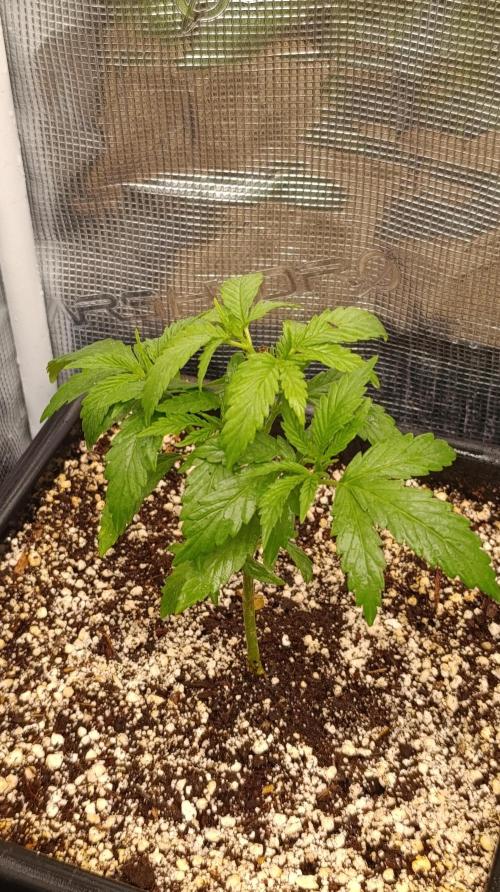
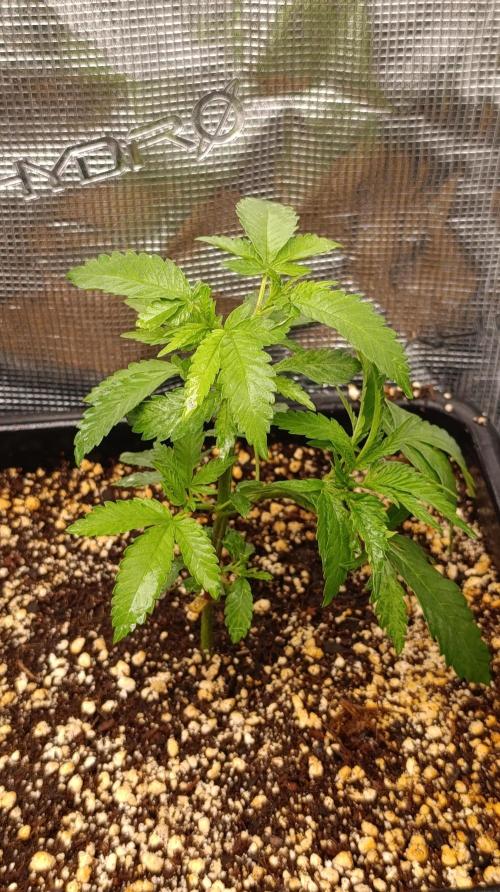
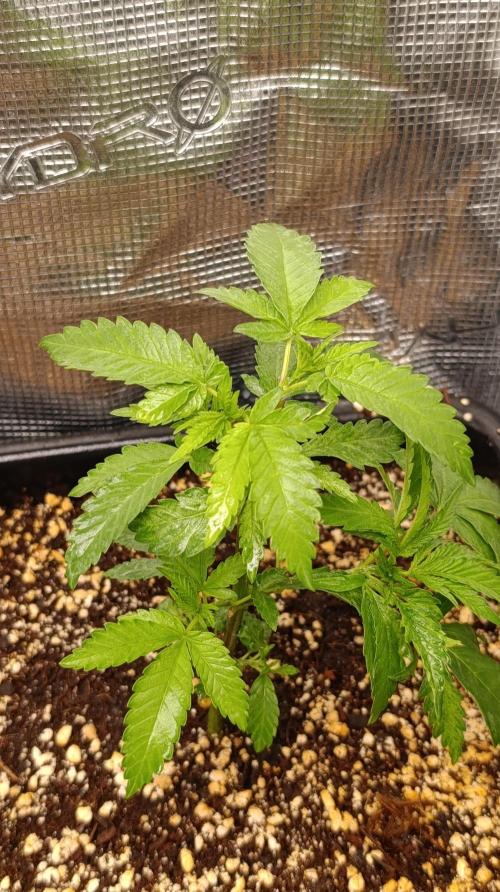
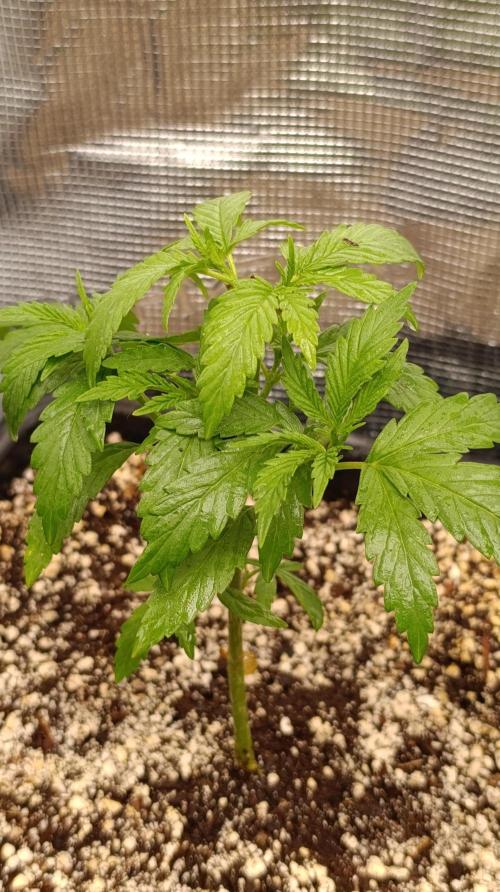
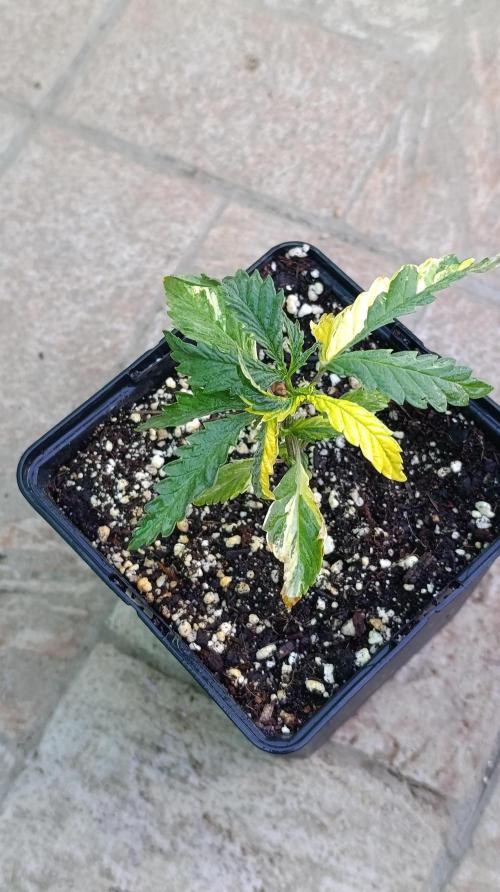
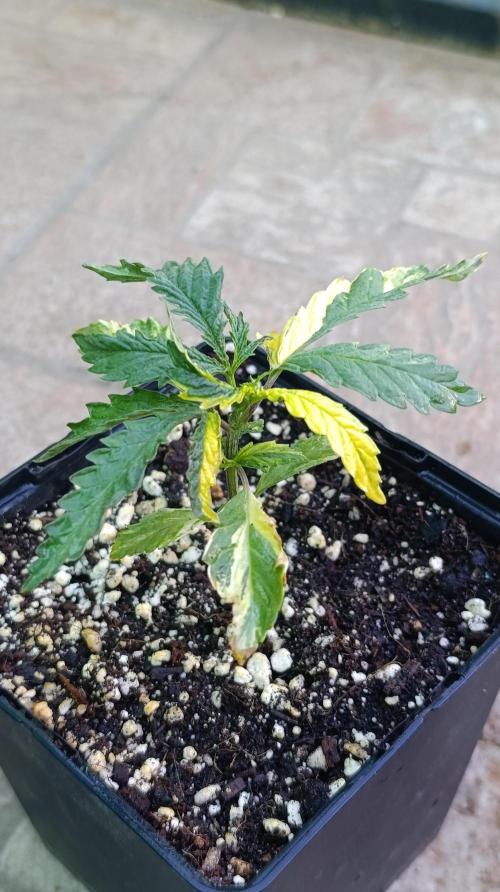
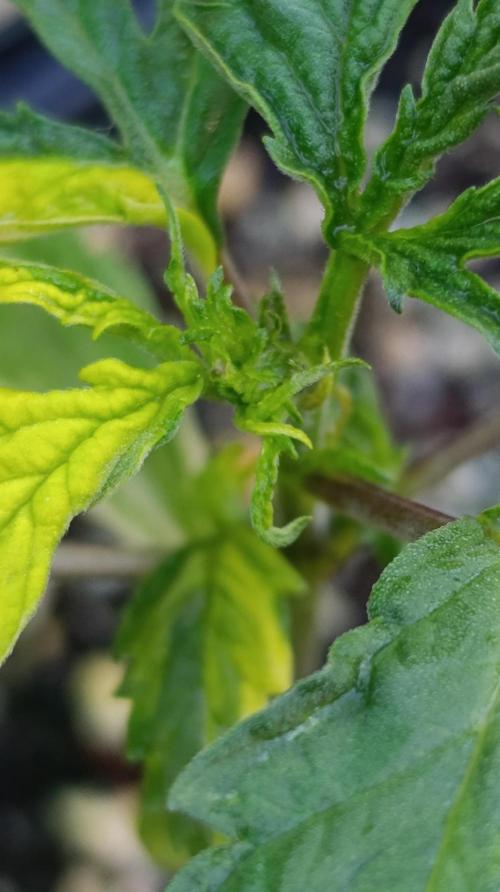



18 cm
Height
18 hrs
Light Schedule
25 °C
Day Air Temp
6.3
pH
Weak
Smell
1200 PPM
TDS
65 %
Air Humidity
21 °C
Solution Temp
22 °C
Substrate Temp
24 °C
Night Air Temp
5 liters
Pot Size
0.3 liters
Watering Volume
60 cm
Lamp Distance
450 PPM
CO₂ Level
Nutrients 4
Cal-Mag Amino
0.5 mll

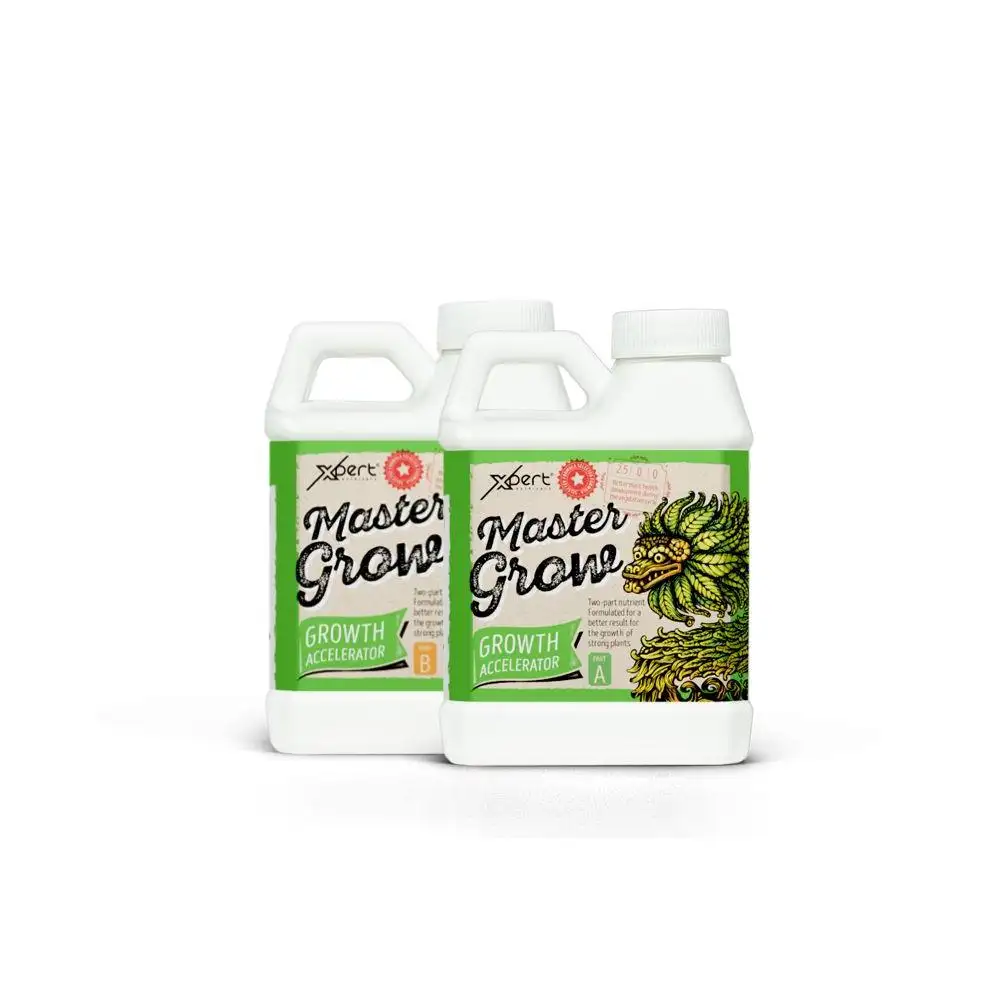
Master Grow
1.5 mll
Master Root
1.5 mll
420DeepGrow 📆 Week 4
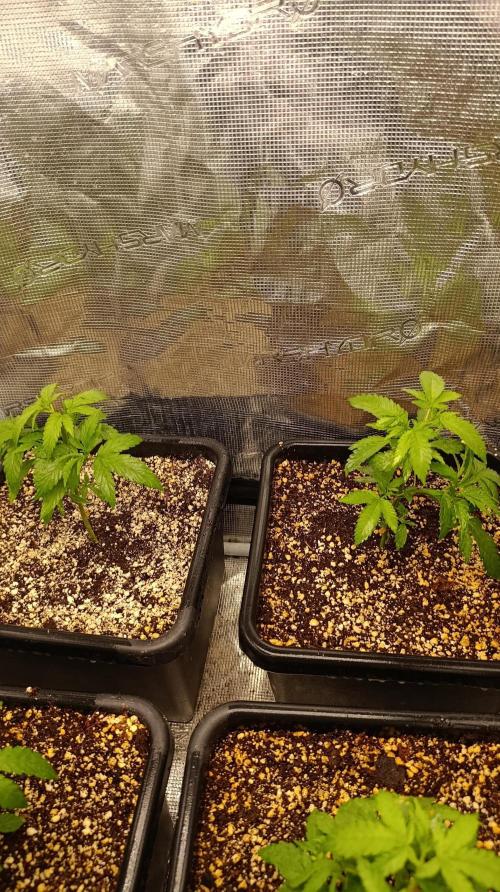
The plant is responding perfectly to the apical pruning done last week 🌱✂️
After cutting the main apex, growth redistributes towards the lateral shoots, favoring a wider, more compact structure adapted to the available space in the cabinet. The recovery has been quick, with no signs of stress, and overall vigor continues to increase day by day.
⚡ EC: 1.0 - 1.2
💧 pH: 6.2–6.4
🌡️ Water: 19–21°C
🌫️ Humidity: 55–62%
💡 Light: PPFD 500–600
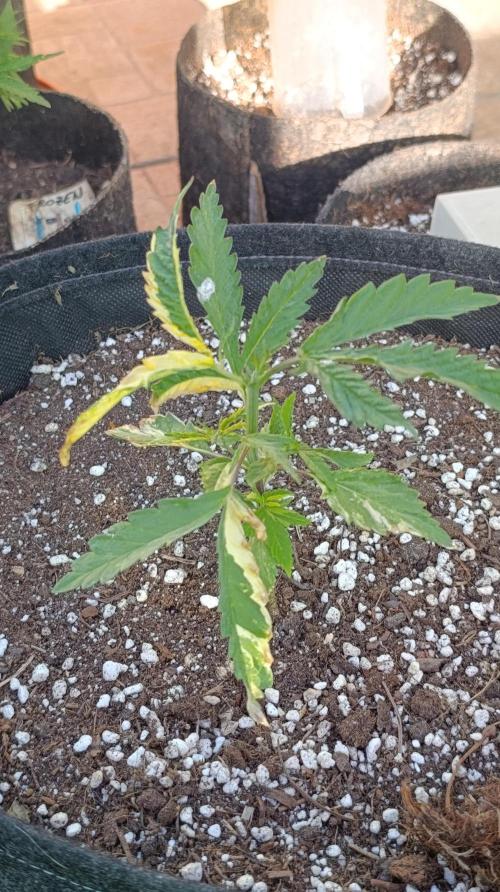
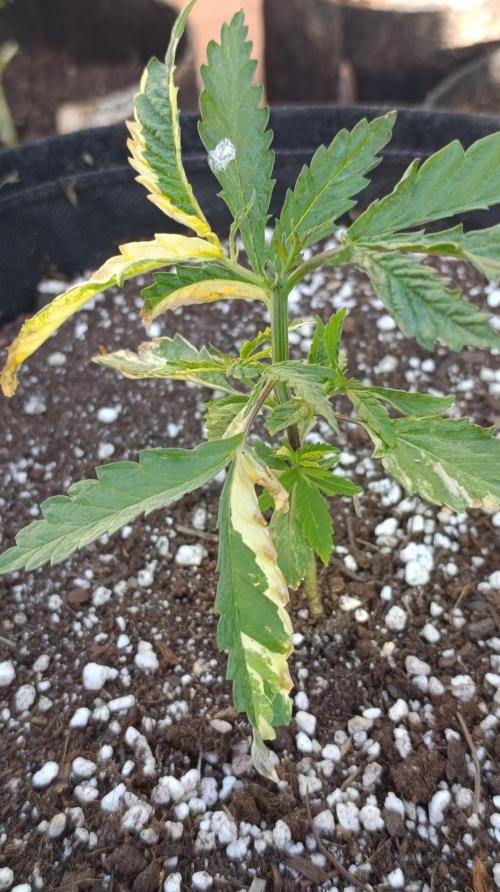
🔥 Note: The apical pruning is starting to show its effects, with more uniform branching and multiple tips competing for dominance. The goal is to maintain a controlled height and make better use of the growing surface. The more variegated plant will continue its development outdoors to allow for freer growth, and it will undergo apical pruning and final transplant.
We keep growing strong 💪!
5 likes
comments
Share
5
Week 5. Flowering4mo ago
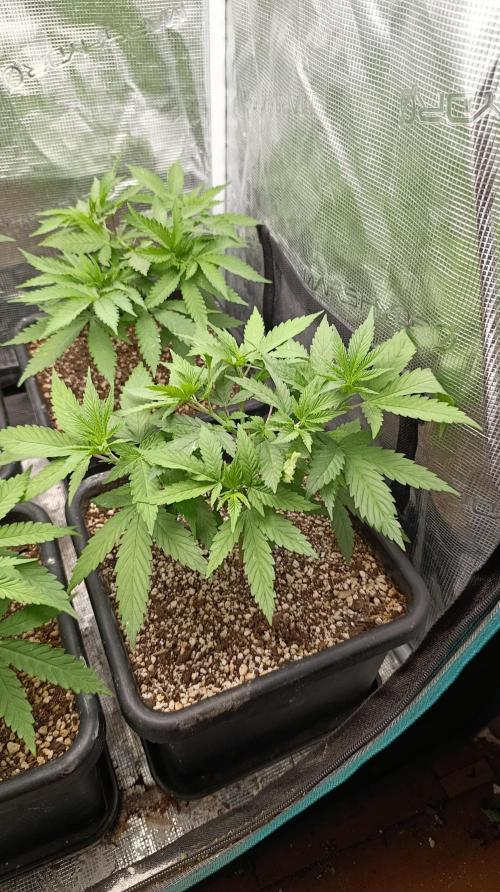
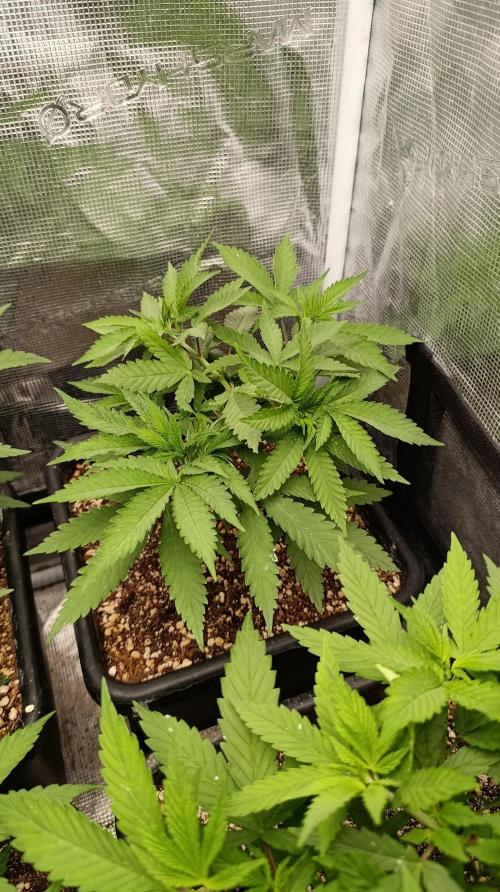
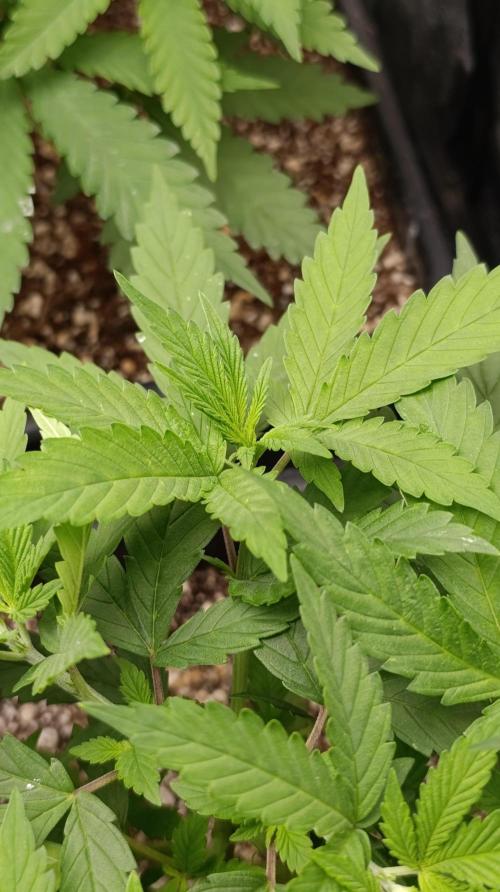
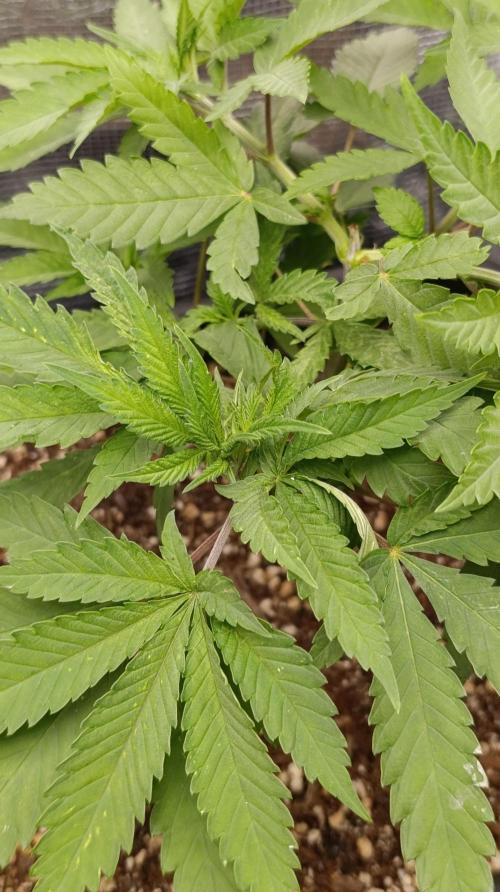
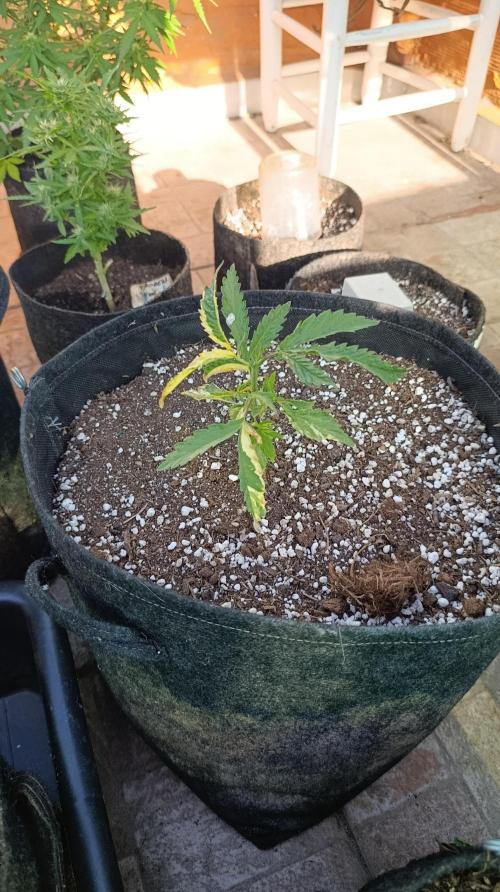



20 cm
Height
12 hrs
Light Schedule
25 °C
Day Air Temp
6.3
pH
Weak
Smell
1200 PPM
TDS
65 %
Air Humidity
21 °C
Solution Temp
22 °C
Substrate Temp
24 °C
Night Air Temp
5 liters
Pot Size
0.4 liters
Watering Volume
60 cm
Lamp Distance
450 PPM
CO₂ Level
Nutrients 7
Cal-Mag Amino
0.75 mll
Master Grow
1 mll
Master Root
1 mll
420DeepGrow 📆 Week 4
The plant is responding perfectly to the apical pruning done last week 🌱✂️
After cutting the main apex, growth is redistributed to the side shoots, promoting a wider, more compact structure suited to the available space in the cabinet. Recovery has been quick, with no signs of stress, and overall vigor continues to increase day by day.
⚡ EC: 1.0 - 1.2
💧 pH: 6.2–6.4
🌡️ Water: 19–21°C
🌫️ Humidity: 55–62%
💡 Light: PPFD 500–600
🔥 Note: The apical pruning is starting to show its effects, with more uniform branching and multiple tips competing for dominance. The goal is to maintain a controlled height and make better use of the growing surface. The more variegated plant will continue its development outdoors to allow for freer growth, and it will undergo apical pruning and final transplant.
We keep growing strong 💪! Let's hope next week ends the same, it's the switch to 12/12.
3 likes
comments
Share
6
Week 6. Flowering4mo ago

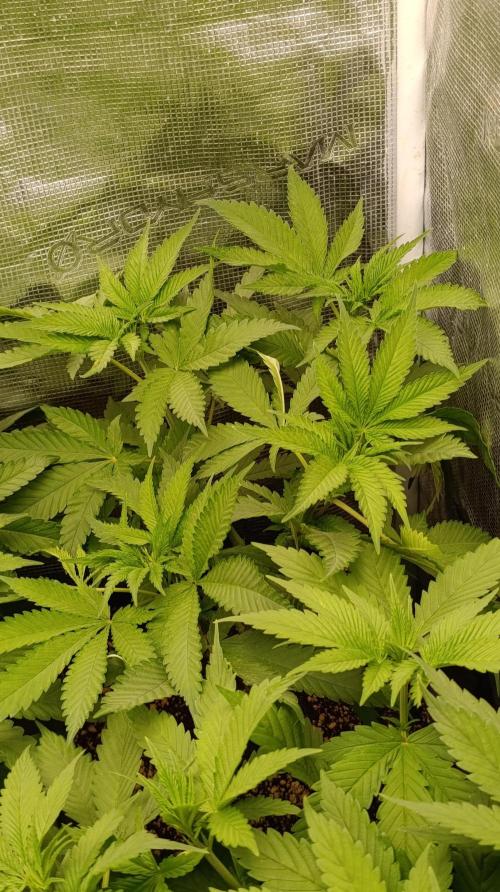
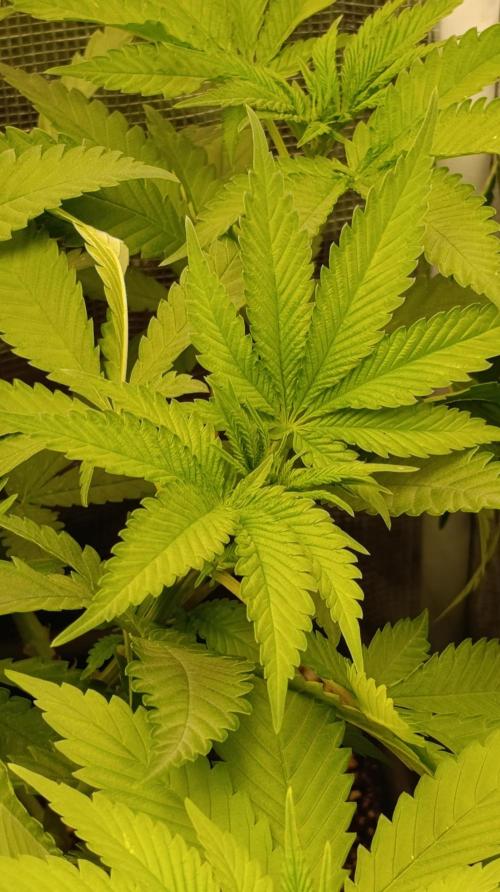
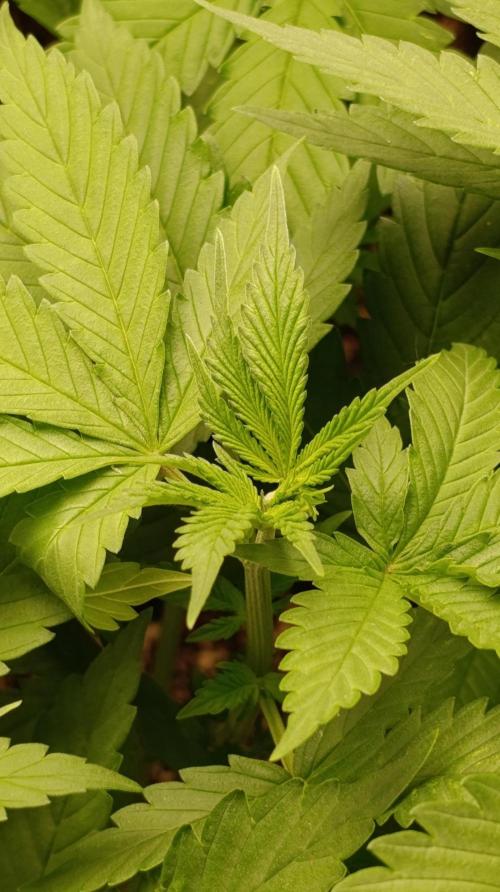
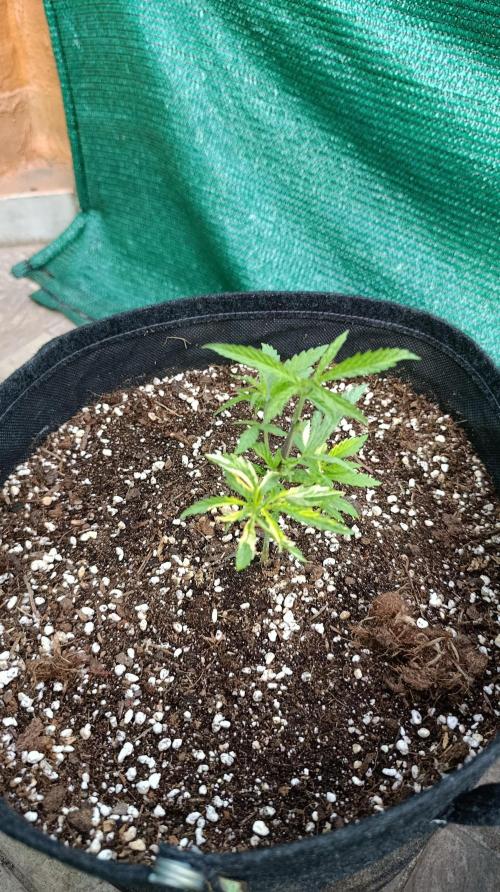



26 cm
Height
12 hrs
Light Schedule
25 °C
Day Air Temp
6.3
pH
Weak
Smell
1300 PPM
TDS
65 %
Air Humidity
21 °C
Solution Temp
22 °C
Substrate Temp
24 °C
Night Air Temp
5 liters
Pot Size
0.5 liters
Watering Volume
60 cm
Lamp Distance
450 PPM
CO₂ Level
Nutrients 7
Cal-Mag Amino
0.75 mll

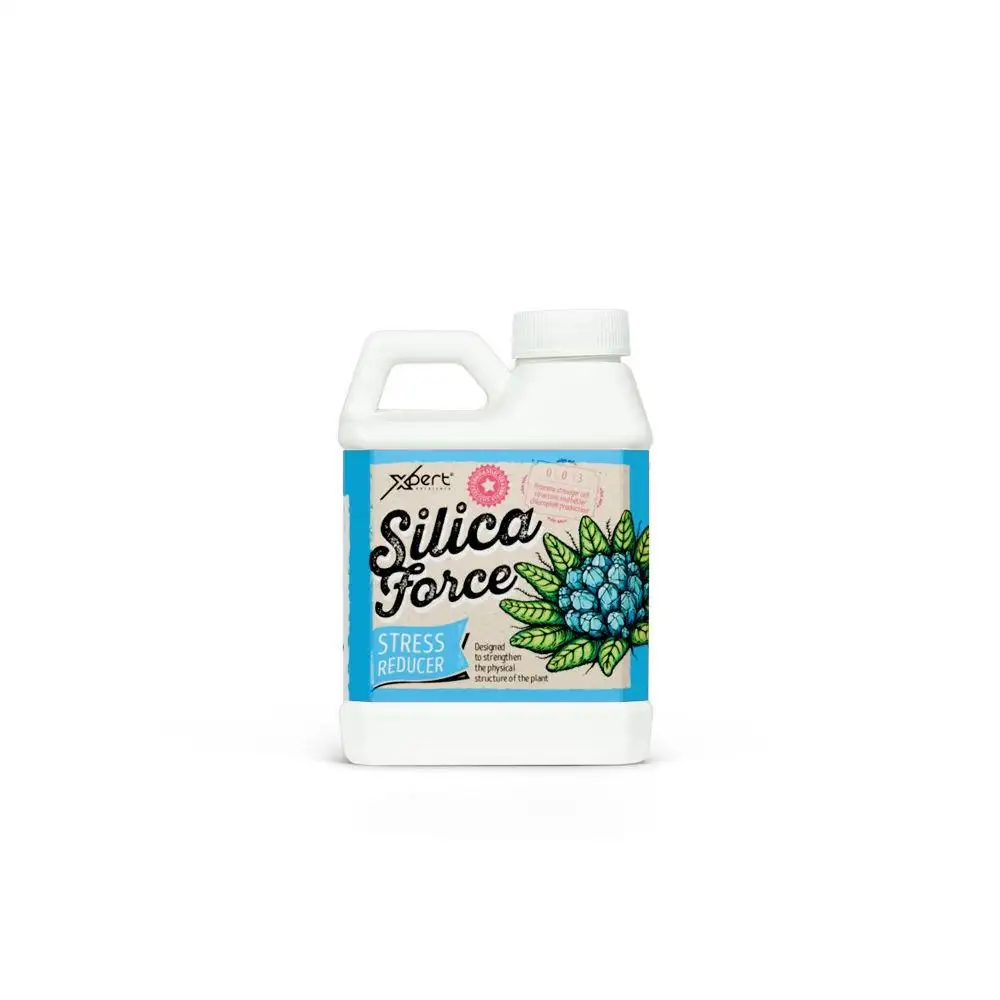
Silica Force
0.75 mll
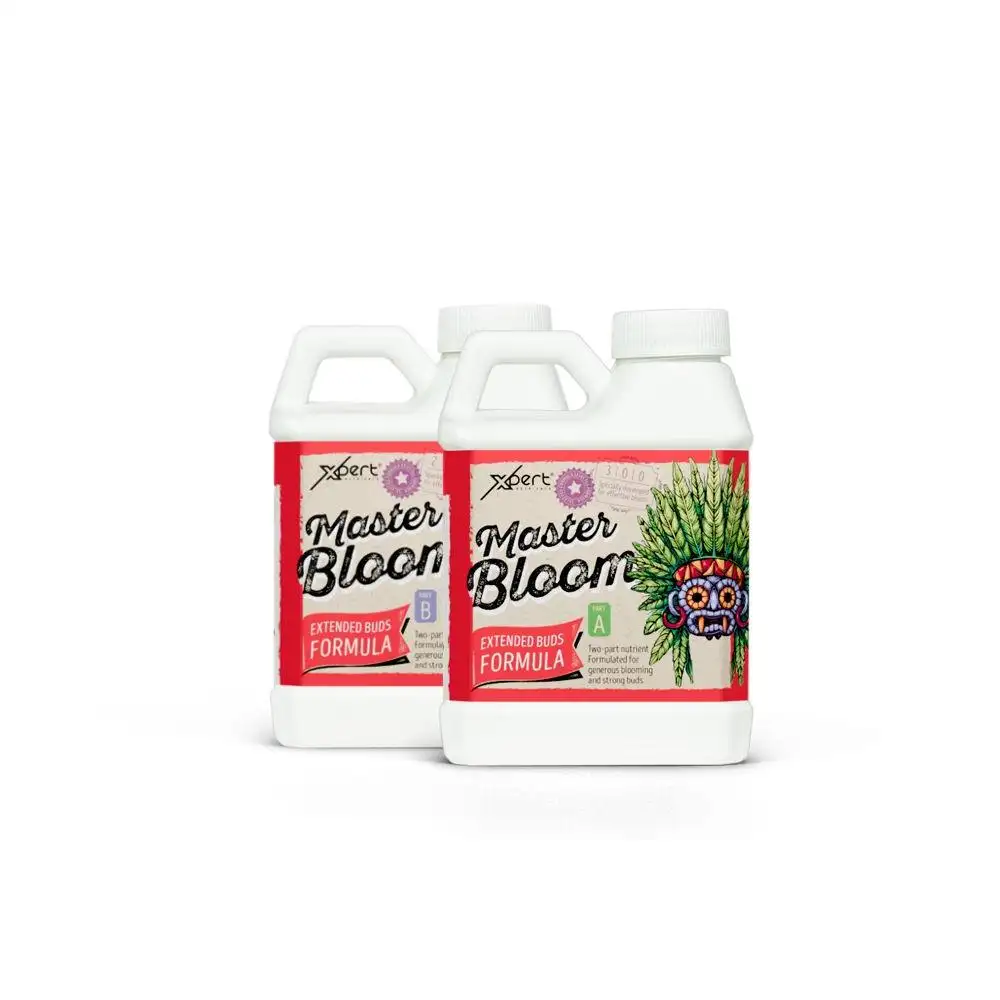
Master Bloom
2 mll
420DeepGrow 📆 Week 2:
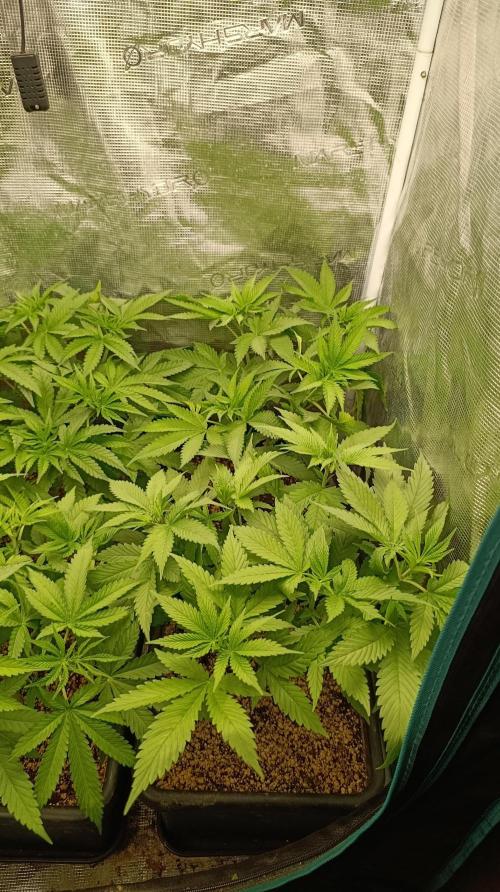
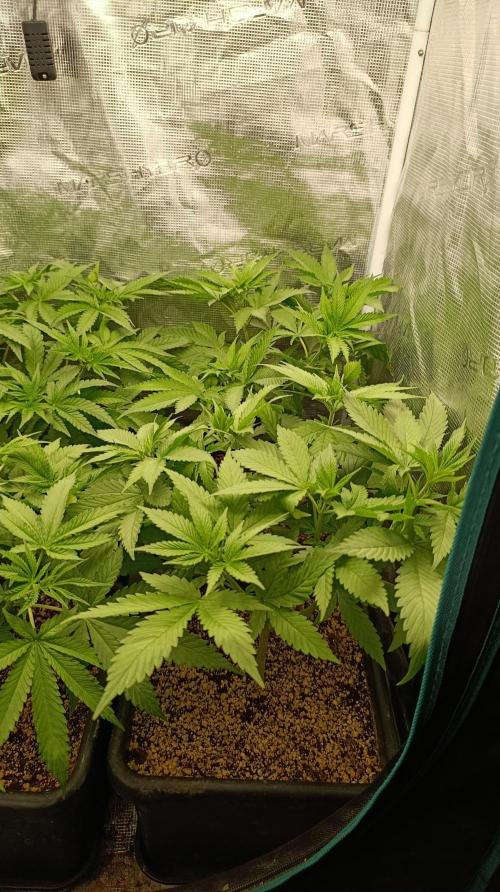
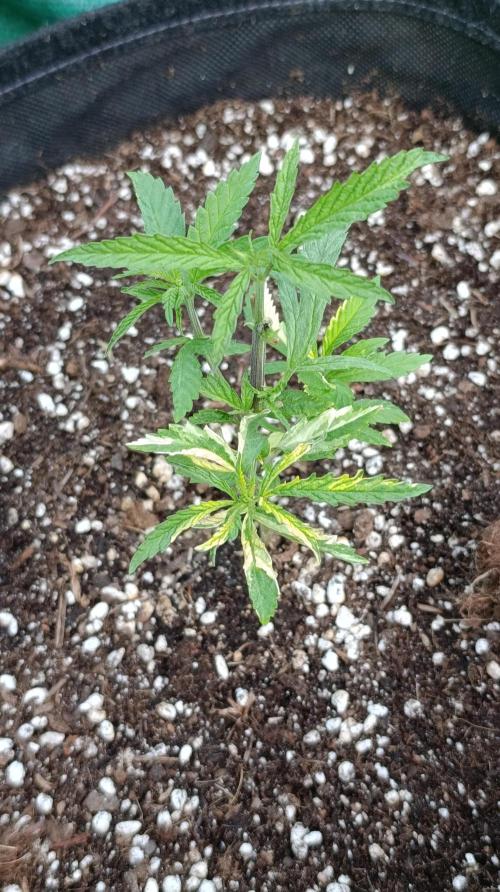
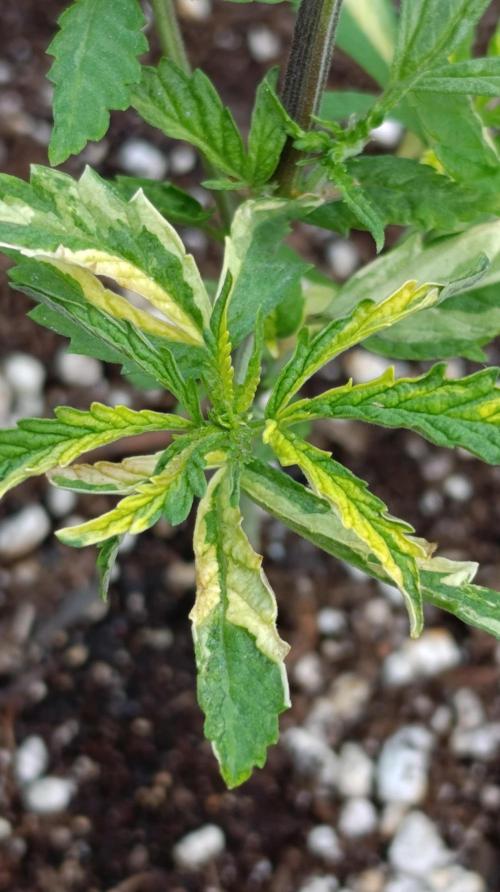
The plant is perfectly adapting to the switch to 12/12 and is fully entering the transition phase towards flowering. The stretch remains active, but in a controlled manner, allowing all the tips to reach a similar height and forming an increasingly uniform canopy.
The first flowering sites are beginning to multiply on each branch, while the upper nodes progressively compact. The structure created during growth shows its effectiveness, distributing energy among numerous main tips that are starting to define the plant's productive potential.
⚡ EC: 1.4 – 1.6
💧 pH: 6.2 – 6.4
🌡️ Water: 19–21°C
🌫️ Humidity: 48–55%
💡 Light: PPFD 750–850
🔥 Note: The transition to flowering is developing very positively, with no signs of stress or nutritional blockages. The plant is responding vigorously to the new photoperiod and is starting to concentrate its energy on the formation of future buds. Maintaining a uniform canopy and good air circulation will be key to maximizing the upcoming weeks of stretching.
We're still growing strong 💪
6 likes
comments
Share
7
Week 7. Flowering4mo ago
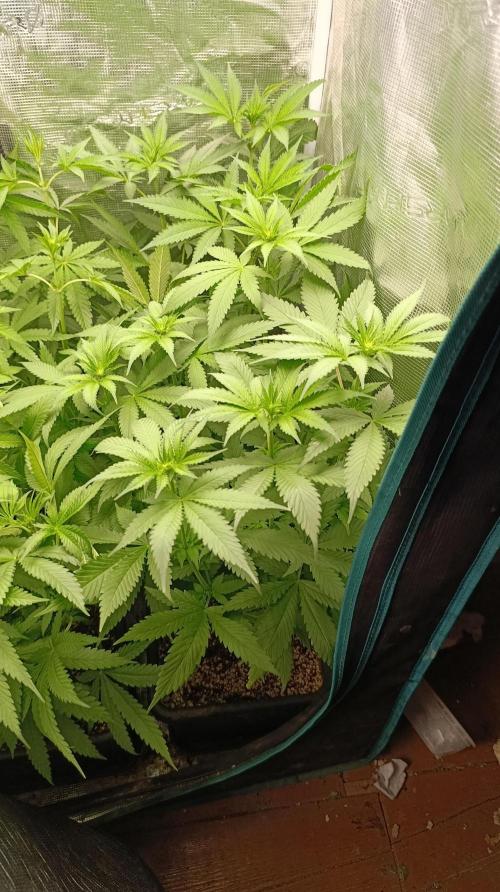
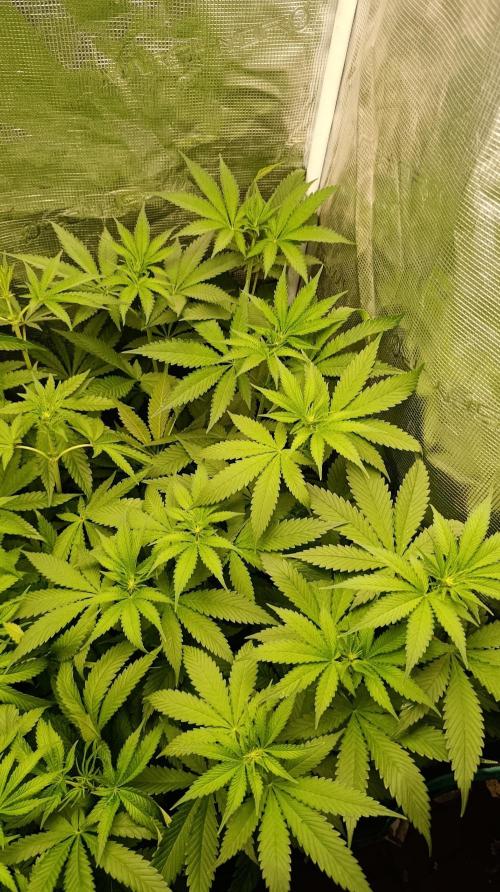
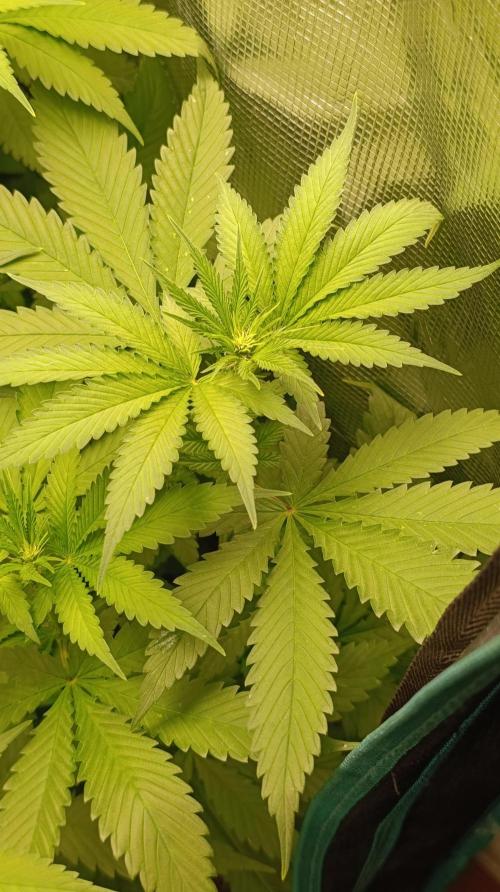
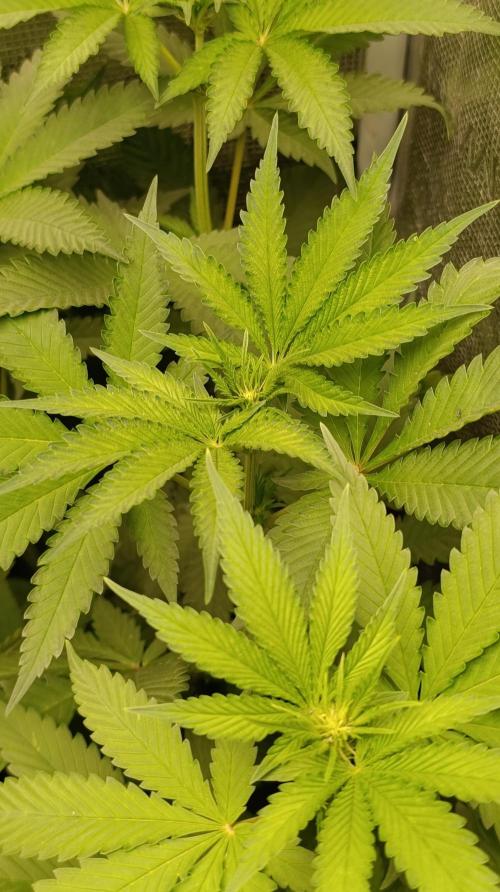
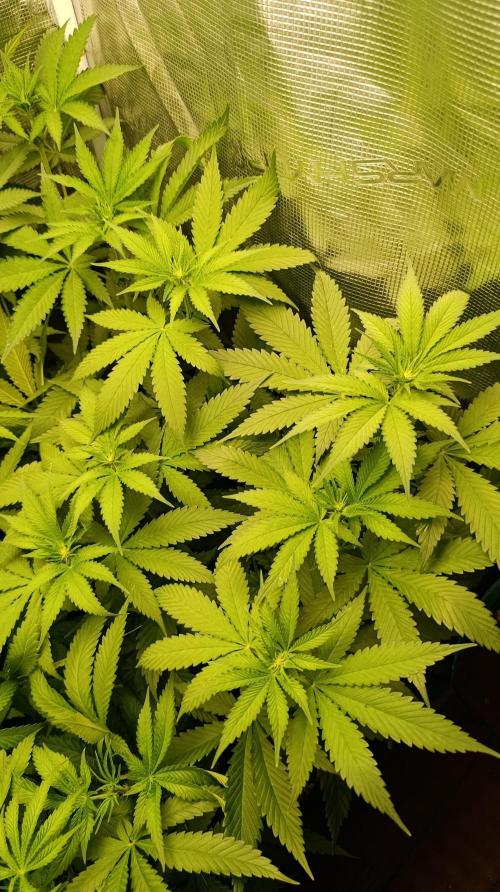
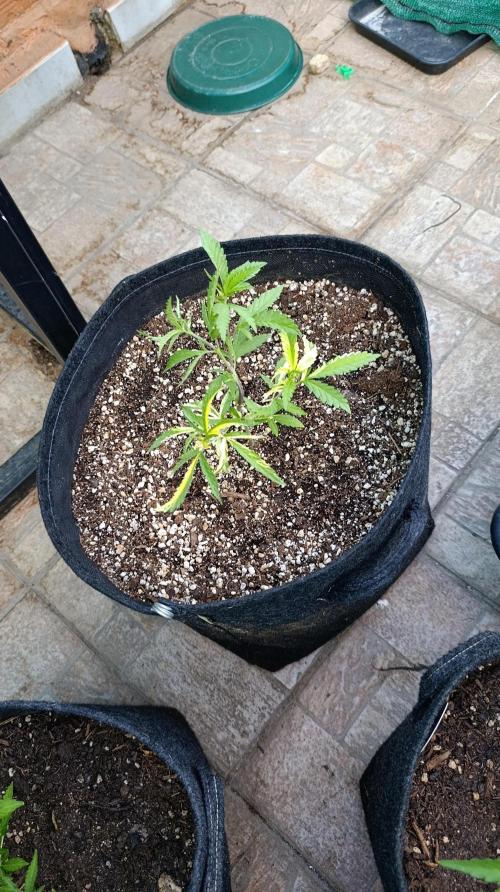
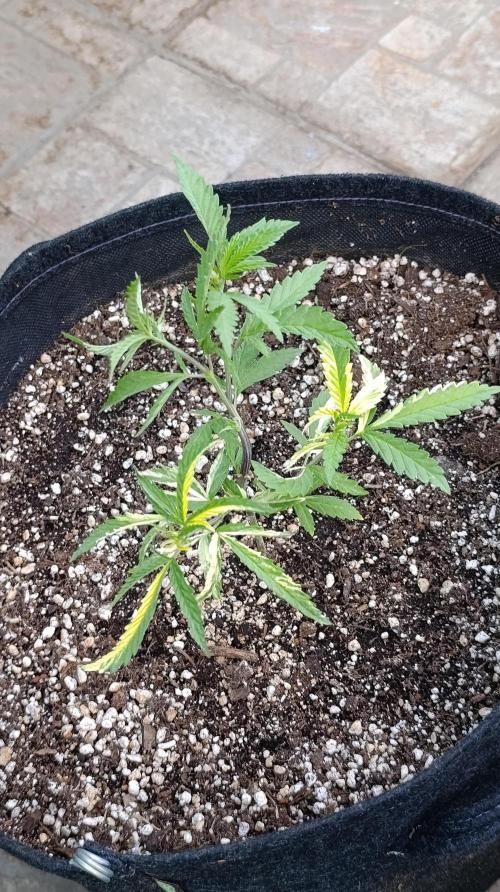
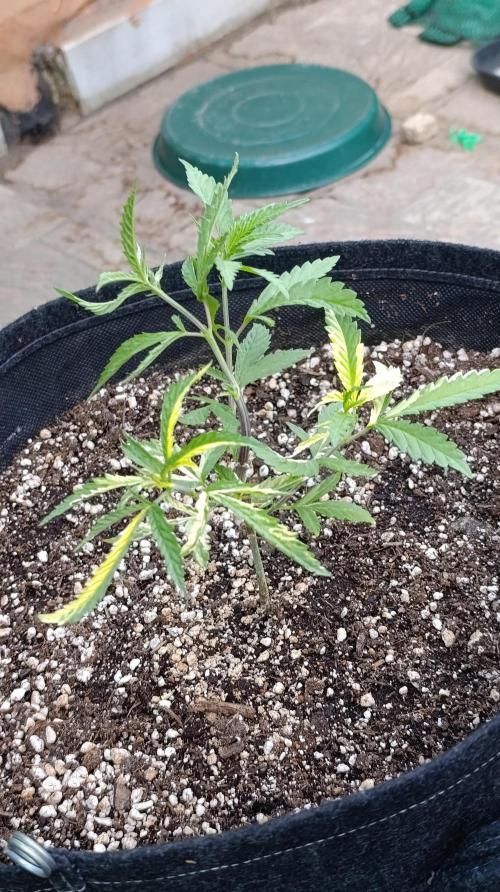



55 cm
Height
12 hrs
Light Schedule
25 °C
Day Air Temp
6.3
pH
Weak
Smell
1500 PPM
TDS
65 %
Air Humidity
21 °C
Solution Temp
22 °C
Substrate Temp
24 °C
Night Air Temp
5 liters
Pot Size
0.5 liters
Watering Volume
60 cm
Lamp Distance
450 PPM
CO₂ Level
Nutrients 8
Cal-Mag Amino
0.75 mll
Silica Force
0.5 mll
Master Bloom
2 mll
420DeepGrow 📆 Week 3
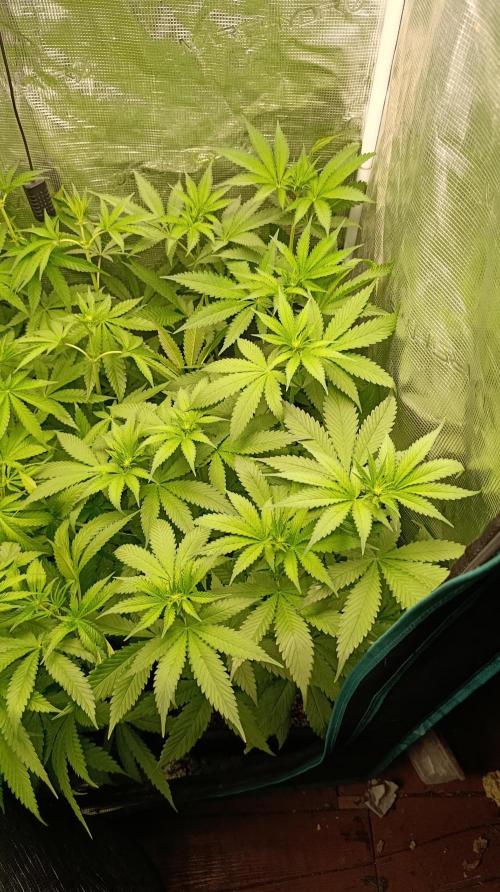
The stretch reaches its peak intensity and the plant continues to grow vigorously. The canopy finishes leveling out, the secondary branches catch up to the main ones, and the structure is set up to make the most of the light.
The flowering sites are rapidly increasing at all the tips, while the demand for water and nutrients rises to support the strong pace of development and prepare for the start of fattening.
⚡ EC: 1.4– 1.5
💧 pH: 6.2 – 6.4
🌡️ Water: 19–21°C
🌫️ Humidity: 45–50%
💡 Light: PPFD 850–950
🔥 Note: Week of maximum growth and consumption. Maintaining stable watering, balanced nutrition, and a uniform canopy will lay the groundwork for abundant flowering.
We keep growing strong 💪!
4 likes
comments
Share
8
Week 8. Flowering3mo ago
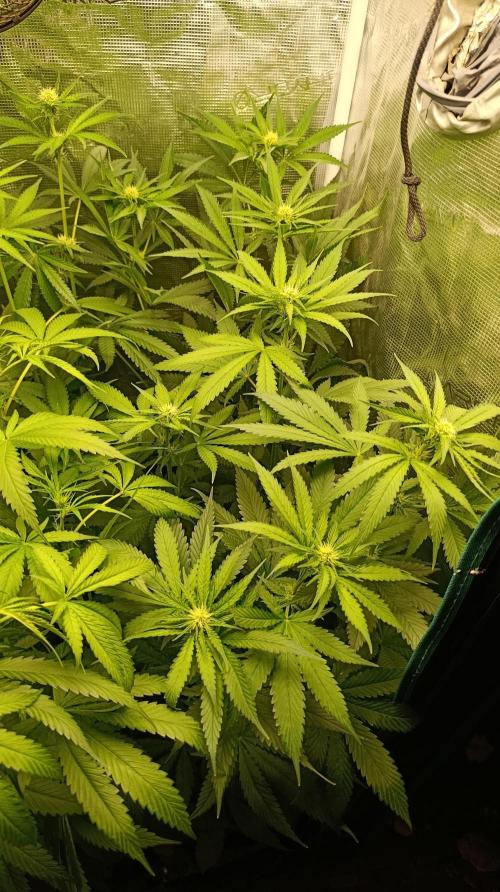
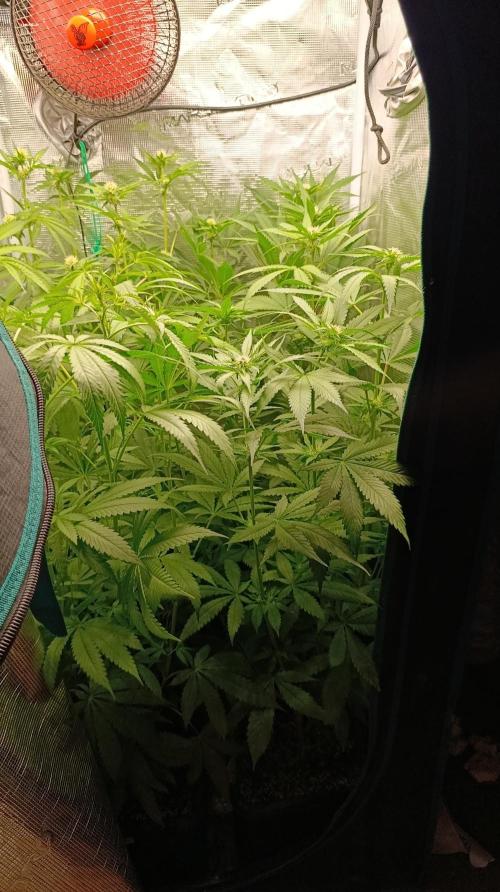
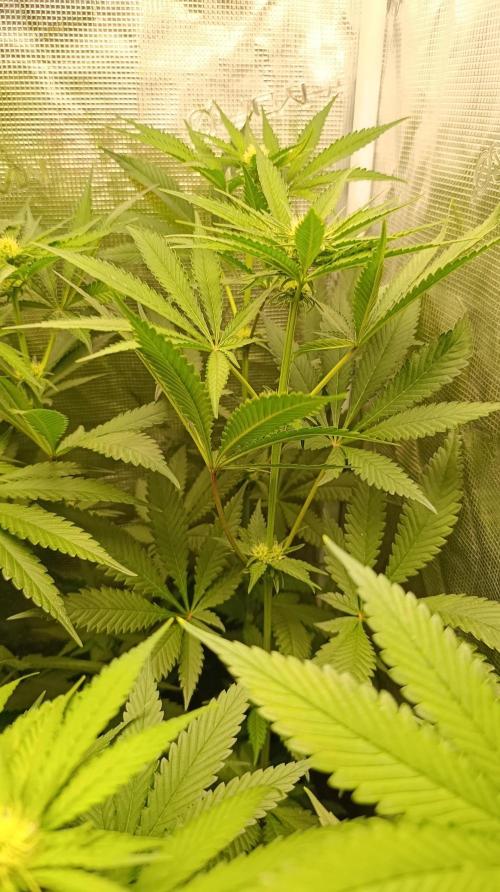
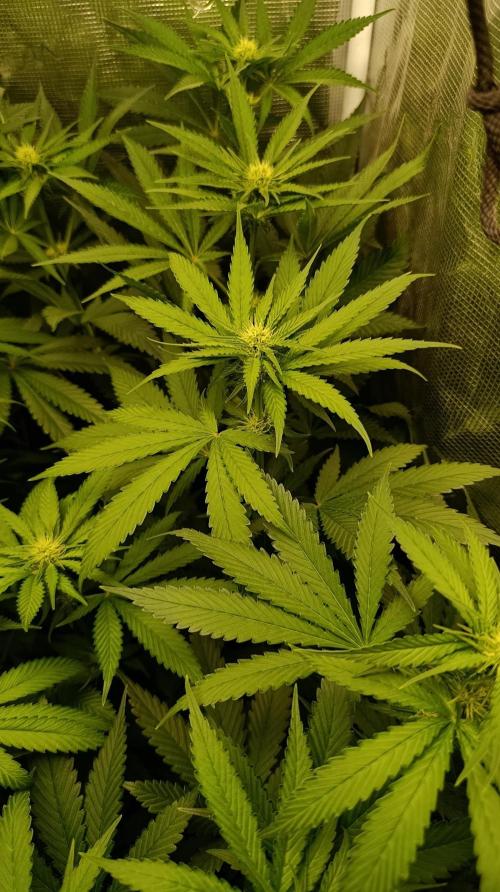
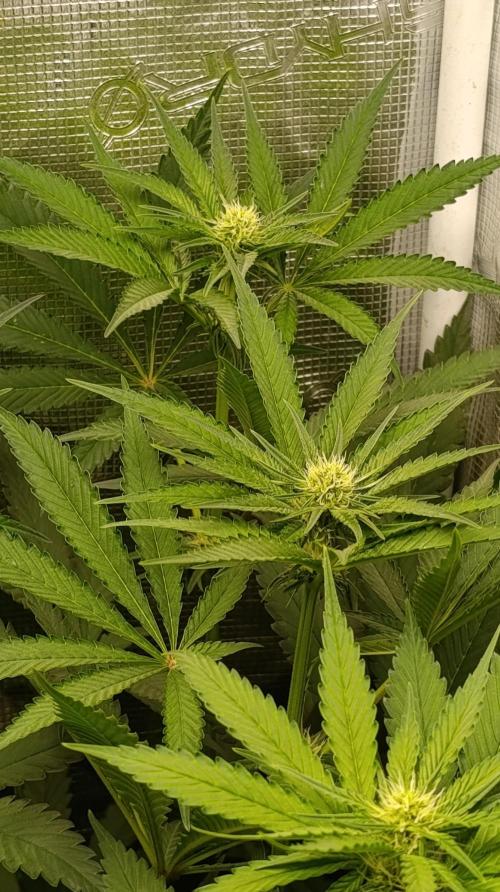
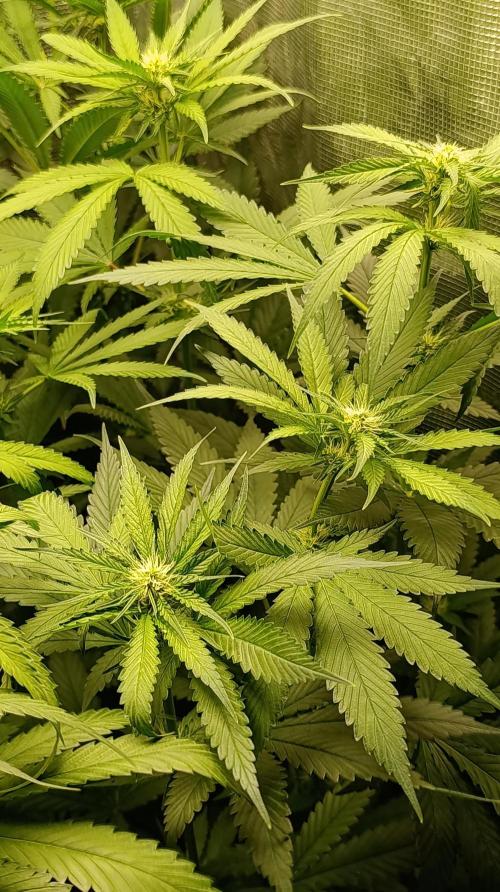
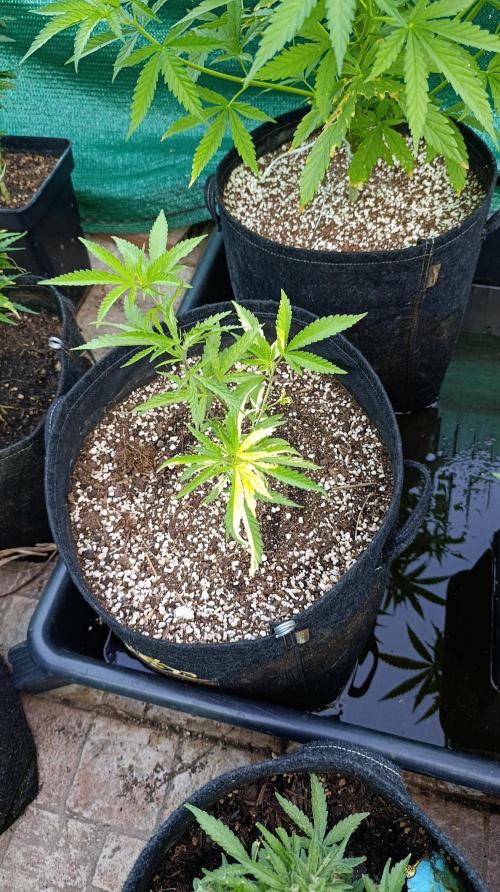
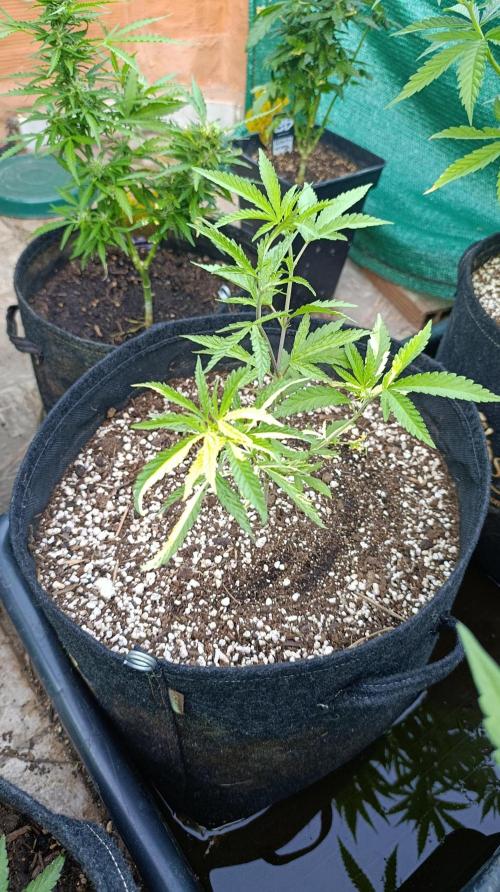



85 cm
Height
12 hrs
Light Schedule
25 °C
Day Air Temp
6.3
pH
Weak
Smell
1500 PPM
TDS
63 %
Air Humidity
21 °C
Solution Temp
22 °C
Substrate Temp
24 °C
Night Air Temp
5 liters
Pot Size
1 liters
Watering Volume
40 cm
Lamp Distance
450 PPM
CO₂ Level
Nutrients 8
Cal-Mag Amino
0.75 mll
Silica Force
0.5 mll
Master Bloom
3 mll
420DeepGrow 📆 Week 4
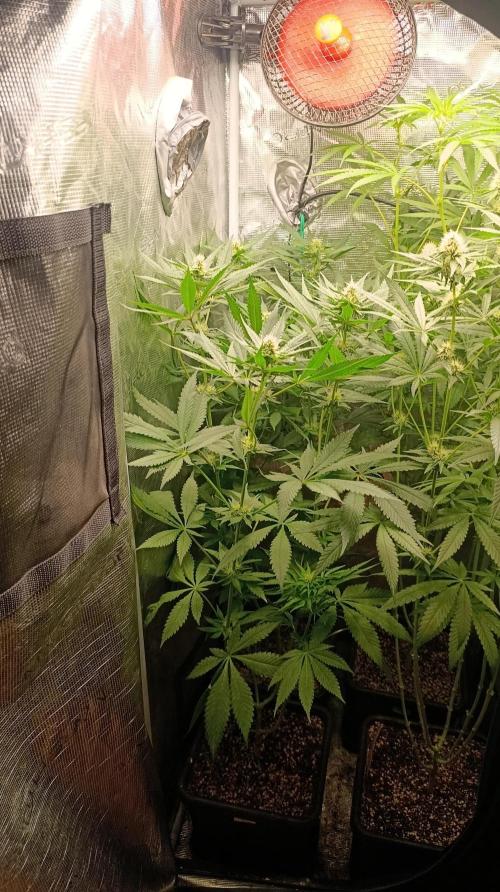
The stretch is practically coming to an end after a week of spectacular growth, with an increase of about 30 cm. The canopy is fully formed and the buds are starting to gain volume, while the resin and aromas intensify.
⚡ EC: 1.5–1.6
💧 pH: 6.2–6.4
🌡️ Water: 19–21°C
🌫️ Humidity: 42–48%
💡 Light: PPFD 900–1000
🔥 Note: This week I will do the lollipop to concentrate energy on the upper flowers and improve ventilation before the fattening begins.
We're still growing strong 💪!
5 likes
1 comment
Share
9
Week 9. Flowering3mo ago
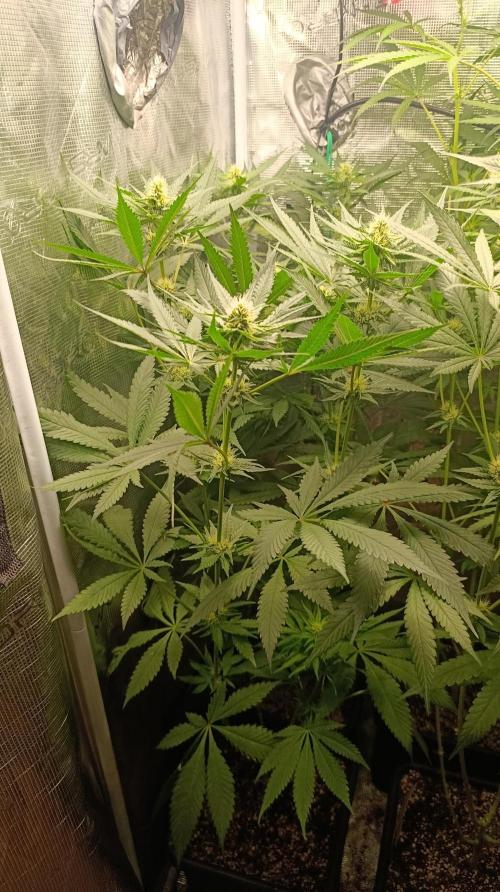
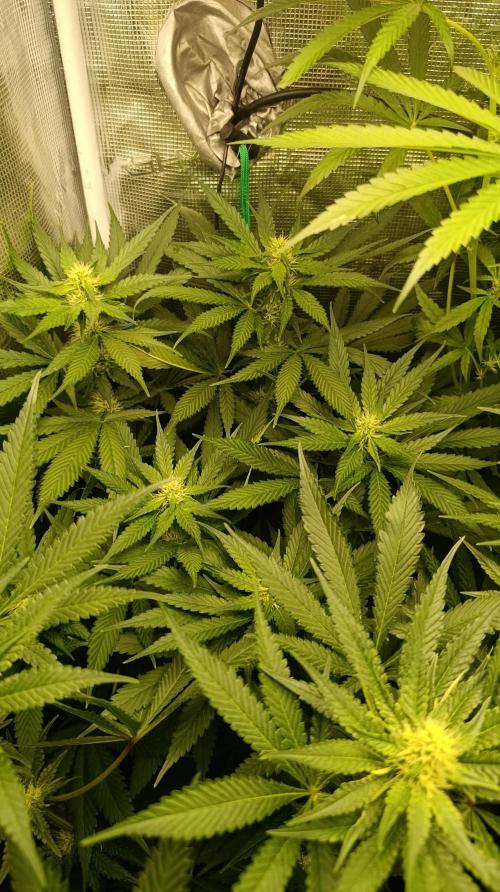
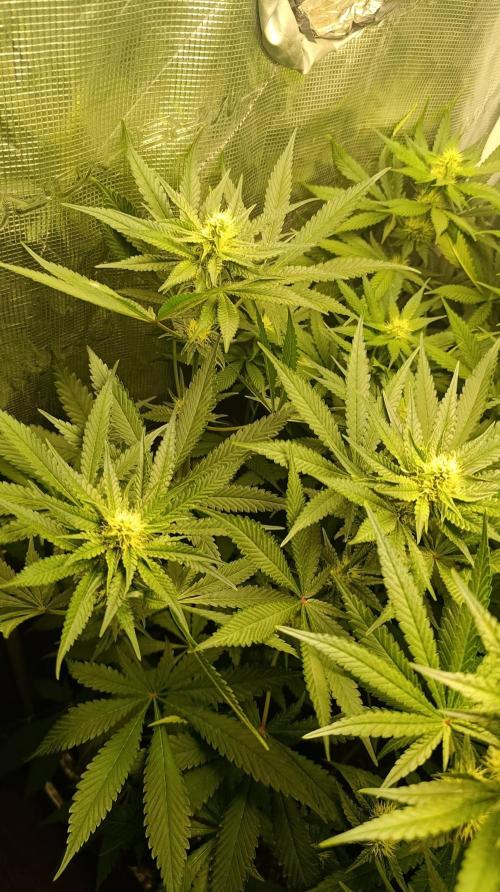
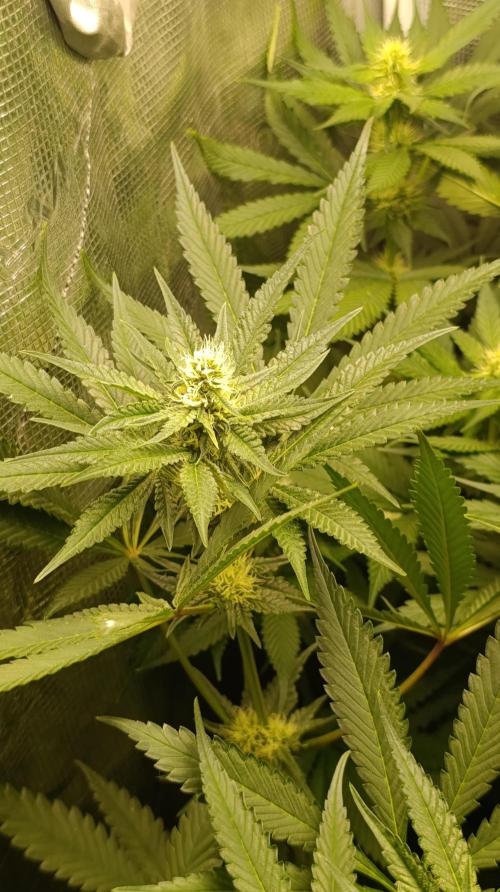
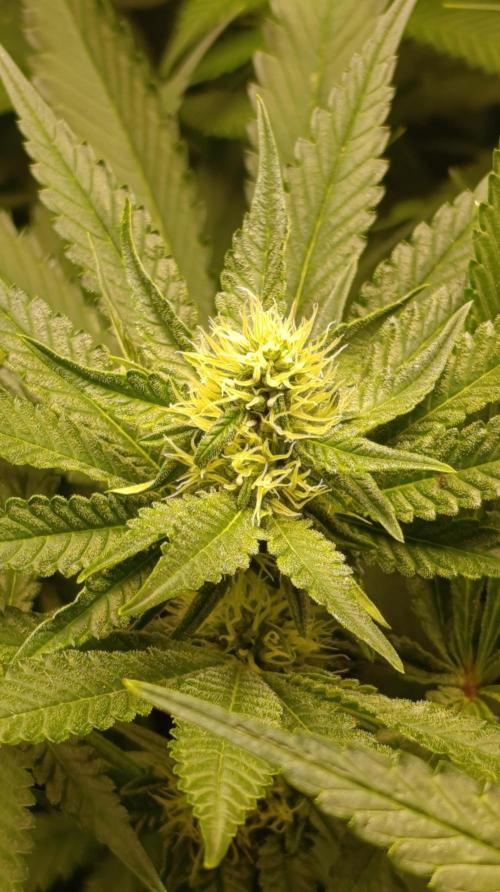



85 cm
Height
12 hrs
Light Schedule
25 °C
Day Air Temp
6.3
pH
Weak
Smell
1600 PPM
TDS
63 %
Air Humidity
21 °C
Solution Temp
22 °C
Substrate Temp
24 °C
Night Air Temp
5 liters
Pot Size
1 liters
Watering Volume
40 cm
Lamp Distance
450 PPM
CO₂ Level
Nutrients 8
Cal-Mag Amino
0.75 mll
Silica Force
0.5 mll
Master Bloom
3 mll
420DeepGrow 📆 Week 5
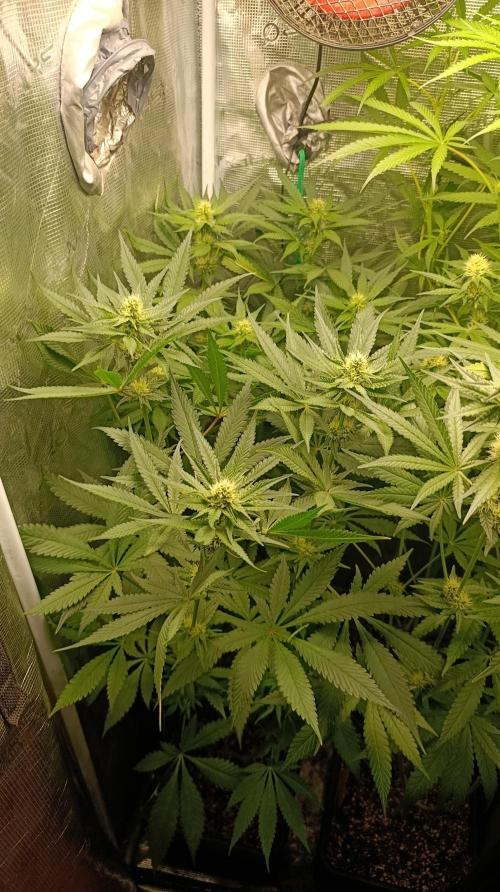
The stretch is over, and the plants are now focusing all their energy on flower development. The buds are starting to gain density, resin production is noticeably increasing, and the aromas are becoming more intense. After the lollipop, the canopy is cleaner and better ventilated, promoting uniform fattening.
⚡ EC: 1.5–1.6
💧 pH: 6.2–6.4
🌡️ Water: 19–21°C
🌫️ Humidity: 42–48%
💡 Light: PPFD 900–1000
🔥 Note: I keep all parameters stable to encourage the start of fattening and for the flowers to develop their maximum potential.
We're still growing strong 💪!
2 likes
1 comment
Share
10
Week 10. Flowering3mo ago
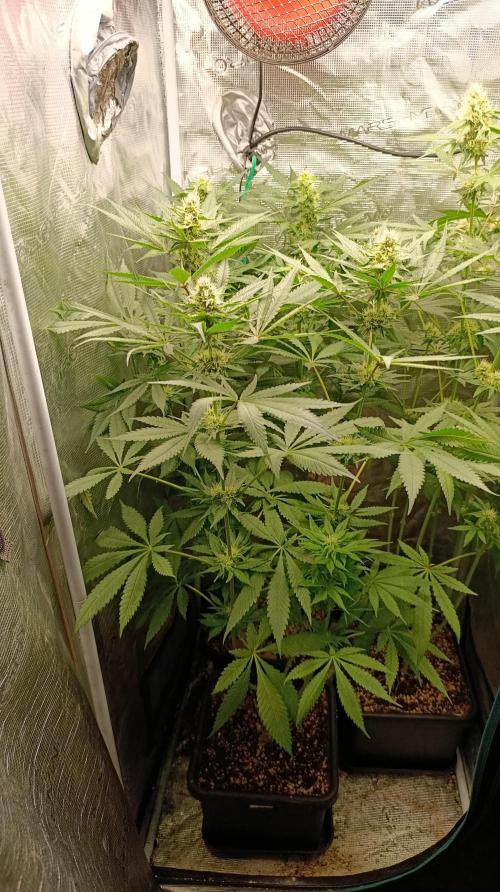
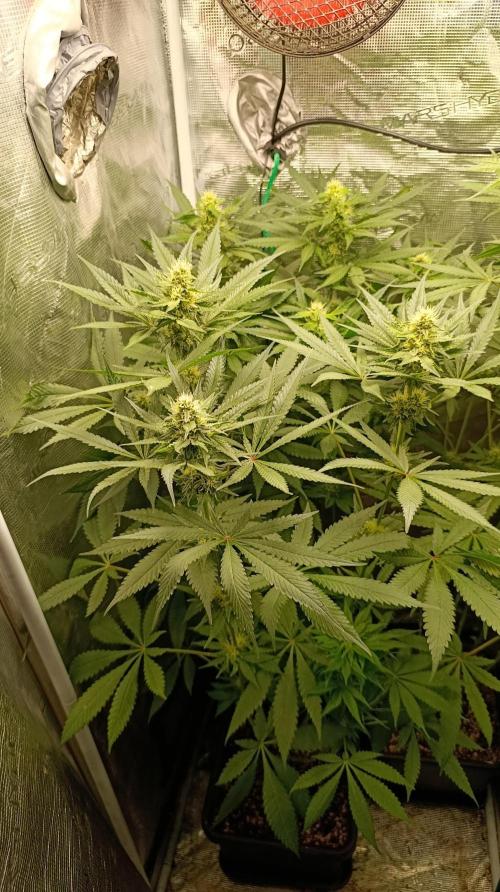
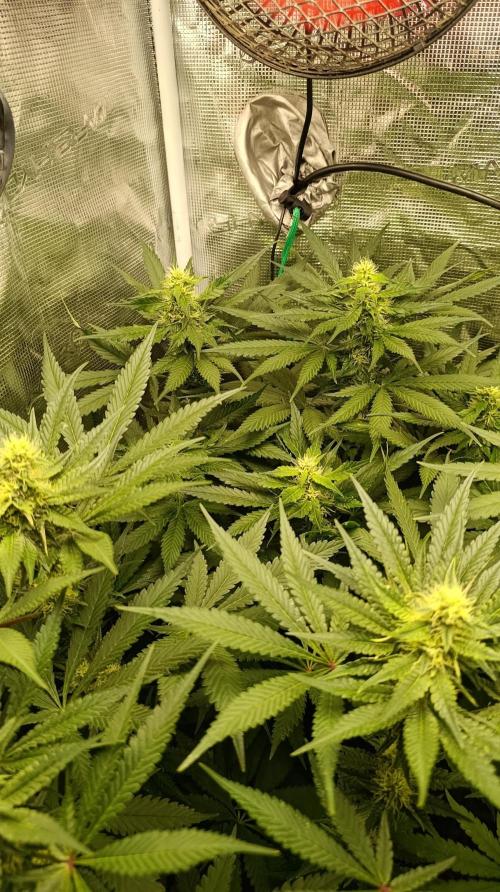
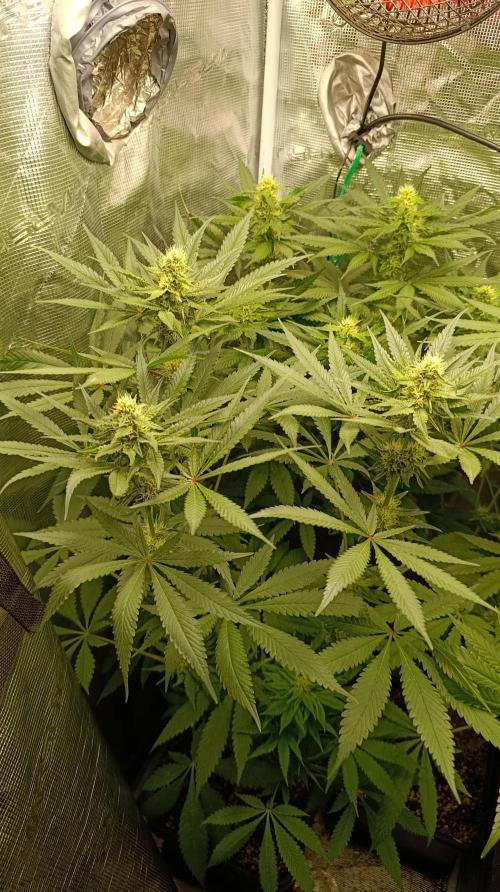
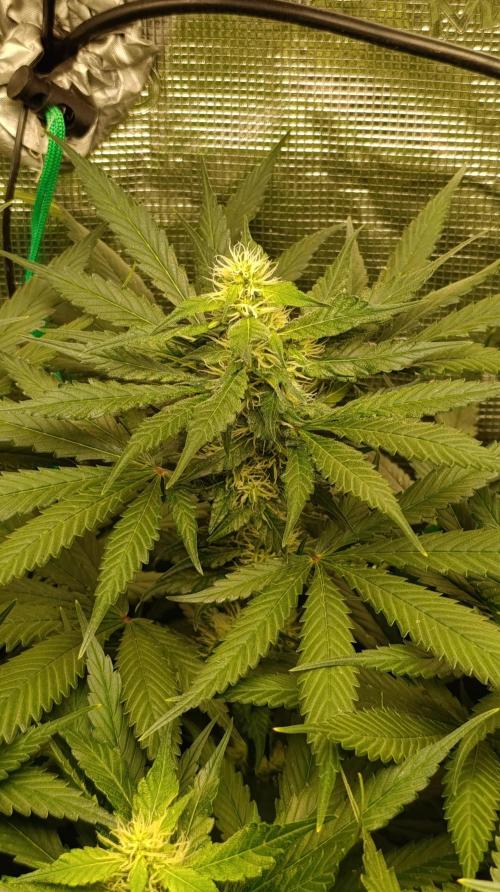
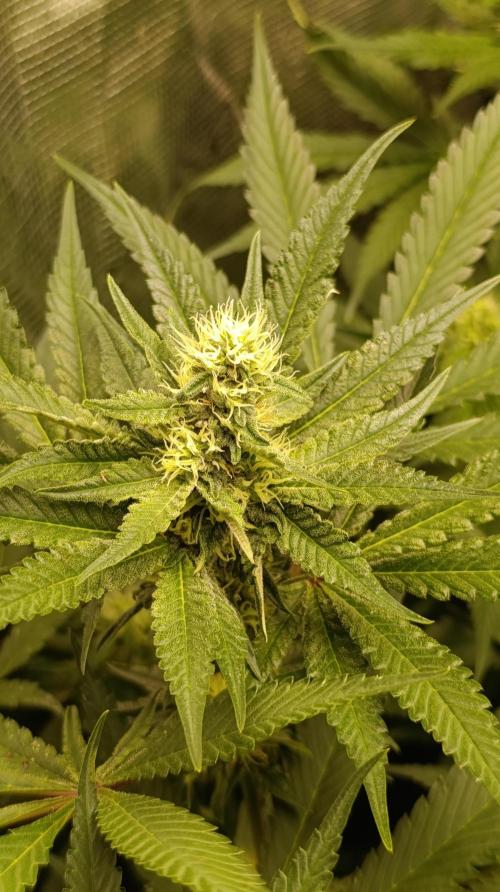



85 cm
Height
12 hrs
Light Schedule
25 °C
Day Air Temp
6.3
pH
Normal
Smell
1700 PPM
TDS
60 %
Air Humidity
21 °C
Solution Temp
22 °C
Substrate Temp
24 °C
Night Air Temp
5 liters
Pot Size
1 liters
Watering Volume
40 cm
Lamp Distance
450 PPM
CO₂ Level
Nutrients 7
Cal-Mag Amino
0.75 mll
Master Bloom
3 mll

Sugar Shot
2 mll
420DeepGrow 📆 Week 6
The flowering phase is entering its peak fattening stage. The calyxes begin to stack, forming more compact and heavier buds, while resin production noticeably increases, covering sugar leaves and flowers. The aroma intensifies every day, and the plant maintains a high demand for water and nutrients to support floral development.
⚡ EC: 1.6–1.7
💧 pH: 6.2–6.4
🌡️ Water: 19–21°C
🌫️ Humidity: 40–45%
💡 Light: PPFD 950–1050
🔥 Note: I maintain balanced nutrition and a stable environment to encourage maximum bud fattening without causing salt buildup or stress on the plant.
We're still growing strong 💪!
6 likes
comments
Share
12
Week 12. Flowering2mo ago
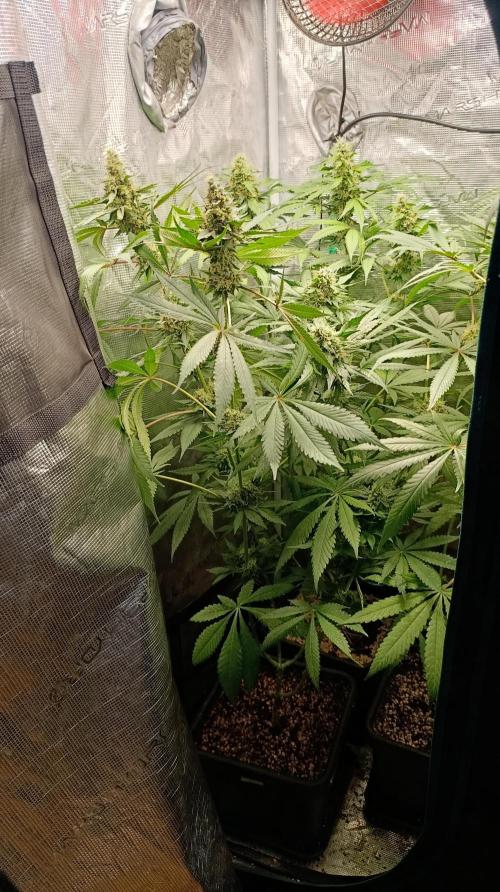



85 cm
Height
12 hrs
Light Schedule
25 °C
Day Air Temp
6.3
pH
Strong
Smell
1700 PPM
TDS
55 %
Air Humidity
21 °C
Solution Temp
22 °C
Substrate Temp
24 °C
Night Air Temp
5 liters
Pot Size
1 liters
Watering Volume
40 cm
Lamp Distance
450 PPM
CO₂ Level
Nutrients 7
Cal-Mag Amino
0.75 mll
Master Bloom
3 mll
Sugar Shot
2 mll
420DeepGrow 📆 Week 8
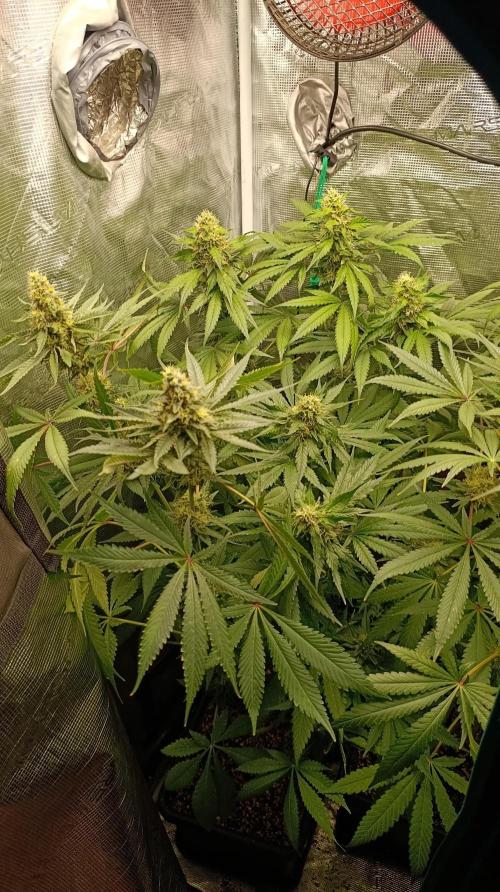
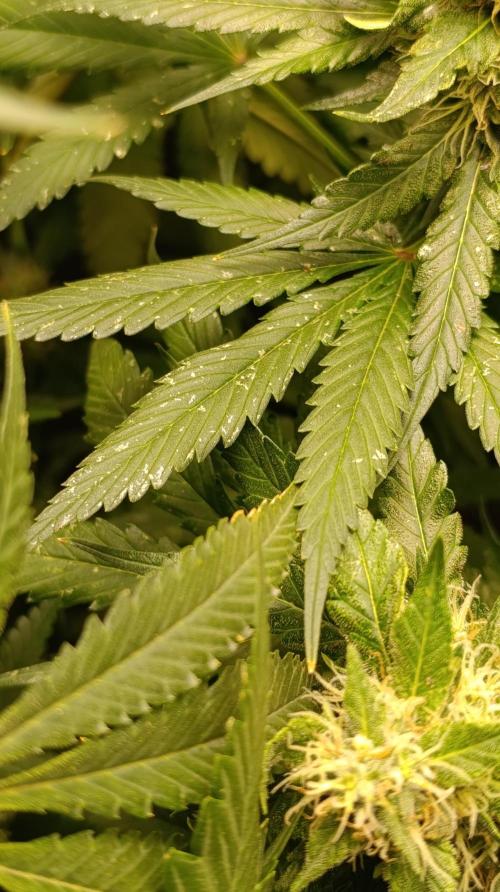
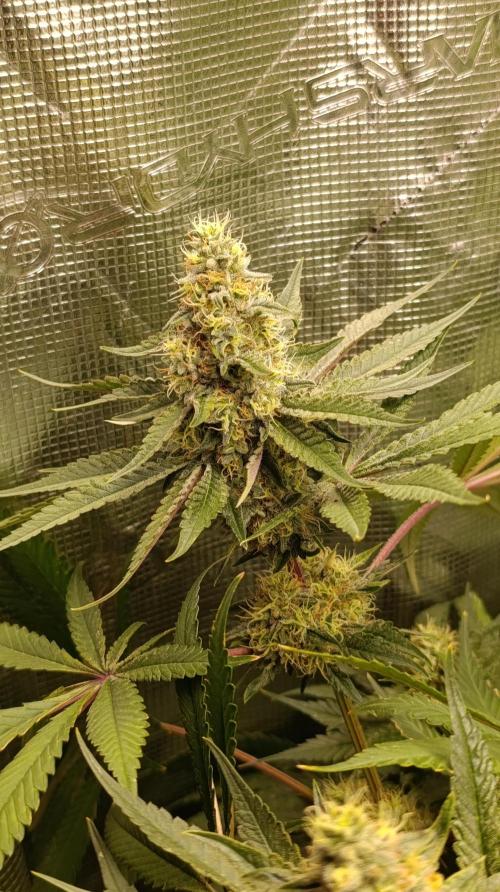
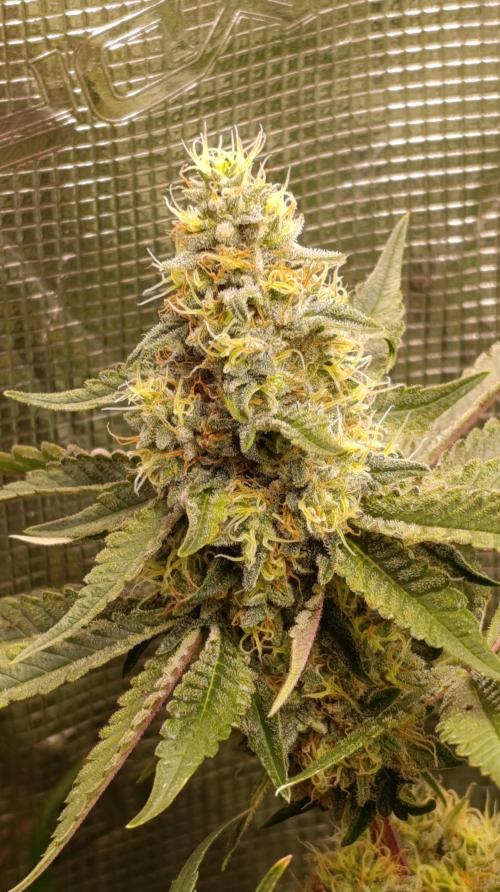
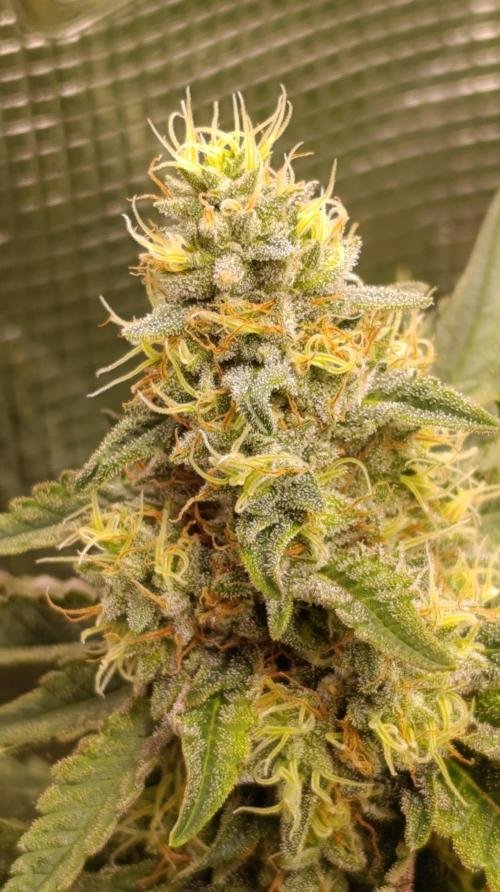
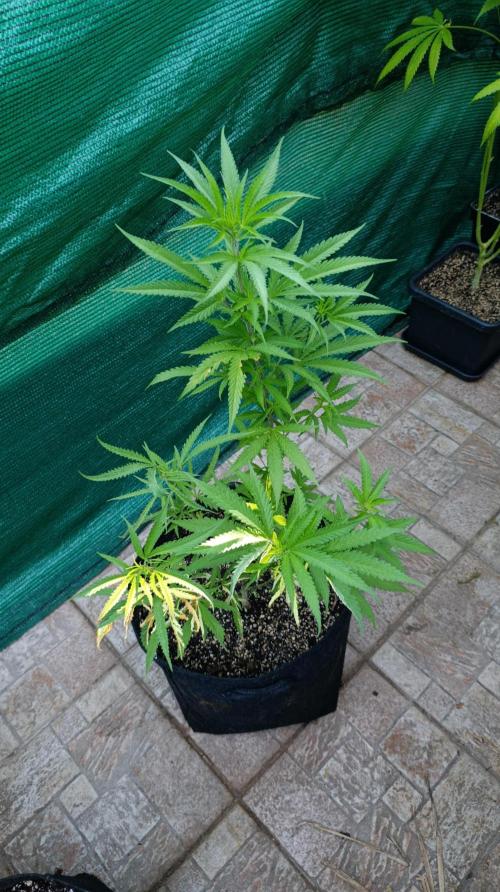
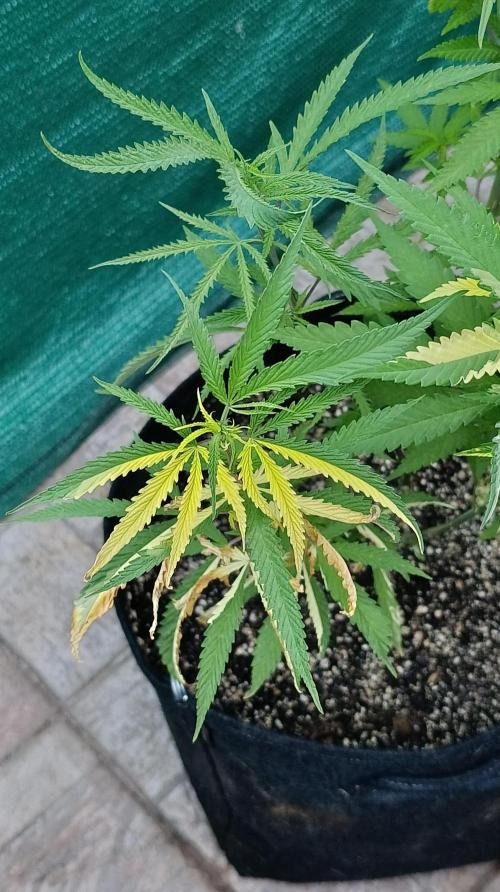
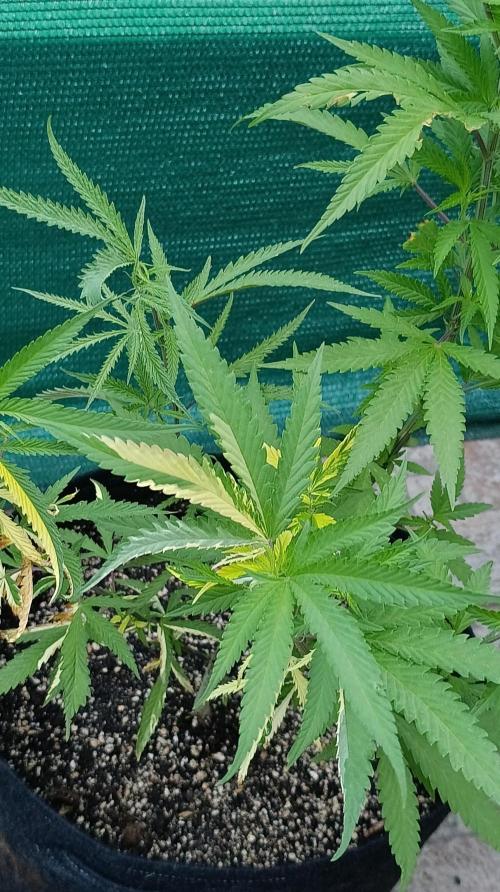
The flowering continues to progress, and the buds are gaining volume and density, showing a good accumulation of resin and an increasingly defined floral structure. The plant maintains a good presence of pistils and continues to develop the flowers, although this week a possible presence of thrips has been detected, so we need to closely monitor the leaves and the plant's evolution to prevent the pest from advancing and affecting the flowering.
Week 7 could not be carried out due to the evacuation caused by the fires, so we are now resuming the follow-up, especially observing the plant's health status and maintaining stable conditions during this advanced flowering phase.
⚡ EC: 1.6–1.7
💧 pH: 6.2–6.4
🌡️ Water: 19–21°C
🌫️ Humidity: 40–45%
💡 Light: PPFD 950–1050
🔥 Note: The priority at this stage is to maintain balanced nutrition and control the possible presence of thrips, regularly checking the undersides of the leaves and the evolution of the damage. The plant continues to form and fatten its flowers, so we remain attentive to every change to support the end of the flowering in the best possible way.
We're still growing strong 💪!
likes
comments
Share
13
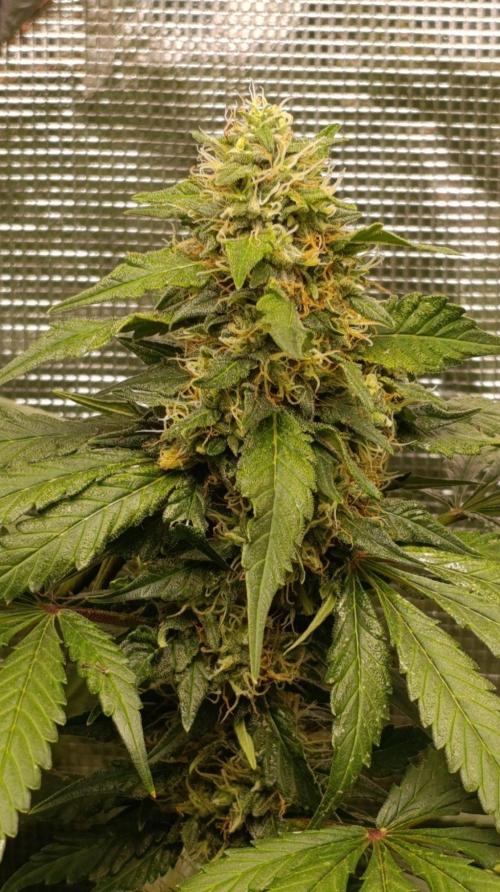
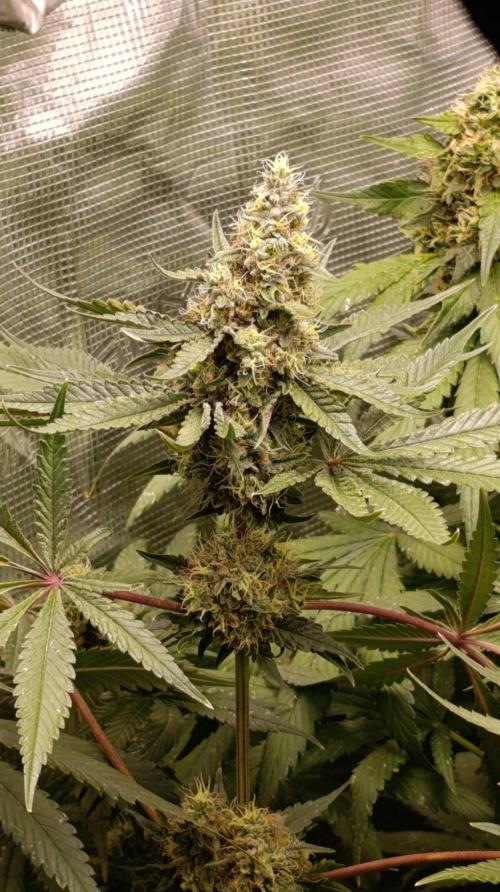
Week 13. Flowering2mo ago



85 cm
Height
12 hrs
Light Schedule
25 °C
Day Air Temp
6.3
pH
Strong
Smell
1700 PPM
TDS
50 %
Air Humidity
21 °C
Solution Temp
22 °C
Substrate Temp
24 °C
Night Air Temp
5 liters
Pot Size
1 liters
Watering Volume
40 cm
Lamp Distance
450 PPM
CO₂ Level
Nutrients 6
Cal-Mag Amino
0.5 mll
Master Bloom
2 mll
Sugar Shot
1 mll
420DeepGrow 📆 Week 9
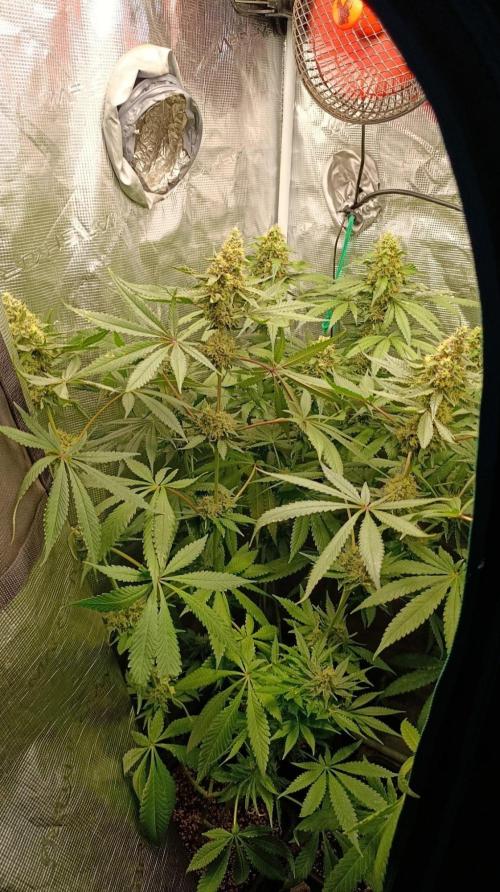
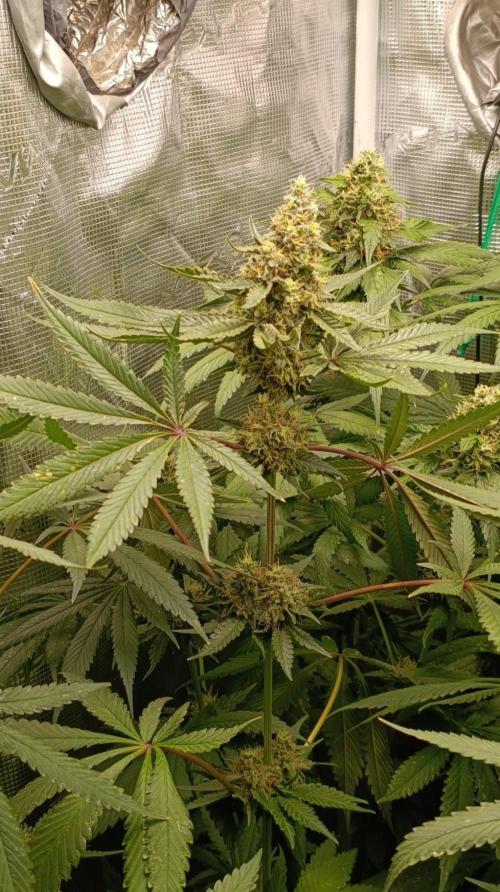
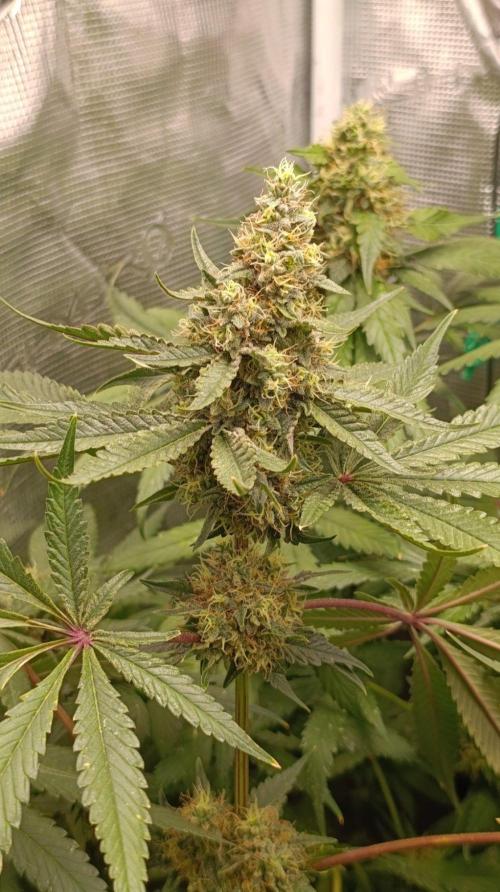
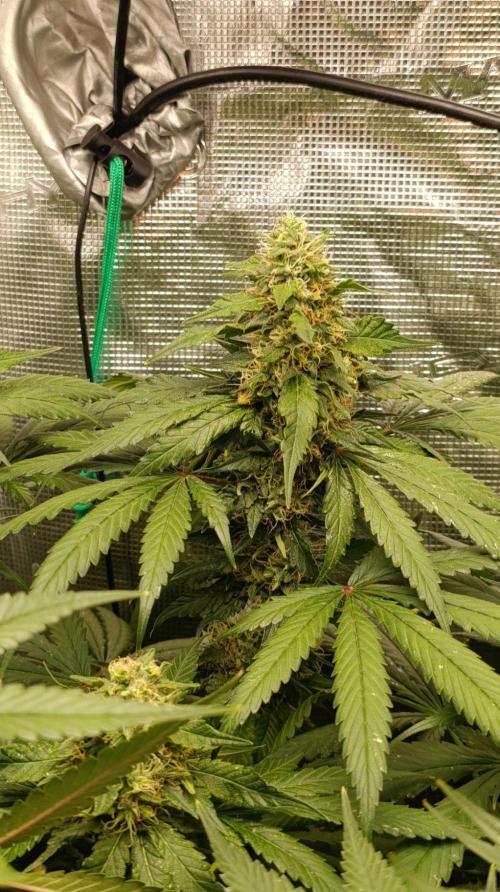
The flowering continues to progress and the buds keep increasing in volume, density, and resin production. The flowers show an increasingly compact structure, and the pistils are progressively darkening and retracting, entering a more advanced stage of maturation.
The plant maintains good development and continues to bulk up the flowers, while keeping an eye out for possible thrips presence to prevent them from affecting the final development.
⚡ EC: 1.6–1.7
💧 pH: 6.2–6.4
🌡️ Water: 19–21°C
🌫️ Humidity: 40–45%
💡 Light: PPFD 950–1050
🔥 Note: Maintaining stable conditions, balanced nutrition, and constant vigilance of the plant will allow for continued bulking and properly support this advanced flowering phase.
We keep growing strong 💪!
2 likes
comments
Share
14
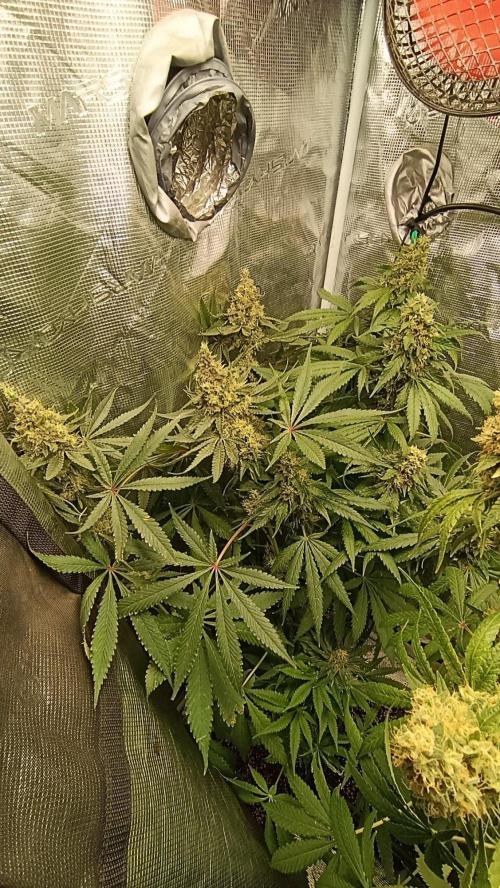
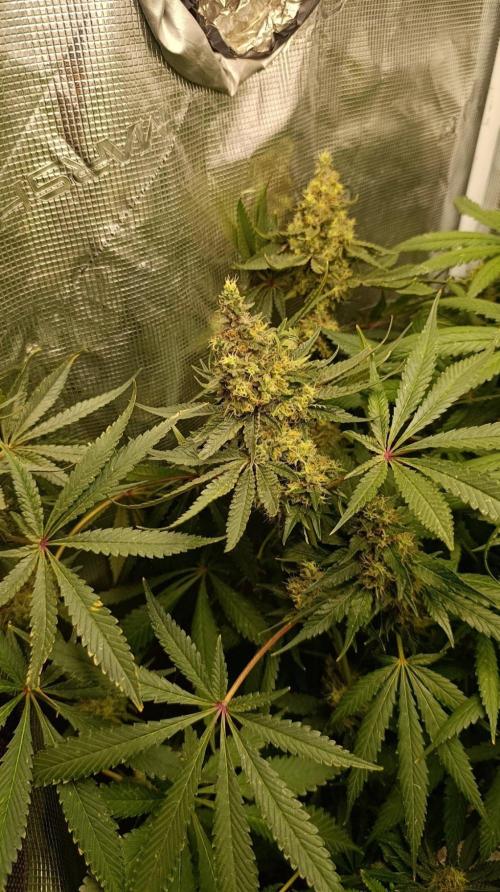
Week 14. Flowering2mo ago



85 cm
Height
12 hrs
Light Schedule
25 °C
Day Air Temp
6.3
pH
Strong
Smell
1700 PPM
TDS
50 %
Air Humidity
21 °C
Solution Temp
22 °C
Substrate Temp
24 °C
Night Air Temp
5 liters
Pot Size
1 liters
Watering Volume
40 cm
Lamp Distance
450 PPM
CO₂ Level
Nutrients 6
Cal-Mag Amino
0.5 mll
Master Bloom
2 mll
Sugar Shot
1 mll
420DeepGrow 📆 Week 10
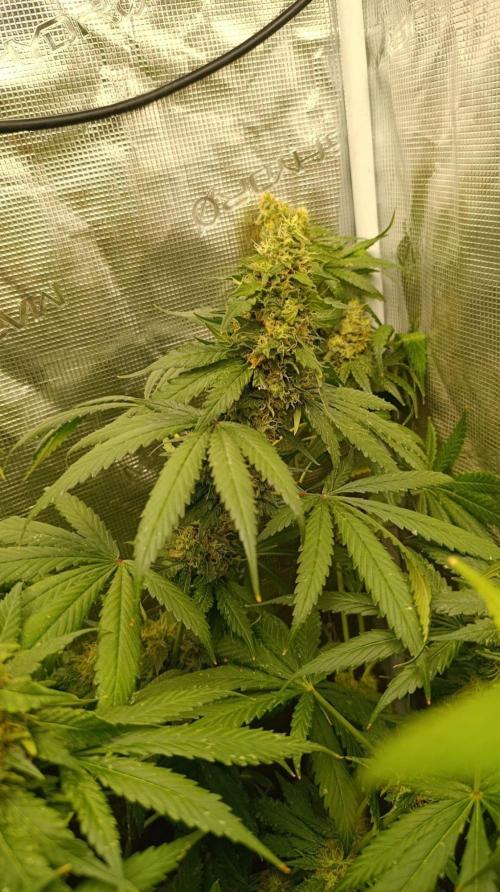
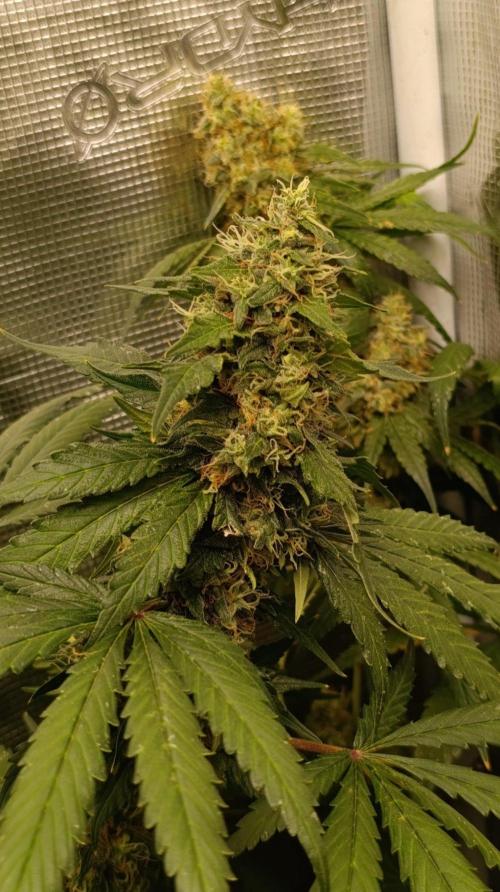
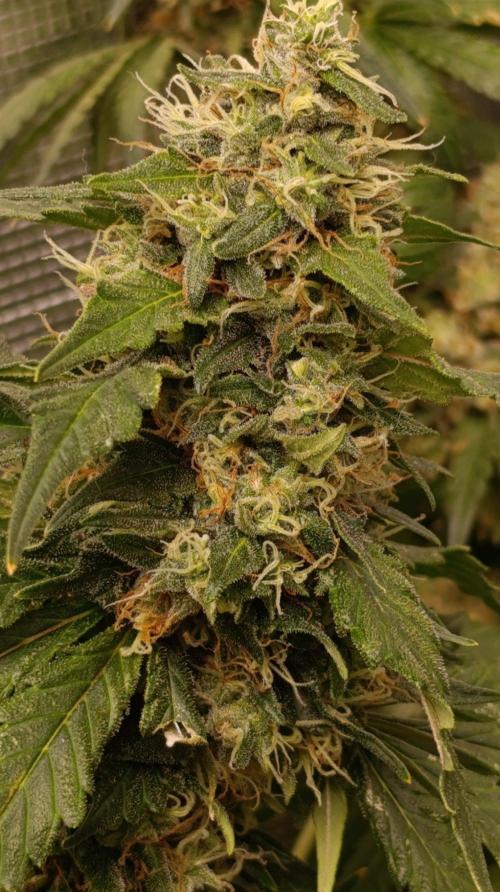
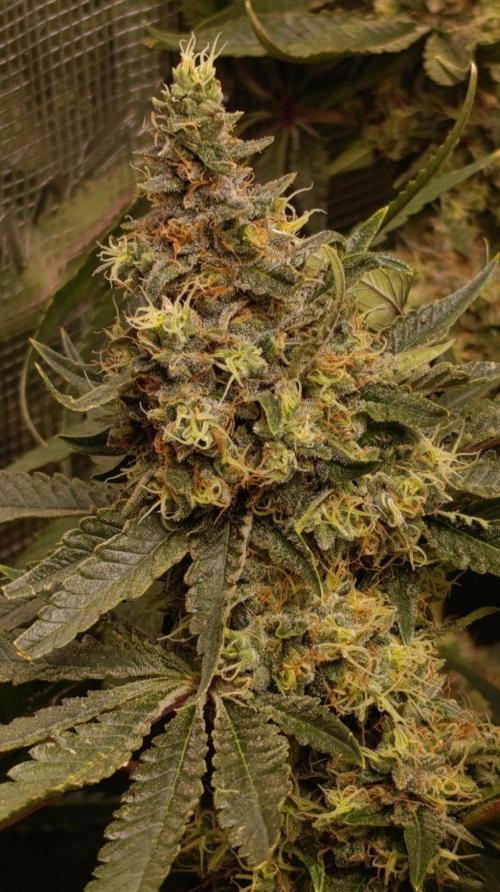
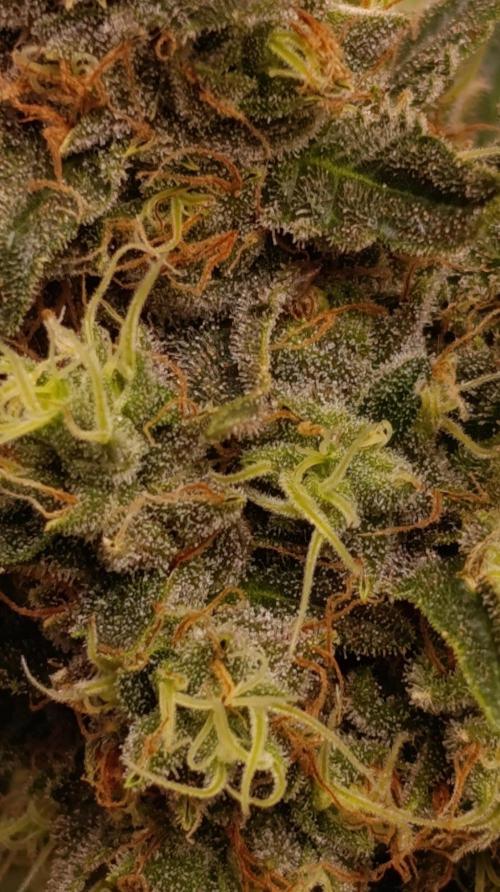
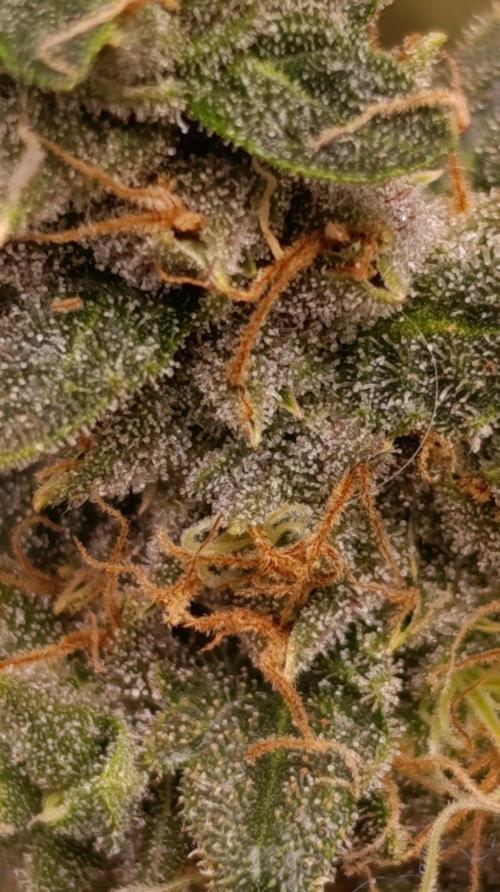
The flowering continues to progress, and the buds keep gaining volume, density, and an increasingly prominent amount of resin. The flowers have a compact and heavy structure, while the pistils continue to darken and progressively retract as maturation advances.
The plant maintains a very healthy appearance and continues to develop and fatten the flowers. The resin production is especially visible, covering both the buds and the nearby leaves, as it slowly approaches the final phase of flowering.
⚡ EC: 1.6–1.7
💧 pH: 6.2–6.4
🌡️ Water: 19–21°C
🌫️ Humidity: 40–45%
💡 Light: PPFD 950–1050
🔥 Note: We are entering an increasingly advanced phase of maturation, with very resinous buds and a structure that continues to compact. We continue to maintain stable conditions and monitor the evolution of the flowers to properly accompany the last weeks of the cycle.
We keep growing strong 💪!
2 likes
comments
Share
15
Week 15. Flowering2mo ago



85 cm
Height
12 hrs
Light Schedule
25 °C
Day Air Temp
6.3
pH
Strong
Smell
1700 PPM
TDS
50 %
Air Humidity
21 °C
Solution Temp
22 °C
Substrate Temp
24 °C
Night Air Temp
5 liters
Pot Size
1 liters
Watering Volume
40 cm
Lamp Distance
450 PPM
CO₂ Level
Nutrients 6
Cal-Mag Amino
0.5 mll
Master Bloom
2 mll
Sugar Shot
1 mll
420DeepGrow 📆 Week 11
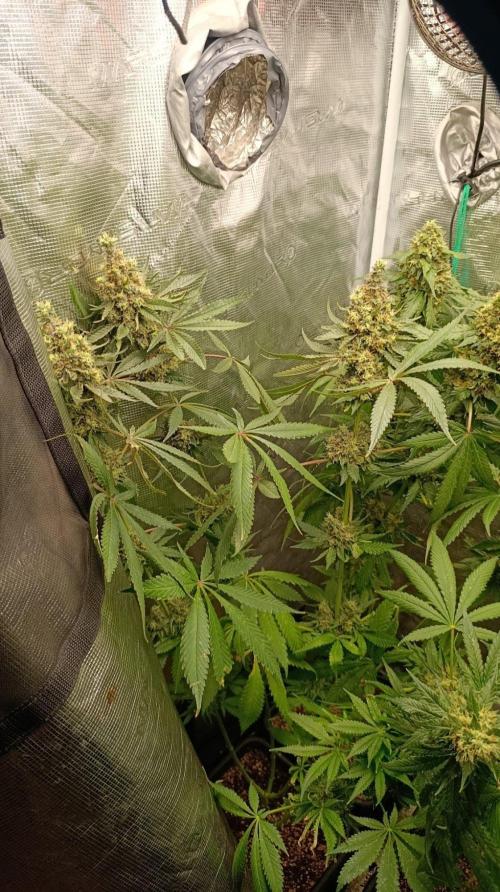
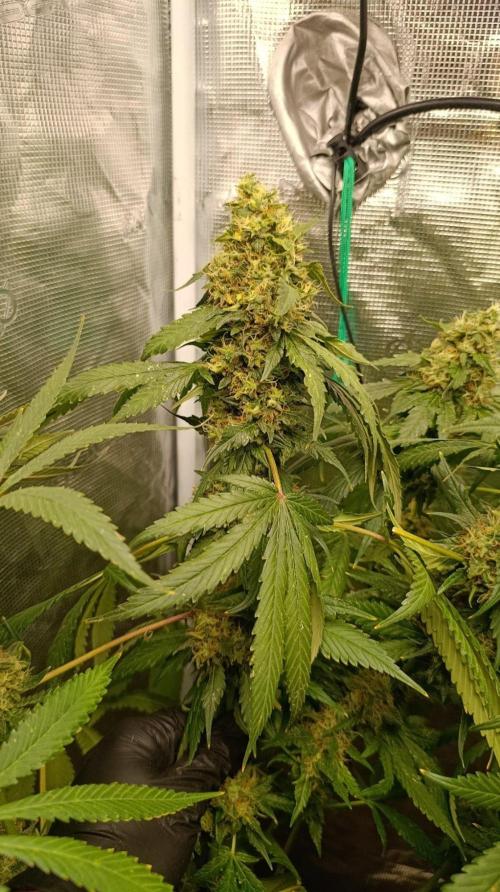
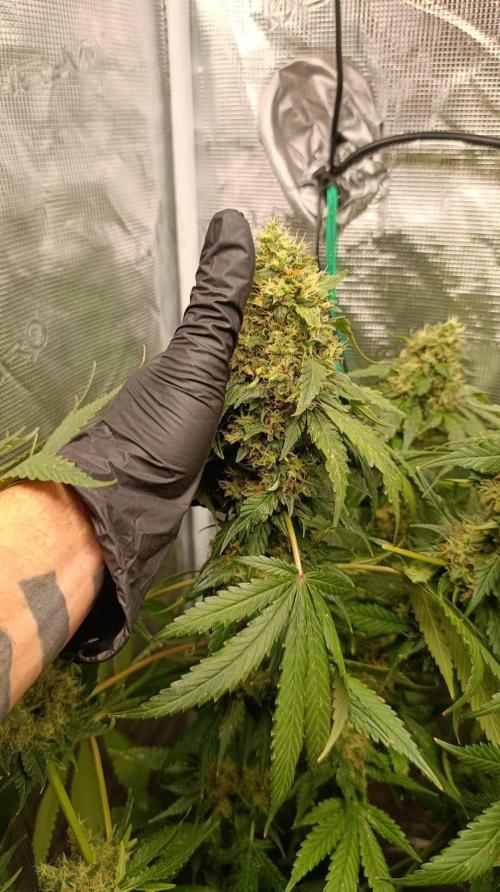
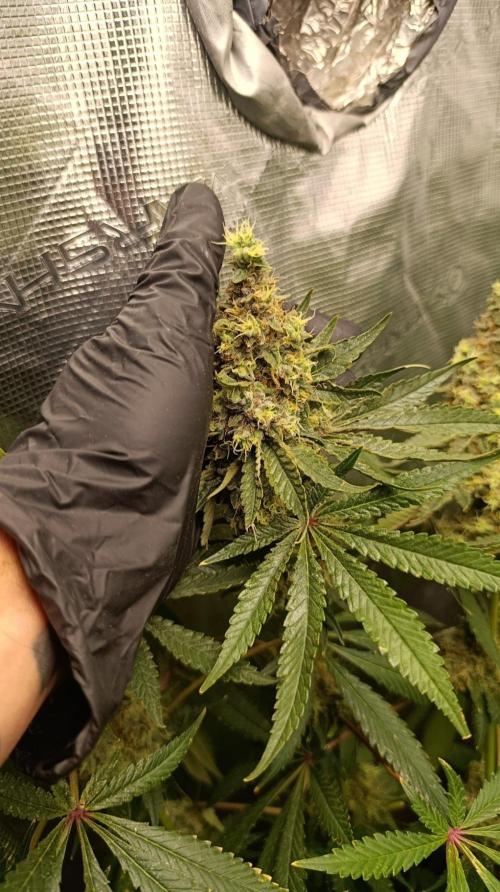
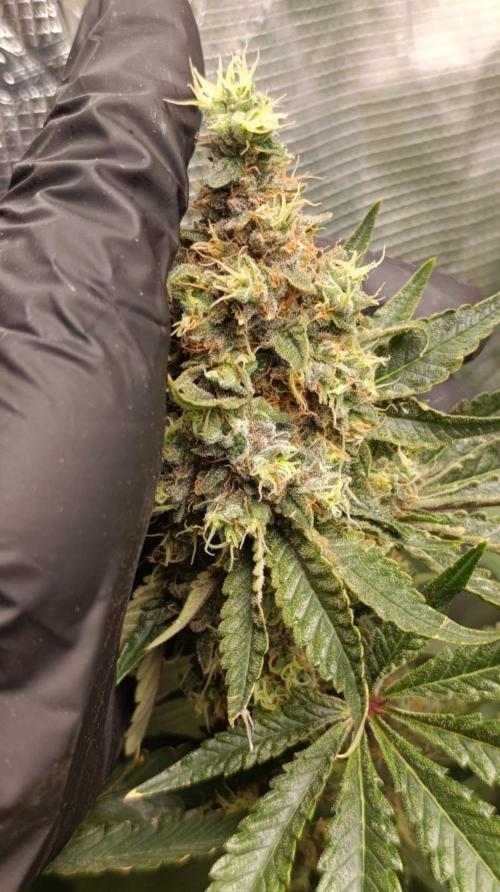
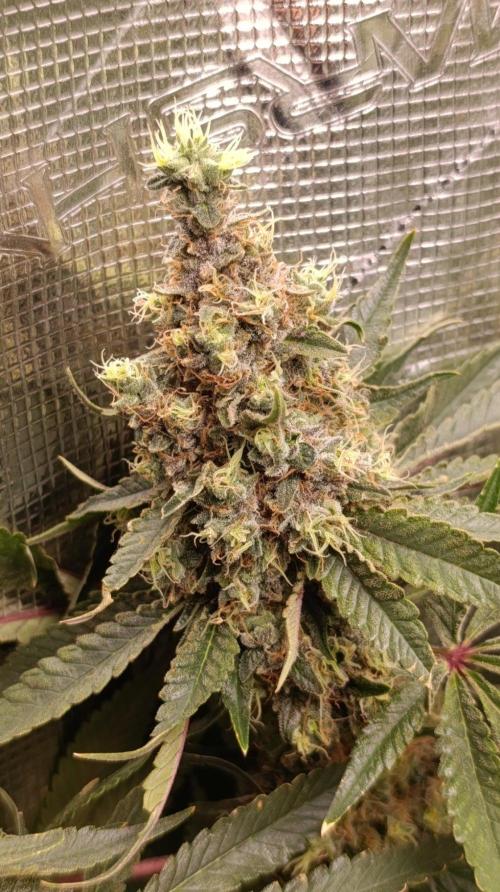
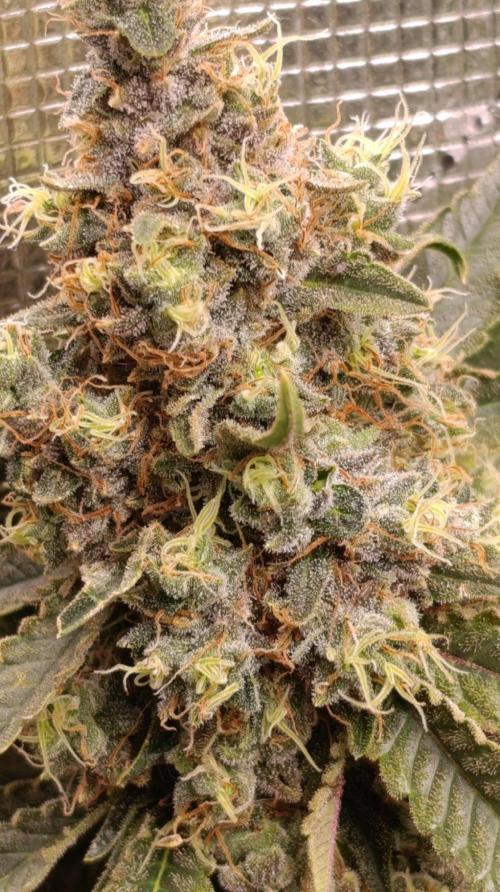
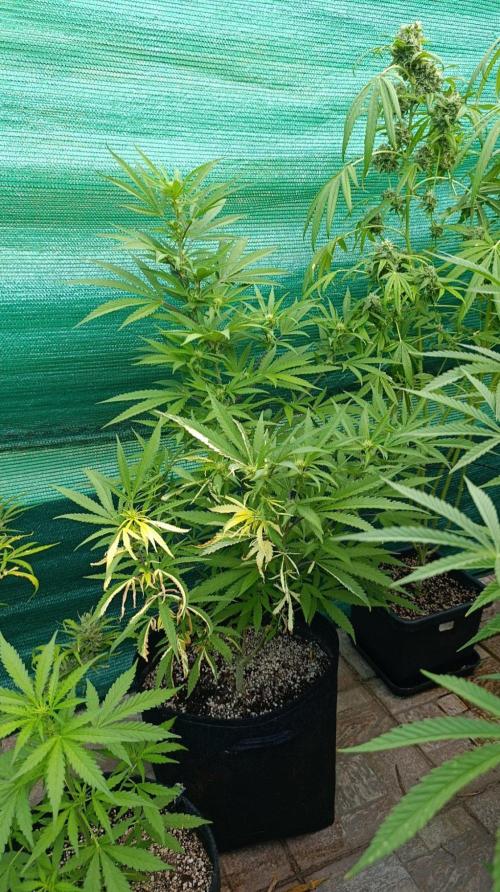
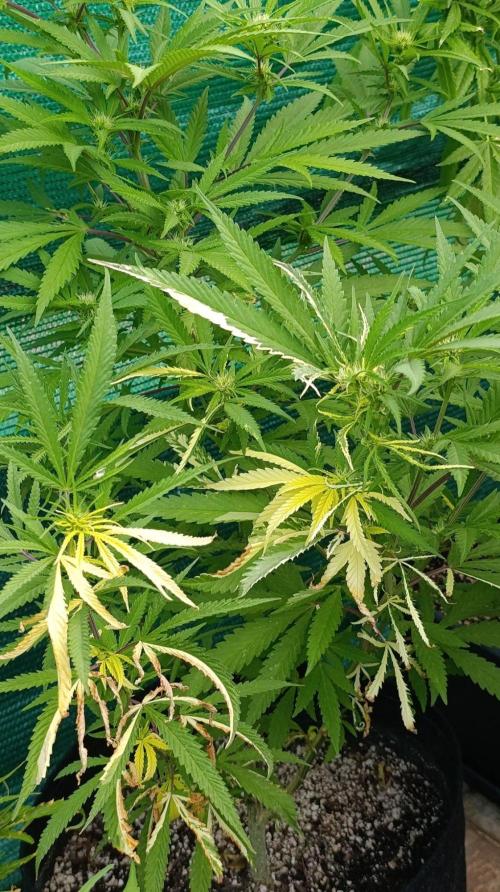
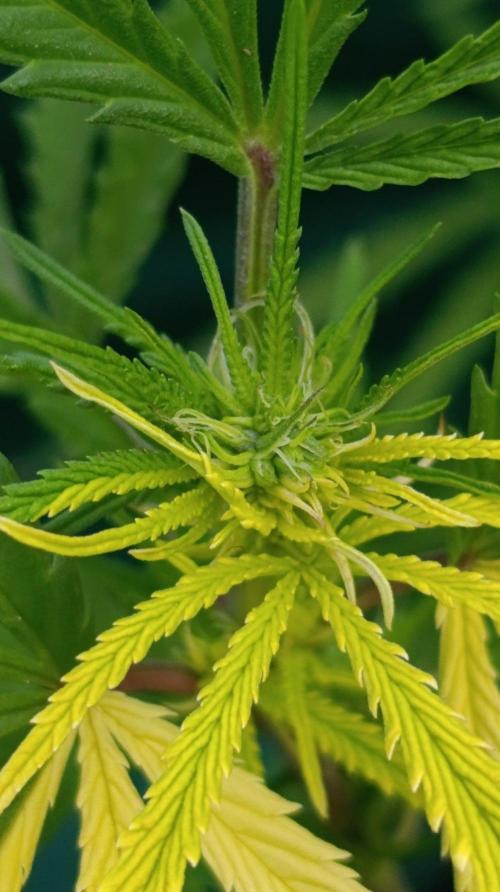
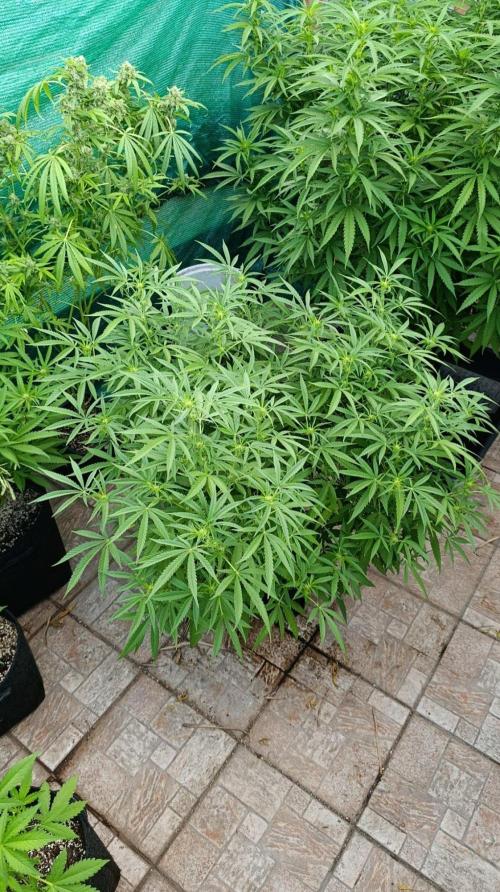
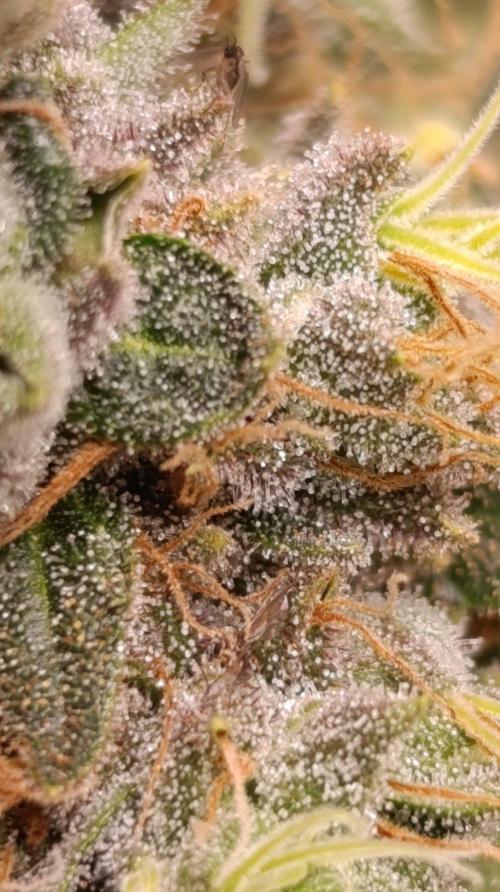
The two Variegated Parmigiano indoor plants are entering their final flowering phase, with very compact buds, loaded with resin and showing clear signs of ripening.
The outdoor plant continues to progress at a good pace, although it has some spiky flowers. We continue to observe its evolution while the indoor ones approach the end of the cycle.
⚡ EC: 1.5–1.6
💧 pH: 6.2–6.4
🌡️ Water: 19–21°C
🌫️ Humidity: 40–45%
💡 Light: PPFD 900–1000
🔥 Note: Indoor in the final phase and outdoor still in development, maintaining good resin production.
3 likes
2 comments
Share
16
Week 16. Flowering2mo ago




85 cm
Height
12 hrs
Light Schedule
25 °C
Day Air Temp
6.3
pH
Strong
Smell
180 PPM
TDS
50 %
Air Humidity
21 °C
Solution Temp
22 °C
Substrate Temp
24 °C
Night Air Temp
5 liters
Pot Size
0.8 liters
Watering Volume
40 cm
Lamp Distance
450 PPM
CO₂ Level
Nutrients 1

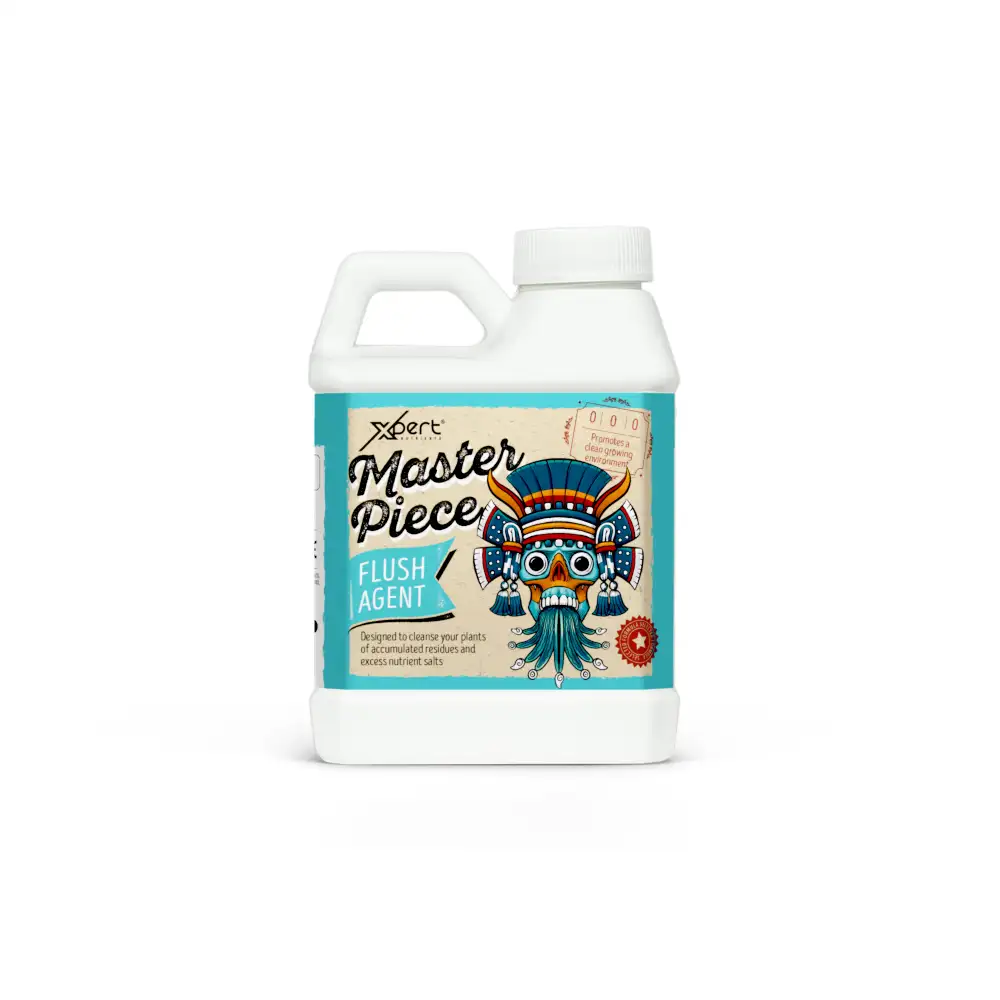
Master Piece
2 mll
420DeepGrow 📆 Semana 12
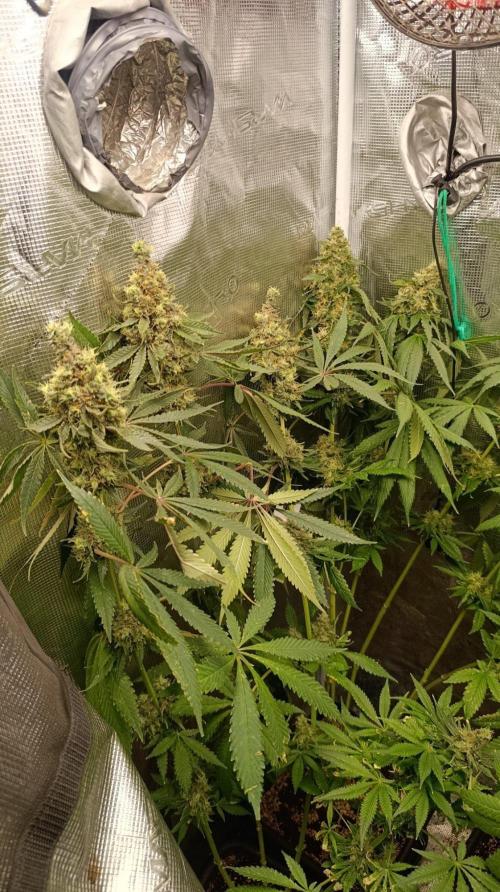
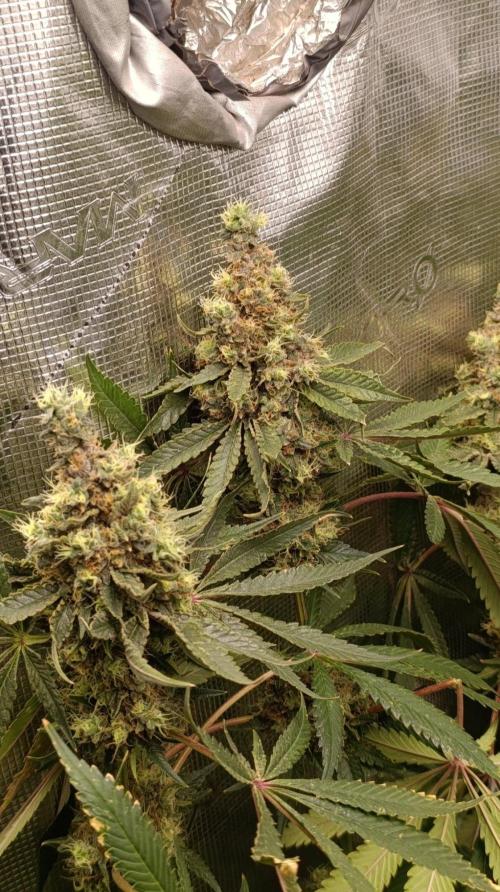
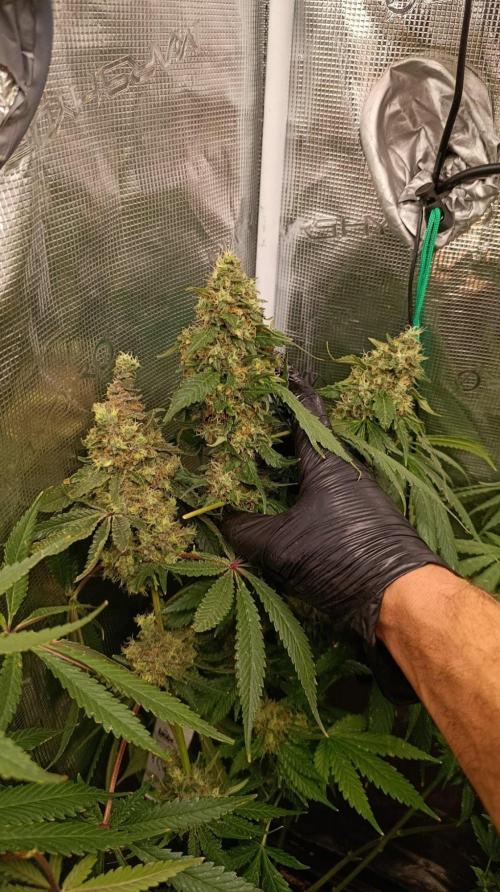
Las dos Variegated Parmigiano de interior entran ya en la recta final, con los cogollos cada vez más compactos, pesados y cargados de resina. Los signos de maduración son cada vez más evidentes y se acercan al momento de la cosecha.
La planta de exterior continúa avanzando y desarrollando sus flores, aunque mantiene algunos erizos en los cogollos. Seguimos observando su evolución mientras las de interior terminan de madurar.
💧 Master Piece: lavado de raíces
💧 pH: 6.2–6.4
🌡️ Agua: 19–21°C
🌫️ Humedad: 40–45%
💡 Luz: PPFD 900–1000
🔥 Nota: Cambio la nutrición por Master Piece para comenzar el lavado de raíces de las plantas de interior y afrontar estas últimas etapas antes de la cosecha. La exterior continúa su desarrollo, mientras las de interior terminan de madurar y aumentar la producción de resina.
¡Seguimos creciendo fuerte! 💪
3 likes
3 comments
Share
17
Week 17. Harvest1mo ago
Happy Harvest Day!


9/10
Rated
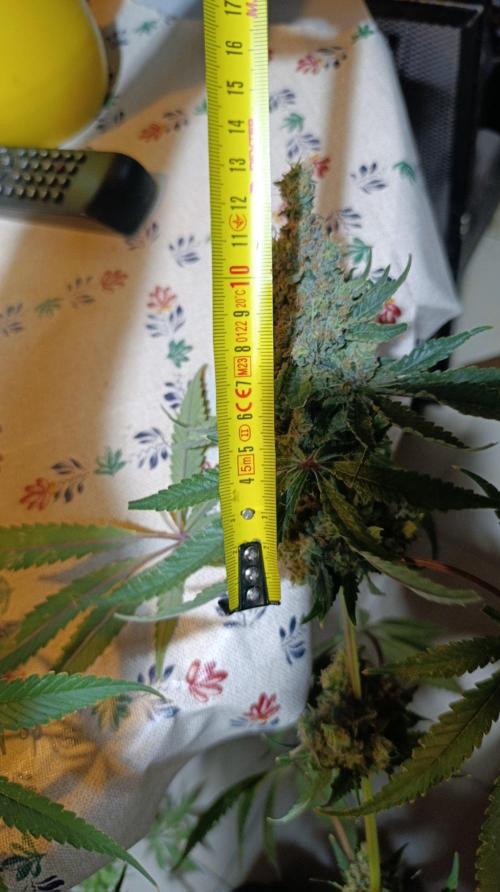
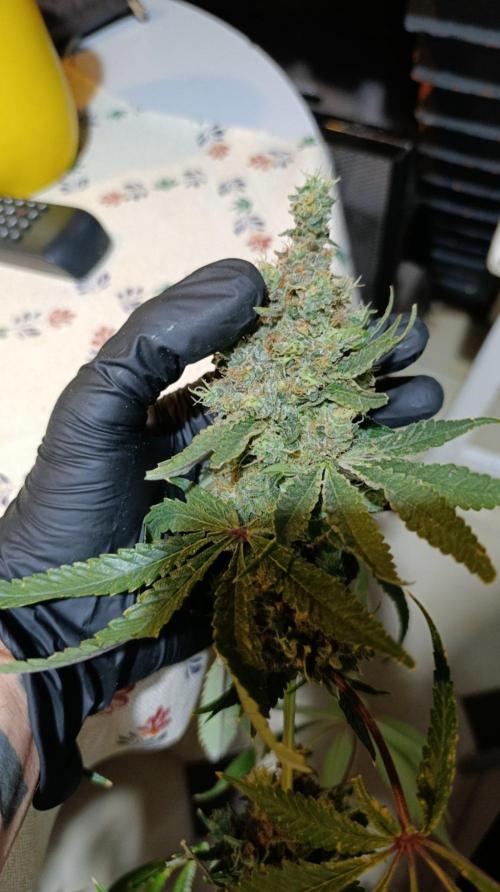
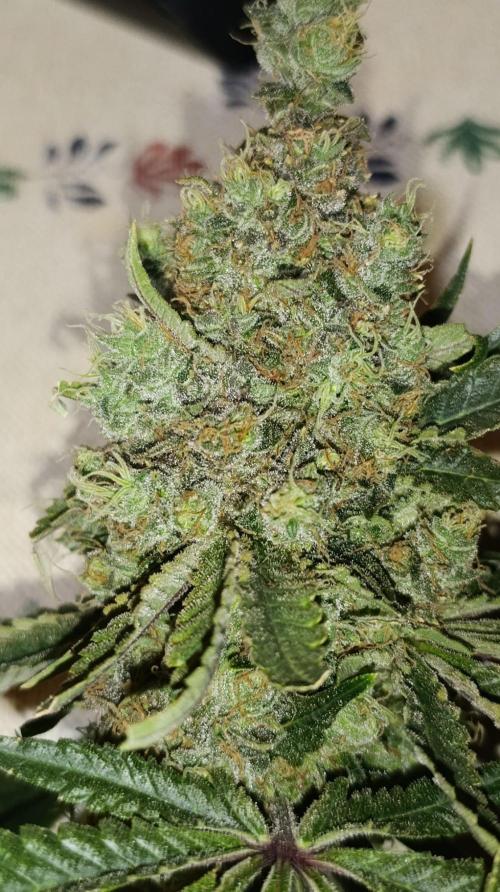
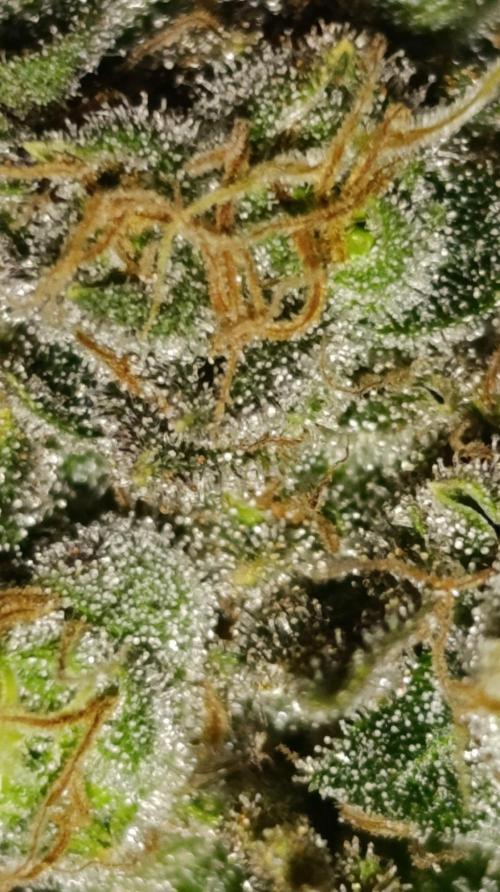
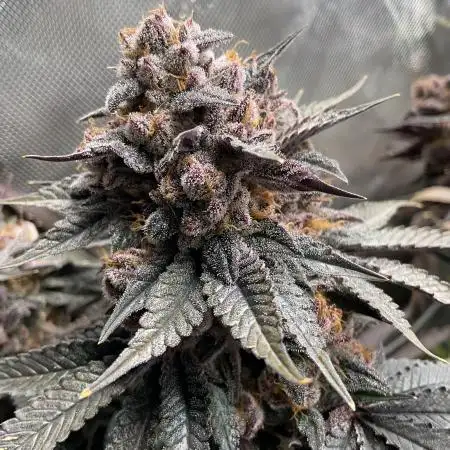
Great result, big buds, very dense and loaded with resin, with an intense and very particular aroma: acidic and herbal notes, accompanied by an earthy background that gives it a lot of depth.
A genetic variety that has left a spectacular result and very good sensations.
Show more
Original
Spent 107 days
Ger Veg Flo Har
28.35 g
Bud wet weight per plant
1
Plants
0.6 m²
Grow Room size
Easy
Difficulty
Height
Day air temperature
Air humidity
PPM
PH
CO2
Light schedule
Solution temperature
Night air temperature
Substrate temperature
Pot size
Lamp distance






420DeepGrow 📆 Week 13
We have reached harvest week. The two indoor Variegated Parmigiano have completed their cycle, with the buds being compact, heavy, and fully loaded with resin. Maturation has reached its final point, and the plants are ready for the chop.
The outdoor plant continues its development, still somewhat behind the indoor ones, so it will keep evolving while we wrap up the cycle of the two indoor plants.
💧 Master Piece: end of root washing
💧 pH: 6.2–6.4
🌡️ Water: 19–21°C
🌫️ Humidity: 40–45%
💡 Light: PPFD 900–1000
🔥 Note: Harvest week for the two indoor Variegated Parmigiano. After completing their maturation and root washing, it's time to cut and start the drying process. The outdoor plant continues its development and will remain under observation until it reaches its optimal point.
We keep growing strong! 💪
5 likes
1 comment
Share
Equipment Reviews





10 comments
Sort by
popularity
popularity
newest
oldest
Tower84 commentedweek 162mo ago
Very nice 💚👍👍 Next year I thought about planting a variegated strain outdoors - just to enjoy the beauty of these plants. I'm still wavering between the Variegated Sour GPP and the Sour Picasso from TerpyZ. Are you satisfied with the strain? What do the buds smell like? Best regards 👍😊
like 1

420DeepGrow commented2mo ago
@Tower84, yo pondría Variegated Sour GPP, es una planta que visualmente impresiona en exterior, es toda una belleza. Variegated Parmigiano huele ácida con toques terrosos y herbales y funky, seguro que con el secado y curado gana ese toque a parmesano. Las variegadas me gustan mucho porque el perfil de terpenos es totalmente diferente al resto. Gracias por tu apoyo bro
like 1
Tower84 commented2mo ago
@420DeepGrow, Yes, I will probably take the GPP and hope for interesting and beautiful phenos 💚
like 1

Dotore_Verdethumb commentedweek 83mo ago
Awesome! Looking good so far Bro :)
like 1
420DeepGrow commented3mo ago
@Dotore_Verdethumb, thanks my bro, we're going for the final stretch, let's keep growing strong 💪!
likes

GhostTerpZ commentedweek 05mo ago
Looking really good ❗️ ❗️ ❗️
like 1
420DeepGrow commented5mo ago
@GhostTerpZ, thanks my bro
likes
Tower84 commentedweek 171mo ago
Congratulations on the harvest 👍👍👍 I'm already looking forward to your smoke report 🔥🔥
likes
Dotore_Verdethumb commentedweek 152mo ago
They look awesome! Harvest incoming soon :)
likes
Dotore_Verdethumb commentedweek 152mo ago
They look awesome! Harvest incoming soon :)
likes

the end.
Enjoying this diary? Follow for more updates!

Prefer the old Diary view?
Go back to the old Diary view