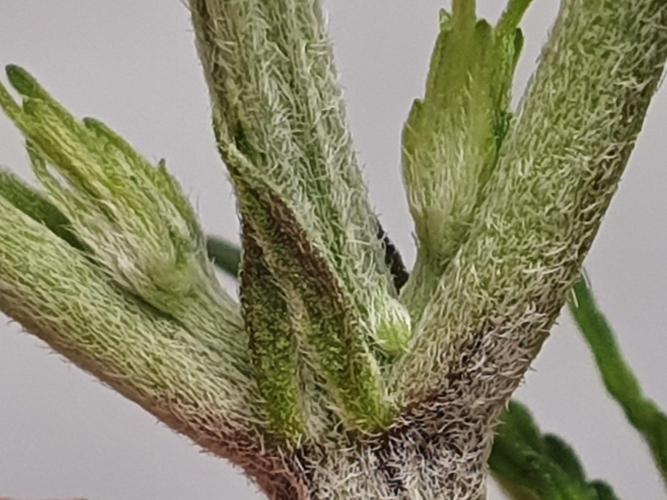
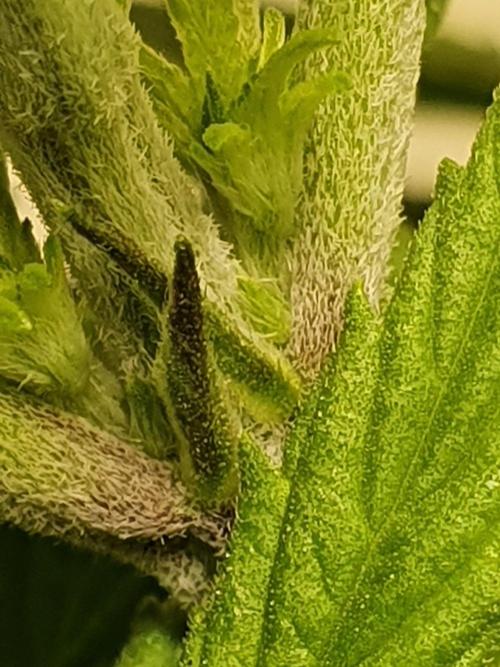
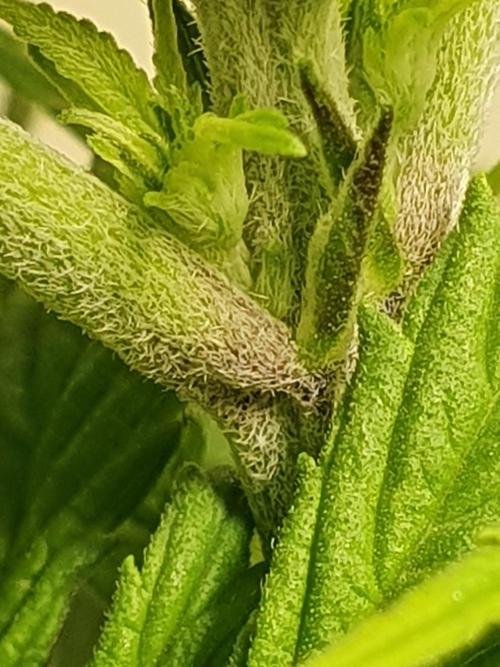
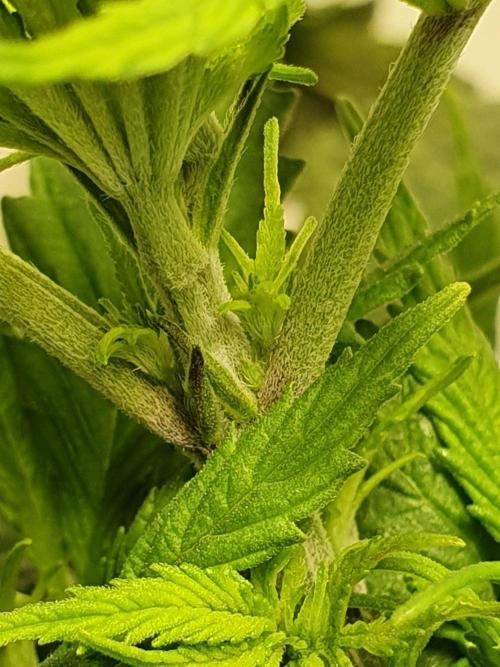
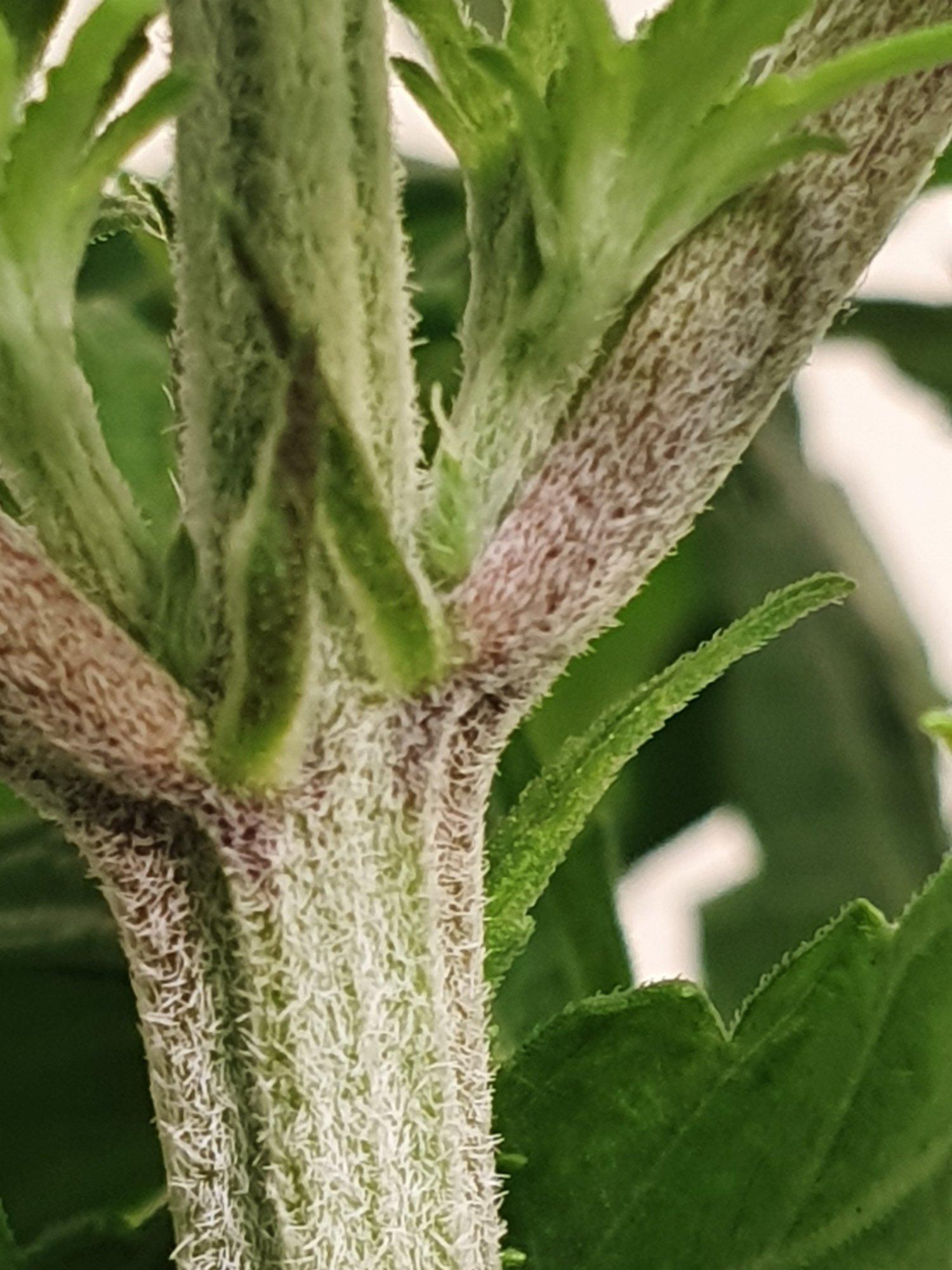
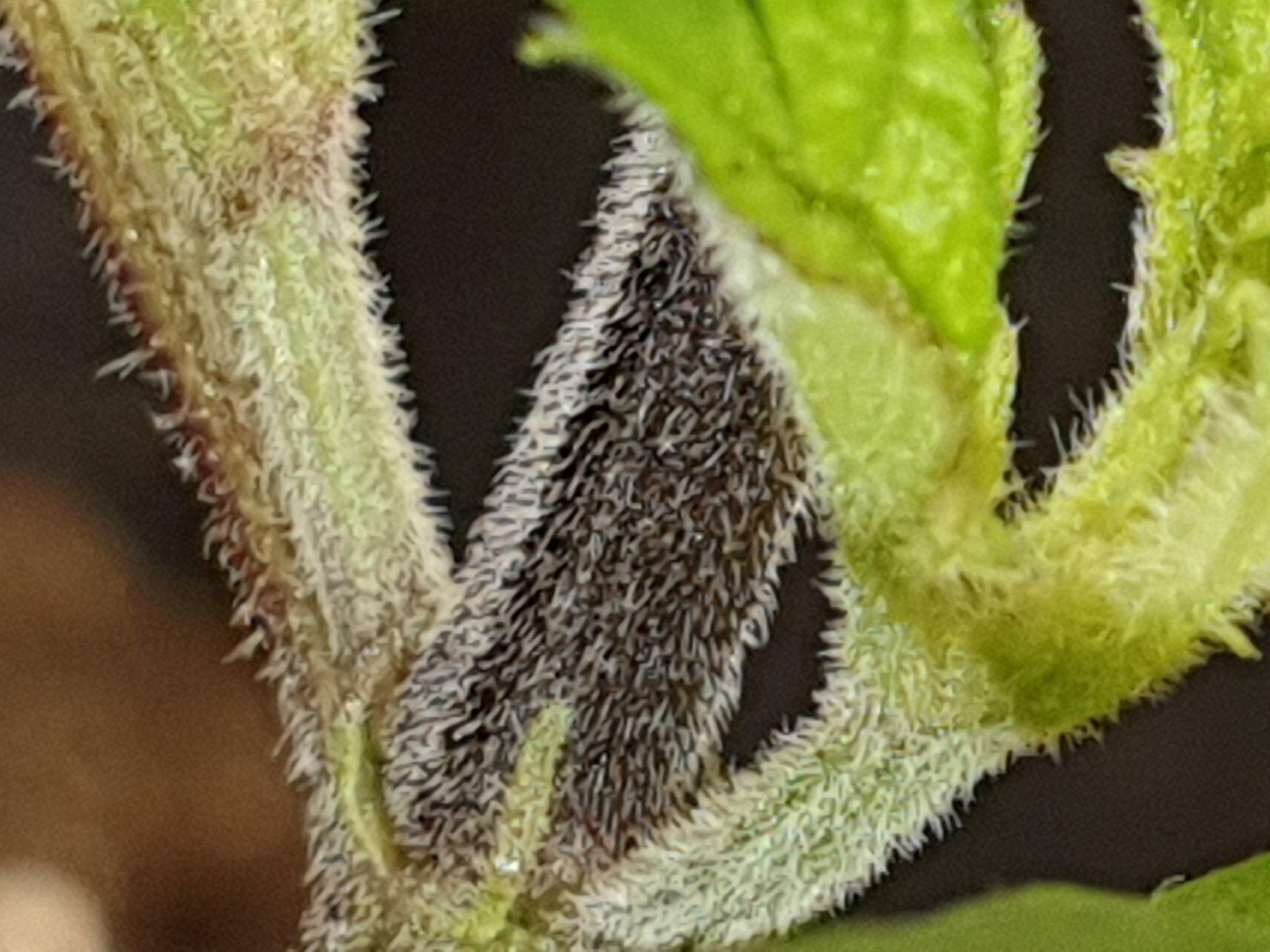
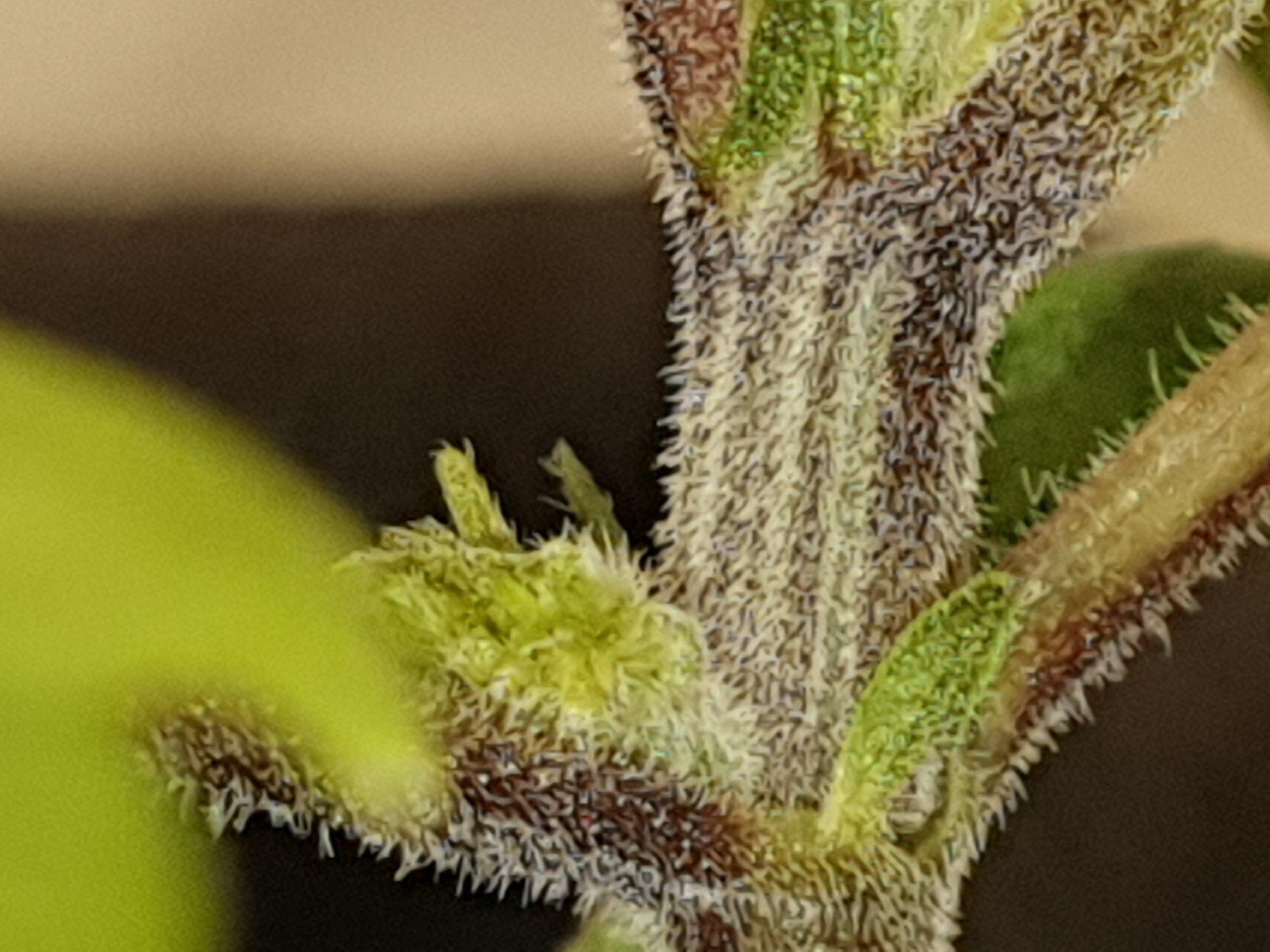
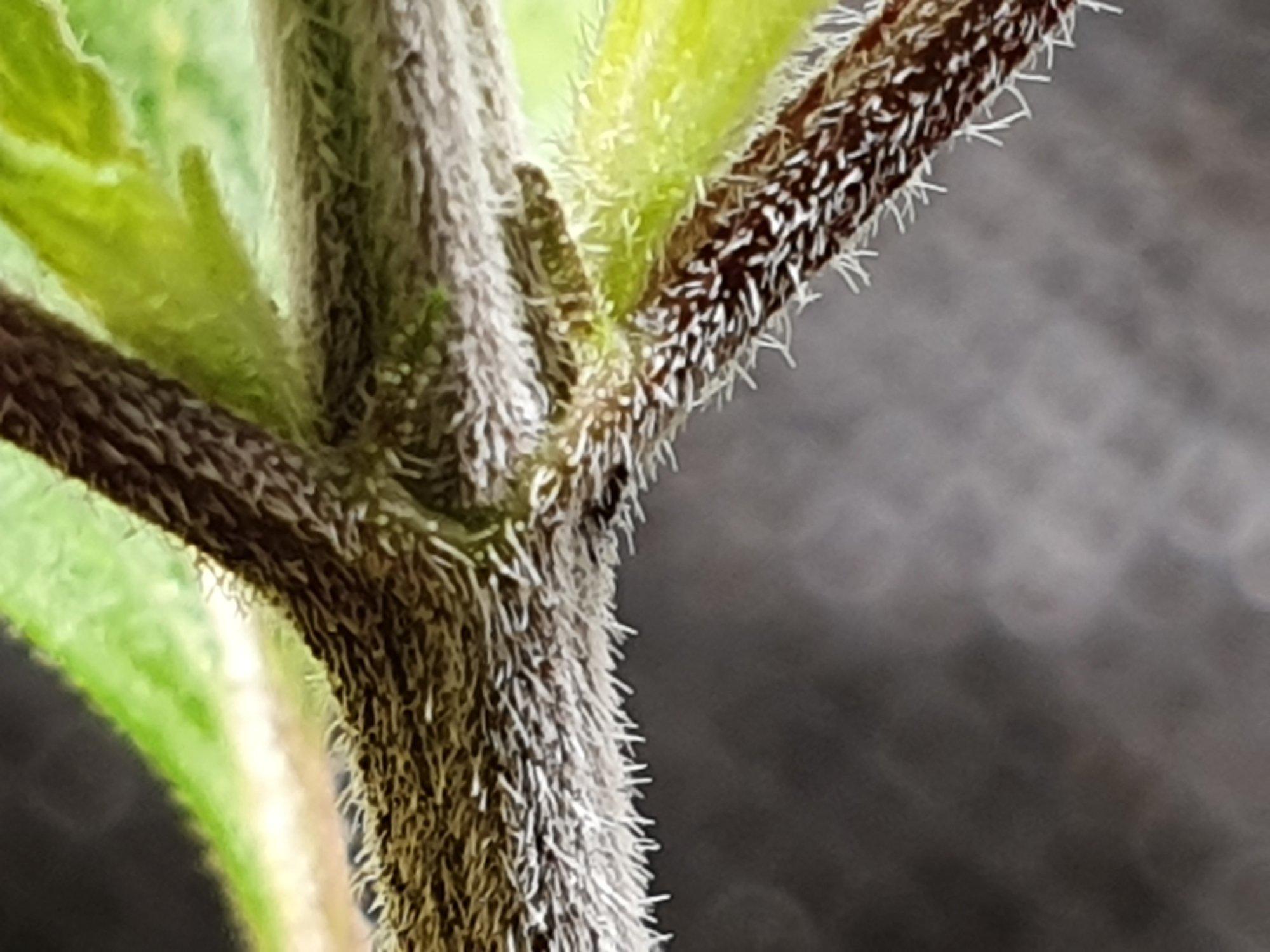
It has nothing to do with the fact that it's aesthetically purple, it's the predisposed ratio of the terpenes linalool and myrcene that make GranDaddyPurp so special: the heavy body high to relieve pain but maintaining a sharp mind. You simply cannot get a better combination for medical patients.
Geographical location heavily dictates genetic expression. Local weather patterns, unique environmental conditions, macroclimates, and UV levels interact directly with soil composition and its nutritional properties to drive gene expression. Environmental factors act as structural "switches" that turn specific genes on or off without altering the underlying DNA sequence.
Because of this, unless a cultivar is grown under the exact same conditions across the board, there is no way its genetic expression will remain identical. Each generation grown in a different meteorological and geographical location will ultimately alter its phenotype.
The unique mineral composition, microbial life, and fungal networks of a specific geographic location act as a custom recipe for the plant. These epigenetic changes in gene expression can sometimes be passed down to the next generation, meaning the plant actively adapts to its new home in real-time. Each subsequent generation undergoes rapid localized adaptation, naturally favoring traits that help it survive that specific environment and shifting away from its original ancestral state within just a few generations.
The idea that a "magic seed" can bring back long-lost genetics and behave exactly as it did in the past is ridiculous. The precise atmospheric conditions, soil biology, climate, and environmental metrics of thousands of years ago simply no longer exist. An ancient seed grown today will inevitably express itself differently.
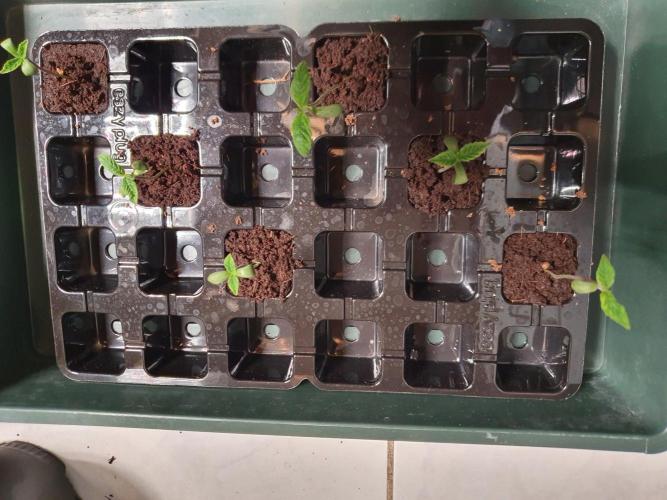
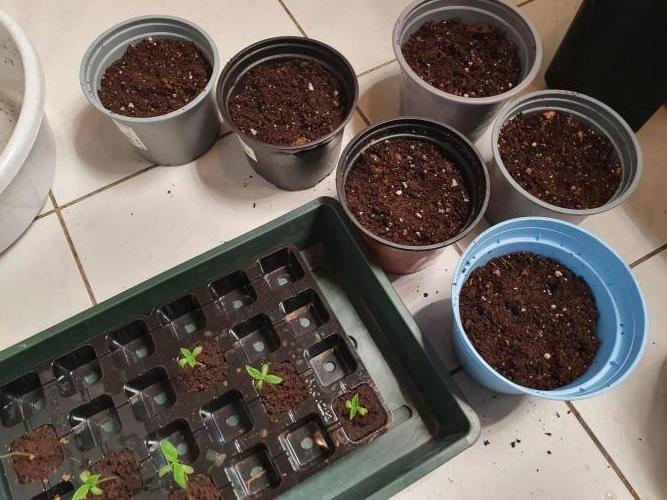
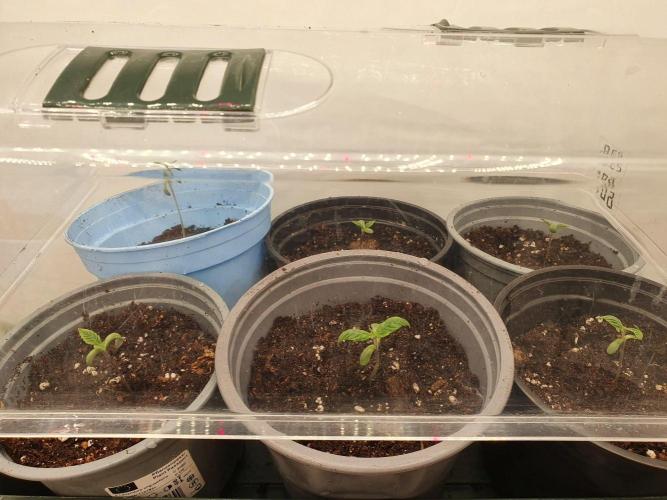
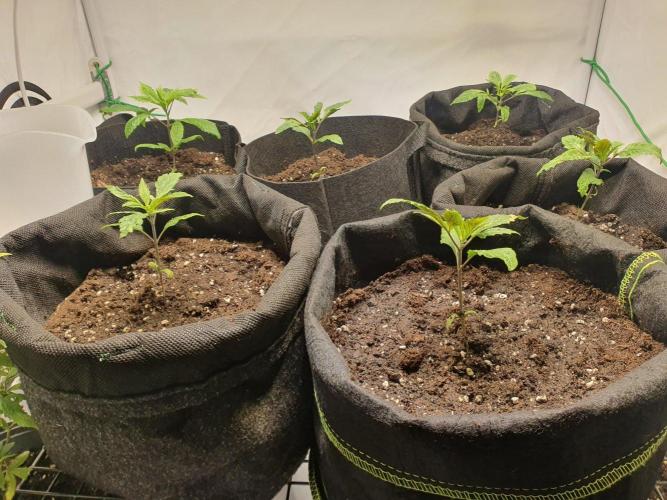
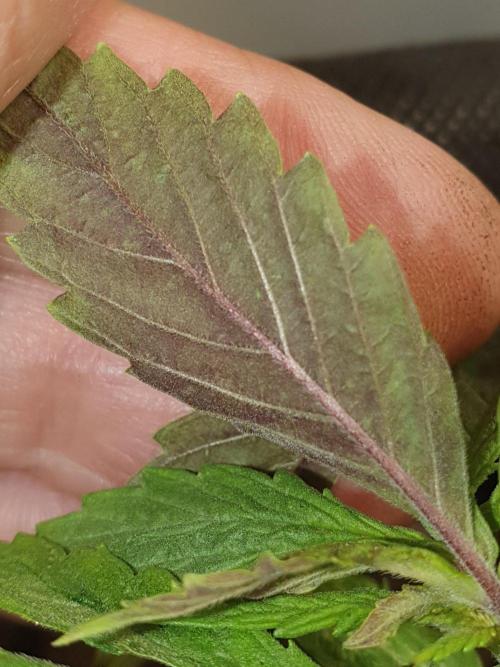
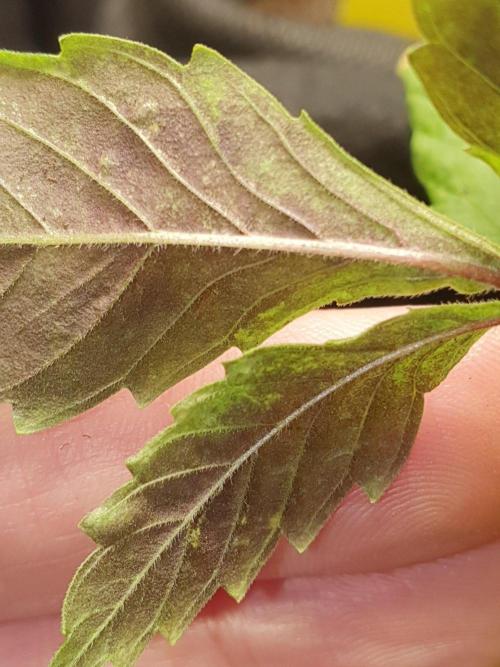
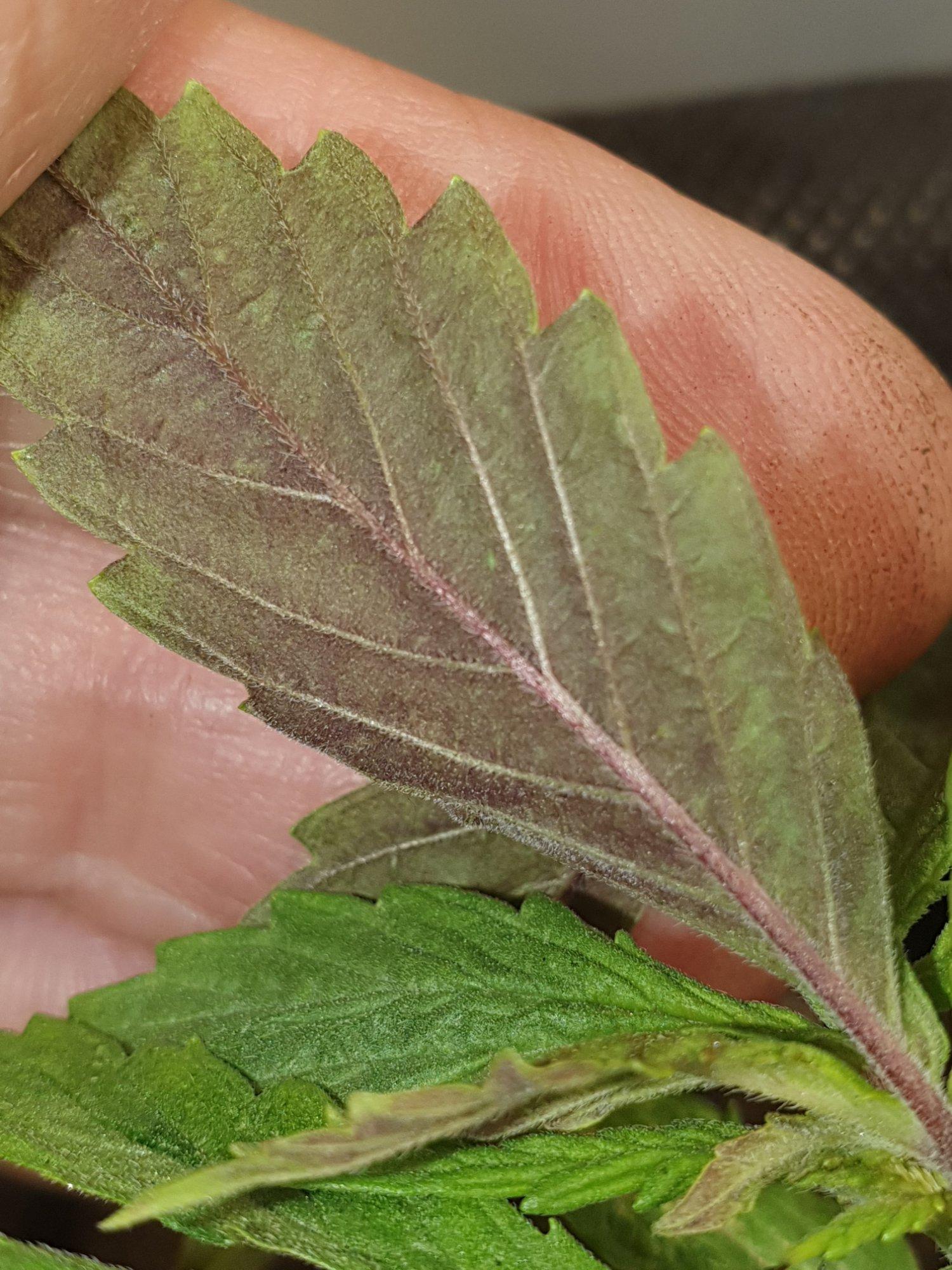
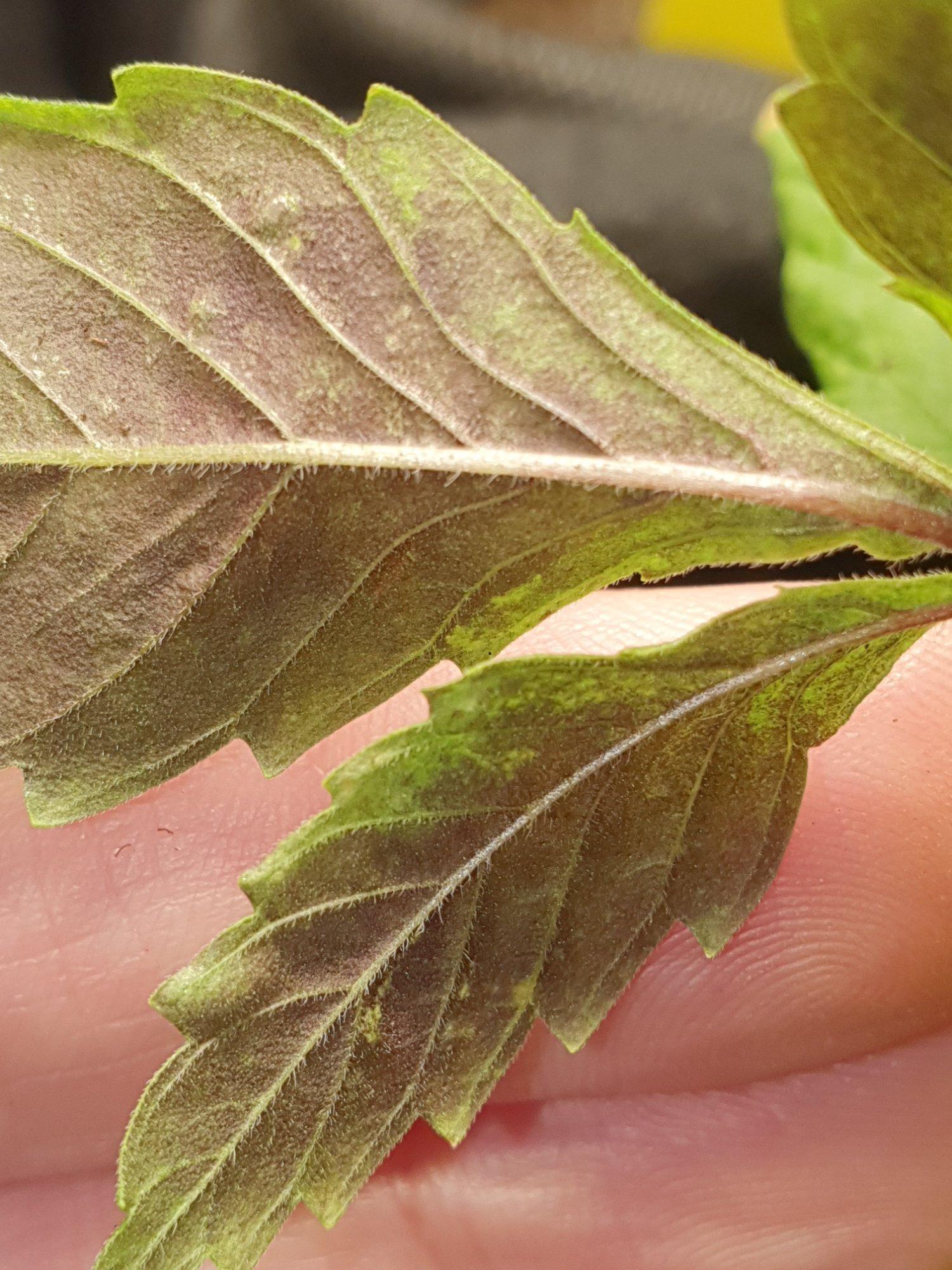
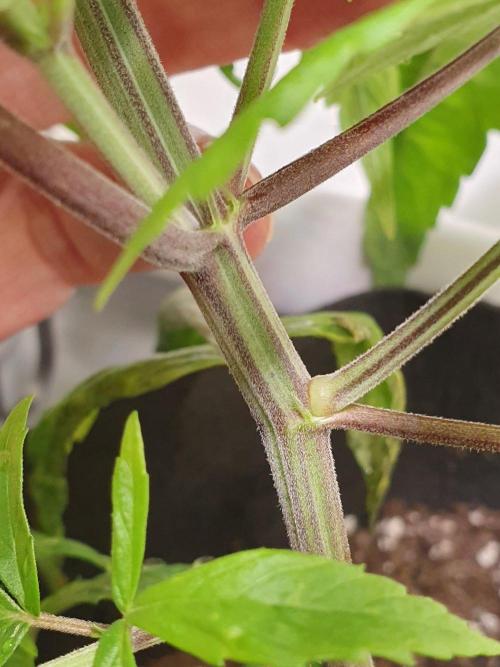
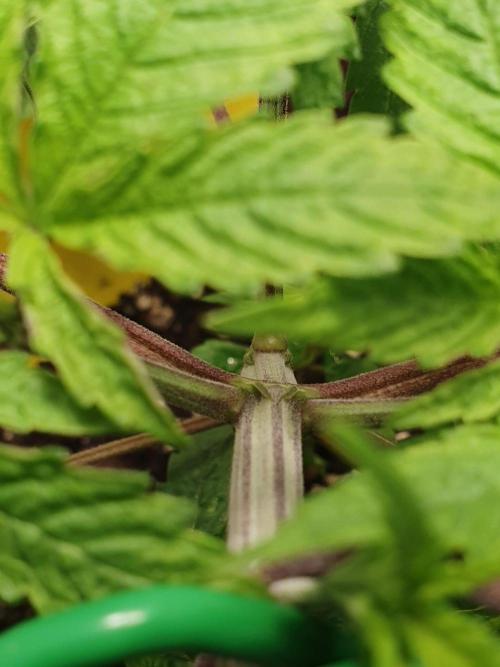
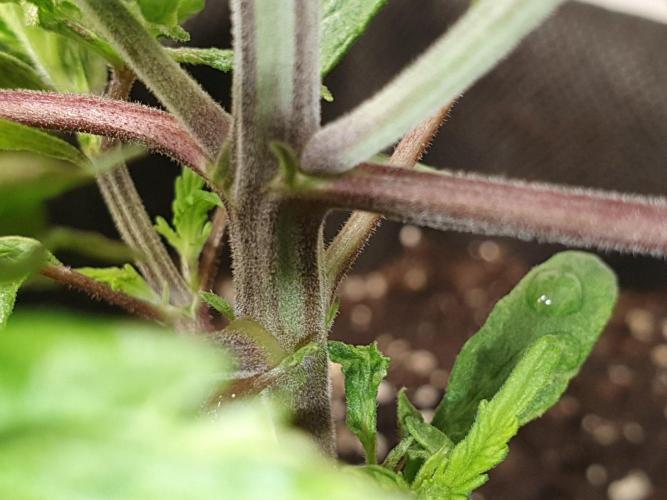
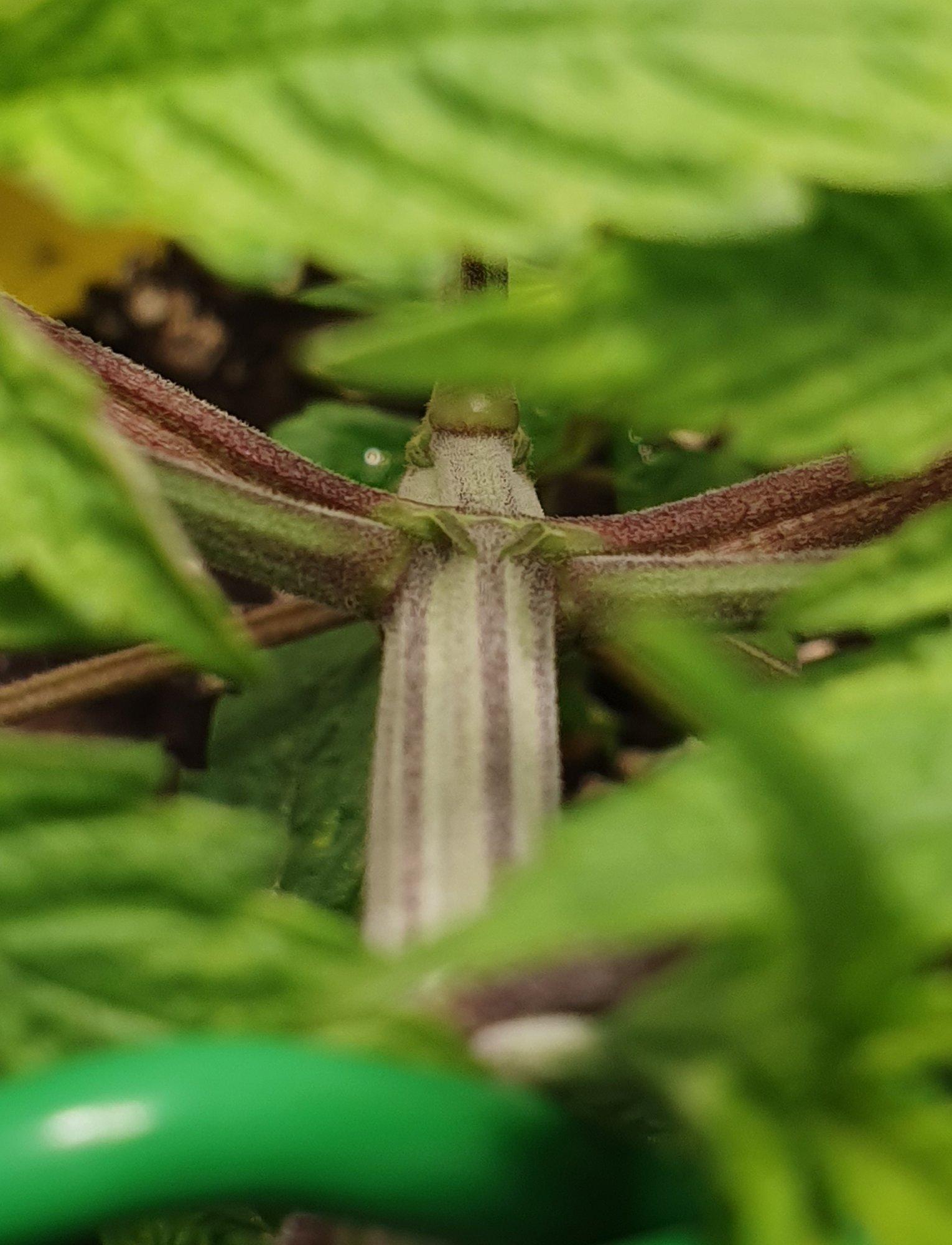
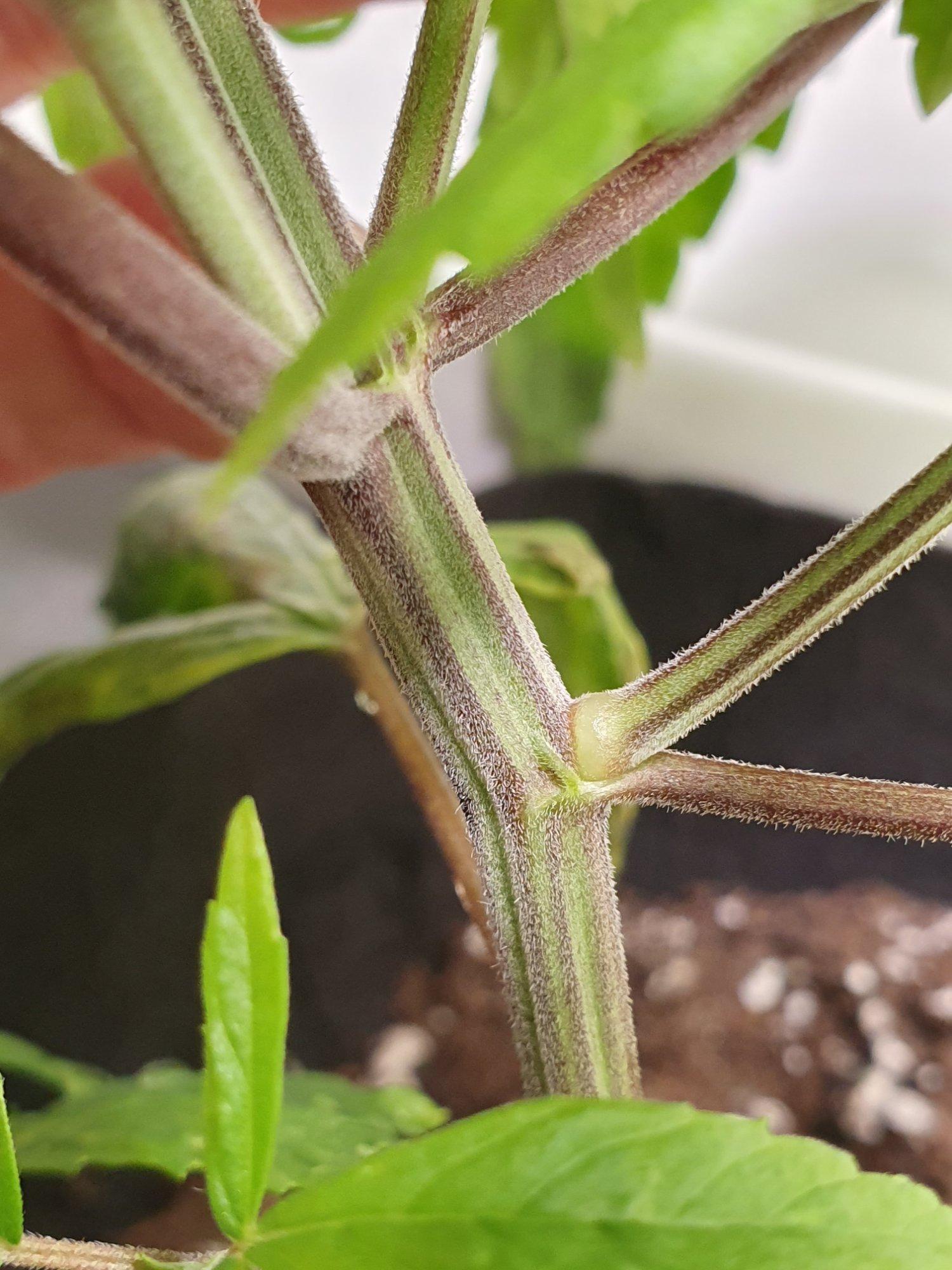
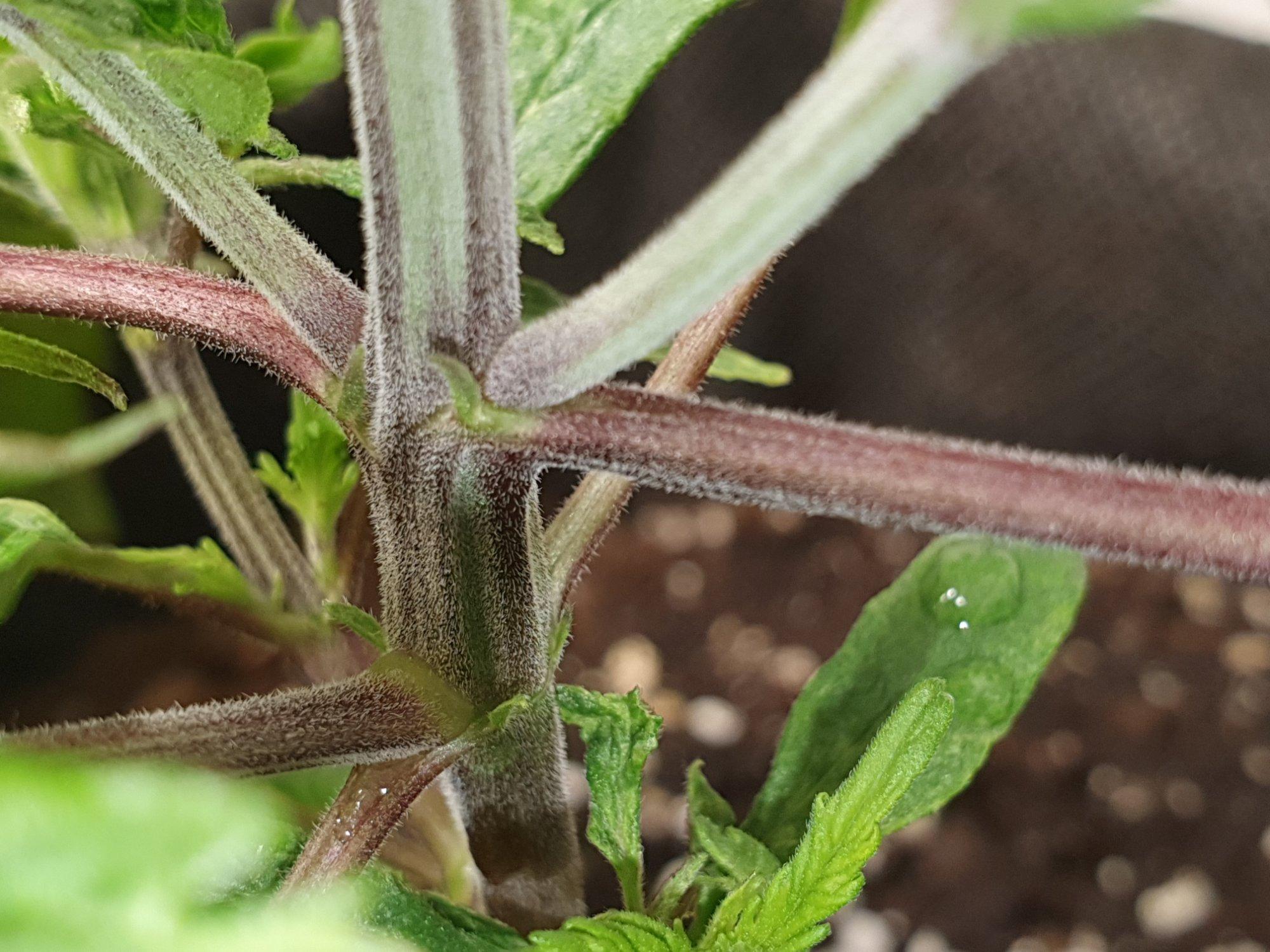
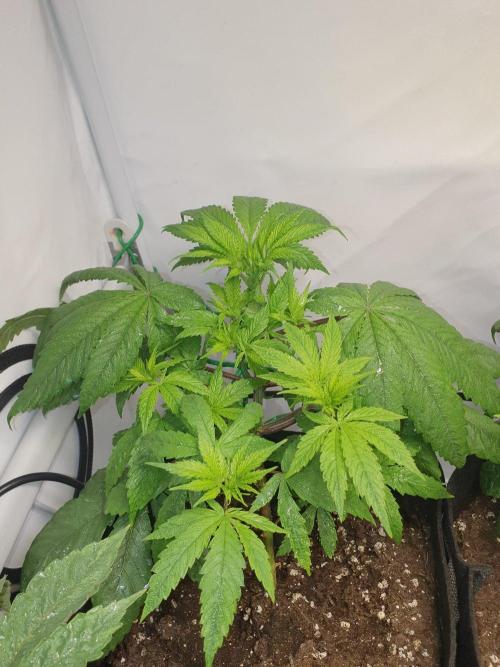
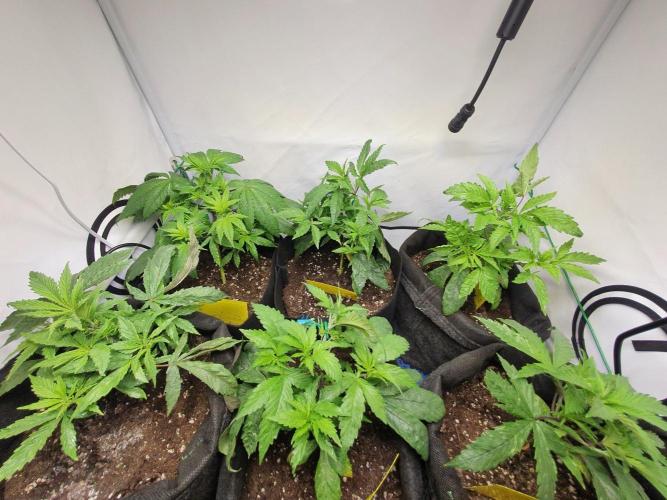
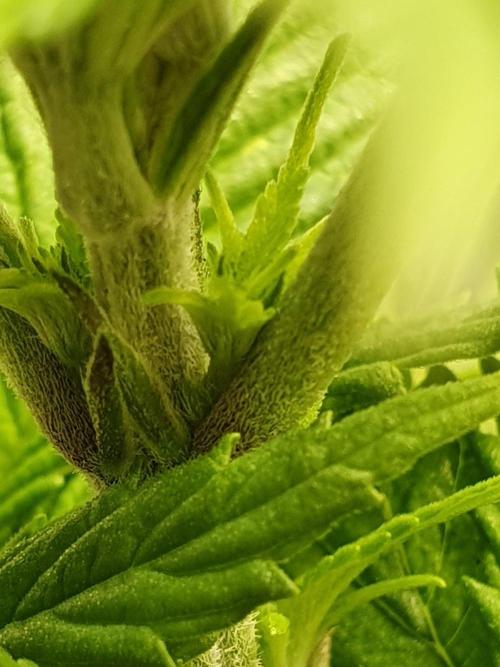
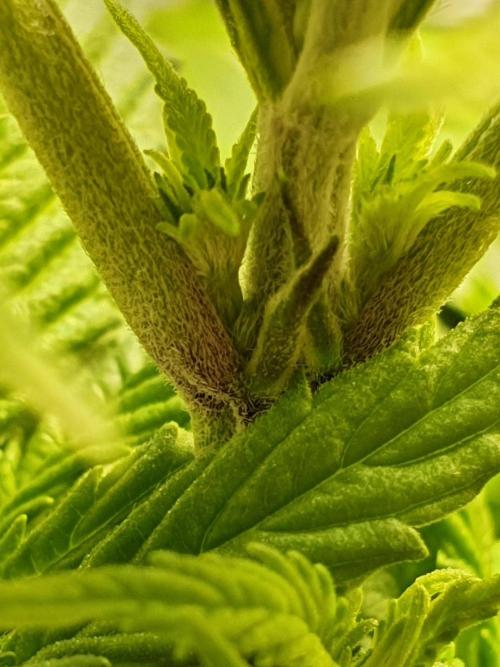
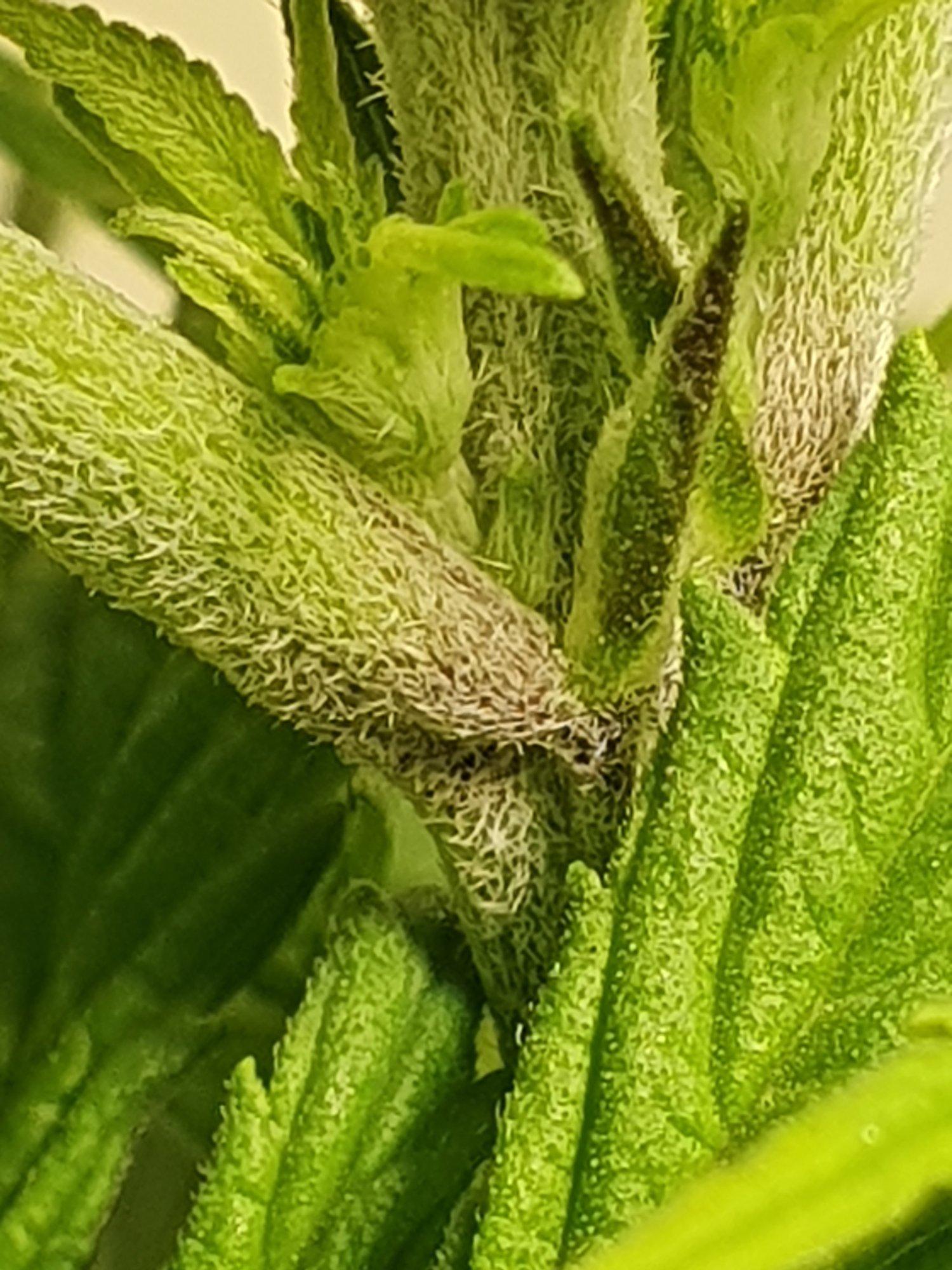
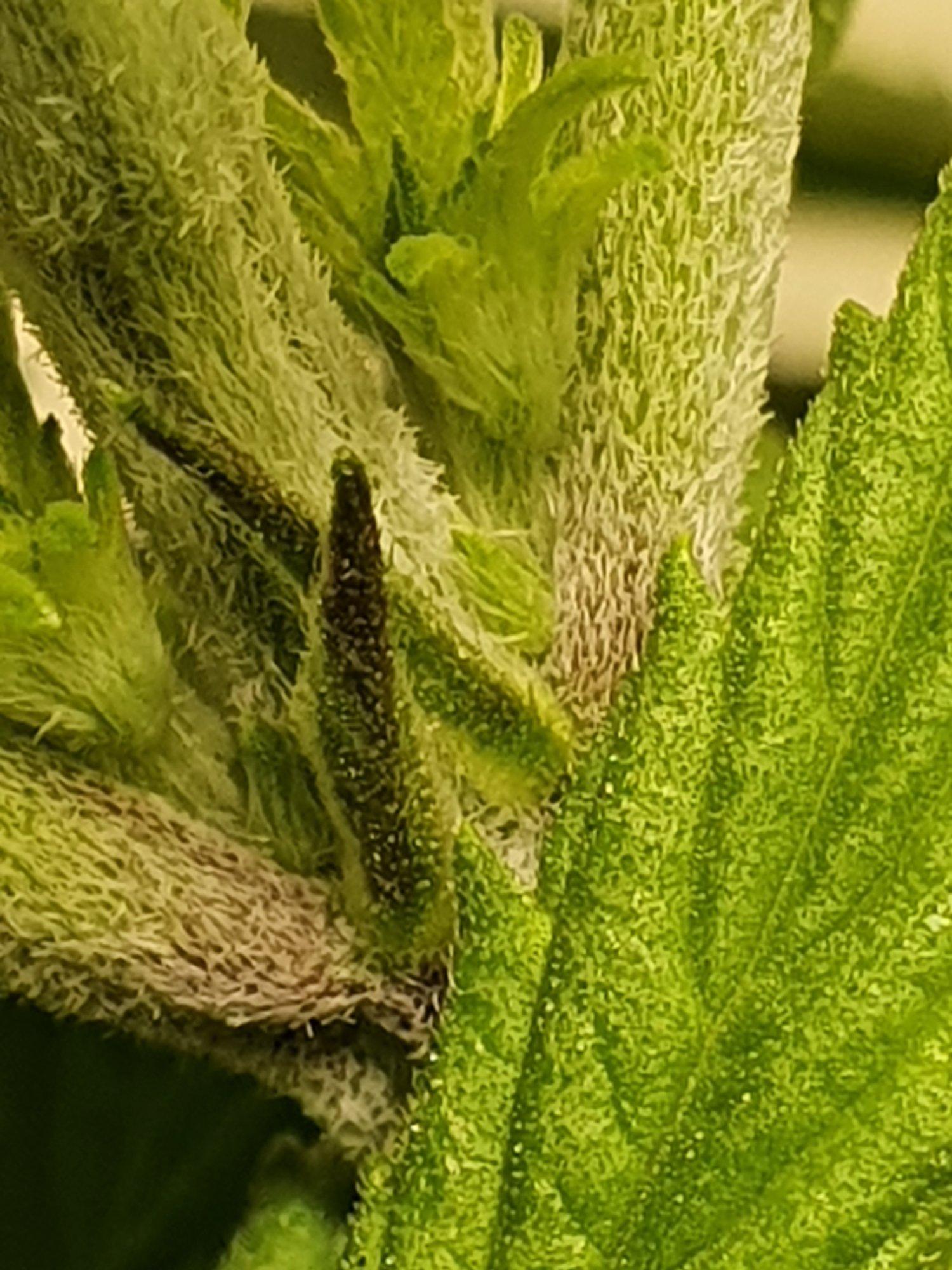
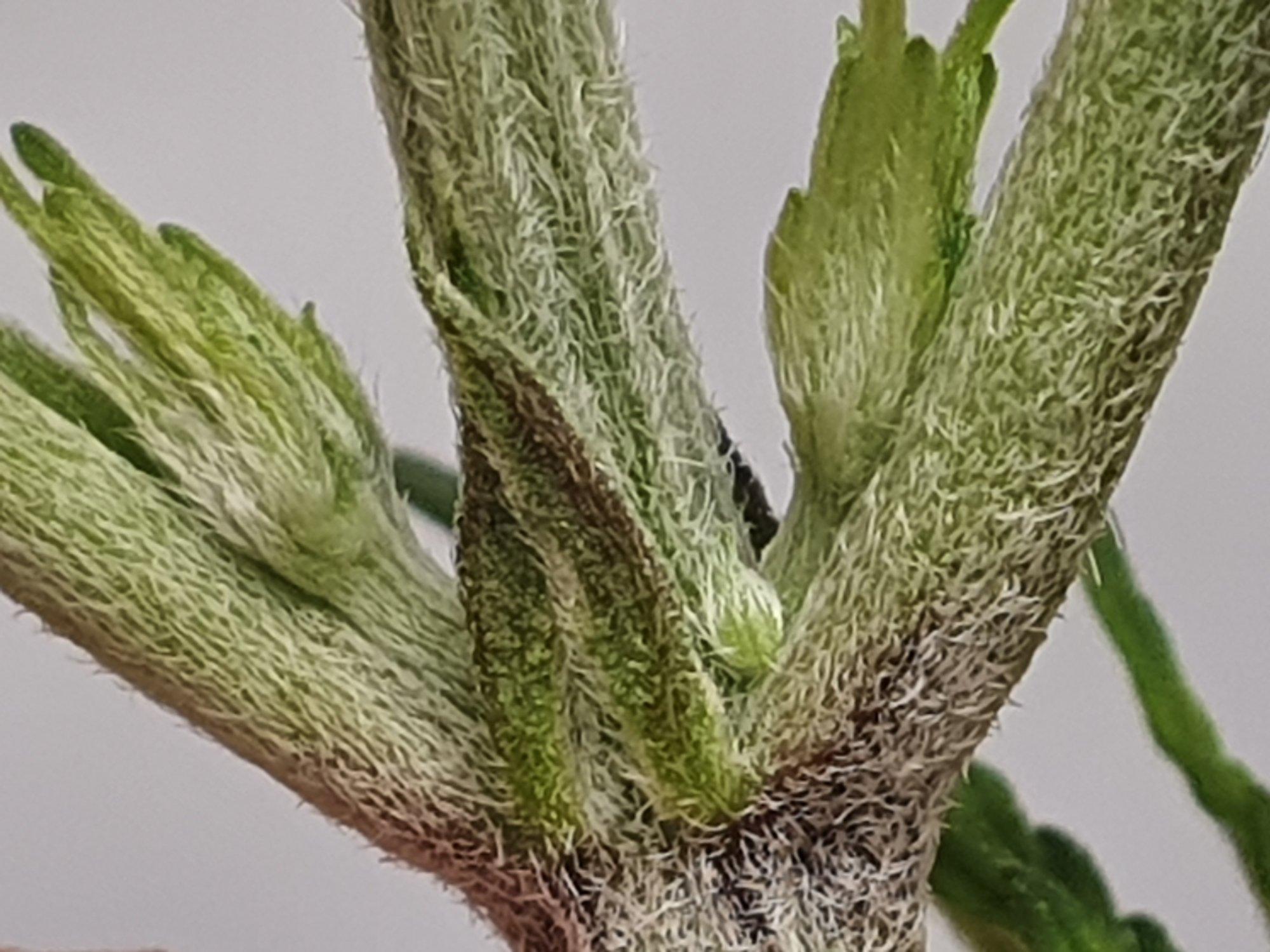
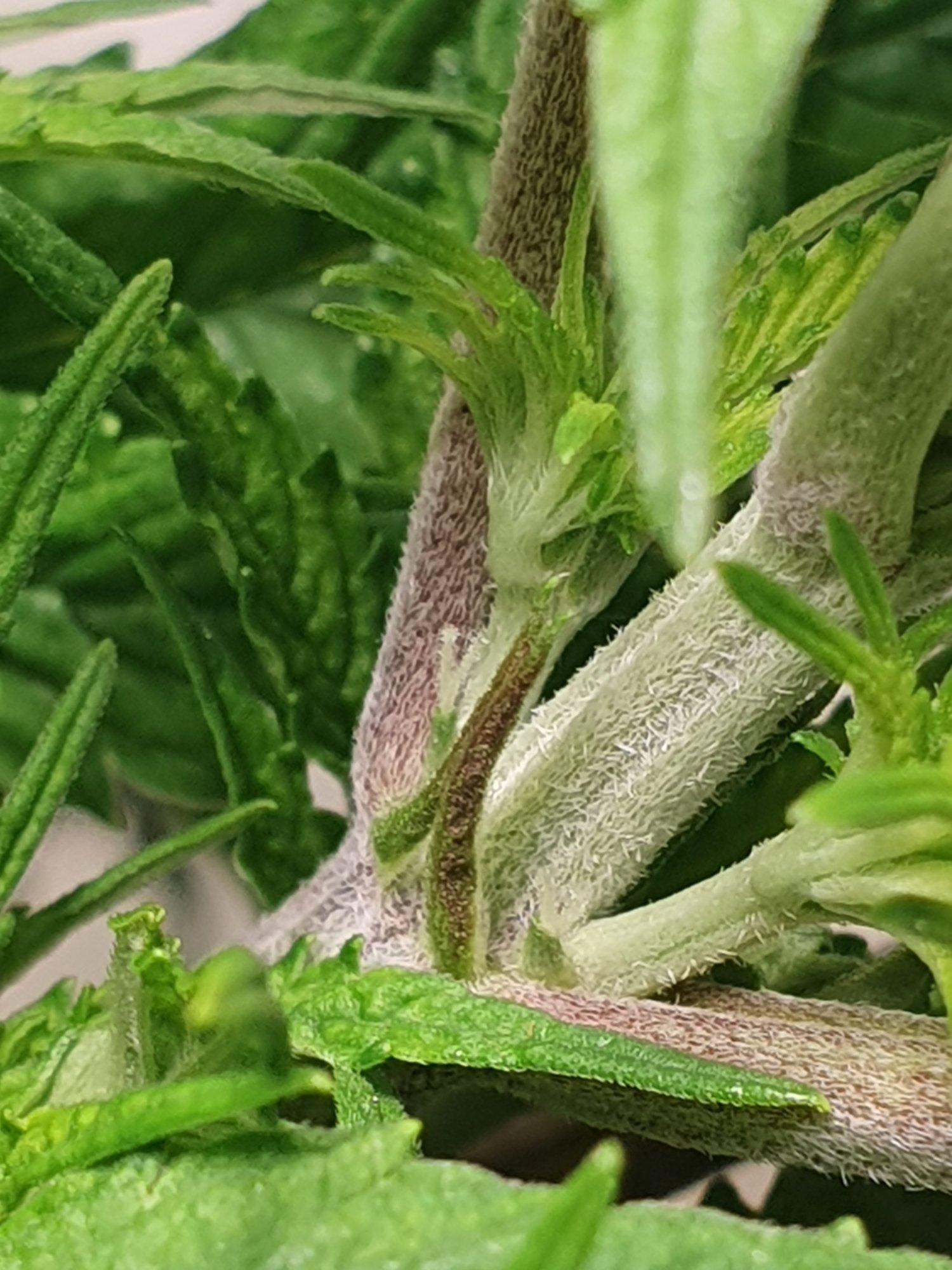
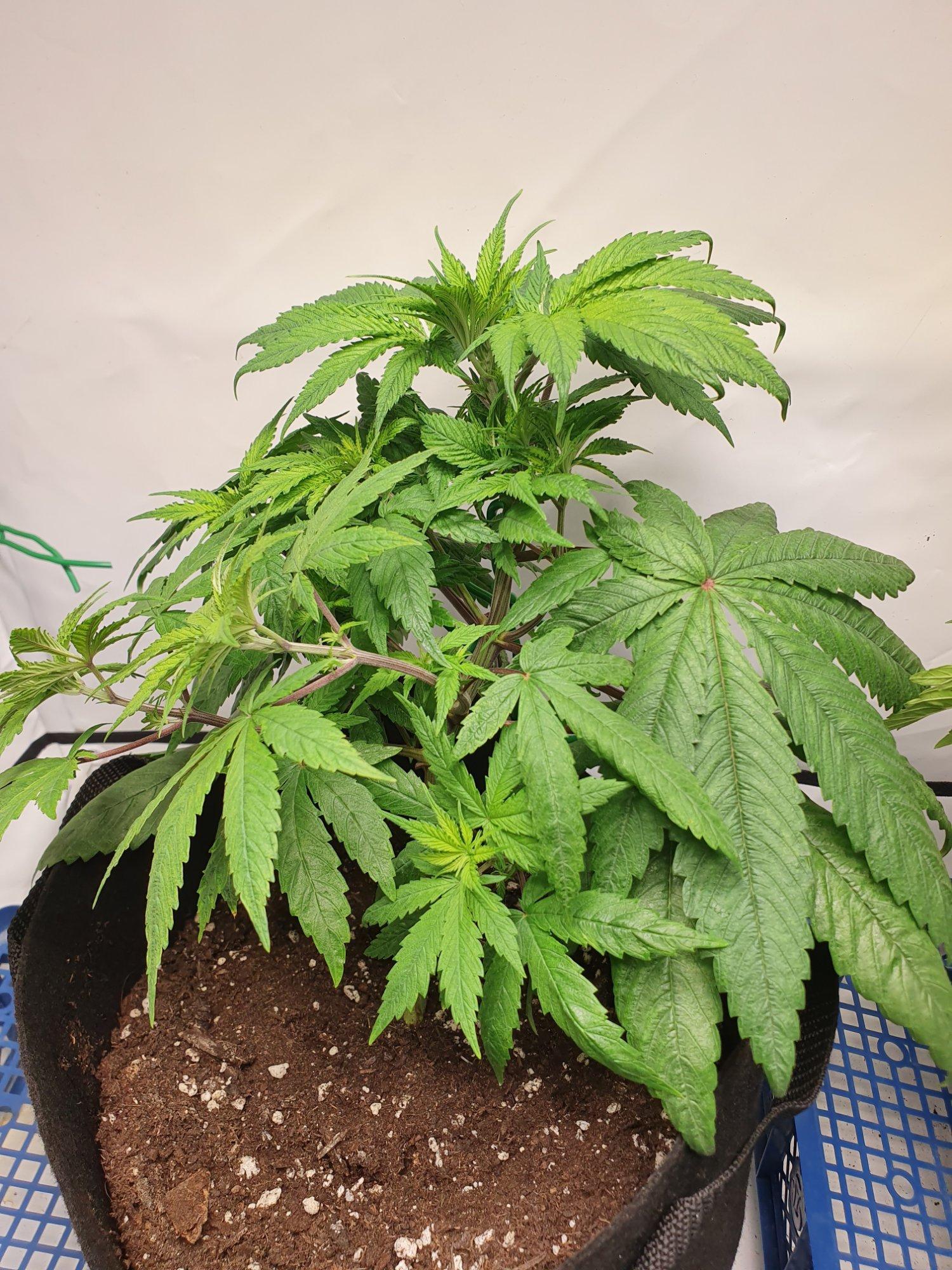
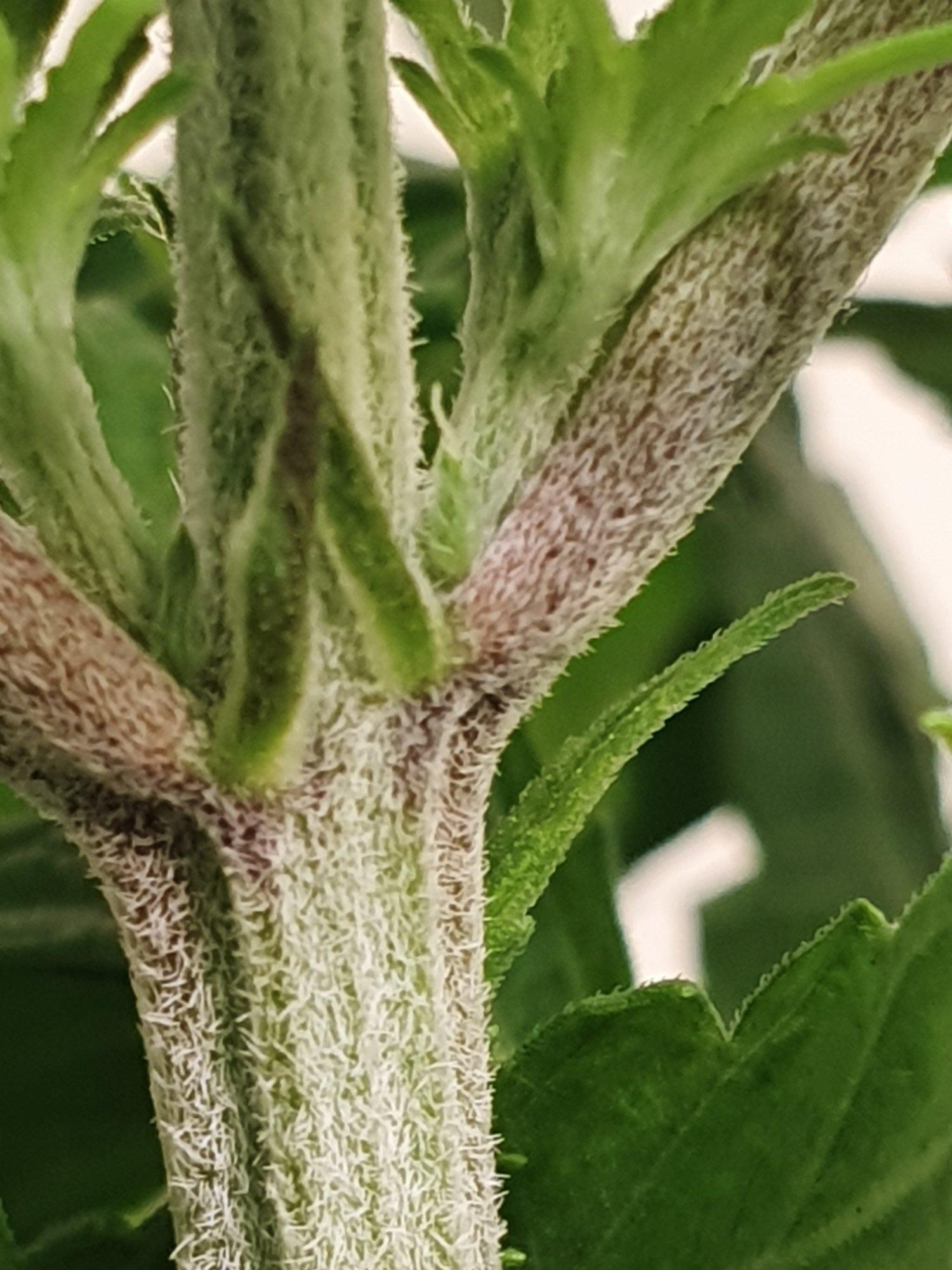
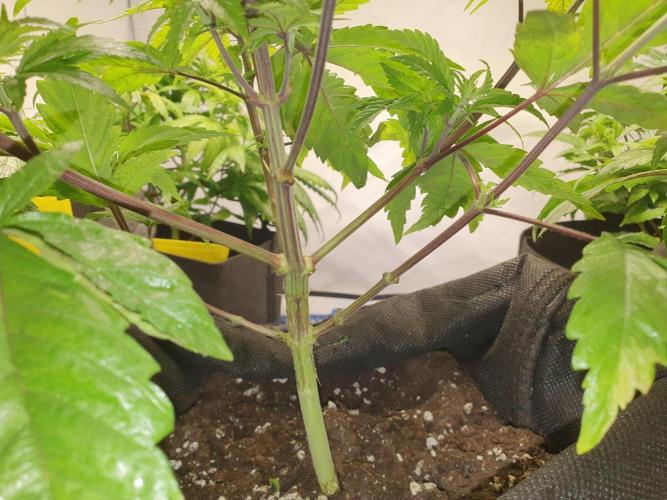
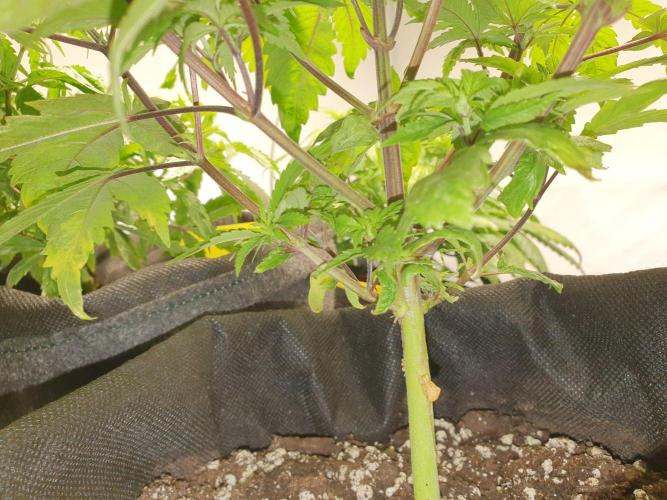
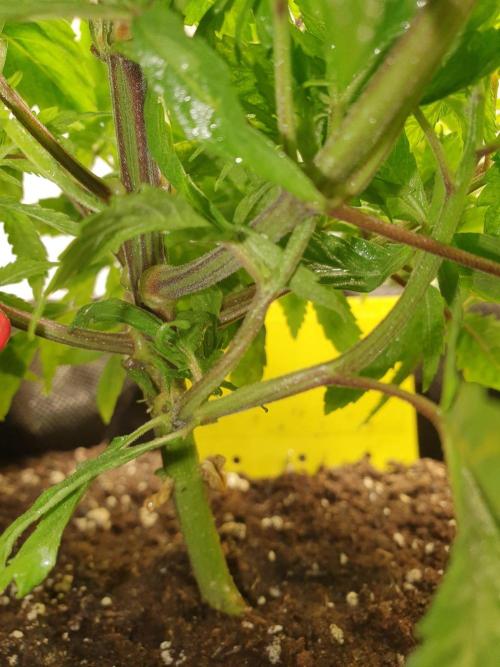
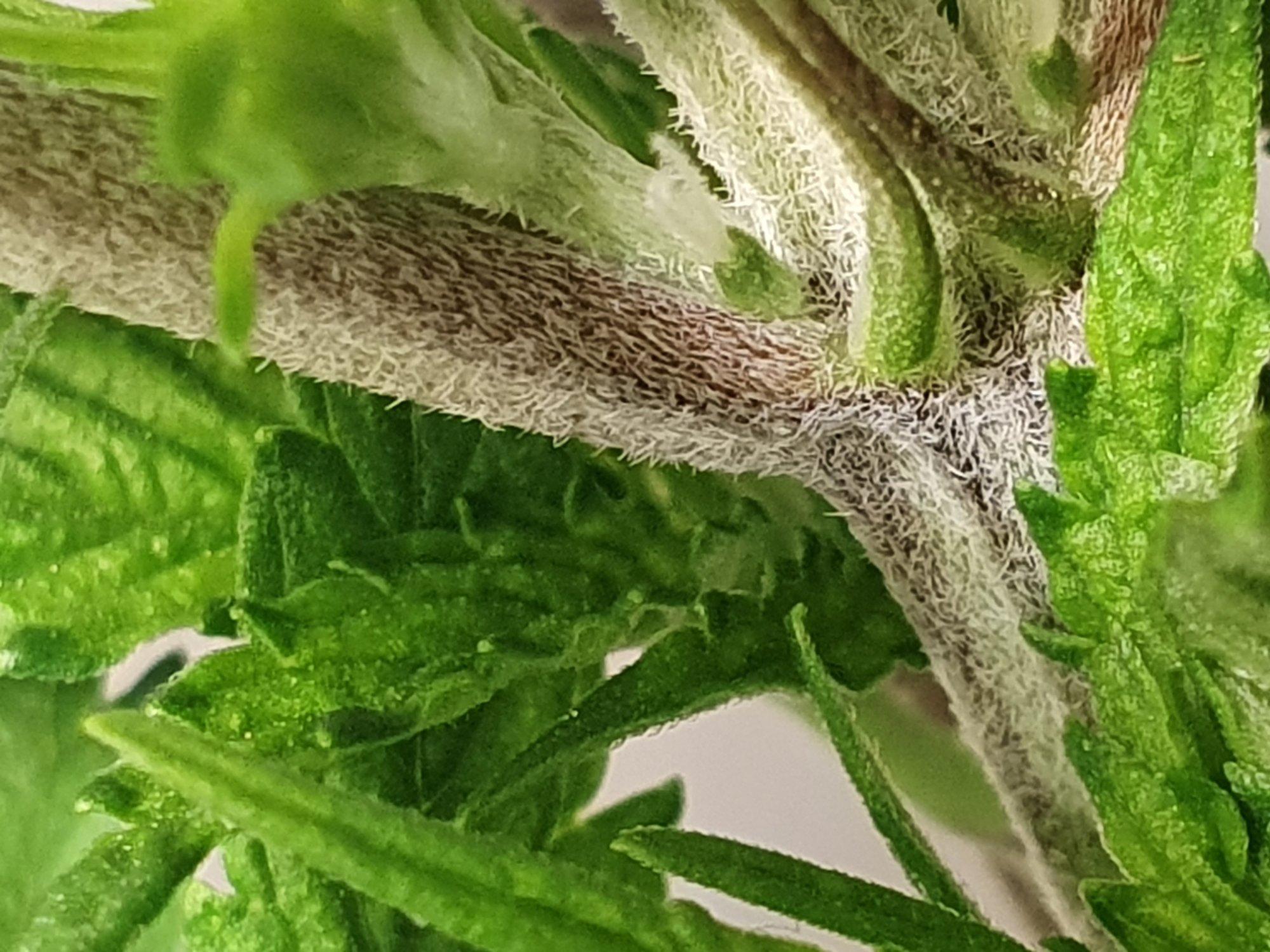
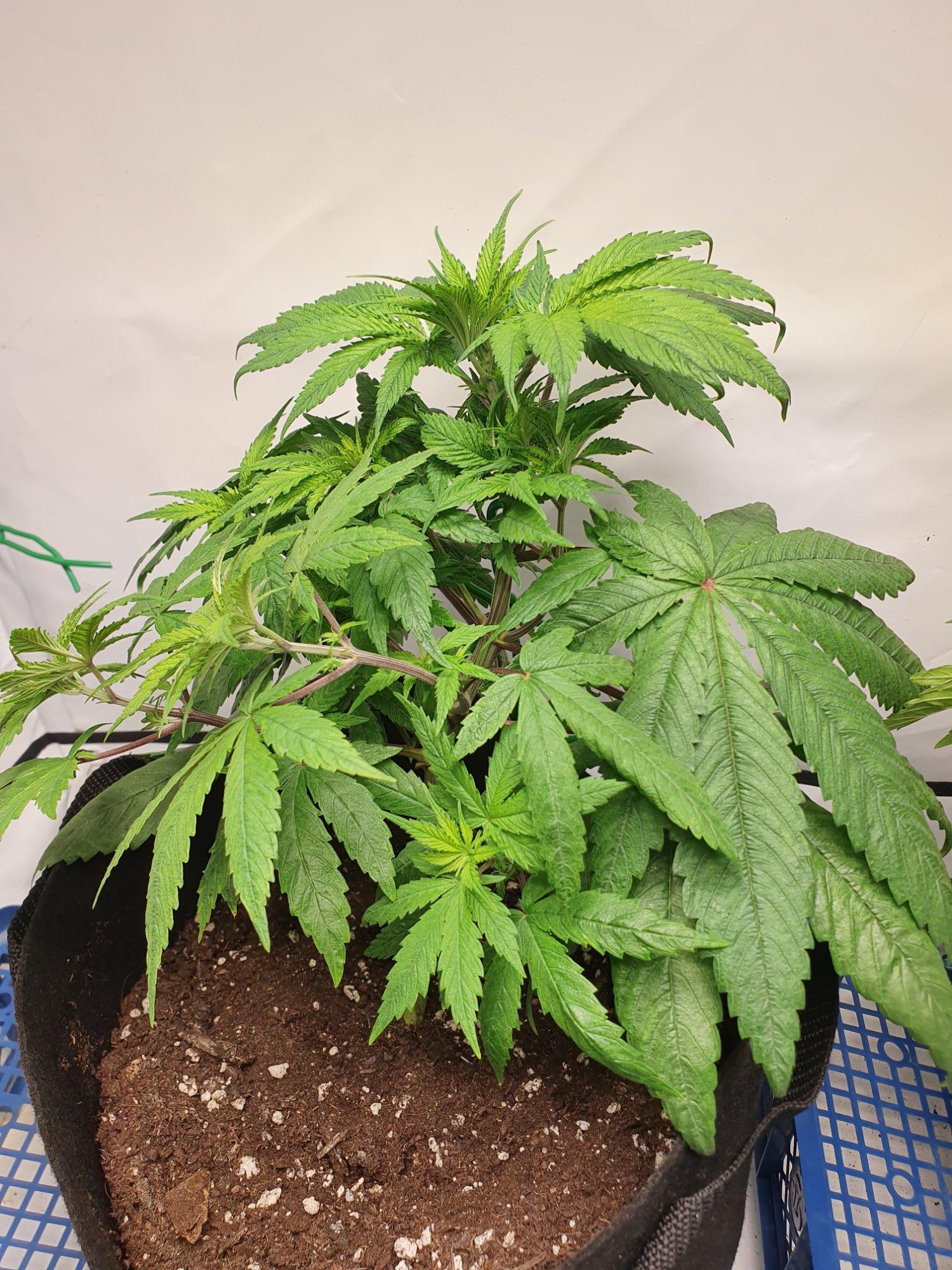
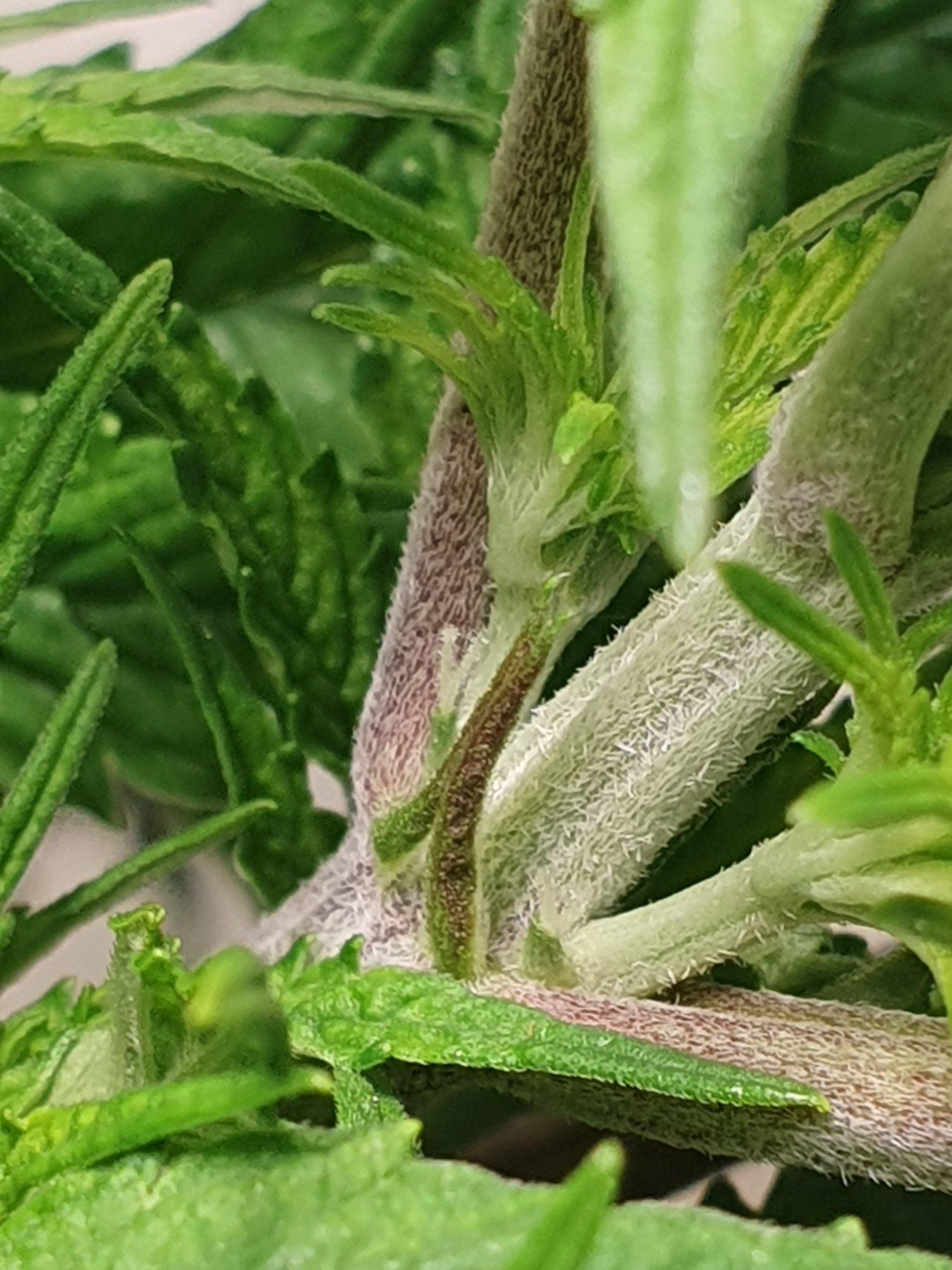
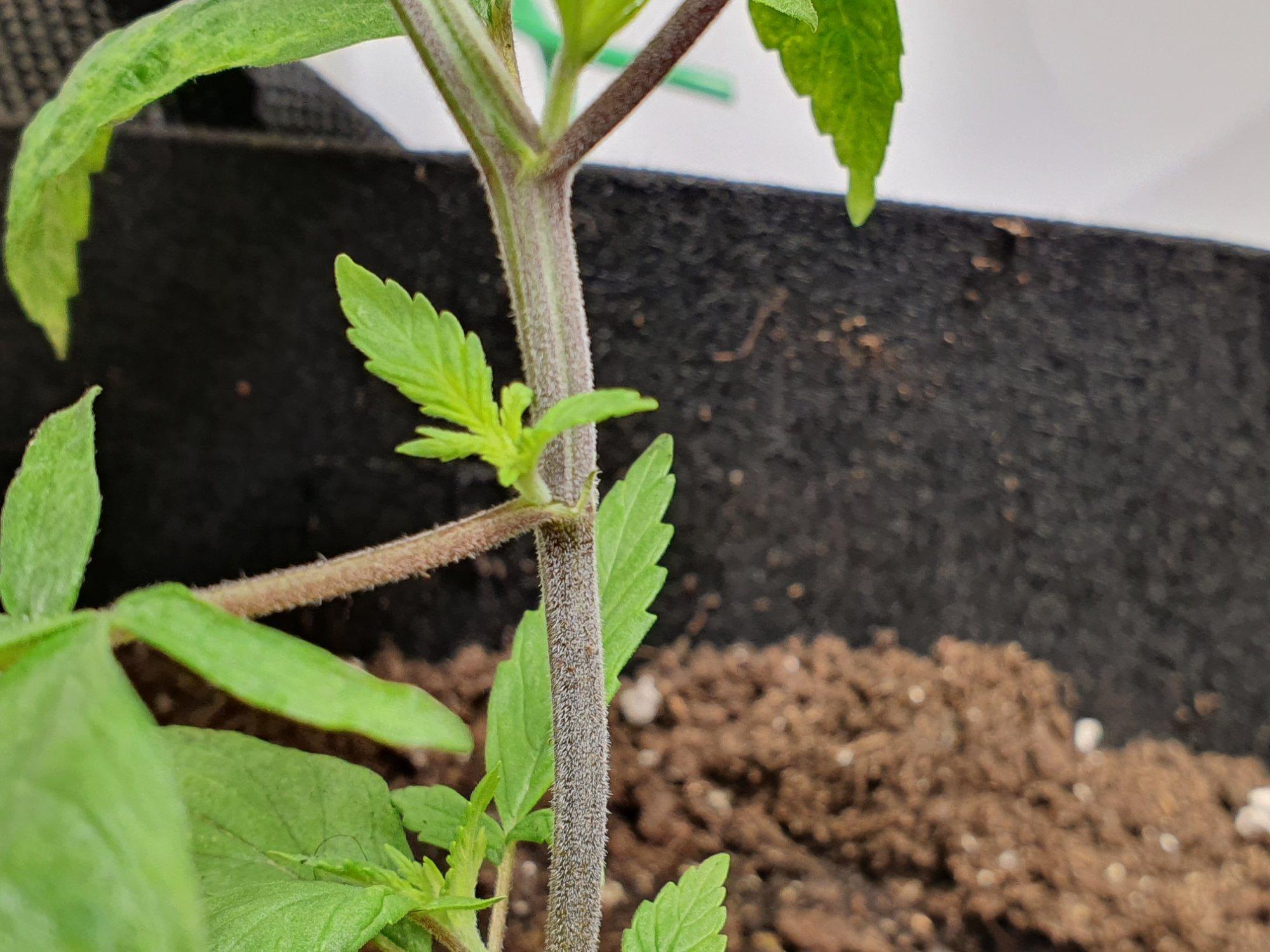
This interplay maps perfectly even at a micro-level. For example, the specific pattern of green leaf-tops with purple stems and undersides on a 2-week-old plant is genetic programming mapping perfectly to environmental physics. Genetics dictate the potential, but the environment triggers the actual production of those pigments.
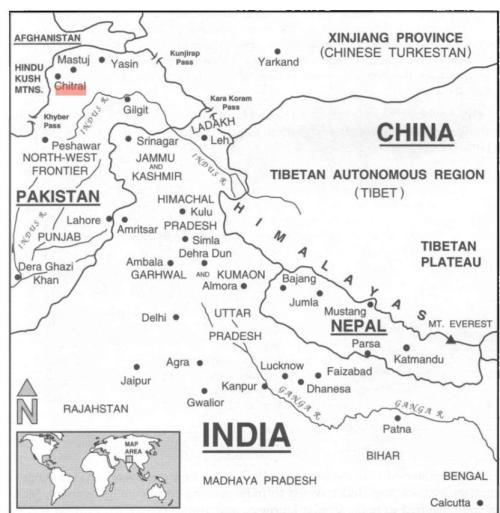
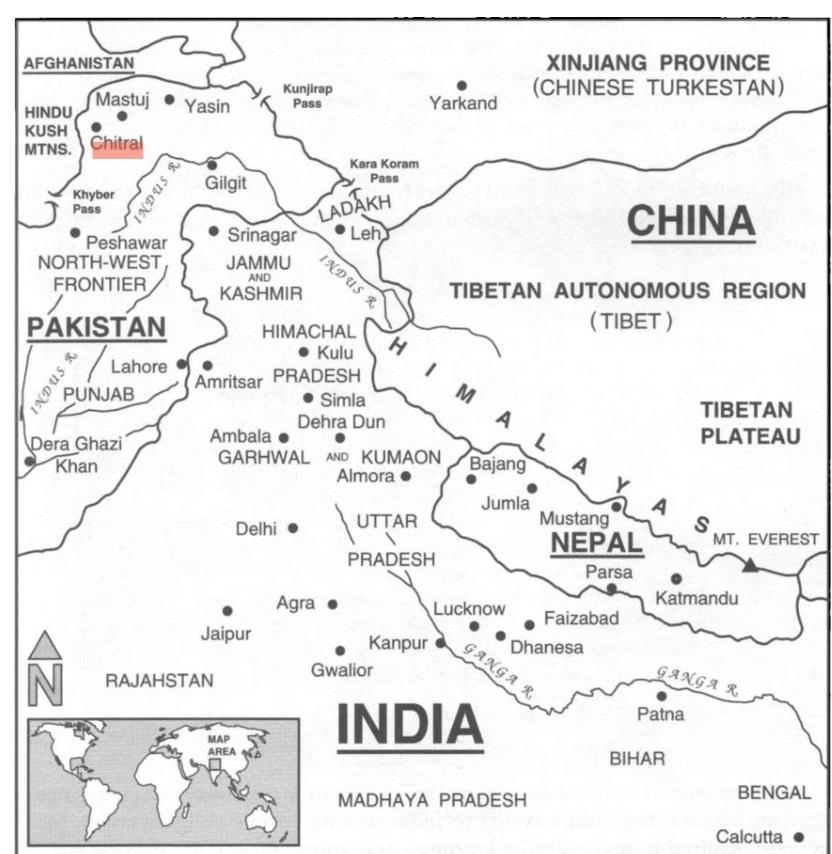
Cannot grow GDP with the same ratio of myrcene and linalool in Pakistan.
This brings up the 7clubs obsession with purple flower. While beautiful, chasing "purple" as an isolated aesthetic entirely misses the fundamental point of secondary metabolism. Chlorophyll is built for electron capture as its primary purpose. Anthocyanin is produced for protection and is entirely incapable of photosynthesis.
Interestingly, linalool (a terpene) and anthocyanin (a pigment) share many of the same master transcription pathways. It is never just about color; it is about the combination of Linalool and Myrcene creating an eclectic combo with a strong entourage effect, valued for its ability to medicate pain while keeping the mind sharp.
Knowing is better than abstract knowledge or superstition.
Growing anything in 7 Clubs basement with municipal water and synthetic nitrogen derived from the Haber-Bosch process—with absolutely no idea how to sink nitrogen correctly—barely scratches the surface of plant optimization. That guy isn't growing anything with unique expression; he's growing flower anyone has smoked a 1,000 times before. If you want elite flower, the plant has to go to war.
Let's spell it together: R-H-I-Z-O-P-H-A-G-Y C-Y-C-L-E
Terpenes, flavonoids, and cannabinoids are secondary metabolites. The plant does not synthesize them for structural growth; it makes them strictly for defense. This is the true, unfiltered secret of living soil. The rhizophagy cycle is the biological process where plant root tips literally ingest live microbes, strip them of nutrients using superoxide (oxidative stress), and then spit them back out into the rhizosphere to forage for more minerals.
[Root Tips Ingest Microbes]
│
▼
[Superoxide Strips Nutrients] ──► (Oxidative Stress Trigger) ──► [TRANSCRIPTION PATHWAYS TURN ON]
│
▼
[Microbes Spit Back Out to Forage]
[HEAVY TERPENE & CANNABINOID INFUSION]
Superoxide and oxidative stress are the direct biological triggers for terpene synthesis. When you bypass rhizophagy by using sterile, synthetic nutrients, you castrate the plant's secondary metabolism. It is a direct biological cascade: no microbial oxidation = no cellular panic = no elite terpenes.
"No microbial oxidation = no elite terpenes": This is an oversimplification. Plants grown in completely sterile, hydroponic synthetic systems can still produce high levels of terpenes and cannabinoids because they possess genetic pathways that trigger these compounds through other stressors (like intense lighting, temperature variations, or mechanical pruning). However, living soil systems leveraging the rhizophagy cycle consistently produce a more complex, expressive, and full-spectrum chemotype (terpene and cannabinoid profile) because the microbial environment constantly stimulates the plant's immune system.
Without the rhizophagy cycle, the plant never goes to war. It never learns to defend itself, and Systemic Acquired Resistance (SAR) is never activated. The plant becomes biologically lazy. Instead of premium flower, you get a bloated, water-weight plant loaded with free-floating, unsunk nitrogen—the ultimate recipe for harsh-burning, generic flower that tastes exactly like everything else on the commercial shelf. Bypassing this natural process causes a permanent bottleneck defined by structural failures.
Phycocyanin acts as an effective elicitor in cannabis applications, significantly boosting secondary metabolite production. When applied to the rhizosphere or foliage, phycocyanin-rich microalgae extracts stimulate plant defense responses, often resulting in a two-fold increase in anthocyanin accumulation. It triggers physiological defenses that promote plant growth while enhancing valuable pigment production. But shhh, thats is not well known at all.
Knowing is super better than abstract knowledge or superstition.